
HWM+HardwareZone.com Tech Awards 2012: Editor's Choice - Part 1
The first part of our HWM+HardwareZone.com Tech Awards 2012 Editor's Choice article includes the best consumer electronics devices and gadgets, ranging from mobile phones to cameras to TV and AV categories. Check out which devices last year scored highly with our team.
HWM + HardwareZone Tech Awards 2012 - The Most Coveted Awards in the Industry
Tech awards ceremonies are few and far between on our little island, especially those with accreditations recognized by the consumer electronics industry. However, hardly any other tech publication ever came close to what we've achieved today, having reached another milestone by our own count. Held at the Mandarin Orchard on 24th February 2012, HWM and HardwareZone paid tribute to a myriad of notable tech equipment and services from major brands introduced between December 2010 and November 2011. Now in its third year running, we honored a total of 38 prestigious companies with 71 awards via our Reader's Choice and Editor's Choice categories. These two segments can be further dissected into 37 Reader's Choice awards and 34 Editor's Choice awards respectively. In essence, that's two categories more than what we've dished out in 2011.

As with our previous Tech Awards 2011 ceremony, Olie Pettigrew once again played host to an extensive and esteemed selection of guests from all corners of the consumer electronics industry.
Another significant statistic is the number of votes cast for our Reader's Choice segment. This poll was open to both HWM and HardwareZone readers to gauge which brands gained the biggest mind-share among consumers. Having secured about 80,000 votes last year, we achieved yet another breakthrough with a whopping 155,000 votes placed in a brief four-week span. By comparison, that's almost double the number of votes we've garnered in the previous year. In retrospect, a total of 138 brands vied for the 37 Reader's Choice titles in all. Interestingly, a larger percentage of votes were cast from readers' mobile phones rather than conventional platforms such as PCs or laptops used in previous years. Quite obviously, this shift in Internet trends also reflects an increasingly mobile-savvy populace on the whole. If you'd like to view these numbers in detail, you may check out our Reader's Choice 2012 results.
Our Editor's Choice category covered a total of 159 products, veraciously tested by our team of 15 writers over the end of 2010 and for most of 2011. The winners were selected for their merits, based on deciding attributes such as design, user-friendliness, performance, features, and value. Our Editor's Choice awards have also evolved with the times to reflect popular consumer trends. New categories such as Best Headphones and Best Tablet have been included in this year's bout, if only to name a few. To find out how we managed to cover such an extensive list of products for the Tech Awards, feel free to peruse our video below to gain a better understanding of what really goes on behind the scenes at HardwareZone. As you can probably tell, we do take our work VERY seriously.

Enlightening, yes? Now, back to the Editor's Choice awards, due to the number of categories, we've split this article into two parts - consumer electronics and computing. Today, we'll be looking at the best in consumers electronics. For individual scores and breakdowns for each product category, just hit the appropriate jump in the drop list located at the top or bottom of the article. Have fun!
*Note: Prices and ratings listed in this article are accurate at the time of individual product evaluation.
Best Mirrorless System Camera
Mirrorless system cameras have evolved since their launch in 2008, by today's count there are seven separate mirrorless systems on the market. This has resulted in a rich, if difficult, abundance of choice for users. The Micro Four Thirds standard currently has the largest selection of lenses, while those who aren't concerned about lenses will find cameras like the Sony NEX rivaling the image quality of entry-level DSLRs, due to their equally big sensors. While Nikon hasn't entered the mirrorless game with large sensors, the Nikon 1 series introduces another variable to choose from, with their cameras' exceptionally quick auto-focus and frames per second shooting speeds.
In that light, we've focused this year on mid-range mirrorless system camera models, which are under the S$1500 price range. These would be suitable for those looking for an easy to use, compact camera to carry around, but have enough controls to appeal to enthusiasts. We recognize that because of the differing sensor sizes, technologies and emphasis, the comparisons aren't always exact, but we based our results on the end-user in mind.
Nominees:
- Nikon V1
- Olympus E-P3
- Panasonic GX1
- Samsung NX200
- Sony NEX-5N
And the Winner Is...
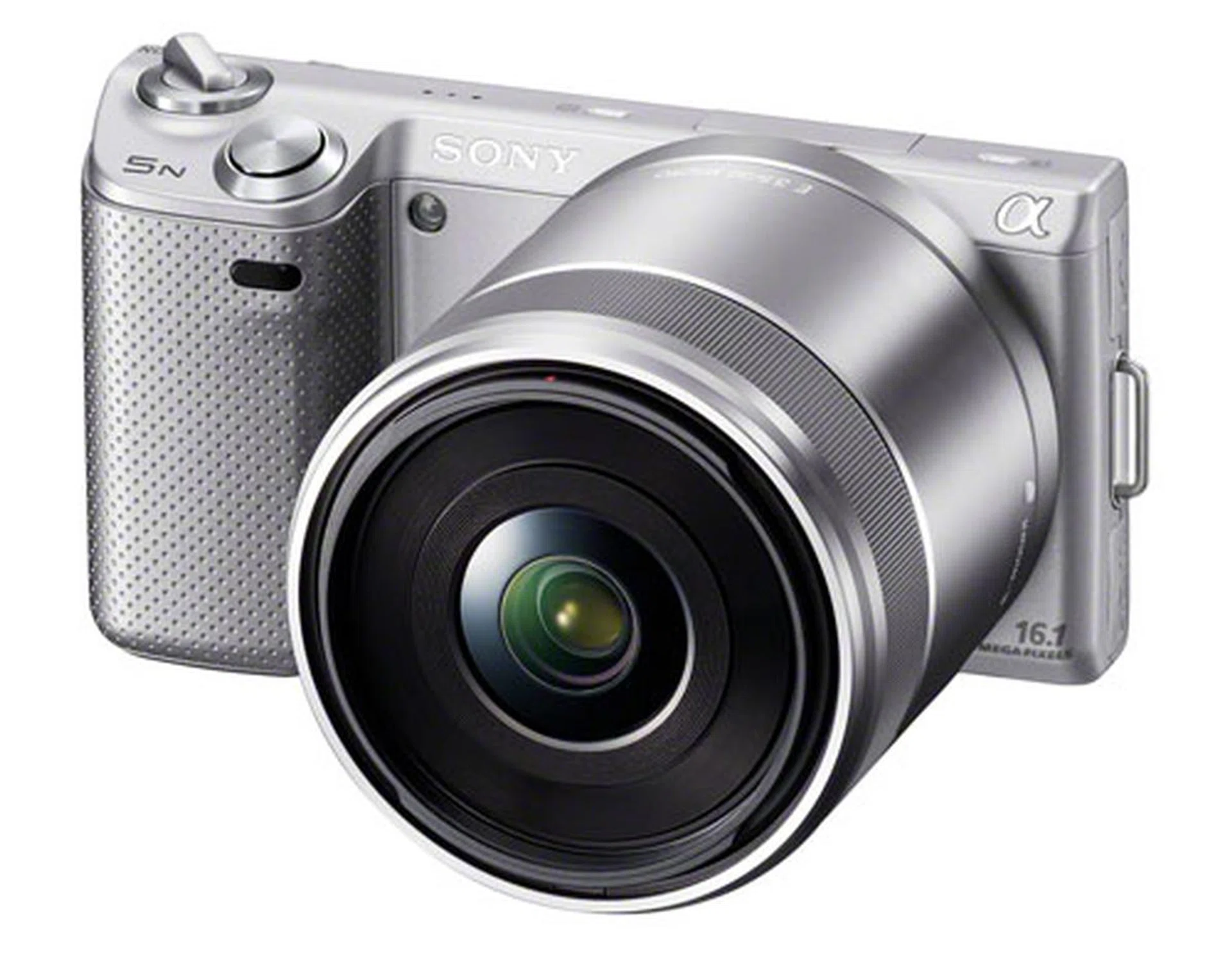
Similar to last year's shootout, the Sony NEX camera aced our comparisons and that made the NEX-5N our Tech Awards Editor's Choice champion.
The Sony NEX-5N has, hands down, the best image quality among our list, thanks to its large APS-C sensor. It's also quick and responsive. Both the Panasonic GX1 and the Nikon V1 also turned in great looking images, surprisingly so for the Nikon V1 which has the smallest image sensor among the nominees. The Panasonic GX1's image quality edges out over the Olympus E-P3 thanks to lower image noise at higher ISOs, but it has a newer generation sensor than the E-P3.
The only downside about the NEX-5N is that it's really tuned towards the automatic shooter in mind. As such, the controls are limited and aren't easily accessible for the hardocore manual user. An enthusiast looking for more accessible manual controls would be better served by the Panasonic GX1, or the Sony NEX-7 which is far pricier than our nominees at S$1799 for the body alone.
The large lenses, in comparison to the other systems, might put some off, but when mounted on the camera, the entire package is still smaller than a DSLR camera would be. If you're really concerned about lens selection though, you should look at the Micro Four Thirds standard which has the largest selection of native lenses. If you think you'll just stick with the camera's kit lens (the lenses it came with), then don't worry. With its small size, great image quality and competitive price, the Sony NEX-5N is a worthy winner of our mirrorless system camera award.
Criteria/Model | Nikon V1 | Olympus E-P3 | Panasonic GX1 | Samsung NX200 | Sony NEX-5N |
Physique | 7.0 | 9.0 | 8.5 | 7.0 | 8.5 |
Features | 9.0 | 9.0 | 9.5 | 8.5 | 9.0 |
User-Friendliness | 9.0 | 9.0 | 9.5 | 7.0 | 9.0 |
Performance | 8.0 | 8.5 | 9.0 | 8.0 | 9.5 |
Value | 8.0 | 9.0 | 9.5 | 7.0 | 9.5 |
Overall | 8.0 | 9.0 | 9.0 | 7.5 | 9.0 |
Price | $1299 (with 10-30mm lens kit), $1369 (with 10mm lens kit), $1499 (with 10-30mm & 10mm lens kit), $1549 (with 10-30mm & 30-110mm lens kit) | $1298 (with 14-42mm kit lens), $1548 (with 14-42mm & 40-150mm kit lenses) | $1299 (with X 14-42mm lens), $1299 (with 14mm & 14-42mm lens), $899 (body only) | $1099 (with 18-55mm kit lens) | $1199 (with 18-55mm lens kit), $1299 (with 18-55mm & 16mm lens kit) |
For more details on how we selected our winners, check out the full reviews and articles listed at the References section at the end.
Best Prosumer Digital Camera
Your basic digital compact camera is getting better and better these days, with higher megapixel count, further zooms and larger sensors. Some even come with controls normally seen on DSLR cameras, letting you dictate shutter speed and aperture settings.
There are two types of users looking for an advanced or prosumer digital compact camera, one is the enthusiast who already owns a DSLR camera and wants something smaller (than a mirrorless camera) to carry around but with good image quality. The other is a casual user who wants to upgrade to a better compact camera and get better looking shots. In this segment, we focused on prosumer digital cameras which would satisfy both camps, looking for a camera which would offer both advanced controls and image quality, but still be friendly enough for anyone to use.
Nominees:
- Canon PowerShot S100
- Fujifilm X10
- Nikon Coolpix P300
- Olympus XZ-1
And the Winner Is...
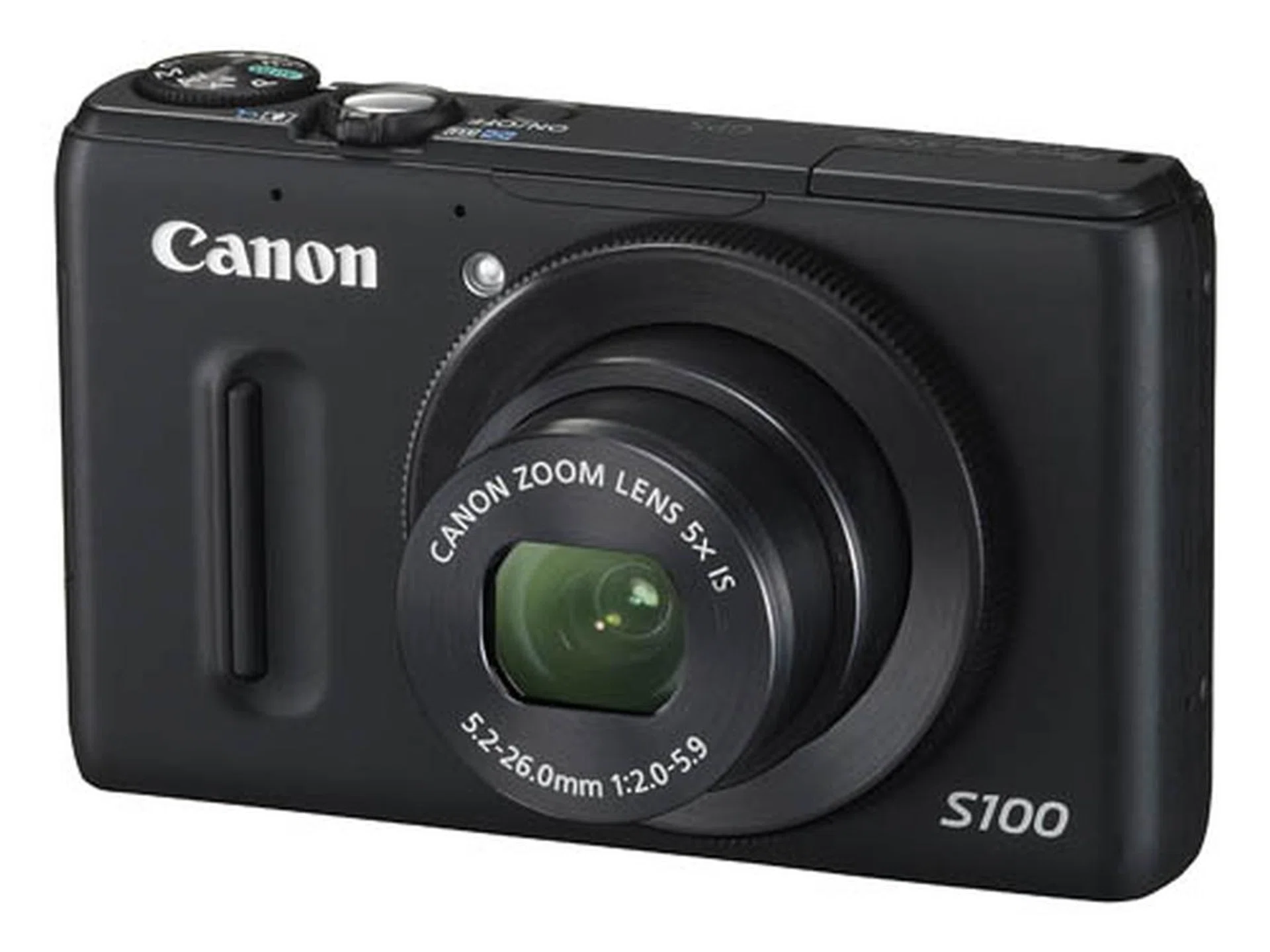
Canon PowerShot S100 takes home our Best Prosumer Digital Camera award.
The Canon S100's combination of performance and function make it nearly perfect. The image quality is impeccable and above what an average compact camera will give you (thanks to the S100's larger than average image sensor). The camera is fast to respond, and it's more comfortable to hold than the S95 predecessor with its new front grip. Zoom range has been lengthened, from 3.8x on the S95 to 5x on the S100, and there's even a built-in GPS module.
Casual shooters will find the camera performing well in Auto mode, but advanced users can switch over to manual modes and take control easily with the front control ring around the lens and the back scroll wheel. Best of all, this little shooter even records in RAW. We love how the S100 combines a digital compact camera's ease of use with advanced functionality in one little package.
We said that the S100 was nearly perfect, and it almost is - if not for its short battery life. The S100's battery is rated at 200 shots (by CIPA), which will hopefully last a day or two on an eventful vacation (maybe less, if the weather is cold). If you're going to buy a S100, we recommend you ask for an extra battery.
Why wouldn't we recommend the Fujifilm X10, which has image quality that is just as good and better battery life (rated for 270 shots), over the S100 then? The X10, with its protruding lens and bigger profile, isn't as pocketable as the S100. The X10's auto-focus is more sluggish than the S100, you'll need to spend time working with it and it isn't a camera you can just pick up and use like the S100. The X10 is also S$300 more expensive. The X10 is a great camera, with excellent build and image quality, but it just isn't something that every compact camera user will appreciate, unlike the S100.
Criteria/Model | Canon S100 | Fujifilm X10 | Nikon P300 | Olympus XZ-1 |
Physique | 9.0 | 9.0 | 9.0 | 8.0 |
Features | 9.0 | 9.0 | 8.5 | 8.5 |
User-Friendliness | 8.5 | 7.5 | 8.5 | 8.0 |
Performance | 8.5 | 8.5 | 9.0 | 8.5 |
Value | 9.0 | 9.0 | 9.0 | 9.0 |
Overall | 9.0 | 8.5 | 9.0 | 9.0 |
Price | S$699 | S$999 | S$599 | S$748 |
For more details on how we selected our winners, check out the full reviews and articles listed at the References section at the end.
Best Point & Shoot Digital Camera
While there are a host of choices in the market for point & shoots, the most basic digital camera type, selecting the best of them is not as easy as it looks. With every manufacturer stuffing ever higher megapixel count into their compacts (which may not be a good thing), other factors need to be considered if you're looking for a good point & shoot. Handling, design, construction, usability, interface, controls, reaction time, image processing speeds and many more play a part in determining if a camera stands out from the crowd. Of course, none of these factors will actually help if the image quality of the camera is subpar to begin with, so most importantly the camera needs wow its users with great shots.
Nominees:
- Sony HX7V
- Canon 1100 HS
- Panasonic FX78
- Samsung WB2000
And the Winner Is...

The Canon IXUS 1100 HS is a delightful all-round point and shoot, right from its sturdy and well-constructed exterior to its inner workings that enable it to capture some of the best photos among the compared cameras. We wouldn't quite call it affordable (with a suggested retail price of S$529), but its 12x optical zoom, good color production, decent noise and resolution performance, extensive battery life and bright 3.2-inch 460K touchscreen are factors that contribute towards an overall positive shooting experience (and less buyer's remorse). When it comes to the point & shoot segment, a fun, yet simple experience that results in good pictures is what separates a good camera from the rest, and this is where the IXUS 1100 HS shines. Some might find the touchscreen experience slightly disarming though, but the simple and intuitive user interface makes up for it.
While the Sony HX7V put up a good fight, its average handling experience and controls couldn't beat the intuitive and simple interface of the IXUS 1100 HS. Despite the HX7V's excellent image quality, the IXUS 1100 HS proves that user experience is just as important as image quality when it comes to standing out from the crowd, and so the IXUS 1100 HS takes the cake this year.
Criteria/Model | Sony HX7V | Canon 1100 HS | Panasonic FX78 | Samsung WB2000 |
Physique | 7.5 | 8.0 | 7.0 | 8.5 |
Features | 8.0 | 8.5 | 8.0 | 9.0 |
User-Friendliness | 8.5 | 8.0 | 7.0 | 8.5 |
Performance | 8.0 | 8.5 | 8.0 | 8.0 |
Value | 8.0 | 8.5 | 7.5 | 8.5 |
Overall | 8.0 | 8.5 | 7.5 | 8.5 |
Price | S$529 | S$529 | S$499 | S$499 |
For more details on how we selected our winners, check out the full reviews and articles listed at the References section at the end.
Best Value DSLR Camera
DSLR cameras today, even entry-level models, deliver stunning image quality at an affordable price and small body. It's hard to pick a winner from the impressive candidates we had, but pick we did. Just to recap, according to our guidelines, we could only qualify candidates that were launched between December 2010 and November 2011. And for this segment, we singled out the best possible candidates that were under the S$1500 price range. Here then are the nominees:-
Nominees:
- Canon EOS 600D
- Nikon D5100
- Sony Alpha A65
And the Winner Is...
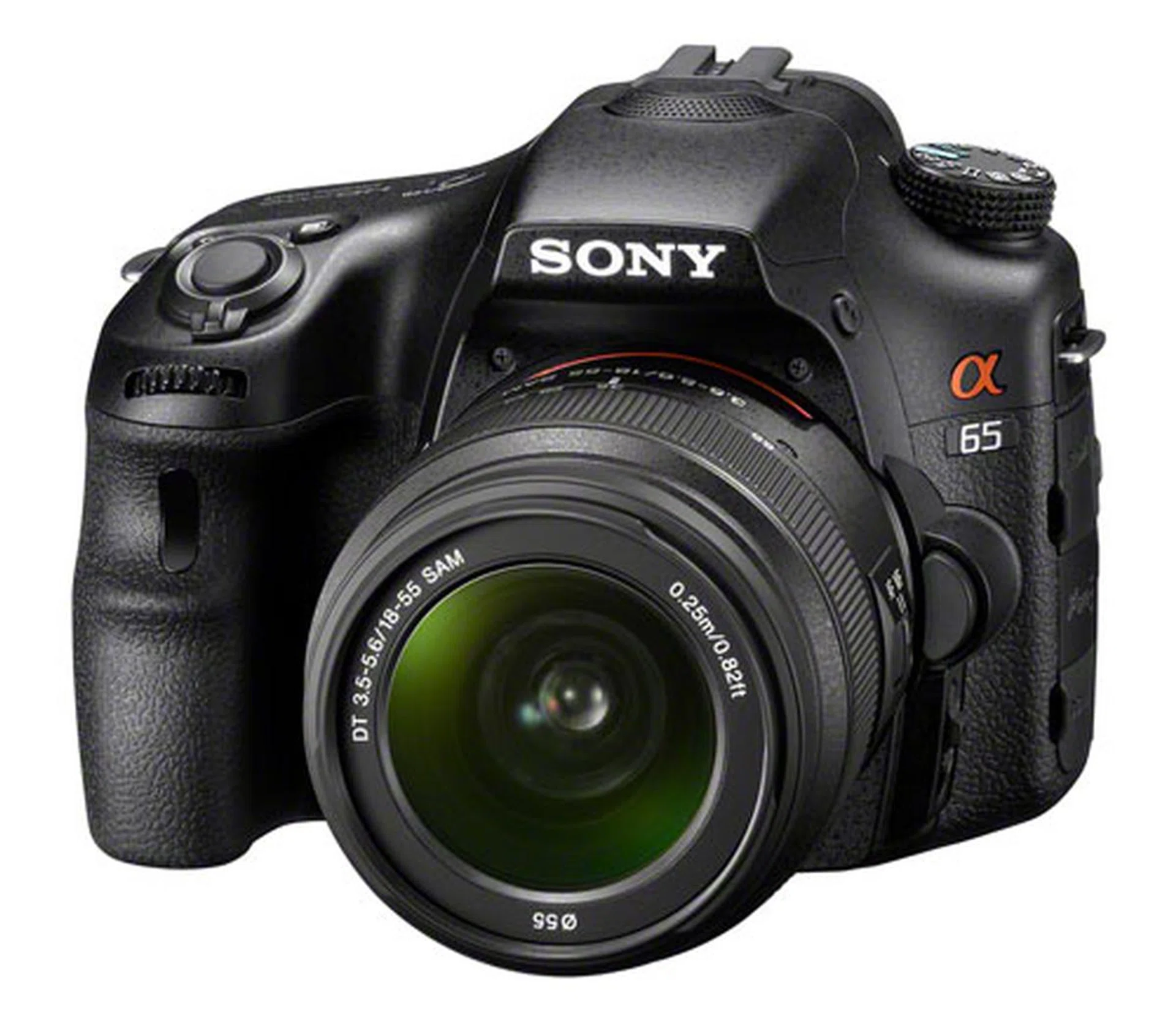
The Sony Alpha A65 takes our Editor's Choice Award as the Best Value DSLR model.
What really lifts the A65 above the other two are what it can do that they cannot. Continuous shooting at 24MP up to 10 frames per second (the Canon 600D does 3.7fps, the Nikon D5100 does 4fps). AF in Live View which actually works (the AF in Canon & Nikon's Live Views are both slower to focus). An OLED EVF, which means you can not only see shooting information displayed through the viewfinder, but also change menu settings and see live previews - none of which are possible on the Canon and Nikon's optical viewfinders. It even has built-in GPS!
If there are any slights, it's that the A65 makes it difficult to get to manual AF point selection, the swivel LCD is swinging from the bottom instead of the side which means you can't do certain angles well (especially when mounted on a tripod), and that it's S$200 more. Also, how to change the single control dial's functions in Manual mode isn't obvious, you have to press and hold down the AV button while turning the dial. In terms of ISO performance, the noise levels on the A65 are slightly more destructive than the Canon 600D and Nikon D5100. Still, this is evident only when drilling down to 100% magnification, and at ISO settings up to ISO1600 we doubt that most casual users will notice.
To be honest, the Canon 600D, Nikon D5100 and Sony A65 are all very good cameras, and anyone who buys either one will be very happy with their purchase. But there's no way to deny that the Sony A65 brings features that are a cut above the rest, and if we have to call it then the A65 wins.
Editor's note: Sony's entrant was made available towards the tail-end of 2011, whereas the Canon and Nikon models were evaluated much earlier and thus the ratings are are not exactly cross-comparable with Sony given the progress of time and the changes in the market. As noted on the first page of this article, all ratings are valid at the time of review. Still, the Alpha 65 came out tops for all the described reasons above.
Criteria/Model | Canon 600D | Nikon D5100 | Sony Alpha A65 |
Physique | 9.0 | 8.0 | 8.0 |
Features | 8.0 | 9.0 | 9.0 |
User-Friendliness | 8.0 | 9.0 | 8.0 |
Performance | 9.0 | 9.0 | 9.0 |
Value | 8.0 | 9.5 | 8.5 |
Overall | 8.5 | 9.0 | 9.0 |
Price | S$1199 (with 18-55mm kit lens) | S$1199 (with 18-55mm kit lens) | S$1399 (with 18-55mm kit lens) |
For more details on how we selected our winners, check out the full reviews and articles listed at the References section at the end.
Best Digital Video Camcorder
Sales of digital video camcorders have been on the downward trend for many years. On one end, they’ve to deal with smartphones with their increasingly better optics and processing power. On the other end, their cause isn’t helped by the onslaught of video-recording-capable digital SLRs and mirrorless cameras. Thankfully, despite all the excitement surrounding the latter, video camcorders aren’t going the way of the dodo just yet. For the most part, they’re still easier to use and have more video-oriented features (such as power zoom, peaking, frame rate options).
Here’s our verdict after testing five of the most interesting video camcorders released in 2011. These are all flash-based camcorders capable of doing 1920 x 1080 full HD recording.
Nominees:
- Canon Legria HF M41
- JVC Everio GZ-HM970
- Panasonic HDC-TM900
- Samsung HMX-H304
- Sony Handycam HDR-PJ10E
And the Winner Is...
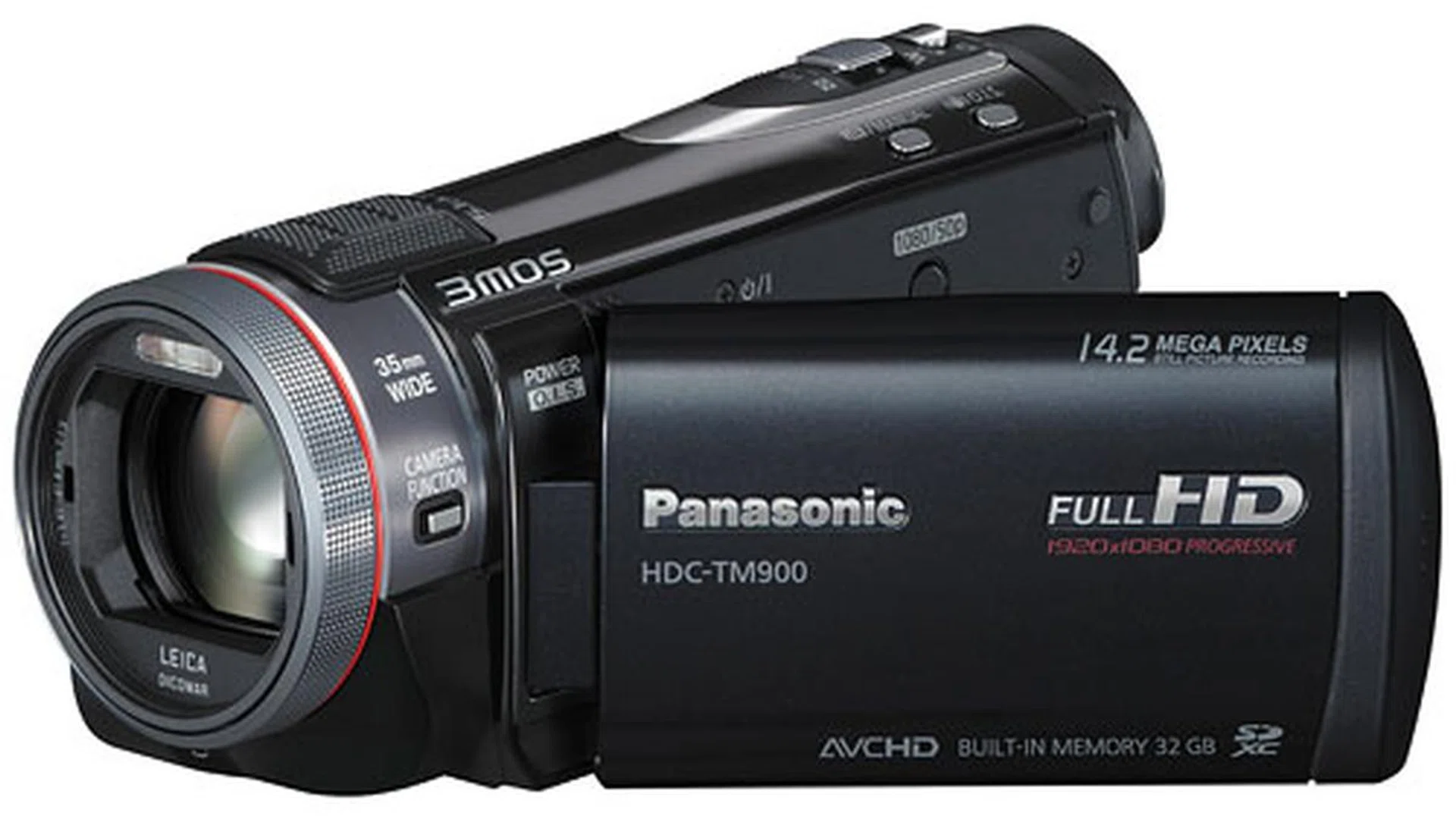
The Panasonic HDC-TM900 impresses us with its excellent 50p mode.
The 3MOS-based Panasonic HDC-TM900 features a large-aperture F1.5-F2.8, 12x optical zoom lens. While it doesn’t record in 3D or convert 2D to 3D natively (like the JVC Everio GZ-HM970 does), it’s the only camcorder here that accepts a 3D lens converter that enables real 3D recording. Among the five camcorders being compared, it has the most number of frame rate options: 50p, 50i, and 25p. While its low light sensitivity isn’t as good as the Canon Legria HF M41, noise performance is quite on par. Due to the availability of a 50p mode, it's also capable of producing sharper images. In fact, if you're looking for the best-looking 1080p footage, nothing comes close to the HDC-TM900. No doubt the HDC-TM900 is the costliest of the lot, but we feel that this is justifiable as the price is matched by a very comprehensive feature-set. For one, advanced users will like that the lens ring is able to control settings such as zoom, focus, white balance, shutter speed and aperture. Furthermore, it’s one of two camcorders here to have a built-in microphone that supports 5.1-channel surround sound. Other features include a hybrid optical image stabilization system, 32GB internal memory (the Samsung HMX-H304 and Sony Handycam HDR-PJ10E each has 16GB), a 3.5-inch touch LCD, AF/AE tracking, on-screen assist (including a 'zebra' pattern), relay recording, and a Digital Cinema mode that lets you record in 1080/25p, among others.
Canon Legria HF M41 | JVC Everio GZ-HM970 | Panasonic HDC-TM900 | Samsung HMX-H304 | Sony Handycam HDR-PJ10E | |
Physique | 8.0 | 8.0 | 8.0 | 8.0 | 8.0 |
Features | 8.5 | 8.0 | 9.0 | 7.0 | 8.5 |
User-friendliness | 8.0 | 7.5 | 8.5 | 8.0 | 8.0 |
Performance | 9.0 | 8.0 | 9.5 | 7.0 | 8.5 |
Value | 8.5 | 7.5 | 8.5 | 7.0 | 8.0 |
Overall | 8.5 | 8.0 | 9.0 | 7.0 | 8.5 |
Price | S$1,449 | S$1,599 | S$2,299 | S$1,099 | S$1,299 |
For more details on how we selected our winners, check out the full reviews and articles listed at the References section at the end.
Best 3LCD Portable Business Projector
Compared to DLP projectors, 3LCD projectors tend to produce sharper images and punchier-looking colors. Most of them also sport longer zoom lenses. And since they always display the primary colors (red, green, and blue) simultaneously, 3LCD projectors don’t suffer the ‘rainbow’ effects like single-chip DLP projectors do.
Here, we look at three business-oriented 3LCD projectors that are priced no more than S$1,500. They all have a native resolution of 1024 x 768 pixels (XGA) and brightness of 3,000 ANSI lumens. A 3.5kg weight cap is also enforced to ensure they remain reasonably portable.
Nominees:
- Canon LV-7390
- Epson EB-905
- Panasonic PT-LB3
And the Winner Is...
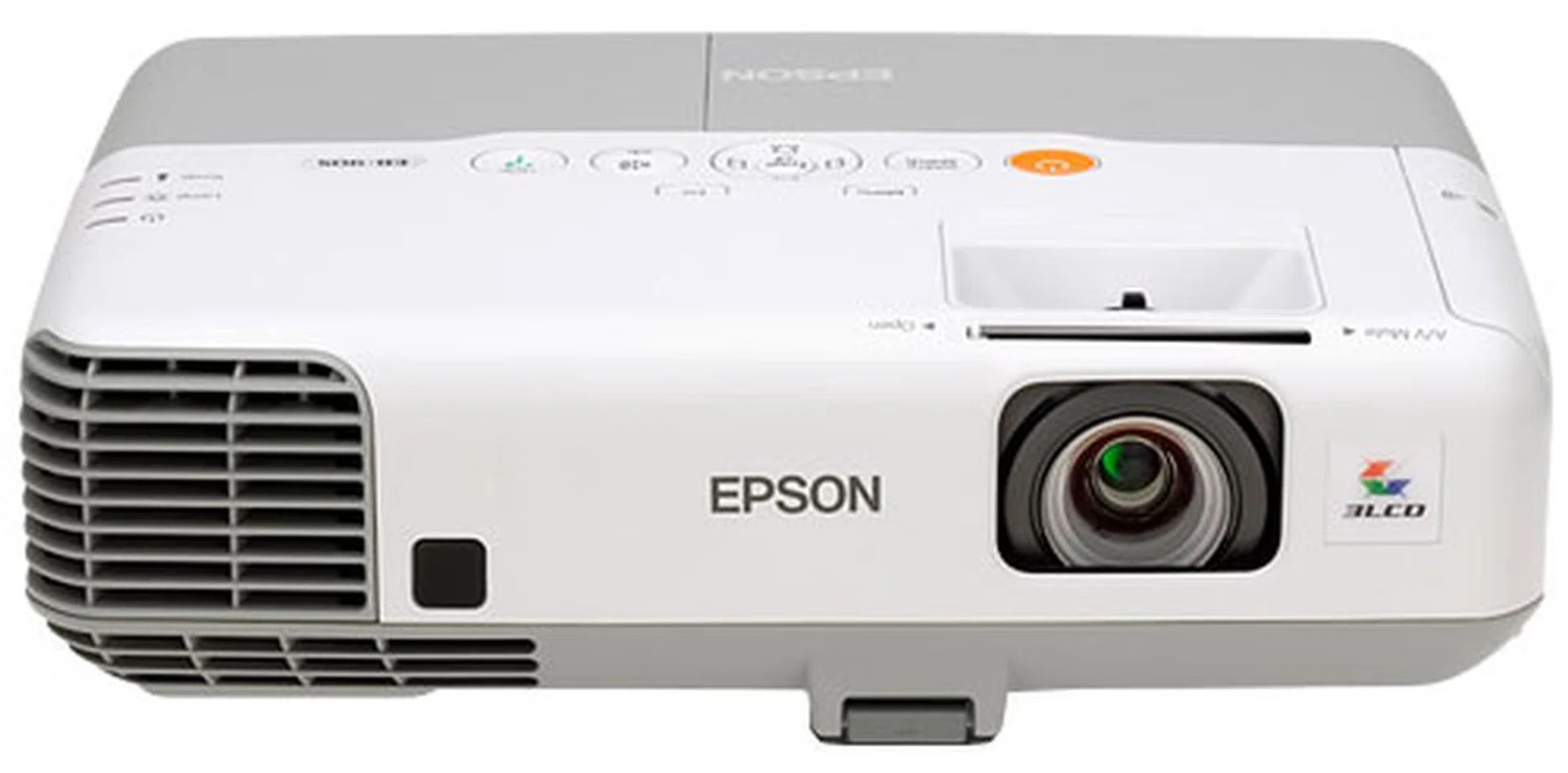
A solid feature-set and image quality win the Epson EB-905 as our Best 3LCD Portable Business Projector honor.
In addition to having the longest zoom lens (1.6x), the Epson EB-905 is capable of manual horizontal keystone correction; most projectors in this class can only do vertical keystone correction. It’s also the only projector here that sports a USB port if you wish to do your presentation sans a PC (file conversion tools are provided). A WLAN unit is available as an optional purchase, or you could opt for the 'Quick Wireless Connection USB Key' that plugs to the PC for a quick wireless projection. The other two projectors have no such options. Also, you can do away with an external speaker since the EB-905's on-board 16W speaker goes pretty loud. The only downside is that at 3.35kg, it’s the least portable of the trio. Image-quality-wise, it's hard to fault the 3,000-lumen-rated EB-905 as well. It’s the brightest of the lot, at least on par with the Panasonic PT-LB3, even though the latter has a higher 3,200-lumen rating. Text is sharp and colors are well-saturated. It even excels in video, something that we didn't expect from a data projector. The EB-905's lamp is rated to last for 5,000 hours under normal use, or 6,000 hours under Eco mode.
Canon LV-7390 | Epson EB-905 | Panasonic PT-LB3 | |
Physique | 8.0 | 8.0 | 8.5 |
Features | 8.0 | 9.0 | 7.5 |
User-friendliness | 8.0 | 8.0 | 8.0 |
Performance | 8.5 | 9.0 | 8.0 |
Value | 8.0 | 9.0 | 7.5 |
Overall | 8.5 | 9.0 | 8.0 |
Price | S$1,299 | S$1,499 | S$1,499 |
For more details on how we selected our winners, check out the full reviews and articles listed at the References section at the end.
Best DLP Portable Business Projector
DLP projectors continue to find favor in businesses and schools thanks to their advantages in size and weight compared to 3LCD projectors. Administrators also love their low maintenance cost. Apart from changing the lamp, DLP projectors typically don’t require you to change their filters as frequently as their LCD counterparts, if at all. And if you need a projector that can project 3D data from the PC, there’s no easier way than getting a 3D-ready DLP projector that uses DLP Link.
Here, we look at three single-chip DLP projectors that are suitable for businesses and schools. They are all priced no more than S$1,200, have a native resolution of 1024 x 768 pixels (XGA), and brightness of at least 2,700 ANSI lumens. At well under 3kg, these beamers are suitable for the mobile professionals too.
Nominees:
- InFocus IN114
- NEC V300X
- ViewSonic PJD5233
And the Winner Is...
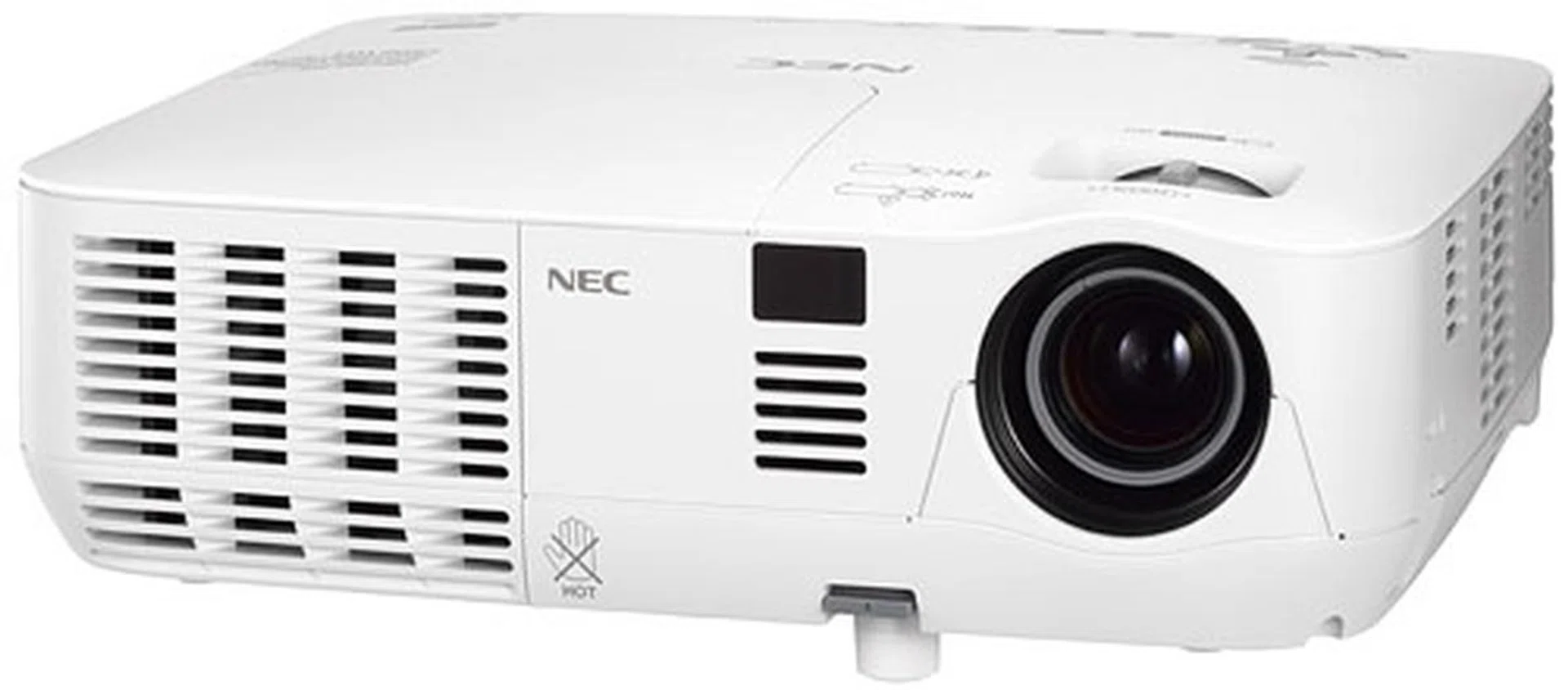
The NEC V300X is our best-performing single-chip DLP business projector.
In addition to two VGA inputs (great for switching between presentations), and one each for S-Video and composite, the 3,000-lumen V300X is equipped with an HDMI port for digital signals. An RJ45 port is also present for wired LAN connectivity. As the V300X supports DLP Link, it makes for an inexpensive 3D projector. This is particularly useful in schools, as they only need to prepare 3D content and active shutter eyeglasses to create an immersive learning experience for the students. Despite having a single-chip DLP engine, the V300XG shines when displaying data, such as PowerPoint slides: colors look vibrant, and text is impeccably sharp, even at very small font sizes. Videos look smooth and have good contrast. Rainbow artifacts, while present, are few and far between. While its 7W monaural speaker is the most powerful of the trio, and the sound is capable of filling up a conference room, it lacks clarity at the highest volume. All in all, from portability, connectivity, and image quality points of view, it's clear to us that the NEC V300X ticks the most number of right boxes.
InFocus IN114 | NEC V300X | ViewSonic PJD5233 | |
Physique | 8.5 | 8.0 | 8.0 |
Features | 7.5 | 8.0 | 7.5 |
User-friendliness | 8.0 | 8.0 | 8.0 |
Performance | 7.5 | 8.0 | 7.5 |
Value | 8.0 | 9.0 | 9.5 |
Overall | 7.5 | 8.0 | 8.0 |
Price | S$899 | S$1,199 | S$999 |
For more details on how we selected our winners, check out the full reviews and articles listed at the References section at the end.
Best Value LED Smart TV
The price margin between traditional CCFL and LED back-lit LCD televisions has shrunk significantly in 2011. And there's no doubt as to which of the two camps is the more popular choice among bargain hunters. This year, our Editor's Choice Awards for the Best Value LED Smart TV requires the nominees to fulfill the following criteria: 40-inch to 42-inch screen sizes, a Full-HD panel, LED-backlights, internet-enabled features, and a retail price of about S$1700 or below.
Nominees:
- LG 42-inch 42LV5500
- Panasonic VIERA 42-inch TH-42E30S
- Philips 40-inch PFL6606
- Samsung 40-inch Series 5 UA40D5500RM
- Sony 40-inch BRAVIA KDL-40EX520
And the Winner Is...
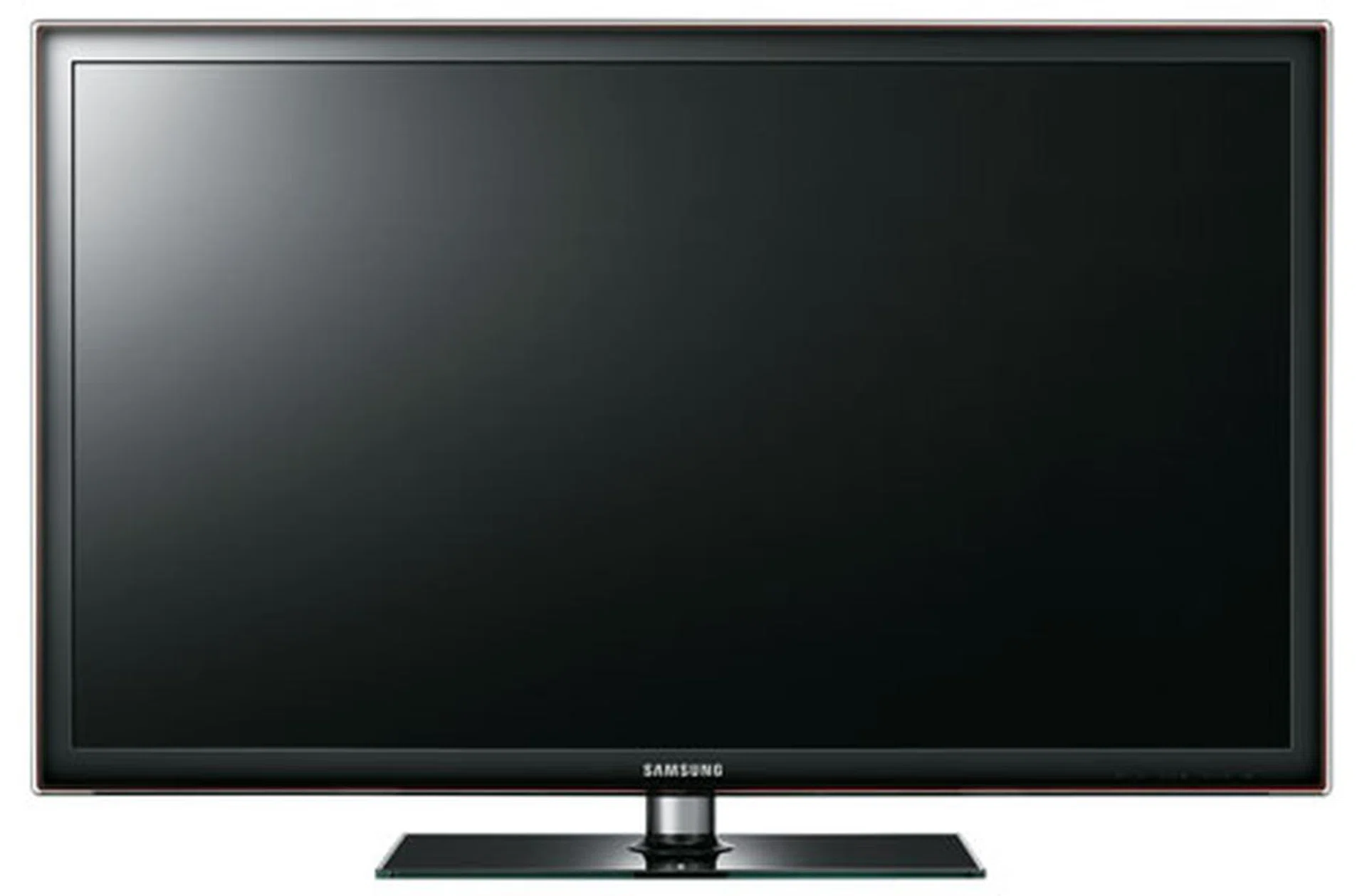
Samsung's Series 5 LED TV combines sleek looks, a comprehensive Smart Hub platform, and stellar picture quality without threatening to break your bank account.
Samsung revisits familiar ground with their fourth-generation Series 5 D5500 HDTV, featuring the South Koreans' signatures such as a rose black bezel, transparent trimmings, and glass pedestal stand. With four HDMI slots, an optical outlet, and two USB ports, Samsung also ensured there's enough digital AV options to go around. On top of that, we have to admit Samsung's Smart Hub is probably the most appealing and smartly executed web platform. Basically, there are four segments to Smart Hub - a window depicting the current show you're watching, Samsung Apps store, and a list of recommended applications. News content can be pulled from sites such as Yahoo, AP (Associated Press) or USA Today. The Series 5 does not flaunt as many picture presets like LG or Panasonic, but what's notable is the plethora of advanced picture settings available. Although this model requires a little help from its picture enhancements (such as Black Tone and Dynamic Contrast) to produce a more palatable image, the Series 5 ultimately won our vote for its generous feature sets and realistic picture quality with the appropriate tune-ups applied - all for a reasonable price.
LG 42-inch 42LV5500 | Panasonic VIERA 42-inch TH-42E30S | Philips 40-inch PFL6606 | Samsung 40-inch Series 5 UA40D5500RM | Sony 40-inch BRAVIA KDL-40EX520 | |
Physique | 8.0 | 8.0 | 8.0 | 9.0 | 8.0 |
Features | 9.0 | 8.5 | 8.0 | 9.0 | 8.5 |
Performance | 8.5 | 8.0 | 7.5 | 8.5 | 8.5 |
User-Friendliness | 9.0 | 8.0 | 8.5 | 9.0 | 8.0 |
Value | 9.0 | 8.5 | 8.5 | 9.0 | 8.5 |
Total Score | 9.0 | 8.5 | 8.0 | 9.0 | 8.5 |
Price | S$1699 | S$1799 | S$1399 | S$1599 | S$1599 |
For more details on how we selected our winners, check out the full reviews and articles listed at the References section at the end.
Best 3D LED Smart TV
These five 3D contenders are undoubtedly the cream of the crop from major TV brands for the year 2011. And they do come in all sorts of flavors and combinations. For instance, we have a single passive 3D participant in the LG Cinema 3D 55LW6500 which made an appearance with their FPR screens last year, while the rest of the HDTV models remain as carriers of the active-shutter variant. In the backlighting aspect, only Samsung's and Sharp's are fitted with edge-lit LEDs. Philips' and Sony's displays actually feature direct LEDs with local dimming properties. For this category, we'll be looking at the best TV sets of 52 to 55 inches in size, fully integrated 3D features, and a Smart TV platform.
Nominees:
- LG 55-inch Cinema 3D 55LW6500
- Philips 52-inch 52PFL9606
- Samsung 55-inch Series 8 D8000
- Sharp 52-inch AQUOS LE820M Quattron
- Sony 55-inch BRAVIA HX925
And the Winner Is...
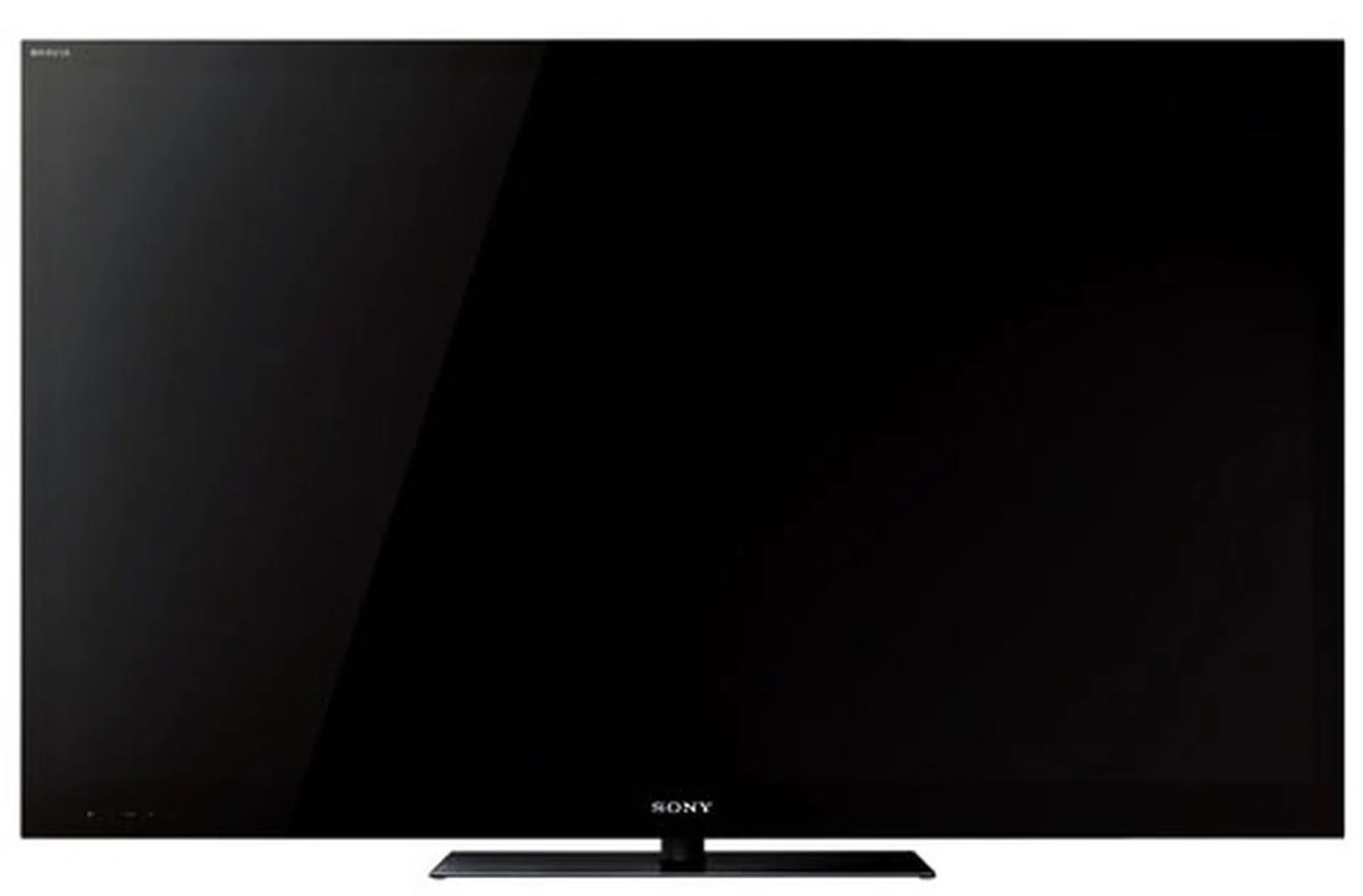
Sony 55-inch BRAVIA HX925 - With its improved 3D imaging and confident HD and SD reproduction, it didn't take a lot for the Bravia HX925 to snag the crown.
Sony has crammed their flagship Bravia HX925 with loads of noteworthy features in every aspect. Besides the attractive gun-metal finish on its bezel, this beauty also comes equipped with an improved OptiContrast panel and reinforced Corning Gorilla glass face. Although the layout of its social media apps and widgets are a little scattered for our liking, the HX925 has a sizable number of video streaming applications and social networking apps to mitigate its messy interface. The BRAVIA also aced most benchmarks on HQV except for the noise filtering test. Screen uniformity and color accuracies on DisplayMate were spot-on as well, thanks to Sony's well-implemented full-array LED backlighting. With Blu-ray playback, the BRAVIA's display was quite impeccable with its satisfying crop of black depths and vivid contrasts. It's not comparable to plasma panels as yet, but it's definitely one notch better than its rivals here. The same can be said about its 3D performance, thanks to ample stereoscopic depths, clarity, and an almost crosstalk-free delivery. It certainly isn't affordable, but considering the technology and features implemented in the TV, along with its top performance, it justifies its asking price. After all, direct LED backlight based implementation doesn't come cheap, but it contributes to its stellar performance.
LG 55-inch Cinema 3D 55LW6500 | Philips 52-inch 52PFL9606 | Samsung 55-inch Series 8 D8000 | Sharp 52-inch AQUOS LE820M Quattron | Sony 55-inch BRAVIA HX925 | |
Physique | 8.5 | 9.0 | 8.5 | 8.0 | 8.5 |
Features | 9.0 | 8.5 | 9.0 | 8.5 | 9.0 |
Performance | 8.5 | 8.0 | 8.5 | 9.0 | 9.0 |
3D Performance | 9.0 | 8.0 | 7.5 | 8.5 | 9.0 |
User-Friendliness | 9.0 | 8.5 | 8.5 | 8.5 | 8.0 |
Value | 8.0 | 8.0 | 7.5 | 8.5 | 8.5 |
Total Score | 9.0 | 8.5 | 8.0 | 8.5 | 9.0 |
Price | S$4,999 | S$4,799 | S$6,499 | S$3,699 | S$5,999 |
For more details on how we selected our winners, check out the full reviews and articles listed at the References section at the end.
Best 3D Plasma TV
It has been a relatively quiet year for plasma televisions. And as things have been for a while, LG, Panasonic, and Samsung are probably the last of the PDP makers catering to our local market. Looking back at 2011, Samsung's flagship D8000 PDP received a bezel trim, while Panasonic worked at their Generation-14 panel with promises of faster switching phosphors and a more responsive screen. LG marches on with their Borderless theme; a design which made its debut in 2010's Infinia range. For our Editor's Choice this year, we've called for the best 60-inch (or thereabout) plasma displays with 3D capabilities and a Full-HD screen for our tests' criteria.
Nominees:
- Samsung 64-inch Series 8 D8000
- LG 60-inch PZ950
- Panasonic 65-inch VIERA VT30S
And The Winner Is...
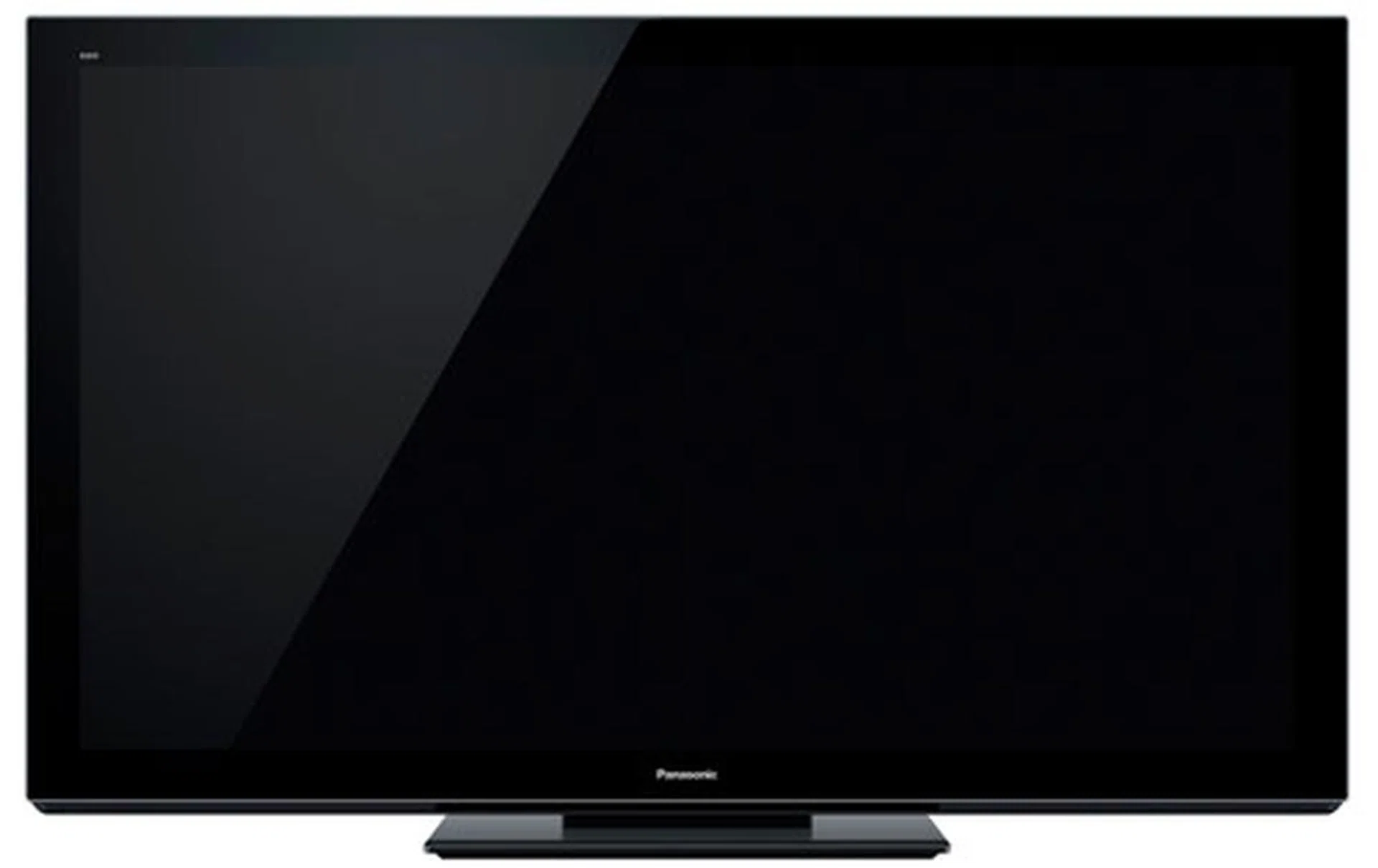
Panasonic Viera VT30S - With an improved Viera Connect platform and a panel capable of gorgeous 2D and 3D pictures, the VT30S is our undisputed winner among the three PDP contenders this year.
Perfecting their NeoPlasma panels with each yearly release has been part and parcel of Panasonic's agenda. In its 14th generation now, Panasonic's flagship VIERA VT30 comes furnished with the Infinite Black Pro 2 panel which boasts of improved filters (to reduce glare and reflections) and brighter phosphors. Their efforts have paid off, judging by the concise picture detail and inky black depths this TV was capable of whether it is handling SD or HD content. Screen-burns (or image retention) did not pose a problem, while the same can be said about the TV's excellent screen uniformity and color accuracy too. However, there's still room for improvement with regards to the VT30's noise filters and cadence detection feature.
It is a pleasure to experience 3D Blu-ray films on the VT30. Stereoscopic pictures were nicely defined, plus the TV's processor and panel were able to create wonderful depths and images unburdened by crosstalk. Best of all, we didn't have to enable the TV's enhancements for optimal results. If you're on the lookout for punchy images with uncompromised black levels, the VT30 is the real deal. We did not perceive much changes to the VIERA Connect platform compared to last year's VT20 model, but we did notice that recording of digital broadcasts are now possible on both the SD card and USB-based storage options. The VT30 has an intimidating battery of connectivity options too, considering it has four HDMI slots and three USB ports to offer. Looks wise, the VIERA VT30 isn't as alluring as the D8000 but it is our undisputed choice when it comes to the most formidable 3D plasma display for 2011.
Samsung 64-inch Series 8 D8000 | LG 60-inch PZ950 | Panasonic 65-inch VIERA VT30S | |
Physique | 9.0 | 8.5 | 8.5 |
Features | 9.0 | 8.5 | 9.0 |
Performance | 9.0 | 8.5 | 9.0 |
3D Performance | 8.5 | 8.5 | 9.5 |
User-Friendliness | 9.0 | 8.5 | 9.0 |
Value | 8.0 | 9.0 | 8.5 |
Total Score | 8.5 | 8.5 | 9.0 |
Price | $6,999 | $3,999 | $6,999 |
For more details on how we selected our winners, check out the full reviews and articles listed at the References section at the end.
Best Sound Bar System
Great visuals deserve great audio, which can be easily accomplished by procuring a sound bar to go along with your TV. These speaker systems provide a different quality of experience due to their superior hardware and feature set as opposed to what your TV could handle on its own. For the this year's roundup, we searched for the best mid-level sound bars comprising of a standalone subwoofer and a horizontal speaker bar around the S$1000 price point. While the provision of a Blu-ray player in the package was a bonus, it was not a necessary feature for inclusion in this year's race. Just to disclaim, there were a few other possible contenders besides the listed nominees, but the vendors were unable to secure sets for our evaluation despite giving them a long lead time.
Nominees:
- Pioneer HTZ-HW919BD
- Philips HTS7140
- Yamaha YHT-S401
And the Winner Is...
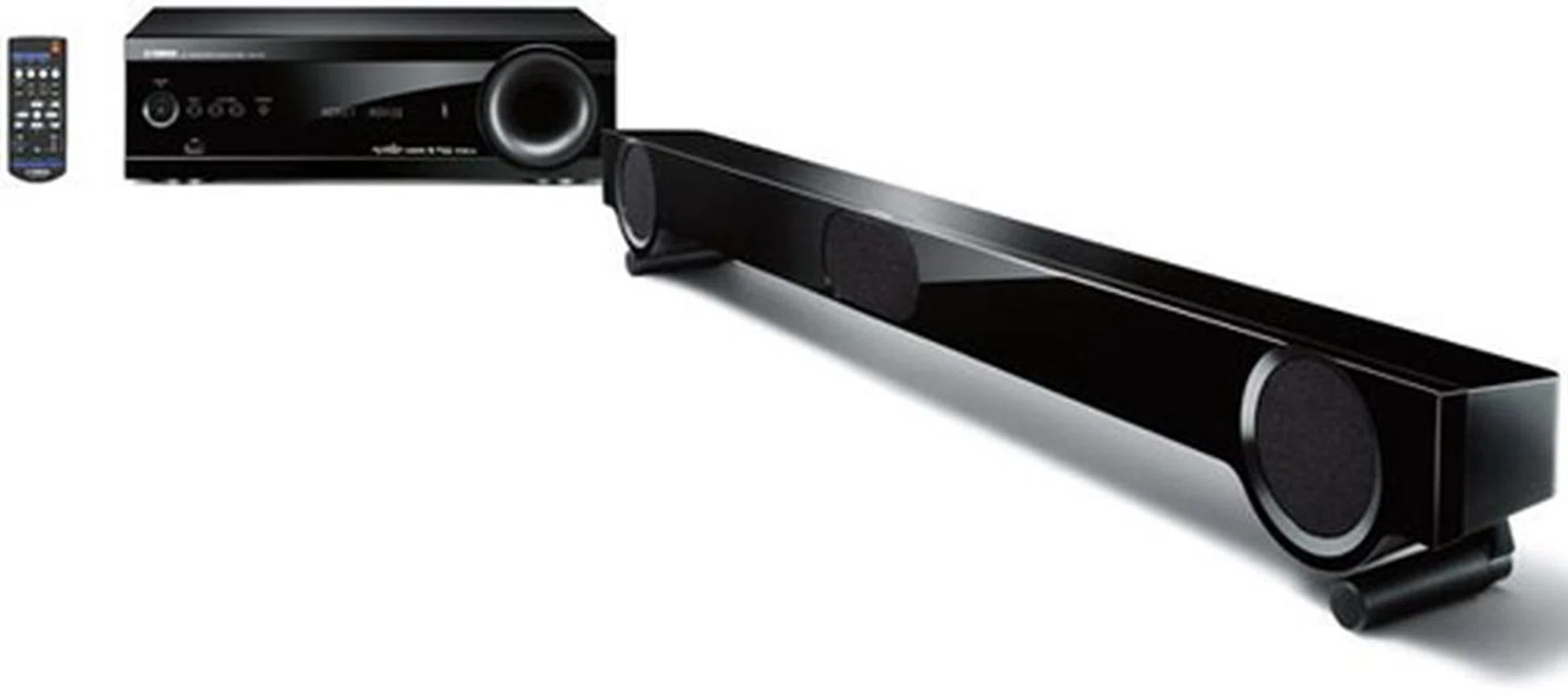
The Yamaha YHT-S401 is our best sound bar system from shining out in our exhaustive testing.
The Yamaha YHT-S401easily delivered the best performance. The sound bar had great fidelity of audio and its natural, neutral tone was a joy to listen to. With slight tweaking of the EQ settings, you can actually get the YHT-S401 to sound as close to perfect as is possible with a product of this kind and class. Though the package lacks a Blu-ray player, its price at S$999 reflects the omission, making it the most value for money from our line-up. Furthermore, multiple HDMI ports allow this sound bar to be paired with a host of devices, while extra connectors leave the option open for adding in more physical speakers to your sound setup at a later time. Simply put, the Yamaha delivered on every front , including being the most versatile option of the bunch and was the clear winner this year.
Criteria/Model | Yamaha YHT-S401 | Philips HTS7140 | Pioneer HTZ-HW919BD |
Design | 8.0 | 7.5 | 7.0 |
Features | 8.5 | 7.0 | 9.0 |
Performance | 9.5 | 7.5 | 8.0 |
Value | 9.0 | 6.5 | 8.0 |
Overall | 9.0 | 7.0 | 8.0 |
Price | S$999 | S$1,149 | S$1,149 |
For more details on how we selected our winners, check out the full reviews and articles listed at the References section at the end.
Best Speaker Docking System
With the Apple juggernaut showing no signs of slowing down, the portable music player market was dominated once again by the iPod and the iPhone. Audio device manufacturers realizing the preferences of the public released a slew of speaker docking systems to enhance the audio performance of these devices.
Though docking stations for the iPhone and iPod come in a variety of shapes, sizes and prices, we restricted ourselves to contenders that can be labeled as mid-range sound docks and cost around S$500 to S$600. The devices must also feature a physical cradle or connector so as to allow connection with your iOS device. Provision of AirPlay or wireless connectivity was a bonus but not essential for being considered in this year's Tech Awards.
Nominees:
- Geneva GSS Model S
- iHome IW1
- Philips Fidelio Primo DS9/10
- Yamaha TSX-140
And the Winner Is...
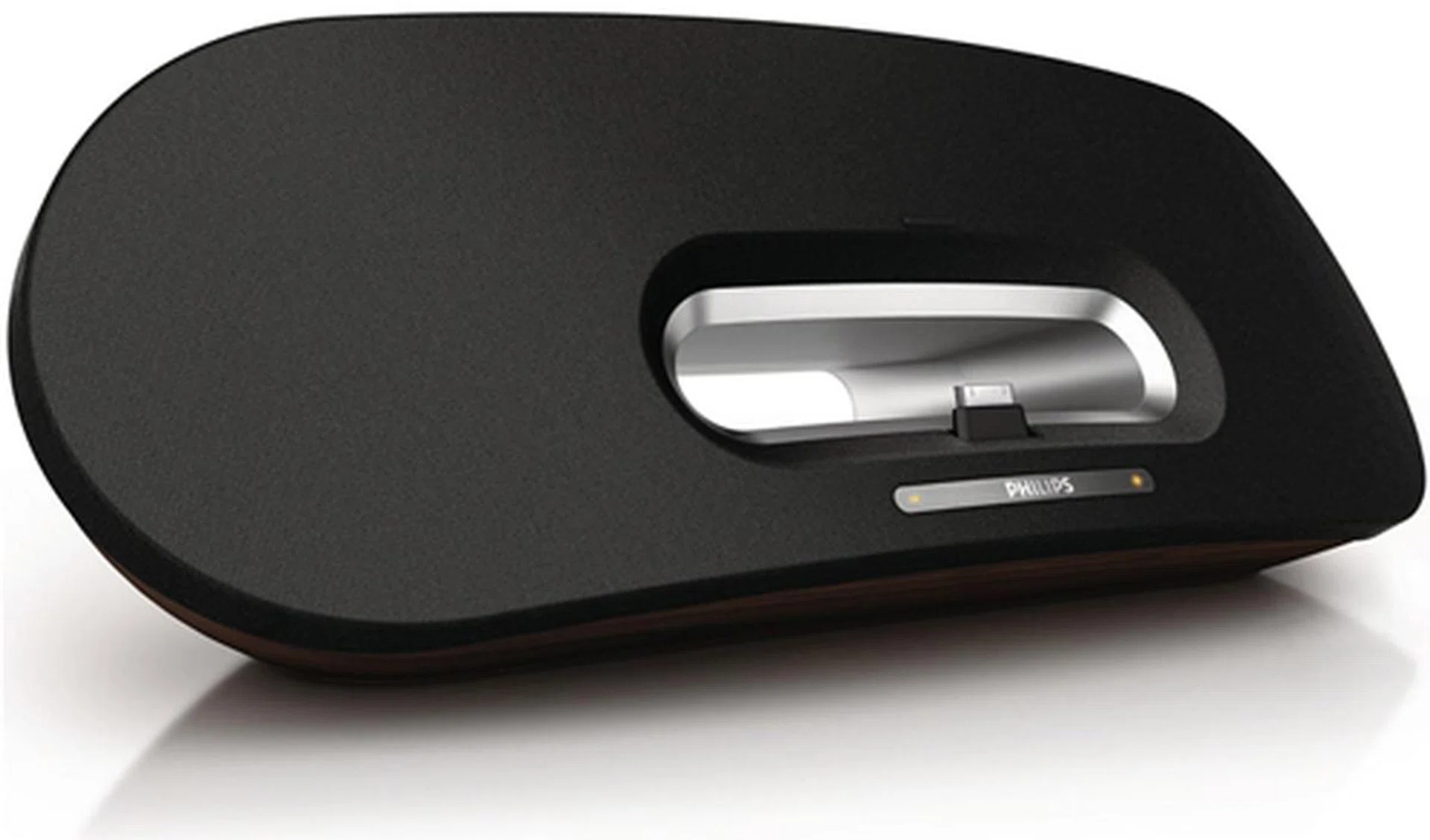
The Philips Fidelio Primo DS9/10 is our best speaker docking system.
A speaker docking system's primary function is to deliver quality audio. On this count, the Philips Fidelio Primo DS9/10 cannot be faulted. Regardless of the genre or type of music we threw at it, the Fidelio Primo DS9/10 consistently impressed us with its warm, natural tone, precise bass and attention to detail. For its category, the docking station also displayed an impressively wide soundstage.Great performance coupled with its wood grain finish make it a device we would be easily willing to display proudly in our home. Though the DS9/10 might lack features, it still has its own unique selling point in the form of docking compatibility with the iPad. Once its price was also taken into consideration, declaring the Philips Fidelio Primo DS9/10 the winner of this year's Tech Awards was a relatively easy decision.
Criteria/Model | Philips Fidelio Primo DS9/10 | Yamaha TSX-140 | Geneva GSS Model S | iHome IW1 |
Design | 9.5 | 8.5 | 8.0 | 7.5 |
Features | 7.5 | 8.5 | 8.0 | 8.5 |
Performance | 9.5 | 8.5 | 8.5 | 7.0 |
Value | 9.0 | 7.5 | 7.5 | 8.0 |
Overall | 9.0 | 8.5 | 8.0 | 7.5 |
Price | S$459 | S$639 | S$599 | S$599 |
For more details on how we selected our winners, check out the full reviews and articles listed at the References section at the end.
Best High-end Headphones
Monitoring headsets have found a quiet niche with music fans today. We'll credit this trend to an increasing awareness among listeners who want to enjoy a more faithful sound production with minimal compromises in audio quality. With that in mind, this is also the very first time we are bringing you a sortie of premium headphones for our Tech Awards. There's a myriad of brands on board as well, ranging from the Japanese-flavored Audio Technica PRO7000MK2 to the German-inspired T70p by Beyerdynamic. We'll be looking at some of the best around-ear professional headphones with closed-back cans for this segment.
Nominees:
- Audio Technica ATH-PRO700MK2
- Beyerdynamic T70p
- Denon AH-D1100
- Dr Dre by Monster Beats Pro
- Shure SRH940
- Sony MDR-Z1000
And the Winner Is...
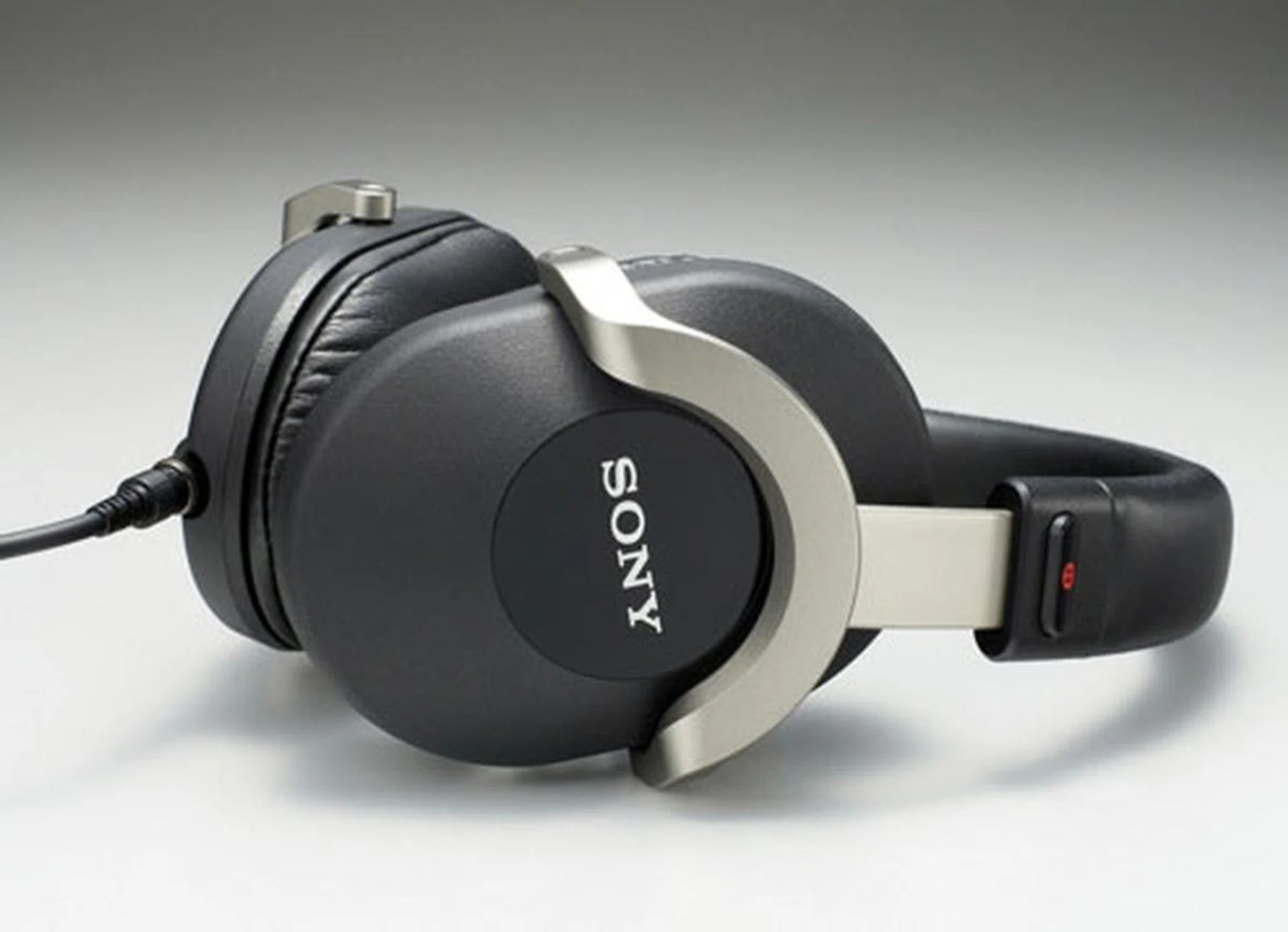
Sony MDR-Z1000 - Sony's recent resurgence in the professional monitoring arena wasn't for naught given the Z1000's exemplary performance and comfortable housing.
In a nutshell, you can say that Sony's MDR-Z1000 offered the perfect blend of comfort, durability, and impeccable audio quality in one headphone package. From its soft urethane ear pads to its tough-yet-light magnesium alloy housing, the Z1000 exerted little pressure on our ears and head regardless of whether we deployed it at home or during our daily commute. The cups also offered a nice seal with a decent degree of passive noise isolation. Powered by Sony's latest Liquid Crystal Polymer Film diaphragms, the generous 50mm dynamic drivers were similarly capable of delivering natural details while sustaining a sweet tonal balance across the spectrum without favoring the highs or lows. Sony's Z1000 is also an effective rounder for most musical genres, seeing how it tackled pounding rock anthems to clean jazz tracks with relative ease and minimal distortion. If you are looking for an unmitigated pair of reference headphones designed to remain faithful to its source, then the Z1000 should not be overlooked. The only reservation here is its rather hefty asking price.
Audio Technica
ATH-PRO700MK2 | Beyerdynamic T70p | Denon AH-D1100 | Dr Dre by Monster
Beats Pro | Shure SRH940 | Sony MDR-Z1000 | |
Physique | 8.0 | 9.0 | 9.0 | 8.5 | 8.5 | 9.0 |
Features | 8.5 | 8.5 | 8.5 | 9.0 | 8.0 | 8.5 |
Performance | 8.5 | 9.0 | 9.0 | 8.0 | 8.5 | 9.5 |
User-Friendliness | 8.5 | 8.5 | 9.0 | 8.5 | 8.5 | 9.0 |
Value | 8.5 | 8.0 | 9.0 | 8.0 | 8.5 | 8.0 |
Total Score | 8.5 | 8.5 | 9.0 | 8.0 | 8.5 | 9.0 |
Price | S$298 | S$799 | S$299 | S$820 | S$409 | S$795 |
For more details on how we selected our winners, check out the full reviews and articles listed at the References section at the end.
Best HD Media Centre
When media players first hit the market, they sported spartan user-interfaces in addition to their sole function of pure media playback. Fast forward to 2011 and media players and hubs are now capable of full HD playback, some with slick interfaces while providing some form of access to various internet services like Flickr or Facebook among others. While Smart TVs are still evolving and offer great media and connectivity support, the media center is still an affordable and vital add-on to convert any old TV to support more modern services and content playback. As such, it still a popular product among consumers wanting to enjoy their media on the big screen. For this year, we're looking for the best mainstream HD media center that doesn't come with over the top features like internal storage support that would only appeal to enthusiasts as they are both expensive and bulky.
Nominees:
- WD TV Live
- ASUS O!Play Mini Plus
- AverMedia AVerlife HD Studio
- A.C. Ryan Playon!HD Mini 2
- A.C. Ryan Veolo
And the Winner Is...
While full HD media playback has become a staple feature in current media centres, the A.C. Ryan Veolo, ASUS O!Play Mini Plus and WD TV Live feature built-in Wi-Fi, which makes streaming content all the more easier. Enthusiasts will no doubt prefer the wired connection for best performance and avoiding stutters of any sort for a high bandwidth media playback, but Wi-Fi will suit just fine for more casual usage and non full HD media.
The A.C. Ryan Veolo deserves an honorable mention though for presenting an interesting concept, with its Android operating system as the user interface. However, we felt that the implementation needed more refinement and as a result, the Veolo felt more like an experimental product than one which is practical. Not to mention is its high cost.
In the end, the WD TV Live impressed us the most. What set apart the WD TV Live from the rest of the contenders was the strong media support, aesthetically-pleasing user interface and Dolby TrueHD support that it offered. The ergonomic remote and the fact that the UI was customizable were just further icing on a cake that was already a compelling package.
Criteria/Model | WDTVLive | ASUSO!Play Mini Plus | Avermedia AVerlife HDStudio | A.C.Ryan Playon! HDMini 2 | A.C. Ryan Veolo |
Design | 8.5 | 8.0 | 7.5 | 8.5 | 8.5 |
Features | 9.0 | 8.5 | 7.0 | 8.5 | 8.0 |
User-Friendliness | 8.5 | 8.0 | 8.0 | 8.5 | 7.5 |
Performance | 8.5 | 8.5 | 8.0 | 8.0 | 7.0 |
Value | 8.0 | 8.0 | 8.0 | 8.0 | 6.5 |
Overall | 8.5 | 8.5 | 8.0 | 8.5 | 7.5 |
Price | S$189 | S$199 | S$125 | S$199 | S$329 |
For more details on how we selected our winners, check out the full reviews and articles listed at the References section at the end.
Best Tablet
What makes a particular tablet the ONE to buy? You should know by now that it's not all about the specs. In fact, a purchase decision is based on a variety of factors such as apps, branding, build quality, design and price, which can be summed up in two words - user experience.
In 2010, there were very few viable tablet options in the market for serious consideration. However, 2011 proved to be the year of the Android OS as it proliferated across a variety of mobile phones and tablet devices. To help users to tread across this explosion of devices, we even wrote a guide to help users understand what differentiates one tablet from another and what matters most to the user.
With such a wide variety of devices to choose from, we just had to consider all available options to consider who walks away with our Best Tablet accolade for the Editor's Choice awards. For this showdown, we considered the best option available from each vendor, regardless of screen size, sub-categories and OS type.
Nominees:
- Acer Iconia Tab A500
- ASUS Eee Pad Transformer
- Apple iPad 2
- RIM BlackBerry PlayBook
- Huawei MediPad
- HTC Flyer
- Lenovo ThinkPad Tablet
- Motorola Xoom
- Samsung Galaxy Tab 10.1
- Sony Tablet S
And the Winner Is...
Though the Apple iPad 2 is an incremental upgrade from the first iPad, it still packs a punch and performs admirably well against the flood of Android tablets this year. Till today, no other tablet can match its silky smooth user interface, rich App Store and most importantly, its battery performance.
Criteria/Model | Apple iPad 2 | Acer Iconia Tab A500 | ASUS Eee Pad Transformer | RIM BlackBerry PlayBook | Huawei MediaPad |
Design | 9.0 | 7.0 | 8.0 | 8.0 | 8.0 |
Features | 9.0 | 7.0 | 9.5 | 8.0 | 7.5 |
User-Friendliness | 9.0 | 7.5 | 8.0 | 8.0 | 7.5 |
Performance | 9.5 | 7.0 | 8.0 | 8.5 | 6.5 |
Value | 9.0 | 7.0 | 8.0 | 8.0 | 7.0 |
Overall | 9.0 | 7.5 | 8.5 | 8.0 | 7.0 |
Price | S$668 (16GB Wi-Fi) | S$799 | S$898 | S$668 | S$598 |
Criteria/Model | HTC Flyer | Lenovo ThinkPad Tablet | Motorola Xoom | Samsung Galaxy Tab 10.1 | Sony Tablet S |
Design | 8.0 | 7.5 | 8.0 | 9.0 | 8.5 |
Features | 8.5 | 8.5 | 9.0 | 8.5 | 8.5 |
User-Friendliness | 7.5 | 7.0 | 8.0 | 8.0 | 8.0 |
Performance | 7.0 | 7.5 | 8.0 | 8.5 | 8.0 |
Value | 6.0 | 7.0 | 7.0 | 8.5 | 7.5 |
Overall | 7.5 | 7.5 | 8.0 | 8.5 | 8.0 |
Price | S$1068 | S$999 | S$888 | S$848 | S$668 |
*Note: Prices listed in this article are accurate at the time of product evaluation.
For more details on how we selected our winners, check out the full reviews and articles listed at the References section at the end.
Best Value Smartphone
Finding the right balance between price and performance on a smartphone is no easy task. At times, manufacturers have to cut back on certain hardware features, all in the name of reducing the cost of its smartphones for consumers. Being the cheapest smartphone out there doesn't automatically make it the Best Value Smartphone. To be considered for the award, the nominee has to prove that it is priced under a sufficiently affordable price bracket, and has adequate performance that is expected of smartphones. In short, we are looking at the price to performance ratio. In no order of merit, this year's nominees includes:
Nominees
- HTC Wildfire S
- Huawei Ideos X3
- Sony Ericsson Xperia Mini
And the Winner Is...
As always, HTC covers its bases well with a wide variety of Android smartphones. From the high performing powerhouse devices, to the basic, yet adequately equipped entry-level smartphones, the Taiwanese company managed to score a hit with the HTC Wildfire S.
The Android 2.3 smartphone and its full-fledged HTC Sense user interface packs quite a punch on the software front. With its 3.2-inch display running a HVGA resolution, plus a single-core 600Mhz processor that gave us a lag-free experience, the Wildfire S combines performance with affordability (at S$388), thus earning the Best Value Smartphone award for this round.
Criteria/Model | HTCWildfire S | Huawei Ideos X3 | Sony Ericsson Xperia Mini |
Design | 8.5 | 8.0 | 8.0 |
Features | 8.0 | 7.0 | 7.5 |
User-Friendliness | 8.0 | 7.5 | 7.5 |
Performance | 7.5 | 7.0 | 7.5 |
Value | 8.0 | 8.5 | 7.5 |
Overall | 8.0 | 7.5 | 7.5 |
Price | S$388 | S$288 | S$398 |
*Note: Prices listed in this article are accurate at the time of product evaluation.
For more details on how we selected our winners, check out the full reviews and articles listed at the References section at the end.
Best Business Smartphone
For those who prefer a physical QWERTY keyboard over a virtual option that obstructs your screen, the QWERTY smartphone is definitely here to stay. In 2011, we’ve seen successors making its way into the nomination list, and new entries that take on the social media approach to differentiate itself from the crowd. Ultimately, the Best QWERTY Smartphone will be given to the device that has the best typing experience as the highest priority, without forgetting that you are looking at a smartphone that’s just as capable.
Nominees:
- RIM BlackBerry Bold 9900
- HTC Chacha
- Motorola Milestone 2
- Nokia E6
- Samsung Galaxy Pro
- Sony Ericsson Xperia Pro
And the Winner Is...
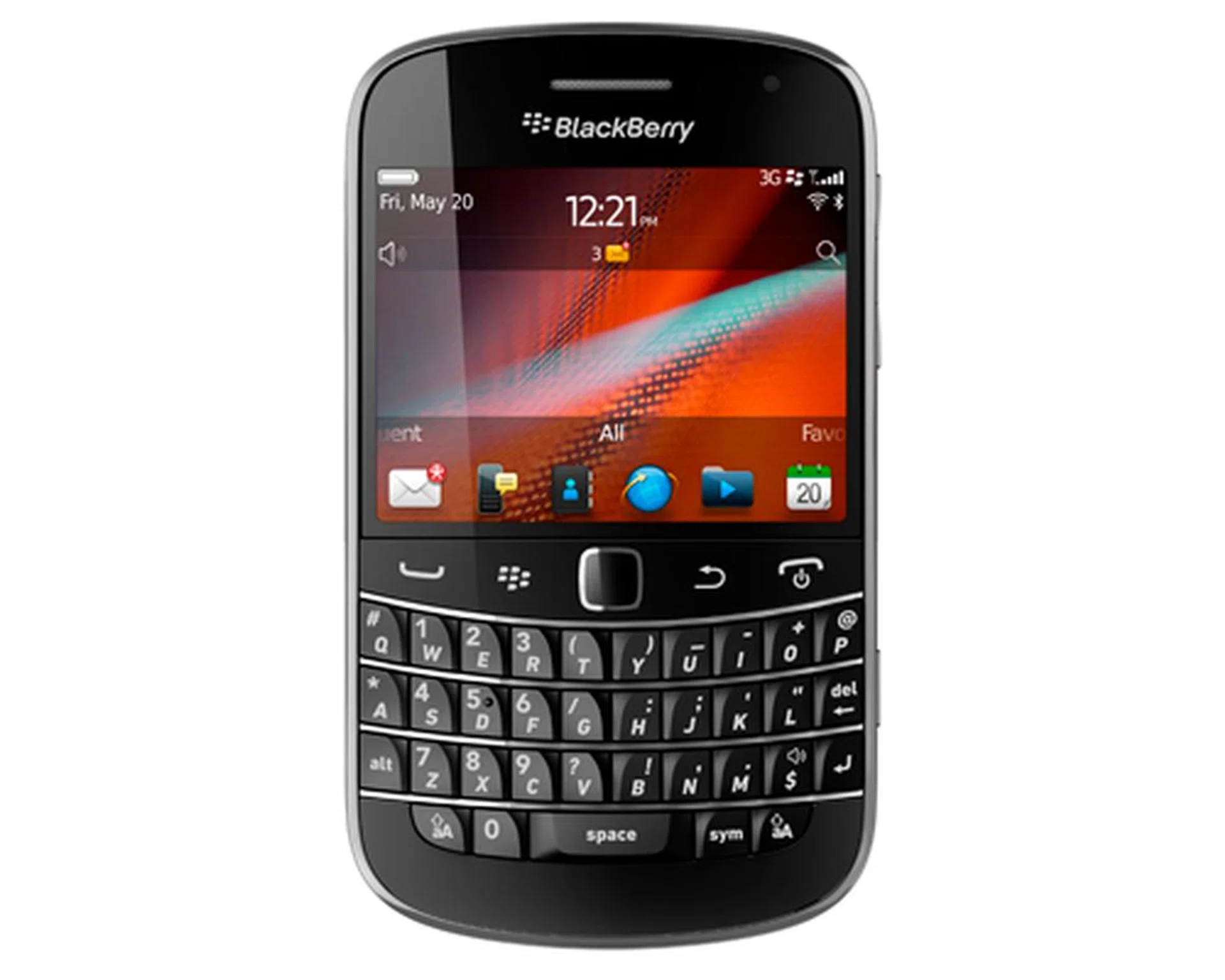
Research in Motion's BlackBerry Bold 9900 makes a grand comeback as the Best QWERTY Smartphone for 2011.
QWERTY smartphones are all about the user experience with its physical keyboard. Fast typing speeds with a high level of accuracy have traditionally been found on the BlackBerry Bold devices, and Research in Motion’s latest offering, the BlackBerry Bold 9900, managed to deliver.
Beyond its highly usable QWERTY keyboard, the Bold 9900 is also loaded with various features and hardware upgrades, including the new BlackBerry 7 OS and a speed bump with a 1.2GHz single-core processor. More importantly, the Bold 9900 is the slimmest BlackBerry device to date at 10.5mm, thus joining the latest crop of smartphones that are just as powerful as it is well designed.
Criteria/Model | BlackBerry Bold 9900 | HTCChacha | Motorola Milestone 2 | Nokia E6 | Samsung Galaxy Pro | Sony Ericsson Xperia Pro |
Design | 9.0 | 8.0 | 8.5 | 8.0 | 8.0 | 8.0 |
Features | 8.5 | 8.0 | 7.5 | 7.5 | 8.5 | 8.5 |
User-Friendliness | 8.0 | 8.0 | 8.0 | 7.5 | 8.0 | 8.0 |
Performance | 9.0 | 7.0 | 7.5 | 8.0 | 7.5 | 8.0 |
Value | 8.0 | 7.5 | 8.0 | 8.0 | 8.5 | 8.0 |
Overall | 8.5 | 8.0 | 8.0 | 7.5 | 8.0 | 8.0 |
Price | S$927 | S$438 | S$698 | S$545 | S$398 | S$638 |
For more details on how we selected our winners, check out the full reviews and articles listed at the References section at the end.
Best Smartphone
Choosing the best smartphone of the year is all about finding the right balance between design, performance and most importantly, usability. The contenders for this year includes smartphones from Samsung, Apple, HTC, LG, Motorola, Nokia and Sony Ericsson, all of which have shown compelling reasons to win the prestigious Best Smartphone award.
2011 is also the year where we see the rise of smartphones powered by dual-core processors, larger and more power-efficient displays with better screen technology taking its place in the spotlight. As we shortlist the nominees for this year, we evaluated each device beyond the standard performance and usability, to its supporting apps ecosystem. This year, the following devices have made it to the list:
Nominees:
- Samsung Galaxy S II
- Apple iPhone 4S
- HTC Sensation XE
- LG Optimus 2X
- Motorola Atrix
- Nokia Lumia 800
- Sony Ericsson Xperia Arc S
And the Winner Is...
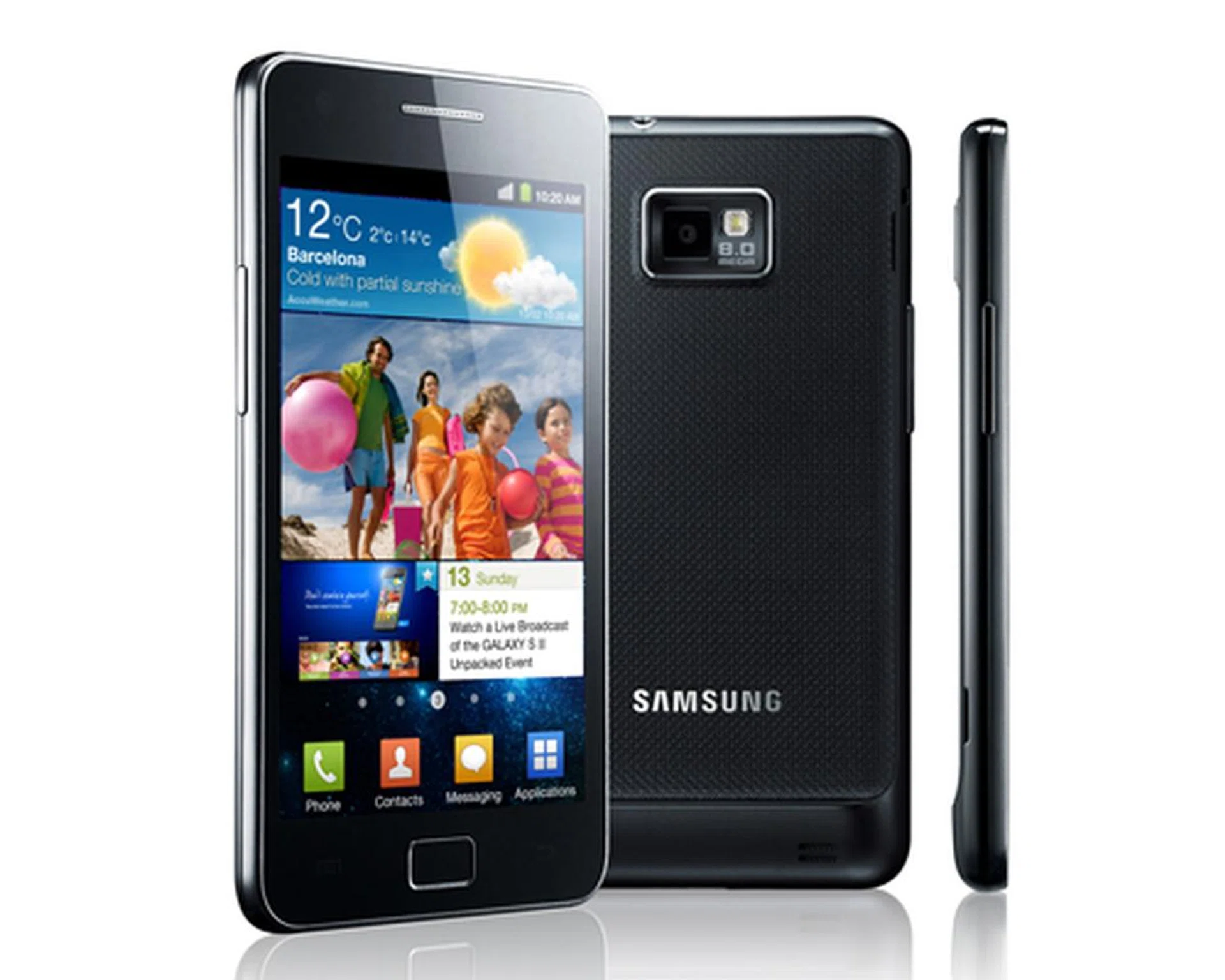
The Samsung Galaxy S II proved to be a powerful machine, with a strong Android ecosystem and most importantly, a high battery mileage.
There can be only one. As an Editor’s Choice winner for 2011, the unanimous decision was to assign the Best Smartphone award to the Samsung Galaxy S II. With tons of improvement such as a larger 4.27-inch display, powered by a much more power efficient Super AMOLED Plus technology and a strong dual-core Exynos 1.2GHz processor that produced top results in our benchmarks, the Galaxy S II proved to be a heavyweight when it comes to speed, usability and design.
One of the stronger reasons behind its win, is its relatively high battery mileage, even with a moderately large screen. Its razor thin profile, which stands at 8.49mm, makes it easy on the pocket. Though the Galaxy S II could have done more to improve its aesthetic value, it’s still our top choice for 2011 as the best performing smartphone.
Criteria/Model | Samsung Galaxy SII | Apple iPhone 4S | HTCSensation XE | LGOptimus 2X | Motorola Atrix | Nokia Lumia 800 | Sony Ericsson Xperia Arc S |
Design | 8.5 | 8.5 | 8.5 | 8.5 | 8.0 | 8.5 | 8.5 |
Features | 9.0 | 8.5 | 9.0 | 8.5 | 9.0 | 8.5 | 8.5 |
User-Friendliness | 9.0 | 9.0 | 9.0 | 8.5 | 8.5 | 8.0 | 8.5 |
Performance | 9.5 | 9.0 | 8.5 | 8.0 | 8.5 | 7.0 | 8.5 |
Value | 9.0 | 8.5 | 9.0 | 8.0 | 8.5 | 7.5 | 8.5 |
Overall | 9.0 | 9.0 | 9.0 | 8.5 | 8.5 | 8.0 | 8.5 |
Price | S$998 | S$948 | S$868 | S$888 | S$1288 | S$775 | S$788 |
For more details on how we selected our winners, check out the full reviews and articles listed at the References section at the end.
Best Smartphone Innovation
With similar hardware and software offerings from smartphone vendors, it takes a little bit more effort to differentiate their product from the mainstream crowd. Innovative ideas, which include dedicated gaming controls, to 3D technology and even an extension of the smartphone onto a laptop environment, have been spotted in 2011. The nominees for this year’s Best Smartphone Innovation award are chosen based on their unique properties and the practicality of its implementation.
Nominees:
- Sony Ericsson Xperia Play (for PlayStation controls)
- Apple iPhone 4S (for Siri)
- HTC Evo 3D (for 3D technology)
- LG Optimus 3D (for 2D to 3D conversion)
- Motorola Atrix / Razr (for Lapdock integration)
And the Winner Is...
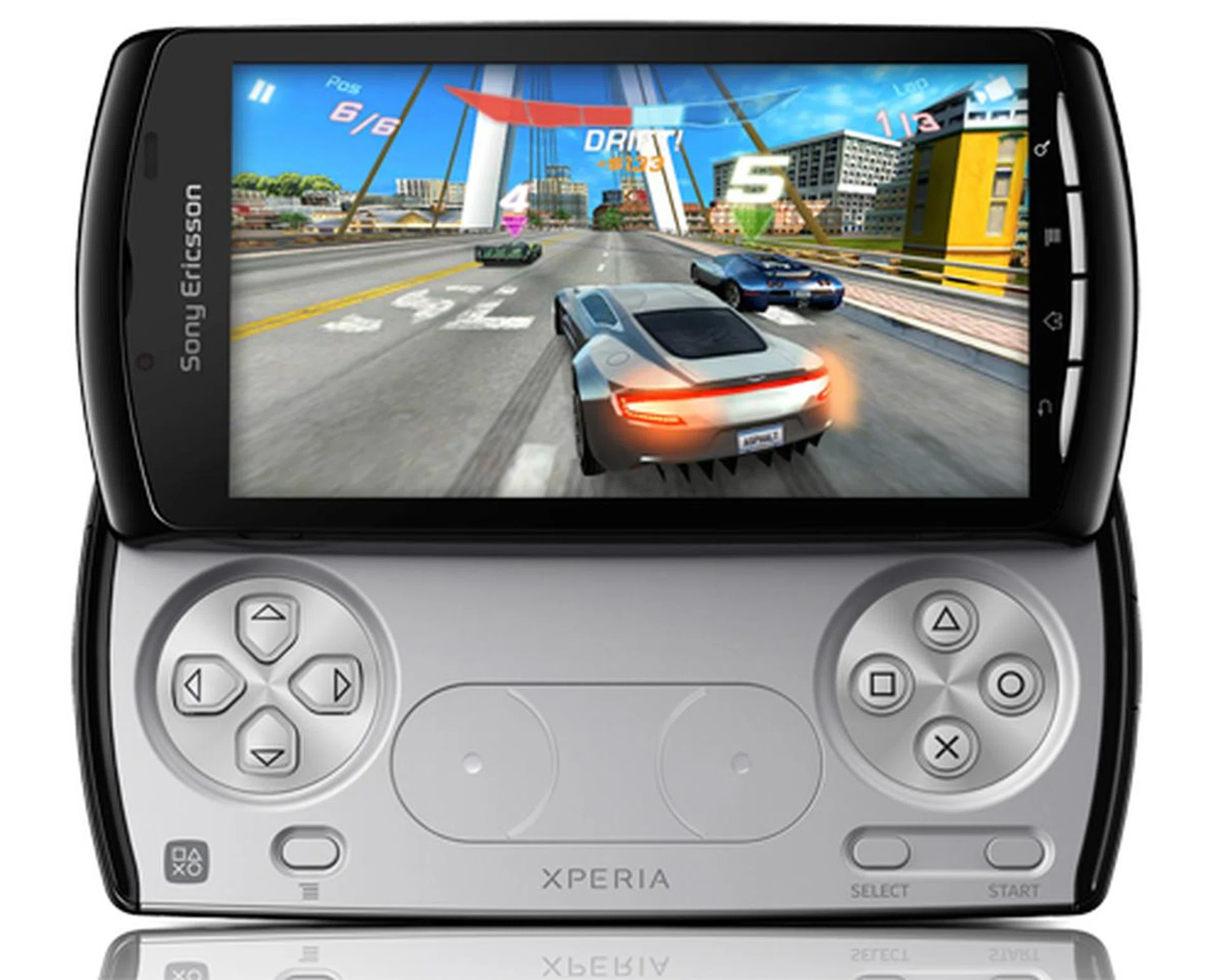
With gaming on smartphone becoming a popular trend, the PlayStation controls on the Sony Ericsson Xperia Play proved its practicality.
Smartphones have proven to be an all-rounder gadget, and it’s no surprise to see gamers taking to smartphones to satisfy their gaming needs. The Sony Ericsson Xperia Play presents a unique proposition to its gaming-centric customers, with a physical PlayStation control embedded within the smartphone. Without sacrificing the much needed screen real estate via a virtual control pad, the dedicated PlayStation controls have proven itself to be as practical as it is simple.
Rather than coming up with a gimmick or an additional accessory to expand its usability, the simple implementation of the PlayStation controls on the Xperia Play gets our vote of confidence, and the Best Smartphone Innovation award, for this year’s Tech Awards.
For more details on how we selected our winners, check out the full reviews and articles listed at the References section at the end.
References
Category | References |
Best Mirrorless Camera |
|
Best Prosumer Digital Camera |
|
Best Point & Shoot Digital Camera |
|
Best Value DSLR Camera | |
Best Digital Video Camcorder |
|
Best 3LCD Portable Business Projector |
|
Best DLP Portable Business Projector |
|
Best Value LED Smart TV |
|
Best 3D LED Smart TV |
|
Best 3D Plasma TV |
|
Best Sound Bar System | |
Best Speaker Docking System |
|
Best High-end Headphones |
|
Best HD Media Center | |
Best Tablet | |
Best Value Smartphone | |
Best QWERTY Smartphone | |
Best Smartphone Innovation | |
Best Smartphone |
Our articles may contain affiliate links. If you buy through these links, we may earn a small commission.