
Apple could bring 50W wireless charging to the iPhone 17
Even if it's true, Apple is only playing catch-up with the competition. There are Android phones with faster wireless charging.
#iphone17 #apple #magsafe

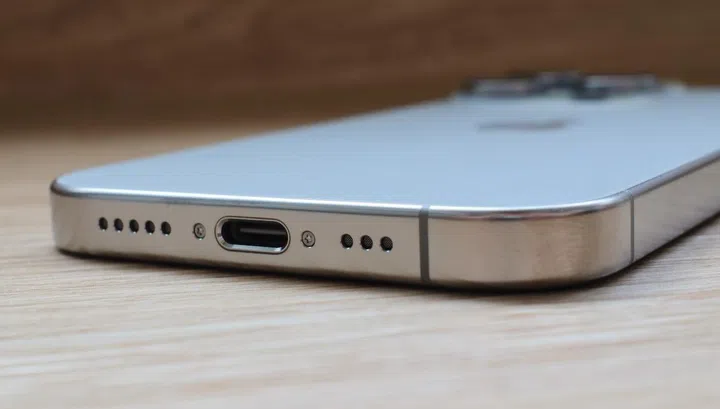
Wireless charging via MagSafe or Qi2 on the Apple iPhone 16 Pro is up to 25W. Photo: HWZ
Apple could offer faster wireless charging speeds for the upcoming iPhone 17 and MagSafe chargers.
91Mobiles spotted two MagSafe chargers with the model numbers A3503 and A3502 on the website of the Taiwanese regulatory body. While inscriptions on the chargers indicate wireless charging speed of up to 45W, the regulatory filing indicates Qi 2.2, which supports a maximum charging speed of 50W.
The regulatory filing also states that the upcoming MagSafe chargers have been tested with the iPhone 16 and iPhone 11. This suggests that Qi 2.2 is likely going to be supported on older iPhone models through a software update—similar to how Apple brought Qi 2 wireless charging to the iPhone 13 and iPhone 4 via iOS 17.2.
If the regulatory filing is accurate, Apple would be one of the first to support the Qi 2.2 standard. It will also be a huge upgrade from the current 25W maximum wireless charging support on the iPhone 16 Pro. While Apple users welcome faster wireless charging speeds, users in the Android camp may share different sentiments.
Android phones such as the Xiaomi 15 and Oppo Find N5 already support 50W wireless charging speed, while the Xiaomi 15 Ultra offers up to 80W wireless charging. Even though such high-power wireless chargers are hard to come by, the fact remains Apple is only playing catch-up in the wireless charging space.
On the other hand, the Qi 2 adoption rate among Android phone makers has been disappointing, as the HMD Skyline is the first and only Android phone to support the wireless charging standard.
Google defended its decision to exclude Qi 2 from its Pixel phones, stating it sees "no tangible benefits" in adopting the wireless charging standard.
The Wireless Power Consortium shared in January that consumers can expect an acceleration in the adoption of the Qi 2 standard among Android devices this year, with Google and Samsung jumping on the bandwagon.
Our articles may contain affiliate links. If you buy through these links, we may earn a small commission.