
Xiaomi 15 phone review: Squeezing elegance into nifty premium body
Considering that its headlining features are relatively similar to those of its Ultra variant, does that make the Xiaomi 15 a viable choice for users who want the best features without the bulk? #xiaomi #android #smartphone

Note: This review was first published on 16 May 2025.
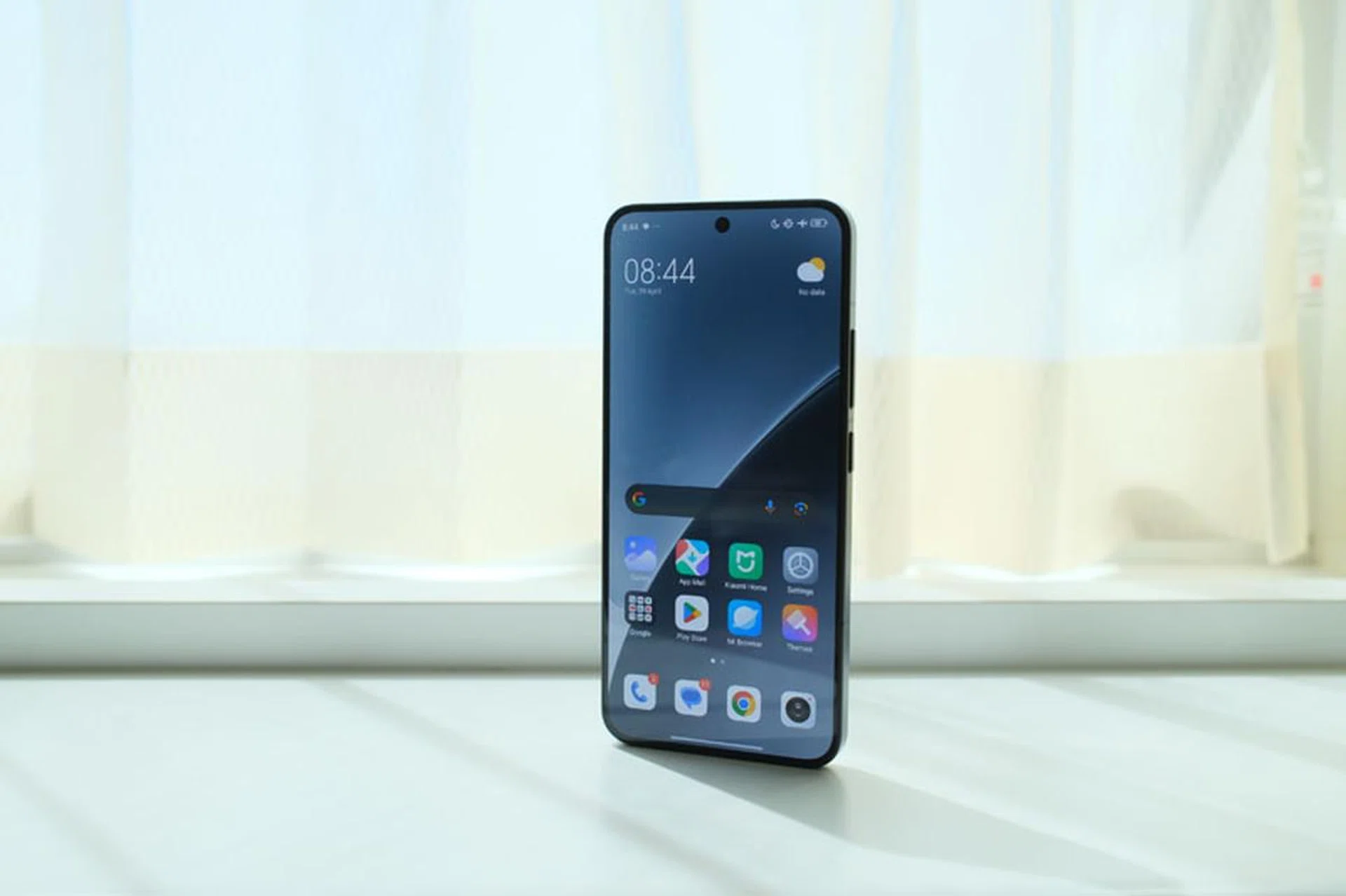
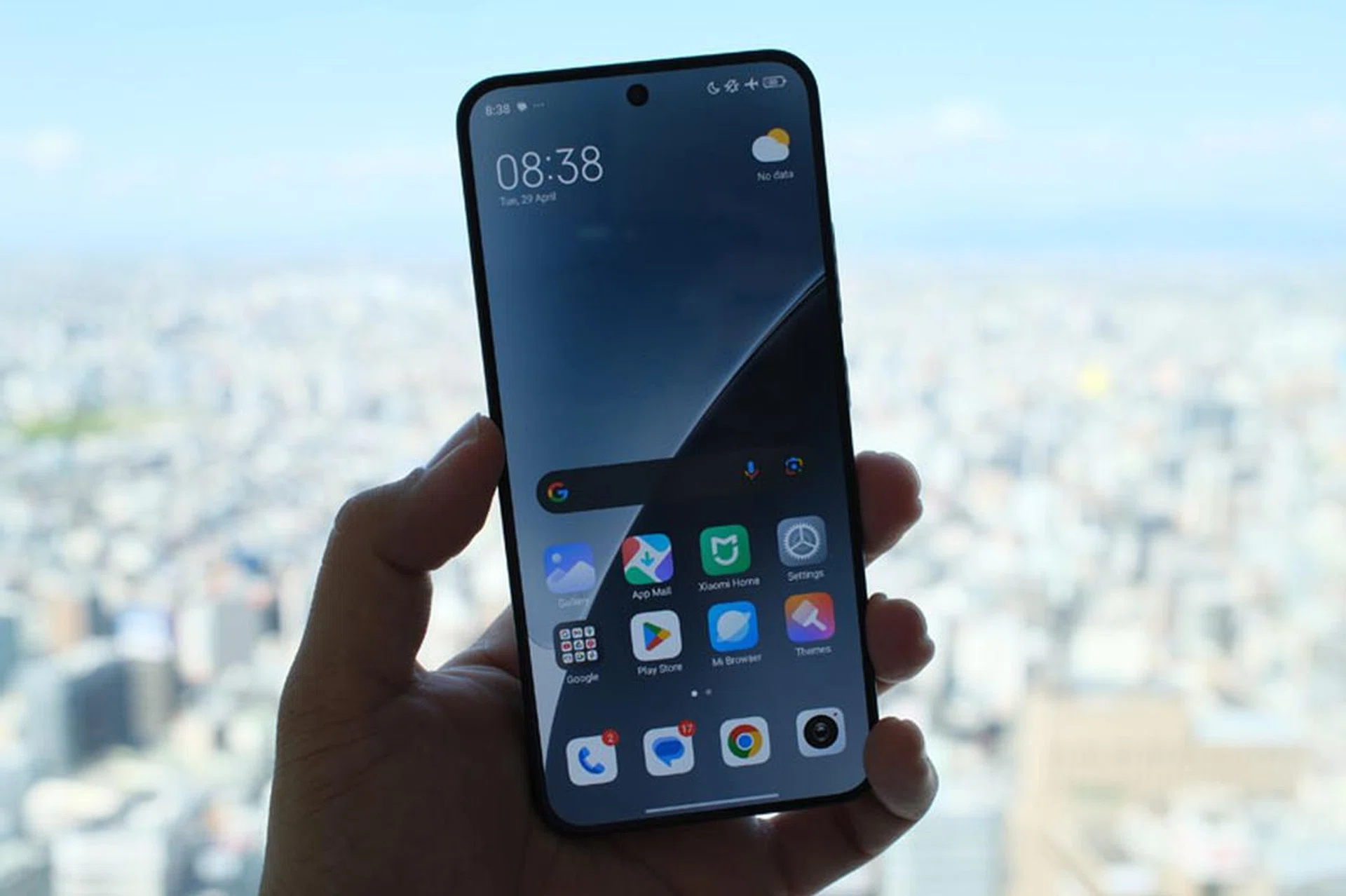
Xiaomi 15. Photo: HWZ.
Packing a petite punch
While Xiaomi 15 Ultra represents the best in class in Xiaomi’s mobile phone lineup, Xiaomi 15 is the phone that imbues its premium essence in a modest form and affordable price range.
Unlike its big cousin, the Xiaomi 15 is humble: smaller, slimmer, and lighter, with a more subtle camera bump. Coupled with its more petite frame, the phone fits snugly in the hand.
However, don't be fooled by its compact body. It still packs the same Ultra punch with the Qualcomm Snapdragon 8 Elite chipset. Similar to its preceding Xiaomi 14, it comes with 12 GB LPDDR5X RAM, along with 256GB and 512GB of storage variants.
The TL;DR version:
Even with minor changes to its camera, the Xiaomi 15 still powers through as a top Android phone pick. Its battery life has also dramatically improved.
Find it at Xiaomi's official website and official platforms like Shopee and Lazada.
The company also kept the compact screen size to 6.36 inches, with a slightly upgraded LTPO AMOLED (compared to the 14’s OLED) display and dynamic 1-120Hz refresh rate. Its panel still has Dolby Vision and HDR10+, with a slightly upgraded peak brightness of 3,200 nits, compared to the 14’s 3,000 nits.
Through its Leica partnership, Xiaomi 15's triple 50MP camera array contains a main, ultrawide, and telephoto camera with Leica lenses. There are mild upgrades relative to the previous 14, which we will go through in greater detail later.
Seeing that its headlining features are relatively similar to those of its Ultra variant, does that make the Xiaomi 15 a viable choice for users who want the best features without bulk?
We're also mindful that it's now S$100 more than before at S$1,099 (256GB), so let's see if it's still a compelling upgrade.
Reusing the compact magic
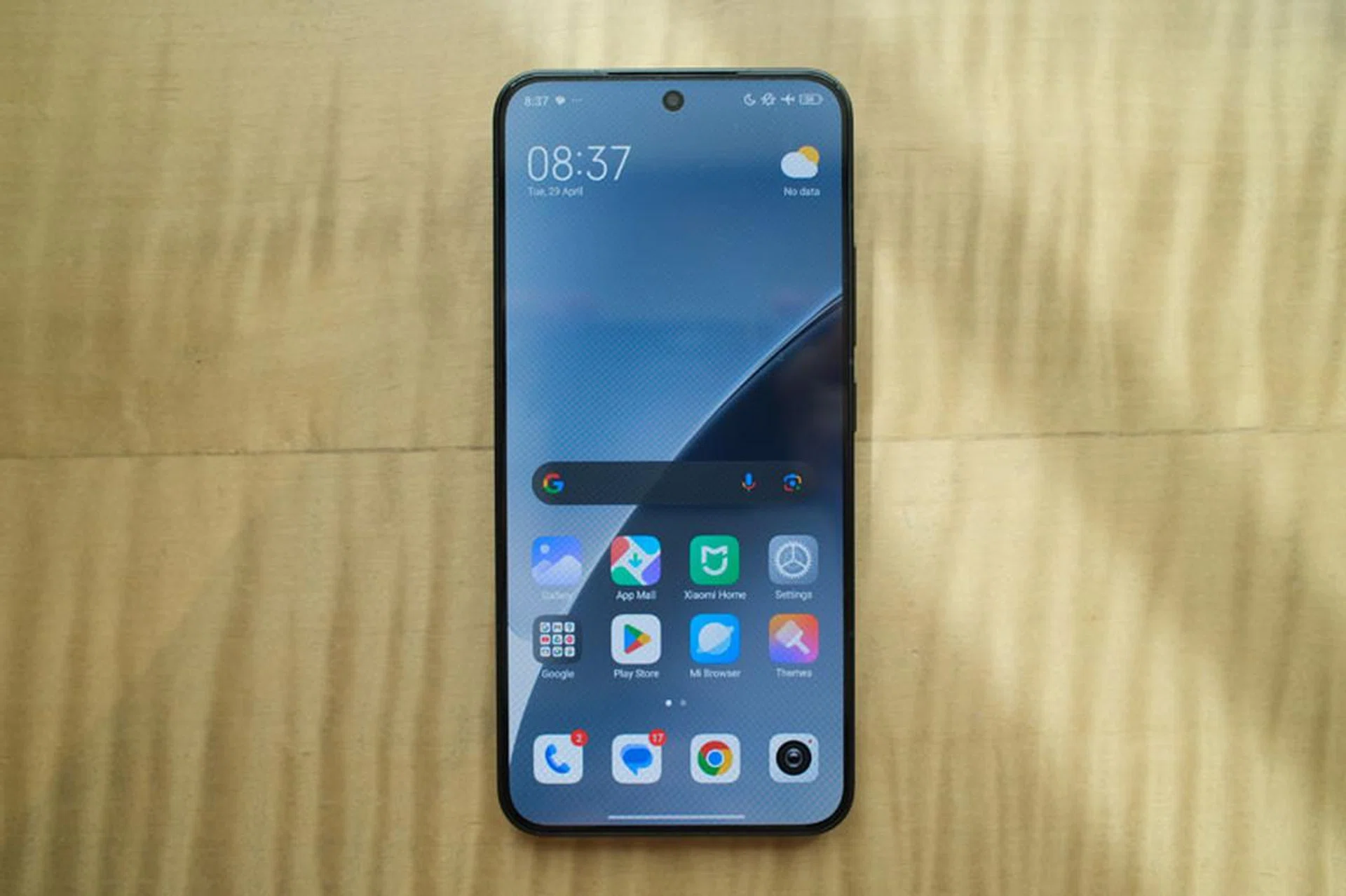
From a cursory glance, the Xiaomi 15 is nearly indistinguishable from its immediate predecessor. The same aluminium frame and glass back returns, with a camera bump roughly equal in size and thickness.
Xiaomi differentiates the Xiaomi 15 with a separate LED flashlight, while the 14 does not. Also, the edges of the camera bump are smoothly connected to the back of the phone, compared to the simple stacked solution deployed by the 14.
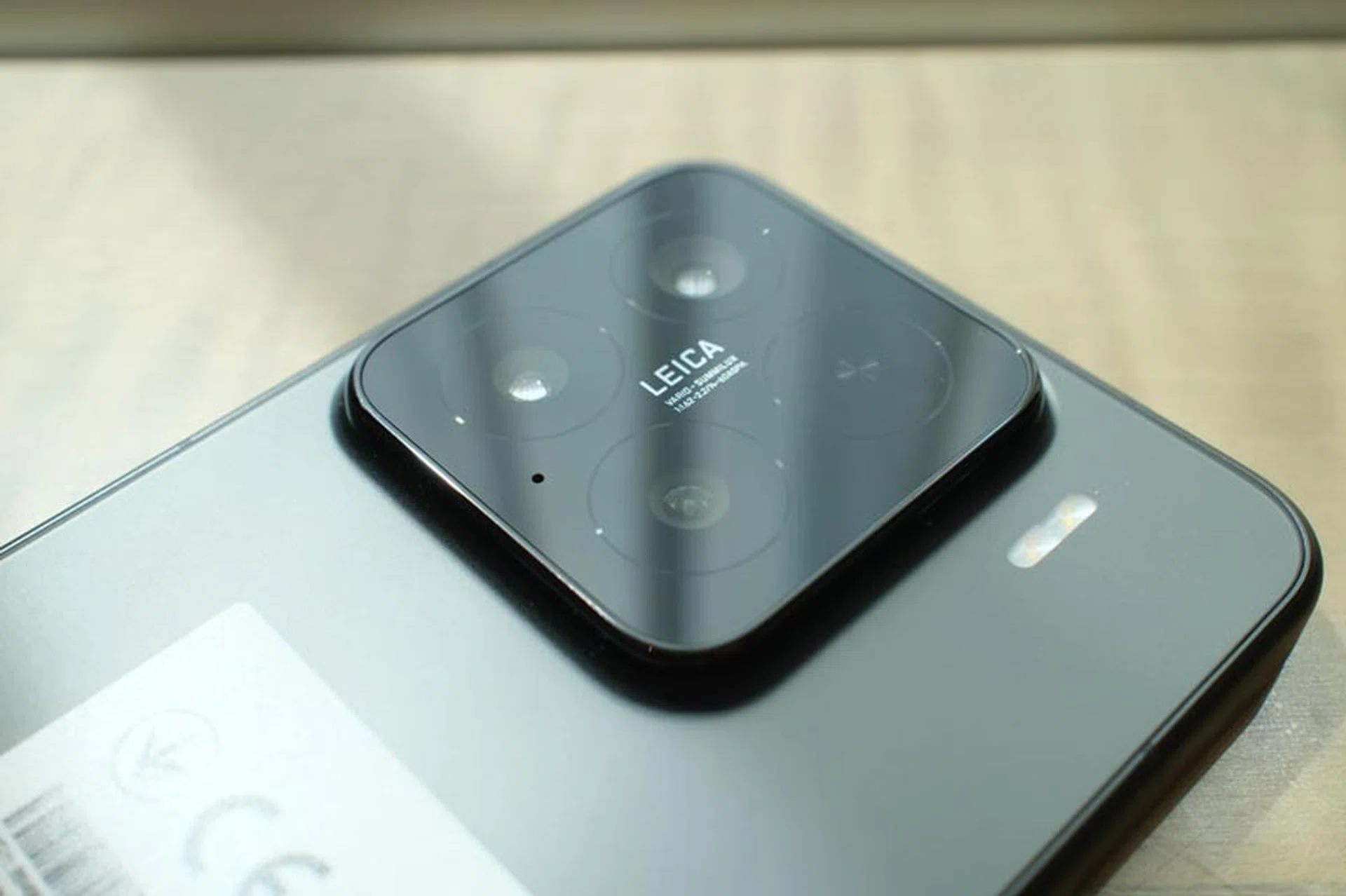
Also, the Chinese brand opted for matte finishing for all the variants of the Android-based Xiaomi 15 (White, Black, and Green), while the 14’s White and Jade Green variants saw gloss finishes.
If you prefer having a glossy back, Xiaomi also offers a limited edition variant of the Xiaomi 15, Liquid Silver (some photos here). Sadly, it's extremely limited in stock (Singapore only had 50 sets at launch). Looking at how it's sold out, we're sure the device's glossy look is well-received among Xiaomi fans.
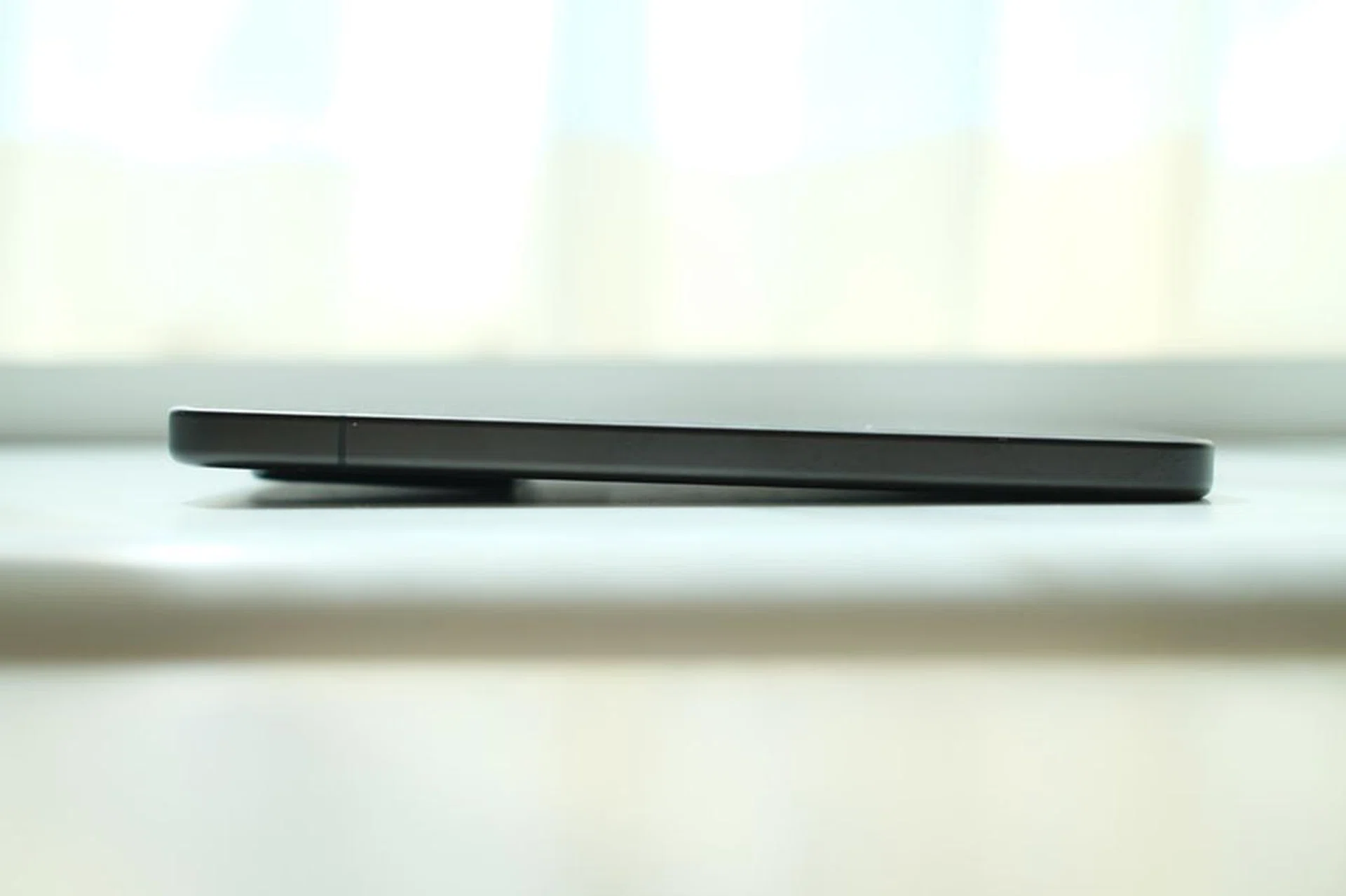
There are also slight size variances between last year's and this year's base model, which means your old phone cases might not fit perfectly.
Xiaomi 15 measures 152.3 x 71.2mm, which is 0.5mm shorter in length and 0.3mm wider, and also 0.12mm thinner than Xiaomi 14. The Liquid Silver variant of the Xiaomi 15 is 8.48mm, 0.28mm thicker than the 14. Also, Xiaomi 15 weighs just two grams more at 191g, with the Liquid Silver variant adds one more gram (192g).
While imperceptible to the naked eye, these differences add up to a lack of phone casing compatibility across older generations. The old cases can't be reused for this phone, and it's not worth very much in return.
Fortunately, our design complaints end here because the rest of the phone's build still measures up well among its rivals, both in looks and durability.
One under-the-hood change is its use of Xiaomi Shield Glass as an answer to built-in screen protectors.
Like before, Xiaomi 15 has IP68-rated protection, a standard expected for flagship-level phones today.
Since it's virtually the same software used on its Ultra variant (which we've already covered), we'll skip straight to its camera work.
Imaging Performance
The Xiaomi 15 has a triple-camera array stack, nearly identical to the 14. All the cameras are equipped with Leica Vario-Summilux aspherical lenses:
- 50MP wide main camera (f/1.62 aperture, Light Fusion 900 image sensor, OIS, 1/1.31-inch sensor, 23mm equivalent focal length)
- 50MP 60mm floating telephoto camera (f/2.0, OIS, 60mm equivalent focal length)
- 50MP ultra-wide camera (f/2.2, 14mm equivalent focal length, 115° FOV)
Like its predecessor and Ultra cousin, it has two compulsory colour presets: Leica Authentic and Leica Vibrant. The latter adds more vibrancy to the photos' colours, as demonstrated in the two images below.

Shot with Leica Authentic preset

Shot with Leica Vibrant preset
Interestingly, yet unsurprisingly, the Leica effects are muted when shooting predominantly monochromatic subject and scenes:

Shot with Leica Authentic preset

Shot with Leica Vibrant preset
The telephoto lens allows for a 2.6x optical zoom. While it's a step down from the predecessor’s 3.2x optical zoom, the Xiaomi 15 makes up for it with up to 60x digital zoom.
However, we suggest keeping your zoom use to 10x or nearer to minimise smudging and digital artefacts.

1.0x

2.0x

2.6x, or 60mm equivalent

5.0x, or 120mm equivalent

10x

30x

60x. Much of the details are lost
Xiaomi 15 manages to hold up well in night photography, even with its telephoto or ultrawide lens:

x1 at night

x2 at night

x2.6 or 60mm equivalent telephoto lens, at night

x5, at night
In some scenarios, we saw a loss of vibrancy when comparing the telephoto against the main camera, but this only happens with the Leica Vibrant preset.

x1.0 Main camera, shot with Leica Vibrant preset

x2.6, or telephoto lens used, shot on Leica Vibrant color preset. Note the slight loss of color vibrancy between the previous photo and this.
There is also an option to take photos in RAW DNG in Pro mode. However, they come at fixed focal lengths native to the lenses array, i.e. you have to shoot at 23mm, 14mm, and 60mm.
Our sample photos show that Xiaomi 15's cameras cannot be underestimated, even if they don't call themselves Ultra. The images were crisp, sharp, and detailed, even in night conditions, which even phones of a similar grade sometimes struggle to offer.
Xiaomi 15 also shines when it comes to video recording. Recorded videos are just as clean and detailed.
Its weakest link is its modest telephoto lens, which couldn't live up to concert recording expectations.
Despite this, the video stabilisation is smooth for most use cases. You can even get “gimbal-like” stabilisation using its built-in ShootSteady and ShootSteady Pro modes, but it comes at the cost of shooting only in 1080p and noisier video quality.
Xiaomi 15 also supports Master Cinema mode, which records HDR video in 10-bit BT.2020 HLG. It also has a Movie mode, which allows users to record videos in a “cinematic” manner (2.39:1 aspect ratio) with built-in cinematic bokeh. For advanced videographers, the Xiaomi 15 also supports D-Log recording via Director’s Mode.
Benchmark Performance
The Xiaomi 15 uses Qualcomm Snapdragon 8 Elite, the same processor used in Xiaomi 15 Ultra. Does that mean that this phone is as performant as its Ultra variant, on paper?
To find out how the competitors line up specs and price-wise, check them out in this link.
To find out more about the tests we conduct and what they relate to, we've jotted them down here.
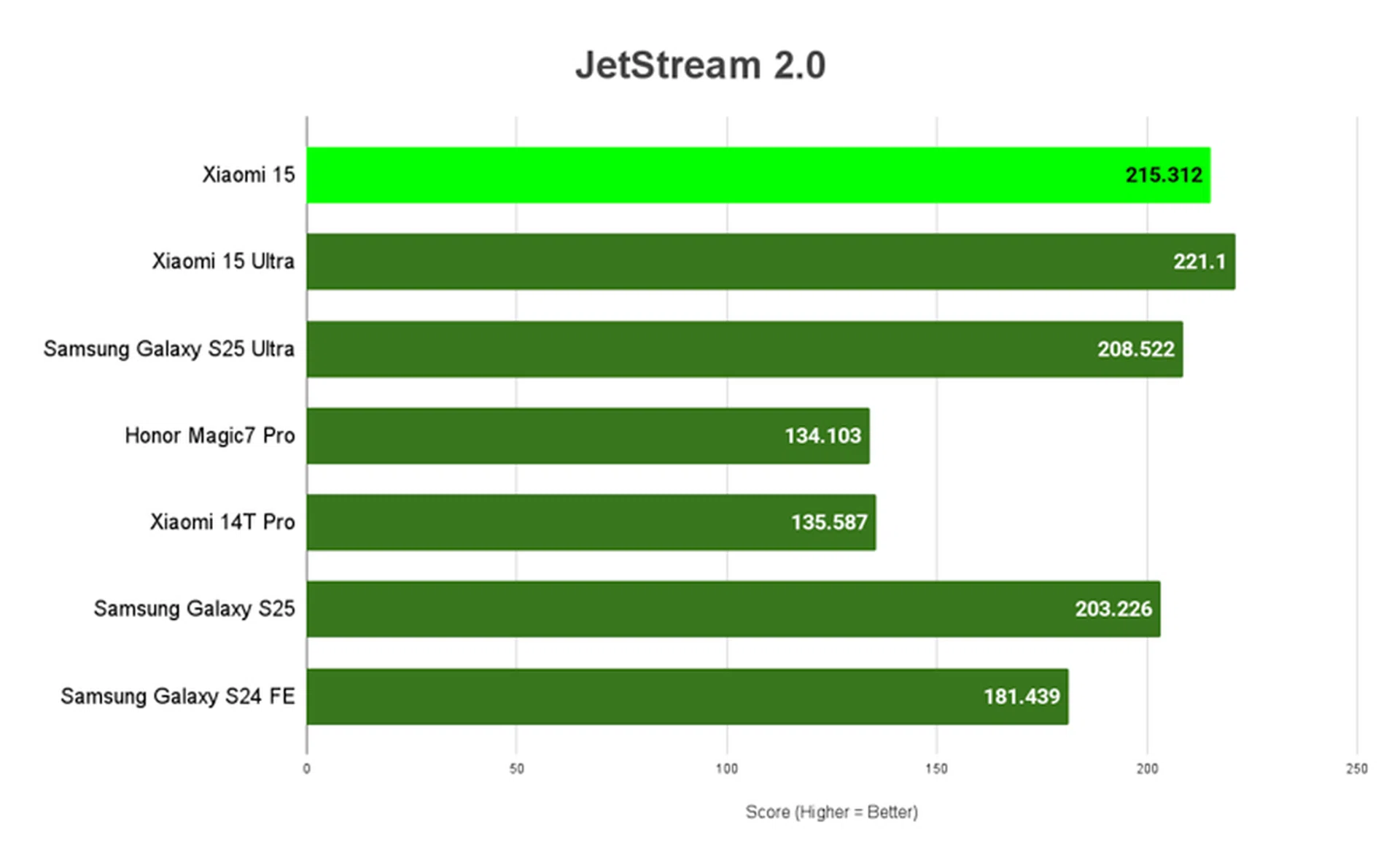
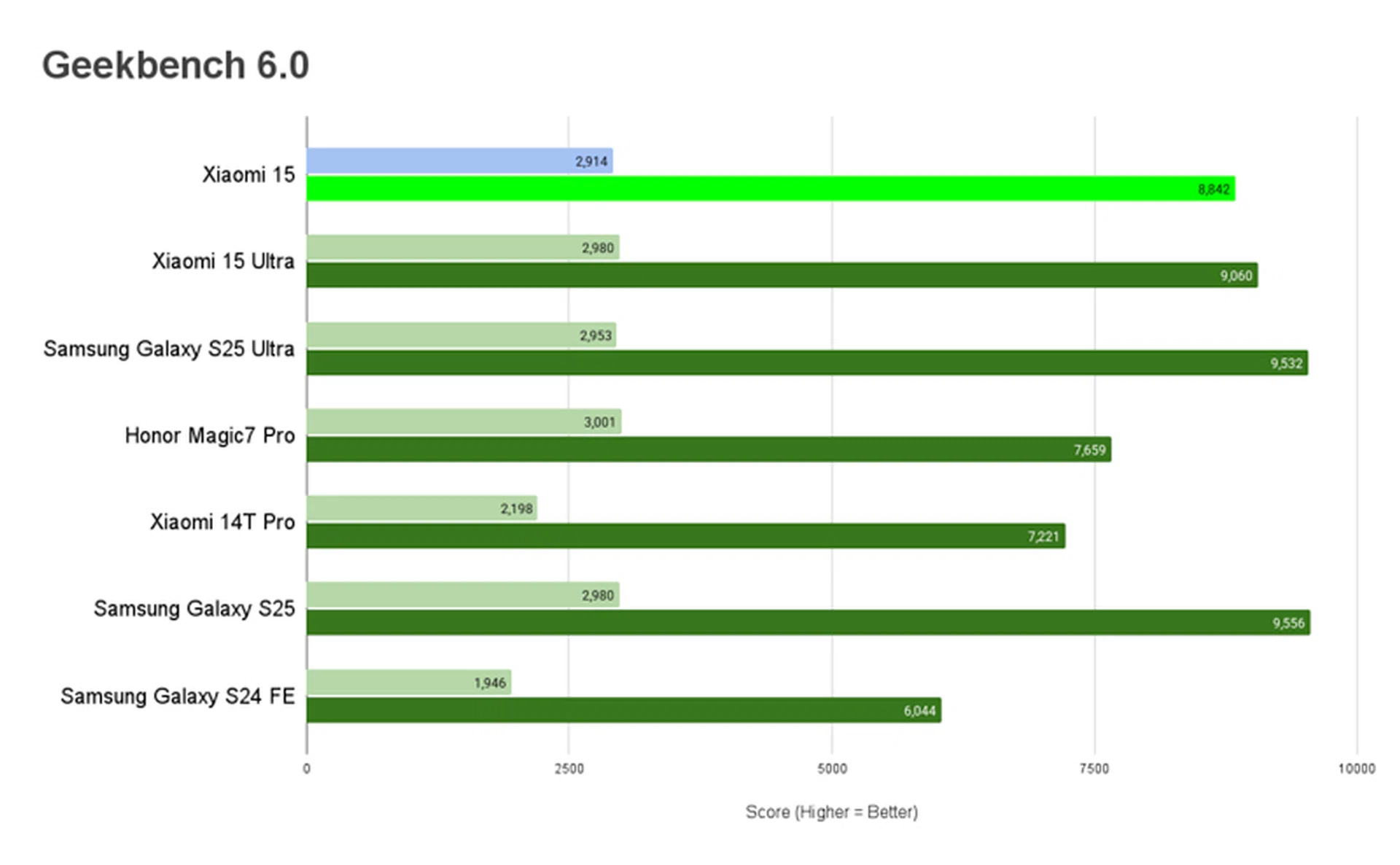
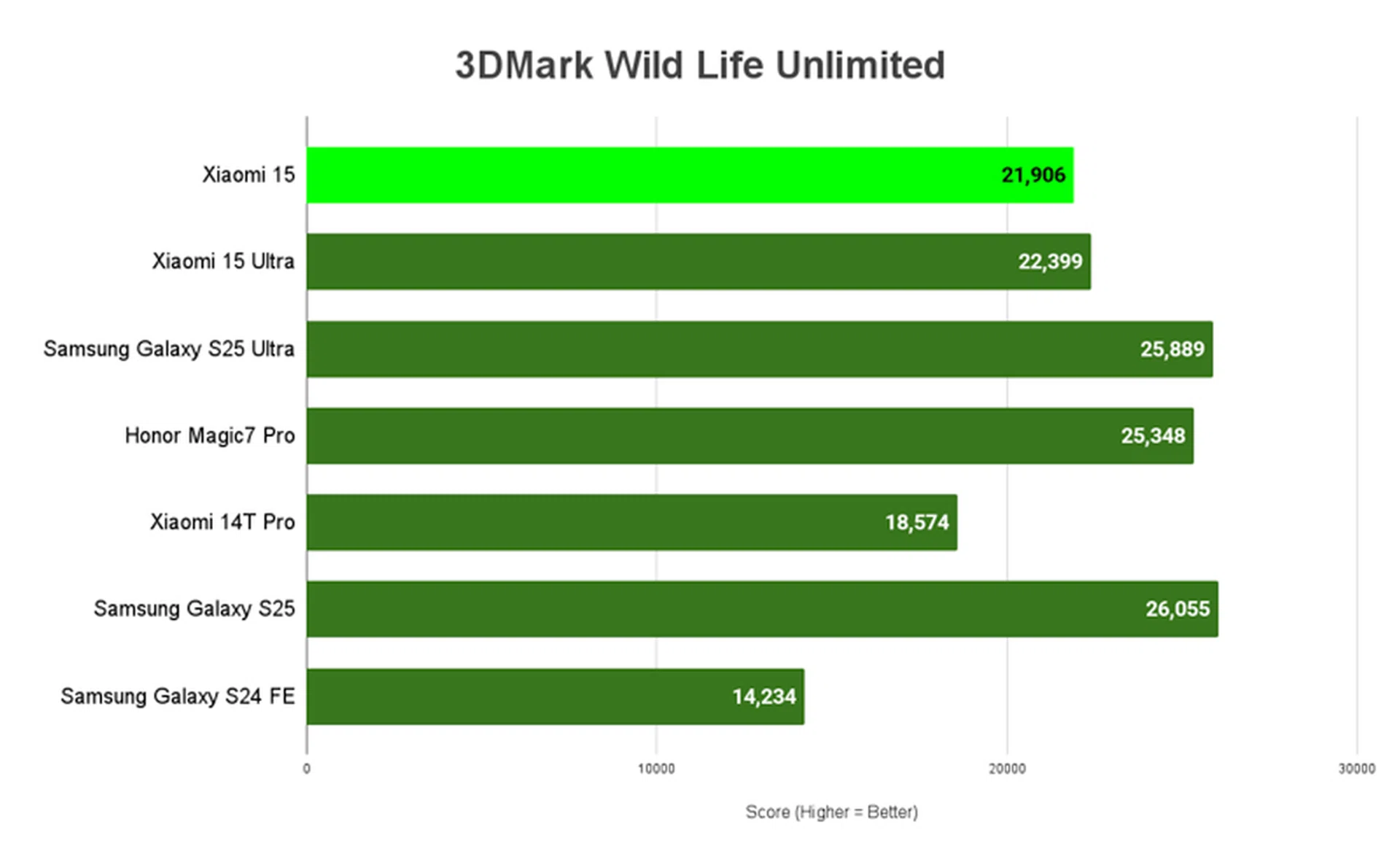
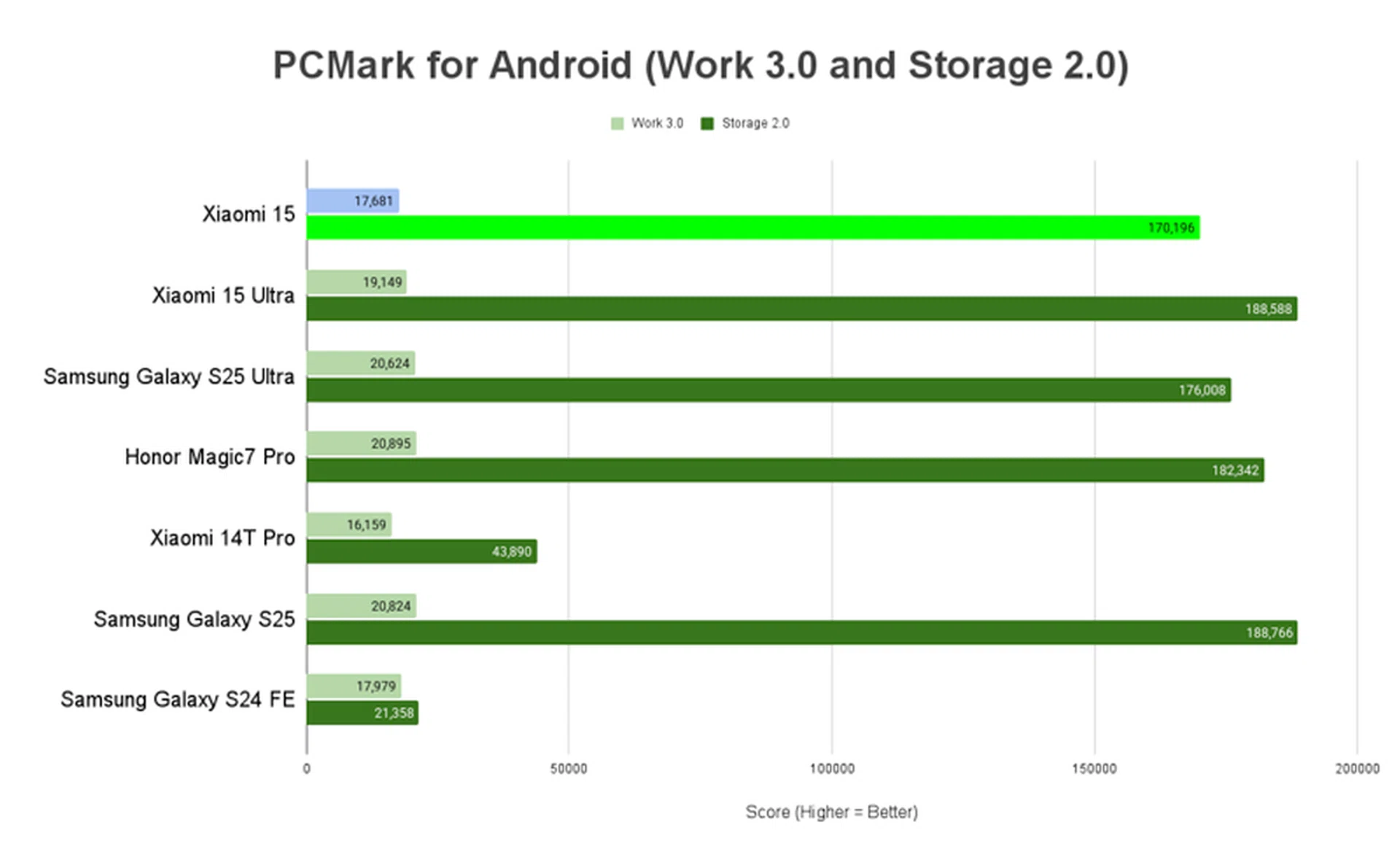
Benchmark performance remarks
Performance-wise, the Xiaomi 15 is nearly indistinguishable from the Xiaomi 15 Ultra, which is great news if you previously believed that smaller phones can't be as powerful as their bigger counterparts. In the case of Xiaomi 15, the brand has made it such that size is merely a choice. Of course, we're speaking about operative, day-to-day use, since the Ultra differentiates itself with greater photography capabilities.
Battery Life
Our battery benchmark uses PCMark for Android’s Work 3.0 Battery Life test to determine a modern Android-based smartphone's battery uptime in minutes. This controlled benchmark simulates real-world usage with a combination of both web and social media browsing, video and photo editing, parsing data with various file formats, writing (on documents), and more.
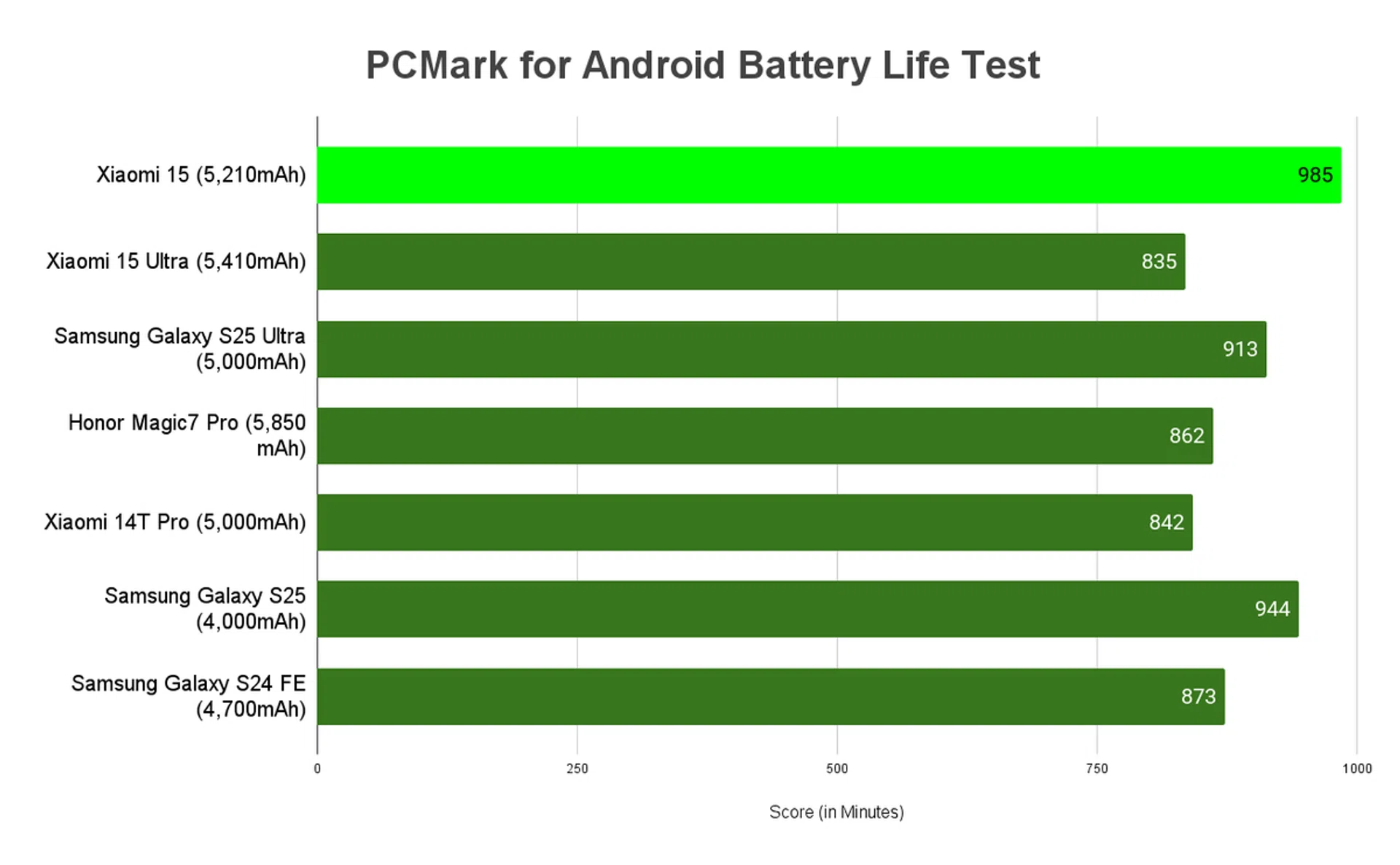
The Xiaomi 15’s battery is 5,240 mAh, compared to the 4,610 mAh battery found in its Xiaomi 14 (not listed here). That's about 13.6% more capacity than before. It's also more than the Xiaomi 14T Pro, its most recent budget flagship equivalent that already prioritises battery over performance.
Not only does the Xiaomi 15 last 2+ hours more than the 14T Pro, but it also lasts 3+ hours longer than the Xiaomi 14.
However, Xiaomi 15's battery efficiency is nowhere near Samsung's, especially against its Galaxy S25. The compact Samsung phone could deliver almost the same uptime with ~1,200mAh less capacity. That said, deciding whether efficiency is worth paying S$189 more is still up to you. Some will say yes, because they will also consider other differences, like software and cameras. Xiaomi fans might tell you no, because you pay S$189 more for "the same" outcomes.
Xiaomi 15 also supports its proprietary 90W HyperCharge. However, our review unit does not have a proprietary charger, so we cannot test its charging speed.
We used one of the many third-party GaN fast chargers in the market, in which the Xiaomi 15 is about to go from 0 to 50 in about ~30 minutes. It also supports their proprietary 50W wireless charging.
Great, but by virtue of elimination
While Xiaomi 15 is a minor iteration over Xiaomi 14 (with upgrades in only the processor and battery life), its competitive pricing of S$1,099 for its 256 GB version (and $1,199 for 512 GB), helps hold the phone up well against a sea of premium and compact flagship alternatives.
Even if the camera array is almost no different from its predecessor, its quality still outperforms many similarly priced rivals in 2025. Moreover, the phone comes with a top-of-the-line processor that's indistinguishable from its Ultra variant, while the others either make do or fall a bit short in other ways (like photography, battery, or design).
If we want to compare, the S$1,288 Samsung Galaxy S25 comes close, but it's nearly S$200 more. Even the Xiaomi 15's price-appropriate rival (Galaxy S24 FE, S$1,028) can only pull out an Exynos 2400e for users, which is miles apart in performance.
The same comparisons happen when pitting the Xiaomi 15 against compact options like an Oppo Find X8. It costs $1,349 (16GB RAM, 512GB storage) and also promises impressive photography, but it doesn't have the same Qualcomm processor to abuse its high RAM and storage fully.
By virtue of elimination and a little bit of nitpicking, Xiaomi 15 is a mainstream flagship compact that offers great value and a robust, all-around feature set. While there are a few compelling reasons to pick one up when you already own its predecessor, the Xiaomi 15 still ends up as the ideal upgrade once you start shopping around for other compact flagships.
The Xiaomi 15 officially retails at S$1,099 (12GB RAM and 256GB storage) on Xiaomi’s official online store and official platforms like Shopee and Lazada. The full pricing article is here.
Our articles may contain affiliate links. If you buy through these links, we may earn a small commission.