
Google explains why the Pixel 9 phones do not support Qi2 charging
Do you agree with Google's reason for skipping Qi2 support on the Pixel 9 phones?
#qi2 #wirelesscharging #google #pixel9
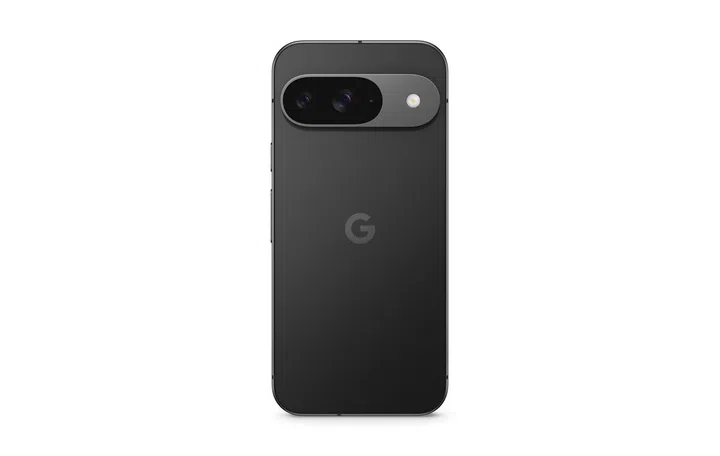
Google says there is no tangible benefit in supporting Qi2 at the moment, hence its Pixel 9 phones will not support the wireless charging standard. (Photo: Google)
Google's new Pixel 9 phones have the latest Tensor G4 chipset and a laundry list of AI features, but the company has declined to support the latest wireless charging standard.
Android Authority decided to ask Google about its decision to not support Qi2, and the answer might shock you. The Pixel 9 maker thinks since Qi is more readily available, "there are no tangible benefits to switching to Qi2".
For those the uninitiated, the Qi2 standard is built on Apple's MagSafe technology and the Wireless Power Consortium (WPC) plans to use Qi2 to improve and unify wireless charging under a single global standard.
Under the Qi2 standard, compatible devices will be able to charge wirelessly at up to 15W. And because Qi2 isn't proprietary (it's licensed by the WPC), it means they don't require special hardware or certification, and should therefore be cheaper to implement and produce.
The WPC announced in November last year that Qi2-certified devices would be available in time for the holiday season. It added that over 100 devices were in testing or in the certification testing queue at that point in time.
Since then, we have seen a flood of Qi2-certified chargers hit the market from several popular brands such as Anker, Belkin, Nomad, and Mophie.
The Apple iPhone 15 series became the first Qi2-certified phones, followed by the iPhone 13 and 14 series thanks to the iOS 17.2 update, and then the iPhone 12 with the iOS 17.4 update. In the Android camp, there is only one Qi2-certified phone, and that's the HMD Skyline.
Google had a valuable opportunity to jump ahead of the Android camp and help accelerate the adoption of the Qi2 standard, but it decided to do nothing.
Source: Android Authority
Our articles may contain affiliate links. If you buy through these links, we may earn a small commission.