
The Samsung Galaxy Watch8 Classic made me rethink my Apple Watch loyalty
The Galaxy Watch8 Classic isn’t perfect, but its classic rotating bezel and standout sleep apnea detection came close to pulling me away from my Apple Watch.
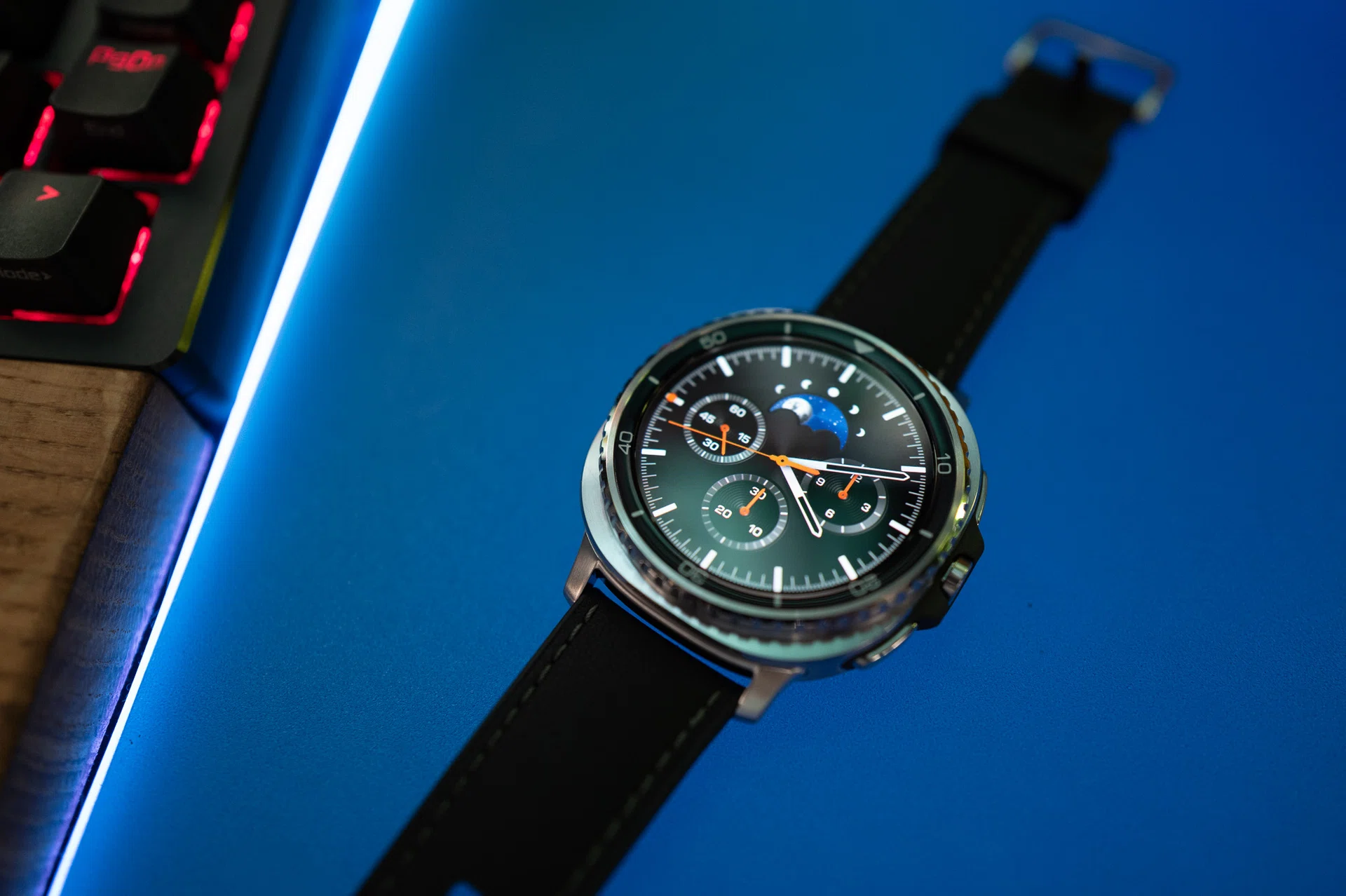
My very first smartwatch was the Apple Watch Series 5 back in 2019. Since then – tied to the watchOS ecosystem by way of my iPhone – I’ve stuck with Apple’s lineup all the way to the current Ultra 2. I always figured I’d just keep upgrading within that universe. It’s easy, familiar, and everything works together without fuss.
But then I was given the chance to try out the 46mm Samsung Galaxy Watch8 Classic, which also meant pairing it with a Galaxy smartphone to unlock all of its features. For that, I was loaned the last-gen S24 Ultra (Samsung, either the new Galaxy Fold7 or Flip7 would have been lovelier!). And with that setup, I figured it was time to give Samsung’s smartwatch ecosystem a proper go. The Watch8 Classic came at the right time – not just for the return of the fan-favourite rotating bezel, but because it’s also the first Galaxy Watch approved for sleep apnea detection for the Singapore market, something that’s personally relevant to me.
The Watch8 Classic gets sleep apnea right
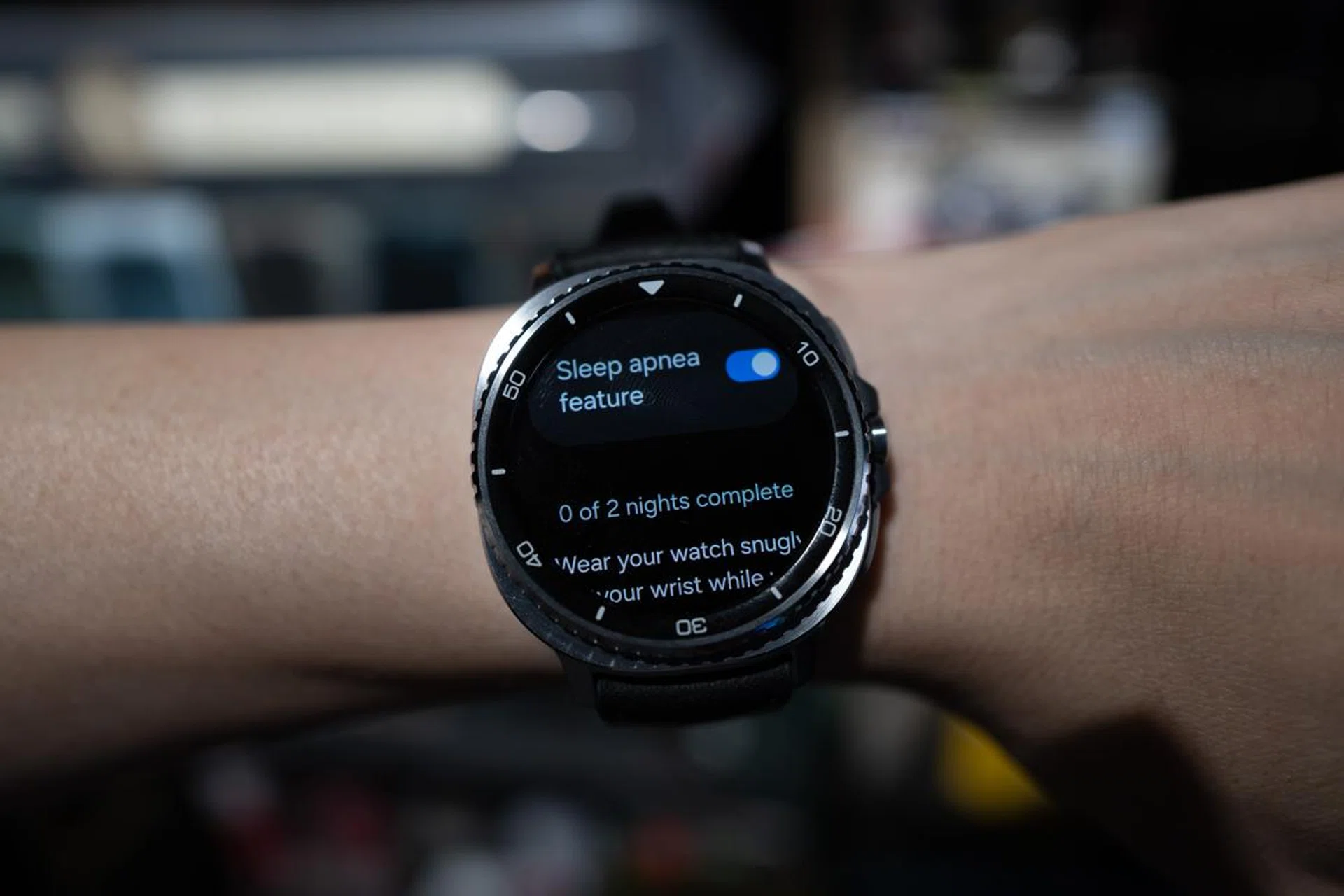
The Watch8 Classic only needs two nights of sleep results to determine if you have to go for a sleep apnea diagnosis.
ow that got my attention. I’ve been living with a mild case of sleep apnea, and while it’s not bad enough for CPAP machines (you can read more about it here) or scary interventions, it is enough to leave me groggy some mornings. I’ve tried other sleep-tracking wearables, including smart rings, but most of them would give me a graph or a vague sleep score telling me what I’d already know – that I’ve had a crappy night. And then I’d move on. But two nights into wearing the Watch8 Classic, it popped up a prompt asking if I’d like to screen for sleep apnea. I agreed, not expecting much. And then, without any drama or blinking red warnings, it tracked my blood oxygen across several nights and showed me something eerily familiar: a pattern of mild oxygen dips that pretty much matched what my actual sleep test results had shown.
The Apple Watch Ultra 2 can do this, too. But watchOS handles sleep apnea a bit differently from Samsung’s take – and it mostly comes down to when each watch decides to speak up. Both devices track your sleep every night, but they have different thresholds for when they flag potential issues.
On the Apple Watch, you get daily breathing disturbance readings in the Health app. But here’s the thing: you won’t get an actual notification about possible sleep apnea until the watch logs at least 10 nights of data within a 30-day period, and about half of those nights need to show elevated disturbances. Only then will Apple tap you on the wrist and suggest thatyou might want to speak to a doctor. Until then, it stays silent.
Samsung takes a more immediate approach with the Watch8 series. After just two nights of sleep tracking, the Watch8 Classic prompted me to enable the sleep apnea detection feature. From that point on, I started getting daily insights in Samsung Health – including SpO2 (blood oxygen) readings with timestamps, severity, and duration. Because it’s able to flag potential symptoms earlier, someone who doesn’t know they’re at risk could be nudged to seek medical advice much sooner.
It’s also important to remember that both watches off early warning systems, not diagnoses. Neither replaces profesisonal evaulation or treatment, and shouldn’t be treated as such. But when it comes to raising awareness in a timely way, Samsung’s faster feedback loop could make a meaningful difference.
Beyond health: UI, bezel, and the ecosystem shift
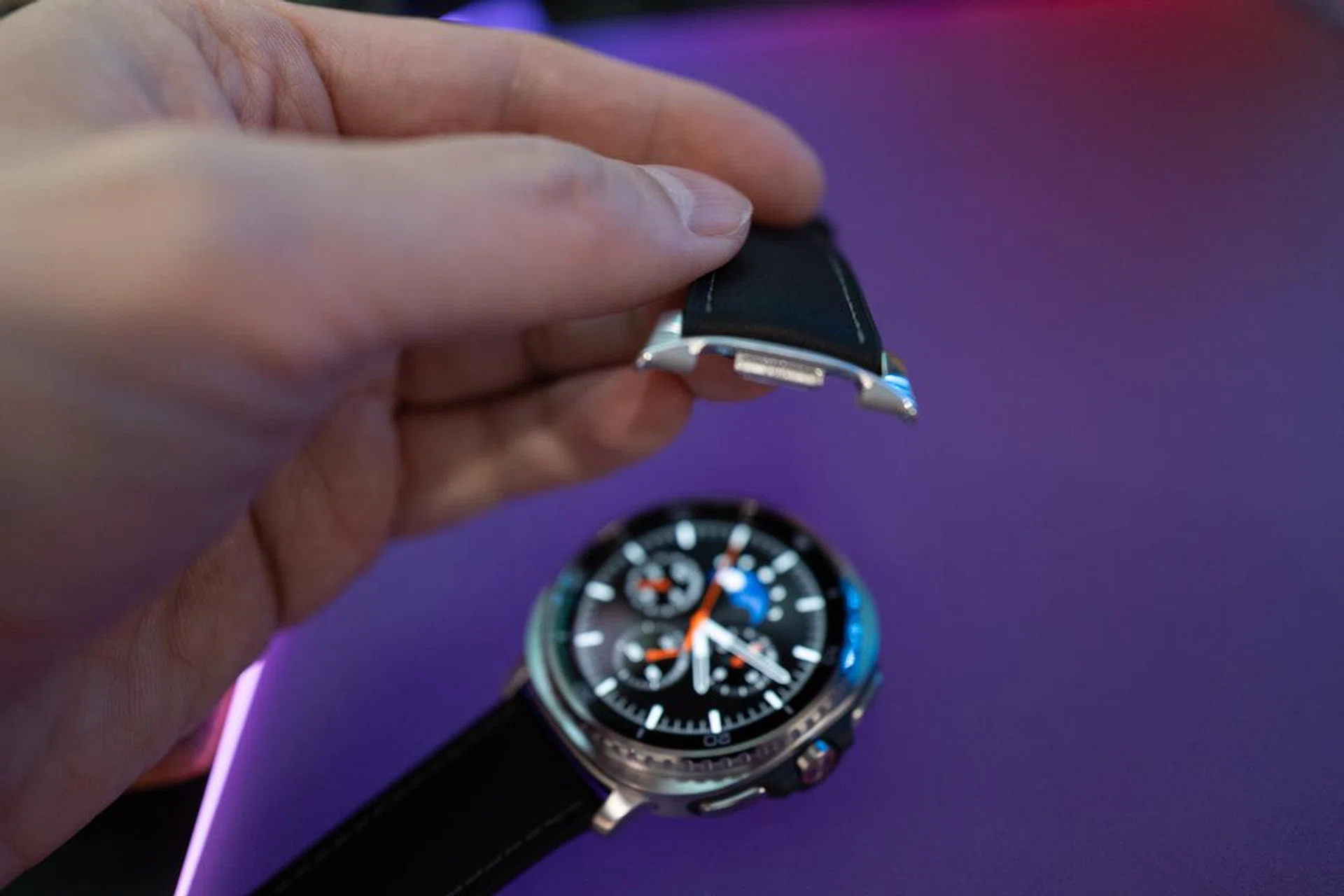
Unfortunately, you won’t be able to use the same straps from the Galaxy Watch7 or older devices.
Of course, the Watch8 Classic isn’t just about health. This was also my first proper outing with Google’s Wear OS 6, which is layered under Samsung’s One UI 8 interface, and I braced for a learning curve – but it never really came. Pairing with the S24 Ultra was painless. Navigating the interface took maybe a day or two before it all felt second nature. Samsung Health, which I admittedly was never fond of in its earlier iterations, has grown up. There are the by-now-contemporary features like ECG tracking, body composition, heart rate zones, and all the other health features wrapped in a layout that finally feels cohesive instead of cobbled together.
Then there’s that rotating bezel. I have to admit, I really like it. There’s something oddly satisfying about using the rotating bezel to scroll through menus, nudge volume levels, or adjust screen brightness. It adds a touch of tactile elegance. But you can do all of these with a swipe or a tap on the display, too. That begs a question: could Samsung have taken the bezel further? Since the Watch8 Classic shares the same OS as the standard Watch8 (and the Ultra 2025), the bezel doesn’t have any special tricks of its own. It works, it feels nice – but it could probably do more than just scroll prettier.
One of the things that stood out early on was the display – and the Watch8 Classic’s screen is gorgeous. It’s a bright, punchy Super AMOLED panel with deep blacks and vibrant colours, and it holds up brilliantly even under our sunny island’s midday sun. It’s also sharp and responsive, whether I’m swiping through tiles or tapping out a quick reply. As for battery life, it’s not mind-blowing like those from sports-focused models from Garmin or Suunto, but it’s still better than I expected. With the always-on display enabled, sleep tracking overnight, and a mix of daily use – timers, messages, media controls, even the odd Gemini request – I’m getting around a day and a half on a single charge. Maybe two days if I’m light on the usage, which is almost similar to my Apple Watch Ultra 2 experience.
Now, not everything is perfect. The bezel on the Watch8 Classic looks great, but on more than one occasion, it has made me nervous. After years with the Ultra’s tank-like case, I’m instinctively cautious about knocking this thing against table edges or accidentally dropping the watch. I’ve read horror stories on Reddit of how bezels on the older Watch6 Classic become loose easily or start flexing after a while. Thankfully, the one on my Watch8 Classic test unit is holding up pretty well. That said, the larger size and weight of the Watch8 Classic did make it a bit unwieldy to sleep with – something I’ve also experienced with the Apple Watch Ultra 2. If overnight tracking is your priority, the smaller standard Watch8 might be a more sensible pick, much like how Apple’s non-Ultra models are arguably more convenient to sleep with. Alternatively, you can also consider picking up the Galaxy Ring, which is far less intrusive, but serves to collect stats while not wearing a watch.
Oh, the Watch8 series also won’t work with straps from Watch7 and older models. That’s because Samsung has switched to a new Dynamic Lug System, which isn’t compatible with the standard 20mm straps used in previous Galaxy Watches. So if you’ve got favourite bands you were planning to reuse, you’ll need to invest in new ones designed specifically for the Watch8 series. This is going to disappoint owners who are looking to upgrade their older Galaxy watches and have spent heavily on straps.
My 2 cents
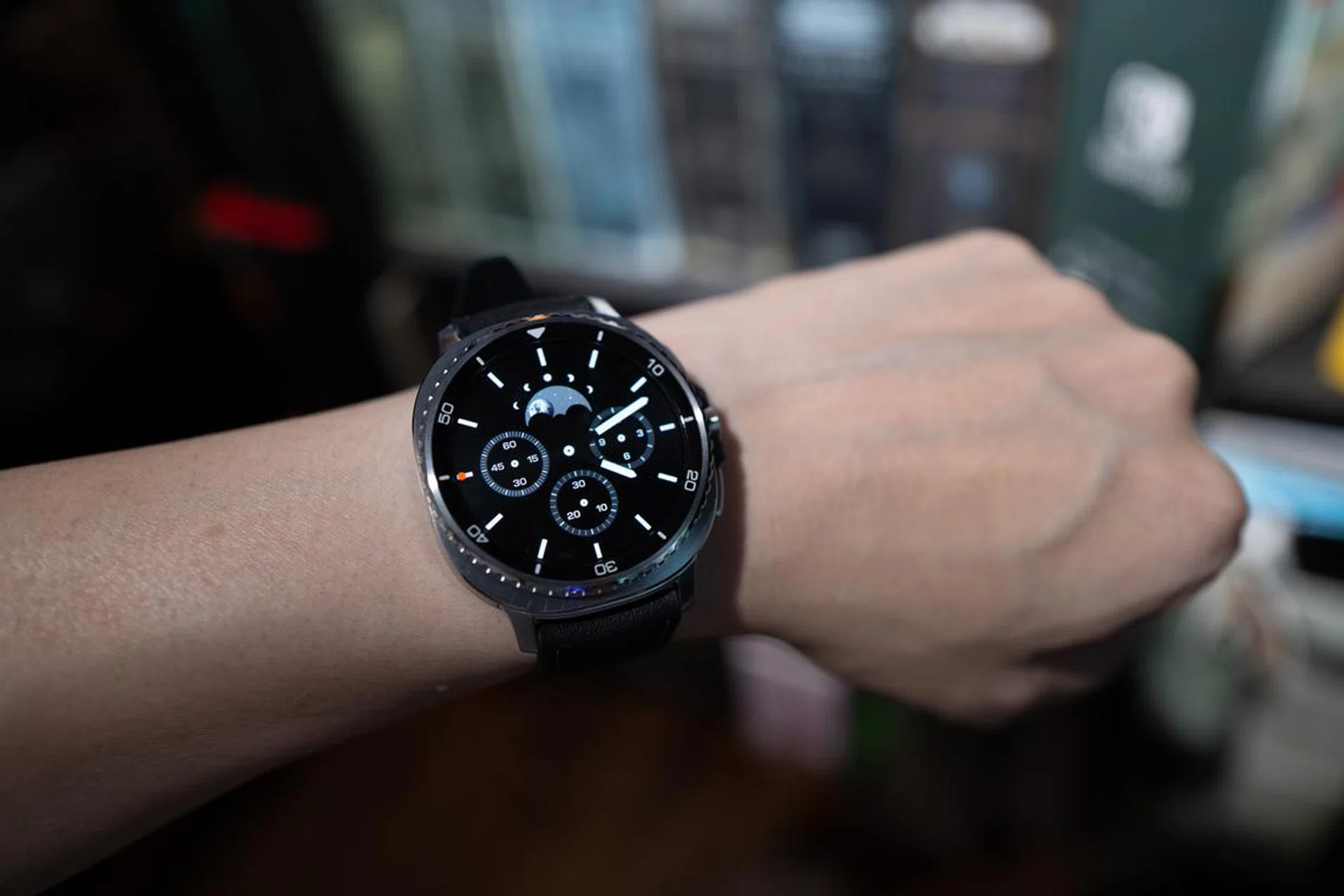
The Watch8 Classic is the most complete Galaxy Watch yet from Samsung.
It’s been just over three weeks now, and while the Watch8 Classic isn’t enough to pull me out of the Apple ecosystem completely, it’s definitely carved out a place of its own on my wrist. That said, this feels like a comeback that matters – especially after the Classic line skipped the Watch7 series altogether. The rotating bezel’s return is a tactile delight (even if it could do more), the software is more cohesive than I expected, and the integration with Samsung’s ecosystem on the S24 Ultra is impressively tight. But it’s the sleep apnea detection that’s made the biggest impression on me. Not just because it works, but because it kicks in earlier and delivers more actionable feedback than what I’ve seen from the Apple Watch Ultra 2. If you’re already in Samsung’s camp, this might be the most complete Galaxy Watch yet – combining style and substance in a way that finally feels mature. Honestly, I wish Apple would consider making a “classic” version of its own smartwatch. And that, coming from me, says a lot.
Availability and pricing
The Samsung Galaxy Watch8 Classic (46mm) is available for S$698 or $798 (with LTE), in black and white options, from 1 August 2025. You can buy it at local telcos (Singtel, StarHub, M1), Samsung Online Store, Samsung Experience Stores, and Samsung Official Stores at Lazada and Shopee.
Our articles may contain affiliate links. If you buy through these links, we may earn a small commission.