
Samsung Galaxy Z Fold7 review: We didn’t expect it to be this good
With so many little details working against the Z Fold7, how did it even come out on top?
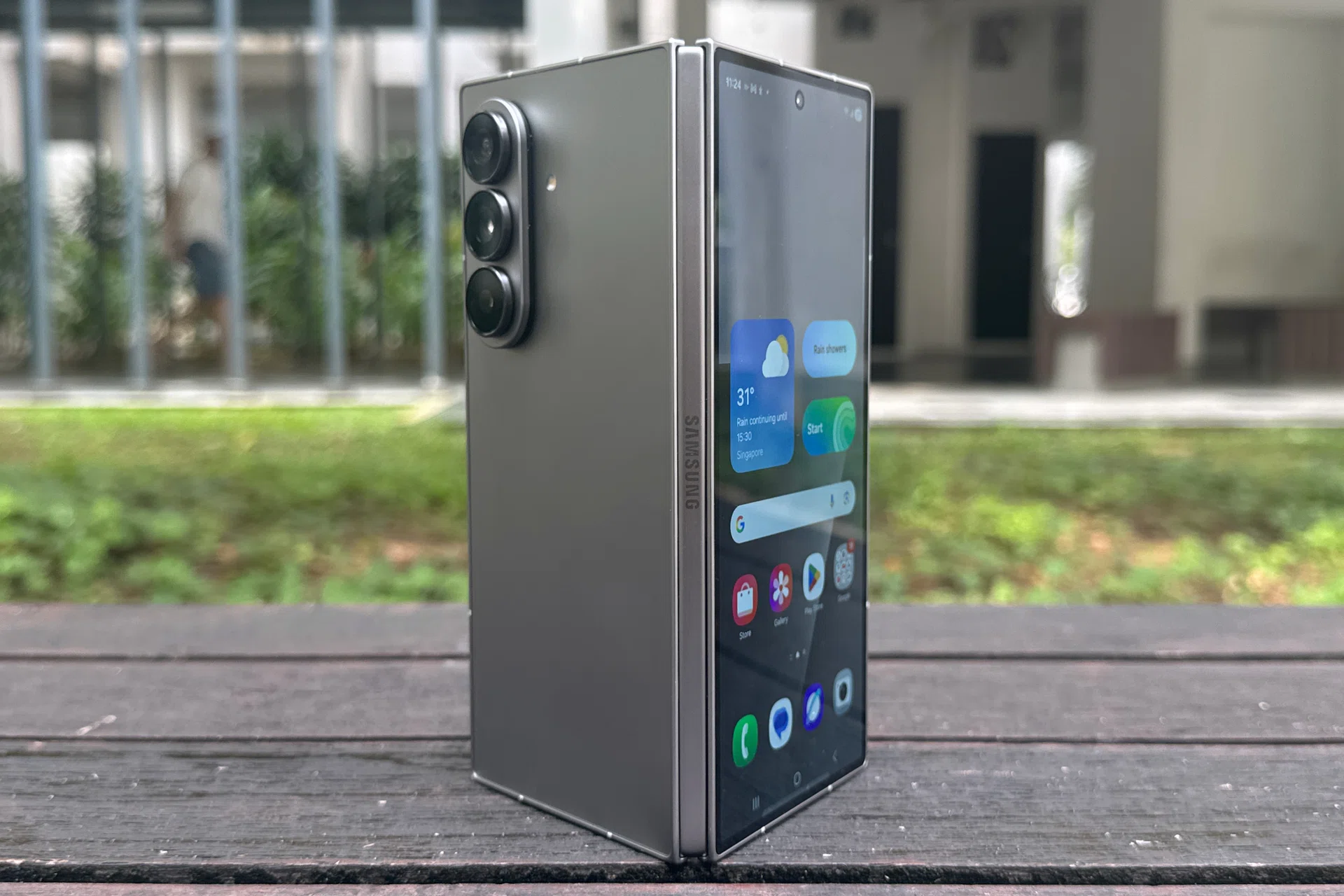
Note: This story was published as a first looks at the device on 14 July 2025. We have completed the full review on 24 July. It was republished as the phones go on retail today.
Overview
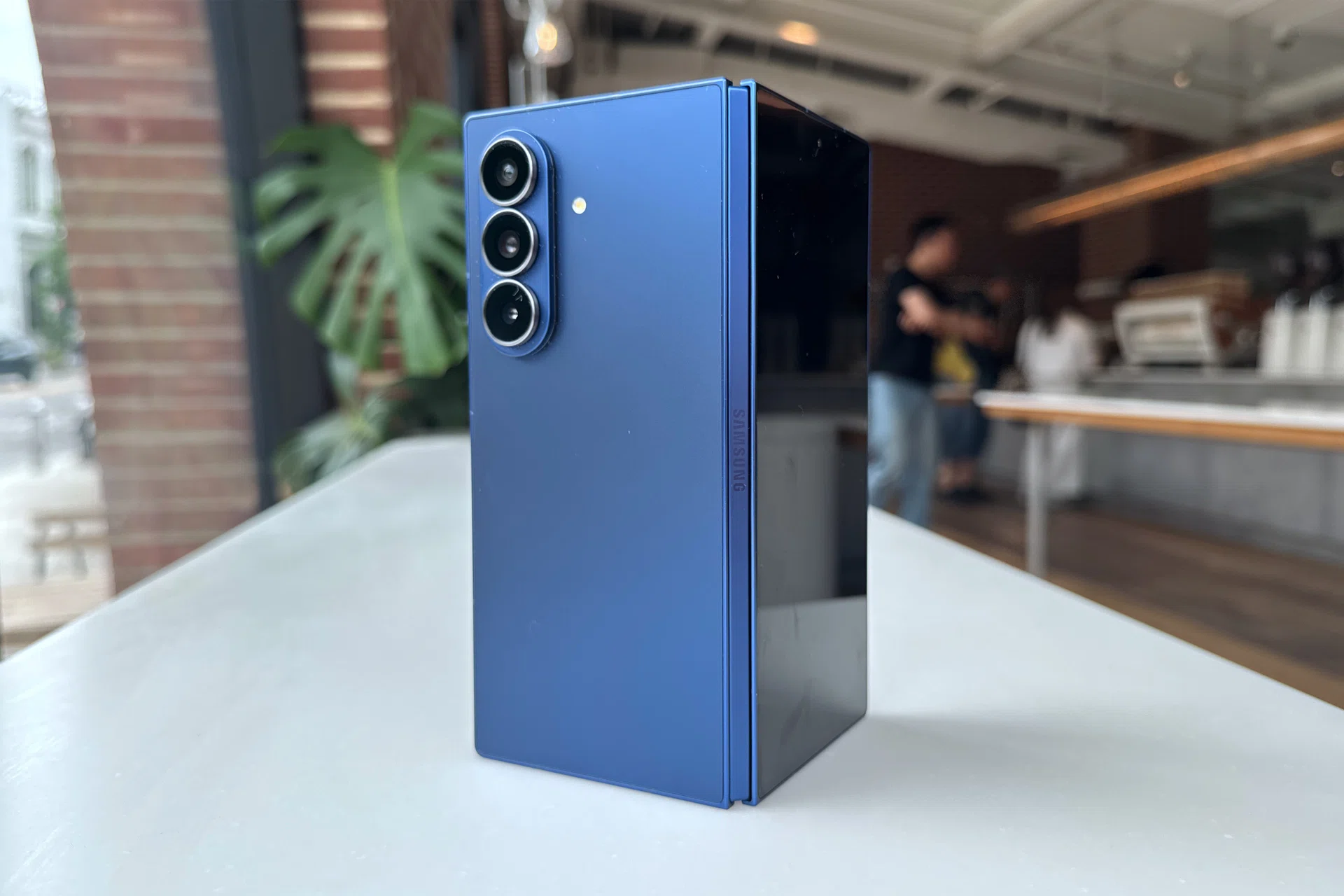
Samsung Galaxy Z Fold7.
Samsung’s new book-style handset, the Samsung Galaxy Z Fold7, is here to address old problems and provide new reasons to believe in foldable phones again.
Much of its fanfare centred on its 4.2mm (unfolded) and 8.9mm (folded) body dimensions, and we explore how these translate into real-world experiences, alongside its powerful Qualcomm Snapdragon 8 Elite for Galaxy chipset and IP48-rated body against water and dust.
Where to buy the Samsung Galaxy Z Fold7:
- Samsung Shop App / Online Store
- Samsung Official Store on Lazada, Shopee, TikTok, KrisShop, and iShopChangi
- Local telecommunication operators (M1, Singtel, StarHub and ZYM Mobile)
- Consumer Electronics online stores (Best Denki, Challenger, Courts, Gain City, Harvey Norman)
Crucially, the Galaxy Z Fold7 starts at S$2,698 for 256GB storage, marking two big price jumps for this book-style foldable. The predecessor started at S$2,548 (256GB), while the three models before that (Galaxy Z Fold5, Galaxy Z Fold4, and Galaxy Z Fold3) started at S$2,398 (256GB). While we can’t stop prices from rising, it won’t stop us from finding out if the upgrades are worth it.
Can its 4,400mAh battery hold out? Are the physical changes really that amazing? Let’s find out.
Design and handling
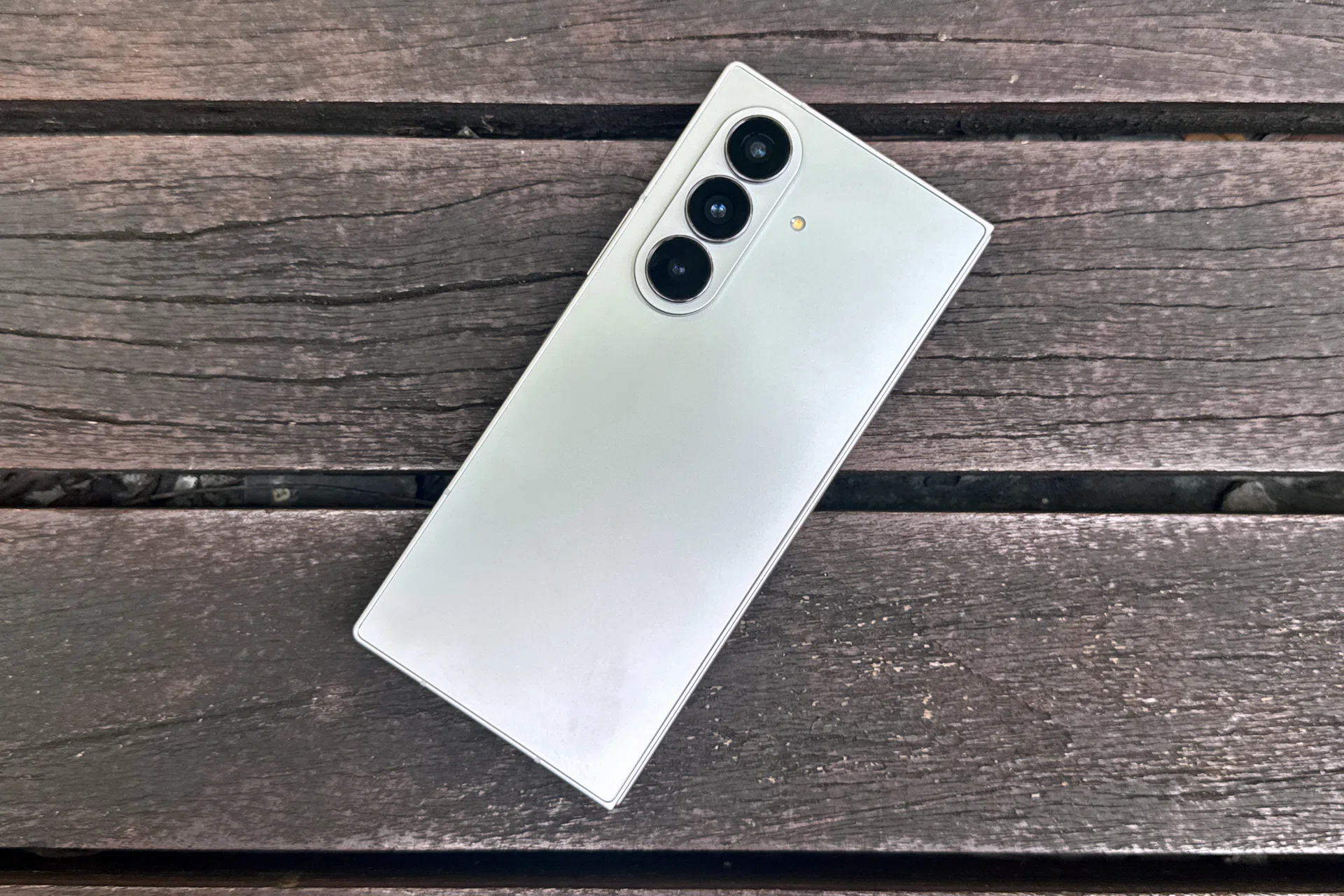
Samsung Galaxy Z Fold7.
The last time Samsung made notable improvements to the form factor was during its move from Galaxy Z Fold3 to Galaxy Z Fold4, and now the Koreans have finally cracked the code (albeit not as quickly as Honor or OPPO).
Older Samsung foldables were quickly becoming outdated due to their unusual corners, thick display bezels, and even the occasional wedge-shaped folding at certain points in Galaxy Z’s history.
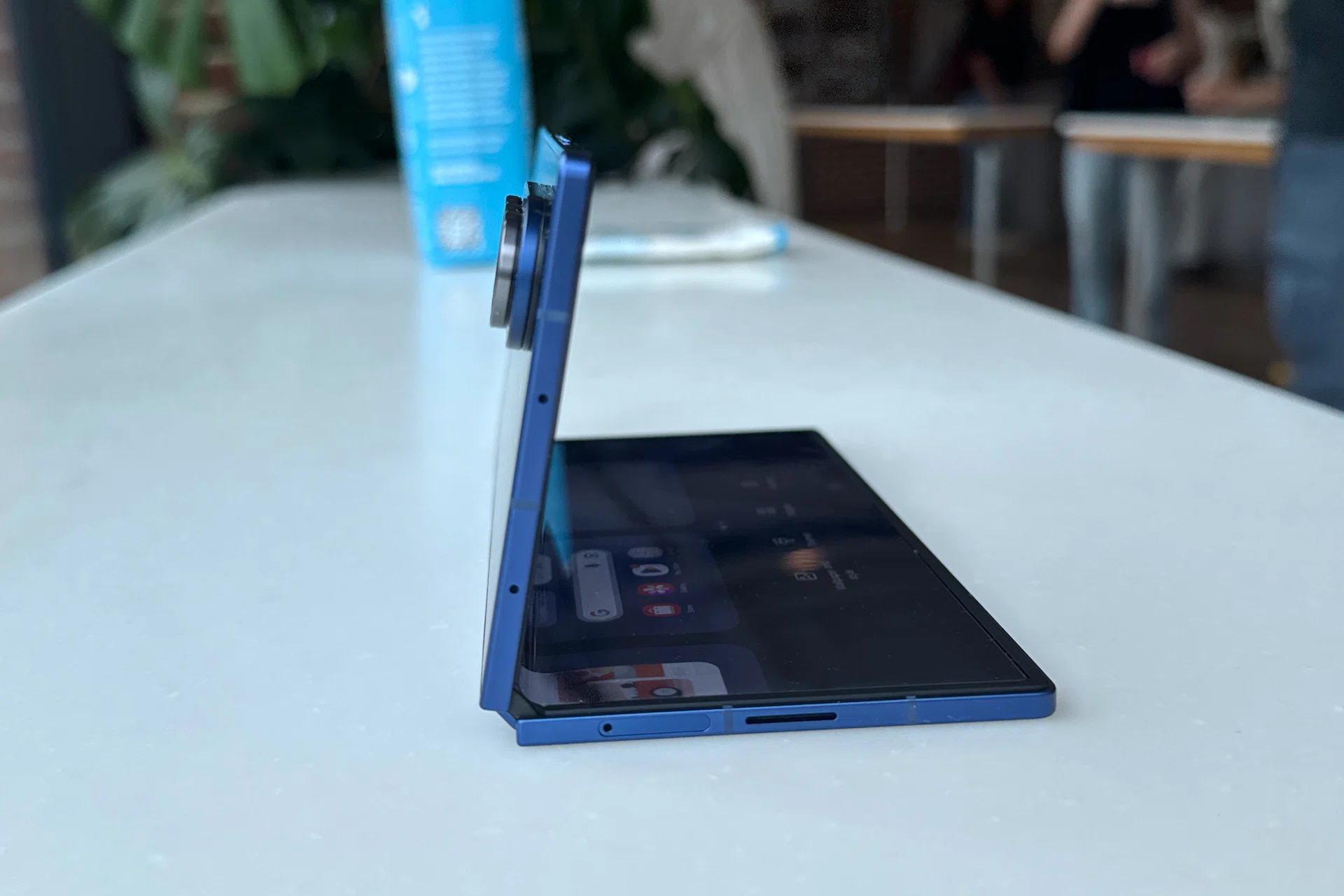
Samsung Galaxy Z Fold7.
We’re pleased to say that the Samsung Galaxy Z Fold7’s slimmer build isn’t just an improvement, but a 180° turnaround for its design direction. The slim body was only the beginning of all the physical upgrades that make it one of the best foldables to hold and use today.
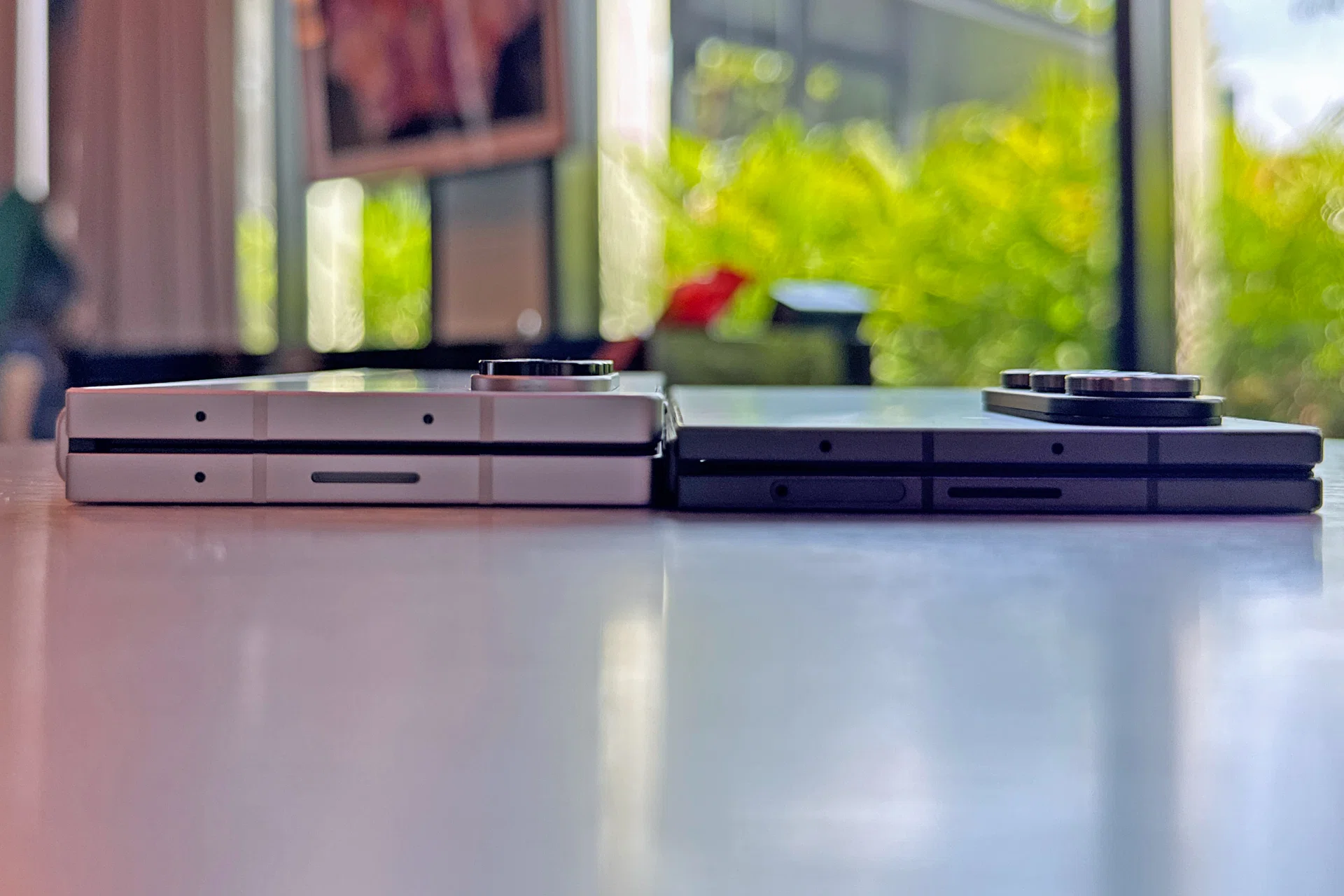
Galaxy Z Fold6 on the left. Galaxy Z Fold7 on the right.
Model | Galaxy Z Fold7 | Galaxy Z Fold6 | Galaxy Z Fold5 | Galaxy Z Fold4 | Galaxy Z Fold3 | Galaxy Z Fold2 |
Folded | 8.9mm | 12.1mm | 13.4mm | 15.8mm | 16.0mm | 16.8mm |
Weight | 215g | 239g | 253g | 263g | 271g | 289g |
If you’ve always wanted a regular phone that can unfold to reveal a larger display, the Galaxy Z Fold7 does that very well. That’s always been the main USP, but the overall experience is now far more refined.
Samsung Galaxy Z Fold7.
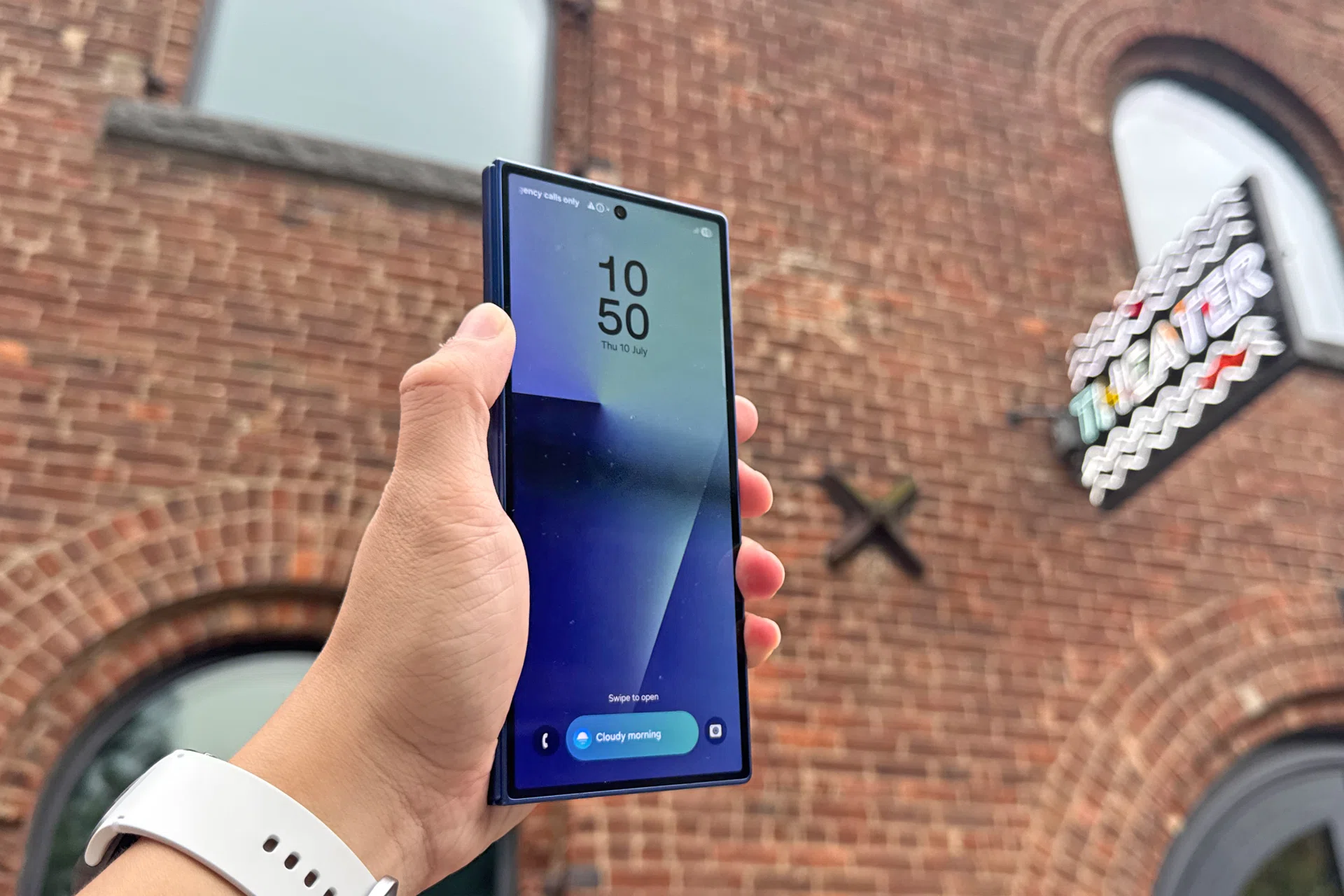
When closed, it feels like a standard, bar-type premium flagship phone. Its Cover Screen (6.5-inch, FHD+ resolution, Dynamic AMOLED 2X panel, 120Hz refresh rate) has a common 21:9 aspect ratio, framed in razor-thin bezels. This combo meant we could treat the Cover Screen like a typical smartphone, with no other caveats.
Its 8.9mm body also takes up the same space that a normal phone would in pockets or bags. The 215g weight, which is lighter than many Pro Max or Ultra models, is also forgiving when it rests on the pinky finger while we scrolled an afternoon away.
Samsung Galaxy Z Fold7.
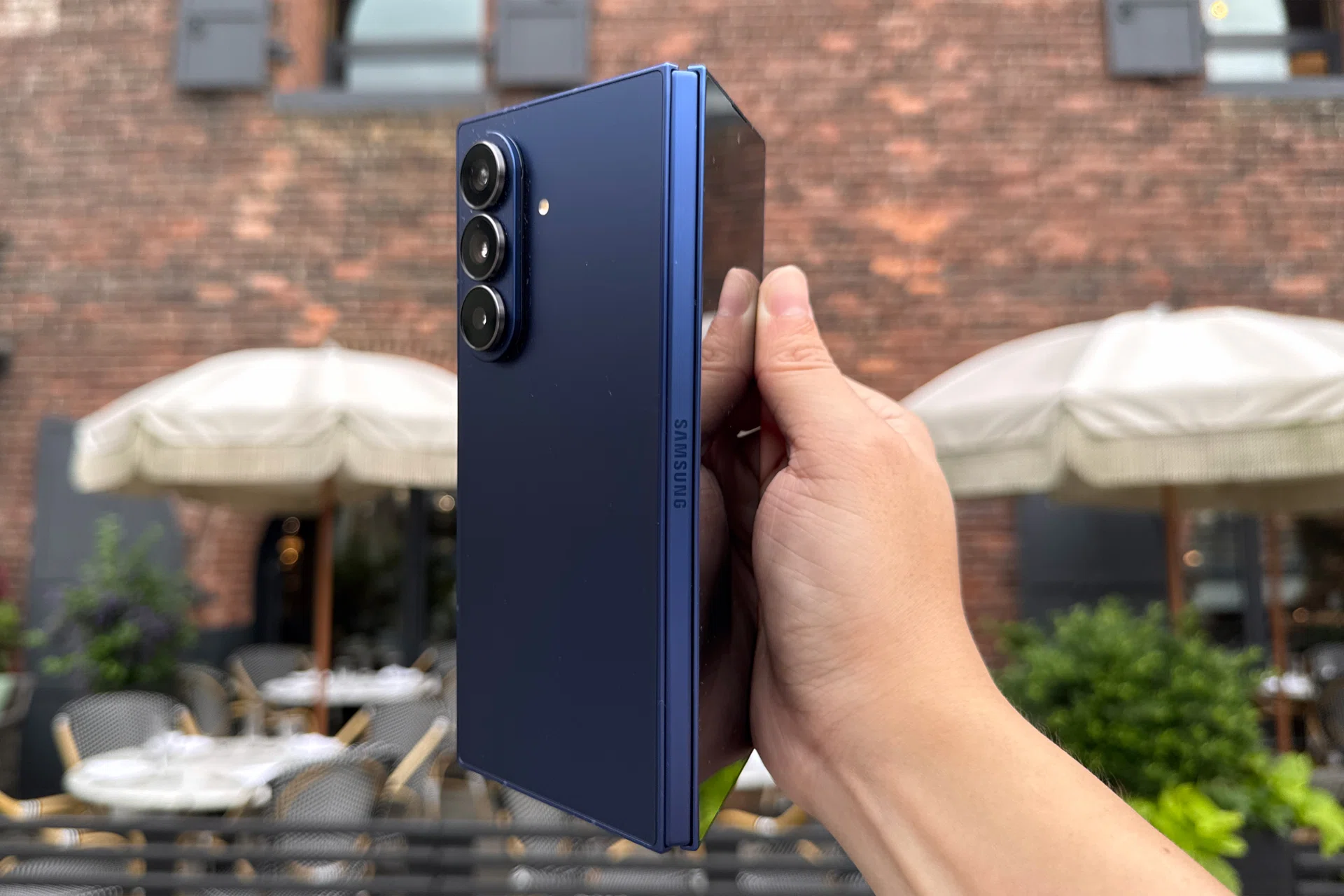
The oversized rear camera bump makes the uncased device feel precariously wobbly on a flat surface, but you can flip it over and trust in the cover screen’s Corning Gorilla Glass Ceramic 2 to keep itself pristine. We know we did, and it even survived a bag and pockets full of barang-barang, too.
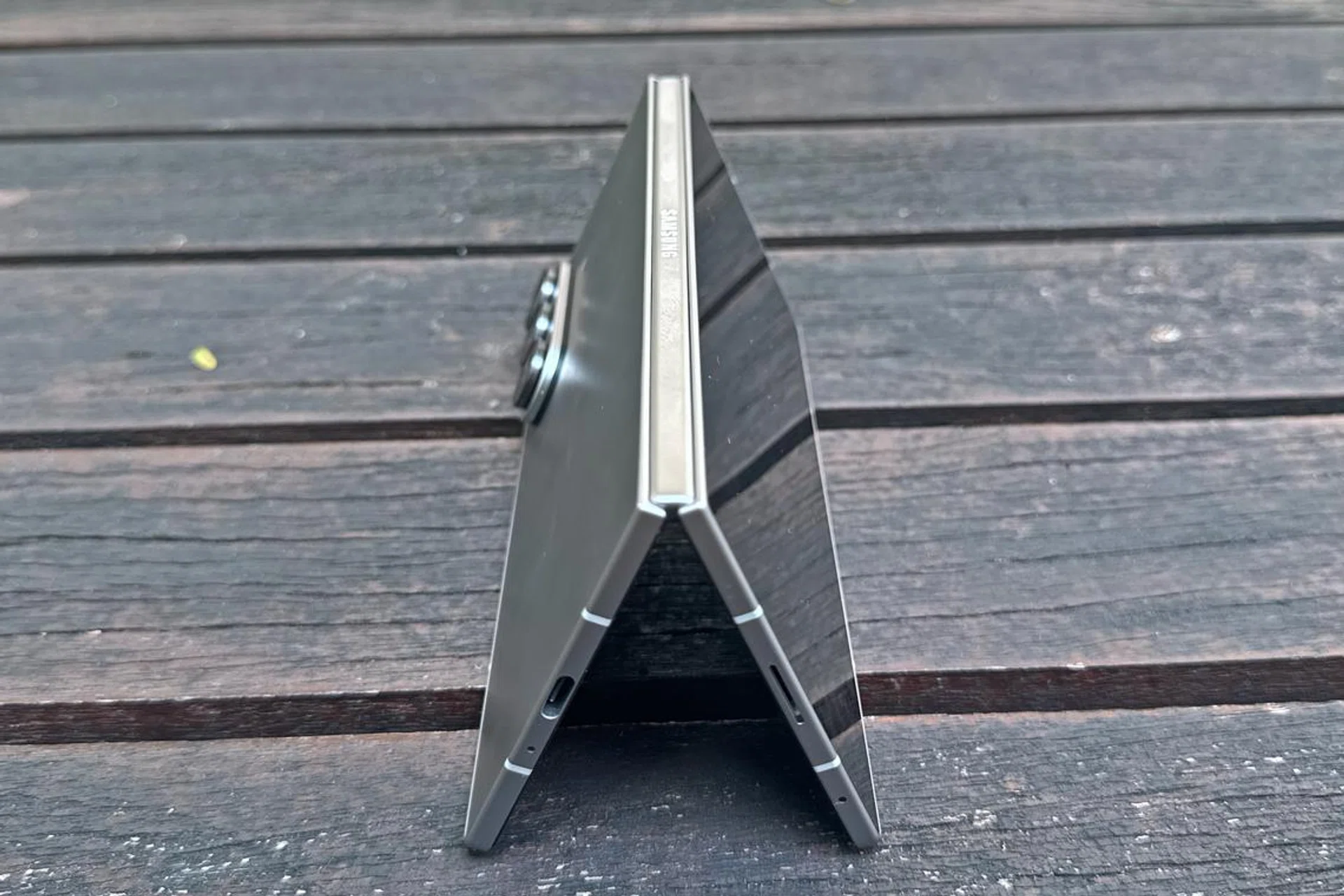
The unfolding mechanism also feels smoother, easier, and more reassuring than before. We believe it’s the work Samsung put into the new Armor FlexHinge, with extra attention paid to how the hinge disperses tensile stress.
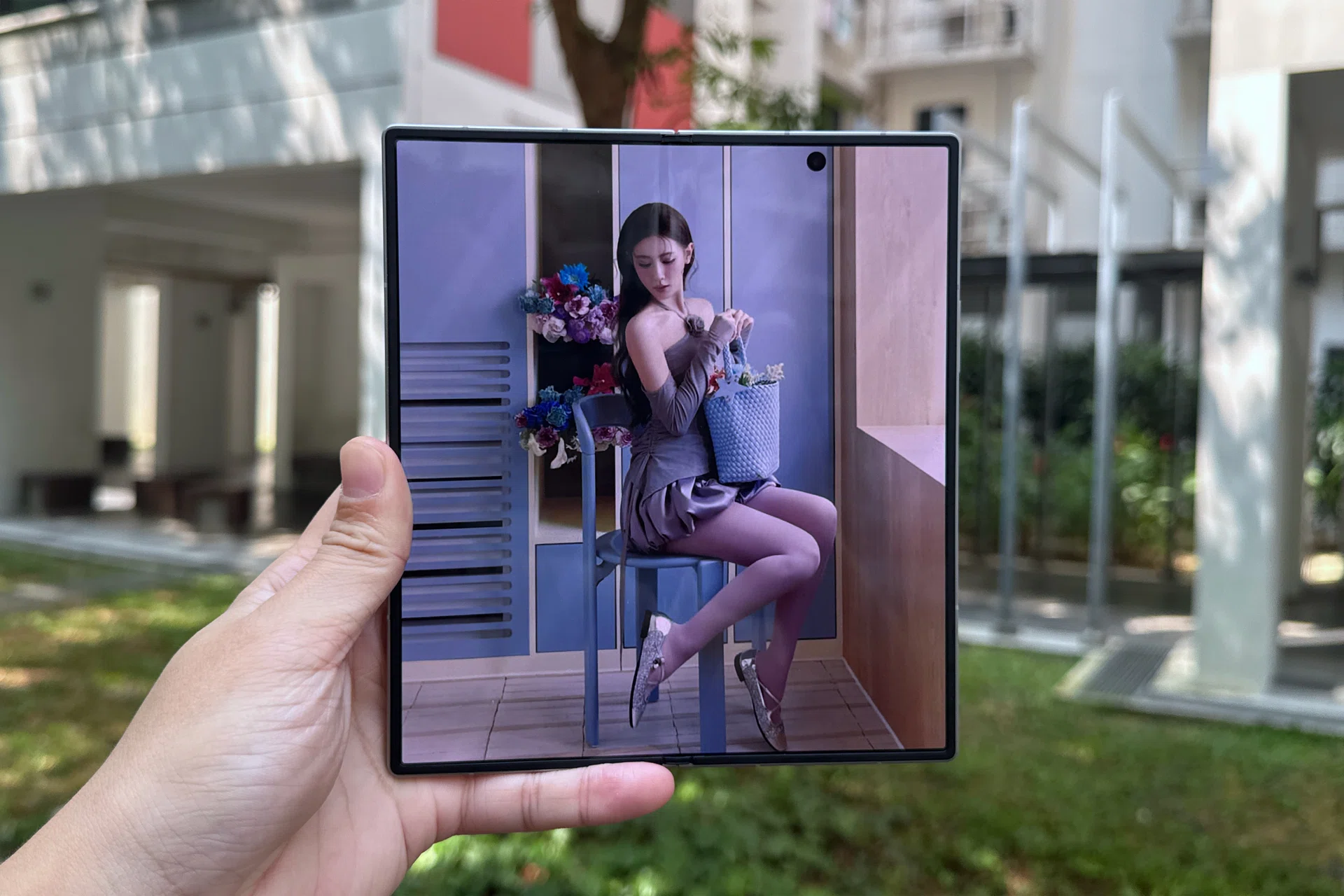
Samsung Galaxy Z Fold7.
The 8-inch Main Screen (QXGA+ resolution, Dynamic AMOLED 2X panel, 120Hz refresh rate) also had some work done to make its crease look and feel even more seamless to the touch. One of our previous gripes with modern foldables is how even a near-creaseless appearance still comes with a very noticeable indent when you run a finger across the seam.
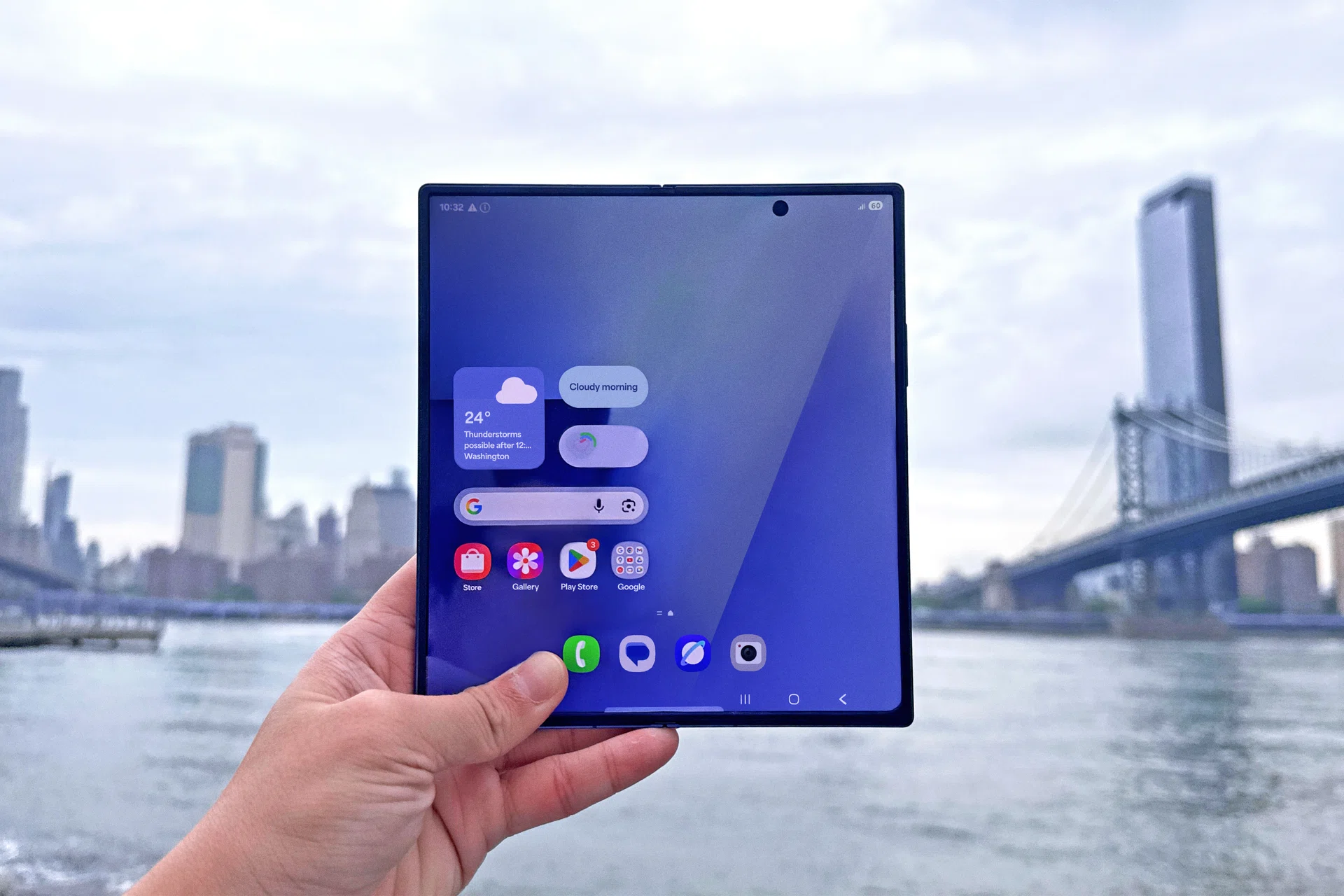
Samsung Galaxy Z Fold7.
Samsung found the balance by increasing the thickness of its Ultra-Thin Glass by 50%, attaining a nearly no-crease look that also feels less dented than before. The added perk? The Main Screen is also now more durable, per Samsung’s claims.

Left: Samsung Galaxy Z Flip7. Right: Samsung Galaxy Z Fold7.
Of all the physical changes they made, we enjoyed its angular look the most. By opting for sharper-looking corners, straight edges, and conformity to its mostly-flat design principles, Samsung has made the handsomest Galaxy Z Fold so far.
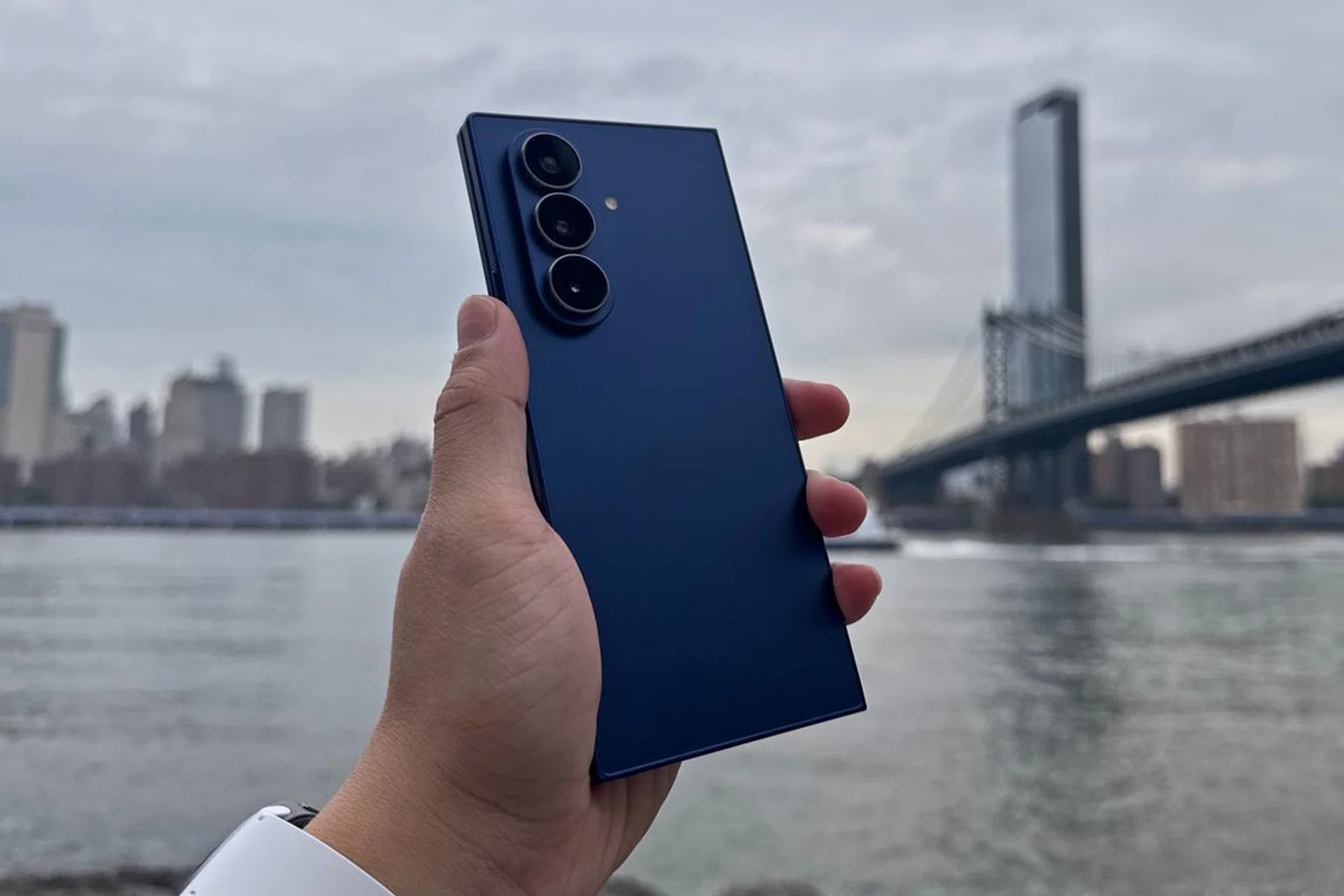
Samsung Galaxy Z Fold7.
We were never fans of seashell-shaped phones on an Android seashore, and the Galaxy Z Fold7 feels fresh and alluring, especially with how easy it is to use now. Physical improvements are finally on par with recent Chinese book-style foldables, but with better execution. We found ourselves drawn to the device constantly and were happy using it in both folding states.
That said, the design isn’t flawless. Two things we’d like to see are a slimmer rear camera bump and more tactile feedback for its super-skinny, easy-to-miss volume and power buttons. However, these are easily forgiven when you come face-to-face with Fold7’s fluidity and its immersive dual display.
Does One UI 8 add anything to a Fold7?
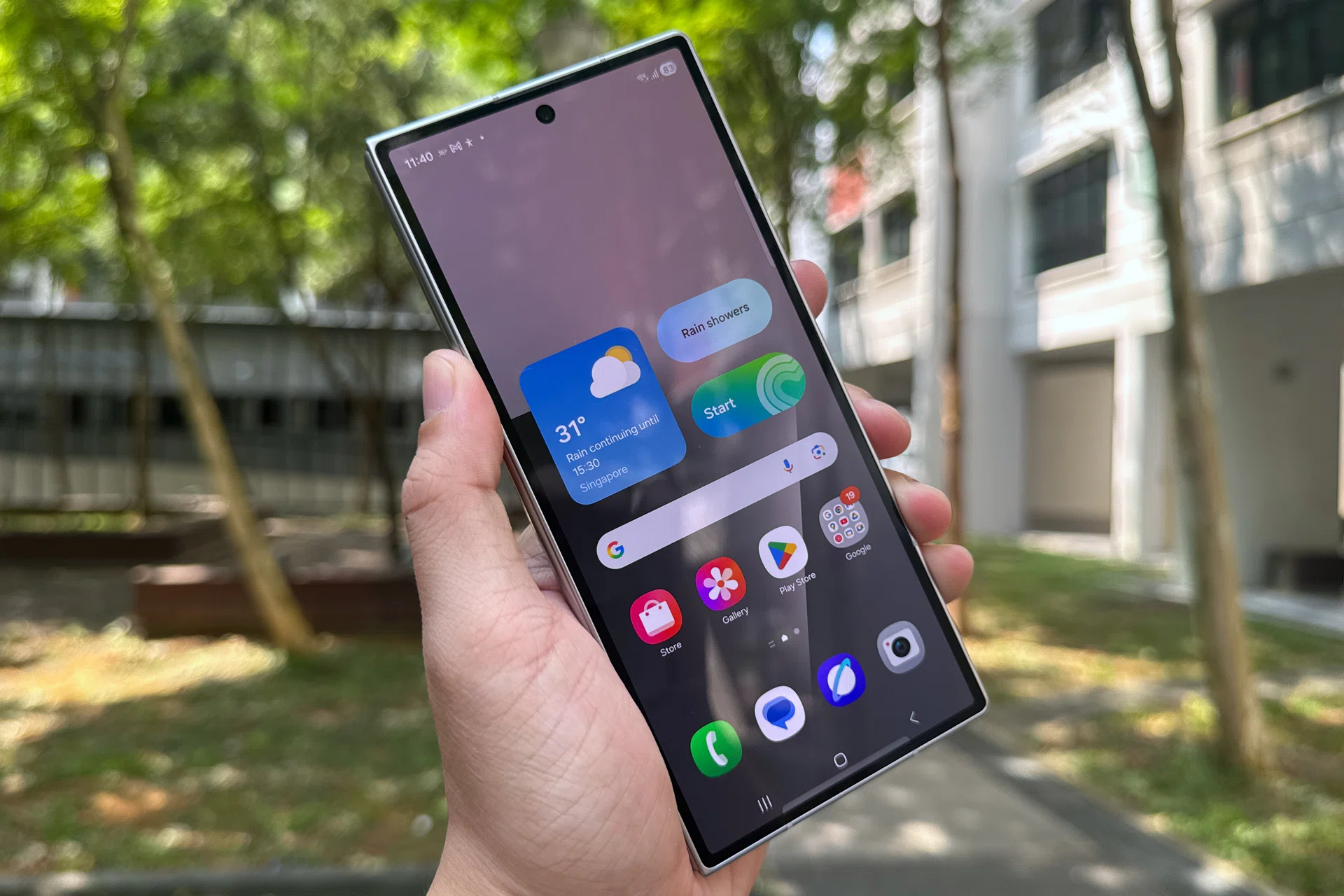
One UI 8 on the Fold7 Cover Screen.
Samsung may have chosen its two premium foldables for the debut of One UI 8 (based on Android 16), but we found its software upgrades to be relatively incremental.
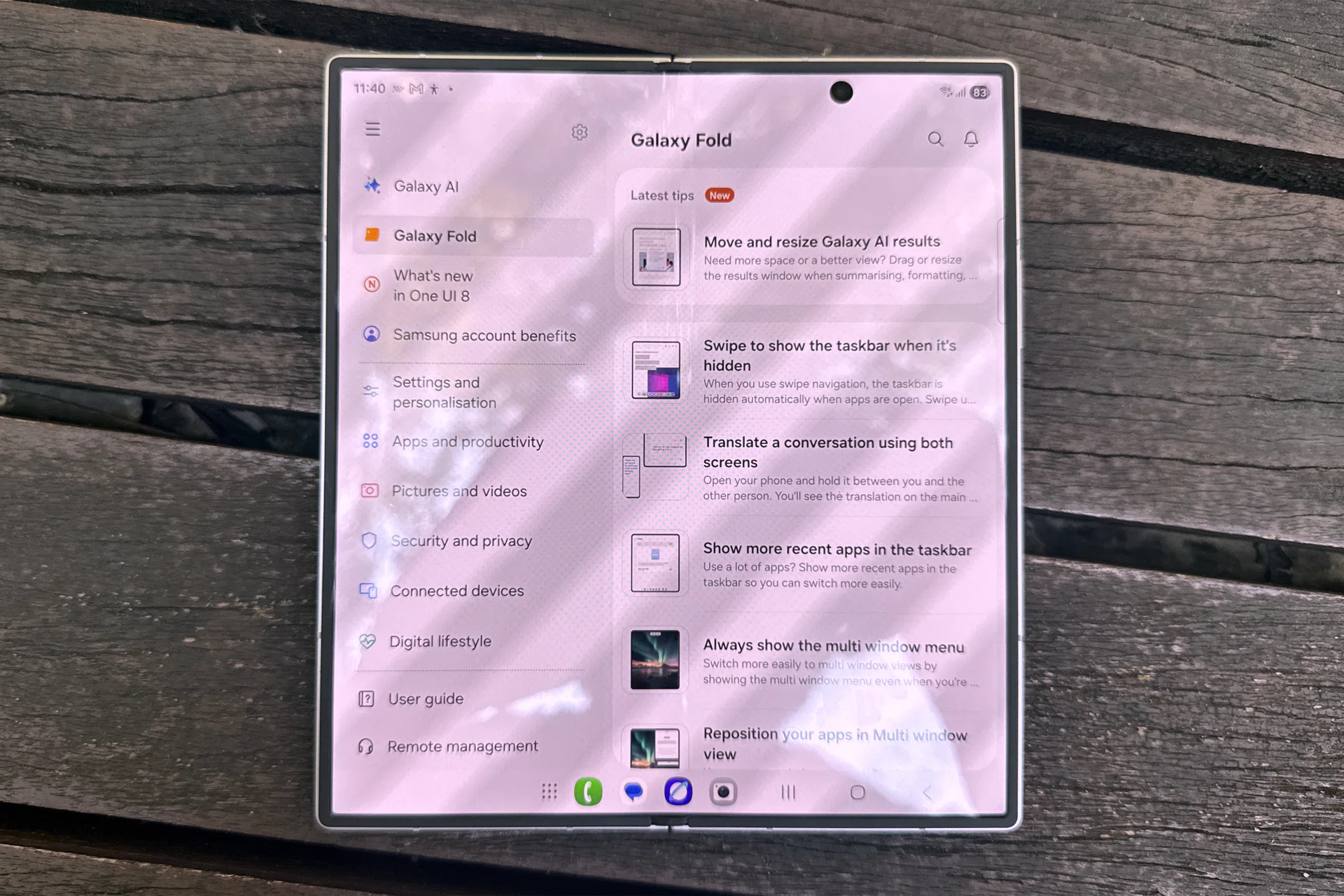
Samsung cleverly parks all its change into its pre-installed Tips app, so you don’t have to guess what’s new.
To us, that’s a good thing. The operating system is consistent, which means a Galaxy Z Fold7 user won’t end up with less functionality than a patron of Galaxy S25 Ultra. If anything, you get just a bit more.
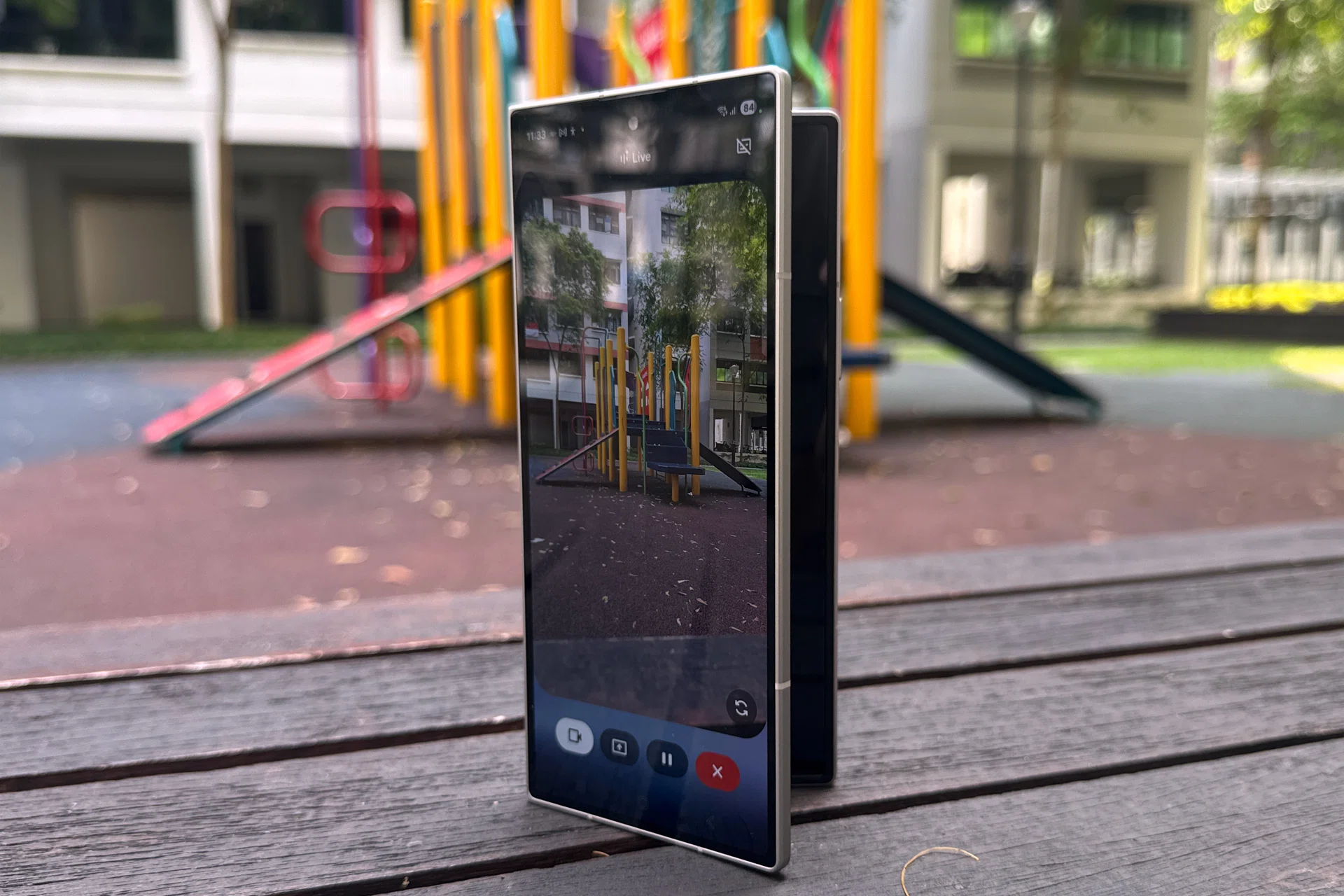
Gemini Live works on Cover Screen, even if you slightly unfold the Fold7.
The same Gemini Live point-and-ask feature that was marketed for the Flip7 is also possible with the Fold7. However, the bi-fold’s camera faces the rear instead. You can still hear Gemini’s replies, but the display faces away, so you won’t be able to preview it like the Flip7’s. It’s still more than what the Galaxy S25 Ultra (or other regular phones with Gemini Live) can do, because you can prop the phone up with its built-in folding mechanism.
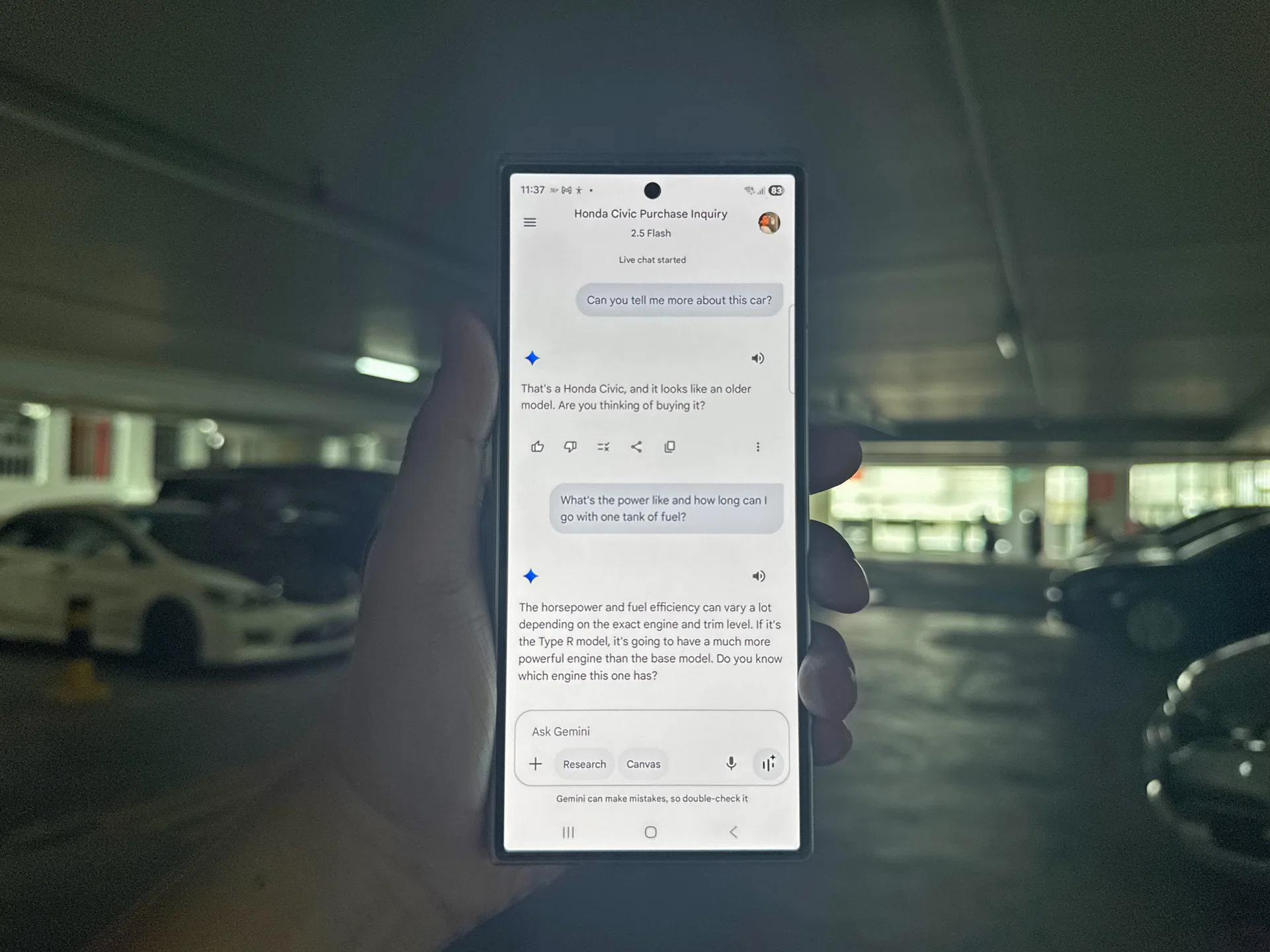
To get some buying inspiration, we pointed Gemini Live at cars in a carpark and asked about them.
The Gallery app’s Audio Eraser’s upgrade, now a slider that appears when auto-detecting audio types in your video clips, can also be found on the Flip7. It’s also not that different from Google’s default Audio Eraser in Pixel devices.
Now Brief (which debuted with Galaxy S25 series) covers more ground across your news preferences, YouTube video recommendations, and your Samsung Health numbers. However, it’s not new, despite being mildly helpful and somewhat intrusive. Now Brief is also quite mysterious, since you need to have compatible apps or devices for Galaxy AI to pull data from.

They’ve also improved some browsing animations and added Dynamic Wallpapers for more lively options. Also, Circle To Search now works inside select game apps.
We’re sure you get the gist of One UI 8’s upgrades by now. It’s definitely an improvement, with many useful features (thankfully) and others that people didn’t ask for (not so thankfully). Software refinement is still present, but the component upgrades to this phone overshadow it.
The Fold7 still offers seven years of security updates (until end-July 2032), although we doubt most people would use a phone that long these days (Samsung’s upcycling vendor even said that Singaporeans change their phones every 2.7 years, much faster than the global average).
Imaging Performance
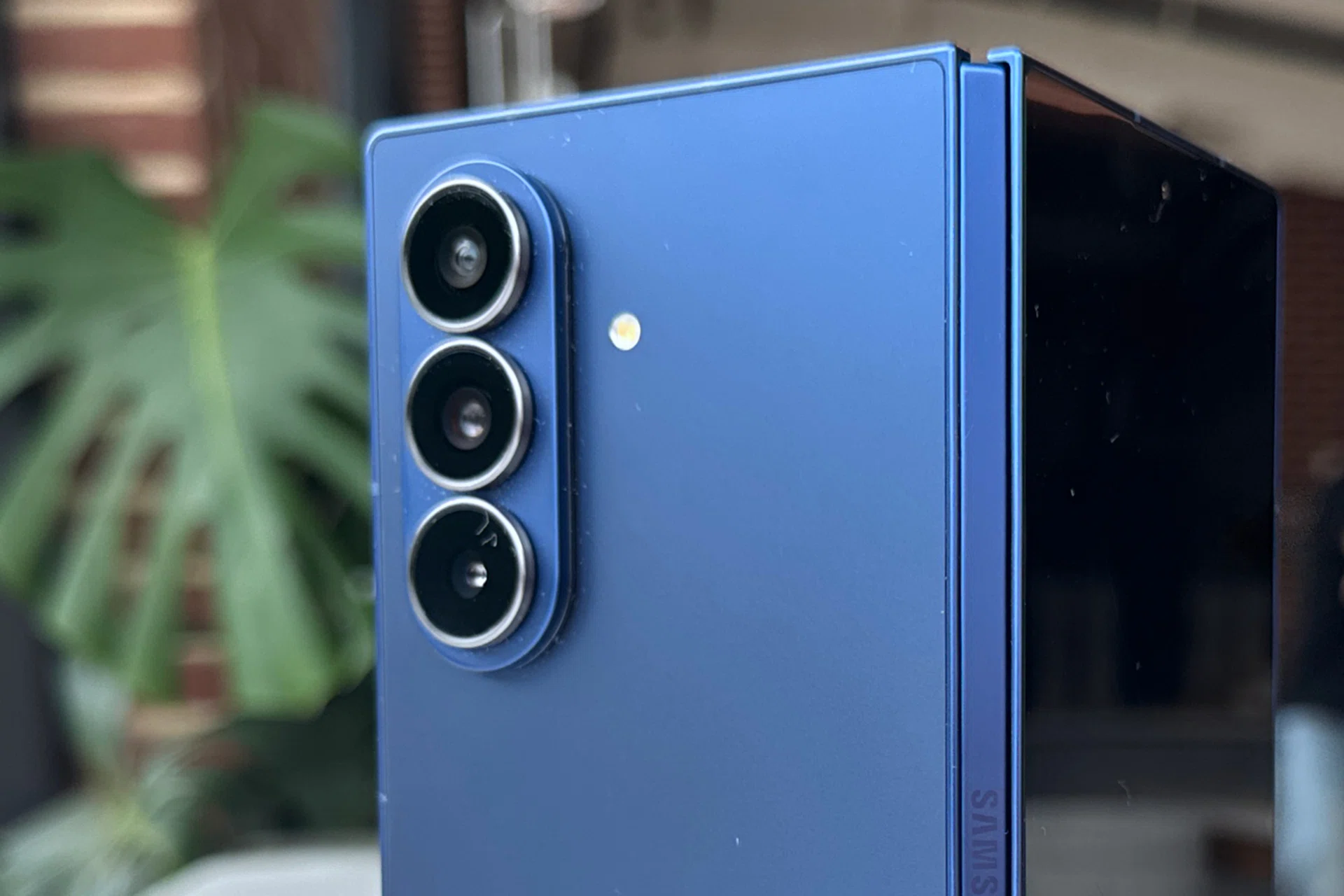
Samsung Galaxy Z Fold7.
Galaxy Z Fold7 also finally addressed its previously lackluster main camera. In the past, it was obvious (even to Samsung) that the best camera is usually found on the brand’s Galaxy S series handsets.
The upgrade we needed is finally here. Galaxy Z Fold7 features a 200MP main camera which has specs identical to the Galaxy S25 Ultra’s and Galaxy S25 Edge’s.
| Galaxy Z Fold7 camera | Specification |
|---|---|
| Main | 200MP, Quad Pixel AF, f/1.7 aperture, 0.6μm pixel size, 85˚ FOV, OIS |
| Ultrawide | 12MP, Dual Pixel AF, f/2.2 aperture, 1.5μm pixel size, 120˚ FOV |
| Telephoto (3x optical zoom) | 10MP, PDAF, f/2.4 aperture, 1.0μm pixel size, 36˚ FOV |
For S$2,698, it could afford a better telephoto shooter. For now, we’re just glad it’s finally on par with Galaxy S series for regular shooting until the next phone comes along.
Our shooting samples saw that the Galaxy Z Fold7 is competent in night and day, outdoors and indoors. It does have stronger contrast than we’d like, but the quality is impeccable like its top-tier Galaxy S handsets.
(Tap the image and swipe to see zoom performance for each shot).
Times Square, famous not only for its impact on pop culture, is also renowned for its harsh lighting and light-polluting billboards. The Samsung Galaxy Z Fold7’s cameras capture this vibe perfectly, with every off-white tint captured against an evening sky turning dark.
The stunning view and mirror-like architecture of Summit One Vanderbilt (the skyscraper’s viewing deck) was also easy work for the Galaxy Z Fold7, save for the harsher shadows that betrayed its overall contrast handling.
In outdoors daylight, the Galaxy Z Fold7 aces its detail retention, with excellent contrast and colours next to its low noise.
Benchmark Performance
A quick check in our tools showed the Galaxy Z Fold7 carrying an 8-core Qualcomm Snapdragon 8 Elite for Galaxy processor. It’s similar to the one in Samsung Galaxy S25 Ultra, with two prime cores that are 0.15GHz faster than the regular versions found in other brands.
This pits the Galaxy Z Fold7 (S$2,698) against other premium book-style foldables. In Singapore, that includes the Honor Magic V5 (S$2,199), which launched in the same month, and the OPPO Find N5 (S$2,499), which came in H1 2025.
Our benchmarking and real-world usage revealed that the phone reaches a peak temperature of 38°C when running benchmarks or real-world apps with intense workloads. While it isn’t alarming, it can be a challenge to use the phone when you’re baking alive outdoors under Singapore’s hot sun. The upside is that we’re sure the Galaxy Z Fold7 is truly powerful, living up to its outsized price tag.
Battery Life
Disclaimer: A known bug affects the Galaxy Z Flip7 and Galaxy Z Fold7 running on One UI 8. The bug prevents PCMark’s battery benchmark from proceeding normally until the displays are touched, constantly and repeatedly. The benchmark developers (UL Benchmark) and Samsung are aware of this bug and are working on a solution. To complete this test, we used a macro script to “touch” the devices’ screens, which may mildly impact battery life. We will revisit this test when this bug is fixed.
Our battery benchmark uses PCMark for Android’s Work 3.0 Battery Life, with results shown in minutes. This controlled benchmark simulates real-world usage, such as web and social media browsing, video and photo editing, parsing data with various file formats, writing, and more.
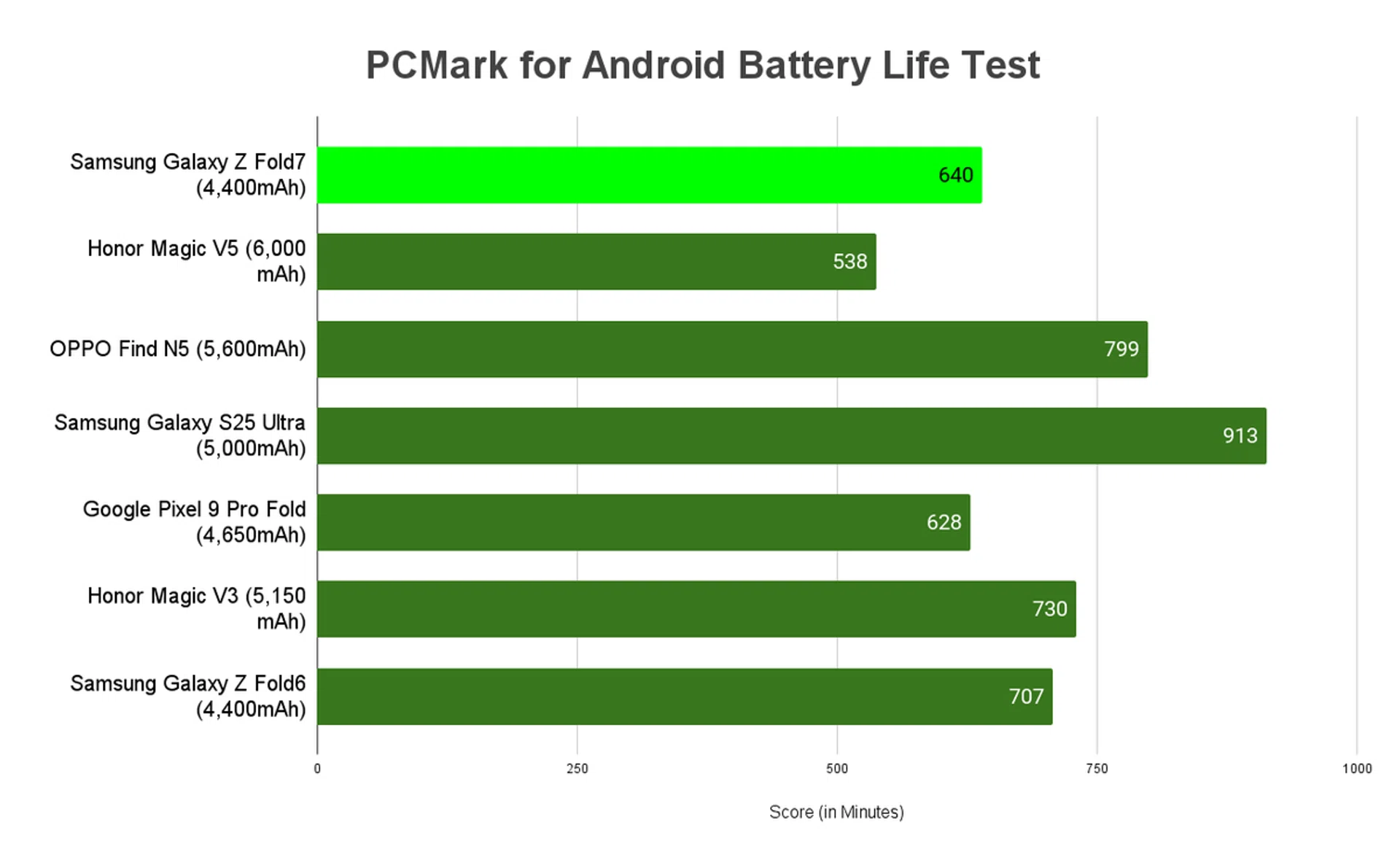
Battery Life benchmark, in minutes.
The Samsung Galaxy Z Fold7 has a 4,400mAh dual-cell lithium-polymer battery. When running benchmarks on its main 8-inch display (unfolded), it achieved over 10.5 hours of uptime.
Remember that Fold7’s main display is huge, with a macro running to mitigate a bug during tests. Our regular use clocked in much longer uptimes, since we used the Cover Screen while on the go and only opened up for the Main Screen during brief moments of leisure time.
Despite all its difficulties, the benchmarked numbers are still higher than Honor Magic V5’s timings that came with two power modes, a newer silicon-carbon battery with bigger capacity, and no handicaps. The Samsung Galaxy Z Fold7 literally outperformed with one hand tied behind its back.
4,400mAh only, so what? 来都来了。
With its 25W wired charging and a compatible Anker GaN charger, a 0-50% charge takes around 25 minutes, while a full 100% charge takes about 85 minutes. For the price, we expected it to match the Galaxy S25 Ultra’s 45W speed, or at least charge a full tank within an hour.
Conclusion
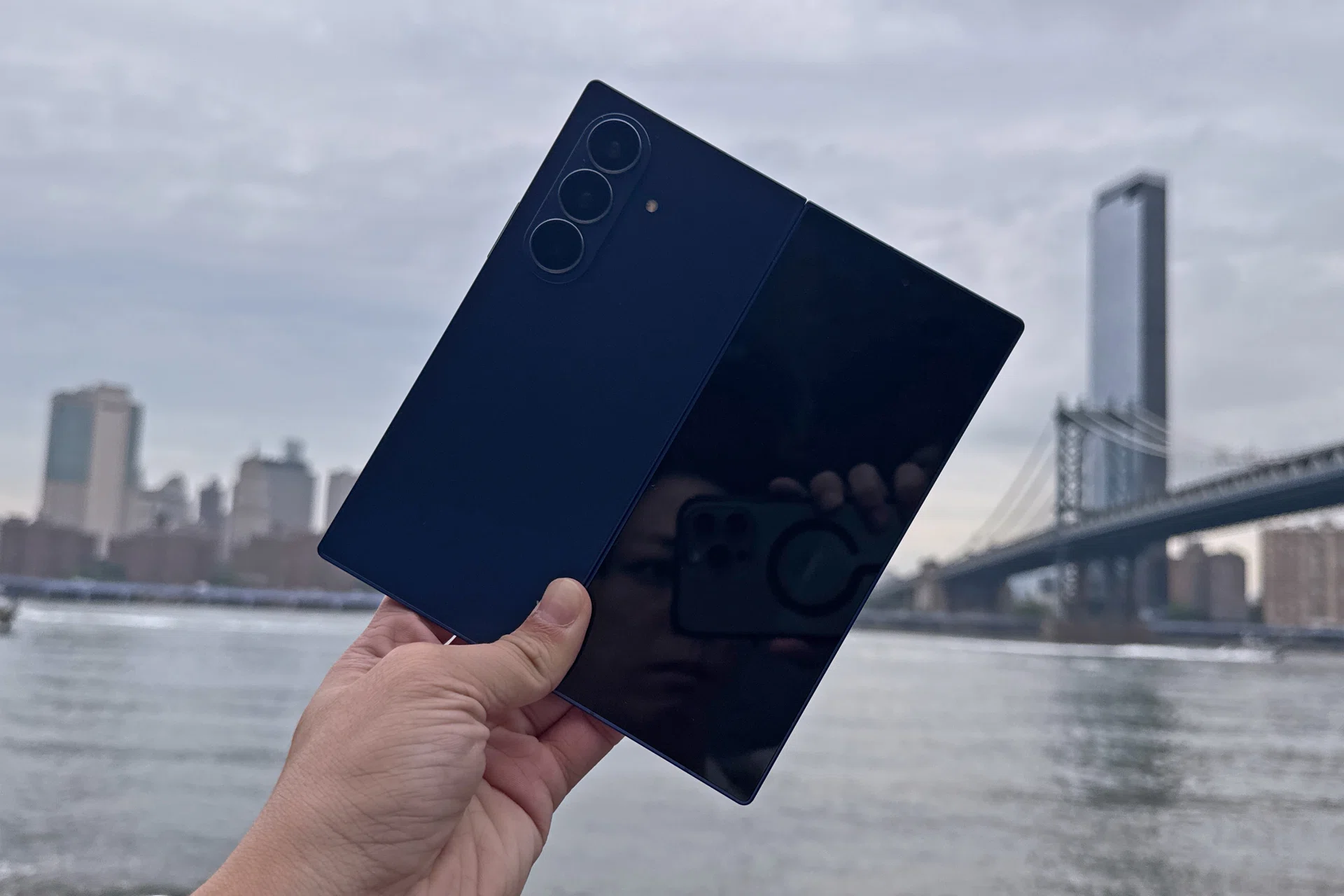
Samsung Galaxy Z Fold7.
Money can’t buy you everything, but it can buy you a better foldable.
We say that because the Samsung Galaxy Z Fold7 is not cheap. It’s the highest-priced Samsung book-style folding handset since the Galaxy Z Fold3, and the most expensive option among 2025 rivals here.
Against a regular bar-type ~S$1,600 phone, the extra S$1,000 that Fold7 asks for could have gone towards other fun or practical tech gadgets on your wishlist.
It’s also not the first ~4mm foldable, nor is it the first to have a proper aspect ratio on its secondary display. Its IP48 rating isn’t new, and it was even slower to add a powerful main camera on its back. It also relied on older battery technologies while its rivals squeezed in higher capacities into an increasingly compact shape.
Additionally, it’s asking for a lot of extra money with no notable upgrades to its telephoto camera or charging speeds.
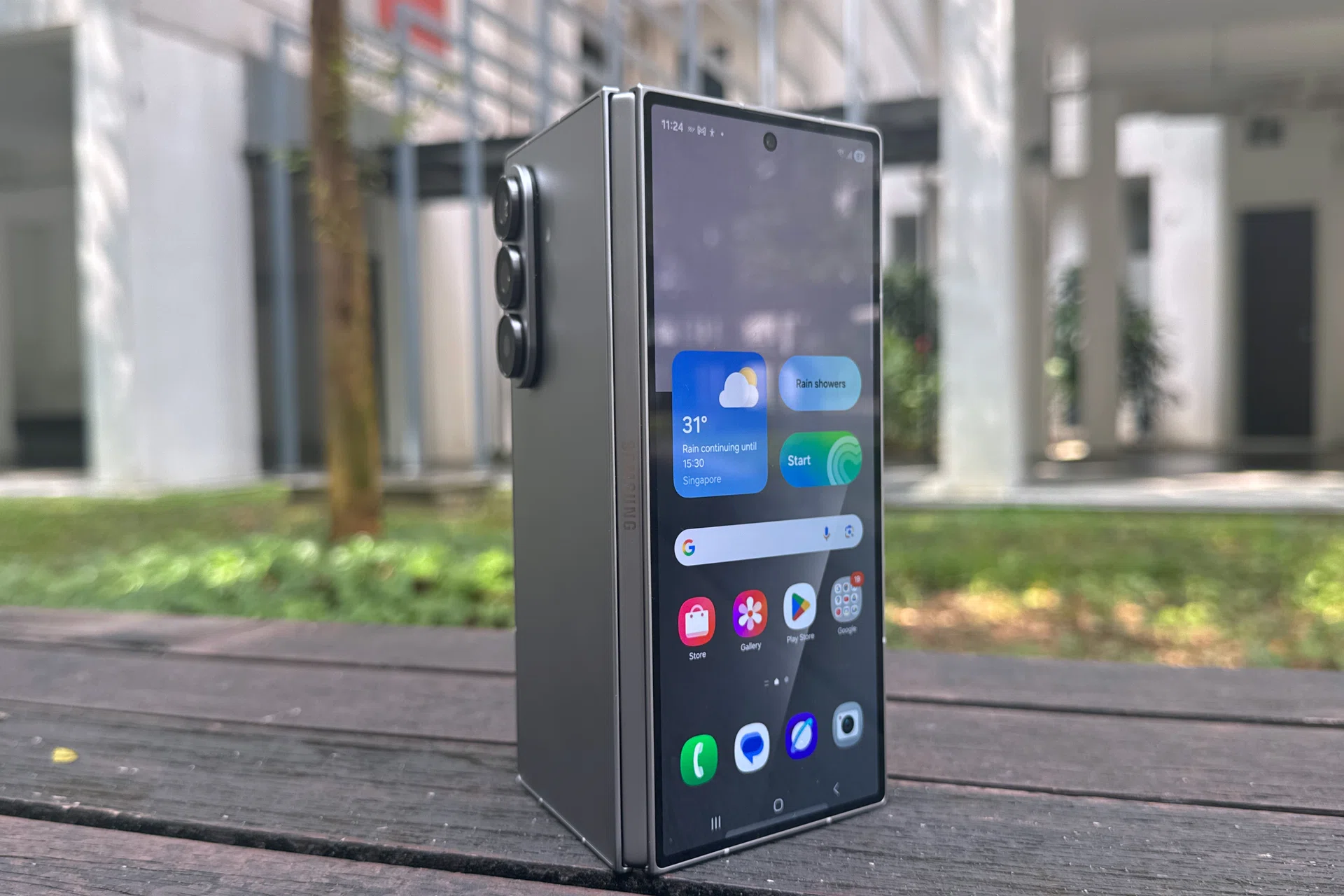
Samsung Galaxy Z Fold7.
Despite the high price tag and the odds, the Galaxy Z Fold7 managed to overcome old challenges and deliver a truly refined folding experience that sets the gold standard for its rivals, users, detractors, and itself.
Most of its major complaints (of worth) were fixed in a single generation. The thinner build isn’t the only upgrade. Creasing on the Main Screen is less noticeable, and the primary camera is finally on par with its Galaxy S series counterparts.
The uniform design sense enhances its user experience, and it feels comfortable for prolonged use when folded in the hand. Yes, there’s no more S Pen support, but its myriad of multitasking shortcuts are better suited for fingers, anyway.
Fold7 also stayed true to the things Samsung did well. The Koreans resisted the temptation to adopt newer battery technologies that may not translate into higher uptimes, and they didn’t opt for a sexier creaseless look that’s also short-lived.
Aside from the minor issue where the phone warms up under intense load, the Fold7 remained relatively free from introducing new problems during everyday use.
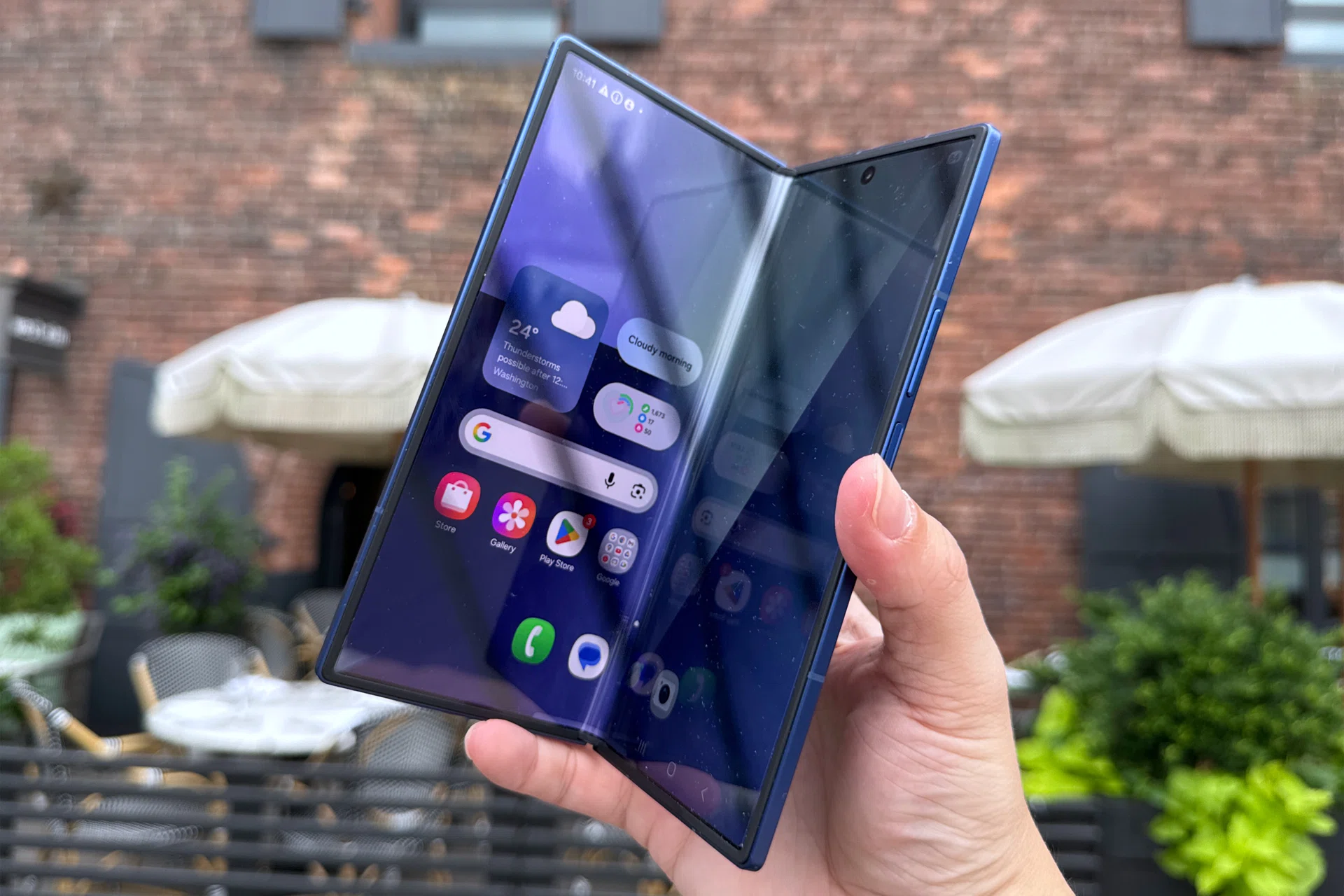
Samsung Galaxy Z Fold7.
The resulting device is a foldable that delivers everything a premium, single-screen phone can, while also unfolding into an alluring slate that’s skinny jeans-friendly. It also offers decent battery uptime, looks better than before, and shoots better.
Instead of crying in a corner like a distraught K-Drama main character when it was sidelined by fast-evolving Chinese phones, Samsung hit back hard by taking the best from everyone else (and itself) to polish its offering beyond our expectations.
The Galaxy Z Fold7 transforms a previously niche idea into a viable mainstream choice for high-tier, premium handsets. While candybar, single-screen phones are likely here to stay for the mass market, Samsung’s increasing foldable mastery could guide expectations for expensive devices in the future, since users typically expect more (or better) features when paying more money.
What’s left is to shore up are the minor details (like making it IP68-rated, alongside the other upgrades mentioned) and making it cost as much as a normal phone for that transition to happen.
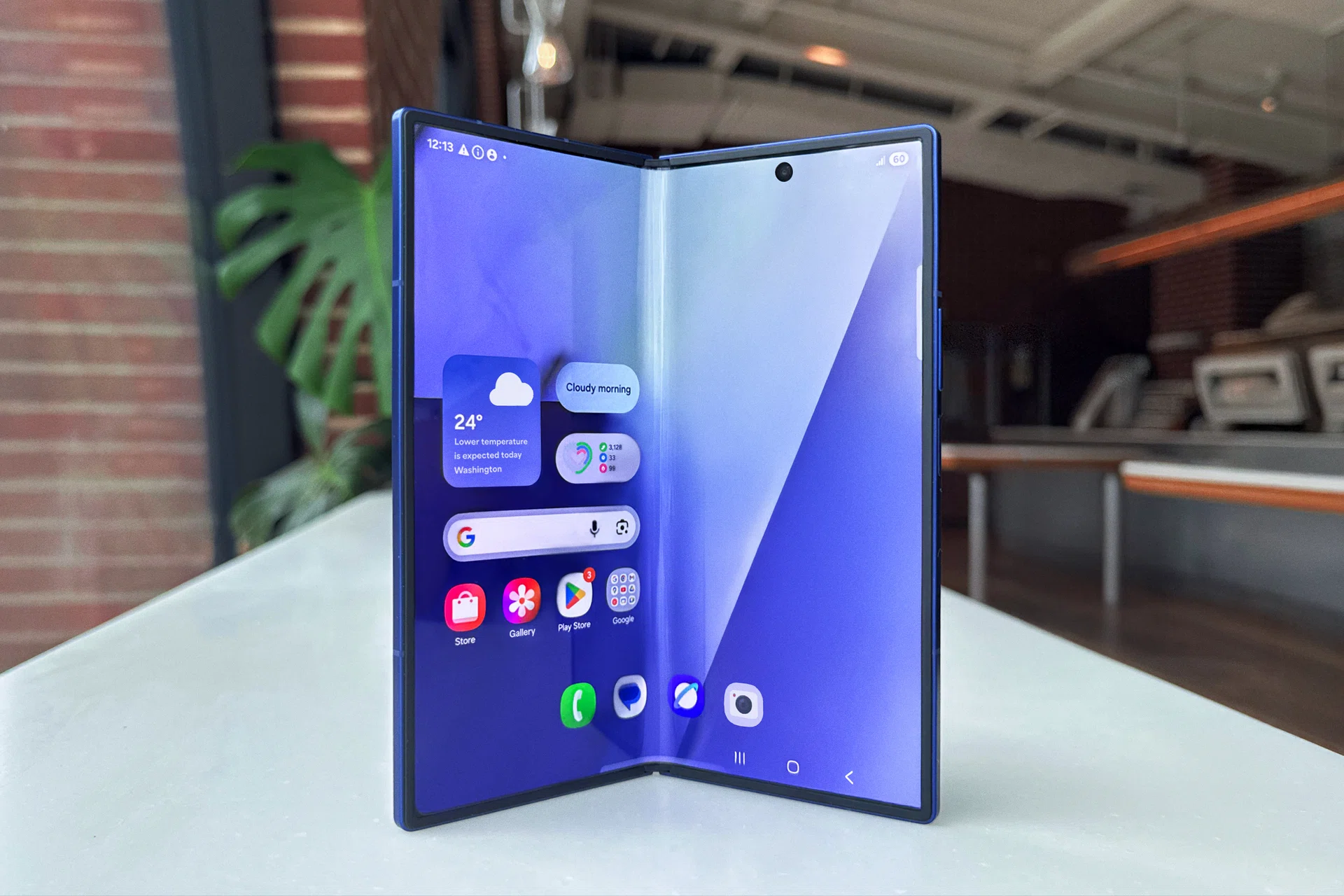
Samsung Galaxy Z Fold7.
If you have the budget for it, consider buying one and see how well it suits you. We’re not responsible if you cannot return to a regular phone after using a Fold7.
The Samsung Galaxy Z Fold7 starts at S$2,698 (256GB) and comes in Blue Shadow, Jetblack, Silver Shadow, and an online-exclusive Mint colourway. Pre-orders are open with official retail due on 1 August 2025. Go to our pricing and promos article if you’re trying to secure one now.
You can order the Samsung Galaxy Z Fold7 from:
Our articles may contain affiliate links. If you buy through these links, we may earn a small commission.