
HTC One's Camera Tested (Updated)
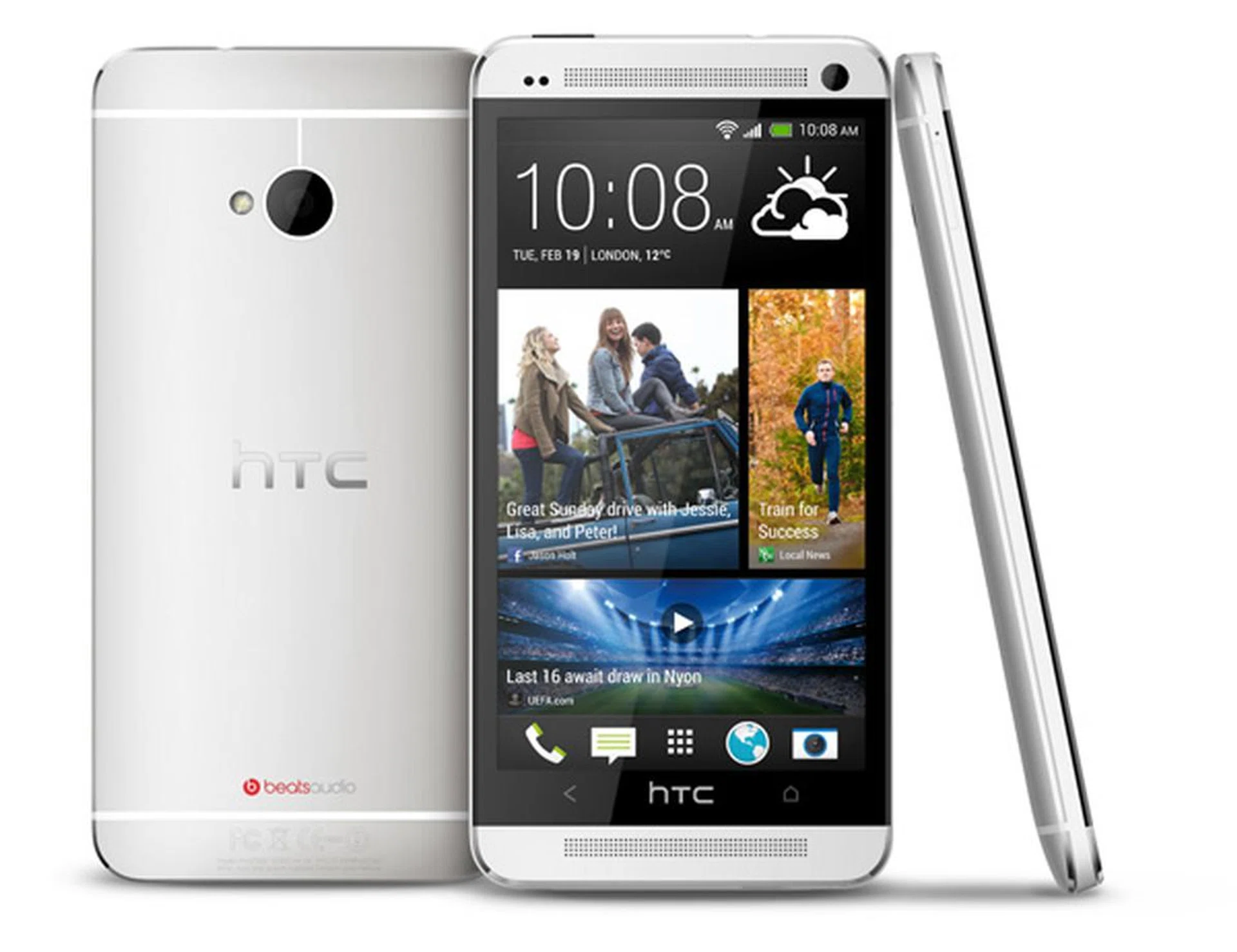
HTC promises better image quality with the One's 4MP 'ultrapixel' camera, which has larger photosites than competing camera phones. So how does it fare when pit against the HTC One XL, iPhone 5, Nokia 808 PureView and Nokia Lumia 920? Click through and find out!

Updated 27/3/13: We have updated this feature twice; once on the 26th to clarify that there will be no camera firmware update in April, and secondly on the 27th with new information about the HTC One's mysterious performance at ISO 800 (and a possible firmware update in April). Both updates can be found on the Conclusion page.
The HTC One's 4MP Camera Compared
One of the major selling points of the HTC One that we recently reviewed is its camera technology. While we've given you some basic information about what it's about in our review, we did mention that we would dissect its camera performance in detail and that we'll deliver in this article.
Take note that this article is to examine and understand what HTC One has implemented in their new phone and it's not a camera phone performance shootout (which we'll save for another dedicated feature article). As such, we didn't gather every major new phone in the market for this comparison. For this article, we've chosen a few key phones (HTC One XL, iPhone 5, Nokia Pureview 808 and Nokia Lumia 920) that can help us understand where the HTC One stands and how has it improved or detracted against them.
What's an Ultrapixel?
HTC calls the camera technology on the One 'ultrapixels', but all that means is that the photosites on the sensor are larger by design, rather by limitation. Instead of piling on the megapixels on the same small sensor, which would make each individual photosite smaller, HTC has constrained the megapixel count to 4MP, making each photosite larger. HTC explains it quite easily in the graphic below. The photosite is measured in micrometers, and HTC is showing how the One's 4µm photosite is larger than its competitors' photosites.
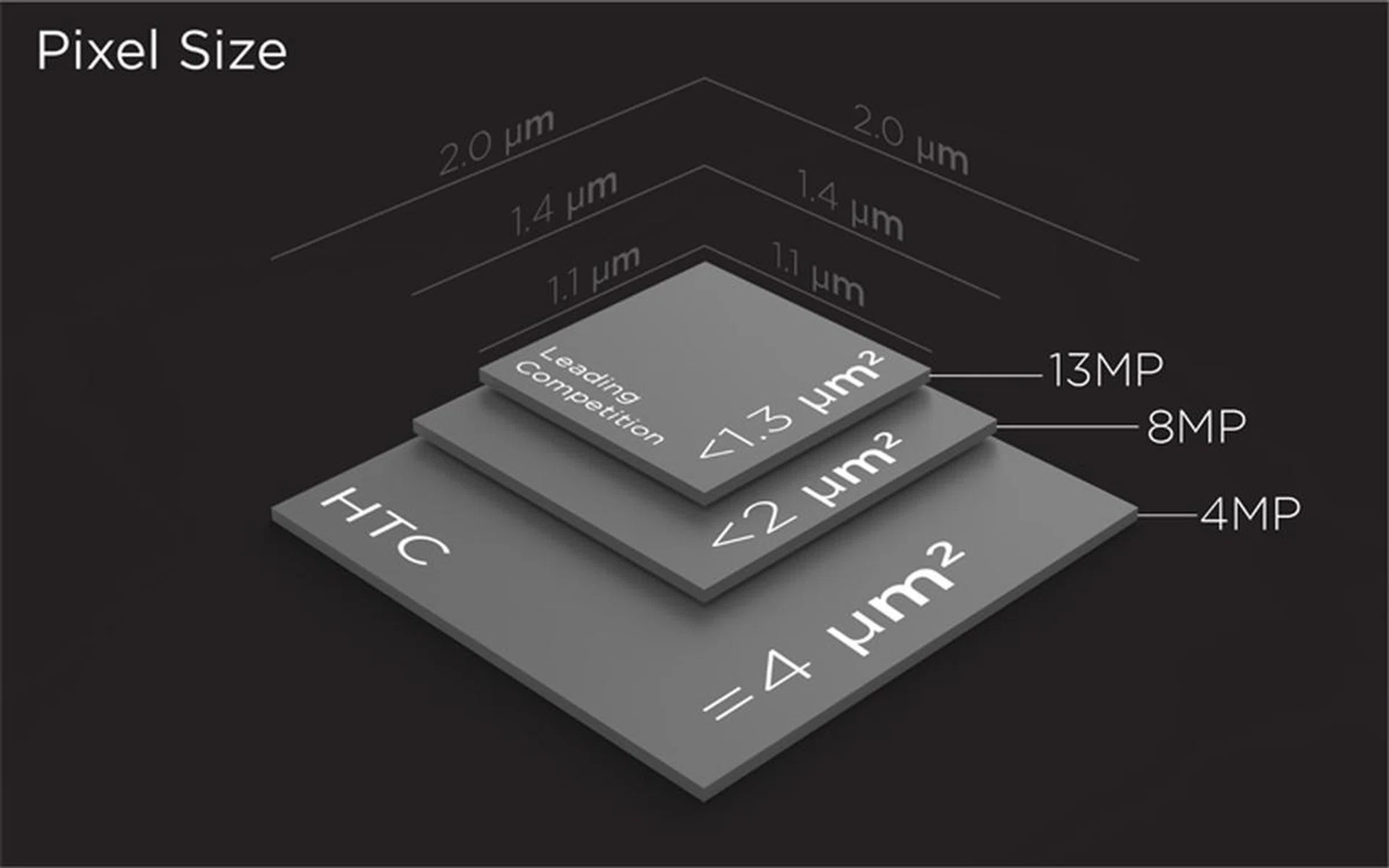
Image source: HTC.
Not sure what megapixels and photosites are? We went into more detail into what makes a digital image in The Nokia 808 PureView's 41 Megapixels Explained.
Size Does Matter...Sometimes
In theory, larger photosites should make the sensor more sensitive to light, producing images with less noise and higher dynamic range. But photosite size is just one part of the picture (excuse us). Like we said in our Nokia 808 PureView feature:
Improvements in image quality can be made from advances to sensor technology and image processing. This isn't impossible; more megapixels have been crammed into digital compact cameras over the years while sensor sizes have remained constant, and some manufacturers have been able to do it while retaining image quality. Nikon's latest D800 DSLR camera shoots at 36MP, whereas its predecessor the D700 shot 12MP images with the same sensor size, and Nikon is claiming even better image quality than before.
In other words, you can bump image quality through better sensor design, image processing and optics, and get the same or better image quality even with smaller photosites.
And of course, with less megapixels you sacrifice image detail - there are less pixels to 'draw' the same amount of information as a similarly-sized sensor with more pixels. Remember that a digital image is composed of individual dots, or pixels. The more there are, the finer your images can be. Just look at the difference between the 8-bit NES graphics of yesterday and today's full-HD PlayStation 3 games.
Wikipedia comes to the rescue again, with this easy-to-understand illustration of the difference in resolution you can get with more pixels:

Image source: Wikipedia.
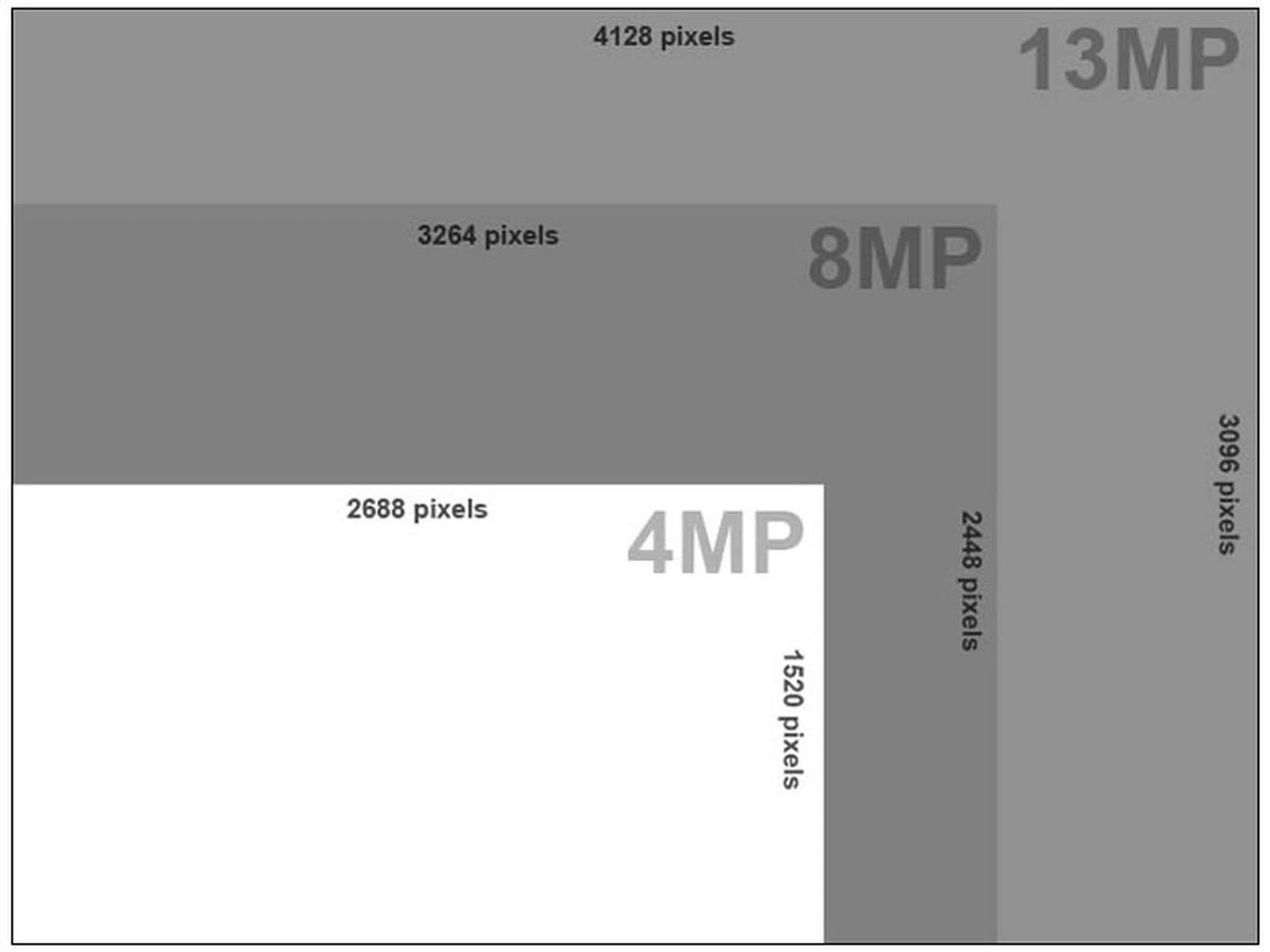
So how much 'canvas' is the HTC One sacrificing? Take a look at the graphic below to see. At 4MP, it has half the pixel resolution (not sensor size) compared to an 8MP camera like the HTC One XL and the iPhone 5.
Now, with the preamble out of the way, let's take a look at the HTC One's camera and see if it lives up to the marketing. But first, a specs sheet for you to devour.
Editor's note: We apologize for the spec sheet's incompleteness, full camera specifications for mobile phones aren't readily available.
HTC One | HTC One XL | iPhone 5 | Nokia 808 PureView | Nokia Lumia 920 | |
Megapixels | 4MP | 8MP | 8MP |
| 8.7MP |
Sensor Size | 1/3-inch BSI CMOS | BSI CMOS | 1/3.2-inch BSI CMOS | 1/1.2-inch | 1/3.2-inch BSI CMOS |
Pixel Size | 4µm | Unknown | 1.4µm | 1.4µm | Unknown |
Focal Length
(35mm equivalent) | 28mm | 28mm | 33mm |
|
|
Max. Aperture Range | f/2.0 | f/2.0 | f/2.4 | f/2.4 | f/2.0 |
Minimum Focusing Range | Unknown | Unknown | Unknown | 15cm | 8cm |
Image Stabilization | Optical | Digital
(video only) | Digital
(video only) | Unknown | Optical |
ISO Sensitivity | ISO100-1600 | ISO100-800 | Unknown | ISO50-1600 | ISO100-800 |
What a Difference a Firmware Update Makes
Updated 26/3/13: HTC has clarified that the second unit which we received "has the final commercial firmware, compared to the original unit which was pre-production and had an isolated hardware issue, which resulted in differences between the two sets of photos taken with both devices." According to our understanding, all the commercial sets which will launch in April will come already updated with this firmware. As such, there will be no second camera update for the One, unlike what we previously wrote below.
While we were halfway through reviewing the HTC One's camera, HTC called and swapped out our One with one (cough, cough) which had a firmware update for the camera. The update made a noticeable difference in the quality of the photos, as you can see for yourself below in the 100% crops. Images are sharper, with more detail. A visible softness in the upper left and bottom right corners, which we attributed to poor lens construction, has cleared up.
There's still something unusual happening with ISO 800 however. With both the older One and the One with the firmware update, image quality at ISO 800 takes a sudden dip; details are softer and the image is noisier than both ISO 400 and ISO 1600.
Unless otherwise stated, we'll be using the updated HTC One for the rest of this camera review. HTC says that there will be a firmware update for the general public in April. As such, what we present you is what you can expect out of the phone, if it has been updated.
Before | After |
 |  |
| |
| |
| |
| |
Updated 27/3/13: We received an email from German website Techstage which seems to explain the mysterious behavior of the HTC One at ISO 800. According to them, even though we manually set the ISO to 1600, the camera might still take pictures at lower ISO settings in good lighting conditions. But it'll still save the EXIF data in the JPEG as ISO 1600, instead of the actual value.
This seems to bear out when we checked our test images and their shutter speeds. In our lab test with indoor lighting, the HTC One progressively reduced shutter speeds as ISO increased; the more sensitive the sensor was to light, the less time it needed to open up its shutter. At ISO 800, the One recorded a shutter speed of 1/120th of a second. At ISO 1600 however, the shutter speed jumped back down to 1/30th of a second, which is identical to the shutter speed required at ISO 200. Indeed, looking at the shots taken at ISO 200 and ISO 1600 now, they look remarkably similar.
In our extreme low-light test however, the shutter speeds remained constant at 1/20th of a second throughout all the ISO ranges.
In short, it seems that the HTC One has two bugs - one; it won't always listen to your command to manually set the ISO speed, secondly; it will report in the EXIF data that it did even though it didn't. Techstage says that the HTC product manager they are in contact with said there would be a firmware update to fix the issue, and that the issue has been confirmed directly by HTC Taiwan.
We have reached out to HTC Singapore for a comment but they were unable to issue one at press time. Until we have confirmed the issue with HTC ourselves we're letting our ISO 800 test images stand, but they should be considered suspect. Techstage's original article about the issue can be found here (in German).
Image Performance
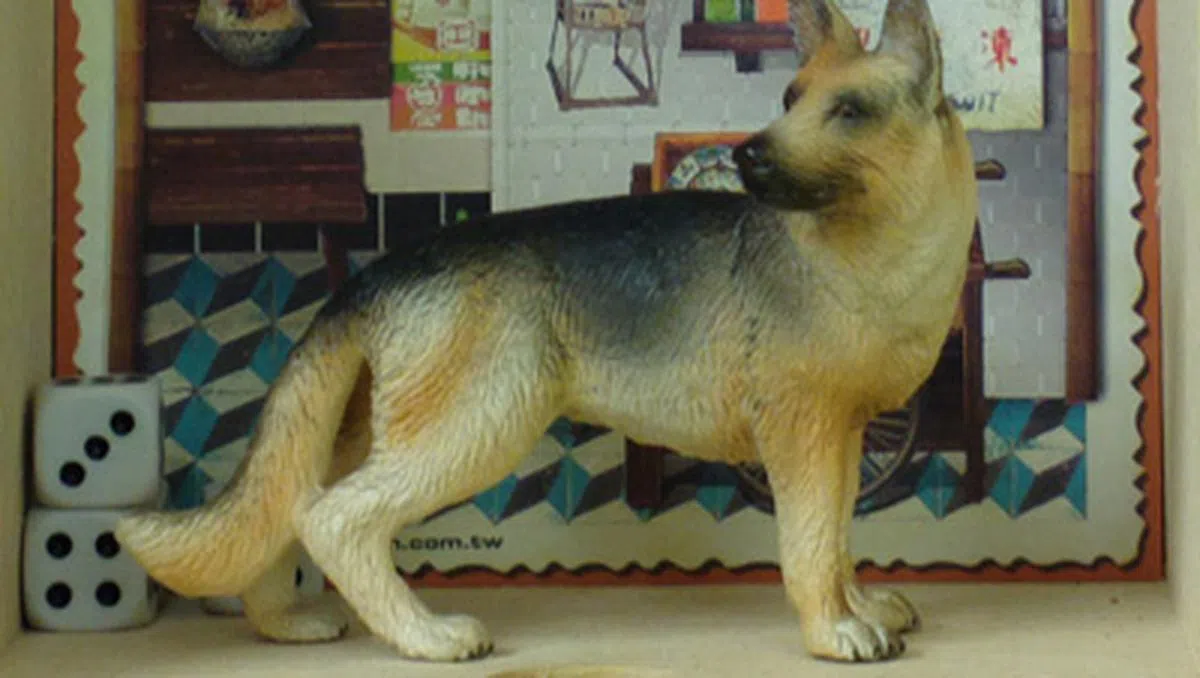
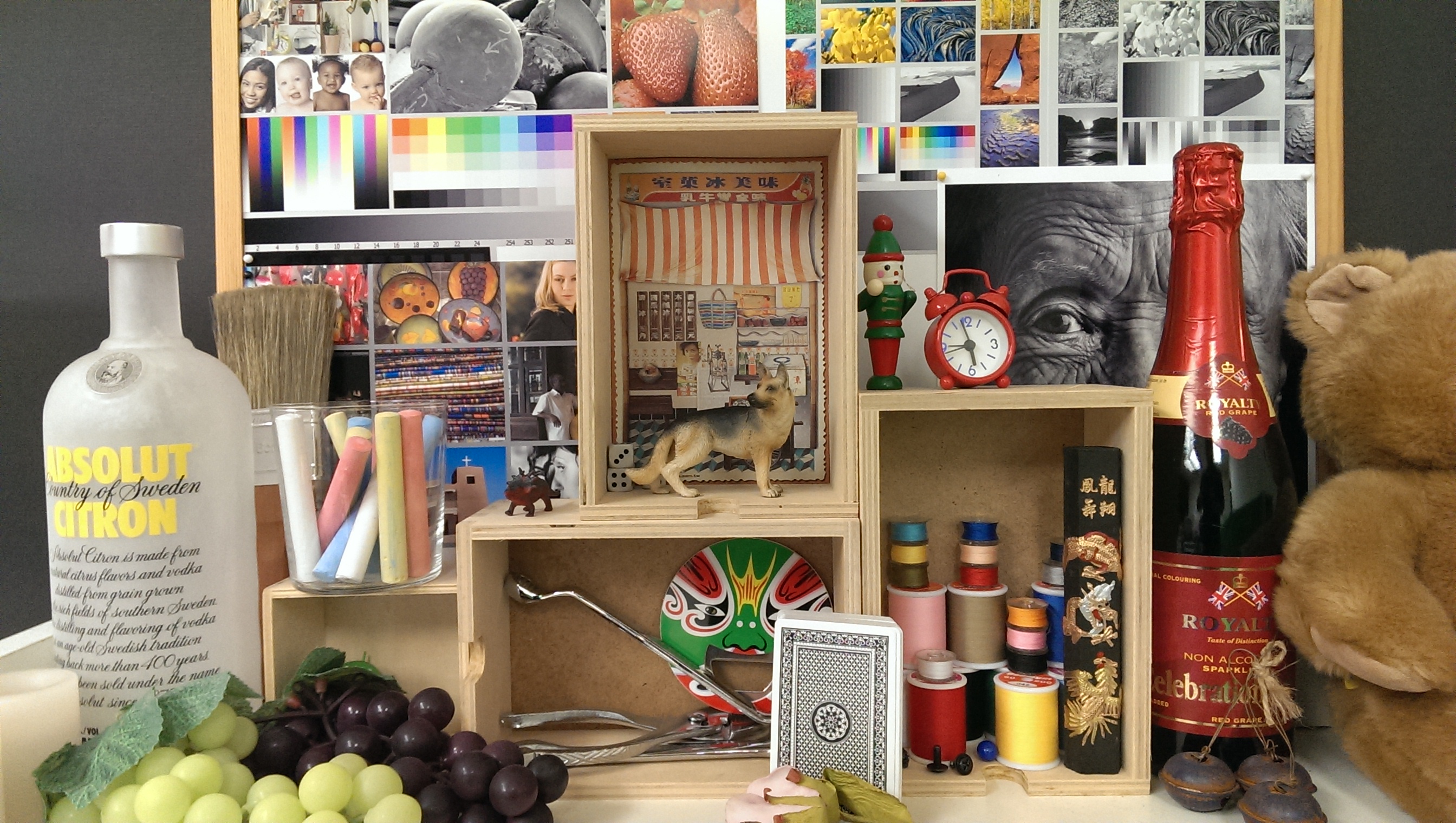
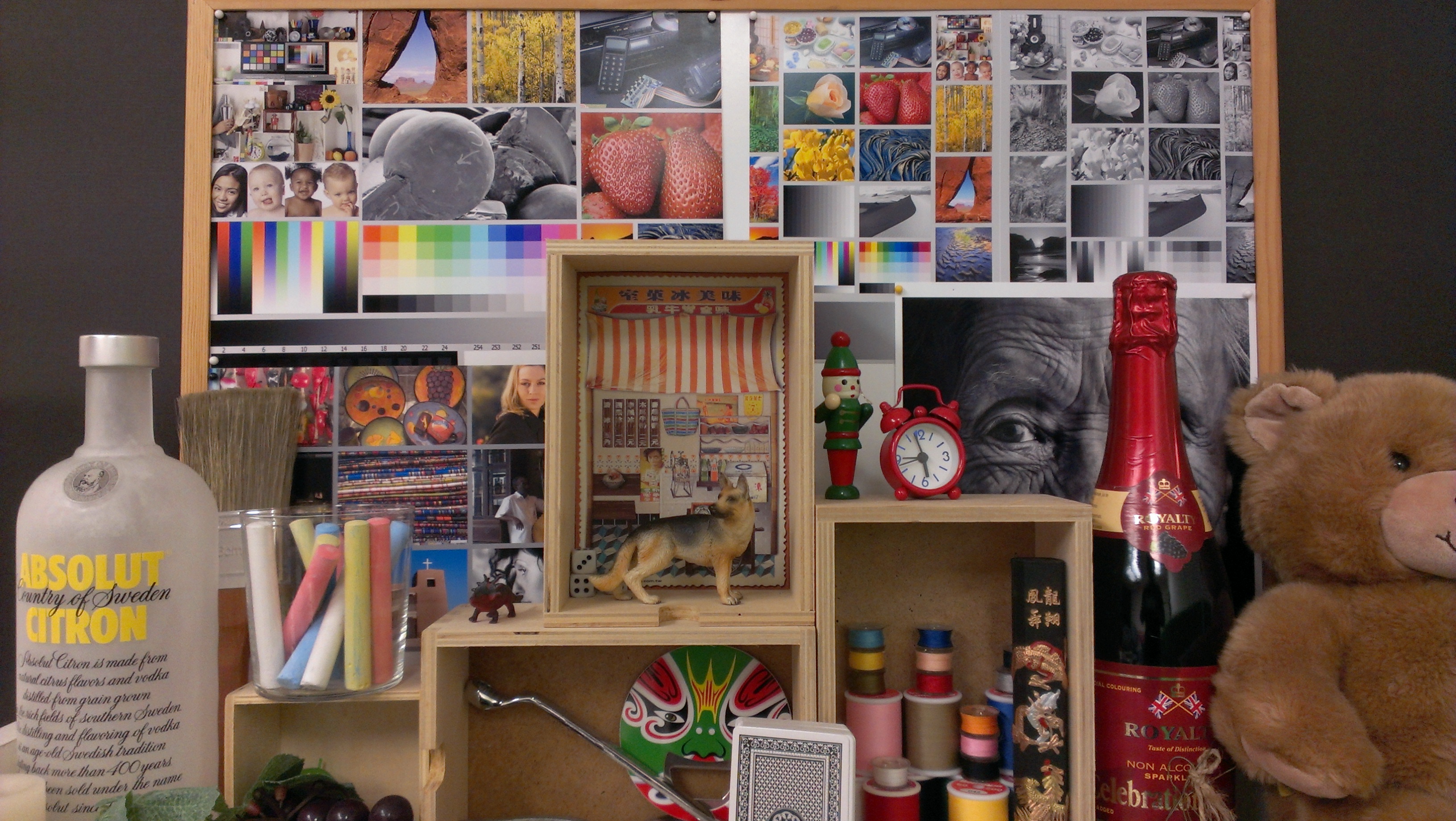
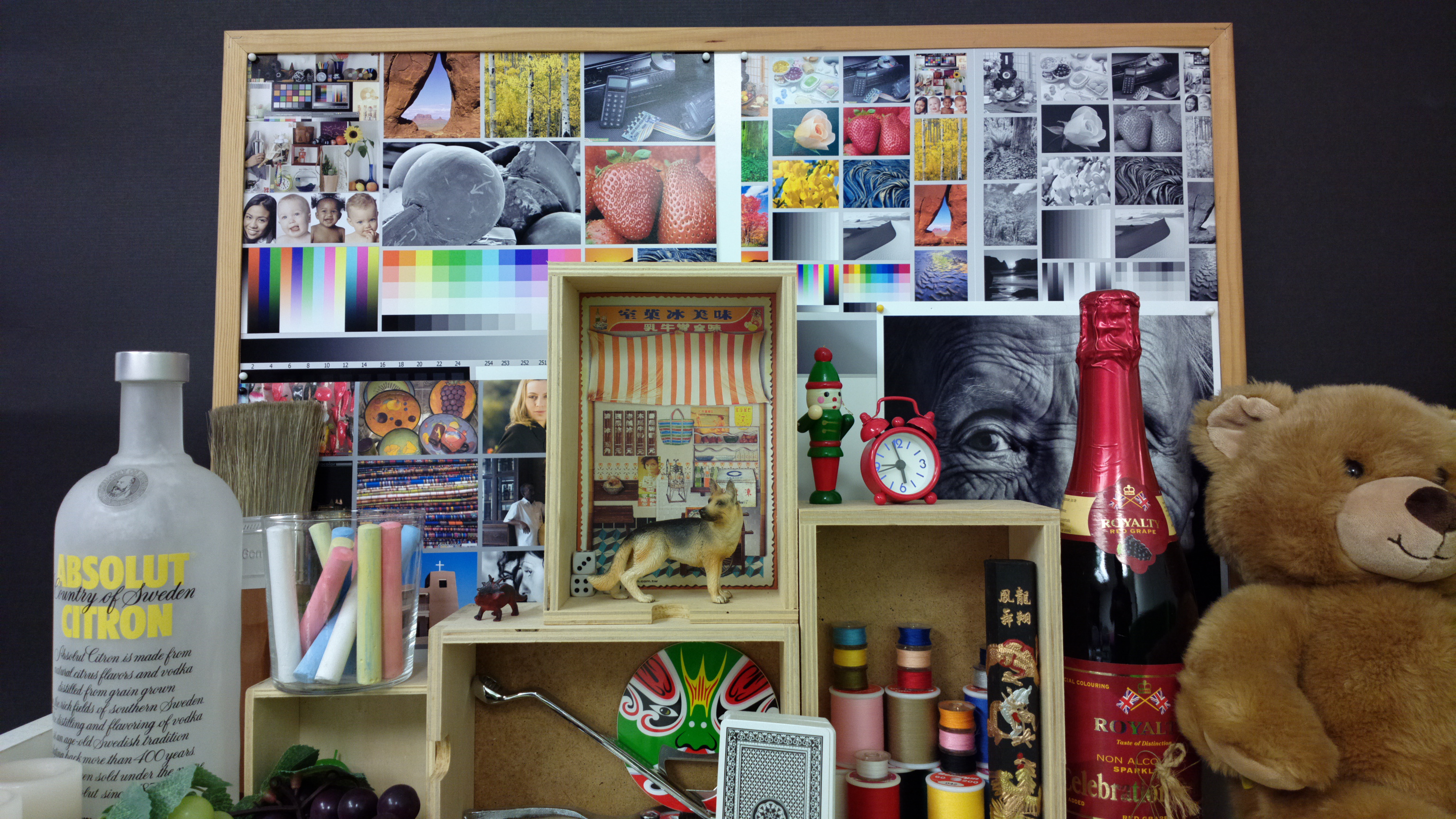
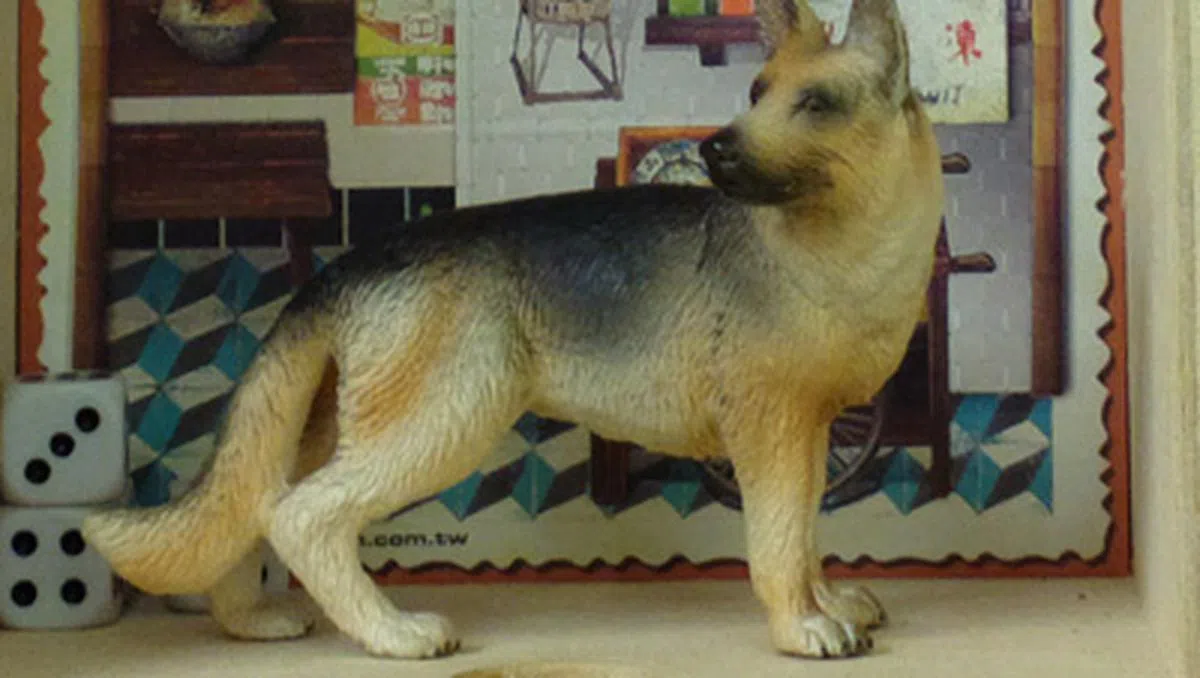
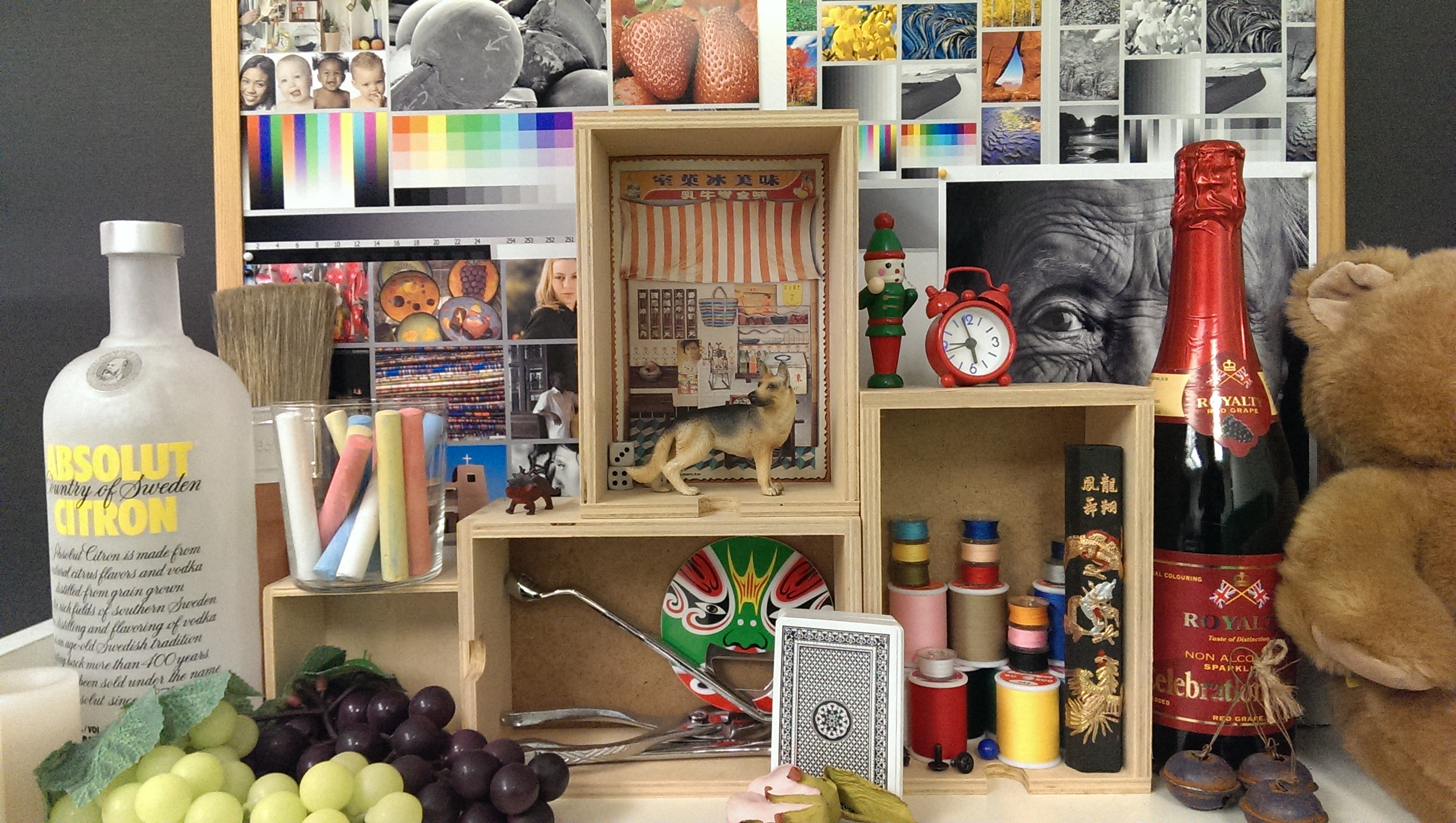
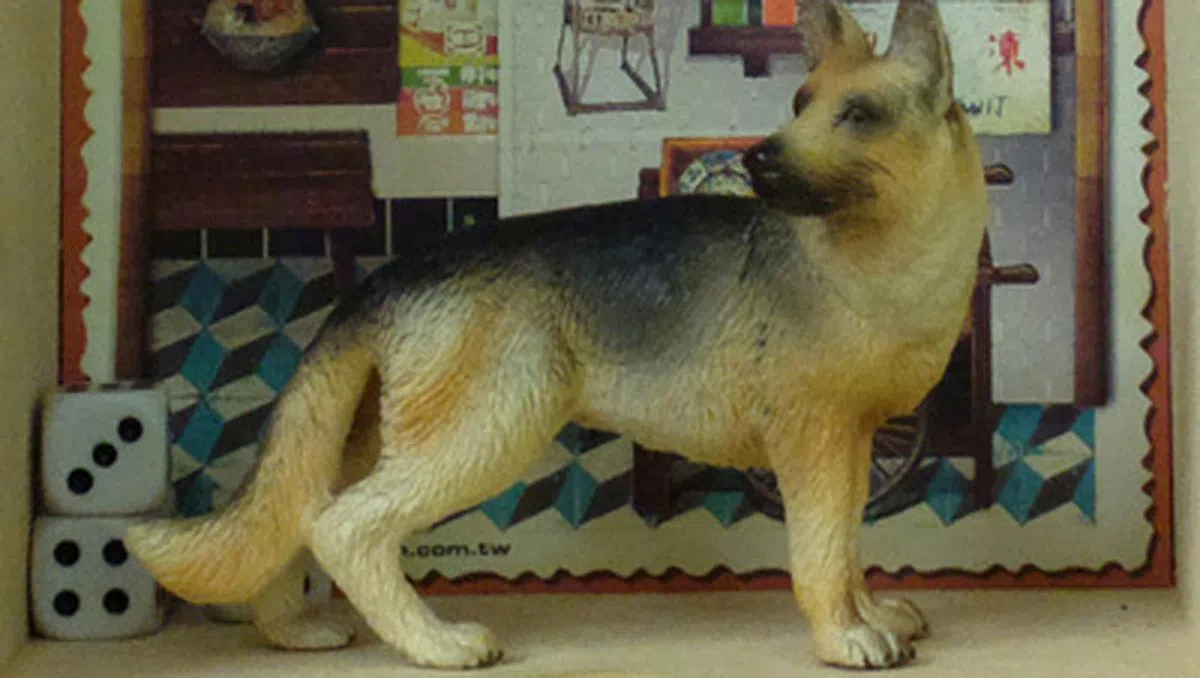
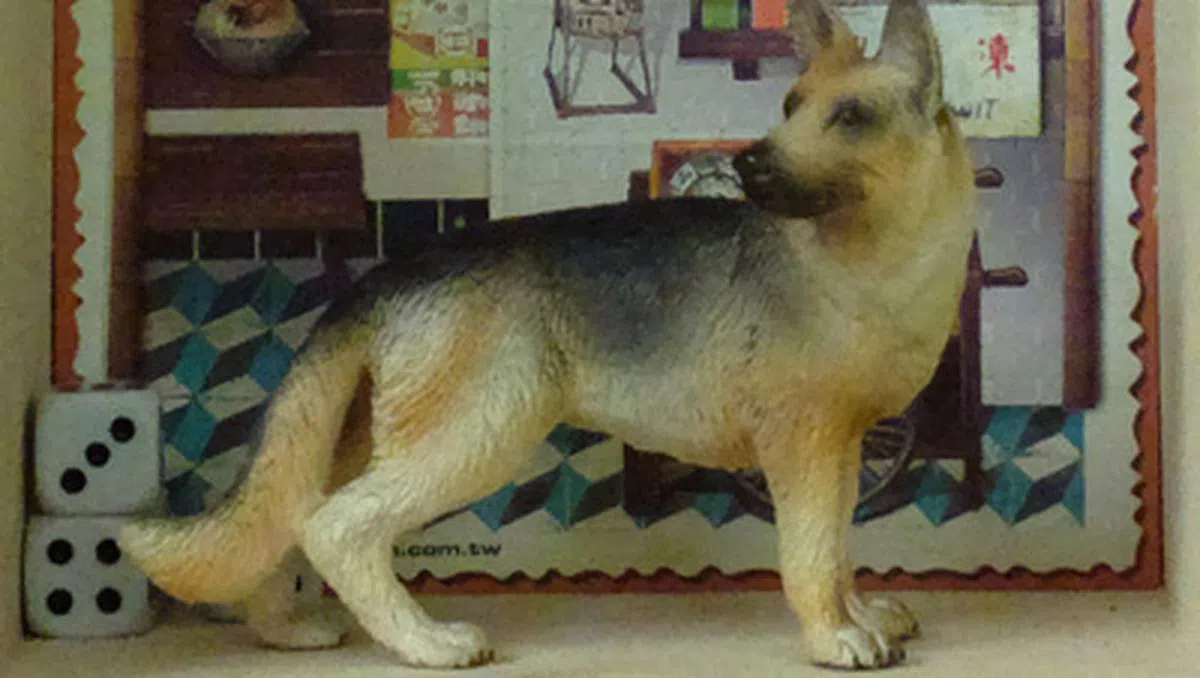
First, let's take a look at the camera's image clarity and image noise performance, using 100% crops of our indoor test scene. Right away, we can see that the HTC One captures the least detail, not a large surprise considering its low megapixel count. And the HTC One does something odd at ISO 800, image quality takes a sharp dip, with smudged details and high noise - strangely enough, ISO 1600 looks better than ISO 800. Perhaps another firmware update to fix this anomaly?
The one thing we can say about the HTC One is that it's fairly consistent from ISO 200 to ISO 1600, barring ISO 800, there isn't a dramatic rise in image noise nor drop in image clarity.
The HTC One XL's max usable ISO is at ISO 400, at ISO 800 details start falling apart. The Nokia 808 PureView captures the most detail, also not surprising with its 33MP capture. It manages to retain image detail and suppress noise even up to ISO 1600, which is impressive for a smartphone camera. The Nokia Lumia 920 does quite well, keeping a good balance between noise and detail, but its highest ISO setting (manually, at least) is one stop less than the HTC One's. Since we couldn't set the iPhone 5's ISO manually, the most we can say about it is that at ISO 250, it shoots a good photo in comparison with the rest of the phones.
Note 1: To fairly compare the HTC One, its competitors' images were down-sampled to 4MP before cropping, using Adobe Photoshop CS4 and a Save for Web setting on Very High quality. Not down-sampling the images would have been akin to asking you to watch a DVD on a small screen and a Blu-ray disc on a large screen and then trying to see the difference - you can only see a fair difference by watching them on a similarly-sized screen. Clicking on the thumbnails however, will bring you to the original full-resolution images.
Note 2: Due to bandwidth concerns, we won't be offering the Nokia 808's original monster 33MP files for download.
Note 3: Because the HTC One captures more pixels in 16:9 than 4:3, we've used that aspect ratio on all the other smartphones, except for the iPhone 5 which can only capture in 4:3.
Note 4: Because we couldn't mount lock the smartphones on a tripod, the images will vary somewhat in viewing angles and composition.
Note 5: The iPhone 5 only makes an occasional appearance because it was the only smartphone which we couldn't manually set the ISO.
 |  |
 |  |
 |  |
 |  |
 |  |
 |  |
 |  |
|  |
 |  |
 |  |
|  |
 |  |
 |  |
|  |
 |  |
An Extreme Low Light Test
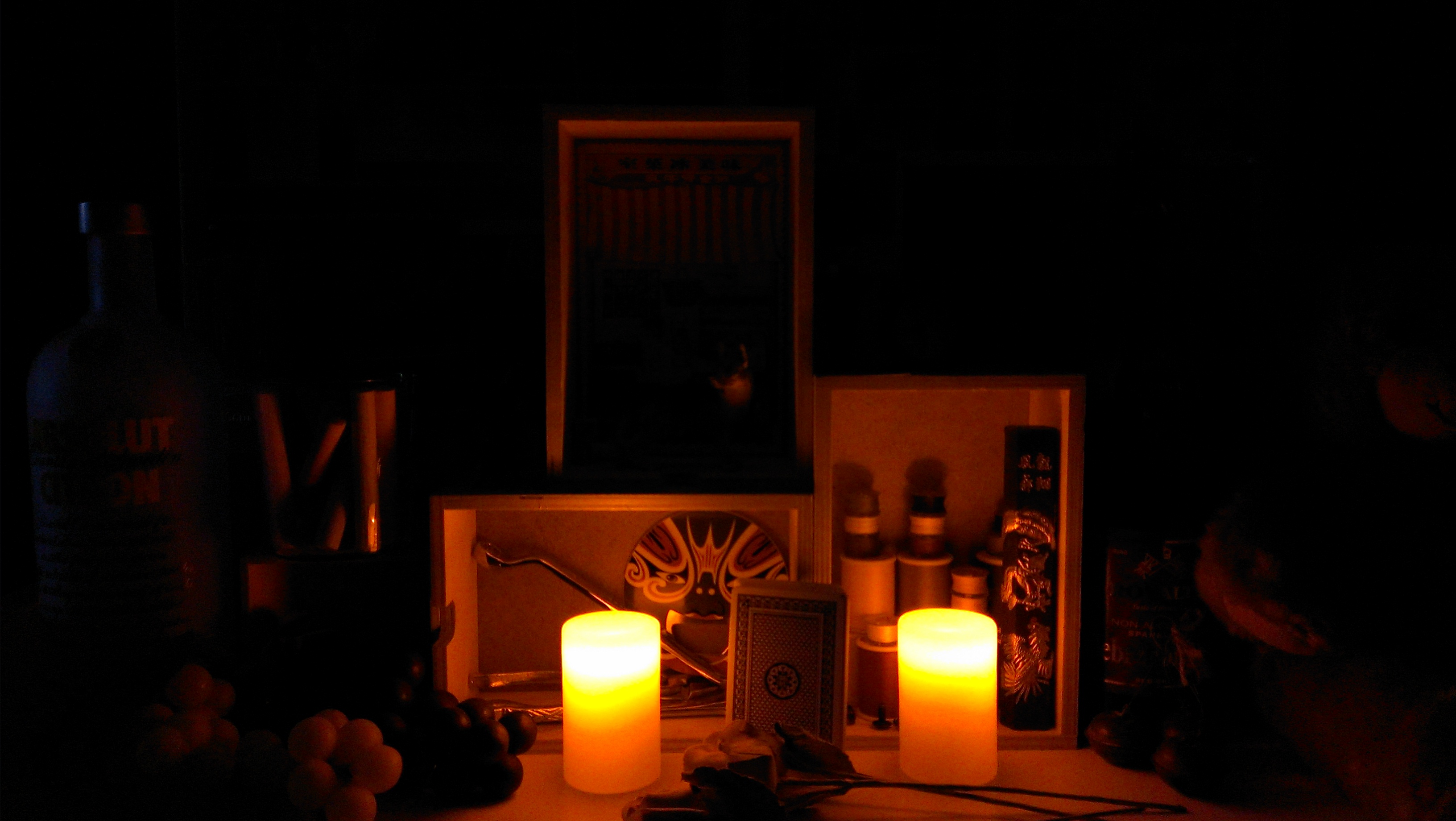
Since HTC promotes that the One's 4MP sensor is more sensitive to light, we decided to test its low-light shooting capabilities in an extremely dark environment. However, it seems that the larger photosites don't make much of a difference here; the One's low-light gathering abilities aren't much better than the rest. We then pushed up the shadows and brought down the highlights using Photoshop's Shadows/Highlights tool, set to a maximum of 100%, to see if the details were hidden in the shadows. But here again, it seems that the larger photosites don't add much to the One's dynamic range.
In fact, the Nokia Lumia 920 (the Nokia 808 PureView's results are so good, it's getting ridiculous to compare any other phone's camera against it) does much better than the HTC One at both low-light capture and the ability to pull details from the shadows and highlights. But the Nokia Lumia 920 takes more chances; it consistently opens its shutter for a longer period of time than the One, capturing more light but at the risk of introducing camera shake into the picture.
Since we couldn't manually dictate shutter speeds for the phones, this isn't a strict 1:1 comparison. But from what we can see, the HTC One doesn't offer significantly better low-light performance than its peers.
 |  |
|  |
 |  |
 |  |
|  |
 |  |
 |  |
|  |
 |  |
 |  |
|  |
 |  |
 | |
 |  |
 | |
Dynamic Range Compared
We took the low-light shots, pulled out the shadows and pushed down the highlights in Photoshop CS4 to see what we could see, which wasn't much. Here we show you the HTC One's ISO 100-1600 shots after post-production, with comparisons against the better-performing Nokia 920's shots. Note however, that the Nokia 920 is consistently shooting at slower shutter speeds than the HTC One, which allows it to capture more light. At ISO 100 for example, the HTC One is shooting at 1/20 of a second, while the Nokia 920 is shooting at a very risky 1/3 of a second.
We also threw in the Nokia 808's to show you just how ridiculously it's outperforming everyone else.
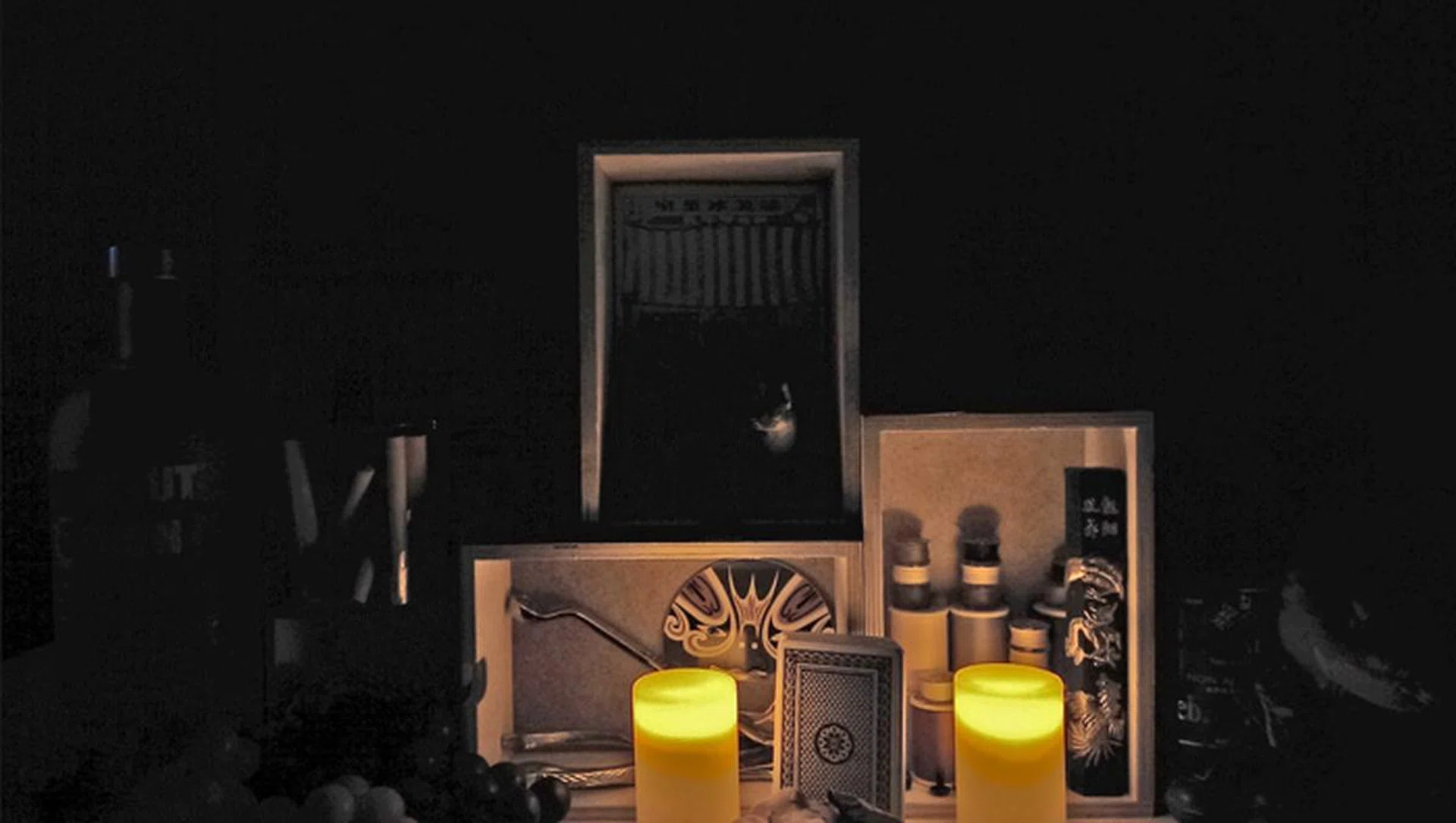
HTC One, ISO 100
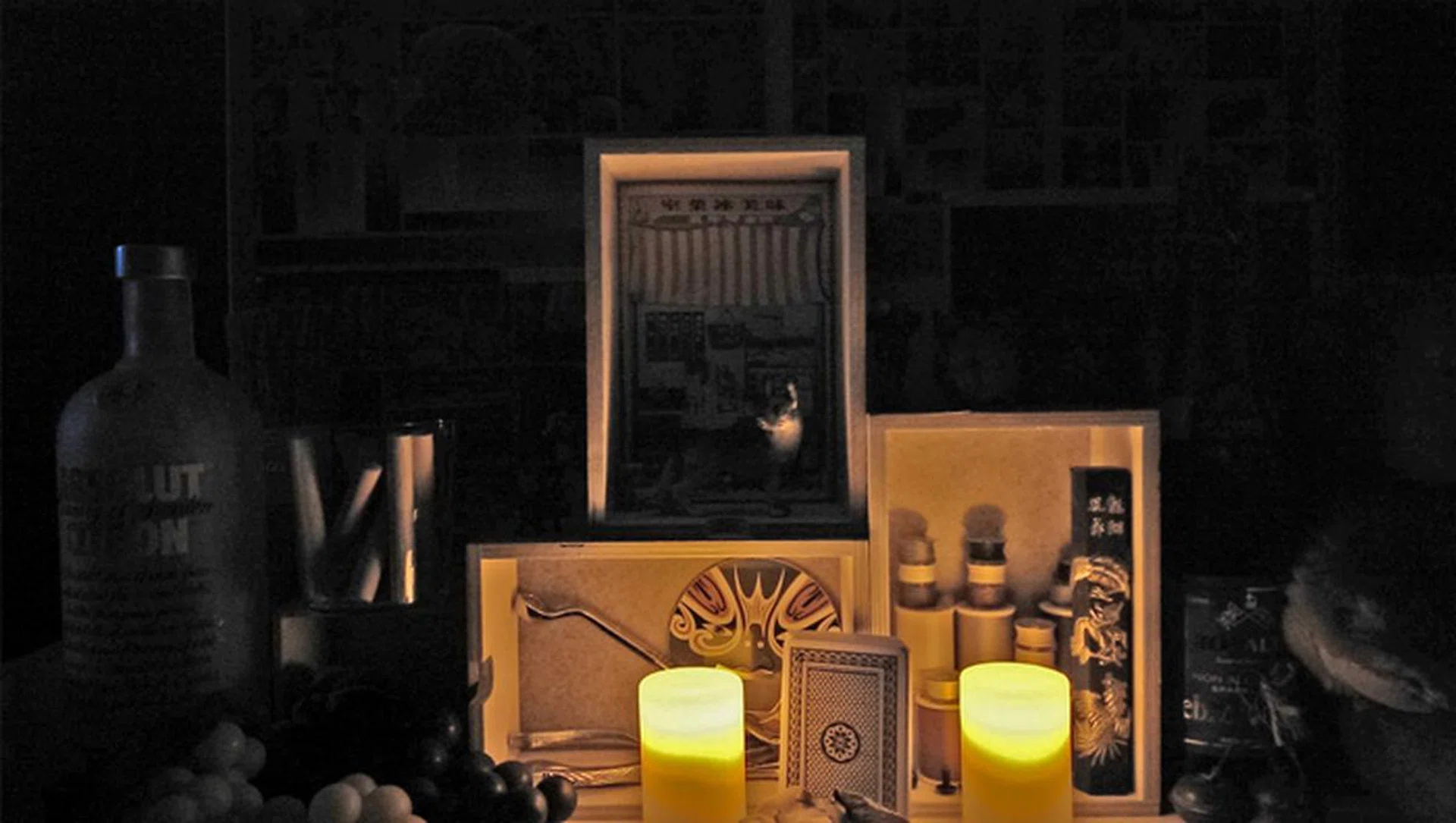
HTC One, ISO 200

HTC One, ISO 400

HTC One, ISO 800

HTC One, ISO 1600

Nokia Lumia 920, ISO 100

Nokia Lumia 920, ISO 200

Nokia Lumia 920, ISO 400

Nokia Lumia 920, ISO 800

Nokia 808 PureView, ISO 100
The HTC One's Lens
We usually use our resolution chart to test a camera's ability to capture details, but we've already seen that result in the Image Clarity & Noise page (and in any case, the One's 4MP won't give you much resolution to write home about). This time, we'd like to use the chart to test the One's lens and see its corner to corner performance.
We've already mentioned that the first HTC One given to us produced obvious softness in the corners. But the second HTC One we received, with updated firmware for the camera, cleared up this issue. Now, we have to admit, we don't understand how a firmware upgrade could have resolved an issue with - what we assume to be - the lens, but our experience with the updated One is noticeably different after. It's not just a matter of stopping down either, both images were shot by the camera at f/2. It might be a little hard to spot in these thumbnails, but you can just about see that the upper left and bottom right of the image shot by the first One are soft.
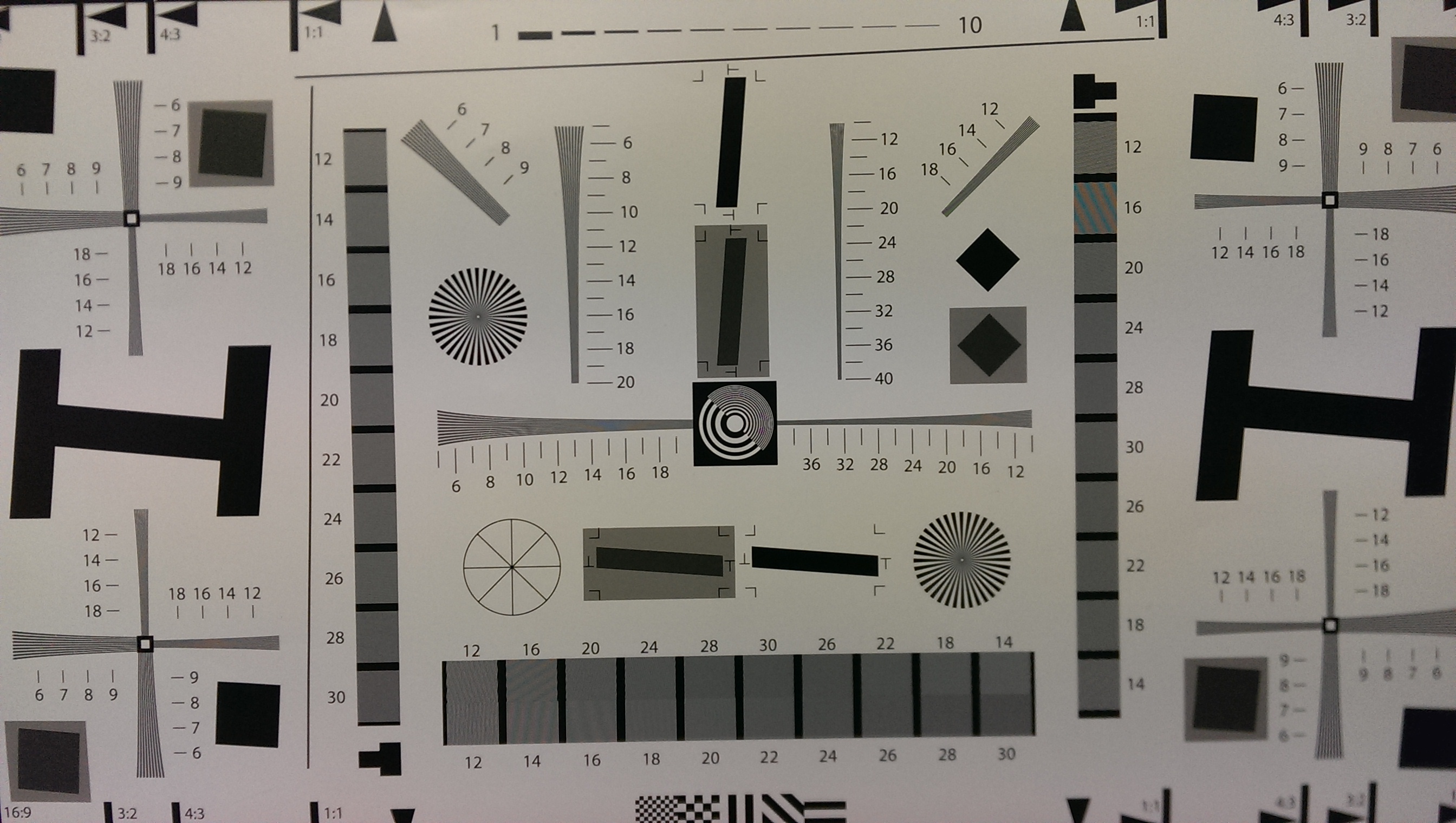
HTC One, before firmware upgrade

HTC One, after firmware upgrade
The HTC One XL's lens behaved oddly, it would sometimes produce an image with consistent focus across the entire chart, and sometimes have only the center in focus (we selected the center as our focal point in all test images) with almost everything else out of focus. And this was for a flat focal plane - very odd.
The Nokia 920 looked a hair soft to us, while the Nokia 808 and the iPhone 5 produced consistently sharp results.
We didn't find any evidence of barrel distortion from any of the cameras' images.

HTC One XL
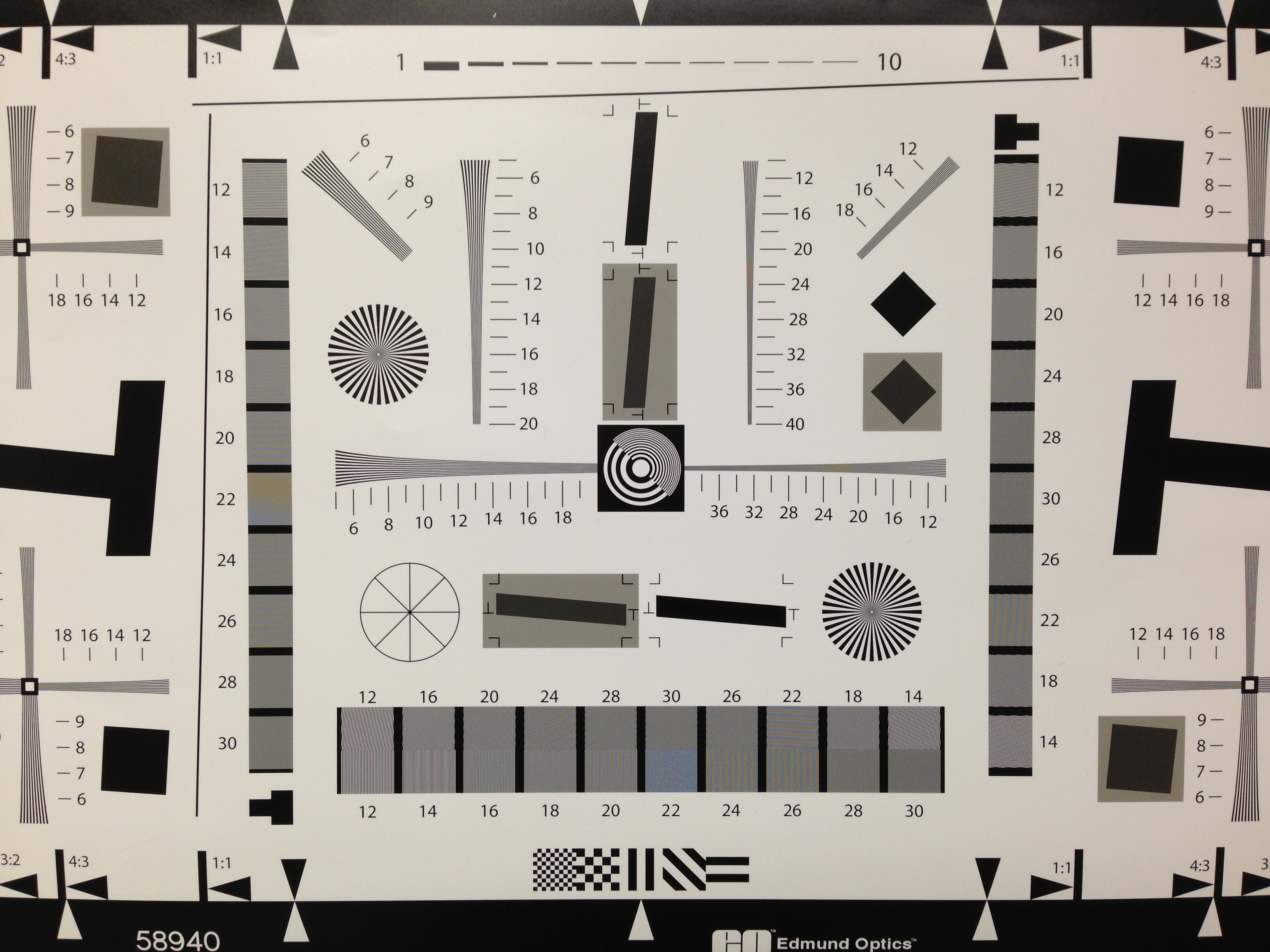
iPhone 5

Nokia 808 PureView
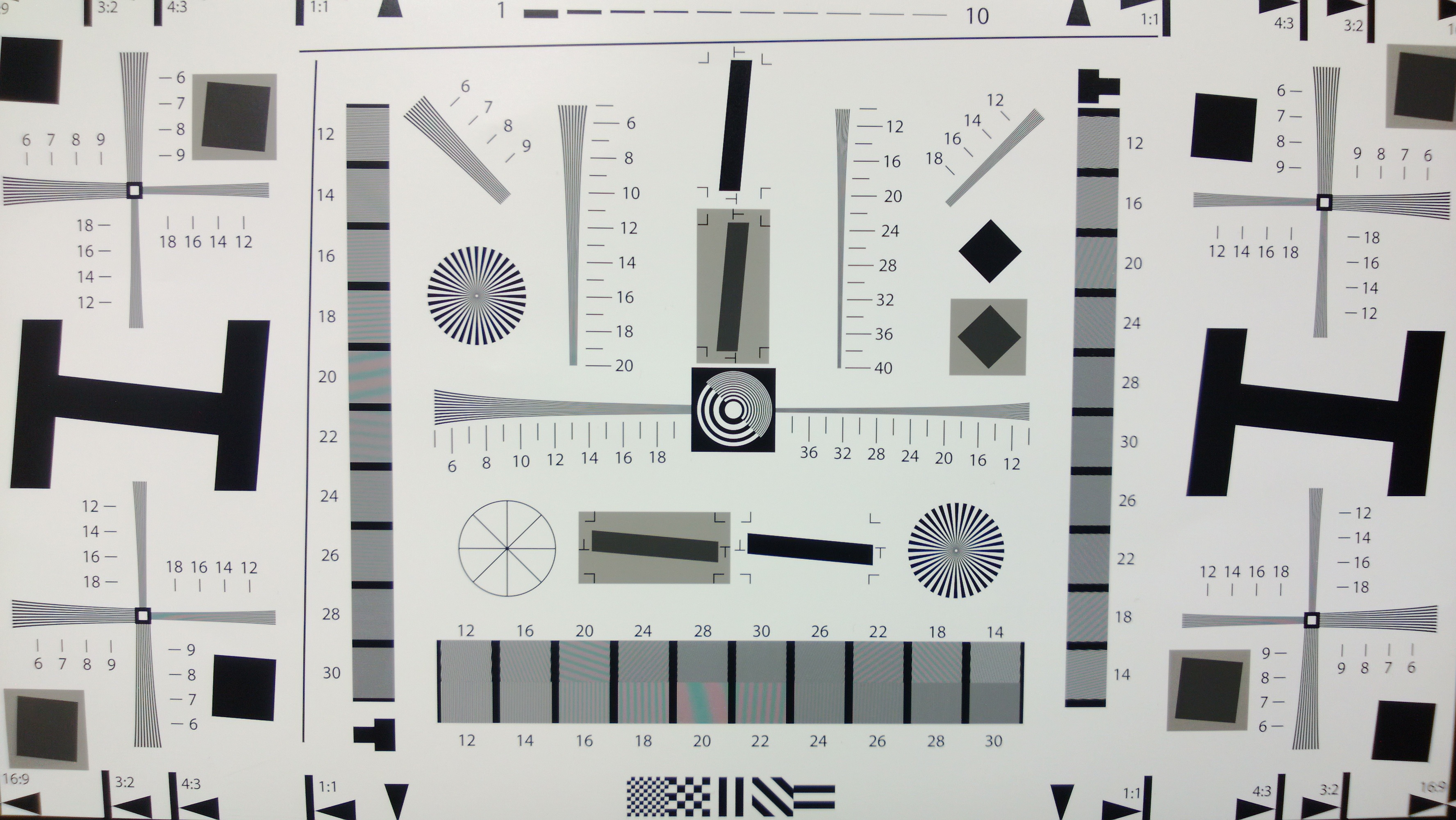
Nokia Lumia 920
Color Reproduction
When it comes to color reproduction, we didn't notice any significant deviation between the different cameras, except that in this instance taken in daylight, the iPhone 5 and Nokia 920 prefer a warmer white balance, while the rest of the phones run cooler. But even in this simple shot with ample light, you can clearly see that the limited resolution of the HTC One takes a hit in terms of detail levels, which diminishes the photo's vibrancy.
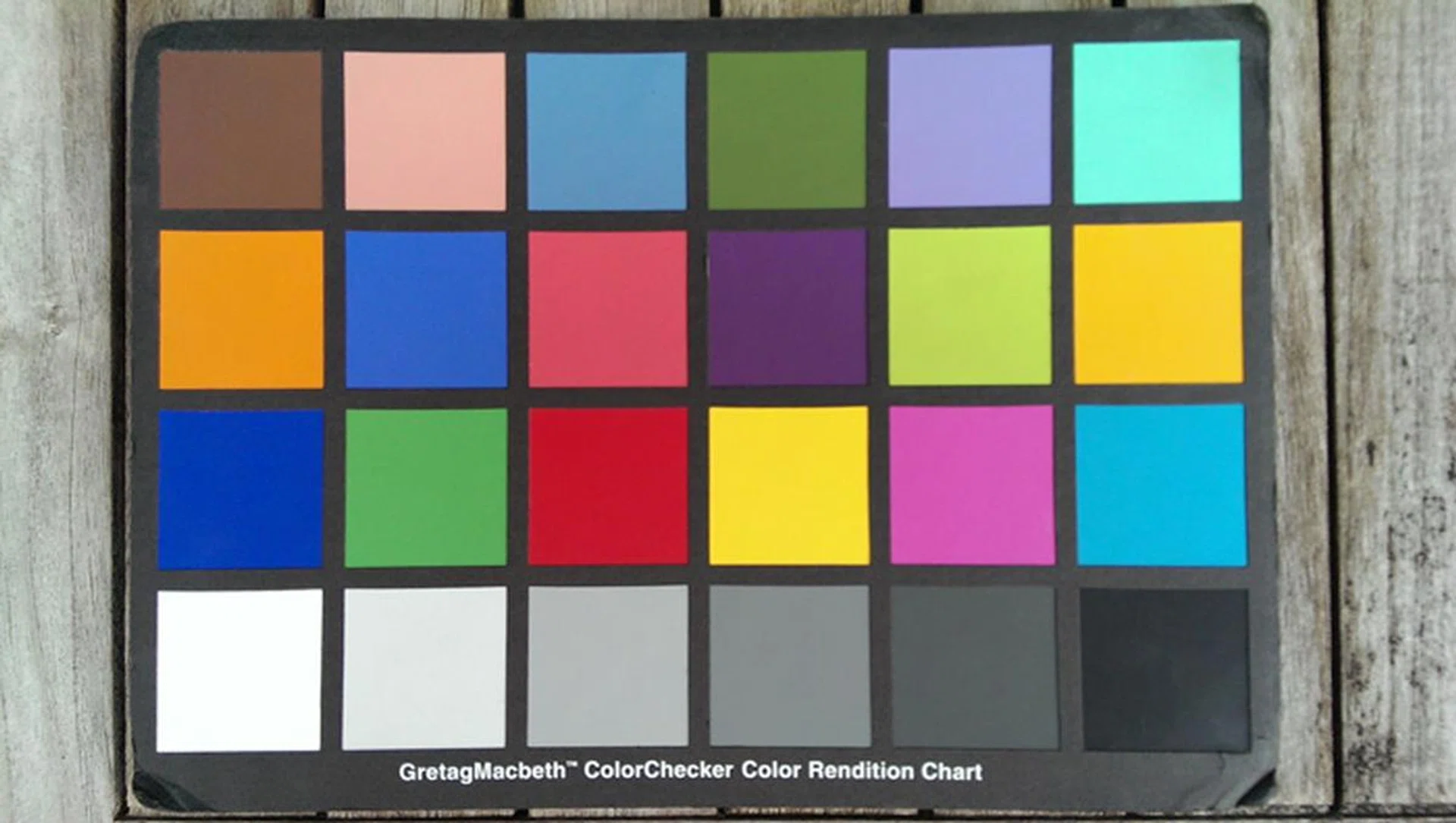
HTC One
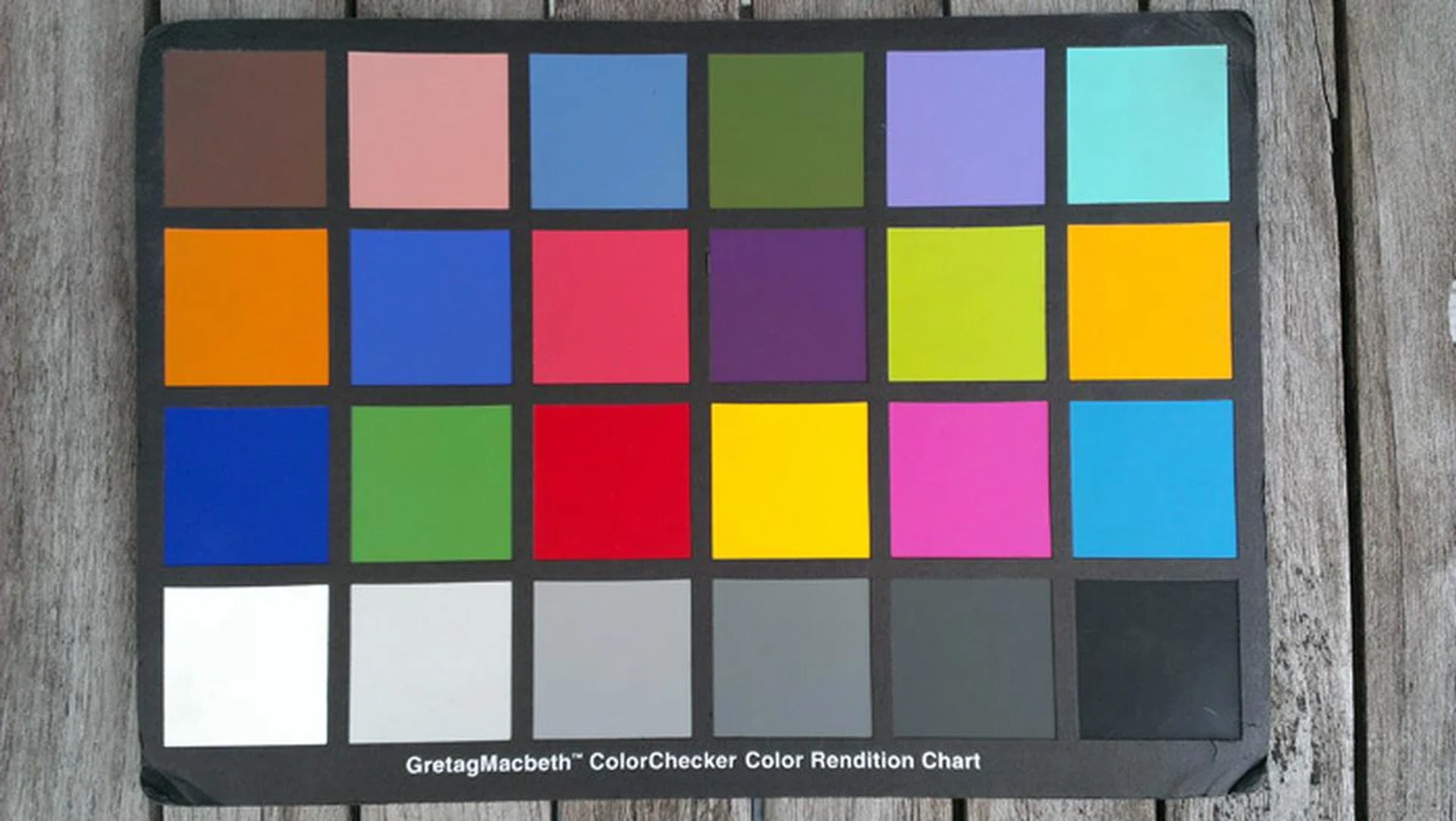
HTC One XL
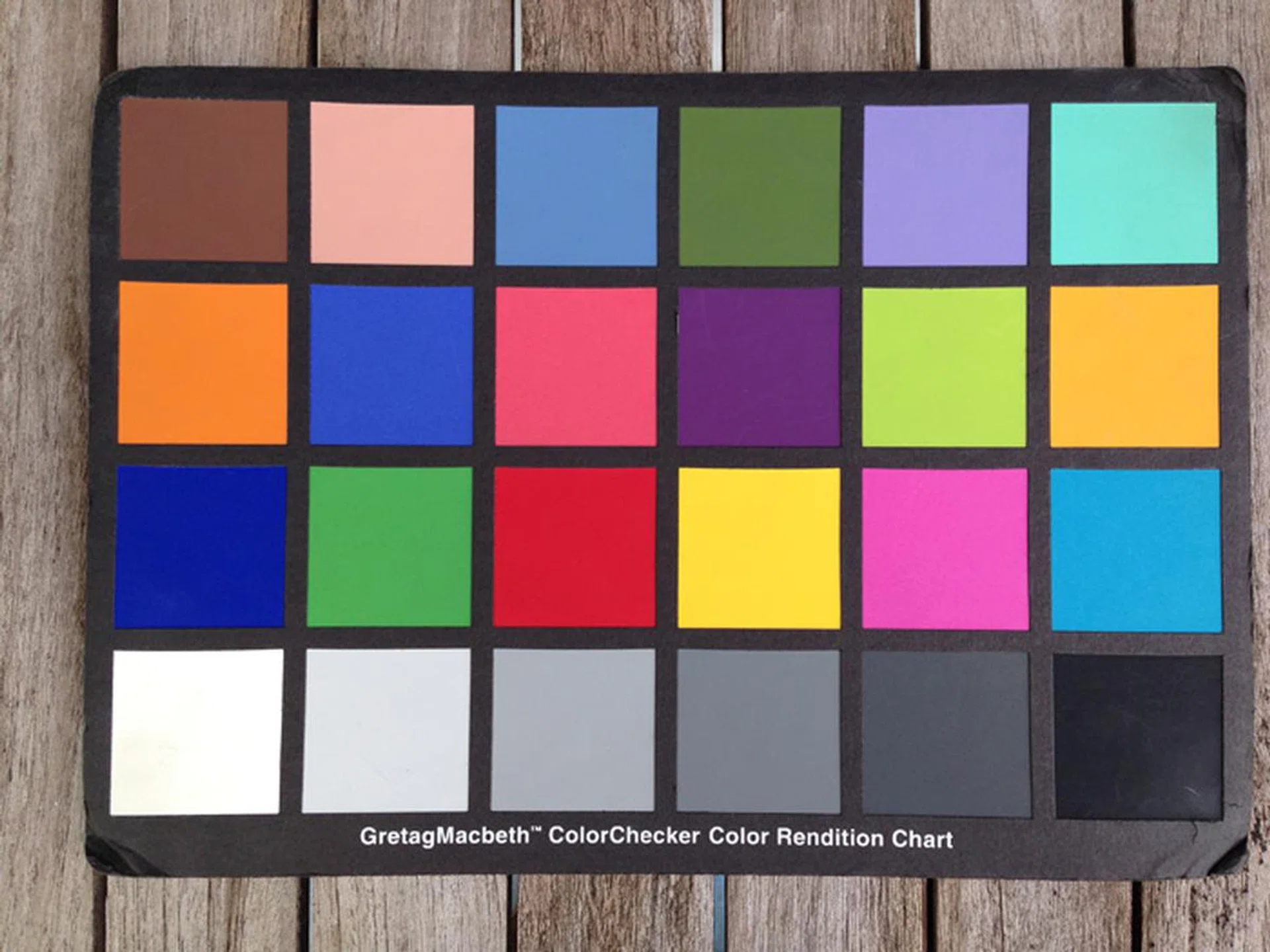
iPhone 5
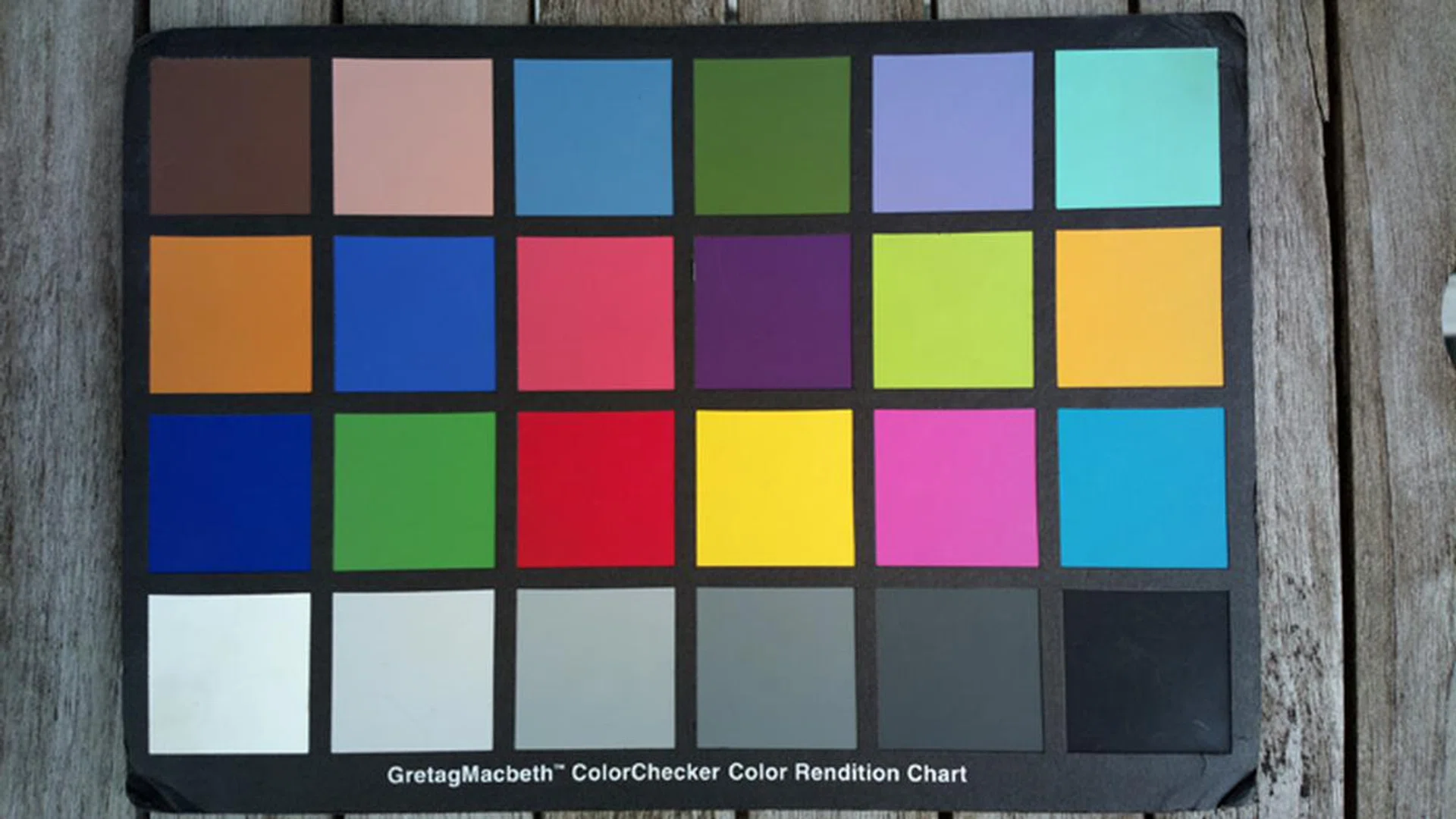
Nokia 808 PureView
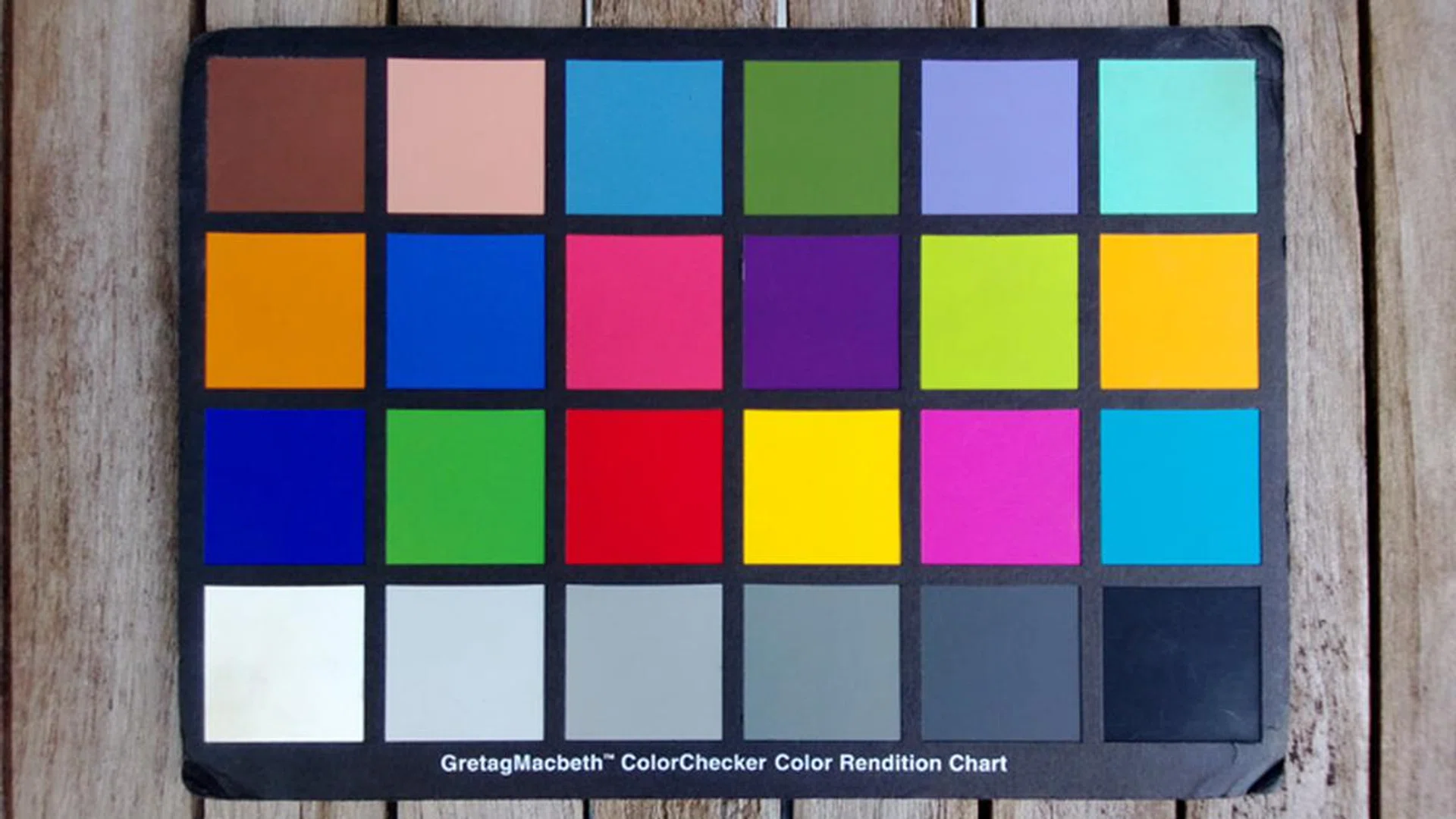
Nokia Lumia 920
HTC Zoe
The HTC One has an interesting feature called Zoe, when you switch it on by tapping an icon on the shooting screen, the One will start shooting a video of the scene, saving one second before you press the shutter and then three seconds after. Afterwards, you can then scroll through the playback and save frames from whichever point you want. When saved to your PC, you'll also get 20 frames from the approx. four second capture, which means that Zoe is shooting an average of five frames per second. You'll also get the full movie saved as an .MOV file; it's nice to have both a shot of and a video of the moment.
It's an interesting feature, with which you can grab the perfect still frame from your shot. It doesn't mean that you'll be able to grab perfect action shots however, as the shutter speed - which you cannot control - determines whether or not you'll get a sharp or blurry image of a moving subject, not the frame-rate.
The other challenge is that it adds an additional layer of work for the user. Do you really want to scrub through a four-second video every time you take a photo to select that one perfect shot? Do you want to see twenty nearly identical images in your image folder when you transfer it to the PC? We can't really say - that's up to the individual. For our money, we think that Nikon's mirrorless 1 cameras have the better idea with the Smart Photo Selector mode; the camera shoots a burst of images and then selects five that it thinks are the best for the user, giving the user what he wants with less work, although you don't get a video at the end.
When comparing images shot in Zoe mode to non-Zoe photos, we notice that the Zoe images appear slightly sharper, but there is more distortion in the details, which means they've been more aggressively sharpened by the image engine. Honestly though, nobody will probably notice unless they look for it. So yes, they are the same resolution (in terms of pixel width x height), but not exactly the same image quality.
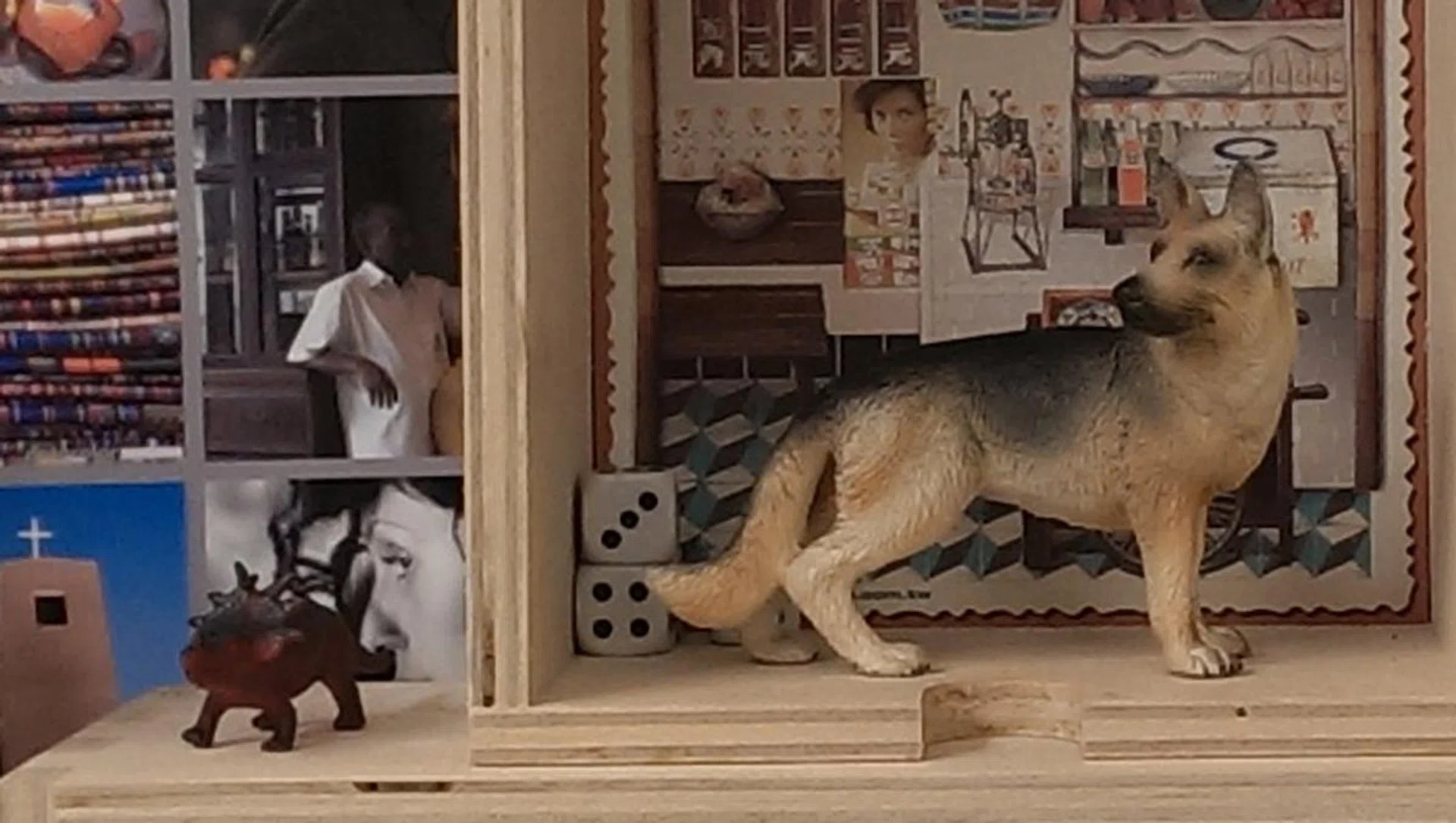
100% crop, non-Zoe capture, ISO 100
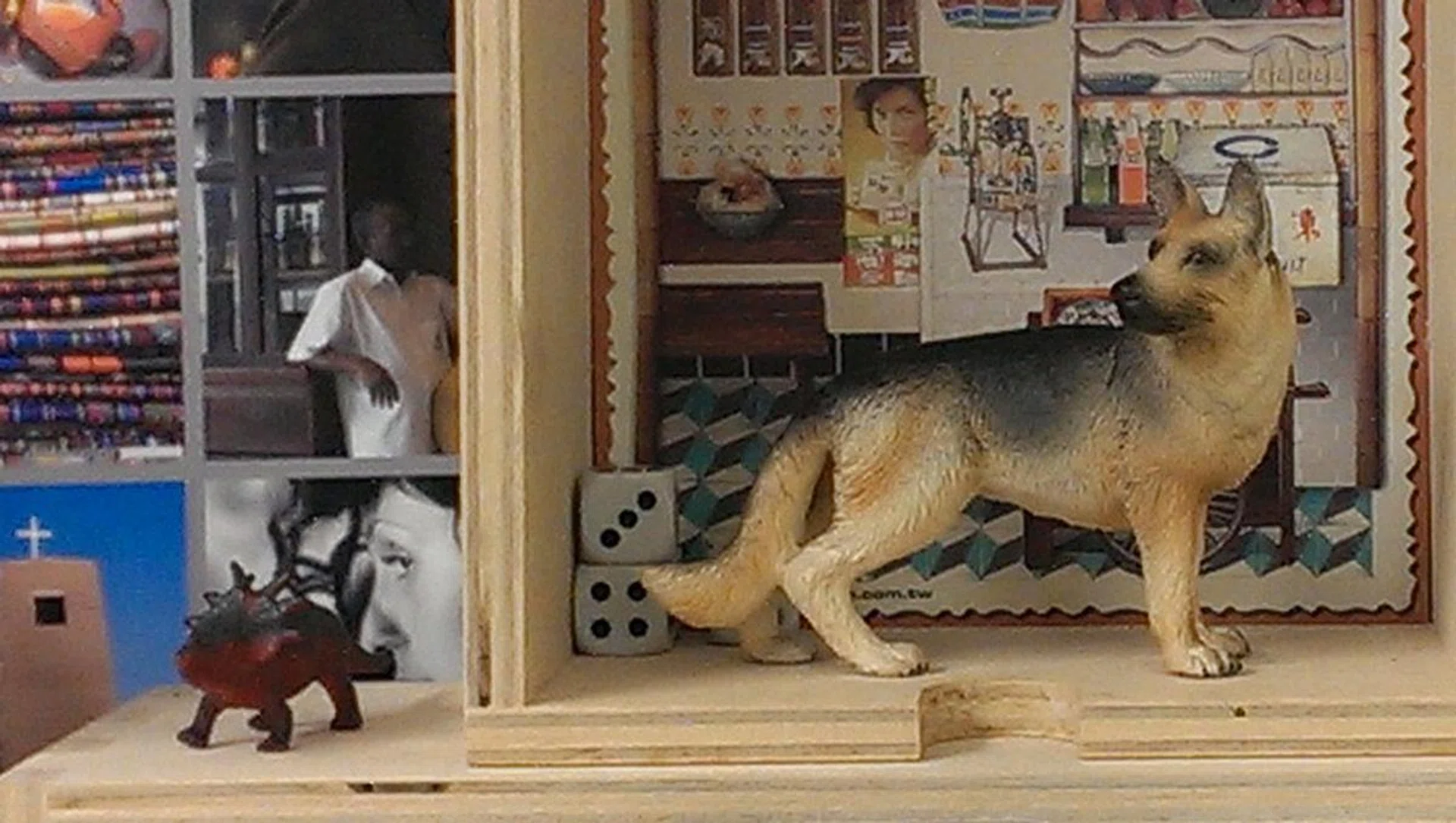
100% crop, Zoe capture, ISO 125
100% crop, non-Zoe capture, ISO 200
Updated 27/3/13: We received an email from German website Techstage which seems to explain the mysterious behavior of the HTC One at ISO 800. According to them, even though we manually set the ISO to 1600, the camera might still take pictures at lower ISO settings in good lighting conditions. But it'll still save the EXIF data in the JPEG as ISO 1600, instead of the actual value.
This seems to bear out when we checked our test images and their shutter speeds. In our lab test with indoor lighting, the HTC One progressively reduced shutter speeds as ISO increased; the more sensitive the sensor was to light, the less time it needed to open up its shutter. At ISO 800, the One recorded a shutter speed of 1/120th of a second. At ISO 1600 however, the shutter speed jumped back down to 1/30th of a second, which is identical to the shutter speed required at ISO 200. Indeed, looking at the shots taken at ISO 200 and ISO 1600 now, they look remarkably similar.
In our extreme low-light test however, the shutter speeds remained constant at 1/20th of a second throughout all the ISO ranges.
In short, it seems that the HTC One has two bugs - one; it won't always listen to your command to set the ISO speed, secondly; it will report in the EXIF data that it did even though it didn't. Techstage says that the HTC product manager they are in contact with said there would be a firmware update to fix the issue, and that the issue has been confirmed directly by HTC Taiwan.
We have reached out to HTC Singapore for a comment but they were unable to issue one at press time. Until we have confirmed the issue with HTC ourselves we're letting the ISO 800 test images stand, but they should be considered suspect. Techstage's original article about the issue can be found here (in German).
Updated 26/3/13: HTC has clarified that the second unit which we received "has the final commercial firmware, compared to the original unit which was pre-production and had an isolated hardware issue, which resulted in differences between the two sets of photos taken with both devices." According to our understanding, all the commercial sets which will launch in April will come already updated with this firmware. As such, there will be no second camera update for the One, unlike what we previously wrote below.
Conclusion
HTC deserves recognition for taking a bold, unconventional step towards improving image quality with the 4MP HTC One. However, the proof of the pudding is in the eating, and HTC's implementation of 'ultrapixels' doesn't convey any significant advantage to image quality over the better camera phones of today. There's more to image quality than just the size of a photosite, just as there's more to it than just megapixel count. There's also the matter of optics, and how the image engine processes the images coming out of a sensor.
It's not that the HTC One's camera is entirely bad, if you're using the pictures just for social media, we doubt that most will notice the loss in image detail when viewing on their desktop browser or on another mobile phone. AF is snappy and the shutter is generally fast to respond. But there's also no special need to abandon the 8MP camera phones of today for the 4MP on HTC One. You'd sacrifice image detail for no noticeable improvements in low-light.
There's also the archival question; years from now your 8MP photos will still look decent on a future, more pixel-dense monitor. Your 4MP photo will not. This reviewer still has 3MP photos taken way back when with his first Fujifilm digital camera, and they look woefully small today on his PC monitor. If you print however, the HTC One's largest image resolution, 2688 x 1520 will give you a maximum print size of 8.96 x 5.06 inches at 300ppi, nearly A5 size or somewhere in-between 5R and 6R, which is a decent size.
If you do already have a HTC One and it's shooting images with soft corners, watch out for the camera firmware update which HTC tells us is coming in April for the general public - you'll see a noticeable difference in image quality. With both the previous and new HTC One phones though, we observed the same weirdness happening at ISO 800 - pictures shot at that setting appear softer and noisier, even noisier than ISO 1600.
About the other smartphones - the Nokia 808 Pureview is the undisputed best camera phone you can buy. However, since it's running on Symbian and the auto-focus is decidedly laggy, it's also the camera phone that nobody should buy. Still, it's groundbreaking technology and we're surprised that one year after its announcement, we still haven't seen any other Nokia phone use the same 41MP sensor.
We'd have loved to have the iPhone 5 show up more in the tests, but without a way to control the ISO, we can't conduct a proper 1:1 comparison yet. All we can say is that it looks like the iPhone has the second-best lens in this selection behind only the Nokia 808 PureView, with consistently sharp corner to corner performance. But it does also have a well-documented purple lens flare issue.
So, discounting the iPhone 5, from our small comparison it looks like the Nokia Lumia 920 is the best bang for your buck when it comes to image performance. It's not perfect - images are a little soft - but it delivers the best balance between image detail capture and image noise. It also has optical image stabilization, which is not available on the iPhone (but is available on the HTC One).
Our articles may contain affiliate links. If you buy through these links, we may earn a small commission.