
More things you didn't know about Qualcomm’s flagship Snapdragon 820 SoC
Qualcomm recently held an event in Singapore to talk more about its crown jewel, the Snapdragon 820 SoC. The chip is already found in seven flagship devices and has been designed from the ground up to enable better user experiences in areas as diverse as VR, photography, connectivity.
Qualcomm was here in Singapore recently to talk more about the Snapdragon 820.
Qualcomm may have made quite a bang at Mobile World Congress 2016 without appearing to do much at all, but that’s because all the hard work was already done beforehand. To date, the newly minted Snapdragon 820 is found in seven flagship phones, including big names like Samsung, LG, Sony, and Xiaomi. Over 100 designs based on Qualcomm’s Snapdragon chips are in development, and the company looks to be cresting a wave back to the top after a rocky 2015.
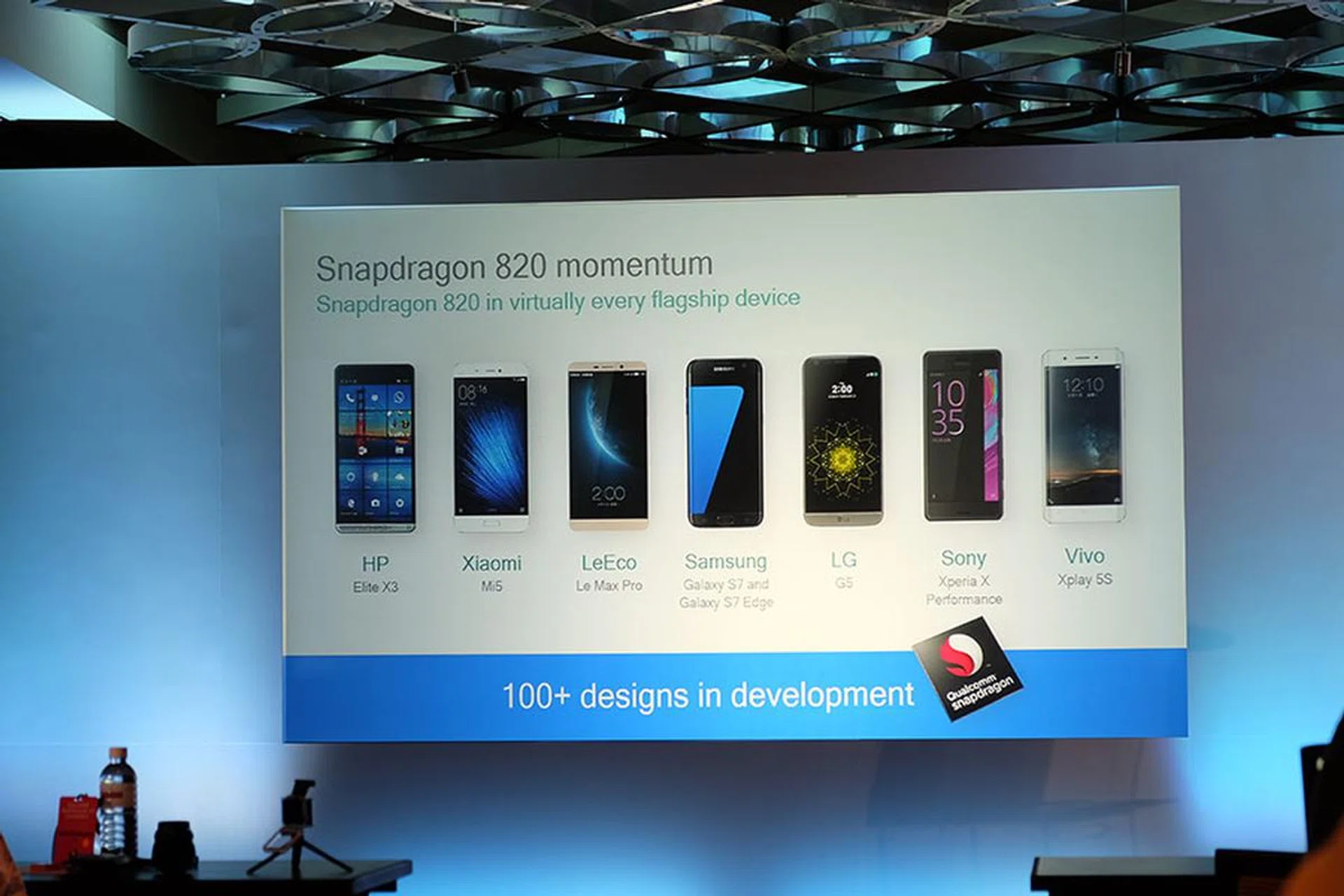
The Snapdragon 820 is already featured in seven flagship phones.
There’s a lot to like about the Snapdragon 820. In addition to featuring Qualcomm’s first custom-designed 64-bit CPU, every component has been upgraded to deliver significant improvements in performance and power efficiency.
The Snapdragon 820 is Qualcomm’s crown jewel for 2016, and the chipmaker was just here in Singapore for the Southeast Asia debut of the SoC. It’s all nice and well to talk about components like its Adreno 530 GPU and the Hexagon 680 DSP, but nothing really beats getting up close and personal with these new technologies.
Read on for what caught our eye at Qualcomm’s SEA event, including a glimpse at a fairly impressive phone from Chinese technology company LeEco (formerly LeTV).
Snapdragon galore

All these phones are powered by Snapdragon chips.
Qualcomm had a wide range of phones featuring its Snapdragon chips on display, but the one that caught our eye was from a brand that is a familiar name in China, but little known outside of the country.
The LeEco Le Max Pro is the first smartphone to support Qualcomm’s Sense ID biometric authentication solution. It also features a Snapdragon 820 processor, 4GB of LPDDR4 RAM, and a huge 6.33-inch IPS display with a resolution of 2,560 x 1,440 pixels.
That’s not all however, and it even supports the new 802.11ad Wi-Fi standard that could potentially do wonders for applications that require high bandwidth and low latency, a 21-megapixel camera, and USB Type-C charging port.
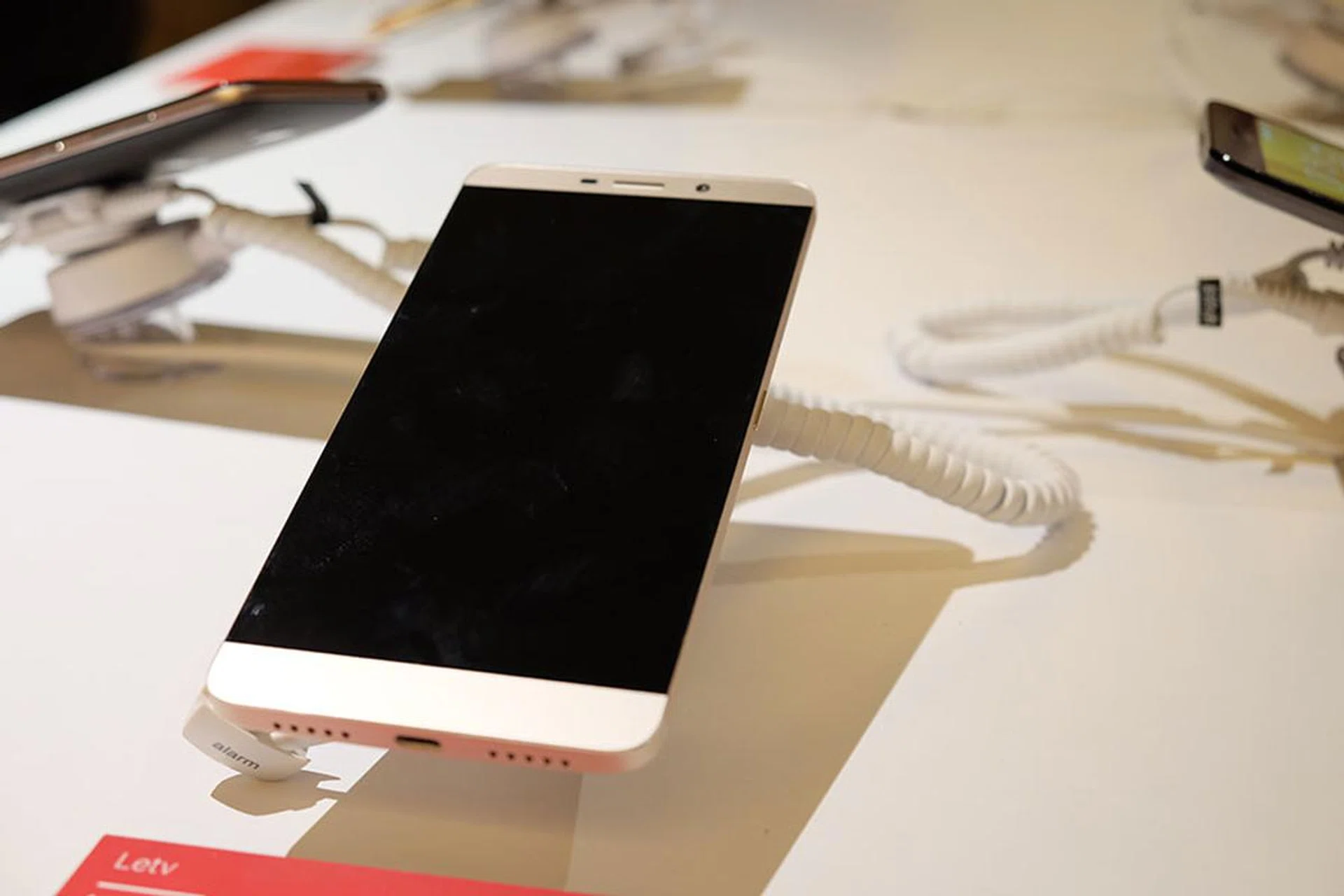
The LeTV Le Max Pro is the first to feature Qualcomm's Sense ID technology.
It also uses a metal unibody design like a whole lot of premium phones out there, and the side bezels are wonderfully thin. A good-sized 3,400mAh battery rounds out the package.
Snapdragon Smart Protect
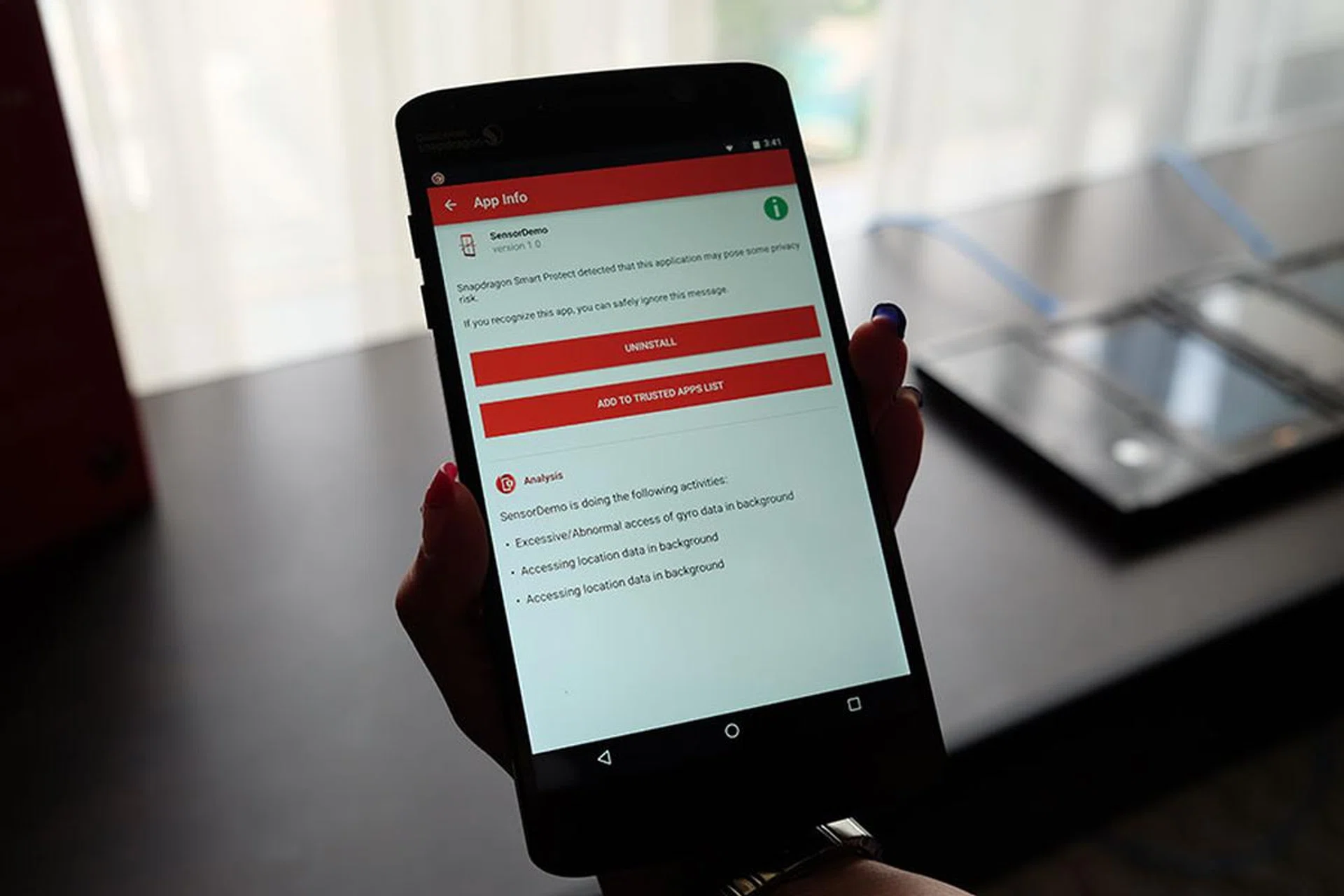
Smart Protect can detect suspicious activity in real time.
We’ve covered Snapdragon Smart Protect before, but we’d like to briefly highlight it again because of the enormous potential it has. For one, the constantly evolving threat landscape means that there will always be malicious software and trojans that slip through the defenses we’ve installed, simply because they are too new to be registered in existing databases.
Smart Protect addresses this problem by dealing with threats in real-time, offering better protection against zero-day malware. Qualcomm showed us a demo where a particular app activity was flagged as a potential privacy risk, halting it in its tracks and giving the user the option to either add the app to a safe list or uninstall it.
Smartphone users are expected to grow by a staggering 53% between 2015 and 2019, which means that mobile devices will become an increasingly attractive target for malicious actors. The number of zero-day threats will only increase, and real-time solutions like Smart Protect provide a more robust way to deal with the unpredictable situations.
AVG LockBox
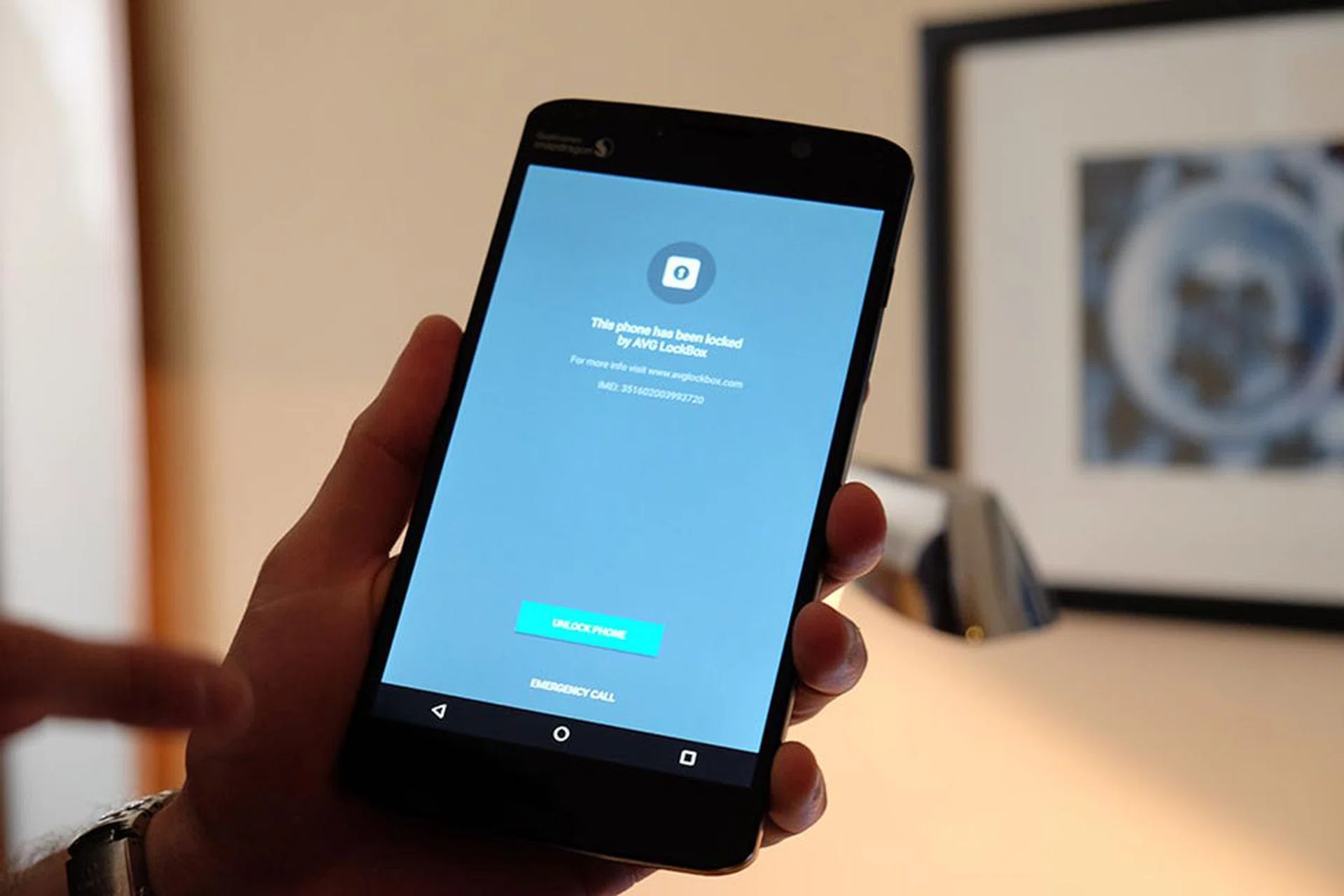
You can remotely lock your phone to protect your data.
If you’re worried about what might happen to sensitive data if you lose your phone, you’ll definitely appreciate the AVG LockBox feature. It exists as an app on your smartphone and can be used to remotely control your phone in the event that it is stolen or lost.
This is done via your PC – to lock the phone, simply log into your LockBox account on the web and select the right option. This even severs all cellular and other wireless connections that the phone has, making it harder for malicious parties to bypass the lockdown. Should you recover your phone, you can retrieve an activation code from the web interface to get your phone working again.
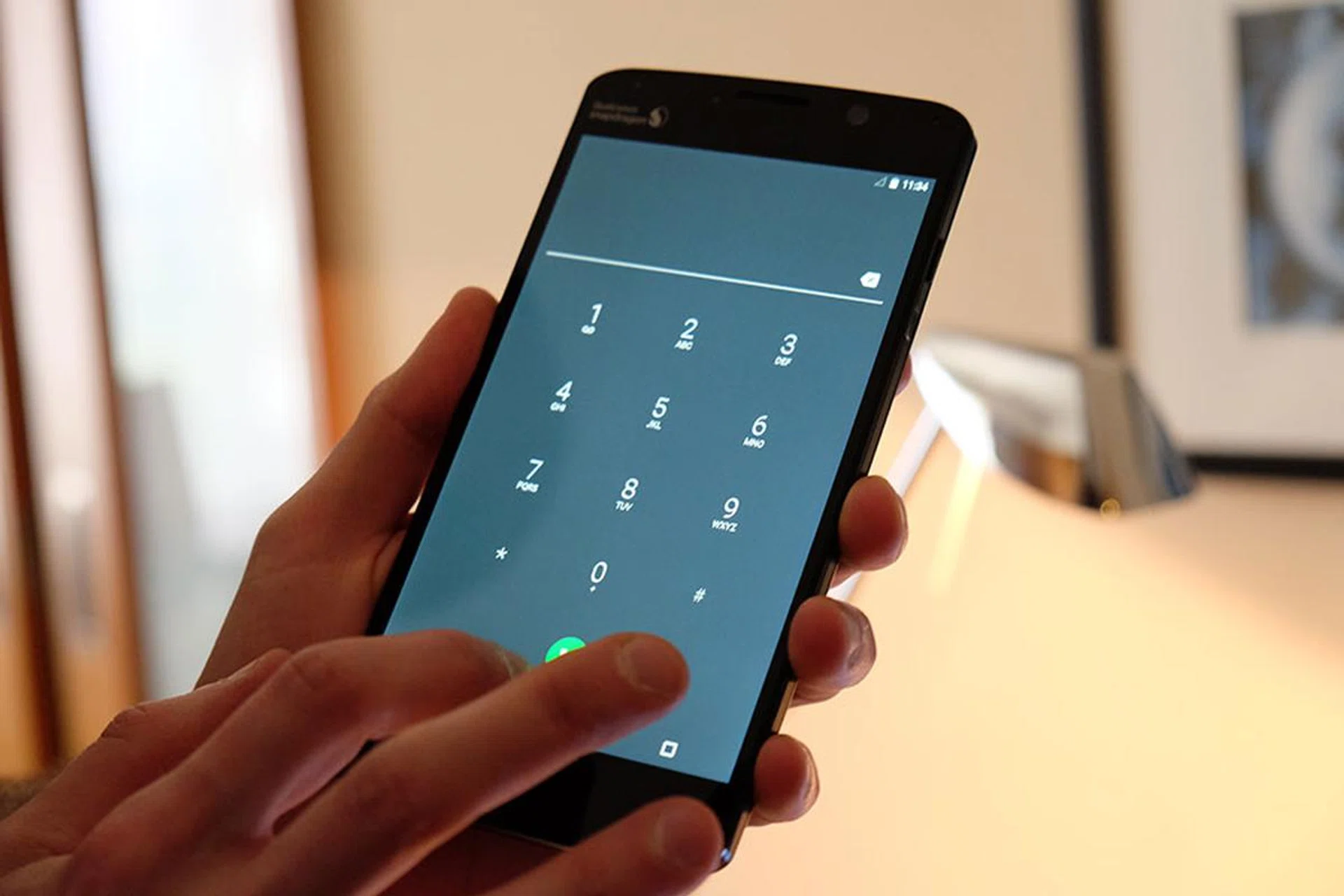
Should you retrieve your phone, you can key in a one-time activation code to use it again.
Qualcomm is starting to ship AVG LockBox with Snapdragon 820 devices, and there are plans to eventually make it available on all phones with Snapdragon chips, even the mid- and entry-level Snapdragon 600 and 400 series.
Sense ID
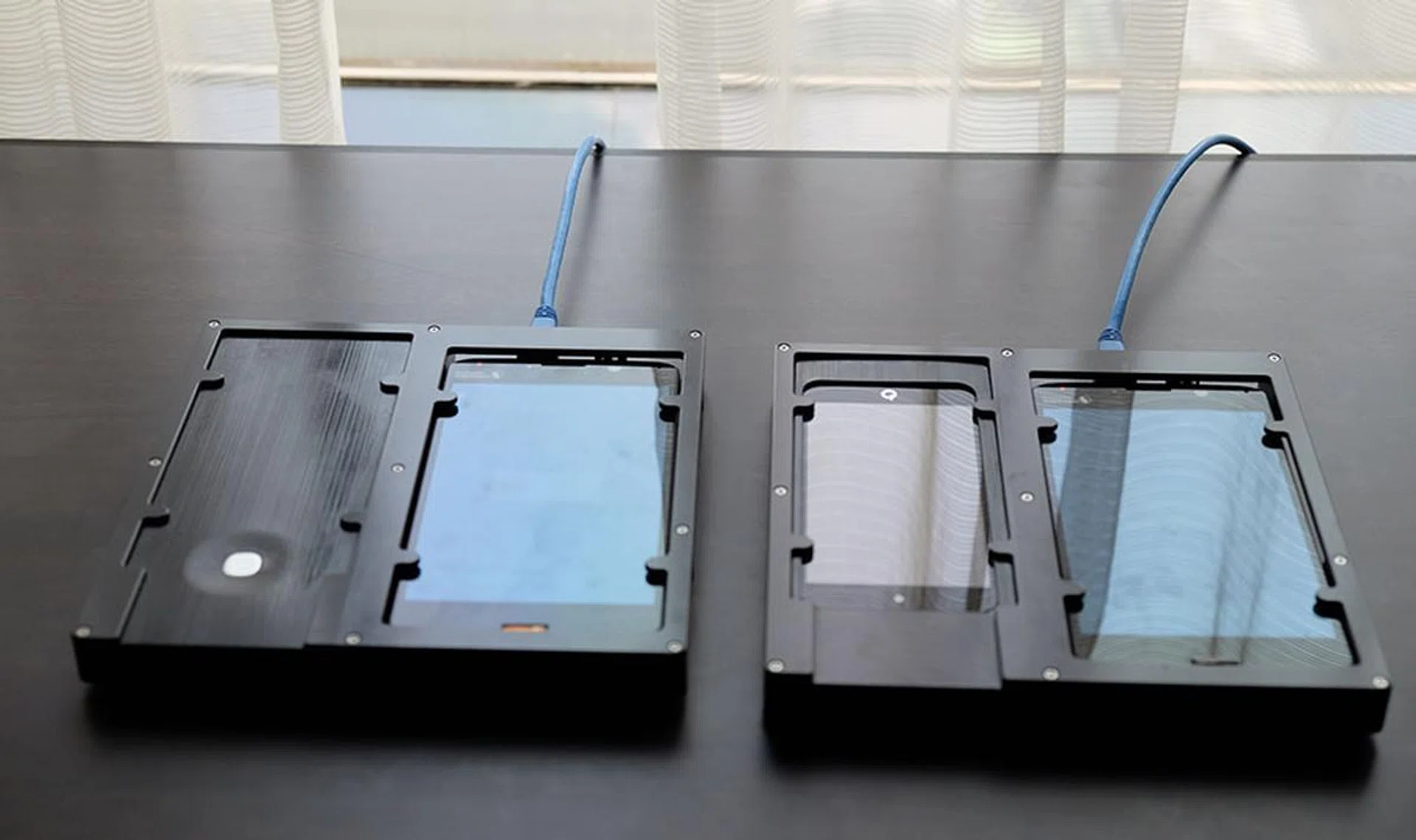
Sense ID uses ultrasonic sound waves that can pass through materials like metal, glass, and plastic, thus eliminating the need for a physical sensor button.
The Snapdragon 820 also supports Sense ID, Qualcomm’s very own fingerprint authentication technology. It uses ultrasonic sound waves to detect and verify fingerprints in 3D – these high-frequency sound waves can fill the smallest nooks and crannies in our skin – thus setting it apart from existing capacitive 2D solutions like Apple's Touch ID. Instead of generating a 2D picture of a print, Sense ID is able to sense details like the individual ridges and pores of a fingerprint. The ultrasonic waves’ can also scan through contaminants, which means things like lotion, oil, and sweat are less likely to get in the way of an accurate reading.
In addition, Sense ID gives device manufacturers more freedom to implement their own designs without having to work around the placement of the fingerprint sensor. It can scan through materials like aluminum, sapphire, plastics, glass and even stainless steel (up to 400µm for the latter two), effectively eliminating the need for a physical button, indentation, or some other obvious feature.
On a related note, Qualcomm also recently became the first company to support hardware-backed fingerprint authentication on WeChat’s mobile payment service, which would allow users to use their fingerprints to conduct online transactions.
Directional noise cancellation
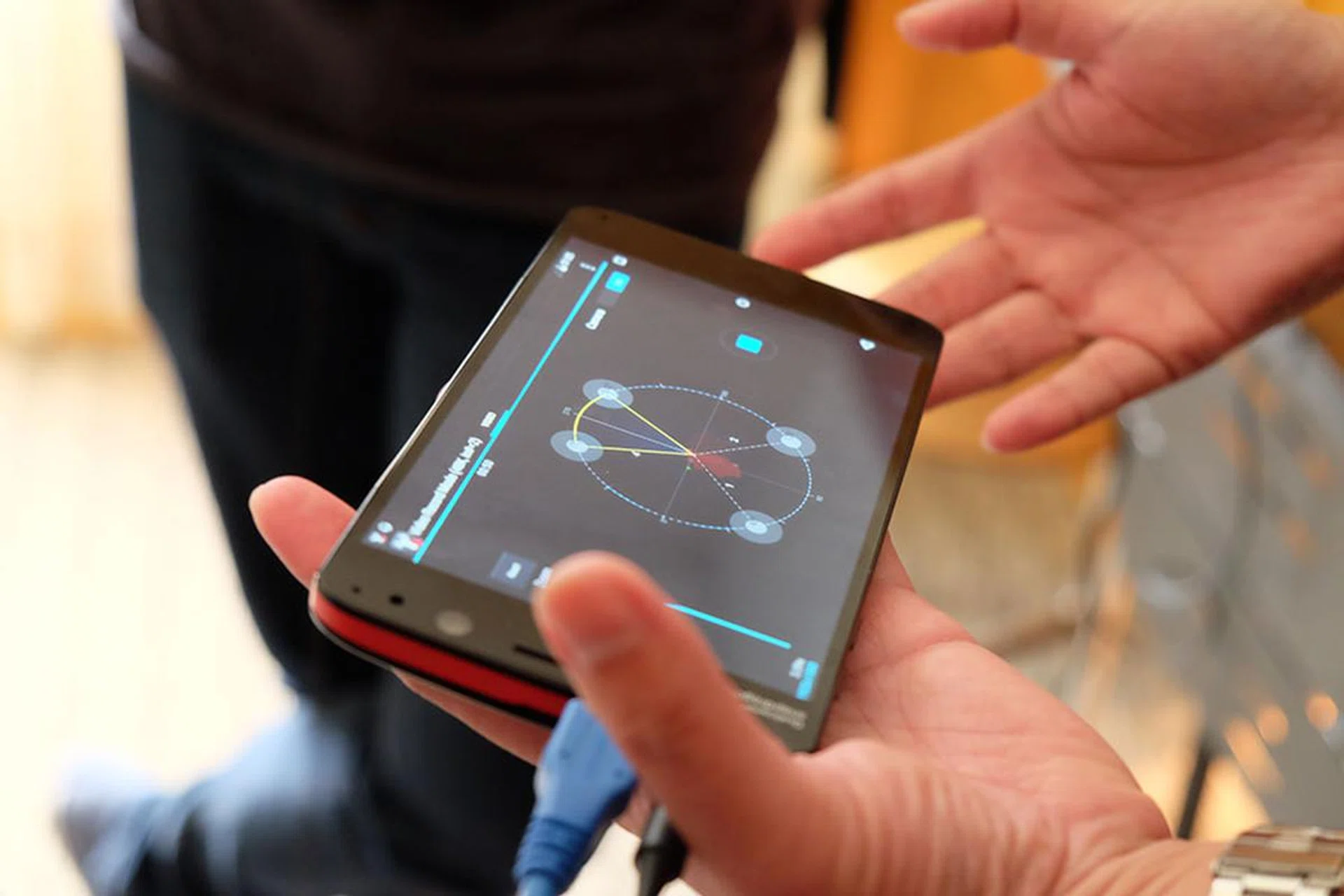
You can selectively cancel out noise from specific directions.
One of the more interesting demos was the Snapdragon 820’s support for directional noise cancellation. The microphone was able to detect which direction the noise was coming from, and also selectively block out audio coming from a specific direction.
We also had the opportunity to try it out with a pair of headphones, and the directional noise cancelling capabilities were actually quite decent. Choosing to mute sounds from either the right or left immediately translated into a clear difference in the sound we perceived.
However, one thing to note is that while the Snapdragon 820’s hardware supports this feature, it will be up to manufacturers to take advantage of it.
Built for VR
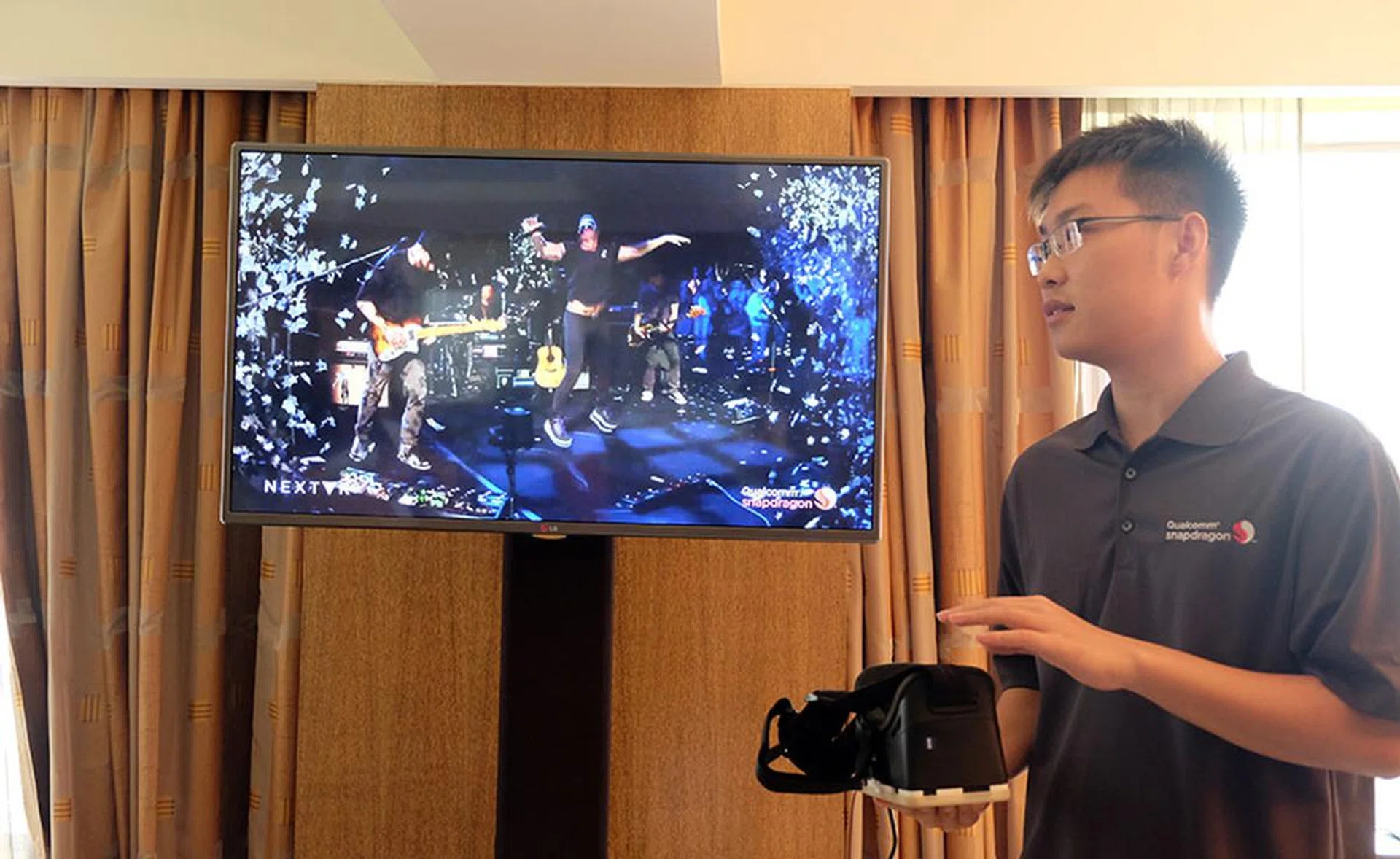
The Snapdragon 820 is built to enable optimal mobile VR experiences.
At the event, Qualcomm executives repeatedly emphasized that the Snapdragon 820 was built to enable more immersive experiences. Well, there may be nothing more immersive today than virtual reality.
For starters, the Adreno 530 GPU supports the latest graphics API, in addition to low power 3D stereoscopic and foveated rendering (a technique which varies the level of detail according to the user's gaze point). The Adreno video processing unit and display processing unit also enables 360° 4K HEVC video decoding, while the Spectra ISP and Hexagon 680 DSP support dual cameras and heterogeneous computing for more responsive motion tracking and 3D image reconstruction.
Finally, its Aqstic 3D positional audio helps provide low latency and Hi-Fi surround sound with active noise cancellation. This all sounds a little abstract for sure, but it’s good to see that chipmakers are working to enable better mobile VR experiences, especially at a time when desktop-bound headsets like the Oculus Rift and HTC Vive are priced to burn a small hole in your wallet.
Our articles may contain affiliate links. If you buy through these links, we may earn a small commission.