
Hands-on: LG G5 - the flagship modular smartphone
LG has just unveiled the G5, a modular flagship smartphone, which you'll be able to customize with a slew of add-on attachments like a camera add-on grip, and a Hi-Fi DAC. Check out our first impressions here!
Note: This article was first published on February 22, 2016.
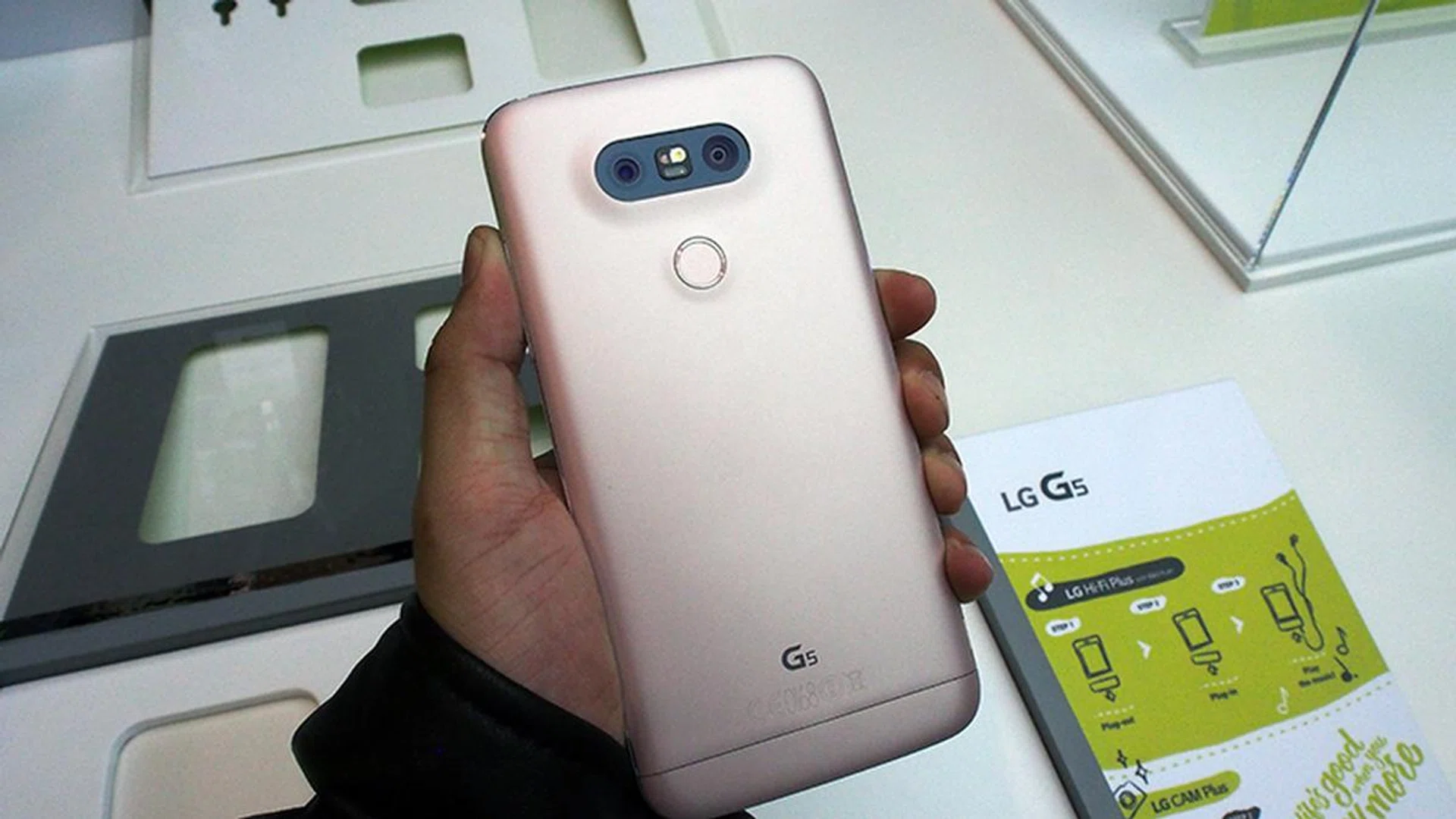
LG G5.
LG has just unveiled its latest flagship smartphone, the LG G5. As a flagship smartphone, the LG G5 features the latest hardware packed within a sleek metal aluminum uni-body design. The LG G5 feels light and comfortable in hand, measuring just 149.4 x 73.9 x 7.7mm and 159g.
The phone is also the first flagship smartphone with a modular slot that accepts attachments so you can customize which features you want. Currently, we've seen two: the LG CAM Plus camera module and the LG Hi-Fi Plus with B&O Play (a DAC and amplifier module attachment).
The smartphone's entire bottom bezel can be unlatched and replaced with different modules.
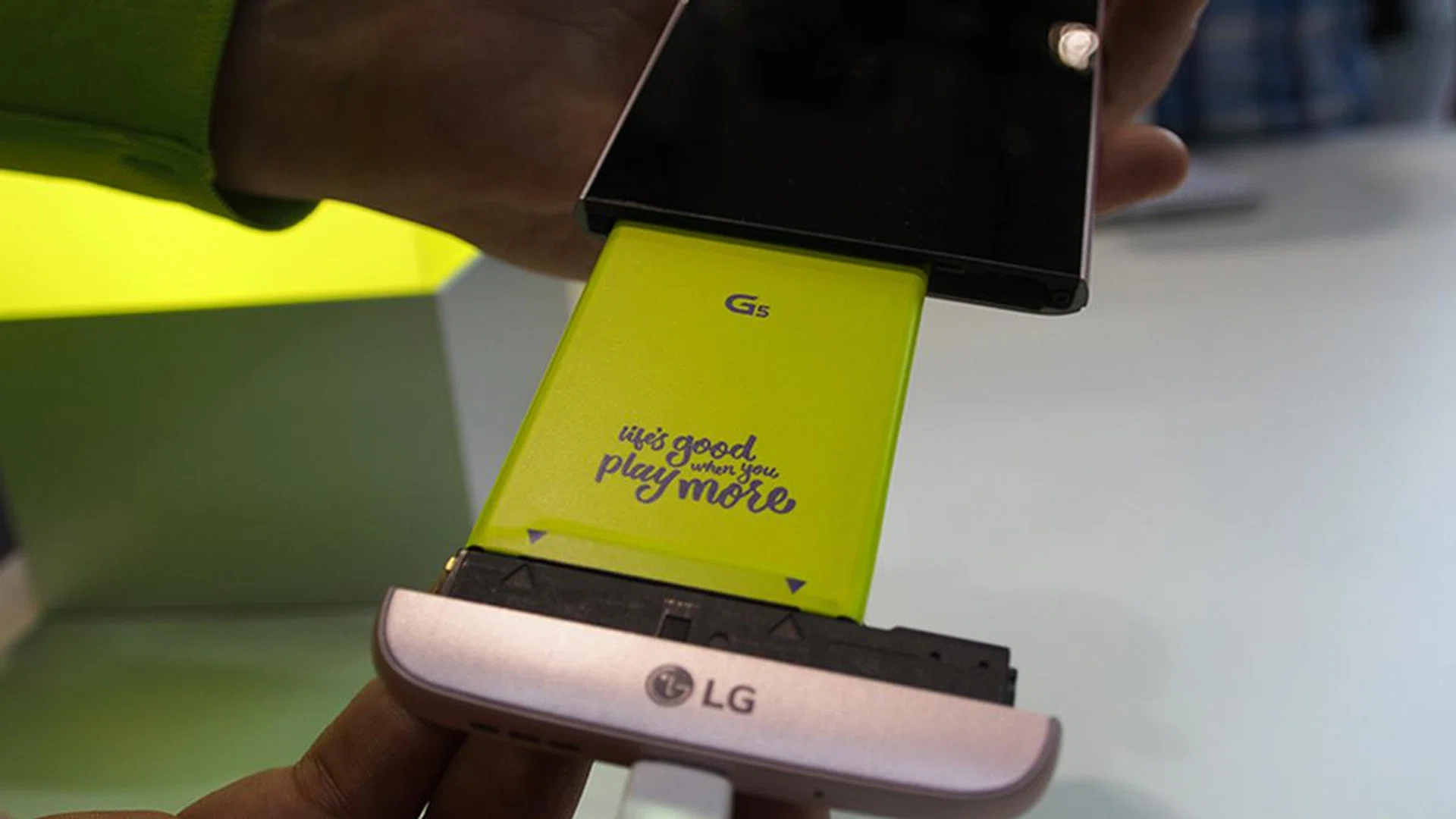
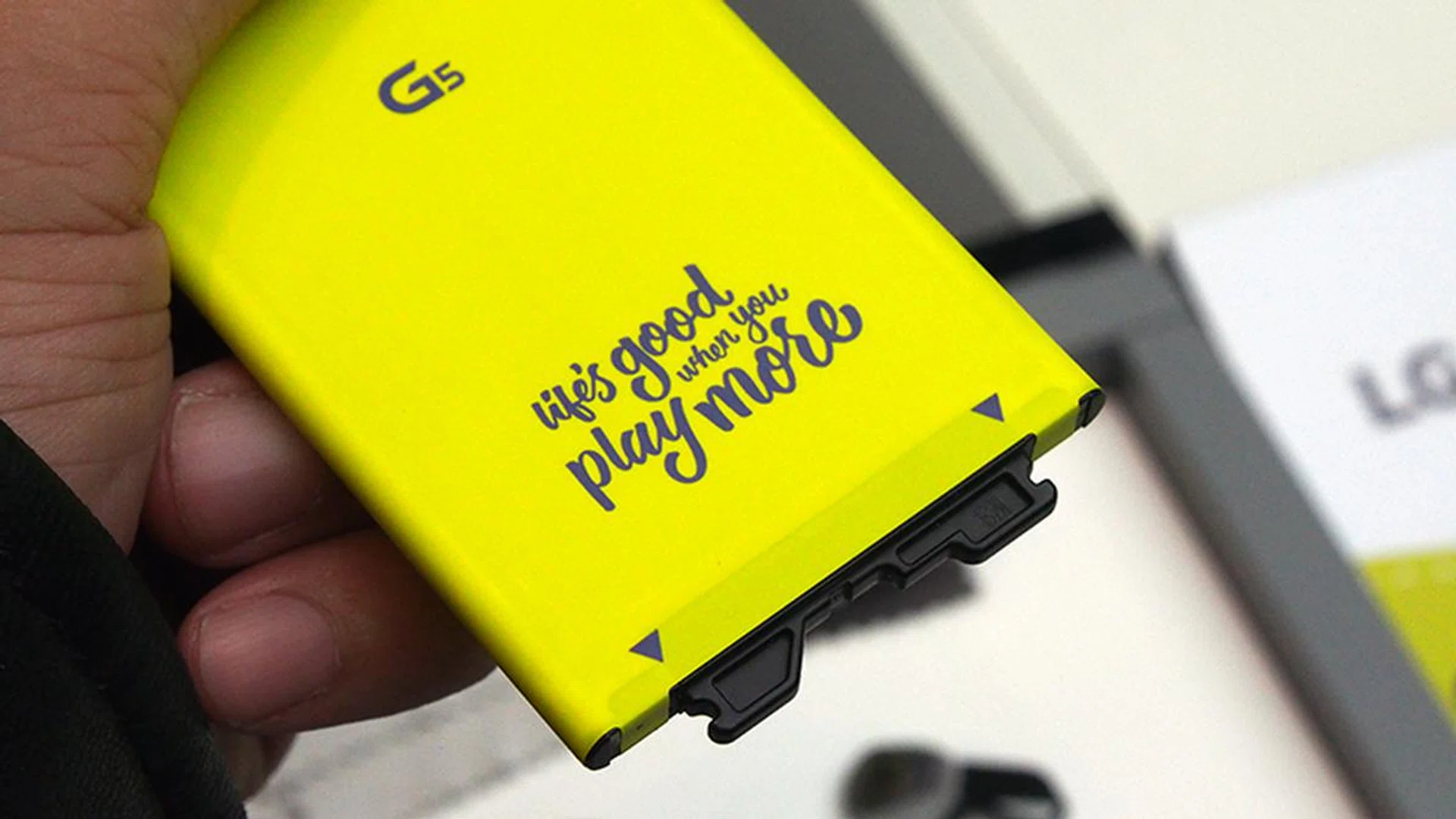
From our short time with the LG G5, we've learnt that the modular type design is easy to manage. Once you remove the bottom bezel, the removable battery will slide out. Simply replace the battery onto an alternative module attachment before sliding the whole section back in. Right now we've only seen two modules: the first is the LG CAM Plus, which resembles a camera grip and makes it easier for the user to handle the phone while shooting, and it also houses an extra 1,200 mAh battery. The sides of the module also have extra controls for the camera: there's a circular zoom jog for precise zooming, a 2-step shutter key, and a separate button for video recording. With this module's extra battery capacity, it brings the phone's total battery charge up from 2,800 to 4,000mAh - ideal for intensive shooting.
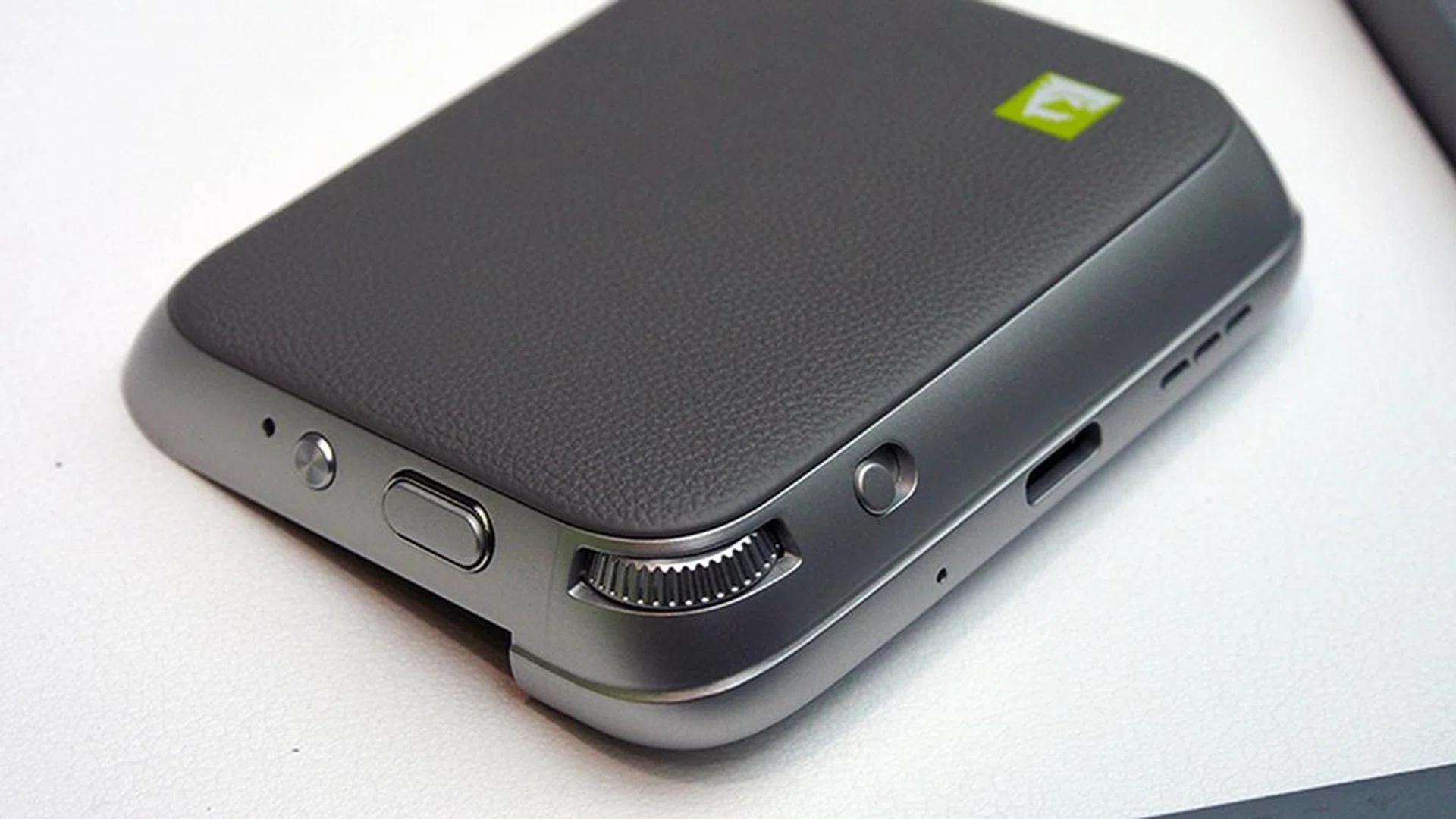
The LG CAM Plus module.
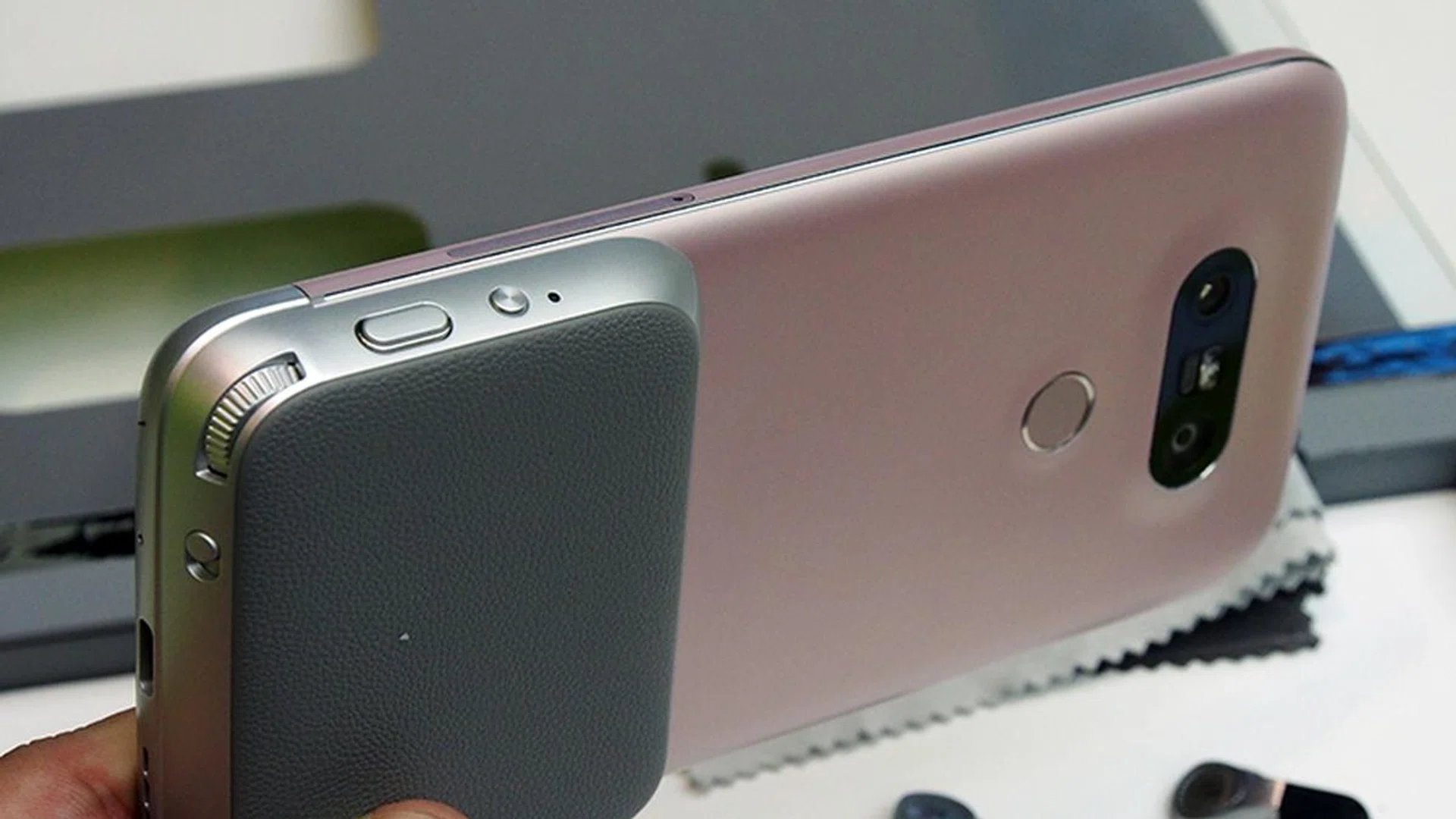
The LG CAM Plus module attached to the LG G5 phone. You can see that it provides quite a comfortable grip to shoot.
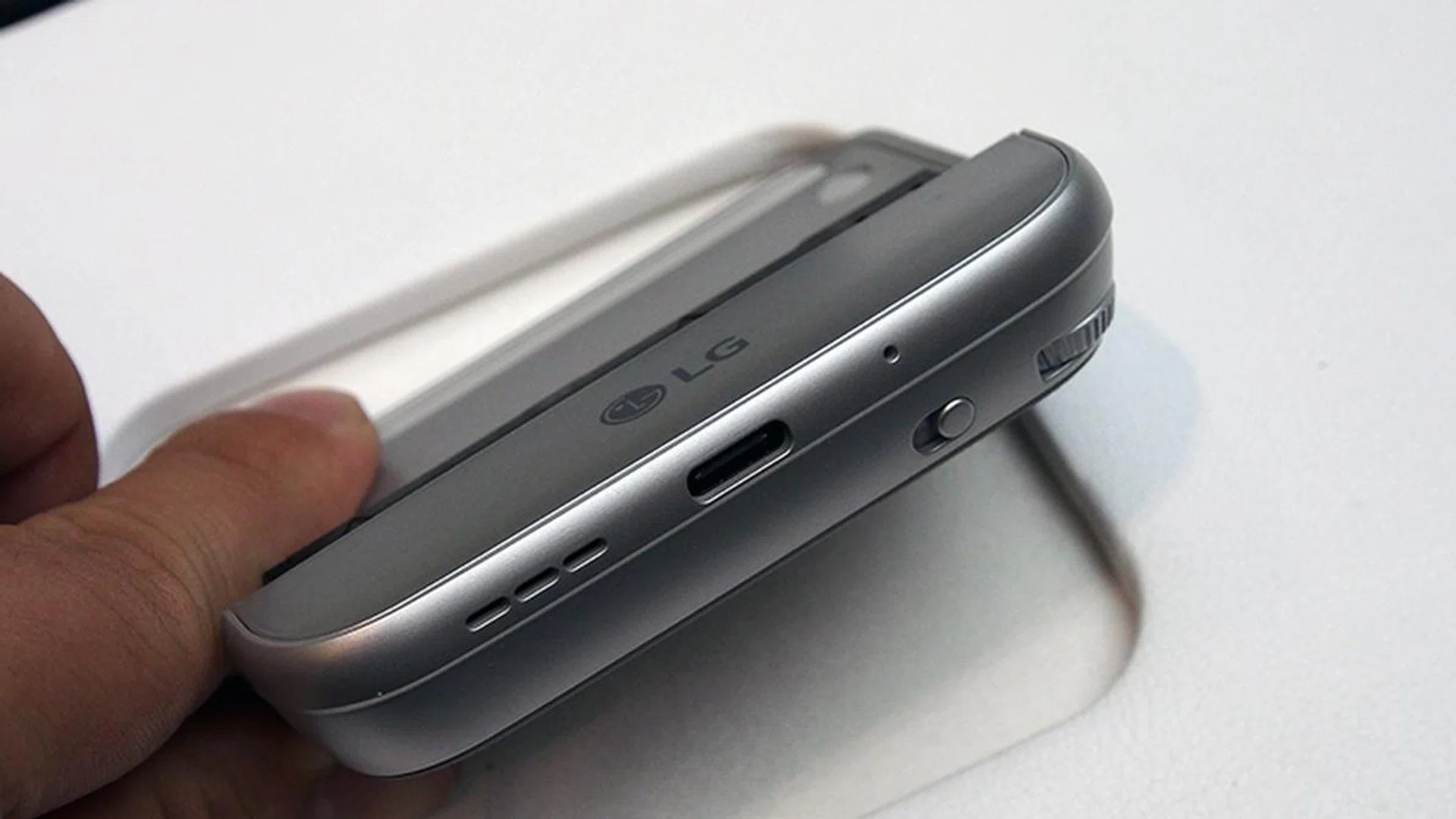
The bottom of the CAM Plus module.
The second module is the LG Hi-Fi Plus, developed in partnership with Bang & Olufsen. It offers 32-bit Hi-Fi DAC upsampling and lets the phone support 32-bit 384KHz high-definition audio playback. The module also doubles as a standalone Hi-Fi DAC, which can be connected to PCs or other smartphones as well.
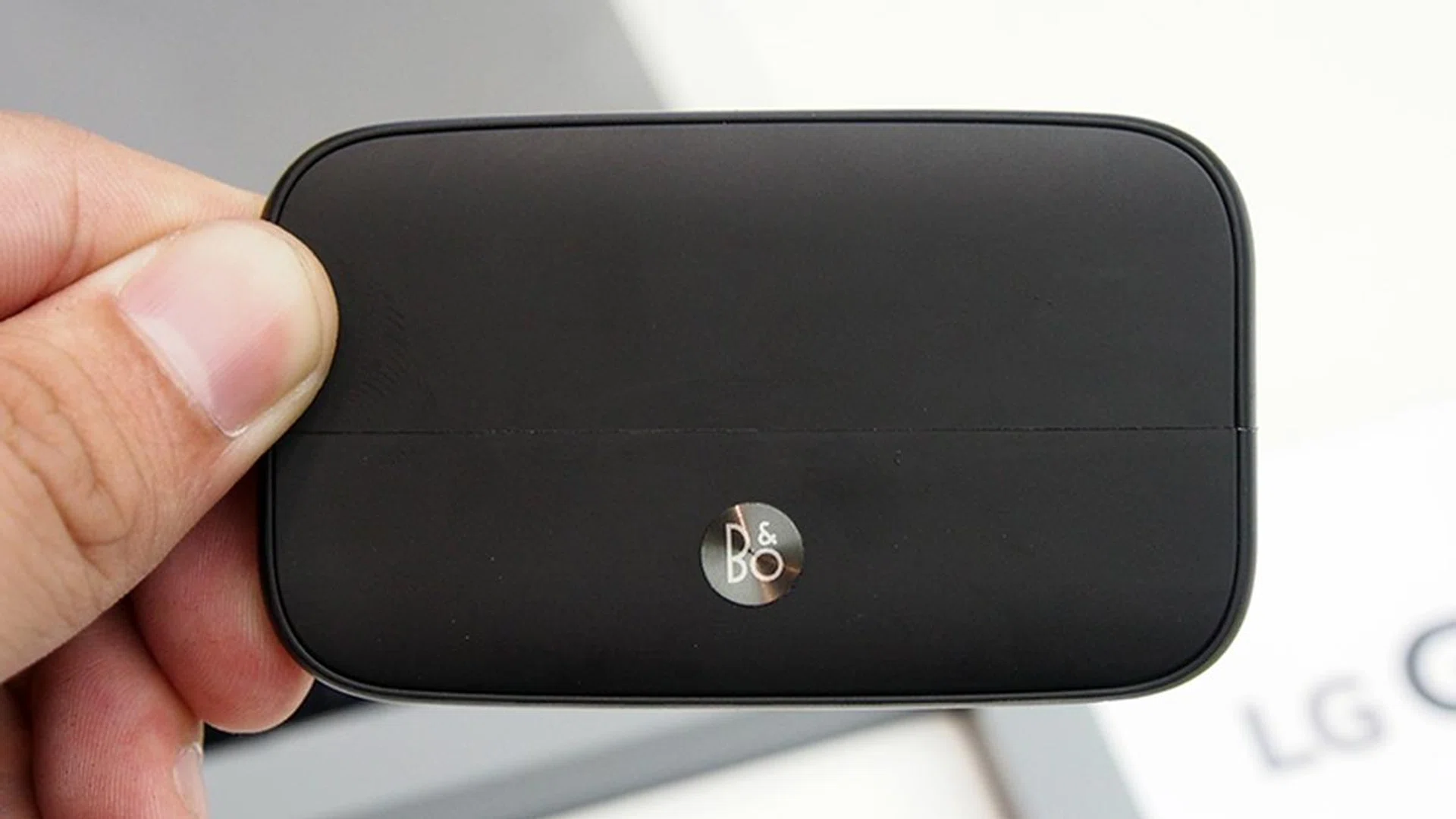
LG Hi-Fi Plus with B&O Play.
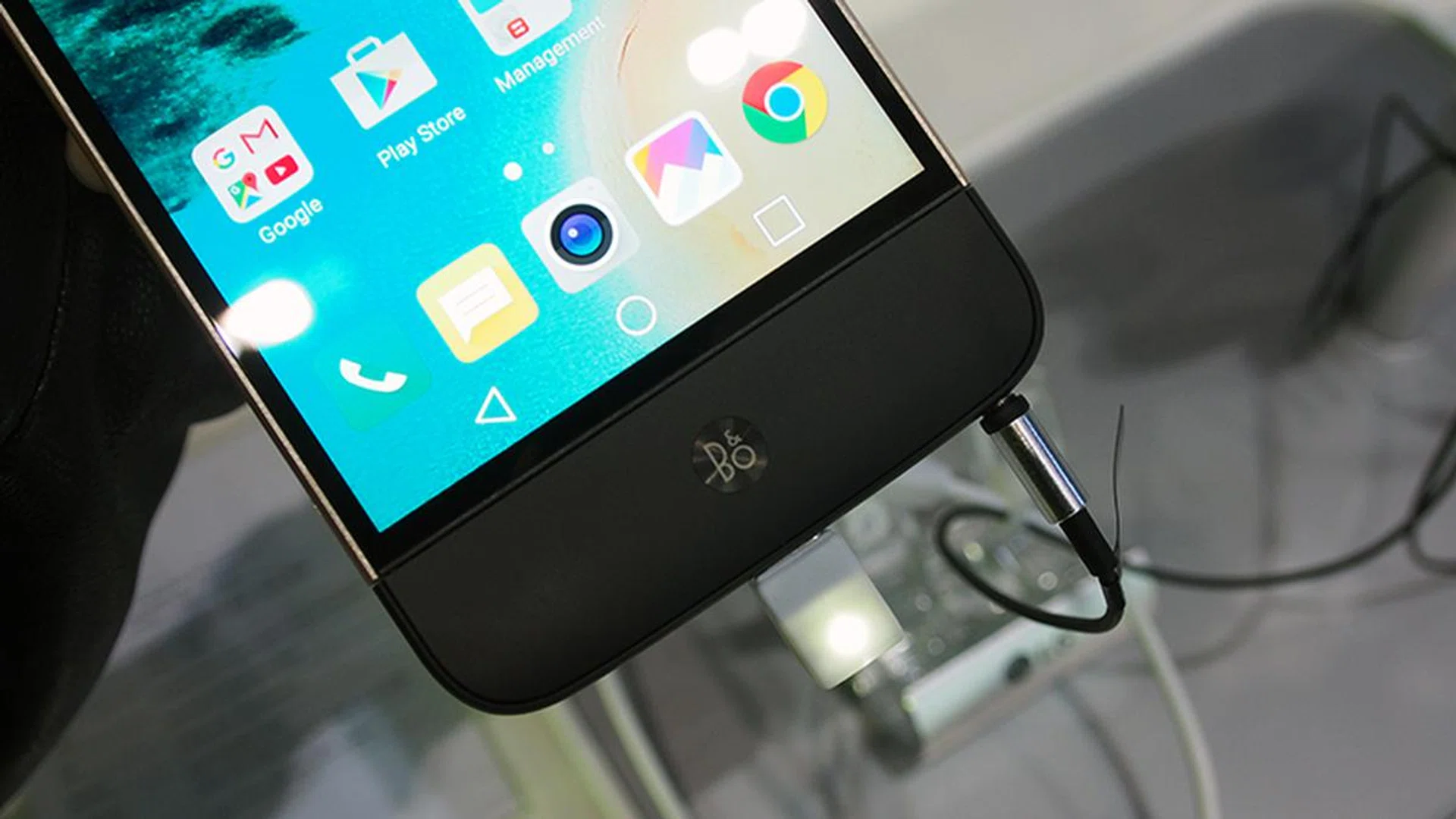
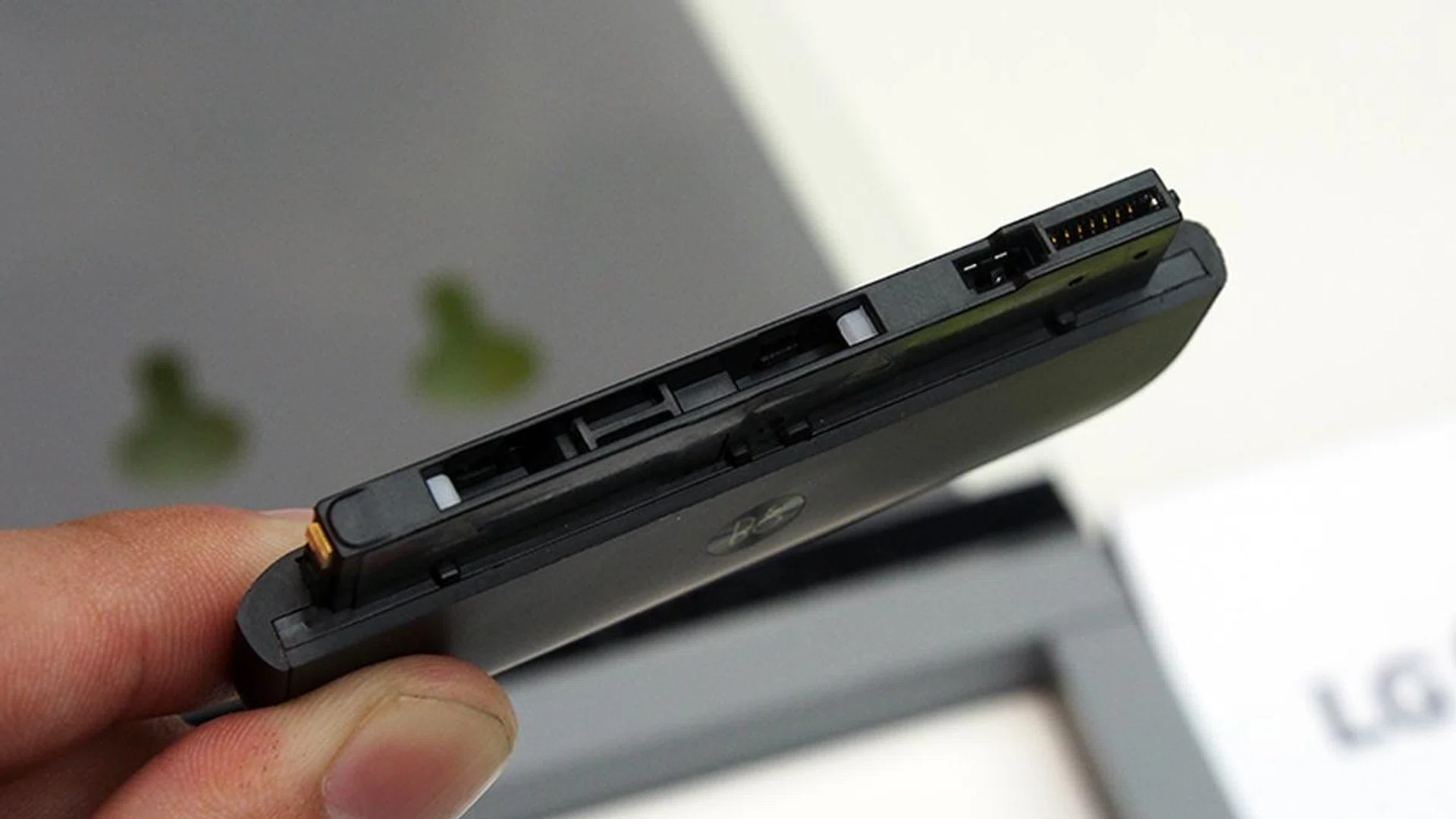
The module's connector that interfaces with the LG G5 phone and its battery.
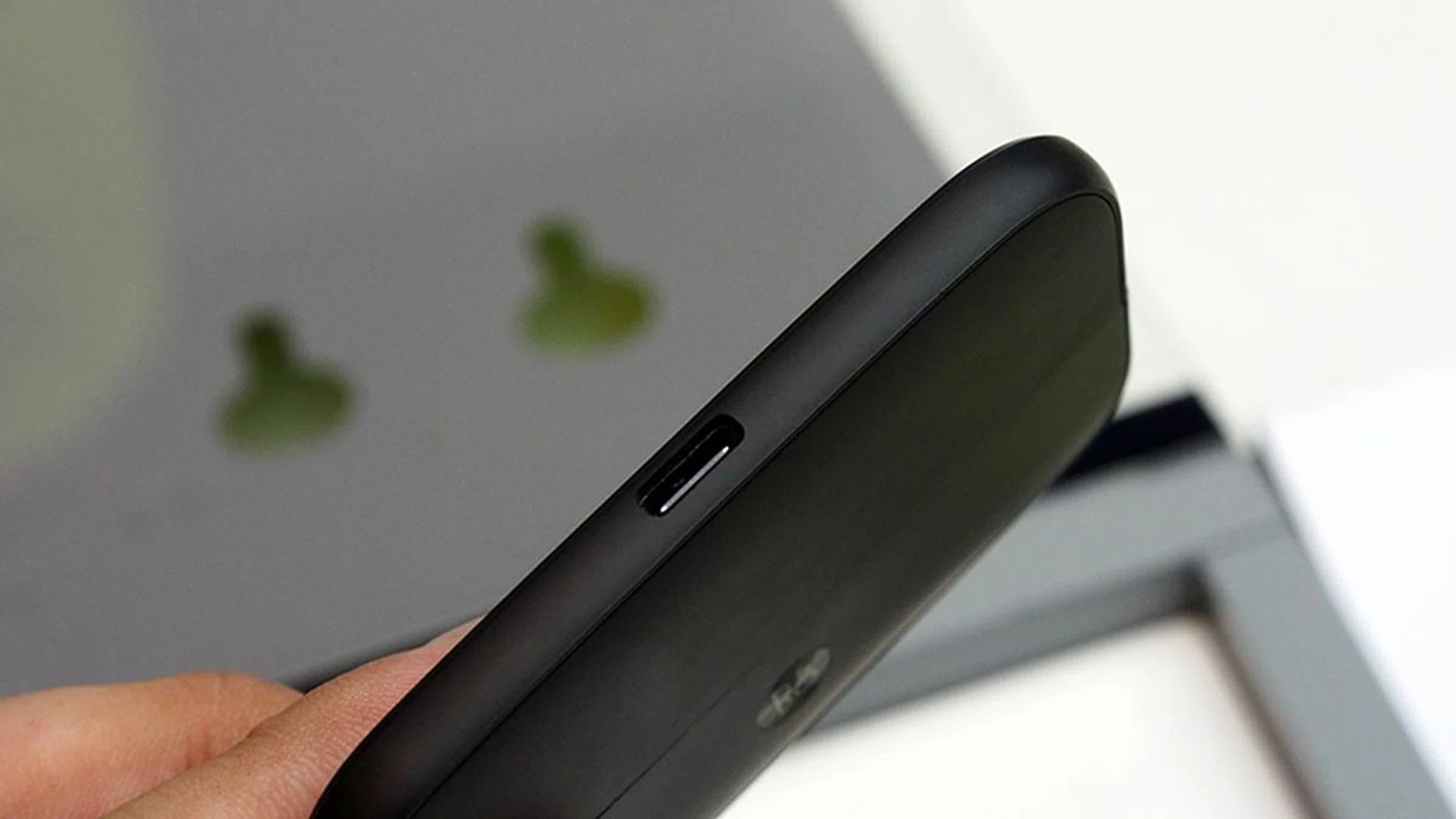
You can use the LG Hi-Fi Plus with B&O Play as a standalone DAC.
The display, camera and other features of the LG G5
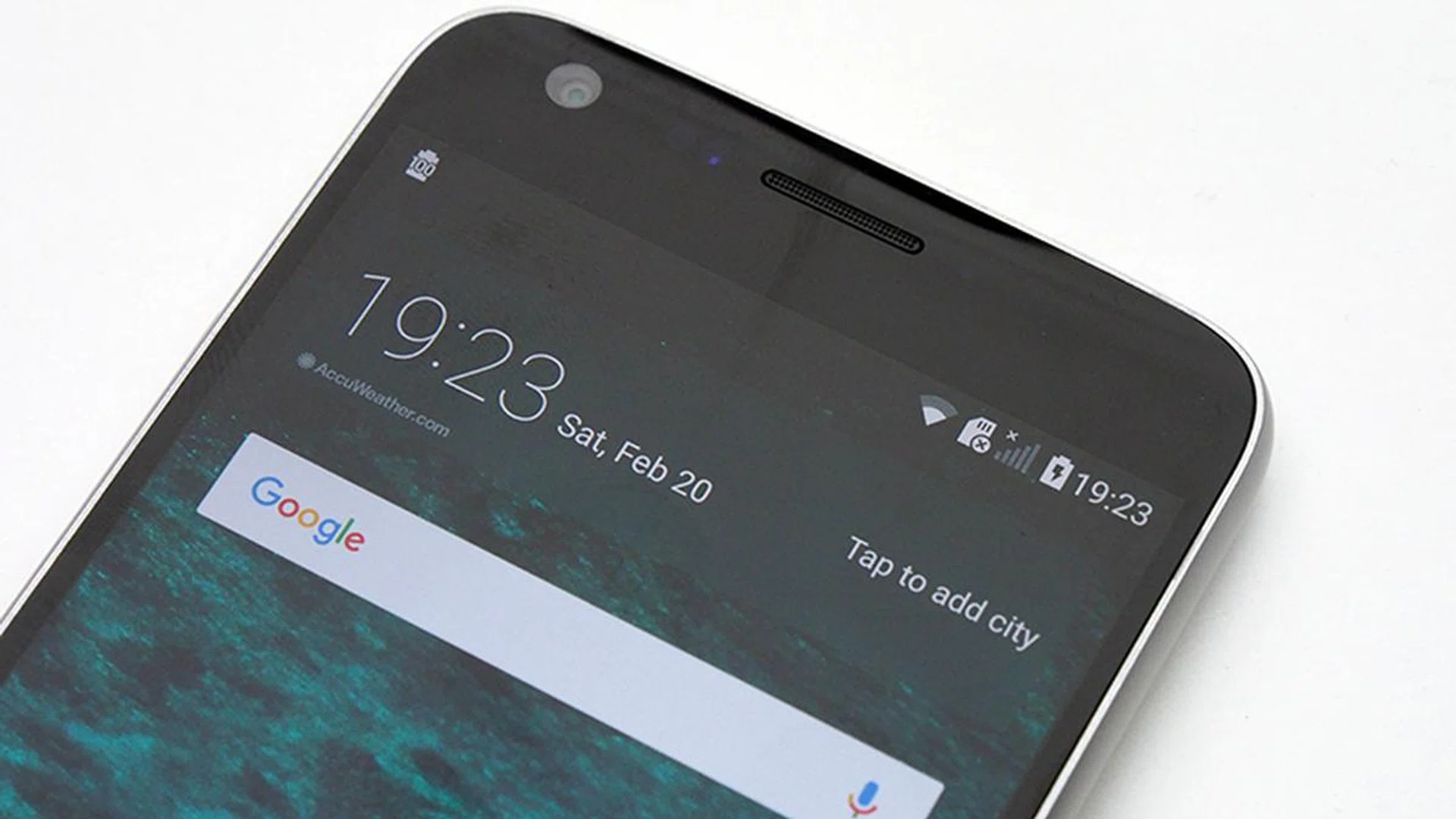
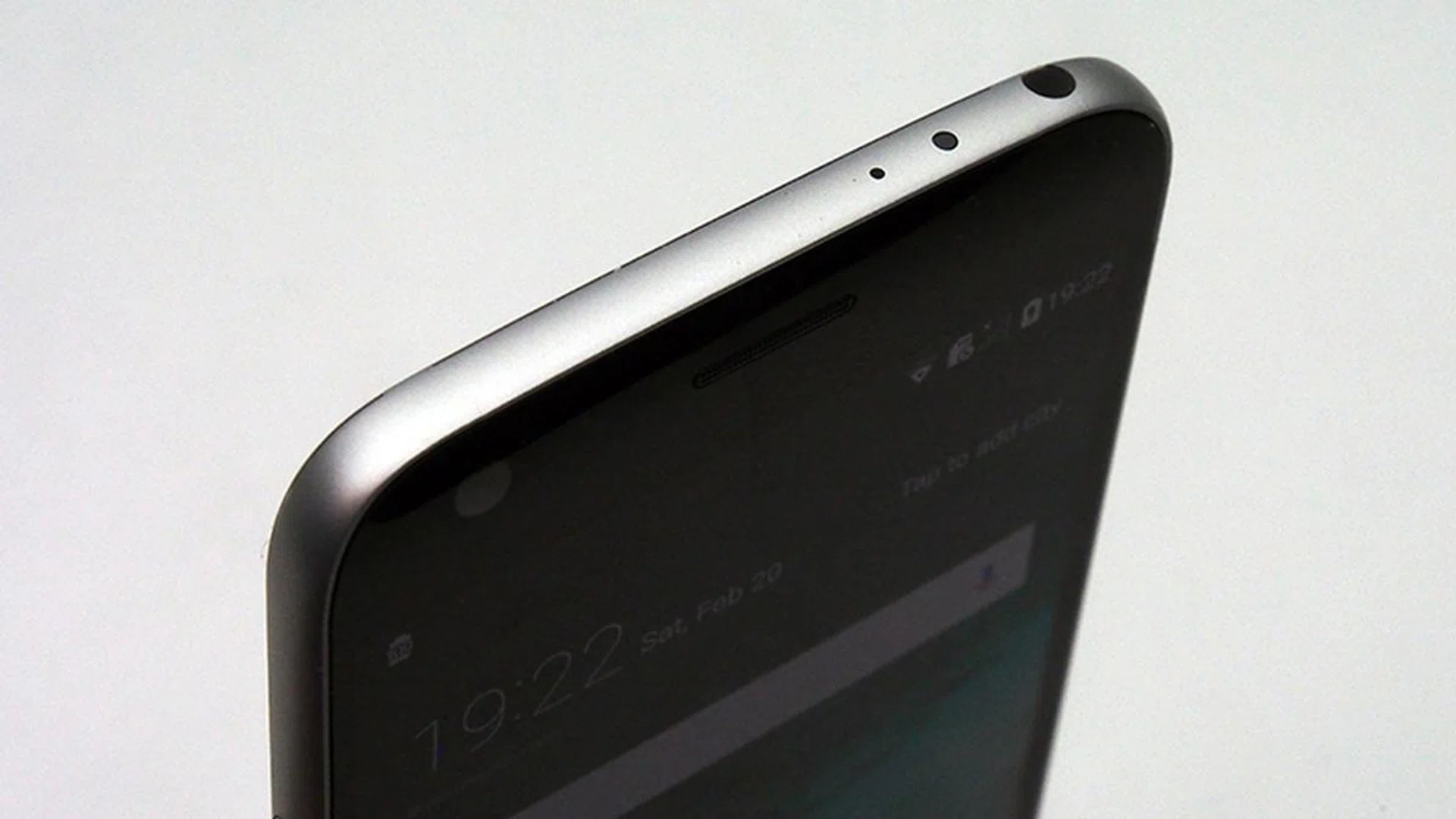
The LG G5 sports a 5.3-inch Quad HD (2,560 x 1,440 pixels resolution) IPS Quantum display at 554 PPI. The main highlight of its display is the Always-On feature, which was heavily inspired by the LG V10's Second Screen functionality. Instead of an alternate display panel, the LG G5 uses its main panel to permanently display the time and date even when the phone enters Sleep mode. The Always-On feature only expends 0.8 percent of its battery life every hour, and LG claims that the average smartphone user fires up the display up to 150 times a day to check the current time, and the new display feature will significantly reduce overall power consumption of the smartphone. Of course, Samsung also unveiled a similar feature on its just-revealed Galaxy S7 and S7 Edge smartphones.
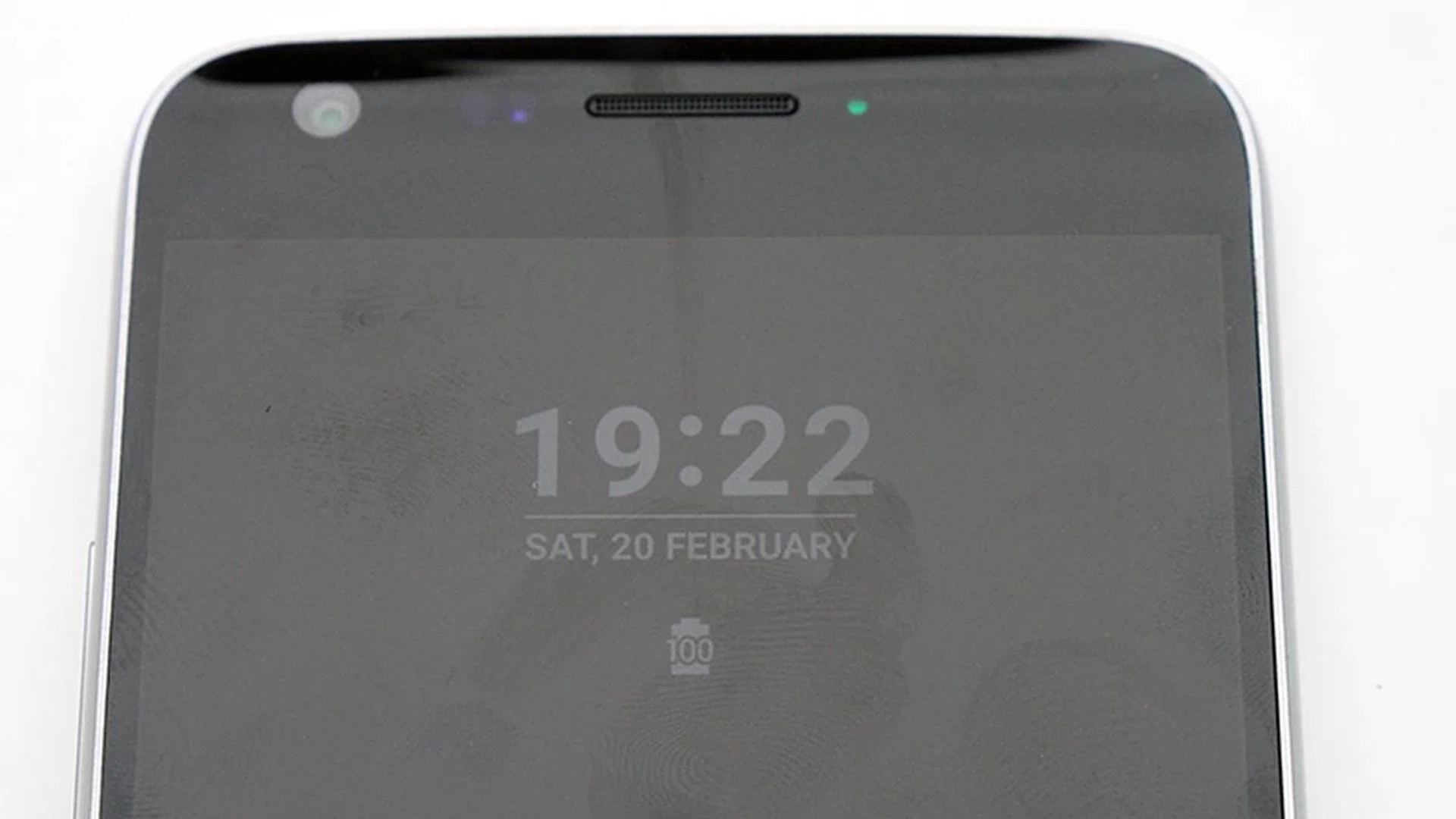
Always-On feature that tells the time.
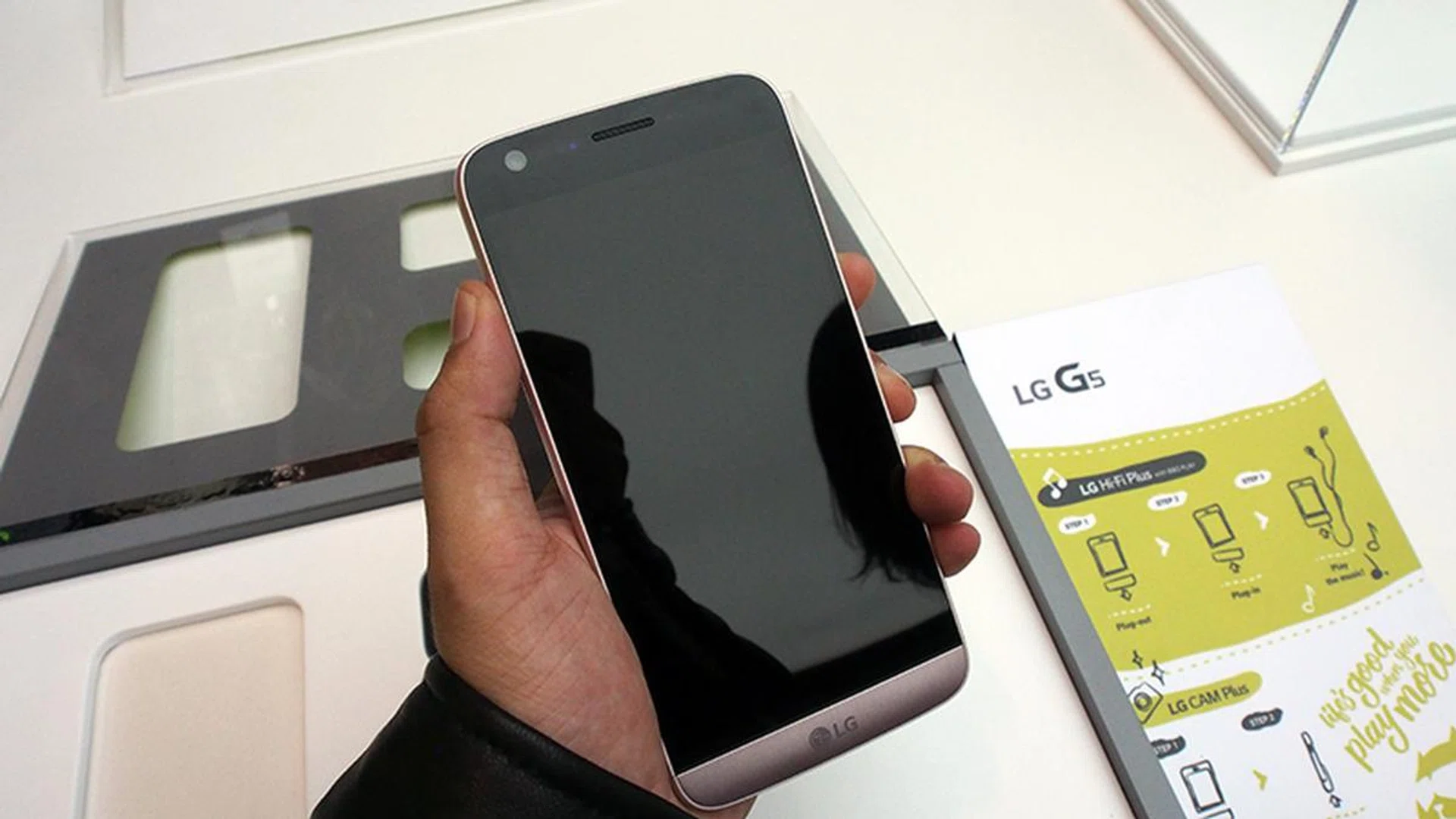
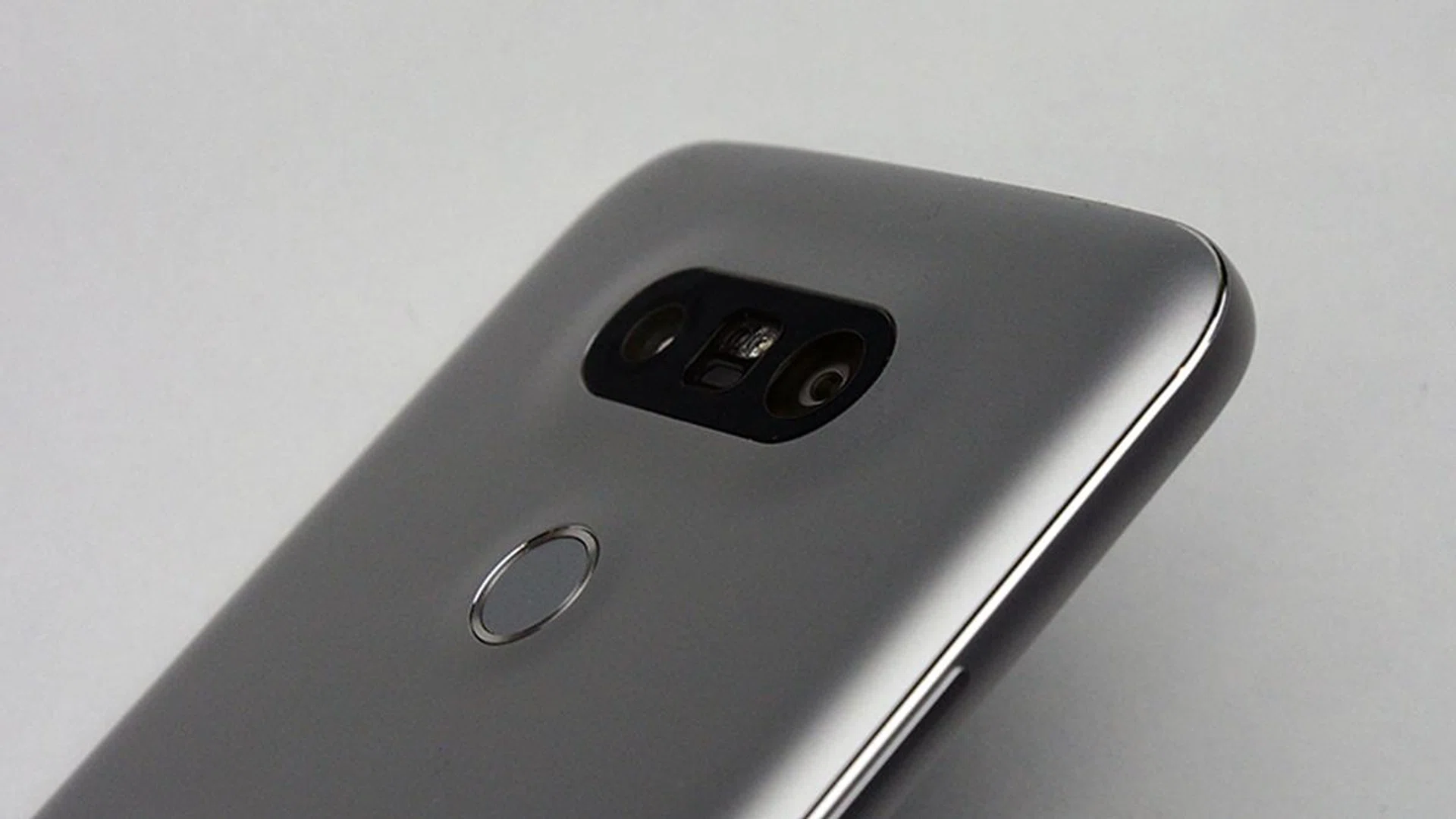
Another key feature is the dual rear cameras - one with a standard 78-degree lens at 16-megapixels, and the other a wide angle 135-degree lens at 8-megapixels. The 135-degree wide angle lens has a viewing angle that's supposedly 15-degrees wider than the natural human field of vision, and LG claims that it is also approximately 1.7 times wider than those of existing smartphone cameras. The front camera is a 8-megapixel sensor.
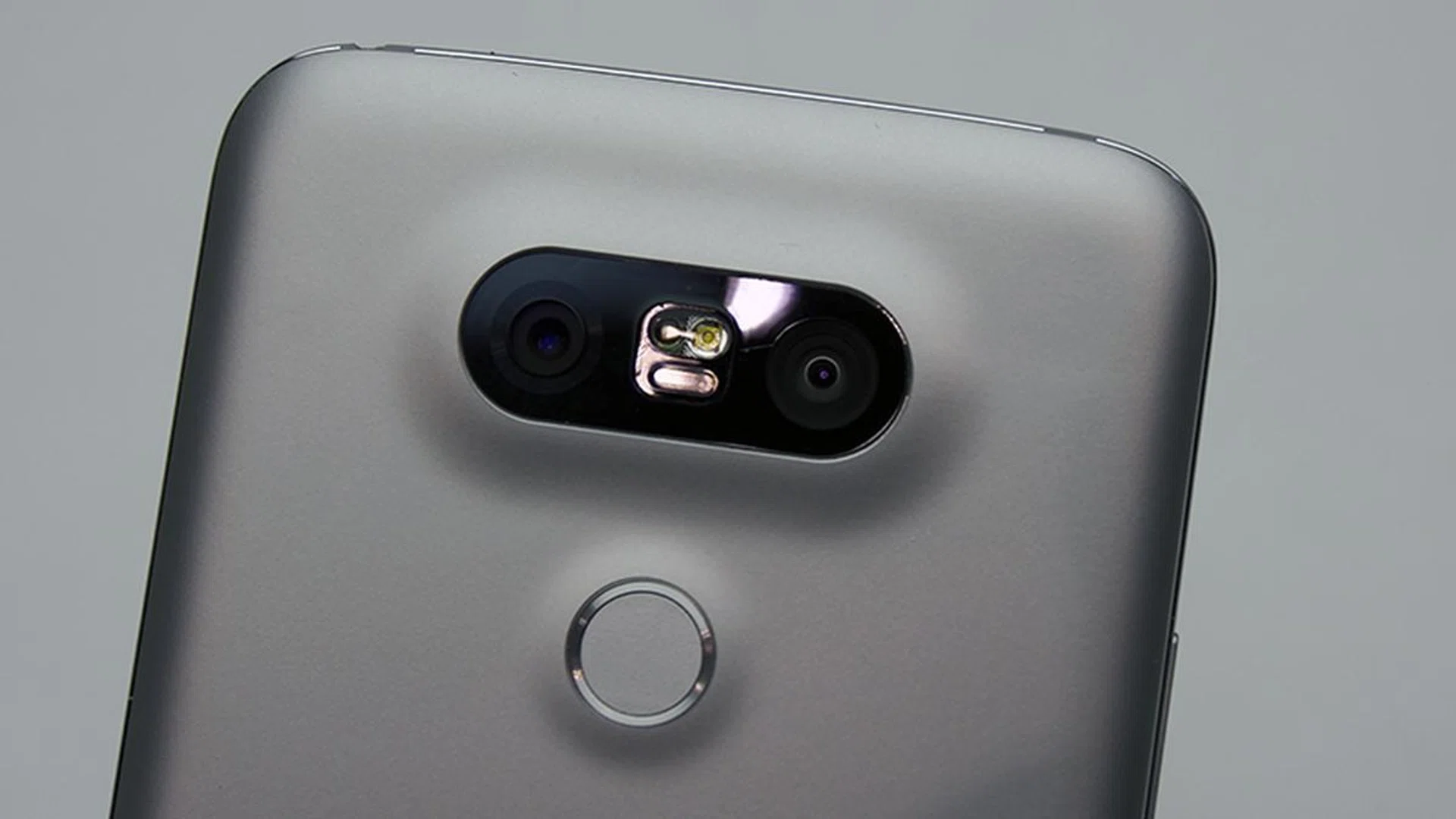
Dual rear cameras.

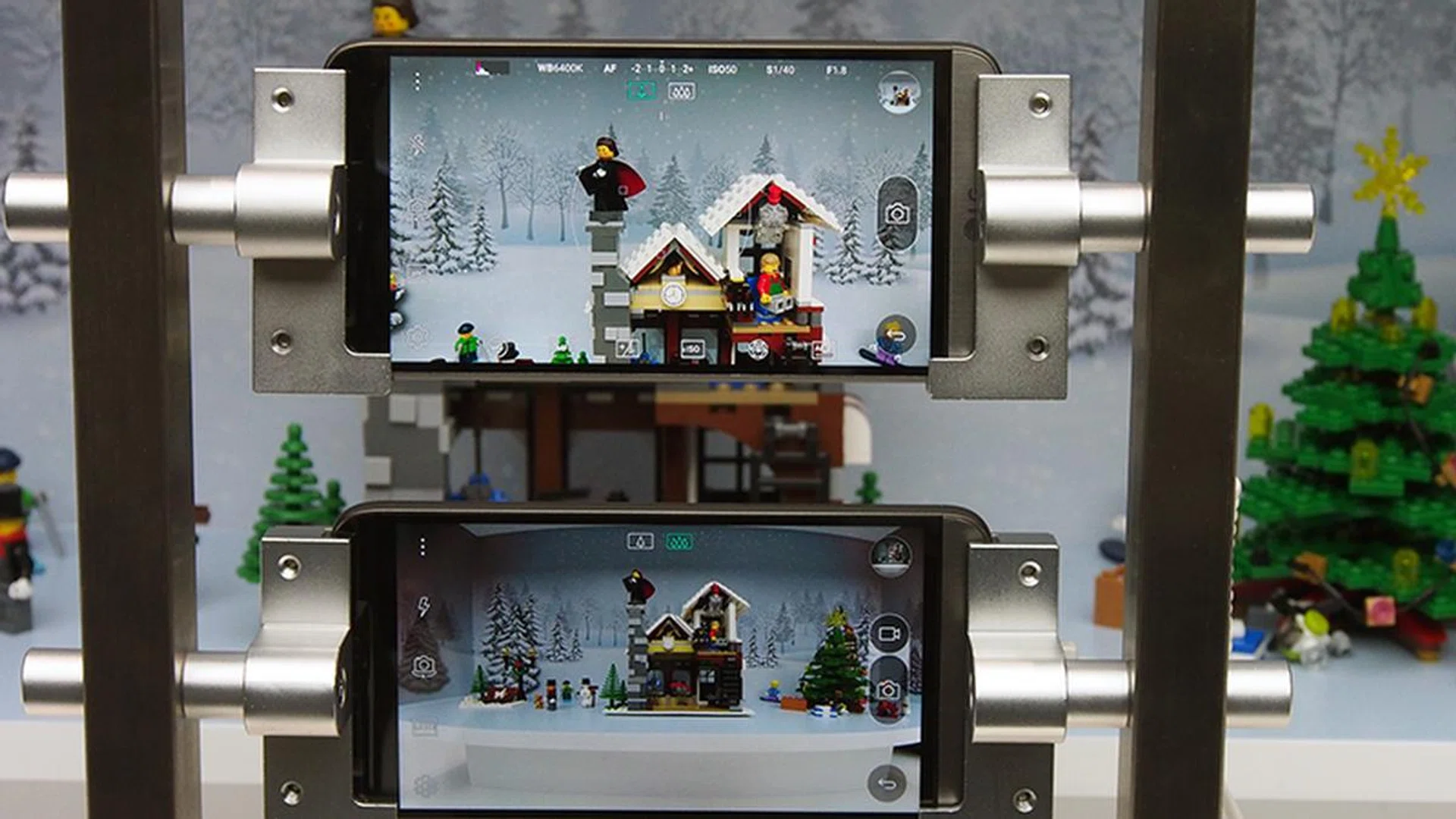
Underneath the hood, you'll find a 64-bit Qualcomm Snapdragon 820 SoC that touts an Adreno 530 GPU. You can read more about the Snapdragon 820 in our article here. LG claims that Snapdragon 820 enables 40 percent faster graphics performance and up to 40 percent more power efficiency “compared to the previous generation” - they didn't specify if they were referring to their old flagship phone or to the previous processor used. Snapdragon 820 also lets the phone capture and playback in 4K resolution, with VR optimization. If you ask us, it's the improved connectivity speeds we care most about.
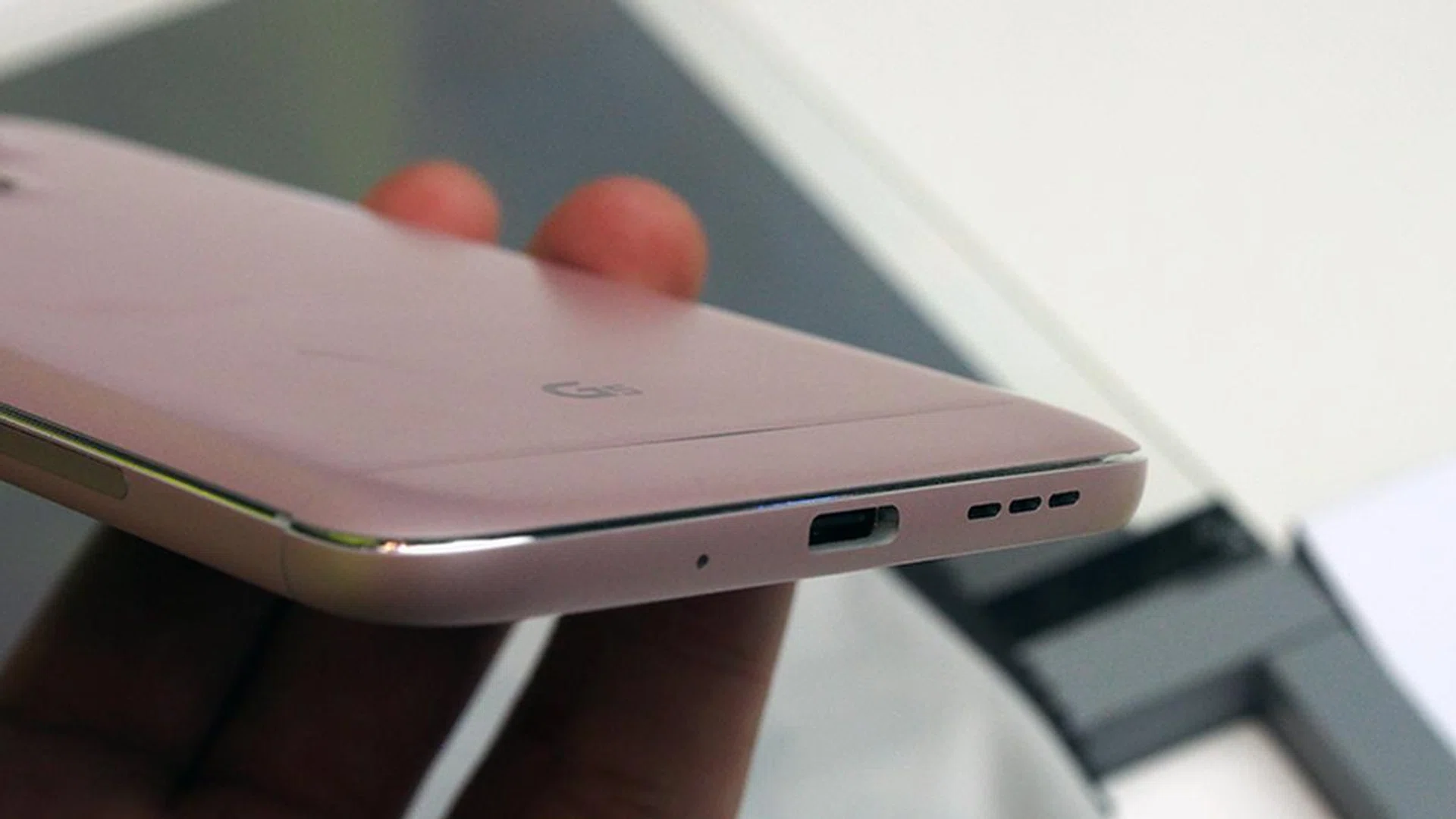
USB Type-C port.
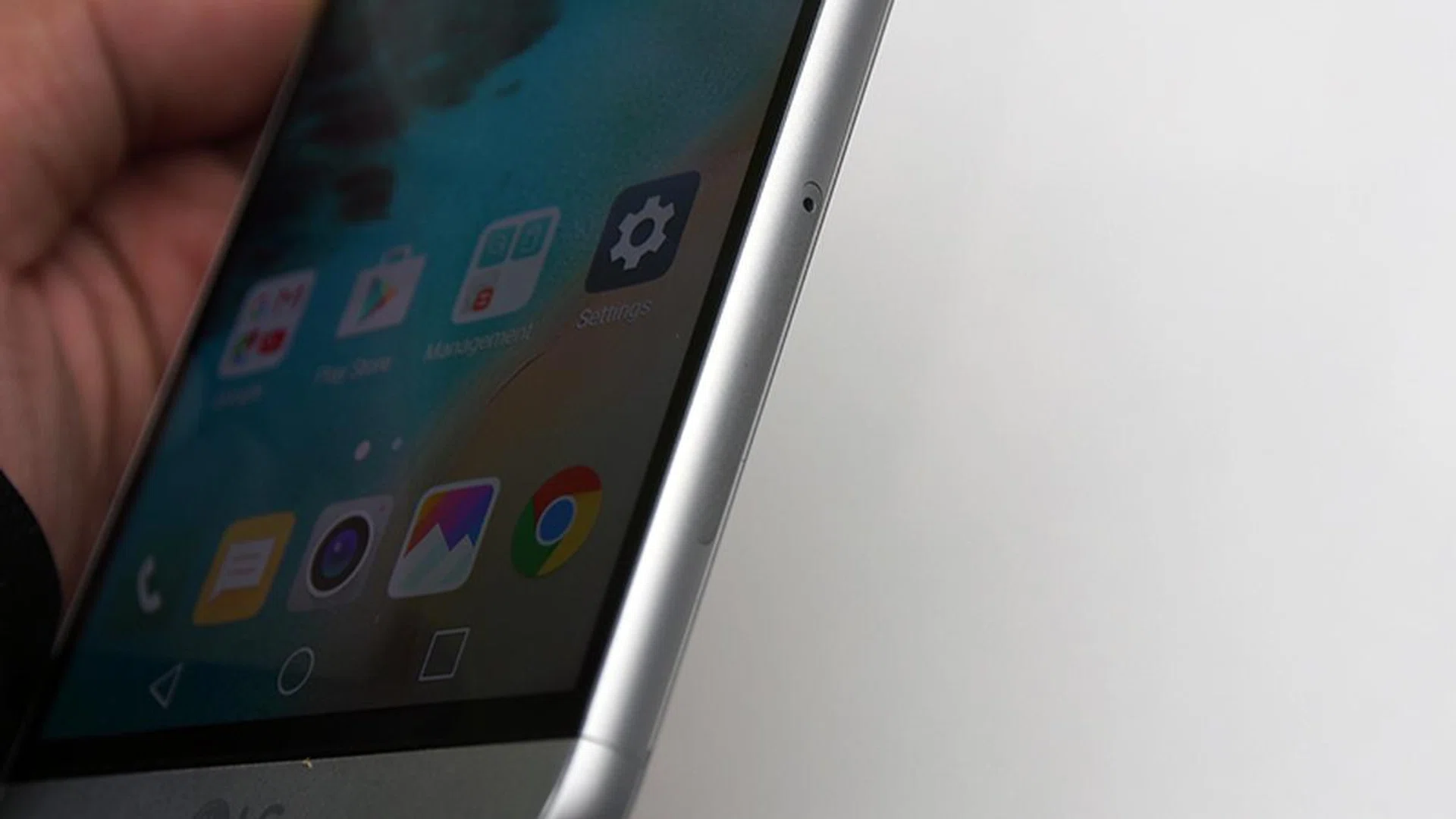
Gone are the rear volume buttons, but it still has the fingerprint scanner at the rear - just like the Nexus 6P.
The LG G5 also comes with a bunch of new technologies that's yet to break into the mainstream market. It supports Qualcomm's aptx HD codec, which gives the user 24-bit audio quality over Bluetooth. Pairing it with the LG Tone Platinum headset that also supports this news HD codec will deliver sound quality close to its original source - all over Bluetooth. The phone also boasts Quick Charge 3.0, and Low Power Location Estimation (LPLE) Technology for more efficient power consumption over location-based services on your smartphone. By the way, the LG G5 uses a USB Type-C port for charging (the Galaxy S7 still uses micro-USB 2.0).
Here's the official LG G5 specification list released by LG. Do note that some specifications may vary, depending on the market. Pricing and availability has not been announced yet.
LG G5 Key Specifications:
- Chipset: Qualcomm Snapdragon 820 Processor
- Display: 5.3-inch Quad HD IPS Quantum Display (2,560 x 1,440 / 554ppi)
- Memory: 4GB LPDDR4 RAM / 32GB UFS ROM / microSD (up to 2TB)
- Camera: Rear: Standard 16MP, Wide 8MP / Front: 8MP
- Battery: 2,800mAh (removable)
- OS: Android 6.0 OS Marshmallow
- Size: 149.4 x 73.9 x 7.7mm
- Weight: 159g
- Network: LTE / 3G / 2G
- Connectivity: Wi-Fi 802.11 a, b, g, n, ac / USB Type-C) / NFC / Bluetooth 4.2
- Colors: Silver / Titan / Gold / Pink
Our articles may contain affiliate links. If you buy through these links, we may earn a small commission.