
Samsung Galaxy S25 & S25+ review: Samsung can make boring look good
Can boring be good? We dig into the value they provide.
#samsung #galaxys25 #galaxys25+
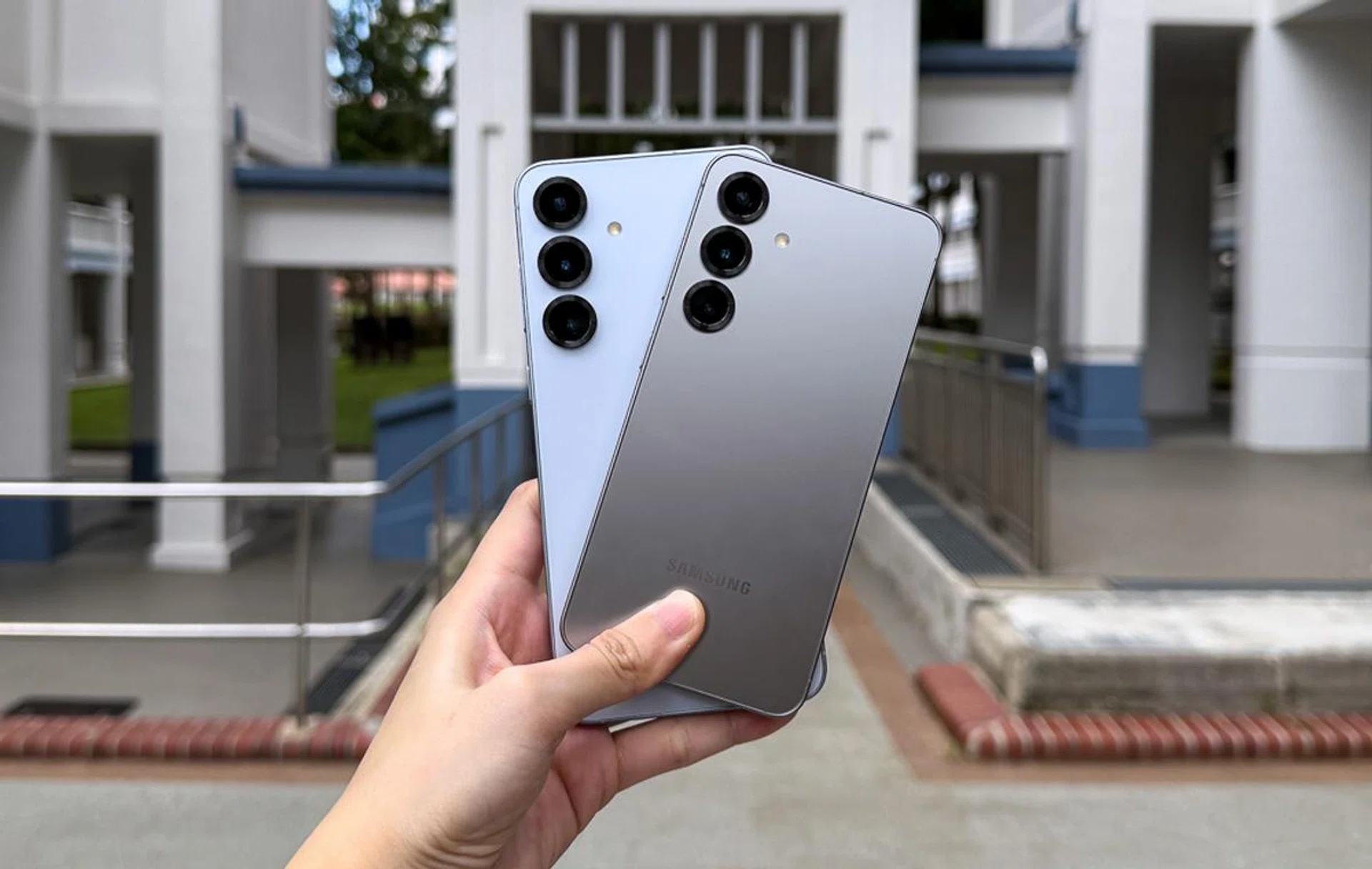
Samsung Galaxy S25 & S25+. Photo: HWZ.
Same same, but different?
While there is no doubt that the Galaxy S25 Ultra stole all the limelight, we're not ones to neglect the true Samsung heroes of its Galaxy S lineup: the Samsung Galaxy S25 and Galaxy S25+.
Fundamentally, they are of the same quality as their Ultra compatriots, even if they don't pack the same number of features. The Galaxy S25 and Galaxy S25+ have the same software updates as their older brother, including Gemini and Galaxy AI enhancements, alongside the new One UI 7 and new features like Now Brief and Now Bar.
The TL;DR version:
The Samsung Galaxy S25 and S25+ return to Snapdragon boosts its viability, while offering new AI features also found on its Ultra friend. However, most of the hardware didn't change. A Qualcomm-backed Samsung flagship for under S$1,500 is always good news.
Find it at the Samsung Official Store, Lazada, Shopee, local telcos and consumer electronics retailers.
One would be hard-pressed to figure out the differences between this year’s Galaxy S25 series and last year’s Galaxy S24 series. Aside from the different colours, the Galaxy S25 and Galaxy S25+ are visually identical to their predecessors. Specs are also quite similar, too.
The Galaxy S25 (from S$1,288) and Galaxy S25+ (from S$1,478) cameras have been used in phones since the Galaxy S23 and Galaxy S22 series. With competitors like Apple and other brands releasing newer and better cameras yearly, it’s striking that Samsung has chosen to remain stagnant with these models. Their IP ratings, battery capacities, and charging speeds have also remained the same.
Internally, both models now have 12GB of LPDDR5X RAM and varying amounts of UFS 4.0 storage.
The good news is Samsung’s decision to go with the new Qualcomm Snapdragon 8 Elite processor instead of its in-house Exynos chips. We're certain users are very pleased with this pivot, too.
Frankly, it just means that the Galaxy S25 and Galaxy S25+ are relatively boring next to the favoured Ultra variant. But can boring be good? We dig into the value they provide.
(Note: Looking for the Samsung Galaxy S25 Ultra review? It's here.)
Design
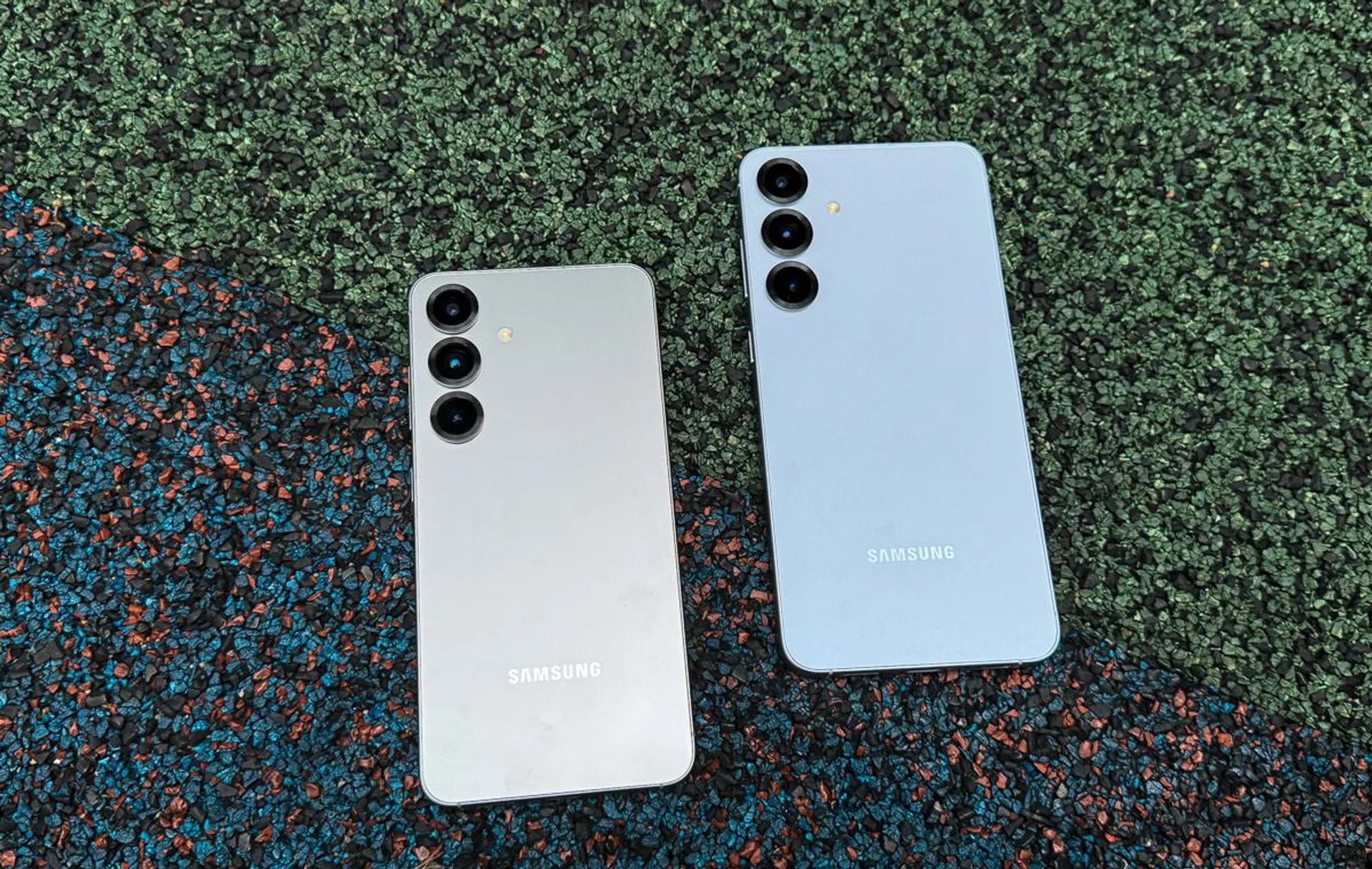
Samsung Galaxy S25, Galaxy S25+. Photo: HWZ.
As we mentioned, the Galaxy S25 and Galaxy S25+ look nearly identical to their predecessors. However, past Samsung phone users might notice that the new phones are ever so slightly thinner and lighter.
It’s only about 0.4mm thinner and about 5 or 6g lighter, but considering that we’re getting (supposedly) better performance than before with no reduction in battery sizes, it’s a win in our book.
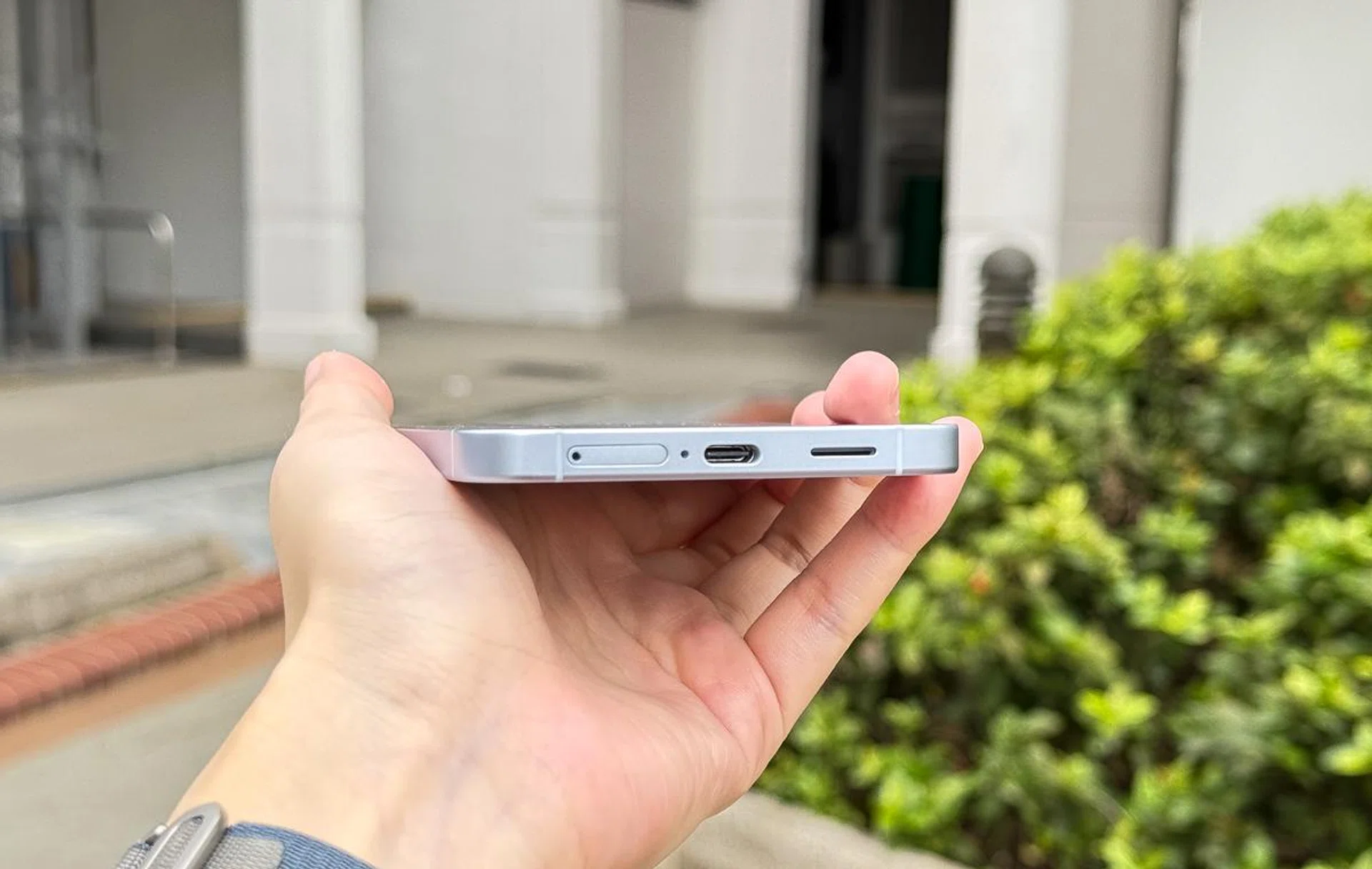
Samsung Galaxy S25+. Photo: HWZ.
For the first time, the phones' metal frames use recycled Armor Aluminum, which is excellent for sustainability efforts. The front and rear glass panels still use Corning Gorilla Glass Victus 2 for scratch resistance, but it would have been nice if the phones had last year’s Corning Gorilla Armor for better protection against drops (even if they cannot get Galaxy S25 Ultra's Gorilla Armor 2).
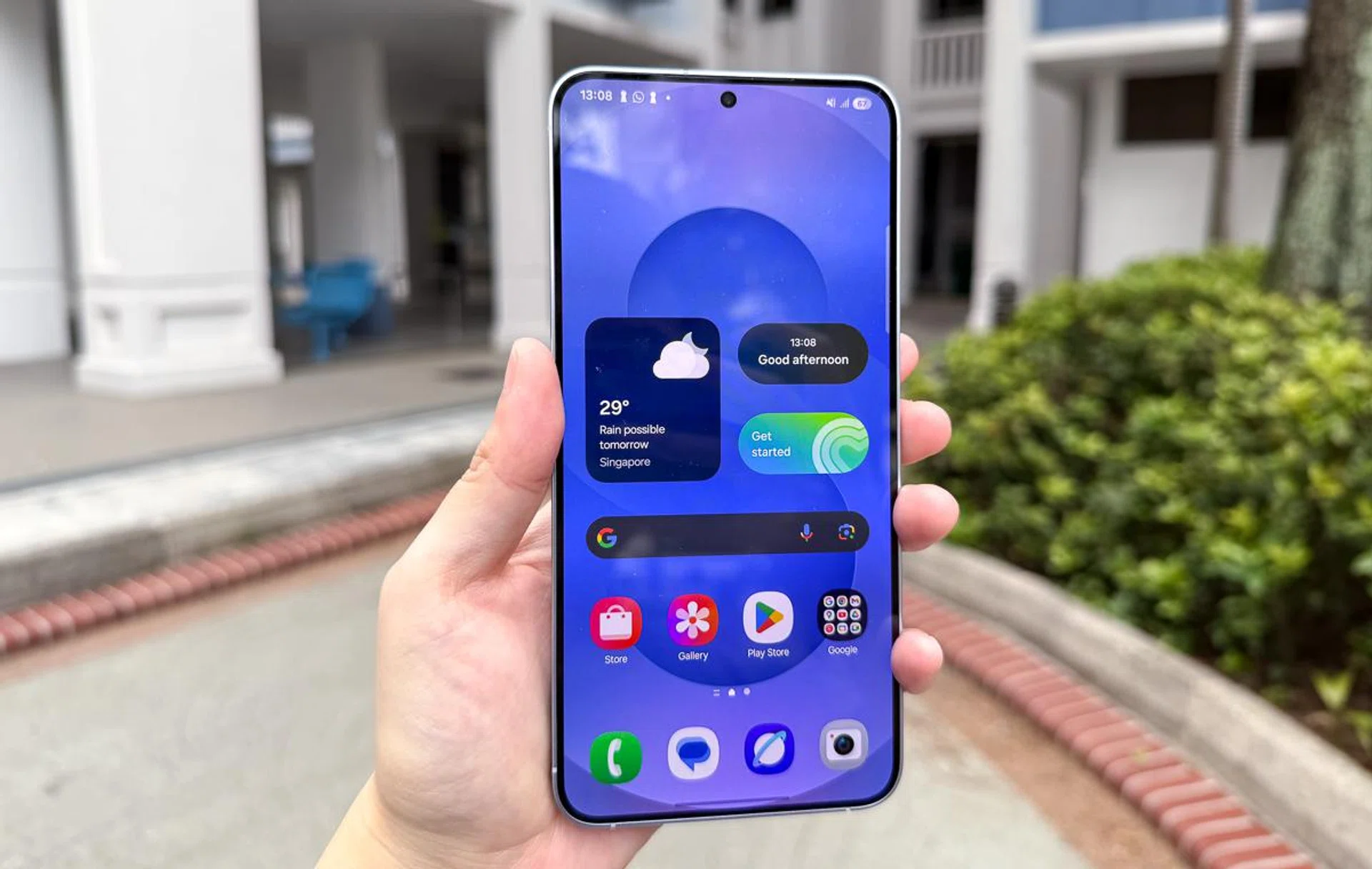
The display is bright even under sunlight. Photo: HWZ.
Displays remain the same as before.
The Galaxy S25 uses a 6.2-inch FHD+ screen, while the Galaxy S25+ gets a 6.7-inch QHD+ display. Both displays are LTPO Dynamic AMOLED 2X, with a 1-120Hz adaptive refresh rate. They also have Vision Booster, which allows the screens to hit 2,600 nits of peak brightness for perfect legibility even under harsh sunlight.
There’s IP68 dust and water resistance (our handy IP ratings guide here) which rounds off the flagship .
One UI 7 and (even more) AI features
We’ve covered a bit on Samsung’s new One UI 7 here and there and in our Galaxy S25 Ultra review, but the core is that Samsung is going all-in on AI features. We’ve had pretty good opinions of Galaxy AI, and Samsung tries its hand at Gemini integration, Now Brief, Now Bar and improved performance for things like Generative Edit and AI Portrait Studio.
Before we dive into the new stuff, you can refresh your memory on Galaxy AI’s initial features and our thoughts on it here.
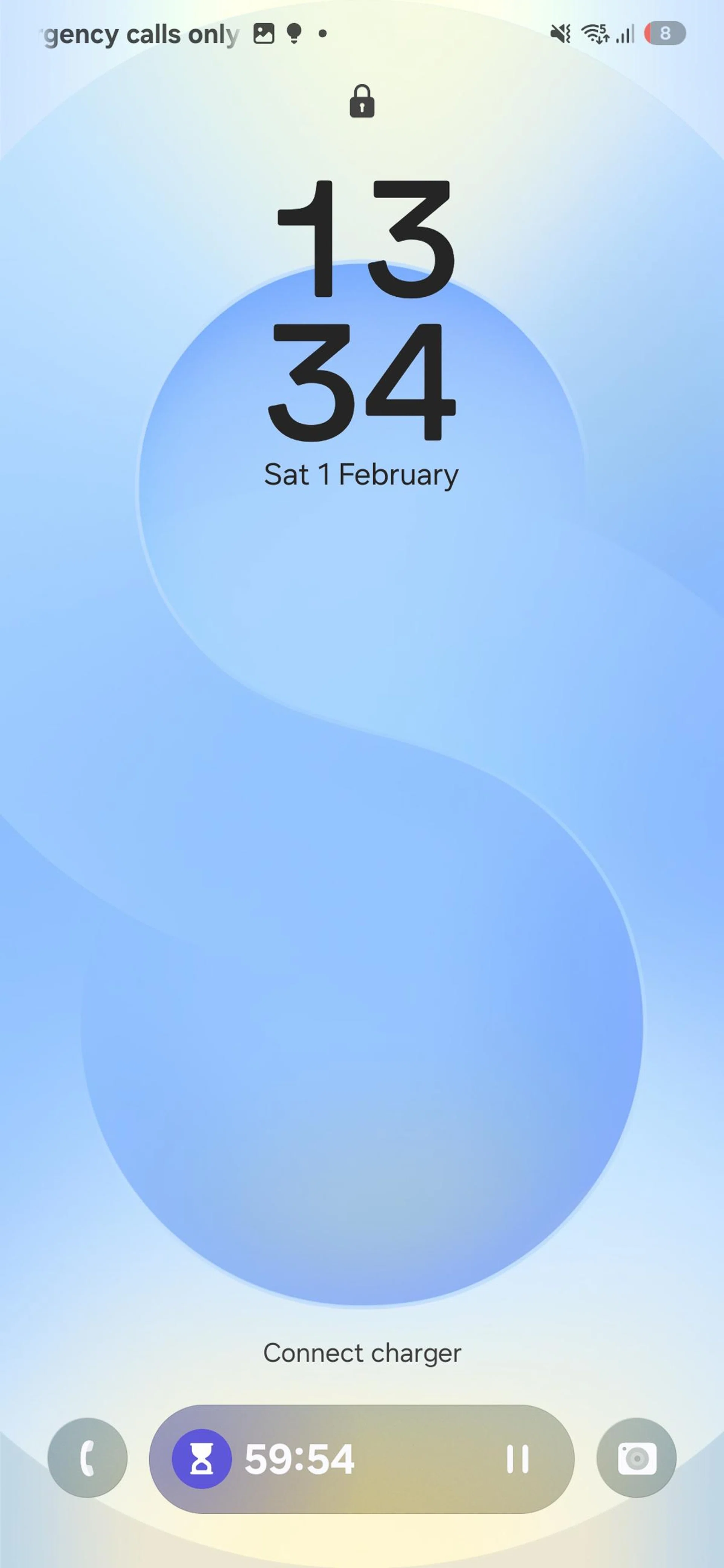
Timer in the Now Bar. Photo: HWZ.
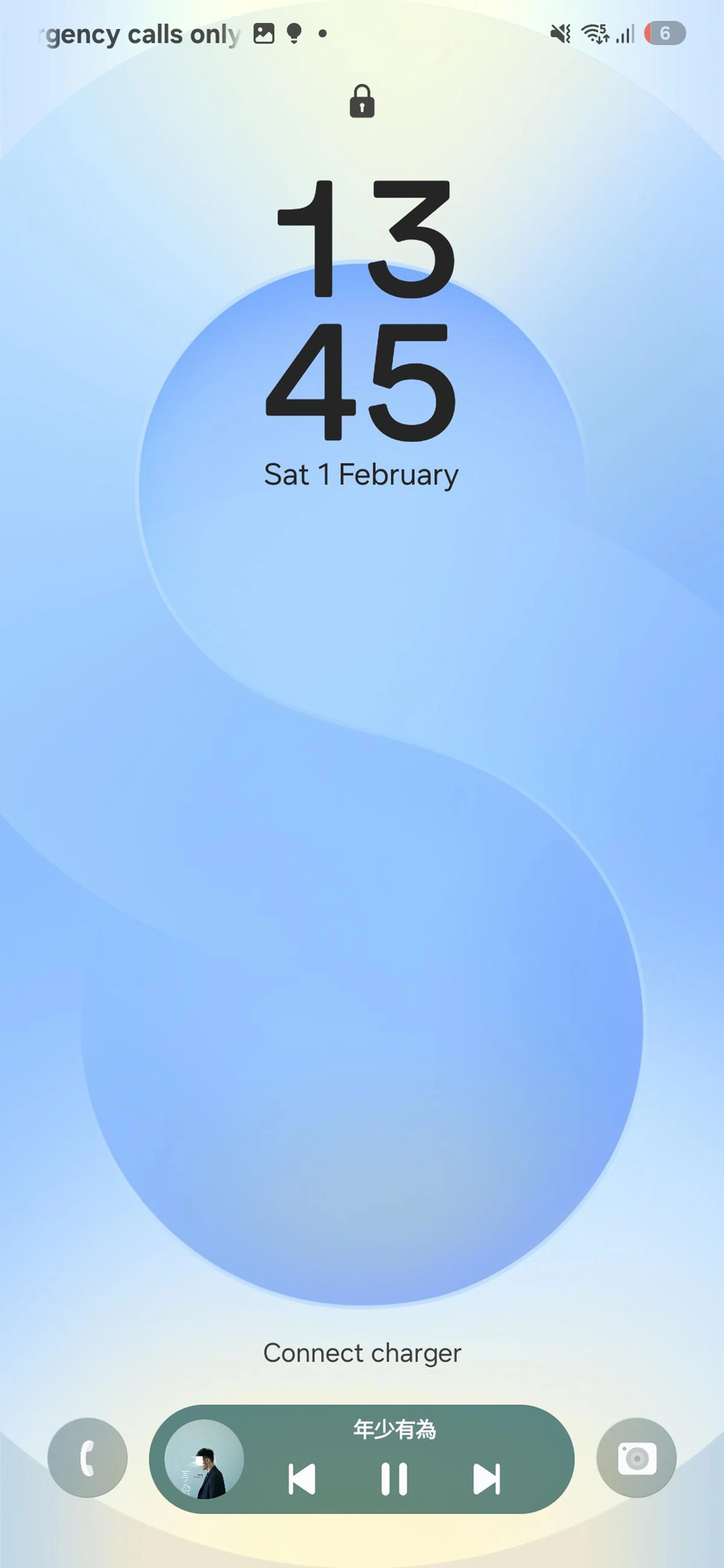
Music in the Now Bar. Photo: HWZ.
Let’s start with what we feel is the most handy new feature, the Now Bar. Like Apple’s Live Notifications, you get a persistent bar at the bottom of the screen showing information from active apps. Say, for example, you have a timer going; that bar will show you how much time is left and offer you the option to pause it.
Or maybe you’re navigating to a new cafe on Google Maps, the Now Bar will display directions so you don’t miss a turn while still being able to keep your phone locked for the most part.
It works with selected third-party apps like Spotify, making media controls easily accessible. It’s sleek and works, so even though it’s not an AI feature, it’s probably our favourite from One UI 7.
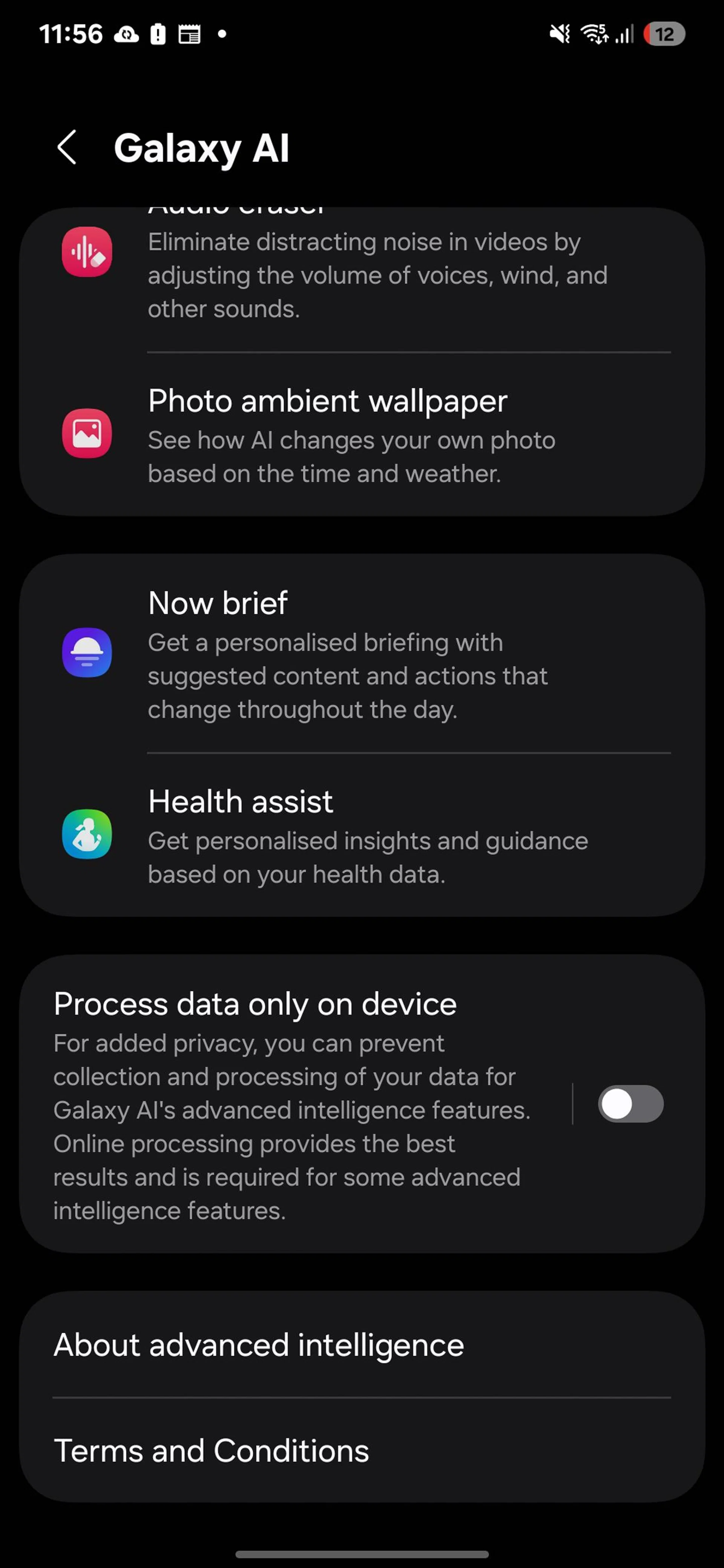
Where to find Now Brief. Photo: HWZ.
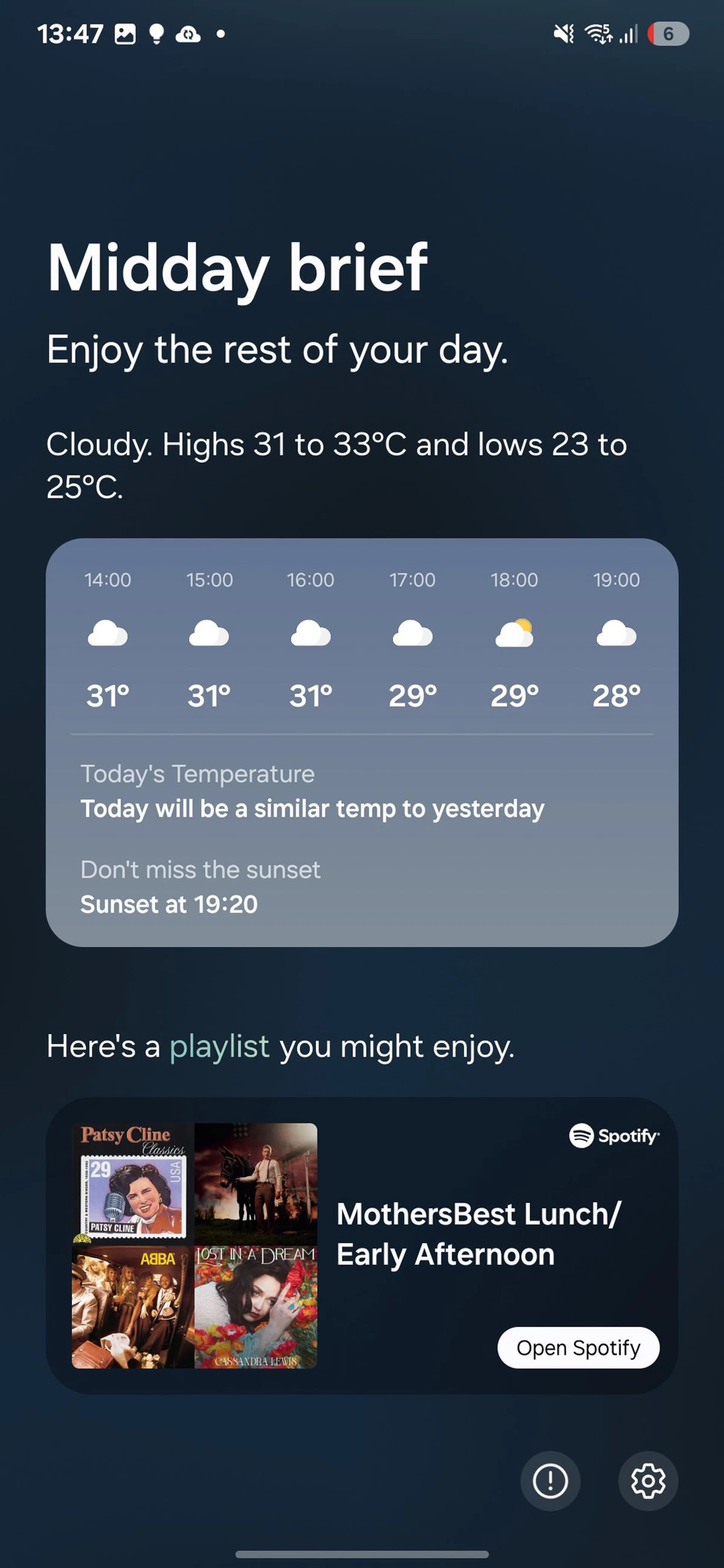
Now Brief. Photo: HWZ.
Next is Now Brief, a summary of your day that updates as the day goes on. It’s a neat idea, but it doesn’t seem particularly helpful. It mostly just shows weather updates and perhaps offers a suggested playlist from Spotify. I have turned on the news category and done plenty of browsing on the web, but I never once saw news recommendations. Most content options are first-party Samsung apps, which does feel like it limits usability.
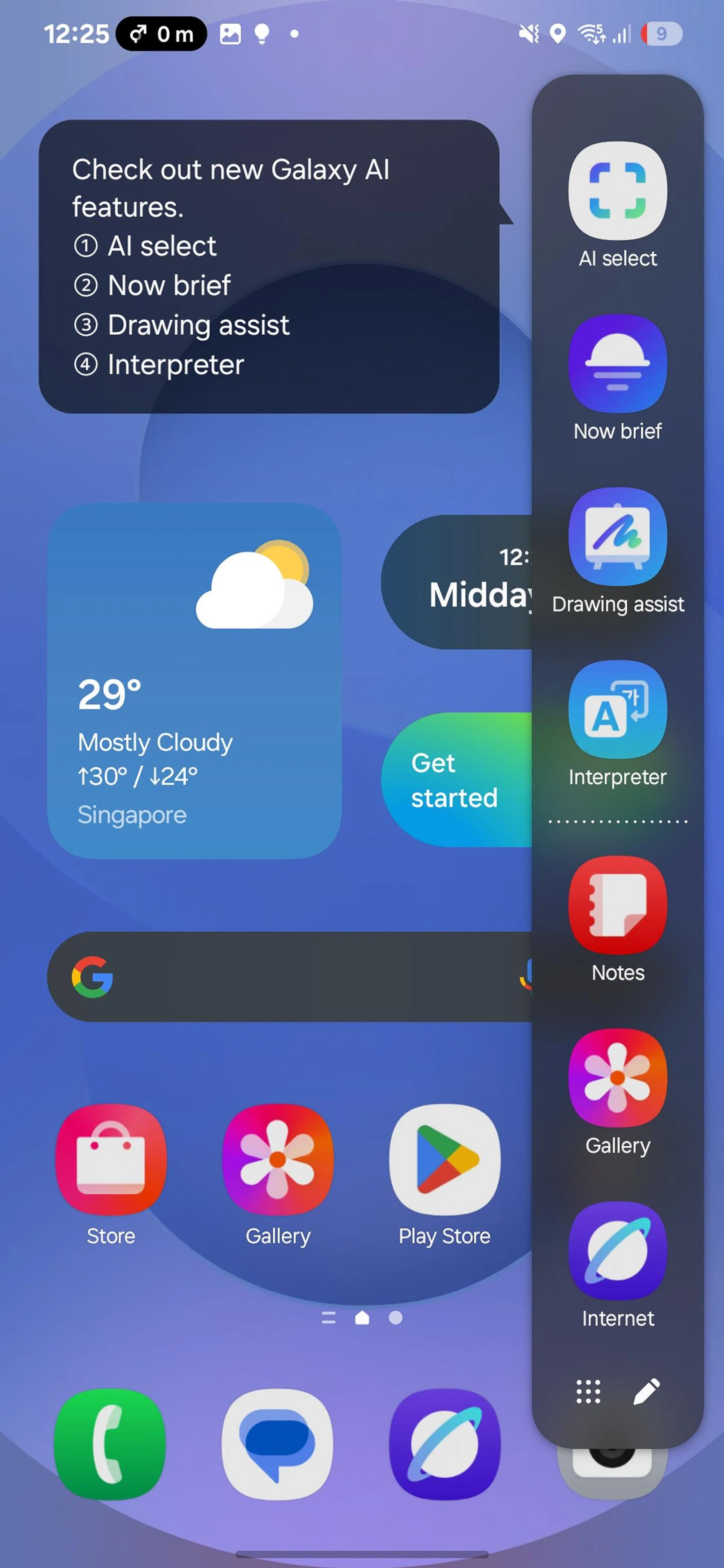
Side panel for easy access to AI features. Photo: HWZ.
With Gemini integration into One UI 7, AI features are now easier to find, with a handy side panel that pulls out to offer apps like Interpreter, Drawing Assist, AI Select, and more.
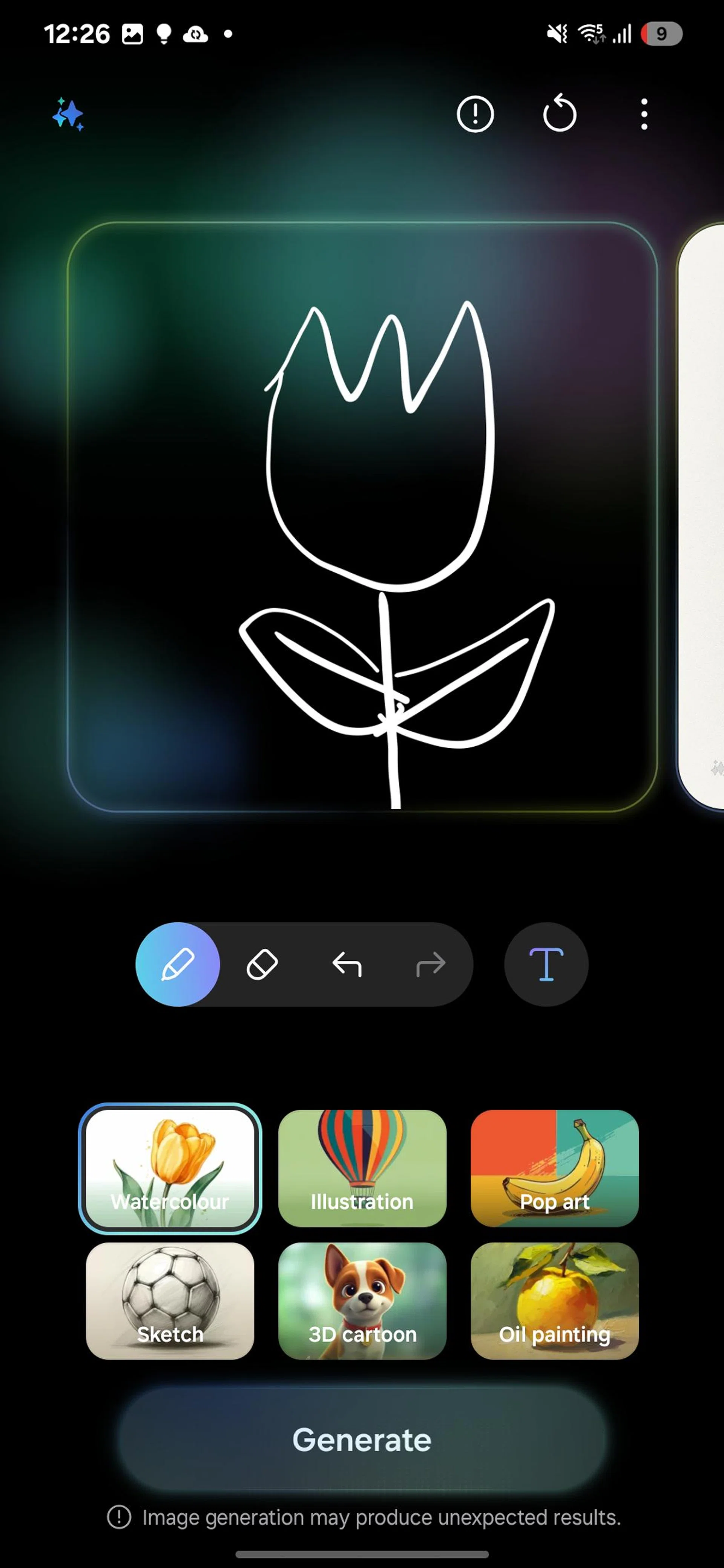
Original drawing. Photo: HWZ.
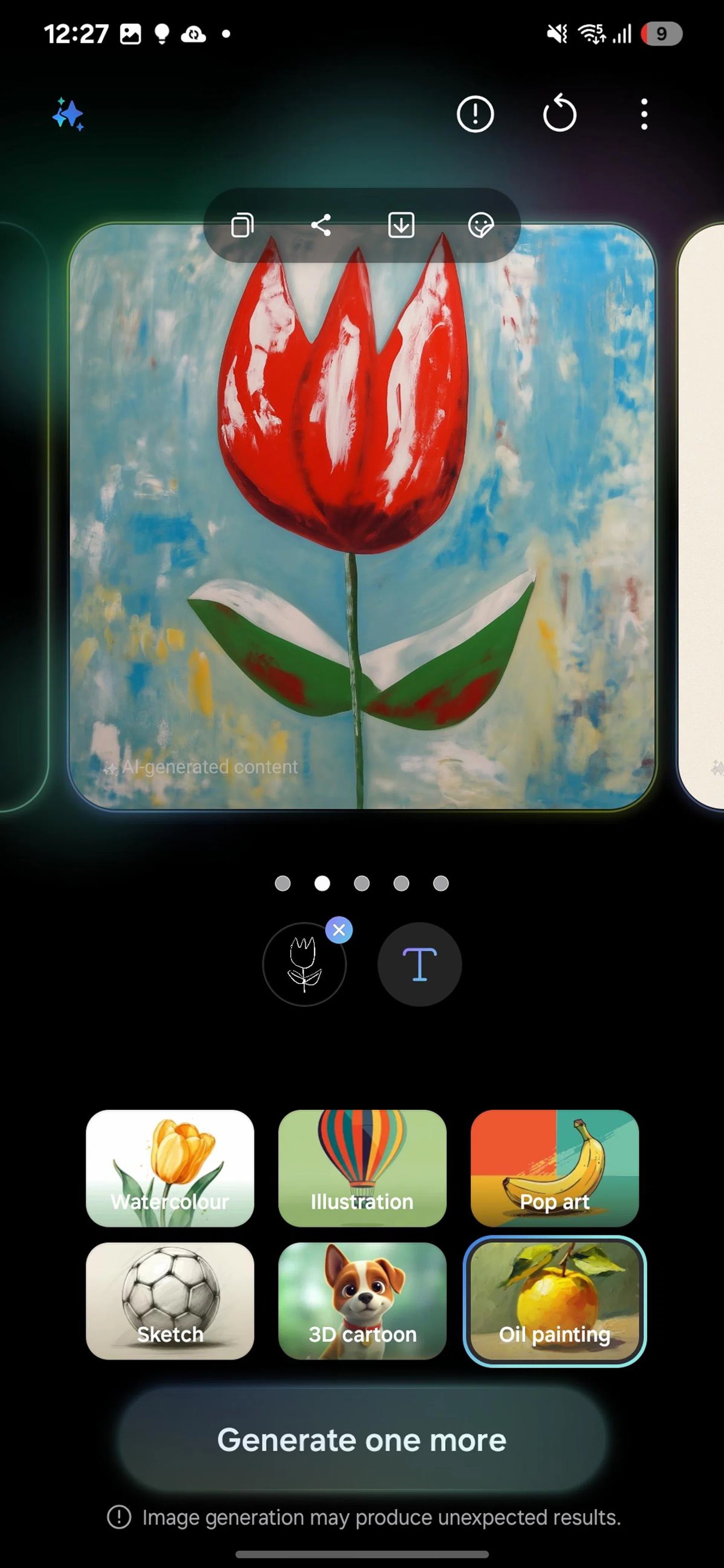
Oil painting effect. Photo: HWZ.
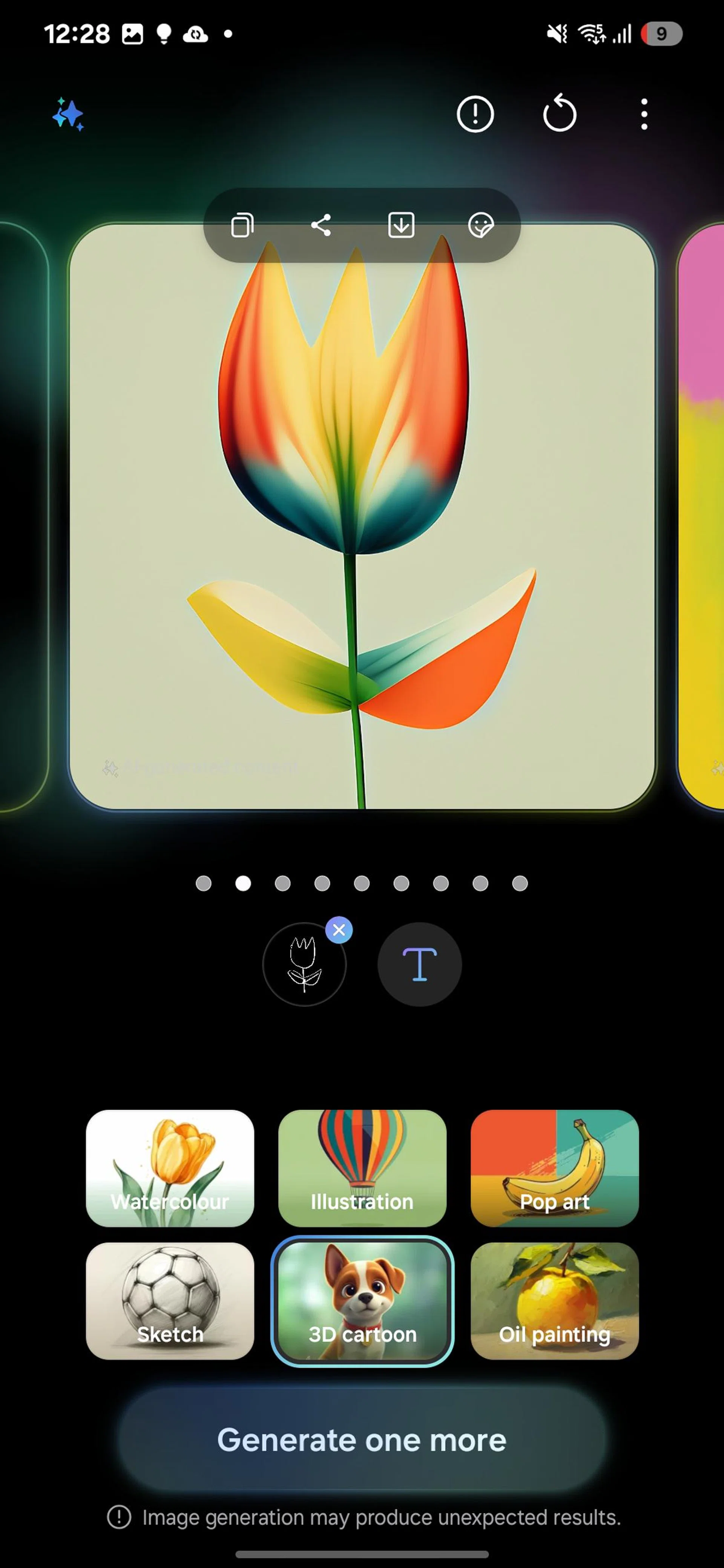
3D cartoon effect. Photo: HWZ.
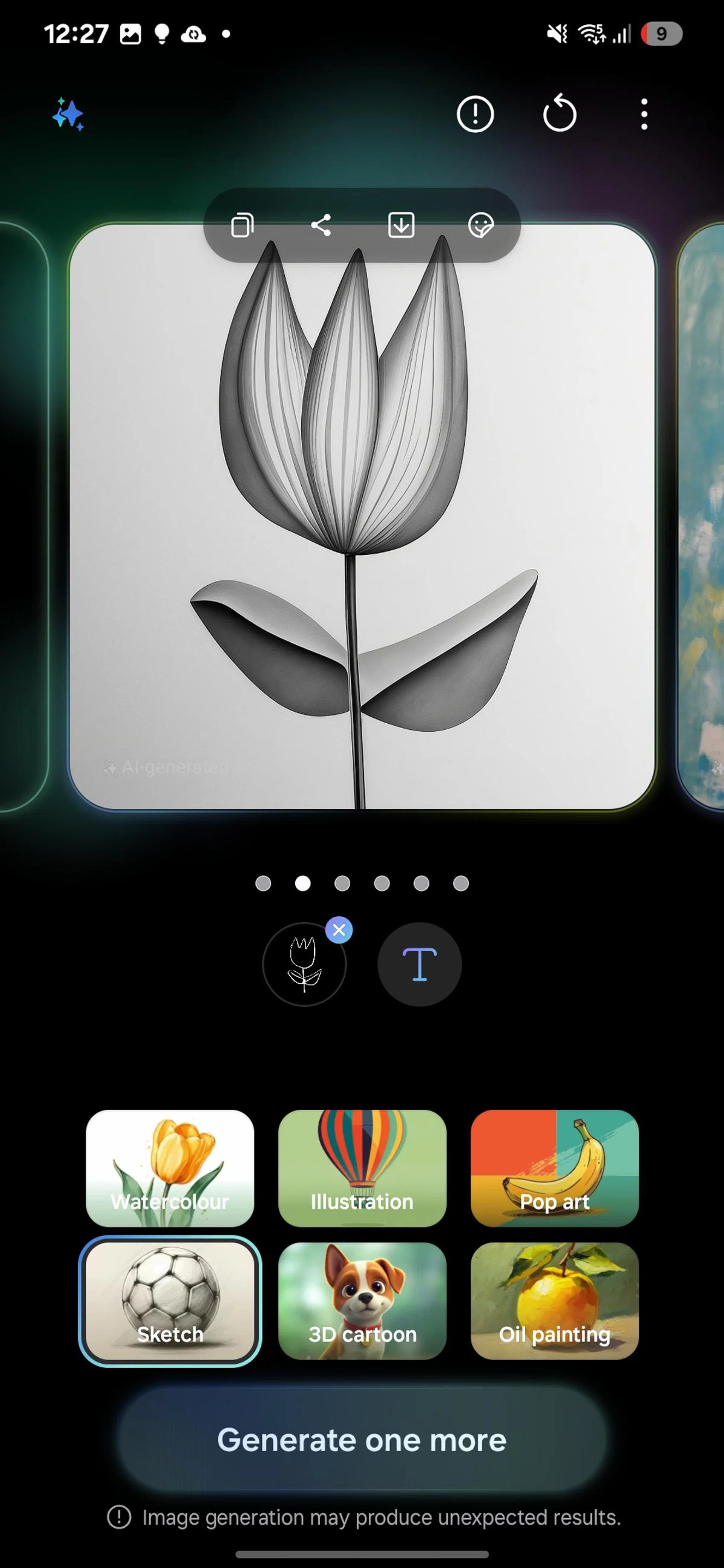
Sketch effect. Photo: HWZ.
We tried some new stuff, like Drawing Assist, which now integrates Samsung’s Sketch to Image. It works relatively well in retaining details from the original sketch and incorporating them into the resulting AI-generated images.
A new Audio Eraser feature also helps scrub videos of unwanted background noise, such as traffic or people talking. It generally works quite well, effectively removing wind noise and unwanted conversations.
Samsung continues to offer the Galaxy S25 series, one of the longest on the market, seven years of software and security updates. This allows users to use these phones for a longer period than other brands, which only guarantee three to five years of updates.
Imaging performance
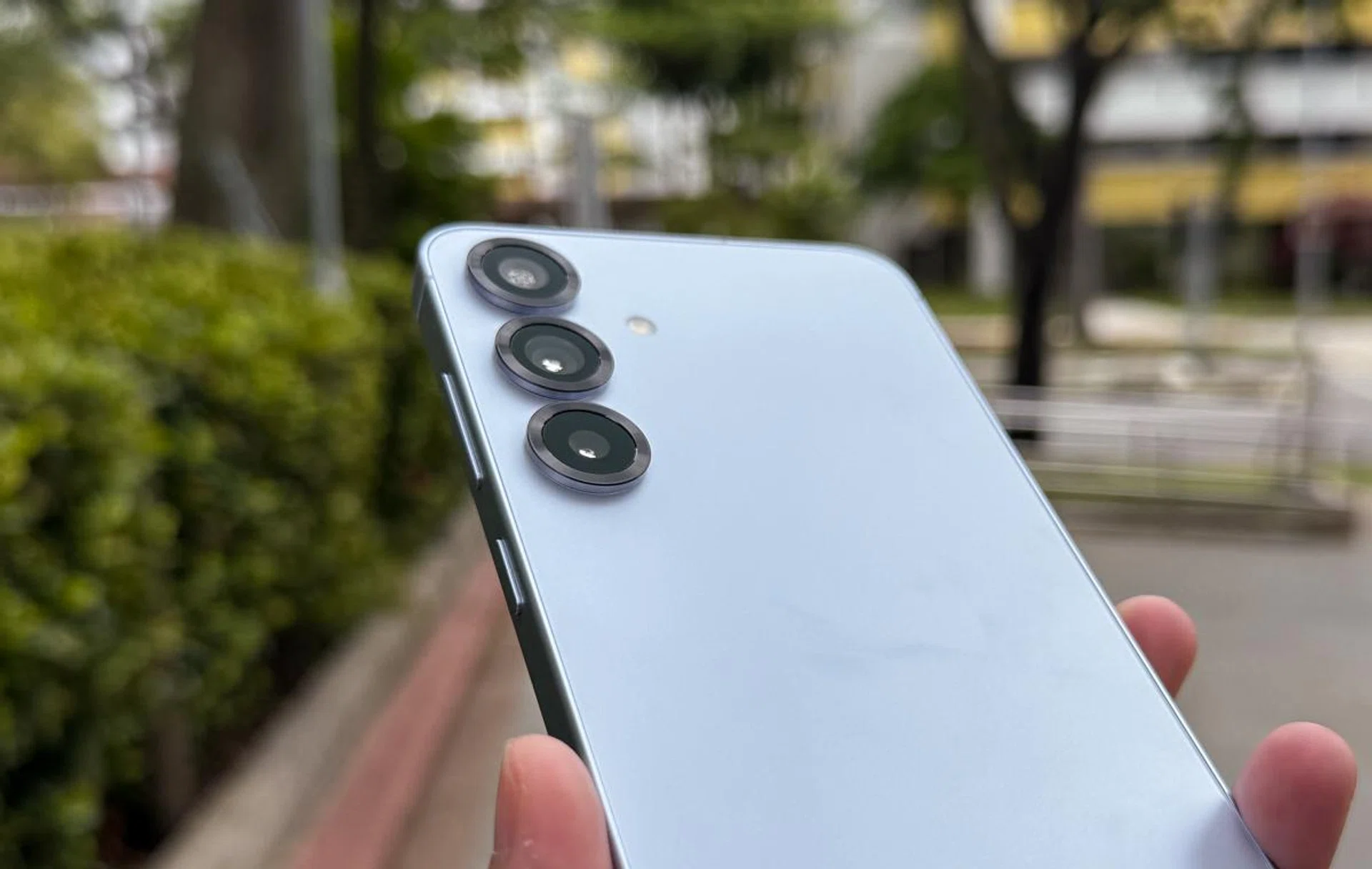
Samsung Galaxy S25+. Photo: HWZ.
Since there are no changes in the camera hardware, all the improvements come from the software side.
- 50MP rear camera (f/1.8 aperture, 1.0µm)
- 12MP ultra-wide camera (f/2.2 aperture,1.4µm, 120˚ FOV)
- 10MP telephoto lens (f/2.4 aperture, 1.0µm), 3x optical zoom
Galaxy S25 and Galaxy S25+ have identical rear cameras, so you can save a fair amount of moolah if the base Galaxy S25 suits your needs. The Ultra variant gets an extra 5x optical zoom lens and an upgraded 50MP ultrawide instead of 12MP, so these two siblings aren't missing much.

Main camera, Galaxy S25. Photo: HWZ.

Main camera, Galaxy S25. Photo: HWZ.

Main camera, Galaxy S25+. Photo: HWZ.
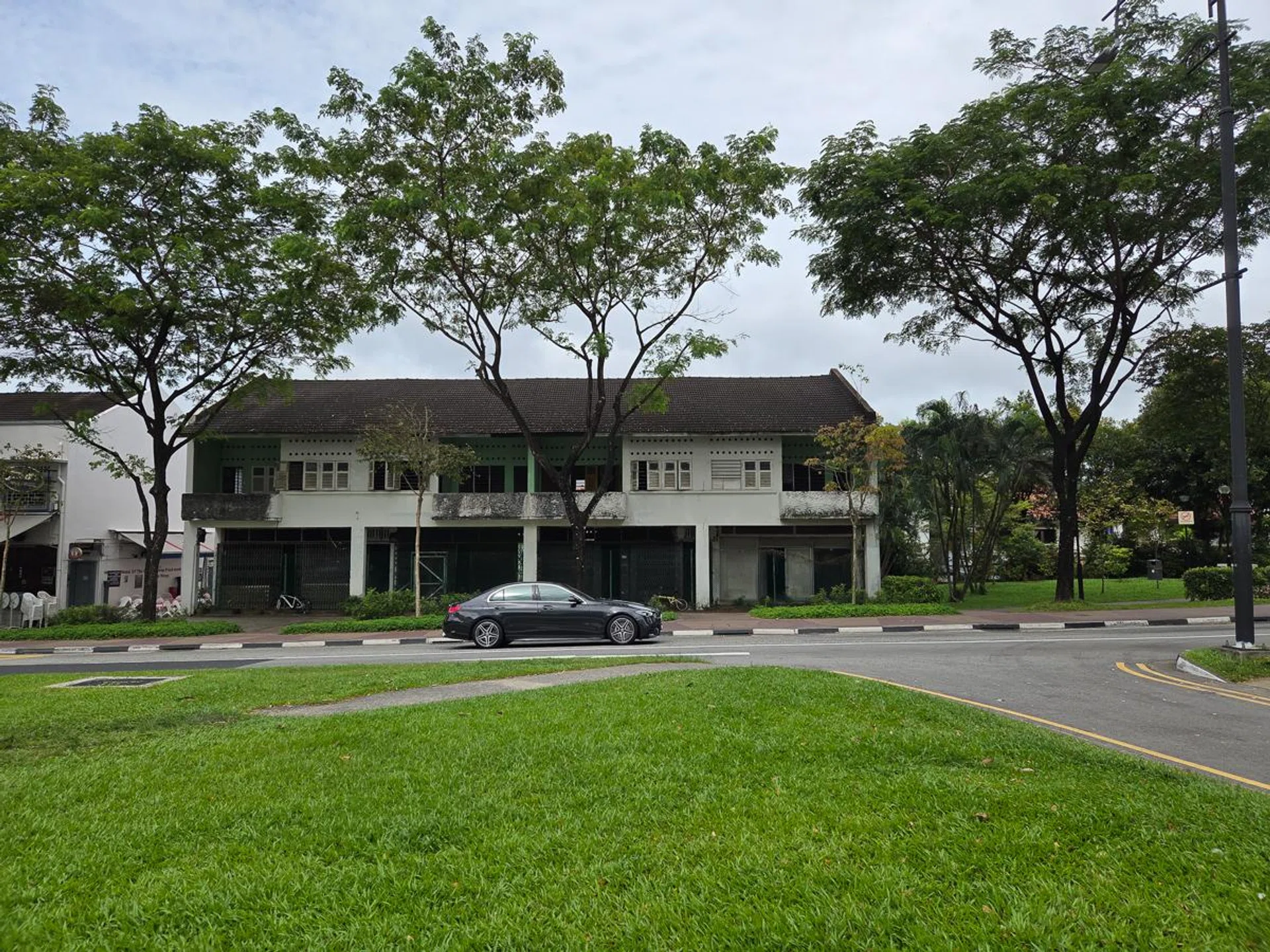
Main camera, Galaxy S25. Photo: HWZ.

Main camera, Galaxy S25. Photo: HWZ.
We see very similar photos from the Galaxy S25 and Galaxy S25+ as we’ve seen from its predecessors, like the Galaxy S24/S24+ and Galaxy S23/23+. The primary camera still performs well in well-lit situations, with punchy colours and good detail retention.
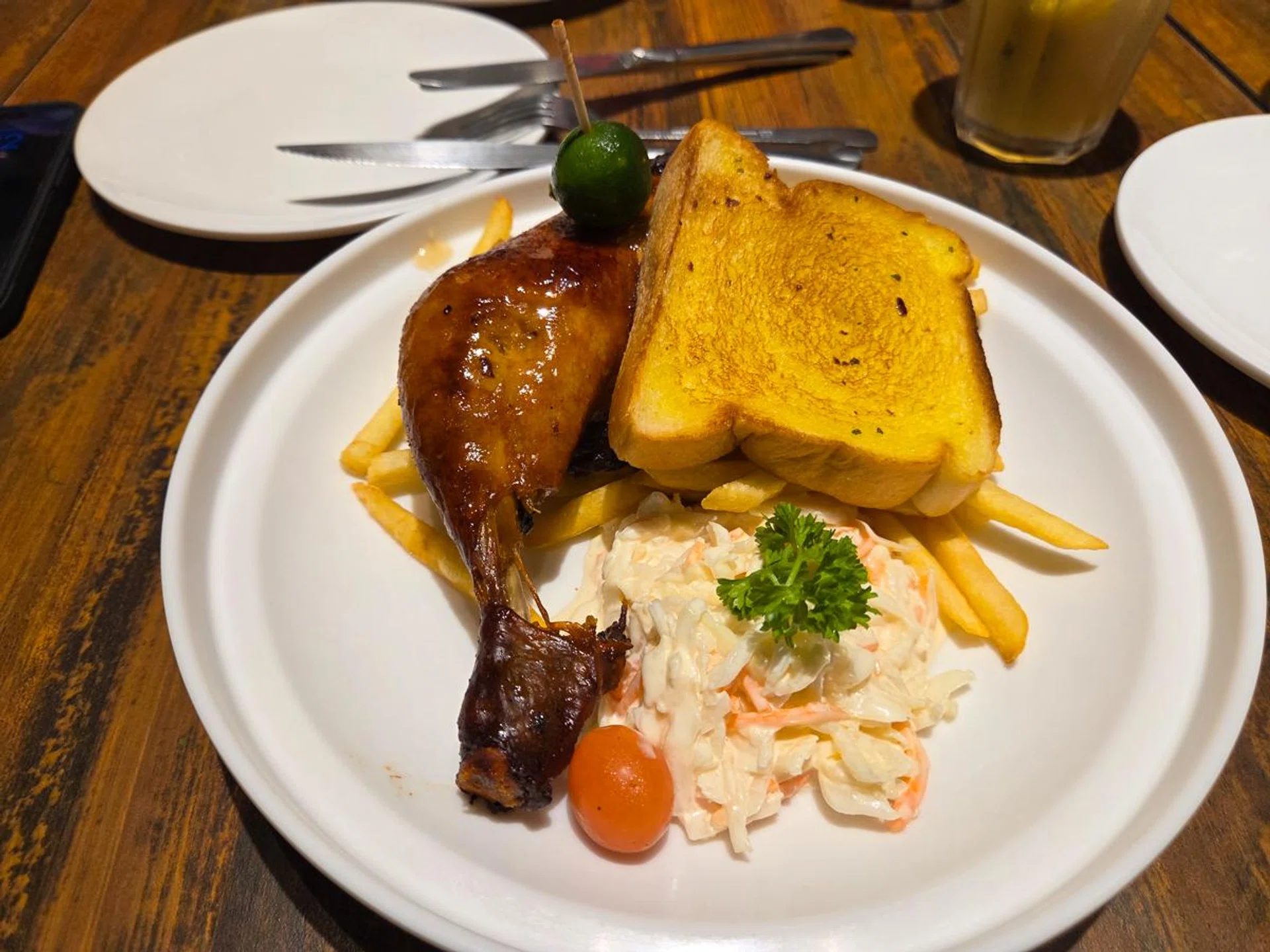
Main camera, 12MP pixel-binned shot. Photo: HWZ.
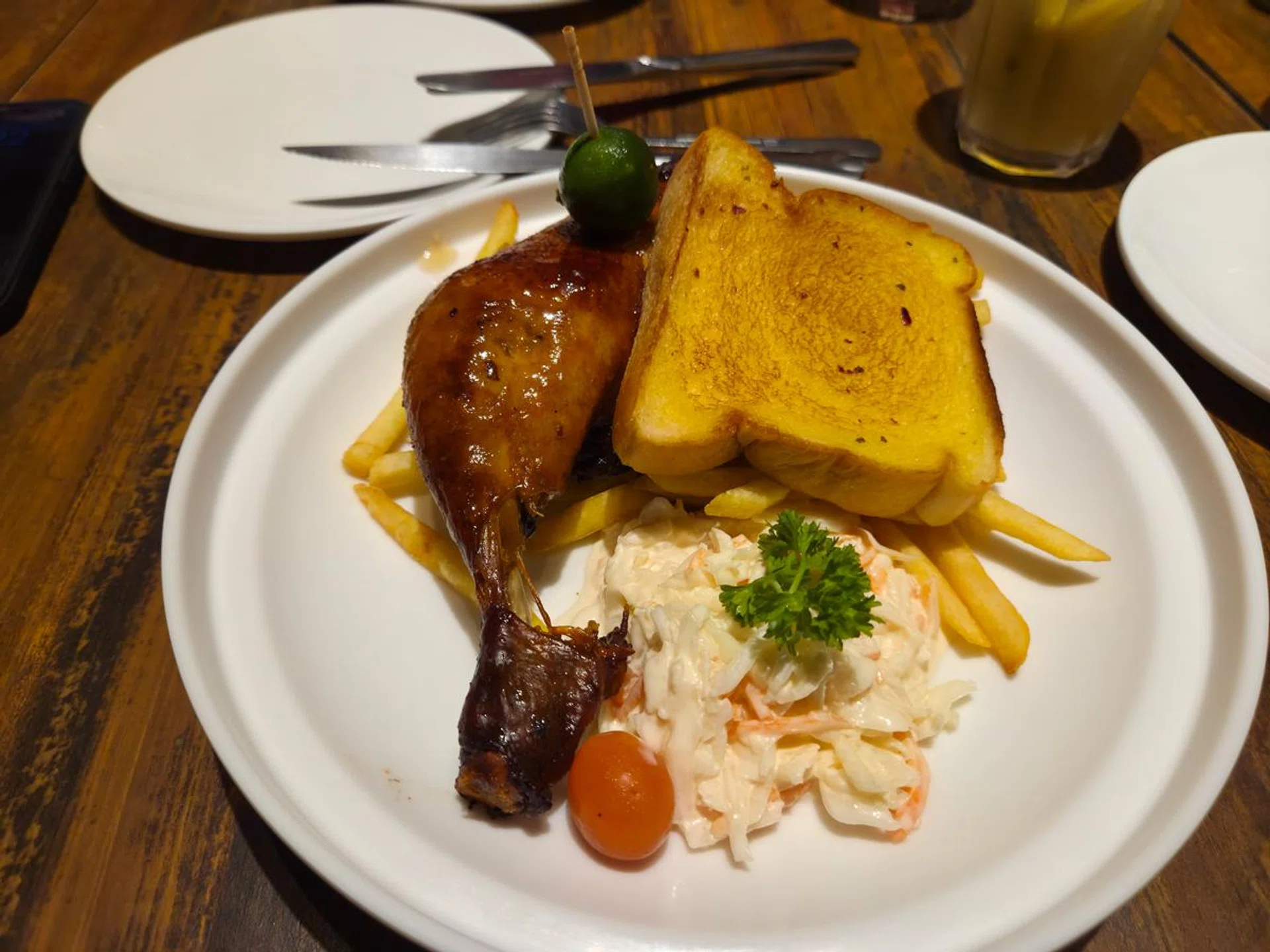
Main camera, 50MP. Photo: HWZ.
This time, the 50MP images out of the phone are a little less saturated while retaining a bit more crispness in the details. Since there’s no change to the hardware, we’re chalking this up to a software change, and it would be even nicer if Samsung could dial back the saturation just a touch more on the 50MP photos for a more accurate image.
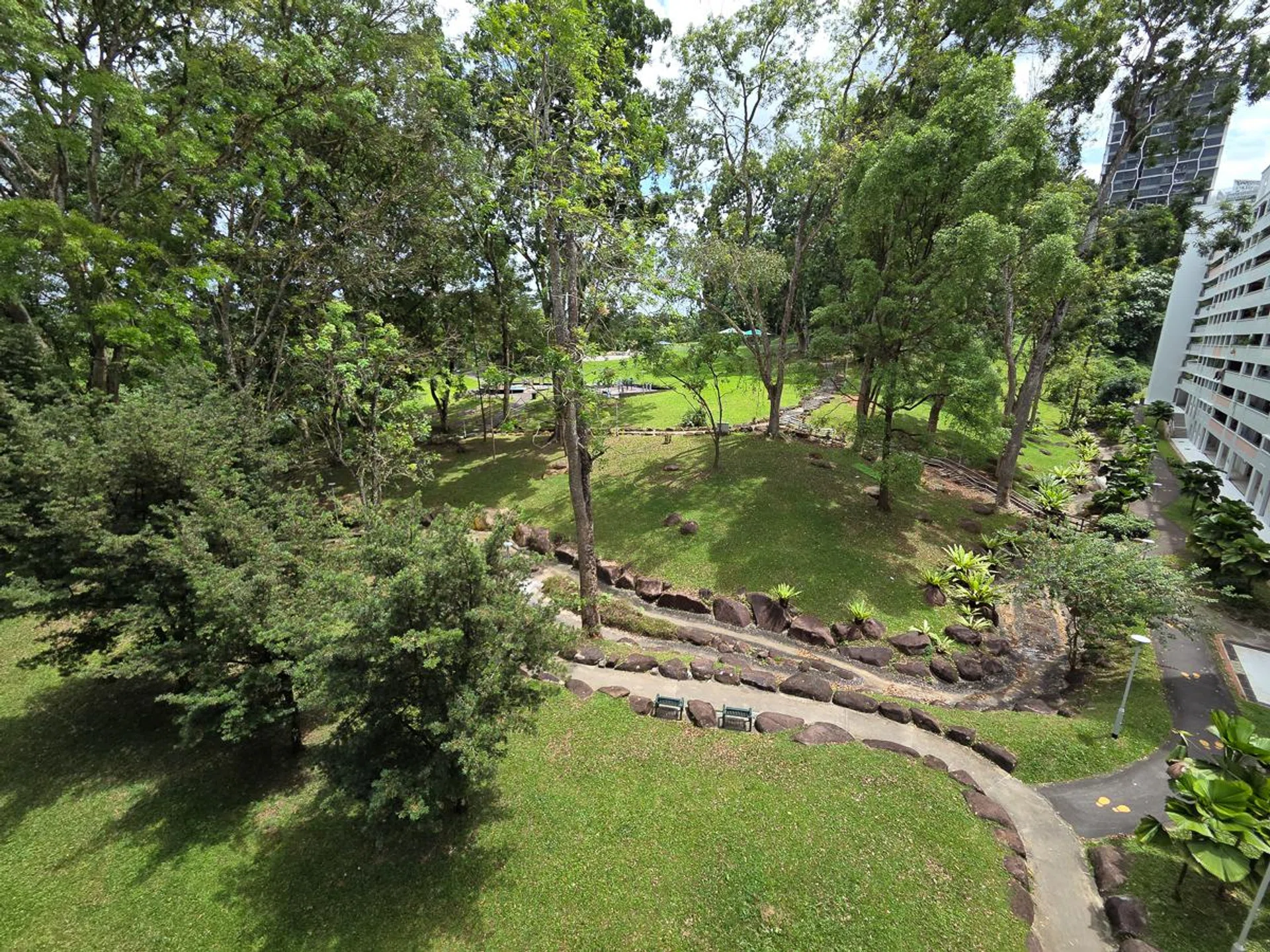
Ultrawide camera, Galaxy S25. Photo: HWZ.
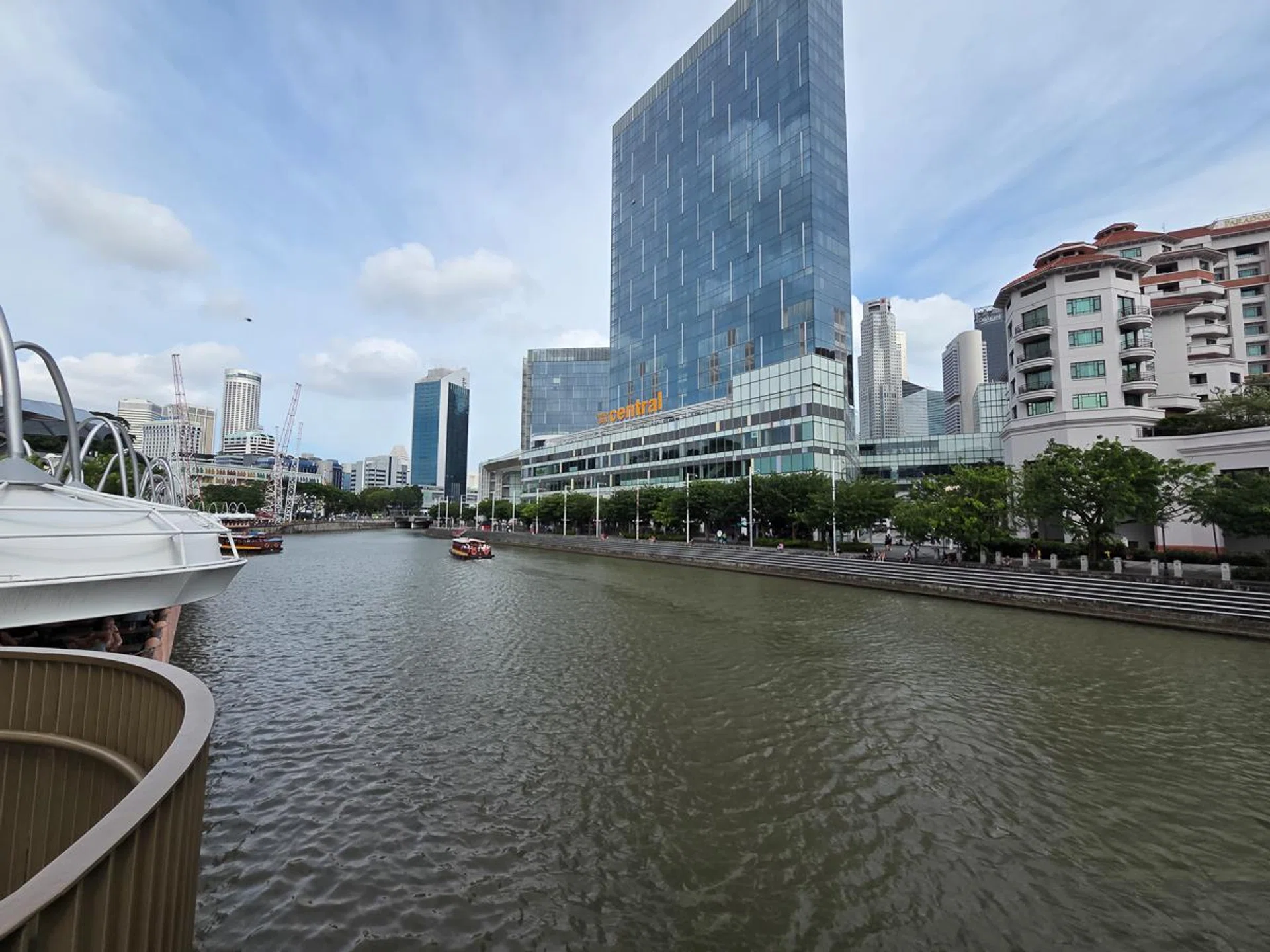
Ultrawide camera, Galaxy S25+. Photo: HWZ.

Ultrawide camera, Galaxy S25+. Photo: HWZ.
Ultrawide shots are decent as always, although this year, the saturation appears to be consistent across the ultrawide and main cameras, which is a great change.

3x optical zoom, Galaxy S25. Photo: HWZ.

3x optical zoom, Galaxy S25. Photo: HWZ.
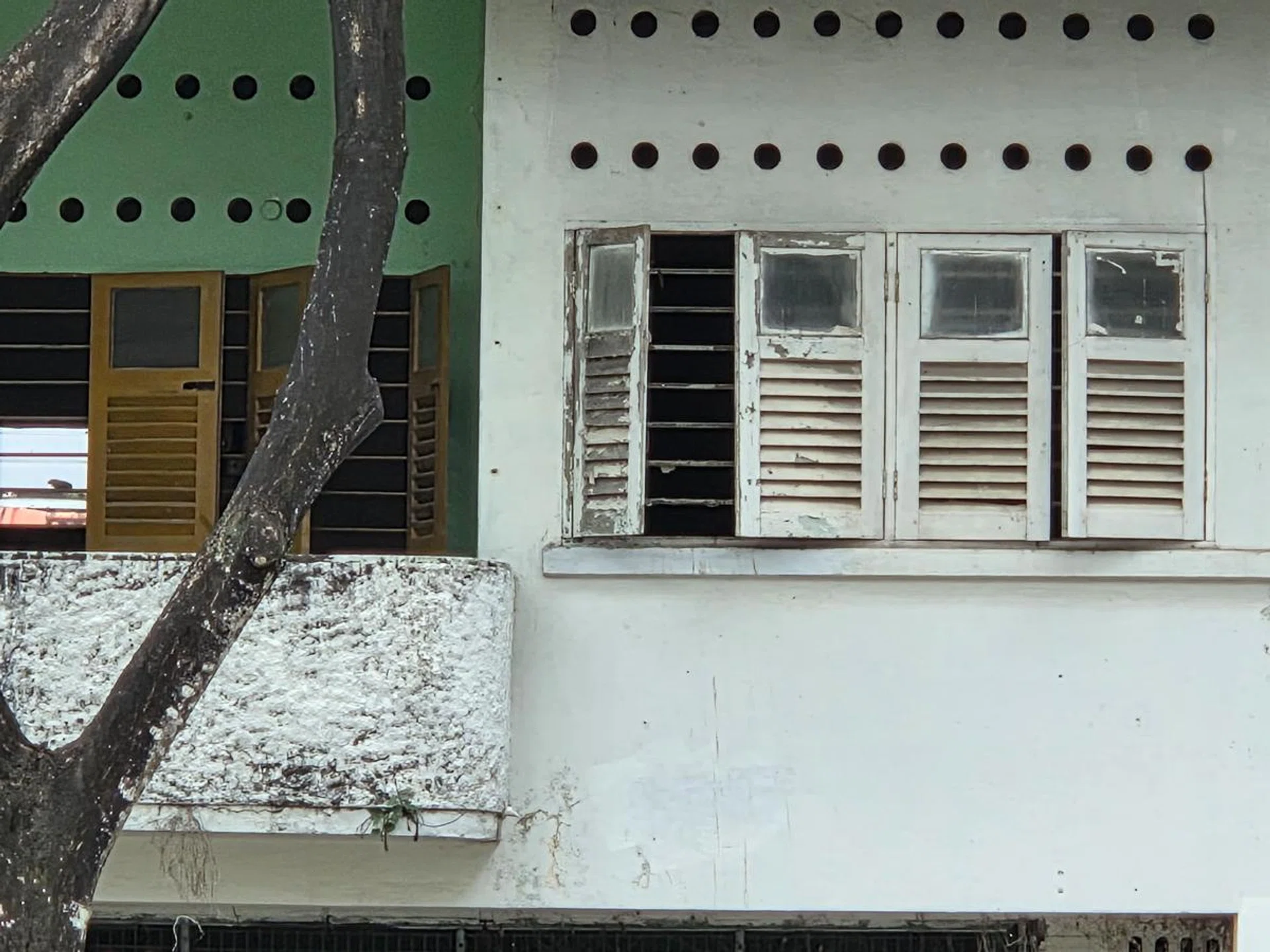
3x optical zoom, Galaxy S25+. Photo: HWZ.
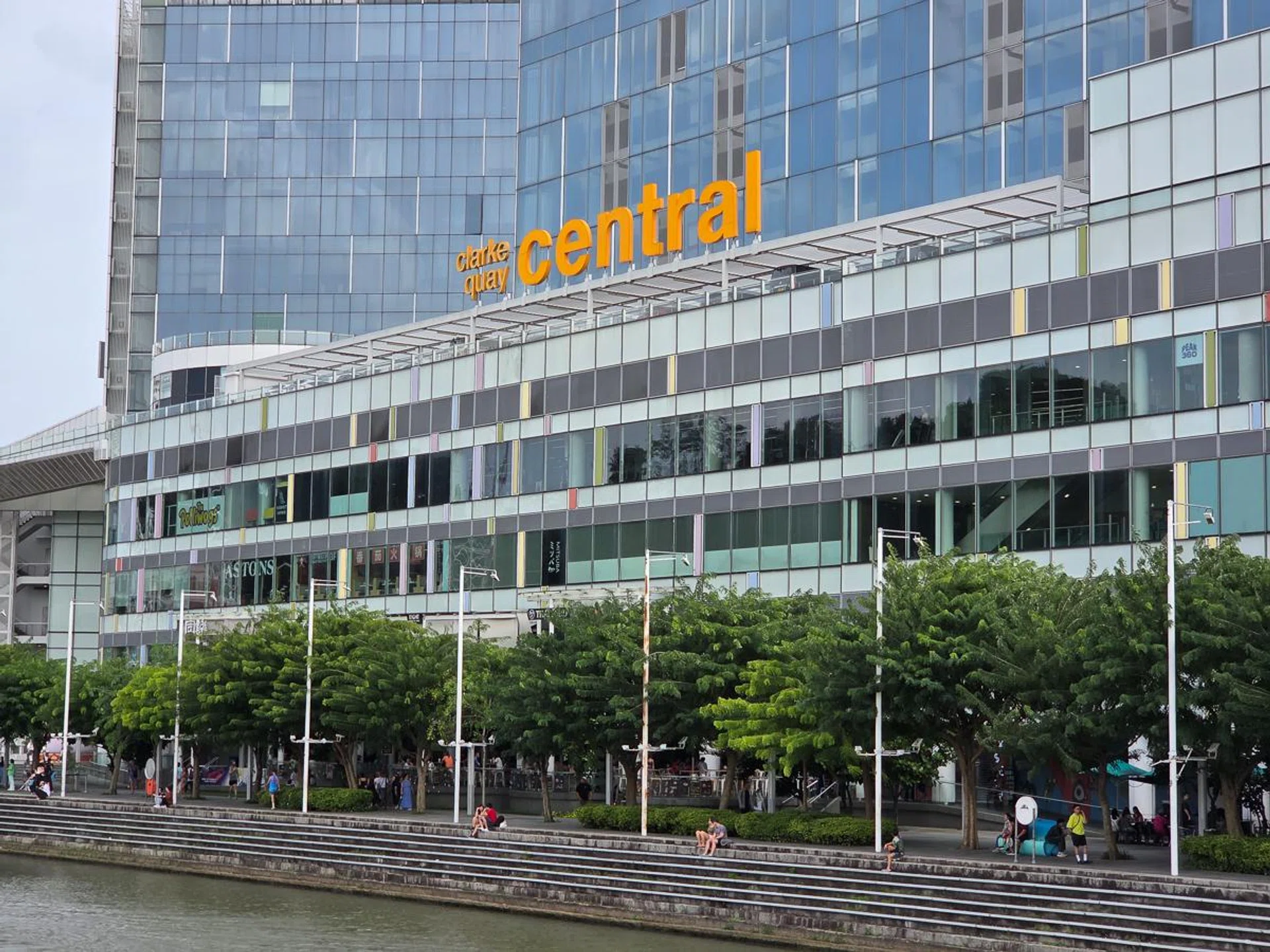
3x optical zoom, Galaxy S25+. Photo: HWZ.
The 3x optical zoom hasn’t improved from previous years, but it at least retains the same quality and provides serviceable shots as long as the scene is well-lit.

Night mode, Galaxy S25. Photo: HWZ.

Night mode, Galaxy S25+. Photo: HWZ.
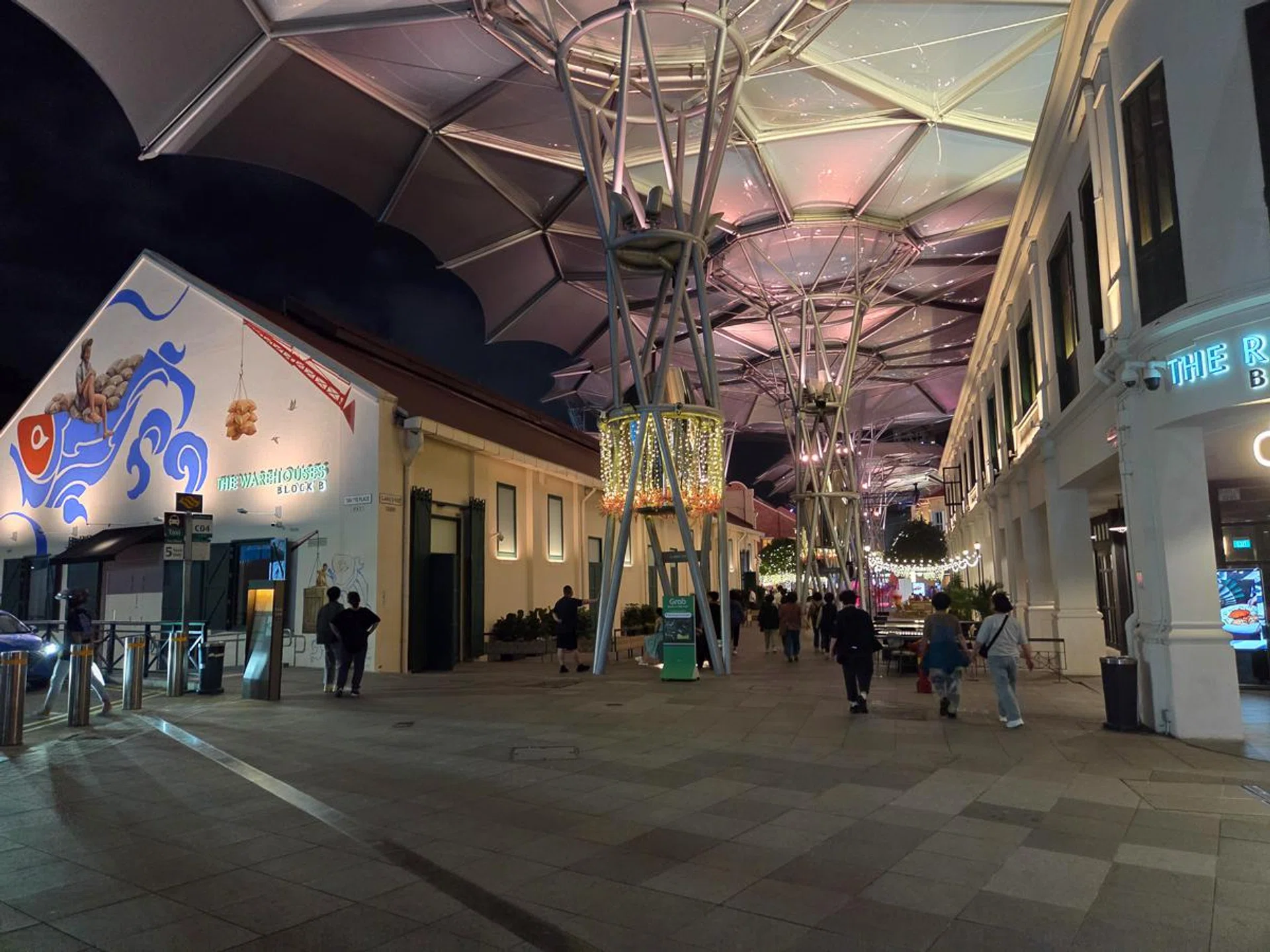
Night mode, Galaxy S25+. Photo: HWZ.
As always, night mode is excellent. I did notice a minor issue: the highlights in the preview image when taking photos seem a little overexposed, but the final image turns out perfectly fine. If you’re experiencing the same thing, trust the phone instead of manually underexposing your shots, or you’ll have very dark images.
Benchmark performance
Samsung has flip-flopped between Qualcomm's Snapdragon and its in-house Exynos chip over the last few years. This time around, we’re getting the Qualcomm Snapdragon 8 Elite for Galaxy processor for the entire Galaxy S25 series. This is an excellent turn of events, as the Snapdragon 8 Elite has offered outstanding performance in other flagship devices. Please keep things this way, Samsung.
We expect the Galaxy S25 and Galaxy S25+ to offer the same, if not better, numbers than the Ultra, particularly since we’re pitting them only against their predecessors and other Snapdragon 8 Elite competitors.
(Note: Looking for the Samsung Galaxy S25 Ultra benchmarks? It's here.)
Putting it to the test
To find out how the competitors line up specs and price-wise, check them out in this link.
To find out more about the tests we conduct and what they relate to, we've jotted them down here.
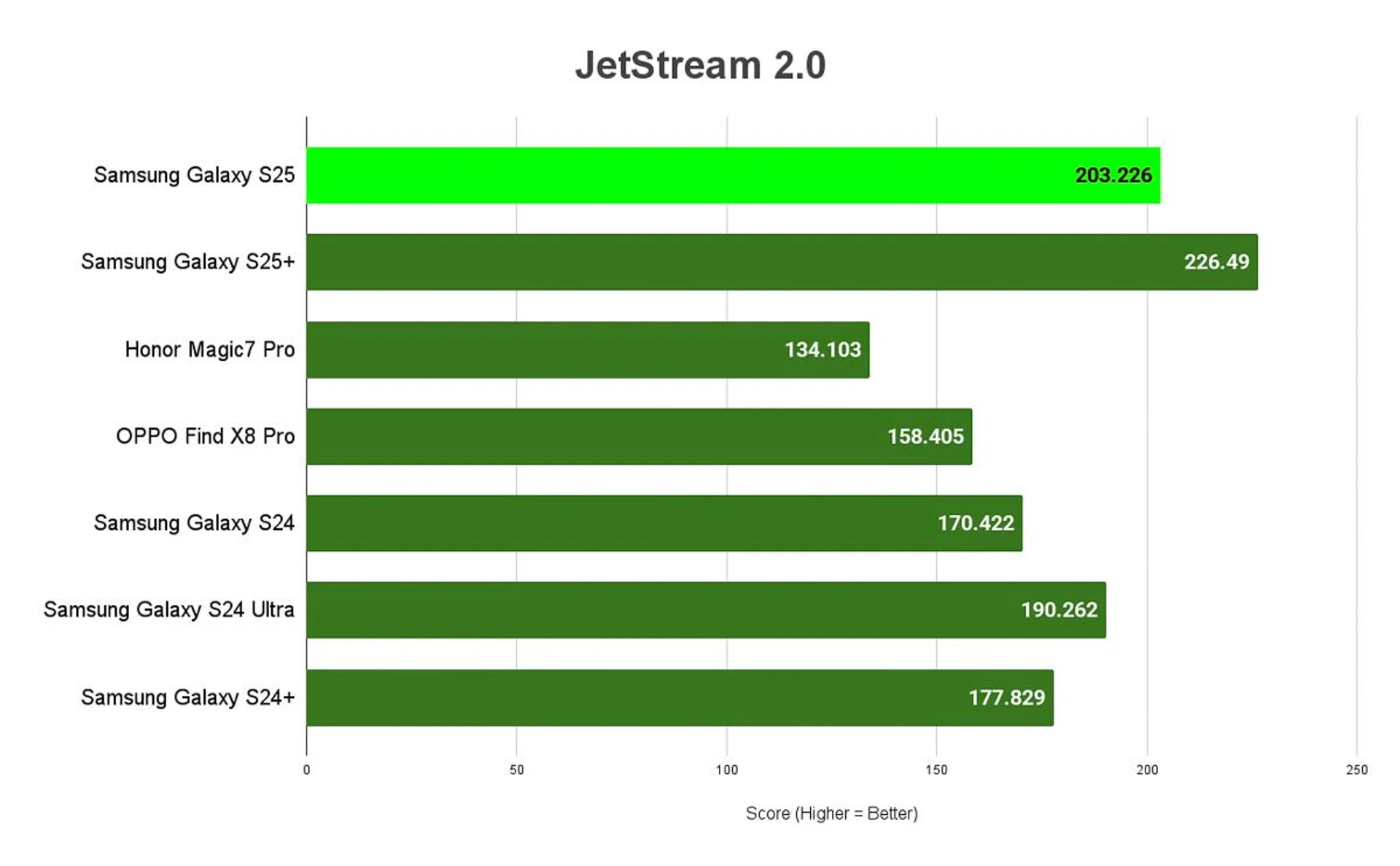
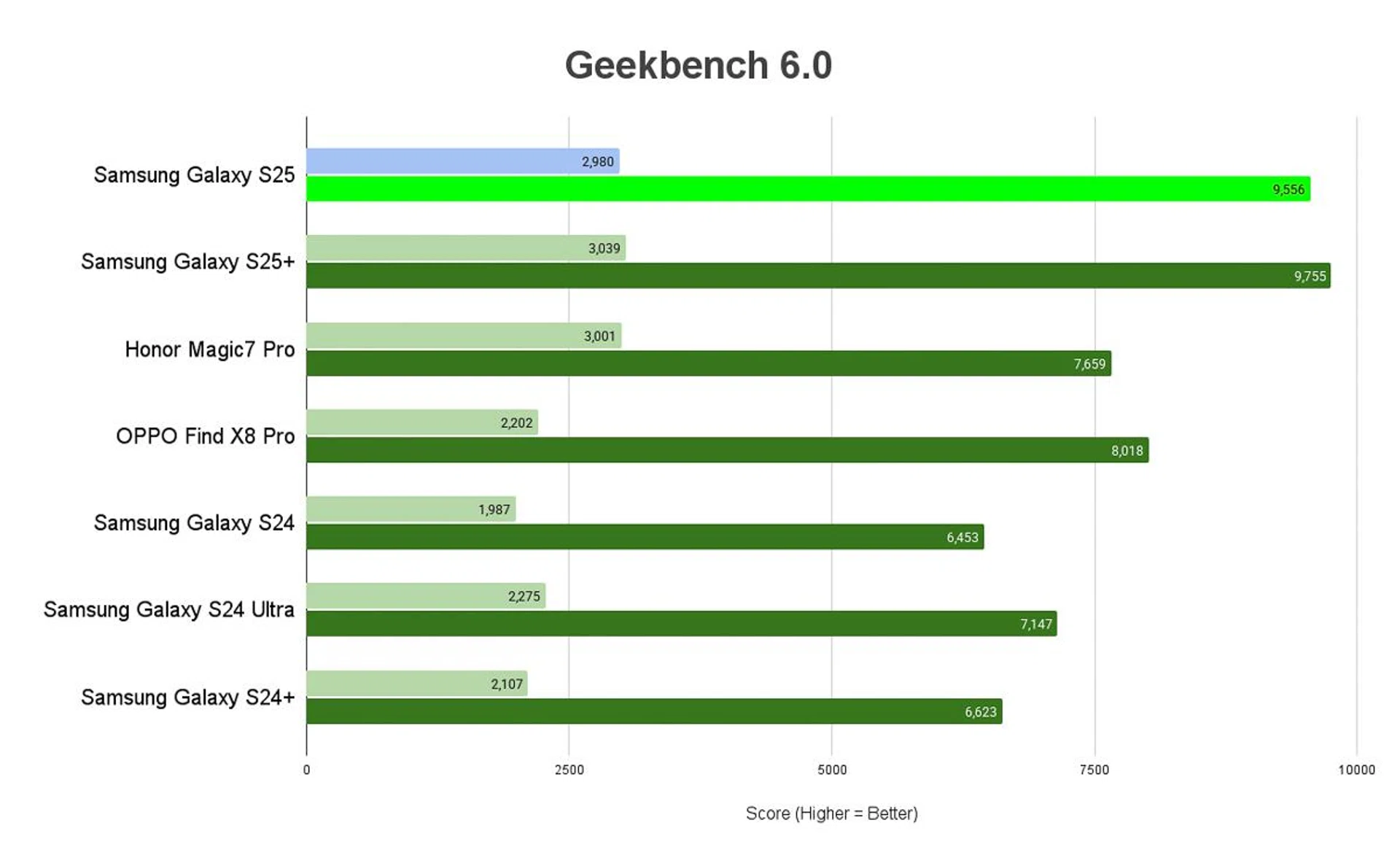
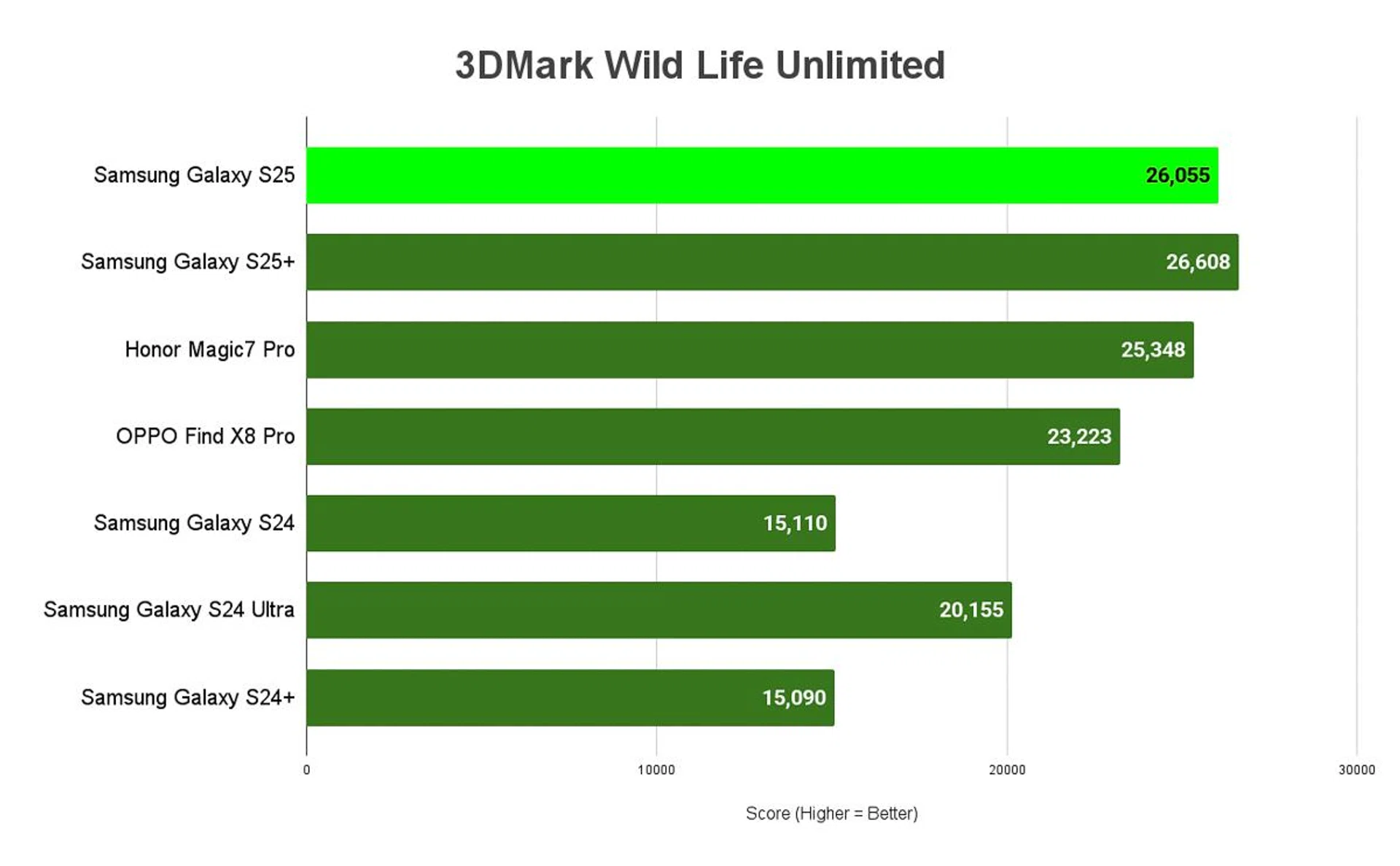
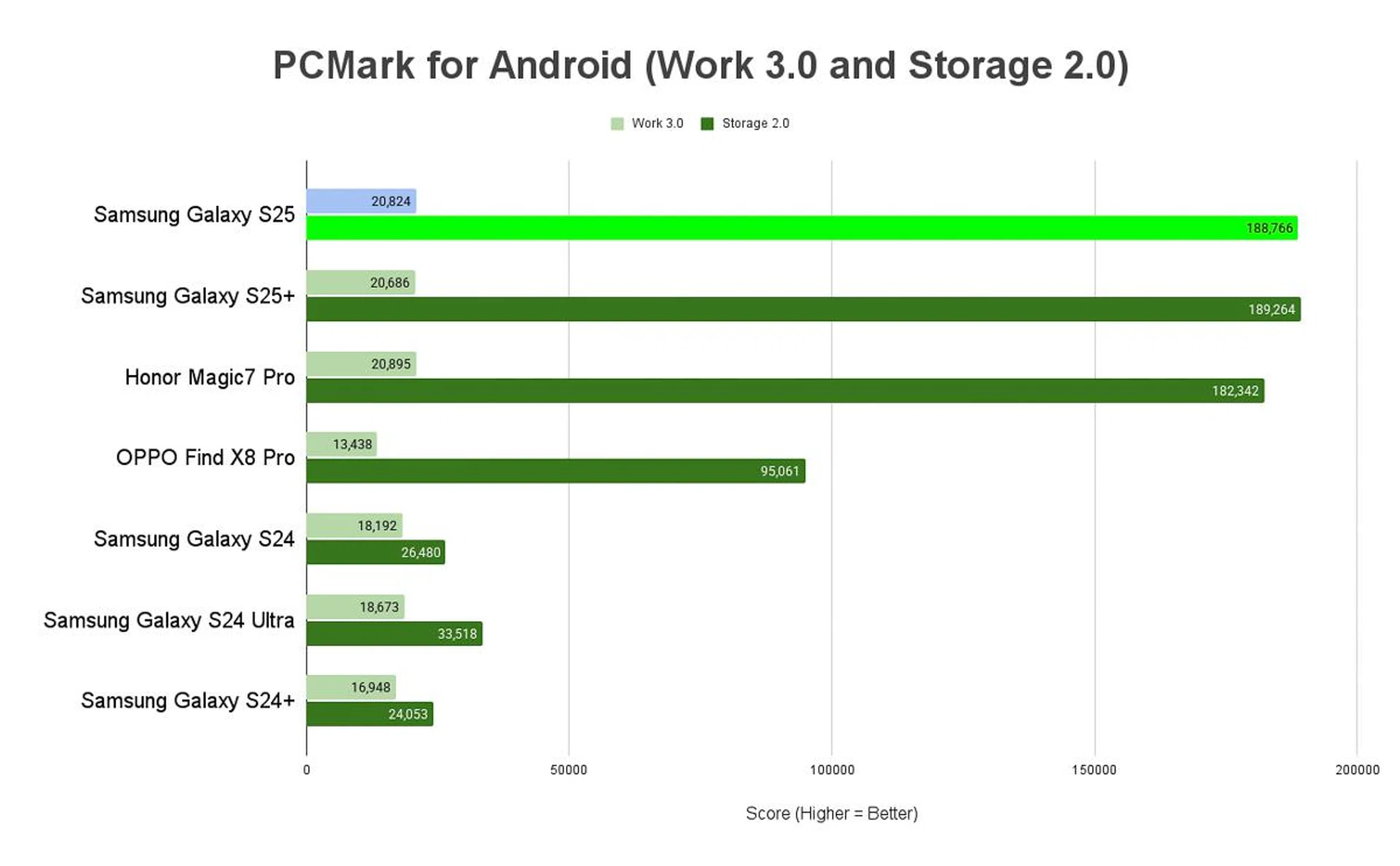
Benchmark performance remarks
As mentioned, we’ve seen incredible performance upticks in other smartphones rocking the Qualcomm Snapdragon 8 Elite processor and it’s no surprise that the Samsung Galaxy S25 and Galaxy S25+ have some of the highest numbers we’ve seen to date. It is also on par with its Ultra variant so users are not getting less for paying less!
Battery Life
Our battery benchmark uses PCMark for Android’s Work 3.0 Battery Life test to determine a modern Android-based smartphone's battery uptime in minutes. This controlled benchmark simulates real-world usage with a combination of both web and social media browsing, video and photo editing, parsing data with various file formats, writing (on documents), and more.
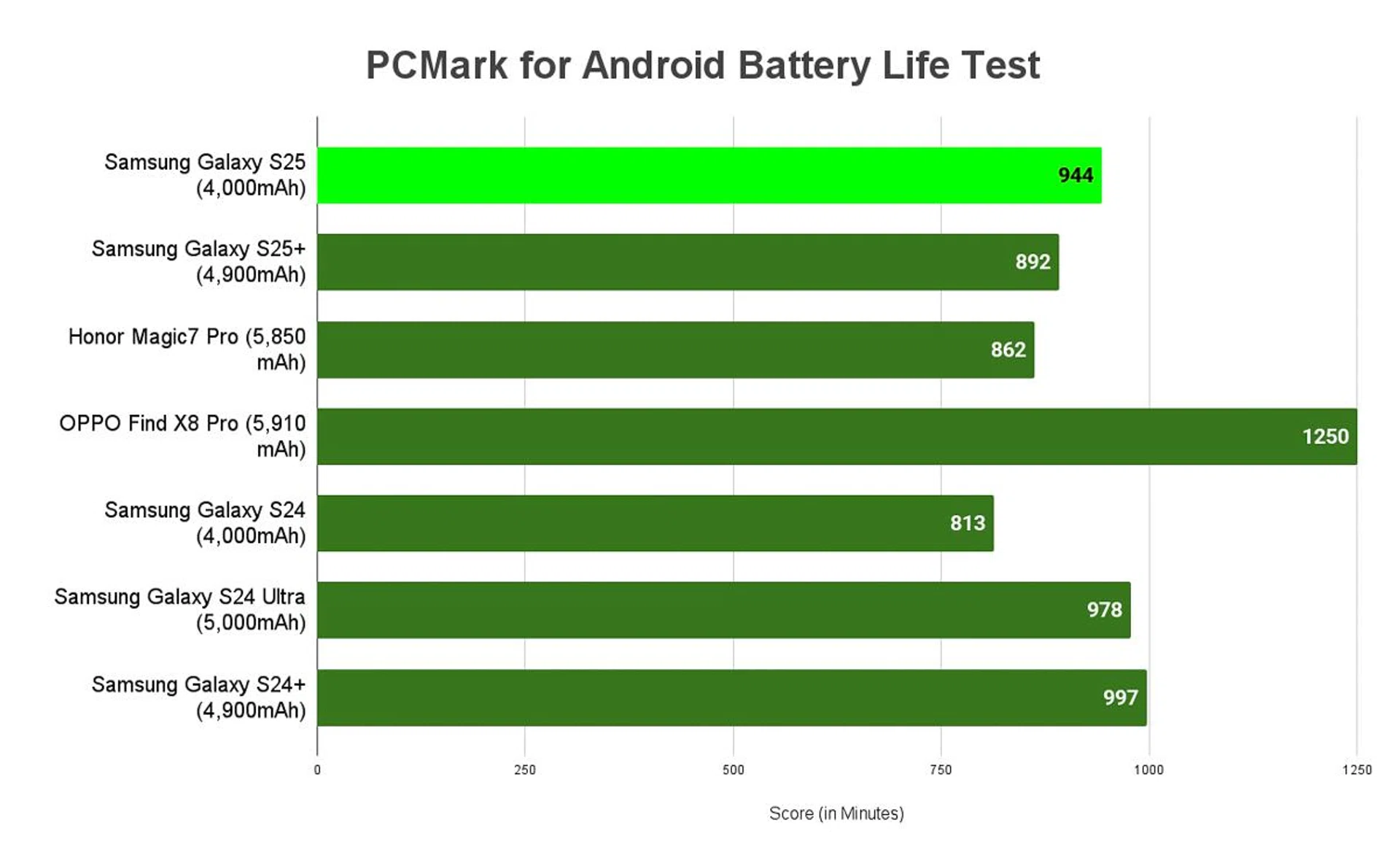
The battery capacities remain the same from last year, with the Galaxy S25 getting a 4,000mAh battery and the Galaxy s25+ having a larger 4,900mAh battery. Surprisingly, they are similar in uptime to the Galaxy S25 Ultra, which means the difference in display size does matter, even if the battery is biggest elsewhere.
Both phones have pretty good battery life, but something we don’t enjoy is the slower charging speeds. The Galaxy S25 is still limited to 25W wired charging, while the Galaxy S25+ gets a slightly faster 45W wired charging speed, which is the same speed as before.
A full charge took 52 minutes on the Galaxy S25+ and 76 minutes on the Galaxy S25, which is almost the same as the Galaxy S24 series. Both models also have wireless charging, although it’s slow at just 15W.
Conclusion
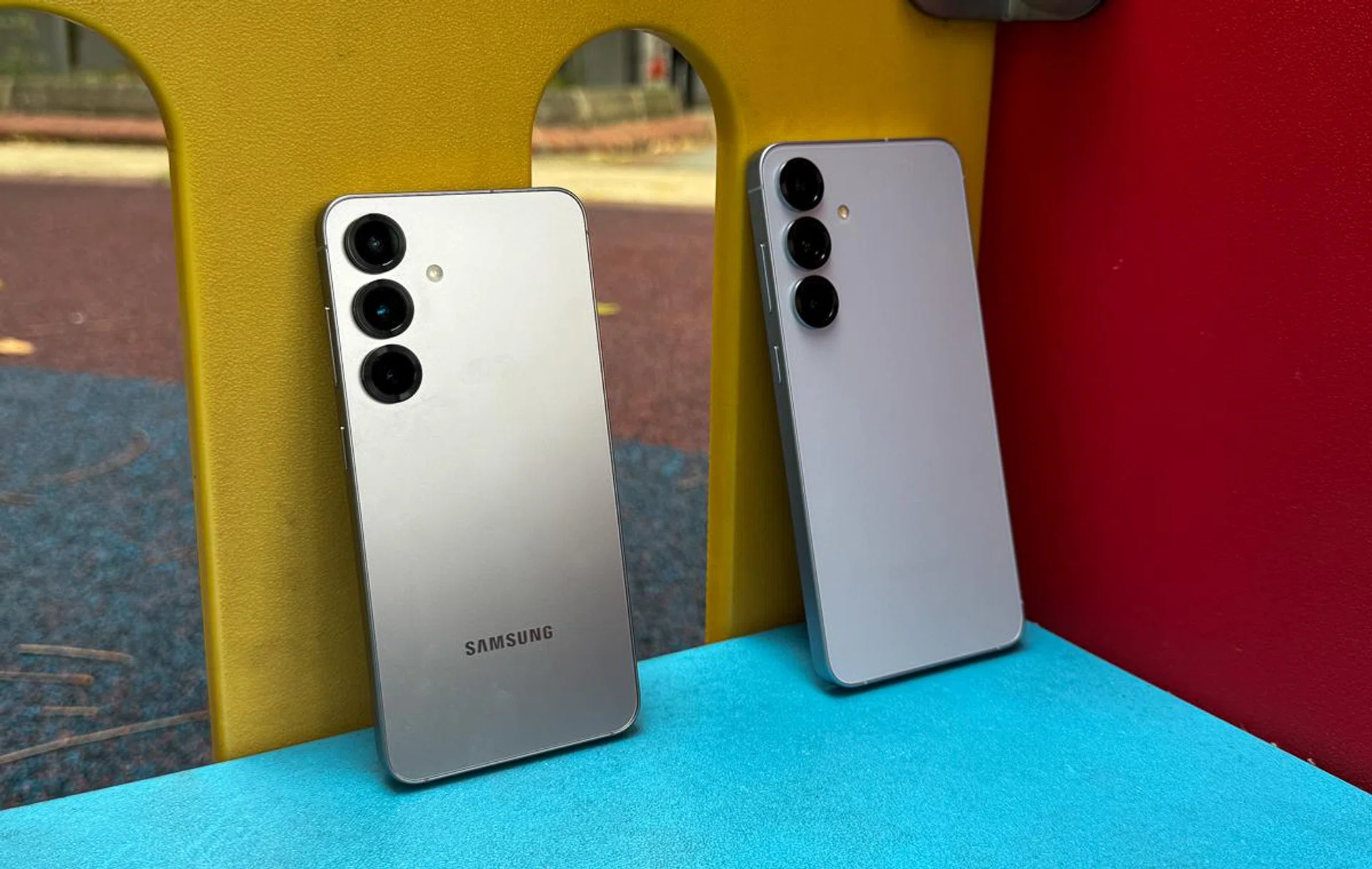
Samsung Galaxy S25 & S25+. Photo: HWZ.
Very little has changed from the Galaxy S24 series of 2024, and while that has made it easy to write this review, it also means the Galaxy S25 and Galaxy S25+ are rather dull devices. But the truth is, people don't care if it's boring. They want something good.
If you ask us, matching the Ultra variant with the same polish, processor, and software but costing S$400 to S$600 less is no bad thing.
The switch back to Qualcomm’s Snapdragon processor is a wise move by Samsung, and the phone runs brilliantly in terms of performance and battery life.
The AI features are more evolved now, and Gemini integration means there’s no need to take extra steps like downloading a separate app. That said, Gemini still can't be your daily agent, but it cannot be blamed on Samsung yet.
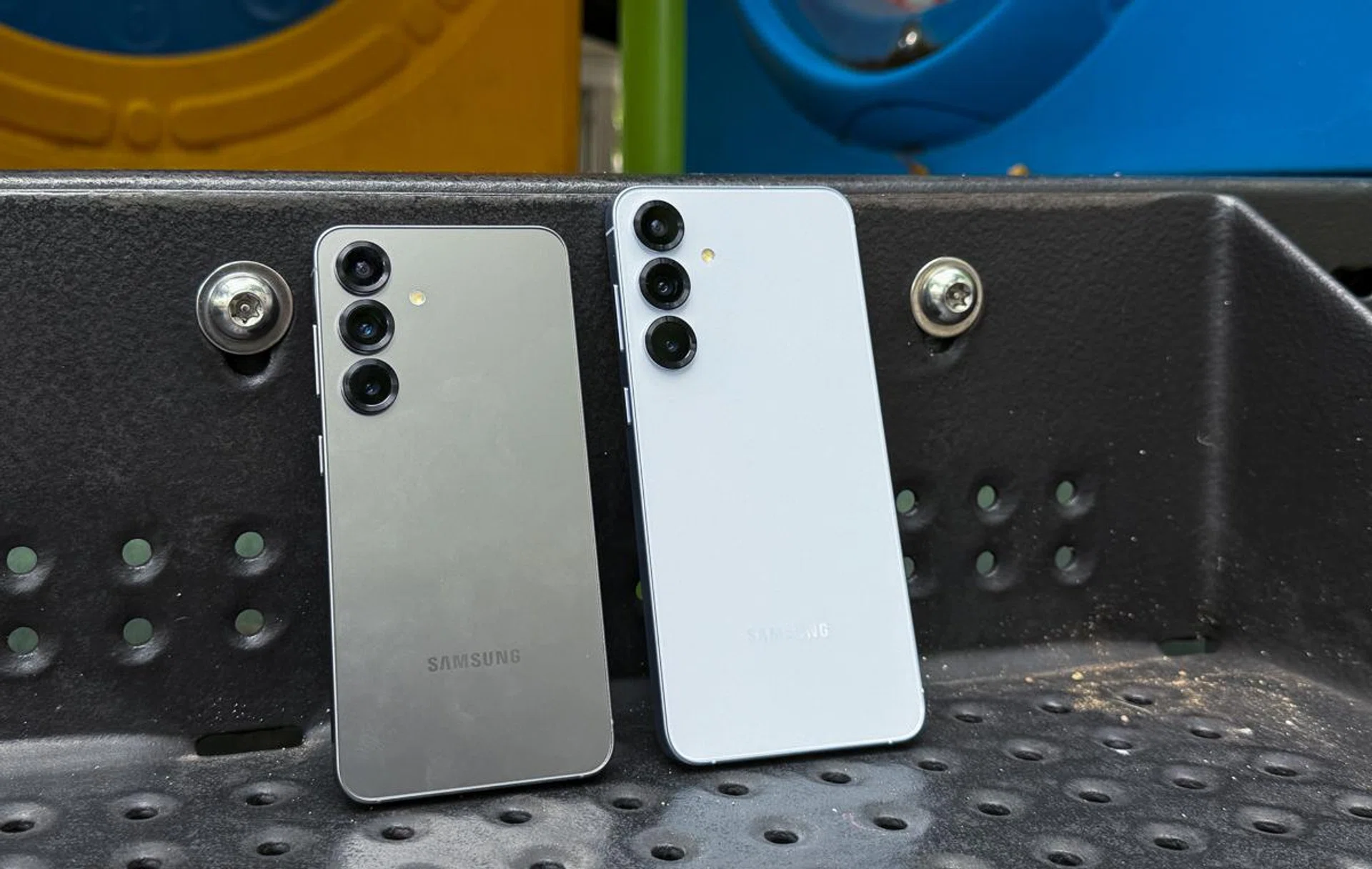
Samsung Galaxy S25 & S25+. Photo: HWZ.
Unfortunately, the same problems remain from last year (and previous years). We want faster charging speeds and updated cameras next year. At this point, we’re starting to sound like a broken record.
If you're coming from the Galaxy S23 or S24, only the chipset has changed enough to matter. You'd have to be returning to Samsung from another Android brand that previously disappointed you, or upgrading from a much older Samsung phone to understand why they're great in value. Or perhaps you've been drawn into Samsung's trade-in and over-trade bonuses, which made it worthwhile even if you've had a very recent S-series phone.
Also, the Galaxy S25 starts at the same S$1,288 price as last year, and we're delighted that Samsung has given the Galaxy S25+ a small price cut, bringing the price down to S$1,478 from S$1,528 last year.
Design | Features | User-friendliness | Performance | Value | Overall | |
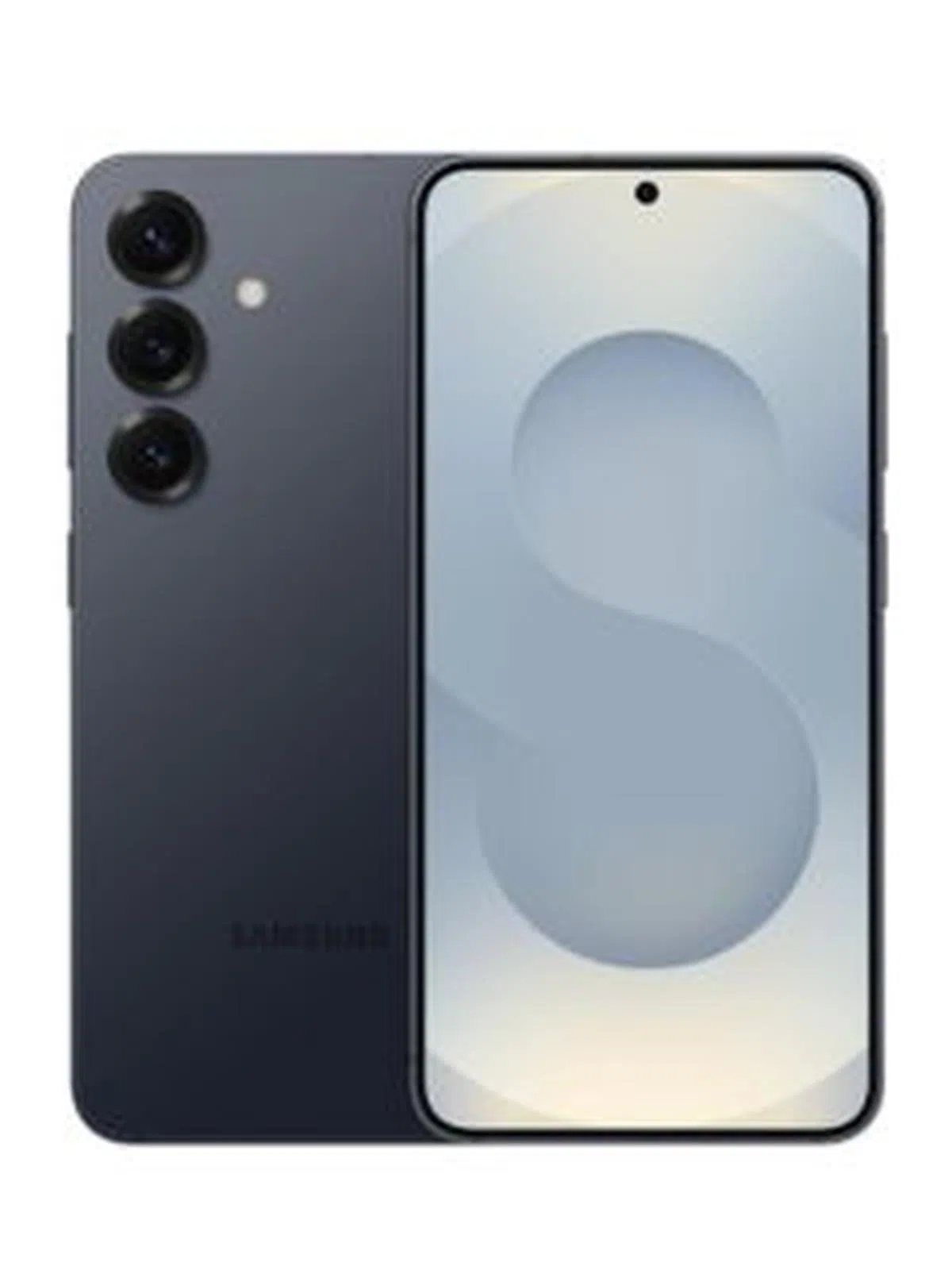 Samsung Galaxy S25
 | 8.0 | 8.0 | 8.5 | 9.0 | 8.5 |  |
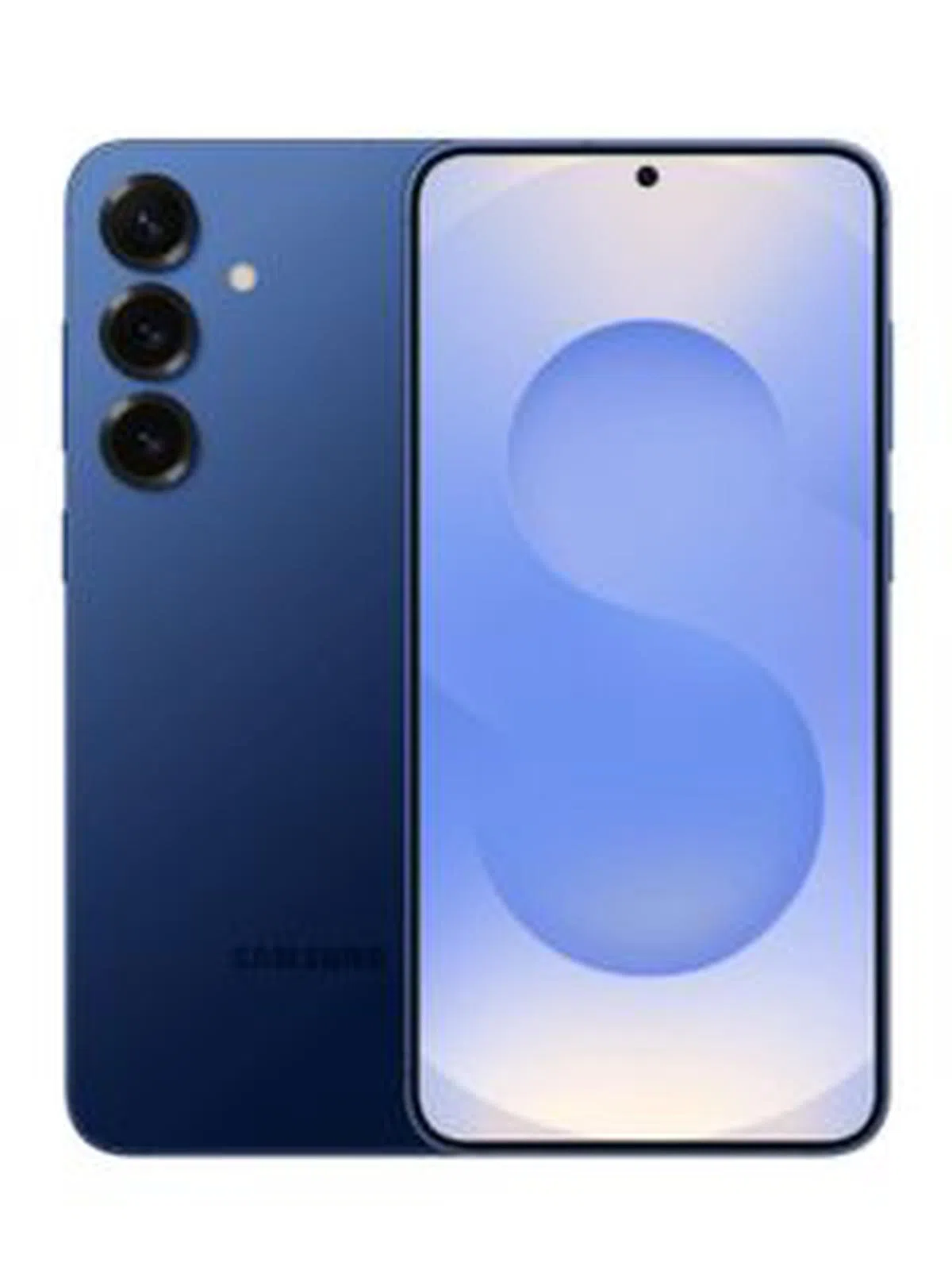 Samsung Galaxy S25+
 | 8.0 | 8.0 | 8.5 | 9.0 | 8.5 |
The Samsung Galaxy S25 series phones are still an easy recommendation for Android fans who want a premium Android experience with the Samsung ecosystem, AI features, good cameras, and super-long software support.
If you don’t require the S Pen or the better cameras in the Galaxy S25 Ultra, the Galaxy S25 and Galaxy S25+ are fantastic options with the same performance that will save you at least a few hundred dollars.
Model | Memory & Storage | Price | Colours |
12GB + 512GB | S$1,658 |
| |
12GB + 256GB | S$1,478 | ||
12GB + 512GB | S$1,468 | ||
12GB + 256GB | S$1,288 |
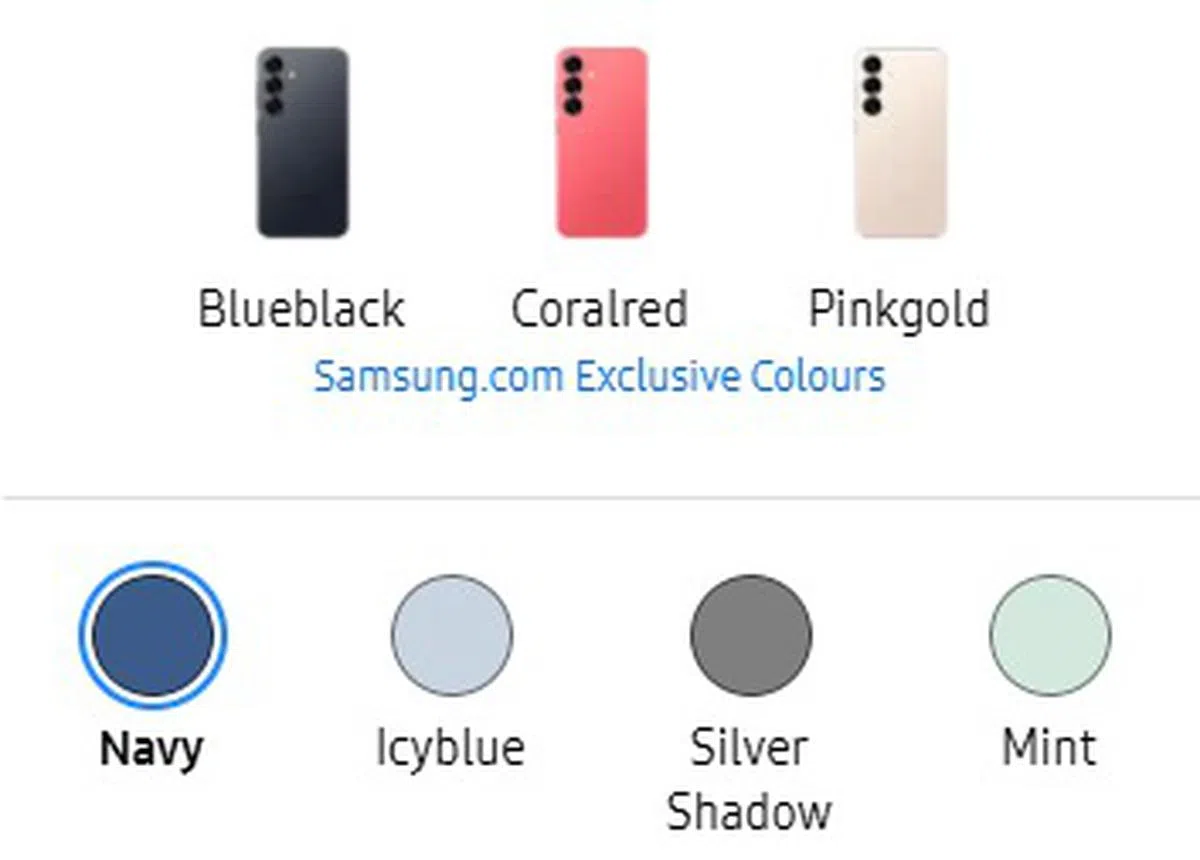 Navy, Icyblue, Silver Shadow, Mint, Blueblack*, Coralred*, Pinkgold *
The Samsung Galaxy S25 and S25+ retail in the following configurations at these official prices:
- Samsung Galaxy S25 (12GB RAM + 256GB storage): S$1,288
- Samsung Galaxy S25 (12GB RAM + 512GB storage): S$1,468
- Samsung Galaxy S25+ (12GB RAM + 256GB storage): S$1,478
- Samsung Galaxy S25+ (12GB RAM + 512GB storage): S$1,658
You can find the Samsung Galaxy S25 and S25+ at the Samsung Official Store, Lazada and Shopee. The phones are also available at our consumer electronics retailers (Best Denki, Challenger, Courts, Gain City, Harvey Norman) and local telcos (M1, Singtel, StarHub).