
NVIDIA GeForce GTX 650 Ti Boost OC Duel - ASUS vs. Palit
NVIDIA's recently released GeForce GTX 650 Ti Boost offers great performance and value for its mid-range specifications. Now it's time to see if a custom card can improve on that design. In this head-to-head duel we'll be evaluating models from ASUS and Palit.
NVIDIA GeForce GTX 650 Ti Boost
This week, NVIDIA released the GeForce GTX 650 Ti Boost, a mid-range card designed to fill the S$250-$350 price gap currently found between the S$250 GeForce GTX 650 Ti and S$350 GeForce GTX 660. In our review of the reference card, we found it to offer great performance and value for its specifications. In fact, it topped our price-performance ratio chart, offering the most FPS per US$1. Our only nitpicks were that the reference design cooler was quite a bit larger than the original GTX 650 Ti, and that its overclocking capabilities seemed quite average. Today, we're going to find out if a custom cooler edition can solve those problems, as we look at models from ASUS and Palit.
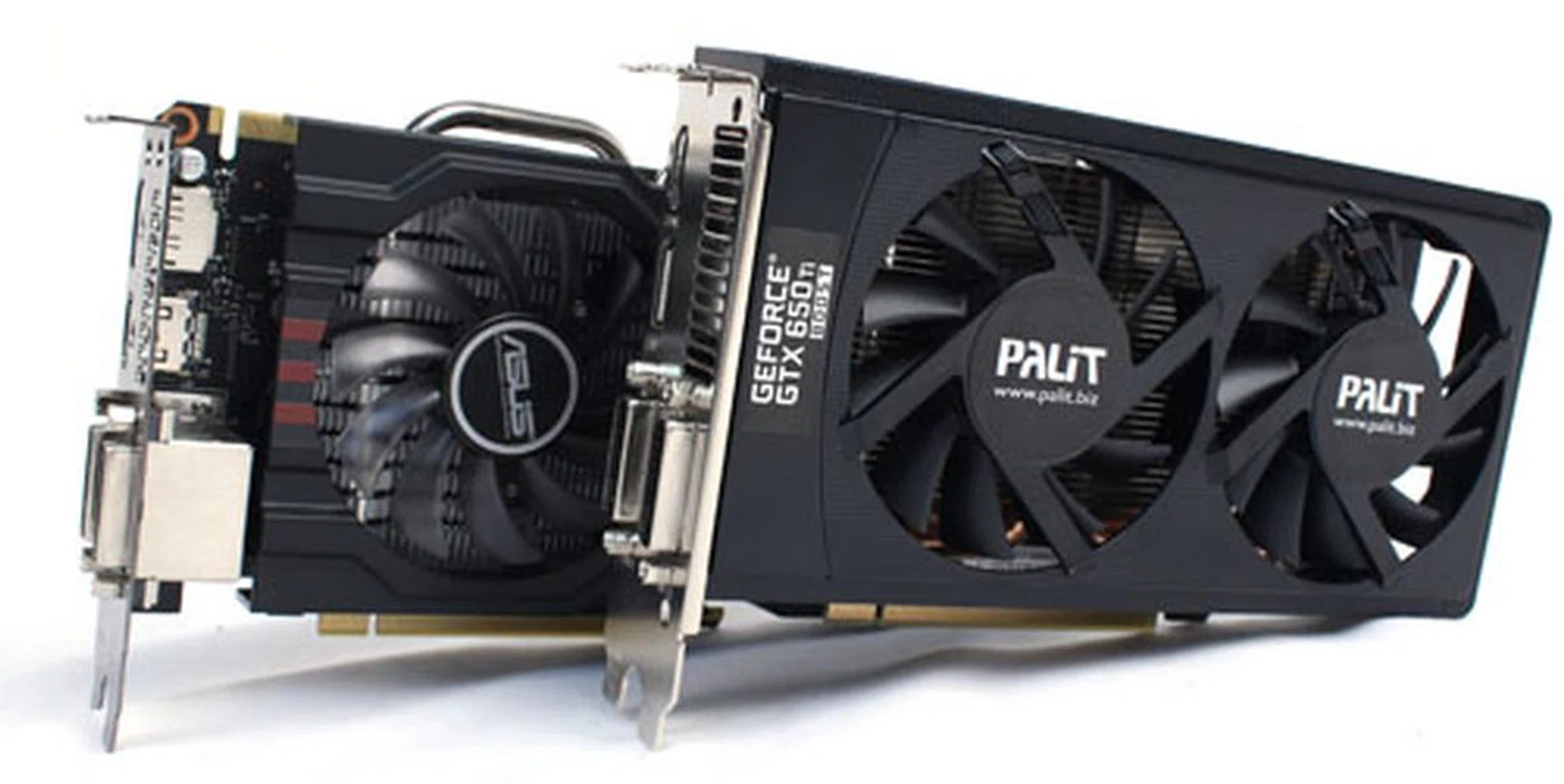
Can our custom cards improve on the GeForce GTX 650 Ti Boost design?
Meet the ASUS GeForce GTX 650 Ti Boost DirectCU II OC
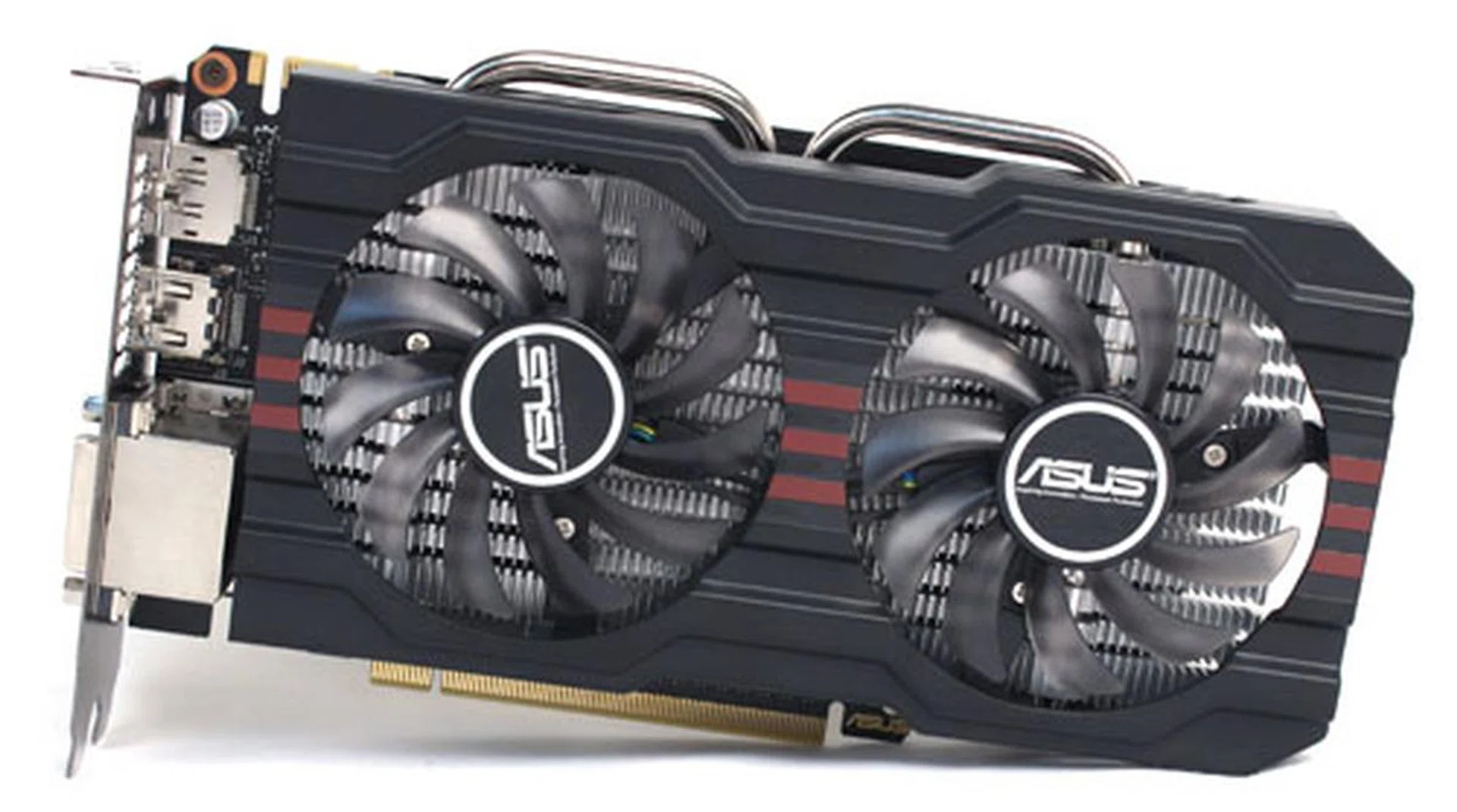
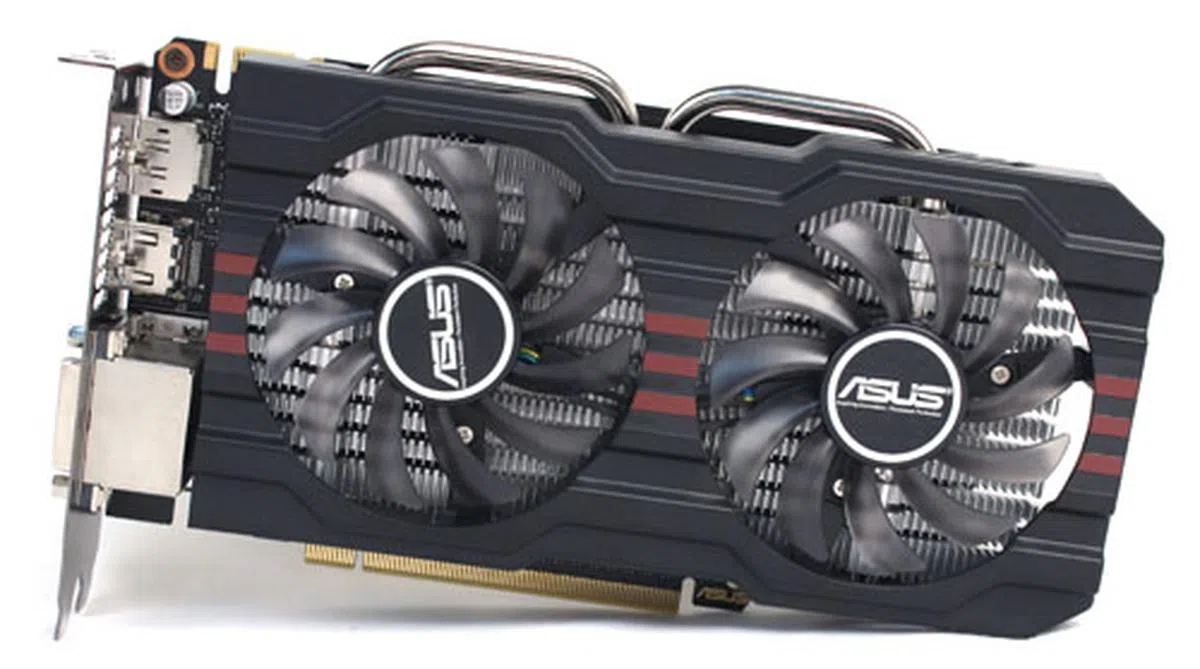
ASUS' GeForce GTX 650 Ti Boost uses ASUS' popular DirectCU II custom cooler that comprises of two copper heatpipes in direct contact with the GPU, cooled by two 80mm fans. The card is overclocked on the core to 1020MHz with memory remaining at the reference 6008MHz DDR.

The cooler design is thankfully much smaller than the reference design with the card measuring 214 x 117 x 37 mm - although, it is still not as compact as the reference and custom designs for the basic GTX 650 Ti.
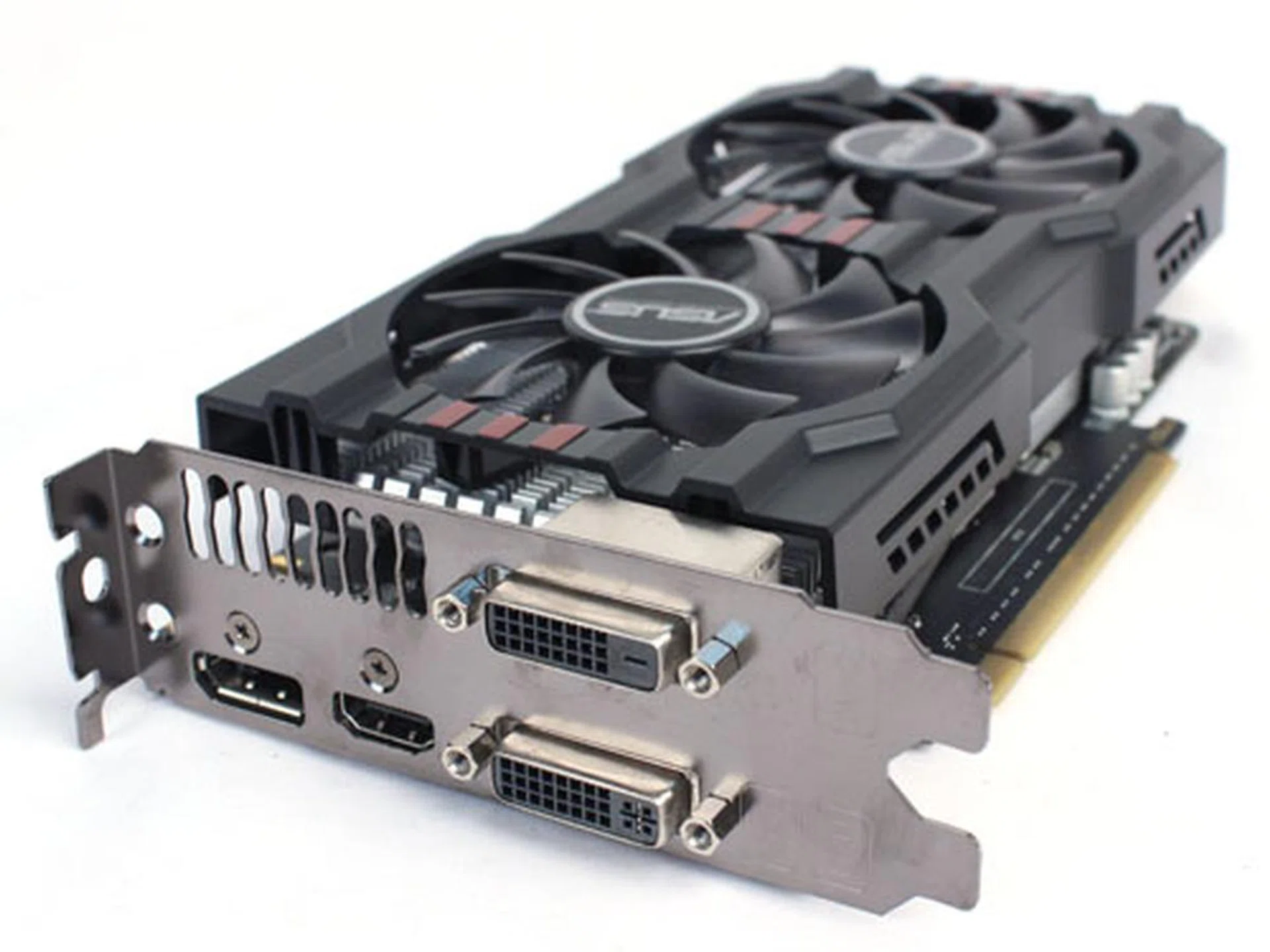
Ports remain the same as the reference design, with two DVI ports, one HDMI port and one DisplayPort port.
The ASUS GeForce GTX 650 Ti Boost DirectCU II OC is priced at S$309 and comes with a 3-year limited warranty.
Meet the Palit GeForce GTX 650 Ti Boost OC

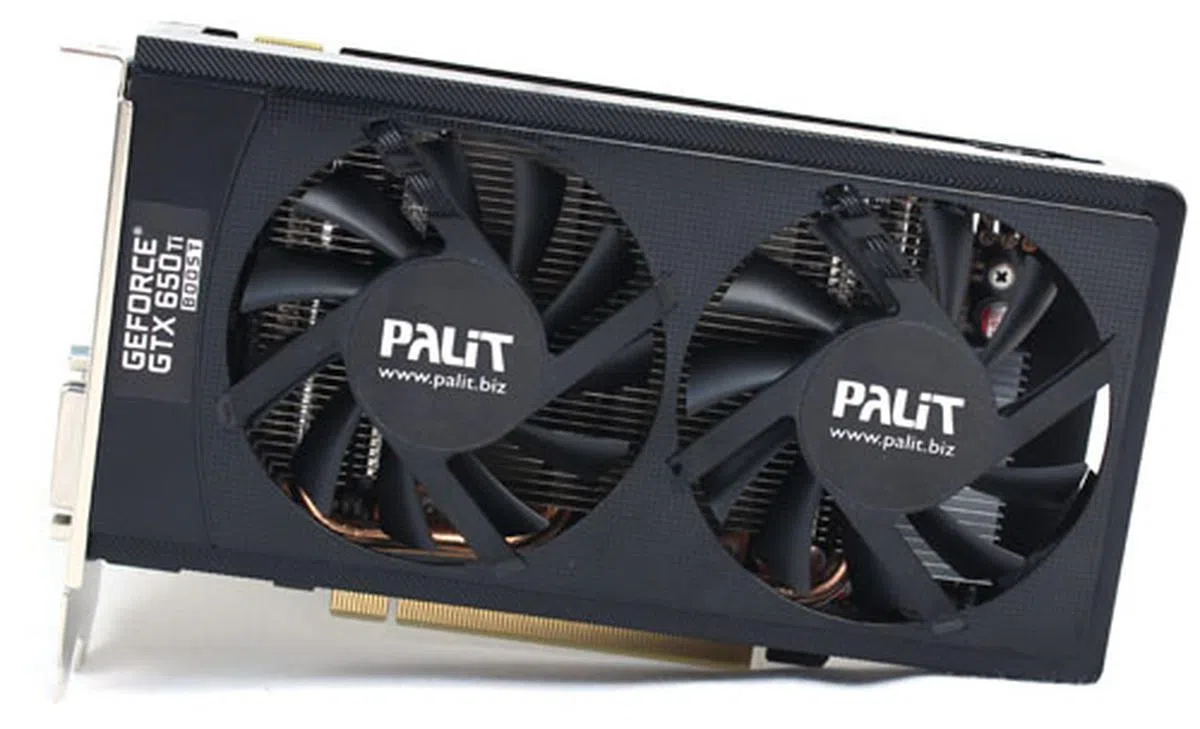
Palit's GeForce GTX 650 Ti Boost also uses a dual 80mm fan custom cooler design with two copper heatpipes in contact with the GPU. The card is running a very modest overclock on the core to 1006MHz, with memory also raised to 6108MHz DDR.
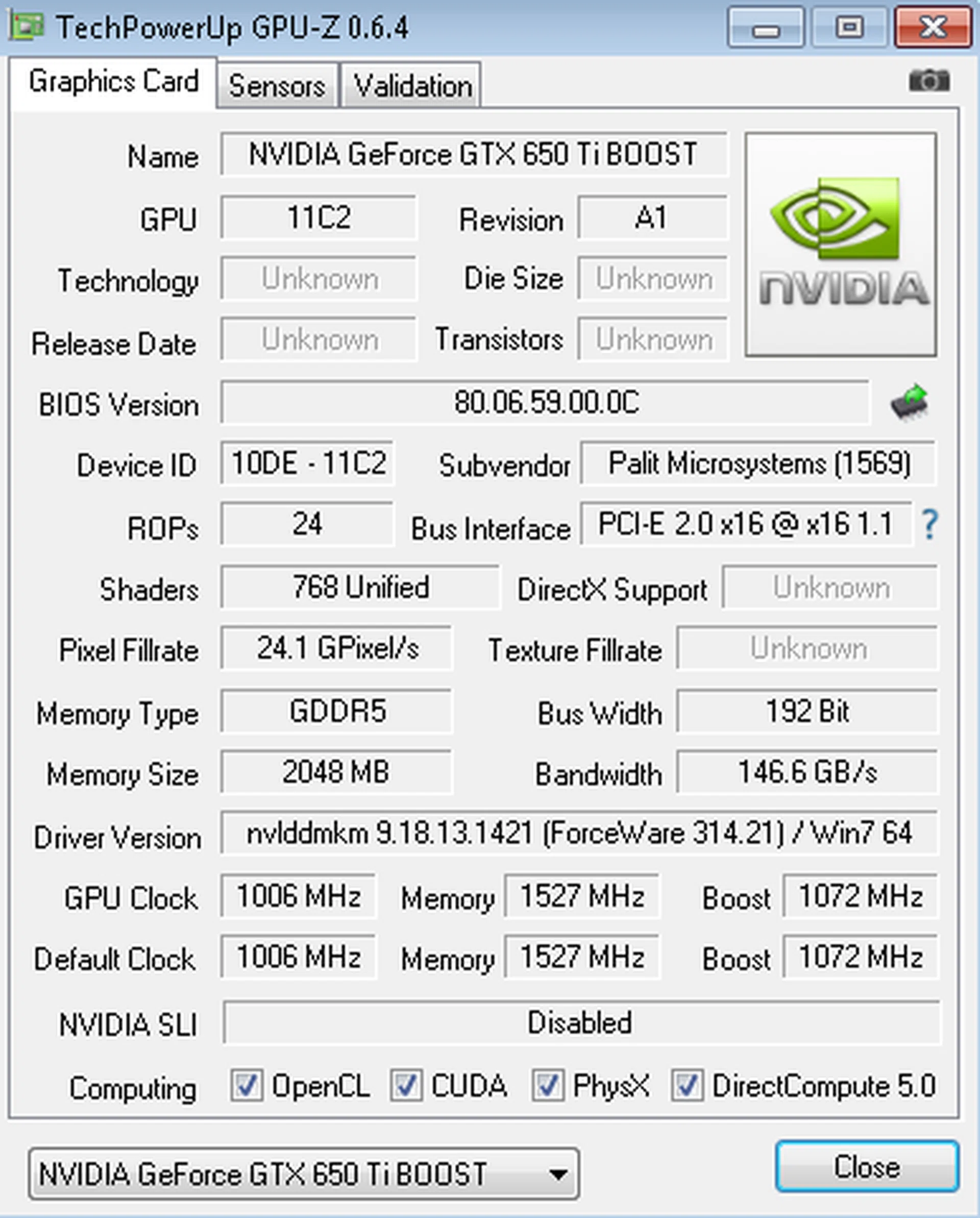
The card is slightly more compact than ASUS' design, measuring 194 x 111 x 37 mm, and has a more complete fan shroud that covers the entire PCB.

Like ASUS' model, ports remain the same as the reference design, with two DVI ports, one HDMI port and one DisplayPort port.
The Palit GeForce GTX 650 Ti Boost OC is priced at S$299 and comes with a 2-year limited warranty. You can compare the full spec-list between the tested cards in this table below:-
[hwzcompare]
[products=381815,381819,381612,326408,380323,380336,380340]
[width=175]
[caption=NVIDIA GeForce GTX 650 Ti Boost Custom Cards and competitive SKUs compared]
[showprices=0]
[/hwzcompare]
Test Setup
For those who've been following our reviews, take note that we've replaced our old test rig with a brand new one for 2013. Here are the new specs we'll be running with:
- Intel Core i7-3960X (3.3GHz)
- ASUS P9X79 Pro (Intel X79 chipset) Motherboard
- 4 x 2GB DDR3-1600 G.Skill Ripjaws Memory
- Seagate 7200.10 200GB SATA hard drive (OS)
- Western Digital Caviar Black 7200 RPM 1TB SATA hard drive (Benchmarks + Games)
- Windows 7 Ultimate 64-bit
Here's the list of cards we'll be testing and the drivers used:
- ASUS GeForce GTX 650 Ti Boost DirectCU II OC 2GB GDDR5 (NVIDIA ForceWare 314.21 Beta)
- Palit GeForce GTX 650 Ti Boost OC 2GB GDDR5 (NVIDIA ForceWare 314.21 Beta)
- NVIDIA GeForce GTX 650 Ti Boost 2GB GDDR5 (NVIDIA ForceWare 314.21 Beta)
- NVIDIA GeForce GTX 650 Ti 1GB GDDR5 (NVIDIA ForceWare 310.90)
- NVIDIA GeForce GTX 660 2GB GDDR5 (NVIDIA ForceWare 314.14)
- ASUS Radeon HD 7790 DirectCU2 1GB GDDR5 (AMD Catalyst 13.3 Beta)
- AMD Radeon HD 7770 1GB GDDR5 (AMD Catalyst 13.2 Beta)
- AMD Radeon HD 7850 2GB GDDR5 (AMD Catalyst 13.2 Beta)
Benchmarks
As neither card is overclocked to specs much higher than the reference version, we will be focusing on overclocking potential, temperature performance and power consumption in this duel. But just to understand where they rank out of the box, we've also got a couple of benchmarks to take care of that. For a complete analysis of the GTX 650 Ti Boost's standard performance capabilities across a wider variety of games, refer to our reference card review.
- Futuremark 3DMark 11
- Crysis 3
- Overclocking (Futuremark 3DMark 11)
- Temperature
- Power Consumption
3DMark 11 Results
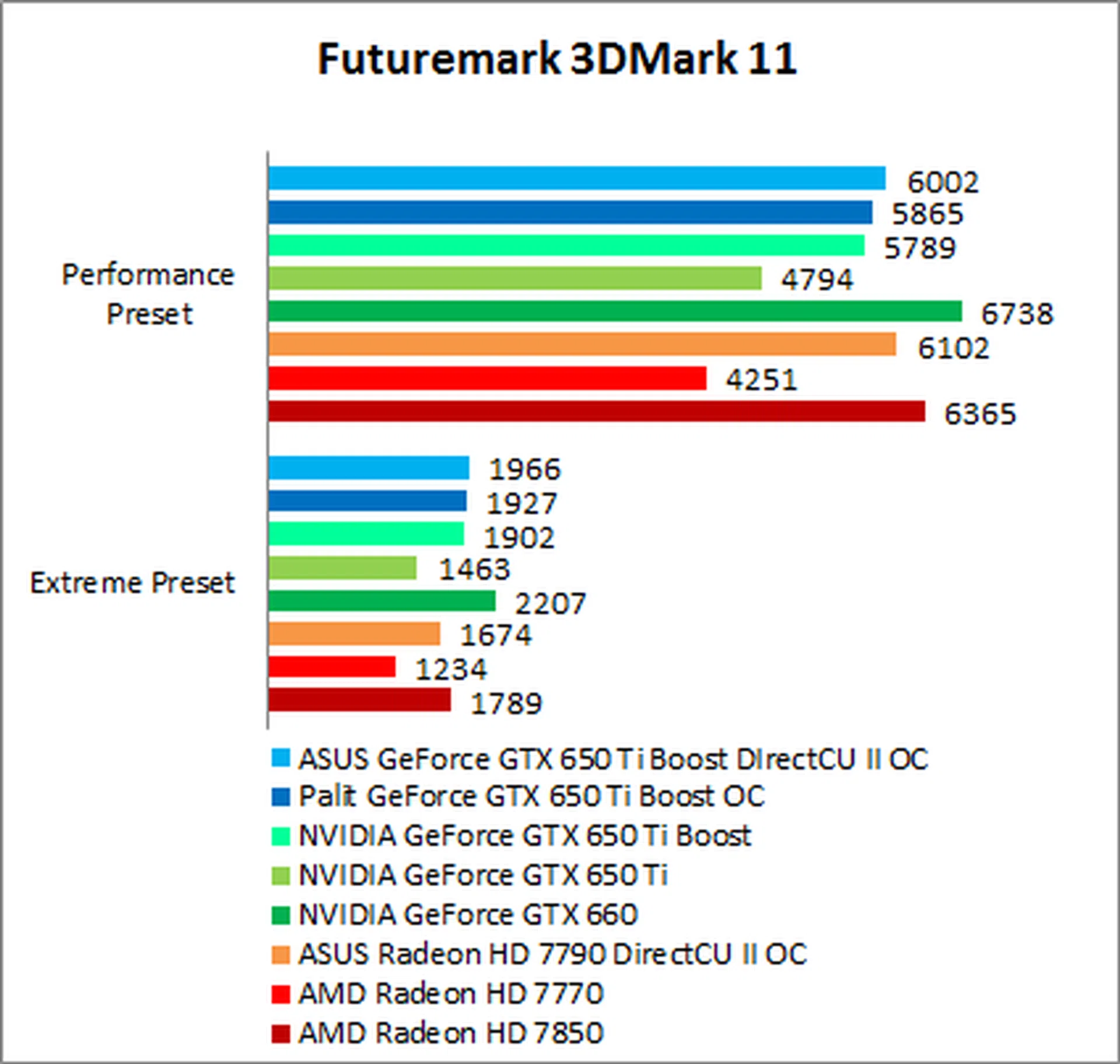
3DMark 11 is a synthetic benchmark designed to test a GPU's performance at various aspects of DirectX 11 such as tessellation and DirectCompute.
As expected, both cards showed marginal improvement on the reference design score, with Palit outperforming the reference design by just 1%, and ASUS edging slightly ahead with a 3% improvement.
Crysis 3 Results
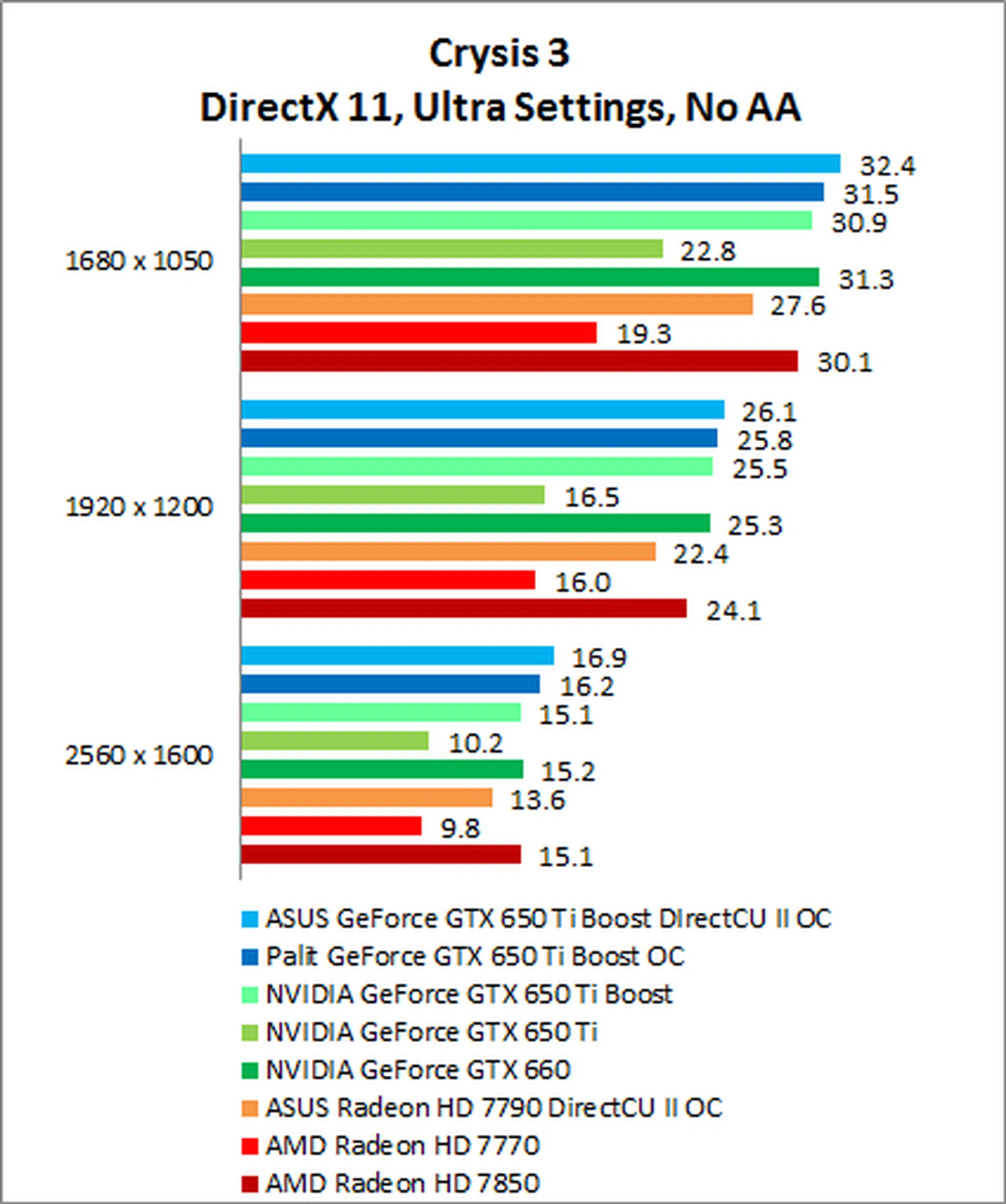
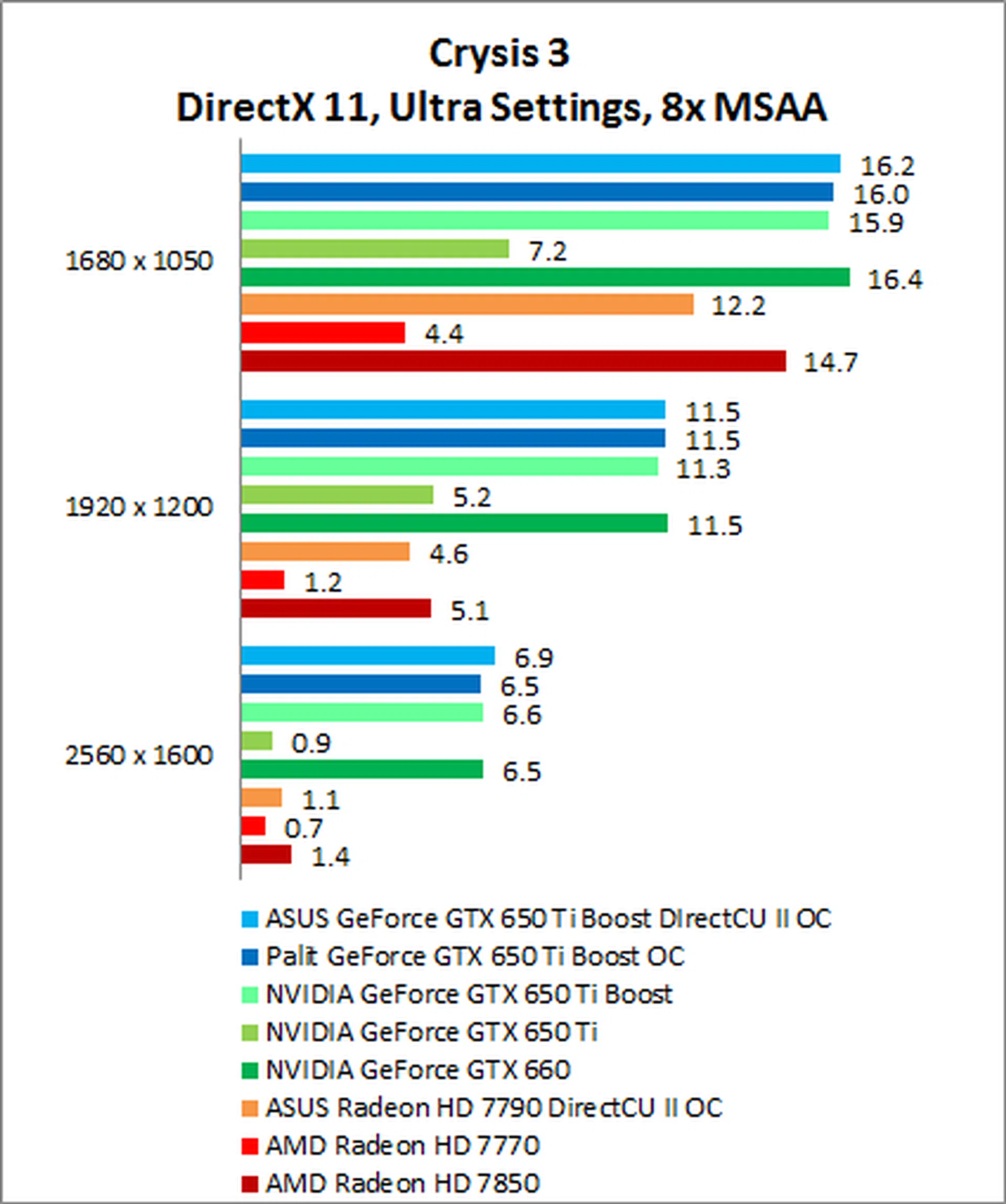
To see how the cards performed on an actual game, we picked Crysis 3, the toughest game in our benchmark set due to its extreme amounts of tessellation, per-pixel per-object motion blur, Bokeh Depth of Field, displacement mapping, particle and volumetric lighting and fog shadows.
However, both custom cards scored only marginally better than the reference design on paper,and displayed no tangible differences in terms of actual gaming experience. We expect the rest of our gaming benchmarks to produce similar results.
Overclocking Results
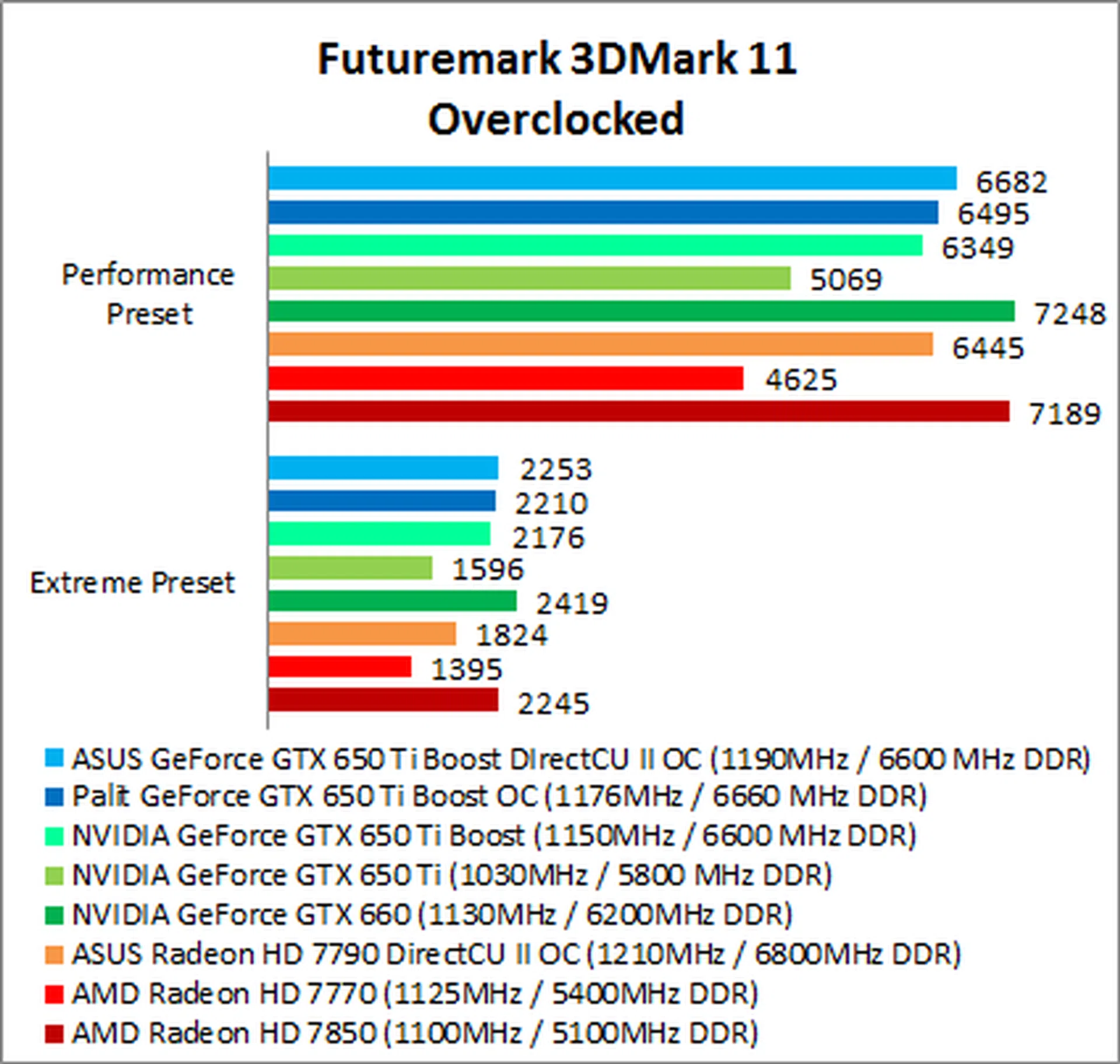
For our overclocking efforts, we managed to raise the Palit GTX 650 Ti Boost to 1176MHz with memory raised to 6600MHz DDR, and the ASUS slightly higher to 1190MHz, with memory to the same 6600MHz DDR. This resulted in a similar performance increase to the reference design, with both cards gaining about 10% at 3DMark's Performance preset and about 14% at the Extreme preset. Interestingly, the overclocking edge that the ASUS card has is almost in sync with its out-of-the-box performance that's about 3 to 5% ahead of the reference card.
Temperature Results
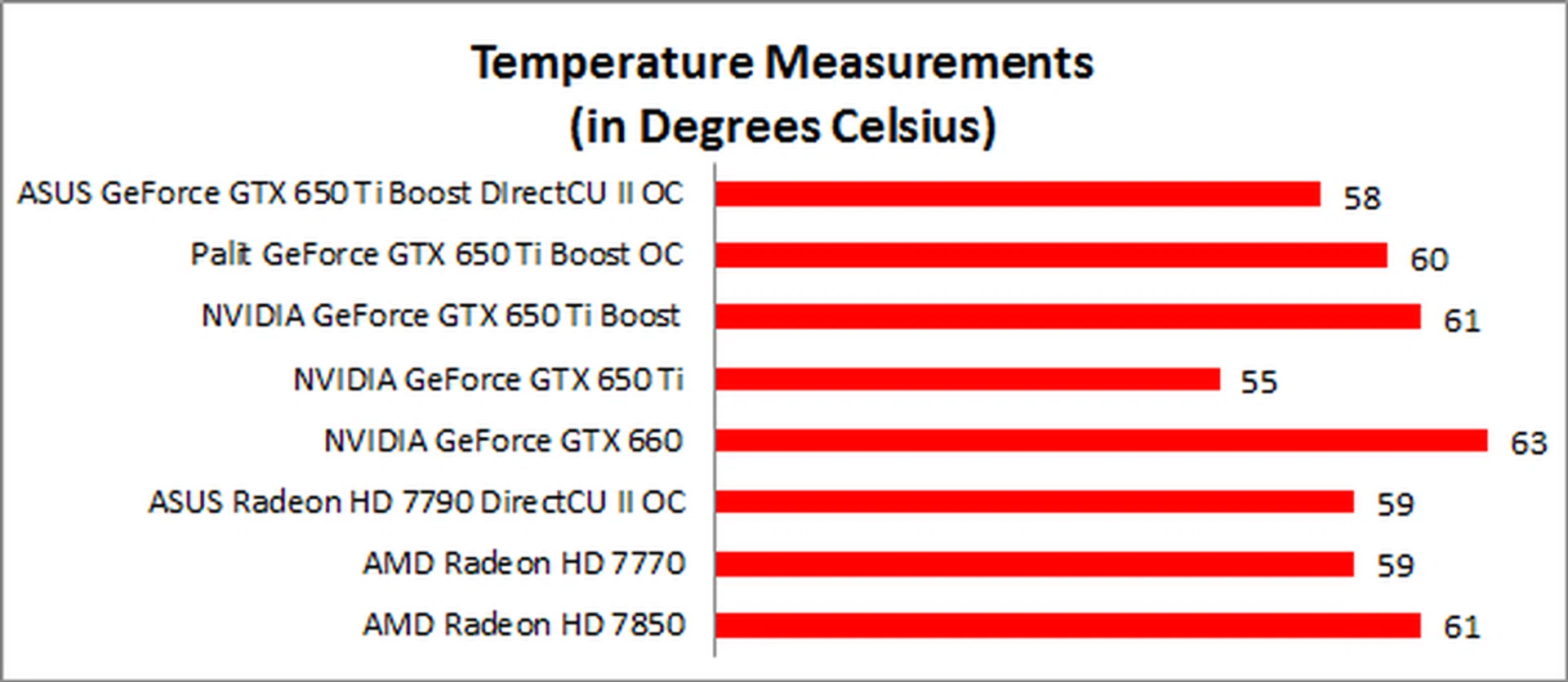
Despite using similar coolers, ASUS was the winner in the temperature department, reaching just 58 degrees, a full 3 degrees cooler than the reference design. Palit was found to be 1 degree cooler than the reference design at 60 degrees.
Power Consumption Results
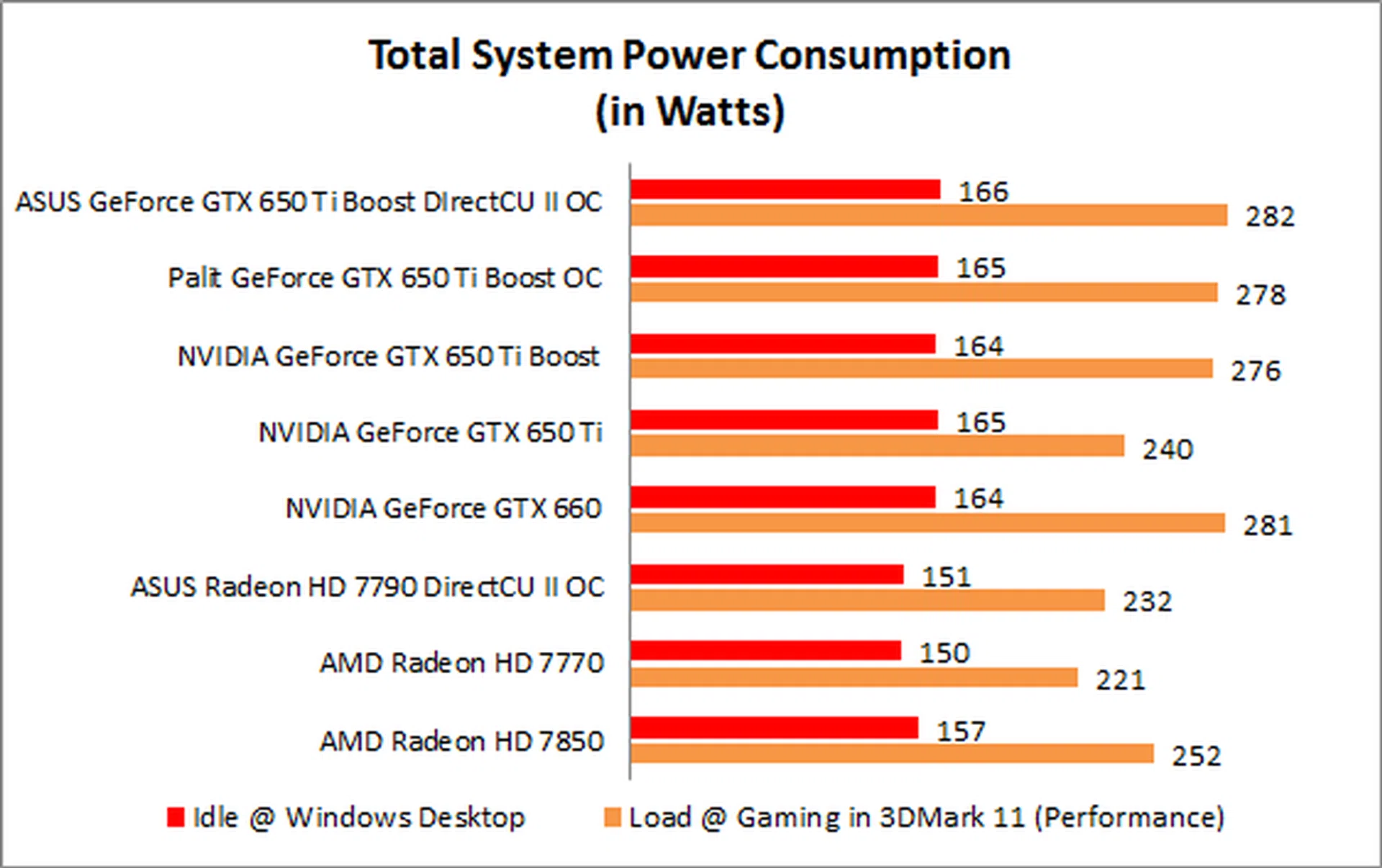
Neither custom card required significantly more power than the reference design, with ASUS drawing slightly more power at load at 282 Watts, compared to 278 for Palit. This was just 2% higher than the reference design power consumption and correlates well with the expected performance improvement too.
Conclusion
While we weren't blown away by either of our GeForce GTX 650 Ti Boost custom cards, both are good offerings that show improvement on the reference design. As we suspected in our reference card review, the GTX 650 Ti Boost is operating at close to maximum performance so don't expect any OC edition to produce significantly higher scores.
Both cards were fairly easy to overclock and gave a reasonable 10-15% boost in performance, which puts them right around the range of a reference GeForce GTX 660. Temperature and power consumption scores were also good, with the ASUS registering slightly low temperatures, and slightly higher power draw.
With just S$10 separating them, at S$299 for the Palit and S$309 for the ASUS, both represent fantastic value - even at their default clock speeds, both cards are able to deliver scores only slightly behind those of a S$350 GeForce GTX 660.
Ultimately, we gave the win to ASUS for its marginally better performance scores, slightly more effective cooler, and 3-year warranty, which we feel warrants spending an extra S$10.
What about compared to its immediate competition from the red ream - the AMD Radeon HD 7850? Well, let's take a look at local price points and the average FPS delivered in after the jump.
Factoring in the Local AMD Radeon HD 7850 Price Points
Since we've established the little difference between both the ASUS and Palit GeForce GTX 650 Ti Boost cards and from a pure performance stand point, they don't deviate a whole lot from the reference performance, we'll be using results from the reference cards, but factoring in the local price points. For the GTX 650 Ti Boost, we've collectively pegged them at S$300.
Likewise, we've done the same for the other GPU groups to get a better idea of their worthiness from a local perspective. The GeForce GTX 660 came up to an average of about $350 across the board, while the Radeon HD 7850 was split quite distinctively between the cheaper PowerColor/Sapphire camp and the other brands turned out to have a higher average of about $330. The Average FPS is determined in the same way that we've outlined in our reference card review of the GeForce GTX 650 Ti Boost.
Model | Current Price in S$ | Average FPS | FPS per S$1 |
ASUS / Palit GeForce GTX 650 Ti Boost OC | ~ $300 | 33.2 | 0.111 |
PowerColor / Sapphire Radeon HD 7850 | ~ $270 | 32.8 | 0.121 |
Other Radeon HD 7850 | ~ $330 | 32.8 | 0.099 |
NVIDIA GeForce GTX 660 | ~ $350 | 34.8 | 0.099 |
ASUS Radeon HD 7790 DirectCU II OC | $239 | 27.7 | 0.116 |
Unlike the USD pricing for the GeForce GTX 650 Ti Boost that was clearly well priced against the AMD companions, we cannot really say the same from the local price point. In fact, the lower priced PowerColor or Sapphire Radeon HD 7850 cards would be the best buy of the lot and they've better power and temperature figures than the GeForce GTX 650 Ti Boost cards. However, when pitting the same cards against the other brands of Radeon HD 7850 graphics cards, the NVIDIA cards make more sense.
So are the ASUS and Palit GeForce GTX 650 Ti Boost cards good value? Only when compared within the NVIDIA troupe. Once you factor in the red camp, things can get a little tricky and it's purely a matter of whether you're looking at performance per dollar without any other concern, or if you've a certain brand affinity to also factor in.


Our articles may contain affiliate links. If you buy through these links, we may earn a small commission.