
Hands-on: Would you pay S$2,598 for a Huawei Mate X6 foldable just to avoid Google?
All things considered, the Huawei Mate X6 speaks volumes with its S$2,598 price tag and lack of Google Mobile Services. #huawei #foldable #matex6
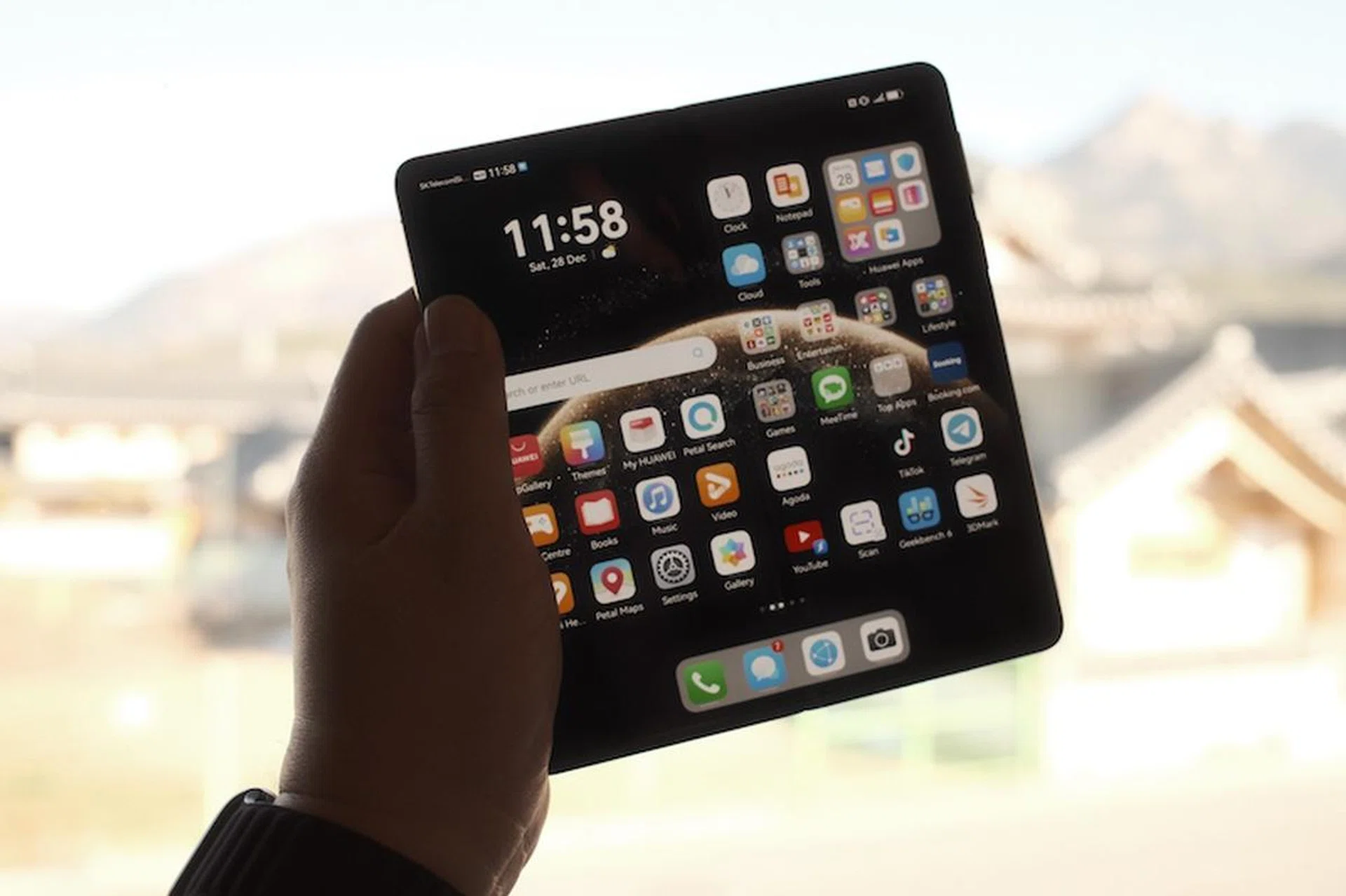
Huawei Mate X6. Photo: HWZ.
A forbidden foldable?
Huawei has been producing an impressive line of foldable phones, with the tri-fold Huawei Mate XT Ultimate being the pinnacle of its portfolio. Sadly, it was limited to China and other markets.
As a consolation prize to the three remaining Huawei fanboys left in Singapore, Huawei launched the Huawei Mate X6 here at an eye-watering S$2,598 in three different colours: Obsidian Black, Nebula Gray, and Nebula Red. Our review unit is Nebula Gray.
Huawei, for all its unfortunate positioning in the international mobile space, still makes very high-quality handsets even without the backing of true Google Mobile Services integration. Our hands-on explores whether this foldable is worthy despite its challenges and how the current state of HarmonyOS works in a Singapore context.
A design similar to the Samsung Galaxy Z Fold6
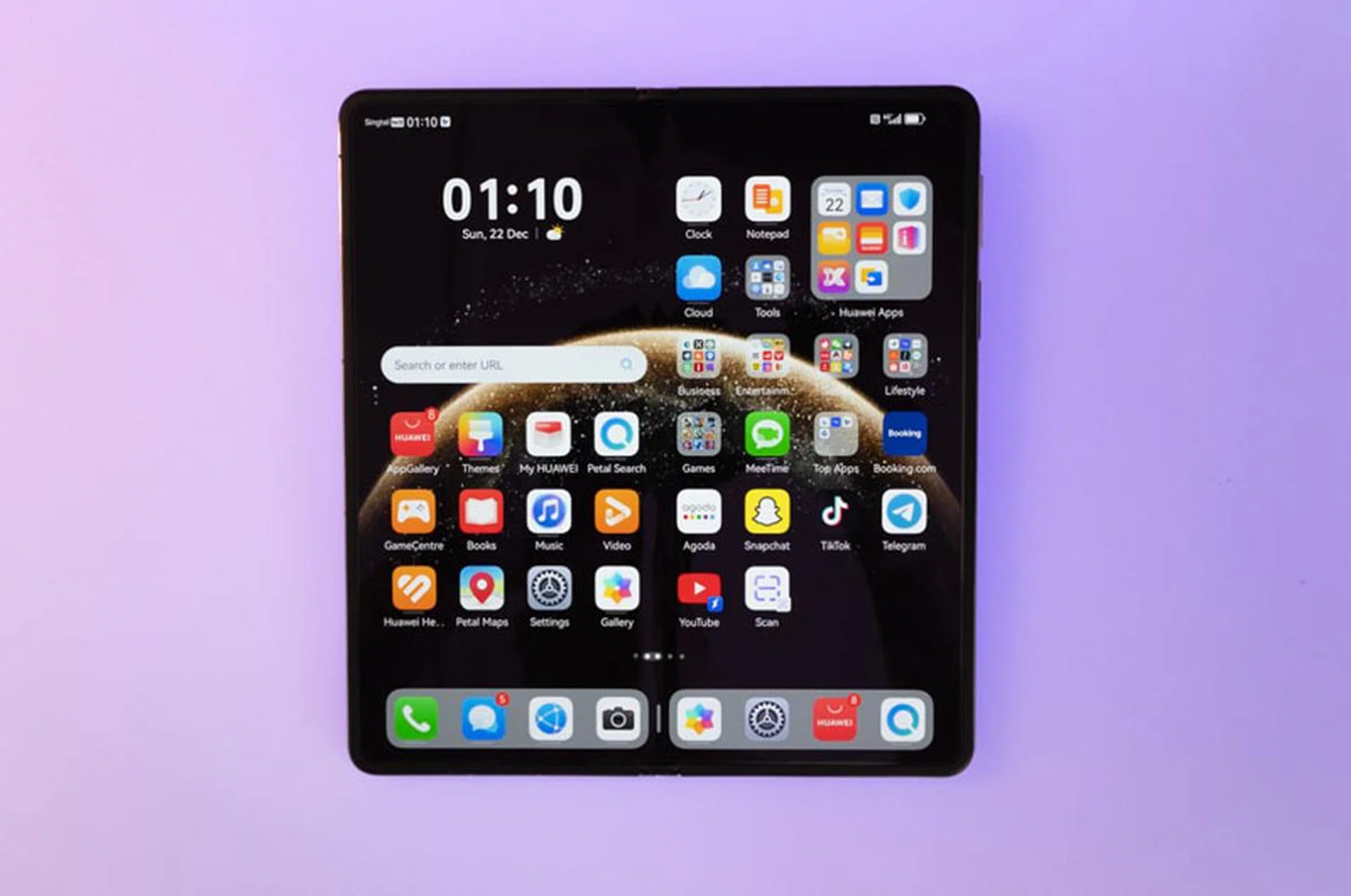
The Huawei Mate X6 feels sleek for a foldable phone. While not the thinnest foldable out there (with the crown currently held by the Oppo Find N5), it commands a respectable 9.85mm thickness when folded and 4.6mm when unfolded — thinner than its preceding Mate X5.
At 239g, the Mate X6 is the same weight as the Samsung Galaxy Z Fold6. However, the reduced profile also makes it thinner than Samsung's foldable (12.1mm folded). The Mate X6 feels like using a conventional large phone with a case when held.
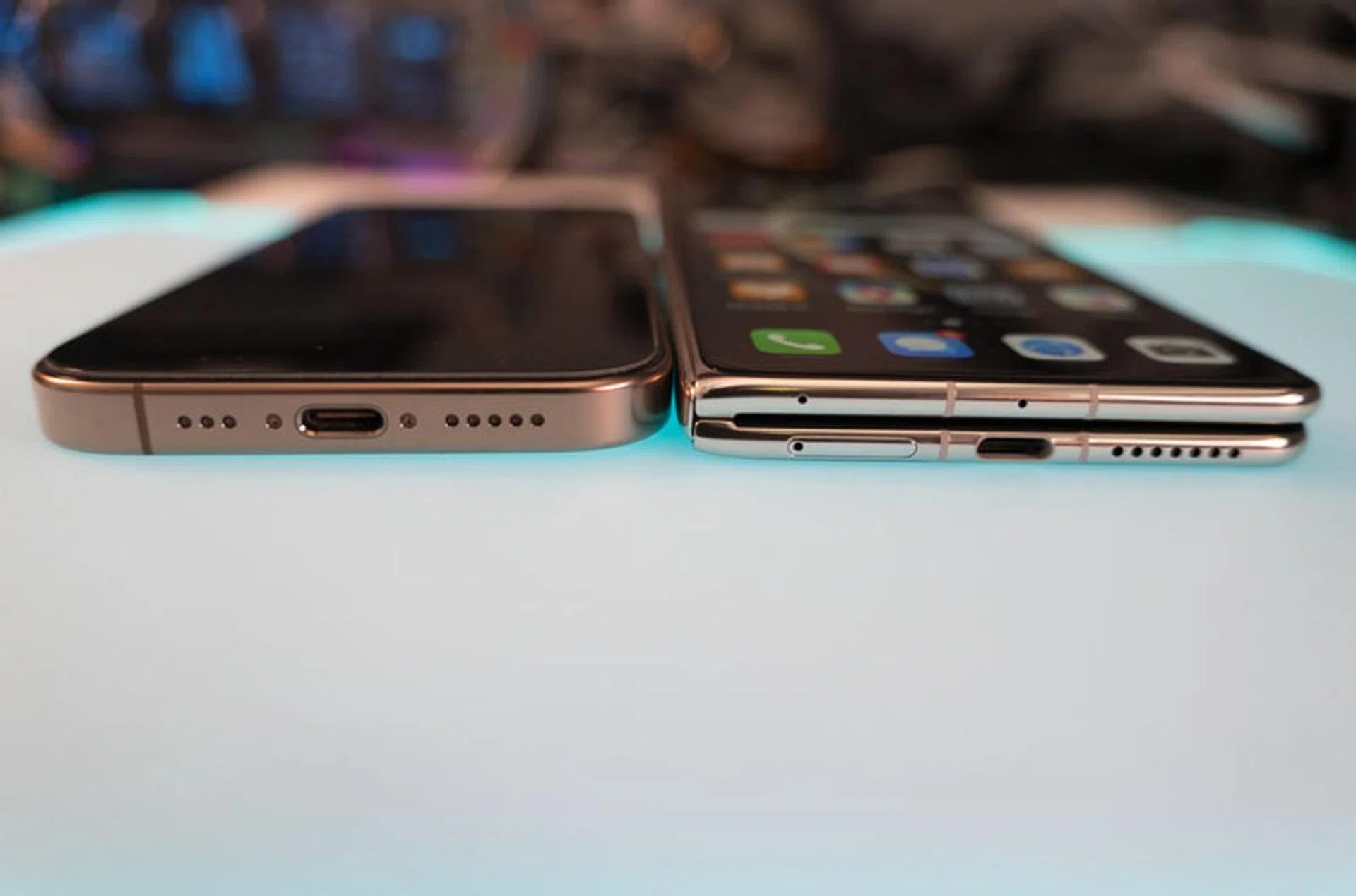
Just only slightly thicker than iPhone 16 Pro
Hardware-wise, the Huawei foldable is powered by its self-made Kirin 9020 processor, the same as the one found on its standard bar-type flagship (Huawei Mate 70). Mate X6 also has 12GB RAM and 512GB internal disk space.
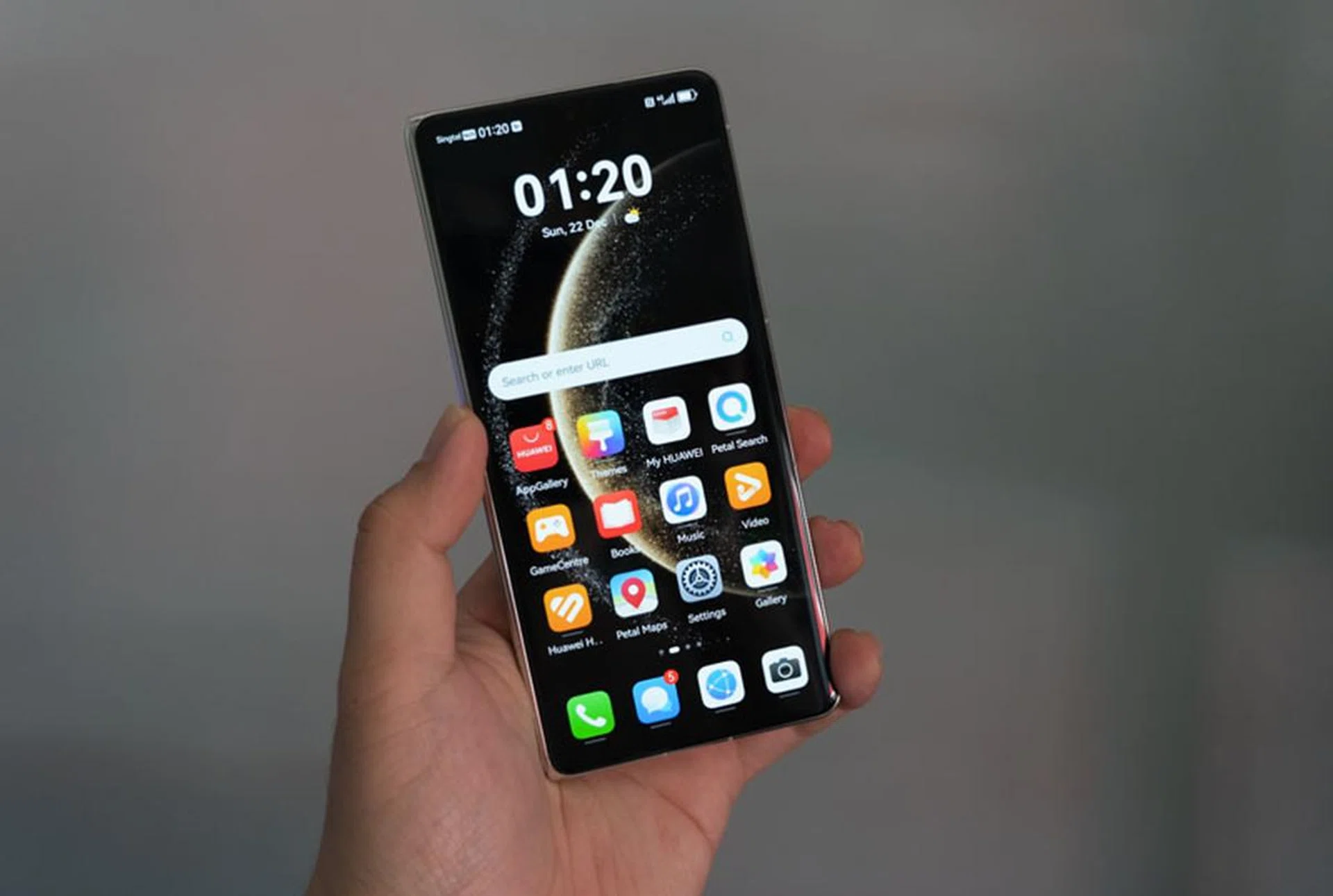
It sports two LTPO screens at 7.93 inches (main) and 6.45 inches (external). The crease of the main foldable screen is barely noticeable during typical use and noticeably only when the screen is off and viewed at an angle.
Other perks include IPX8-rated protection, making it splash and waterproof, but not dustproof. Such water resistance is aligned with other flagship foldables we see today, so there's nothing particularly amiss about Huawei's foldable.
As a whole, Mate X6 being lighter than Singapore's most famous Korean foldable is an advantage in Huawei's favour, but we also know it's going to take a lot more than that to convince users to switch over.
That brings us to the crux of Huawei's mobiles: its software.
Hoping for a more harmonious HarmonyOS
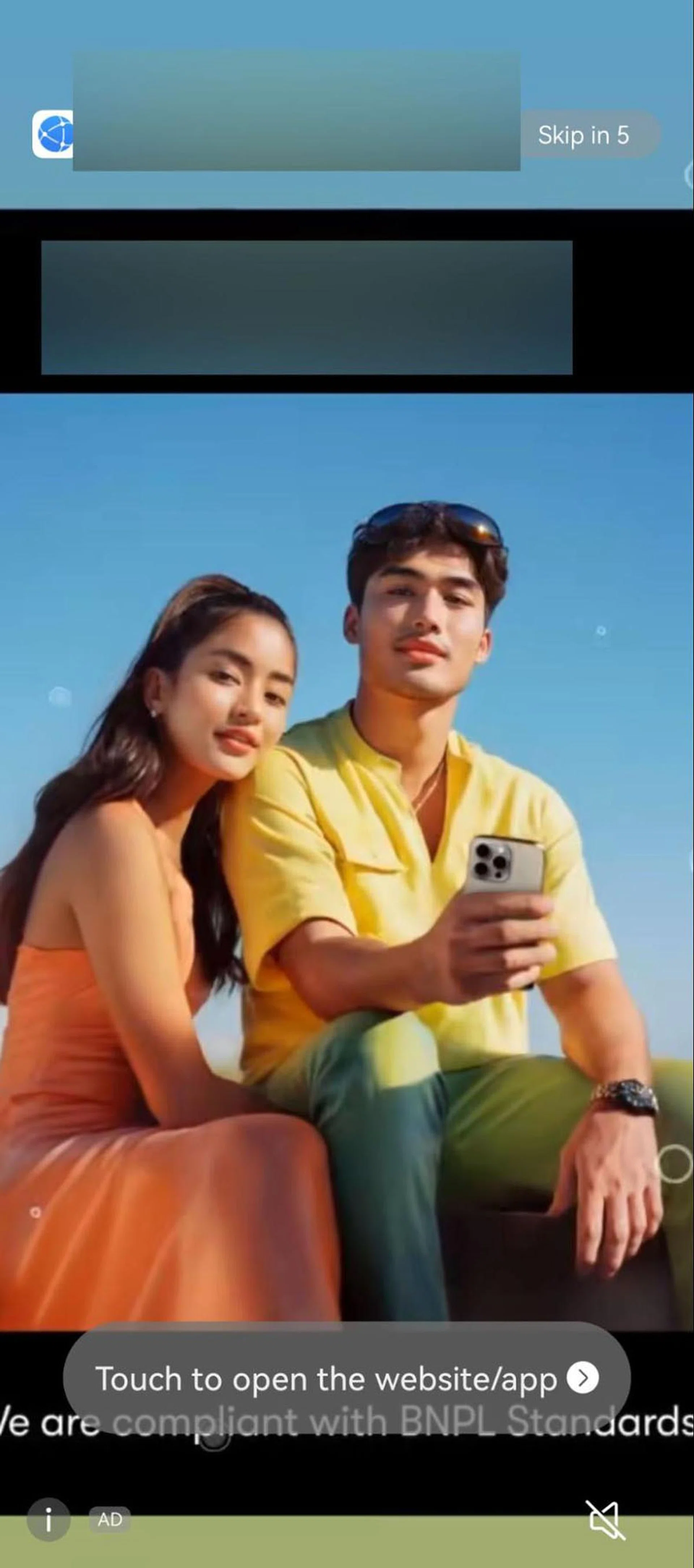
One has to watch such ad for 5 seconds before he or she can browse
Huawei phones do not run the typical Android OS, which most users are familiar with. Rather, Huawei has its homebrew Android fork called HarmonyOS. The Huawei Mate X6 runs on HarmonyOS 4.3.
While it can run Android apps, it does not support Google Mobile Services. Not many apps available worldwide can run smoothly in HarmonyOS. Because of that, app developers also have to develop their own Google-less fork of their original Android app for it to run on modern Huawei phones.
You can already see where the problem truly lies. While it is possible to live without using Google Mobile Services, it also depends on app developers trying to keep an updated copy of a Huawei-approved app. It also falls upon the country's infrastructure to be able to accept these differences in compatibility and support, which we elaborate on below.
In Singapore's context, essential apps are tailored for HarmonyOS and offered through AppGallery, Huawei’s counterpart to the Play Store. Singpass, Grab, some banking apps, and Telegram can run on HarmonyOS.
On the social media front, not many options are available unless you only care for Chinese-first apps, such as TikTok and the recently viral REDNote (小红书).
Of note, WhatsApp cannot run on HarmonyOS without the help of significant modifications.
Productivity-wise, Microsoft’s basic suite of apps, including Edge, are offered in AppGallery. Obviously, Google Workspace users will have to sit this one out if they don't wish to pay for workarounds.
Apart from Chinese games, there aren't as many other alternatives inside AppGallery.
Interestingly, YouTube remains accessible, but only as a web app (which has limited framerate and other exclusions you can only get with the full app).
Workaround apps offered in AppGallery, such as microg, facilitate apps that rely on Google services. However, the collective experience seen in our online forums largely agree that most such apps will always have quirks from time to time.
One example is how SingTel Dash previously worked on older Huawei phones, but no longer does so.
In our view, today's Huawei phones are definitely usable, in the same way you can still use a fork to drink soup. With enough time, effort, money, and hard work, you can put together a robust set of alternatives that lets you carry on business as usual. But for the larger part of our population who prioritise accessibility, convenience, and pragmatic choices, it's hard to tell them that Huawei phones can still work with some effort.
Also, Huawei is going further and deeper into its divorce from Android with HarmonyOS Next, which is entirely incompatible with Android APKs.
AI Editing for photos
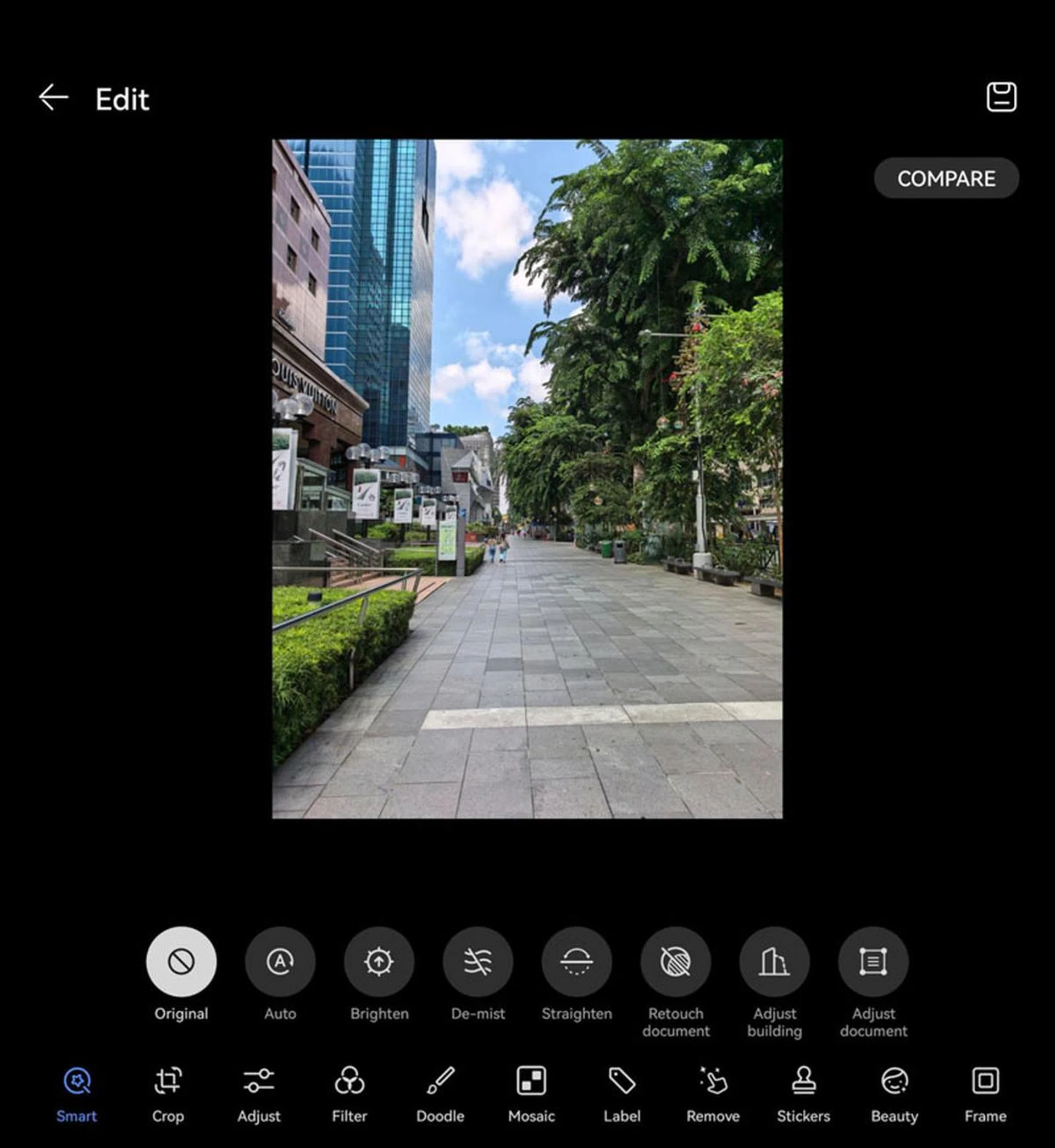
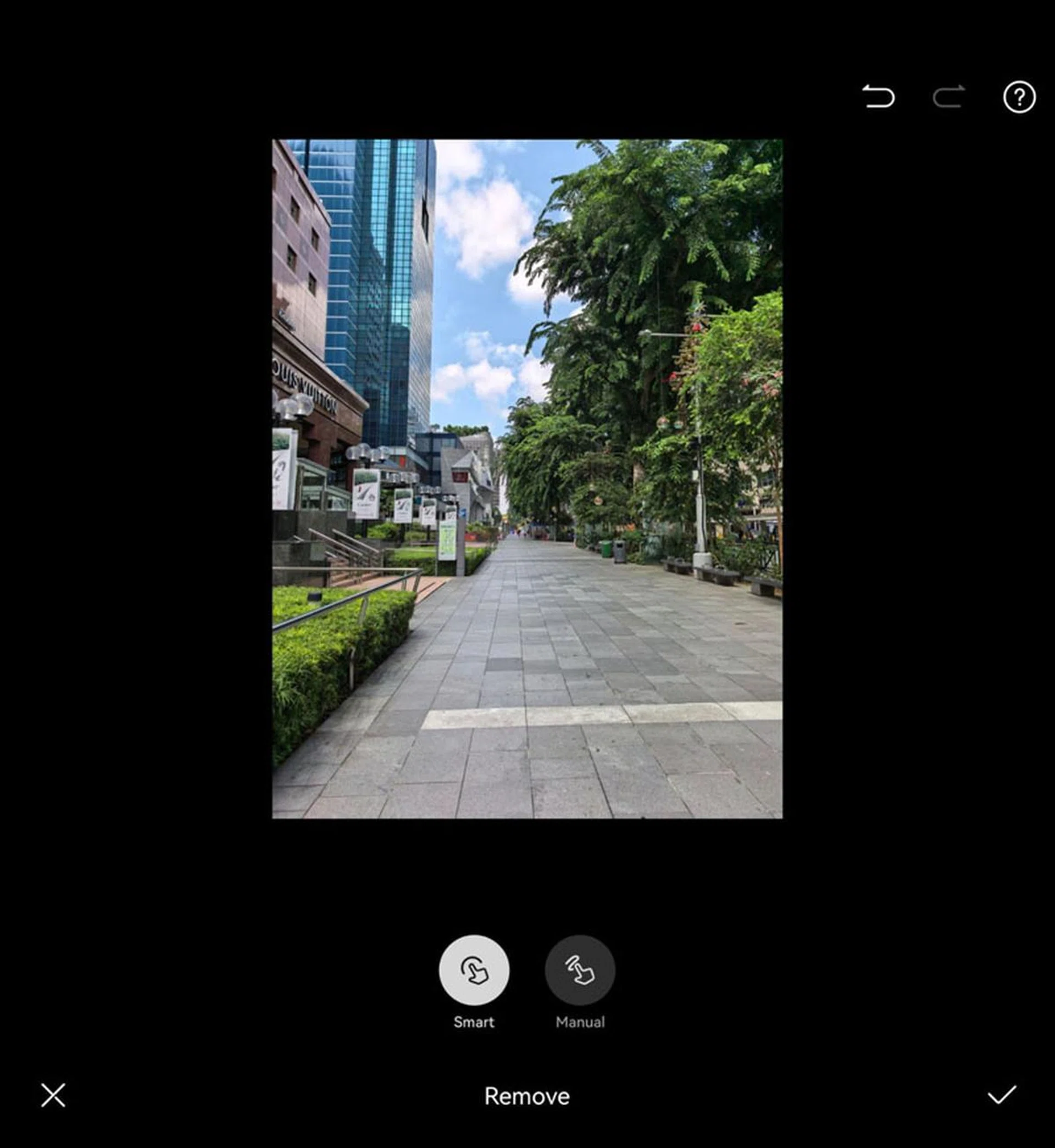
HarmonyOS also has its own photo gallery and editing tools, with an interface similar to Honor phones.
The Erase function — analogous to Google Photos Magic Eraser — works well for minor cleanups. However, it's less effective when the target is too big.
Imaging Performance
The phone comes with a triple camera array:
- 50 MP wide primary camera (f/1.4-f/4.0, 24mm equivalent, OIS)
- 40 MP ultra-wide (f/2.2, 13mm equivalent)
- 48 MP macro telephoto (f/3.0, 90mm equivalent, OIS)
The camera system is equipped with Ultra Chroma Camera. Huawei said its camera system offers 1.5 million spectral channels, which should improve color accuracy by 120% (when compared to the earlier Mate X3).
There are also two other front cameras, each nestled within a display: one on the folded side (8 MP f/2.4) and one on the unfolded side (8 MP f/2.2). Those are more for video calling, so we'll focus on the other three cameras in this section instead.
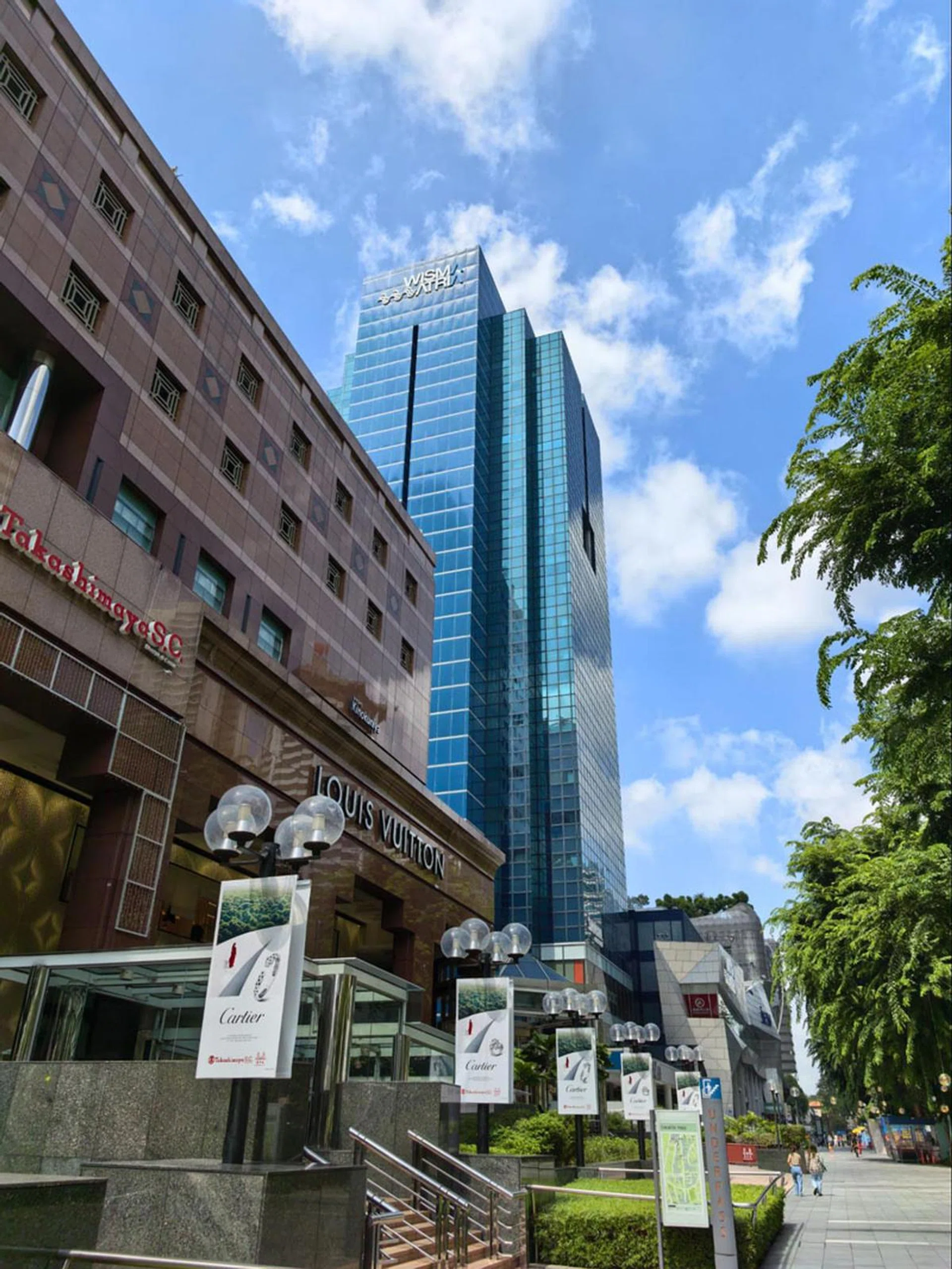
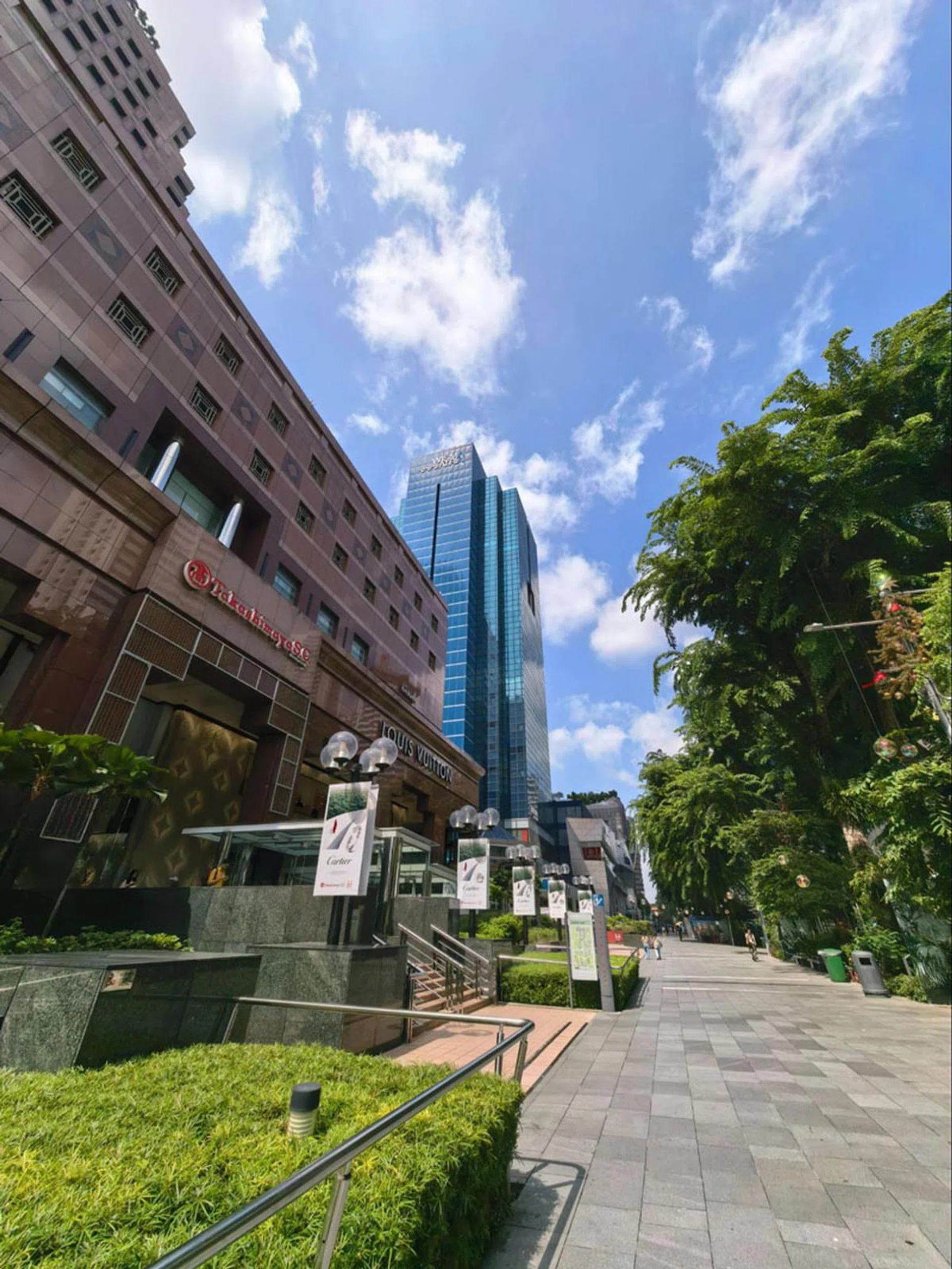
Main Camera
Ultrawide
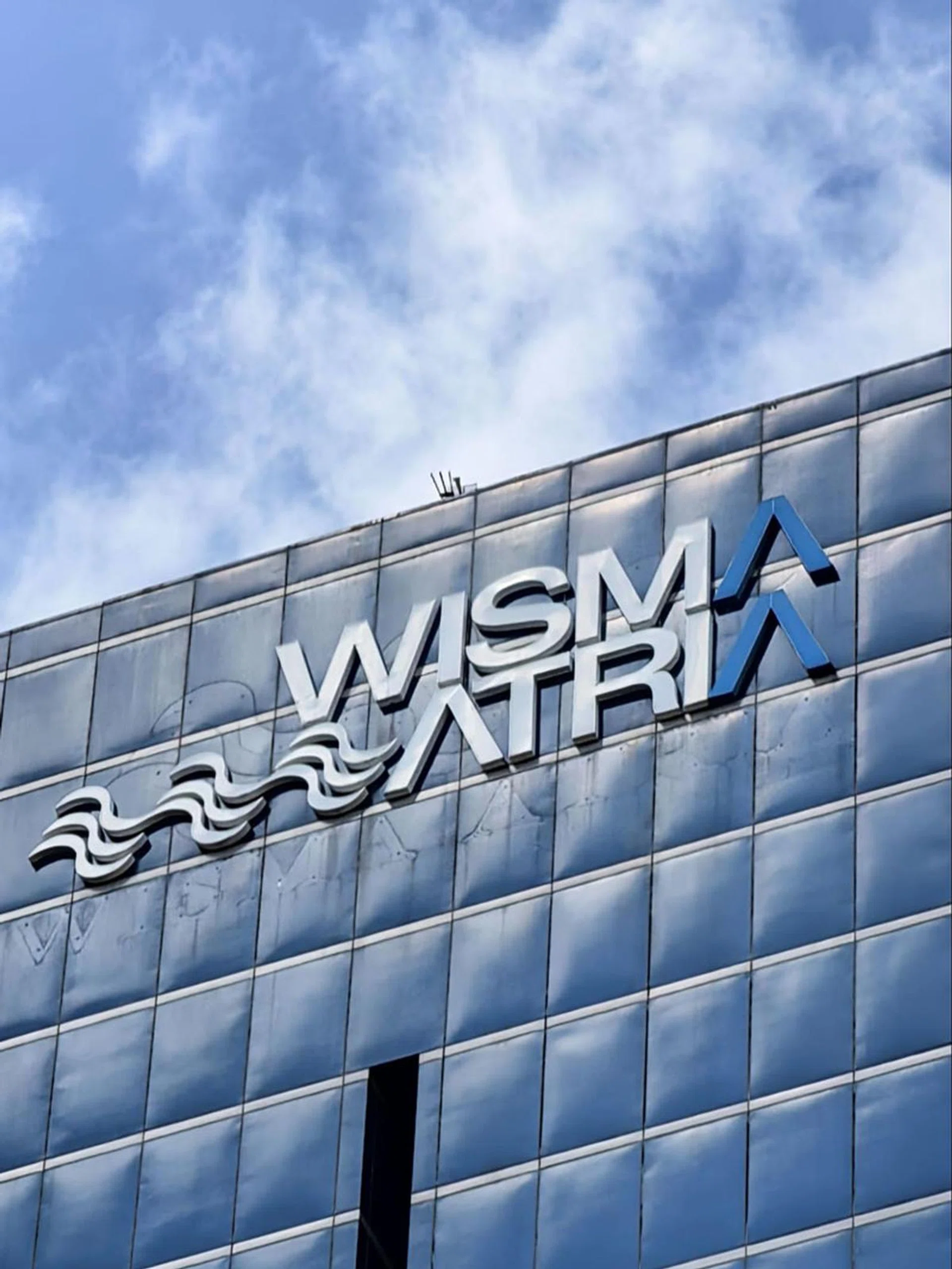
x10 zoom
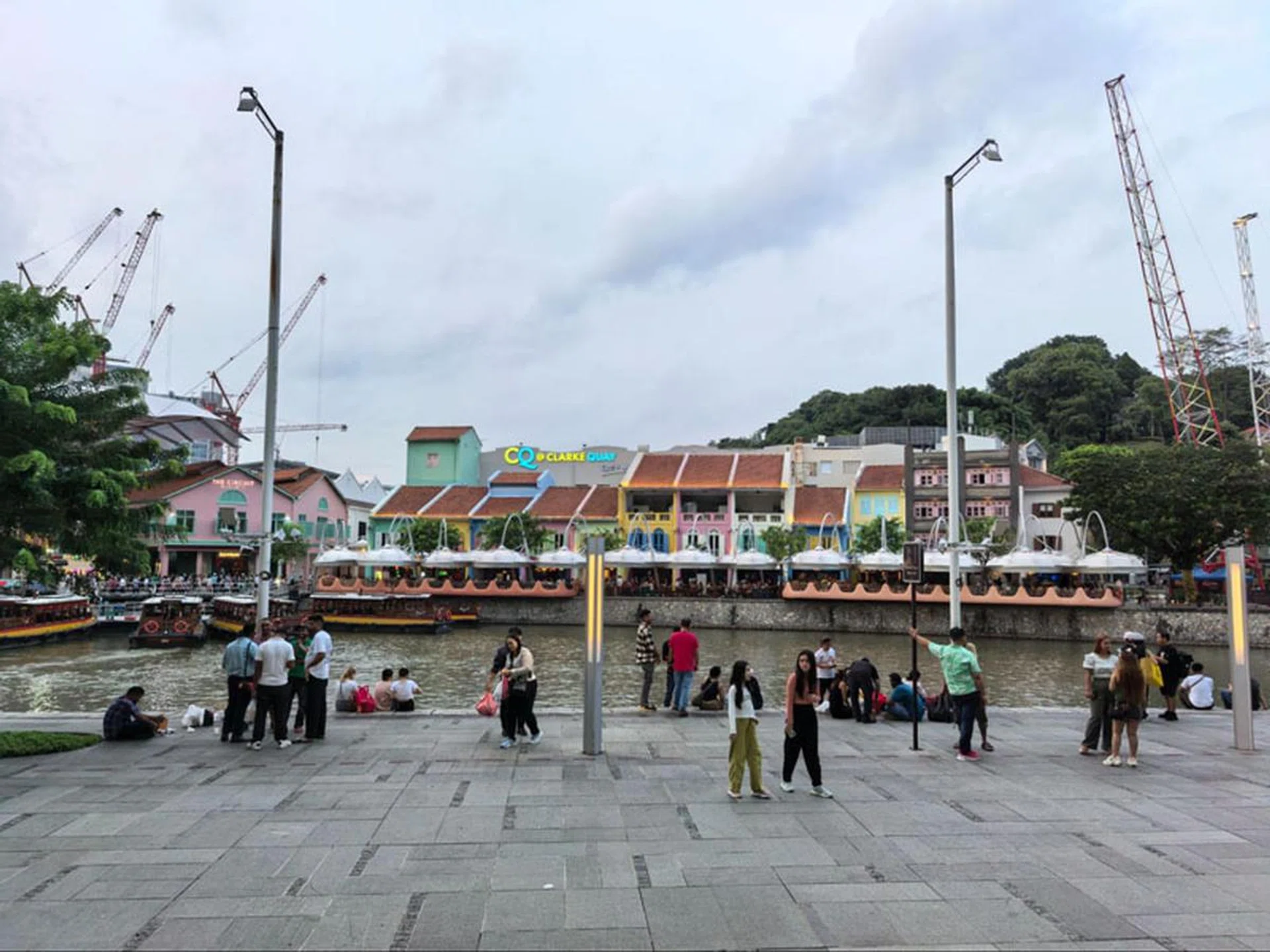
Main Camera, Overcast

x4 Zoom, Overcast

x10 Zoom, Overcast
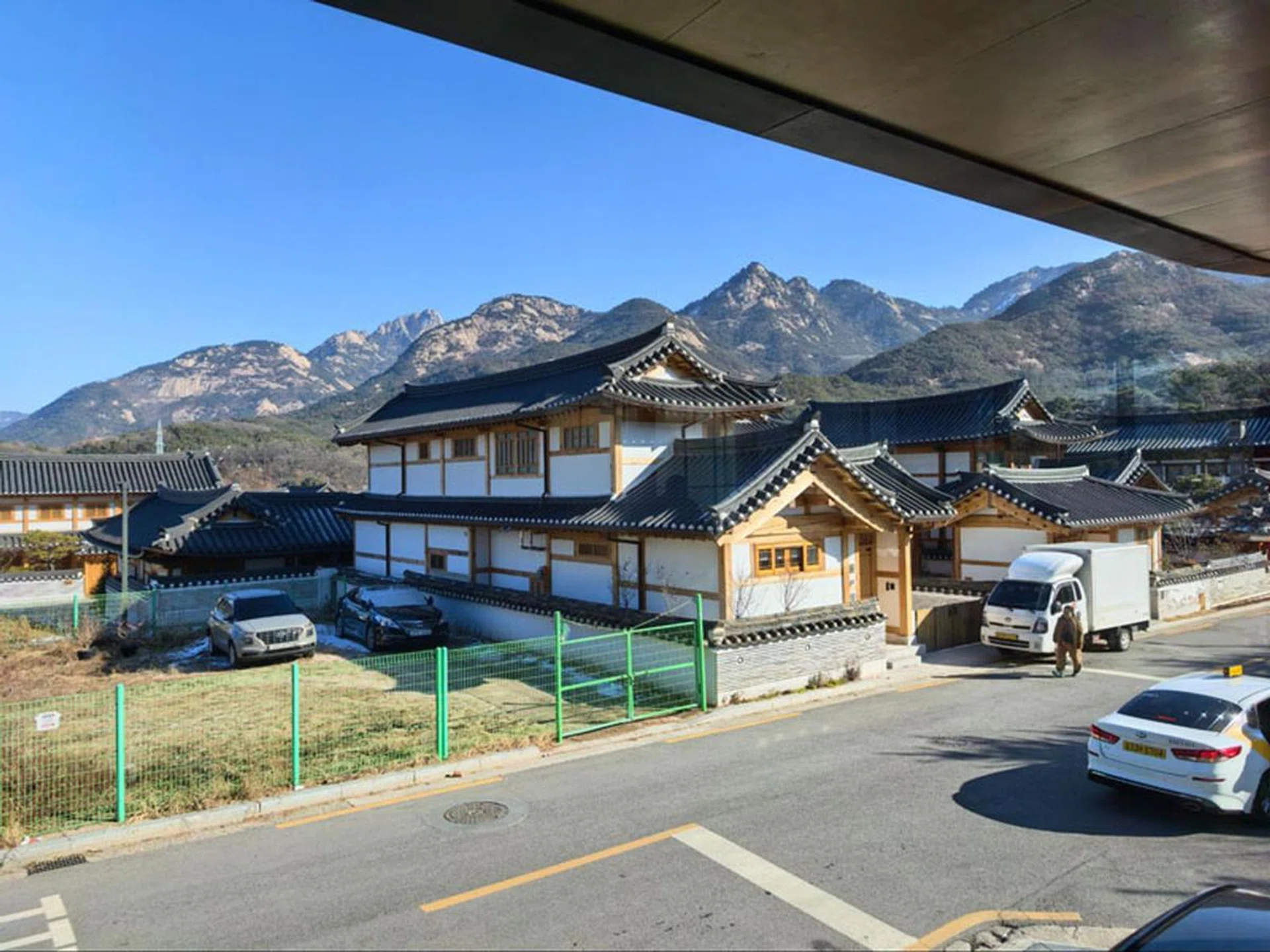
Main Camera, Landscape

x10 Zoom, Landscape
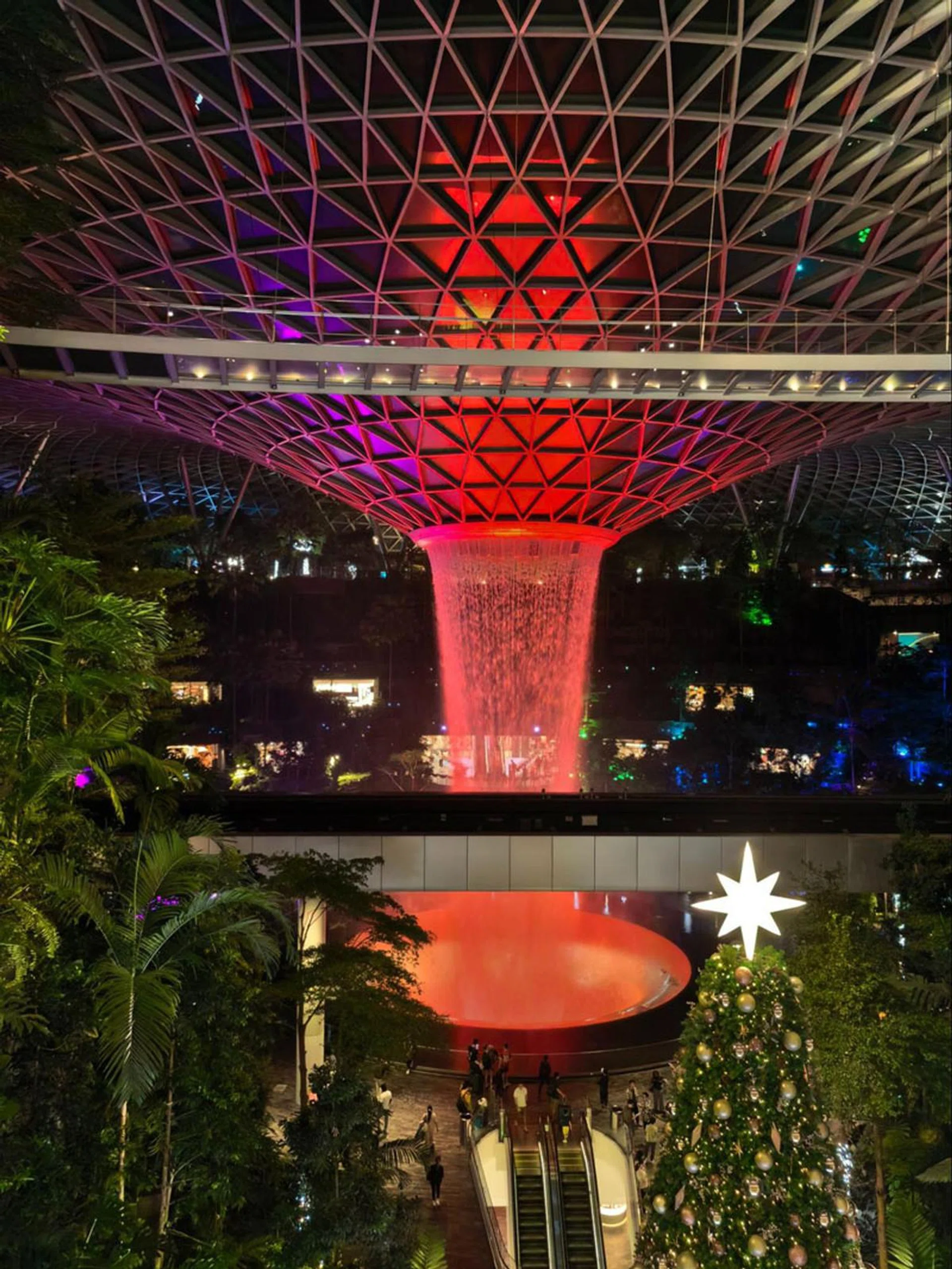
Main Camera, Night
x10 Zoom, Night
Overall the main camera captures photos with accurate color reproduction and right balance of colour saturation and contrast. Zoom works impressively, with details intact even at x10 zoom. The camera also held out well in low light conditions.
Performance and Battery Life
Huawei runs on its flagship Kirin 9020 chip, supposedly a 12-core chip setup. The phone's day-to-day operations feel quick and snappy and can handle multitasking such as social media, browsing, with a touch of productivity work on the side.
The phone comes with a 5,110 mAh battery. With this battery, this phone holds up well in daily use. I moderately use TikTok, photo taking, web browsing, and some YouTube (via web app) for the entire day, and the phone still has about 50% charge left.
It supports its own proprietary Huawei SuperCharge of 66W (11V/6A) superfast charging and conventional USB-C PD of max 40W (10V/4A) ultrafast charging.
While we did not try charging using the provided charger, we charged via USB-C, and the phone was charged to 50% in around 30-40 minutes.
It also supports wireless charging, with its proprietary wireless Huawei SuperCharge providing a maximum output of 50W.
In all, nothing feels amiss from the Huawei Mate X6's performance and uptime expectations.
Conclusion: Actually impressive, if you know what you're doing
On its own, the Huawei Mate X6 is an impressive foldable phone. It has one of the slimmest designs around and sports an excellent camera system. It also has features we have come to expect from foldables released in recent months: water resistance and wireless charging.
Using a Huawei phone means accepting its long-standing challenges around limited app selection. It's already understood that the phone is not recommended for the average Singaporean consumer. However, besides the general incompatibility with Google apps, another catch exists.
However...
At almost S$2,600, we're unsure if Huawei understands that the Mate X6's official price makes it vulnerable to market challenges. Alternatives like Honor Magic V3 (S$1,999) exist, which have a similar feel for users but none of the Android restrictions. These alternatives also come with robust value propositions, like having designs more advanced than the Koreans and a smoother user experience, with and without AI.
However, perhaps the most confounding thing here is Huawei's premium price tag, given the inconvenience offered.
You'd imagine Huawei's reward for its most loyal users is a foldable phone that matches in its quality while forgoing the insane prices seen in other brands. Instead, their reward for unwavering loyalty is paying through the nose for a device that requires excessive configurations to achieve normal use.
Maybe Huawei thinks its fans have more money than sense, but we're not here to knock on either camp. We're sure you know this: willing buyer, willing seller. Clichés are cliché, but that's because clichés are true.
Huawei Mate X6 retails at S$2,598 and is available in all Huawei Experience stores, on Lazada and Shopee, M1 and Starhub, as well as major electronic retailers.
Our articles may contain affiliate links. If you buy through these links, we may earn a small commission.