
Hands-on: Triple-folding Huawei Mate XT is made of dreams
Unfortunately, it remains in our dreams for the foreseeable future. #huawei #matext #foldingsmartphone
Note: This feature was first published on 20 February 2025.
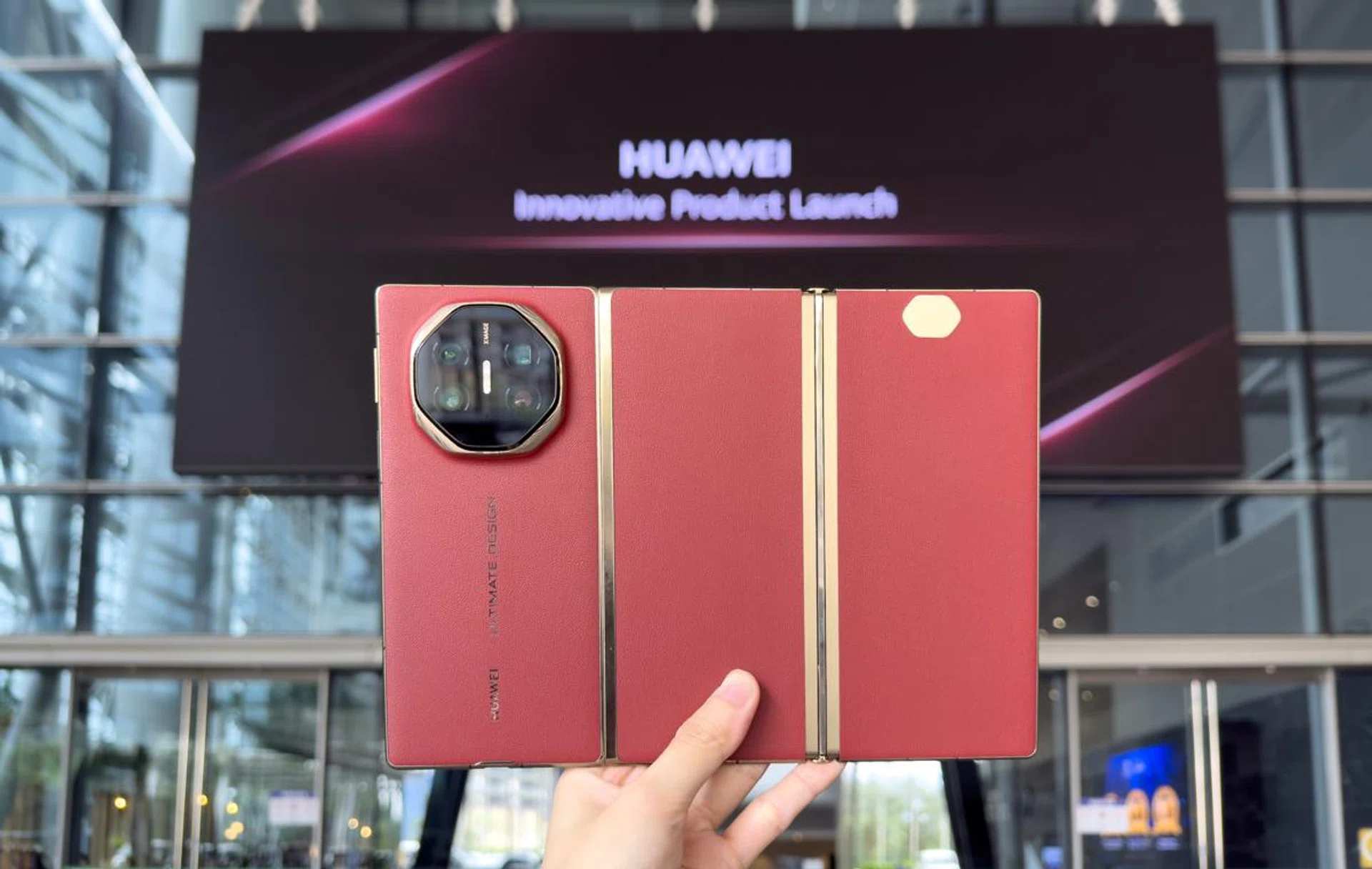
Huawei Mate XT. Photo: HWZ.
Ever since Huawei launched the tri-folding Huawei Mate XT smartphone back in September 2024, we have been eagerly awaiting the day it graces our sunny shores.
Unfortunately, Huawei has just held the global launch event for the Mate XT in Malaysia, and we were informed that the tri-foldable smartphone will not be made available for purchase in Singapore. That's right, the one Huawei phone that people here might buy because of its unique folding style.
If your heart is set on the phone, there are ways of getting your hands on one (read: look across the border).
Disappointment aside, we were lucky enough to have a bit of time with the foldable smartphone, so here's what we think about it.
I like it big, I like it chunky
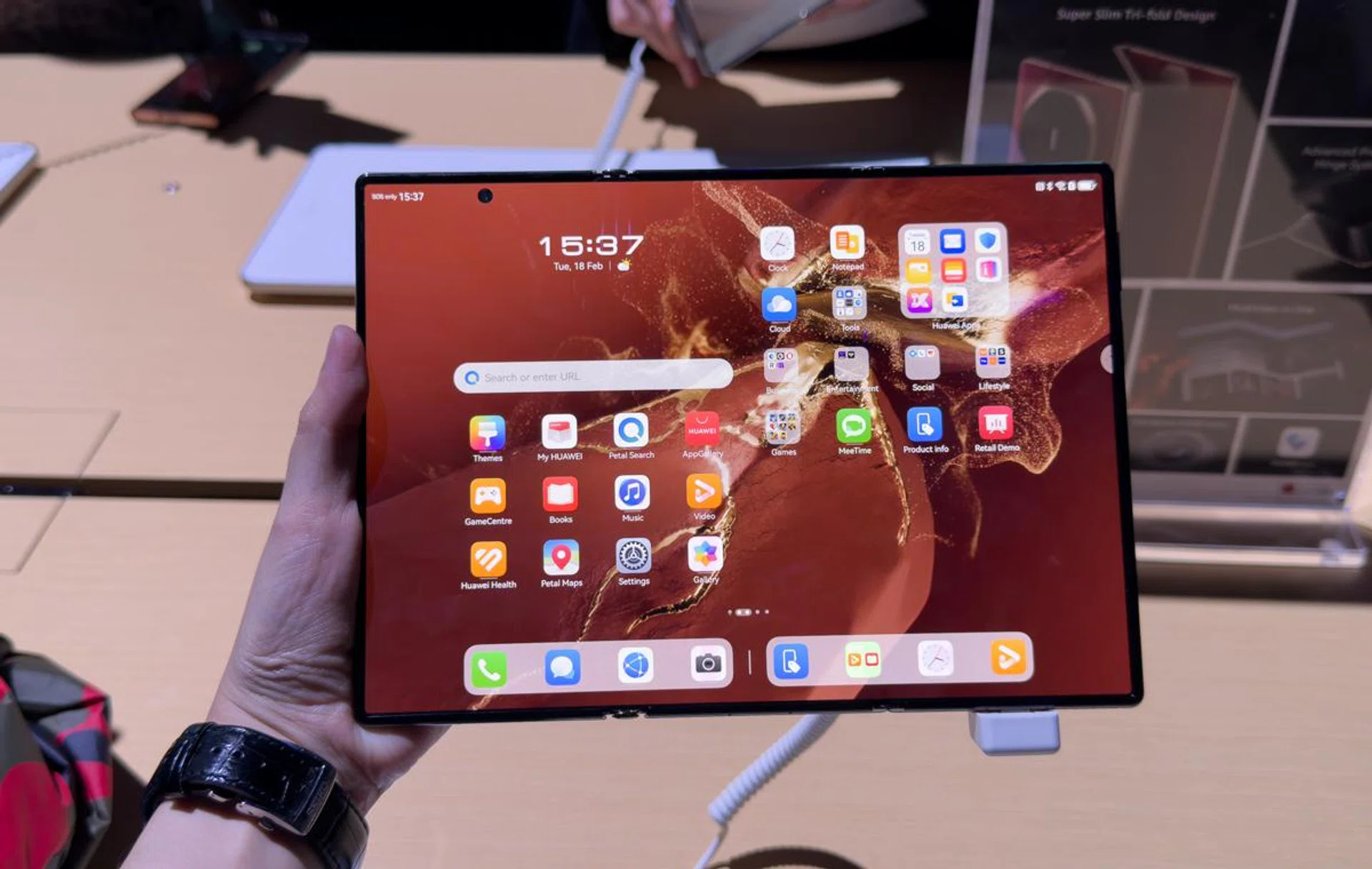
Huawei Mate XT's tri-fold screen. Photo: HWZ.
Foldables have been in an strange state over the last few years. The de-facto bi-fold design has come a long way with tweaks and refinements, but it's gotten stale because nobody's figured out how to eliminate creases (physics, yo).
The Huawei Mate XT is the world's first tri-fold, and it's certainly made a splash.
The main highlight is the gargantuan 10.2-inch folding display (3,184 x 2,232 pixels resolution) that can fold inwards and outwards into a typical 6.4-inch form factor.
Of course, the phone can also be used bi-fold with the dual-screen display measuring 7.9 inches like other foldable phones. However, we reckon most people who buy this phone will use it either use it fully unfolded, or as a typical single-screen handset.
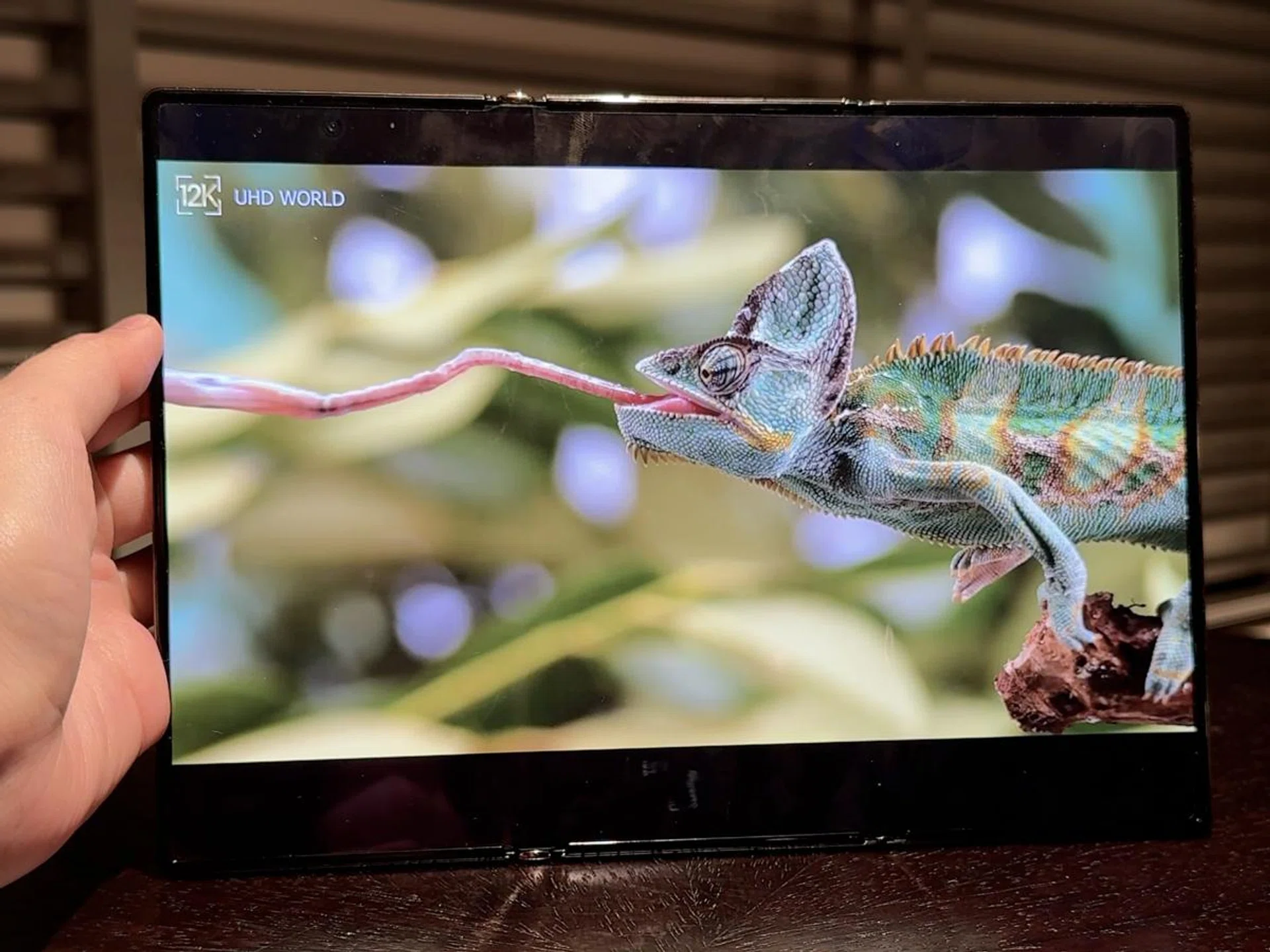
Check out the thinner black bars. Photo: HWZ.
One of the main quibbles about bi-fold phones is that the aspect ratio isn't optimal for watching content, with large black bars on the top and bottom of the screen.
Thanks to the addition of the third screen, the Mate XT has a 16:11 aspect ratio, which better fits most videos. There are still thin black bars on the top and bottom, but it's much thinner than bi-fold smartphones.
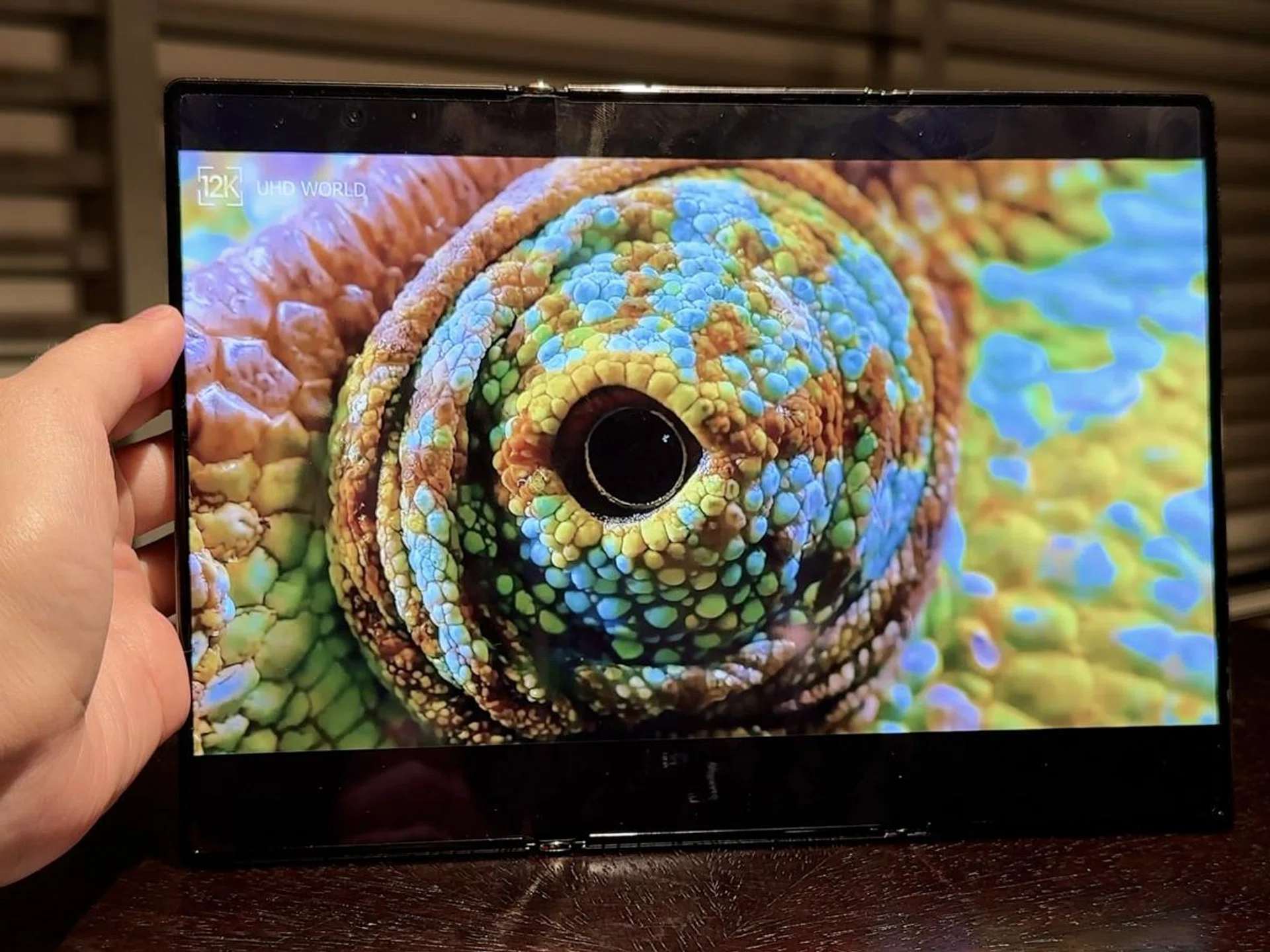
Colours are vibrant and punchy. Photo: HWZ.
The Huawei X-True Display is also excellent, with plenty of sharpness, detail, and vibrant colours on the foldable OLED panel that can support up to a 90Hz adaptive refresh rate.
However, twice the number of folds means twice the number of creases. Thankfully, the creases aren't obvious when using the phone but noticeable when you run your finger over them. Also, it's so big, so you won't have the time or headspace to go crease-hunting.
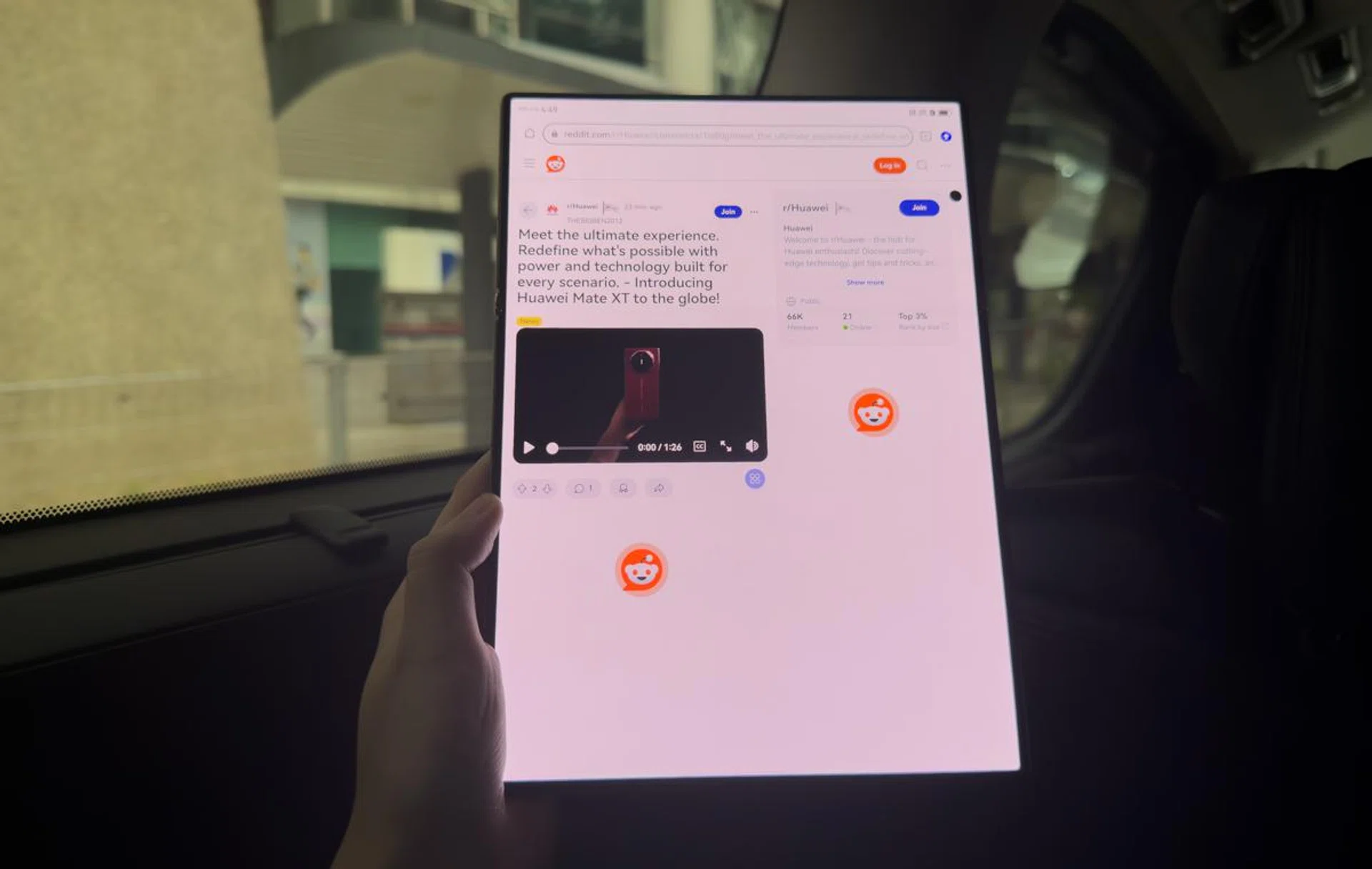
If the internet was better, you'd be able to read the comments. Photo: HWZ.
We have to say a little more about productivity. Whatever you get with a bi-fold smartphone, you get even more with the Mate XT. As with the above example, opening the triple screen makes vertical reading, analysing work documents, or watching videos an absolute pleasure.
If you regularly need multiple apps open or enjoy reading stuff on your phone, you'll enjoy the extra screen real estate. Once you're done, you can fold it back to a normal phone size and put it away. It's sounds so simple, but the technology must have been difficult to achieve.
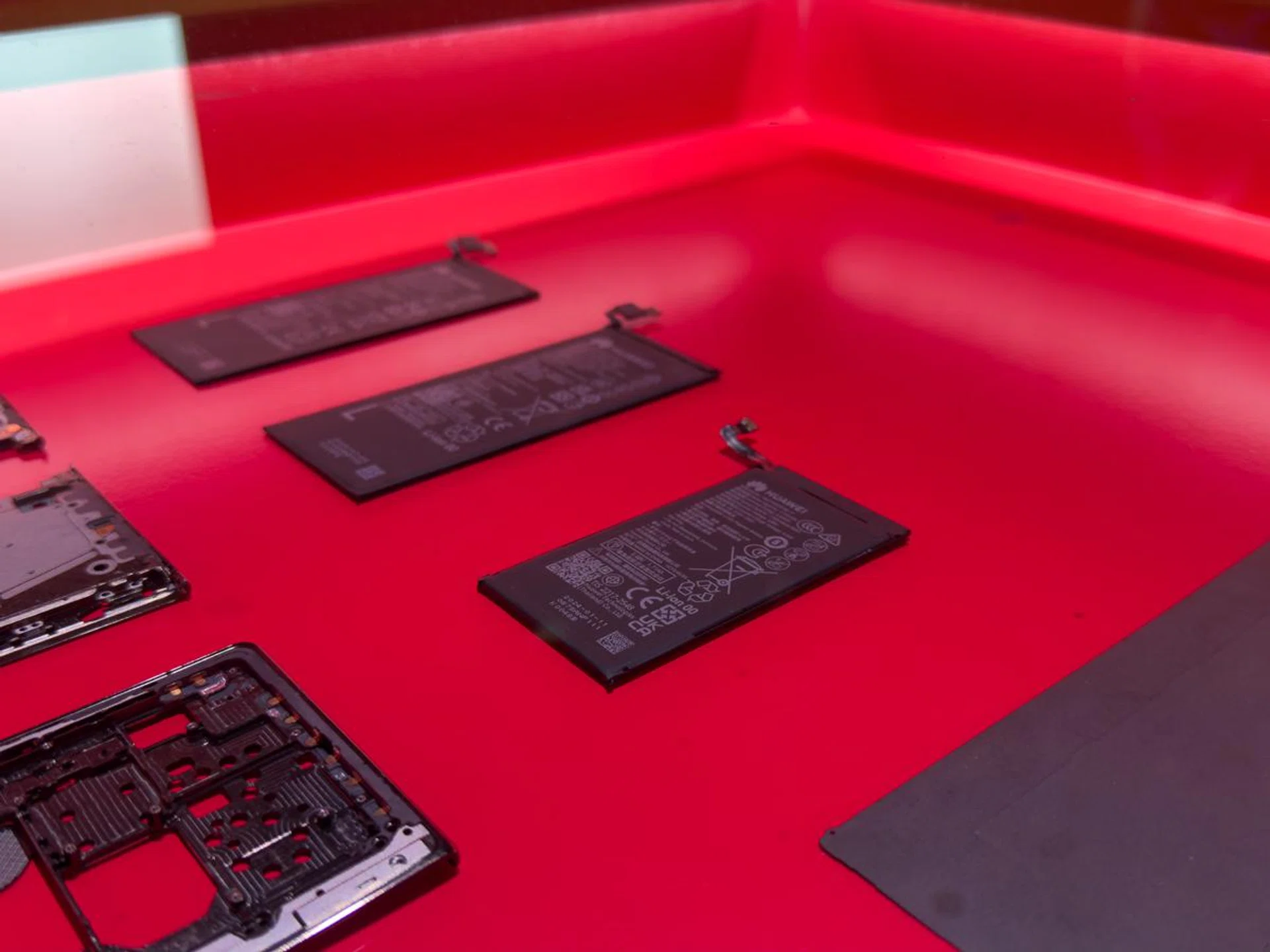
How are these batteries this thin? Photo: HWZ.
The phone is powered by a 5,600mAh battery, which is split into three separate power cells in each of its three panels. It was impressive to see how thin the batteries were (3.6mm thick for the thinnest panel).
By using the included charger, the phone can charge at 66W wired.
The phone runs on Huawei's EMUI 14.2, which is based on Android 12. Unfortunately, as with other Huawei flagships, you don't have Google Mobile Services and must be willing to jump through hoops to get a semblance of its accessibility.
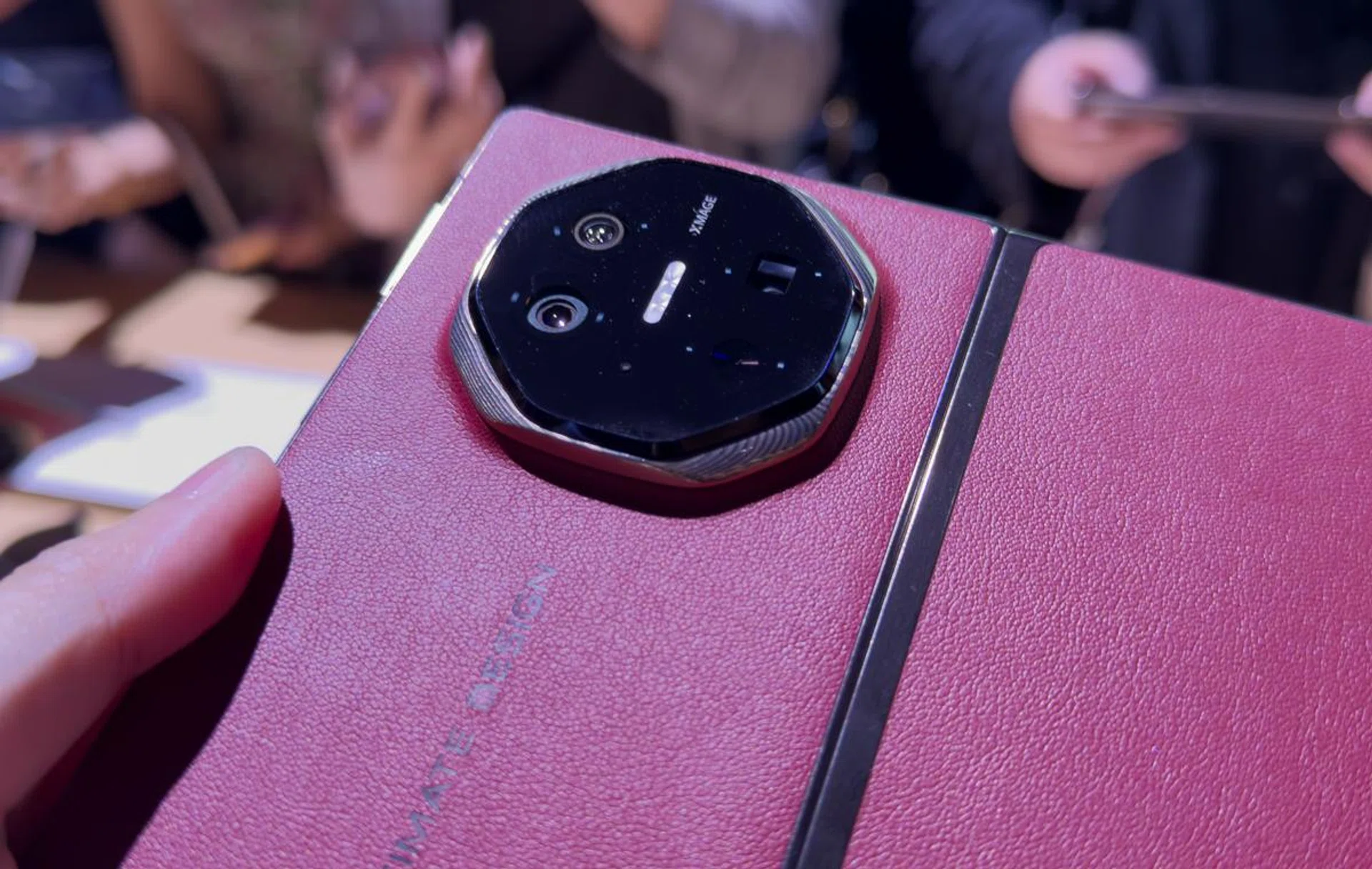
The camera bump is a little big. Photo: HWZ.
On the back, we get a 50MP main camera, a 12MP ultrawide camera and a 12MP periscope telephoto camera with 5.5x optical zoom. We managed to snap some sample images with the device. Check them out below.

Ultrawide camera. Photo: HWZ.

Main camera. Photo: HWZ.

2x zoom. Photo: HWZ.

5.5x zoom. Photo: HWZ.

10x zoom. Photo: HWZ.

Ultrawide camera. Photo: HWZ.
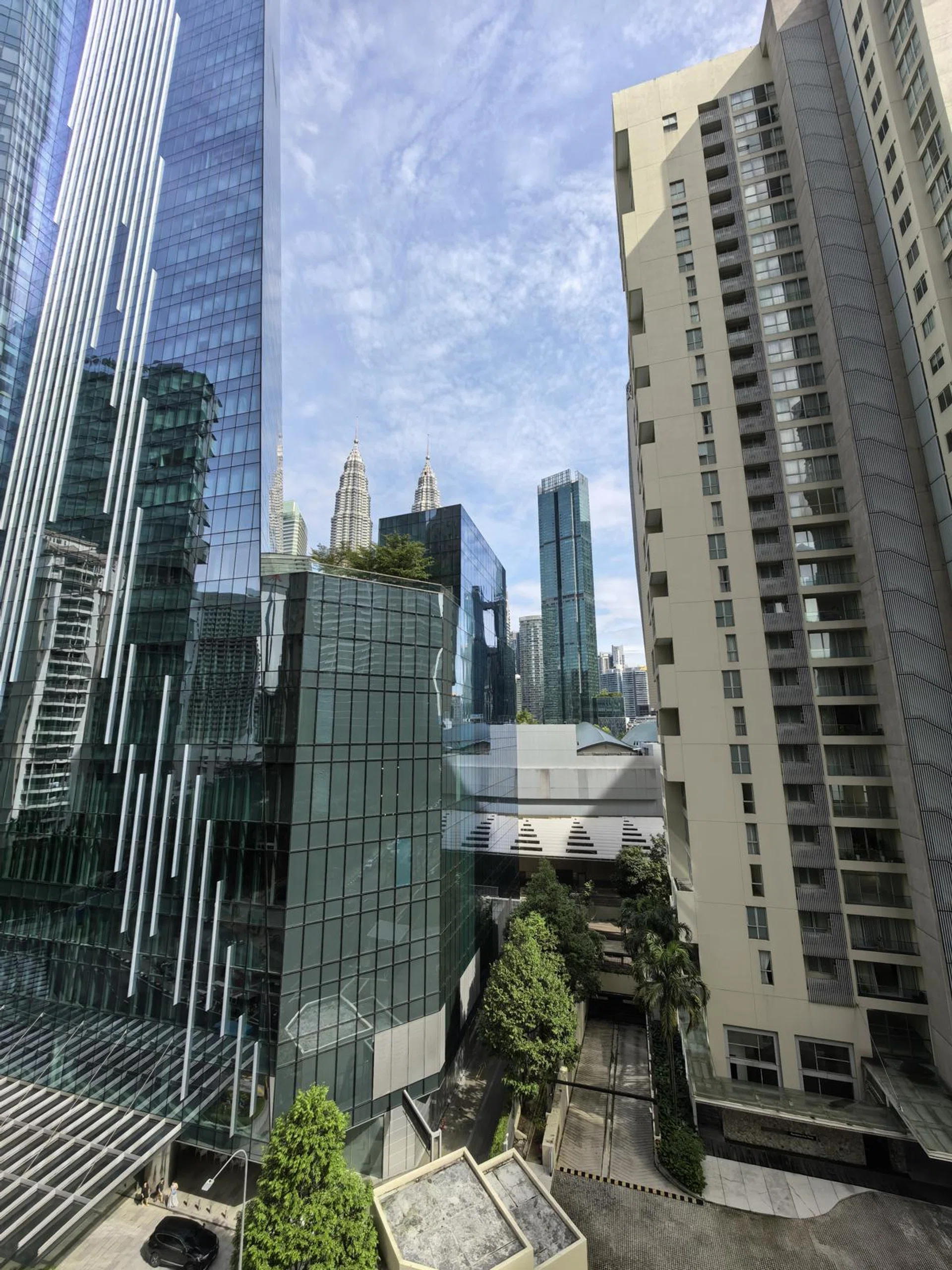
Ultrawide camera. Photo: HWZ.
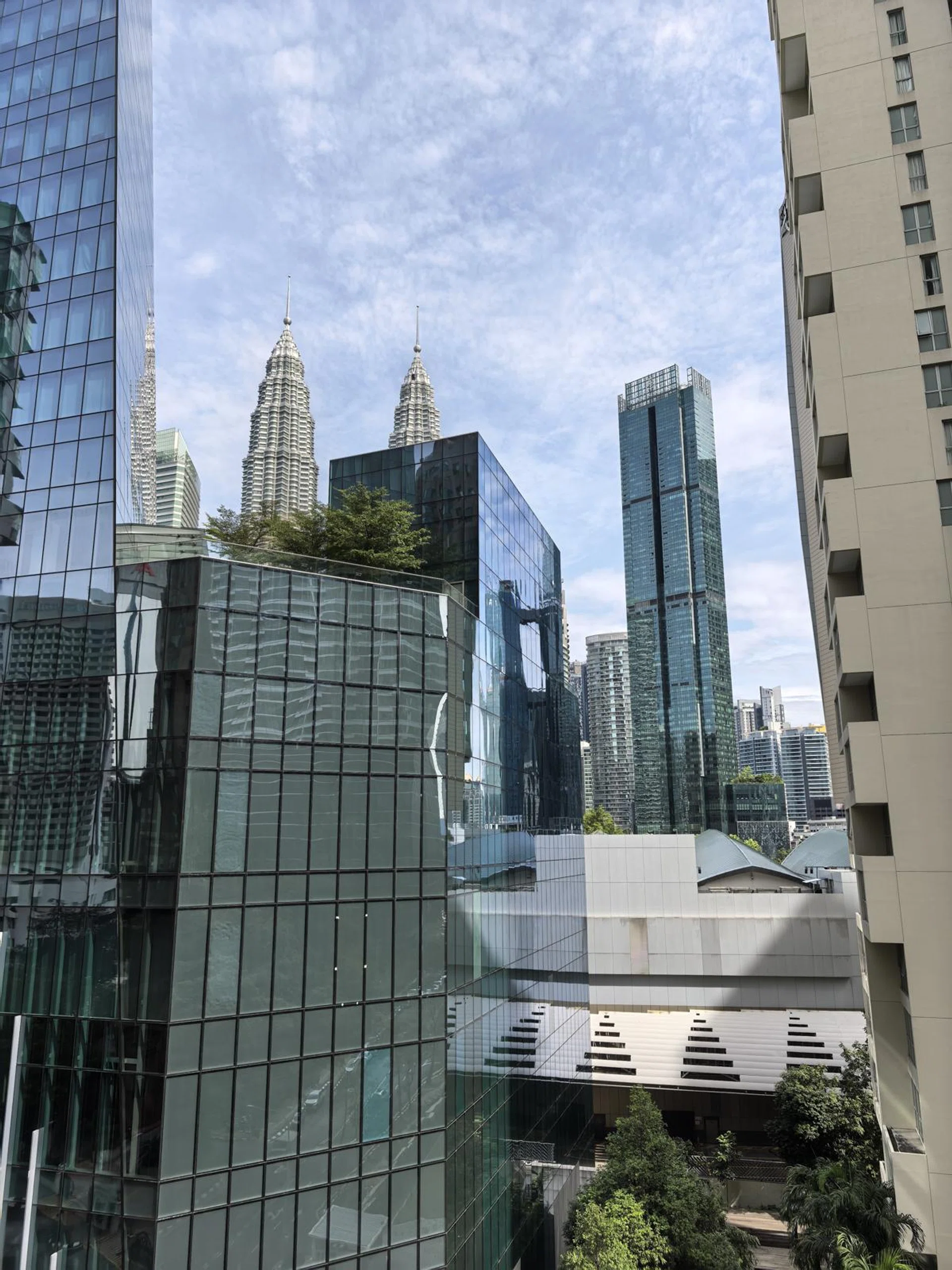
Main camera. Photo: HWZ.
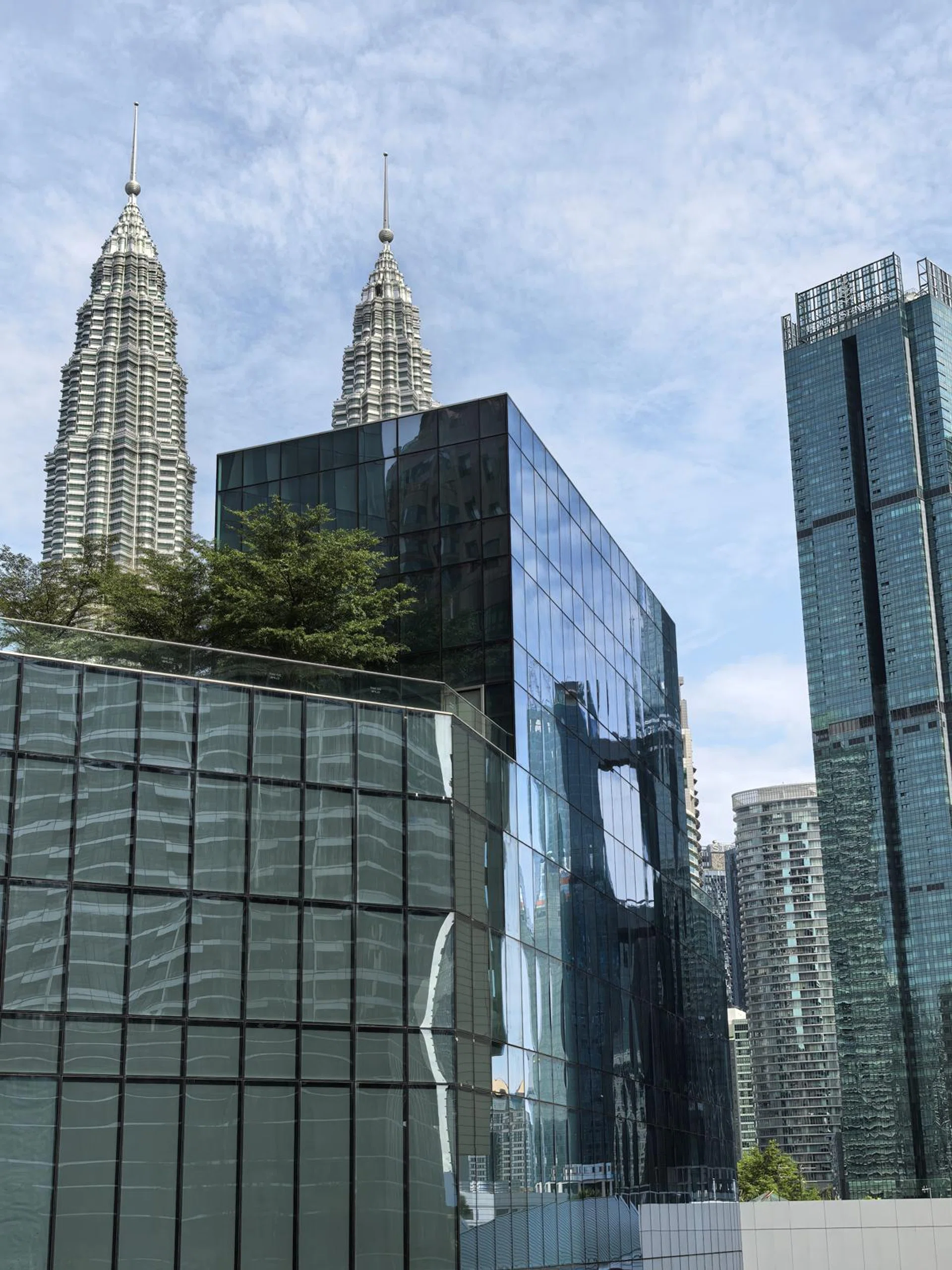
2x zoom. Photo: HWZ.
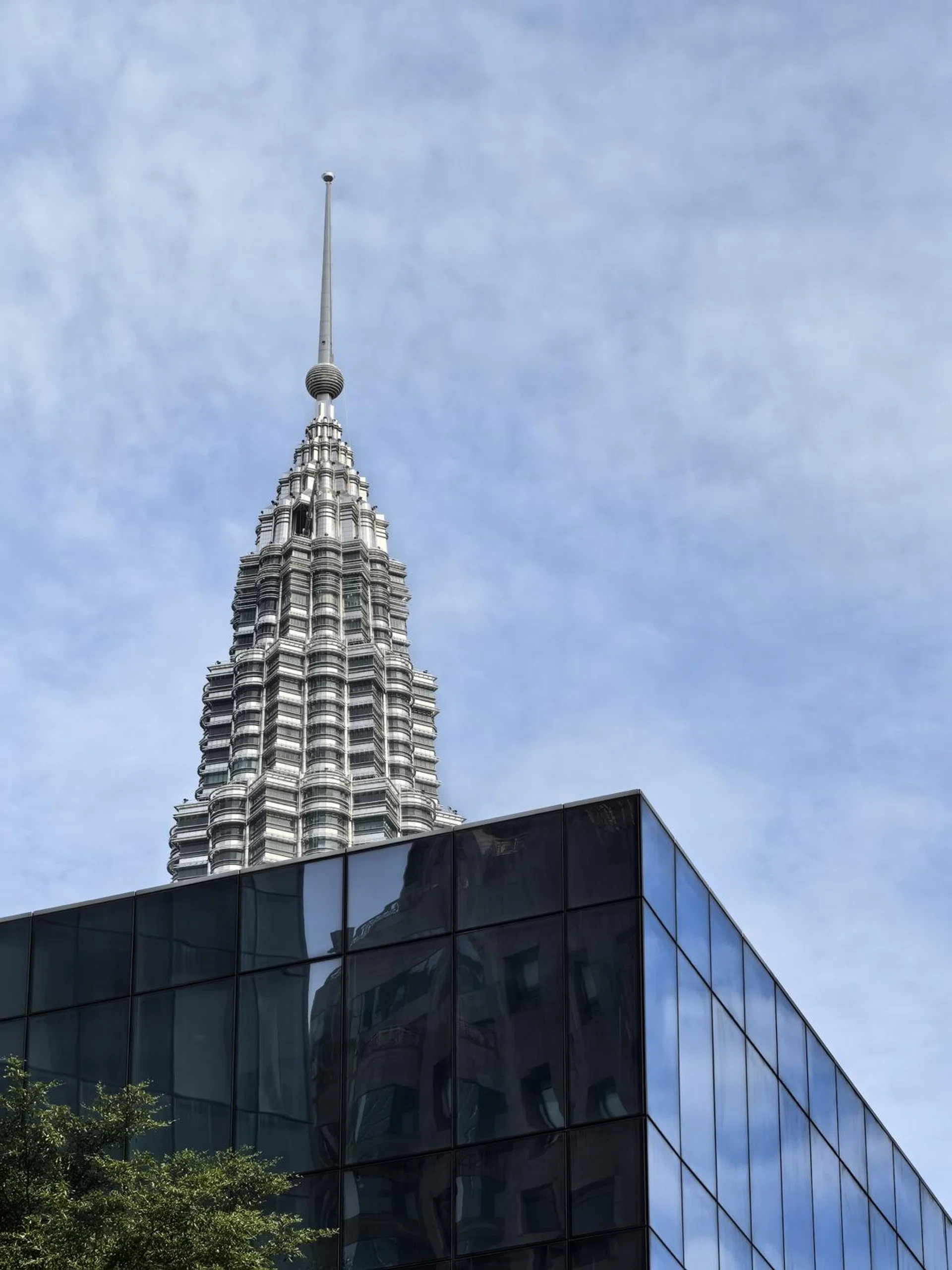
5.5x zoom. Photo: HWZ.
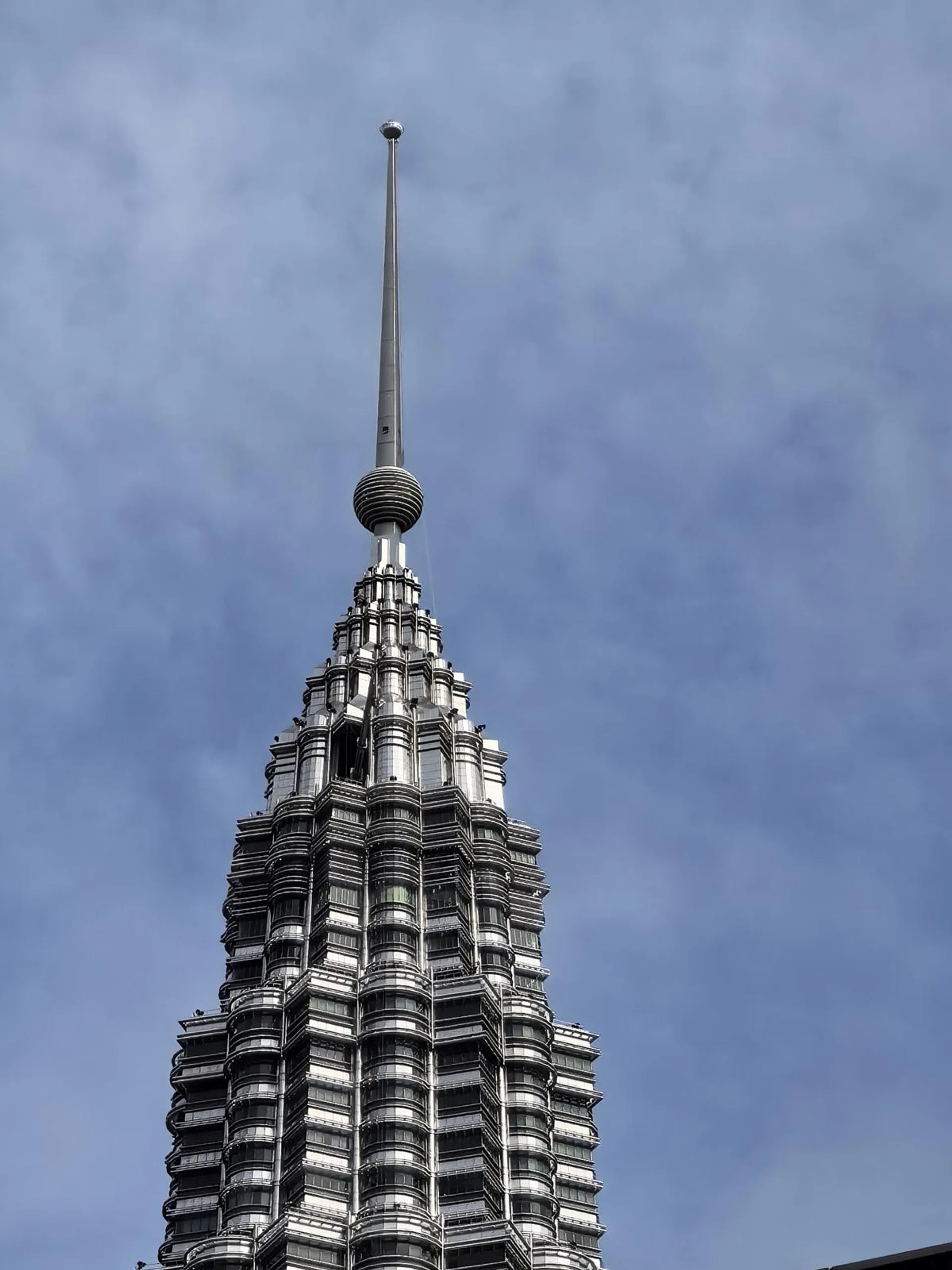
10x zoom. Photo: HWZ.
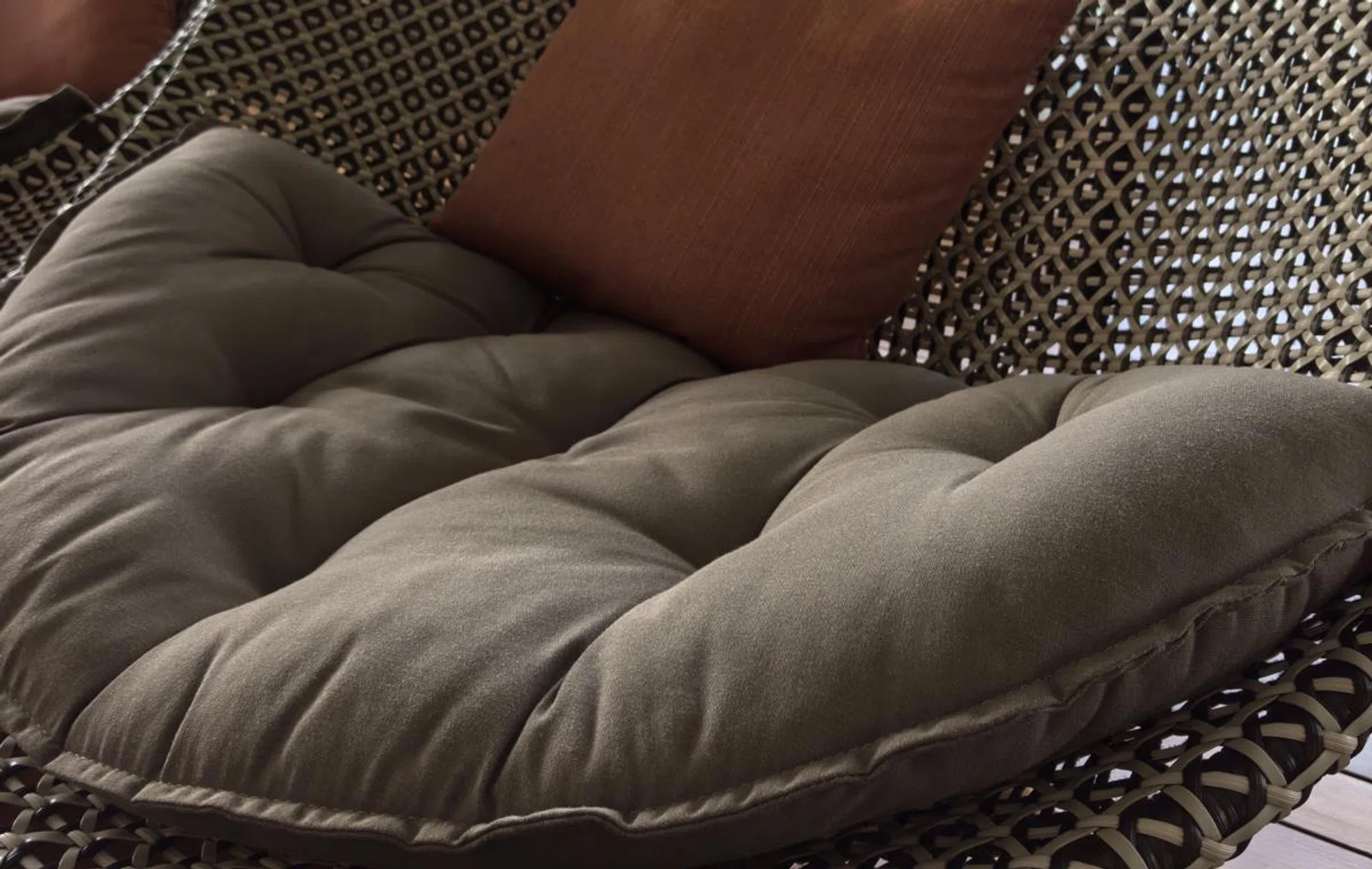
Main camera, zoomed in. Photo: HWZ.
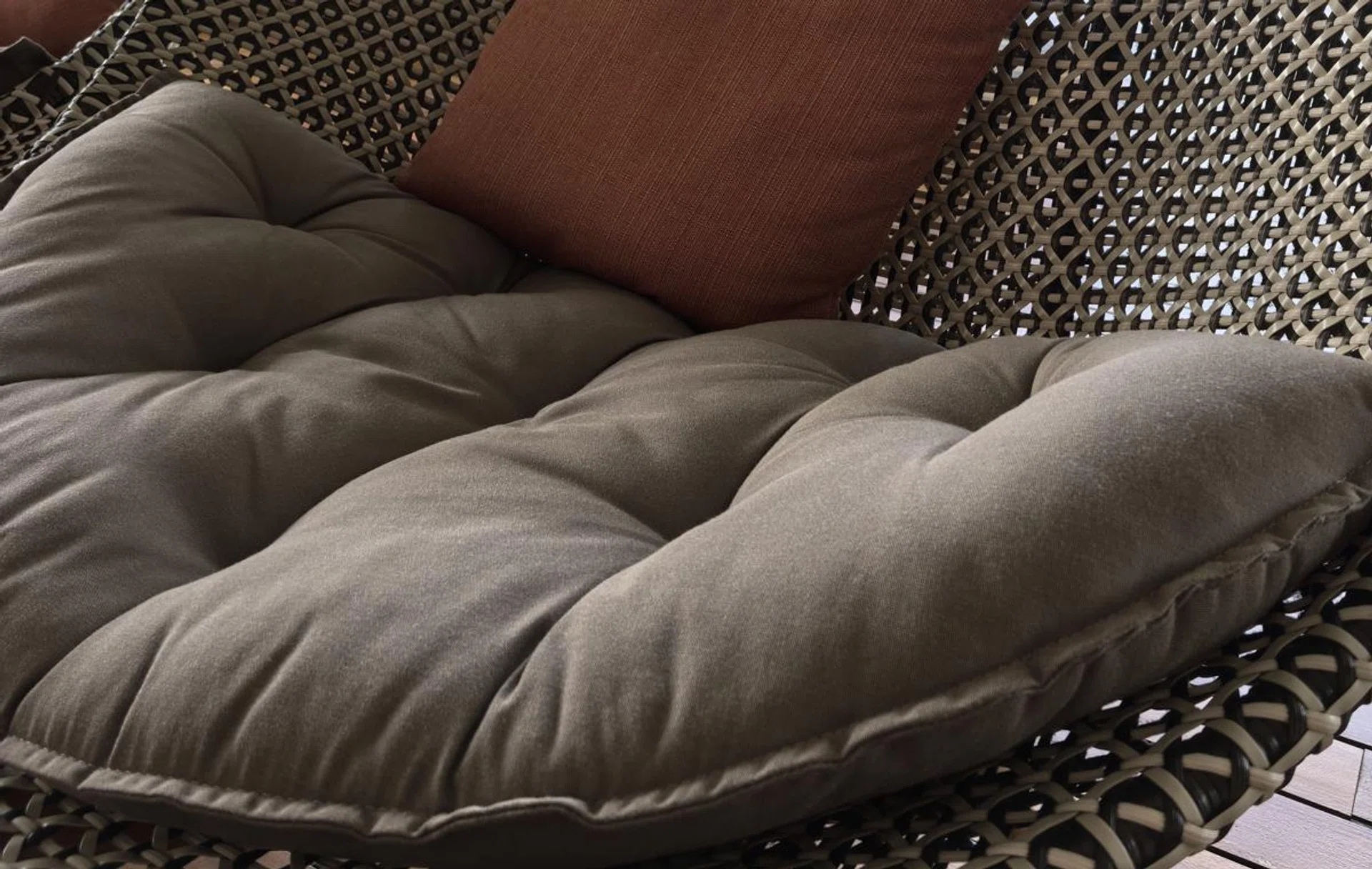
Main camera, 50MP zoomed in. Photo: HWZ.
The main camera delivers pretty nice images with punchy, vibrant colours and a good amount of detail. However, snapping images in the 50MP high-res mode offers a much more detailed shot when zooming in, as evidenced by the texture on the cushion in the samples above.
Ultrawide shots are also decent. Even though the phone only has 5.5x optical zoom, the 10x digital zoom still provides a very usable shot with sharp details. However, we'd recommend sticking to 5.5x whenever possible for the best optical quality.

Portrait shot. Photo: HWZ.
Portrait shots are surprisingly good. There's decent separation of the subject from the background, but the phone struggled a little with cutting the strands of hair out cleanly. There's also a green glow around the head area, which can be seen if you zoom in.
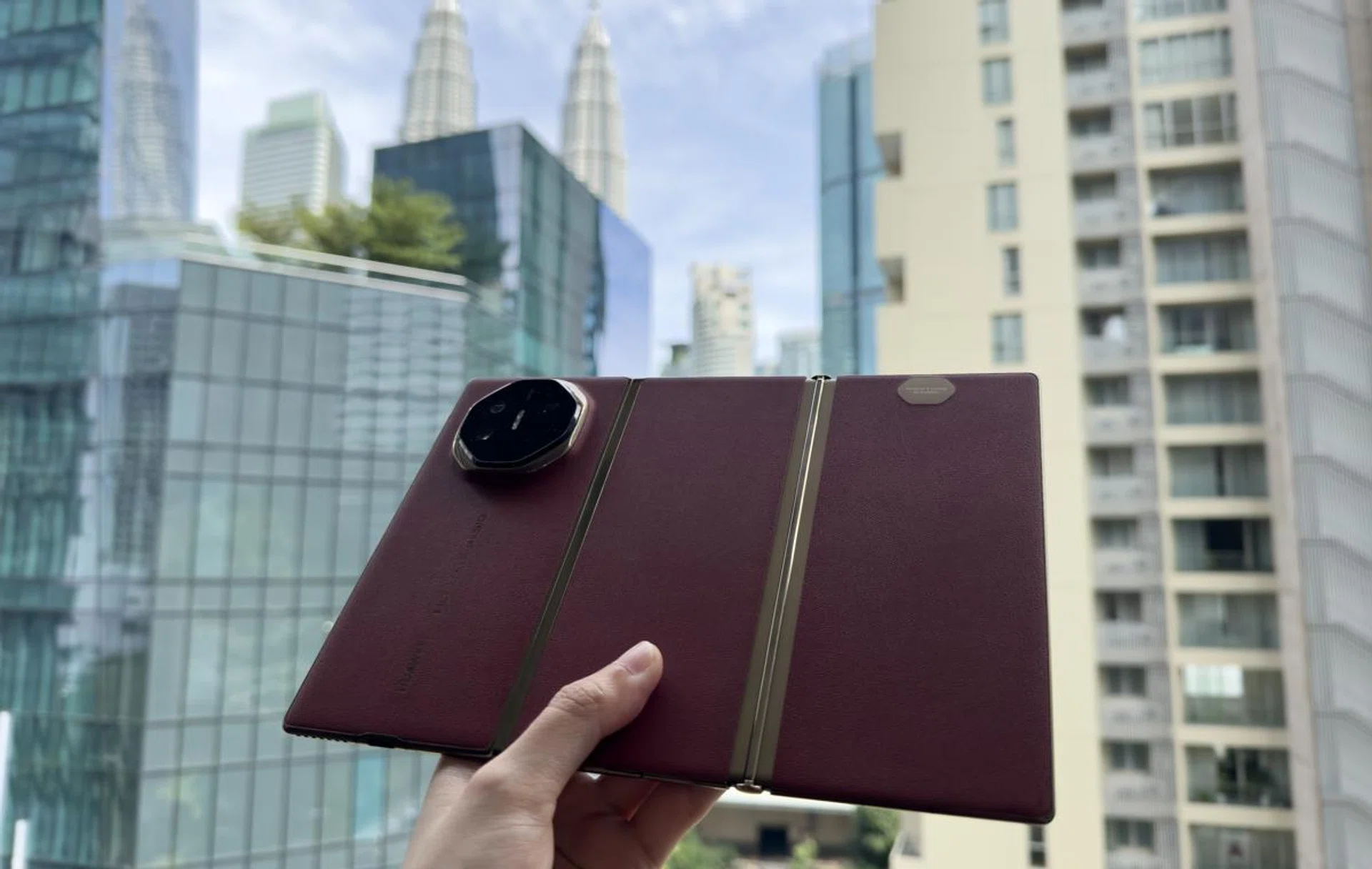
Huawei Mate XT. Photo: HWZ.
Foldable smartphones have always been pricey, but the Huawei Mate XT takes them to another level. Although it won't be available in Singapore, the phone will retail for RM14,999 (approximately S$4,500), a hair above our earlier estimate of S$4,400.
It's not something everybody can afford, and the price is undoubtedly eye-watering. However, we think it's worth it if you value productivity and having a large screen for your primary device.
If you consider that the Huawei Mate XT can essentially be both a smartphone and tablet in one, the price isn't too outrageous since you don't have to buy another tablet with the Mate XT in hand.
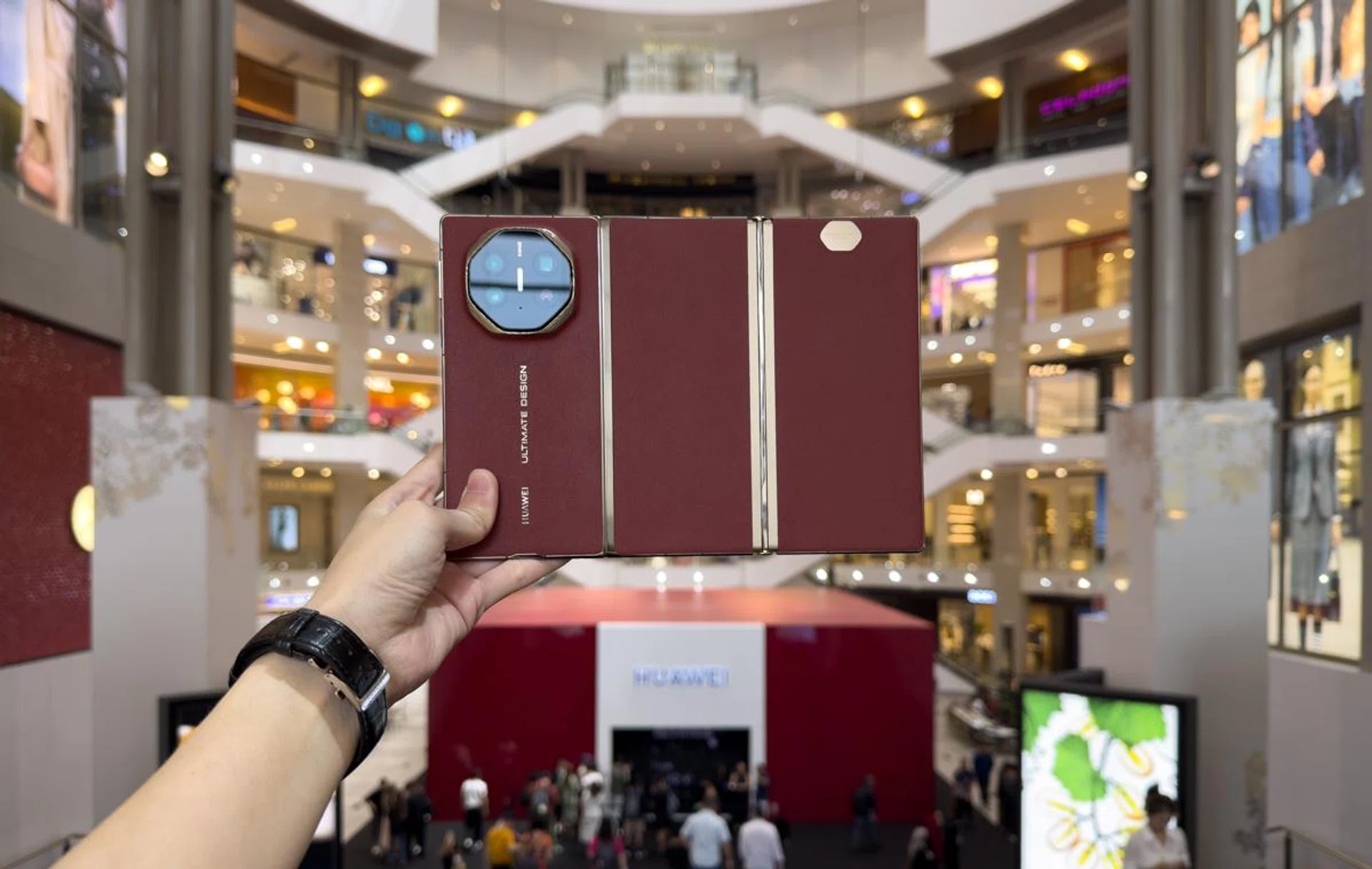
Huawei Mate XT. Photo: HWZ.
Unfortunately, the Huawei Mate XT will not be coming to Singapore. The phone will only be sold outside of China in Malaysia, Thailand, The Philippines, Indonesia, Hong Kong and Cambodia.
Our articles may contain affiliate links. If you buy through these links, we may earn a small commission.