

Best Android Phone
Here are the winners for various Android phone categories for HWZ’s Tech Awards 2025.
(This article is one of 16 parts in our Tech Awards 2025: Editor's Choice content series.)
Modern phones are arguably the most important piece of technology a person can have. It's fair to say that a phone represents your digital self, serving as your primary means of online access to loved ones, livelihoods, communities, and the world.
Here, we’ve tested some of the latest phones that money can buy and share why we think they stand out among all the possible options. The variety of recent high-quality Android mobiles available necessitated that we categorise them into multiple categories for different budgets.
Note: We understand that mobile devices are rapidly evolving products, and their refreshes can occur as frequently as every six months. Due to extraordinary circumstances surrounding HWZ (such as a website revamp, among other milestones) and the need to coordinate with other device categories, our device cutoff date consideration for this iteration was the end of April 2025.
Best Premium Android Smartphone

The expectations for premium smartphones have always been nothing short of the best, and these standards have continued to increase with each passing year. The rise of artificial intelligence has only widened the gap between the greats and the greatest, in addition to the components and user experience needed to even qualify at all.
To be considered for HWZ's Tech Awards, the Best Premium Android Smartphone must be released after our previous Awards assessment but before the end of April 2025.
The qualification for Best Premium Android Smartphone typically requires a price of S$1,500 or higher, or it must be the phone brand's flagship offering. They must feature the brand's best effort in software, partnerships, features, and components, and nothing less.
Nominees:
- Google Pixel 9 Pro XL
- Honor Magic7 Pro
- OPPO Find X8 Pro
- Samsung Galaxy S25 Ultra
- Sony Xperia 1 VI
- Xiaomi 15 Ultra
Note #1: While Honor Magic7 Pro retails below S$1,500, it qualifies as a premium smartphone option because it's the brand's most advanced model, with genuine flagship components inside and out.
Note #2: Vivo’s top variants (the X200 Ultra and Pro) are not officially sold in Singapore and therefore do not receive any nominations.
Note #3: The Sony Xperia 1 VII (2025 launch) was launched in May 2025, after the cut-off date.
And the winner is...
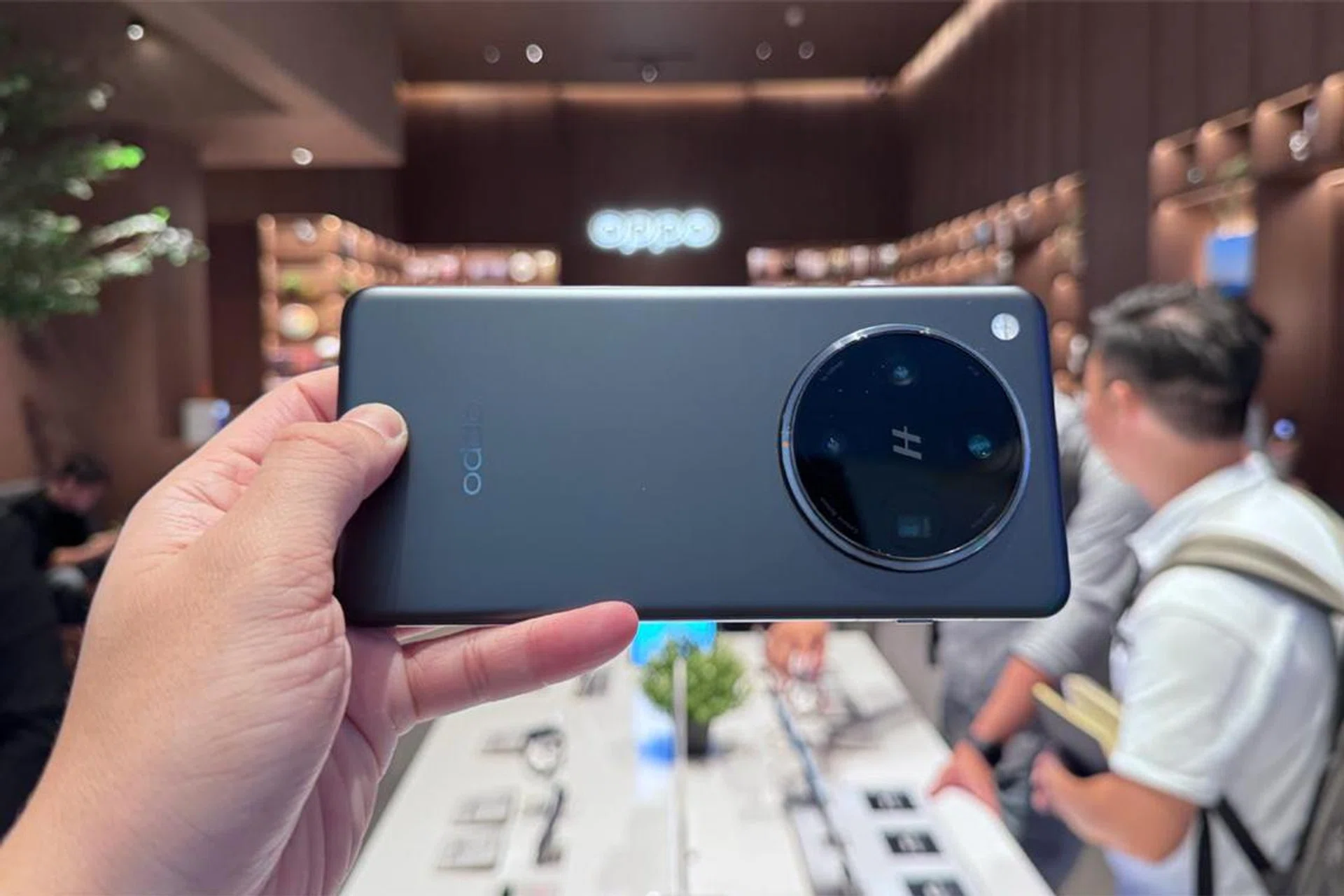
OPPO Find X8 Pro.
OPPO Find X8 Pro - Best Premium Android Smartphone
The OPPO Find X8 Pro, Samsung Galaxy S25 Ultra, and the Xiaomi 15 Ultra are all close contenders, given that they launched early in the year with very impressive hardware and software. A closer look was needed to find the tiebreakers, and OPPO Find X8 Pro was the prevailing winner.
Its trump card was its impressive 20+ hours of battery life, which is 36% and 49% longer than Samsung’s and Xiaomi’s, respectively.
This also takes into account its raw performance (MediaTek processors have come a long way), its cameras, its software (which includes plenty of self-developed features and tight collaboration with Google), and other hygiene factors such as a heightened IP69 rating, design, display quality, fast charging, and the overall user experience.
Before we forget, OPPO Find X8 Pro also did all this while costing S$1,649 (512GB). That’s slightly cheaper than the Xiaomi 15 Ultra (S$1,699, 512GB) and considerably less expensive than the Samsung Galaxy S25 Ultra (S$1,828 for 256GB).
So, it wasn’t Samsung’s nerfed S-Pen stylus that cost the win; rather, it was unclear where the extra money was going to, despite its Ultra designation. On the other hand, OPPO showed that being the best and keeping things simple are more important than being cool.
Check out our full review for more details.
Note: The OPPO Find X8 Pro (16GB RAM, 512GB storage) retails for S$1,649 in Pearl White and Space Black. It is available at Lazada, Shopee, Amazon, iShopChangi, KrisShop, TikTok Shop, Zalora, and major consumer electronics stores.
How we rated the nominees in this category
| Google Pixel 9 Pro XL | Honor Magic7 Pro | OPPO Find X8 Pro | Samsung Galaxy S25 Ultra | Sony Xperia 1 VI | Xiaomi 15 Ultra | |
|---|---|---|---|---|---|---|
| Design | 9.0 | 7.5 | 8.5 | 9.0 | 8.5 | 7.0 |
| Features | 8.5 | 8.0 | 9.0 | 8.0 | 8.0 | 7.5 |
| User-friendliness | 9.0 | 7.5 | 7.5 | 8.5 | 8.0 | 8.5 |
| Performance | 7.0 | 8.0 | 9.5 | 9.0 | 8.5 | 9.0 |
| Value | 5.5 | 8.5 | 8.0 | 7.5 | 6.5 | 8.0 |
| Overall | 7.5 | 8.0 | 9.0 | 8.5 | 8.0 | 8.0 |
| Price (storage) | S$1,599 (128GB) | S$1,399 (512GB) | S$1,649 (512GB) | S$1,828 (256GB) | S$1,989 (256GB) | S$1,699 (512GB) |
*Note: Prices and ratings listed are accurate during individual product evaluation. Street prices and availability might be different at the time of awards recognition. Scores may have been adjusted to reflect relative ratings to other products launched later or sooner.
For more details on how we rated our nominees and to learn about our experience with each device, check out the full reviews and articles linked in the nominees list. In the meantime, here's how the other nominees fared in a snapshot.
Samsung Galaxy S25 Ultra - The best premium Android alternative for everyone else
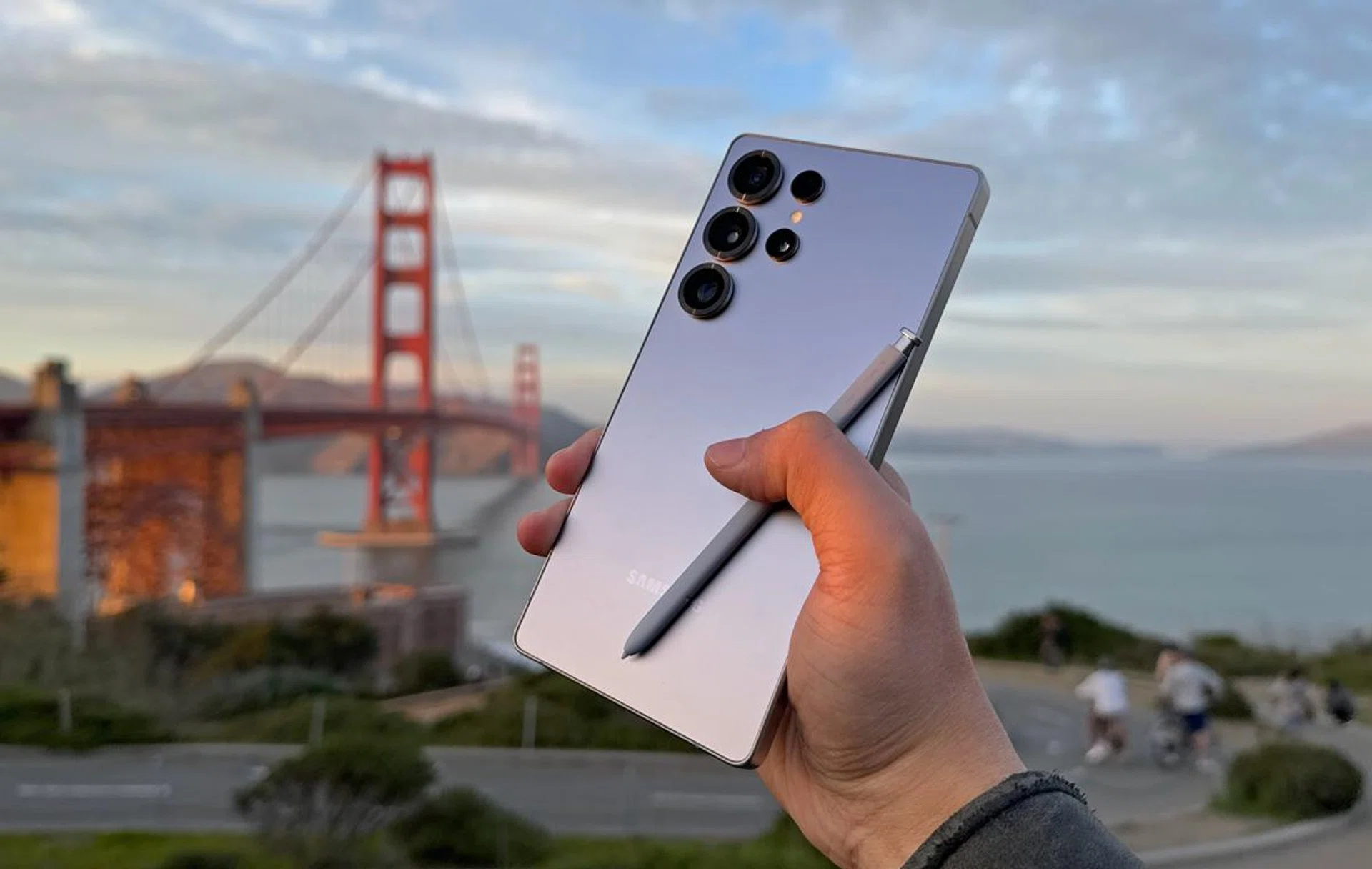
Samsung Galaxy S25 Ultra
We understand that not all users are willing to experiment, as these premium phones do not come cheap. Luckily, the Samsung Galaxy S25 Ultra is a solid choice despite narrowly missing the win.
To be clear, you can hardly go wrong with Samsung. If anything, its incremental refinements brought forth a very complete package, even if they’re a little lost on what to do with the S Pen.
What it did not anticipate is other brands being equally motivated in capturing the premium market share, which was reflected in the progress seen in recent top-end handsets. If you recall, the Galaxy S25 Ultra was only a minor upgrade from its predecessor.
Why it did not beat OPPO was the perceived value offered, despite the Ultra designation. Without a clear S Pen strategy, lower starting storage, and a higher price, the Samsung did not seem to offer its previously tremendous all-out value you’d usually get from Ultras of before. On the other hand, you get plenty of the same everyday perks with the OPPO Find X8 Pro, on top of a better value. We agree that Samsung has the better software and ecosystem, but OPPO has also been making significant strides in its ColorOS to make it smoother, too.
That said, second place in one of the toughest consumer tech categories is something many brands can only dream about. There’s no doubt Samsung’s Galaxy S series devices will always be one of the best options, but its consistent performance also means the margin for error is much slimmer than other Android phones out there. We can’t help but feel that Samsung could have made a truly undeniable, exceptional Ultra instead. Maybe next time.
Check out our full review for more details.
Note: Samsung Galaxy S25 Ultra retails at S$1,828 (256GB) at Samsung Online Store, Lazada, Shopee, KrisShop, and many other locations.
Xiaomi 15 Ultra - The underdog that went against all odds
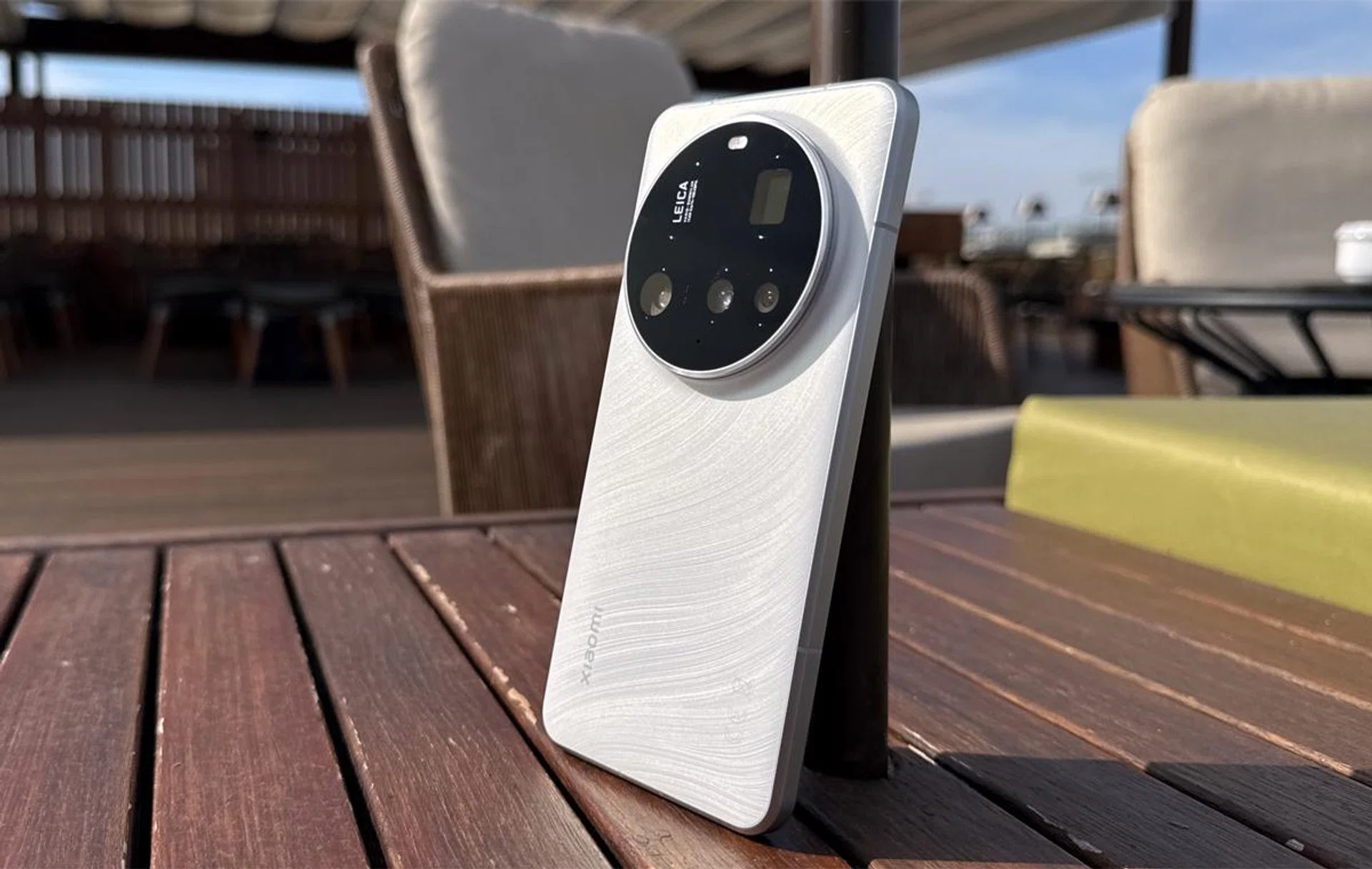
Xiaomi 15 Ultra
While it may seem like Xiaomi is the David going up against two Goliaths when you compare to its rivals above, the Xiaomi 15 Ultra has its own charm that makes it stand out far above every other option on this list.
First is its Leica collaboration. Short of owning a true Leica camera, the shooting style and quality are deliciously unique, made better by its supermassive imaging sensor.
It’s also one of the few phones that appeal to users who like thick, chonky devices with a battery to match. The updated operating system, which feels cleaner and more refined, certainly helped.
If you read our review, you’ll also know there’s no way a 1440p display like that is here to lose. There are just so many things that make this an enjoyable premium device in ways most people can appreciate.
It came very close, but the other two options had a more sensible build (the Xiaomi 15 Ultra is notably thicker in comparison). Xiaomi’s HyperOS software, while improved, is nowhere as drastic as OPPO’s ColorOS makeover, nor as comprehensive as Samsung’s One UI. Xiaomi also boasts outstanding camera performance, but we must temper our amazement because its stylistic choice is not as versatile as the cameras on other brands. The most exciting AI perk it had (AI Subtitles) could’ve helped it gain an edge against competitors that love to tape random and pointless “AI features” to their phones, but it was not usable enough for consideration.
Sadly, it’s a tough market, and Xiaomi just narrowly misses the mark.
Check out our full review for more details.
Note: Xiaomi 15 Ultra officially retails at S$1,699 (16GB RAM and 512GB storage) on Xiaomi’s official online store and official platforms like Shopee and Lazada.
Google Pixel 9 Pro XL - The Founders Edition of Android smartphones
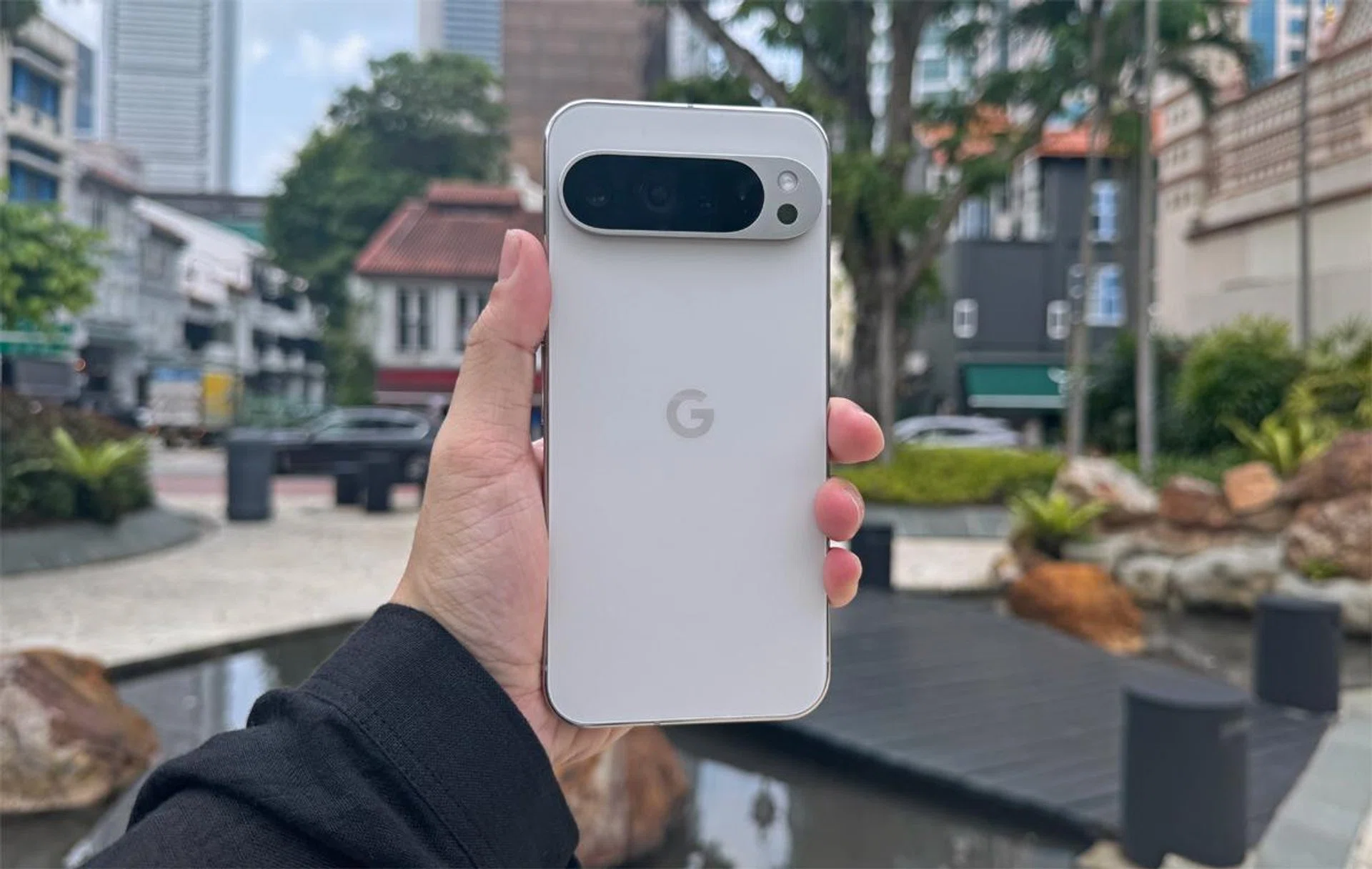
Google Pixel 9 Pro XL
Just as graphics cards have Founder’s Edition variants by the original brand alongside OEMs, Google has the Pixel 9 Pro XL. It sets the expectations and tone for premium Android phones for the rest of its partner-customers.
While Google did overpromise its agentic capabilities in Gemini, the rest of Pixel AI still worked very well. We also appreciated how Gemini effectively integrated elements of Google services and apps to make it easier for users. This is in addition to really sweet cameras that capture most scenes in stunning HDR.
Frankly, if it wasn’t for the price hikes and minimal hardware upgrades, we’d see the Pro XL in a more positive light. It also doesn’t help that such a premium phone starts with just 128GB of storage, which is barely enough for users who want the best.
That aside, you can’t deny the Pixel 9 Pro XL was very good at showing others what the minimum bet is, if you want to play at the premium tables. Perhaps it’s time Google upped the ante and played to win.
Check out our full review for more details.
Note: Google Pixel 9 Pro XL starts at S$1,599 (128GB). You can buy them online at the official Google Store, Shopee, Lazada, Amazon SG, Challenger, Courts, Singtel, and SprintCass (Airport).
Honor Magic7 Pro - Your wallet’s best friend, with the perks intact
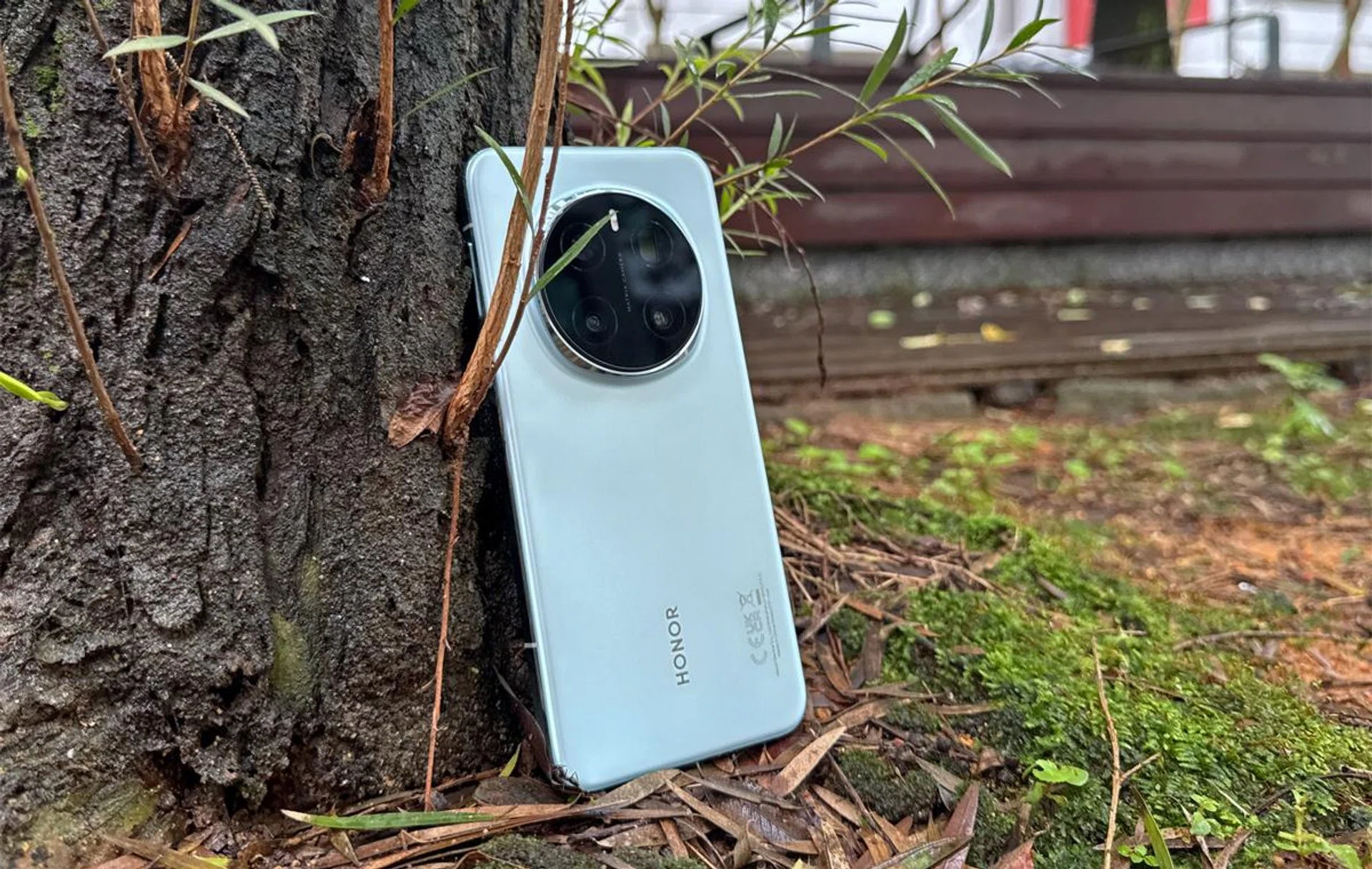
Honor Magic7 Pro
At a whole S$200-300 less than other options on this list, you’d think Honor’s premium alternative stood no chance of getting a word in.
On the contrary, it managed to deliver the minimum expectations of premium devices (which are very hard to meet in the first place).
Where it loses out is the overall software polish, but literally everything else is up to par (high IP ratings, the best Qualcomm chipset for its time, a wonderful display, fairly long battery life, and better AI integration in small ways).
But, if you really think about it, is the less impressive software worth the savings? Some might think yes. That’s why it gets a special mention.
Check out our full review for more details.
Note: Honor Magic7 Pro is available at S$1,399 (512GB storage, 12GB RAM). You can find it at Lazada, Shopee, Challenger, Gain City, and Harvey Norman, as well as at authorised retailers.
Best High-end Android Smartphone
Some discerning phone users are eagle-eyed enough to find premium-grade components among cheaper handsets. This spawned a whole generation of "flagship-lite" alternatives that give the premium equivalents a run for their money. Usually, the cost savings are well worth the trade-offs here.
The qualification for Best High-end Android Smartphone is typically priced around S$1,000, or it has to be the phone brand's midrange/flagship-lite offering. Phones in this range consist of multiple specifications or features adopted from their highest-end mobiles. While they may equal the premium alternatives in some areas, they don't always come with all the bells and whistles offered in the pricier tier.
Like before, the cut-off date applies to launches before end-April 2025.
Nominees:
Note #1: OPPO Reno14 Pro was launched in late-June, after the cut-off date.
Note #2: The next Samsung device, Samsung Galaxy S25, is S$1,288 at launch, nearly S$300 above the ~S$1,000 mark.
And the winner is...
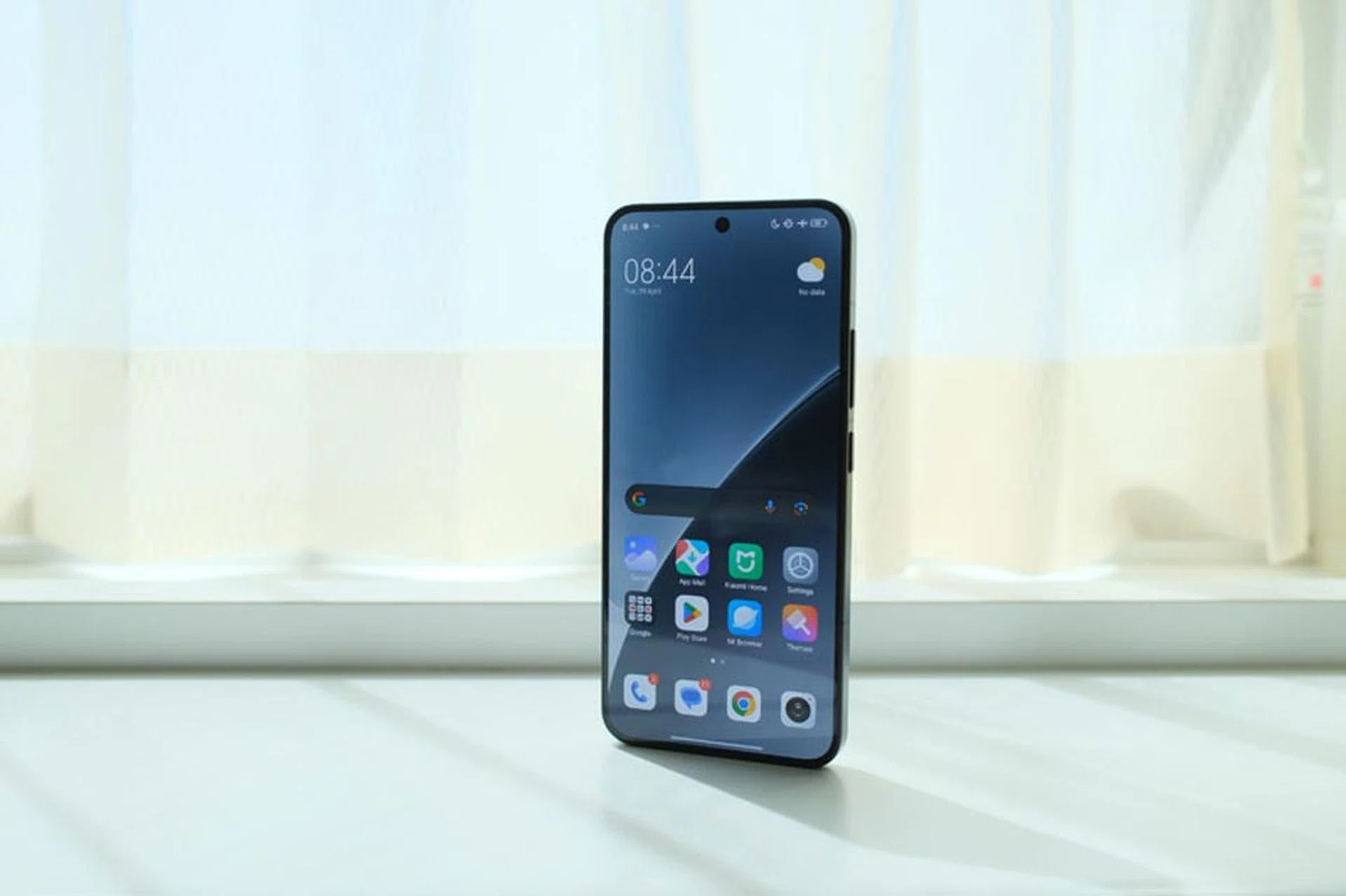
Xiaomi 15
Xiaomi 15 - Best High-end Android Smartphone
The two contenders for this spot are the Xiaomi 15 (S$1,099, 256GB) and its sub-brand’s Poco F7 Ultra (S$869, 256GB). Also, not forgetting the Nubia Redmagic 10 Pro (S$999, 256GB), these three lead the flagship-lite pack with a Snapdragon 8 Elite processor lurking within.
While the S$1,099 (256GB) Xiaomi 15 is slightly more expensive, we found that it was overwhelmingly powerful, given that it also featured Leica cameras and higher-quality shooting capabilities than its Poco cousin.
Despite its flagship killer status, Poco F7 Ultra’s design was a little more divisive, which made the Xiaomi 15’s design also more palatable for a wider audience (plus its compact size adds to its charm). The irony is not lost on us either: Poco could kill flagship phones, just not its own parent company’s.
Another factor that helped Xiaomi gain an edge was its increased uptime. Despite sharing the same parent company and operating system, the Poco F7 Ultra still clocked 247 minutes less, making the extra 4 hours on the Xiaomi 15 much more attractive and more likely to win.
Redmagic 10 Pro had even shorter uptime than these two, despite being a highly competent alternative as well, likely due to its higher 144Hz refresh rate draining more battery.
The other hygiene factors, like 50W wireless charging, IP68 dust-and-water resistance rating, and a good AMOLED display all helped Xiaomi 15 seal the deal.
Check out our full review for more details.
Note: The Xiaomi 15 officially retails for S$1,099 (256GB storage) on Xiaomi’s official online store and official platforms like Shopee and Lazada.
How we rated the nominees in this category
| Google Pixel 9 | OPPO Reno13 Pro | Poco F7 Ultra | Samsung Galaxy S24 FE | Xiaomi 15 | Nubia Redmagic 10 Pro | |
|---|---|---|---|---|---|---|
| Design | 9.0 | 8.5 | 8.5 | 7.5 | 8.5 | 8.5 |
| Features | 8.5 | 8.0 | 7.0 | 8.0 | 9.0 | 8.5 |
| User-friendliness | 9.0 | 5.5 | 8.0 | 8.0 | 9.0 | 7.0 |
| Performance | 7.0 | 7.5 | 9.0 | 8.0 | 9.5 | 9.5 |
| Value | 6.5 | 7.5 | 9.5 | 8.0 | 9.5 | 9.0 |
| Overall | 7.5 | 7.5 | 8.5 | 8.0 | 9.0 | 8.5 |
| Price (storage) | S$1,199 (128GB) | S$999 (512GB) | S$869 (256GB) | S$1,028 (256GB) | S$1,099 (256GB) | S$999 (256GB) |
*Note: Prices and ratings listed are accurate during individual product evaluation. Street prices might be lower at the time of awards recognition. Scores may have been adjusted to reflect relative ratings to other products launched later or sooner.
For more details on how we rated our nominees and to learn about our experience with each device, check out the full reviews and articles linked in the nominees list above. In the meantime, here's how the other nominees fared in a snapshot.
Poco F7 Ultra - The best pedantic choice under S$1,000
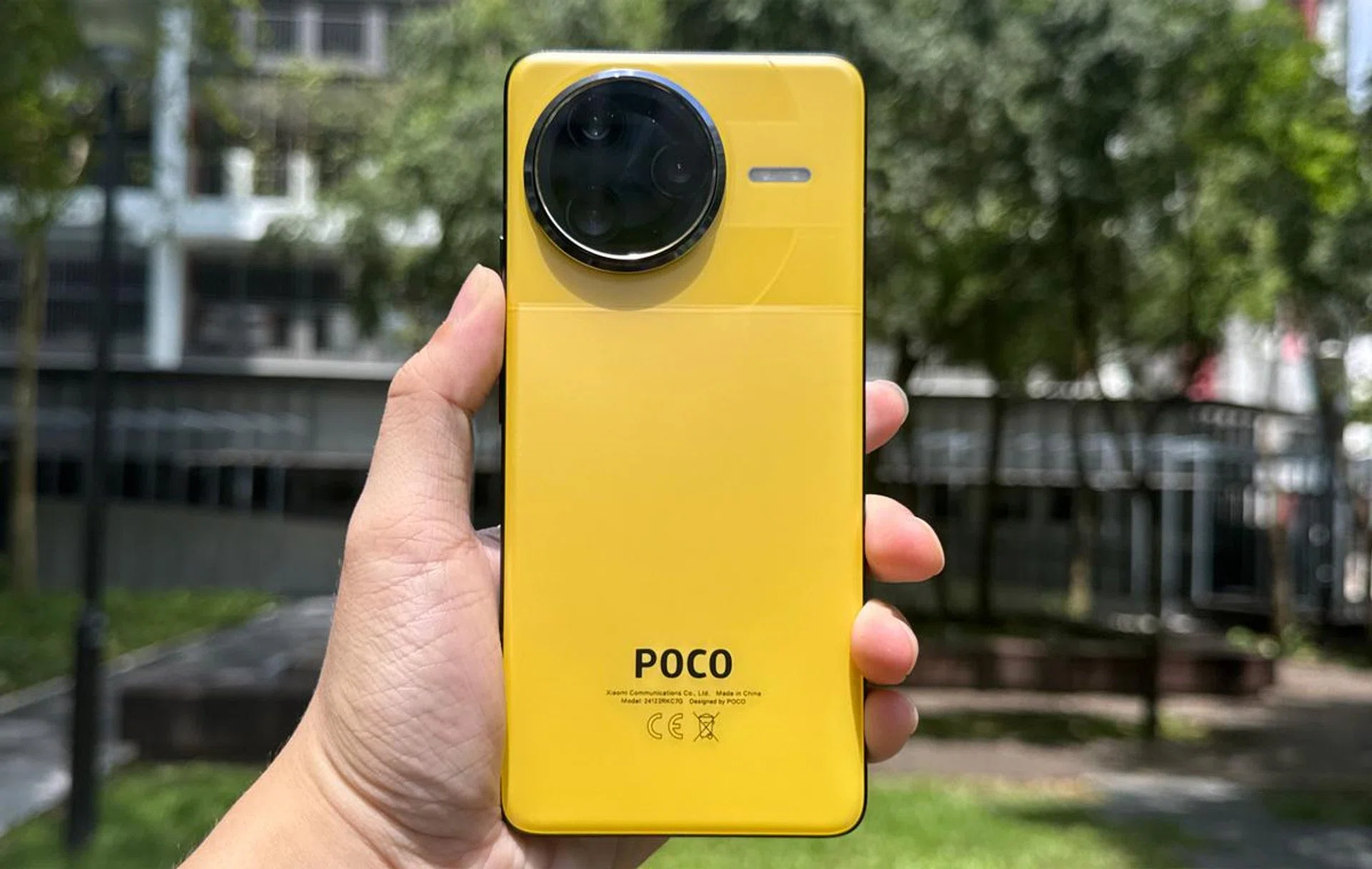
Poco F7 Ultra.
Let’s say you’re really hunting for something that’s very strictly under S$1,000, but want as few compromises as possible. The pedant’s answer to that is the Poco F7 Ultra.
It’s has nearly everything the Xiaomi 15 can offer, seeing how Poco is a sub-brand and F-series is its best foot forward. What it misses out on is Leica cameras, and it loses out on battery life, but the shortfalls really do stop there.
It still retains the same Xiaomi HyperOS 2 operating system, Gemini access, on top of the same powerful chipset. It also has an IP68 rating against dust and water, like Xiaomi. The 120W wired and 50W wireless charging are also present.
If this S$869 (256GB) phone sounds like the better fit for you, then you should go for it. Xiaomi won due to its better overall value, great cameras, and healthy uptime. This is in second place because it’s essentially a stripped-down Xiaomi 15, but with a price to match. Also, you know they are doing something right if one parent company can clinch the top two spots in one swoop.
Check out our full review for more details.
Note: Poco F7 Ultra retails for S$869 (256GB) onwards at Xiaomi’s official online store, the Lazada platform, and the Shopee storefront.
Redmagic 10 Pro - Best alternative for mobile gamers
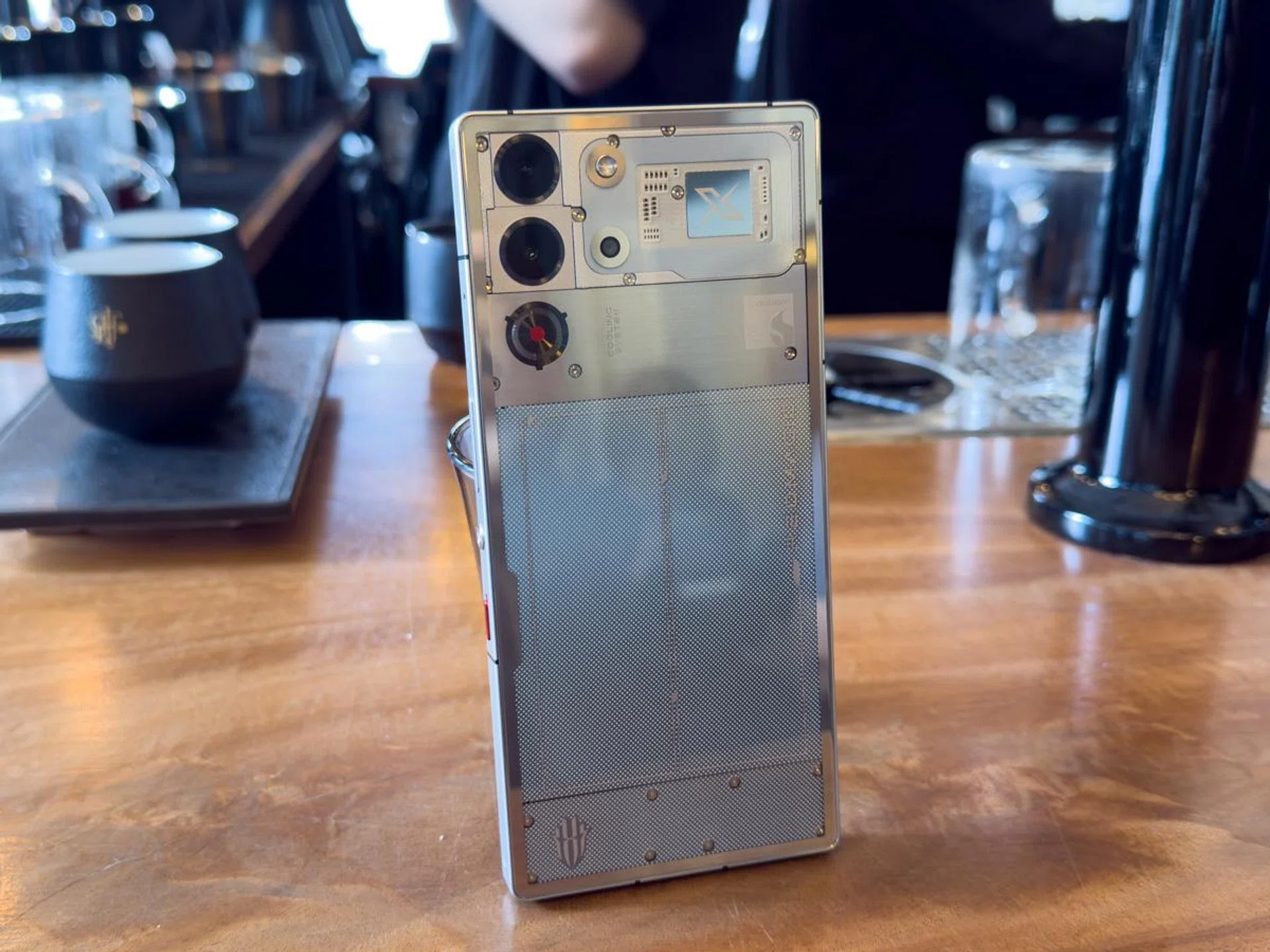
Redmagic 10 Pro.
If you spend many hours on mobile games, especially those that demand quick thinking and quicker reflexes, the Redmagic 10 Pro is this category’s alternative choice.
The Redmagic 10 Pro is awesome in its own way because it packs all sorts of gaming optimisations that only a ranked player can appreciate.
Besides its raw performance (Snapdragon 8 Elite processor), it features exposed exhaust ports that direct heated air out, which is further assisted by an internal ICE-X Liquid Metal cooling system. Our review revealed the actual real-world cooling it afforded, which is crucial for extended gaming sessions.
This is on top of the phone’s mappable capacitive shoulder triggers, monitoring system for FPS, CPU, and GPU performance, and tweaks for overclocking and touch sampling reaction speeds. There’s also a phone mute feature that stops notifications depending on the Wi-Fi/mobile data network you’re on, allowing you to game in peace.
By design, its add-ons resulted in the lack of wireless charging and IP-rated protection. This only emphasises how important all the other gaming perks included are, and that it is made for one hobby alone. It’s a portable gaming console first, phone second.
Check out our full review for more details.
Note: The Redmagic 10 Pro retails from S$999 (256GB) onwards at Redmagic’s online portal and Lazada.
Best Value Android Smartphone

Like diamonds in the rough, price-to-performance Android phones offer many surprises and deliver unexpected value. If anything, it’s actually one of the more hotly contested segments of the market, given how they mimic the top-grade goods while keeping prices palatable.
We are assessing phones that are typically around S$799 or less, and launched before end-April 2025.
Nominees:
- Xiaomi 14T Pro
- Honor 200 Pro
- Nothing Phone (3a) Pro
- Poco F7 Pro
- Vivo V50
- Samsung Galaxy A56
- Google Pixel 9a
Note: Honor 400 Pro was launched in May 2025, a month after the cut-off date.
And the winner is...
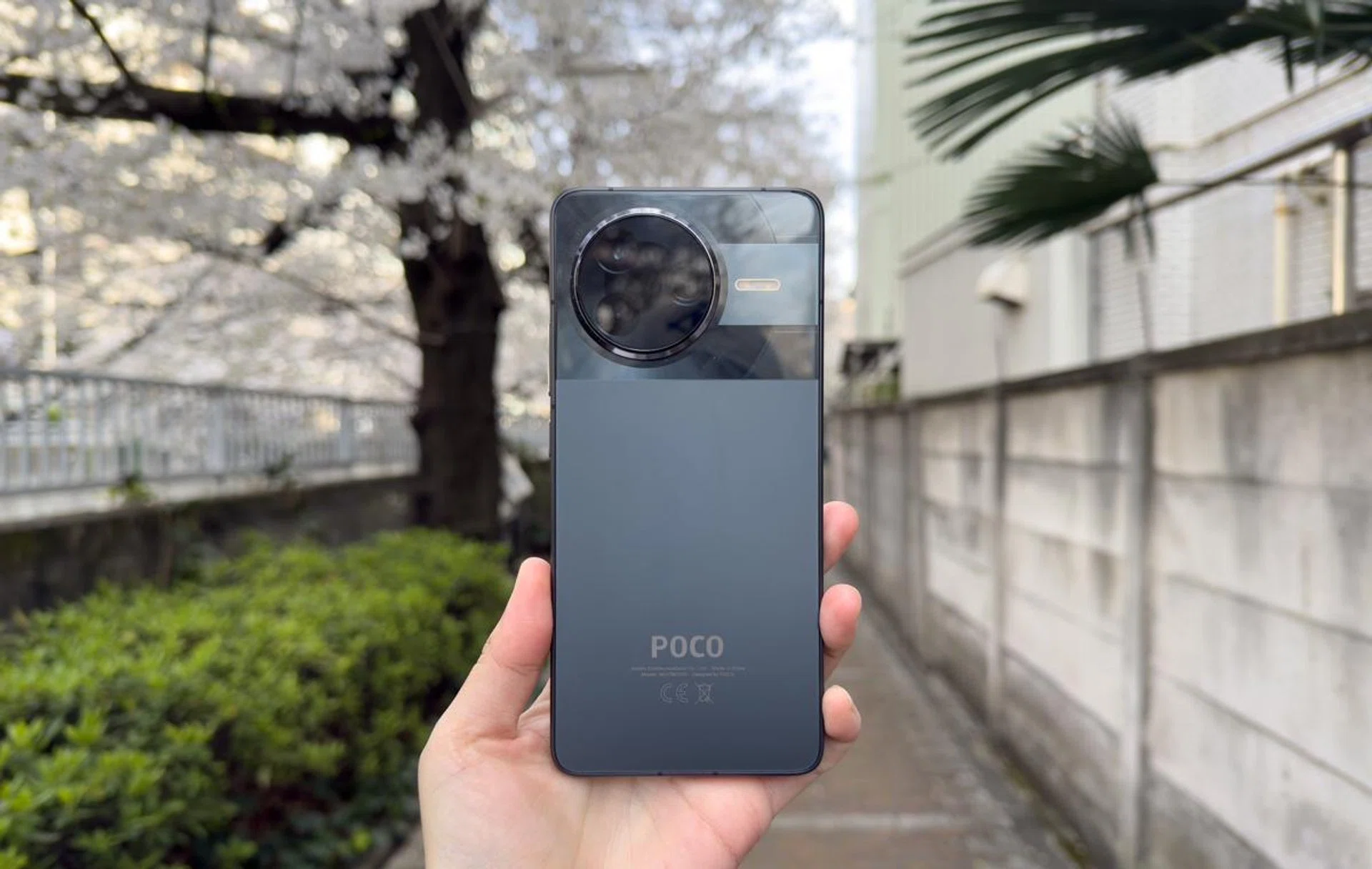
Poco F7 Pro.
Poco F7 Pro - Best Value Android Smartphone
Unlike the premium Android category, a S$50 gap here could mean a world of difference to its user. It is with this consideration that we weighed everything and decided that Poco F7 Pro came the closest to having one of the best value options out there.
Yes, it has bloatware, but that’s the hidden “tax” of using lower-cost devices. With enough ingenuity and earnest tweaks, it can be kept to a minimum. After all, the average person can learn how to manage their digital clutter, data, and privacy, but can’t as easily pry out the camera module and replace it with a better one.
By taking into account battery life, raw performance, and general user handling, as well as perks like fast charging and IP68 rating, the Poco F7 Pro is an overwhelming contender with its Qualcomm Snapdragon 8 Gen 3 processor within. This is undoubtedly great value because you don’t have to pay a premium to get a true high-end experience, even if it’s a few years old.
The other contenders are doing a lot more to cut corners and fit the price tag. They either lack an IP68 rating, use a significantly inferior chip, or place too much emphasis on cameras, neglecting the basics like battery uptime and fast charging. Some even have the gall to still include ads, after neglecting all these essentials.
With the Poco F7 Pro, you’re still getting something powerful in return with all basic needs met, for not a lot of money.
Check out our full review for more details.
Note: Poco F7 Pro is at Xiaomi’s official online store, the Lazada platform and Shopee storefront.
How we rated the nominees in this category
| Xiaomi 14T Pro | Honor 200 Pro | Nothing Phone (3a) Pro | Poco F7 Pro | Vivo V50 | Samsung Galaxy A56 | Google Pixel 9a | |
|---|---|---|---|---|---|---|---|
| Design | 8.5 | 7.5 | 7.0 | 8.0 | 8.0 | 7.0 | 8.0 |
| Features | 8.0 | 8.0 | 8.0 | 7.0 | 8.0 | 5.0 | 7.5 |
| User-friendliness | 7.0 | 8.5 | 8.0 | 5.0 | 7.5 | 6.0 | 7.5 |
| Performance | 8.0 | 8.5 | 7.0 | 9.0 | 6.5 | 6.0 | 7.5 |
| Value | 9.5 | 8.5 | 6.0 | 9.0 | 4.0 | 6.5 | 6.5 |
| Overall | 8.5 | 8.0 | 7.0 | 9.0 | 6.5 | 6.0 | 7.5 |
| Price (storage) | S$799 (256GB) | S$799 (512GB) | S$649 (256GB) | S$669 (256GB) | S$669 (256GB) | S$538 (128GB) | S$799 (128GB) |
*Note: Prices and ratings listed are accurate during individual product evaluation. Street prices and availability might be different at the time of awards recognition. Scores may have been adjusted to reflect relative ratings to other products launched later or sooner.
For more details on how we rated our nominees and to learn about our experience with each device, check out the full reviews and articles linked in the nominees list above. In the meantime, here's how the other nominees fared in a snapshot.
Xiaomi 14T Pro - The best not-so-budget alternative
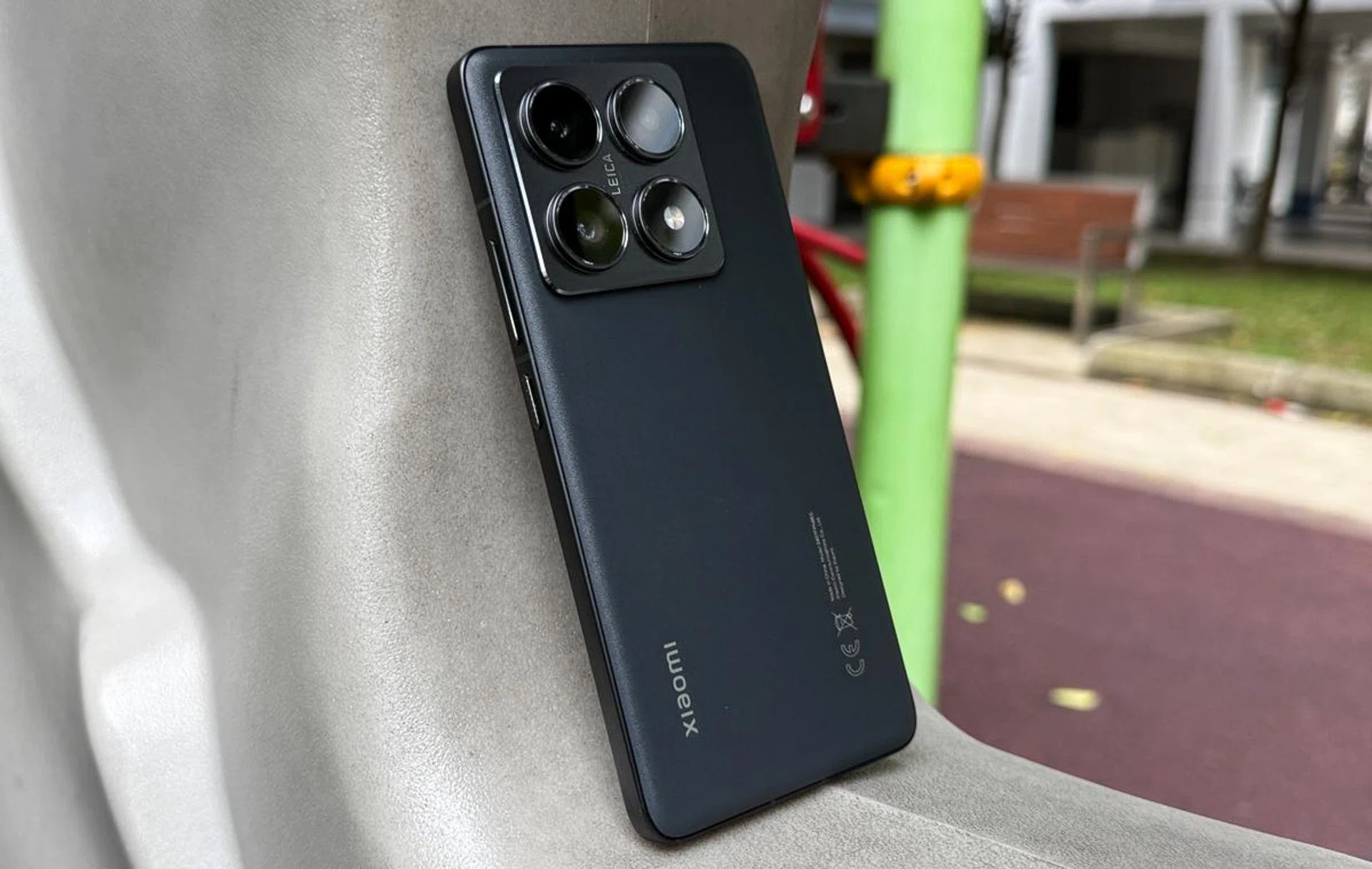
Xiaomi 14T Pro
At almost S$800, we’re comfortable recommending the Xiaomi 14T Pro if you’re looking for something with fewer ads built in.
The extra money you pay also nets you faster 120W charging, adds 50W wireless charging, gives you Leica-tuned cameras, a more fluid 144Hz refresh rate, and the same IP68 dust and water resistance. In exchange, you get a MediaTek Dimensity 9300+ instead of a top-grade Qualcomm chip.
Some might look at this and go, wait, isn’t this far more powerful and worthy than the Poco F7 Pro?
That is true if you really have no problems affording the S$799 phone, but we had to balance basic, practical needs against price, and the S$669 Poco F7 Pro was able to deliver most of what the Xiaomi 14T Pro has at a much lower price point.
Arguably, the better perks on Xiaomi don’t mean the user gets tangibly more, which is especially true if you “just need a phone”. Choosing between this and its sub-brand’s closest contender really boils down to how much S$150 means to you outside of handsets.
So, we made the call that’s most balanced towards responsible spending. Consider the Xiaomi 14T Pro instead if you can afford a slightly higher price; otherwise, the Poco F7 Pro remains the best prudent option if you need something more budget-friendly.
Check out our full review for more details.
Note: You can get Xiaomi 14T Pro at authorised Xiaomi retail stores island-wide, and the phone is also available on Xiaomi’s Lazada store and official Shopee store.
Google Pixel 9a - The next best budget phone that’s also ad-free
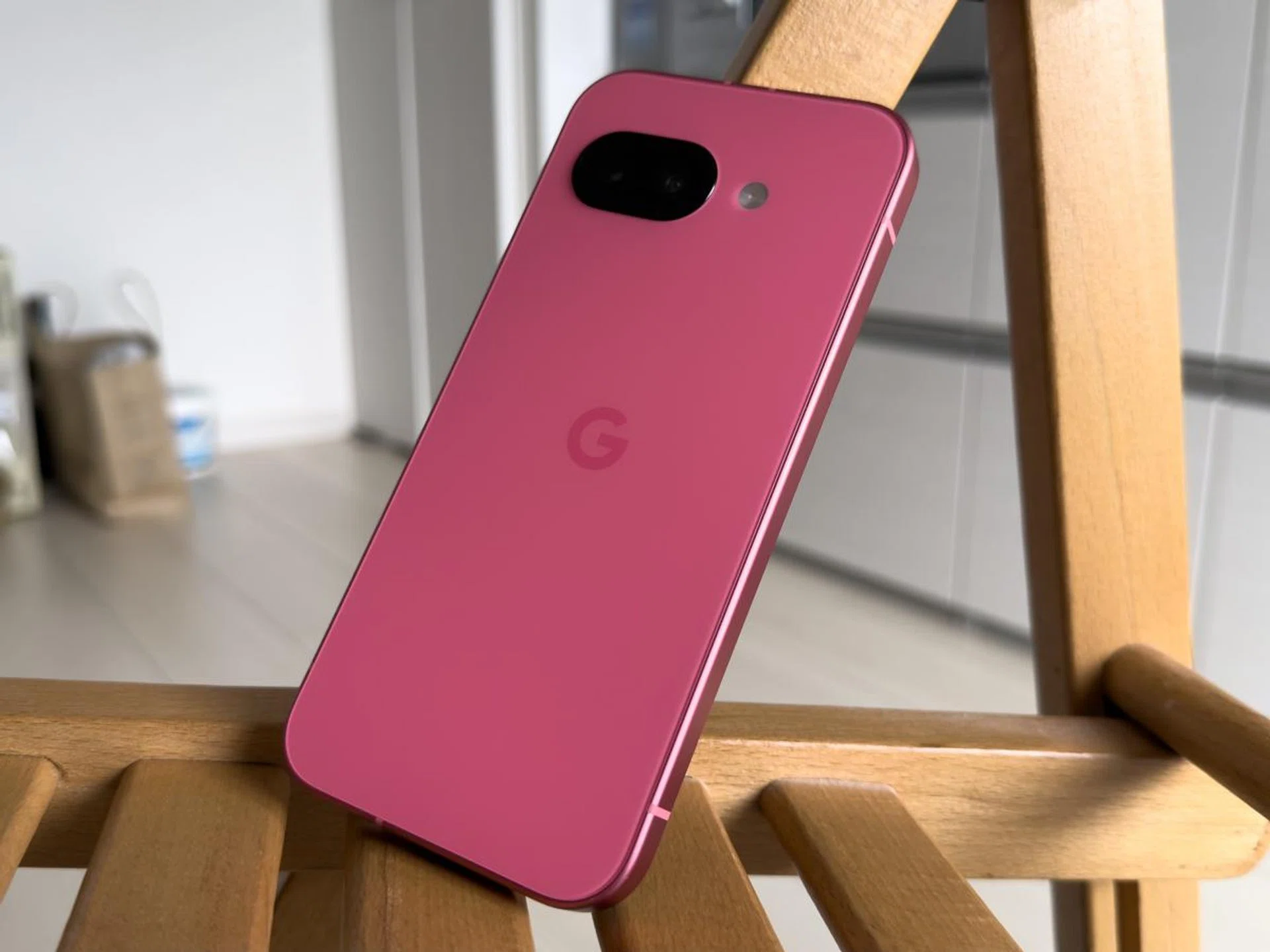
Google Pixel 9a.
Being a budget phone buyer doesn’t necessarily mean you must accept less-than-perfect user experience. The Google Pixel 9a actually comes the closest to that despite some of its shortcomings, which we explain below.
The biggest draw is the operating system, which is identical to its flagship and premium counterparts, right down to the general lack of ads. This good value is further supported by its overall performance, having the same Tensor G4 chipset as its peers. While it’s not the fastest or most powerful that money can buy, it runs Android and Material You (its interface) swimmingly.
You combine those perks with its decent cameras and battery life, on top of its HDR-capable display that also has 60-120Hz refresh rate, and you get a very well-crafted, clean, and smooth-operating everyday carry.
We think the Google Pixel 9a makes a great alternative if you prioritise all these user-first perks over cramming the best parts for as little money as possible.
Check out our full review for more details.
Note: The Google Pixel 9a is officially available in Singapore at S$799 (128GB) from the Google Store, Lazada, and Shopee.
(This article is one of 16 parts in our Tech Awards 2025: Editor's Choice content series.)
Our articles may contain affiliate links. If you buy through these links, we may earn a small commission.