
Canon PowerShot G1 X - The Mighty Tank
The PowerShot G-series has always been the flagship, 'serious' digital compact camera from Canon, and the latest G1 X represents the best of the best of Canon's digital compact cameras. But in our review, we discover that while the camera is outstanding in some areas, it literally lags behind in others. Find out why.

Introduction
The PowerShot G-series has always been the flagship, 'serious' digital compact camera from Canon - the camera for those willing to sacrifice the 'compact' part for a chunkier camera because it comes with manual controls and brilliant images.
To understand the G-series, you have to go back a little in time before the advent of mirrorless system cameras. For a period of time, photographers could only choose between DSLR and digital compact cameras - mirrorless hadn't come along to fill in the middle between size and performance yet. But there were other cameras which stood for the middle ground back then, like the superzoom bridge cameras which kinda looked like DSLRs, and the 'serious compacts' like the Canon G-series.
Today, of course, photographers are spoilt for choice with the sheer number of mirrorless system cameras to choose from - cameras smaller than DSLRs, offering image quality better than any compact (and comparable to DSLRs in some instances) with the ability to pick and swap lenses for richer photographic effect. Mirrorless system cameras have started to catch on since their debut in 2008; in 2011 mirrorless system cameras accounted for 50% of all interchangeable-lens camera sales (read: DSLRs) in Japan, and nearly 30% in Asia. That's just from three years' worth of growth.
None of the camera makers can afford to ignore the rise of mirrorless system cameras, which is why nearly every one of them has a system on the market. The other half of the big two, Nikon, launched their 1 series mirrorless cameras just last year - which makes the absence of a mirrorless system from the largest camera maker in the world rather conspicuous.
Canon's Answer to Mirrorless System Cameras
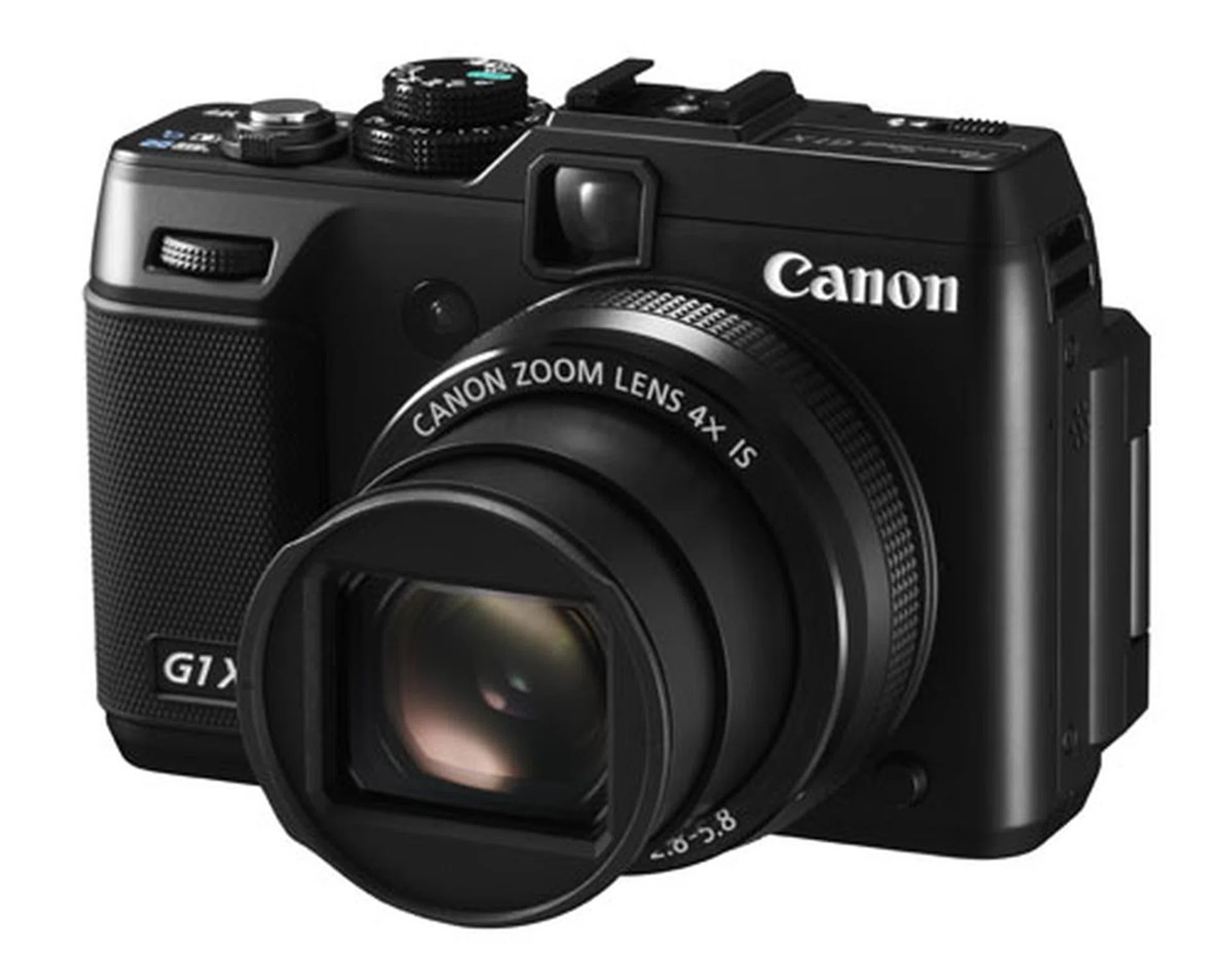
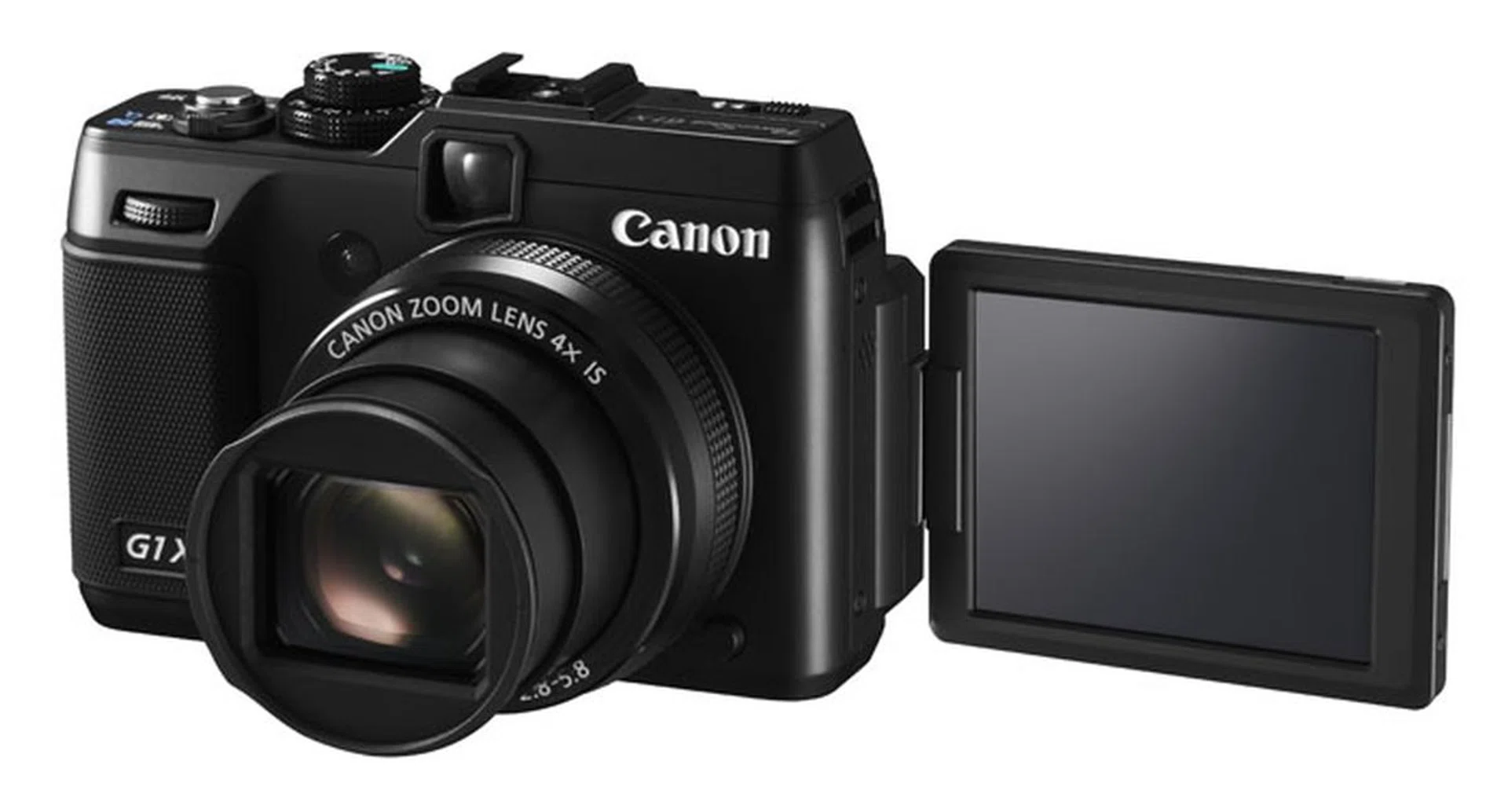
Instead of launching a mirrorless system camera, Canon has released the PowerShot G1 X, the successor to the two-year old G12. It warrants a break-away from the G numbers, not because number G13 would make an unlucky name, but because the G1 X comes with a brand-new 14MP CMOS sensor. It's the largest sensor ever in a G-series camera, six times larger than the one in the G12, and slightly larger than the Micro Four Thirds sensor in Panasonic and Olympus' mirrorless system cameras.
Other new features include the Digic 5 image processing engine, a higher maximum ISO setting of 12,800, 14-bit RAW images, Full-HD 1080/24p video recording, and a bigger 3" vari-angle LCD with double the resolution of the G12. To accommodate the larger sensor, the G1 X is bigger and heavier than the G12, as well as pricier; retail price is S$999 compared to the G12's S$749.
That's a lot of coin to drop for a compact camera, so you'll want to know how the G1 X measures up. You know what we're going to say: Keep reading to find out!

Design & Handling
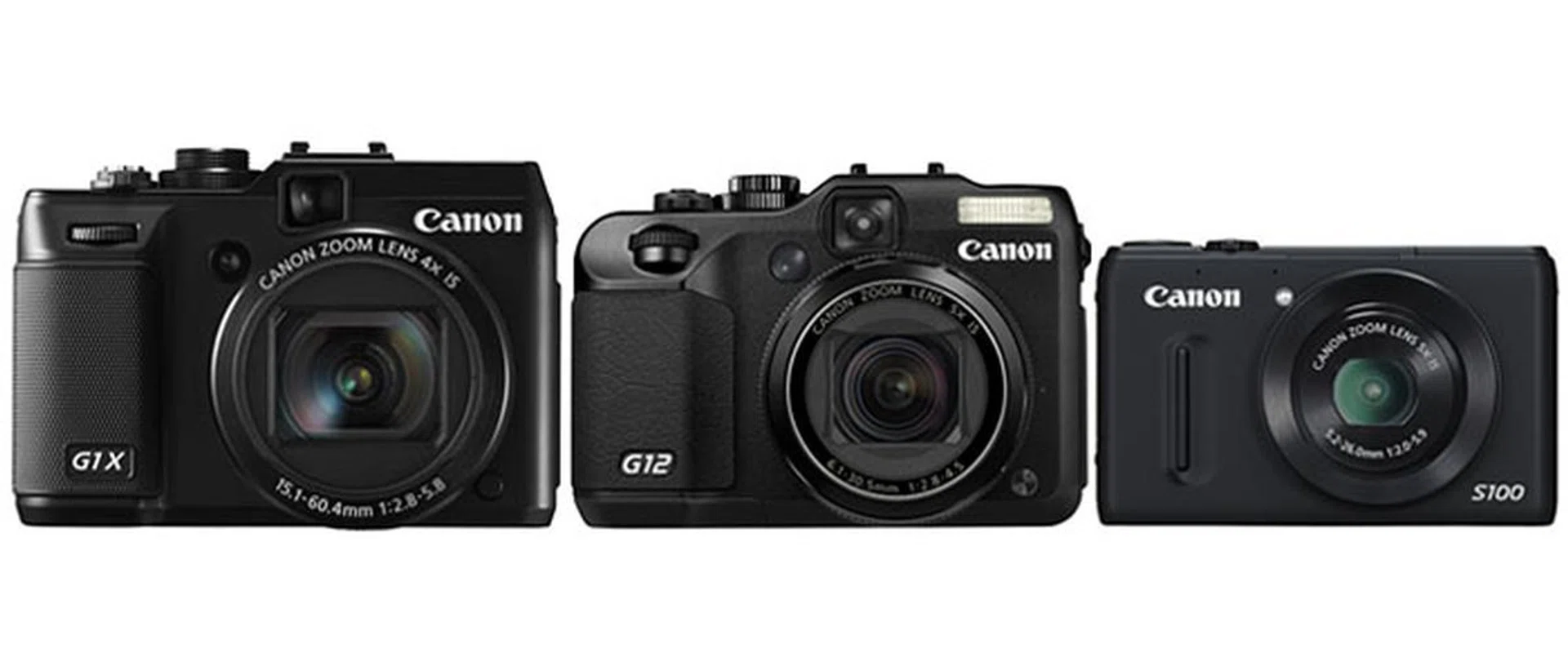
The G1 X isn't a pocket camera. The image above will give you an idea of how much bigger it is when compared to your average compact, as well as compared to the G12. The camera weighs half a kilogram at 534g with batteries, more than 100g heavier than the G12, and you'll feel it when you hold it. Luckily, the camera feels right. The bigger grip gives you a comfortable purchase on the camera, and everything feels like it's placed where it should be. Controls are easily accessed, and nothing really gets in your way. Looks-wise, the G1 X looks cleaner and more modern than the G12.
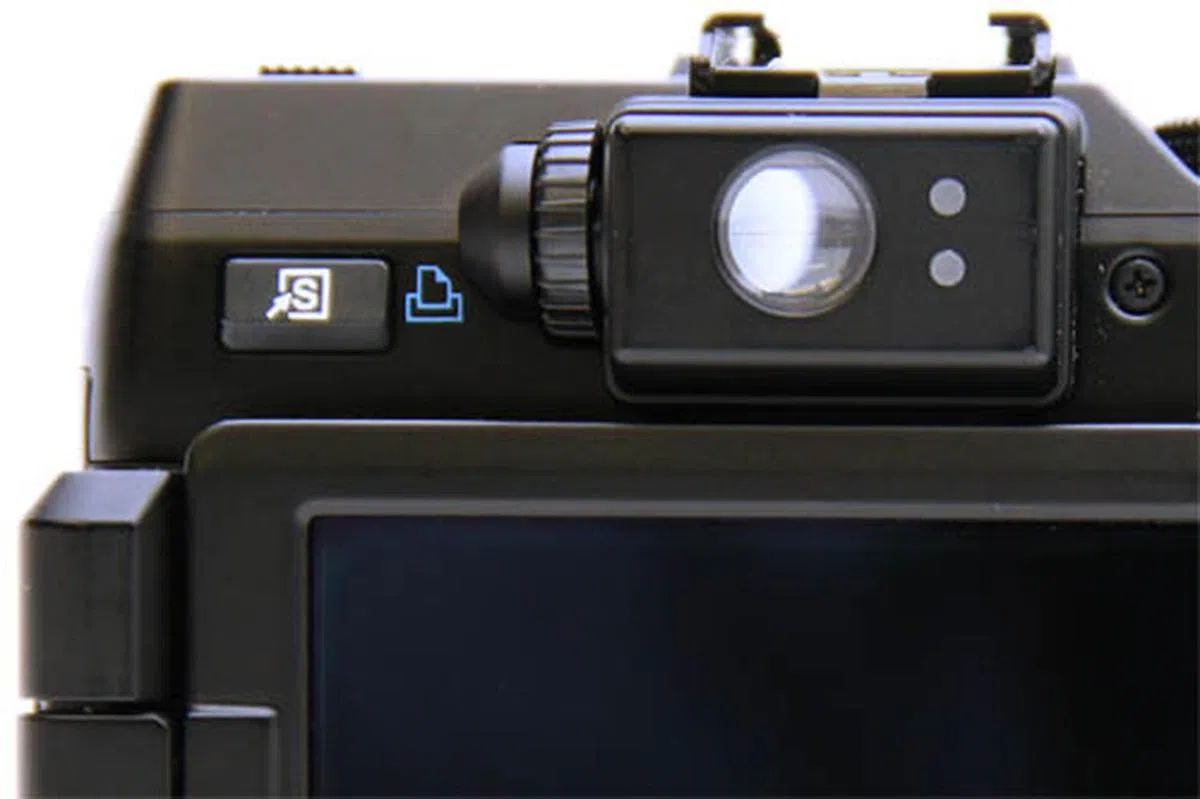
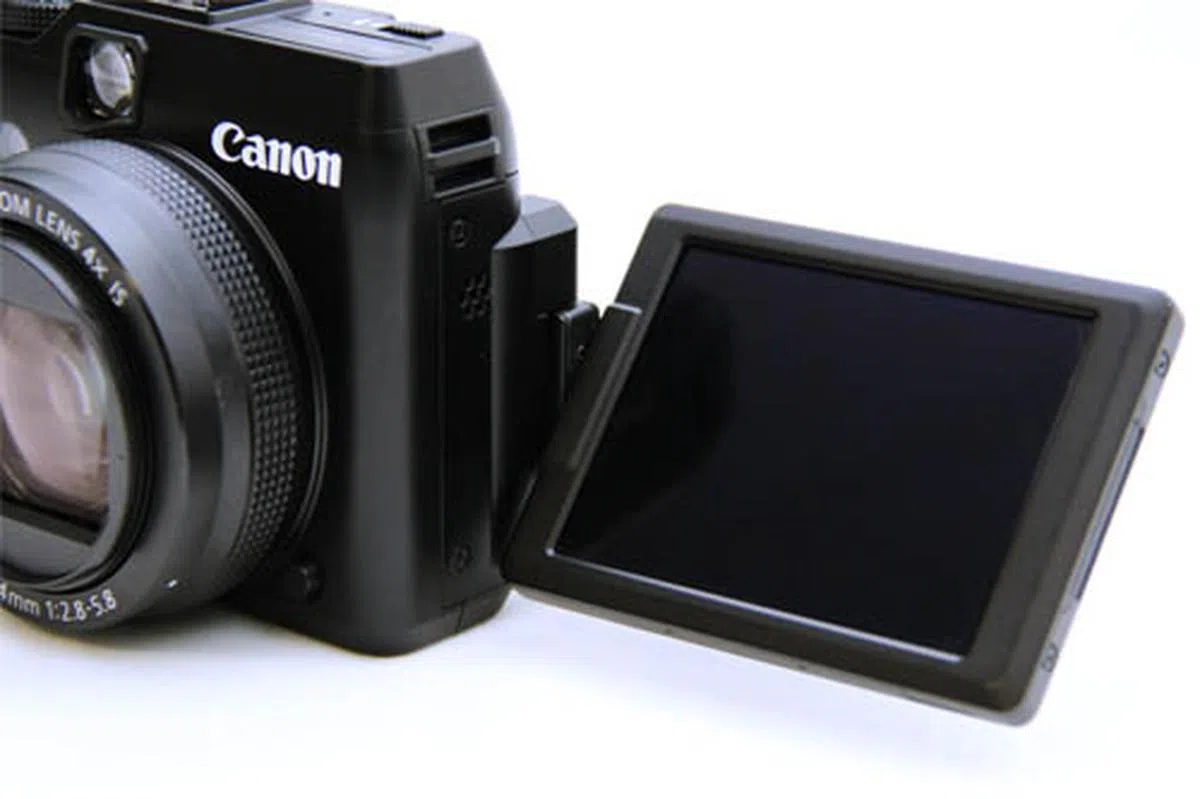
You'll notice an optical viewfinder on top of the lens, the same as it was on the G12. Like the G12's, the G1 X's isn't so useful, it's small, hard to see through and not connected to the lens in any way, so you don't see exactly what you shoot. What's more useful is the 3" vari-angle LCD, which twists and turns to let you shoot with more freedom. With a resolution of 920k dots, the screen is brilliant and is almost comparable to the 3" screens in Canon's entry-level DSLRs, like the 600D's 3" screen which has 1.04 million dots.
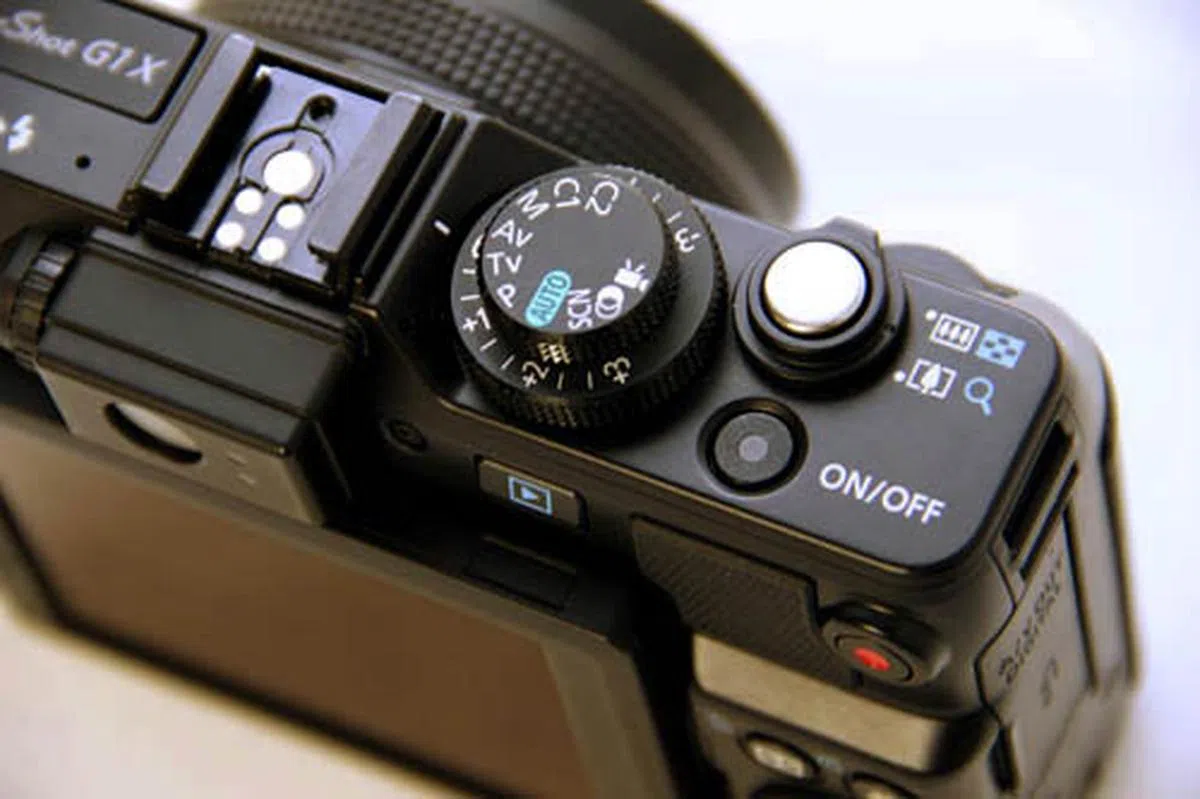
Like Canon's DSLR cameras, the G1 X offers manual control using the front control dial and the back control wheel, which will take over aperture and shutter speed settings. A large exposure compensation dial sitting below the Mode dial lets you dial settings physically, a digital meter will display on-screen when you twist the dial so you don't always have to be looking at it.
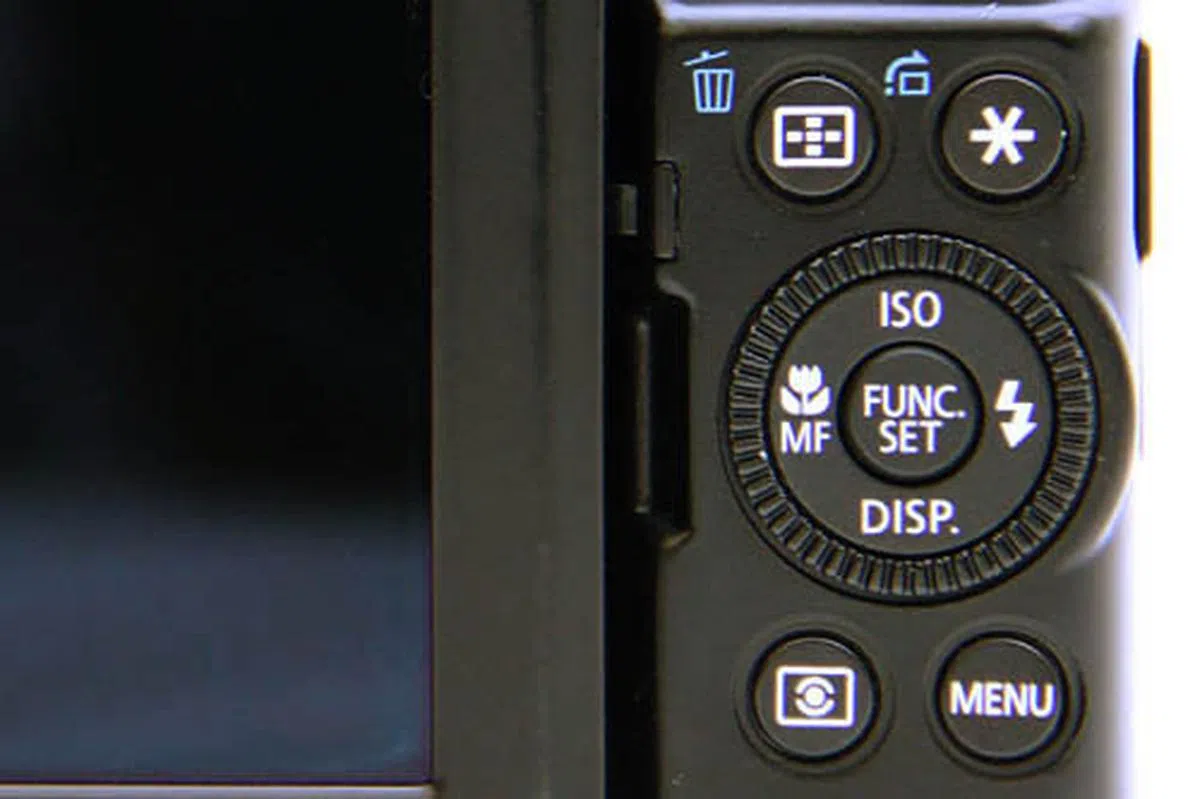
The d-pad inside of the control wheel offers dedicated controls to commonly used commands like ISO and Macro mode, pressing the center Function button brings up a quick command list of additional controls overlaid on the display. There is a customizable Shortcut button on the top left, below the flash, which you can program to activate your command of choice. Everything a manual shooter needs is a few comfortable clicks away and operating the camera always feels smooth.
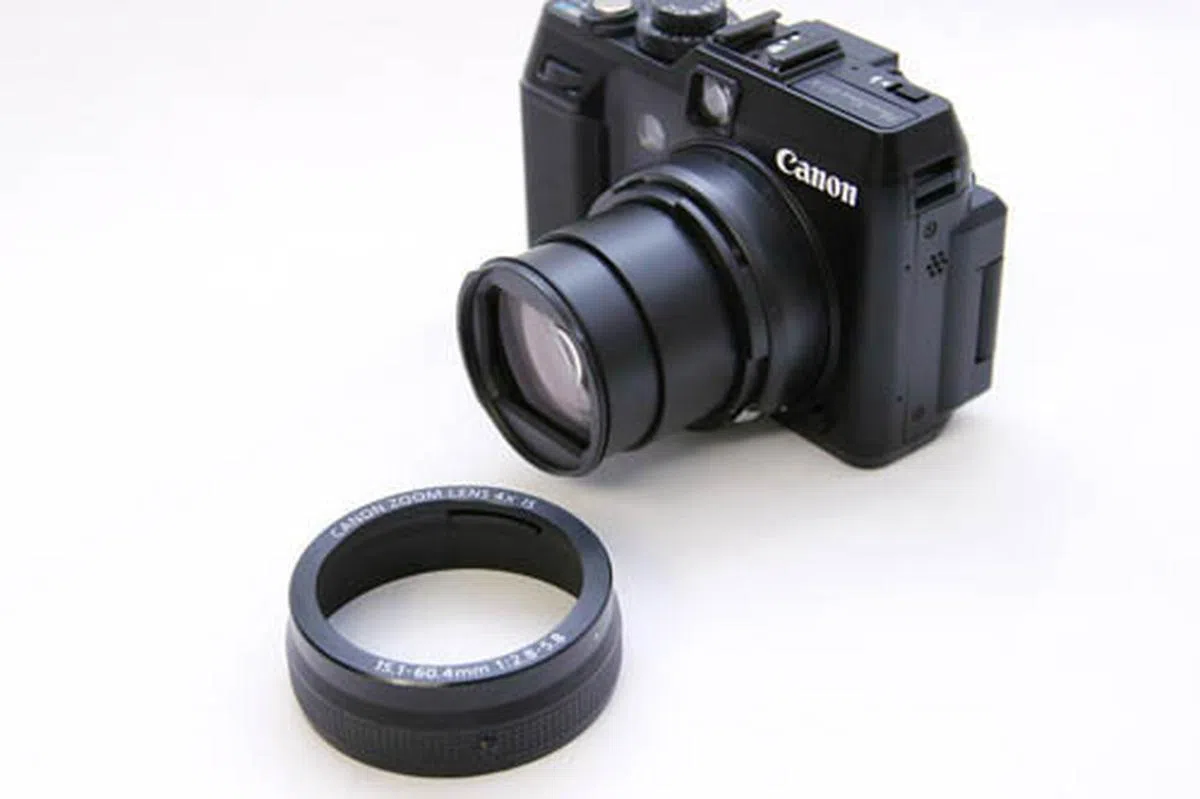
Because the camera's lens is so big, the G1 X doesn't have a built-in retractable lens cover like the G12. You have to take the lens cover off yourself, much like on a DSLR camera (you can string the cover to the camera so you don't lose it). We were surprised that, for a camera built for experienced users, you cannot define a minimum shutter speed when setting ISO sensitivity to Auto, and the maximum ISO Auto setting available is only ISO1600, when manually you can set ISO to a maximum of ISO12,800.
 |

The Trouble with AF Frames
The G1 X, like the PowerShot S100, doesn't have a 'pure' multi-frame AF mode, rather, it has a Face AiAF mode which operates as multi-frame AF when faces aren't in the shot. This can sometimes produce problems, especially when you're shooting a shot where you don't want to have the faces be the center of focus but the camera will continue to focus on them, like people in a landscape shot. The other AF mode options are FlexiZone AF, where you determine the AF point yourself, and Tracking AF, where it will lock on to a subject and track it as it moves across the frame. In FlexiZone AF mode, it's relatively easy to position the AF point by pressing the AF Frame Selector button on top of the control wheel and using the wheel or d-pad to move the point.
Buy an Extra Battery
Like the Canon S100, the G1 X's battery is woefully short, much shorter than the G12's. The battery is rated for 250 shots, and we managed around 240 in a day of shooting on a full charge before the camera kept flashing a low-battery warning. We highly recommend you buy an extra battery if you get the G1 X.
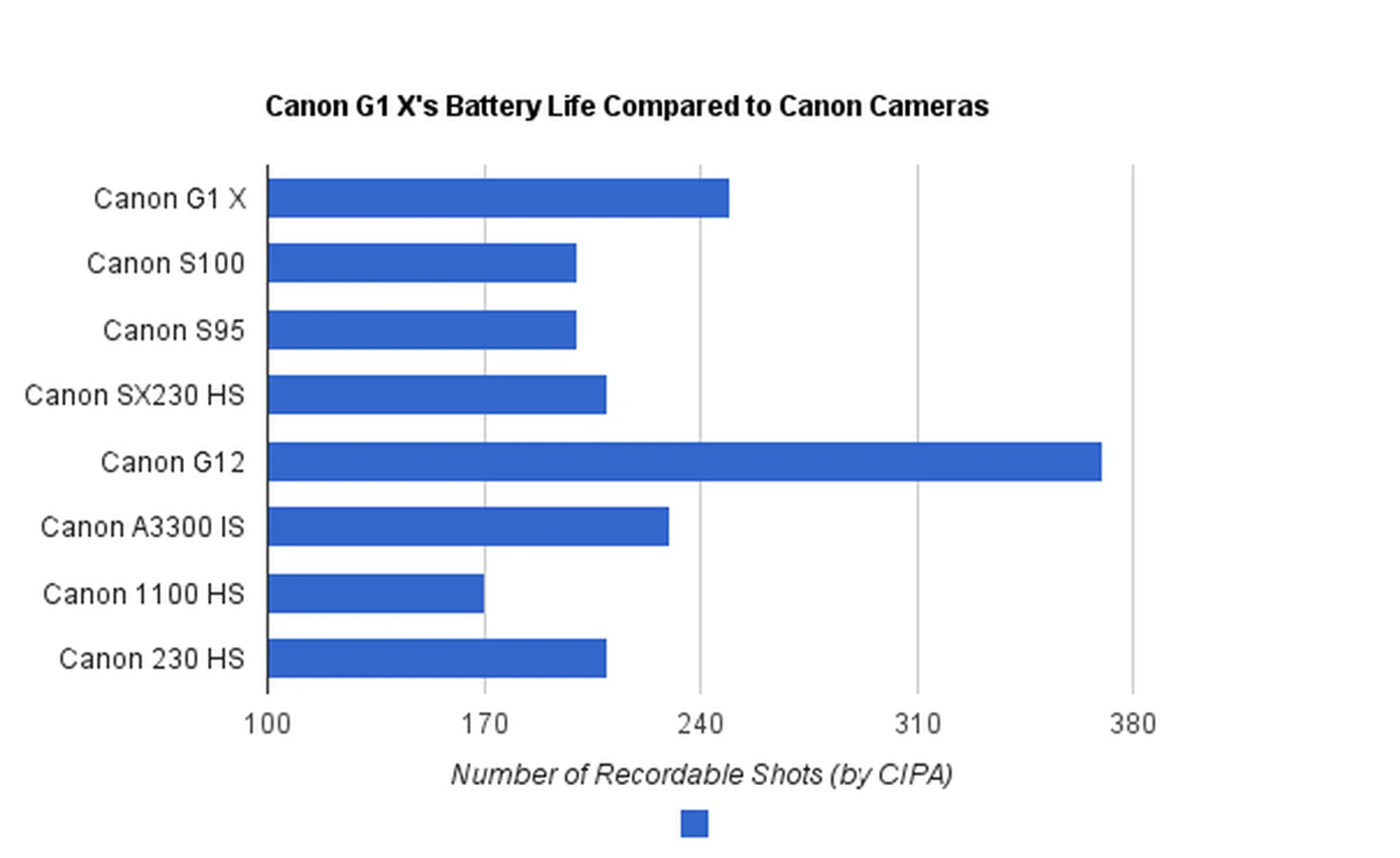
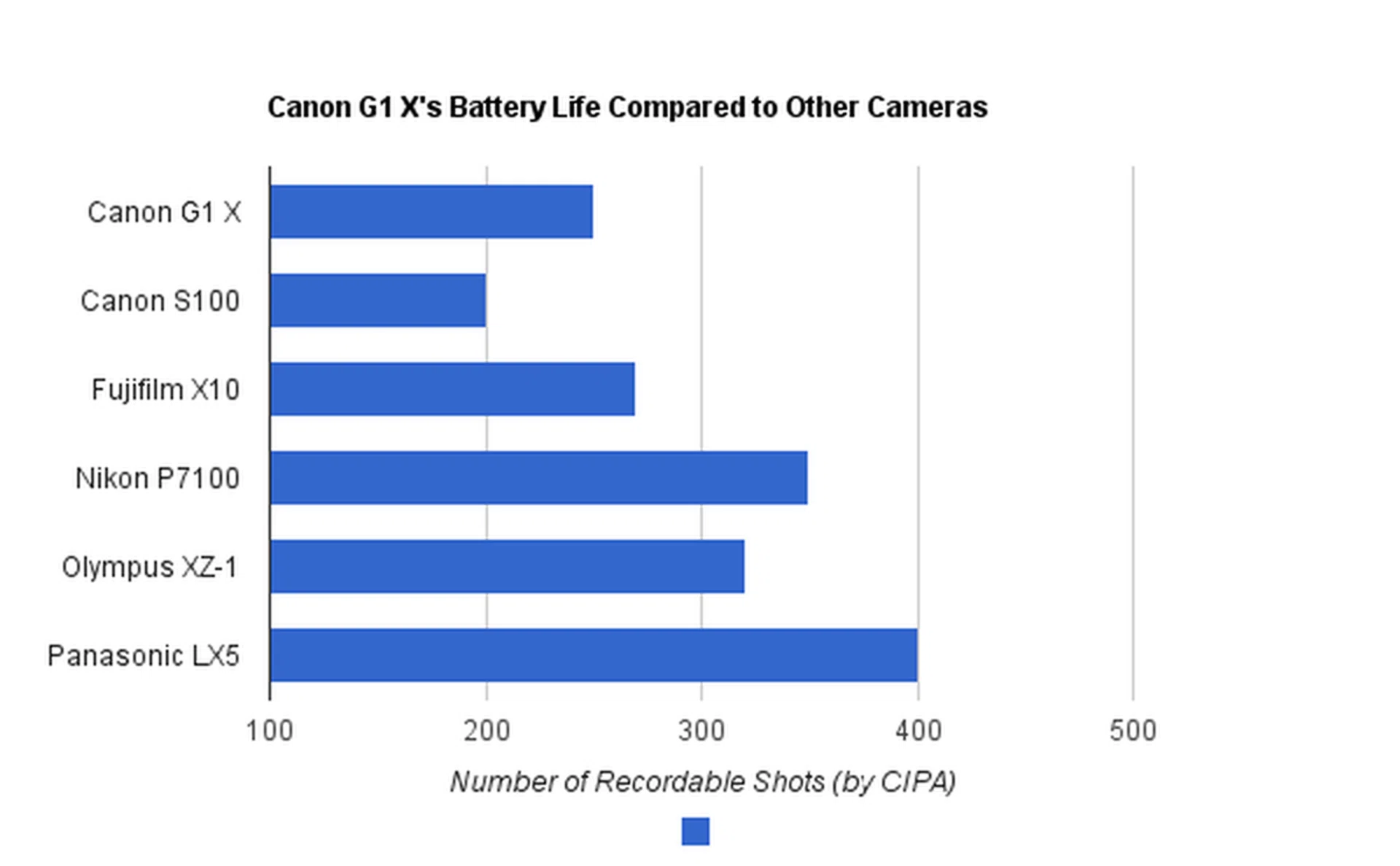
Image Performance I
It's hard to place the Canon G1 X's image performance. On the one hand, image performance is mostly exemplary, on the other hand, its few shortcomings are significant enough to be deal-breakers.
Let's start with the good: Image resolution is impeccable. ISO performance is excellent, producing little noise at higher ISO settings with fine, less destructive grain. Colors, like you'd expect from a Canon, are rich. Image stabilization is unbelievably good. Images have a wide dynamic range which make them a pleasure to work with in post-processing. The built-in 3-stop ND (Neutral Density) filter throws some creative options into the mix. This is a camera that, at its best, could easily rival or beat results from some of the mirrorless system cameras on the market today. The bad? The G1 X's minimum focusing distance is so far that it's not very good for macro photography, the camera seems to like overexposing by half to a full stop and it responds slowly.
But first, let's talk about that large sensor.
The Largest Sensor in a Digital Compact Camera Yet
The G1 X has the largest image sensor ever seen in a digital compact camera, far surpassing the G12, the previous large-sensor record holder the Fujifilm X10, even larger than the sensors found in Micro Four Thirds mirrorless system cameras and approaching the size of APS-C sensors found in entry-level DSLRs.
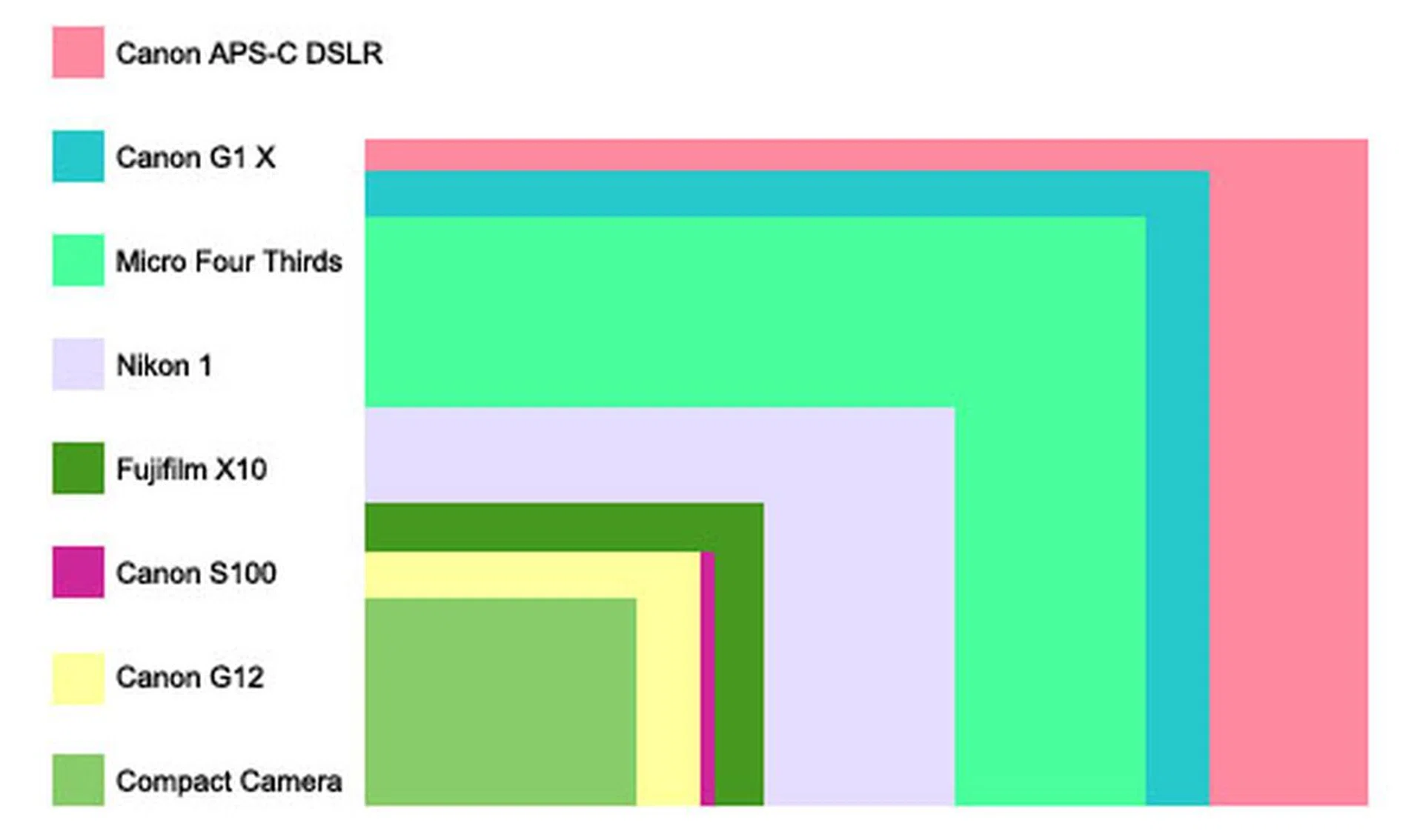
Why does sensor size matter? All things being equal, larger image sensors produce better quality images. That's why photographs made by a DSLR always look better than those made by a camera phone. To squeeze such a large sensor into a body of this size is an impressive feat, and it pays off: The images we see from the G1 X are full of detail and clean from image noise, usable up to ISO1600, even ISO3200. Even when you reach above that to higher ISO settings, we're impressed by how fine the noise is and much detail is still retained. It's a real pleasure to be able to reach up to such high settings on a compact camera without fear.
 |  |
 |  |
 |  |
Steady Stabilization for Low-Light Shots
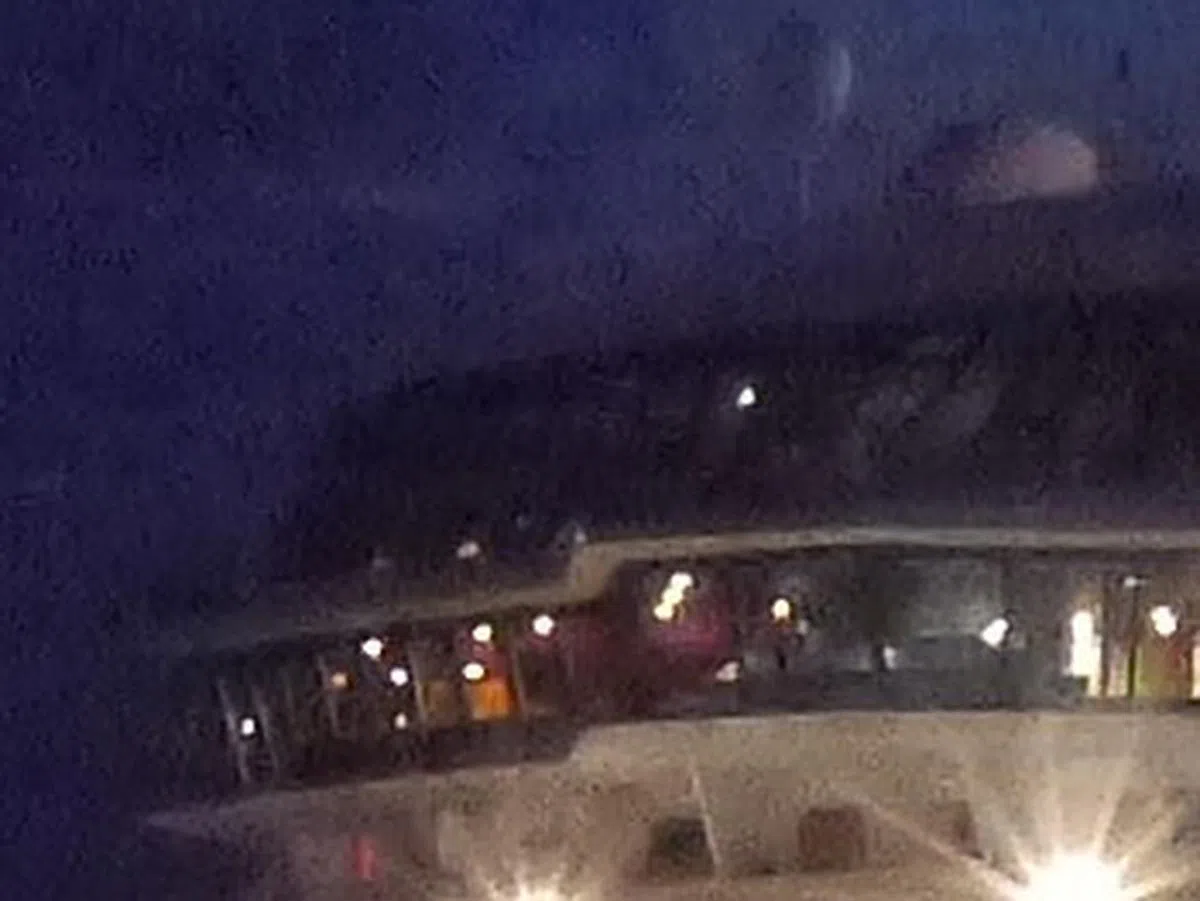
One of the things that amazed us about the G1 X is its 4-stop optical image stabilizer, which promises to help photographers shoot hand-held at shutter speeds four stops lower than would otherwise be possible while still getting a sharp image. This reviewer is confident of hand-holding a shot at up to 1/20th of a second for sharp results, beyond that it's pretty much a matter of luck. But we consistently got sharp images at even lower shutter speeds, even once getting a relatively sharp image hand-holding the camera for a complete second. There were a few failures in-between the one successful shot, but the one success shouldn't even have been possible, not without the G1 X's excellent image stabilizer.

The G1 X's excellent image stabilizer helped us get a relatively sharp image from an otherwise impossible shutter speed of one second.
Too Far for Macro Photography
Having a large sensor inside a relatively small body doesn't come without trade-offs, however. The G1 X's lens' minimum focusing distance is 20cm, which means it needs to be at least 20cm away from its subject in order to focus. This is the closest it can get, and the lens needs to be set at its widest without zooming in, if you do zoom in, that distance increases even further. That means the G1 X isn't very good for macro photography, which is bad news for food and nature photographers.
According to Canon, the G1 X's inability to focus closer than most digital compact cameras is due to the large sensor which throws the minimum focusing distance forward (and also reduces the zoom range). These limitations have been offset by as much as possible with a large lens, but to further decrease the minimum focusing distance and increase the zoom range would require an even larger lens than what's already on the camera.

This is as close to macro photography as you can get with the G1 X's 20cm minimum focusing distance.
Camera | Wide | Tele |
Canon G1 X | 20cm | 85cm |
Canon G12 | 1cm | 30cm |
Canon S100 | 3cm | 30cm |
Canon IXUS 230 HS | 1cm | Unlisted |
Fujifilm X10 | 10cm | 50cm |
Fujifilm X10 (Super Macro Mode) | 1cm | Unlisted |
Nikon P7100 | 2cm | Unlisted |
Olympus XZ-1 | 10cm | 30cm |
Olympus XZ-1 (Super Macro Mode) | 1cm | Unlisted |
Panasonic LX5 | 1cm | 30cm |
Image Performance II
Something else that's suffered a trade-off as a result of the larger sensor is the fact that the G1 X doesn't come with too bright a lens. At its widest of 28mm, the lens opens up to a decent f/2.8, but at its furthest 4x zoom of 112mm, the lens stops down to f/5.8. Which means you won't get the creamy bokeh (background blur) which could have been possible with such a large sensor, nor will you be able to get quick shutter speeds in lower light. This isn't such a deal-breaker for us, the G1 X's little background blur is sufficient (if not rich) at f/2.8, while its excellent image stabilizer (see the previous page) is enough to compensate for a smaller aperture at longer zooms.
Comparatively speaking, since the two cameras have nearly similarly sized sensors, the slightly faster G1 X should at approach the bokeh and speed you get from the kit lens of an APS-C DSLR camera, which is usually 18-55mm f/3.5-f/5.6. Even though some smaller compact cameras boast faster lenses, they might not get much more background blur due to their smaller sensors (but they will be able to shoot faster in low-light thanks to the wider apertures).
Canon G1 X | Canon S100 | Fujifilm X10 | Olympus XZ-1 | Samsung EX-1 | |
Optical Zoom | 4x | 5x | 4x | 4x | 3x |
Focal Length (35mm equivalent) | 28-112mm | 24-120mm | 28-112mm | 28-112mm | 24-72mm |
Aperture | f/2.8(W)-f/5.8(T) | f/2(W)-f/5.9(T) | f/2(W)-f/2.8(T) | f/1.8(W)-f/2.5(T) | f/1.8(W)-f/2.4(T) |
Slow to Respond
The G1 X feels slow in comparison to other digital compact cameras. Slow to power-up, slow to lock AF, slow to take the shot, slow to cycle in-between shots. From the time you press the shutter to the time the G1 X takes the shot, it feels slightly slower than other digital compact cameras. We'll admit the lag is time is probably only in the milliseconds, but when you need to grab a decisive moment sometimes that's all you have. In-between shots, the camera takes about three seconds to get ready to shoot again, which is far too long if you're shooting action.
It's not just that the camera feels sluggish, its frame-rates are slow as well. Even continuous shooting mode, where the camera can keep shooting without delay in-between shots, is slow - the G1 X can only capture a maximum of 1.9 shots per second, and that's with auto-focus locked on the first frame. If you activate continuous AF, frame-rates drop to less than a frame a second. The one workaround is to shoot in High-Speed Burst HQ mode where the camera can shoot at 4.5 frames per second, but only up to six frames. The G1 X just isn't made for fast photography, a fact you'll quickly realize when you try to shoot moving subjects with the camera. Instead, it invites more considered shooting, where your subjects won't move around as much, like landscapes or posed shots.
Sharp Across the Corners
We're happy to report that across the G1 X's focal range the lens stays fairly sharp corner to corner. There is slight softness in the corners at the widest and second-widest apertures and usually from f/13 onward, as is par for the course (very few lenses are tack sharp wide open, and most will lose detail at higher apertures from diffraction) and nothing too drastic. There are some tests online where there is extreme softness in the corners, we saw this result ourselves with our usual test scene and we believe this might be due to the camera having difficulty focusing on small objects due to its long minimum focusing distance. When we tested outdoors using a large wall the same problem did not appear.
Image Performance vs. Panasonic G3
Since the Canon G1 X's image sensor is slightly larger than the ones found in Micro Four Thirds (MFT) cameras, we couldn't resist comparing it against one to see how it performs. Even though the Panasonic G3 isn't the newest MFT camera, it represents best-of-class image performance from the standard, currently only behind the next-generation Panasonic GX1 (and possibly the yet-untested Olympus E-M5). This isn't a direct apple to apple comparison however, as the image quality from the G3 is shaped not just by the sensor, but also by the lens it's currently using, in this case the 14-42mm kit lens. Unlike the G1 X, MFT cameras can swap lenses, and sharper lenses will produce sharper images. These are also JPEG, not RAW comparisons.
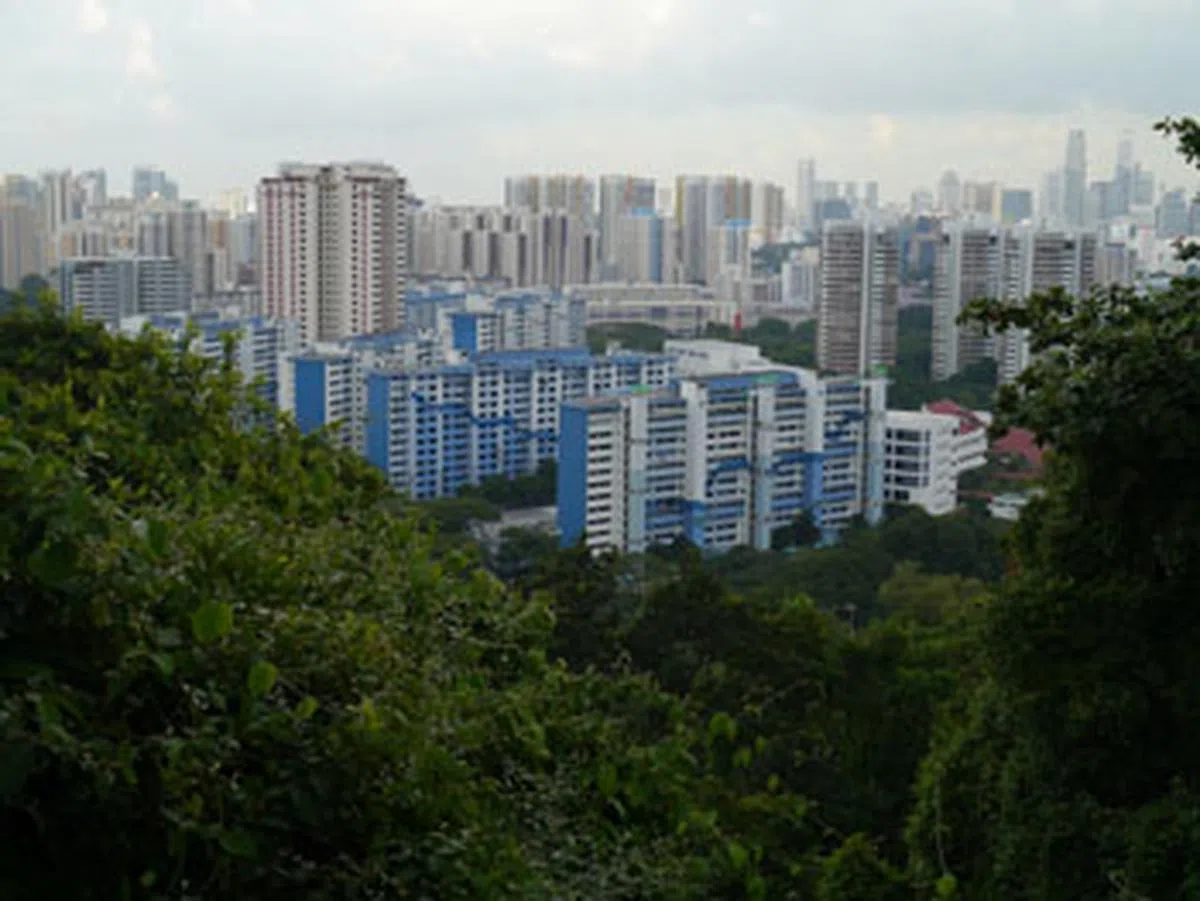
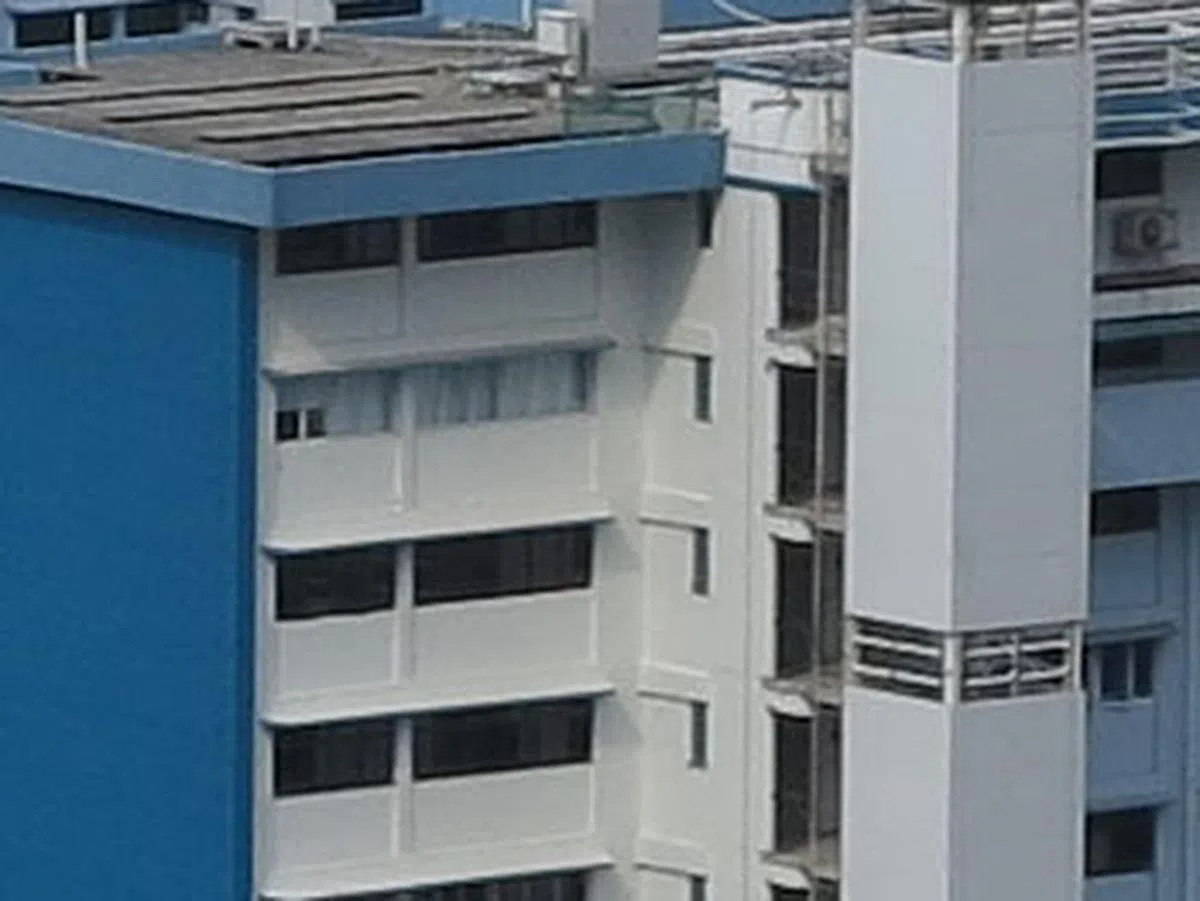
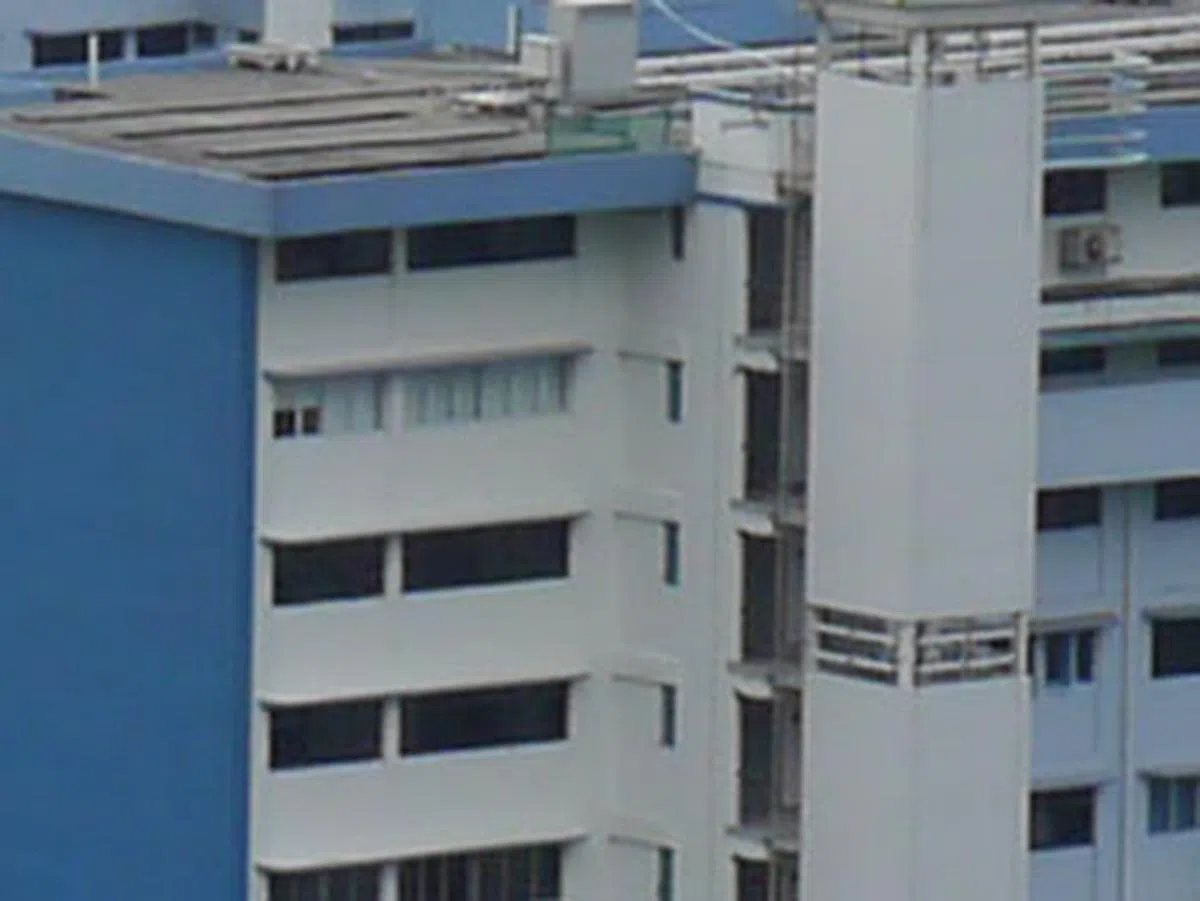
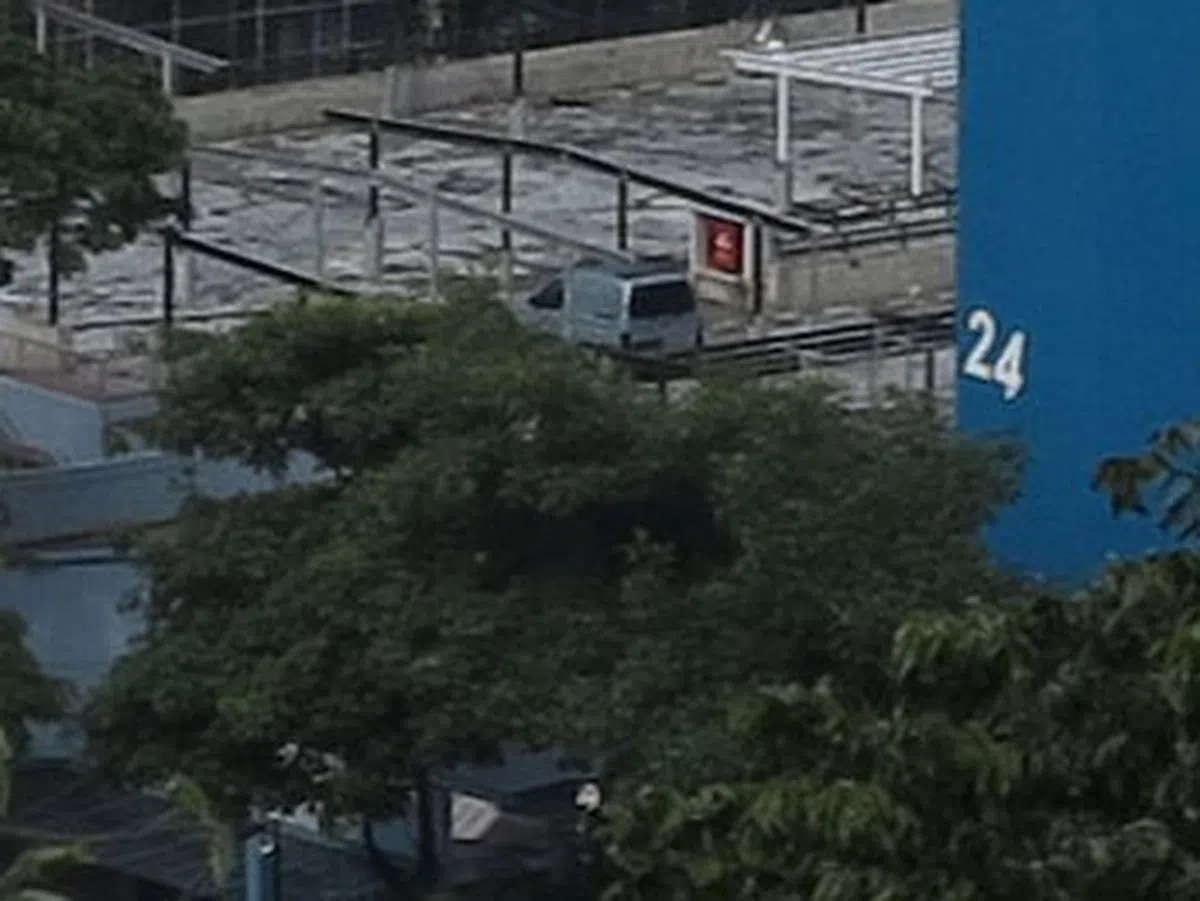
With that said, the Canon G1 X more than holds its own against the G3's image sensor, producing images which look sharper, have more detail and less noise at higher ISO sensitivities. It's an impressive achievement to see - Canon has made a digital compact camera with image quality that rivals the best of mirrorless system cameras today.
 |  |
|  |
|  |
|  |
|  |
|  |
 |  |
 |  |
 |  |
 |  |
 |  |
 |  |
Sample Photographs
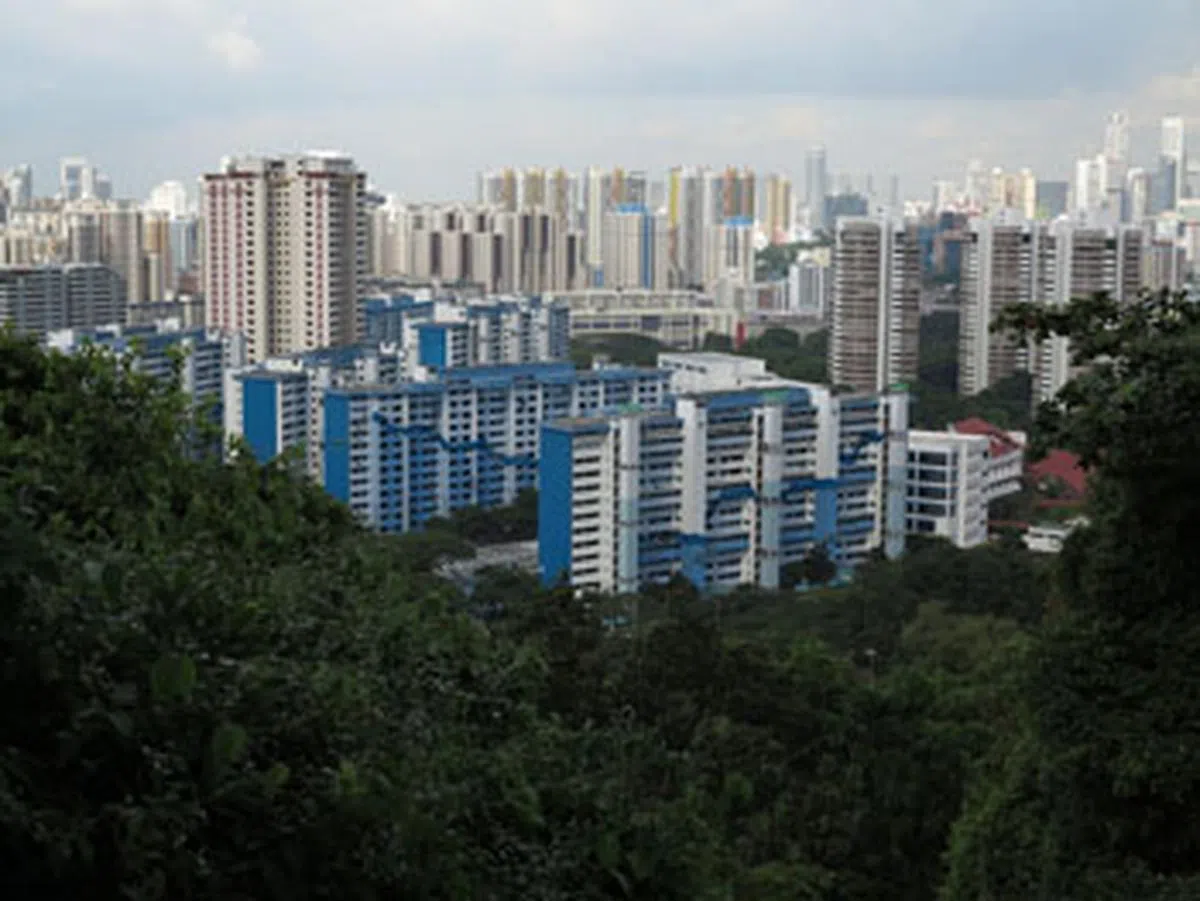
These are sample photographs shot with the Canon PowerShot G1 X. The photos have not been post-processed and are copyright to SPH Magazines. They are provided for your reference only and we ask that you do not reproduce them elsewhere. Click for the full-resolution images.
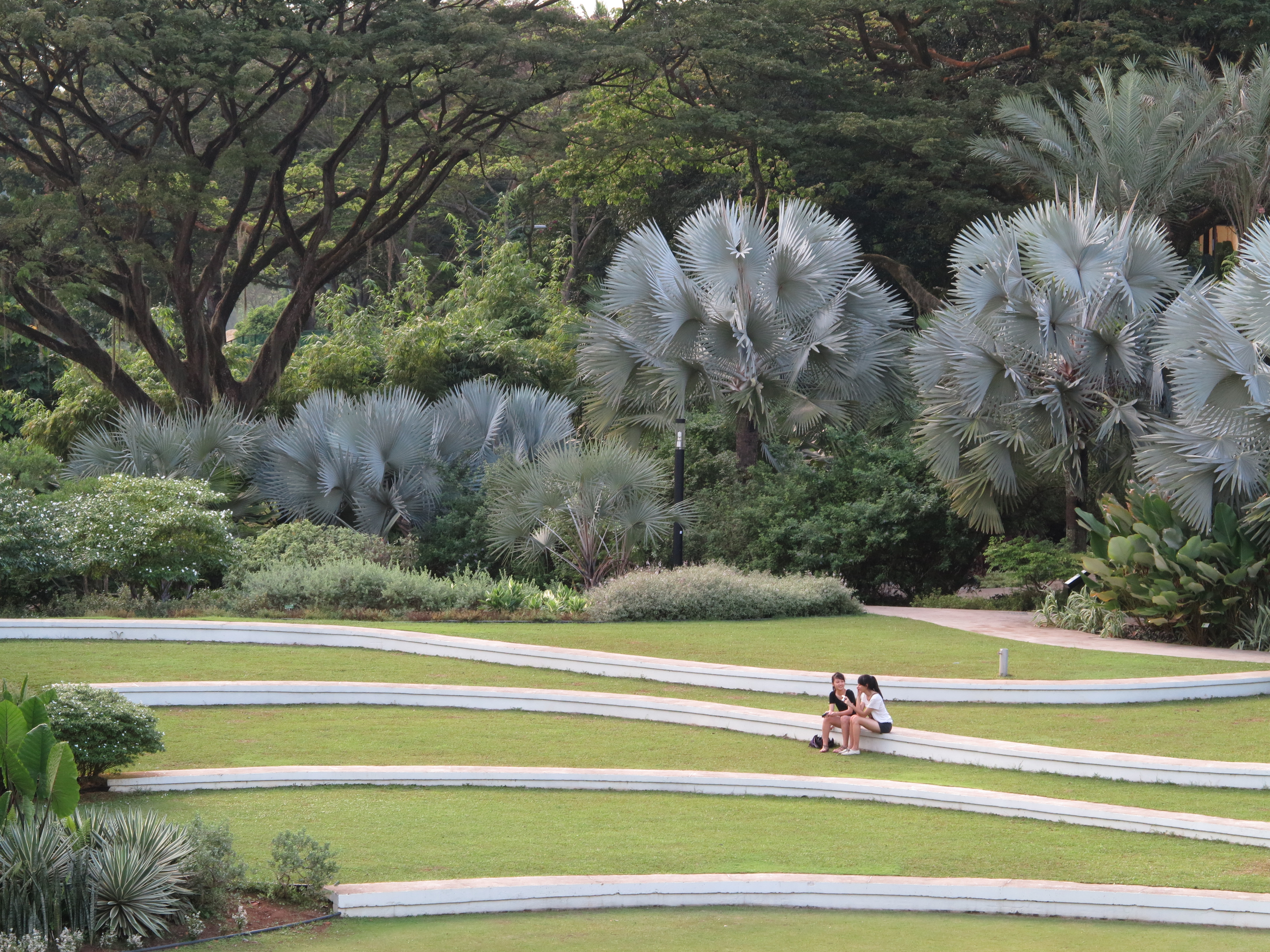
f/11 at 112mm (35mm equivalent), 1/50 sec, ISO800.

f/14 at 45mm (35mm equivalent), 4 sec, ISO100.

f/2.8 at 28mm (35mm equivalent), 1/60 sec, ISO800.

f/8 at 35mm (35mm equivalent), 1/3 sec, ISO3200.

f/2.8 at 28mm (35mm equivalent), 1/15 sec, ISO1600.

f/11 at 46mm (35mm equivalent), 1/60 sec, ISO800.

f/8 at 112mm (35mm equivalent), 1/60 sec, ISO800.
f/2.8 at 28mm (35mm equivalent), 1/60 sec, ISO800.
f/2.8 at 28mm (35mm equivalent), 1/20 sec, ISO1250.
Conclusion
We suspect that some prospective owners of the G1 X are looking for a general purpose, all-in-one performance-orientated camera. But the G1 X is actually anything but. In many ways, it reminds us of a tank: It's big, powerful and steady, but it's also slow and not adept at close-range. Instead of a general purpose camera, what we seem to have in the G1 X is a specialized camera which is extremely good in a few things and not as good in others. Its superb handling with quick access to manual controls should make any photographer who wants complete control feel right at ease. Its ability to resolve fine detail, great ISO performance and impressive image stabilization suggests a talent for landscape and architectural photography, while its slow response and inability to focus in-close means that it's not suited for action nor macro photography.
Which is why we're giving it a Gold award; while it may be lacking in some areas, if you know what you're getting into with the camera and what you want to use it for, the results are impeccable. Just remember to buy an extra battery if you get it.
The G1 X vs. the World
We started off this article by saying that the G1 X is Canon's current answer to mirrorless system cameras: A large sensor in a relatively compact body which delivers image quality close to DSLR quality. While the G1 X more than handled its own against the Panasonic G3's Micro Four Thirds (MFT) sensor, it's just one of many comparisons you can make with the two. A mirrorless system camera will allow you to swap lenses, giving you more room for creative expression. The G3 can always shoot wider with a wide-angle lens, go closer with a macro lens, shoot creamy bokeh with a wide-aperture lens, zoom further with a telephoto lens, while the G1 X will always be stuck with the lens it's built with.
If you're still yearning for an all-purpose compact camera which gives you great-looking images and full manual control, it already exists in Canon's very own PowerShot S100. Think of the S100 as the G1 X's little brother. It's smaller, but still comes with full manual control (with the S100's large control ring around the lens, we feel it actually handles better than the G1 X). While image quality isn't comparable to the G1 X, the S100 still sports an above-average sized sensor and produces some of the best images you can get from a compact camera today. But it also needs an extra battery, battery life is even shorter than the G1 X's.
If the G1 X could have overcome its limitations to become a versatile all-rounder, then it would have been a solid comeback for the bridge camera. But with its limitations and the encroachment of more capable cameras from above and below its class, the G1 X - as good and innovative as it is - just seems to signal the end of bridge cameras as an effective middle ground between DSLRs and compact cameras.
Our articles may contain affiliate links. If you buy through these links, we may earn a small commission.