
Canon PowerShot S100 - One of the Best Compact Cameras of 2011
The PowerShot S100 represents Canon's highest performing digital compact camera, and it builds upon the successes of the S90 & S95, improving upon them in almost every way - almost. Read on to discover where the S100 triumphs and where it could use a little more work.

Introduction
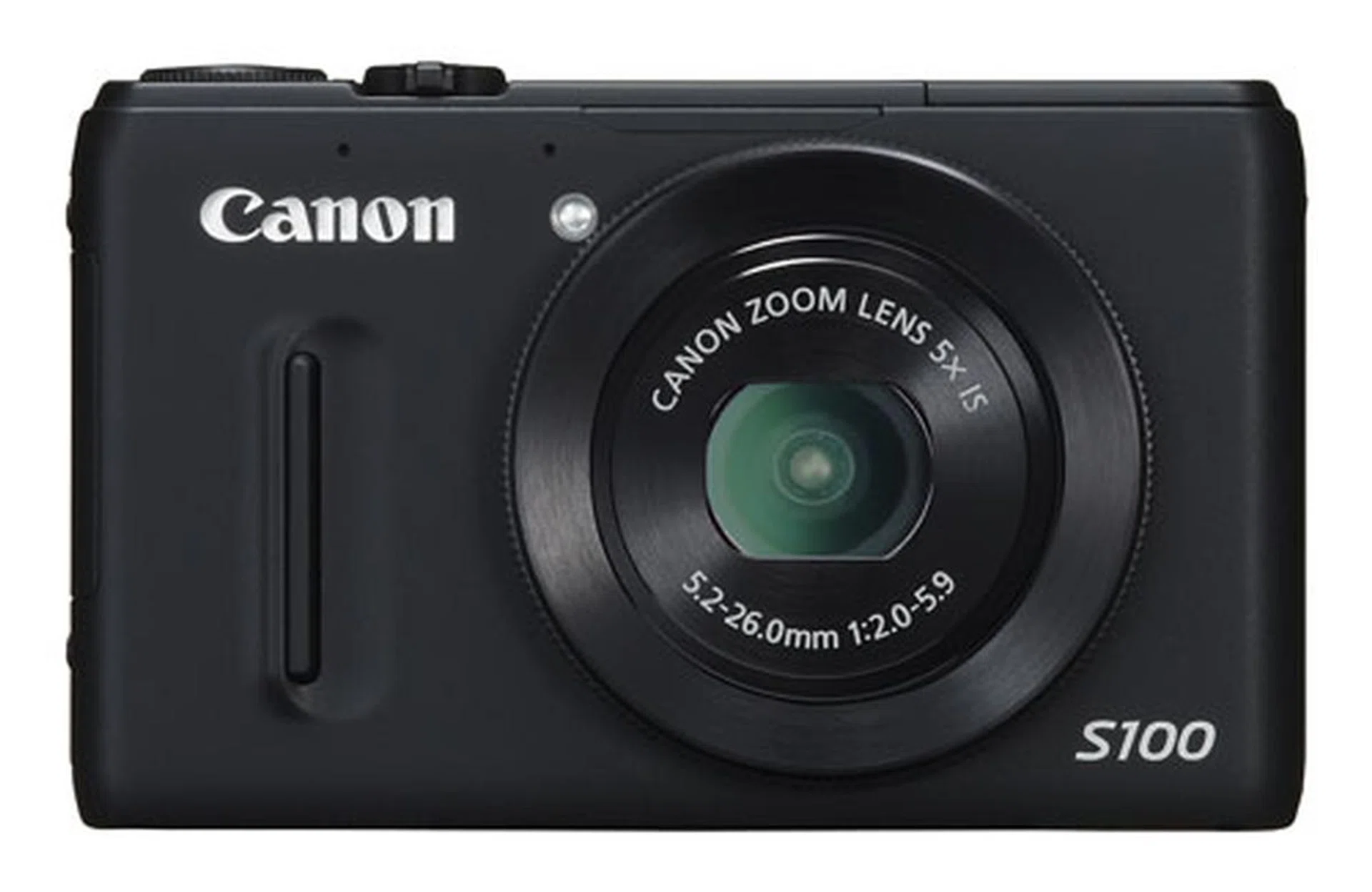
The PowerShot S100 is Canon's latest high-end compact camera. It has a larger than usual 1/1.7-inch sensor for a compact camera, similar in size to the 2010 PowerShot G12. It also comes with full manual controls, a control ring around the lens and a control wheel on the back to quickly change essential settings. It opens with a wide 24mm and fast f/2 aperture at its widest. It's a compact aimed for the enthusiast, but with its small size it can be attractive to casual users as well.
While the S95 before it was a general update to the S90, the S100 brings significant changes to the table. The sensor resolution has been upped from a 10MP CCD sensor to a 12MP CMOS sensor, video resolution has increased from 720p to 1080p, and optical zoom has been lengthened from 3.8x to 5x. A GPS module is built-in and handling has been improved with a front grip.
The S100 looks like it could very well be the compact camera of the year - and we think it comes pretty close. More details on its evolution and performance in the following few pages.
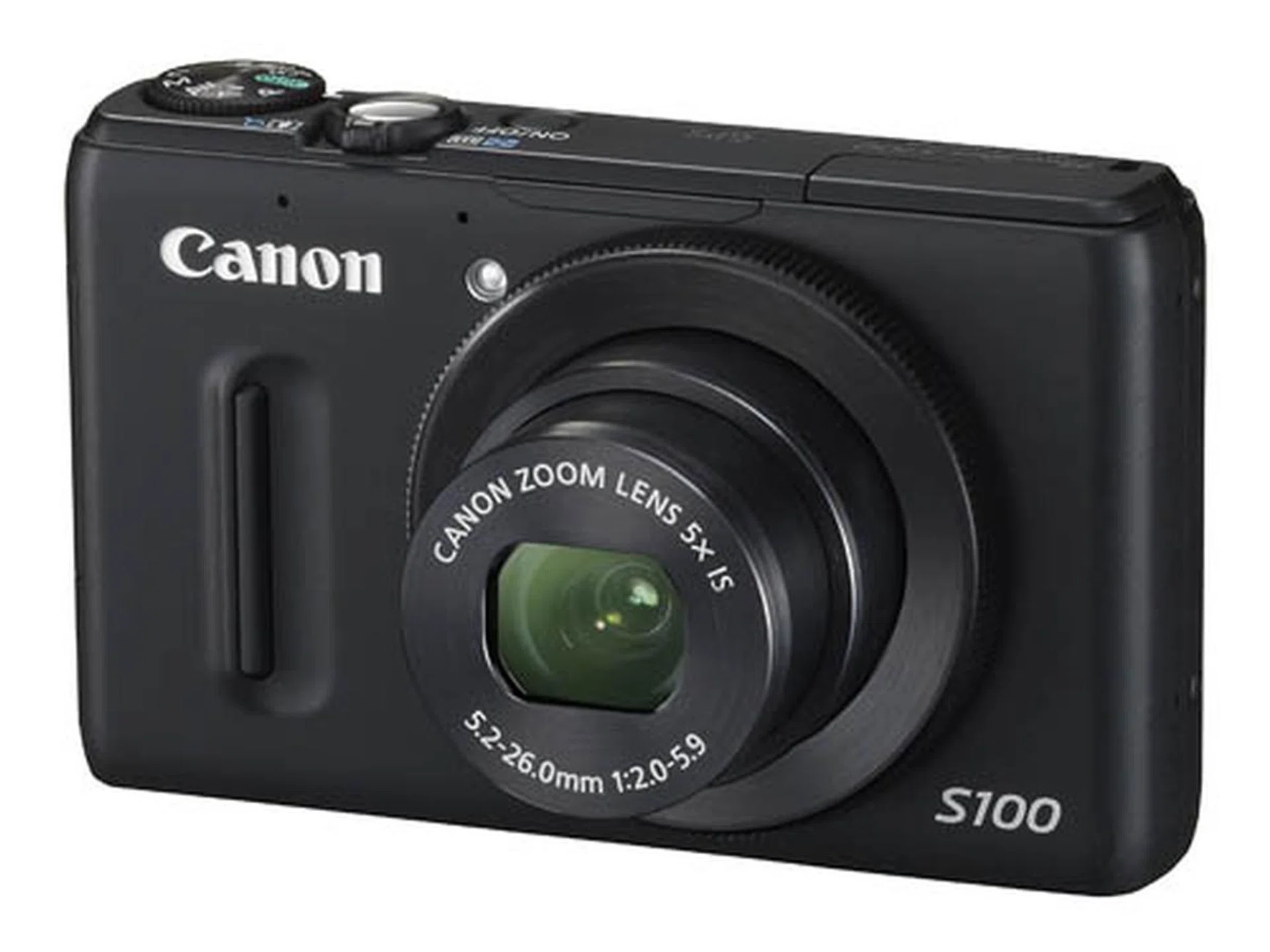
The Canon PowerShot S100 looks to be the ideal compact prosumer digital camera - find out if it made the cut over the following few pages.
Design & Handling
The S100's matte black finish gives it an almost military feel, like it was a stealth camera straight from a covert ops unit. We like the understated design which definitely won't stand out in a crowd. You might want to know though that dust has a habit of sticking to the body for some reason - probably due to the S100's finish.
Almost everything we didn't like about the S95's handling has been addressed in the S100. The S95's flat front was too smooth to hold, and it removed the thumb grip found on the S90. A new front grip has been added to the S100, and a (better-designed) thumb grip is back, both make the S100 easier to hold on to. But the front grip, while improving the S100's function, is unattractively shaped, and we wished Canon had taken a cue from competitor Panasonic's LX5 curvier grip, or Richard Franiec's beautiful custom grip for the S95.

The grip, while unattractive, helps make the S100 much easier to grip.
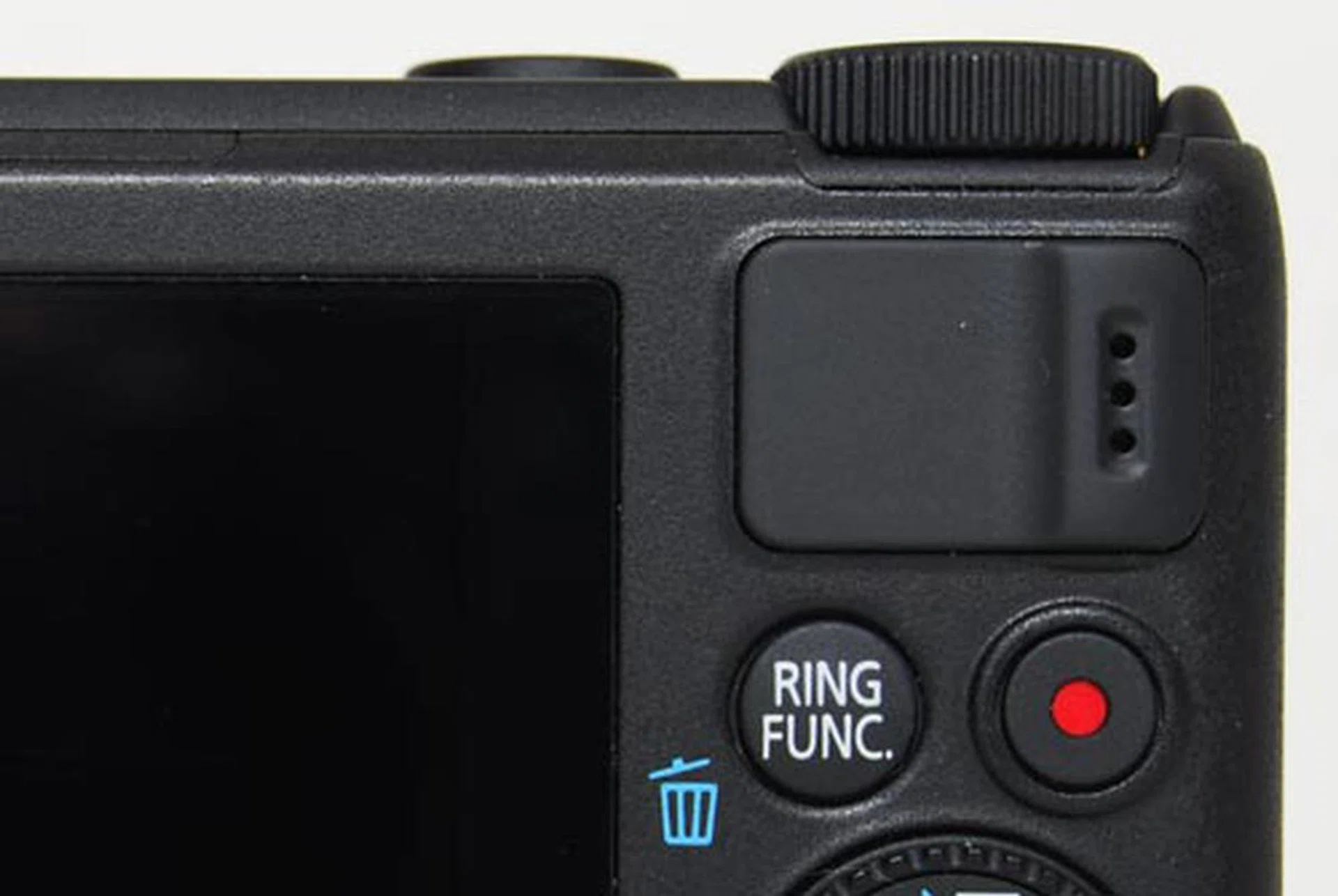
The thumb-rest, which disappeared inexplicably from the S95, makes a welcome comeback in the S100.
The stub of a zoom toggle on the S95, which always felt like it might snap off, has been changed – now the zoom toggle looks thicker and feels sturdier. The Mode dial is a lot smoother than it used to be on the S95.
The Ring Func. button has been moved from the top plate to the back of the camera, and it can be used to change which settings the control ring is changing, e.g. from aperture to ISO. The button is also a customizable button which can be changed to trigger any of twenty commands. The Func. Set button in the middle of the d-pad brings up a list of common settings via an overlay menu on the screen, very handy for switching things quickly.
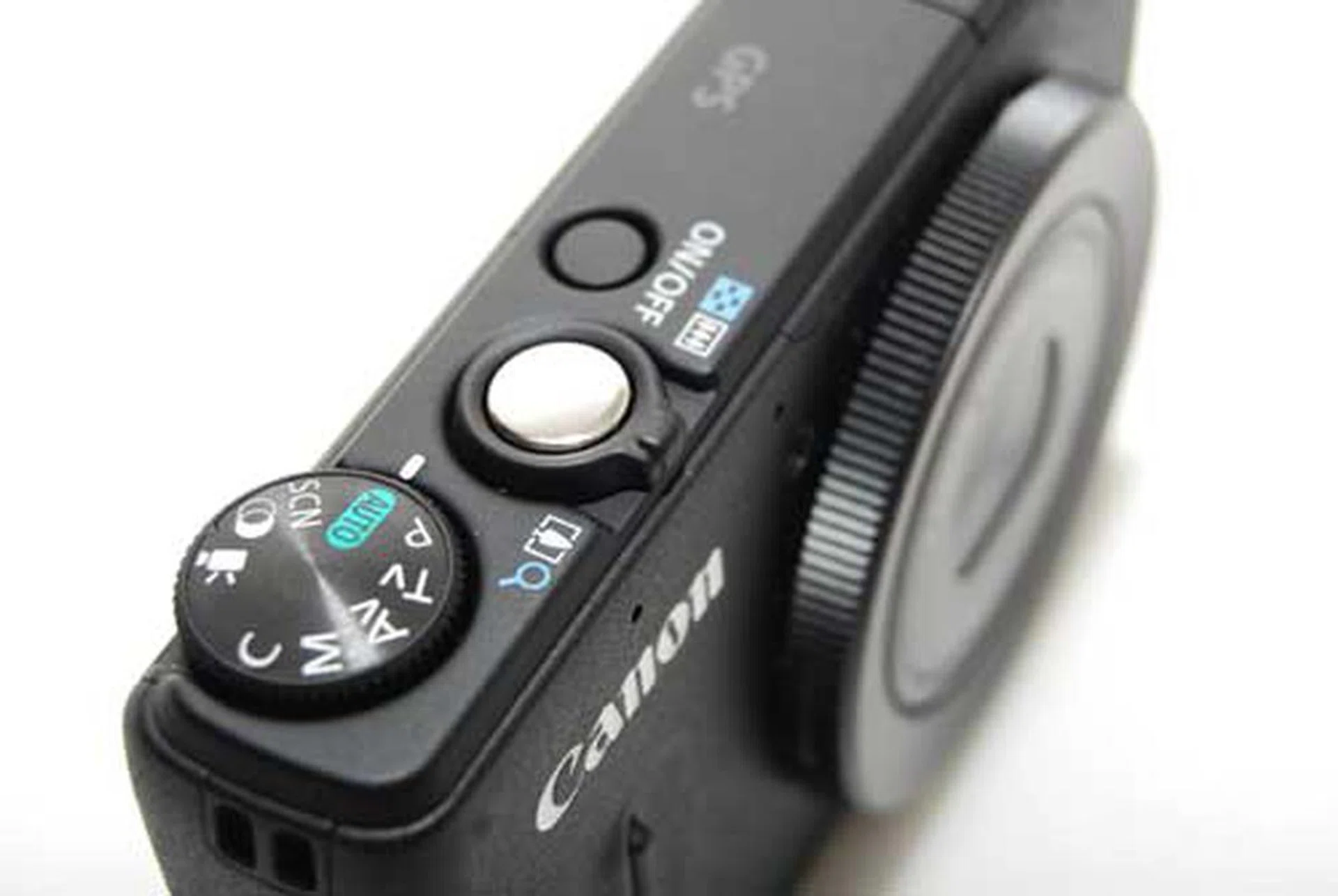
The zoom toggle is no longer the filmsy stub found on the S95, and it both looks and feels sturdier than before.

Besides the dedicated controls set to the directions of the d-pad, the Func. button in the middle calls up an overlay of settings on the LCD.
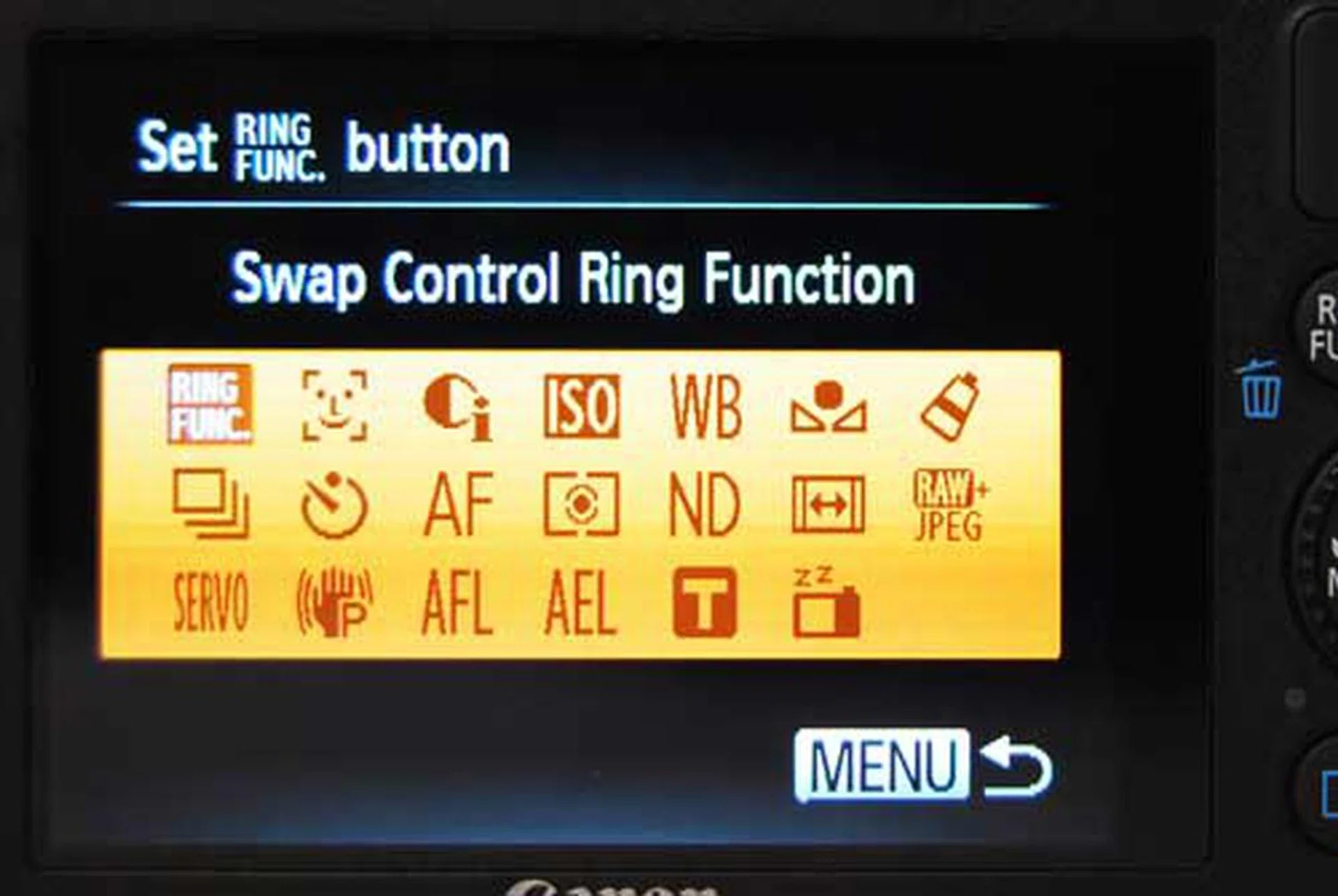
The Ring Func. button can be customized to trigger any of these commands.
What makes the S-series so special are the control ring around the lens and the control wheel on the back. Both combine to give you quick manual control over the camera, something you won't usually find on a digital compact. For example, in Manual mode the control ring dictates aperture settings, while the wheel determines shutter speed. In Aperture Priority mode, the ring determines aperture settings, while wheel sets exposure compensation; but only after pressing up on the d-pad.
The S100's handling is almost perfect but there are little oddities and quirks. For one, you can't completely toggle off all display info on the monitor, there'll always be little numbers obscuring the view. You also can't choose a 'normal' multi-area AF frame, except by choosing Face AiAF, then switching off Servo AF in the menu.
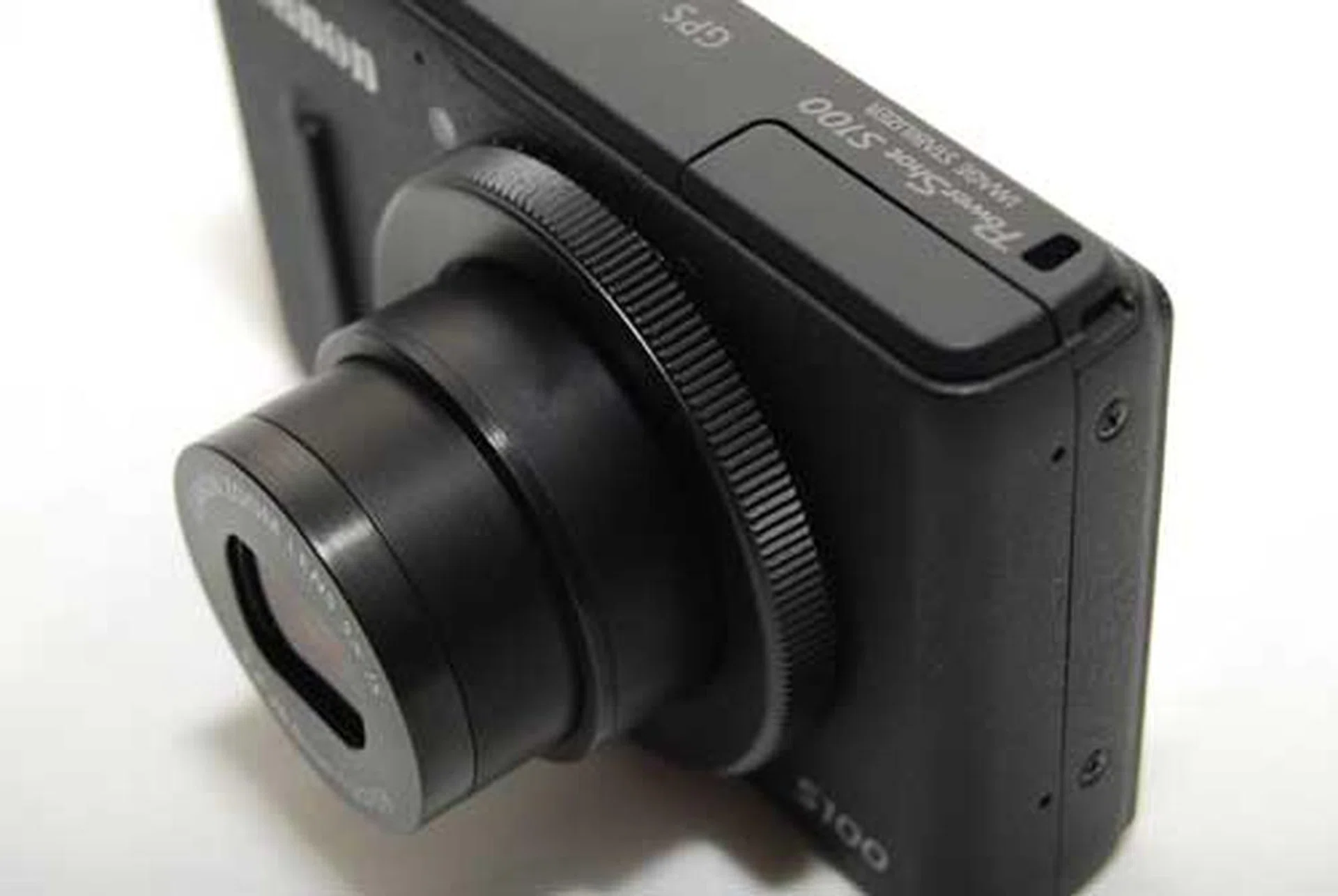
The control ring around the lens gives you quick and easy access to important settings like aperture and exposure compensation. It can also switch between different controls when the Ring Func. button is pressed.
Battery Life
The S100's battery life is short, rated around 200 shots by CIPA on a single full charge (we managed about 230 shots before the camera gave out). If you're buying this camera, either charge it daily or buy a spare battery. Here's a quick comparison of battery life between Canon cameras and the S100 against other manufacturers' cameras, as rated by CIPA (Camera & Imaging Products Association). Like the S95, the S100 has a wild habit of displaying incorrect battery info, you can have one bar left, then power off and on, be faced with a full charge, which drastically drops to a red flashing icon within a couple of minutes.

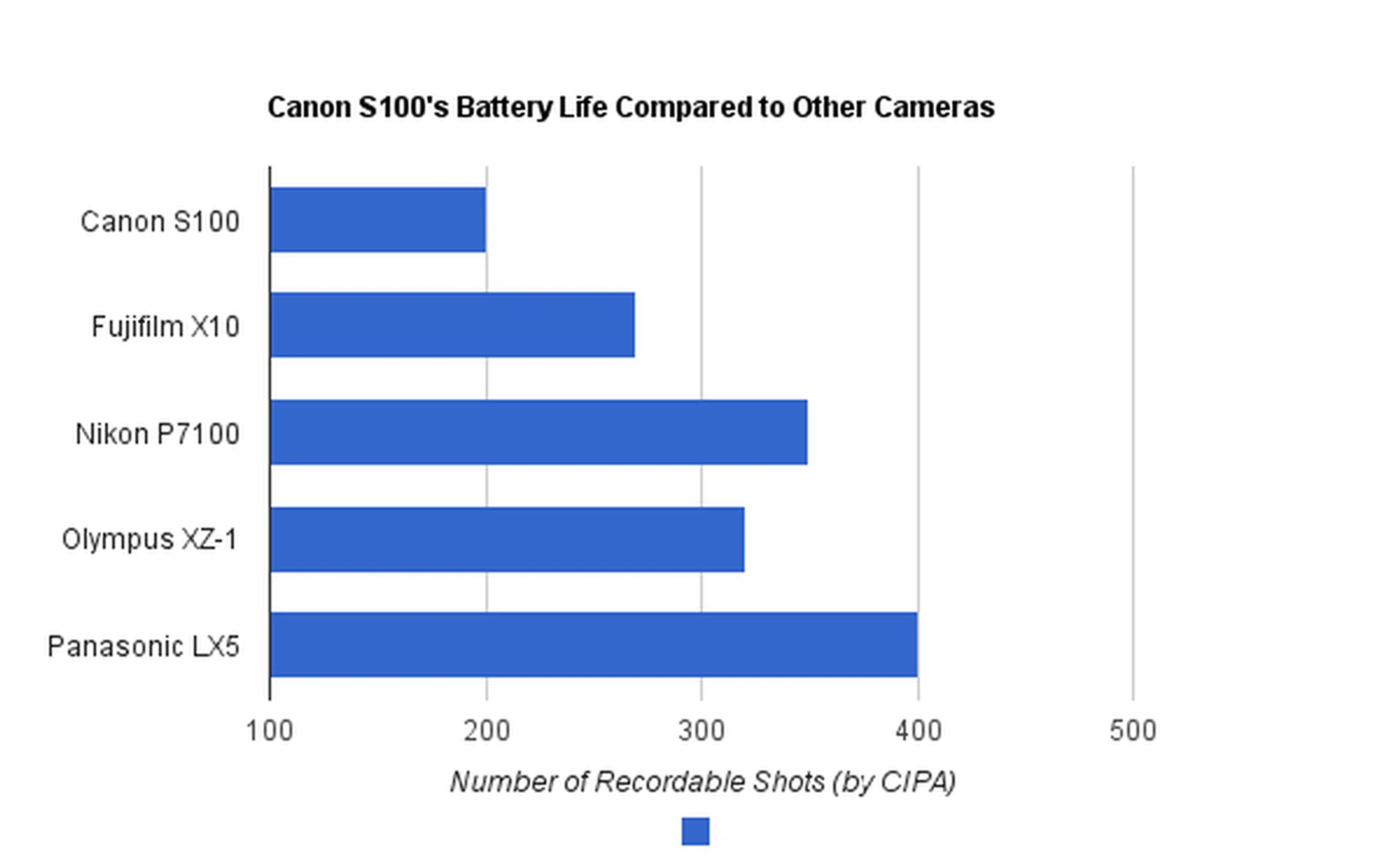
Image Performance
Image resolution is high, returning an excellent score of 2000LPH vertical and horizontal on our test chart. ISO performance is also excellent; if you're not pixel-peeping, shots up to ISO1600-2000 can look quite acceptable. At higher ISO levels, image softness and noise is more evident, but it's admirable how Canon has kept the noise to a fine grain, and how it's mostly luminance noise so colors aren't adversely affected. It wouldn't be a stretch to say that the S100 produces some of the lowest noise images to be found from a digital compact camera. Together with the punchy Canon colors, the S100 definitely takes great looking photographs.
If we do pixel-peep, we see noise reduction kick in quite early at ISO400, which already results in some detail loss at that stage. Even though eagle-eyed shooters will find a little softness from ISO400 onwards, a good balance between detail and noise can be found up to ISO1600, and that's an impressive feat for a digital compact when you're not looking at 100% view. If you want to retain more detail, you can set noise reduction to 'low' in the menu, or shoot RAW.
Here are some 100% crops of a real-world ISO test. Click to see the original full-resolution images.
Shot at ISO100.
Shot at ISO400.
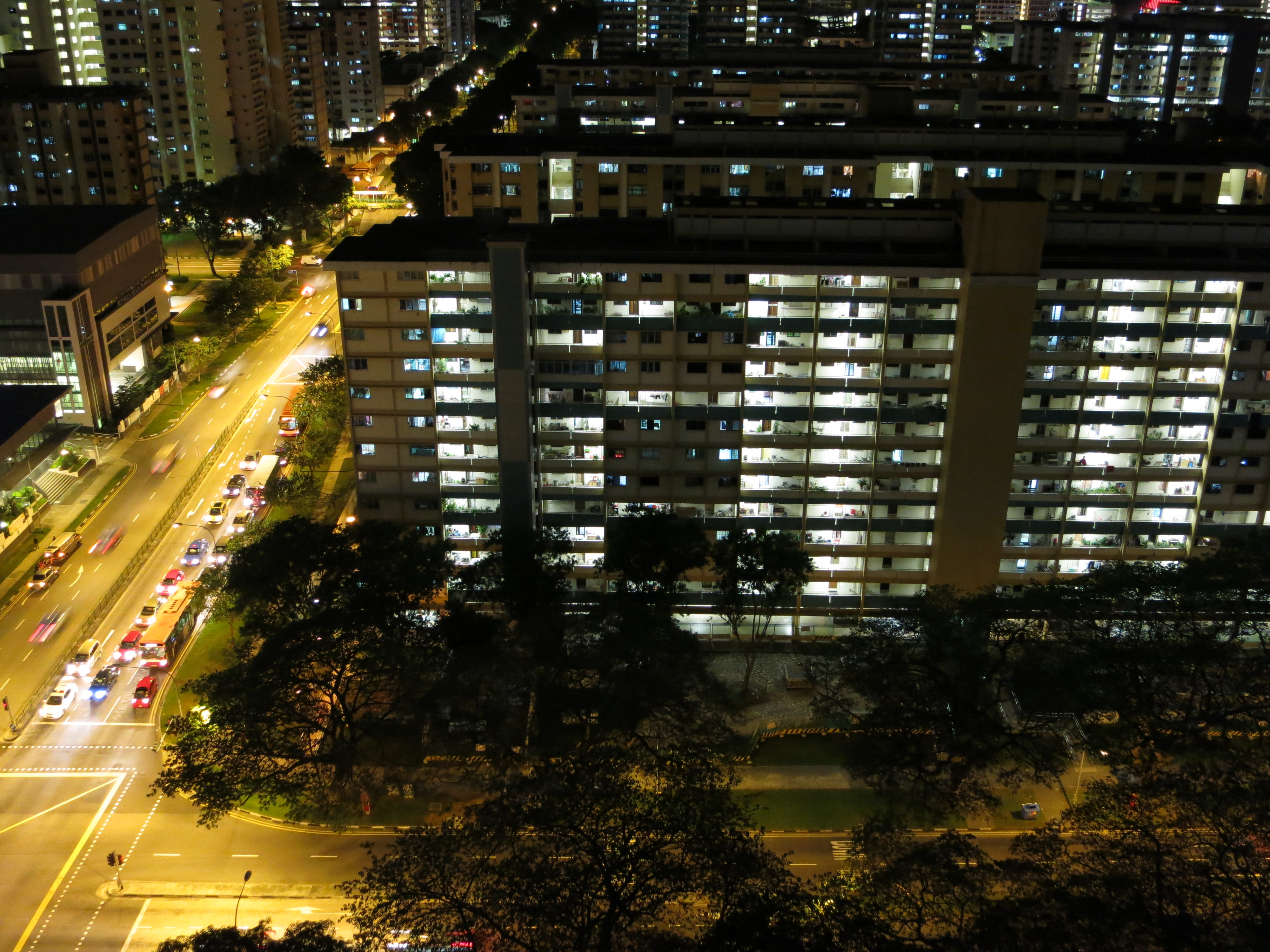
Shot at ISO800.
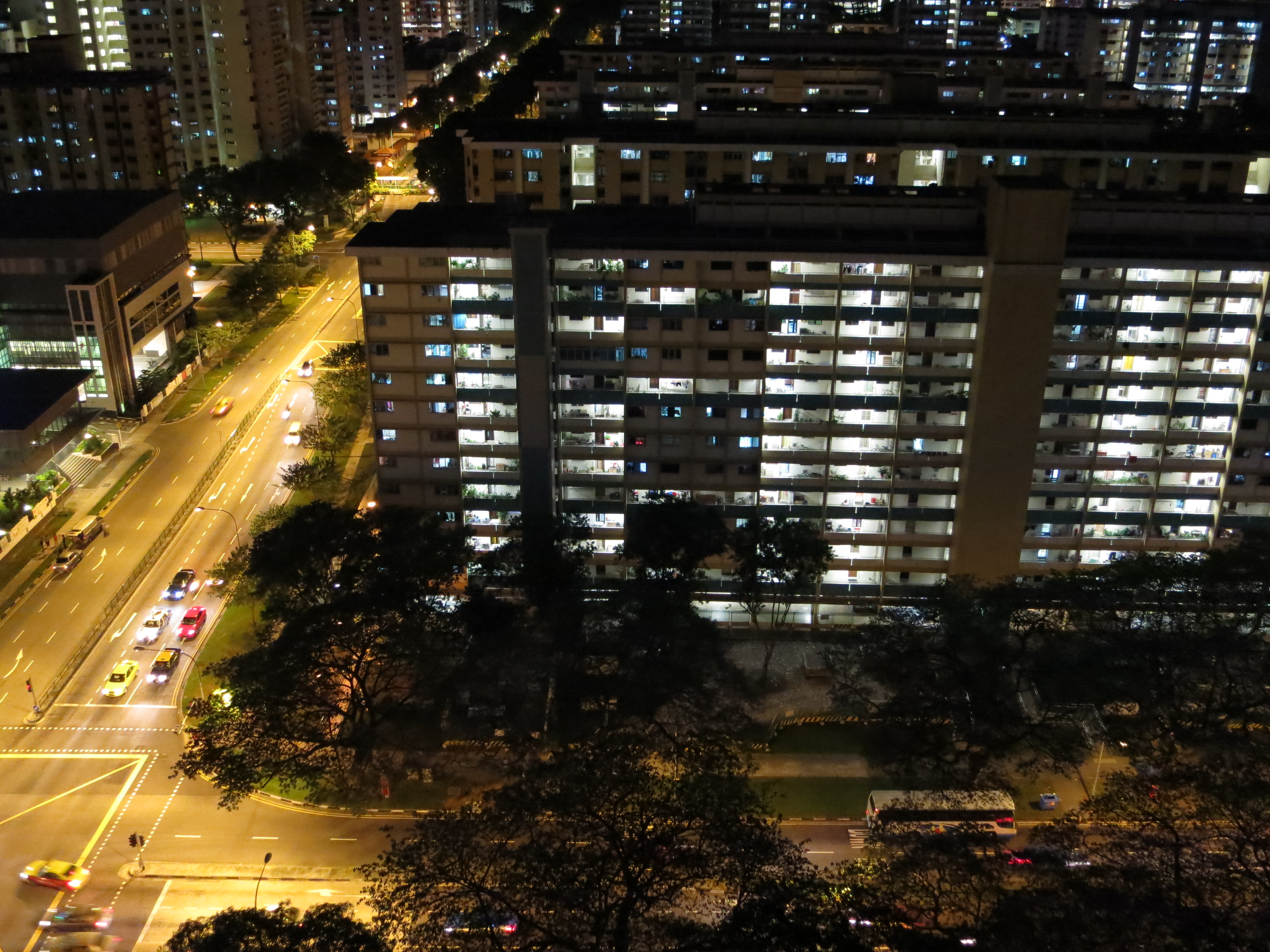
Shot at ISO1600.
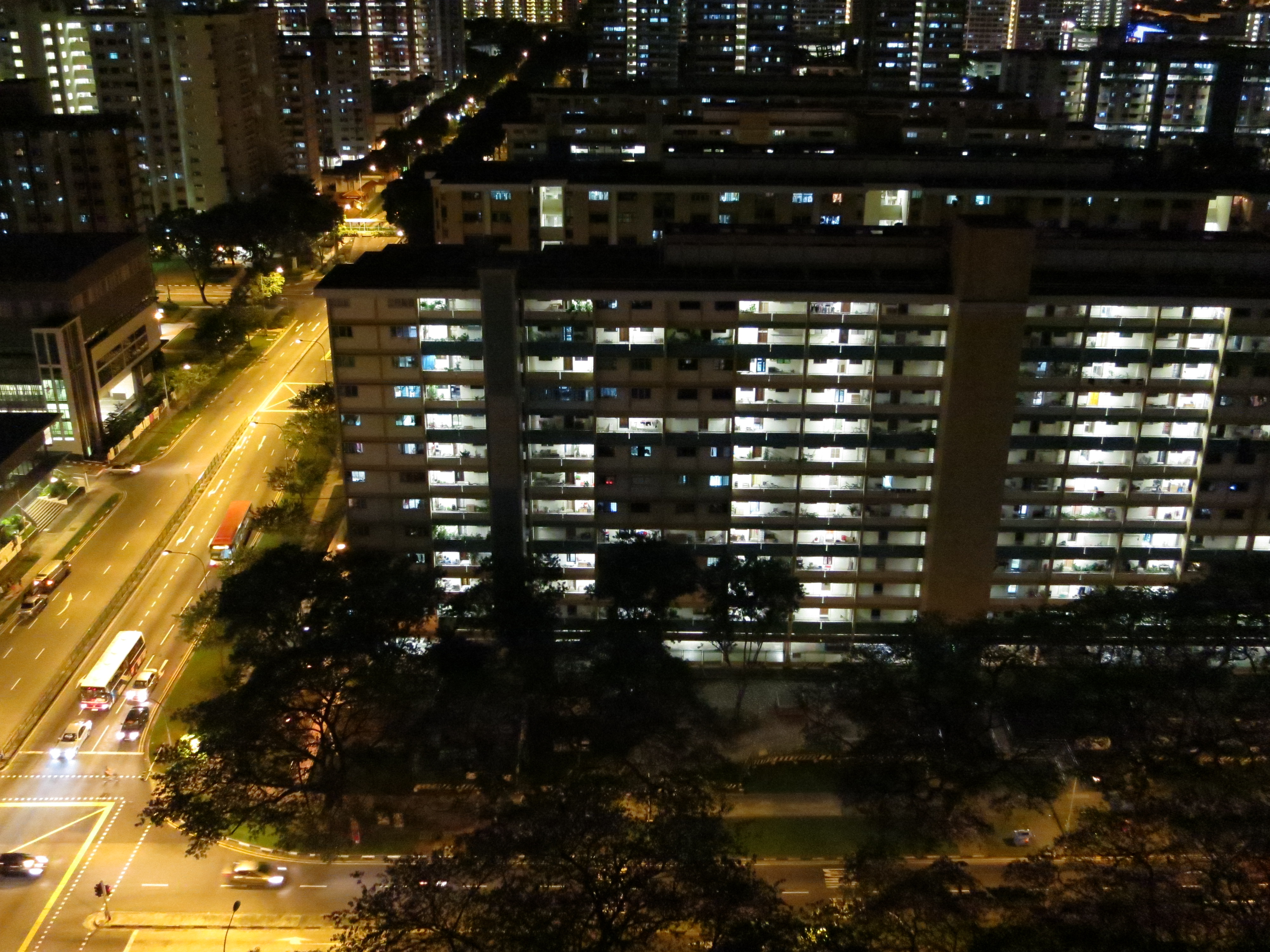
Shot at ISO3200.
Corner Softness
Of more concern is the corner softness that some users online and ourselves have seen in our test shots. Generally speaking, the middle aperture values from f/4-6.3 seem to fare best, while images shot outside of these aperture values have softer details in the corners. But we want to emphasize that we mention this for the more discerning user, we believe most users won't notice the corner softness in real-world images. Instead, for an everyday user who just upgraded from a previous compact, chances are that they'll see above average images which look better than their previous camera.
Here are a few 100% zooms of the corners of our test scenes shot at f/2.0, f/4.0, f/6.3 and f/8.0, all shot at the widest focal length of 24mm and ISO200.

Our full test scene.

Shot at f/2.0.

Shot at f/4.0.

Shot at f/6.3.

Shot at f/8.0.
Soft Backgrounds
A wide aperture like the Canon S100's f/2.0 lets you do a couple of things. It lets you grab more light and thus shoot at faster shutter speeds in low light, compared to a smaller aperture which lets less light in. It also produces soft backgrounds, providing more emphasis to your subject. The S100's background blur - or bokeh - isn't as creamy as you'd get from a DSLR camera and its larger sensor. It won't blow you away, but it's a good option to have on a compact. At 24mm you get the widest setting of f/2.0, while at the furthest zoom of 120mm you get a slower f/5.9.
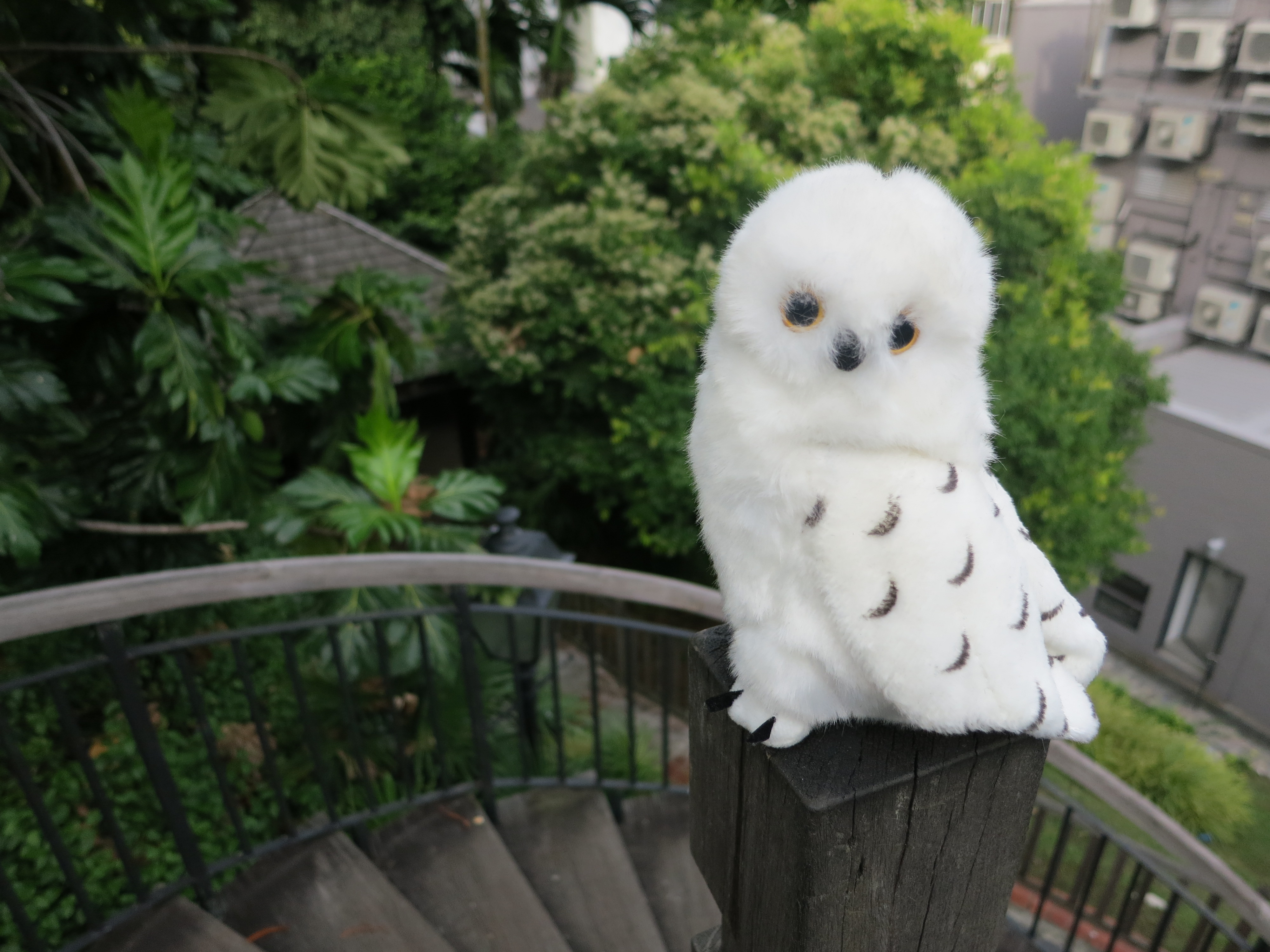
f/2 at 24mm.
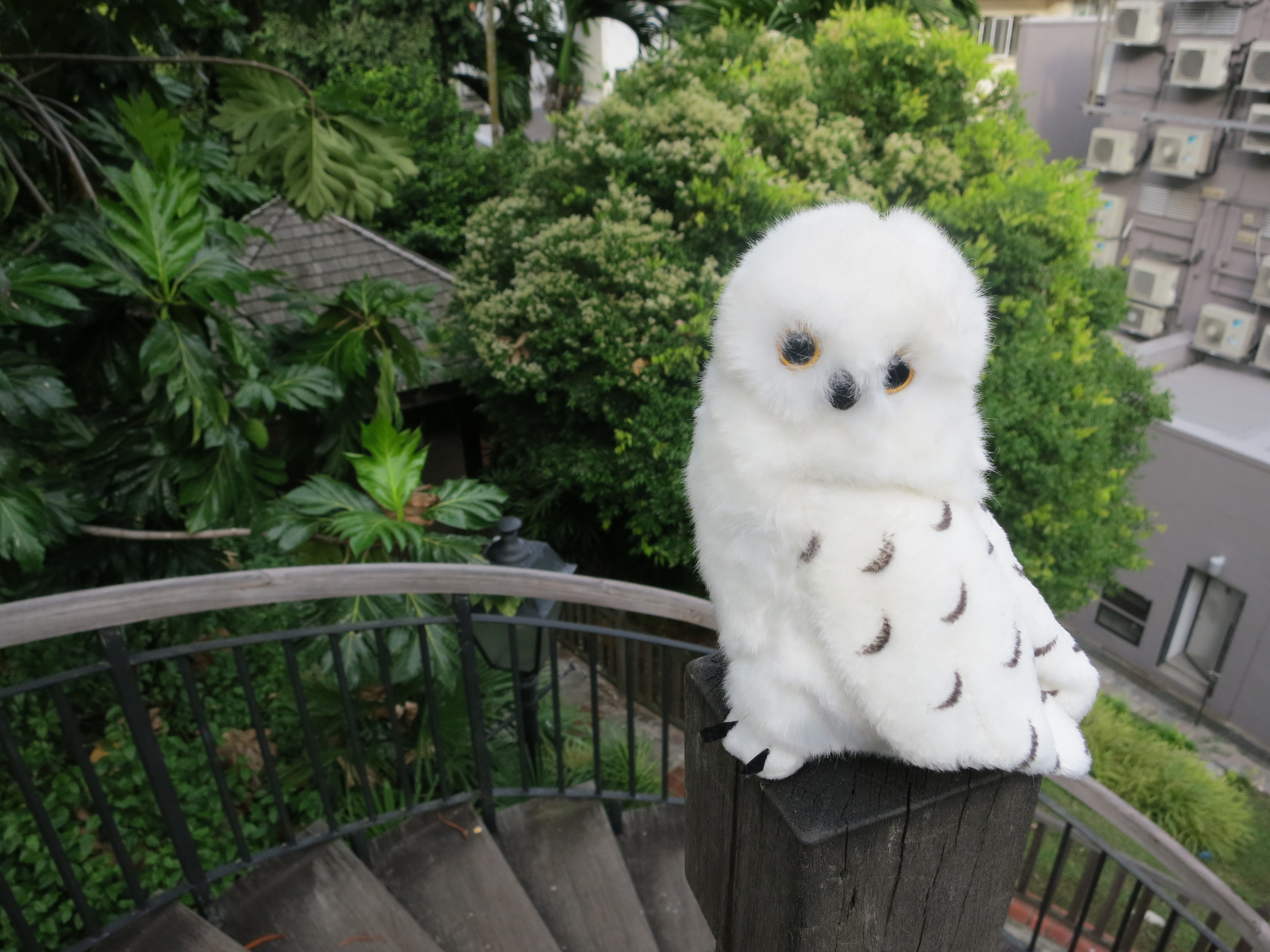
f/4 at 24mm.
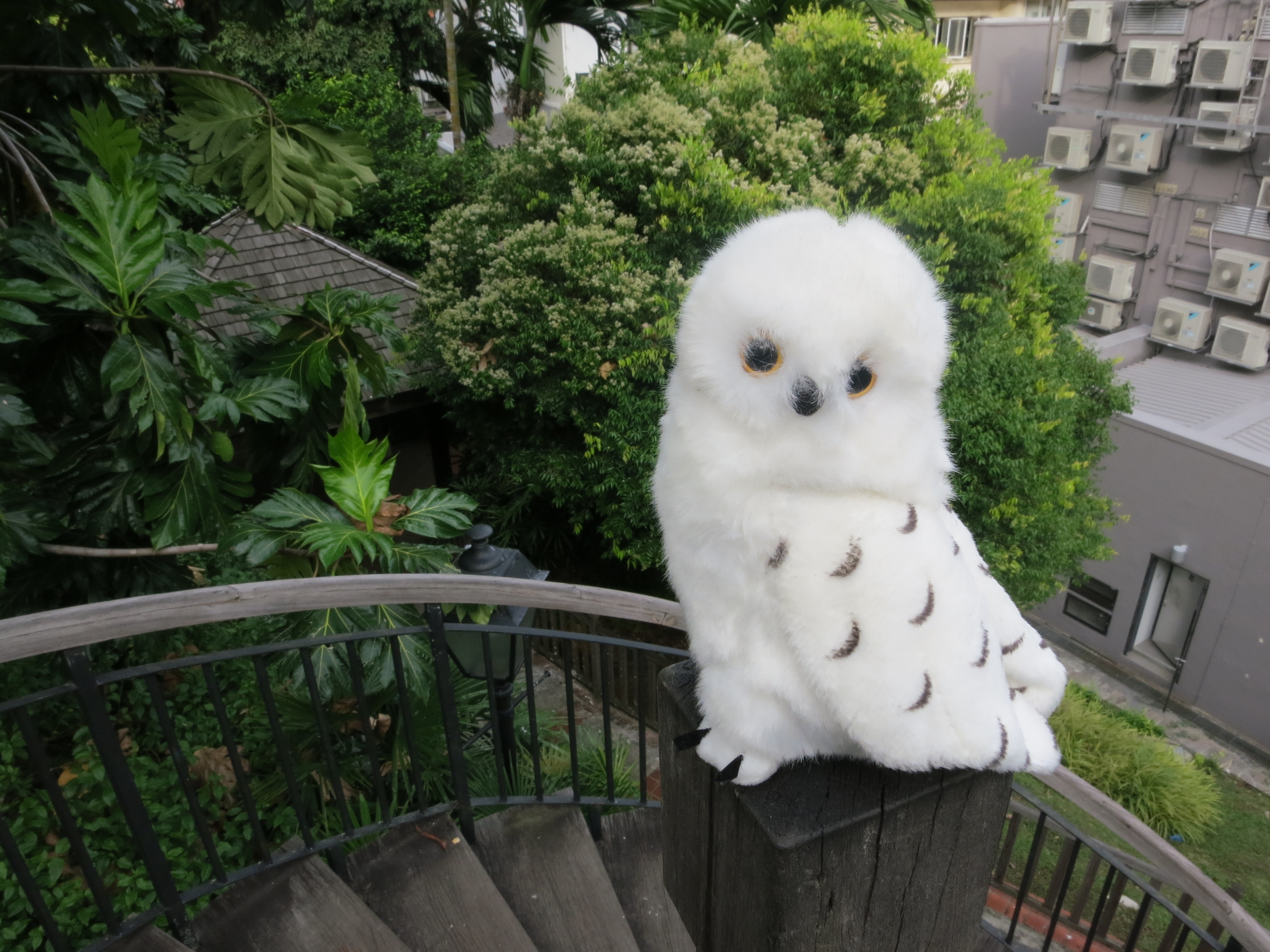
f/8 at 24mm.
Handheld Nightscene
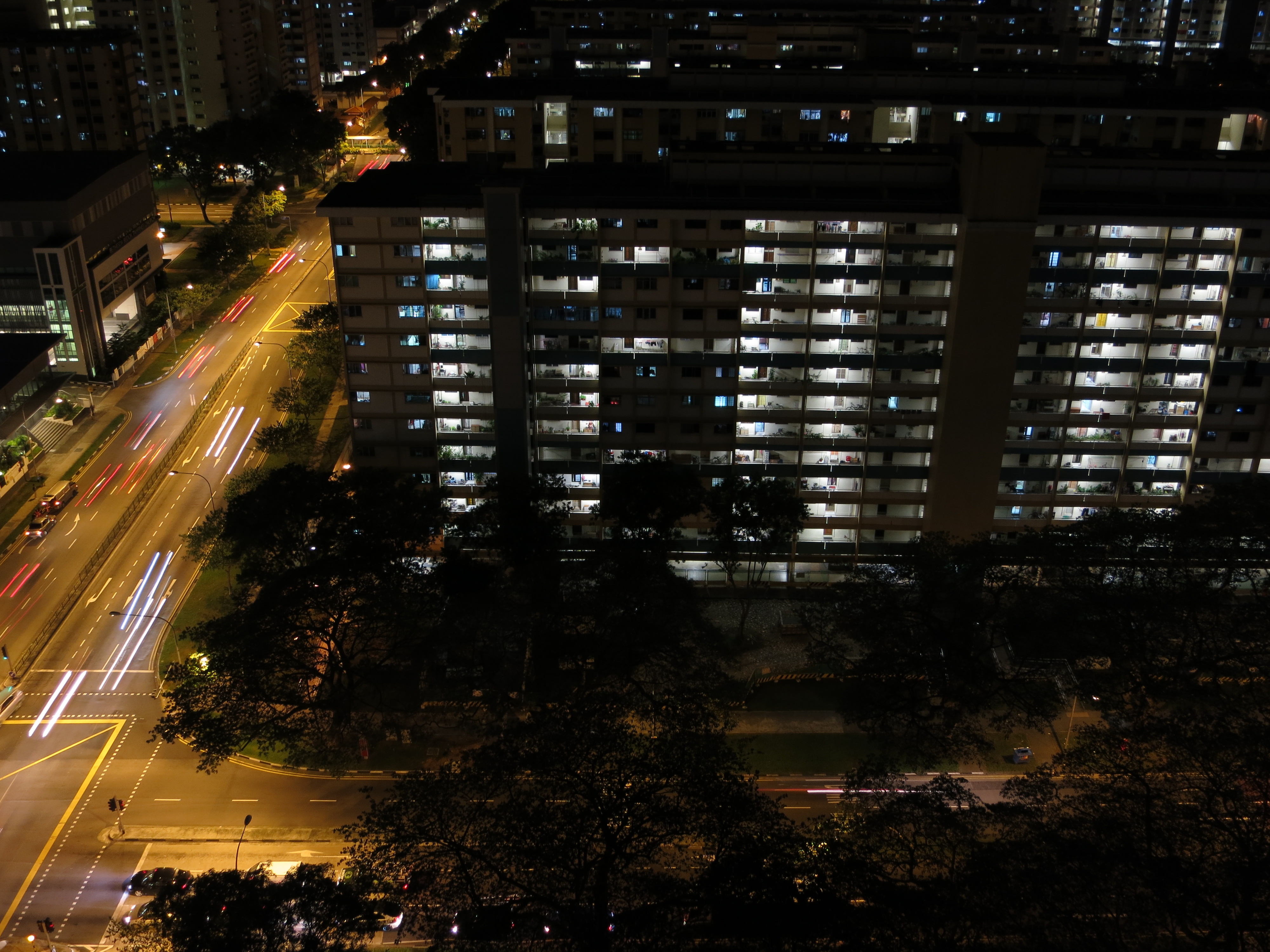
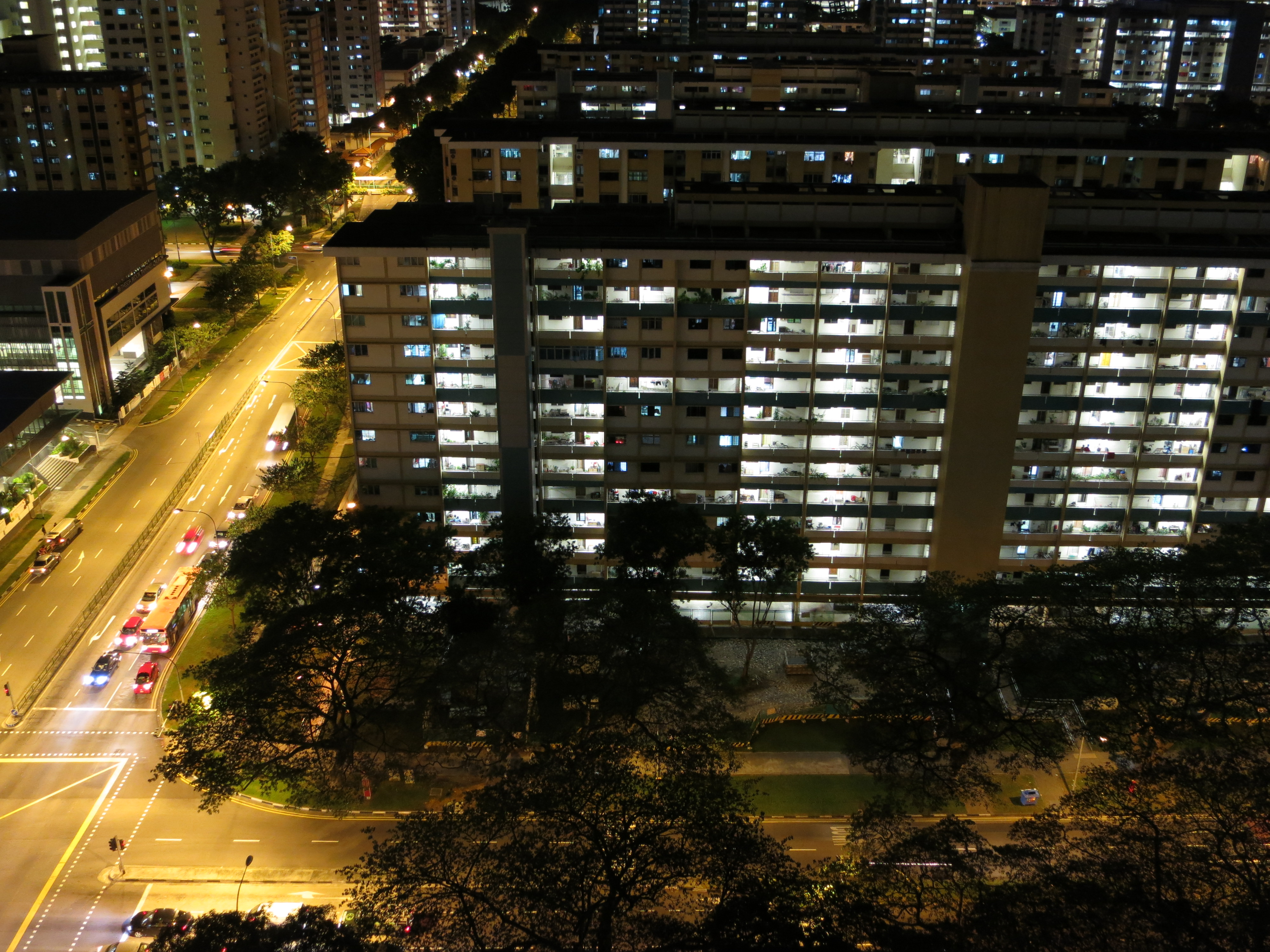
We want to mention the useful Handheld Nightscene mode, which takes multiple shots and combines them together, helping you get a sharp image shooting in the dark even without a tripod. It works very well, even when the lens is zoomed to maximum, which is when shaky hands are most likely to produce a blurry image. It's better for still subjects than for moving subjects though, as moving subjects will create trailing artifacts.
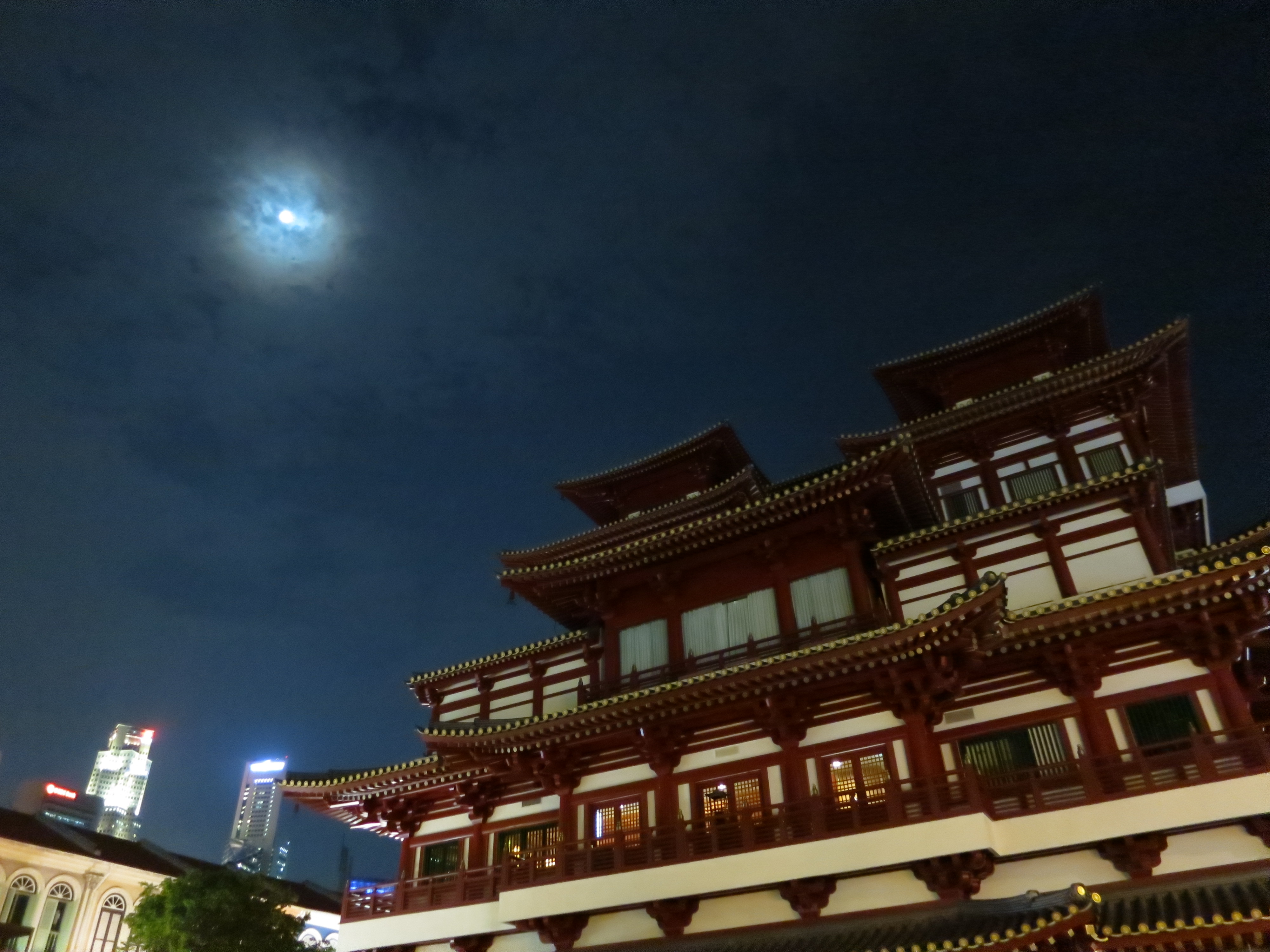
Using the Night Handheld mode under Scene mode, we were able to capture this shot at 8:40PM at night, without much light and without a tripod.
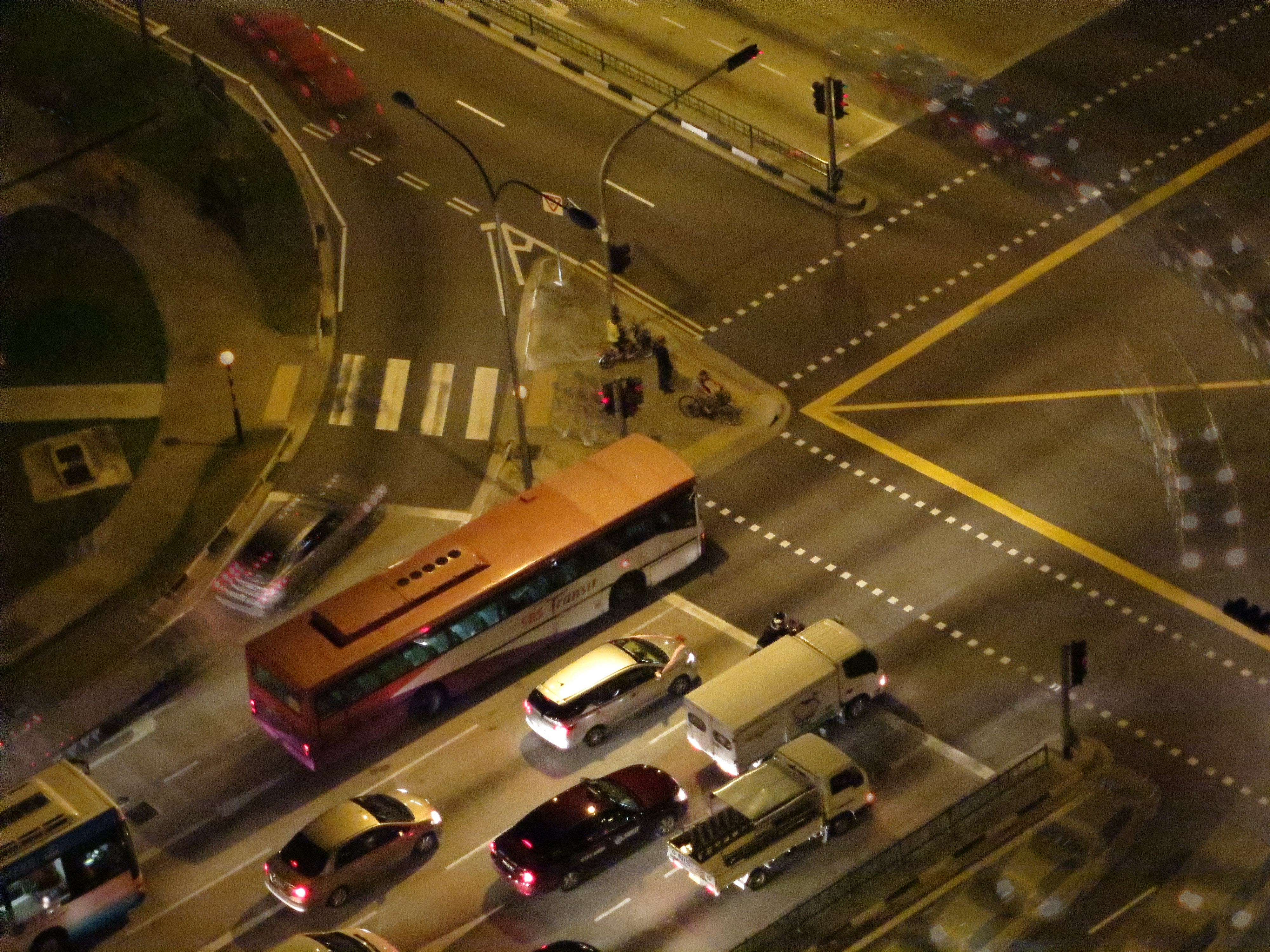
Night Handheld works better with still subjects, with moving subjects you'll get strange artifacts. But to be able to grab a sharp image while zoomed out to maximum, at 10PM like this, is amazing.
Sample Photographs
These are sample photographs shot with the Canon PowerShot S100. The photos have not been post-processed and are copyright to SPH Magazines. They are provided for your reference only and we ask that you do not reproduce them elsewhere. Click for the full-resolution images.

f/2 at 24mm (35mm equivalent), 1/30 sec, ISO640.
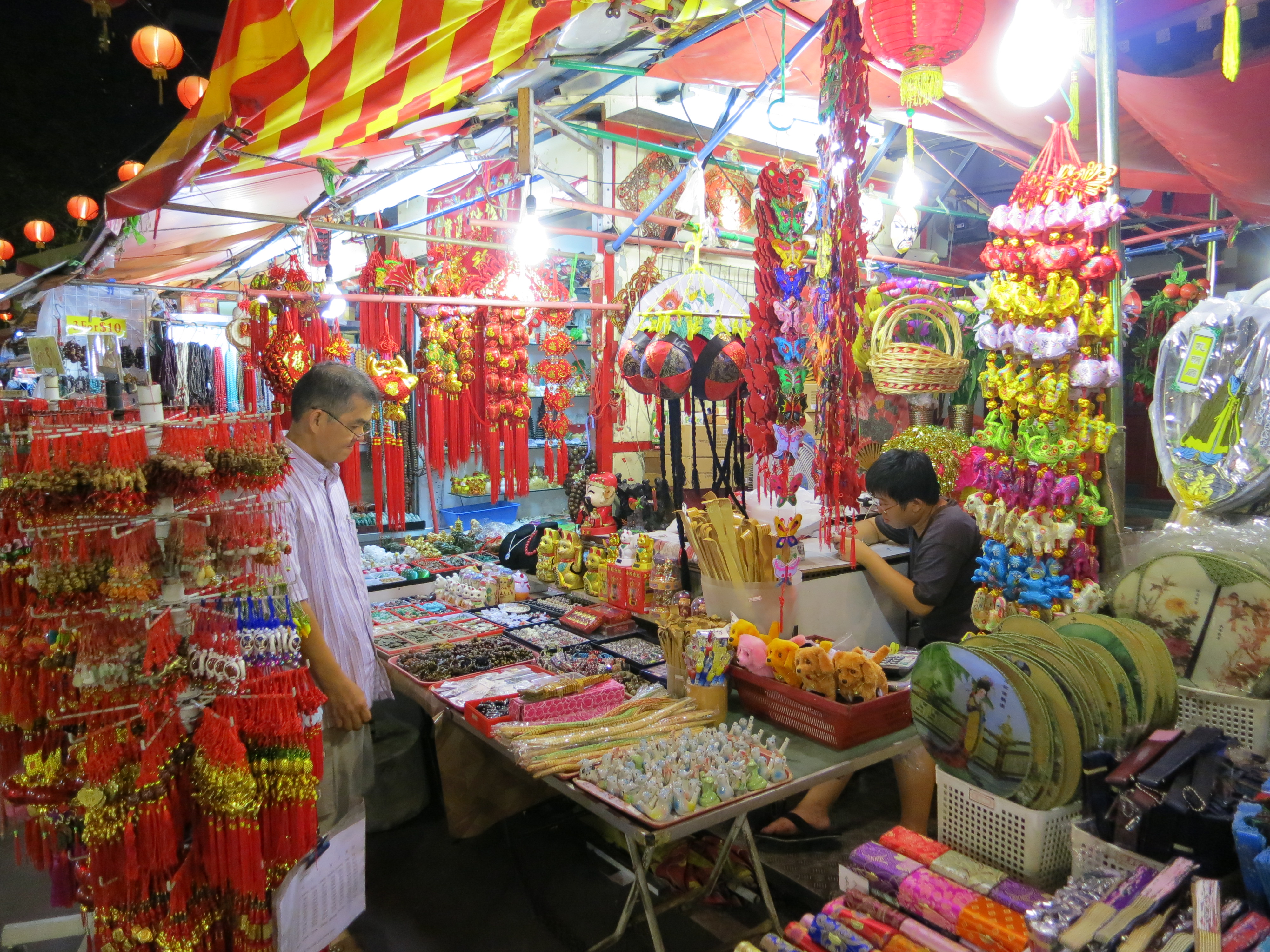
f/2 at 24mm (35mm equivalent), 1/60 sec, ISO640.

f/4.5 at 70mm (35mm equivalent), 1/15 sec, ISO1600.
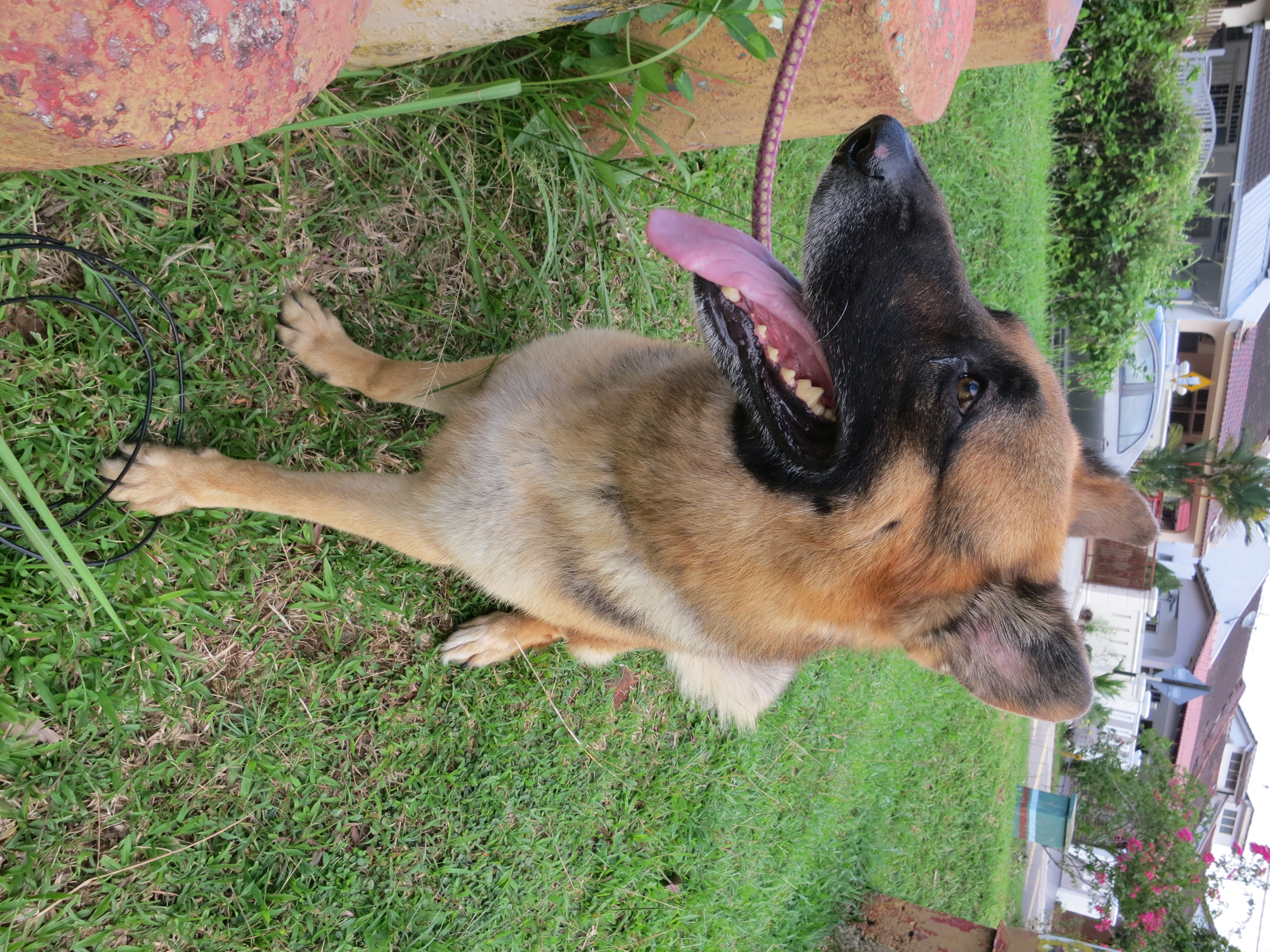
f/4 at 24mm (35mm equivalent), 1/80 sec, ISO160.
Conclusion
With its great image quality and pro handling, the Canon S100 is one of the best compact cameras of the year.
We'd almost recommend it unreservedly for the casual user who just wants a compact that takes great photos, especially in low-light, but for the low battery life. That makes it hard to recommend for the lay user, who might easily and painfully find their cameras dead by the second day of a vacation. You need to charge this camera regularly, or buy an extra battery - preferably both.
We'd recommend it with some caveats to the more seasoned user, who might mind the softness in some corners. Practically speaking though, you probably won't notice the softness most of the time if you're not looking at your images at 100%. And the benefits you get from the S100 are substantial; a camera with great manual handling and the best low-noise images ever to come out of a camera this compact.
Canon S100 vs. Fujifilm X10
You might be wondering how the Canon S100 stacks up against the Fujifilm X10, the other powerhouse digital compact camera to be released late this year. The most obvious difference is size; the X10 is bigger than the S100, especially with its protruding lens, and isn't as pocketable as the S100. The second most obvious difference is ease of use; because of the X10's sluggish auto-focus, it can be difficult to use the camera unless you know what you're doing. The S100's auto-focus is much faster and more accurate; anyone can pick it up and start shooting immediately. The third difference is battery life; the X10 is rated good for 270 shots on a single charge, the S100 for 200. The last difference is price; the X10 is priced at a high $999, while the S100 is a lower $699.
In short, the X10 is a great camera for enthusiasts who don't mind the slightly larger size, overcoming the slow auto-focus and paying more for the great build, beautiful design, quality materials, fast lens and superb image quality. The S100 is a great camera not just for its ease of use, great image quality and compact size, but also because it's an easier to use camera when set on automatic and can be easily shared with friends and family. Just remember to charge it.
Our articles may contain affiliate links. If you buy through these links, we may earn a small commission.