
Xiaomi 14 review: Compact phones with flagship quality and excellent photography
Sometimes, good things come in small packages.
#xiaomi #xiaomi14 #smartphone

Note: This review was first published on 9 May 2024.
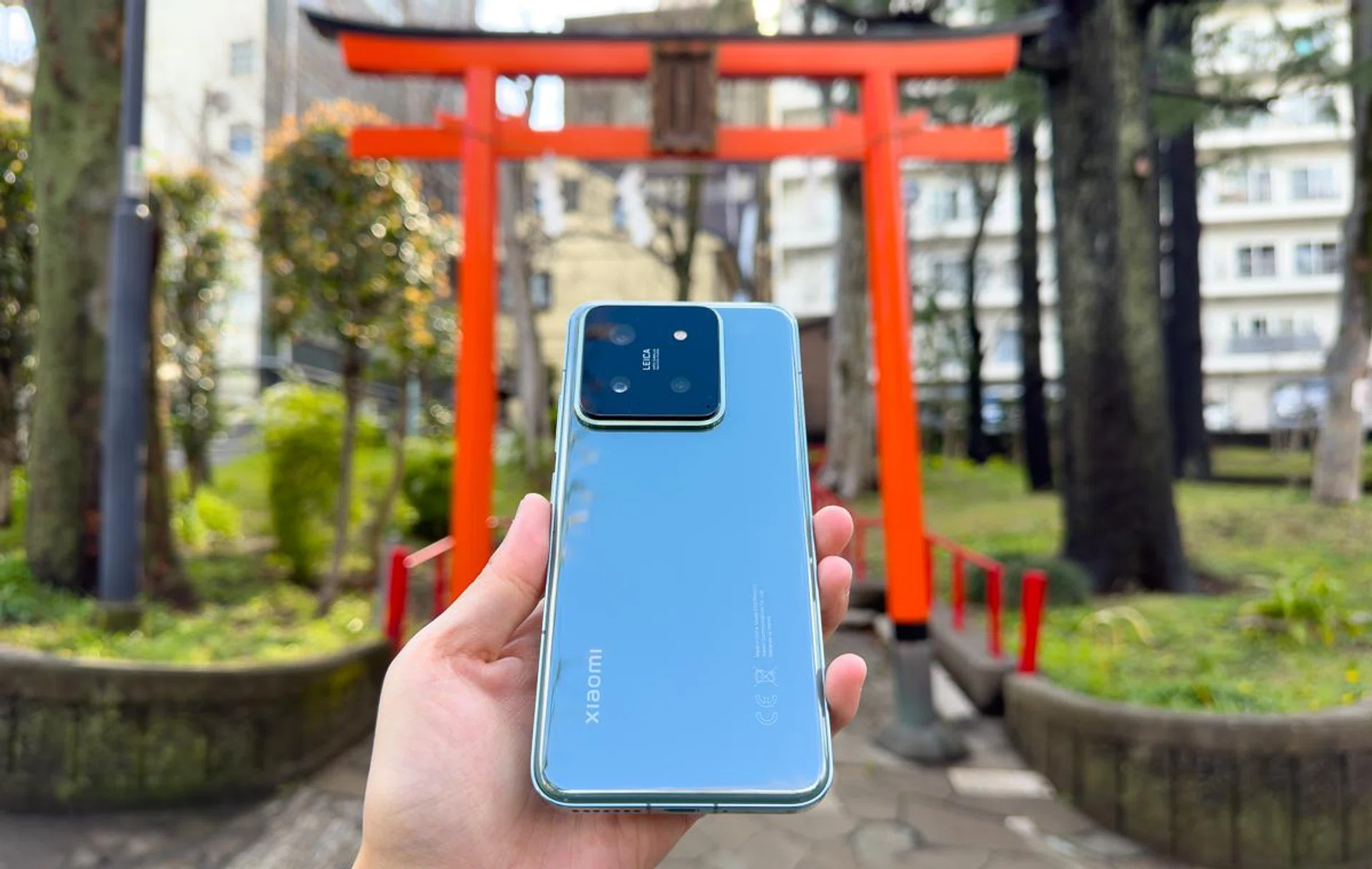
Xiaomi 14.
Appearances can be deceiving
When it comes to smartphone photography, many phones vie for the top spot, but one perennial contender is Xiaomi.
The “Ultra” models have always been excellent smartphones for mobile photography enthusiasts. In Singapore, base models of popular phones are often overlooked by those who only want the biggest and the best.
At first glance, the Xiaomi 14 might not seem as earth-shaking as its bigger brother which we recently reviewed, but it certainly has its advantages. Namely, its smaller size makes it easier to handle, its (slightly) more discreet camera bump, all while containing the same excellent hardware inside.
The TL;DR version:
This phone offers an excellent camera system and the latest Qualcomm Snapdragon 8 Gen 3 processor without the premium version's jaw-dropping price.
Note: You can find the Xiaomi 14 on Lazada and Shopee.
The phone runs on the latest Qualcomm Snapdragon 8 Gen 3 processor. It has 12GB of LPDDR5X RAM and 256GB or 512GB of UFS 4.0 storage options.
The display stays at the same 6.36-inch size for non-Ultra models, although it’s been upgraded from previous years. It has a new LTPO OLED display that supports a dynamic 120Hz refresh rate, Dolby Vision, HDR10+, and a new peak brightness of 3,000 nits.
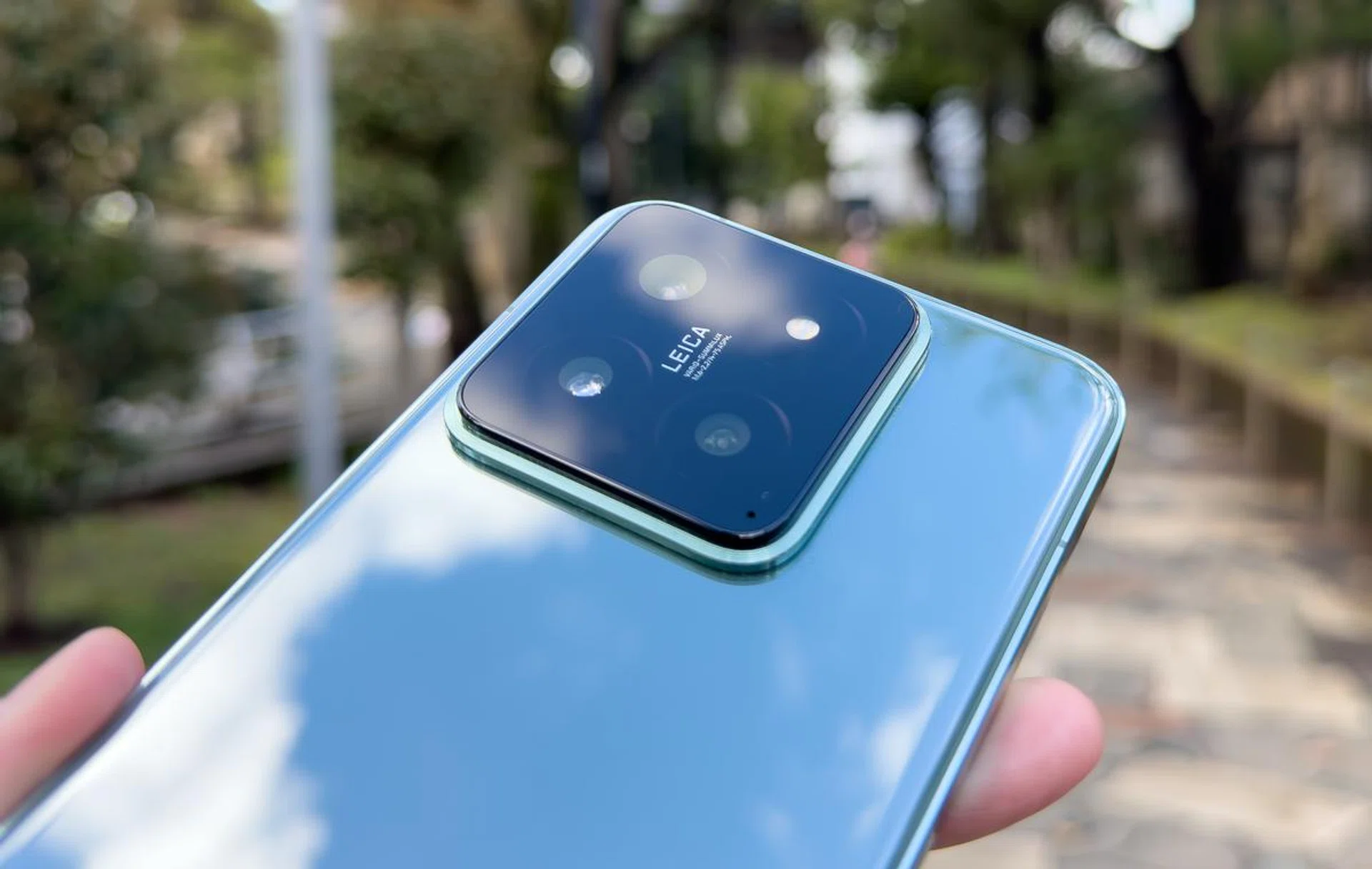
The camera bump is pretty prominent.
Apart from sporing the latest processors, Xiaomi 14's biggest change is in the camera department, with a brand new triple-camera array consisting of a 50MP main camera, a 50MP telephoto camera, and a 50MP ultra-wide camera that fully utilizes the partnership with Leica inked back in 2022.
So, could the S$999 Xiaomi 14 be the compact answer to your smartphone photography needs without overspending for the Ultra edition? Let’s find out!
A safe but dated design
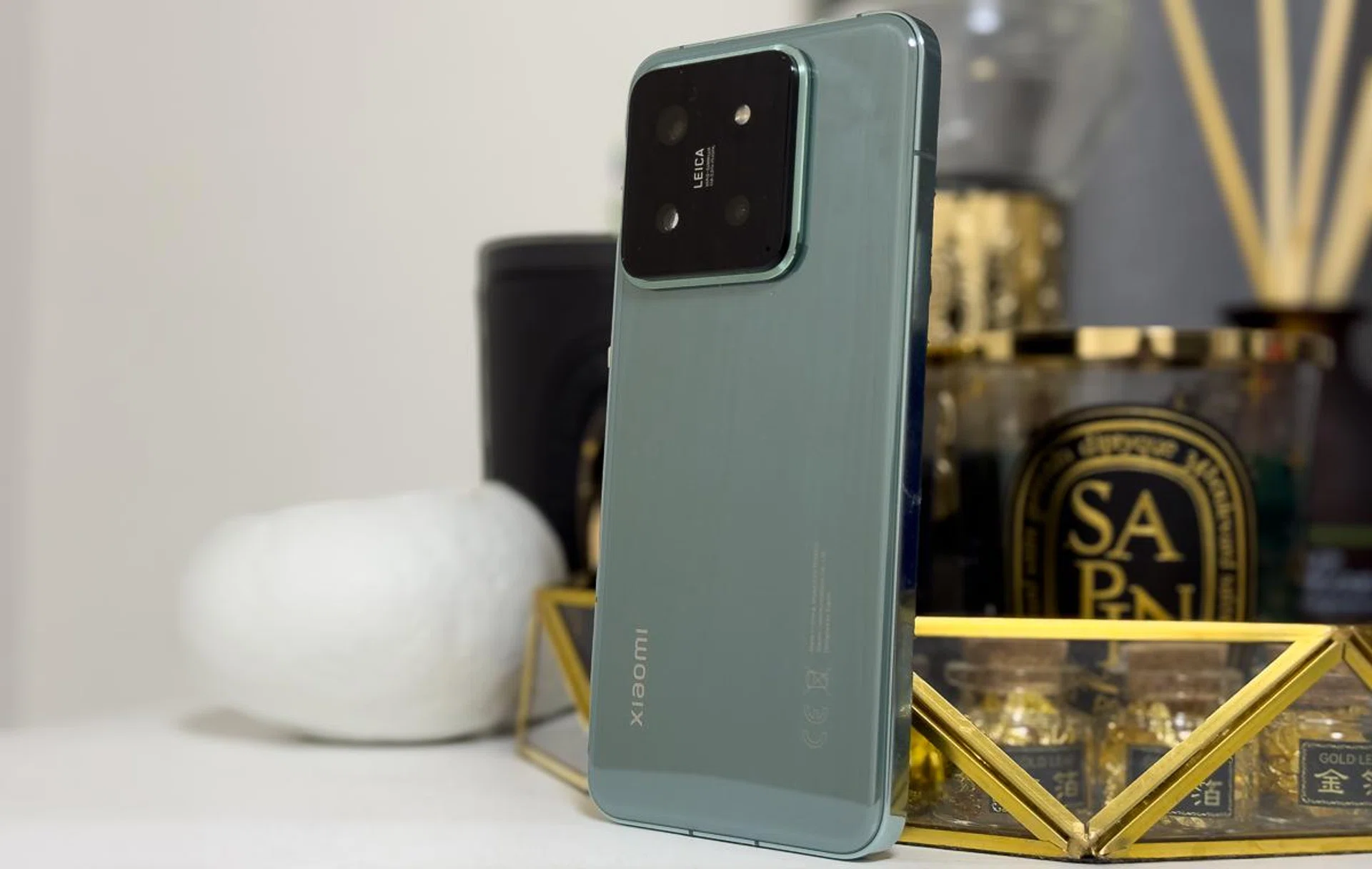
The glass back is rather reflective.
At first glance, the Xiaomi 14 looks relatively similar to its predecessors, with the same square camera bump on the rear. However, the bump is slightly larger due to the new, reworked camera system.
The phone comes in three colourways: Black, White, and Jade Green. The Black option has matte sides, while the White and Jade Green options have glossy sides. The latter two look sleek but can be quite a fingerprint magnet. It's paired with a glass back, heightening its propensity to hang onto fingerprints and dust. Without a protective cover, you’ll find yourself cleaning this phone regularly.
While I like the 3D curved back glass because it makes the phone comfortable to hold, Xiaomi’s choice to go with flat sides means there’s a jarring distinction between the glass curves and the frame's edges. It’s not egregious, but we expect a more coherent design for a flagship product.
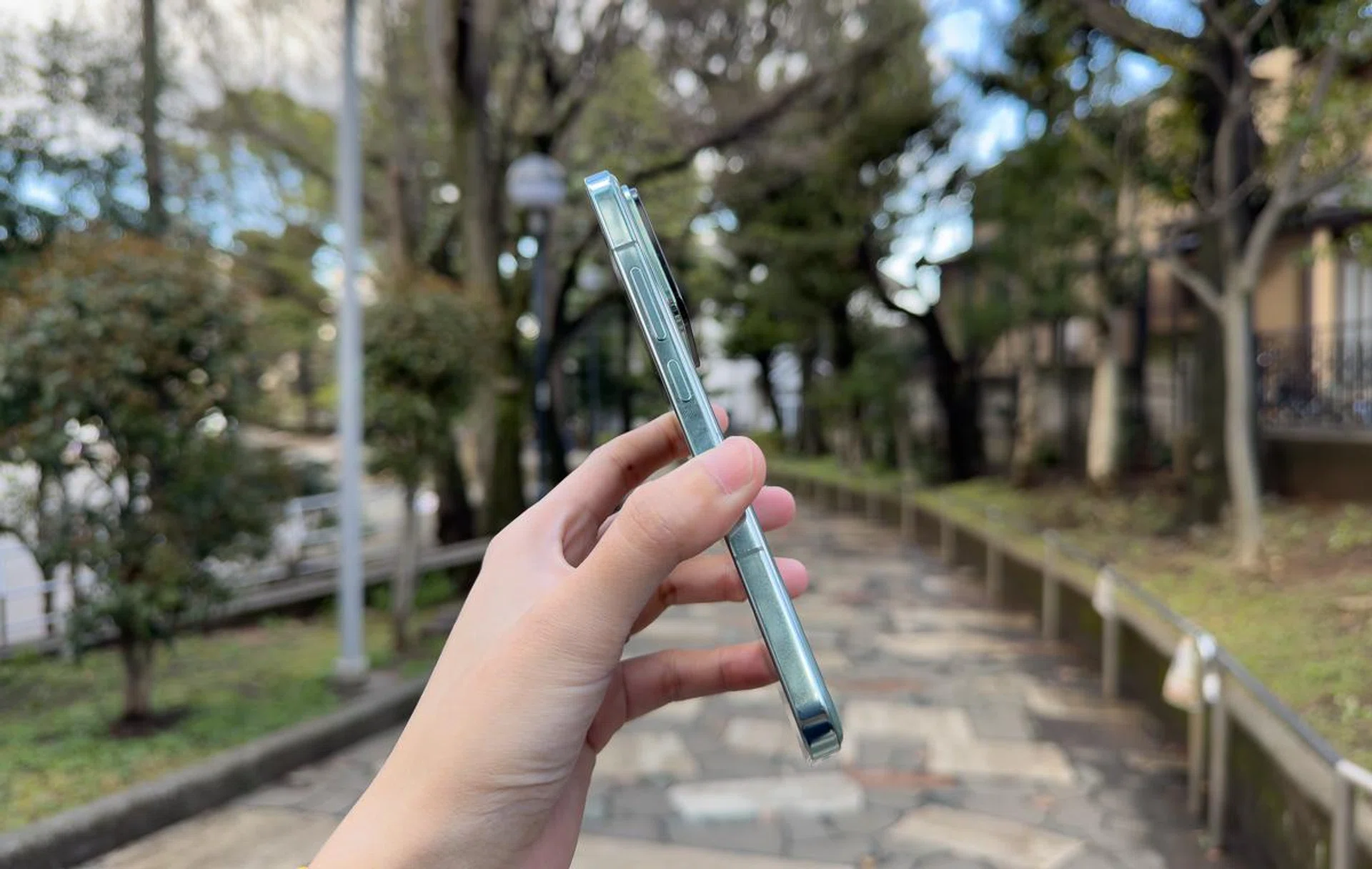
Buttons are all on the right side.
Thankfully, the phone looks quite clean on the sides. Xiaomi has placed the volume rocker and power button on the right side while moving the usual speaker holes from the top edge to the display.
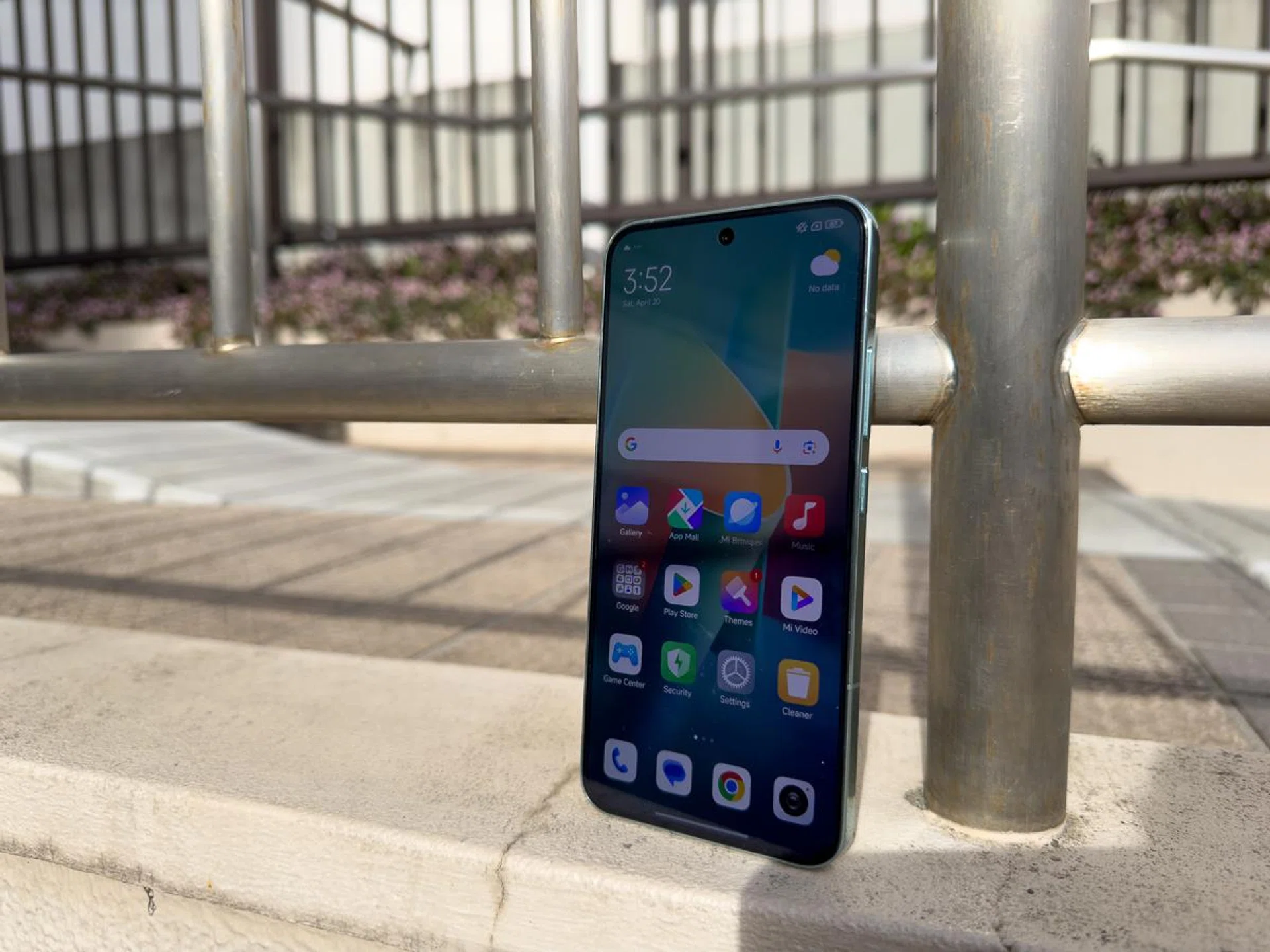
The screen is legible even under bright sunlight at 2pm.
On the front, the flat display is protected with Gorilla Glass Victus and sports very thin bezels all around, at just 1.71mm, including the chin. It also has IP68 water and dust resistance, which is excellent and should be a must-have on all high-end phones these days.
The display is bright and vibrant, with no issues being legible under direct afternoon sunlight.
HyperOS
The Xiaomi 14 runs on the company’s new Xiaomi HyperOS operating interface, announced in late 2023 and based on Android 14. While it replaces the old MIUI interface, the two systems are visually similar, with a few small but useful changes. HyperOS is the interface for Xiaomi products moving forward, appearing on the Xiaomi 14 Ultra.
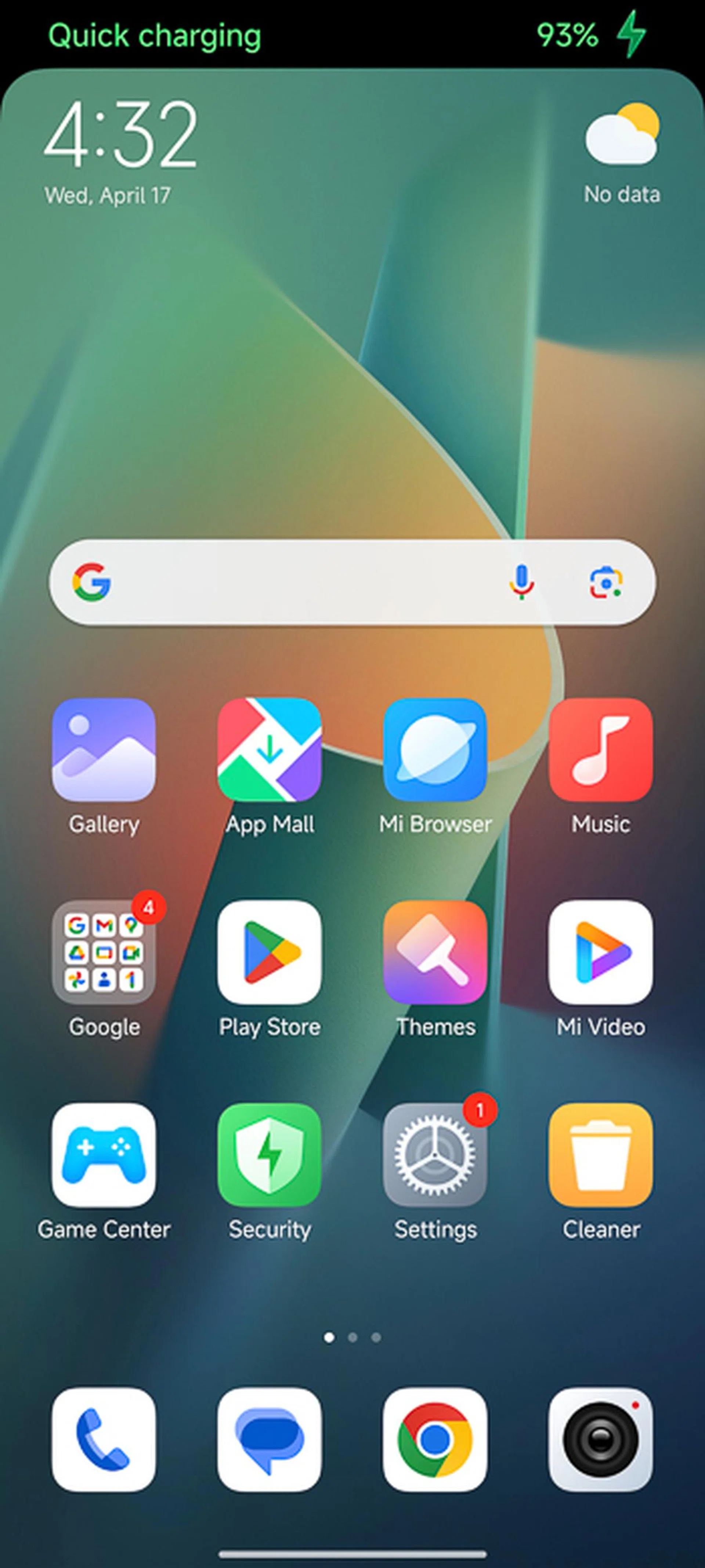
Not as elegant as Apple's Dynamic Island, but useful, nonetheless.
I particularly like the pop-up at the top of the screen when the phone is plugged in. It displays the current battery level and whether it’s quick charging.
Another nice new addition is the ability to use floating windows. This isn’t as useful as on a folding phone, but it's nice for people who like to multitask and open several different apps simultaneously.

Unedited.

Edited with AI sky replacement.
There are also some AI photo editing features in the Gallery, such as Sky Replacement and Magic Eraser, which can erase shadows on food. I tried out the sky replacement feature, which performed decently, although it accidentally replaced a small part of a building. However, I’ll give it props for distinguishing and isolating the cherry blossom branches well.
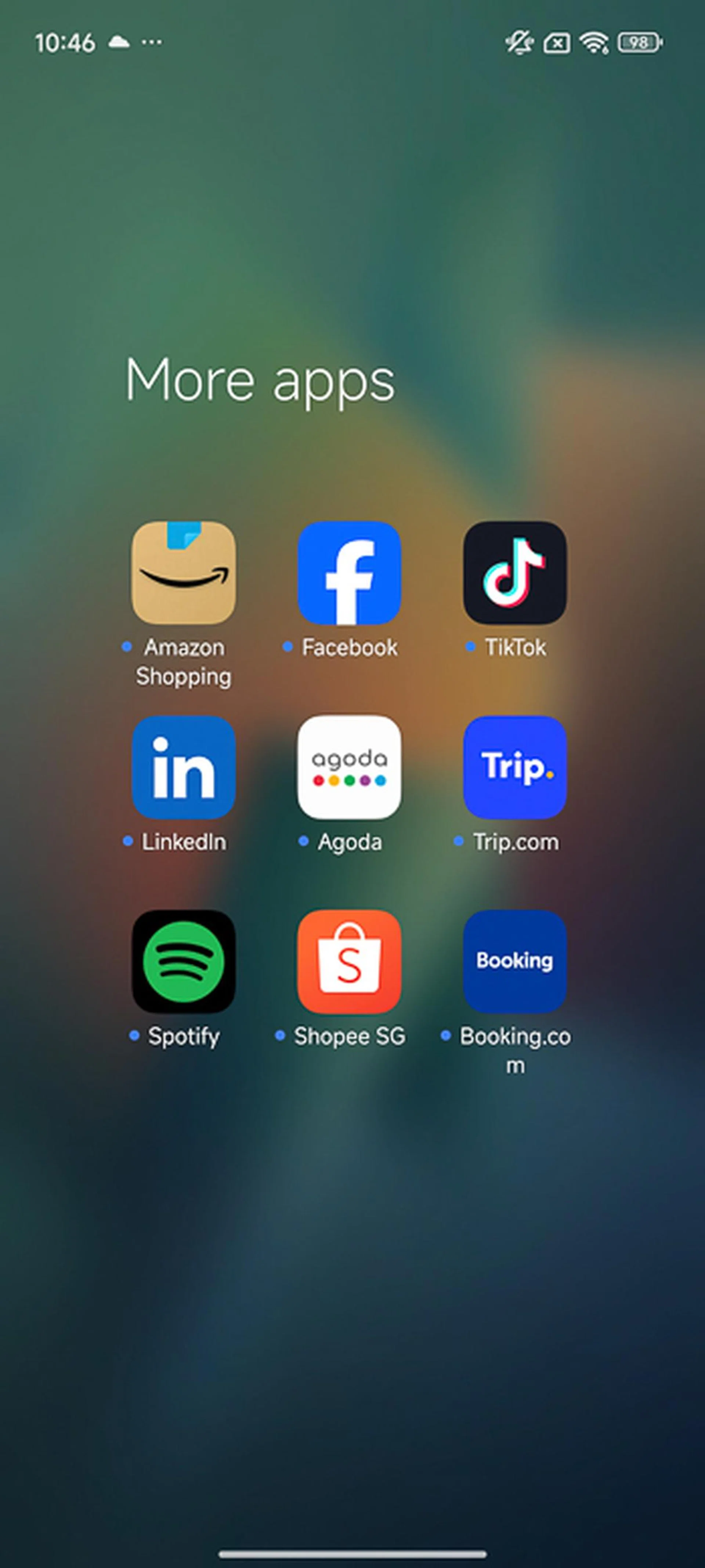
Bloatware apps.
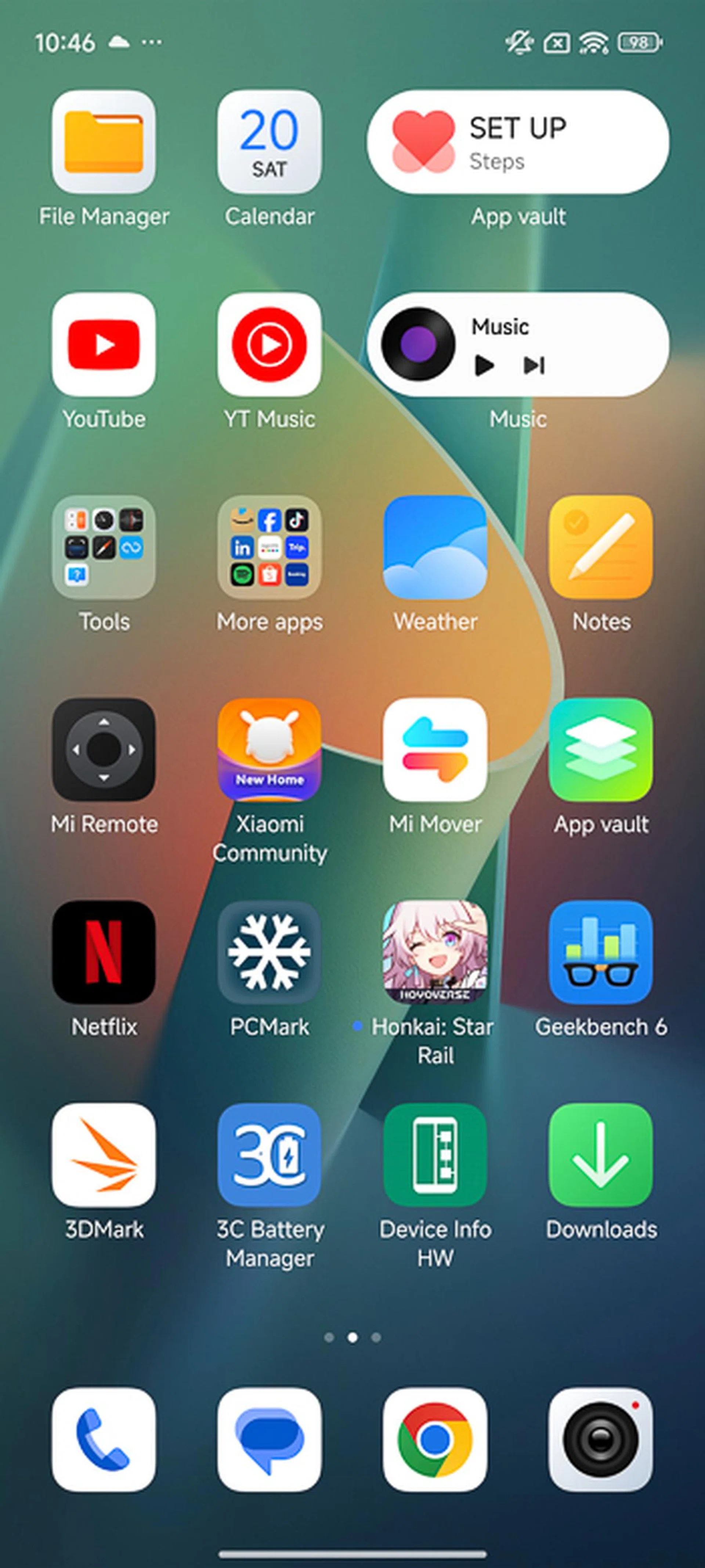
Xiaomi also downloads some of the company's own apps.
Unfortunately, there is a bit of bloatware, with apps like Amazon Shopping, LinkedIn, Agoda, Trip.com, and Shopee, which don't yet include Xiaomi’s apps like Mi Remote, Xiaomi Community and more. Thankfully, it’s not as bad as other phones we’ve reviewed recently. However, it would be nice to stop this practice of automatically installing excessive bloatware.
Despite that, the UI was responsive and fluid, with no stuttering or animation lag. One minor quibble is that the in-display fingerprint reader location is a little low, and it would be much better if it were raised slightly for ease of use.
Imaging Quality

Xiaomi 14's rear camera array.
The Xiaomi 14 comes with a triple-camera array on its back:
- 50MP wide main camera (f/1.6 aperture, Light Fusion 900 image sensor, 1/1.31-inch sensor, 1.2μm)
- 50MP ultra-wide camera (f/2.0 aperture, 115° FOV)
- 50MP telephoto camera (f/2.2 aperture)
It’s all housed in a square camera housing that protrudes slightly from the phone, although Xiaomi’s clever use of a second ring around the housing helps to prevent it from snagging too much on fabric when placed into a pocket or bag.
Similar to the Xiaomi 13T and the Xiaomi 13 series, the Xiaomi 14 uses Leica lenses. This time around, it’s a new Leica Vario-Summilux 1:1.63-2.5/12-120 ASPH lens, similar to what the Xiaomi 14 Ultra uses.
While both the Xiaomi 14 and 14 Ultra maintain 50MP cameras for all their lenses, which helps with imaging and video shooting accuracy using various focal lengths, do take note that the camera sensors on the Ultra edition differ from those on the Xiaomi 14 being reviewed. Ultra offers more optical or optical-like focal zoom across a wider range, which can affect the ease of shooting, or shot quality in certain scenarios.
In addition to the hardware, Leica’s optimisations have also been included, such as the Leica Authentic and Leica Vibrant presets, which are not optional.

Leica Authentic.

Leica Vibrant.

Leica Authentic.

Leica Vibrant.
As the names suggest, Leica Authentic offers a more balanced, natural look, which I prefer. Leica Vibrant adds warmth to the photo while boosting the saturation, which can be nice if you prefer a stylised look.
Let’s get to viewing some of the photo samples.

Main camera.

Main camera.

Main camera.

Main camera.

Main camera.
The photos taken with the main camera are excellent, with plenty of detail and relatively accurate colours if you’re shooting on Leica Authentic. However, the photos are still overly contrasted with boosted saturation, although it's not overdone.

Main camera.

2x zoom.

3.2x optical zoom.

10x digital zoom.

60x digital zoom.
The telephoto lens only allows for a 3.2x optical zoom, so it’s limited but about par for the course compared to comparable high-end phones like the Samsung Galaxy S24 (3x optical zoom) or the iPhone 15 Pro (3x optical zoom).
Zooming in digitally to 10x does result in smudging, so it would probably be best to try getting closer to subjects instead of digitally zooming or cropping in.

Low light shot.

Main camera.
Low-light photos are also nicely exposed, with this shot of an underground coffee shop’s coffee roasting machine properly exposed, and the bright outdoors (top right) did not blow out its exposure.

Ultrawide.

Ultrawide.
Ultra-wide shots turned out well without distortion at the corners.

Macro mode.

Macro mode.
I have to note that the Xiaomi 14's macro mode is quite impressive. I even managed to snap a detailed shot of an ant crawling around a flower from a close distance.
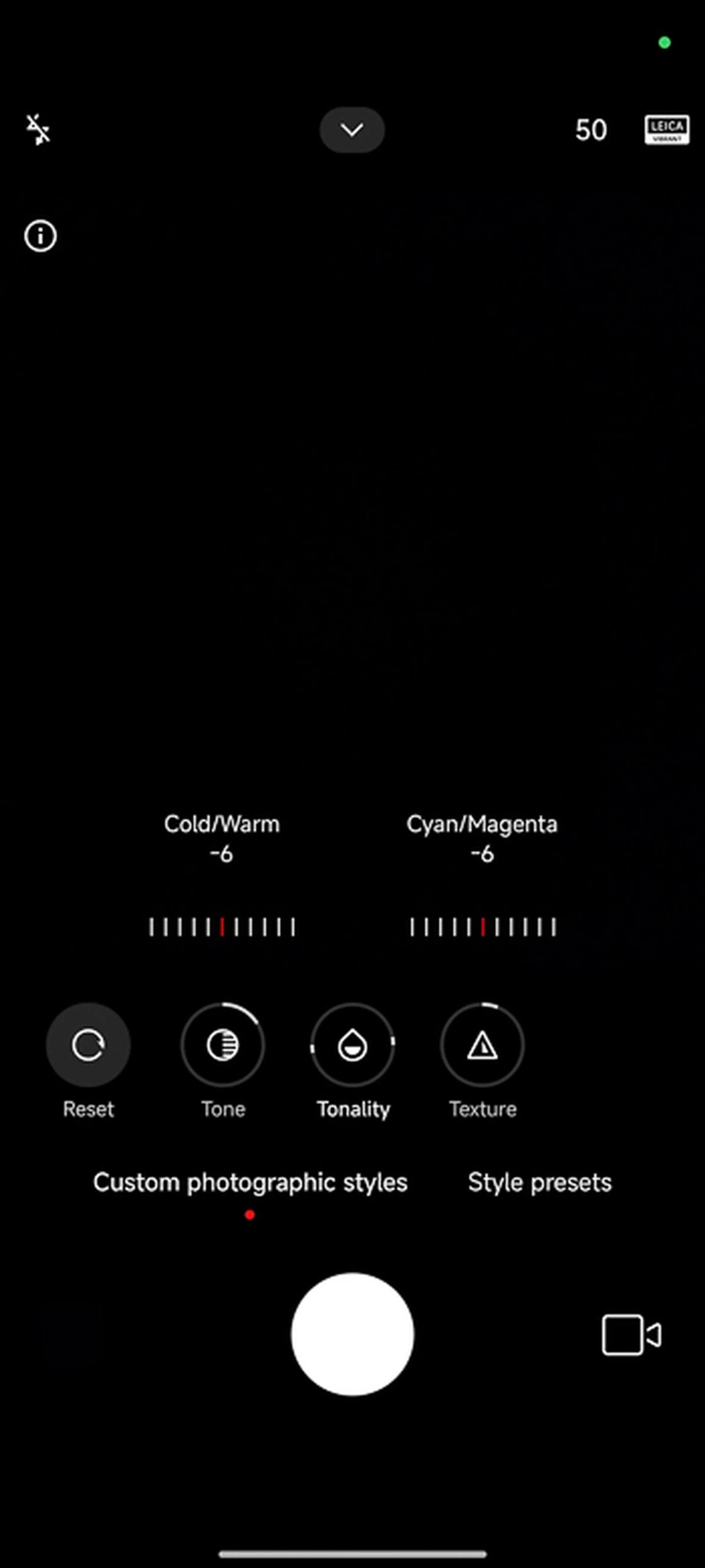
Custom Photographic Styles adjustments.

You can now save multiple presets.
If you want to take your photographs to the next level, you might want to check out the Leica Custom Photographic Styles feature introduced in the Xiaomi 13T. This feature is available only in the Pro Mode and allows for Tone, Tonality, and texture adjustments.
Still, Xiaomi has listened and added a Style presets option, allowing multiple presets to be saved (and even imported). This allows you to save a few creative styles beforehand to avoid having to fiddle with the adjustments while you’re shooting.
You’ll also find the option to shoot in 10-bit or 14-bit RAW DNG in Pro Mode, along with other features like focus peaking, exposure verification, and more. However, I reckon most photography enthusiasts using these features would probably be looking at the Xiaomi 14 Ultra instead of this model.
It’s nice that Xiaomi didn’t strip away these functions to drive more sales towards the Ultra model. Xiaomi 14 holds up well for photography despite being significantly cheaper than its Ultra sibling, and you would only need to pay more if the wider variety of optical zoom ranges matter to you.
Benchmark Performance
Having crashed Qualcomm’s Snapdragon Summit to announce the 14 series, the Xiaomi 14 phones all use the latest Qualcomm Snapdragon 8 Gen 3 processor. The model we have on hand is the SKU with 12GB RAM and 512GB storage. With the latest LPDDR5X RAM and UFS 4.0 storage, the Xiaomi 14 offers a very fluid and smooth experience using the phone under every condition we’ve tested.
Putting it to the test
To find out how the competitors line up specs and price-wise, check them out in this link.
For this review, we've picked a few opponents in the S$1,000 price range, such as Nothing Phone 2 and Xiaomi 13T Pro, along with other more expensive flagship competitors like the Samsung Galaxy S24+ and Honor Magic6 Pro.
To find out more about the tests we conduct and what they relate to, we've jotted them down here.
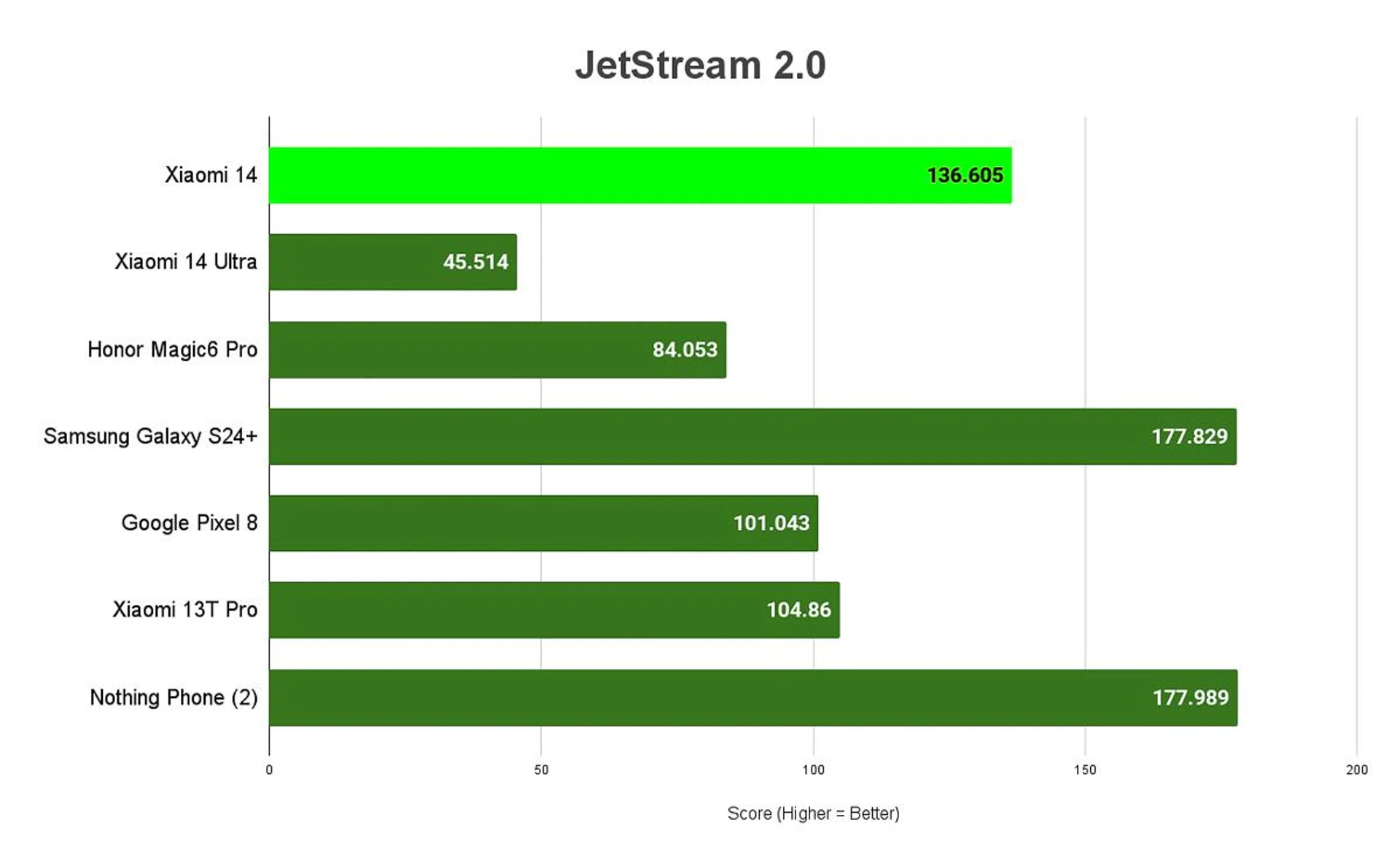
Benchmark Performance remarks
It’s clear that Qualcomm's Snapdragon 8 Gen 3 processor is playing a big part in the high scores that newer flagship devices are scoring, with the Xiaomi 14’s synthetic benchmarks scoring very decently against the competition. We've included the benchmark numbers from our Xiaomi 14 Ultra review for a better snapshot of its price-performance matrix. The Xiaomi 14 runs exactly like you would expect a flagship device to - smoothly without any lag, stuttering or crashes.
Battery Life
Our new battery benchmark uses PCMark for Android’s Work 3.0 Battery Life test to determine a modern Android-based smartphone's battery uptime in minutes. This controlled benchmark simulates real-world usage with a combination of both web and social media browsing, video and photo editing, parsing data with various file formats, writing (on documents), and more.

The Xiaomi 14's 4,610mAh battery is definitely on the smaller side, and you see it affecting the battery life a little. A point to note here, of course, is the smaller physical form factor than most other compared devices, and that limits the battery capacity it can pack. On the other hand, this compact phone has a much more powerful processor than the similarly sized Pixel 8, thus resulting in battery life performance. It also has other leading display-oriented features, making it apparent that you can't get everything in a smaller form factor, like a long battery life.
Realistically, you’ll not likely run intensive tasks throughout the day that drain the battery completely. For most users, the phone will last from morning to night on a single charge with moderate usage.
The charger provided in the box works perfectly in tandem with the Xiaomi 14’s supported 90W wired fast charging, resulting in a 0-50% charge in 15 minutes, while a full charge from 0% took about 40 minutes as the charging speeds slowed down closer to 100%.
A third-party fast charger was slightly slower, taking about 61 minutes to charge from 0 to 100%. It supports 50W wireless charging and a 10W reverse wireless charging feature, which came in handy on a few occasions when my earbuds were almost out of juice.
Can compact phones grab market share? Only if they are this good
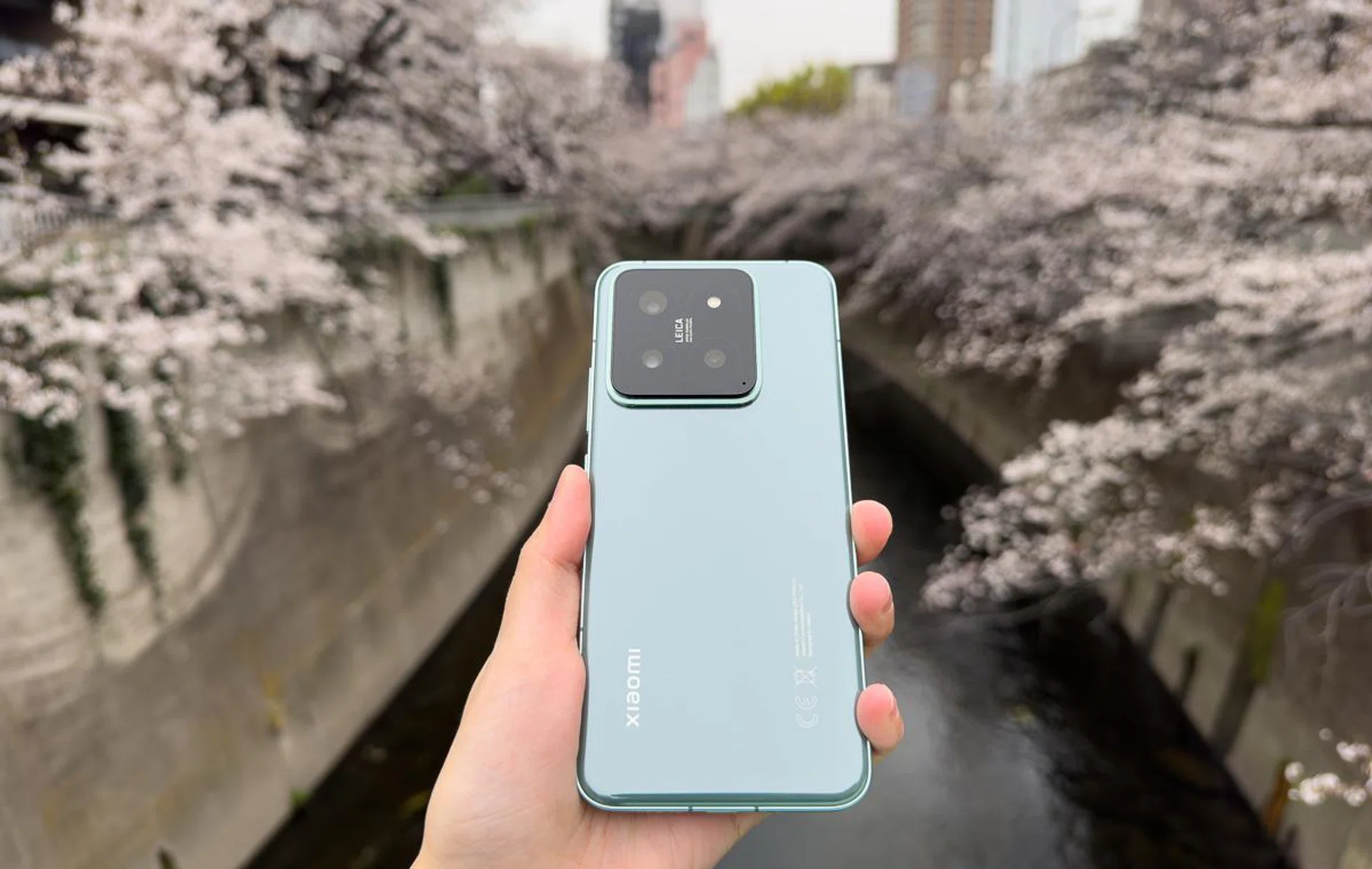
Xiaomi 14.
Phones have gotten larger and larger lately, with companies racing to launch bigger screens on their flagship devices. As such, finding small phones with great hardware has become a bit of a rarity. While the Xiaomi 14 isn’t quite as compact as some other phones, it’s manageable in the hand and not too unwieldy.
More than that, Xiaomi has done a good job balancing the value proposition of the Xiaomi 14 range. While this phone doesn’t have all of the jaw-dropping capabilities of its biggest brother (Xiaomi 14 Ultra), its photography chops are clear to us and still very impressive.
If you’re a fan of the Leica look that these mobile optimisations have provided, it’s a no-brainer to consider the Xiaomi 14. The photos that come out of Xiaomi 14's Gallery app have been impressive, even a casual glance our imaging quality section can you that much.
Photography aside, the phone still has the latest Qualcomm Snapdragon 8 Gen 3 processor and other flagship features like IP68 water and dust resistance and incredibly quick charging speeds. There’s also great peripheral connectivity in the form of Wi-Fi 7 support, Bluetooth 5.4, a USB 3.2 port and even Snapdragon Sound, which allows for 24-bit / 192kHz high-res wired and wireless audio if you have a compatible pair of earphones or earbuds.
The combination of great value, parts, and performance in Xiaomi 14 may sound like it encroaches on Xiaomi 14 Ultra's shine since it offers many, if not all, of the Ultra's flagship trimmings. From our perspective, we see Xiaomi 14 as an option to save a cool ~S$700, especially if you don't need the extra optical focal zoom ranges, the step-less aperture, or the bulk. At the same time, the Ultra option doesn't shortchange users who need imaging flexibility.
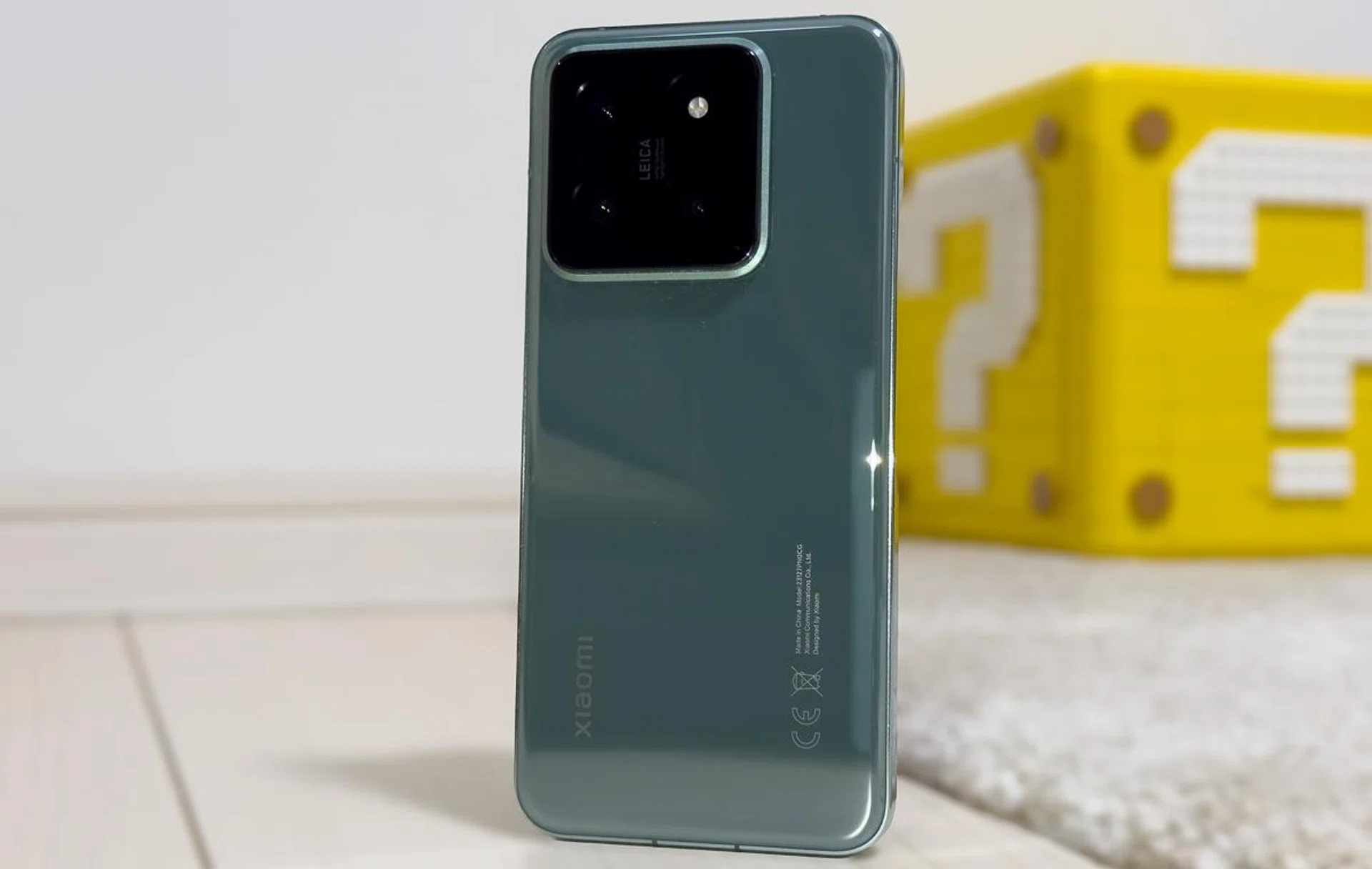
Xiaomi 14.
At just S$999 for the 256GB model (and S$1,199 for the 512GB variant), Xiaomi 14 is significantly cheaper than many other flagship phones, like the Samsung Galaxy S24+, while offering more hardware. If you’re looking for a great flagship experience and photos that will fit easily into your pocket, it’s hard to argue against getting the Xiaomi 14 at this price.
The Xiaomi 14 is available in two configurations and is available from authorised Xiaomi stores, partner stores and Xiaomi's official stores such as Lazada and Shopee.