
Samsung Galaxy Tab 2 (7.0) 3G - When One More is Too Many
So far, Samsung has four 7-inch tablets in its portfolio including the latest Galaxy Tab 2 (7.0). As the new kid of the block, what does the Galaxy Tab 2 (7.0) has to offer to differentiate itself from its peers? Frankly, there isn't much going for the device. Read on to find out why.

Overview
Samsung introduced its first tablet, the Galaxy Tab at the end 2010. Though it was touted as an iPad killer, the Samsung Galaxy Tab suffered from one serious drawback which was its user experience. Running on Android 2.2 Froyo, the user interface wasn't optimized for use on the 7-inch display hence making the Galaxy Tab look like an oversized smartphone.
Earlier this year, Samsung refreshed its Galaxy Tab with two more powerful slates - the Galaxy Tab 7.7 and the Galaxy Tab 7.0 Plus, where we had our first hands-on at an event. This time round, both of these tablets run on the tablet optimized Android 3.0 Honeycomb platform, which obviously led to a better user experience.The Galaxy Tab 7.7 impressed us greatly with its Super AMOLED Plus display while the Galaxy Tab 7.0 Plus offered an overall package of features and performance that is hard to beat. However, the two tablets suffered from sluggish performance which is not uncommon among Honeycomb tablets.
Just six months later, we have in our labs the Samsung Galaxy Tab 2 (7.0), one of the first two Android 4.0 tablets from the company. Similar to the Galaxy Tab 2 (10.1) that we reviewed earlier, the Galaxy Tab 2 (7.0) looks like an exact copy of all recent Samsung slates. What's more important in this case are the hardware and software components running under the hood. As per usual, let's take a look at the specs between the Galaxy Tab 2 (7.0) and the first Galaxy Tab: -
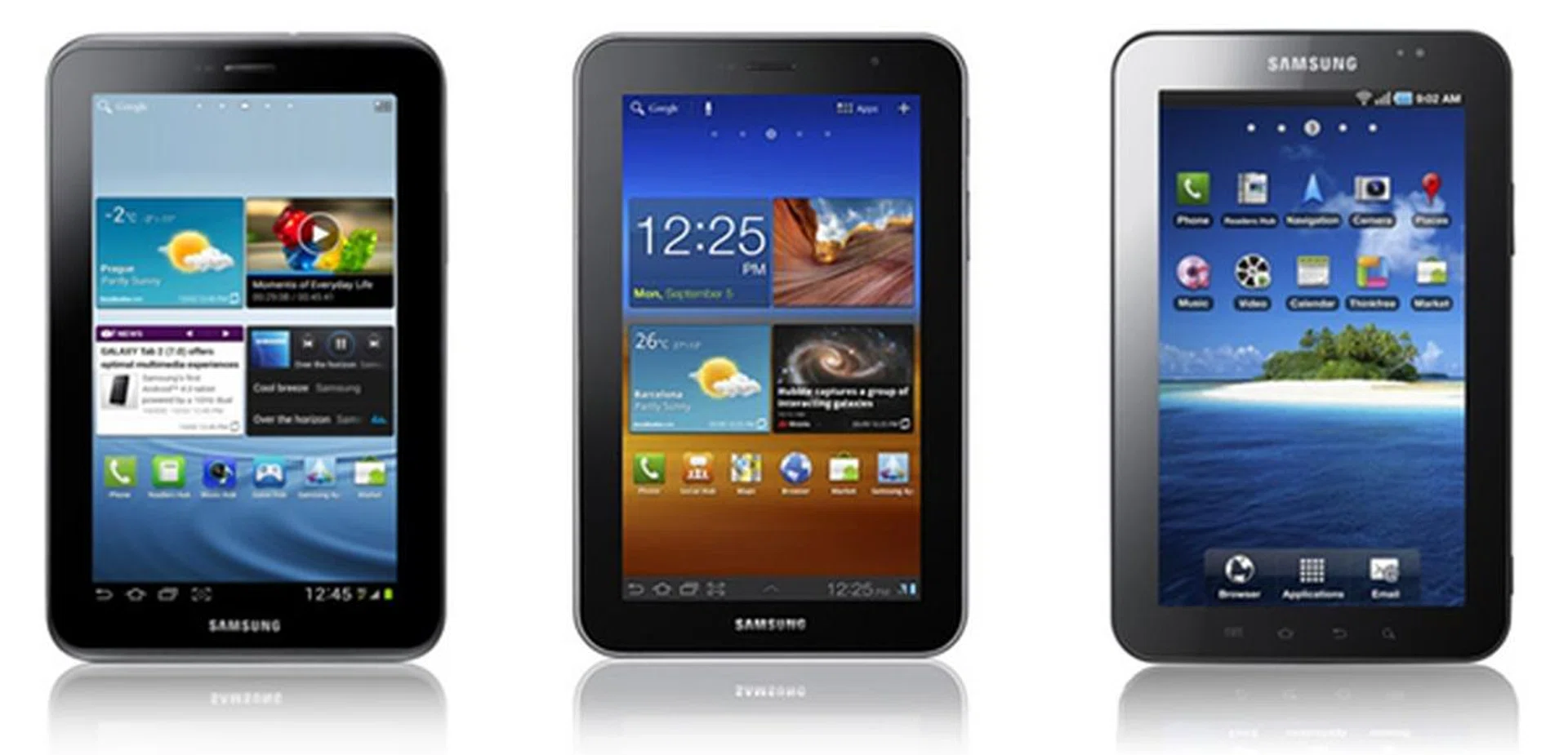
The Samsung Galaxy Tab 2 (7.0) 3G on the left, the Galaxy Tab 7.0 Plus in the center, and its predecessor, the original Galaxy Tab on the right.
Specifications | Samsung Galaxy Tab 2 (7.0) 3G | Samsung Galaxy Tab 7.0 Plus (3G) | Samsung Galaxy Tab (3G) |
Operating System / User Interface |
|
|
|
Processor |
|
|
|
Built-in Memory |
|
|
|
Display |
|
|
|
Camera |
|
|
|
Storage |
|
|
|
Battery |
|
|
|
Dimensions |
|
|
|
Weight |
|
|
|
Design
As mentioned earlier, the Samsung Galaxy Tab 2 (7.0) looks no different from the other recent tablets from the company - rounded corners, gray edging around the black bezel and a plastic backing that has a brushed metallic look.
While its 10.5mm side profile is thicker than the Galaxy Tab 7.0 Plus (@ 9.96mm) and Galaxy Tab 7.7 (@ 7.89mm), the Galaxy Tab 2 (7.0) is generally no less pocketable and portable. It is also quite light at 344g, a hairline lighter (1g) than the Galaxy Tab 7.0 Plus and just 9g heavier than the Galaxy Tab 7.7. And if you are deciding between this Samsung slate and the Google Nexus 7, both devices are pretty close in terms of physical attributes.
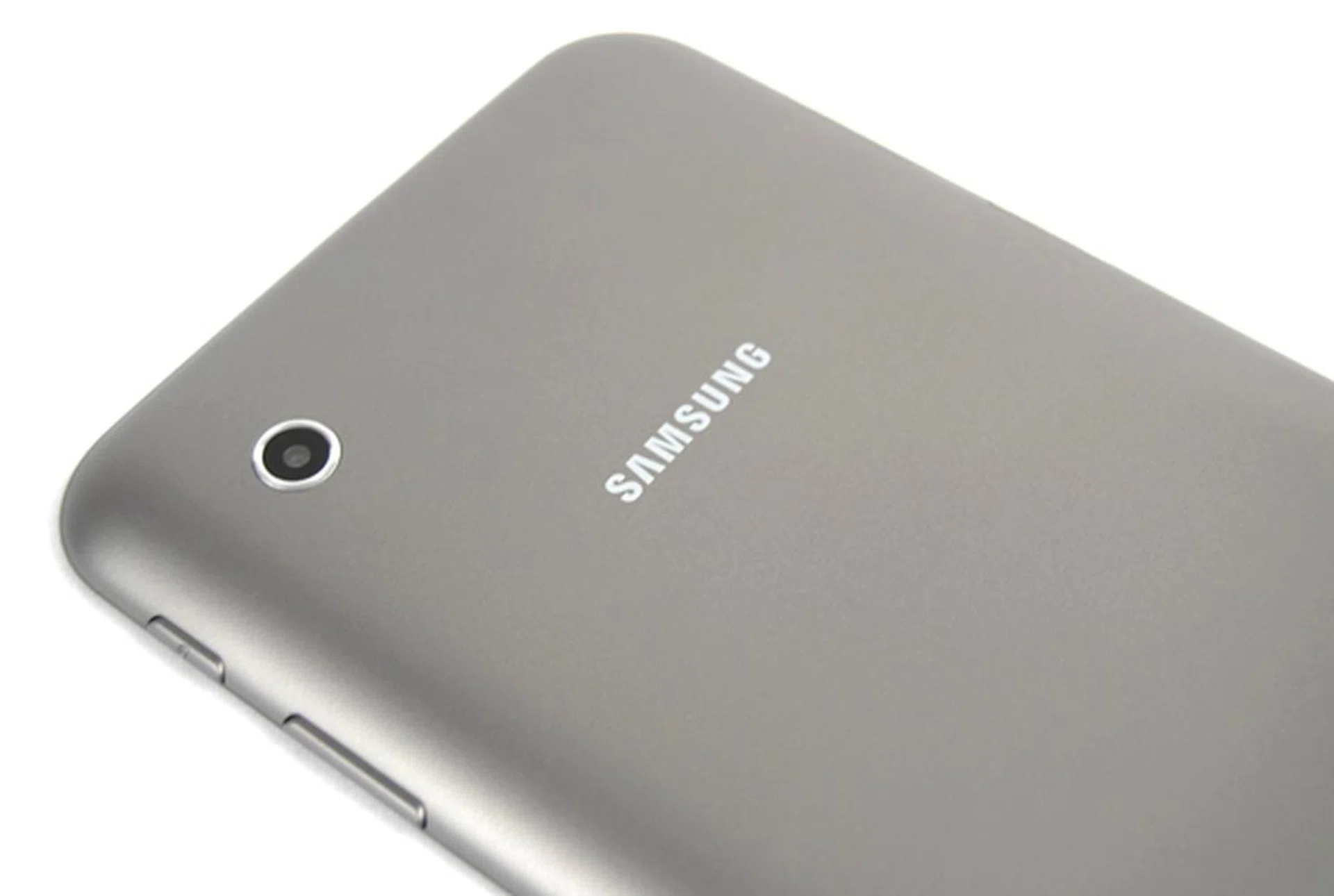
The metallic looking back of the Samsung Galaxy Tab 2 (7.0) is resistant to fingerprints and smudges. It is also pleasing to the touch. Take note that the 3MP camera at the rear is of the fixed focus type.
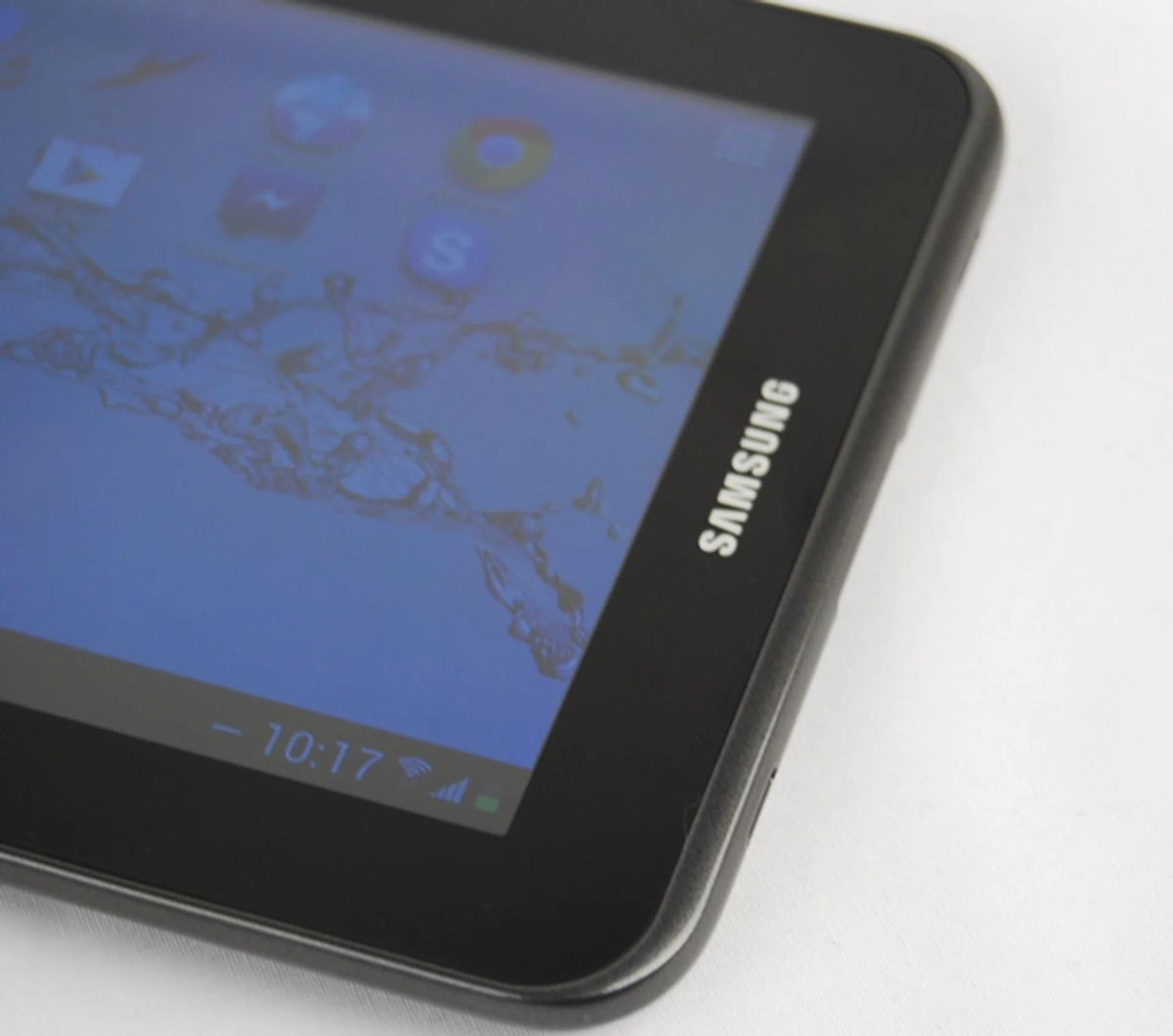
With its rounded corners, lightweight and handy form factor, the Samsung Galaxy Tab 2 (7.0) is very easy to handle.
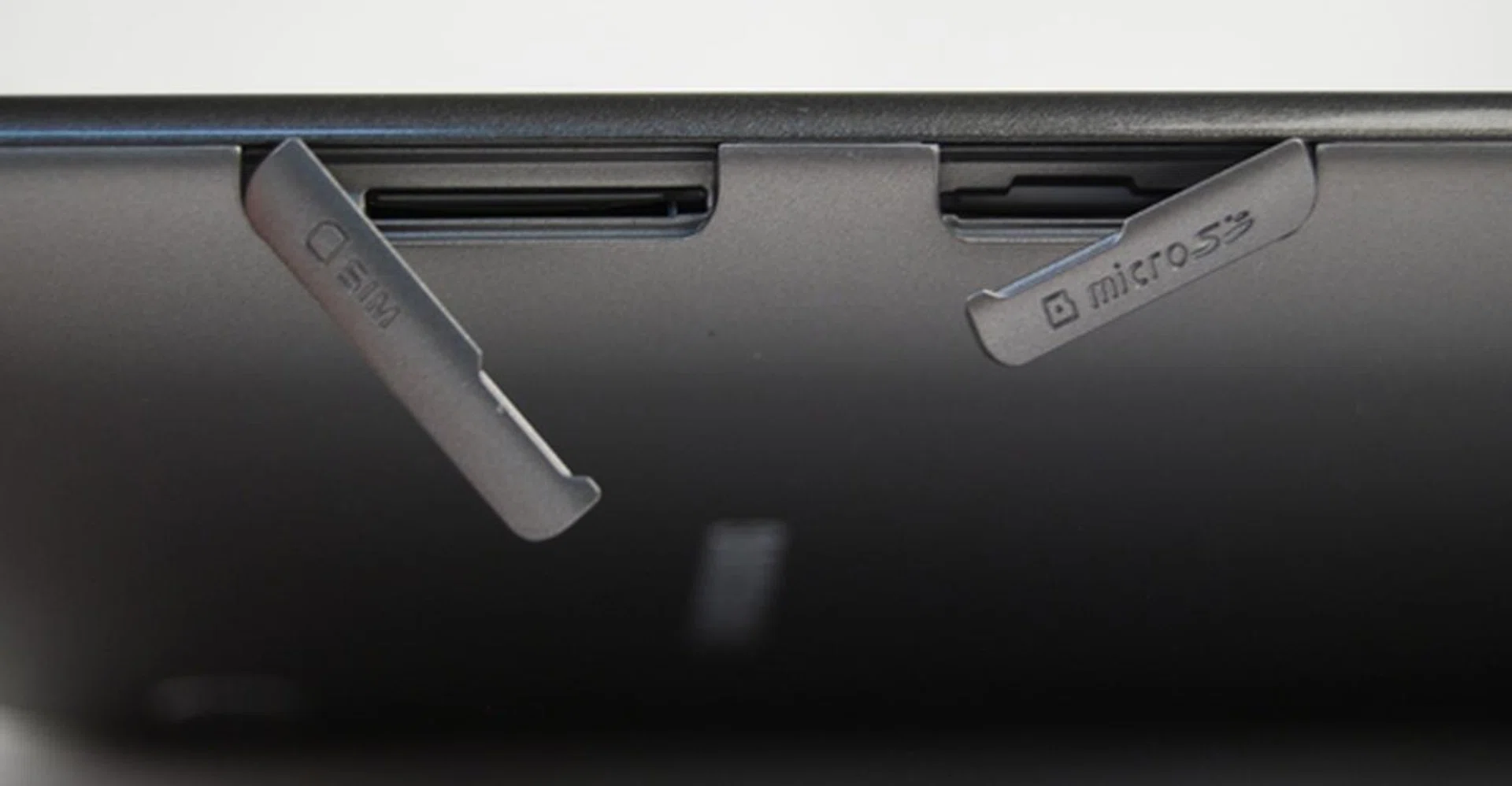
Our review unit of the Samsung Galaxy Tab 2 (7.0) is the 3G variant. Having said that, Samsung will announce the pricing and availability of the Wi-Fi version closer to its launch date.
Features
The Samsung Galaxy Tab 2 (7.0) is powered by Google Android 4.0.4. Ice Cream Sandwich out of the box. It is also skinned with Samsung's TouchWiz user interface, which adds more customizations and features. We are not going into details again as we've covered them in our earlier review of the larger Samsung Galaxy Tab 2 (10.1). In case you are wondering whether Android 4.1 Jelly Bean is coming to the Galaxy Tab 2 (7.0), Samsung will soon announce which devices are eligible for the update.
Performance
As a smaller version of the Galaxy Tab 2 (10.1), the Galaxy Tab 2 (7.0) runs on the same Texas Instrument (TI) OMAP 4430 dual-core processor clocked at 1GHz and 1GB RAM. With the recent launch of the quad-core Google Nexus 7, it makes the mediocre specs of the Samsung slate even more apparent.
To get a gauge of the Samsung Galaxy Tab 2 (7.0)'s performance against the present 7-inch competition, we compared it with the other two Samsung slates, the Galaxy Tab 7.7 and Galaxy Tab 7.0 Plus, and the Huawei MediaPad.
The following benchmarks are used for raw performance evaluation: -
- Quadrant evaluates the CPU, memory, I/O and 3D graphics performance. This is an Android OS based test.
- Smartbench 2011 is a multi-core friendly benchmark application that includes both the Productivity and Games indices for a more complete gauge of the overall performance of Android tablets.
- SunSpider Javascript benchmark measures the browsing performance of the tablet.
Device | Samsung Galaxy Tab 2 (7.0) | Samsung Galaxy Tab 7.0 Plus | Samsung Galaxy Tab 7.7 | Huawei MediaPad |
CPU | TI OMAP 4430 dual-core 1GHz | Exynos dual-core 1.2GHz | Exynos dual-core 1.4GHz | Qualcomm Snapdragon MSM8260 dual-core 1.2GHz |
GPU | PowerVR SGX540 | Mali-400MP | Mali-400MP | Adreno 220 |
RAM | 1GB | 1GB | 1GB | 1GBRAM |
OS | Google Android 4.0.4 | Google Android 3.2 | Google Android 3.2 | Google Android 3.2 |
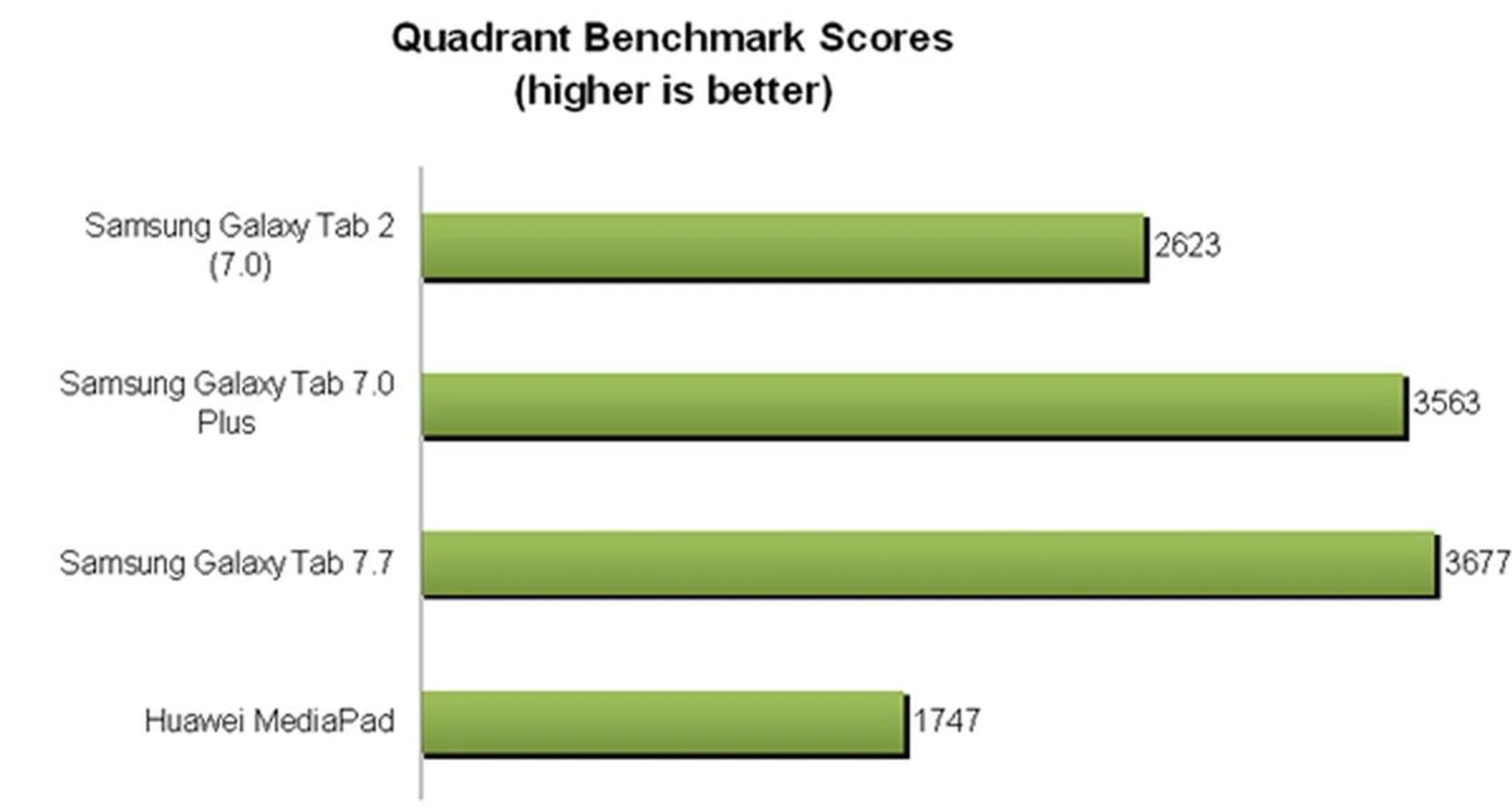
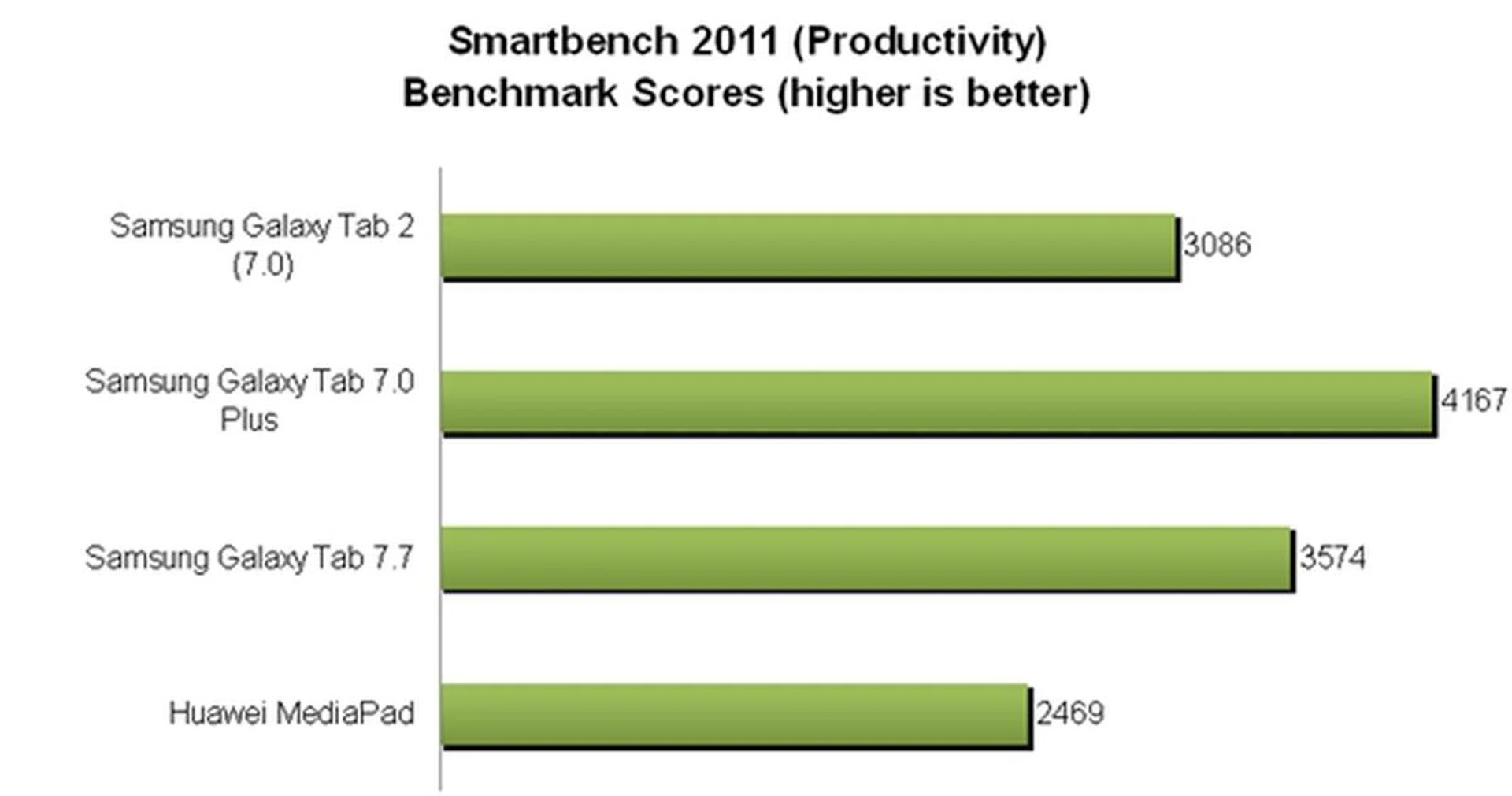
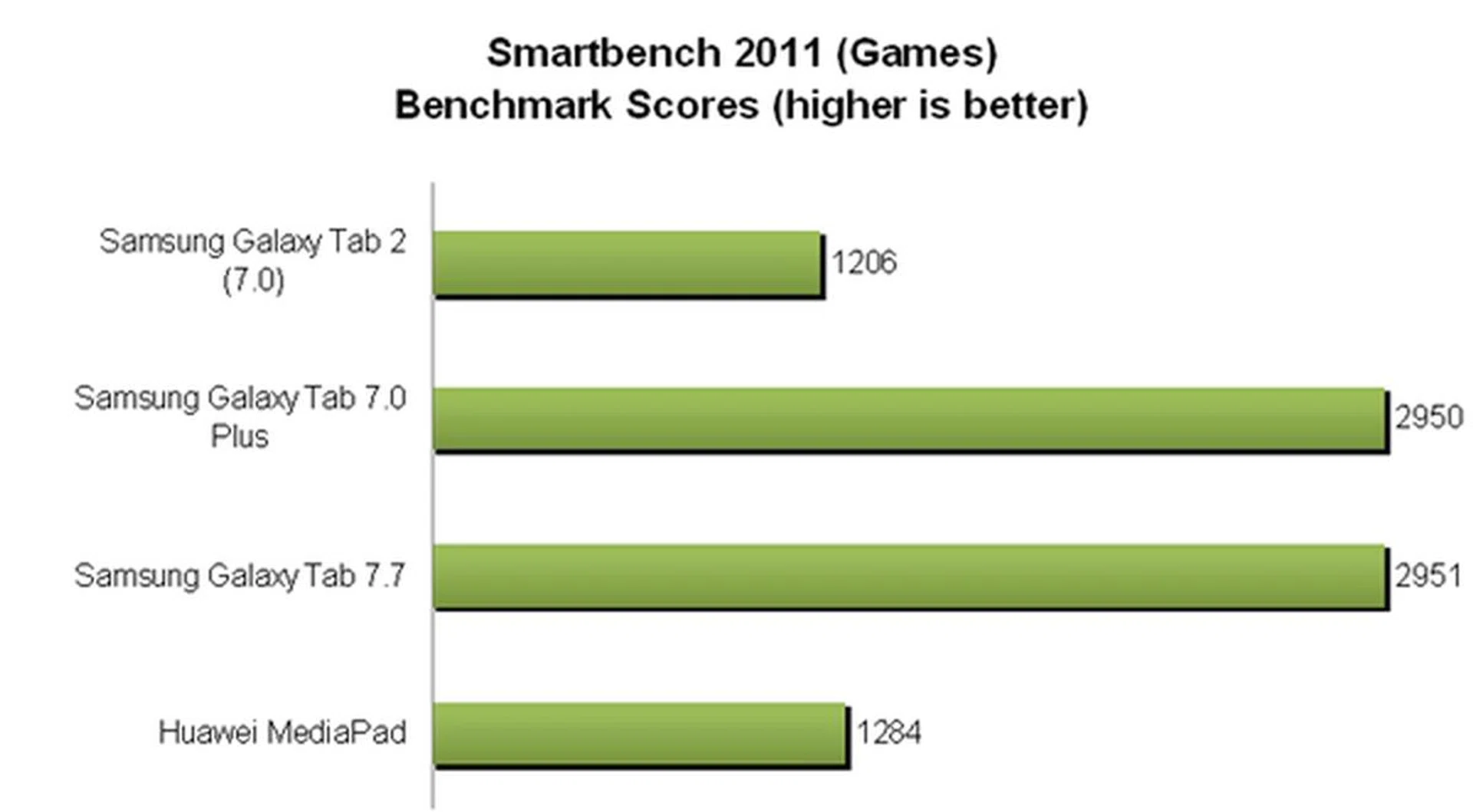
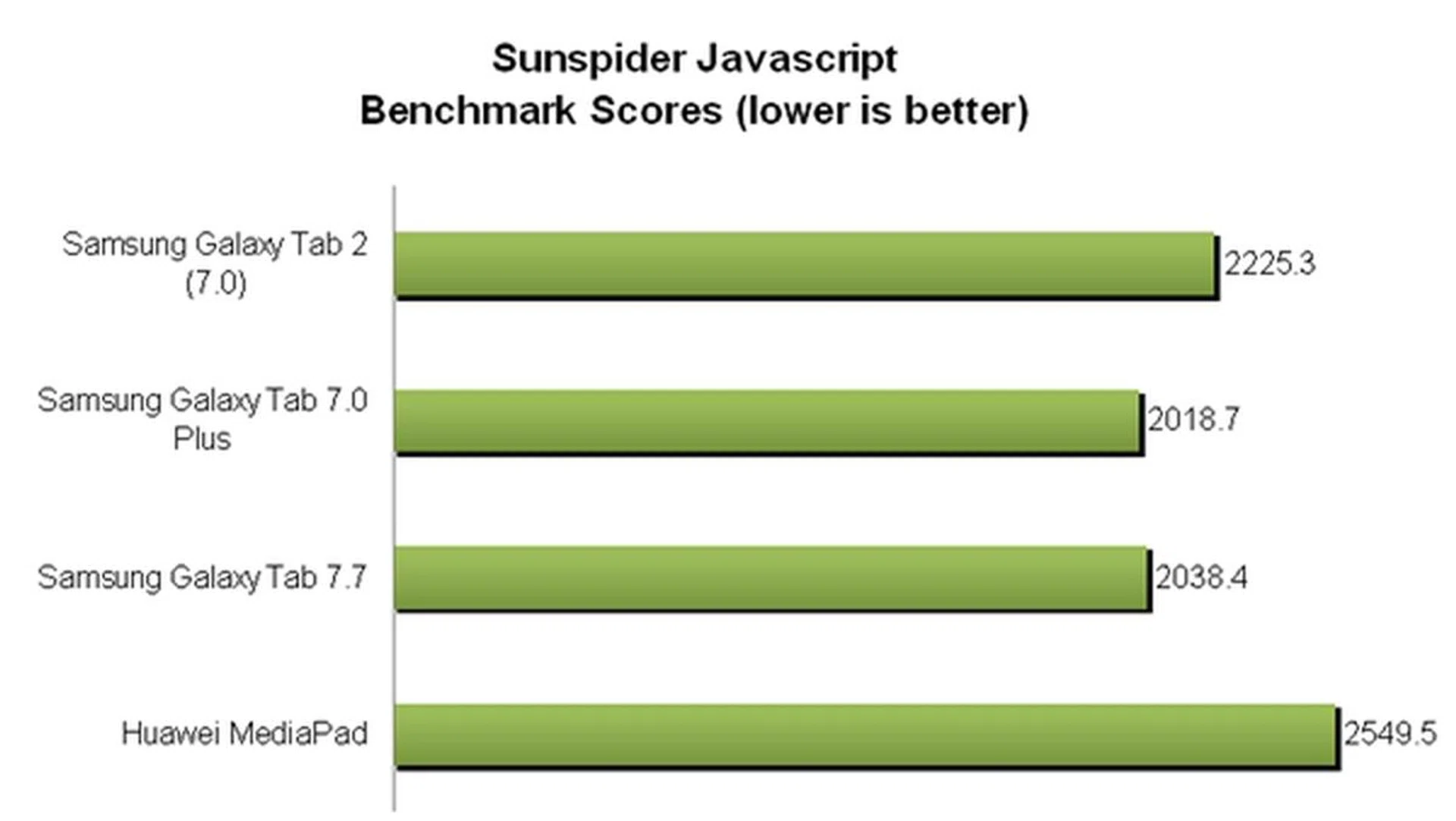
The Samsung Galaxy Tab 2 (7.0) is naturally eclipsed by its Exynos-equipped siblings, which is hardly a surprise as the Exynos processors have proven to be top performers in these data crunching benchmarks. Fortunately, the TI OMAP 4430 processor has a slight edge over the Qualcomm Snapdragon counterpart used in the Hauwei MediaPad even though the latter has a slightly higher clock speed.
Synthetic benchmarks aside, we found the performance of the Galaxy Tab 2 (7.0) to be generally smooth. In fact, it was a tad more fluid than what we experienced on the Galaxy Tab 2 (10.1). Web browsing, gaming and multitasking seemed effortless even though lags were still encountered from time to time. Hopefully, the Android 4.1 Jelly Bean update will alleviate some of the lagging issues we've encountered on Android tablets although Samsung has not specified which mobile devices will be upgraded.
Multimedia Performance
Unlike the AMOLED-loving Galaxy Tab 7.7, the Galaxy Tab 2 (7.0) utilizes Plane-to-Line Switching (PLS) technology for its TFT display. This is similar to the screen we saw on the Galaxy Tab 7.0 Plus, which claimed to provide improved viewing angles and 10% better brightness compared to In-Plane-Switching (IPS) LCD technology used on the Apple iPads and ASUS tablets. Its resolution of 1,024 x 600 pixels and 170ppi density is nothing to shout out about by today's standards, as Apple leads the way with its Retina-equipped iPad (264ppi) and Google / ASUS setting another benchmark with the Nexus 7 (216ppi). Nonetheless, viewing multimedia content on the Galaxy Tab 2 (7.0) is still pleasing to the eyes with good color reproduction and decent viewing angles.
The Galaxy Tab 2 (7.0) joins the rank of its 7-inch siblings by integrating voice call capability. The Samsung slate comes with an earpiece at the top of the display (in portrait mode), which means you can place the tablet up to your ear and use it like a phone but it will obviously attract a lot of unwanted attention if you plan to do so. A wired headset (provided in the package) or Bluetooth headset is recommended if you are planning to make some phone calls on the Galaxy Tab 2 (7.0).
In terms of imaging capability, the Galaxy Tab 2 (7.0) comes with a VGA front camera for video calls, and a 3-megapixel fixed focus rear camera. As tablets are generally not used as imaging devices, Samsung doesn't feel the need to bump up the imaging performance of its tablets even though its competitors, Apple and ASUS are ramping up efforts in that aspect for the larger tablets. Obviously, Samsung would rather you invest in a suitable compact or mirrorless camera from their stable of devices to obtain much better image quality. And with their Smart cameras, the process of photo taking and sharing is only made easier.
Back to the imaging quality of the tablet, while the color saturation is decent, overall quality is rather middling. We'll let the photos and the captions further detail this aspect:-

The image quality is average at best. Details are sketchy and noise levels are evident in the background. Check out the close-up crops below.
 |  |
Battery Performance
Next, we ran the Galaxy Tab 2 (7.0) with an intensive battery test, which involves a video resolution of 1,280 x 720 pixels being looped on the unit. The test is performed under specific parameters, such as:
- Screen brightness and volume at 100%
- Wi-Fi and Bluetooth connectivity turned on
- Constant data streaming through email and Twitter
Specifications/Device | Samsung Galaxy Tab 2 (7.0) | Samsung Galaxy Tab 7.0 Plus | Samsung Galaxy Tab 7.7 | Huawei MediaPad |
Processor |
|
|
|
|
Display Size |
|
|
|
|
Display Type |
|
|
|
|
Display Resolution |
|
|
|
|
Dimensions |
|
|
|
|
Weight |
|
|
|
|
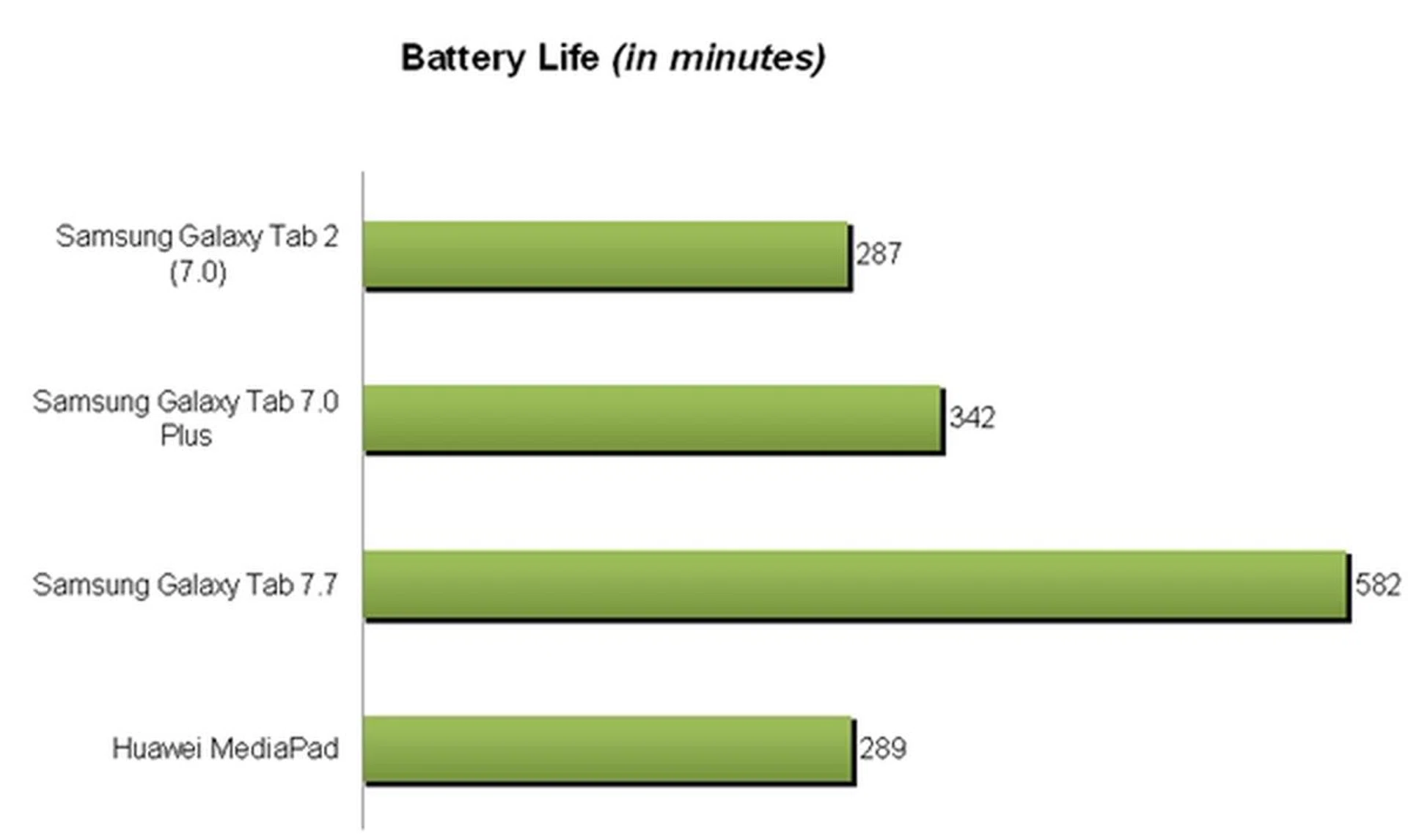
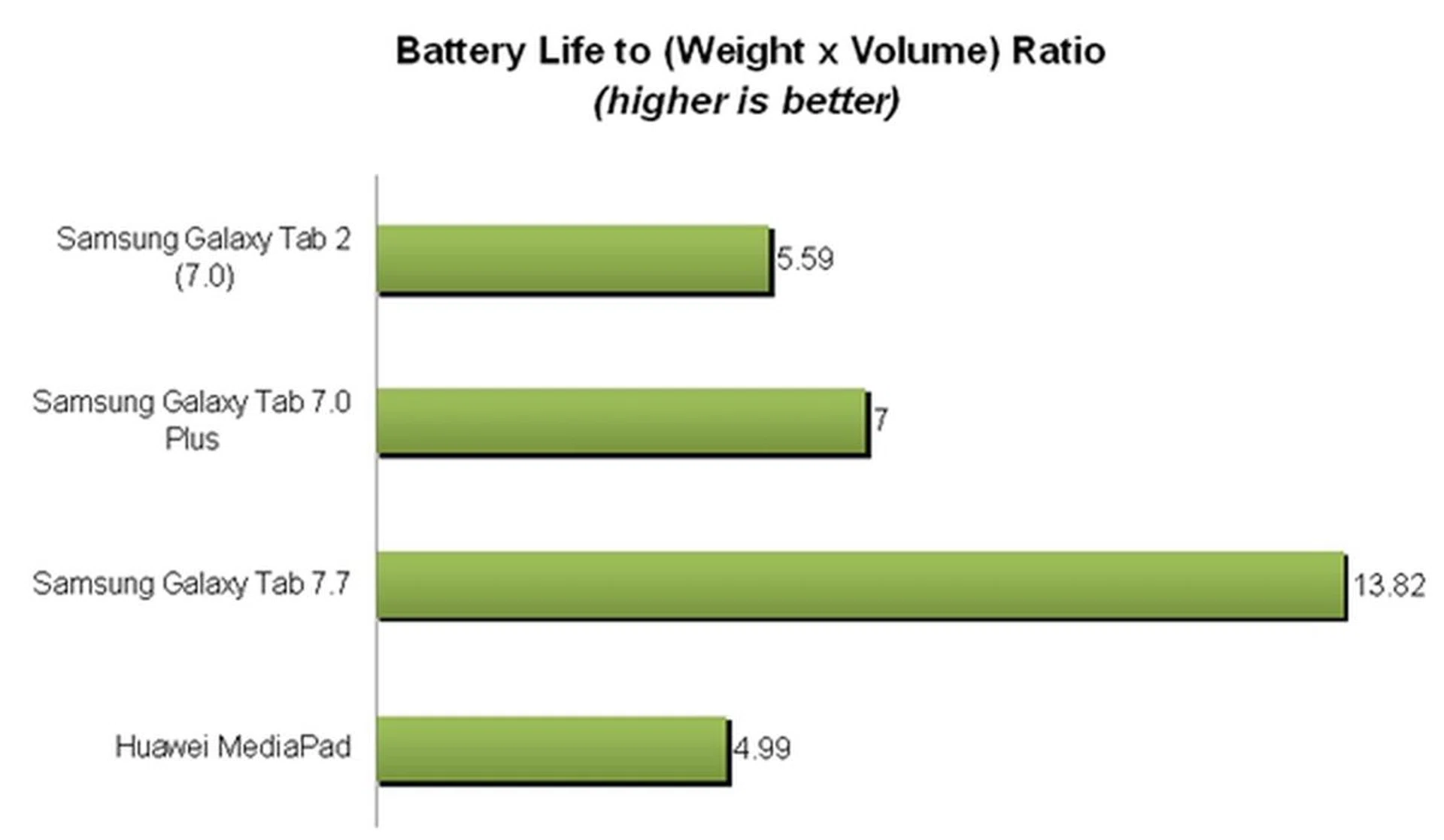
Despite having the same battery capacity (4000mAh), the Galaxy Tab 7.0 Plus lasted an hour longer than the Galaxy Tab 2 (7.0) with the latter clocking four hours and 47 minutes of up-time. The Galaxy Tab 7.7 is ahead of the pack by a huge margin thanks to the more power efficient Super AMOLED Plus display and larger battery capacity of 5100mAh. It also seems that the Exynos processors gave the the Galaxy Tab 7.0 Plus and 7.7 an edge over the Galaxy Tab 2 (7.0). With these setbacks, you would expect the Tab 2 (7.0) to fare badly in the Portability Index but due to its overall weight, volume and battery mileage, it narrowly avoided being ranked last.
Putting our standard battery test aside, the Galaxy Tab 2 (7.0) was able to last a day of normal usage which included occasional web surfing, checking social feeds, engaging in a few games and replying emails. The only gripe we had with the tablet is the need for a proprietary cable to charge it as connecting the Galaxy Tab 2 (7.0) via a microUSB port will not charge it. As our battery benchmark test simulates fairly stressful usage conditions, it is possible that the tablet can last much longer under standard usage scenarios. Do take note that actual battery mileage will vary under different usage conditions.
Conclusion
At S$598 (inclusive of GST) without line contract, the Samsung Galaxy Tab 2 (7.0) is a tough sell among the range of 7-inch tablets in the market.
Within its family, the Galaxy Tab 2 (7.0) is outclassed in almost every front. For example, the Galaxy Tab 7.7 trumps it with its superior battery mileage, beautiful Super AMOLED Plus display and ultra slim form factor. The price tag of S$898 may turn off some consumers but we feel its justified. If the premium price is too much, the Galaxy Tab 7.0 Plus is a good alternative at S$768 as it offers better battery life and overall performance. One may argue that both tablets run on the dated Honeycomb platform but it is noteworthy to mention that the Android 4.0 update will be coming to the two tablets and this will place the odds against the Galaxy Tab 2 (7.0), even if it's cheaper.
The recently announced Google Nexus 7 is the one that consumers ought to look out for if they are shopping for a 7-inch tablet and do not mind waiting. The Nexus 7 represents the best combination of hardware and software in the Android camp - Android 4.1 Jelly Bean OS and NVIDIA Tegra 3 quad-core processor. As a Nexus-branded device, consumers do not need to worry about slow updates as it will be the first among Android devices to receive any software upgrades from Google. Its stellar price point of US$199 (8GB) and US$249 (16GB) is one aspect that other competing tablets will find it hard to match.
Our articles may contain affiliate links. If you buy through these links, we may earn a small commission.