
Samsung Galaxy S20 FE review: Is it only for Samsung fans?
Find out if Samsung really packed all the essentials into one device at an affordable price, or if the Galaxy S20 FE is a phone only its most hardcore fans would get.

Note: This review was originally published on 10 October 2020.
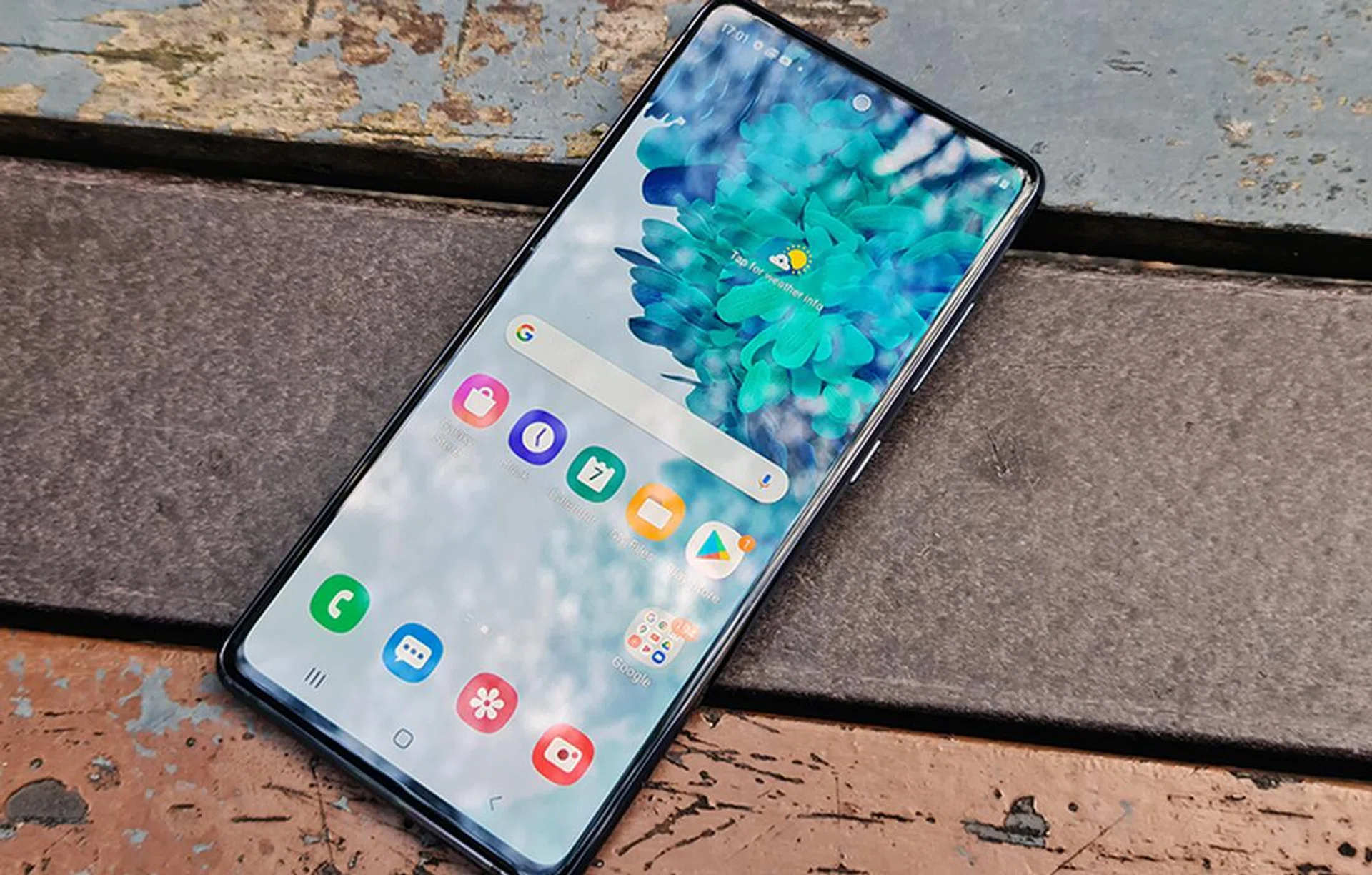
Fan Edition: for fans only?
According to Samsung, the Galaxy S20 series phones were so popular that it justified creating a variant just for fans. Thus, the Galaxy S20 FE was born.
Samsung brought forth many things from the Galaxy S20 series and plonked it into the FE variant. We say many, because a crucial aspect wasn’t brought over - in Singapore the Galaxy S20 FE comes with a Qualcomm Snapdragon 865 chipset, when we’d typically get Samsung phones with Exynos processors instead.
The phone itself sits somewhere between a regular S20 and S20+ with a 6.5-inch screen size, and the AMOLED display doesn’t come with HDR support nor 1440p resolution. S20 FE may share the same triple rear camera configuration, but the telephoto lens isn’t quite at 64MP - no, it’s actually 8MP.
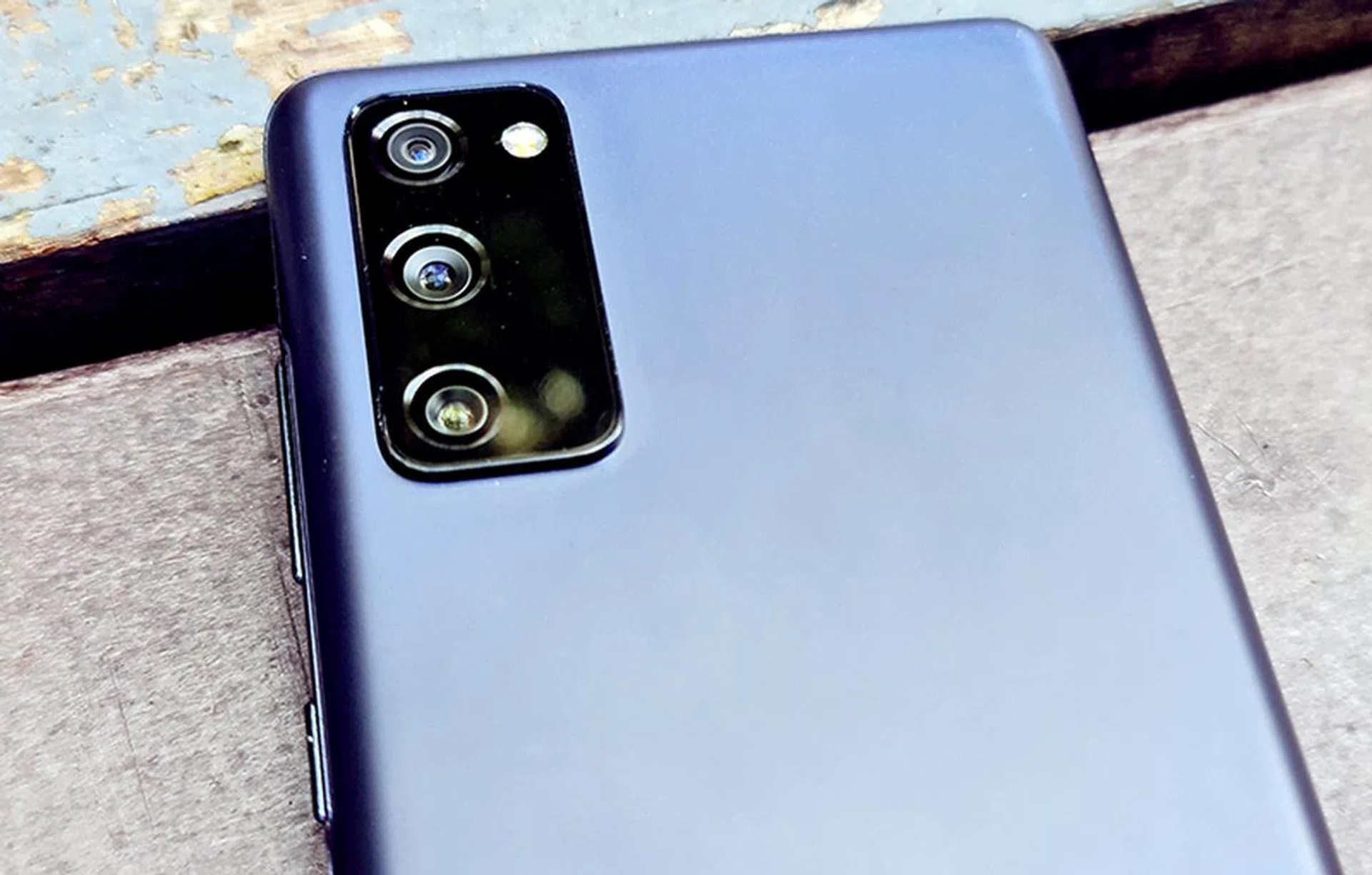
It does, however, retain its IP68 water resistance rating, comes with a slot for expandable storage, and has a battery capacity (4,500mAh) bigger than the normal S20’s, replete with fast-charging technologies for both wired and wireless replenishment. It also has 5G connectivity support, so the S20 FE is also 5G-ready.
The most unique selling point, however, is its price. At just S$1,068 and S$1,168 for the respective 128GB and 256GB models, this is Samsung’s most affordable flagship smartphone in a while. In fact, it reaches towards the budget flagship smartphone space, where the OnePlus 8 Pro resides.
In this review, we find out if Samsung really packed all the essentials into one device at an affordable price, or if the Galaxy S20 FE is a phone only its most hardcore fans would get. Let’s check it out.
Design and Handling
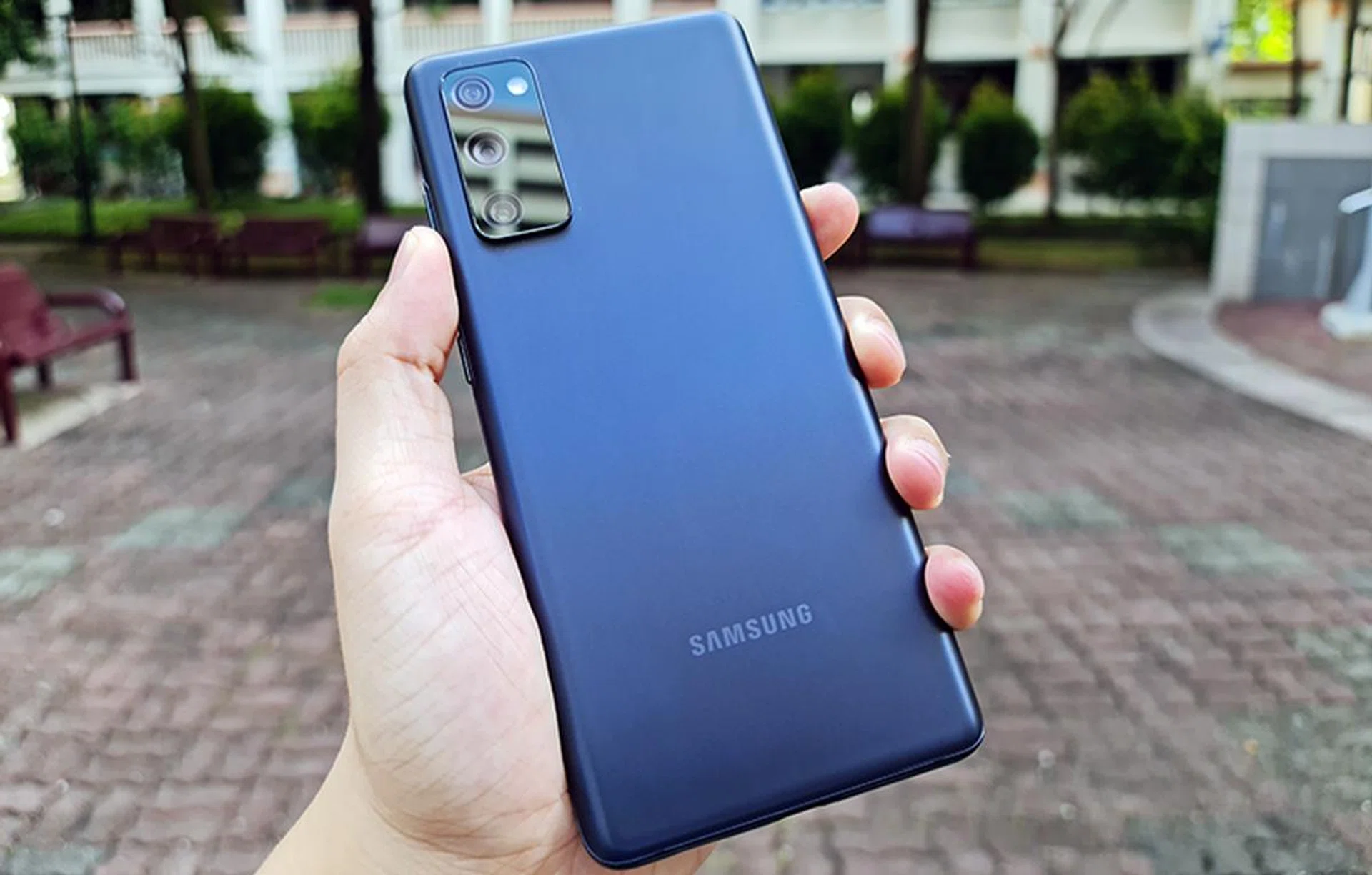
Some of the biggest modifications to the S20 devices are reflected in the appearance of the Galaxy S20 FE. In a bid to make the smartphone slightly more affordable than the regular versions, some stuff has to give.
The most noticeable difference is the use of a plastic rear on the S20 FE. While Samsung kept the Galaxy S20 design language on their Fan Edition device, the phone no longer uses the glass-and-aluminium mix found on its forebears. To keep up with the premium appearance, Samsung adopted what they call Haze finish on the S20 FE’s material, which gives the plastic device some sort of frosted glass look. This is great on two counts - one, it looks as if it’s glass, but it’s not as fragile. Two, frosted appearances are great at cutting back on fingerprint smudges, making the S20 FE lower maintenance in looks than its peers. Sure, it’s still not as sophisticated as a regular Galaxy S20 or Note20 device, but S20 FE does a good job in living up to the flagship reputation despite the materials used.
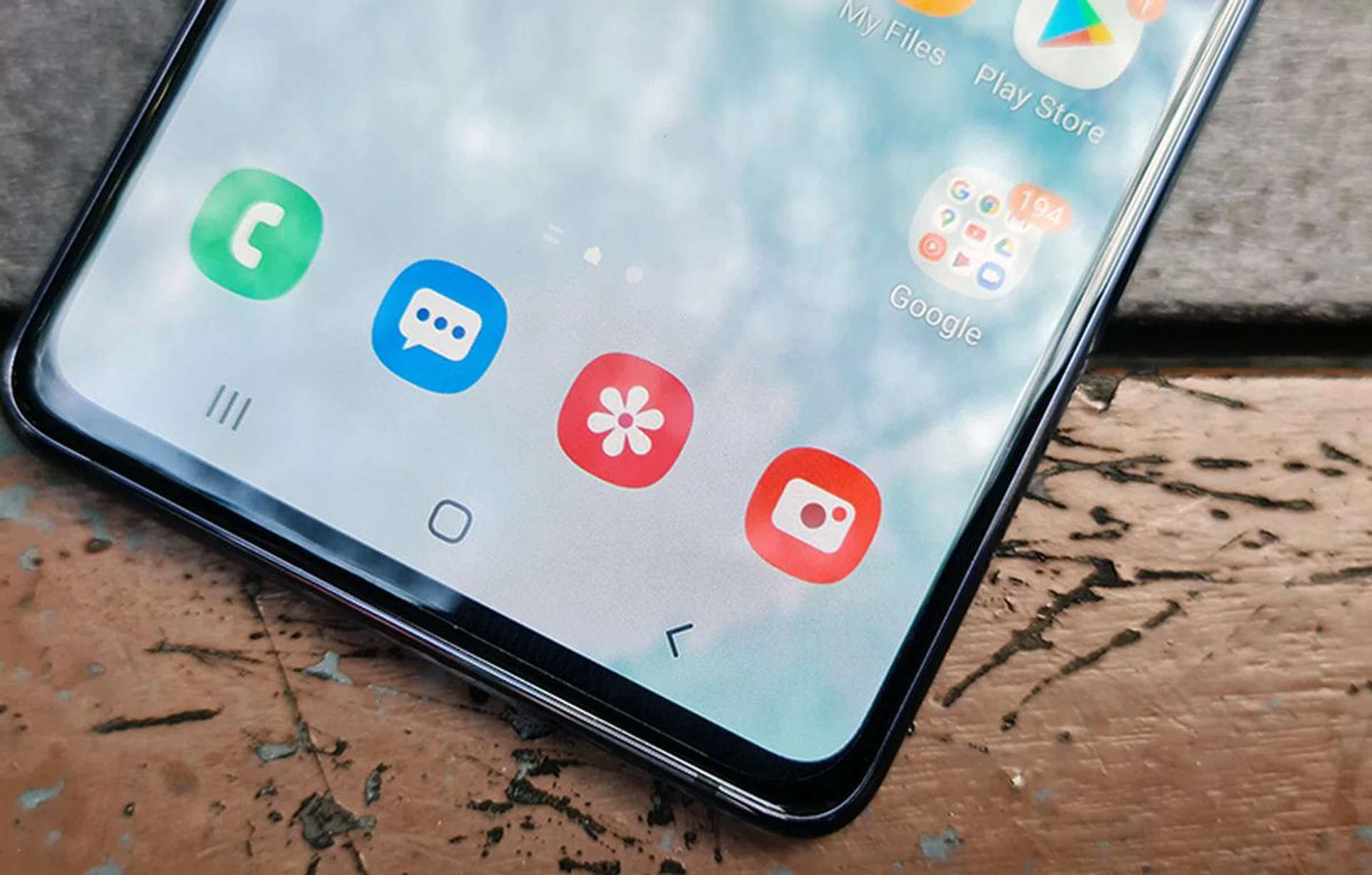
Next, would be the bezels. Yes, it’s odd that a flagship device still has bezels, but that’s the trade-off Samsung made when they opted for a flat display instead of the typical curved glass on the sides. As a result, the S20 FE has visible bezels on the sides. It frames the display neatly, but it’s still an obvious downgrade from the premium look-and-feel offered via its other flagship models.
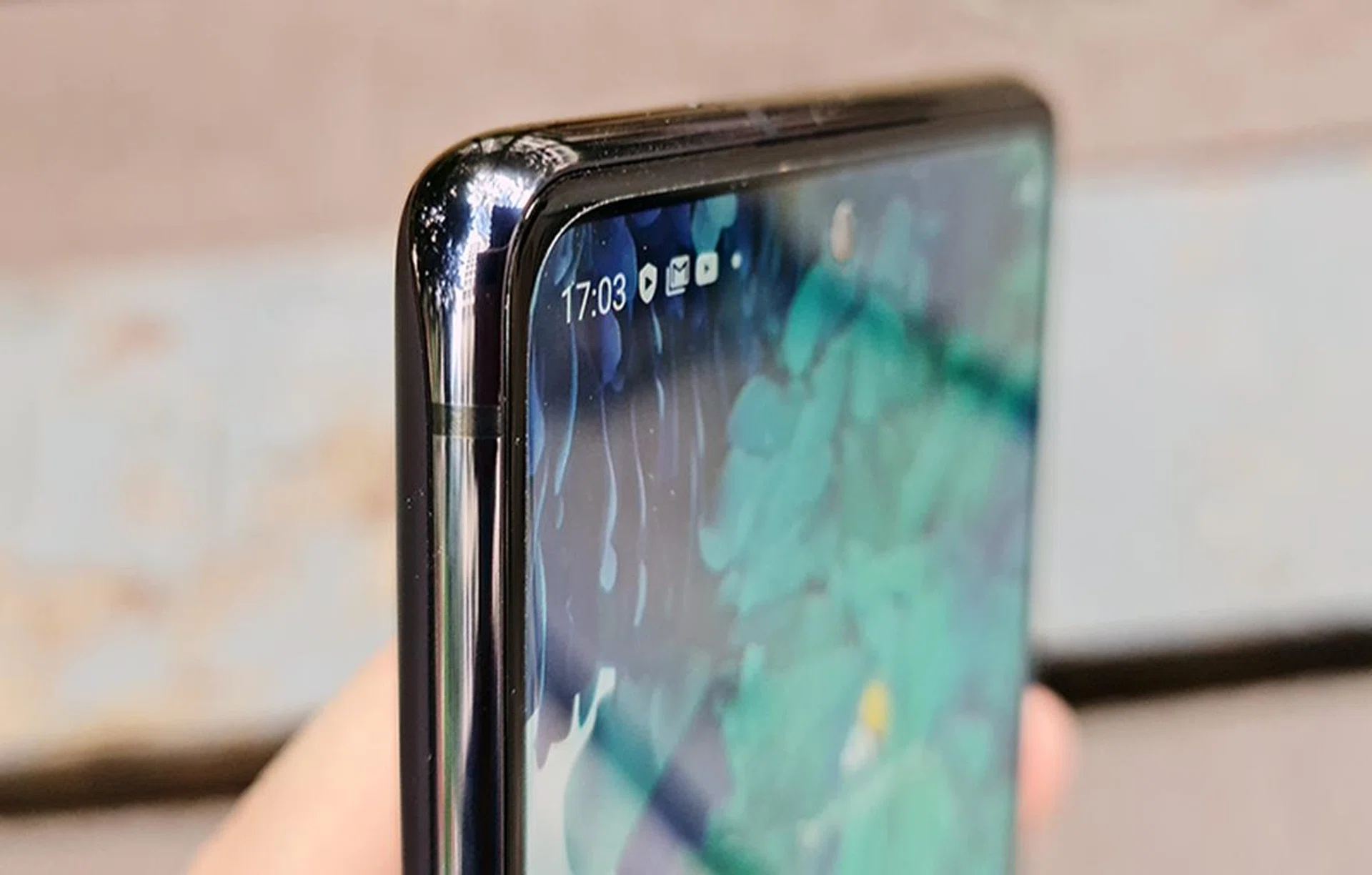
At 8.4mm, the S20 FE is also noticeably thicker than the regular S20 with 7.9mm thickness. While it doesn’t affect the phone’s handling, how slim a phone feels in hand also contribute to its overall premium positioning. With this, it’s clear that the S20 FE is here to perform, not to impress.
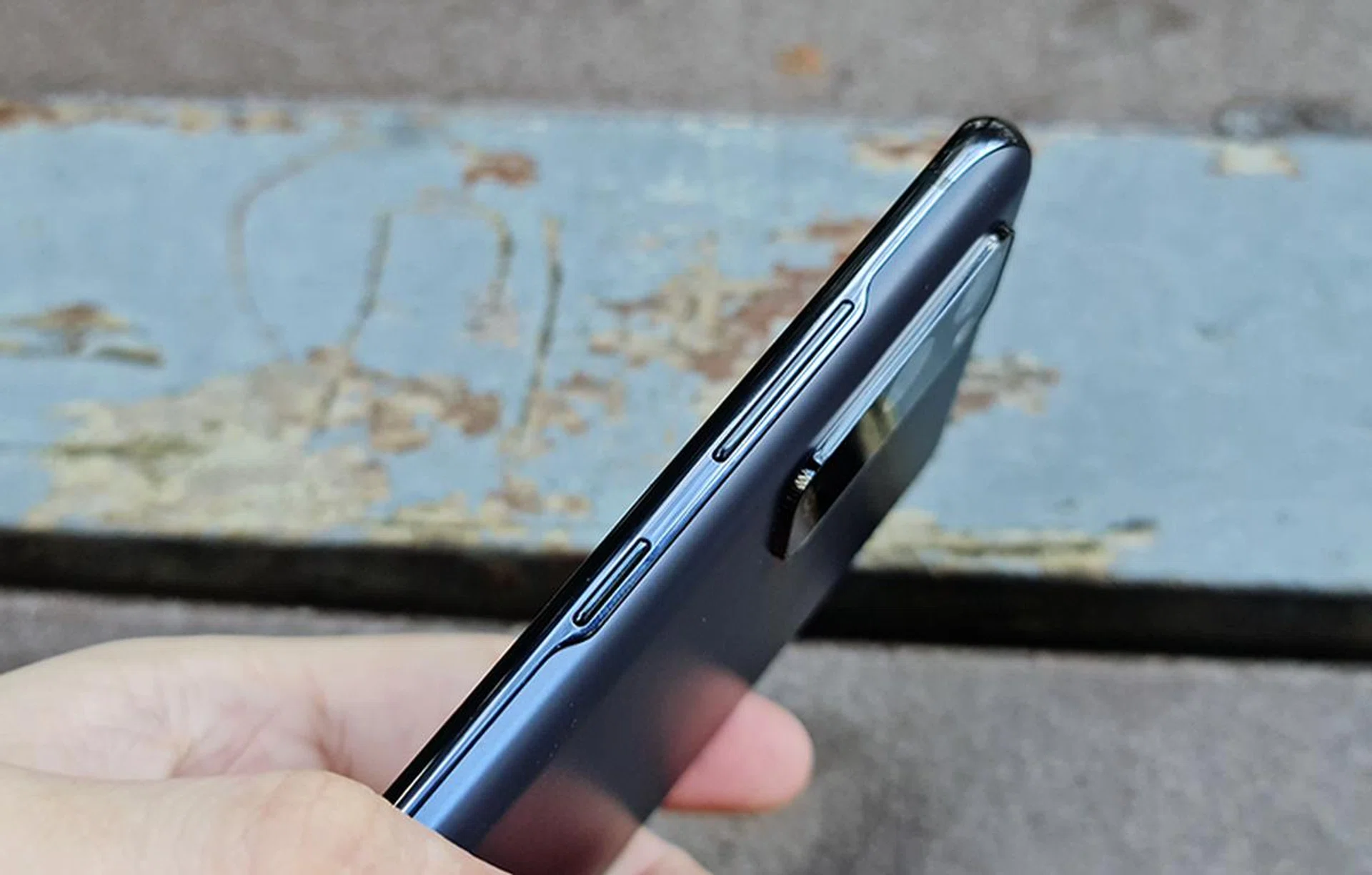
There are design differences where handling is affected, too. Where the S20 FE succeeds is in the slim rear camera housing. If you recall, most premium flagship and flagship devices this year have ridiculously thick housing for their rear lenses. Not the S20 FE - you could place the phone face-up on a desk and the tilt is hardly noticeable.
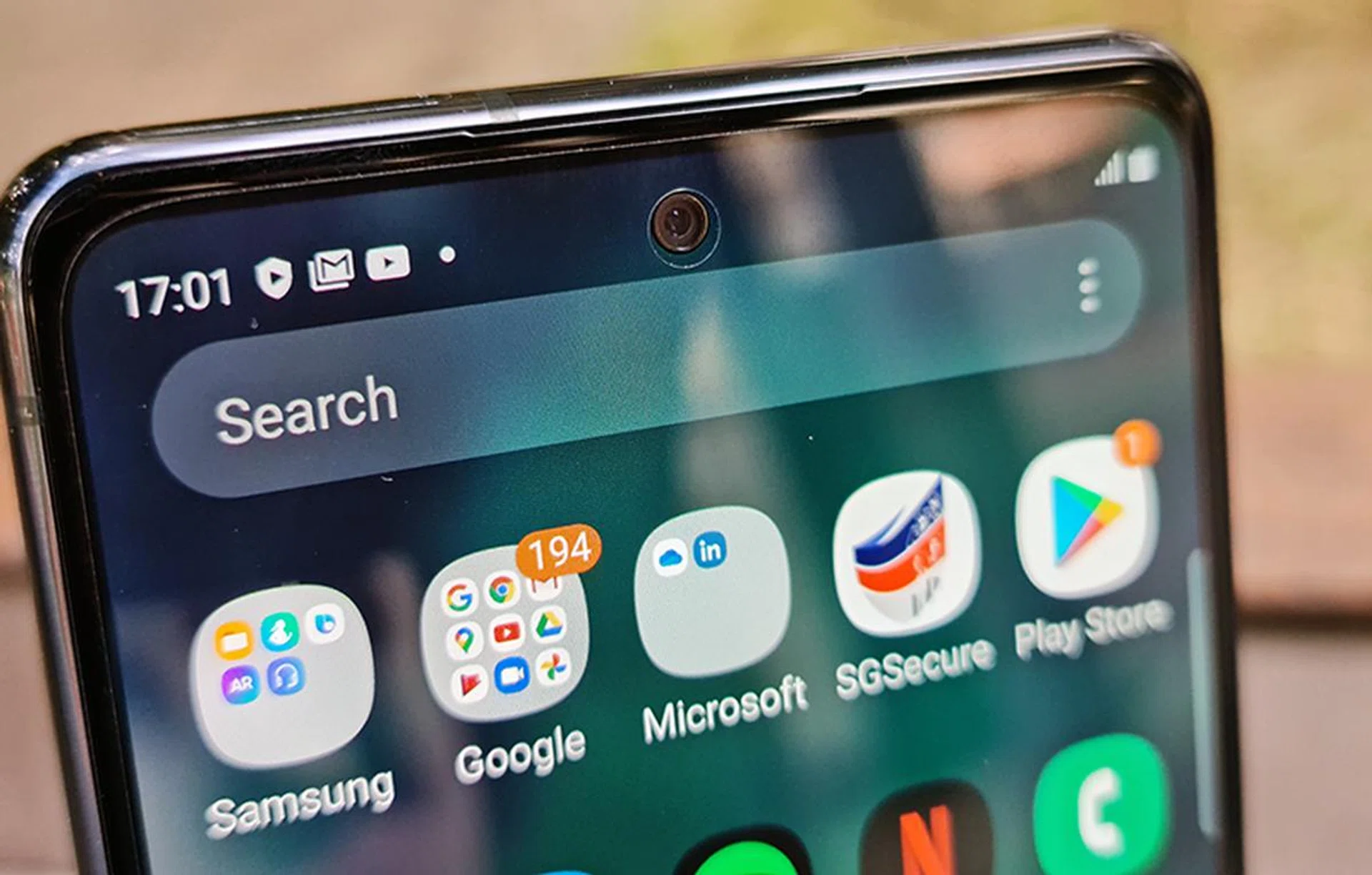
At the flagship tier, Samsung was wise to retain IP68 waterproofing on the S20 FE. The device cuts some corners for its design, but your features and handling experience won’t be compromised.
Display and Audio
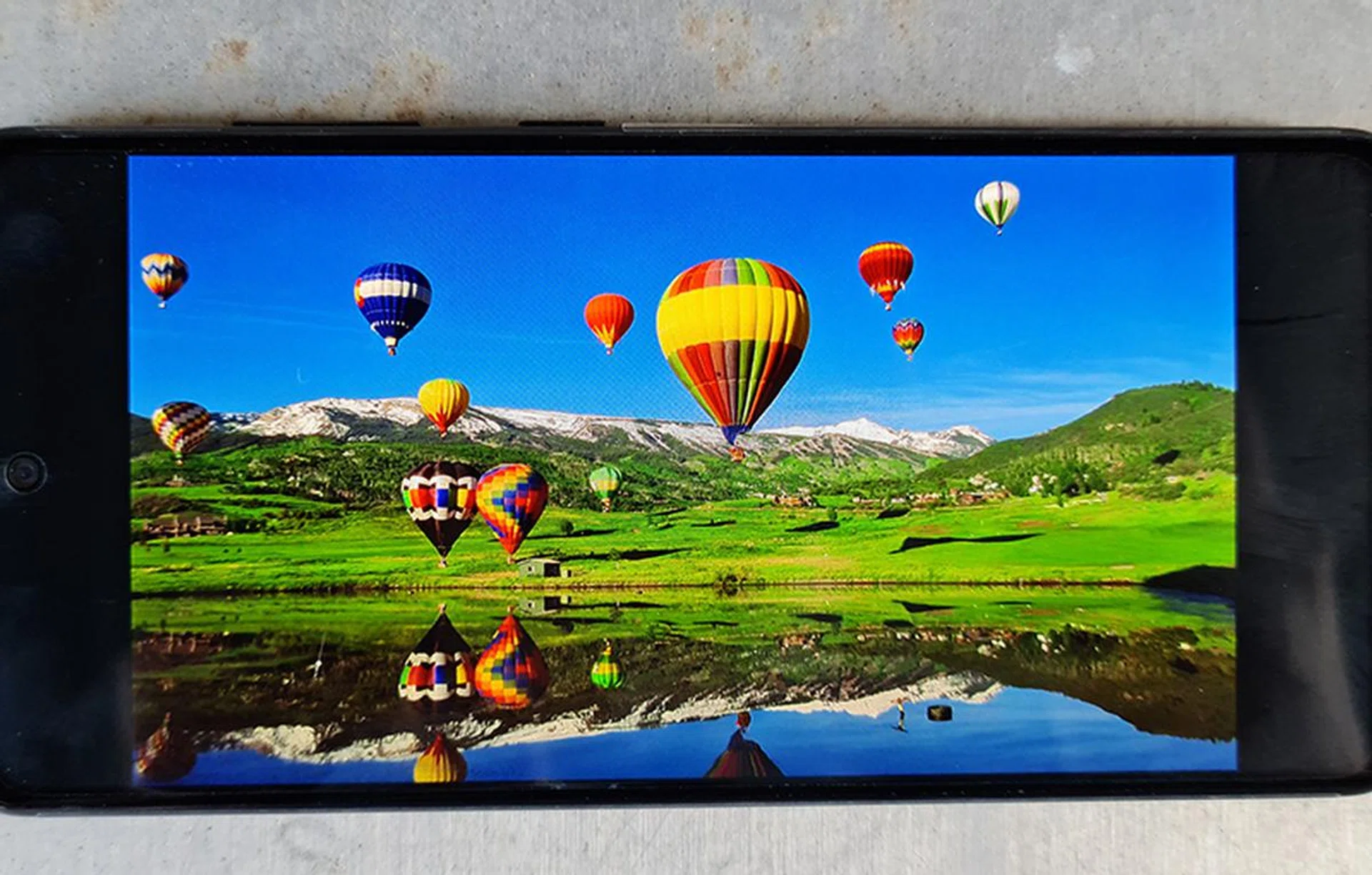
The Galaxy S20 FE uses a flat, 6.5-inch Super AMOLED, Infinity-O display at FHD+ resolution (2,400 x 1,080 pixels resolution), working out to ~407 PPI. It retains the maximum 120Hz refresh rate that was available on the regular S20 models. For comparison, the Galaxy S20 and Galaxy S20+ had 1440p displays at 6.2in and 6.7in respectively.
Besides the lower resolution, the S20 FE does not use Samsung’s Dynamic AMOLED 2X display. If you’ve been following our Samsung phone reviews, you’ll know that “Infinity-O” is a marketing term that denotes the O-shaped cut-out for the front camera on the panel, while Dynamic AMOLED refers to an HDR10+-certified AMOLED display. So, the Fan Edition display’s trade-offs are its resolution and support for HDR, even if the AMOLED panel quality is on par.
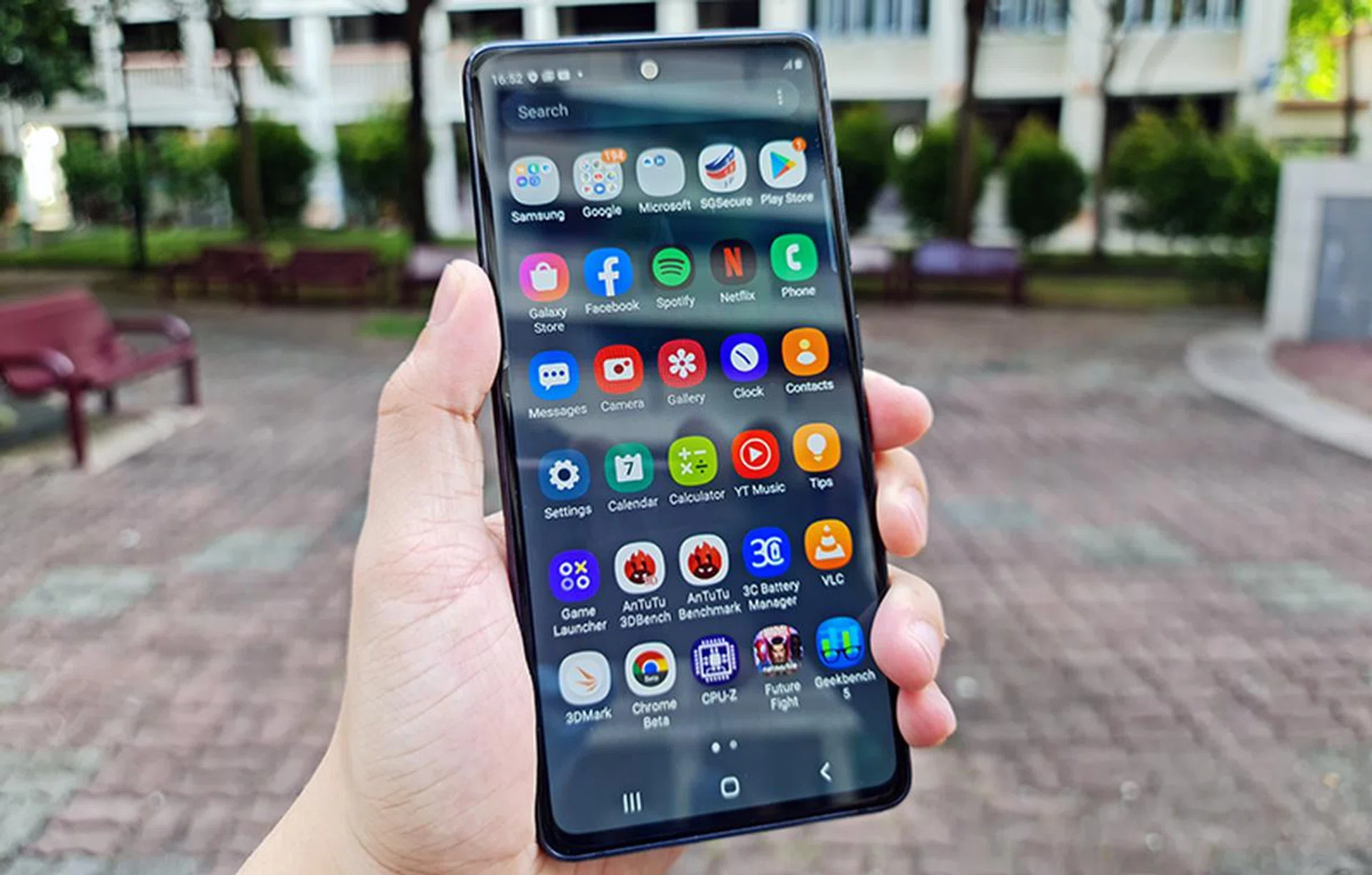
The lack of HDR on the S20 FE makes it slightly less vibrant and as colour-rich as the regular S20 models (which is also less vibrant than the Z Fold2 and Note20 Ultra we also have on hand). On the flip side, folks who do not like the over-saturated colours on typical Samsung phones might find the S20 FE colour space a little more pleasing on the eye. Despite this difference, the S20 FE’s panel is sharp and is highly capable of handling details.
What’s ‘fixed’, however, is how the S20 FE will run at 120Hz refresh rate whenever the phone’s adaptive display deems fit. In the older S20 phones, Samsung couldn’t get its phones to run at 120Hz when displaying content at 1440p. For the S20 FE, it’s not limited by this oversight, since it doesn’t have 1440p resolution.
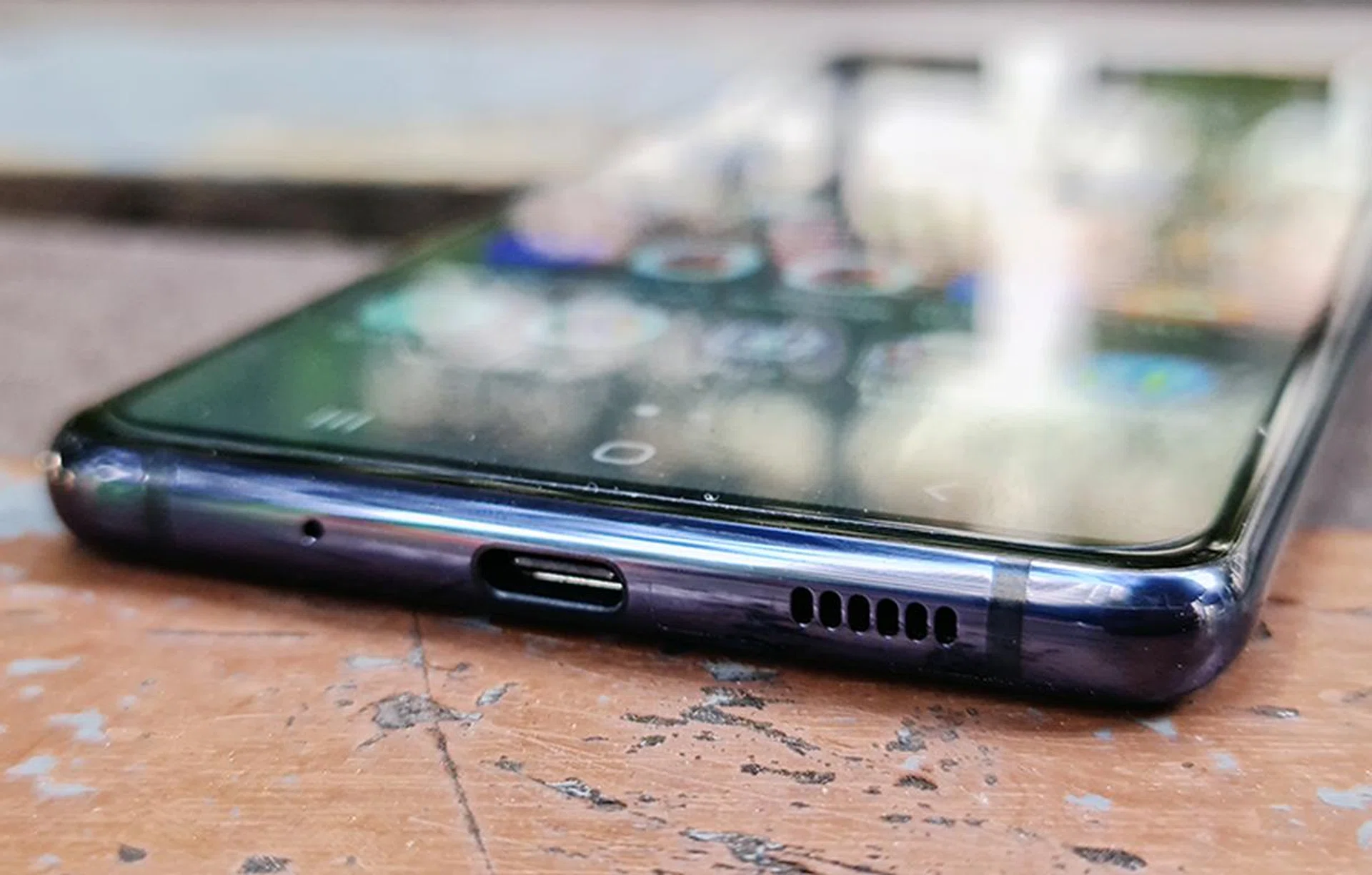
Audio-wise, the speaker quality and configuration remains unchanged. It’s a little annoying how the call speaker faces you and a second audio speaker at the bottom faces away when holding the phone in landscape mode. Still, it passes as stereo speakers. You’re not going to have any major issues with the soundstage or signature if the Galaxy S20 ones were acceptable. It adopts a mid-heavy profile with biases towards high-pitched percussion and vocals.
Interface and Features
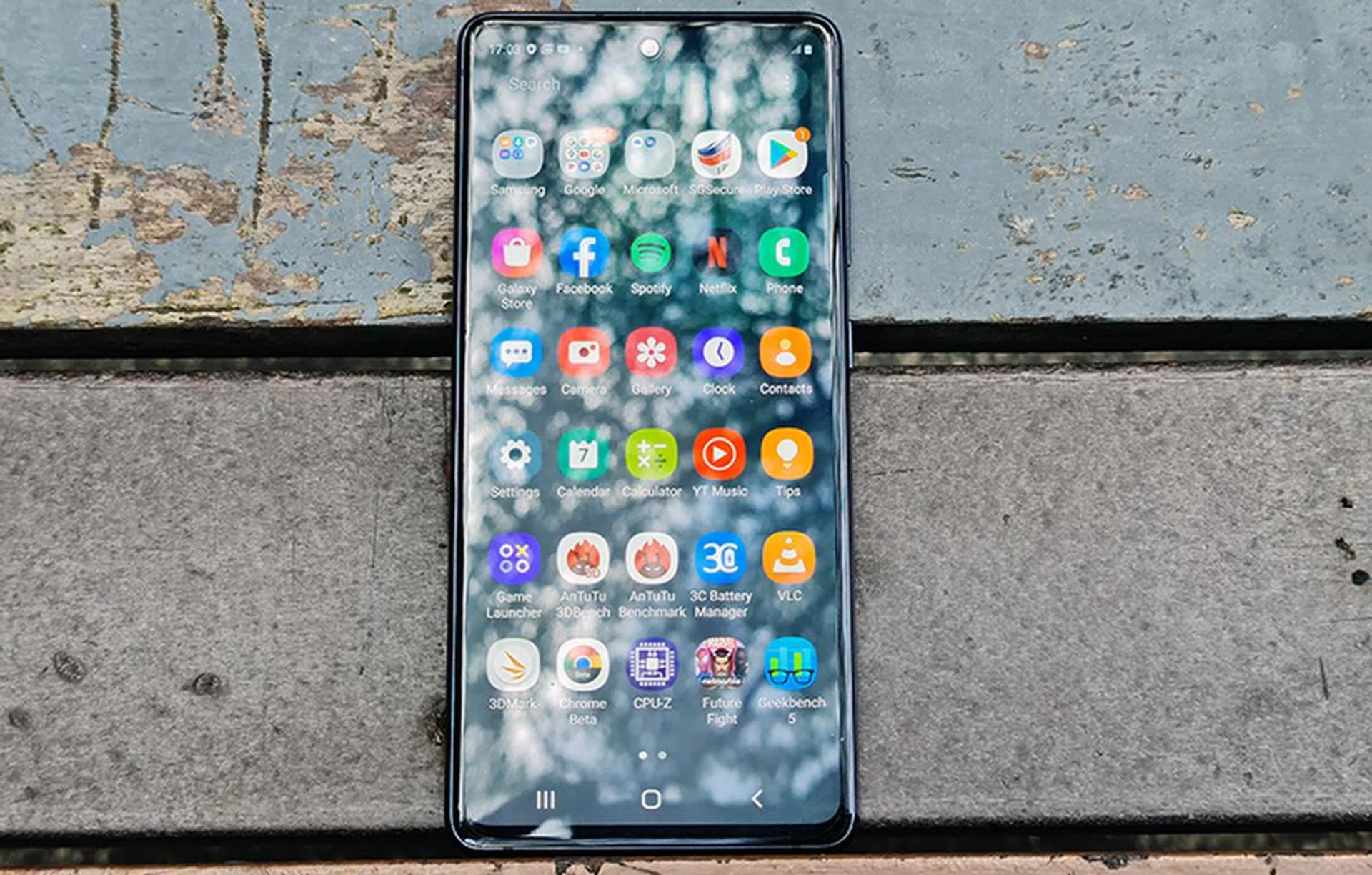
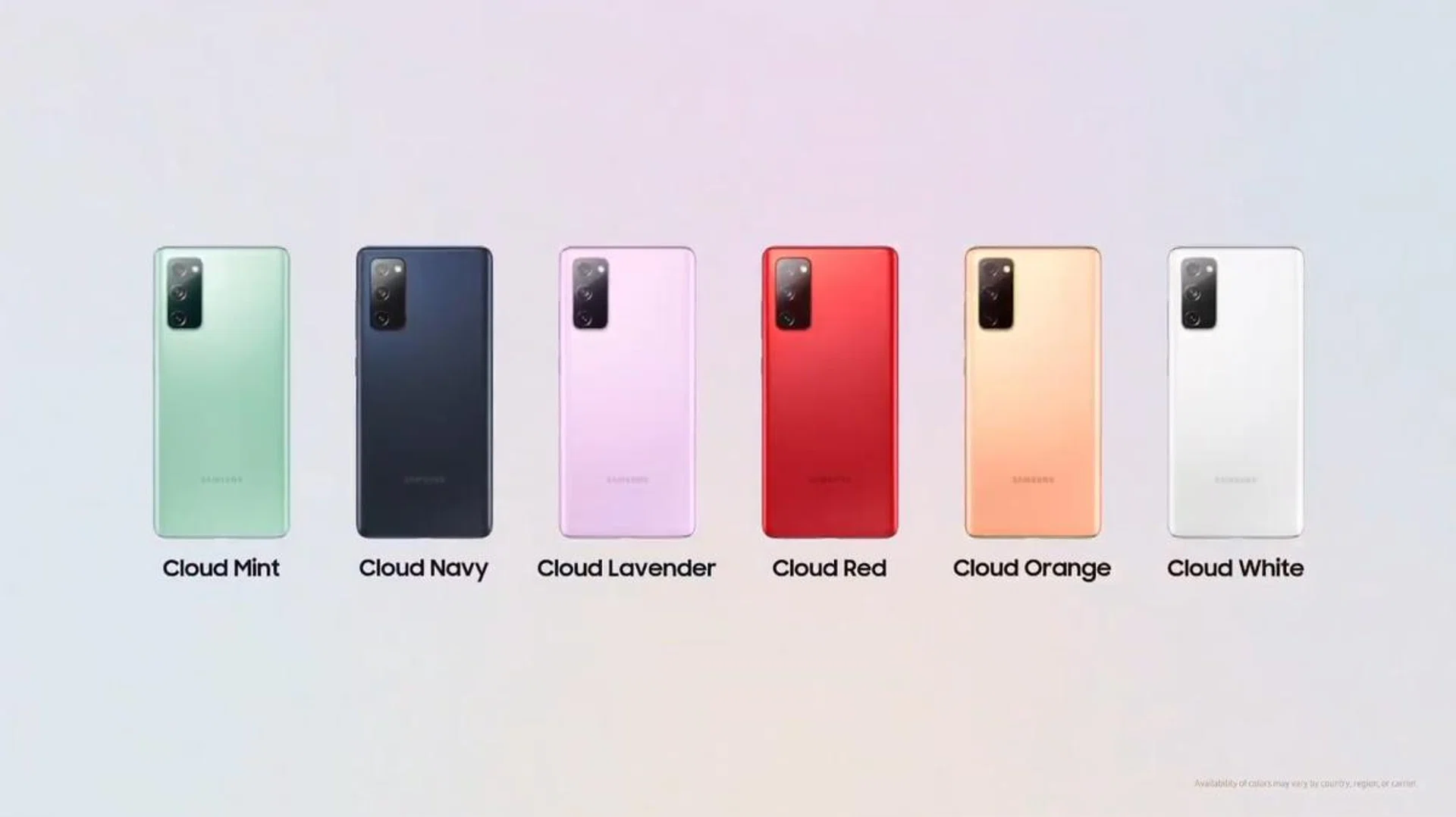
Granted that the S20 FE is supposed to be the ‘fan edition’ of the regular Galaxy S20 series, this would mean that the operating system and the software features are either identical to, or slightly better than before. If you flip through the USPs of the Galaxy S20 FE, you’ll know the enhancements lie in its chipset ‘change’, its wider selection of colourways, some returning photography features - all these are covered in other sections of the review.
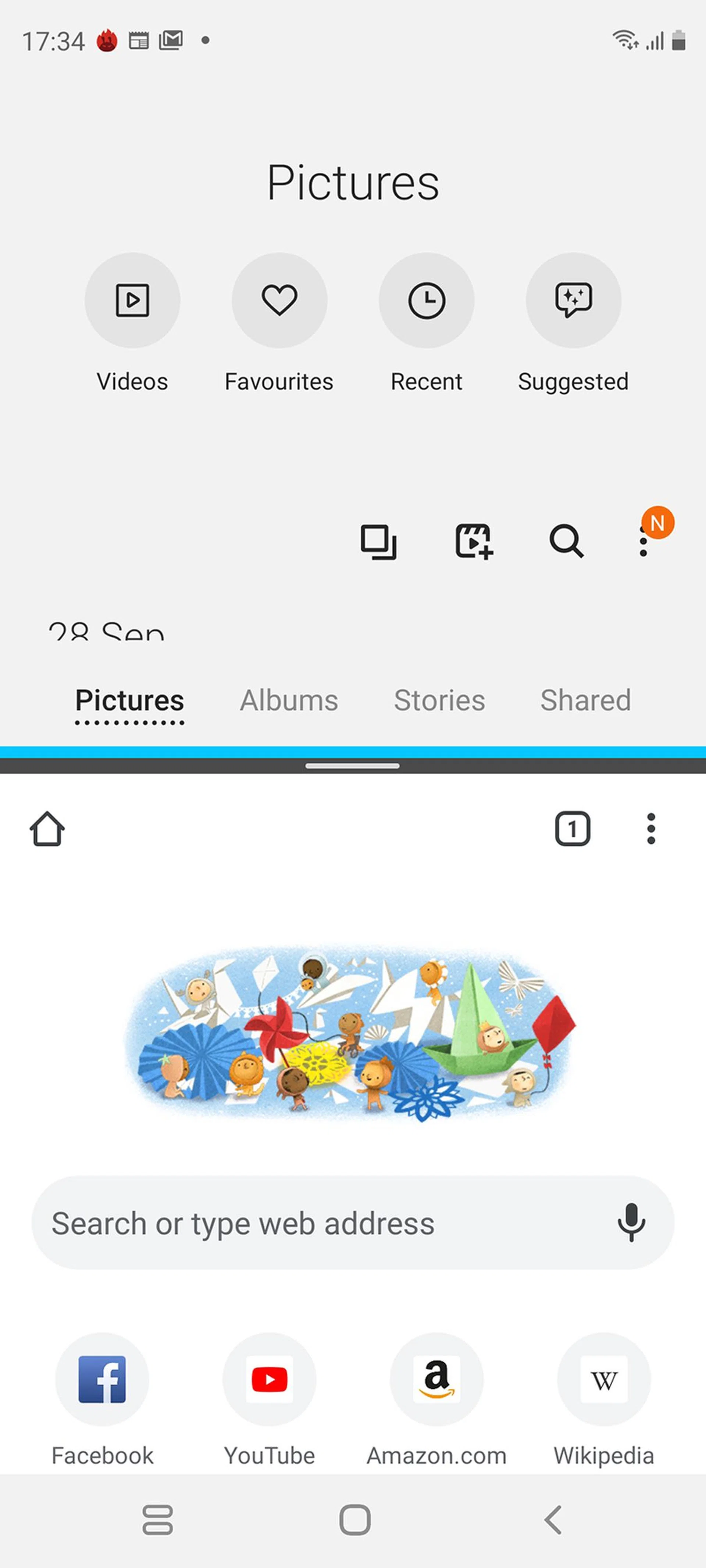
Multi-Active Window, on the S20 FE.
Out of the box, the Galaxy S20 FE uses Android 10 reskinned with Samsung’s One UI 2. Reskinning is probably an understatement for Samsung devices - they go to great lengths to create software-based features, with some making a return to the S20 FE. For instance, Multi-Active Window and App Pair on the Galaxy Tab S7 tablets are on this phone. However, the S20 FE doesn’t have a display as wide as the Tab S7, so you’re looking at pairing only two apps for practical use.
Perhaps the most notable upgrade in user experience is the fluidity of using the device itself. Browsing and reading on the web felt so smooth to the extent where I had to check if I was still browsing online. The device runs like a dream, which flies in the face of the cheaper chassis.
Imaging Performance
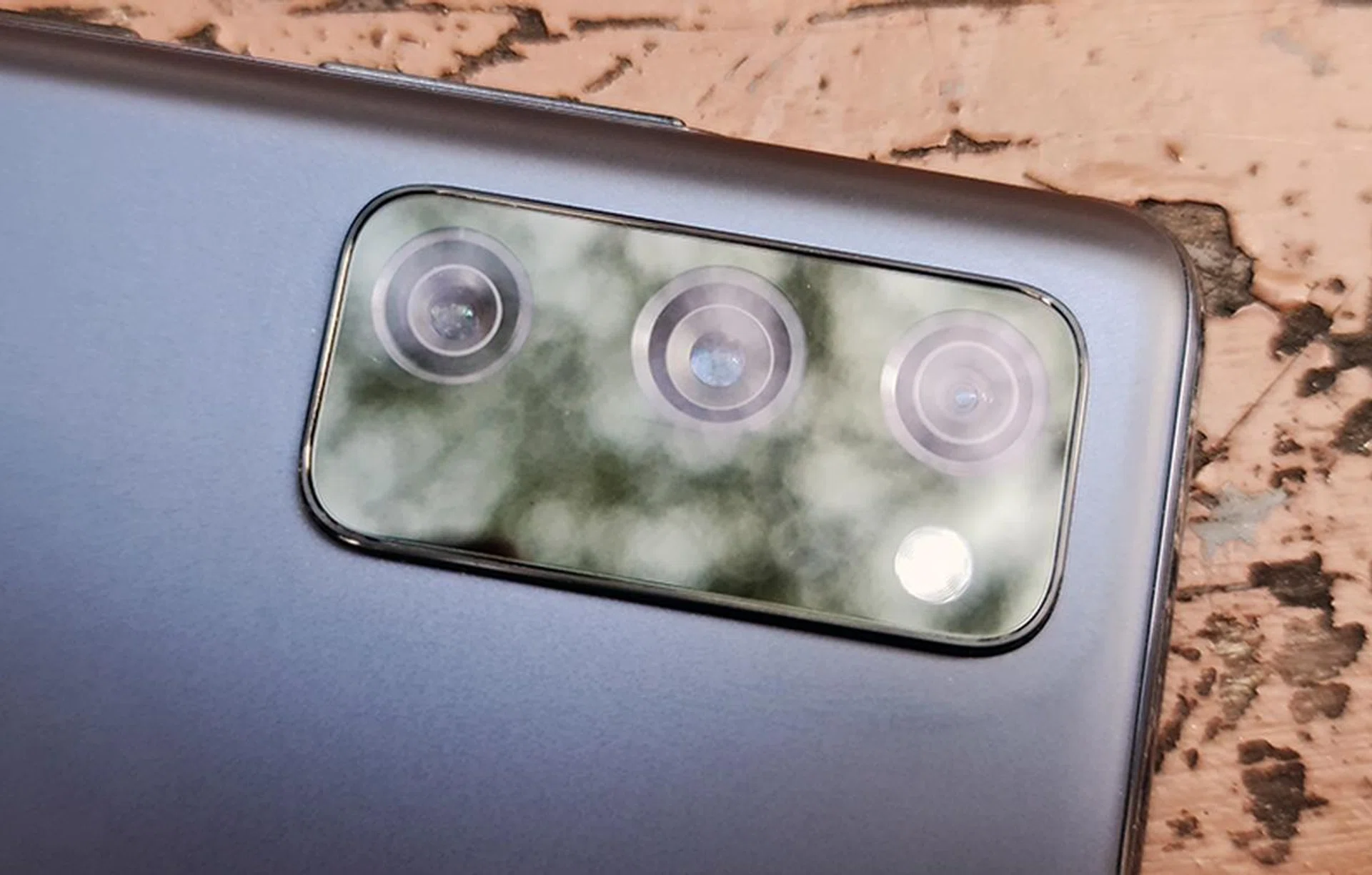
The Galaxy S20 FE uses a triple camera configuration on its rear, led by a 12MP shooter with 1.8μm pixel size and f/1.8 aperture. The main lens is equipped with Dual Pixel AutoFocus and OIS as well. Other accompanying lenses are the:
- 12MP ultra-wide-angle shooter with 1.12μm pixel size, f/2.2 aperture and a generous 123° field-of-view
- 8MP telephoto lens with 1.0μm pixel size, f/2.4 aperture and 3x optical zoom
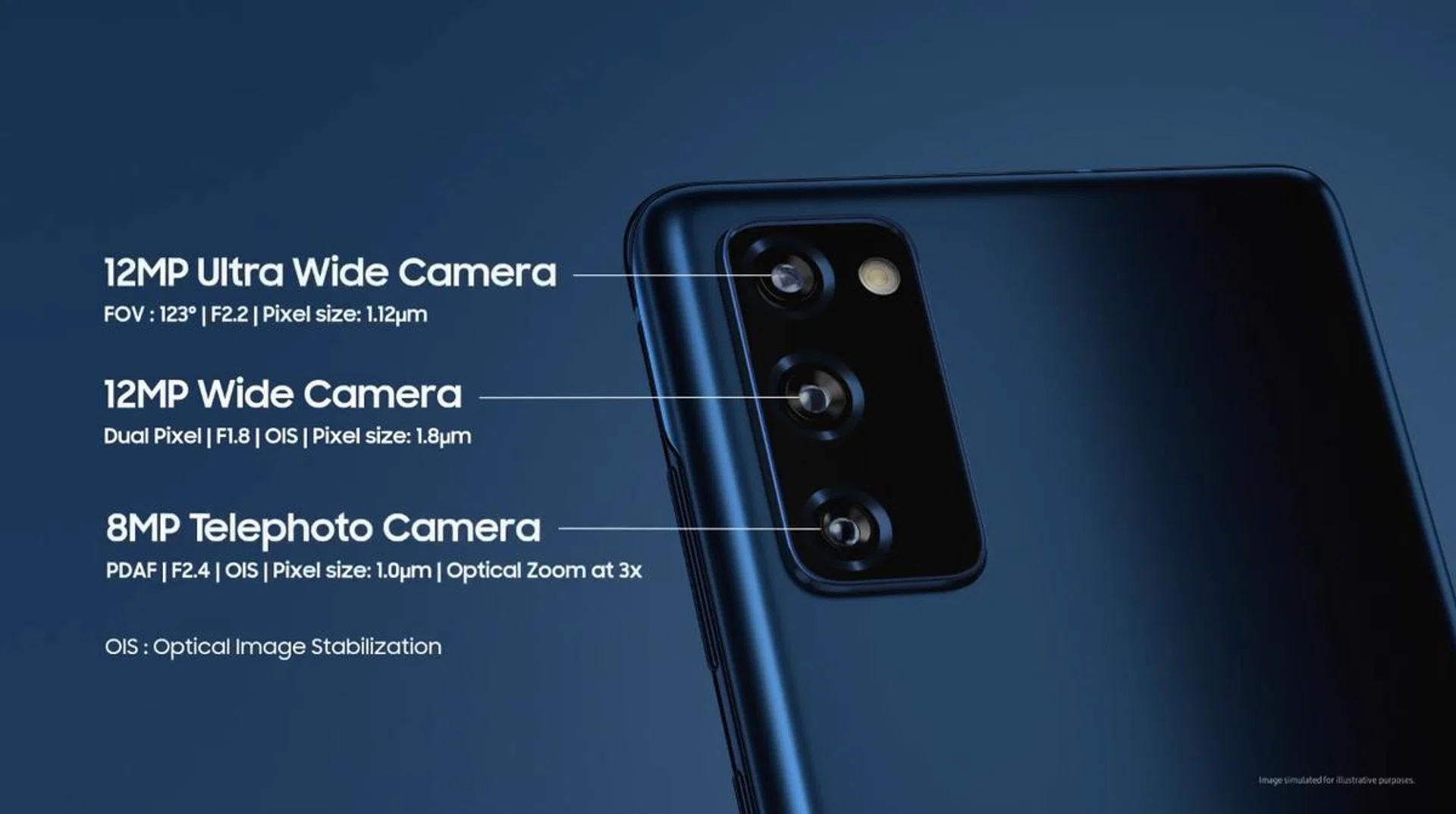
At a glance, we know that the S20 FE’s imaging offerings are slightly different from the S20’s and S20+’s (at 12MP main +12MP ultra-wide + 64MP telephoto). We should expect some difference in the S20 FE’s long-distance shooting. That said, the main and ultra-wide lens is the same as the ones on the S20 and S20+, right down to the apertures provided.
Also offered on the S20 FE is 30x Space Zoom (same as what’s offered on the S20 and S20+), Super Steady for video-recording (also on the S20 and S20+), and Night Mode for low-light shooting via its main camera (also on S20 and S20+). What didn’t get carried over was 8K video recording. Still, S20 FE can record at 4K resolution, 60 FPS, so it’s not shabby even if it’s not the highest video recording resolution the brand has ever offered.
The pixel-binning technique can be found on the 32MP front camera, where Samsung combines 4x4 pixel data into one. This provides more pixel data in one pixel at the cost of overall megapixel count. It’s not a bad trade-off considering lighting is more important for selfies.
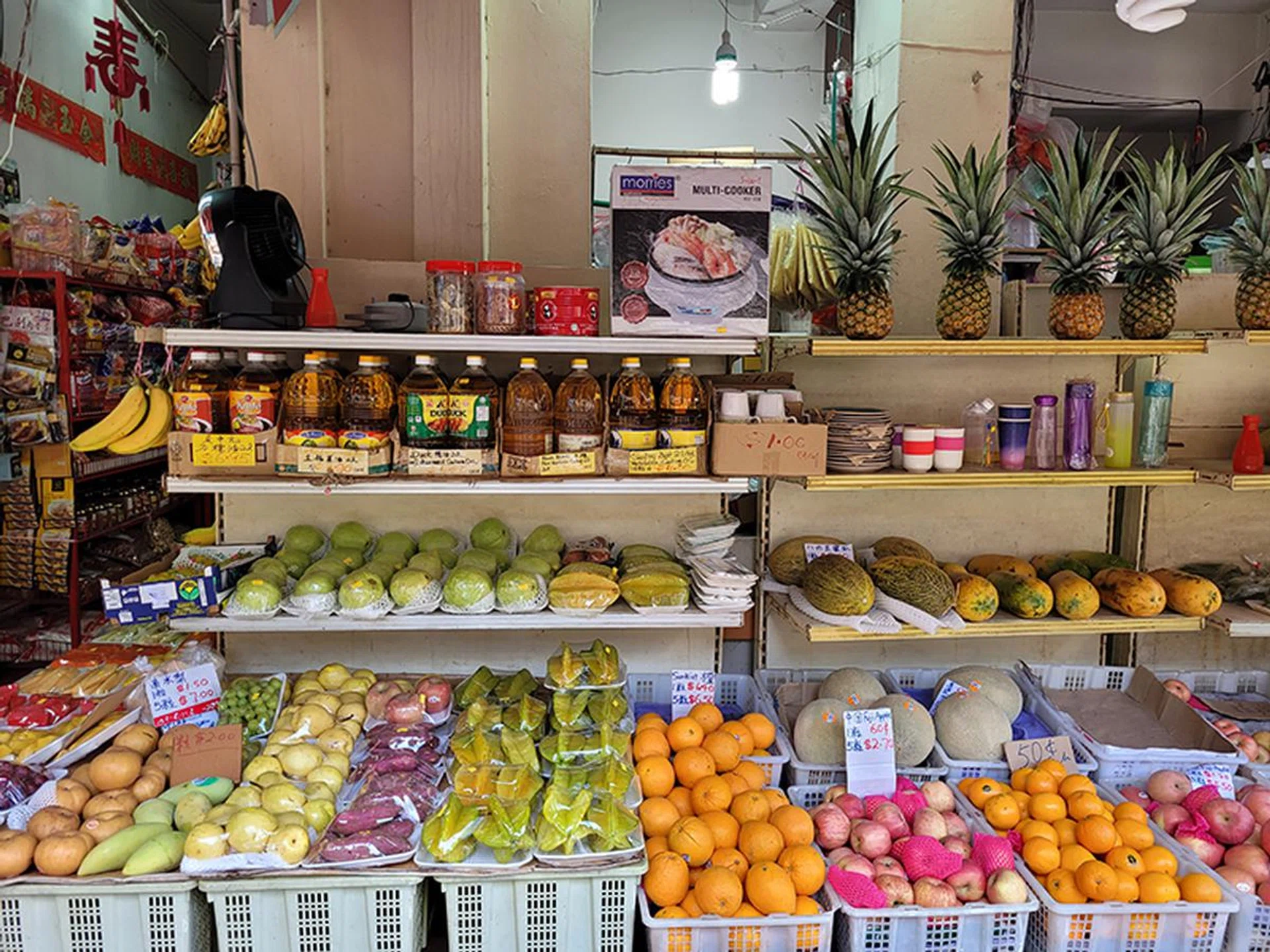
Main camera, no modification.

Cropped section, actual pixel size of above image.

Main camera at no zoom.

3x optical zoom (setting selected from menu).

Main camera, no zoom.

Ultra-wide-angle camera.
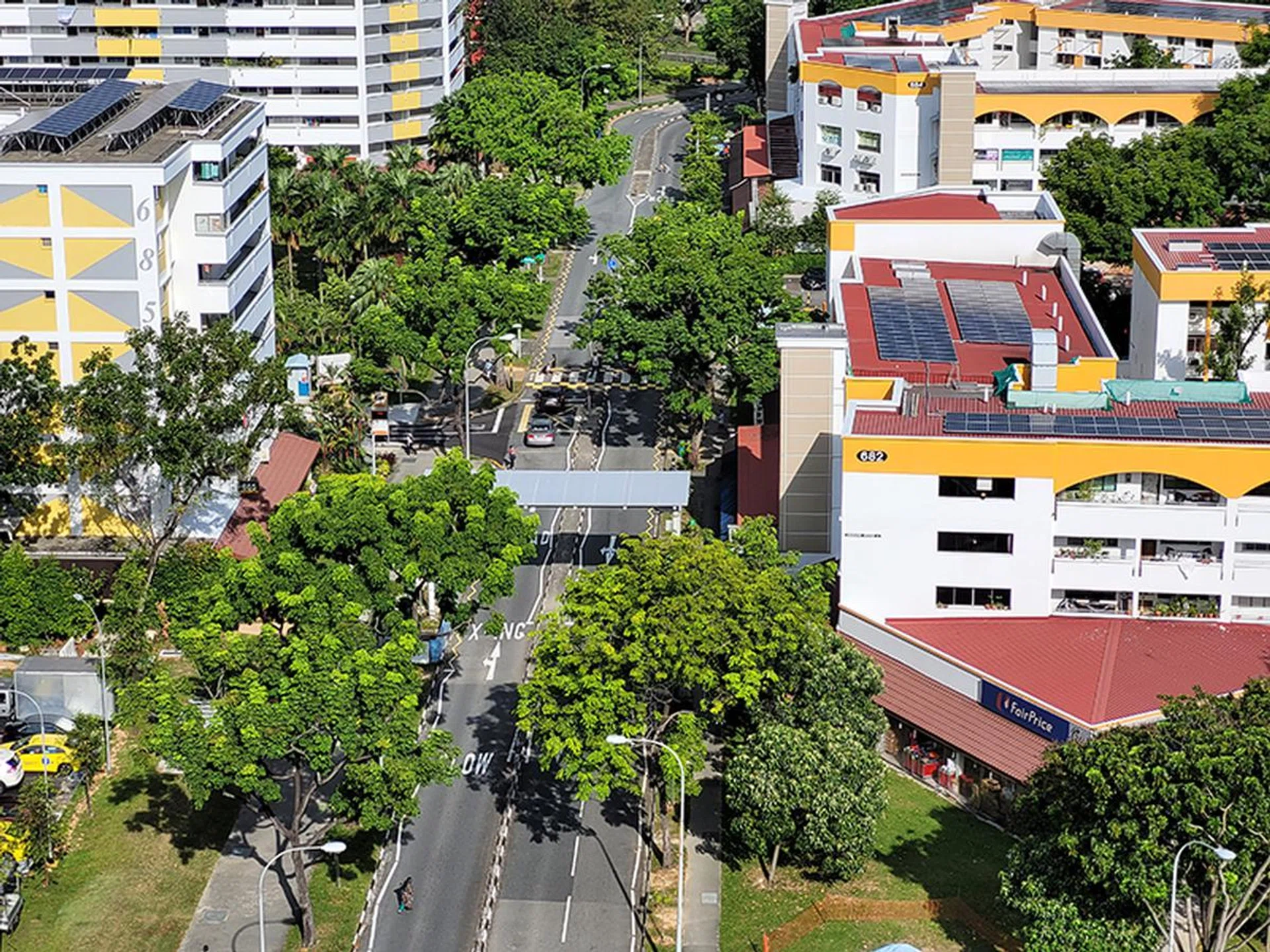
3x optical zoom, selected from menu.
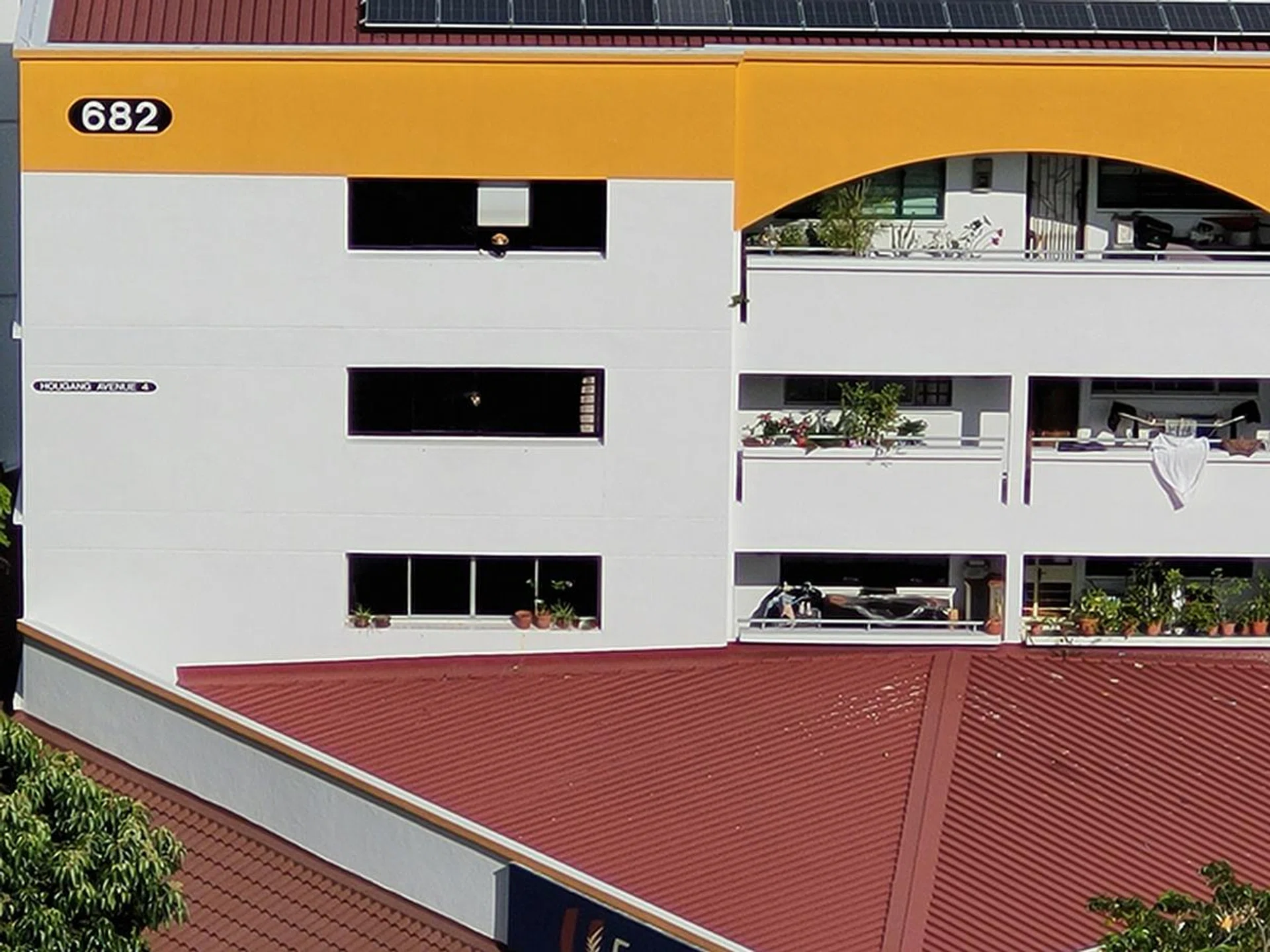
10x digital zoom, selected from menu.
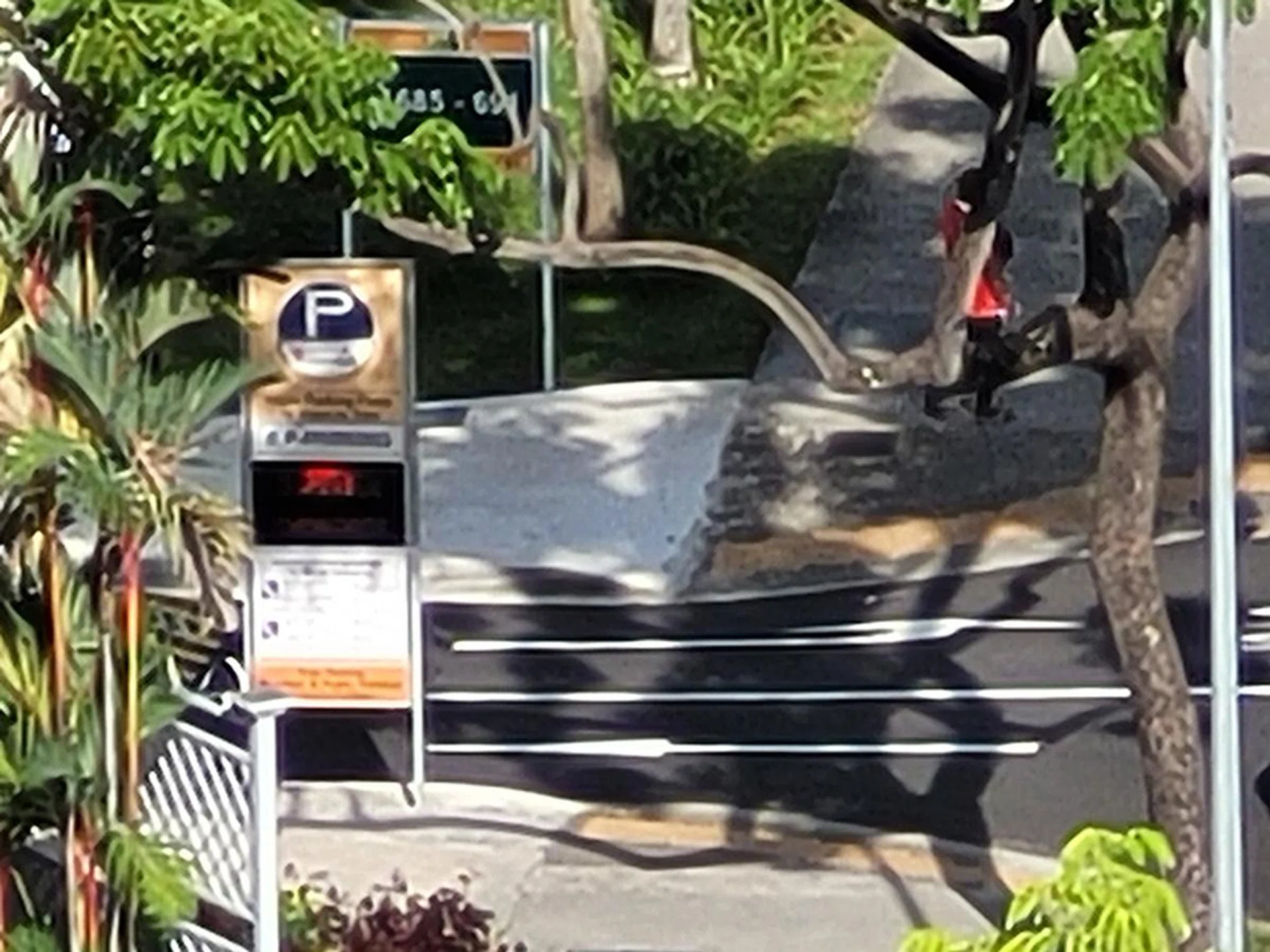
30x Space Zoom, selected from menu.

Main camera, no zoom.
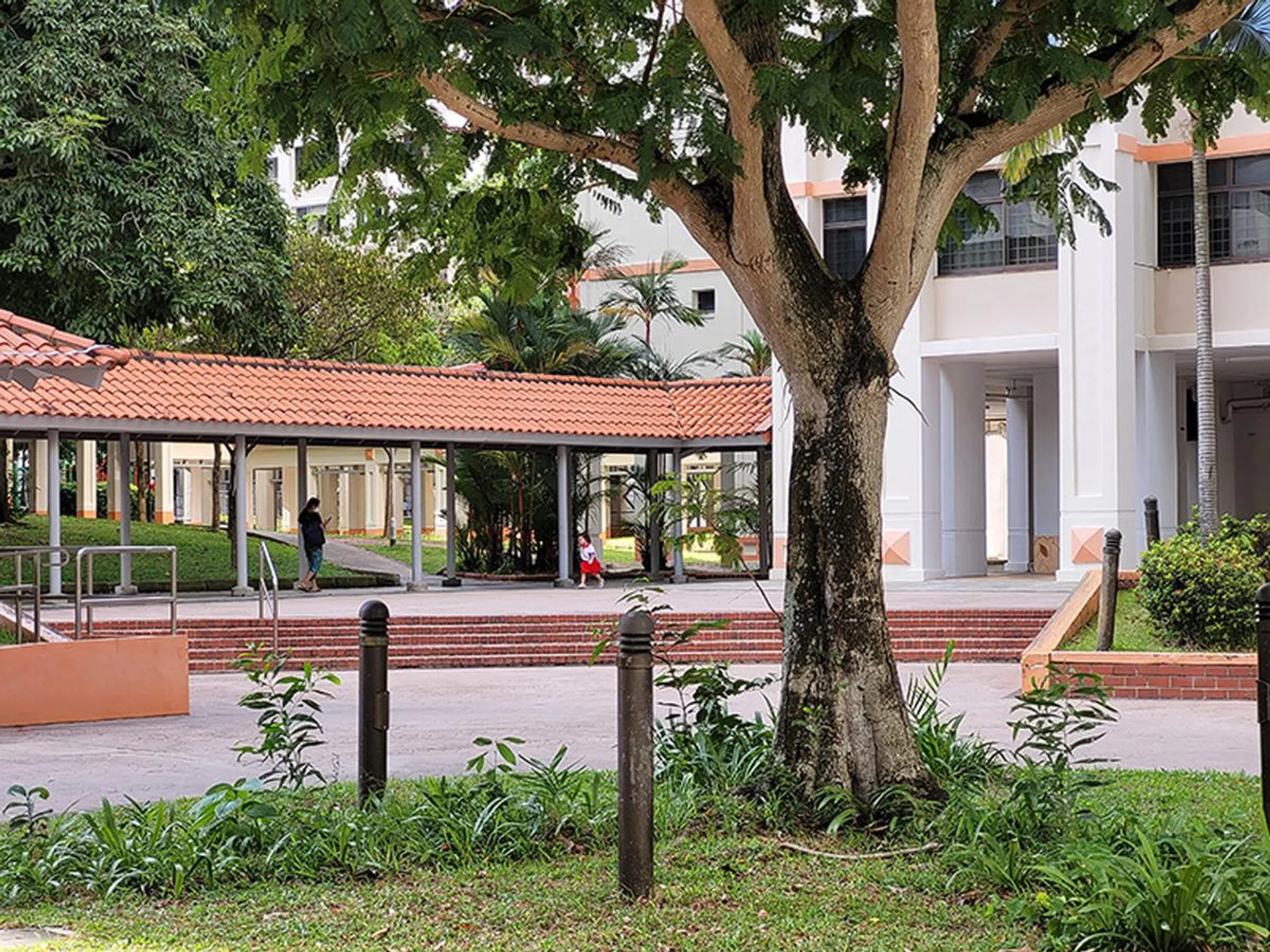
3x optical zoom, selected from menu.
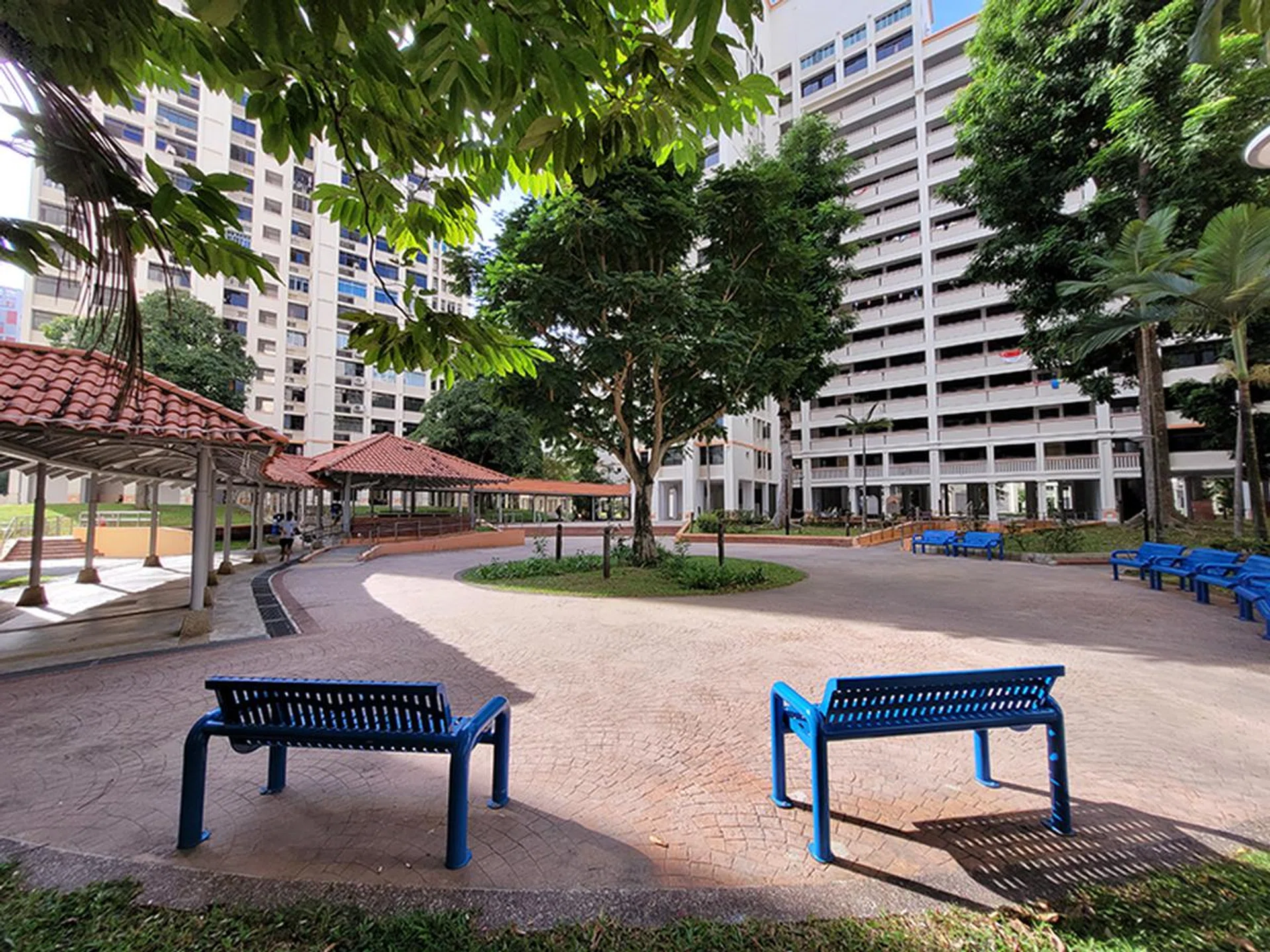
Ultra-wide-angle camera.
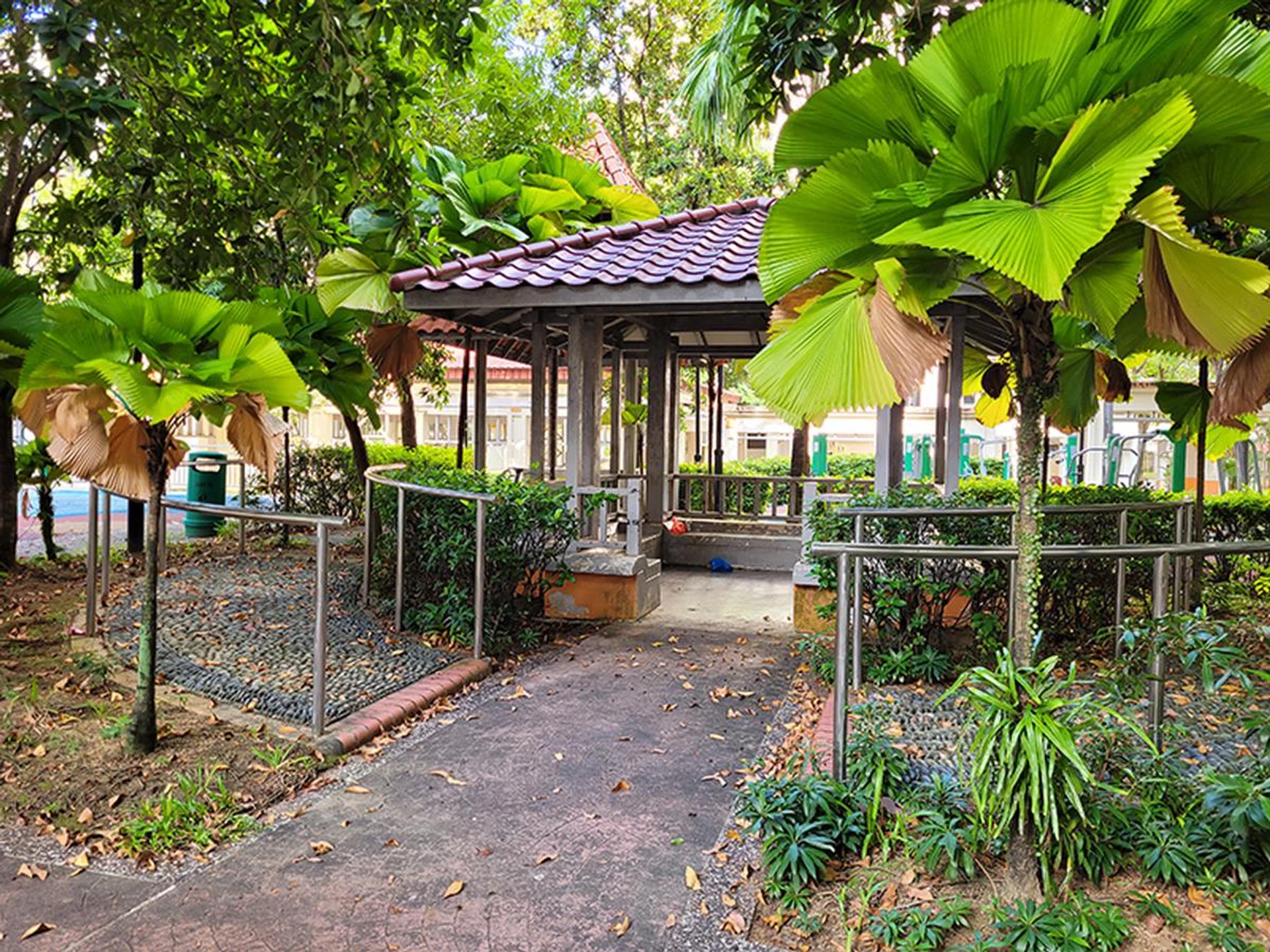
Main camera, no zoom.
With the exception of the 30x Space Zoom, the S20 FE takes great, flagship-worthy shots, which is to be expected. Details are intact and colours are vibrant. It does have slight issues with overexposure under challenging conditions, but nothing that would affect your photo-taking experience if you’re willing to wait for the perfect shot.
Benchmark Performance
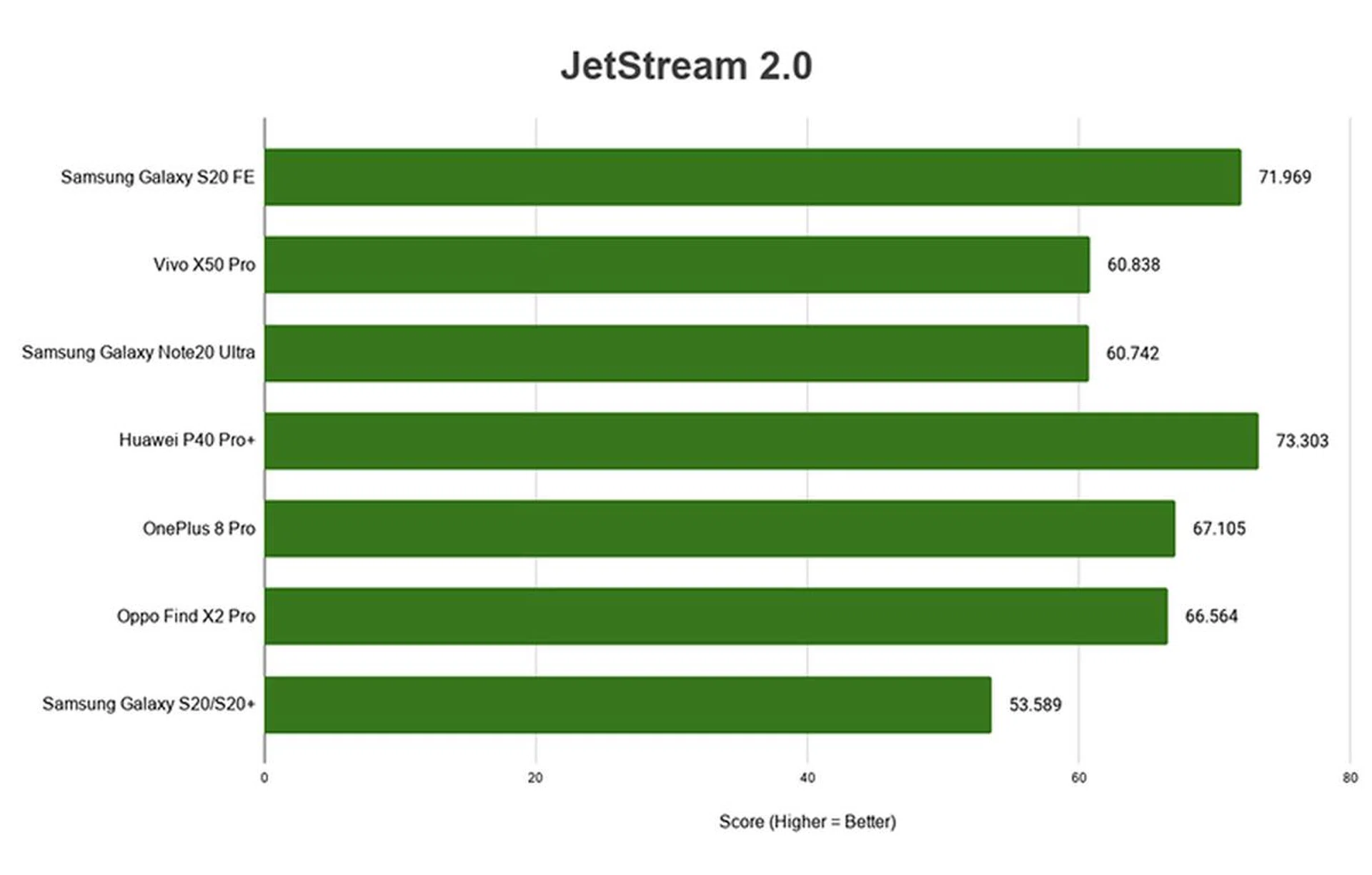
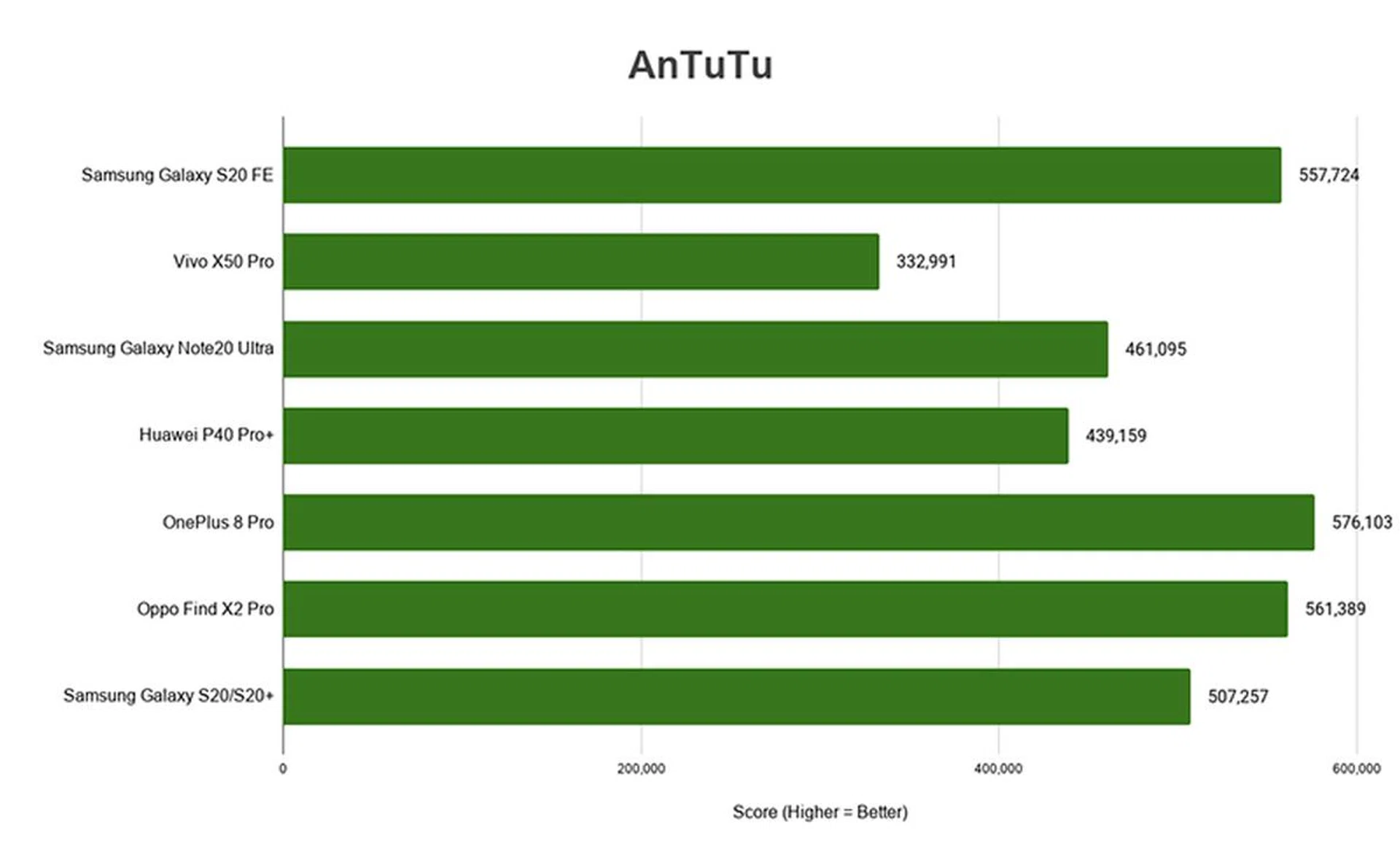
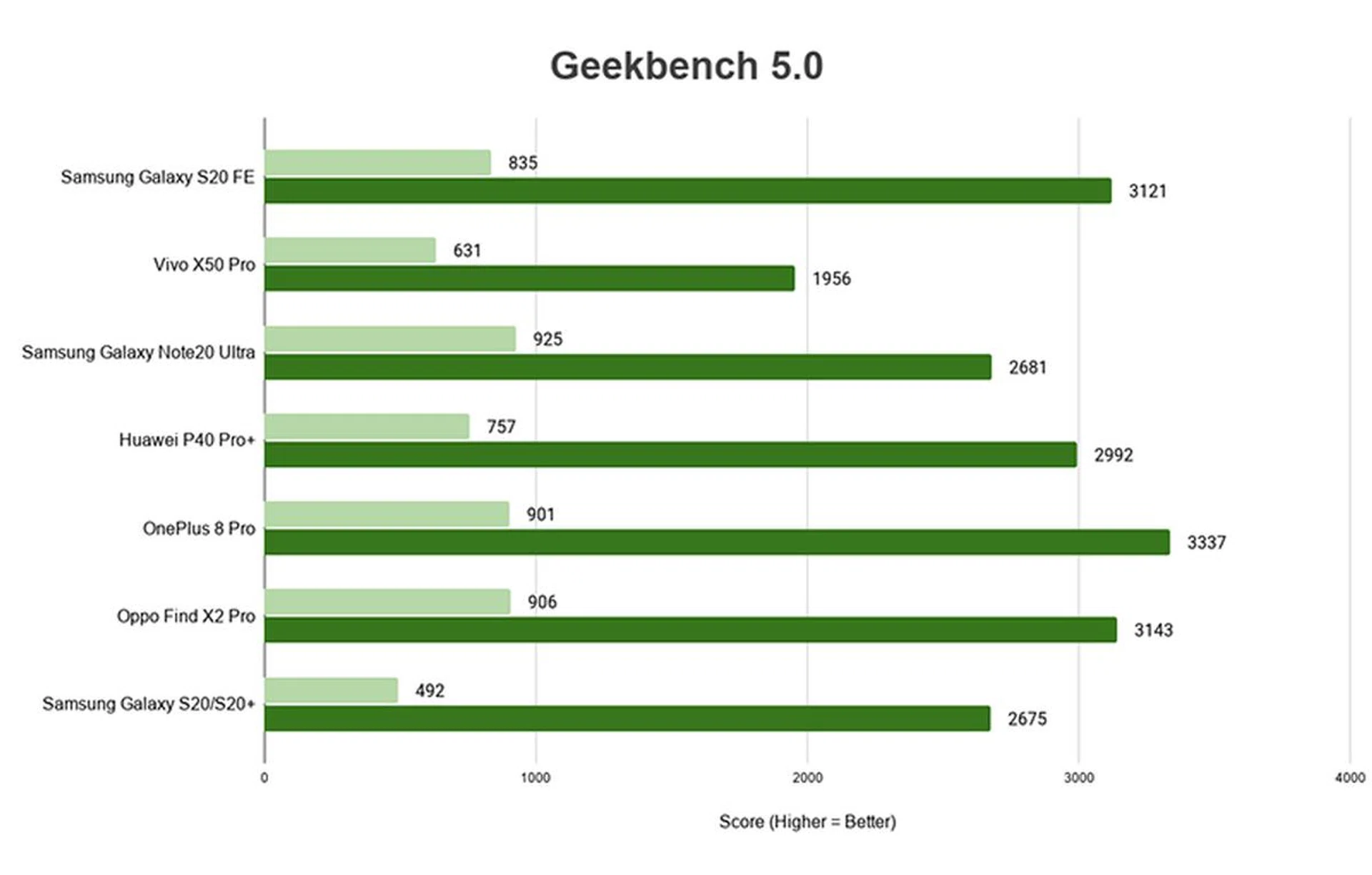
The Samsung Galaxy S20 FE comes with a Qualcomm Snapdragon 865 chipset. That’s one of the most up-to-date flagship-tier processors you can get (aside from the Snapdragon 865+ that resides in Samsung’s luxury-flagship tier Z Fold2). This puts the Galaxy S20 FE on par with other SD865-powered flagship smartphones in our market, like the OnePlus 8, Huawei P40 Pro, Oppo Find X2 Pro. The Galaxy S20 FE also lets us glimpse into the difference between Exynos- and Qualcomm-powered Samsung flagship, so we’re including the regular Galaxy S20 for comparison.
Note: The review unit we’ve received came with 6GB of RAM. Retail-ready units of the S20 FE come with more - at 8GB.
JetStream 2.0
JetStream 2 is a combination of a variety of JavaScript and Web Assembly benchmarks, including benchmarks that came before like SunSpider and Octane. It primarily tests for a system’s and browser’s ability in delivering a good web experience. It runs a total of 64 subtests, each weighted equally, with multiple iterations, and takes the geometric mean to compute the overall score.
AnTuTu
Note: As of 9th March 2020, all AnTuTu benchmarks were removed from the Google Play Store. This move likely arose from Google's attempts to relieve the Play Store of apps that violate their policies. AnTuTu is working with Google to restore their app listing. For this review, we used the APK file that was available on AnTuTu's website.
AnTuTu is an all-in-one benchmark that tests CPU, GPU, memory, and storage. The CPU benchmark evaluates both integer and floating-point performance, and the GPU tests assess 2D and 3D performance, the memory test measures available memory bandwidth and latency, and the storage tests gauge the read and write speeds of a device's flash memory.
Geekbench 5
Geekbench CPU is a cross-platform processor benchmark that tests both single-core and multi-core performance with workloads that simulate real-world usage. Geekbench 5 scores are calibrated against a baseline score of 1000, which is the score of an Intel Core i3-8100.
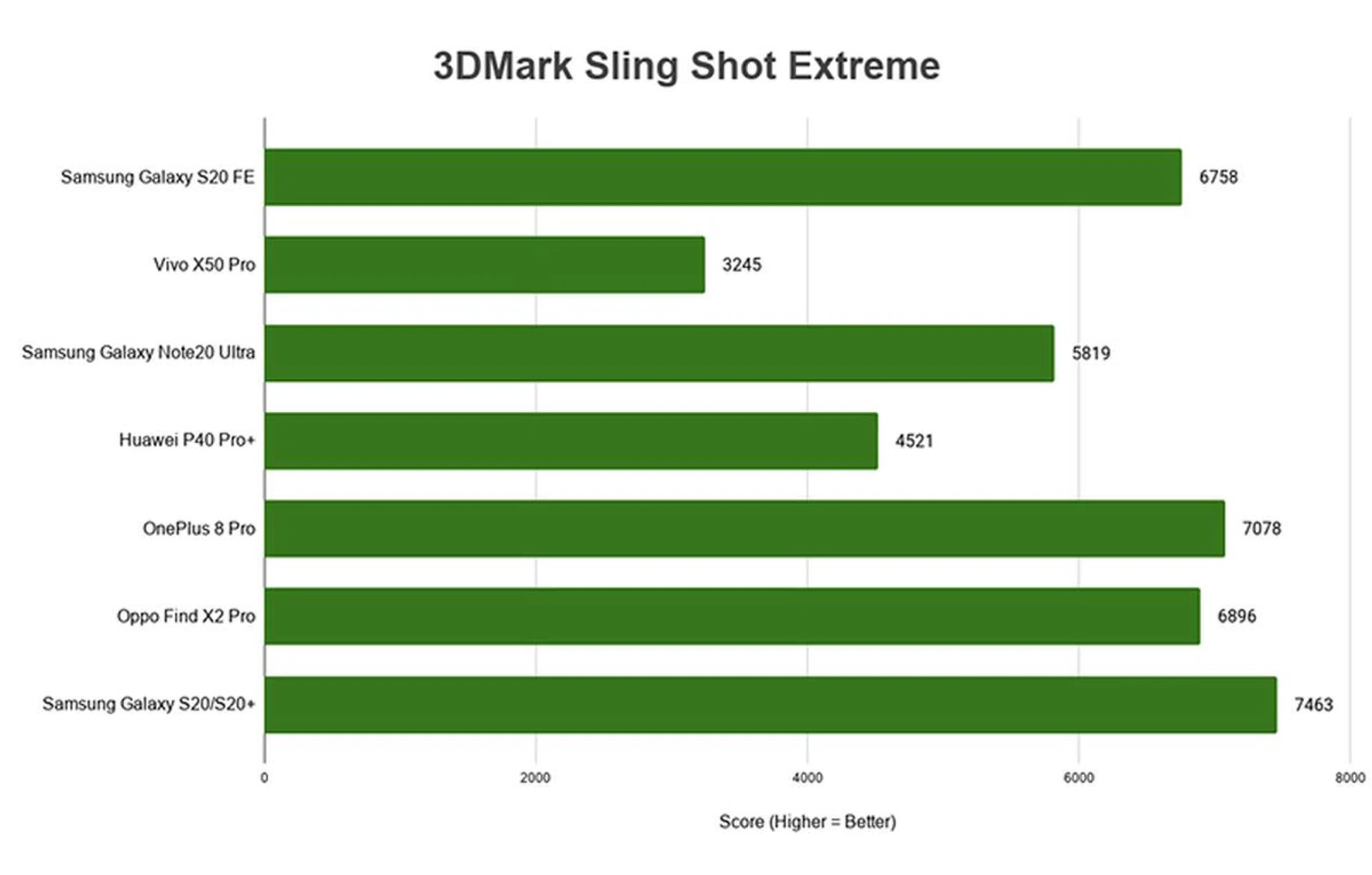
3DMark Sling Shot Extreme
3DMark Sling Shot is an advanced 3D graphics benchmark that tests the full range of OpenGL ES 3.1 and ES 3.0 API features including multiple render targets, instanced rendering, uniform buffers and transform feedback. The test also includes impressive volumetric lighting and post-processing effects. The test's Unlimited mode ignores screen resolutions.
Battery life
Our standard battery test for mobile phones has the following parameters:
- Looping a 720p video with screen brightness and volume at 100%
- Wi-Fi and Bluetooth connectivity turned on
- Constant data streaming through email
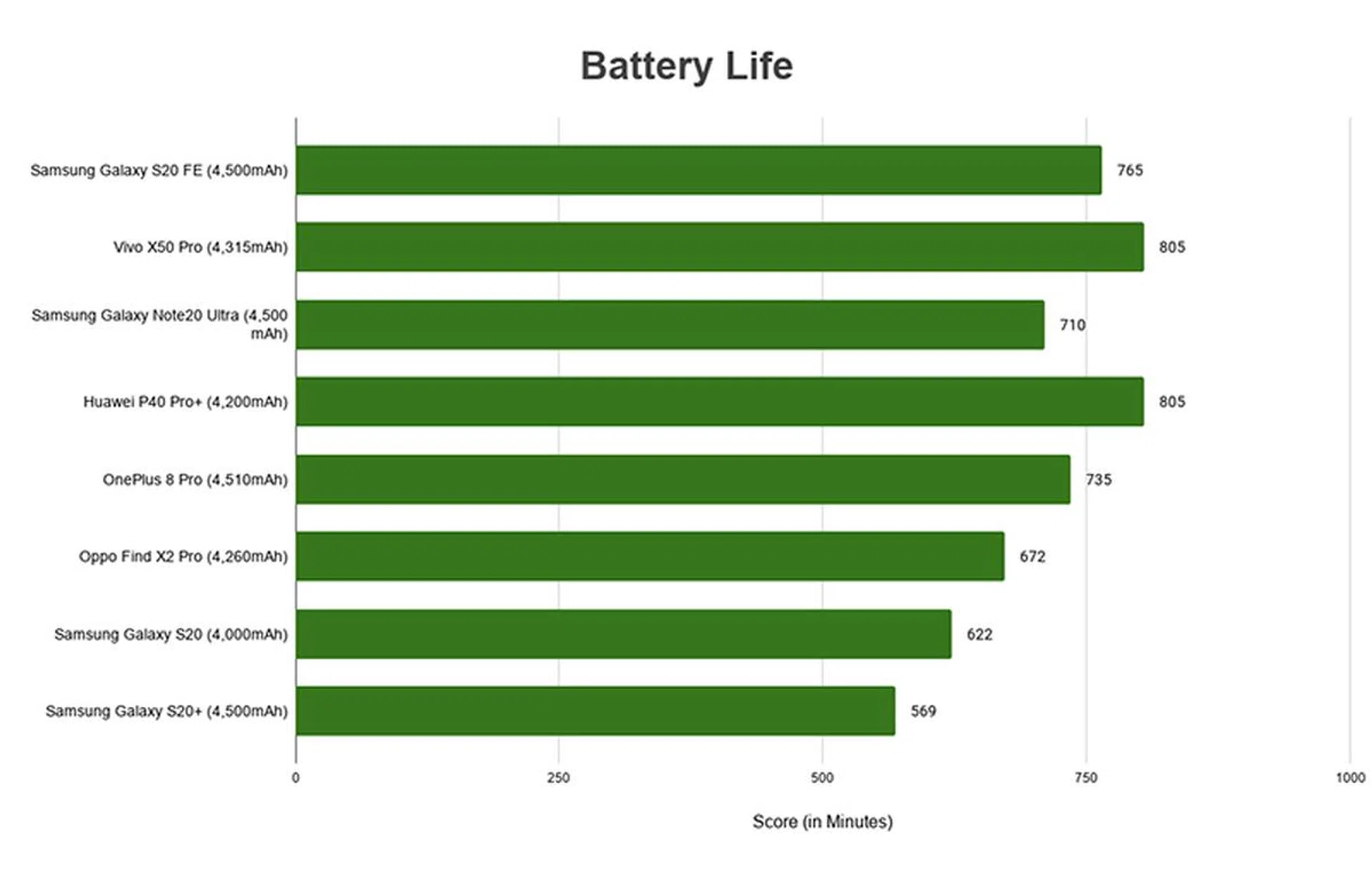
At 4,500mAh, the Galaxy S20 FE is more generous than S20’s 4,000mAh capacity, while being on par with the S20+’s. Battery life performance is anything but identical. The S20 FE clocks in at least a hundred minutes more than either model.
We can chalk it up to a few factors - the better battery life could be credited to the lack of 1440p resolution on S20 FE, or the fact that the Snapdragon chipset is simply more efficient than the Exynos equivalent of the SD865. The other SD865 phones in the list tell us as much, too.
The battery on the S20 FE offers 25W Super Fast Charging while wired, and 15W Wireless Fast Charging. That’s the same wireless charging profile on the Galaxy Note20 Ultra. The S20 FE even comes with Wireless PowerShare where it can reverse-charge another device wirelessly. We were expecting another corner to be cut here, so it’s really heartening to see wireless charging available in this 'budget' flagship device.
It took 31 minutes to charge from 0% to 50%, and a total of 96 minutes to reach 100% while wired. The device starts off with fast-charging before tapering off to regular charging speeds as it approaches maximum capacity (likely due to safety protocols built into the battery).
Conclusion
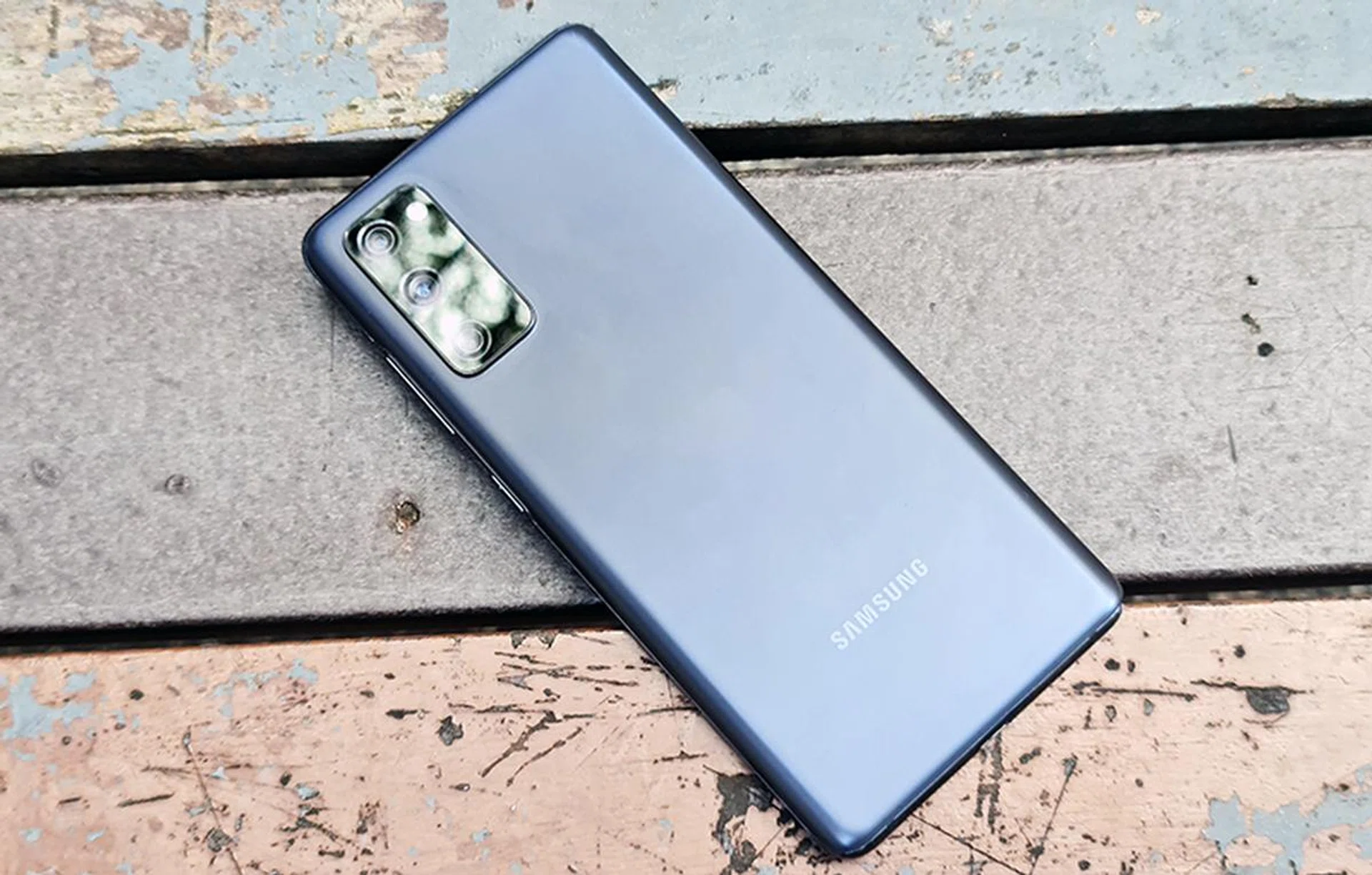
Frankly, when Samsung first announced it was doing a Fan Edition of anything, my first thought was how the device is going to be a pale imitation of whatever flagship model it’s meant to emulate. Partly to blame is the incessant marketing from Android phone makers when they say they bring ‘flagship-tier features’ to lower-tier devices, and also because brands expect diehard fans to be willing to part with more for less - doing otherwise wouldn’t make them true fans, after all.
The Samsung Galaxy S20 FE defies both expectations. Firstly, the top-tier performance outclasses even their regular S20 models, thanks to the Qualcomm Snapdragon 865 chipset they’ve chosen. Secondly, it’s S$100 cheaper than the most affordable Samsung Galaxy S20 variant (at official retail pricing) and also includes a 5G modem to support our local telco's latest 5G connectivity offering. It also competes well against OnePlus 8 Pro and Vivo X50 Pro, dethroning these devices from their budget flagship mantle - both in features and price. It’s really hard to compete against Samsung’s full suite of software enhancements, polish, at the budget flagship price point.
We expected several corners to be cut when it came to the S20 FE’s overall offering. At S$1,068 and S$1,168 for the respective 128GB and 256GB models, something’s gotta give. I’m glad to say Samsung chose the right corners to cut. The plastic rear feels less premium, but it’s no less attractive. The curved sides on the regular models are sophisticated, but the S20 FE’s flat display is still a functional, fluid panel without the superfluous curvature. They’ve knocked down the telephoto lens quality, yet they left the main camera unspoiled. It doesn’t have 8K recording, but it still offers 4K recording at 60 FPS, which is more than enough for everyday use. There’s no 1440p resolution or HDR support, but 1080p isn’t too bad given its AMOLED display quality, and it can run at 120Hz refresh rate without a hitch. When you look at the other alternatives in the market, you really only have the OnePlus 8 Pro, and maybe the Vivo X50 Pro to think about - making Samsung a really easy choice out of the rest.
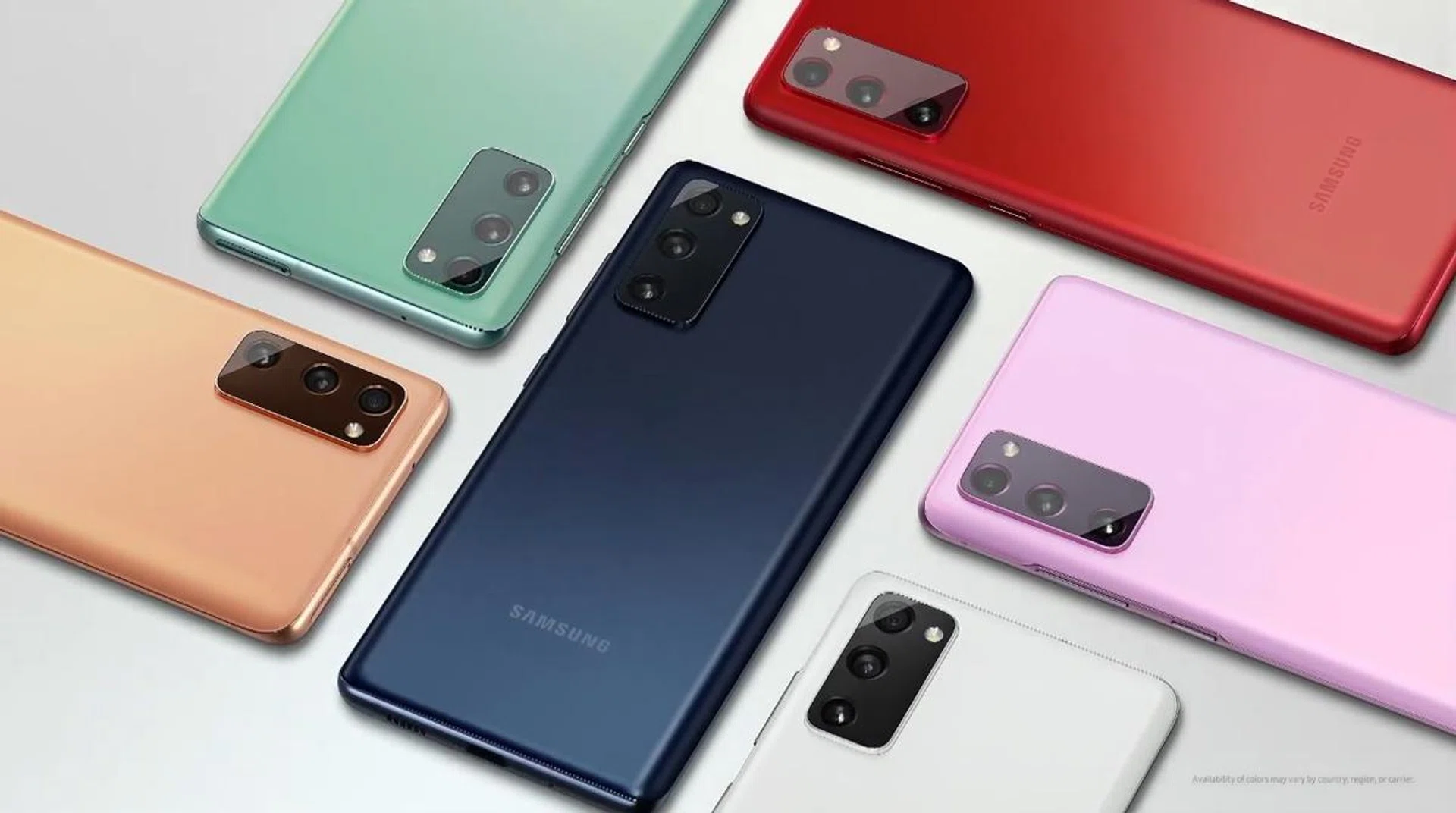
Of course, this device isn’t for everyone - especially if you value premium materials for the finish, or higher display resolutions, or if you want 8K recording or want the best imaging performance a smartphone can deliver. Which is why the S20 FE being ‘Fan Edition’ isn’t a bad name after all - this is what affordable, top-tier performance on a Samsung-backed phone looks like, so this is what you’ll get. If you’re a fan of anything else, you might have to look elsewhere.
In the budget flagship category, the Galaxy S20 FE is the 2020 phone to beat - from its usage experience, to its customisation, its performance, and price point. Because Samsung chose to cut the right corners, it’s going to be really tough for others who want to make their budget flagship shine. For this reason, we are bestowing the Editor's Choice accolade to the Samsung Galaxy S20 FE.
The phone doesn't yet hit retail until 16th October 2020, but meanwhile don’t forget to check out the Galaxy S20 FE pre-order details in our earlier article here to enjoy the pre-order specials.