
Samsung Galaxy A56 5G review: Playing favourites, with and without AI
The new Samsung Galaxy A56 midrange phone seems like a decent option, but there are some trade-offs that are hard to swallow. #samsung #galaxya56 #smartphone
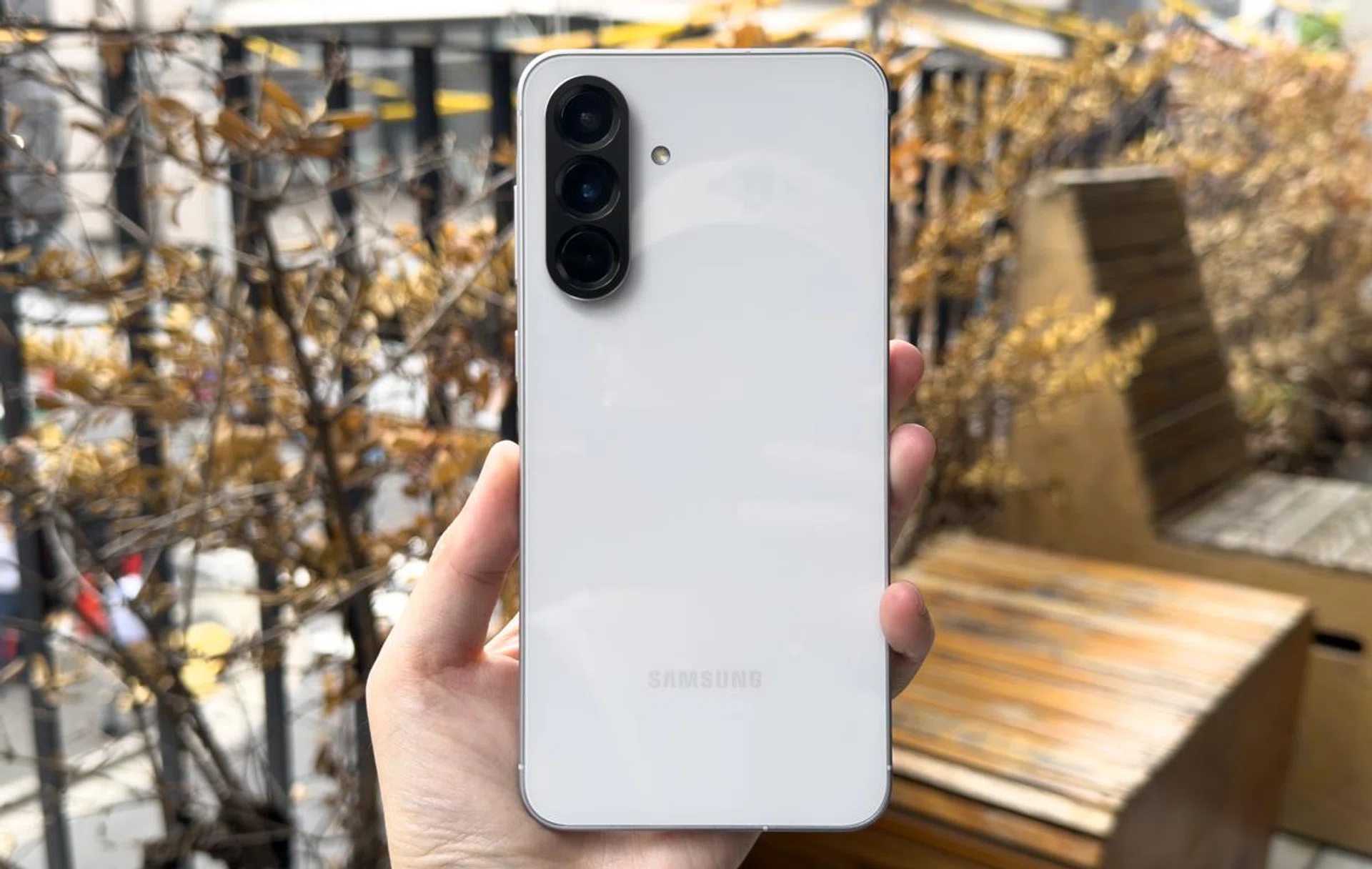
The poster child of midrange phones
Note: This review was first published on 18 June 2025.
In Singapore, Samsung's Galaxy A series phones are practically the poster children of midrange handsets. The Samsung Galaxy A56 is the 2025 model, offering many of Samsung's flagship Galaxy S perks (like One UI and Galaxy AI) in a more affordable package.
While our review unit is the S$658 model with 12GB RAM and 256GB of storage, the phone actually starts from S$538 (8GB RAM + 128GB storage). It sports a large 6.7-inch FHD+ Super AMOLED display with up to 120Hz refresh rate, a 5,000mAh battery, IP67 dust and water resistance. It also inherits Galaxy AI features, such as Circle to Search, Object Eraser, and more.
Powered by its own Exynos 1580 chip, LPDDR5 RAM and UFS 3.1 storage, the Galaxy A56 is lighter and thinner than its predecessor. Interestingly, this phone has a 45W wired charging speed, which is faster than the flagship Samsung Galaxy S25’s 25W.
TL;DR:
While there are better options available out there, the Samsung brand name is undeniable with its long software support and some AI features.
Note: You can get the phone at the Samsung Online Store, Lazada, Shopee and other authorised retailers.
Samsung has even improved software support, with up to six years of OS and security updates now promised, which is excellent for a midrange device.
But what compromises have been made to maintain this level, and can we accept the trade-offs? Let’s see.
Simple, sleek, Samsung
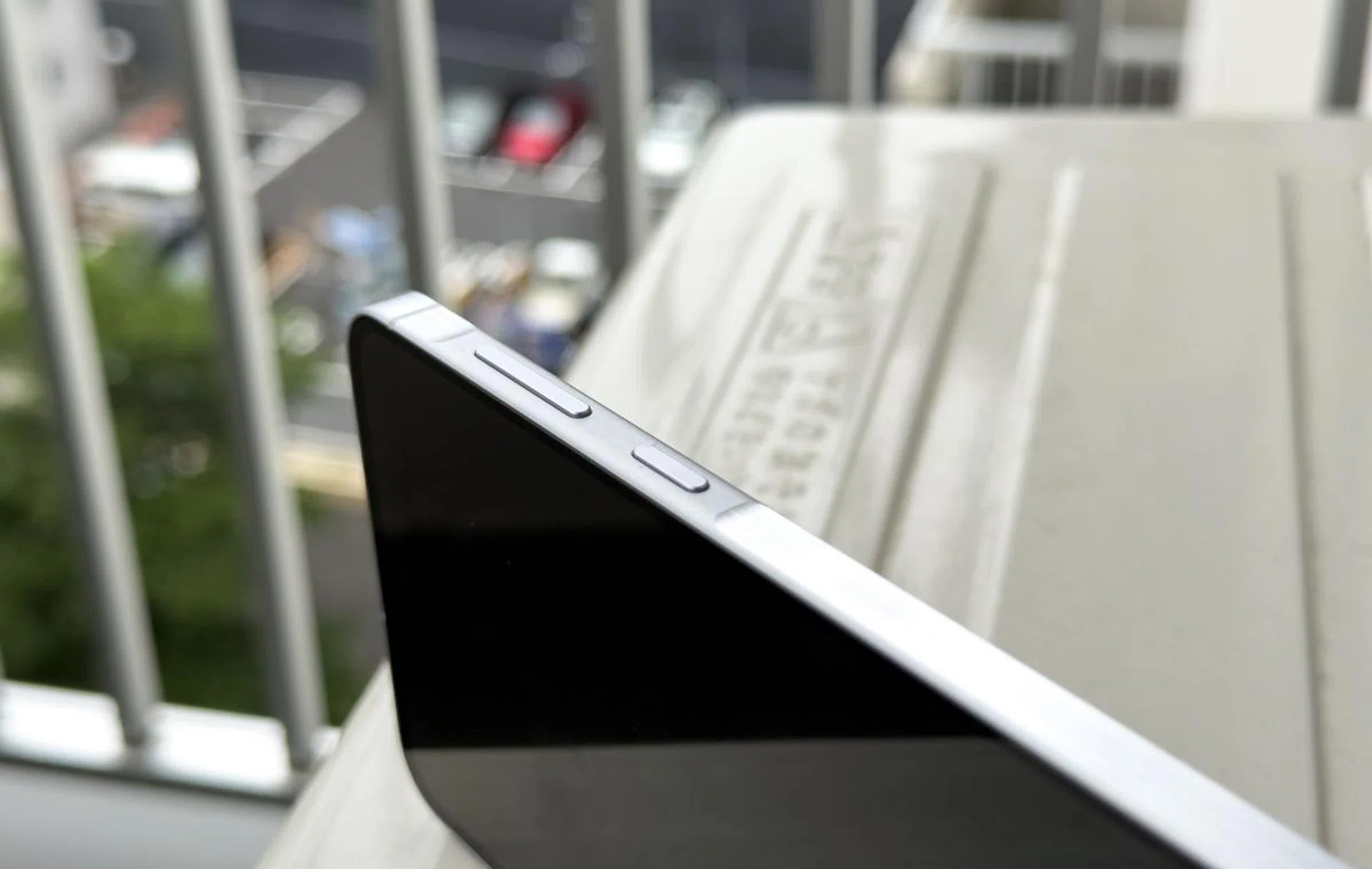
Samsung Galaxy A56. Photo: HWZ.
Typically, midrange phones use a plastic body to keep costs low. The Galaxy A56 defies that with a brushed aluminium frame and Gorilla Glass Victus+ panels for both sides, which certainly elevates its appeal. Cheaper phones don't have to look cheap.
The power button and volume rocker on the right side sit on a raised island. It adds a subtle, tactile clue that helps with adjusting the volume without needing to look.
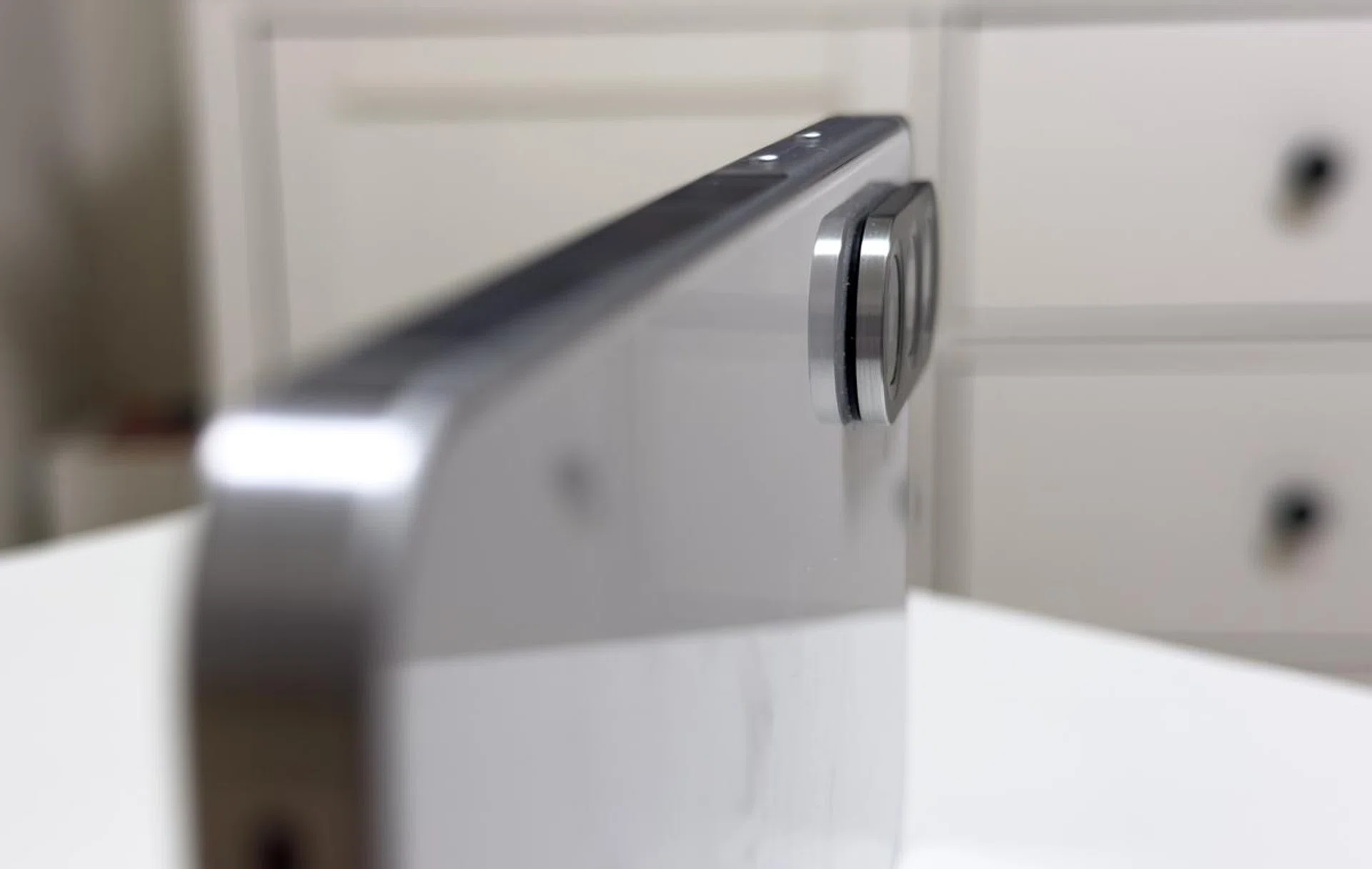
Samsung Galaxy A56. Photo: HWZ.
That said, the design does have some flaws. Its pill-shaped rear camera housing isn’t flush against the back glass, leaving a tiny gap prone to trapping dust and dirt.
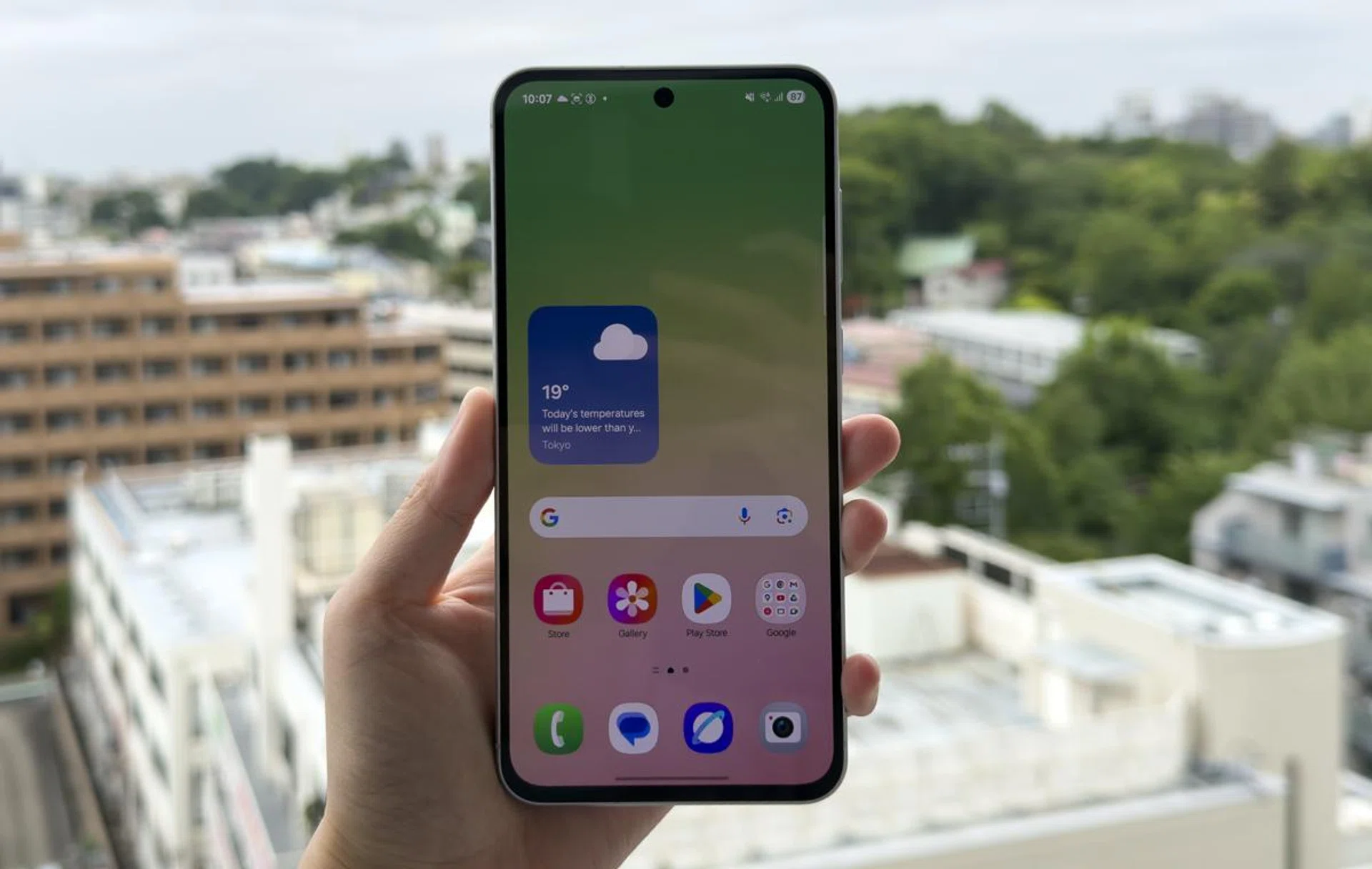
Samsung Galaxy A56. Photo: HWZ.
The bezels are fairly symmetrical, with the phone's 6.7-inch Super AMOLED display capable of reaching a peak brightness of up to 1,900 nits.
It’s not the brightest we’ve seen in a midrange smartphone, but it’s correctly optimised and more than sufficient for use under direct sunlight.
The stereo speakers are decent. It has a mild volume imbalance with its bottom main speaker being louder than the top earpiece one. They will do in a pinch, but we’d recommend getting a pair of earbuds if you want to listen to anything earnestly.
The biggest change to the Samsung Galaxy A56 is the absence of expandable storage, which is a disappointment. Midrange users are less likely to pay monthly for a cloud storage subscription, and there is no Galaxy A56 variant available with more than 256GB of storage when additional space is needed.
One UI 7 and (some) AI goodness
While it uses the same One UI 7 (Android 15) operating system that's on Samsung's best phones, the Samsung Galaxy A56 only receives a few of the same AI features. For a more comprehensive overview of One UI 7, check out our reviews of the Samsung Galaxy S25 Ultra and Galaxy S25/S25+ models.

Samsung A-series phones can now use the side button for Gemini. Photo: Samsung.
Features like Now Brief or Now Bar are not available here, but more useful AI-powered options, such as Circle to Search and photo-editing tools like Filters, are available.
Additionally, Samsung has even pushed out an update to allow the Galaxy A56 to activate Gemini with the side button.
While we don't expect the midrange phone to get all the cool and cutting-edge AI stuff, we hope that more AI features will find their way down to the A-series phones.
As mentioned, the Galaxy A56 gets up to six generations of OS and security updates. Whether the phone’s hardware can support its incremental software bloat, however, is another question altogether.
Imaging performance
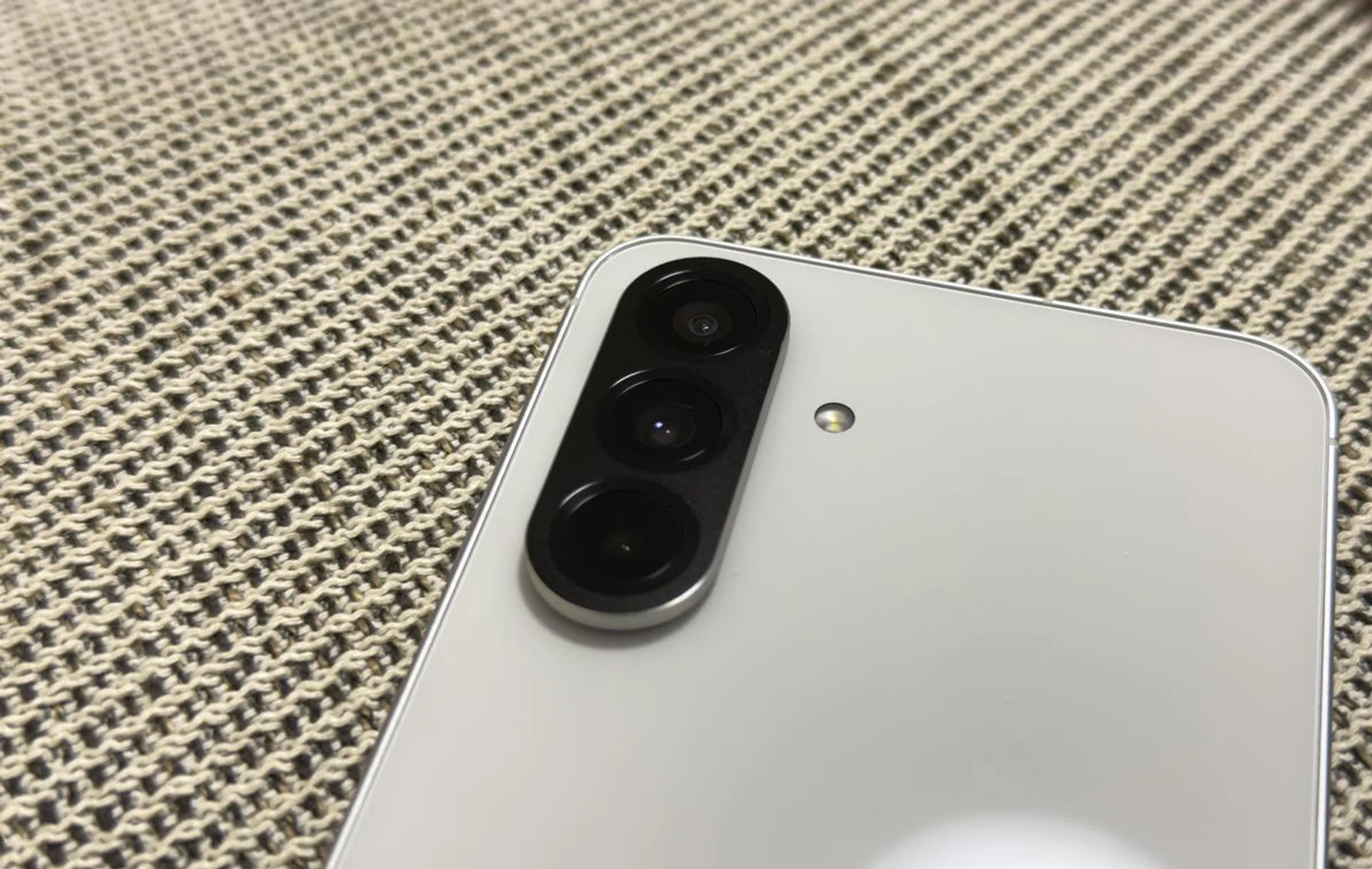
Samsung Galaxy A56. Photo: HWZ.
Samsung Galaxy A56's rear cameras include:
- 50MP main camera (f/1.8 aperture, 1/1.56-inch sensor, 1.0µm, PDAF, OIS),
- 12MP ultrawide camera (f/2.2 aperture, 1/3.06-inch, 1.12µm)
- 5MP macro camera (f/2.4 aperture).
These cameras are identical to the A55’s set-up, so there are no notable hardware changes.

Main camera. Photo: HWZ.

Main camera. Photo: HWZ.

Main camera. Photo: HWZ.

Main camera. Photo: HWZ.

Main camera. Photo: HWZ.

Main camera. Photo: HWZ.
The main camera provides punchy photos, although there’s a slight lack of detail and sharpness even in well-lit situations. The first dessert photo with the nut topping makes the snack look unappetising. When taking images of objects close up, the sharpness fall-off is rather obvious.

Ultrawide camera. Photo: HWZ.

Ultrawide camera. Photo: HWZ.

Ultrawide camera. Photo: HWZ.

Ultrawide camera. Photo: HWZ.
The ultrawide camera produces decently wide images, but the shots still appear soft and lack detail. There is also a significant amount of chromatic aberration in the last image, likely due to the bright sky. Also, all of them have significant fisheye distortion that doesn't need a trained eye to tell.

Low light photo (auto night mode). Photo: HWZ.

Low light photo (auto night mode). Photo: HWZ.

Low light photo (No night mode). Photo: HWZ.

Low light photo (night mode). Photo: HWZ.

Low light photo (No night mode). Photo: HWZ.

Low light photo (night mode). Photo: HWZ.

Low light photo (auto night mode). Photo: HWZ.

Low light photo (night mode). Photo: HWZ.
Low-light photos are decent, but it’s better not to use Night Mode due to its inaccurate colour temperature (resulting in colder images) and an odd magenta tint.
All in all, the Samsung Galaxy A56's imaging quality is serviceable if you're not fussy and just want something suitable for social media. Discerning individuals or professionals who require colour and subject accuracy are unlikely to find any of its cameras ideal for those needs. Since the phone only costs S$538, you truly get what you pay for here.
Benchmark performance
Samsung Galaxy A56 uses Samsung’s own Exynos 1580 processor. To be clear, our review unit comes with 12GB RAM and 256GB of storage, which is pricier (S$658).
The more affordable S$538 version is the 8GB RAM with 128GB storage offering. Given the proliferating midrange market, we foresee a tough battle in this price range, particularly with opponents like the Xiaomi 14T Pro (S$799) and the Poco F7 Pro (S$669).
Putting it to the test
To find out how the competitors line up specs and price-wise, check them out in this link.
To find out more about the tests we conduct and what they relate to, we've jotted them down here.
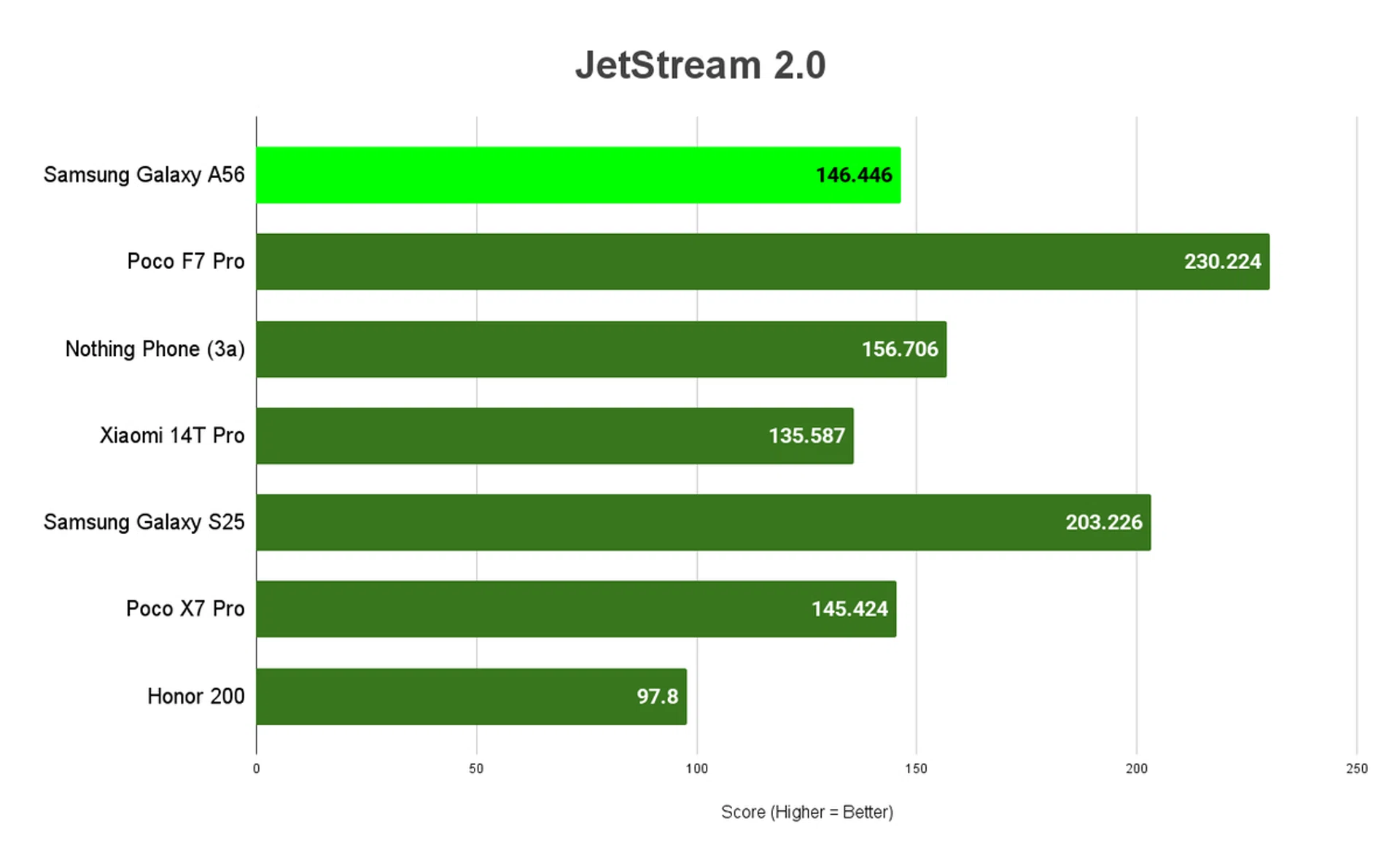
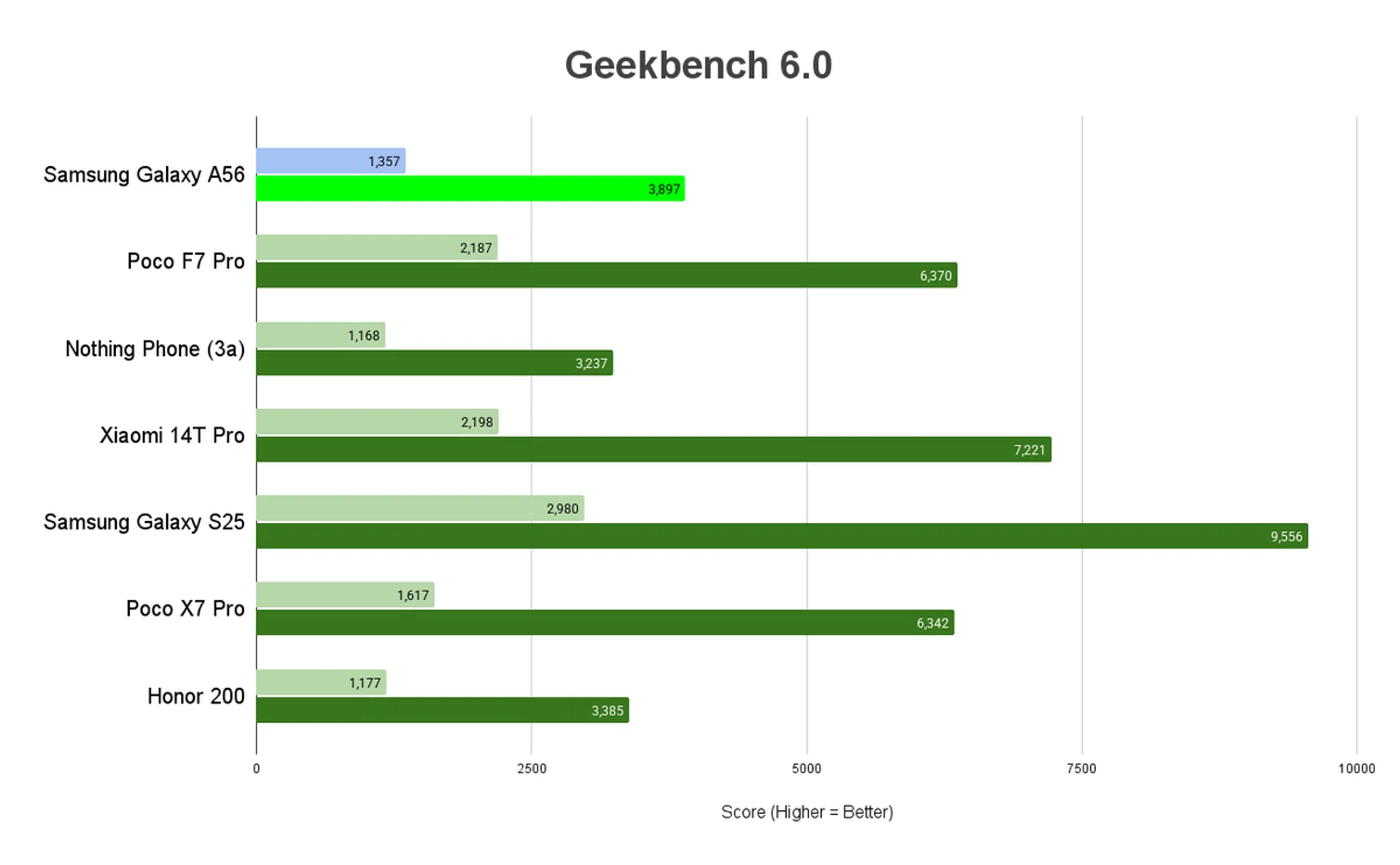
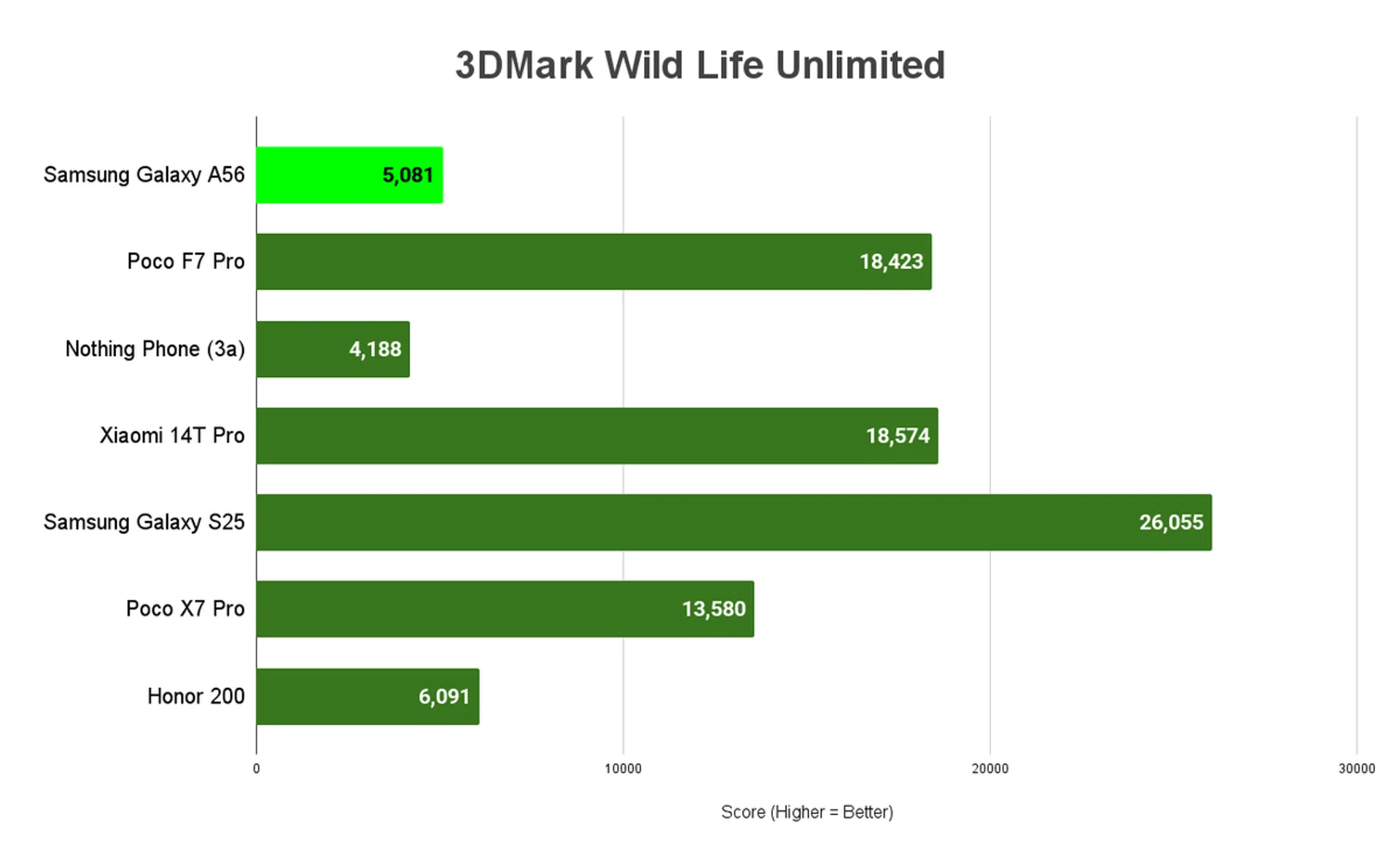
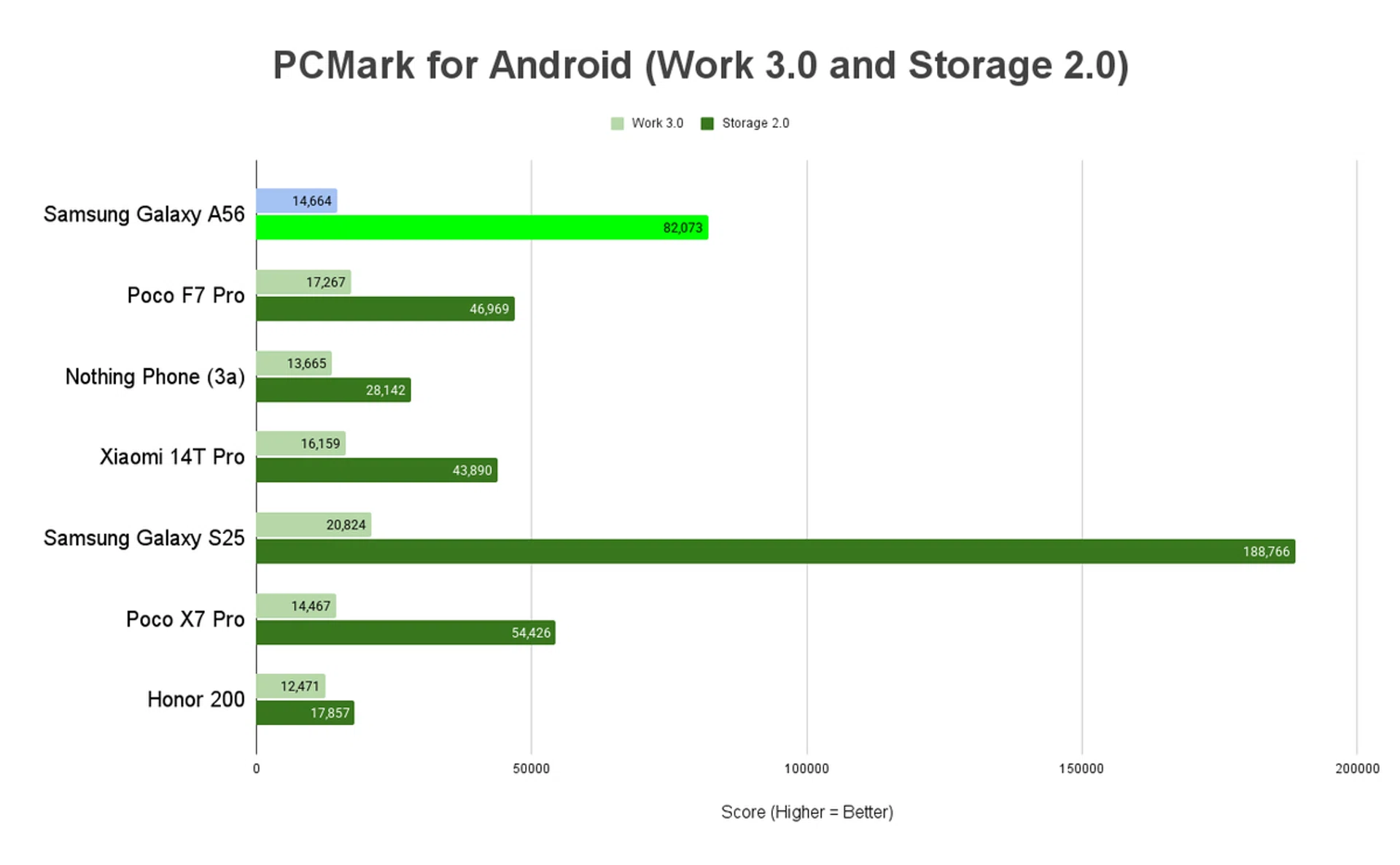
Benchmark performance remarks
The phone is, unfortunately, one of the lower-performing alternatives when compared against S$450-S$700 options we've seen. While benchmarks only tell a part of the whole story, this was backed up by our anecdotal experience with the phone.
Scenes in games that would typically render instantly on a normal flagship phone would take about 1.5s. If you’re fond of graphically demanding games like Genshin Impact or Wuthering Waves, you’ll need to turn down the graphical load to their bare minimum so that the phone doesn’t overheat and start lagging.
Battery life
Our new battery benchmark uses PCMark for Android’s Work 3.0 Battery Life test to determine a modern Android-based smartphone's battery uptime in minutes. This controlled benchmark simulates real-world usage with a combination of both web and social media browsing, video and photo editing, parsing data with various file formats, writing (on documents), and more.
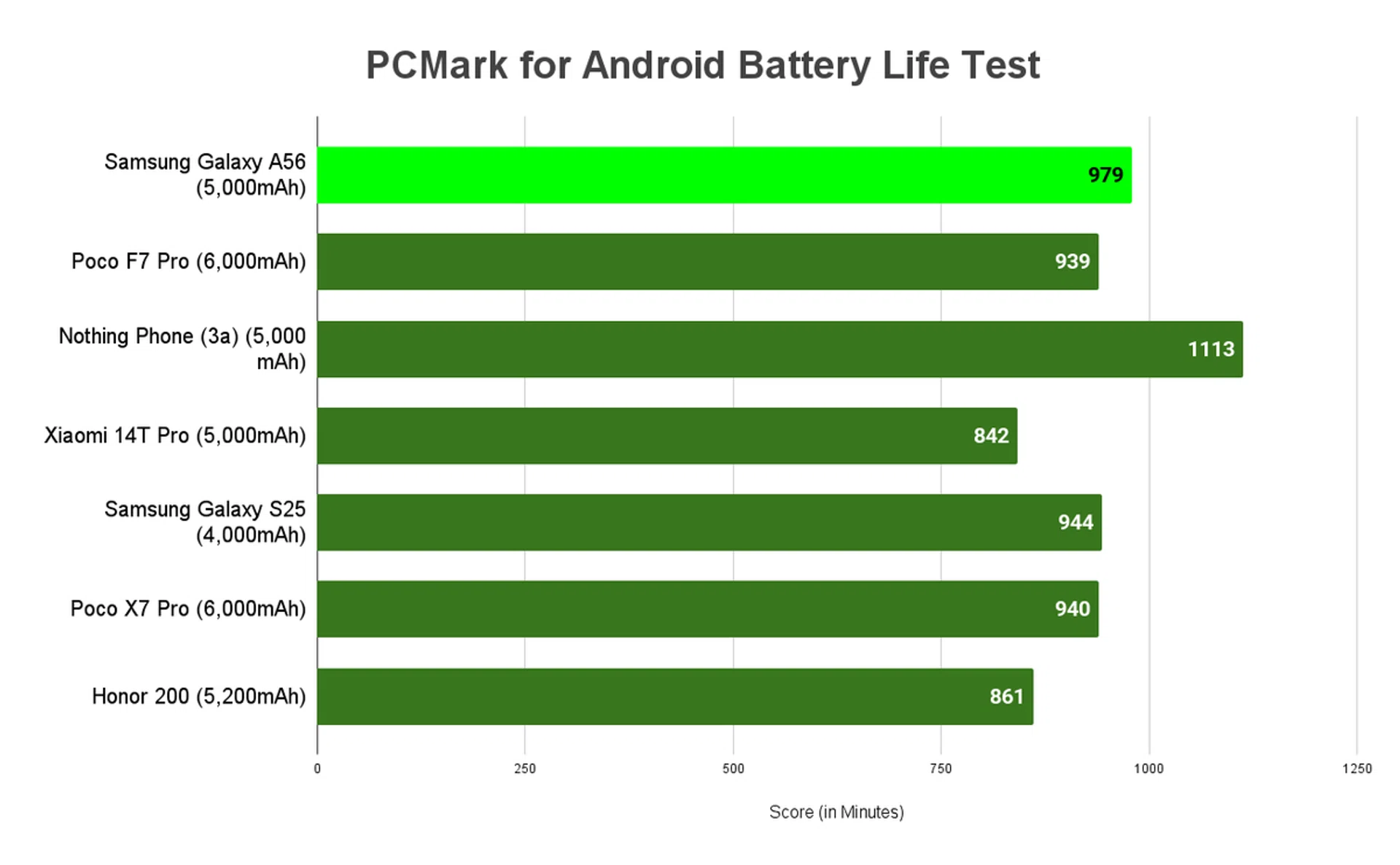
Battery life, on the other hand, is quite good. The 5,000mAh Galaxy A56 inches ahead most competitors. This phone can last a whole day if you don't play any games or binge-watch too many videos on it.
Charging speeds are also quick, with a 45W wired charge taking just 27 minutes to reach 50% from 0%. Speeds do slow down considerably after that, with the phone taking a total of 75 minutes to reach 100%.
Samsung needs to show more love to its Galaxy A-series phones
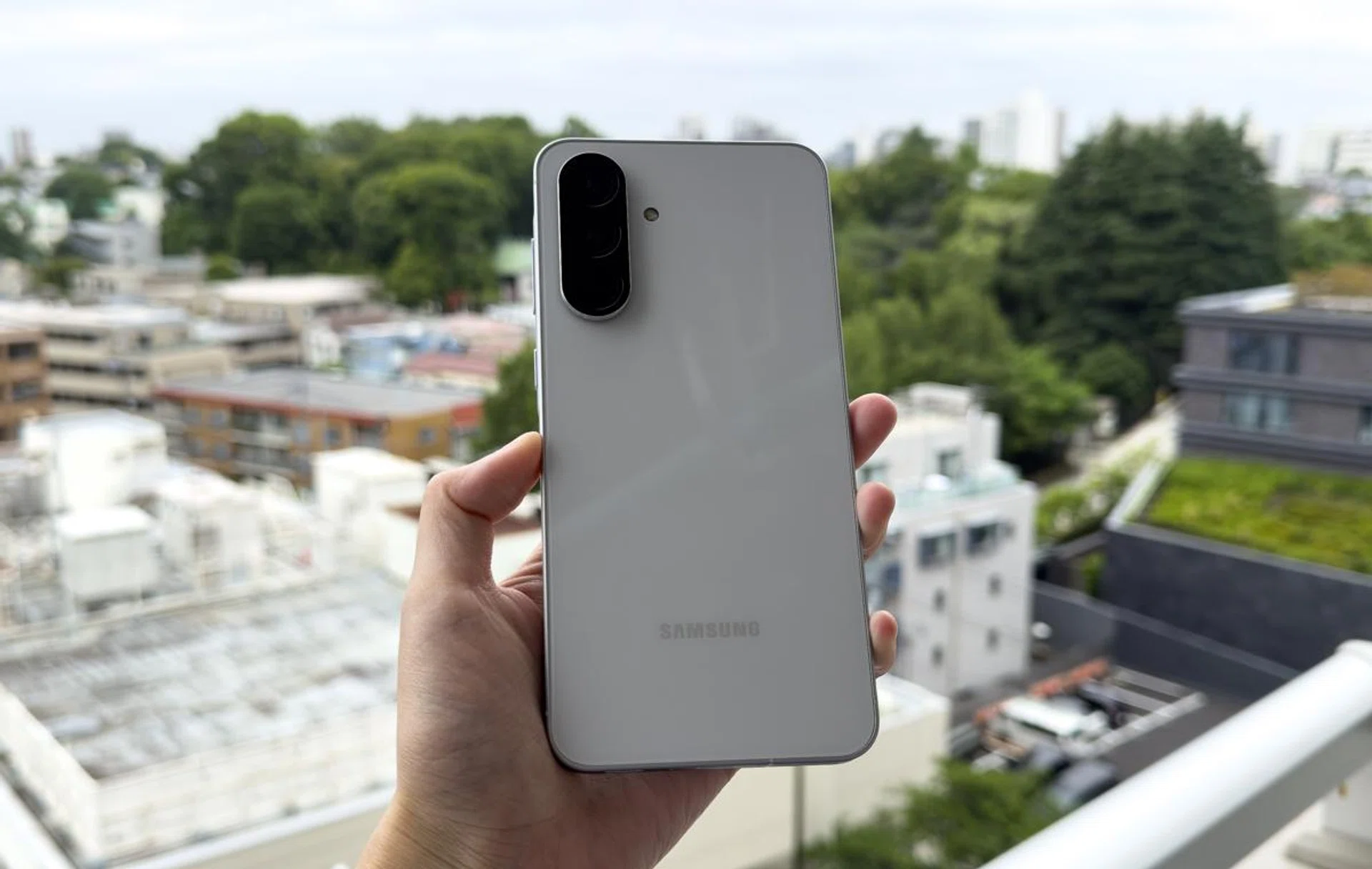
Samsung Galaxy A56. Photo: HWZ.
At the end of the testing period, we had mixed feelings about the Galaxy A56.
It's not a bad option if you need Samsung's reliable and robust ecosystem without obliterating your bank account. The AI features provided (Circle to Search and Gemini activation) are nifty. But, the phone's underwhelming performance doesn’t quite justify the asking price.
These days, midrange handsets (like Poco and others) are so competitive that stuttering performance is relegated to entry-level handsets.
The average camera performance also does not help the Galaxy A56’s case. We’ve seen better cameras that are relatively affordable, like Xiaomi 14T Pro (which is just about S$150 more with double the starting storage). People who love having their photos taken (or taking photos) would be better served elsewhere.
In cases where the hardware might not be the best, brands like Honor offer interesting software processing options, like tie-ups with famous photography studios for filters. The latest Honor 400 Pro even tries with a few fancy AI tricks that most other AI-powered phones can't do yet.
Similarly, it doesn't satisfy gamers who want a secondary handset for their mobile gaming binge (so they stay contactable and productive on their primary phone). Galaxy A56 isn't well optimised for games either.
Therefore, the only group it appeals to is users who want to be in Samsung's ecosystem and are constantly in need of extended battery life.
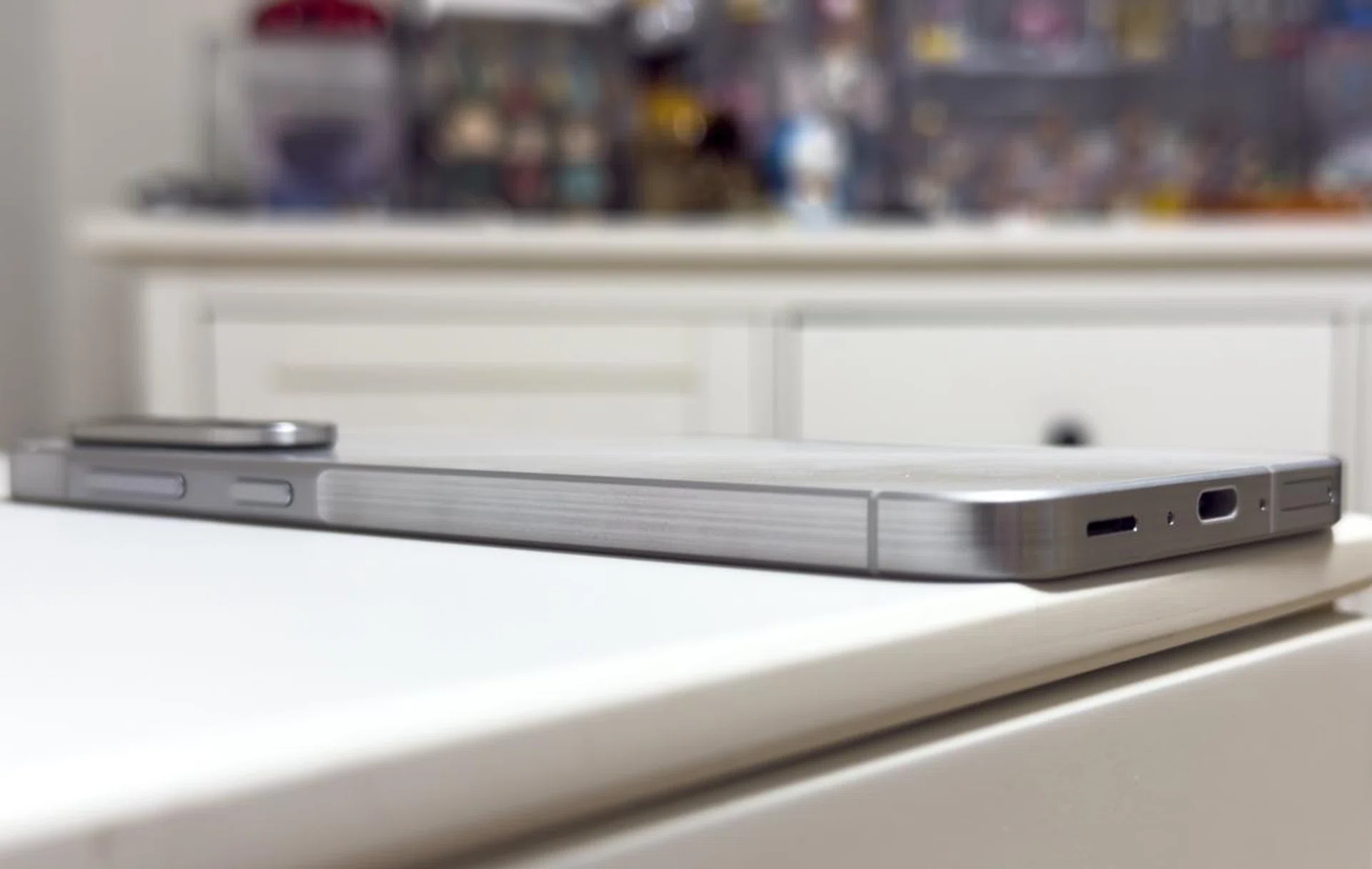
Samsung Galaxy A56. Photo: HWZ.
While the S$538 starting price tag seems decent, keep in mind that it’s for the variant with 8GB RAM and 128GB of storage, which will most likely perform worse than the results we’ve seen from the S$658 12GB + 256GB model that we tested.
At this point, it's probably worth mentioning that the premium for the pricier 12GB + 256GB is significant. It's a 22% premium for slightly more memory and double the storage, and that seems steep in our books.
Additionally, Samsung has removed the ability to use a microSD card for expandable memory, which was a very strong feature that helped prop up the A-series. This is like removing functionality from the S Pen all over again.
That’s not to say that everything about this phone is bad. If your needs are not exceptional (jumping between watching shopping livestreams, getting enraged on social media, and mindlessly browsing through your messages and calls), the Galaxy A56 still does all these well enough. Unfortunately, it's unlikely to find people who don't need a phone for work these days, too.
Perhaps it’s time Samsung gave the midrange A-series phones a harder look and serve the needs of users outside the high-end segment if they want people to stay within its system.
The Samsung Galaxy A56 retails at S$538 for the 8GB + 128GB model and can be purchased at the following places:
- Samsung Experience Stores (physical)
- Samsung Shop App and Samsung Online Store
- Samsung TikTok Shop
- Telcos (M1, Singtel, StarHub*)
- Lazada (Samsung Official Store)
- Shopee (Samsung Official Store)
- Best Denki
- Challenger
- Courts
- Gain City
- Harvey Norman
- iShopChangi
Our articles may contain affiliate links. If you buy through these links, we may earn a small commission.