
OnePlus 8T review: Pay for flagship performance, and not a dollar more
Is this the budget flagship smartphone to beat in 2020? We find out!

Note: This review was first published on 23 Nov 2020.
Stripping an 8 Pro down to its core components
Having reviewed the OnePlus 8 series which includes both 8 and 8 Pro, the OnePlus 8T seems like an in-betweener addition to the budget flagship smartphone selection by the brand. If anything, what the 8T pitches in seems like it competes against both OnePlus’s 8 and 8 Pro.
Specifications-wise, the 5G-ready OnePlus 8T offers a flat 6.55-inch, 1080p OLED display with 120Hz refresh rate, a similar quad-rear camera configuration, and a 4,500mAh battery. That’s nearly identical to the OnePlus 8 Pro, although the Pro variant uses a larger OLED curved screen with higher display resolution (1440p).
The differences lie within the details. The OnePlus 8 Pro packs IP68 water resistance, a 48MP Sony IMX689 sensor for the main rear camera, 30W (5V/6A) fast charging and 30W fast wireless charging. On the other hand, the new OnePlus 8T follows OnePlus 8 with no rated water resistance and a 48MP Sony IMX586 sensor for the main rear camera and no wireless charging. Interestingly, it has a bumped up wired charging abilities through 65W (10V/6.5A) fast charging. Other differences are even more minor, such as the lack of Audio Zoom and Audio 3D optimisations on the 8T, which the 8 Pro has.
OnePlus 8 | OnePlus 8T | OnePlus 8 Pro | |
Display | 6.55-inch (2,400 x 1,080 pixels), 90Hz refresh rate | 6.55-inch (2,400 x 1,080 pixels), 120Hz refresh rate | 6.78-inch (3,168 x 1,440 pixels), 120Hz refresh rate |
Memory | 8GB LPDDR4X | 8GB LPDDR4X | 8GB LPDDR5 |
Camera | Tri-camera system(with 48MP, Sony IMX586main sensor) | Quad-camera system (with 48MP, Sony IMX586main sensor) | Quad-camera system (with 48MP, Sony IMX689 main sensor) |
Audio Enhancements | -- | -- | Yes |
Battery | 4,300mAh | 4,500mAh | 4,510mAh |
Charging | 30W Wired Fast Charging | 65W Wired Fast Charging | 30W Wired and Wireless Fast Charging |
Weight | 180g | 188g | 199g |
Water/Dust Resistance | -- | -- | IP68 protection |
Features - like NFC, in-display fingerprint sensor, Face Unlock, USB Type-C connector with USB 3.1 Gen 1 speeds, dual stereo speakers, dual nano-SIM card tray, no physical expandable storage options, and even the processor (Qualcomm Snapdragon 865) - stays the same on the 8T.
It looks like the OnePlus 8T has a mixture of specs from both prior models, save for the greatly increased fast-charging profile. That makes the 8T an in-between device for the OnePlus 8 and the OnePlus 8 Pro, until we look at the official retail prices.
The OnePlus 8T starts at S$899 for 8GB RAM and 128GB internal storage, while the OnePlus 8 Pro starts at S$1,198 for 8GB RAM and 128GB internal storage. There’s the option to get 12GB RAM with 256GB storage on both models at S$1,099 and S$1398 respectively. In fact, with the improved features over the original OnePlus 8 and having a retail price point lower than it (S$998), the OnePlus 8T has essentially made the Oneplus 8 redundant.
So, is the OnePlus 8T a really needed differentiator? Is it a good budget flagship addition to OnePlus’s 2020 lineup to go up against the likes of the recently released Samsung Galaxy S20 FE? Is the heightened fast-charging that huge of a game-changer for its updated release this year? Let’s find out.
Design & Handling
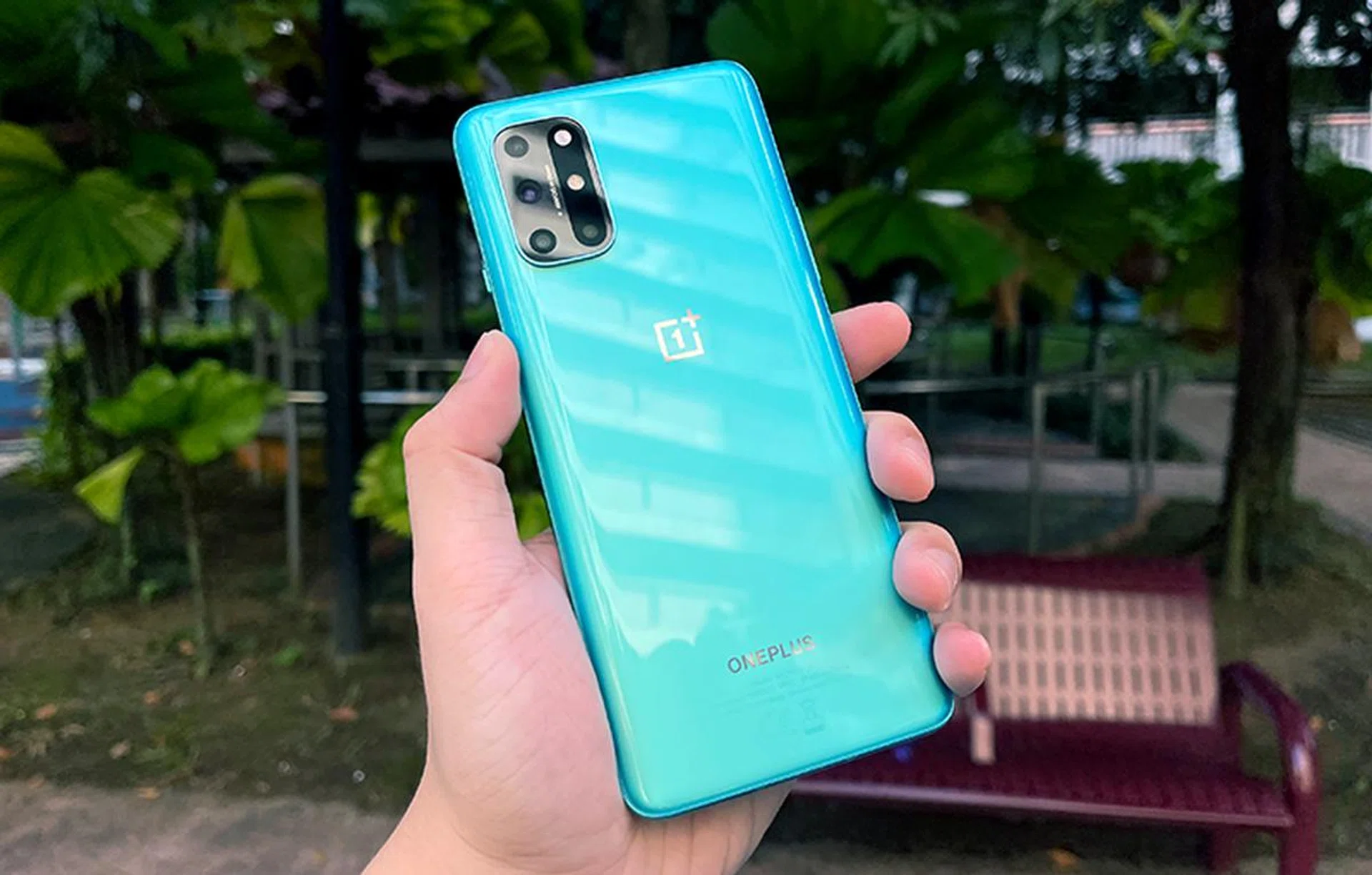
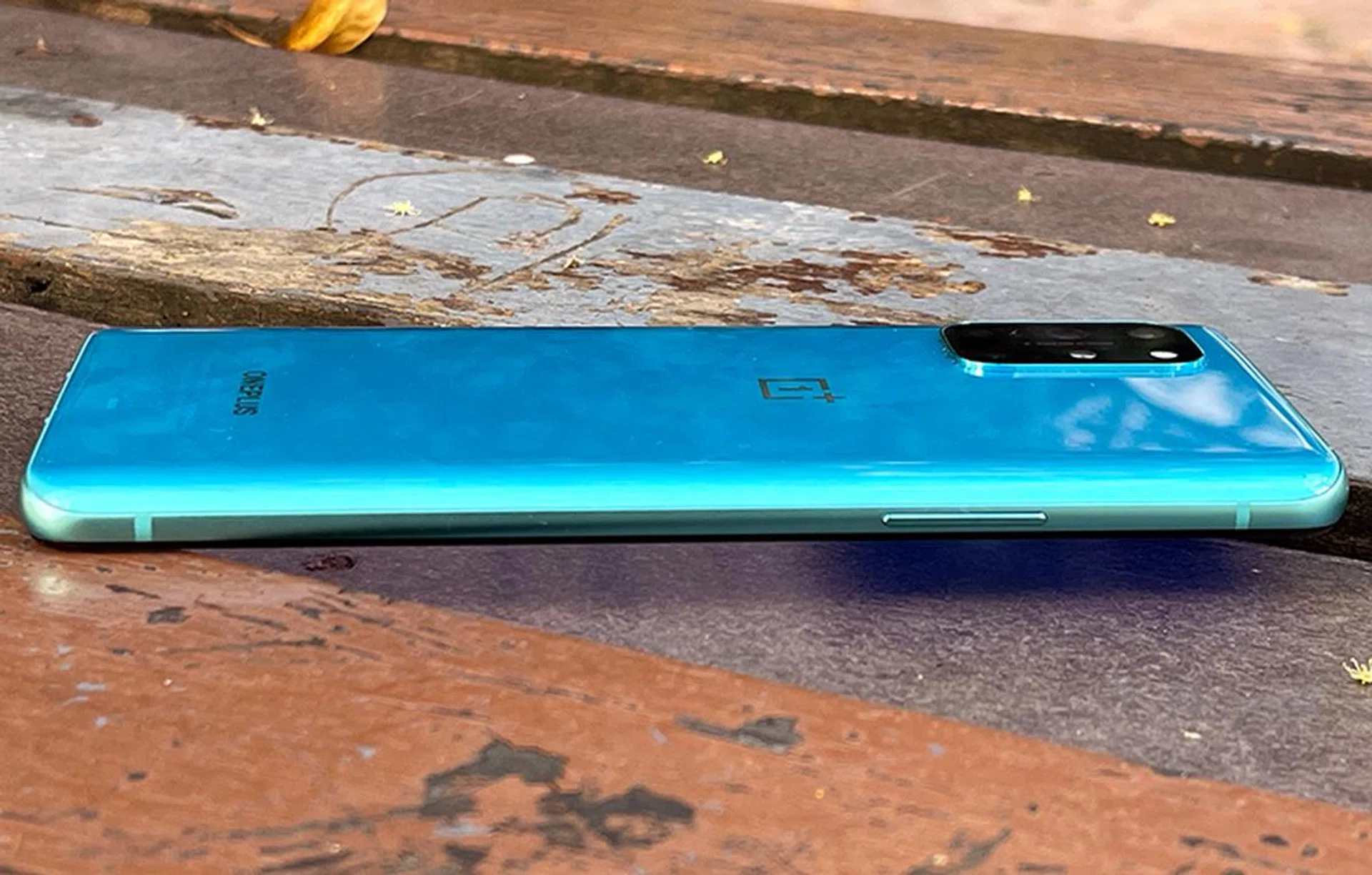
If you’ve seen the OnePlus 8 and OnePlus 8 Pro, then you would have seen the OnePlus 8T in spirit. Like its brothers, the OnePlus 8T offers a premium design that’s close enough to compete with top-shelf flagship mobiles.
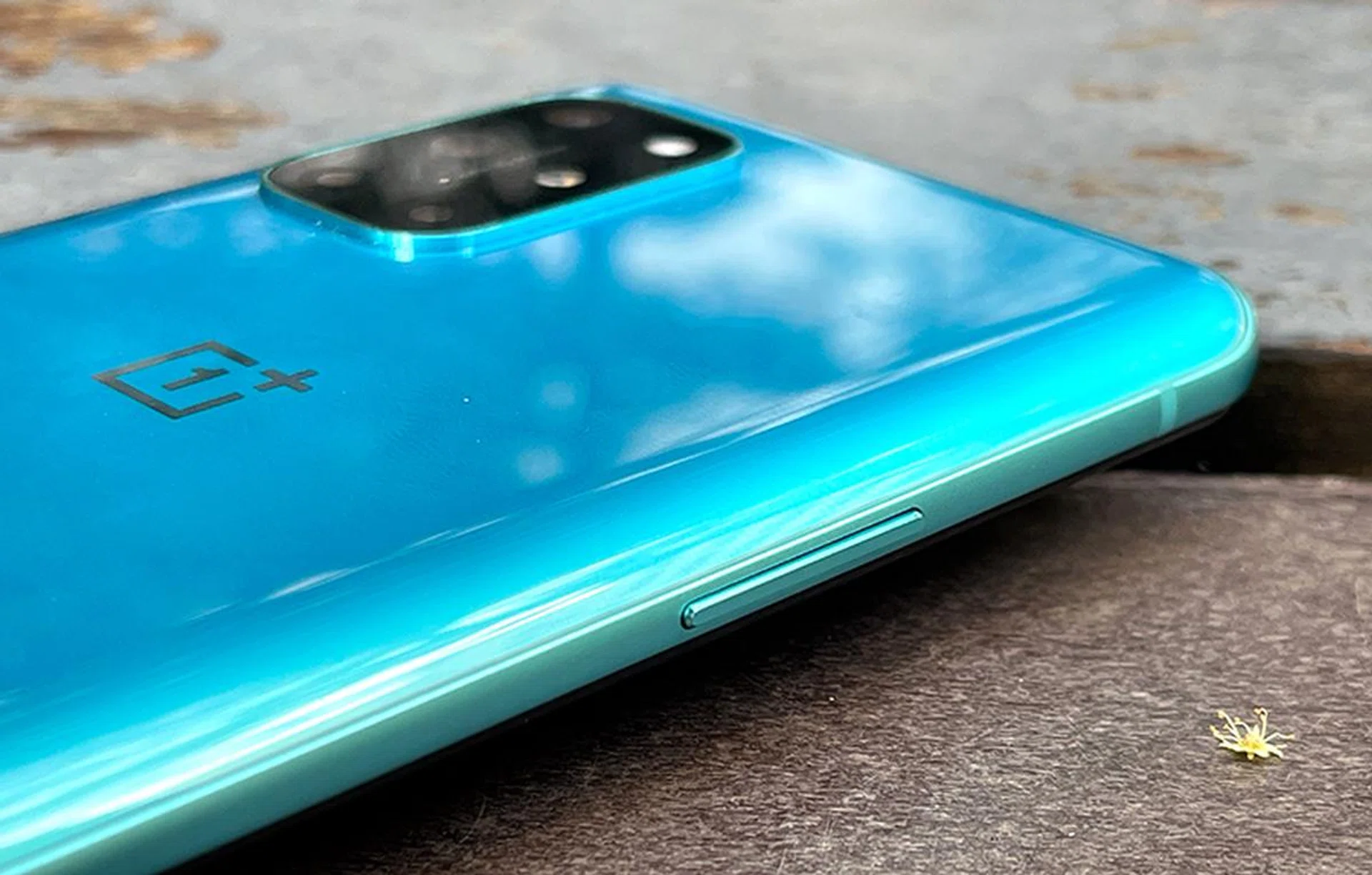
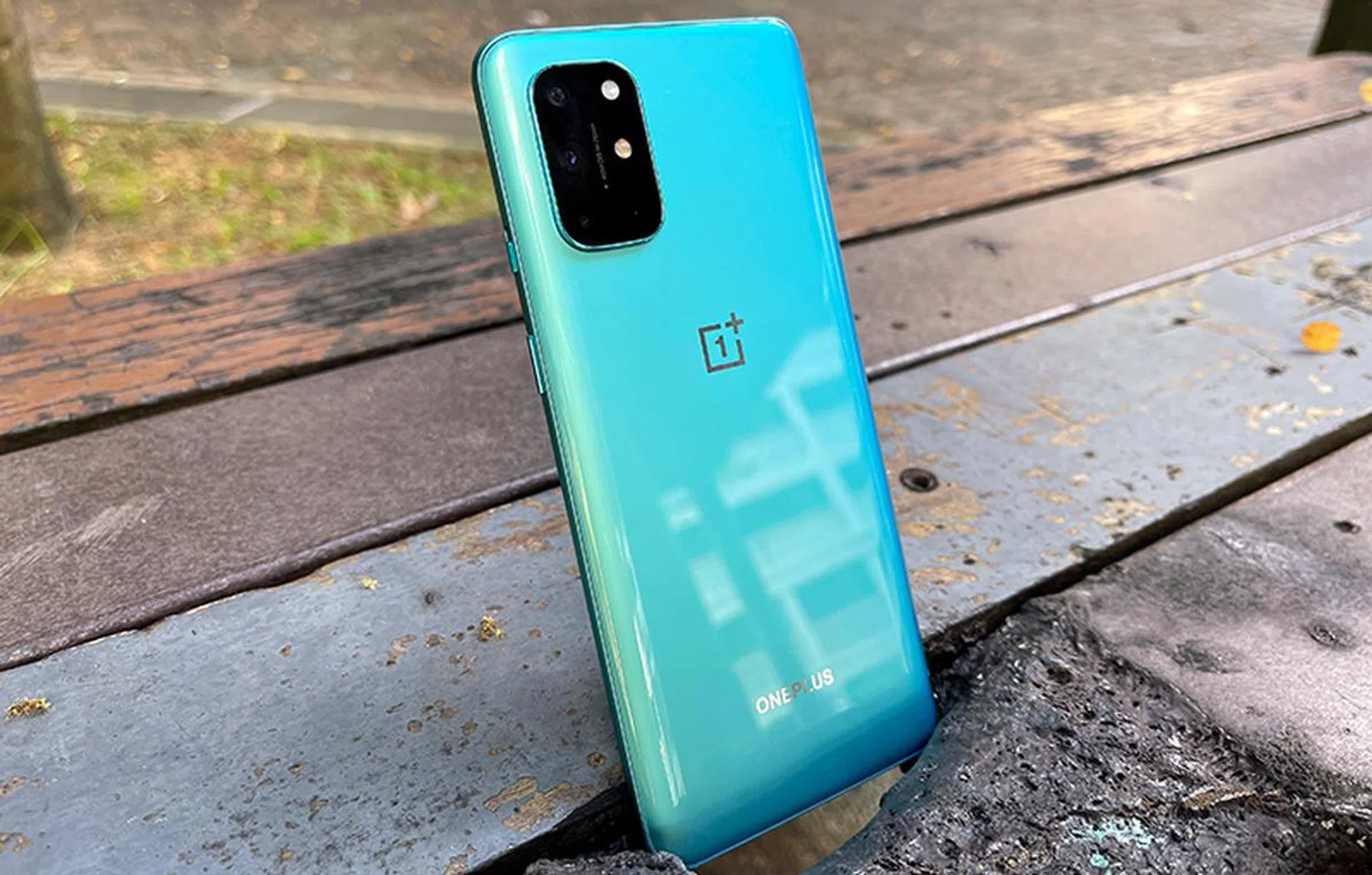
Even with a flat screen, the phone’s metal rims are well-rounded with minimal gaps between the display, sides, and rear. The camera housing is barely raised, the call speaker at the top is well-hidden where the display meets the rim, and the punch-hole front camera is tucked neatly to the top left. The rear feels plastic to the touch, but the excellent polish makes it look like glass.
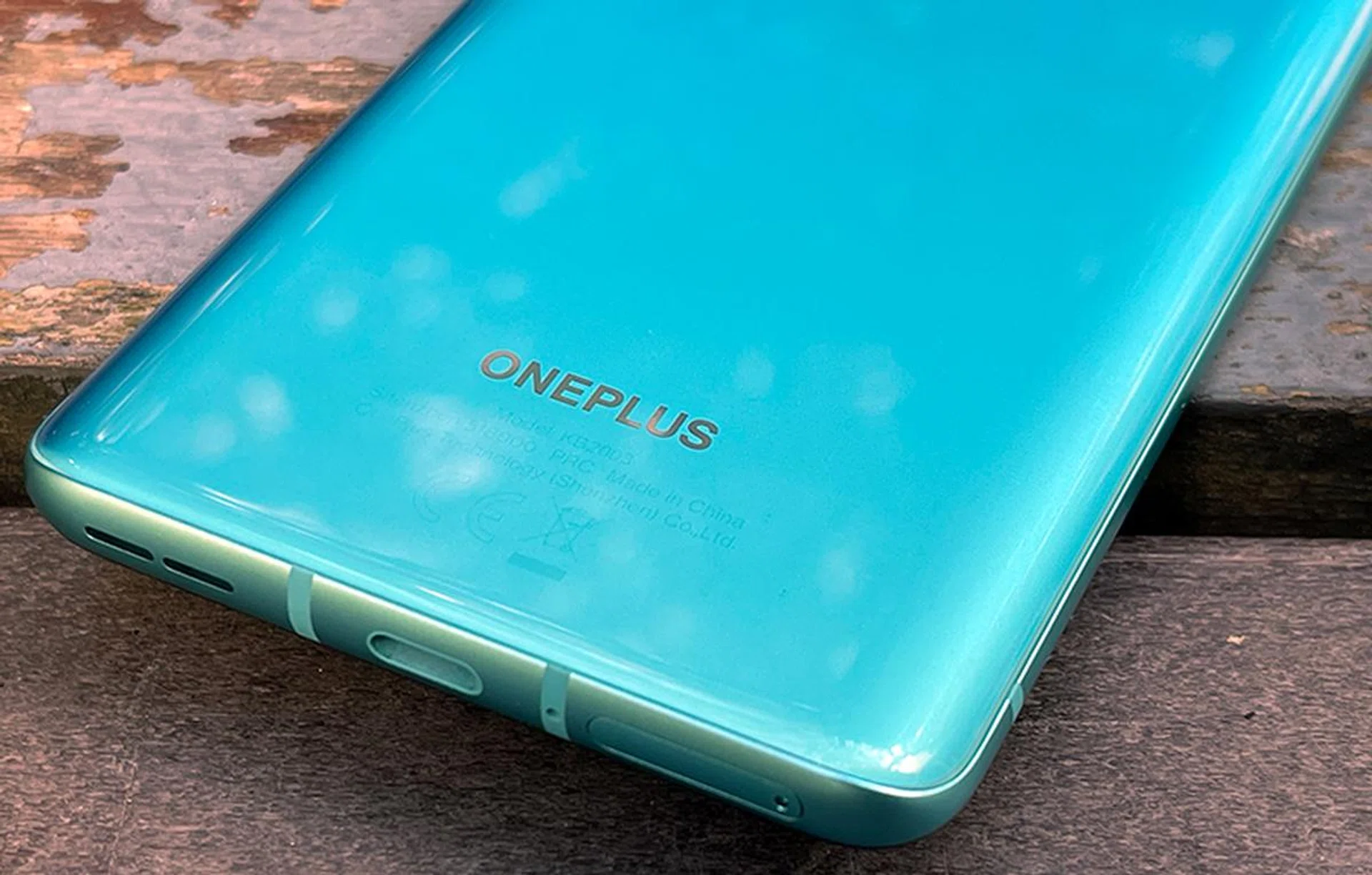
Other than the flat front, this design language is identical to the OnePlus 8 and 8 Pro, and it feels undeniably premium when you observe the phone from hole to hole.
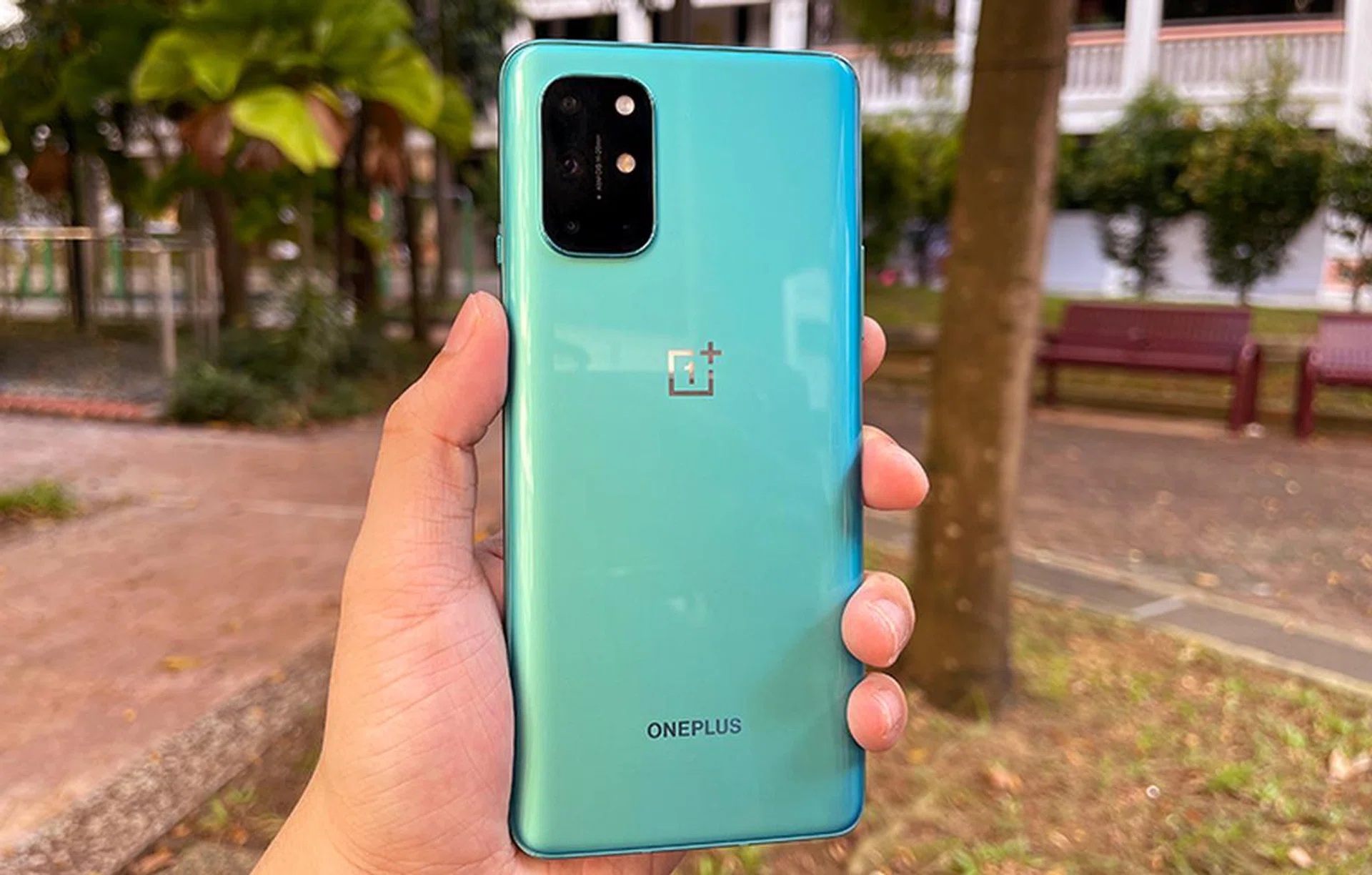
Ergonomically, the OnePlus 8T is similar to OnePlus 8 Pro. At 160.7 x 74.1 x 8.4mm, the dimensions offer no significant differences when held, next to the 165.3 x 74.3 x 8.5mm OnePlus 8 Pro.
Display & Audio
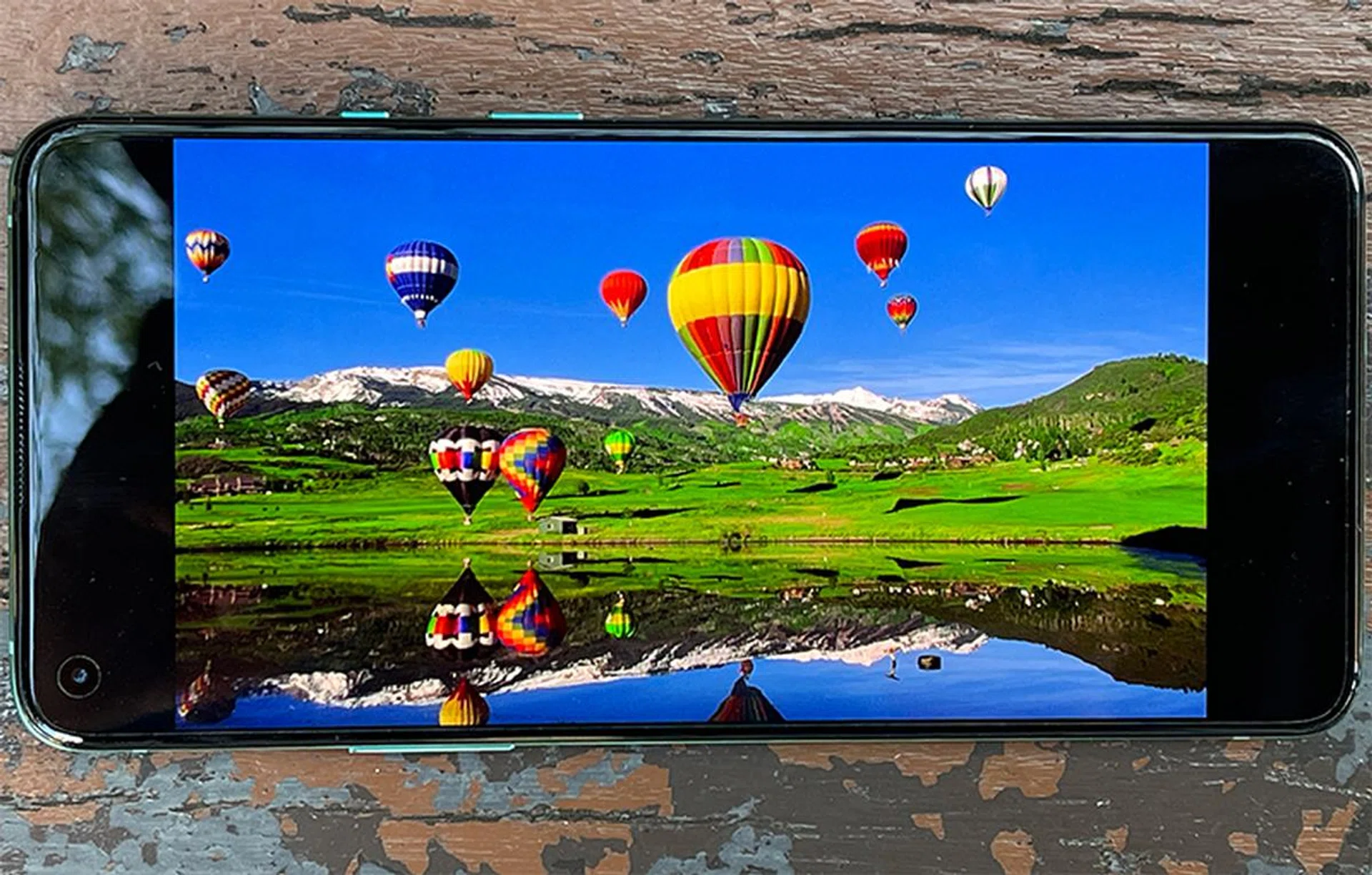
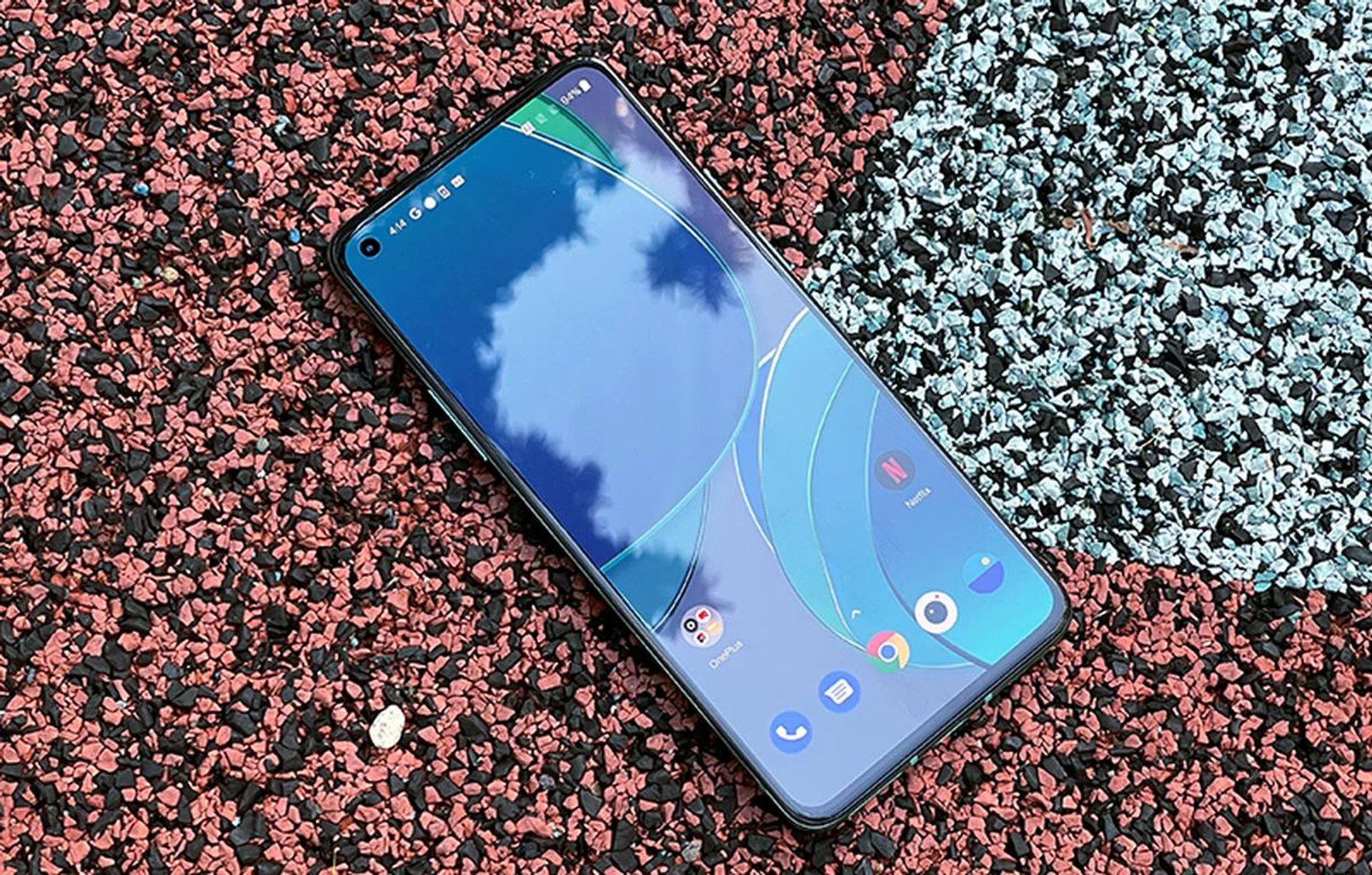
The OnePlus 8T has a 6.55-inch flat OLED display rated at 2,400 x 1,080 pixels resolution (~401 PPI pixel density), with 120Hz refresh rate, 240Hz touch sampling rate, and sRGB and DCI-P3 colour profile support. As mentioned, the only real difference it has from the OnePlus 8 Pro is the resolution, with the Pro packing 1440p instead. It’s a pleasant display, as seen in our test image.
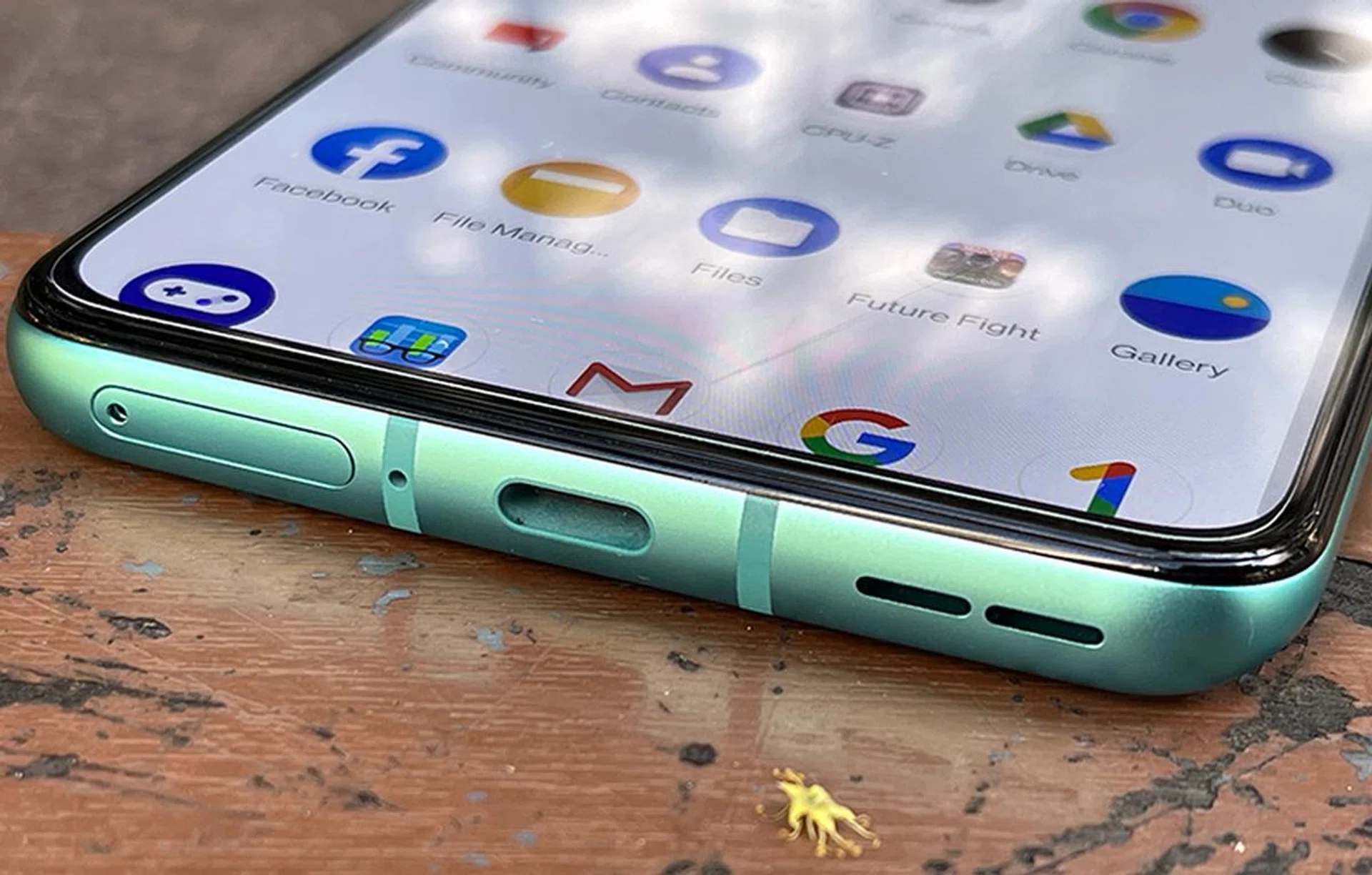
The OnePlus 8T offers a stereo-like dual speaker configuration, with a bottom speaker and the call speaker doubling up in duties. While audio is clear enough for a sub-S$1,000 phone, isn’t exactly well-balanced - the bottom speaker seems to be responsible for the bass while the call speaker fills in the details, providing an asymmetrical audio profile as a whole. It’s noticeable even if you’re not an audio connoisseur, but we don’t think it would bother most users unless they absolutely need loudspeaker parity on their smartphones.
UI & Features
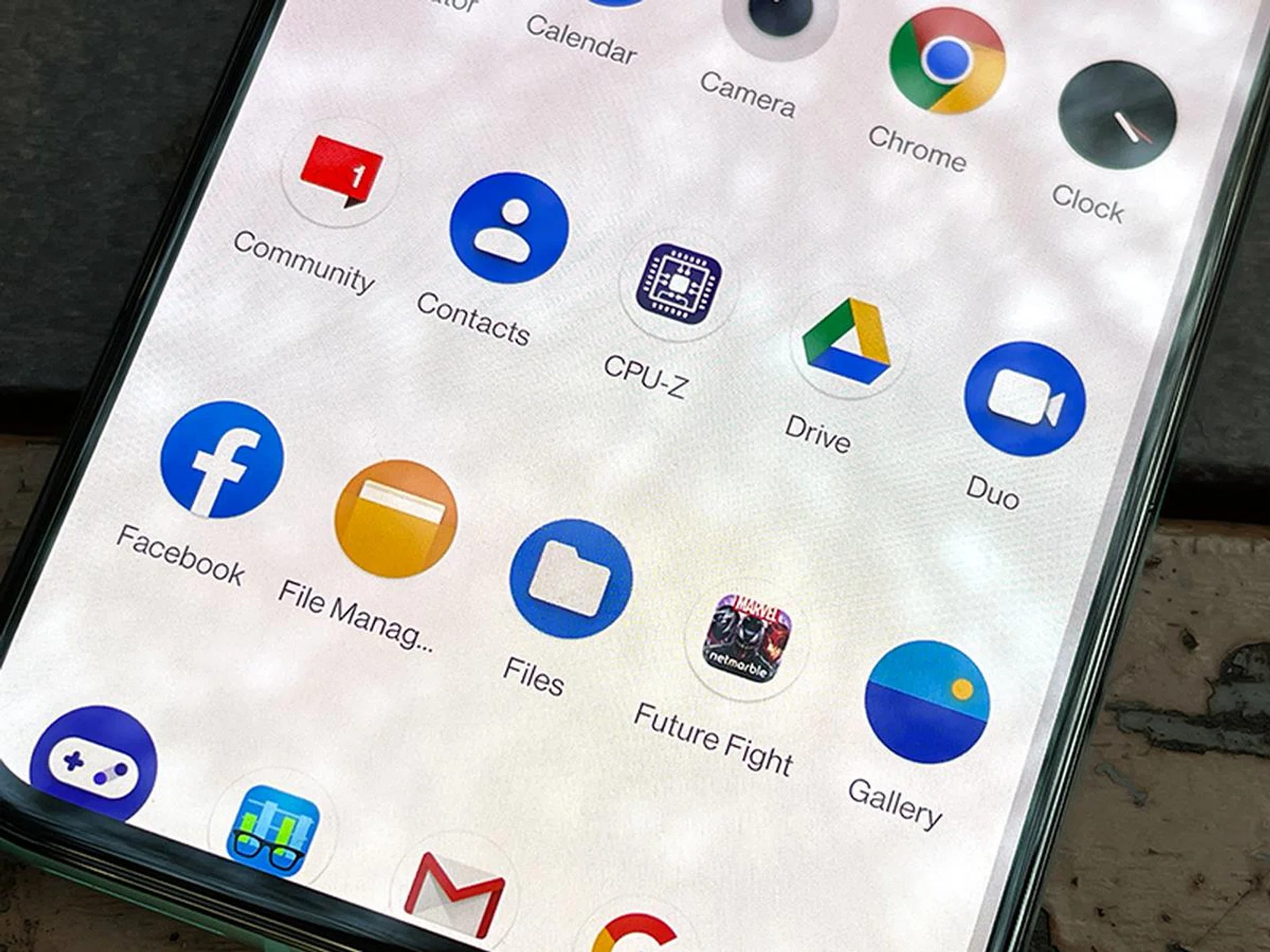
Unlike the OnePlus 8 Pro, the OnePlus 8T comes with Android 11 out of the box, reskinned with OxygenOS 11. We didn’t state this at the start of this review, because chances are a OnePlus 8 phone user is savvy enough to update the firmware to Android 11, too.
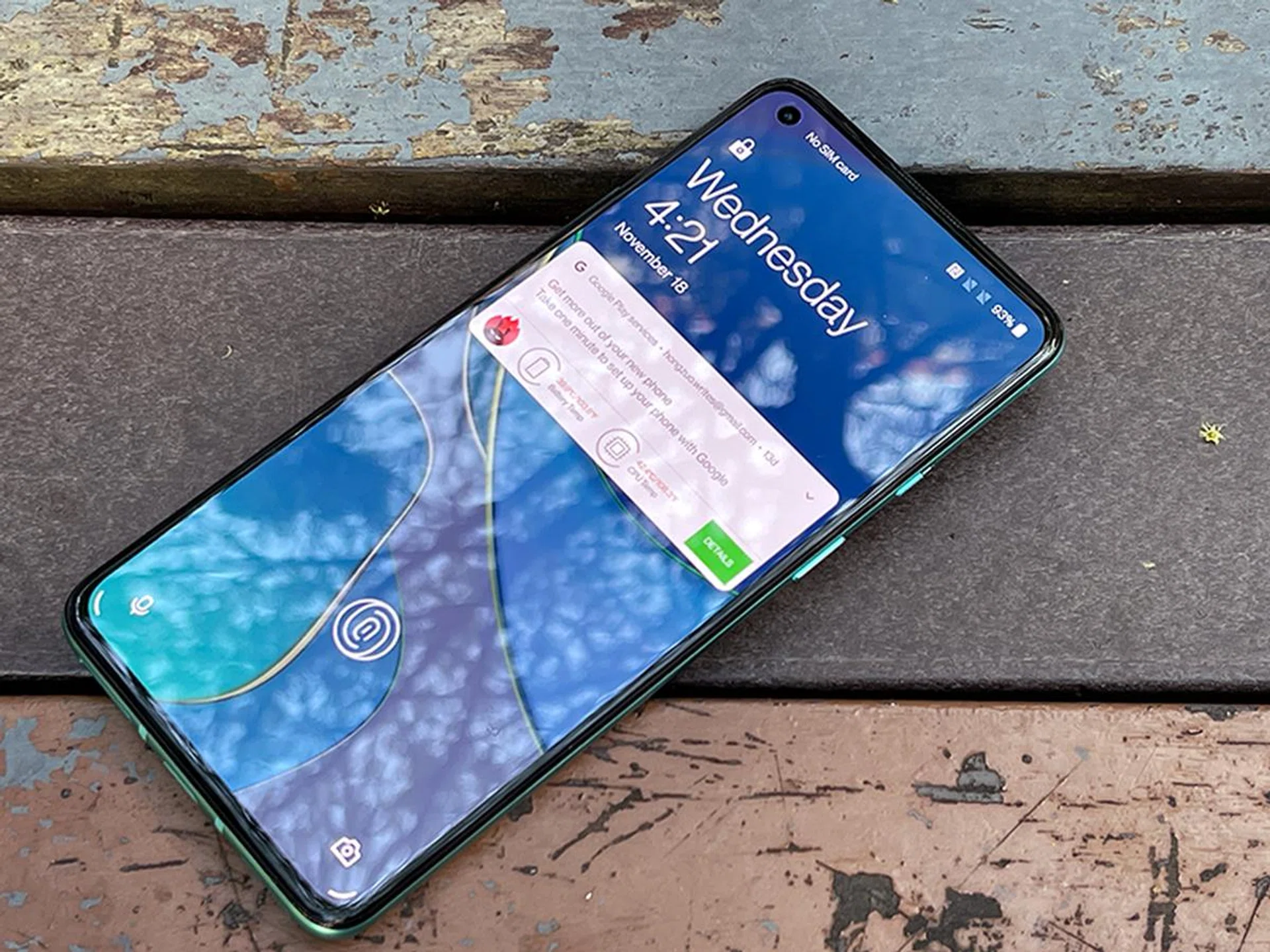
OxygenOS 11 features are mostly cosmetic since OnePlus went with a newly designed interface. It’s sufficiently different from the stock Android experience and closer to Huawei’s EMUI without the garish palette. Despite that, OnePlus still manages to keep the UI clutter-free. There’s a neat option where users can choose the ol’ Roboto font that populated OnePlus’s previous UI, instead of the new proprietary OnePlus Sans system font. It’s primarily an aesthetic preference - you’d likely pick the font that works better for you.
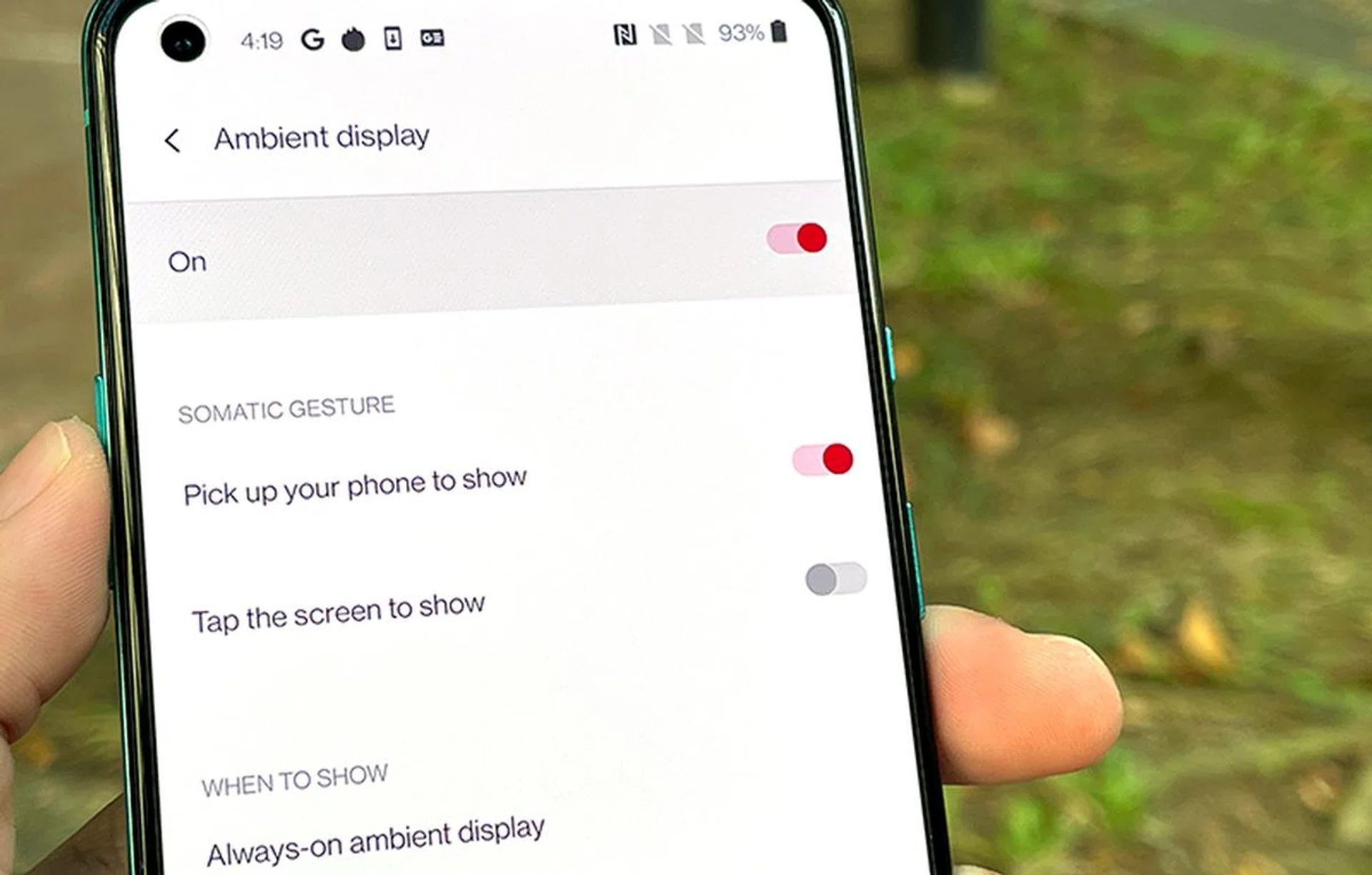
New and practical features include the Always-On Display (AOD), which is a handy and huge quality-of-life upgrade for people who want to quickly check the time or know if the phone has notifications that need your attention. It’s also customisable so you can choose between digital and analogue clock faces. Finally, you can even choose to revert to Ambient Display, which is a lift-to-wake version of the same AOD. Like the system font, choosing either lift-to-wake or AOD is down to preference, so it’s good on OnePlus to make it an option.
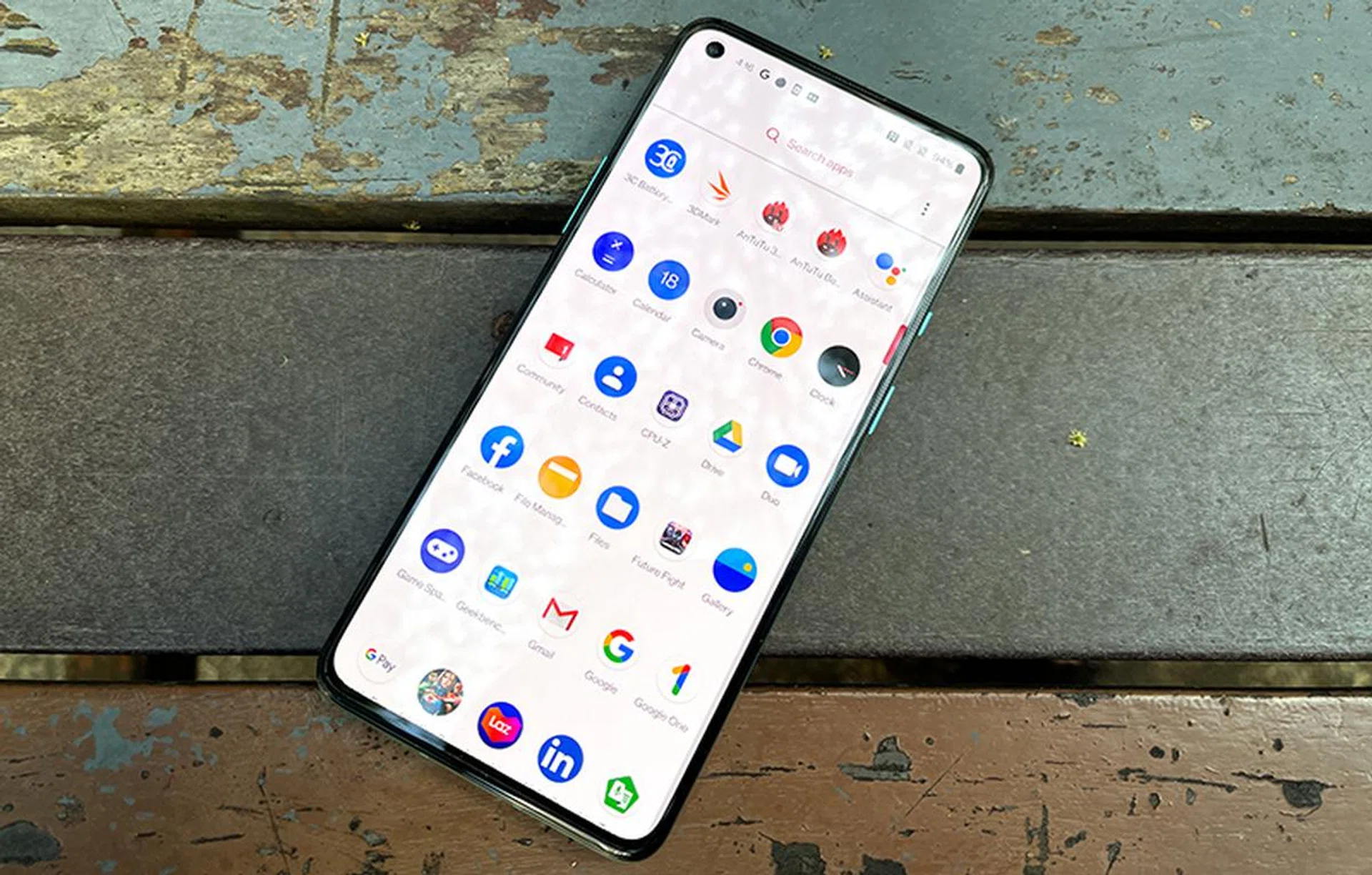
There are more OxygenOS 11 features for OnePlus fans to uncover, but we’re reviewing in the context of the 8T. While these OxygenOS 11 features and additions are nice, a compatible OnePlus phone will (eventually) receive OxygenOS 11 updates, so it’s not exclusive to the 8T.
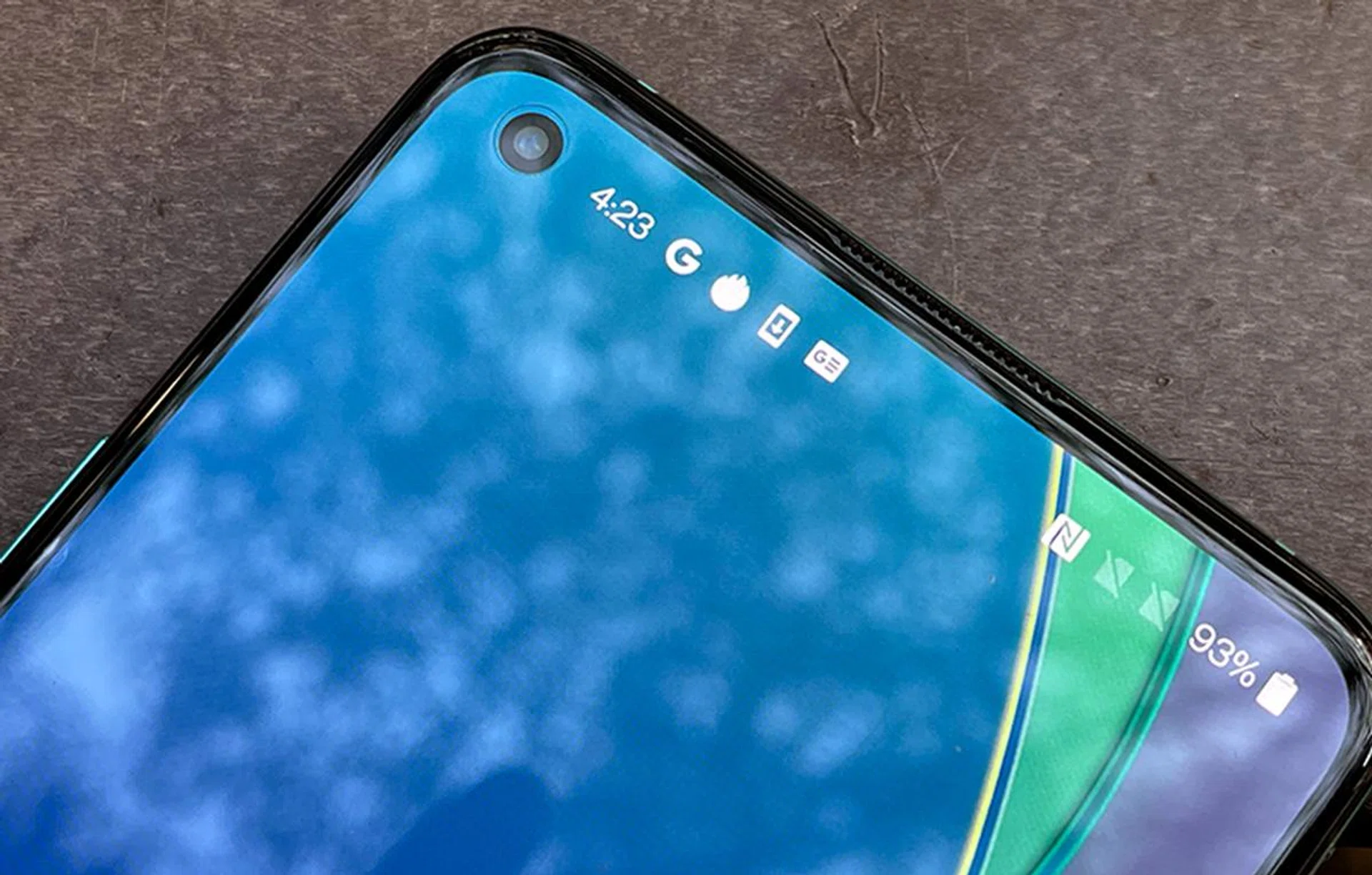
Other hardware-based features, like the in-display fingerprint sensor, Face Unlock, NFC connection, general browsing and gaming, etc. all work as intended. With so many feature commonalities between the 8T and 8 Pro, choosing either device depends on what other features you can or cannot live without. Again, the 8T doesn’t have IP-rated waterproofing that’s on the 8 Pro, so that’s also something to consider besides the difference in display, cameras, and charging profiles.
Of the supported 5G bands on the 8T, they feature 2100MHz and 3.5GHz spectrum support, which is what some (if not all) of our 5G-ready local telcos are using. We’ve tried testing a 5G SIM card, and yes, it recognises and tries to connect to 5G whenever available. As mentioned in previous phone reviews from this year, a 5G-capable device that’s advertised as such will only need to worry about being in a location served with 5G access, since the technology is still nascent for consumers in Singapore.
Imaging Performance
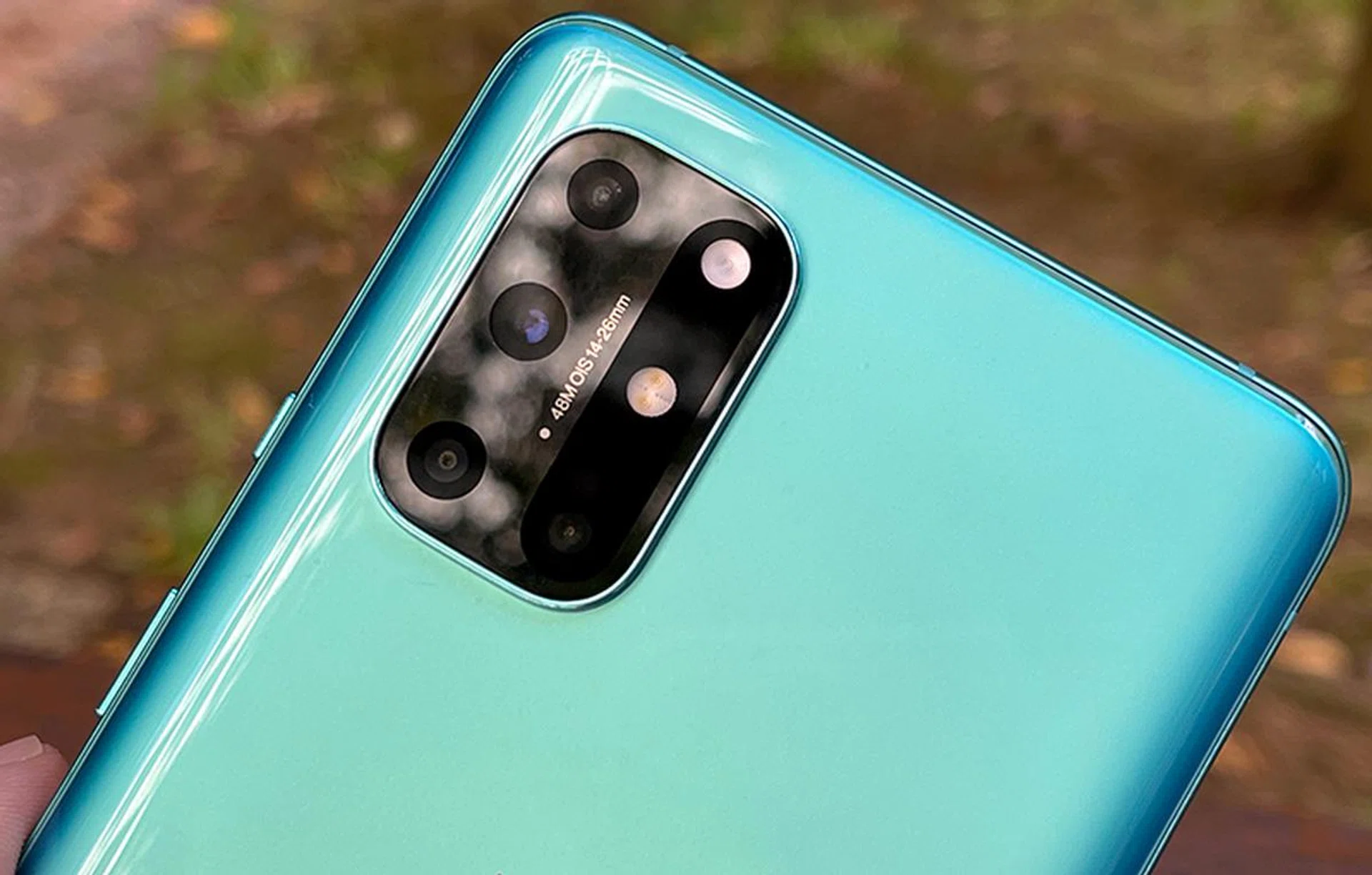
Here’s the quick-and-dirty about the OnePlus 8T’s quad-rear cameras:
- 48MP, wide, Sony IMX586 sensor, 6P lens element, 4-in-1 pixel binning (1.6µm at 12MP), f/1.7, OIS, EIS
- 16MP, ultra-wide, f/2.2, 123° FOV
- 5MP, macro
- 2MP, monochrome
- Phase Detection AF and Continuous AF
If you’re seeing six circles within the camera housing, that’s because the 8T packs dual-LED flash to go with its cameras. Noticeably, it lacks a dedicated telephoto lens, so having four cameras doesn’t always mean every shooting scenario is covered. For spec-chasers, the main camera is identical to the one on the regular OnePlus 8. In a nutshell, the 8 Pro’s advantages are its telephoto lens, better main sensor, and extra autofocusing capabilities (laser AF and all-pixel omnidirectional PDAF). In return, the 8T has a B&W camera.
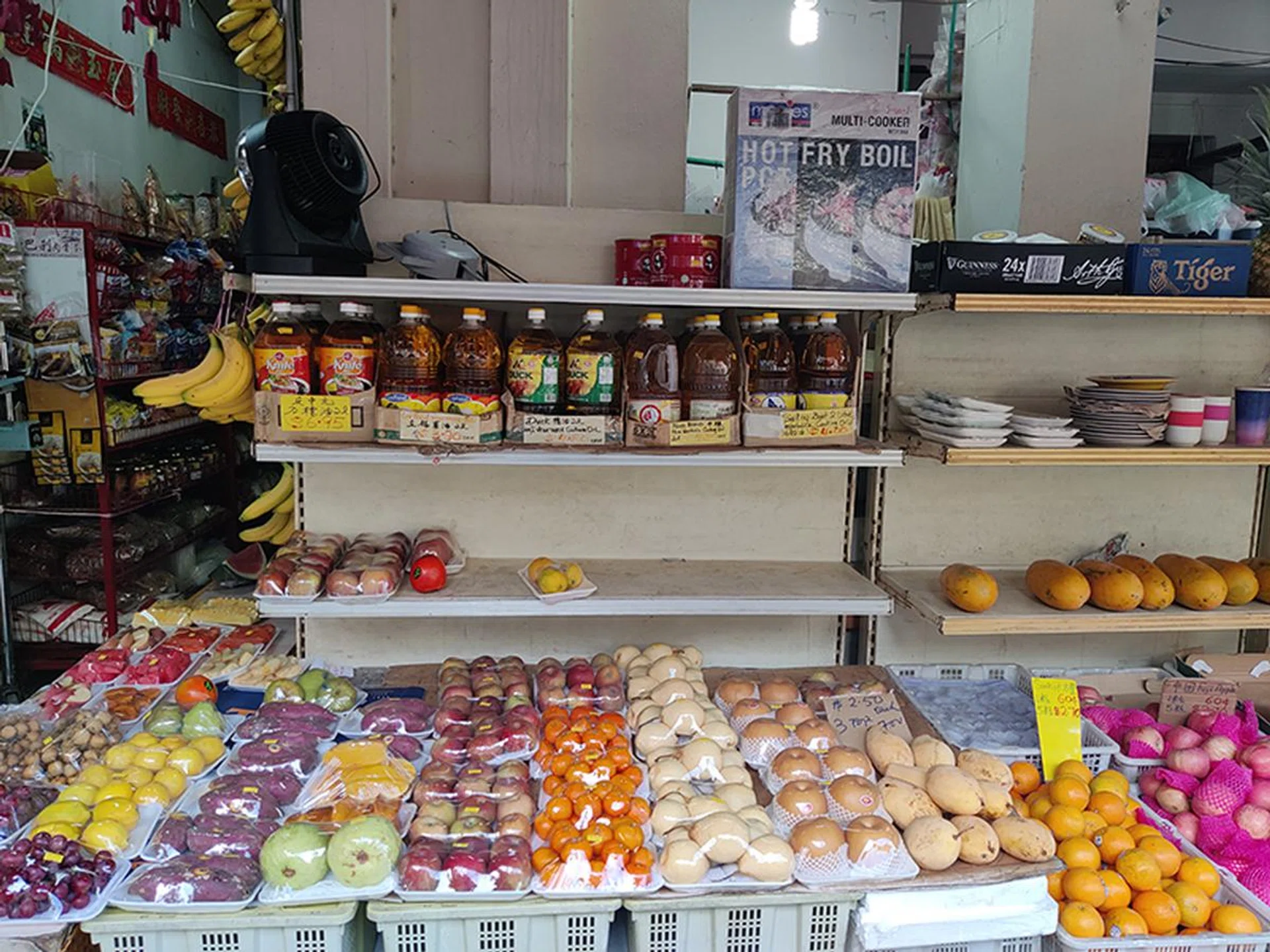
Main camera.
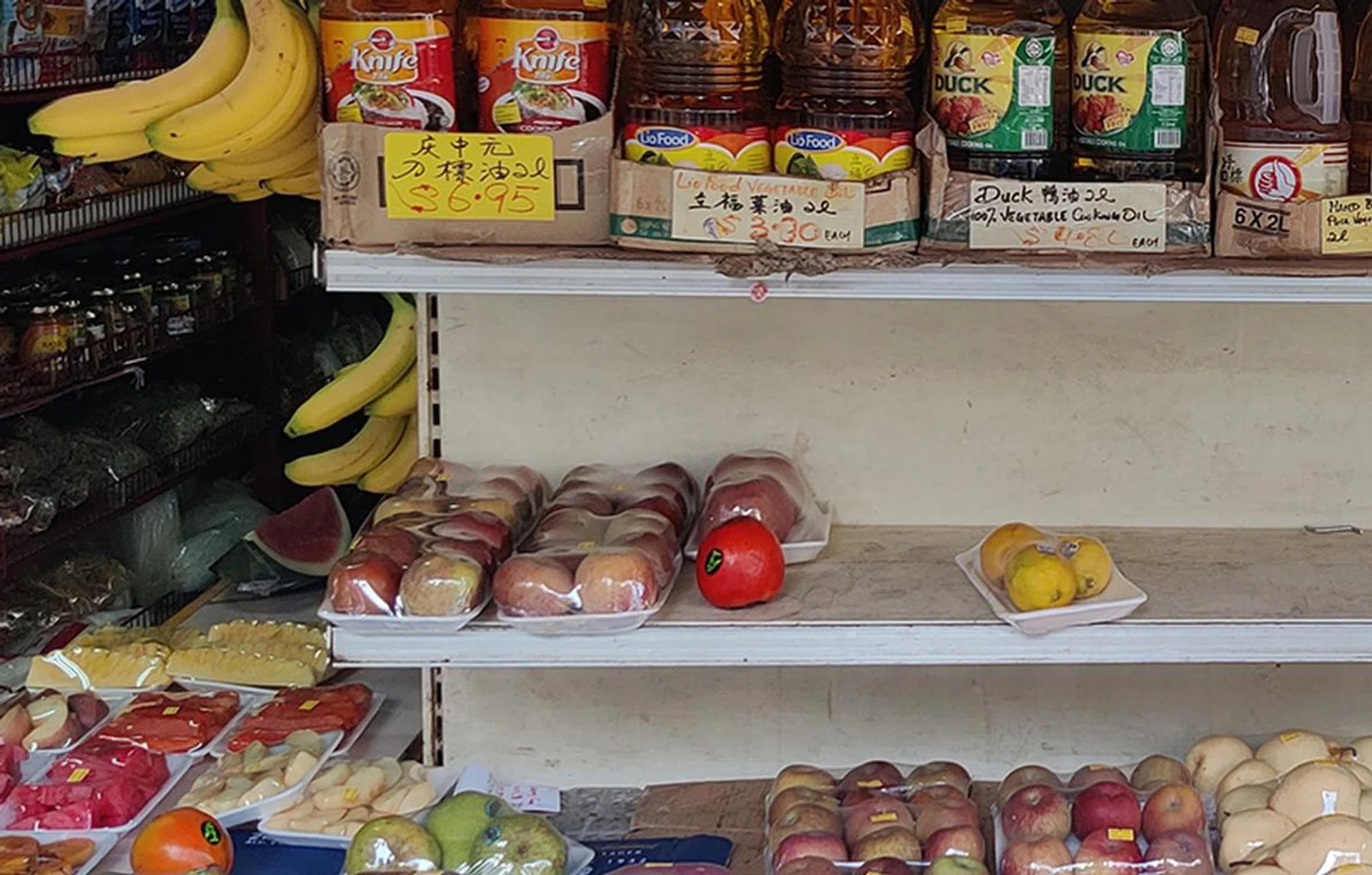
Actual pixel size of above image.
From the 'makeshift lab test image', it is clear that the OnePlus 8T has a photo-taking prowess similar to the 8 and the 8 Pro. It does nearly everything just fine, except for contrast handling. Parts of the plastic wrap and white labels scattered around the image are blown out, while the darker corridor to the left struggled to retain details. It's not a terrible photo-taking phone per se, but it's not likely a phone user would choose OnePlus for better imaging performance. (For another point of reference, you can check out the imaging results from a Samsung Galaxy S20 FE that was also taken on a clear and bright day, though taken on a different day)
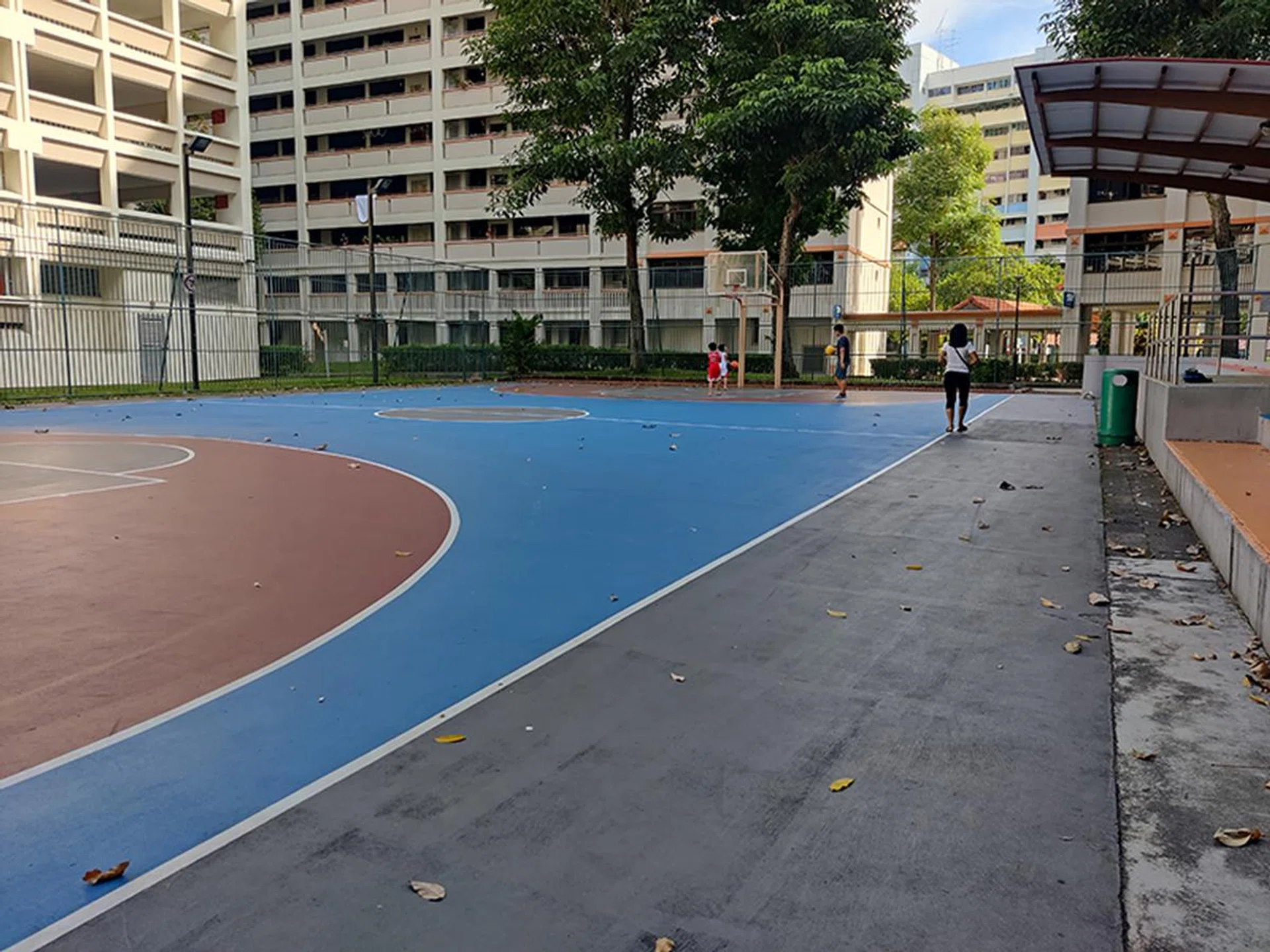
Main camera.

2x zoom (selected from camera settings).
Yes, the OnePlus 8T lacks a dedicated telephoto lens, but the camera did not wet itself when it tried to take photos at 2x digital zoom, which is a relief. It however, doesn't handle 10x zoom well, just like the OnePlus 8 Pro.
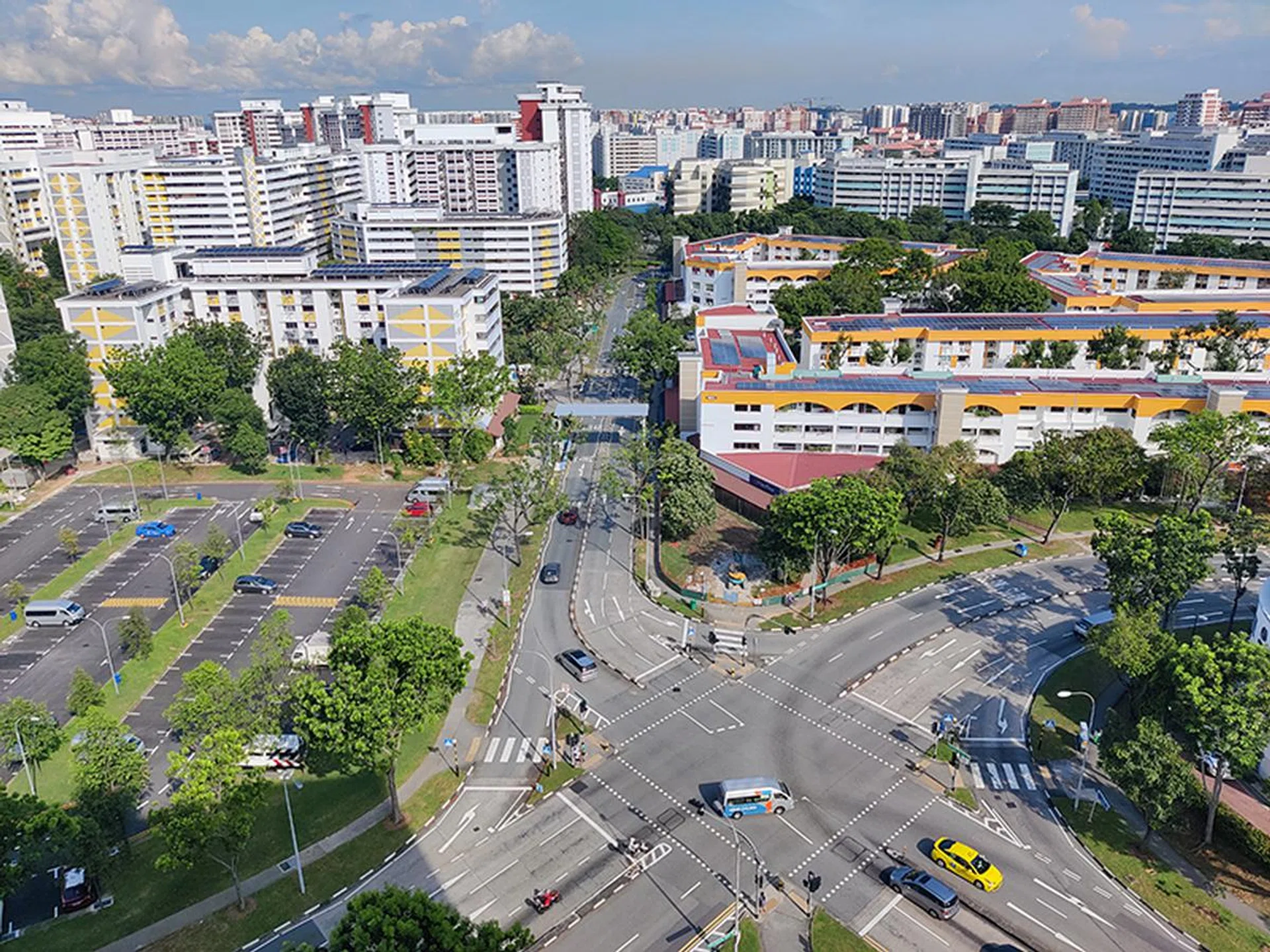
Main camera.
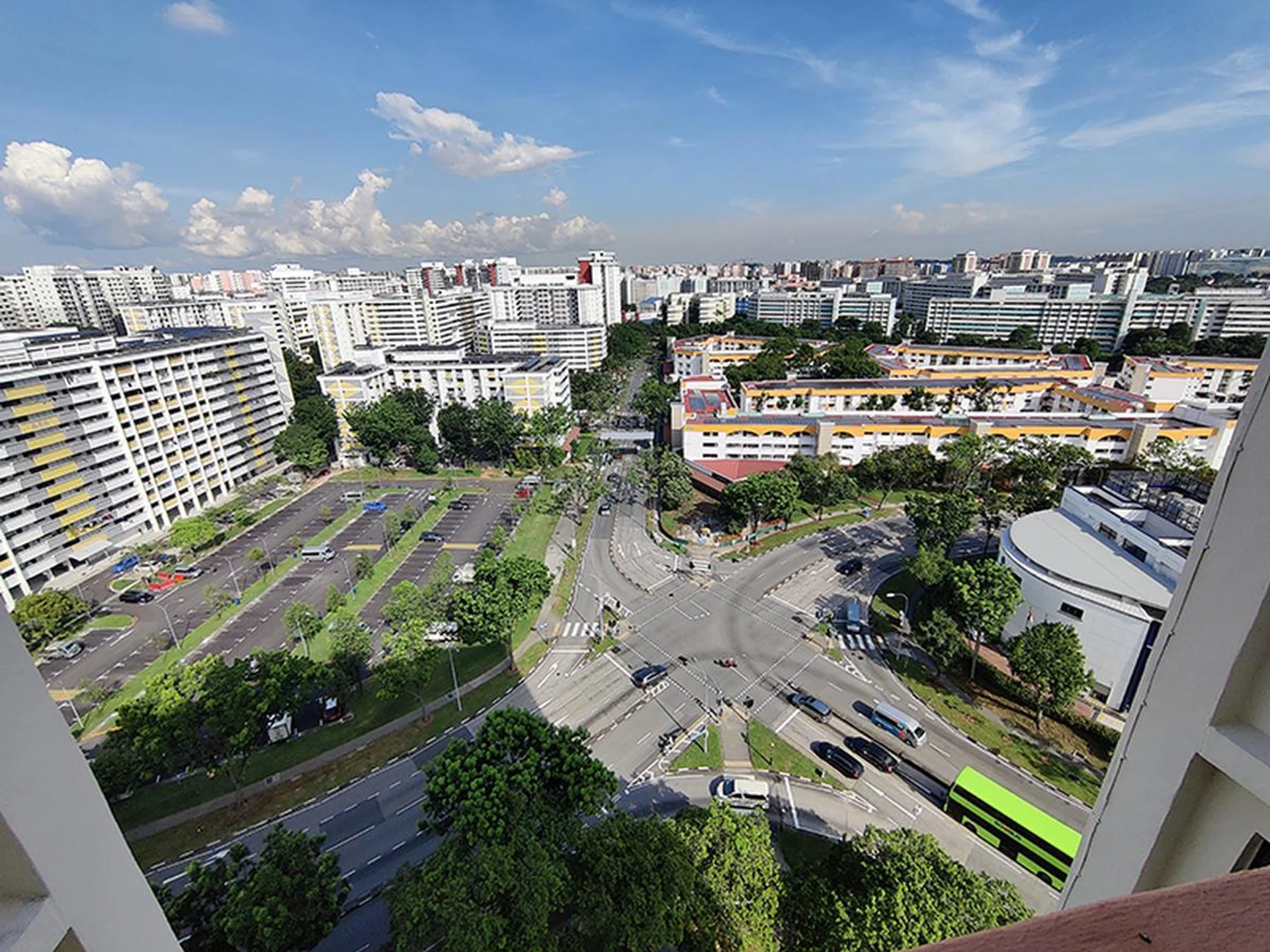
Ultra-wide-angle photo.
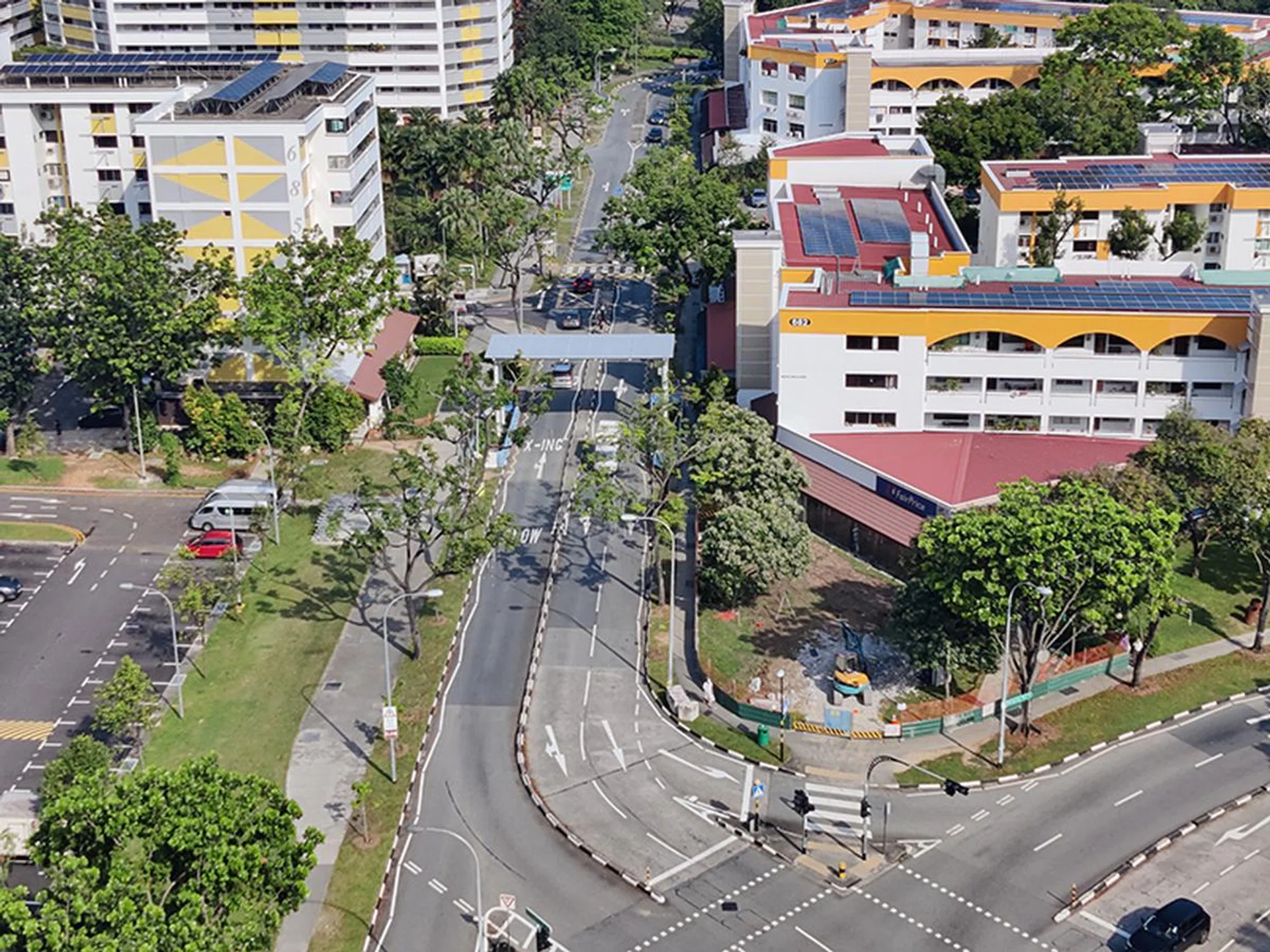
2x zoom (selected from camera settings).
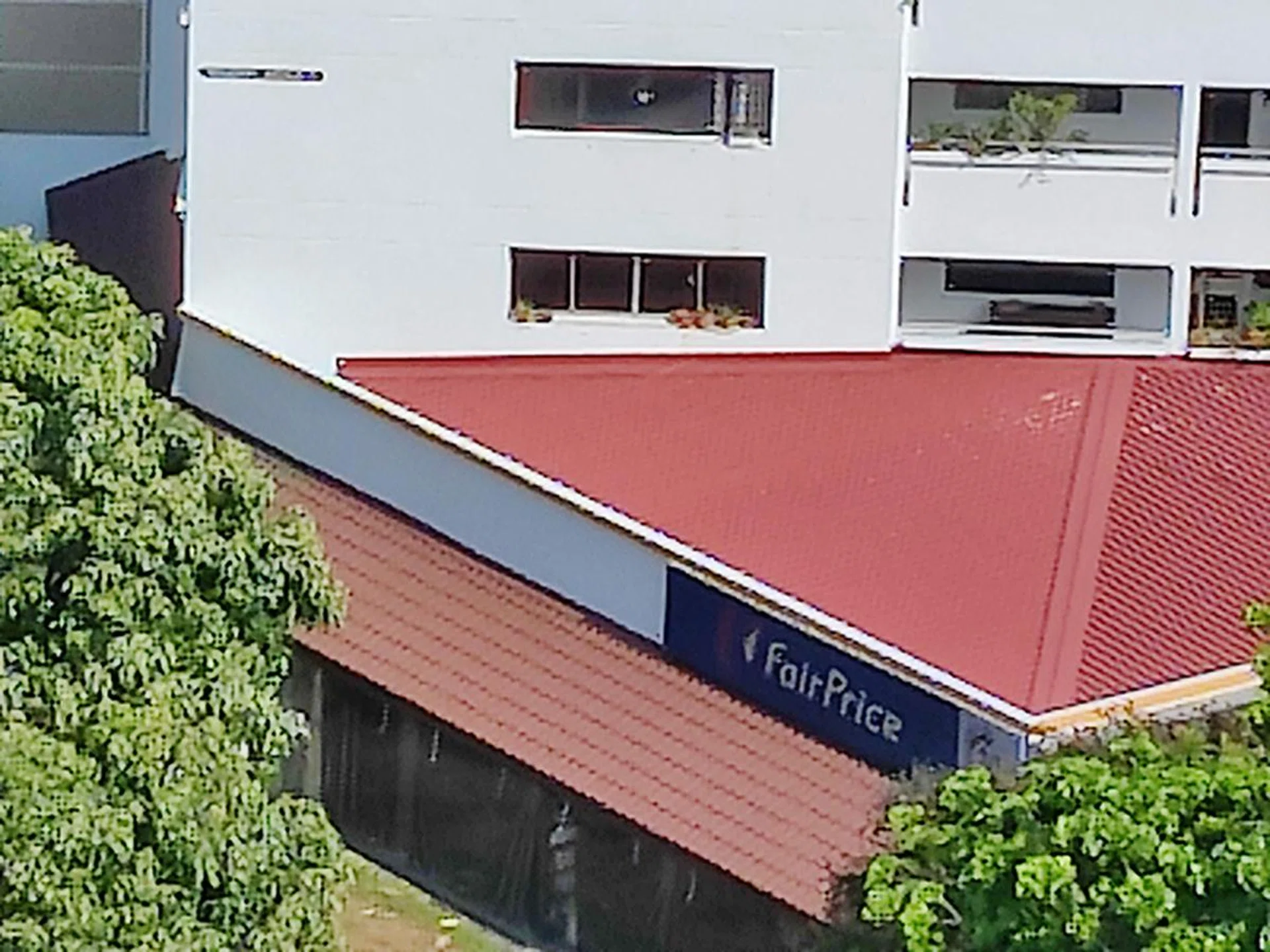
10x zoom (maximum zoom).
As mentioned above, 10x zoom reveals the camera's processing capabilities - roof tiles and even the supermarket logo loses details, and it's nearly on par (if not slightly worse) than OnePlus 8 Pro's 10x zoom photo. In contrast, the Samsung Galaxy S20 FE seems to have no issues at 10x digital zoom.
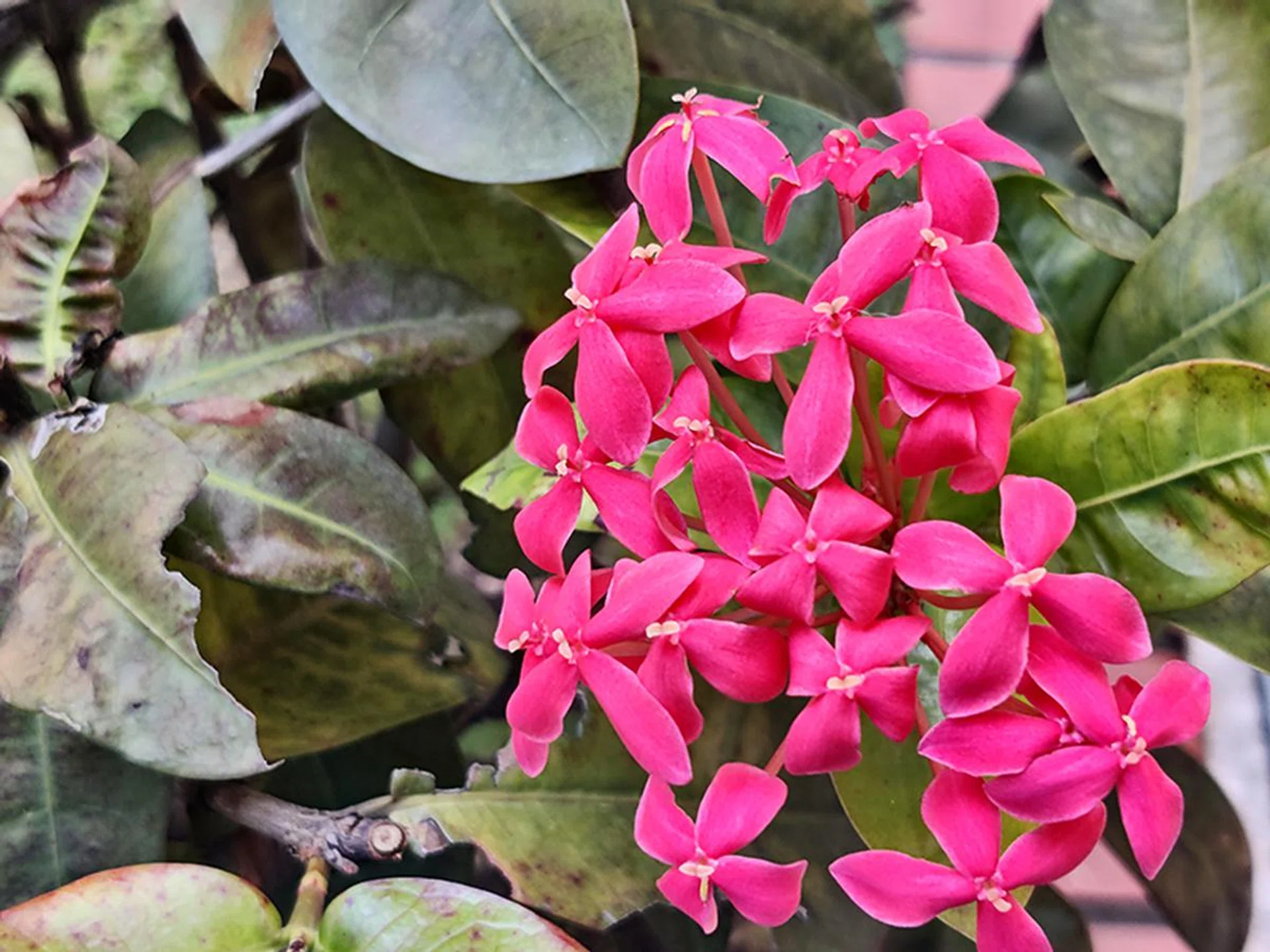
Main camera at 5mm focal distance.
We tried to get the 5MP Macro camera going but the phone defaulted to the 48MP main camera when we took this image. It's probably for the best, seeing how the main camera has issues with balancing colours on the flower (it was supposed to be closer to red than pink).
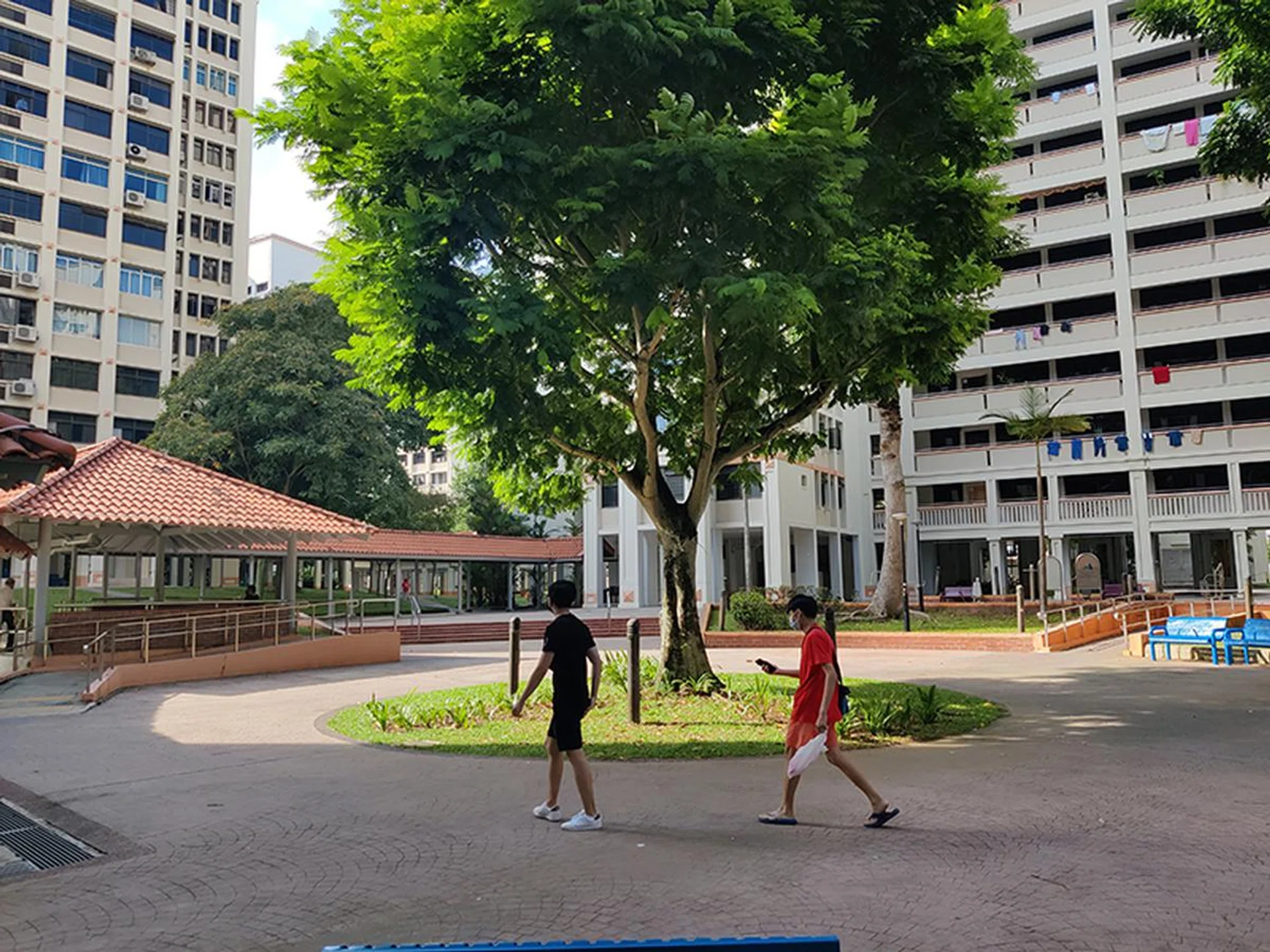
Main camera.
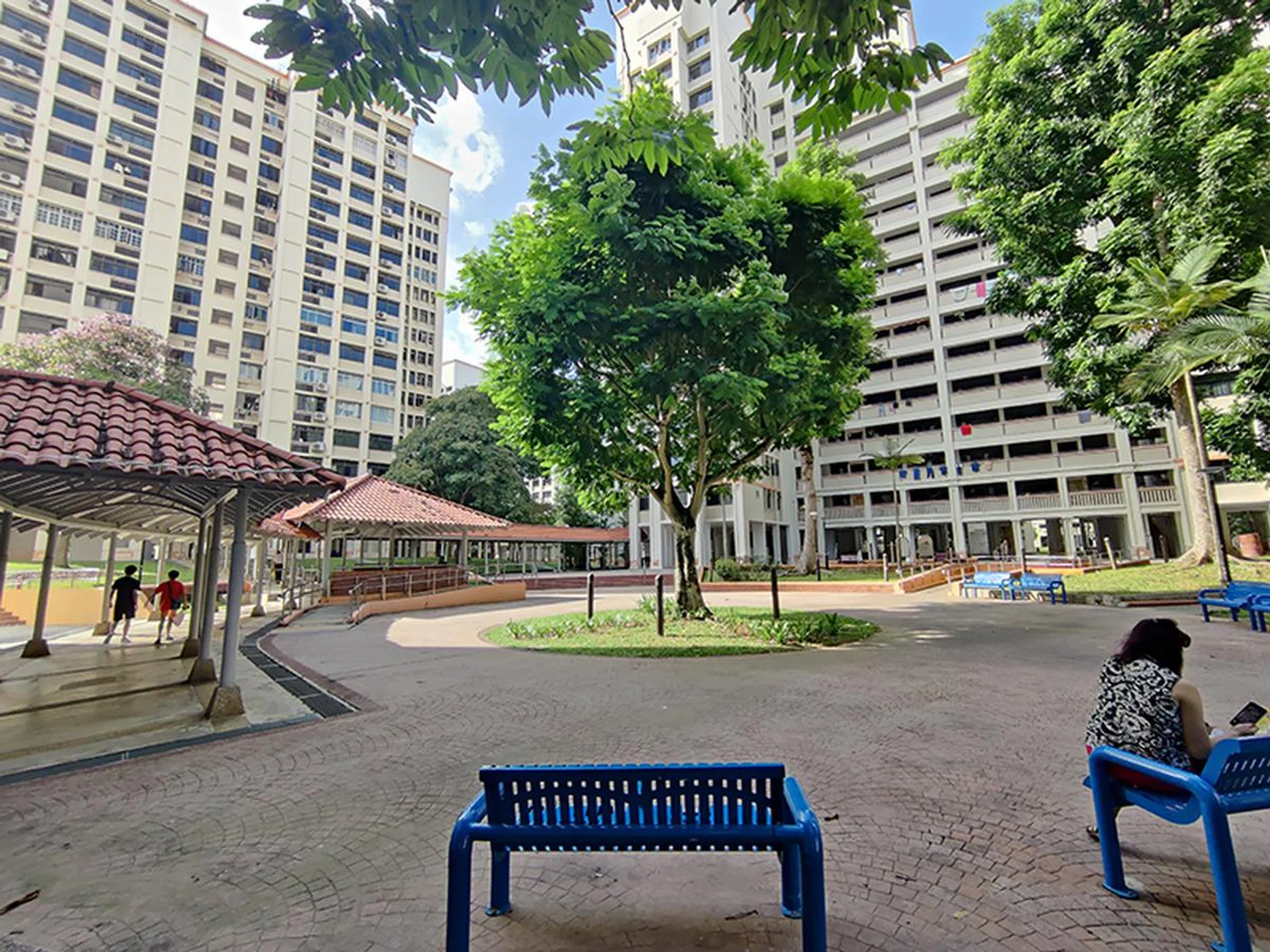
Ultra-wide-angle.
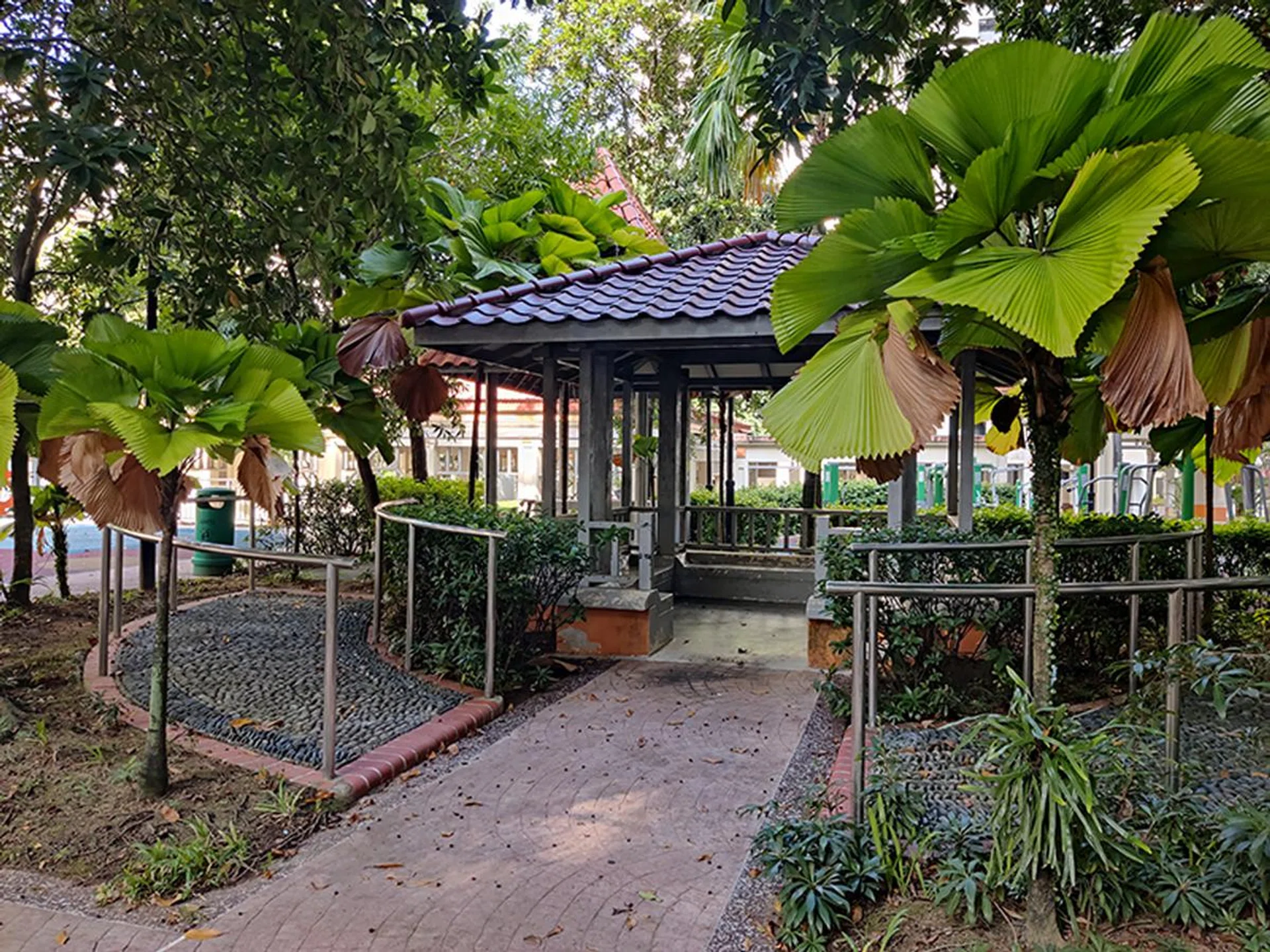
If we take all these photos together, the OnePlus 8T is rightfully not as capable as the OnePlus 8 Pro when it comes to photo-taking, since the 8T uses the regular OnePlus 8's main camera. Like the previous OnePlus 8 review's findings, a OnePlus user will likely find such imaging performance serviceable, but it's going to have a tough time convincing the wider masses that value imaging prowess in their smartphones - especially at this price point.
Benchmark Performance
With a Qualcomm Snapdragon 865 chipset and 5G compatibility with our local telcos, the OnePlus 8T sets itself apart with its 'low price' and flagship processor. That means rivals like its very own OnePlus 8 Pro, the upcoming Xiaomi Mi 10T Pro, and even Samsung's entry-level flagship Galaxy S20 FE are worthy contenders to putting up a fight against the OnePlus 8T. Some premium mid-range devices, like the Vivo X50 Pro, are also well within the space despite a lower-performing chipset.
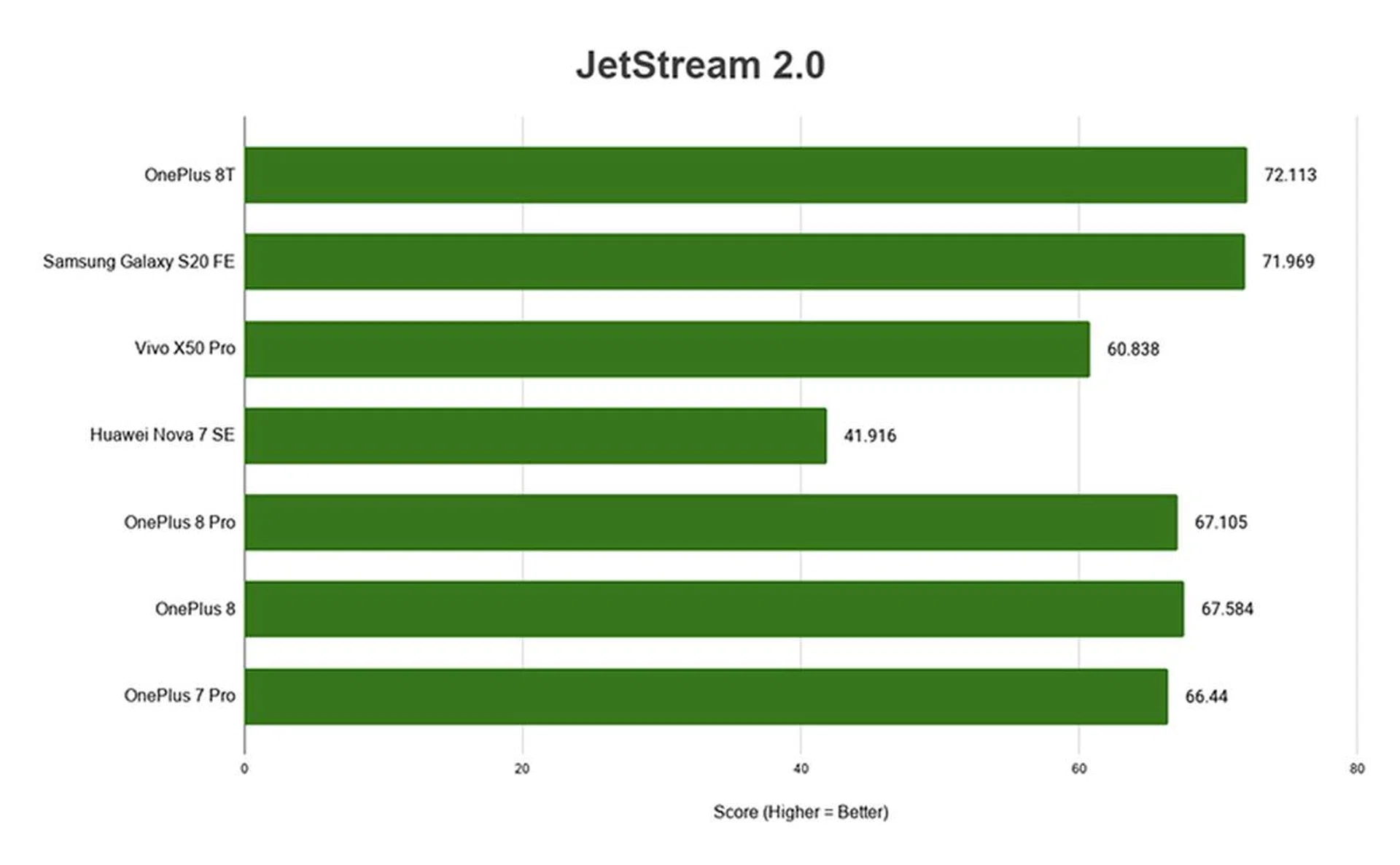
JetStream 2.0
JetStream 2 is a combination of a variety of JavaScript and Web Assembly benchmarks, including benchmarks that came before like SunSpider and Octane. It primarily tests for a system’s and browser’s ability in delivering a good web experience. It runs a total of 64 subtests, each weighted equally, with multiple iterations, and takes the geometric mean to compute the overall score.
AnTuTu
Note: As of 9th March 2020, all AnTuTu benchmarks were removed from the Google Play Store. This move likely arose from Google's attempts to relieve the Play Store of apps that violate their policies. AnTuTu is working with Google to restore their app listing. For this review, we used the APK file that was available on AnTuTu's website.
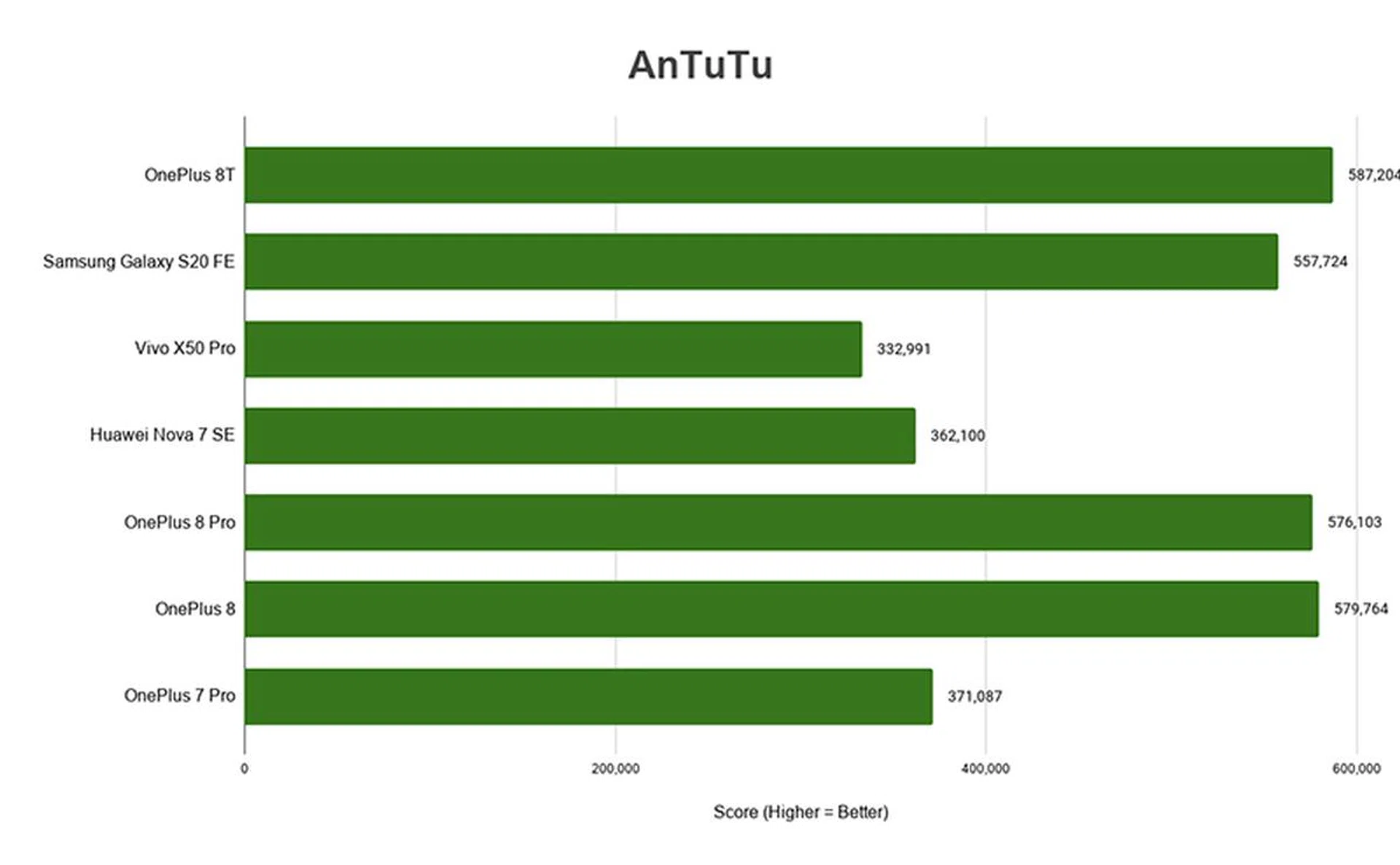
AnTuTu is an all-in-one benchmark that tests CPU, GPU, memory, and storage. The CPU benchmark evaluates both integer and floating-point performance, and the GPU tests assess 2D and 3D performance, the memory test measures available memory bandwidth and latency, and the storage tests gauge the read and write speeds of a device's flash memory.
Geekbench 5
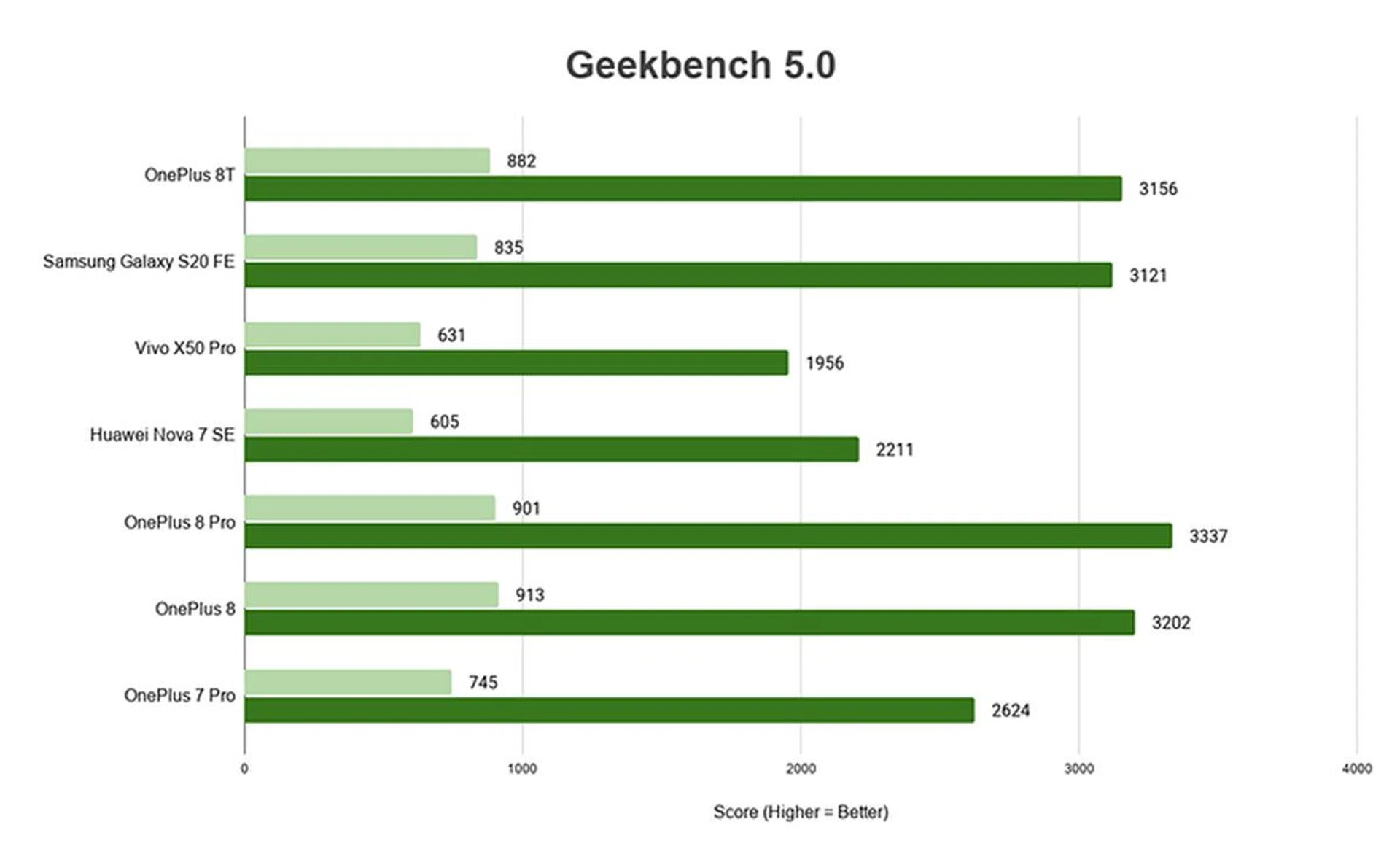
Geekbench CPU is a cross-platform processor benchmark that tests both single-core and multi-core performance with workloads that simulate real-world usage. Geekbench 5 scores are calibrated against a baseline score of 1000, which is the score of an Intel Core i3-8100.
3DMark Sling Shot Extreme
3DMark Sling Shot is an advanced 3D graphics benchmark that tests the full range of OpenGL ES 3.1 and ES 3.0 API features including multiple render targets, instanced rendering, uniform buffers and transform feedback. The test also includes impressive volumetric lighting and post-processing effects. The test's Unlimited mode ignores screen resolutions.

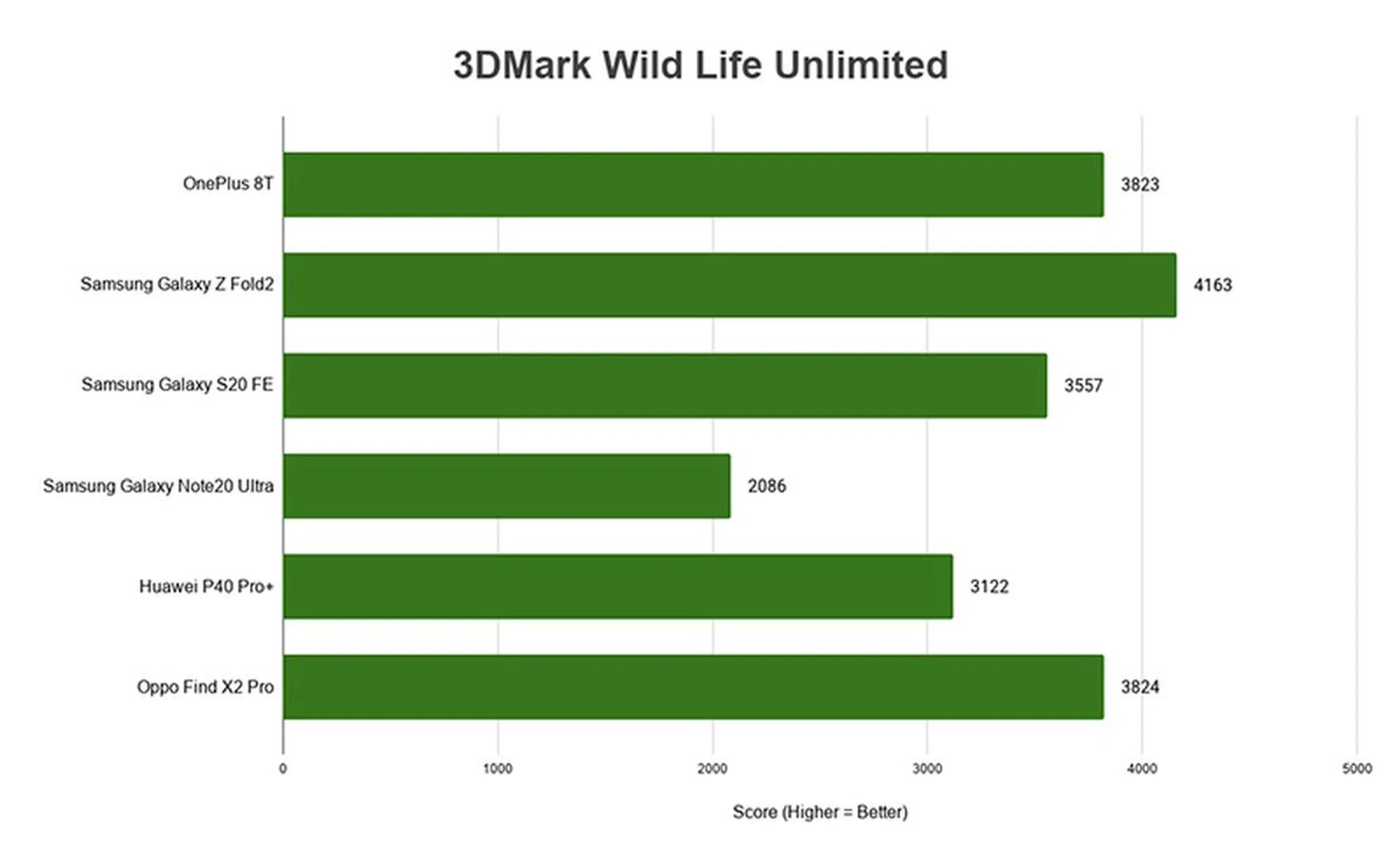
We’re also collecting scores with 3DMark’s new benchmark, Wild Life. Below are the test’s Unlimited Mode scores against other phones we've tested so far.
Performance Benchmark Remarks
Nothing too surprising from the OnePlus 8T and it stuck true to the budget flagship mantle in terms of benchmark performance. With scores similar to phones that had an identical processor, the OnePlus 8T justifies the performance and price of its watered-down or missing features that would have made it on par with the OnePlus 8 Pro across the board.
Battery life
Our standard battery test for mobile phones has the following parameters:
- Looping a 720p video with screen brightness and volume at 100%
- Wi-Fi and Bluetooth connectivity turned on
- Constant data streaming through email
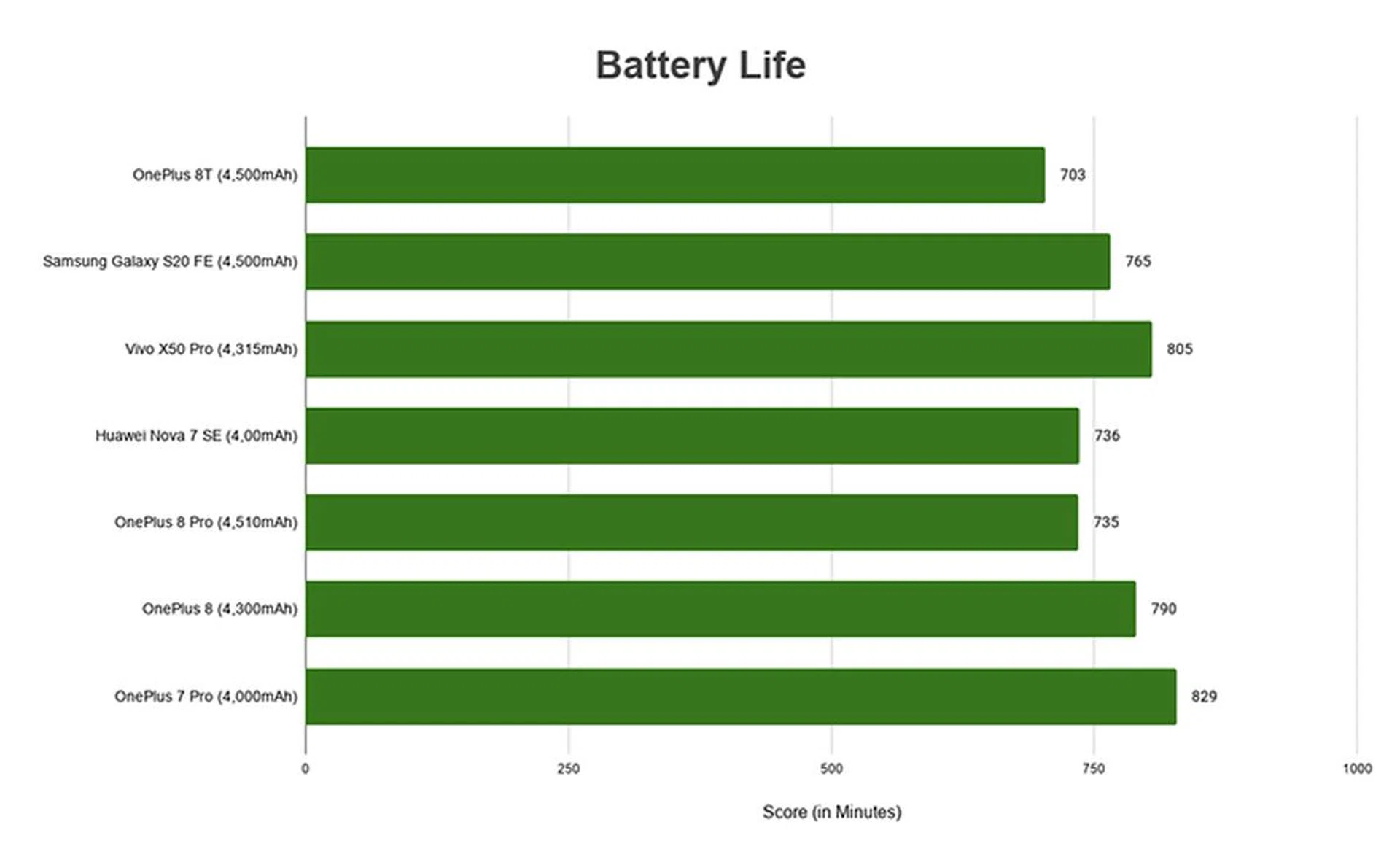
The OnePlus 8T packs a massive 4,500mAh battery, and almost on par with the OnePlus 8 Pro. It has nearly the same battery life too. Nothing unusual here given the processors are the same, and it’s good news for people who want to know if the 8T is significantly different from the 8 Pro at drawing precious battery power.
The tie-breaker is the fast-charging capability of the 8T. As shared, the 8 Pro went from 0% to 100% battery in about 75 minutes thanks to its Warp Charge 30T (OnePlus’s 30W fast-charging). The OnePlus 8T however has Warp Charge 65, which offers 65W fast-charging at 10V/6.5A. With the compatible charging adapter, it gave us 0% to 50% charge in just 21 minutes, and 0% to 100% in 50 minutes.
It’s not ‘twice as fast’, but 8T would save about half an hour’s time charging the device next to an 8 Pro user. We’re glad that the fast-charging works as advertised on the 8T, and this is probably one of the very few things the 8T does better than the 8 Pro.
That said, 8 Pro has 30W wireless charging, while the 8T offers no wireless charging option on the device.
Conclusion
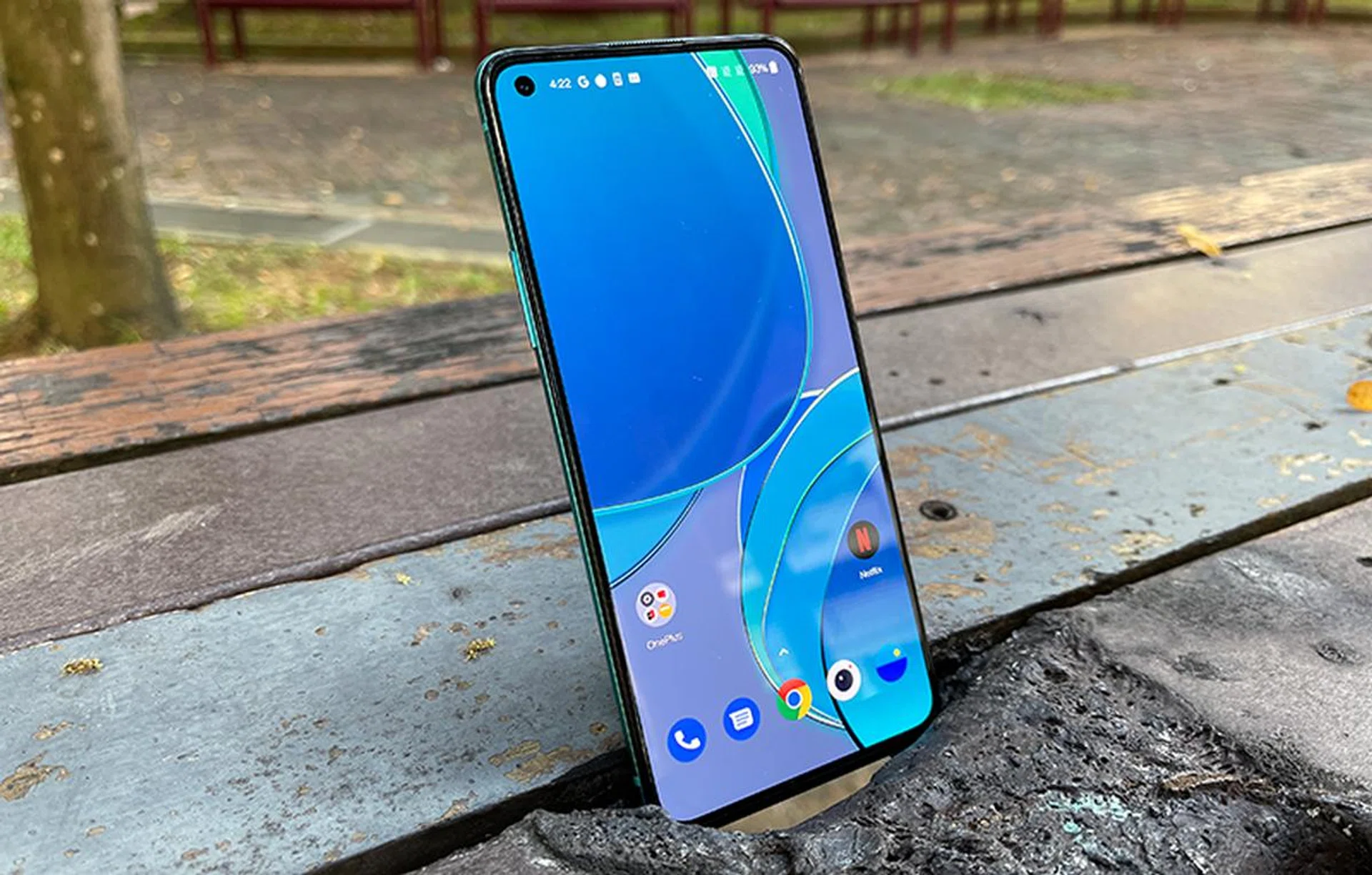
Before we pit the OnePlus 8T against other phones around its price range, we must state that the phone is, by many counts, technically a budget flagship that doesn't break its promise, topped off with a really fast wired charging profile. It appeals to a niche group who believe that every dollar you spend should go into flagship performance, and every extra dollar beyond that for other features is a superfluous exercise.
However, flagship smartphones aren't only defined by its processor, but also the accompanying features. Take the Vivo X50 Pro for example, where it charged way above its premium mid-range bracket with a mid-range chipset, but Vivo still put in a bunch of flagship features alongside a really interesting rear camera to make its asking price slightly more palatable.
The OnePlus 8T, on the other hand, saves you about S$200 to S$400 (when compared to the OnePlus 8 Pro), but you lose out on, or get several watered down features. Yes, you save that much, for no IP-rated waterproofing, no wireless charging, a lower resolution display, middling audio quality, and a lower performing set of camera lenses. At least one of the mentioned specs here is needed for a phone to be considered bare minimum flagship. OnePlus makes it up with quite literally the fastest charging they were able to bring onto the device along with a host of other flagship necessities like NFC, so it bumps the phone back up to what it is - budget flagship, and rightfully so.
The minimal software perks also works against both OnePlus and the 8T. We're not asking for a full departure from stock Android, but if there's going to be customisations, it's going to be hard to beat Samsung at their game when it comes to implementing proprietary, useful, software-based enhancements. It's probably bad luck for OnePlus that Samsung has a budget flagship Galaxy S20 FE to compete with the entire OnePlus 8 series. If imaging quality is important to you, the OnePlus 8T is not the budget flagship for you and it would be wiser to up for the Samsung Galaxy S20 FE or try something interesting like the Vivo X50 Pro that's also adept in the imaging department.
That said, we still stand by OnePlus goal of trying to bring an affordable, flagship-performing device to the masses. Just look at its street price. For S$899, you can get the 8GB RAM + 128GB ROM variant, or pick up the 12GB RAM + 256GB ROM version at just S$1,099. Those sticker prices are really hard to beat - so much so that OnePlus struggled to pick features on the 8 Pro for diluting or leaving out on the 8T. Bargain hunters have no excuse but to keep this budget flagship phone squarely on their radars.