
Vivo X50 Pro review: Beyond mid-range, beyond gimbals
Does the built-in gimbal work better for photography, or is it just some feel-good gimmick? We dive in to figure out if it's worth the S$1,099 asking price.

Note: This review was first published on 9 Sept 2020.
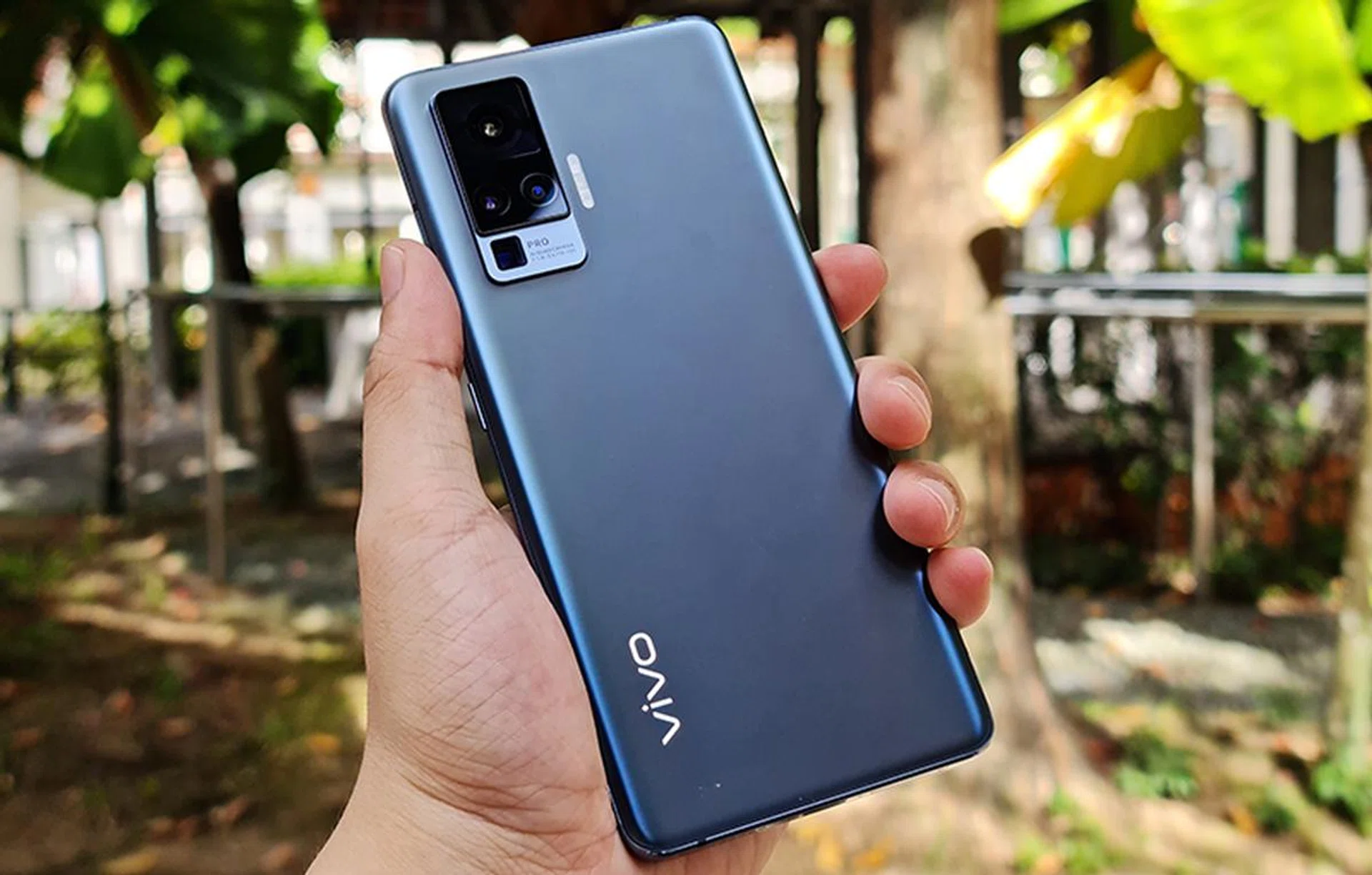
Premium mid-range, or flagship-like?
With so many Android smartphones crowding the market, these devices are starting to look the same to users. Sometimes, even the components are hardly different since manufacturers would tend to source parts from reputable providers. These similarities are more pronounced when phone users are shopping around the mid-range tier of mobiles, where it’s typically a bloodbath mired in an all-out price war.
Enter the Vivo X50 Pro.
Wait, didn’t Vivo already have a mid-range, 2020 smartphone in Singapore? Well, that’s for competing with other mid-range phones. The X50 Pro touts a different set of features and components that sets it apart from others, but at a slightly higher premium entering flagship territory. On the X50 Pro is a 6.56-inch AMOLED display with 90Hz refresh rate, and powering the 5G-capable phone is a Qualcomm Snapdragon 765G chipset that’s half a tier above other middle-level alternatives we have here.
Hang on - we already have ~S$1,000 devices with true flagship processors, like the OnePlus 8. So why is Vivo asking for S$1,099 for the X50 Pro? That’s because the phone has something no other 2020 mobile has - a mechanical gimbal system for its primary 48MP rear camera. According to Vivo, it’s a real gimbal inside the phone, and it’s 200% more effective than regular Optical Image Stabilisation at mitigating blurry, unfocused shots. For folks who are particular about phone camera performance, the gimbal sounds like a big deal.
So, will the Vivo X50 Pro be able to convince phone users that it’s worthy of its S$,1099 street price? Does the gimbal work better for photography, or is it just some feel-good gimmick? Where does it truly sit on the scale ranging from mid-range to high-end mobiles? Let’s dive in.
Design and Handling
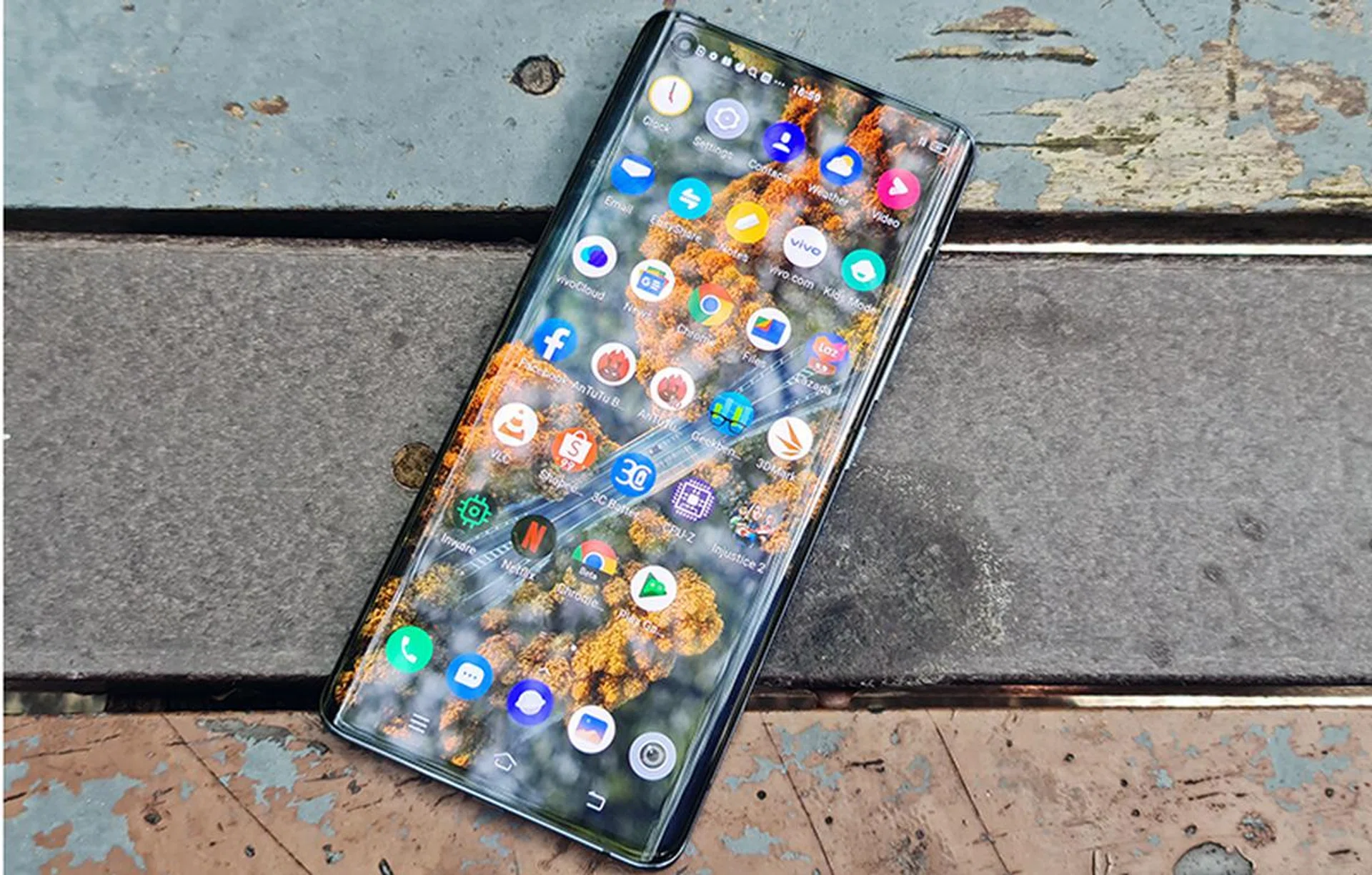
Vivo placed considerable effort in creating a premium-looking phone despite its interesting categorisation. The glass panel on the front features slightly curved edges on its sides, similar to many high-end smartphones launched this year. Other design cues also include its metallic rim with subtle antenna bands, a minimalistic cut-out for the front camera, and the use of an in-display fingerprint sensor. What we like most, however, is the 8.04mm thickness which felt way slimmer in hand.
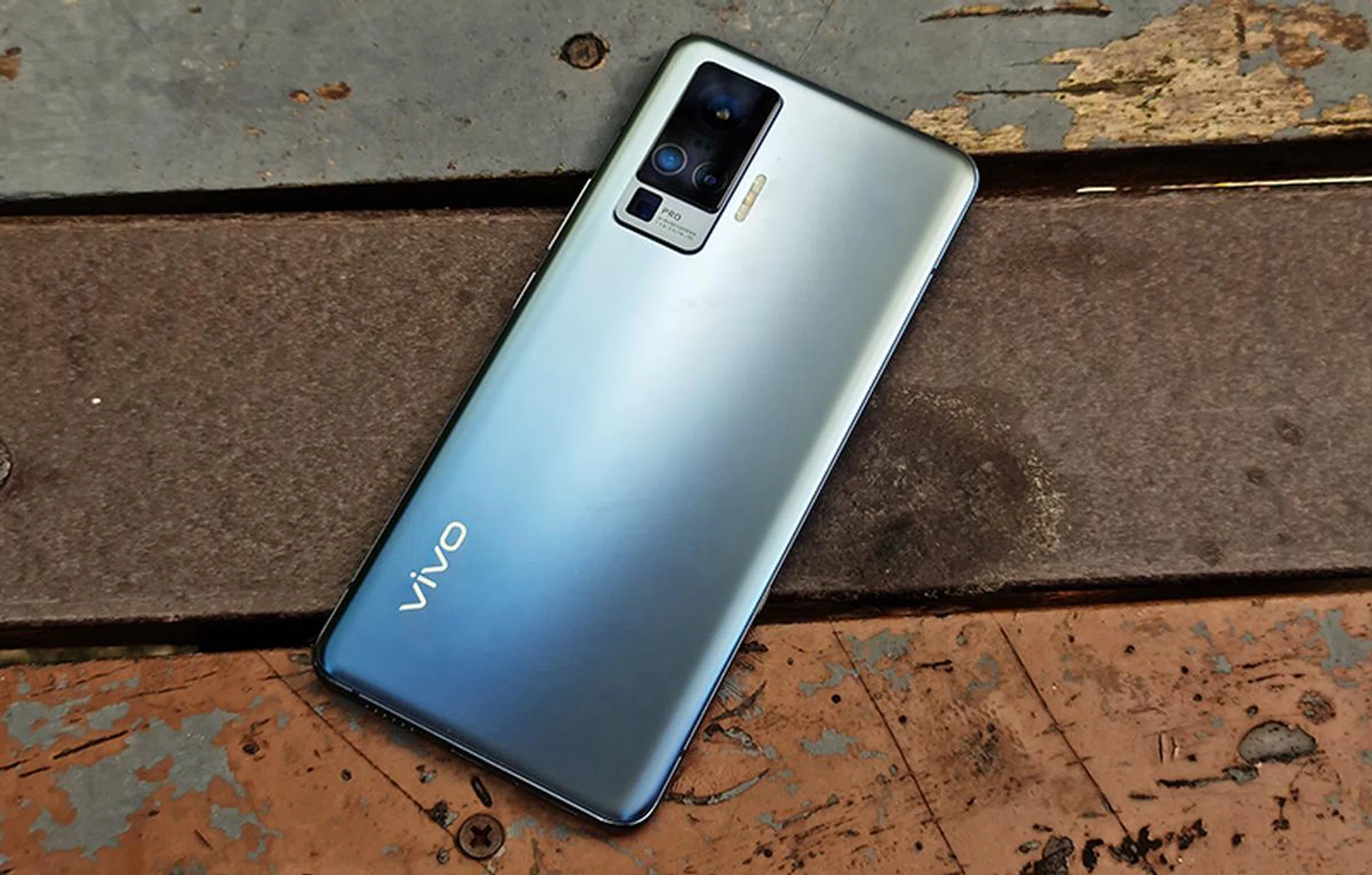
The X50 Pro’s rear features a clever design trick. Despite its plastic casing, Vivo decided to use a diffused finish for its rear, akin to frosted glass. It gives the surface a metallic look while cutting back on fingerprint smudging.
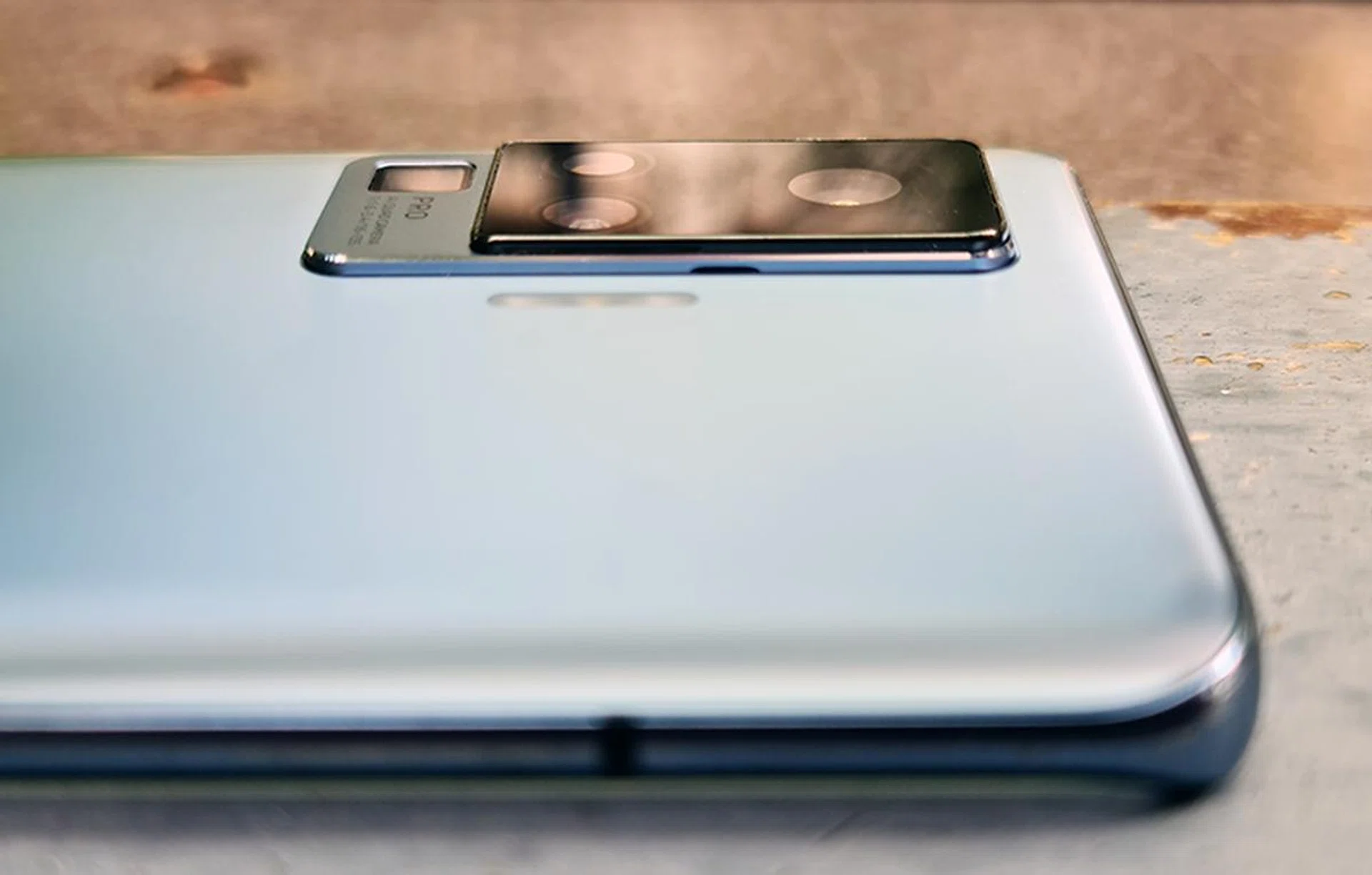
Even though the phone uses a gimbal system for its rear camera setup, Vivo managed to keep the X50 Pro’s lens housing at just 0.3mm above the rest of the phone. The lens housing is not as pronounced as those found on the Samsung Galaxy Note20 Ultra, Huawei P40 Pro+, or the Oppo Find X2 Pro handsets. Also, Vivo kept the housing’s edges clean and straightforward. The other three premium flagship phones mentioned above adopted chamfered edges for their rear lens housings, which visually emphasised the protrusion. It makes the X50 Pro more impressive because the gimbal system it boasts is a mechanical one when additional components tend to make phones thicker than they usually are.

Like the V19, Vivo’s X50 Pro’s volume rockers and power/lock button sits along the right-sided border, where our fingers would naturally rest when holding the device. Unlike the V19, the X50 Pro comes with NFC, giving it a leg up against cheaper mid-range devices that usually do not come with this increasingly important feature.
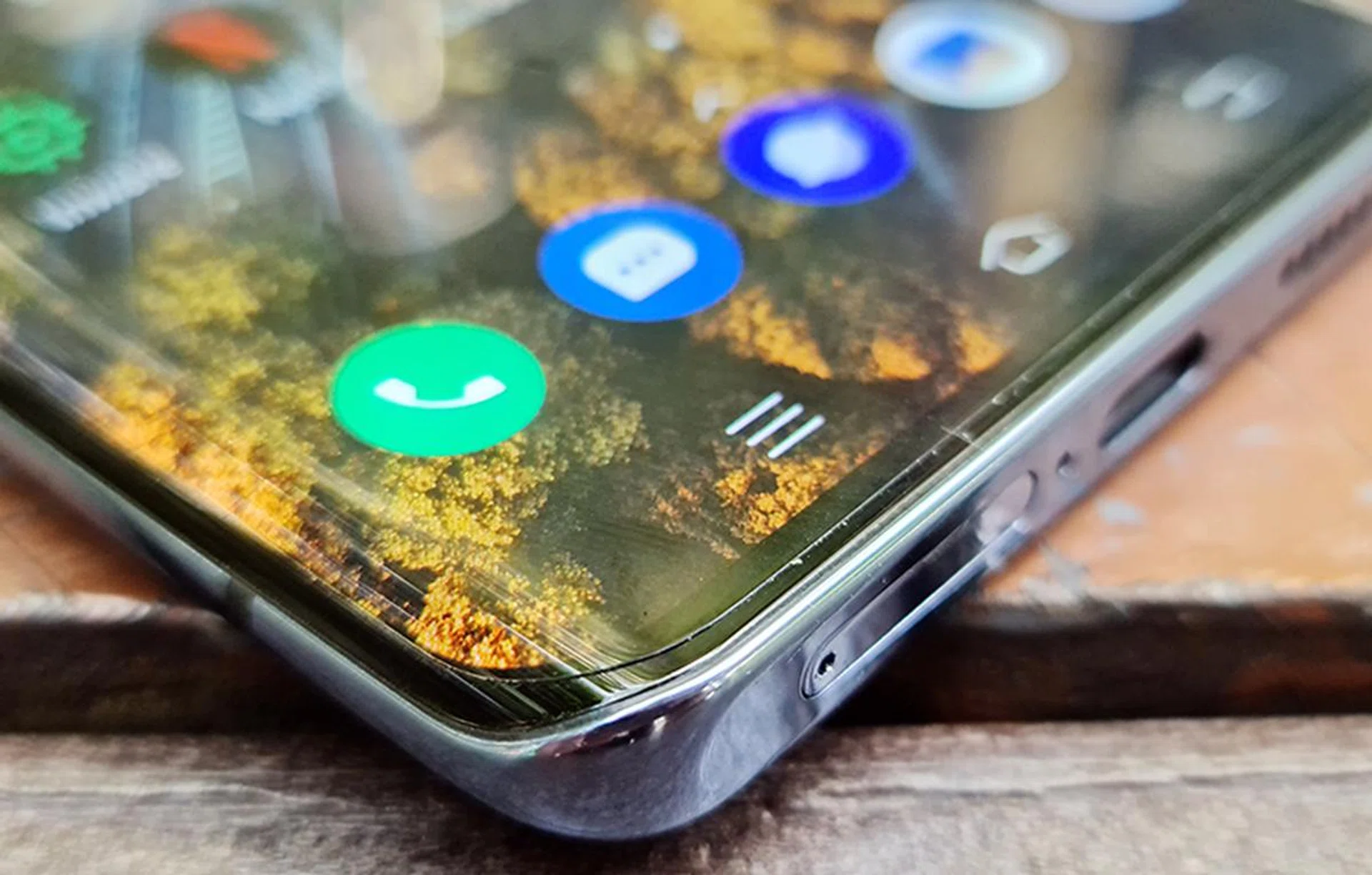
Of course, the X50 Pro falls short in some areas. One, it lacks expandable storage via MicroSD card, instead offering a dual nano-SIM tray. Two, IP-rated water resistance is absent, which is not a good look next to uninspiring mid-range phones like the Sony Xperia 10 II. Finally, it also lacks a 3.5mm audio jack. We’d usually close one eye for such shortcomings. In the X50 Pro’s case, it feels as if they’ve forgotten about their V19, which offers both expandable storage and a 3.5mm audio jack despite being nearly half the X50 Pro’s price.
Display and audio

The Vivo X50 Pro uses a 6.56-inch AMOLED display rated at 2,376 x 1,080 pixels resolution, giving us a pixel density of almost 398 PPI. It also has a heightened refresh rate of 90Hz. Topping it off are other features, like its DCI-P3 colour gamut, support for HDR and HDR10+, and eye protection functionality. As it stands, the panel’s specs are identical to the one found on the regular OnePlus 8, with the OnePlus phone having a slightly smaller 6.55-inch screen. We had no issues with the display quality since it rendered our test image and other content nicely.
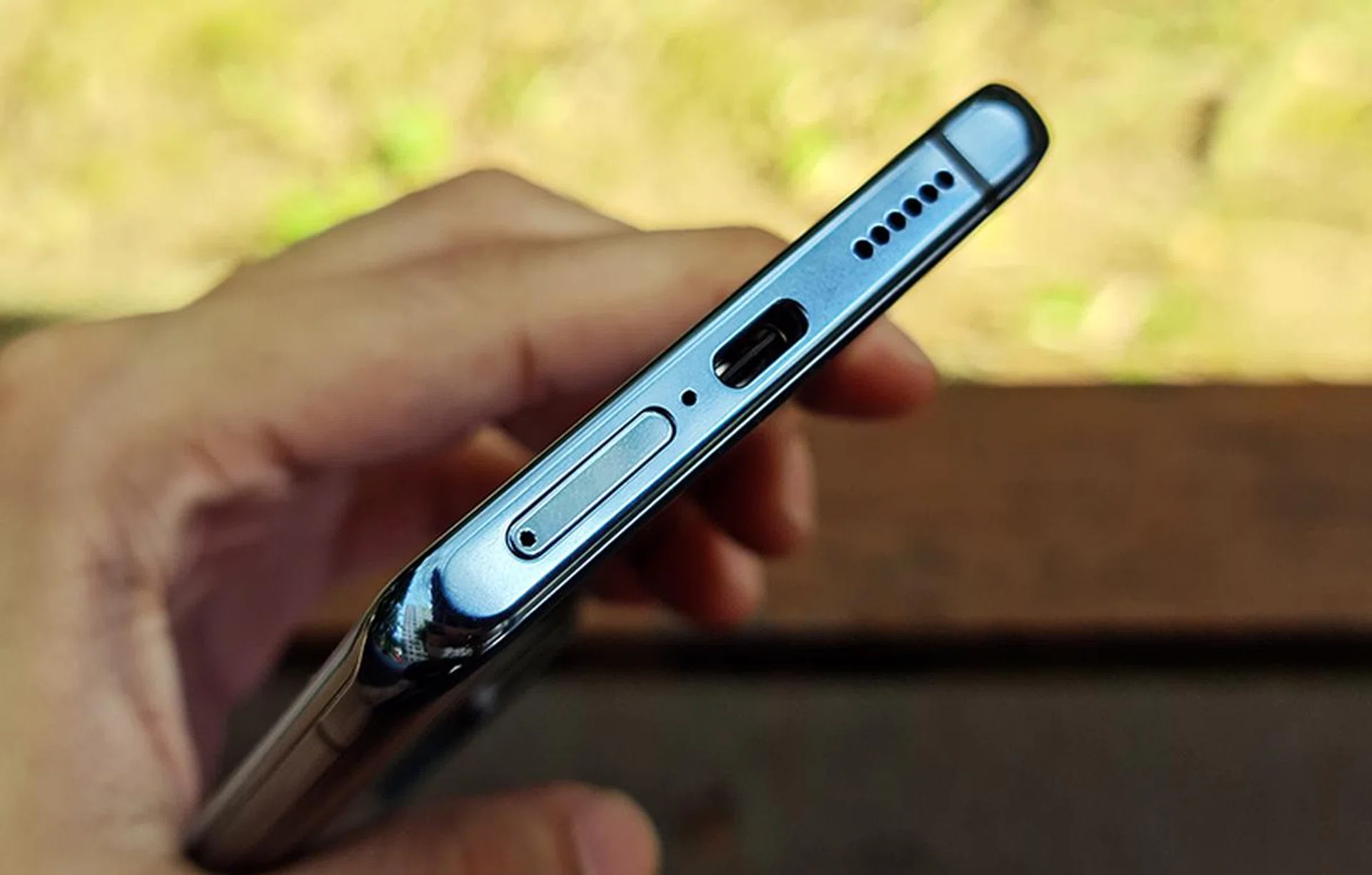
The phone’s single firing speaker is located at the bottom edge of the device, next to its USB Type-C port. The audio quality is, sadly, unsatisfying for its asking price. While it’s serviceable, it has neither the clarity nor the distinct frequency separation required for enjoyment’s sake. Songs are muddled and bloated when played back, which is not ideal even if we choose to peg the X50 Pro against mid-range devices. Perhaps Vivo was counting on its users being responsible enough to always use personal audio gadgets in public, like true wireless earbuds or headphones, instead of their loudspeaker.
User Interface
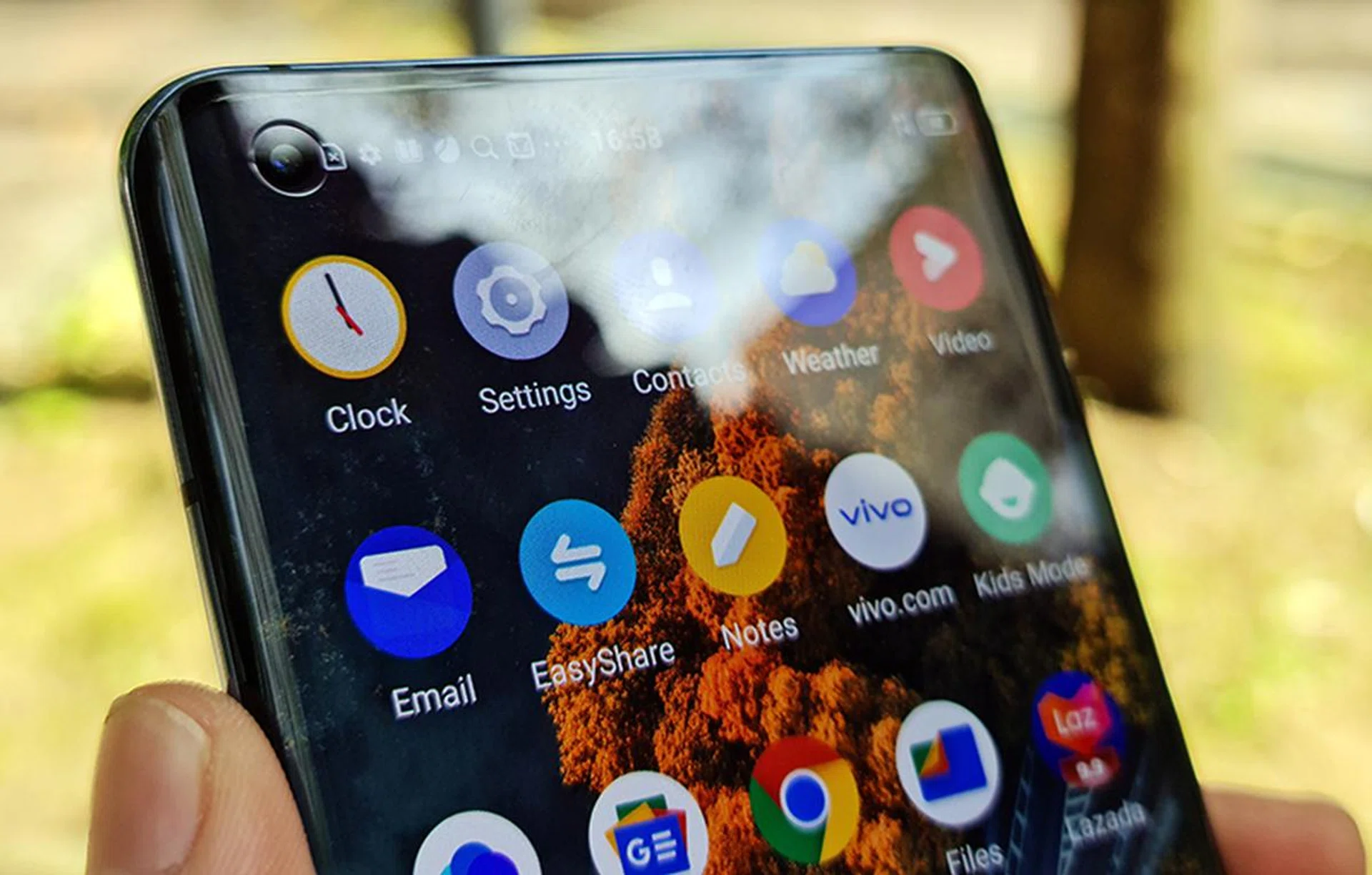
The Vivo X50 Pro relies on its proprietary Funtouch OS reskin that sits above its Android 10 operating system. By default, the phone packs app icons in rows of five, as opposed to the Vivo V19’s four-apps-a-row configuration. Otherwise, the Funtouch user interface experience on the X50 Pro is identical to the V19. It bears many similarities to Huawei’s EMUI with its choice of colours and aesthetics.
The X50 Pro’s in-display fingerprint sensor works fluidly and securely, with near-instant recognition whenever the correct finger was applied. Then again, it would be remiss for the X50 Pro to exclude a sensor like that, given that the V19 has one. Facial recognition felt a little less secure since the phone was unlockable even when I had a government-issued face mask on. The device still locks other users out just fine.
The X50 Pro has NFC, making it compatible with a plethora of cashless payment methods. Many mid-range phones lack NFC - if you wanted that feature, you’re forced to choose between a Google Pixel 4a and Oppo Reno4 Pro. If both alternatives do not satisfy, then you’d be looking at flagship and premium flagship phones instead. So, an NFC-capable phone in between these two categories helps to widen the choices our phone users have here.

Finally, the chipset in the X50 Pro makes it 5G-ready. With 5G trials for phone users now in Singapore, the X50 Pro would be somewhat affordable for users who are eagerly waiting for the connectivity to go fully live. Of course, your alternatives at this price range would be the OnePlus 8 duo, the OnePlus Nord, Huawei Nova 7 SE, and several Xiaomi Mi 9 or 10 models. There’s no shortage of 5G-ready alternatives at this point, so X50 Pro’s 5G capabilities are also par for course, like it having NFC.
Despite these bonuses, we’ve also mentioned how the X50 Pro lacks some mid-range or flagship basics, like a 3.5mm audio jack, having no IP-rated water/dust resistance, and lacking expandable storage option.
Imaging Performance
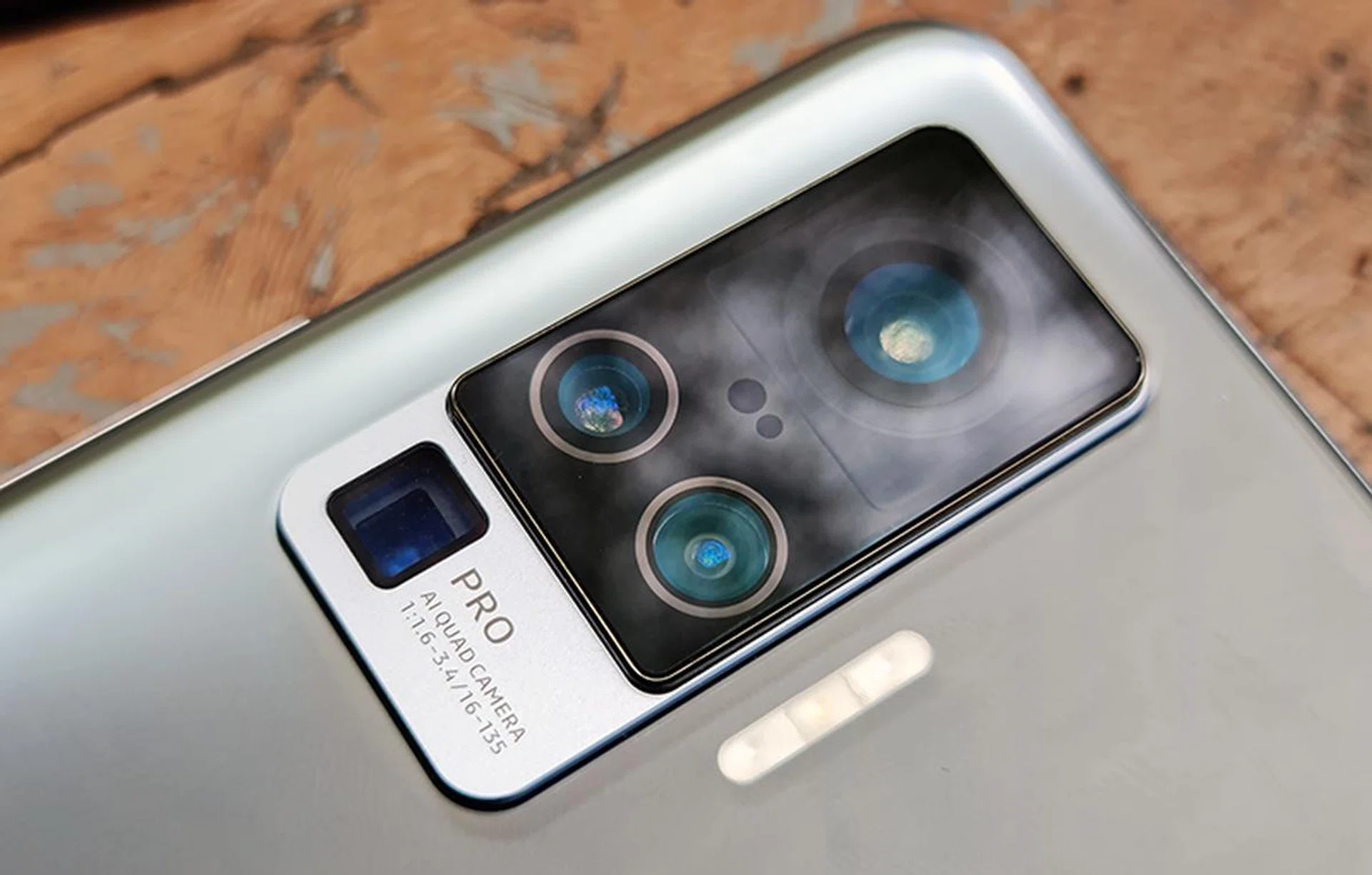
This is where the Vivo X50 Pro hopes to convince you to part with your money. Before we talk about the gimbal stabilisation, let’s look at the phone’s rear configuration:
- 48MP main camera, Sony IMX598, f/1.6 aperture, Gimbal Camera System
- 13MP portrait bokeh lens, f/2.46, EIS
- 8MP periscope telephoto lens with 5x optical zoom and 60x Hyper Zoom, f/3.4, OIS
- 8MP ultra-wide-angle lens at 120-degree FOV and 2.5cm Macro capabilities, f/2.2, EIS
In a nutshell, the quad rear camera setup on the X50 Pro covers many of the common shooting scenarios, on top of Vivo’s unique Gimbal Camera System that’s further supported by both OIS and EIS (optical and electronic image stabilisation) for other lenses. The gimbal’s mechanical system suspends the 48MP main lens for steady shooting in both stills and video recording. Extra stabilisation further enables many of its various software-based shooting features, like Super Clear Night Mode, 3D Stabilisation, and Motion AF Tracking (to name a few). Let's also not forgot of its periscope telephoto lens mechanism allowing true 5x optical zoom and up to 60x digital zoom that really helps the phone go the mile where imaging needs are concerned.
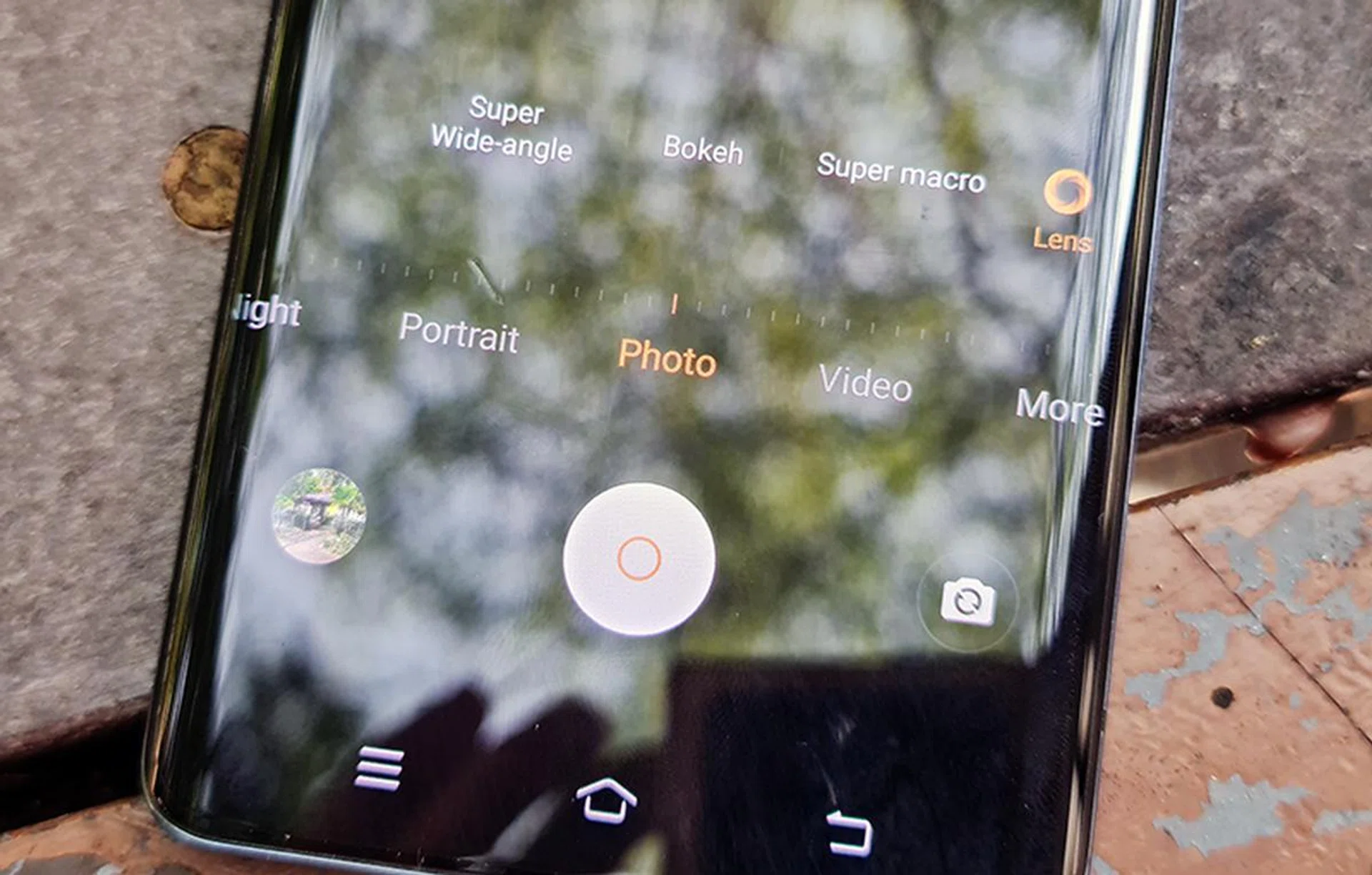
We’d ideally like to see the X50 Pro perform better than midrange devices in terms of shooting, and at the same time figure out if it’s also better than the regular OnePlus 8 model which had functional image quality. To that end, we’ll look at how it fares next to the high imaging quality of the Huawei Nova 7 SE (for its price) and the OnePlus 8 (which also nearly costs a thousand dollars in our market).


Actual pixel size of above image.
From the main camera’s sample image, It’s clear to us that the Vivo X50 Pro’s camera capabilities isn’t a mere gimmick. While the image quality and detail retention are average, the main camera handles colours and contrast a little better than its peers like the Huawei Nova 7 SE and OnePlus 8. What we’re a little more impressed by is the 5x true optical zoom that’s able to take clear, sharp shots with little noise.

Main camera. No zoom.

5x optical zoom.

Macro camera (setting selected from UI).

Main camera, no zoom.

Ultra-wide-angle camera.

5x optical zoom.

60x Hyper Zoom.
The image quality produced by 60x Hyper Zoom is to be expected since nearly all the high-zoom phones we’ve met have yet to give us a truly stunning still shot even with all the OIS capabilities built into respective devices.

Main camera, no zoom.

Ultra-wide-angle camera.

Main camera, no zoom.
The shooting results are further enhanced by its ease of use. The X50 Pro’s combination of its gimbal system for the main camera and other OIS/EIS compensation features makes the shooting experience really enjoyable - we found ourselves spending very little time to steady our shots, since the camera’s stabilisation did nearly all of the heavy lifting in this regard. Below is a short GIF that showcases how stable the gimbal system is at video recording - and that’s with using only one hand to hold the device while we walk about absent-mindedly. If the shooter decides to steady his shot, we are assured that the gimbal system will suffice for shooting videos more seriously, let alone take still images.

Gimbal does wonders. Handheld (one hand), with feet dragging.
As a whole, the imaging quality on the X50 Pro is satisfactory for its price, with stabilisation features that far exceeds its category. While the quality isn’t the highest we’ve encountered, the shooting experience surpasses other midrange phones we’ve tried this year, and even the OnePlus 8’s too.
Performance benchmarks
The Vivo X50 Pro is powered by a Qualcomm Snapdragon 765G chipset, which is an upper-tier mid-range processor that offers a little more processing power than the Snapdragon 720G (found on the Oppo Reno4 Pro) and the 730G (on the Google Pixel 4a) chipset. It’s also precisely one tier below the Qualcomm Snapdragon 865, which is usually found in flagship phones like the Oppo Find X2 Pro. In short, the X50 Pro packs a more efficient and more powerful chipset than the mid-range Vivo V19, but at the same time isn’t quite a true flagship like the X50 Pro+, which is not officially available in Singapore.
The Vivo X50 Pro is hardly the first phone in the market with a Qualcomm Snapdragon 765G chipset. Notable competitors available in Singapore include the OnePlus Nord, which we didn’t yet have a chance to benchmark. There’s also the Taiwan-limited HTC U20 5G, and the 5G-capable LG Velvet which was supposed to come to Asia. Then, there’s also the Motorola Edge (2020), with no plans to come to our region. In short, there are plenty enough Snapdragon 765G phones out there, but this is the first one we’re able to benchmark in our reviews.
Even without other Snapdragon 765G mobiles to pit it against, the X50 Pro has many rivals in Singapore. X50 Pro’s street price and the chipset choice would sit the device squarely in between many other samples to pick from at the mid-range tier, but we’ll only include the popular 2020 ones we have for reference. From the true flagship side, we’re picking the normal OnePlus 8 to see if the X50 Pro can put up a fight there.
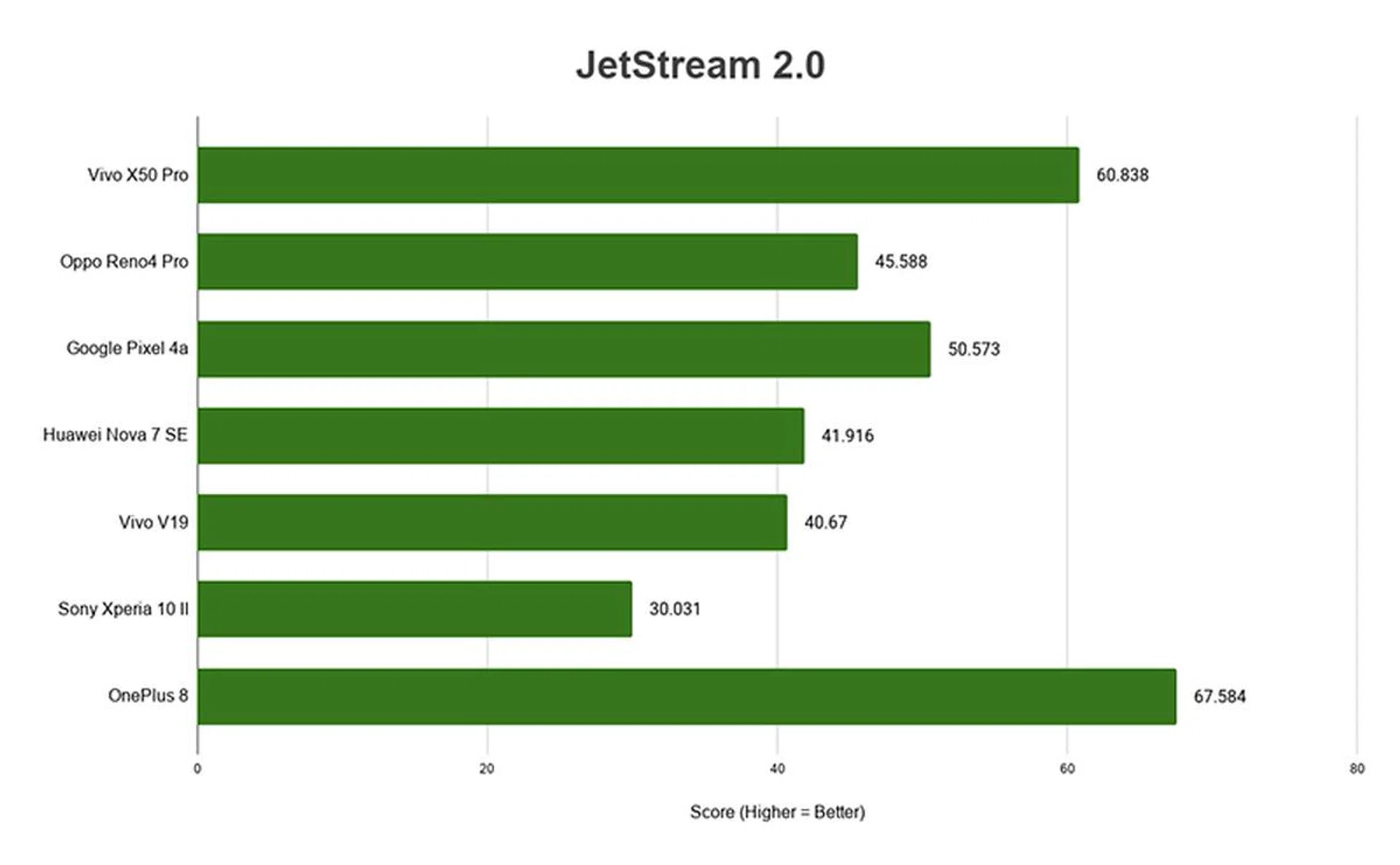
JetStream 2.0
JetStream 2 is a combination of a variety of JavaScript and Web Assembly benchmarks, including benchmarks that came before like SunSpider and Octane. It primarily tests for a system’s and browser’s ability in delivering a good web experience. It runs a total of 64 subtests, each weighted equally, with multiple iterations, and takes the geometric mean to compute the overall score.
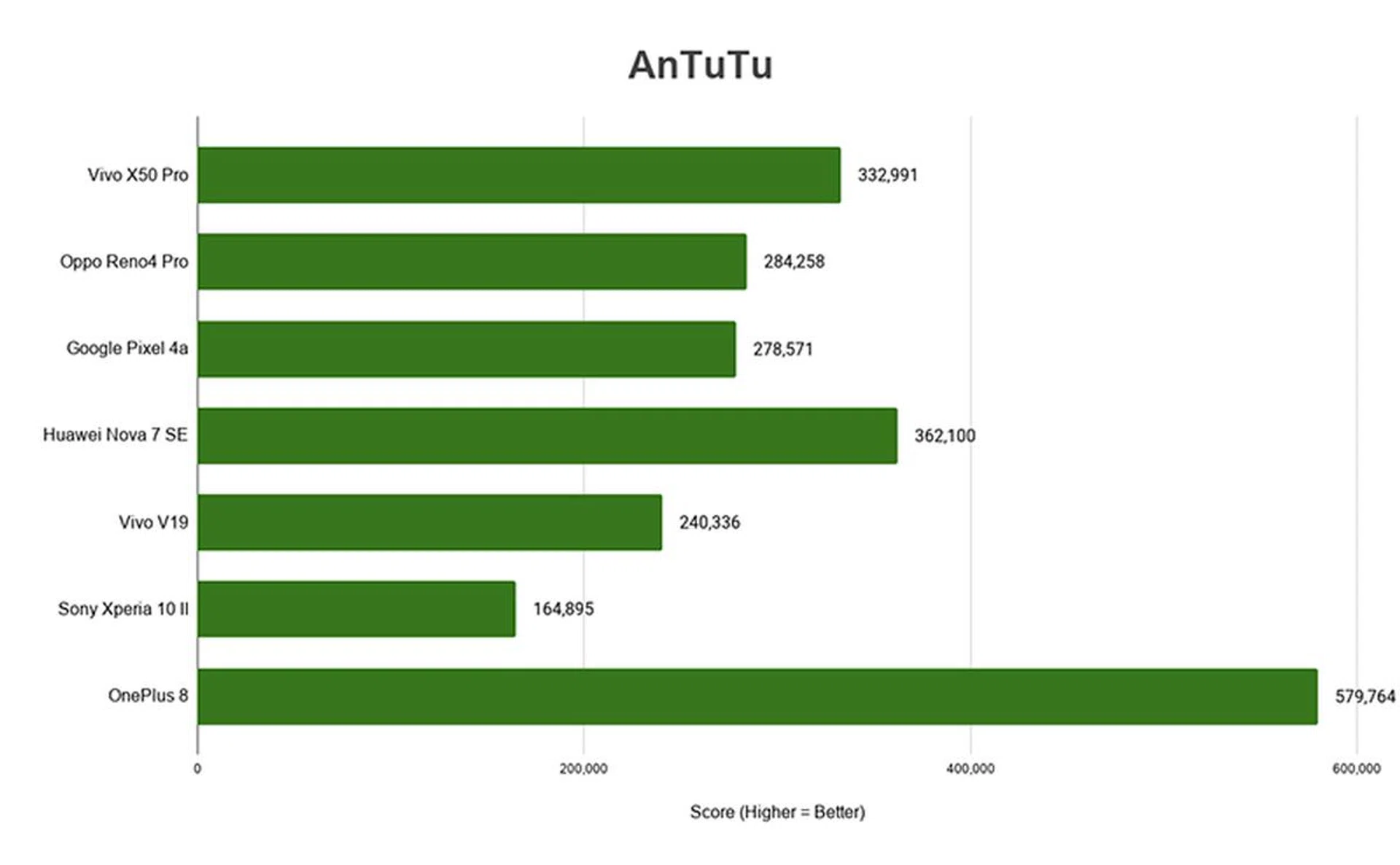
AnTuTu
Note: As of 9th March 2020, all AnTuTu benchmarks were removed from the Google Play Store. This move likely arose from Google's attempts to relieve the Play Store of apps that violate their policies. AnTuTu is working with Google to restore their app listing. For this review, we used the APK file that was available on AnTuTu's website.
AnTuTu is an all-in-one benchmark that tests CPU, GPU, memory, and storage. The CPU benchmark evaluates both integer and floating-point performance, and the GPU tests assess 2D and 3D performance, the memory test measures available memory bandwidth and latency, and the storage tests gauge the read and write speeds of a device's flash memory.
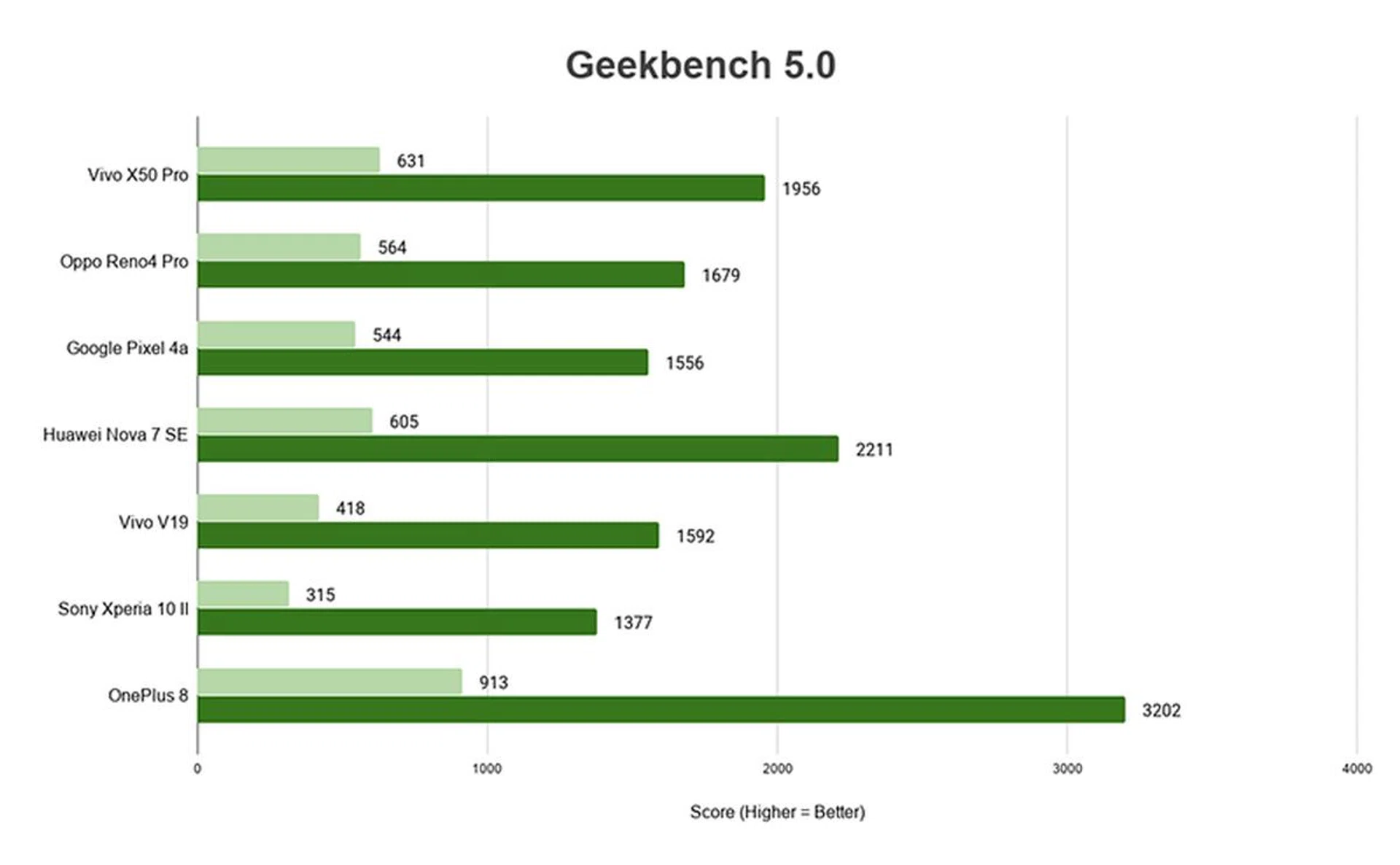
Geekbench 5
Geekbench CPU is a cross-platform processor benchmark that tests both single-core and multi-core performance with workloads that simulate real-world usage. Geekbench 5 scores are calibrated against a baseline score of 1000, which is the score of an Intel Core i3-8100.
Note: the Pixel 4a score is the average score taken from Geekbench’s website. The tool couldn’t be activated on our review unit at the time of its publication.
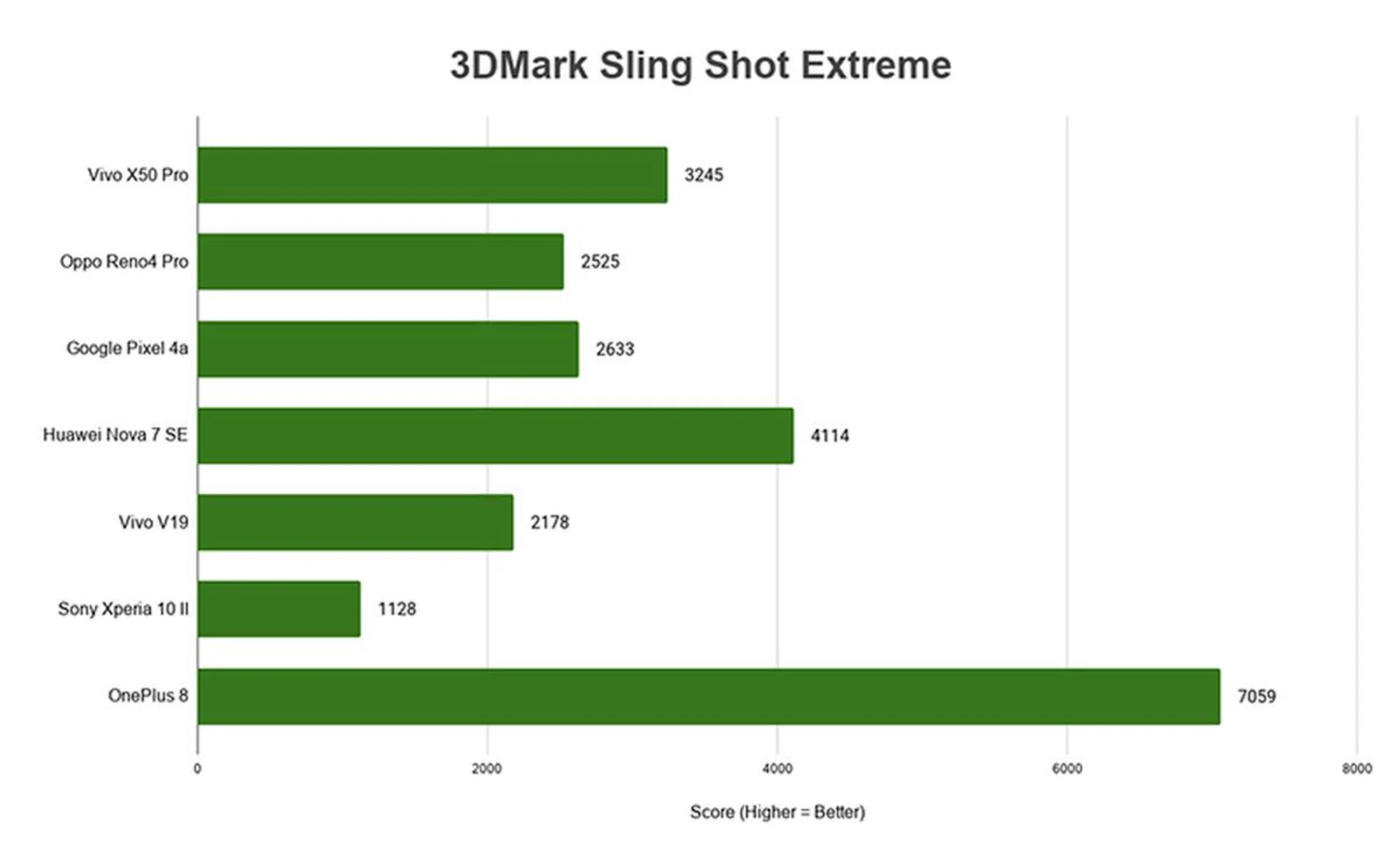
3DMark Sling Shot Extreme
3DMark Sling Shot is an advanced 3D graphics benchmark that tests the full range of OpenGL ES 3.1 and ES 3.0 API features including multiple render targets, instanced rendering, uniform buffers and transform feedback. The test also includes impressive volumetric lighting and post-processing effects. The test's Unlimited mode ignores screen resolutions.
Performance Benchmark Remarks
From the benchmarking exercise, it’s clear that the X50 Pro’s processor exceeds midrange devices at the S$400 to S$700 range, with the Huawei Nova 7 SE doing a little better in some aspects. If performance is what you’d pay for, the X50 Pro somewhat justifies the higher price tag, even if it’s nowhere as powerful as a Snapdragon 865 phone like the OnePlus 8.
Battery Life
Our standard battery test for mobile phones has the following parameters:
- Looping a 720p video with screen brightness and volume at 100%
- Wi-Fi and Bluetooth connectivity turned on
- Constant data streaming through email
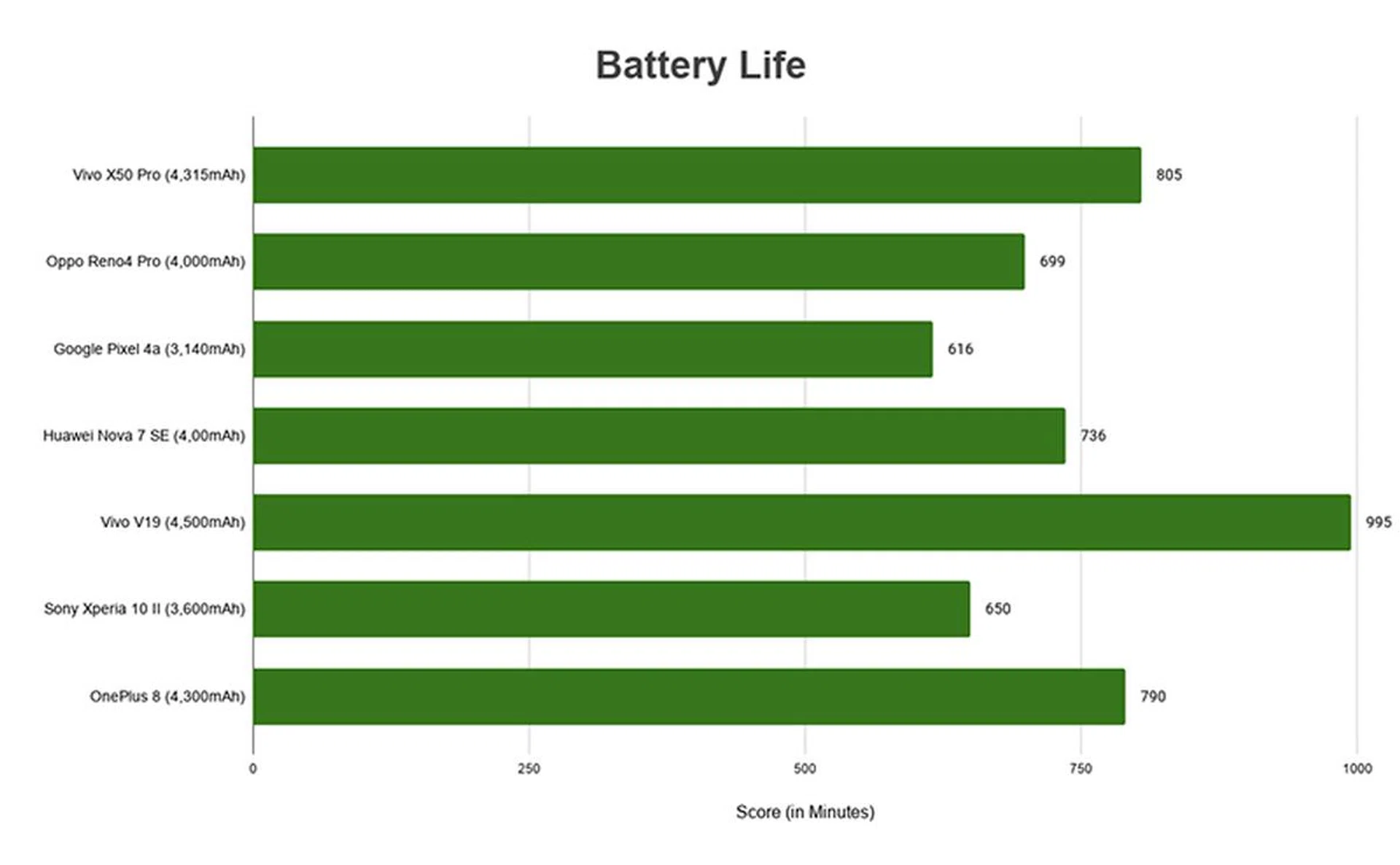
The Vivo X50 Pro packs a respectable 4,315mAh battery within. It gave us an uptime of 805 minutes, outperforming nearly every 2020 alternative we have on the list. While it’s easy to say that a Qualcomm Snapdragon chipset reigns superior at battery efficiency, we’re also aware that the X50 Pro packs a relatively generous battery capacity when compared to our alternatives. To add, it couldn’t beat the V19 at the battery test, and that’s likely because the X50 Pro offers higher performance in return. Even so, 805 minutes at better-than-midrange performance is pretty good value from a numbers perspective.
In the box is a charging adapter that carries Vivo’s proprietary FlashCharge 2.0 technology for fast-charging. The adapter itself supports up to a maximum of 33W, which also matches the X50 Pro’s fastest charging speed. The combination of a high-spec adapter and a phone that can accept those speeds played out well for the X50 Pro. It took merely 30 minutes to go from 0% to 50%, and a total of 74 minutes to go from 0% to 100%. Those charging speeds are similar to the OnePlus 8 series phones (give or take a few minutes difference). It’s also a touch slower than the Huawei Nova 7 SE at reaching both half- and full-charge capacities.
Conclusion
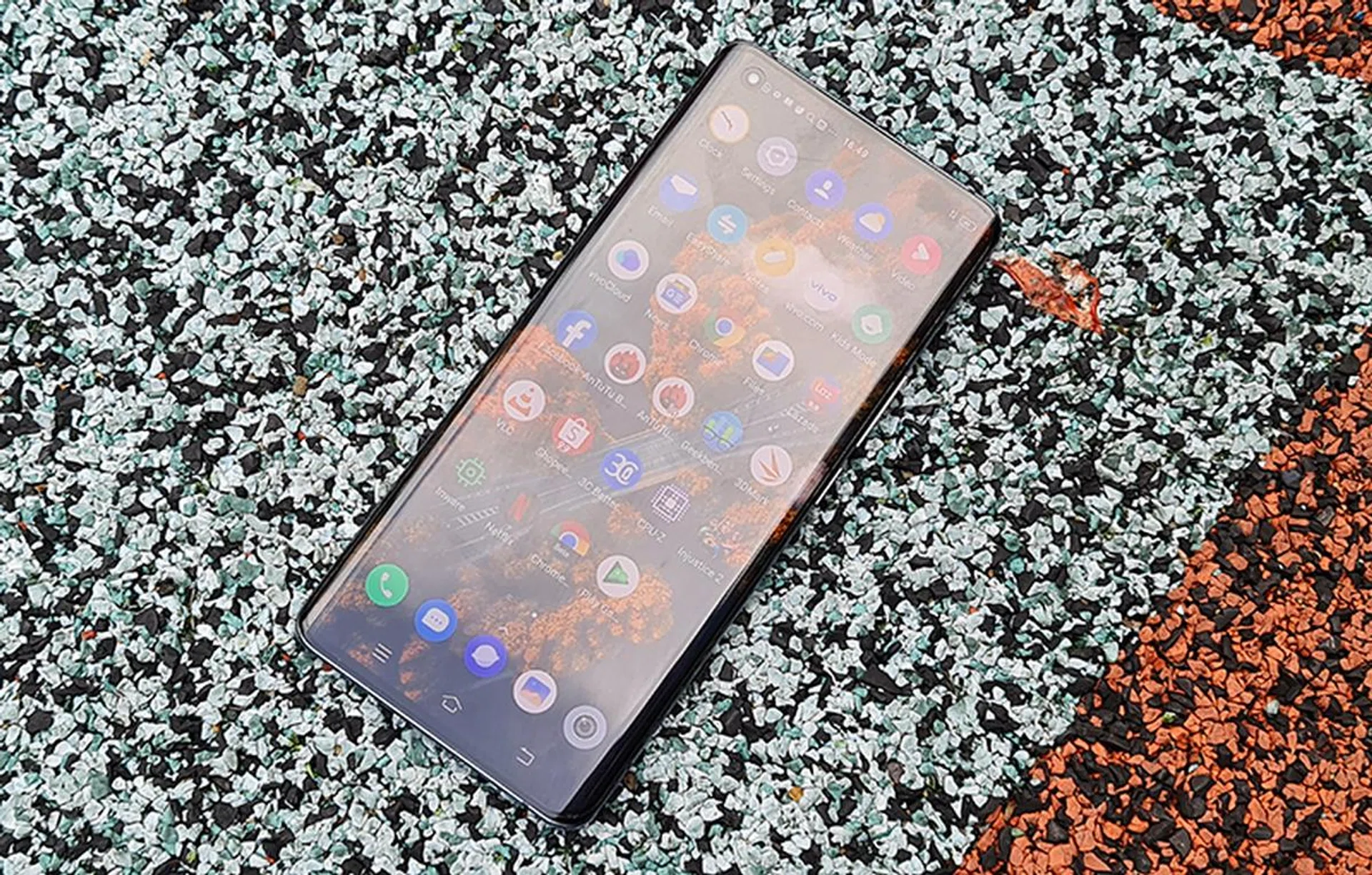
While the phone may not exactly be midrange nor flagship, we still found the Vivo X50 Pro pleasant to use, and we were further enabled by its relatively good battery life and decent performance. The cameras’ shooting experience offered a nice touch to the overall package - good enough to be a deciding factor for folks who value shooting quality in their mobiles. Put all that together with the phone’s decent display quality, reasonably pleasant build, the inclusion of an in-display fingerprint sensor, NFC connectivity, and you have yourselves a good phone for S$1,099.
Vivo X50 Pro’s unique proposition makes it a little more challenging to put a finger on its worth. An example would be comparing it to the 5G-capable OnePlus 8 that starts at S$998. You’d be hard-pressed to pick the 5G-ready X50 Pro over the OnePlus 8 if you value the Snapdragon 865 chipset above any other component inside your preferred device. Yet, the X50 Pro offers the same display quality, better shooting quality, and near-enough performance standards for mid-range users to choose it over OnePlus’s offering. Not all users are spec-chasers, and the X50 Pro feels like a better overall compromise when you value other aspects of the device over the OnePlus 8’s flagship-tier processor.
Certainly, the X50 Pro can be improved upon - for instance, it would have been far more attractive if it had some mainstay features seen on cheaper mid-rangers, like expandable storage and 3.5mm audio support. Or, it could also have rated water resistance that usually comes with flagships, which would have been more appealing to folks coming from a flagship phone. The audio quality also could’ve been better. Beyond the camera configuration, more could have been added to the X50 Pro’s feature set to convince users more easily, since it’s asking users to part with more money than what a mid-range phone usually asks for. At the same time, the X50 Pro cannot compete in performance next to the significantly more expensive flagship tier.
Still, it’s not like Vivo didn’t know that the X50 Pro needed to do more beyond having a gimbal system, so features like 5G-compatibility help, especially with Singapore’s first consumer 5G trials going live. The wide range of shooting options it offers via four rear cameras also ensure that it’s not just excellent stabilisation on X50 Pro’s imaging department. These plus points, along with the strengths of the phone mentioned at the beginning of this section, are what helps the X50 Pro compete in a crowded phone market. It already surpasses other mid-range phones in terms of imaging, performance, and display quality, so it’s a question of having an extra S$300 to S$500 lying about to afford the X50 Pro.
It’s neither a true mid-range, nor a true flagship, and that’s because it doesn’t need to be either. If you want a premium midrange phone, the X50 Pro is a nice half-step upgrade without going too deeply into the territory of flagship prices. If you’re looking at it as a budget flagship option, it’s not too far away from flagship-tier benchmarks, making it an easy half-step down from increasingly expensive higher-end mobiles. Combine that with its 5G readiness, the Vivo X50 Pro is a viable option for both mid-range and flagship users who want a phone that can last long enough to see and try 5G, without having to spend too much money, or having to compromise excessively on photography and phone performance.
Don’t forget to check out this article if you’re looking to purchase the X50 Pro.