

Note: This review was first published on 24 March 2020.
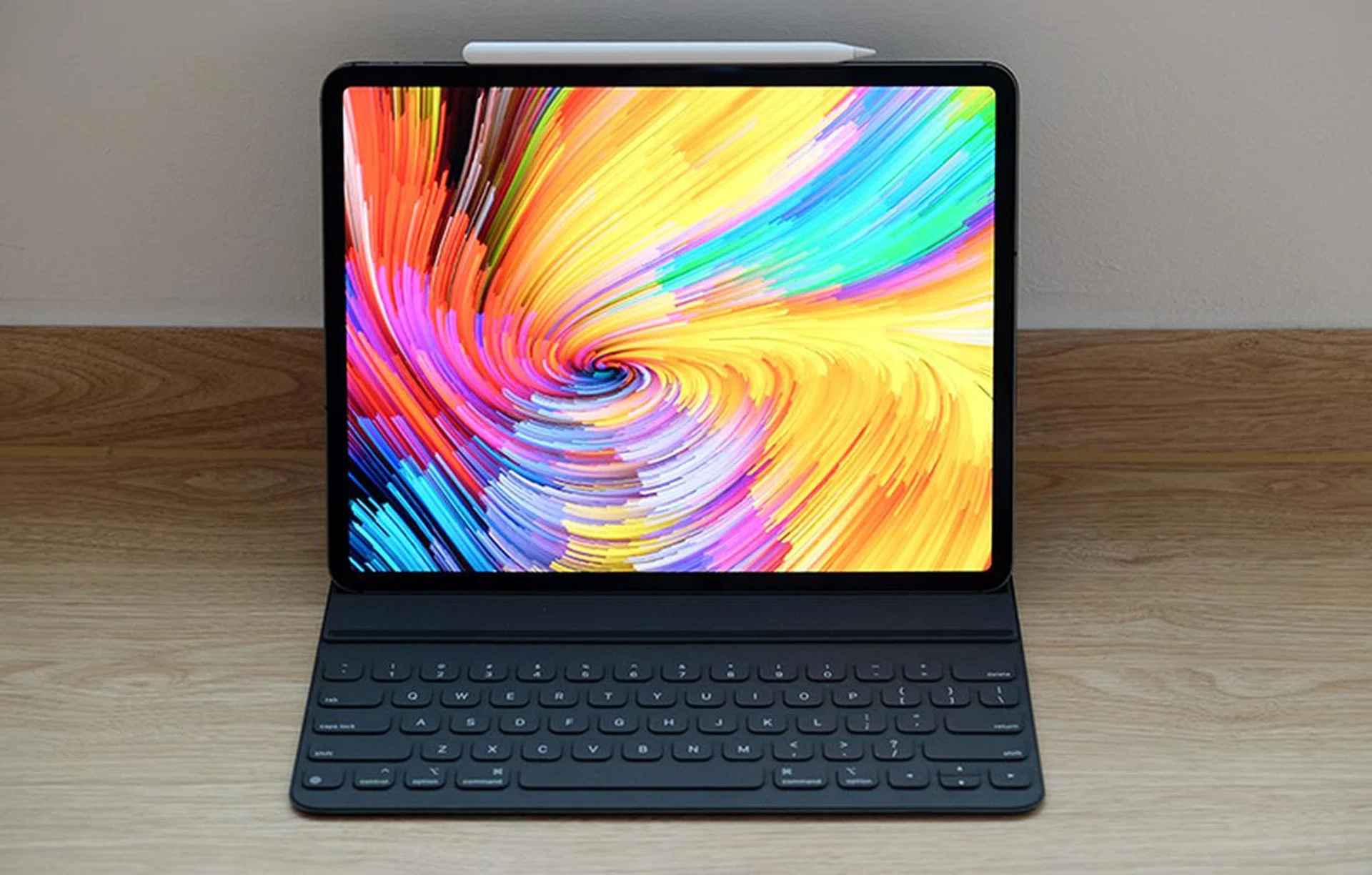
Say hi to the latest iPad Pro!
Big shoes to fill
The last iPad Pro, which was released in 2018, was a stunning tablet. Sure, it has some limitations, such as the inability to read USB drives, but they were mostly because of the OS that launched with it. And to be fair, Apple has fixed some of those limitations via software updates. iPadOS now supports external USB drives.
The hardware, however, was nearly faultless. It’s powerful, remarkably thin, and has a fantastic display even if the bezels were quite thick. The only negative thing you could really say about it was that it’s really expensive – the tablet itself and its accessories.
To say this new iPad Pro has big shoes to fill would be an understatement. So how does it fare?
What's not new?
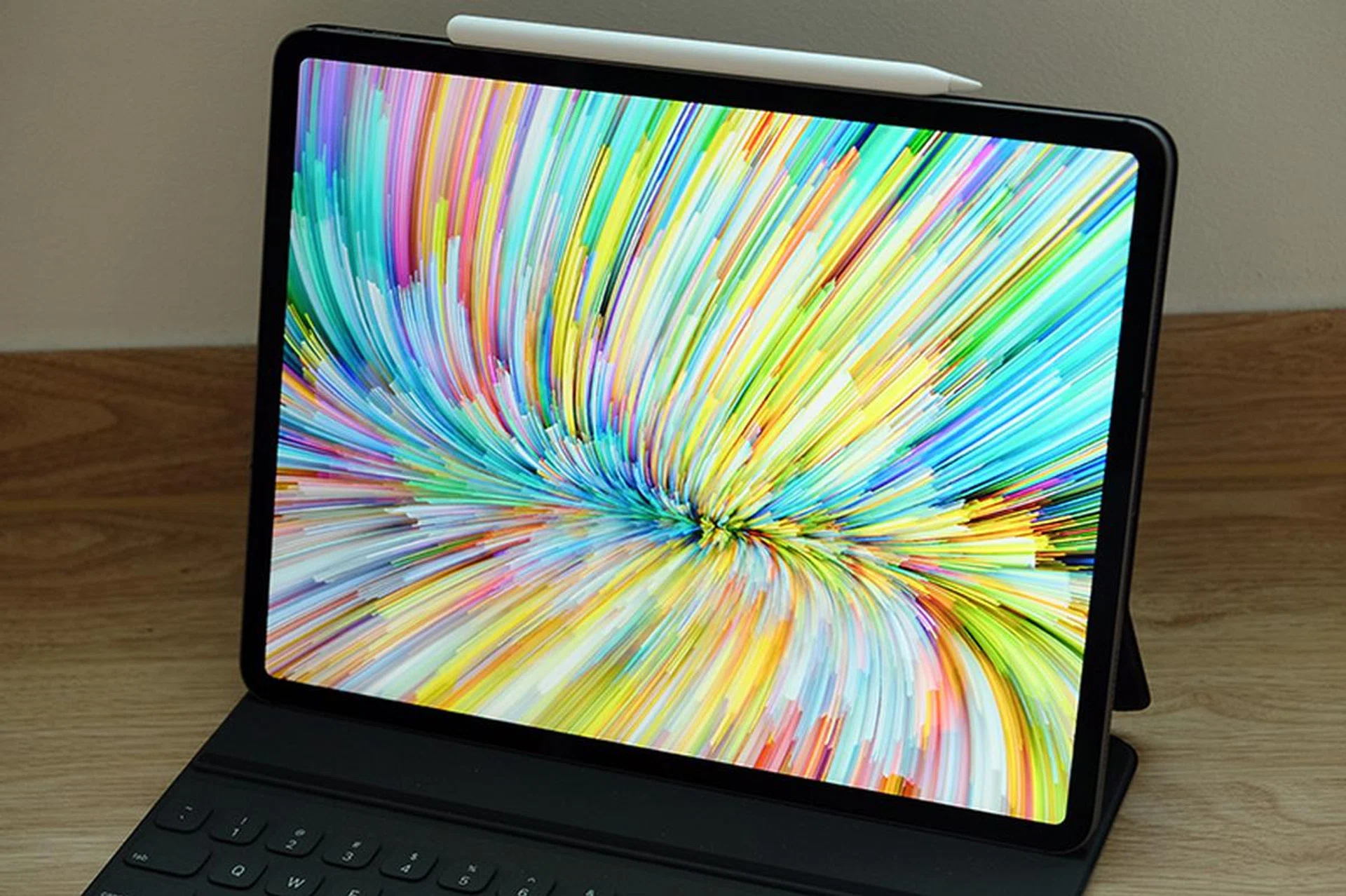
The display is fantastic, though I must point out that it's not really "edge-to-edge" like what Apple claims.
On the surface of things, not much is new. The new iPad Pro still comes in two sizes – 11 and 12.9 inches – and the overall dimensions are unchanged and weight has gone up by a couple of grams for all models. What this means is that the new iPad Pro remains really slim and light. There’s a larger camera bump which I will get into later, but otherwise, the new iPad Pro is physically identical to the last.
The display is also unchanged, which is a good thing because the Liquid Retina display on the last generation iPad Pro was a stunner. The display on this new iPad Pro is no different. The unit I have is the larger 12.9-inch one and its Liquid Retina display is stunning. It’s large, expansive, gets really bright, crisp, sharp, and has superb colours. It may not be an OLED display but it’s easily one of the best displays I have seen on any mobile device. It also supports ProMotion technology, so it can crank up the refresh rate up to 120Hz if required; and it has TrueTone technology too, so it calibrates colours automatically depending on the lighting in your environment.
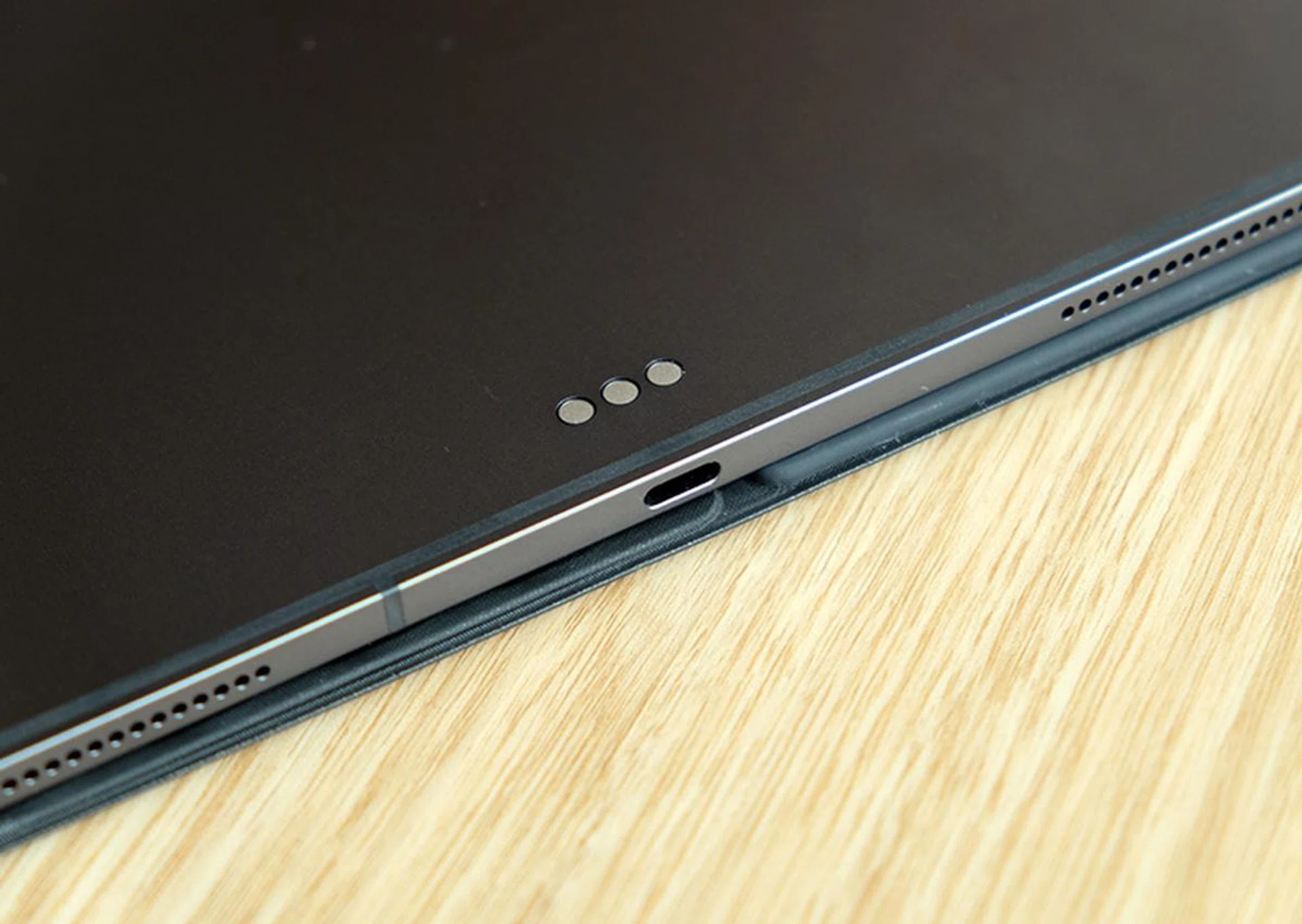
The newest iPad Pro charges via USB-C. The USB-C port can also be used to output to an external display or connect to USB peripherals like USB hubs and external drives.
Also unchanged are front-facing camera and the physical buttons on the iPad Pro. The front-facing TrueDepth camera shoots at 7-megapixels and also supports Face ID. Face ID works in the same way as the last iPad Pro, which is to say it's extremely quick and works regardless of the orientation of the tablet.
In the top right corner are the power button and two buttons for volume control. The iPad Pro also remains to be the only iPad with stereo speakers and there are speakers in each corner. The speakers are plenty loud and are remarkable for a tablet. I guess that’s a good thing because the iPad Pro has no headphone jack. Finally, this new iPad Pro still has a single USB-C port which can be used for charging, connecting to external displays, or most USB peripherals.
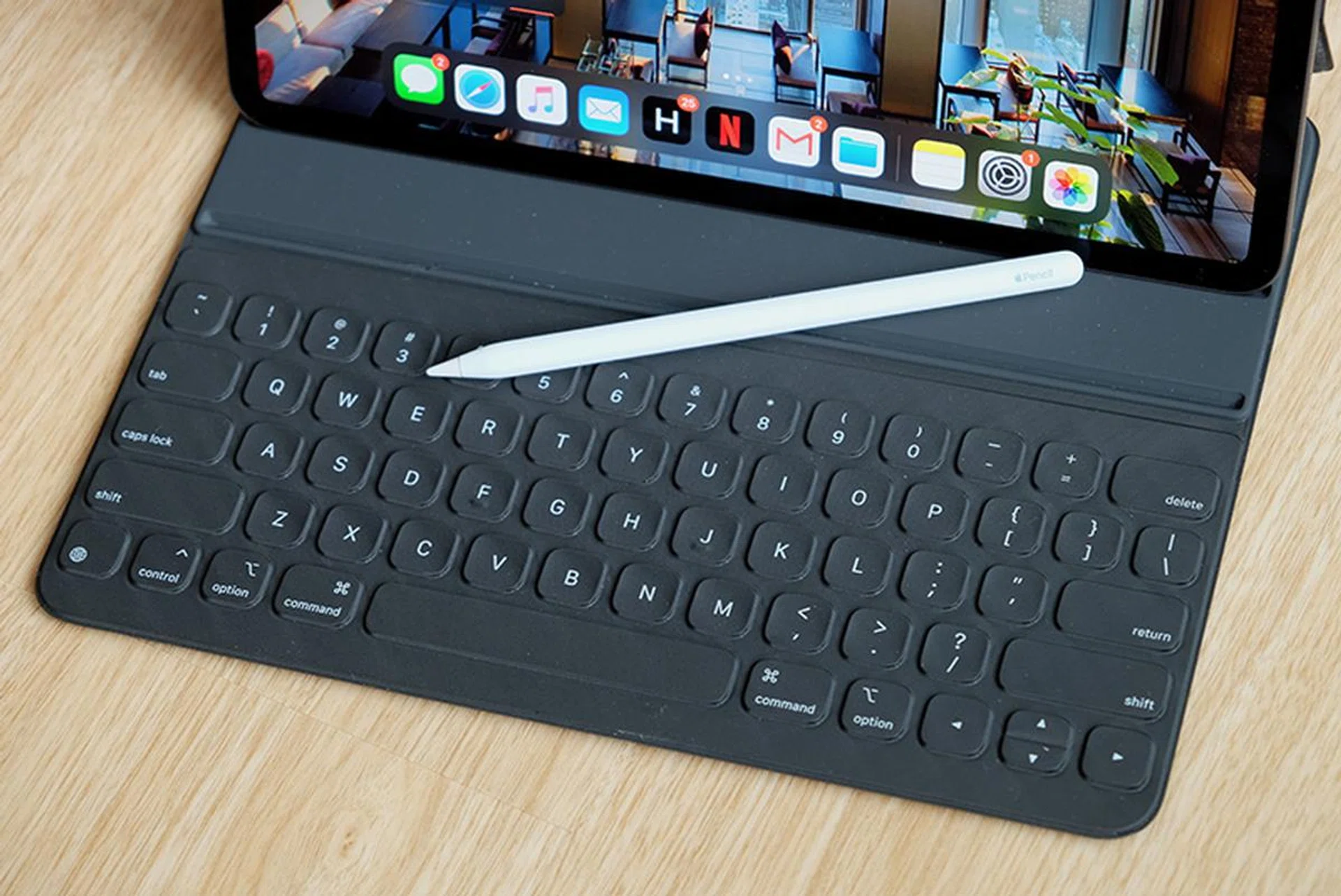
You'll need these accessories to get the most out of the iPad Pro. And yes, they are still sold separately and are really quite pricey.
And as for accessories, yes, they are still sold separately and are really pricey. This new iPad Pro supports the second-generation Apple Pencil (S$189) just like the model it replaces. The second-generation Apple Pencil attaches magnetically to the side of the iPad Pro and charges wirelessly when it does so. It also has a flat side to prevent it from rolling off tables – a common complaint with the first-generation Apple Pencils. There's a new Smart Folio Keyboard (S$299 for 12.9-inch, S$269 for 11-inch) too, but it's largely similar to the old one save for the camera cutout to accommodate the larger camera bump (more on this later).
A12Z Bionic processor
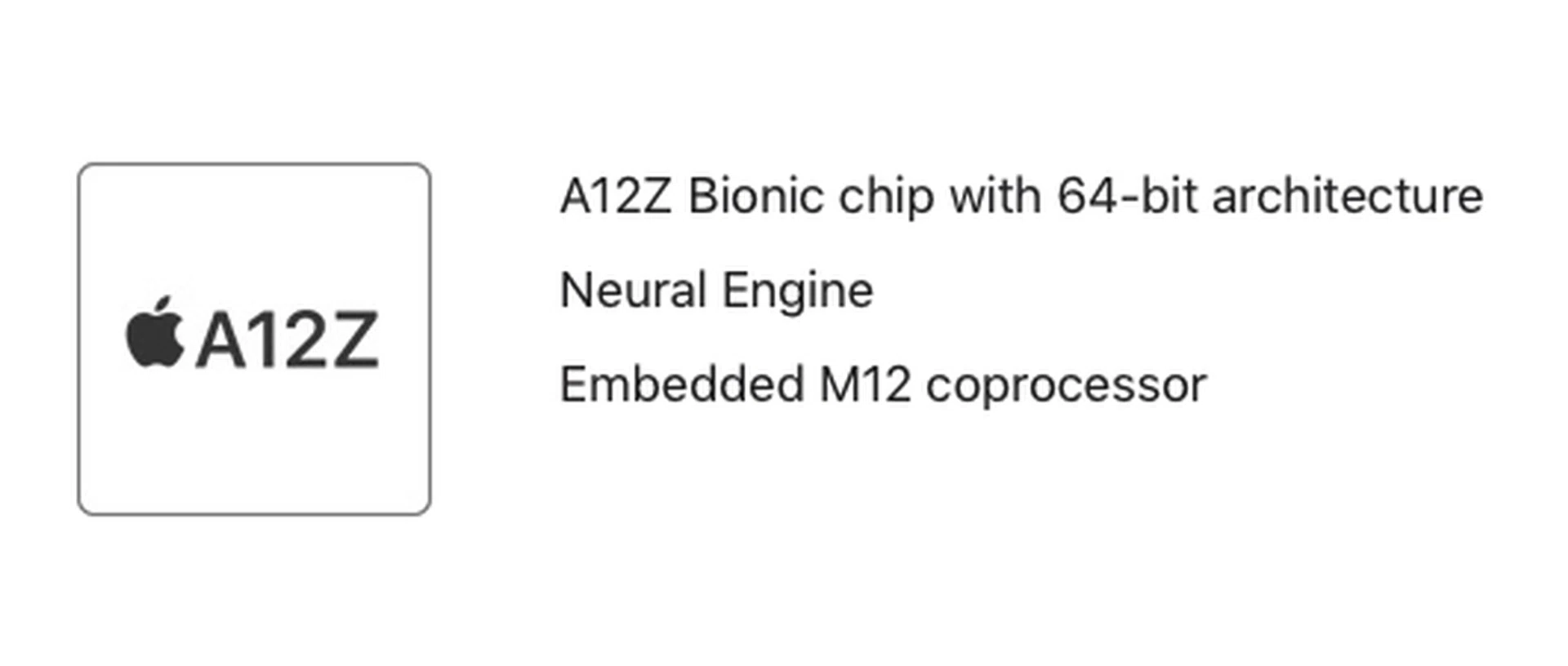
Its name suggests it's based heavily on the A12X Bionic found in the last generation iPad Pro.
For a start, the processor is new, well, mostly. It’s called the A12Z Bionic and it’s the first time Apple has ever put a “Z” suffix to their processor. Based on the information out there and the benchmark results in the next page, it’s safe to say it’s based heavily on the A12X Bionic in the last-generation iPad Pro. According to Apple, the A12X Bionic has an 8-core CPU as well as an 8-core GPU. In other words, it has the same number of CPU cores but one – just one – more GPU core than the A12X Bionic.
Why is it not the A13X? That's a good question and one that I'm afraid I have no answer to. Perhaps Apple is saving it for something bigger. Word on the street is that they are working on iPads with mini-LED displays. But who knows? Or maybe Apple is just really happy with the performance of the A12X. After all, it still is the most powerful chip in any phone or tablet.
Camera
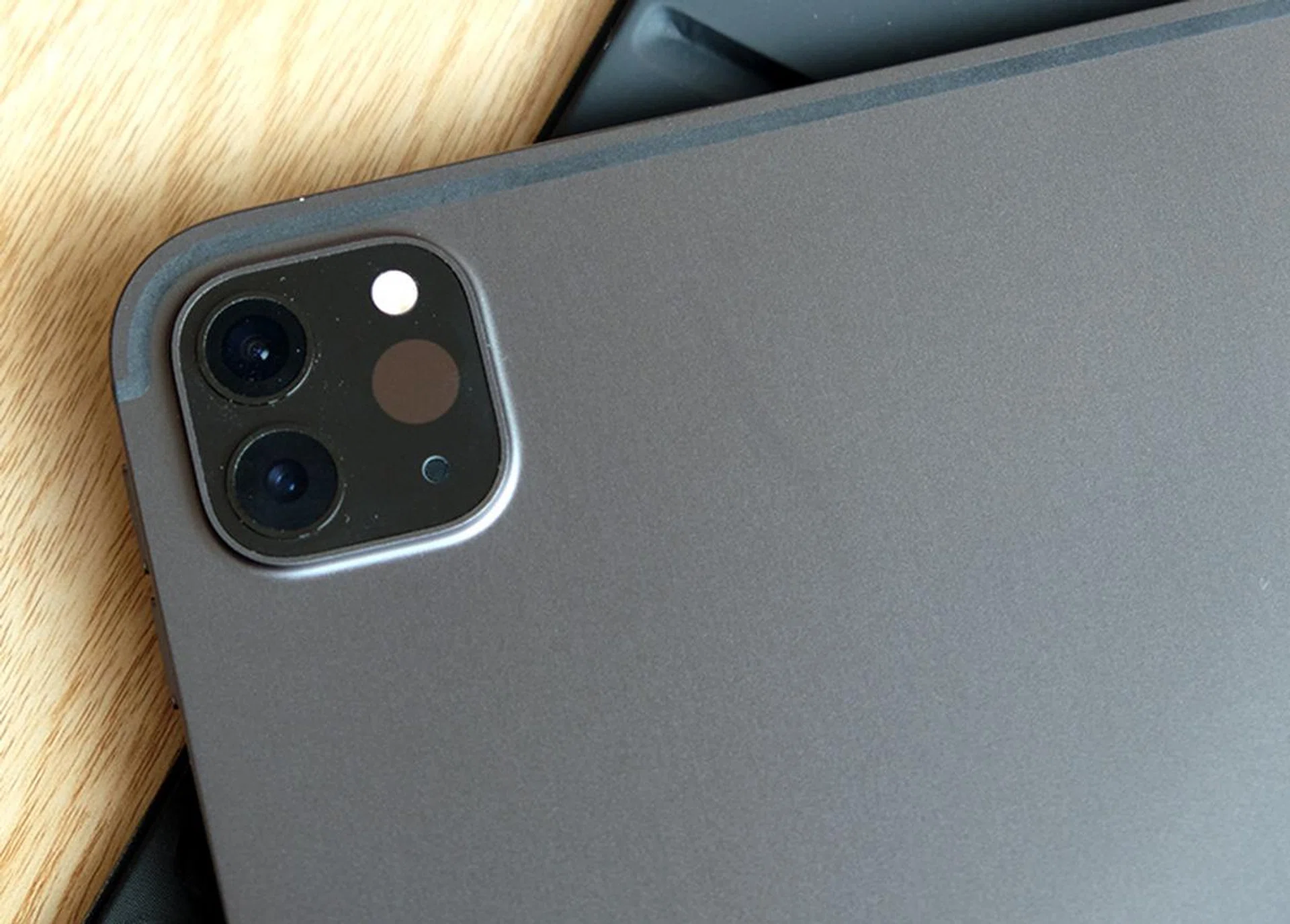
The larger camera bump houses an additional ultra wide camera and lidar scanner.
Also new is the camera setup. The large camera bump behind is because the iPad Pro now has a 10-megapixel ultra wide camera to go along with its 12-megapixel wide camera, as well as a lidar scanner (more on the lidar scanner below).
I get that a camera is useful for quickly taking photos of documents and whatnot, and that's what the wide camera is for. What I'm not convinced of is the benefit of having a second ultra wide camera on a tablet. Unless you are an interior designer who needs to take photos of homes, I'm not quite sure what's the point of an ultra wide camera. Besides, why risk looking like a tool taking photos with your tablet if you have your phone at hand?

Shot on with wide camera. Click to see the original image.

Shot with the ultra-wide camera. Click to see the original image.
That said, the cameras are decent and they take very respectable and usable photos. However, they are no match for those on a flagship-class smartphone like the iPhone 11 or iPhone 11 Pro. Even on the regular wide camera, images don't appear to be quite as sharp and detailed. Images from the ultra wide camera appear even softer.
Lidar scanner
If you inspect the camera bump closely, next to the two cameras is a lidar scanner (light detection and ranging). It’s the first time Apple has put a lidar sensor on any of its mobile devices and its purpose is to enable more advanced AR (augmented reality) applications.
The lidar sensor is imperative to this because it uses the Time-of-Flight (ToF) principle to understand its surroundings. Unlike regular cameras, the lidar sensor projects invisible light up to 5 metres away. It then analyses the light that is reflected back to map its surroundings. With this, the newest iPad Pro has a greater understanding of its environment than any iPhone or iPad that came before it. And together with ARKit, Apple’s framework for AR applications, it allows developers to create more realistic and immersive AR experiences.
Unfortunately, the apps out there right now aren’t optimised for the lidar scanner so I’m unable to ascertain if the lidar scanner really makes a big difference. However, as you can see from the demos of the lidar scanner in action below, it looks mighty promising.

One demo that left me impressed (mainly because I just renovated my place) was that of Shapr3D, a professional CAD app. The demo showed how beneficial the lidar scanner could be for architects and interior designers. Using the lidar scanner, the app can quickly scan the environment and generate a 2D floor-plan or a 3D representation of the space. Users can then design directly into the environment and then use AR to project their designs and see how it affects the space.
For now, it looks like the lidar scanner is mostly for AR, but it could be put into other uses too. For example, photography, and specifically creating bokeh, where the lidar scanner can more accurately map out the subject and its position in a space. We'll have to wait and see.
Mice and trackpad support with iPadOS 13.4
The last bit is not exclusive to the new iPad Pro but it’s worth mentioning since it does ship with iPadOS 13.4 out of the box. But more crucially, iPadOS 13.4 adds one new big feature to iPads and that’s support for mice and trackpads. And now, who better than Craig Federighi, Apple’s senior vice president of Software Engineering, to show you how it works.

It’s a much-welcomed new feature. As great as Apple’s touchscreen displays are, the precision of a mouse is unrivalled, and the familiarity of using a trackpad makes certain tasks easier. And if you look closely at the video, you’ll see that Craig is using a very unusual looking keyboard. That’s the new Magic Keyboard for the iPad Pro.
Magic Keyboard
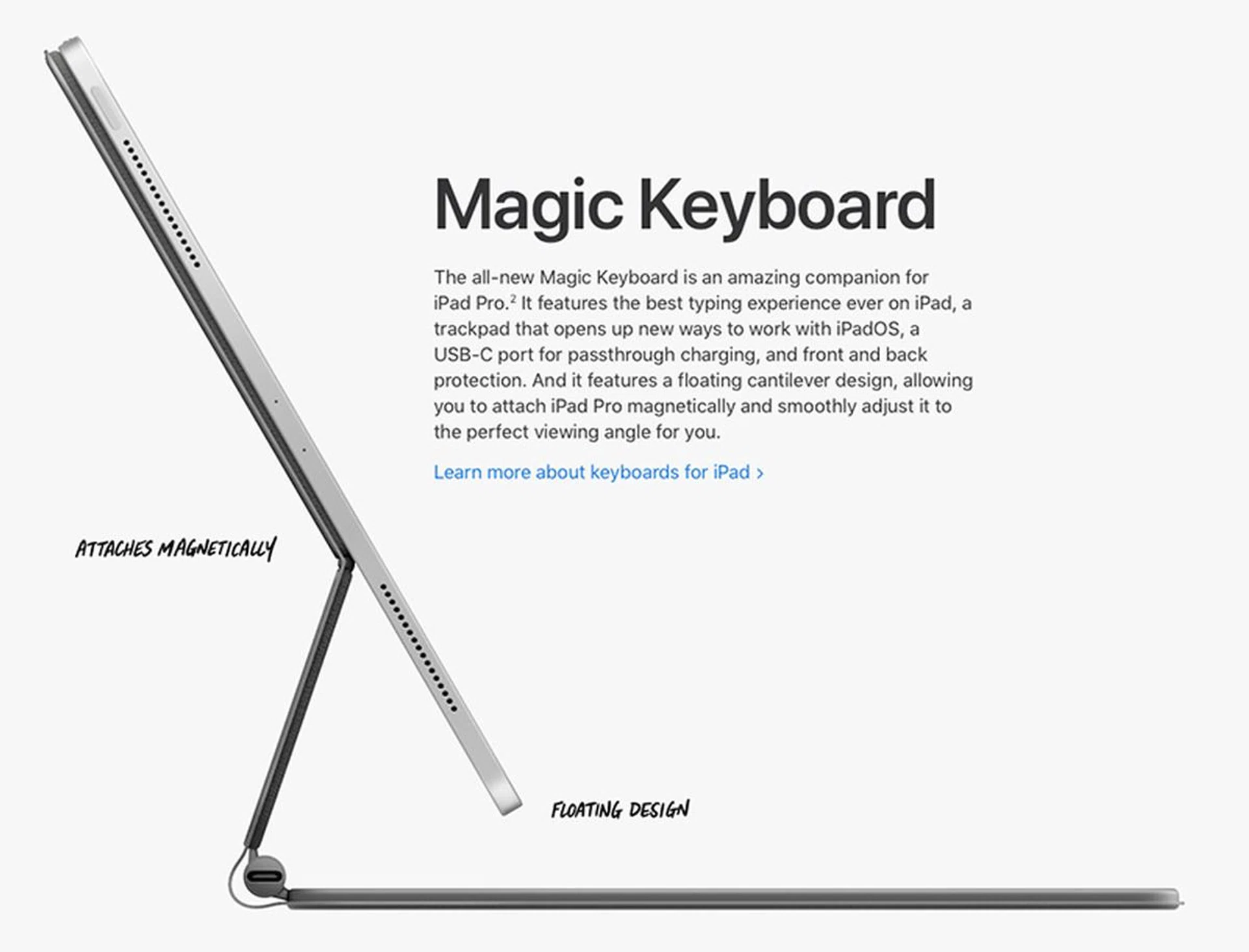
The Magic Keyboard looks fancy and promising, but sadly won't be available until May later this year.
The Magic Keyboard is a new keyboard accessory for the iPad Pro. There’s a couple of things that are unique about it. The first is that it has a floating design where the iPad Pro is lifted off the keyboard and can be adjusted to an angle that’s right for you. Secondly, it has a built-in USB-C port for passthrough charging. This frees up the USB-C port on the iPad Pro for other things like outputting to an external display or plugging in an external drive. The keyboard is “full size” and the keys have scissor mechanisms with 1mm of travel just like the Magic Keyboards on the new MacBook Air and 16-inch MacBook Pro. It even has backlights so that you can see the keys in the dark – something that’s lacking in the current Smart Folio Keyboards. Finally, it also has a trackpad that takes advantage of the new support of mice and trackpads in iOS 13.4.
Unfortunately, the Magic Keyboard for the iPad Pro will only available later this year. Apple says it’s coming in May so we will have to wait until then to find out how it really works in the real world. Also, be warned that the Magic Keyboard is really expensive. The Magic Keyboard for the 11-inch iPad Pro is S$439, and it's S$519 for the 12.9-inch iPad Pro. Ouch.
Support for Wi-Fi 6
(Image source: Intel)
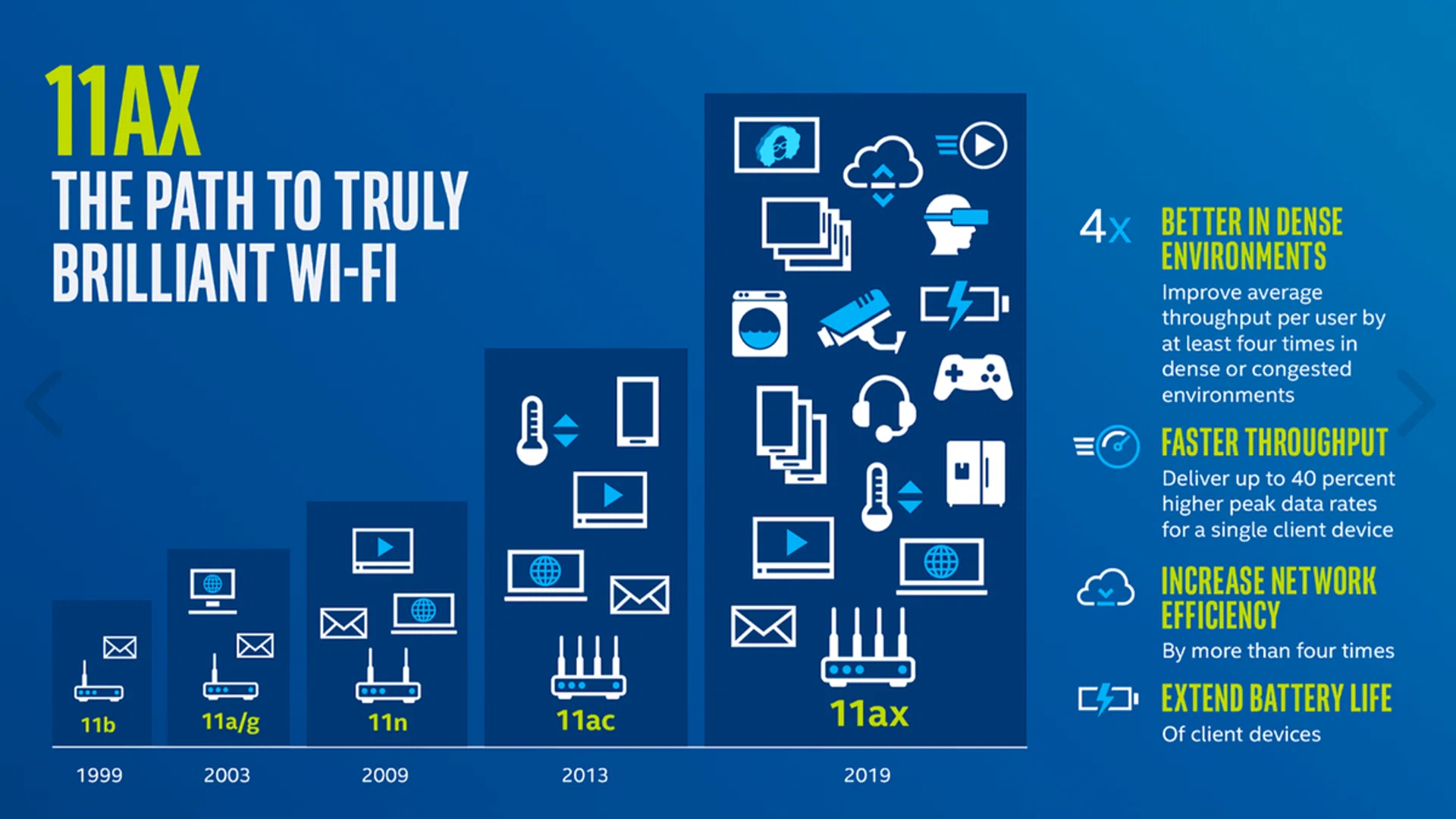
The new iPad Pro joins last year's iPhone 11 and iPhone 11 Pro in support Wi-Fi 6. This is significant because it is the next big thing in networking. If you are not sure what it is, read our guide here. But in a nutshell, it aims to improve wireless network performance by offering more robust support for multiple devices. But before you get too excited, it'll require Wi-Fi 6 routers to work, which are still rather pricey right now.
Performance analysis
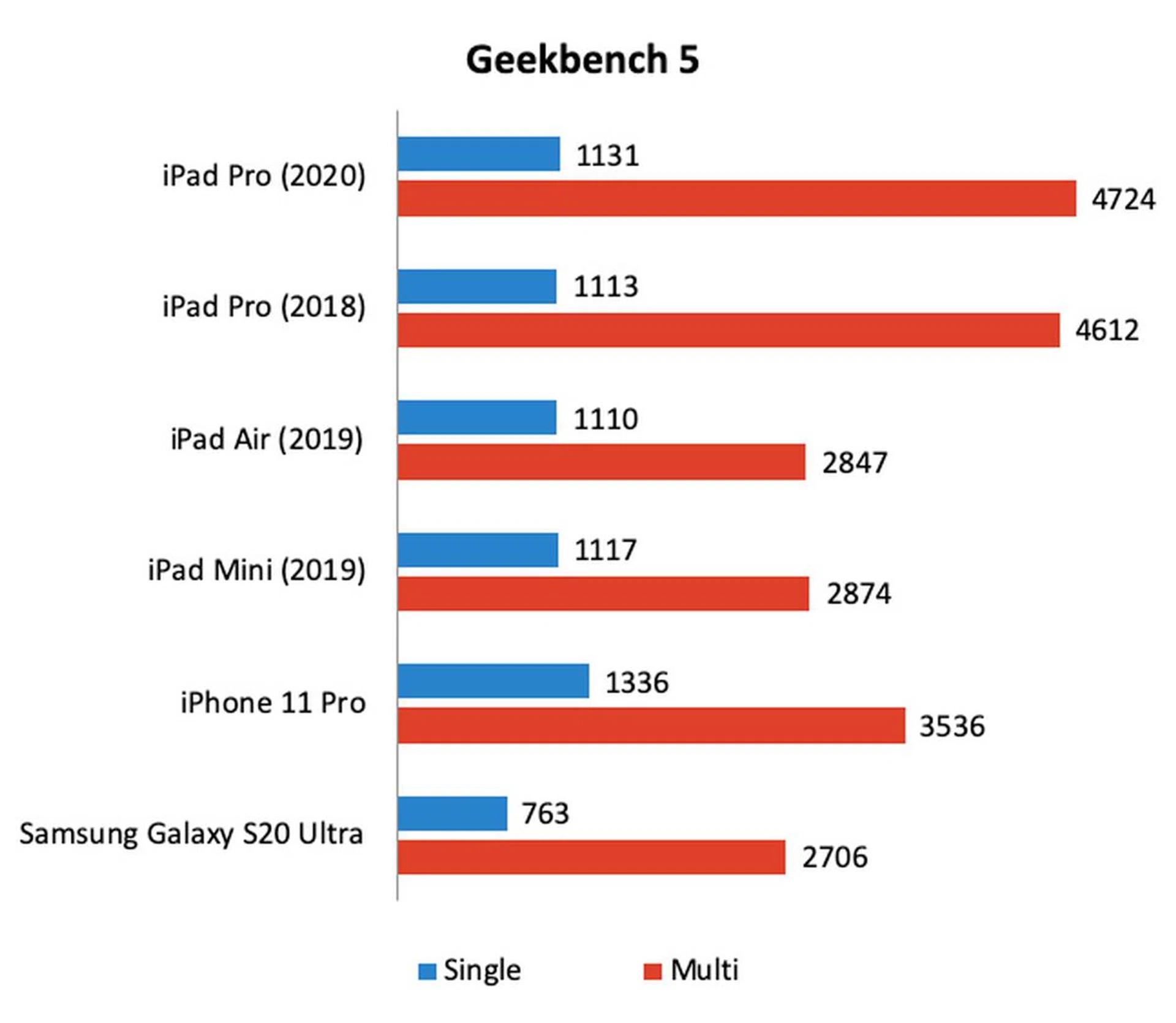
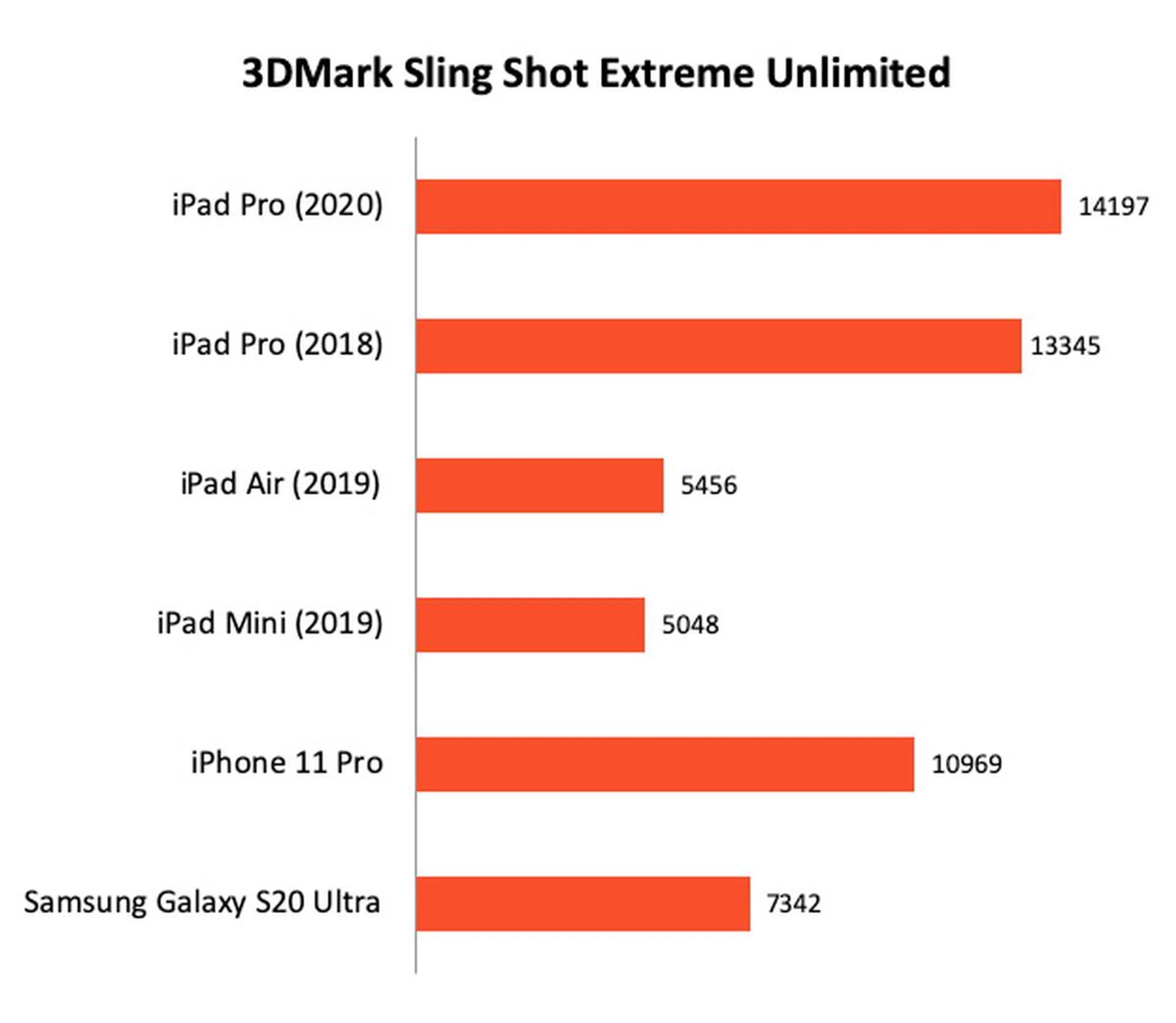
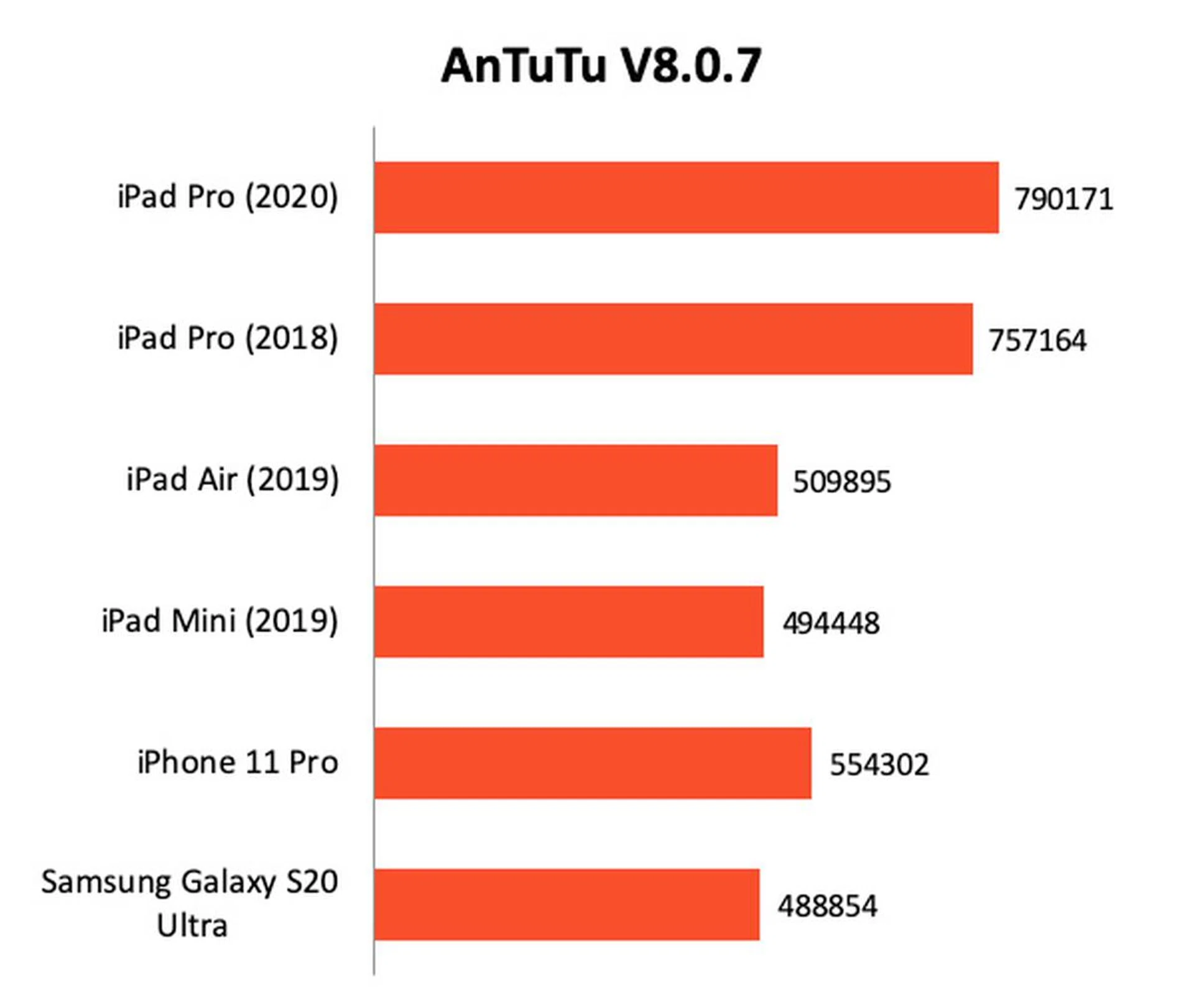
The new A12Z processor is only marginally more powerful than the A12X found in the last-generation iPad Pro from 2018. On Geekbench, which is a pure CPU benchmark, their scores were nearly identical. And on benchmarks with graphics workloads, like 3DMark and AnTuTu with, the new iPad Pro, with its extra GPU core, was about 5% faster. So, overall, the new iPad Pro isn’t all that much faster than the model it replaces.
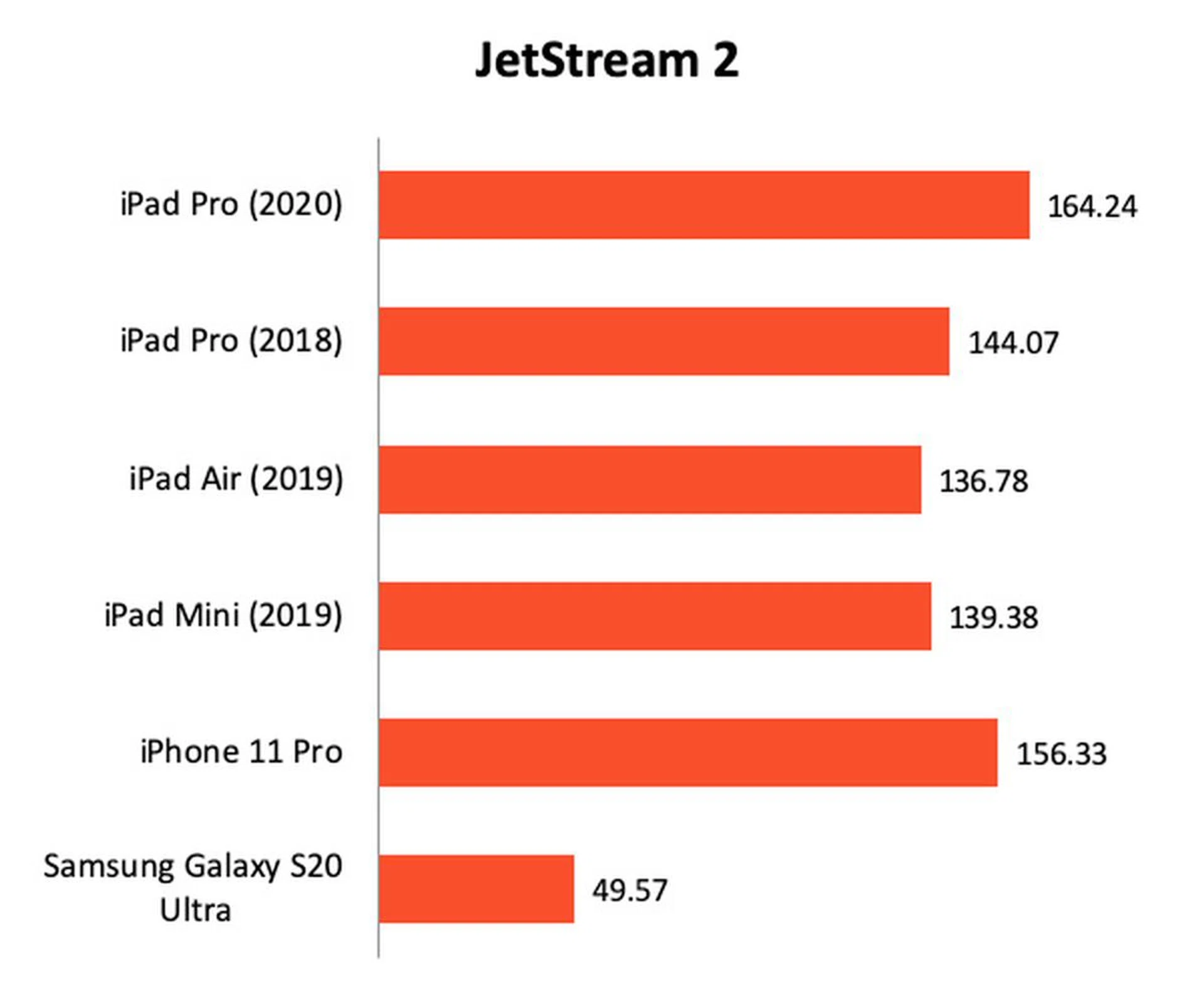
While that may be a little disappointing, it’s still a beast of a processor. It handily beats the A13 processor found in the iPhone 11 Pro and also Samsung’s newest Exynos 990 processor found in the Galaxy S20 Ultra. In short, it's easily the most powerful processor in any phone or tablet.
Battery life
Our standard battery test for mobile phones has the following parameters:
- Looping a 720p video with screen brightness and volume at 100%
- Wi-Fi and Bluetooth connectivity turned on
- Constant data streaming through email
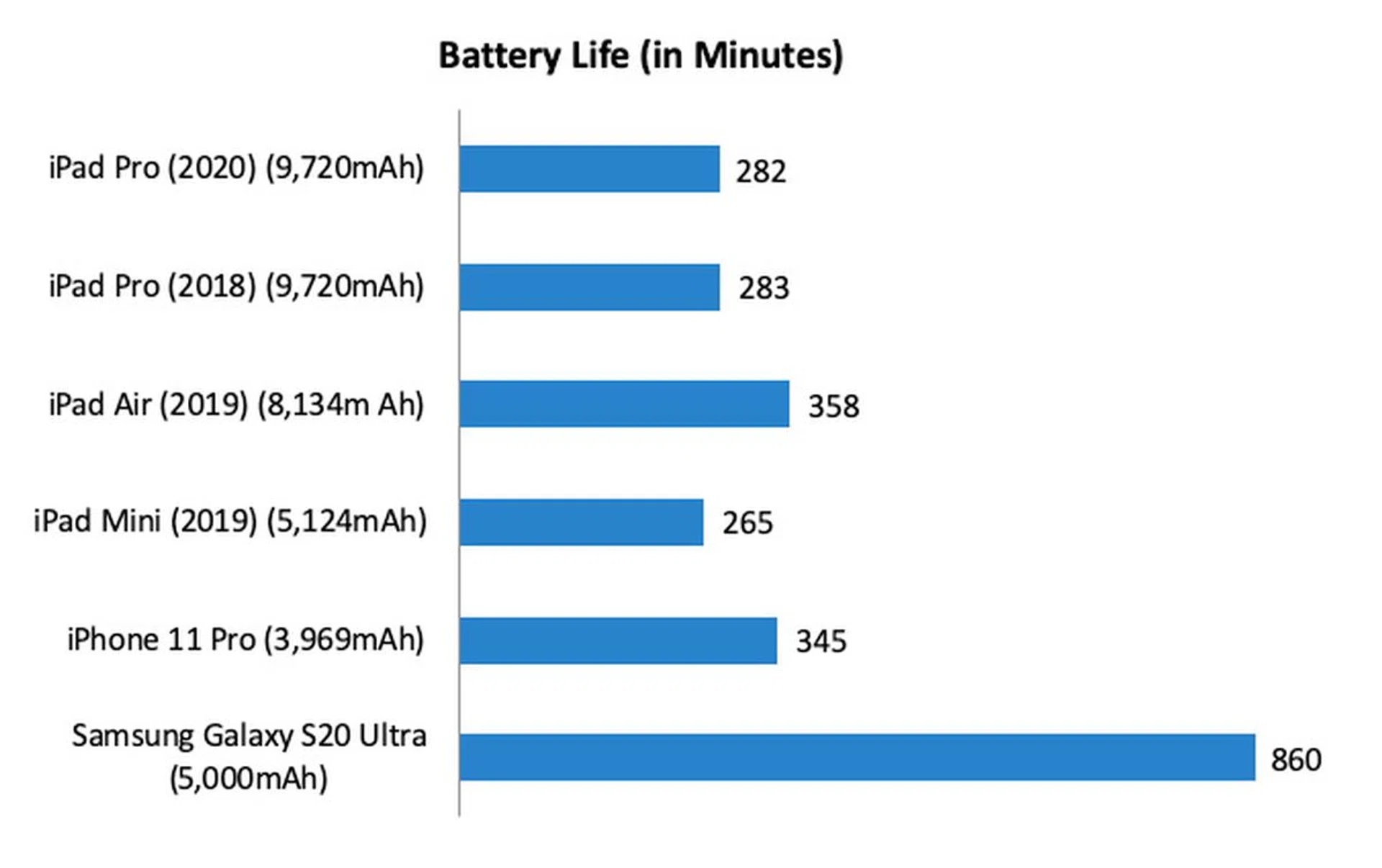
Unsurprisingly, battery life was about identical to old iPad Pro at 282 minutes or 4 hours and 42 minutes. It’s decent compared to the other modern iPads but no match for Samsung’s Galaxy Tab S6, even if the latter has a smaller 10.5-inch display. Still, it’s pretty respectable considering the size and quality of its display, the performance it offers, and how portable it is.
Conclusion
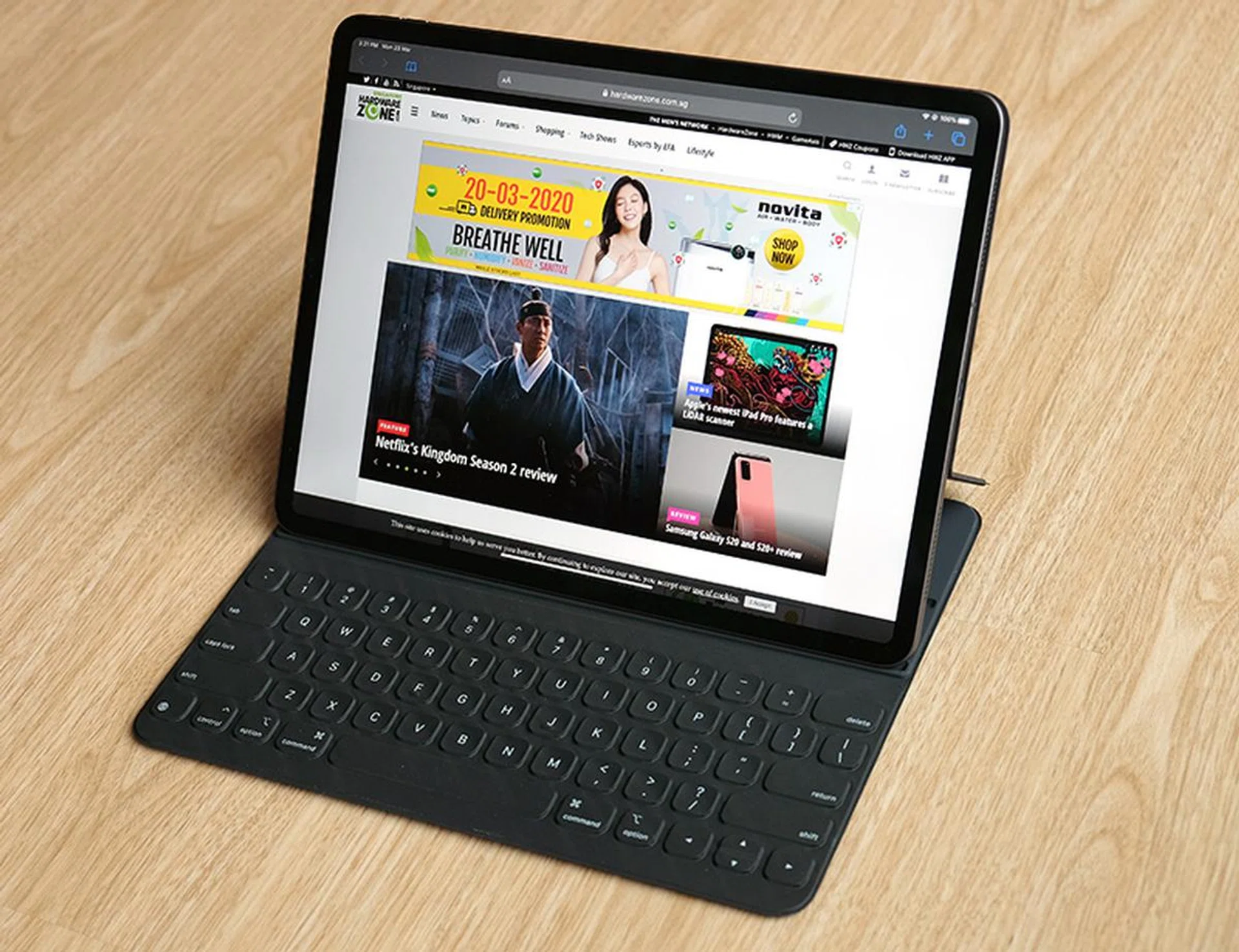
Objectively speaking, this is the best tablet you can buy today.
There’s no question that the iPad Pro is a stunning piece of hardware. The display is marvellous, it is slim, it is light, and it is crazy powerful. Anyone shopping for a new mobile computing device would be looking at the specs of this new iPad Pro with lust in their eyes.
However, the reality is that as wonderful as the iPad Pro is, it is still limited in some ways by iPadOS. Apple has made meaningful improvements to iPadOS to make it more multi-tasking friendly and more like a Mac or traditional computer. You only need to look at the new Magic Keyboard to know that. It comes with a trackpad, for crying out loud. But the truth is that most longtime Mac users like me still find it hard to work exclusively on an iPad. There are new gestures to learn and quirks to workaround. To be fair, some of these quirks are not Apple's fault, but the fact remains that it’s much simpler to stick to my trusty MacBook even if the hardware isn’t as impressive.
Also, it doesn't seem like Apple wants the iPad Pro to be a MacBook replacement. Watch the video below, I don't know about you, but it seems to be saying the iPad Pro is another form of computing. So, to answer the question posited in the title: No, this isn't quite a notebook killer but that's because maybe Apple didn't want to kill off notebooks in the first place.

The flip-side to this is that if you grew up on iPhones and iPads, then maybe iPadOS will come naturally to you. And, of course, there are some things it can do a lot better than Macs can, like signing, scanning, and making quick edits on documents, taking handwritten notes, and more. If you are comfortable with iPadOS, then there’s no better mobile device than the iPad Pro. But having said that, this new model is only a minor update to the one it replaces. Because other than the lidar scanner, the two are practically identical. If you already own the iPad Pro from late 2018, I’ll advise you to sit this one out unless you think the lidar scanner will be a game-changer for you.
To end, not much has really changed. This new iPad Pro is going to cost you, but in return, you get the best tablet money can buy today.
Our articles may contain affiliate links. If you buy through these links, we may earn a small commission.