
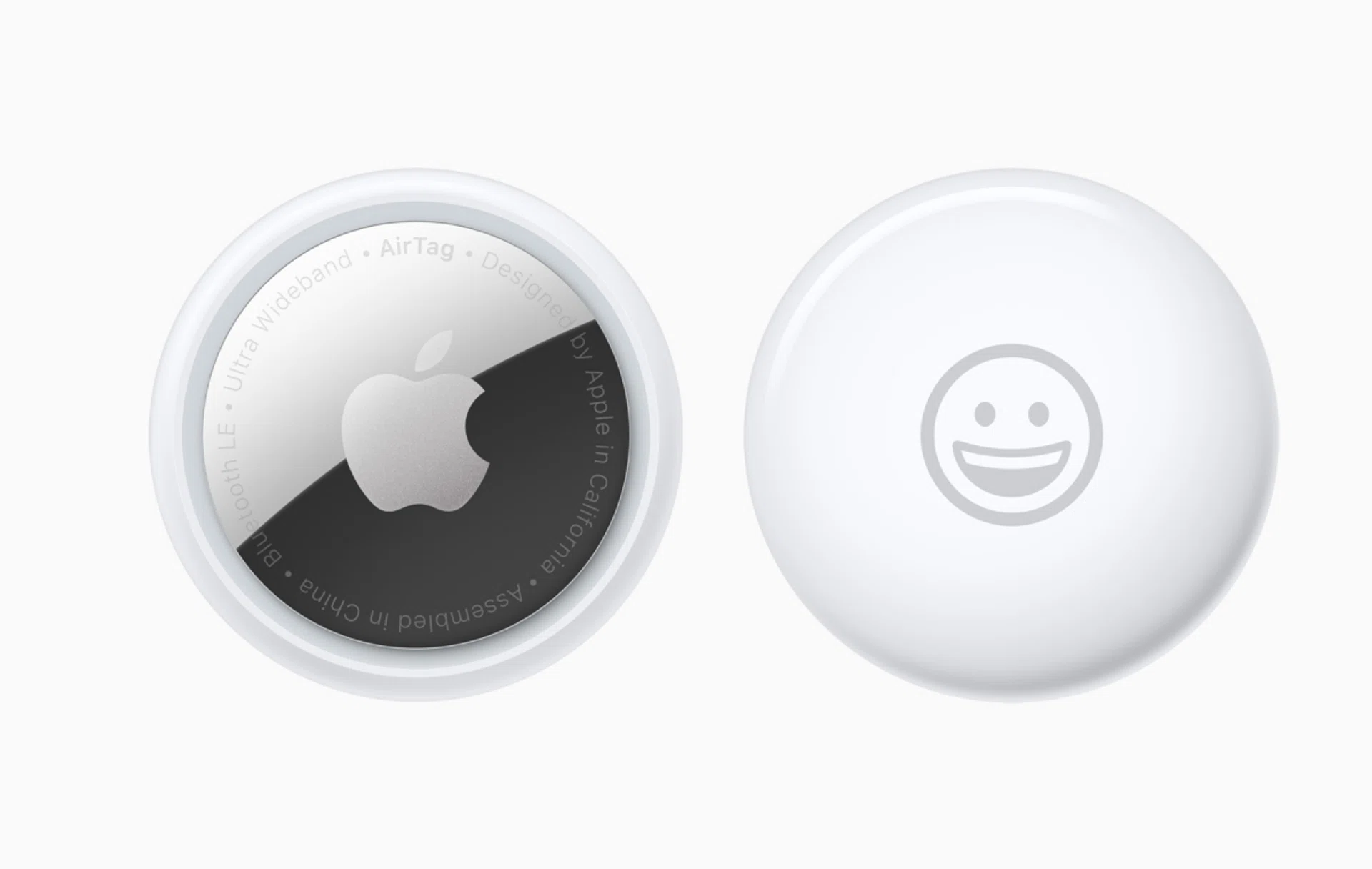
Apple’s next-generation AirTag is expected to include five upgrades across pairing, tracking accuracy, and battery performance, according to a leaked internal build of iOS 26 seen by Macworld.
While these features are coded, they are still a work-in-progress since they are quite loosely defined.
For example, AirTag 2 is believed to offer a more seamless pairing experience, but it’s unclear how Apple will improve this aspect.
It will also feature enhanced Precision Finding for locating the device, and more detailed battery-level reporting.
One feature was given more attention. The report said the upgrade to AirTag may include “Improved Moving”, which allegedly makes the attached item easier to narrow down even if the AirTag is moving.
In tandem with its general refinements, the last new feature grants more accurate location tracking in crowded environments.
These leaks align with earlier Bloomberg reporting that Apple will equip the AirTag 2 with a new ultra-wideband (UWB) chip. The new hardware could significantly increase the tracking range from the current 30 metres to a maximum of 90 metres.
Do these AirTag changes actually matter?
Among the five expected changes, we appreciate the battery status upgrade the most. At present, AirTags only provide a low-battery warning, with a short window to replace the CR2032 (standard watch battery).
The improved location and tracking while the AirTag moves is also much appreciated, since the original AirTag tends to get confused in specific places where it’s most valuable (e.g., locating your luggage at the airport’s luggage belt area and figuring out if your luggage is joyriding on the belt).
The enhancements are also timed well with AirTag’s increasing external support and compatibility. Ever since the introduction of Share Item Location last year, more airlines have begun accepting these shared AirTag links as part of their customer service processes to help passengers locate lost or delayed luggage.