
Vivo V19 review: The mid-range smartphone to beat in 2020
At a sticker price of just S$599 locally (and lower during promotions), the Vivo V19 delivers a lot that's just about right for its class.

Note: This review was first published 21 July 2020.
Is the Vivo V19 the mid-range smartphone to beat?
Vivo likes to think of its phones as a viable alternative for ardent supporters of Chinese smartphone brands. As the number two phone brand in China (with Huawei in the lead), they've amassed Mainland popularity by putting out affordable mid-range devices with a focus on camera photography and general usability.
The Vivo V19 we have is the latest mid-range release by them that follows their longstanding "make the same, but better" mantra. It packs a Qualcomm Snapdragon 712 processor, which is one tier below flagship the Snapdragon 800 series in most flagship devices. But everything else implemented in the V19 feels like it's purely designed to make people turn away from pricier flagship devices by including technologies and functionalities usually reserved for the range-topping models.
For instance, the Android 10 device by Vivo has both the in-display fingerprint sensor and camera-based facial recognition capabilities, with an option to combine both inputs for an even more secure phone unlock process and a greater peace of mind. It also brings dual front cameras (32MP primary and 8MP super-wide-angle) to satisfy folks who love selfies, while also packing an AI quad-camera configuration on the rear (48MP main, 8MP super-wide-angle, 2MP bokeh, 2MP macro).
It also has a whopping 4,500mAh and 33W proprietary fast-charging technology (called Vivo FlashCharge 2.0), albeit no wireless charging capabilities. Finally, it has features that have always given mid-range phones a slight edge over many flagship counterparts - a microSD card slot and a 3.5mm audio jack. Vivo also doesn't have the kind of global pressure faced by Huawei, and hence the V19 phone is compatible with Google Mobile Services and has the Google Play Store installed by default.
Here's a video overview as we unbox the device:-

At a sticker price of just S$599 here, is the Vivo V19 the 2020 mid-range smartphone we've all been waiting for? Let's find out.
Design & Handling
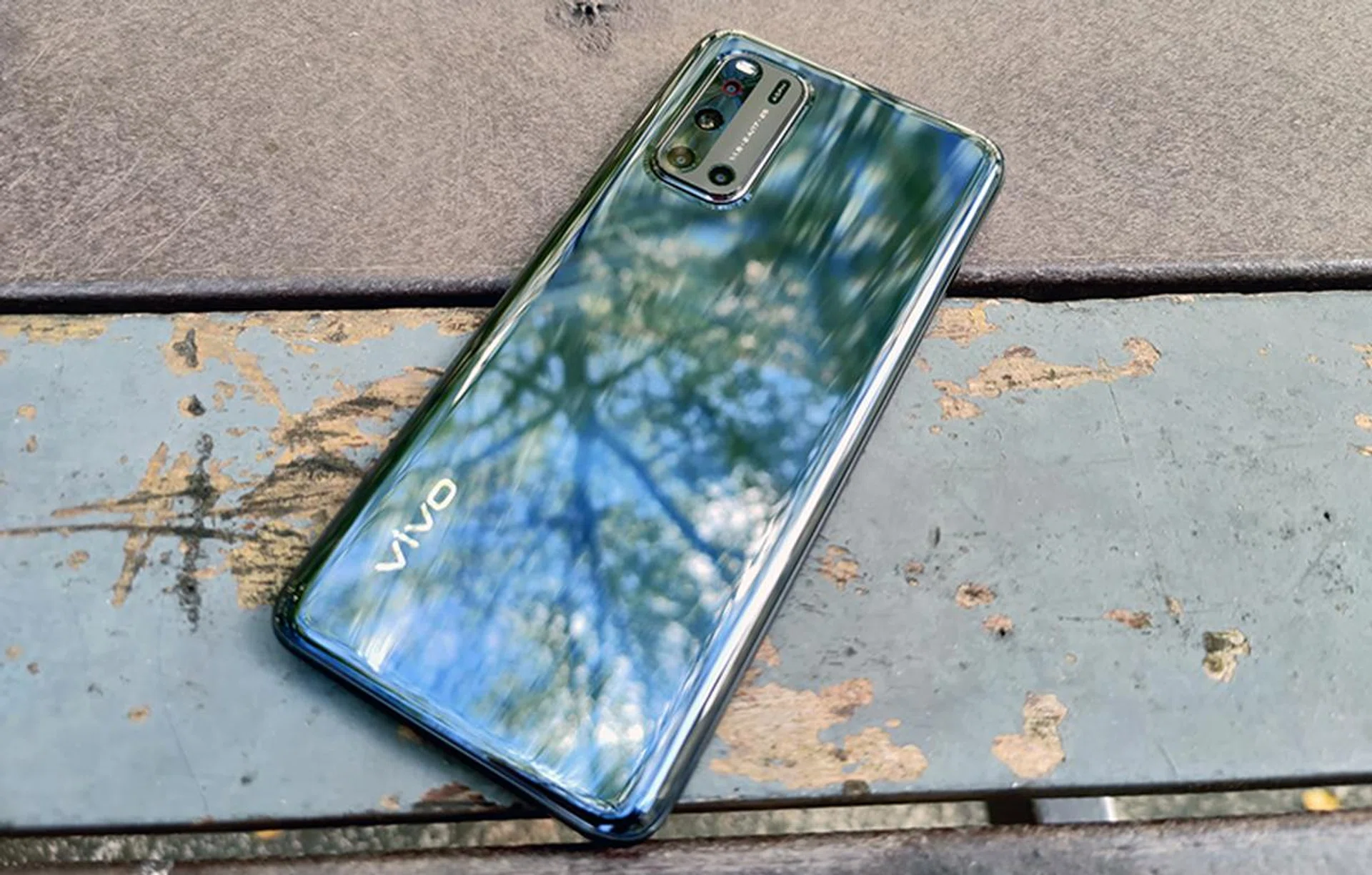
Frankly, it's quite challenging to tell apart the Vivo V19 from Huawei's P40 series smartphones. The make is similar, right down to the choice of a metal rim holding together the plastic rear and display panel. The power and volume buttons rest to your right, while the USB Type-C port and 3.5mm audio port are along the bottom rim.
On the rear, there's a camera housing for the multiple cameras that are sitting inside the same rectangular shape found on the P40's rear camera housing too. While the V19 is not original in design, it still offers a flagship-looking device at a mid-tier price point, so that's a plus point in favour of Vivo.
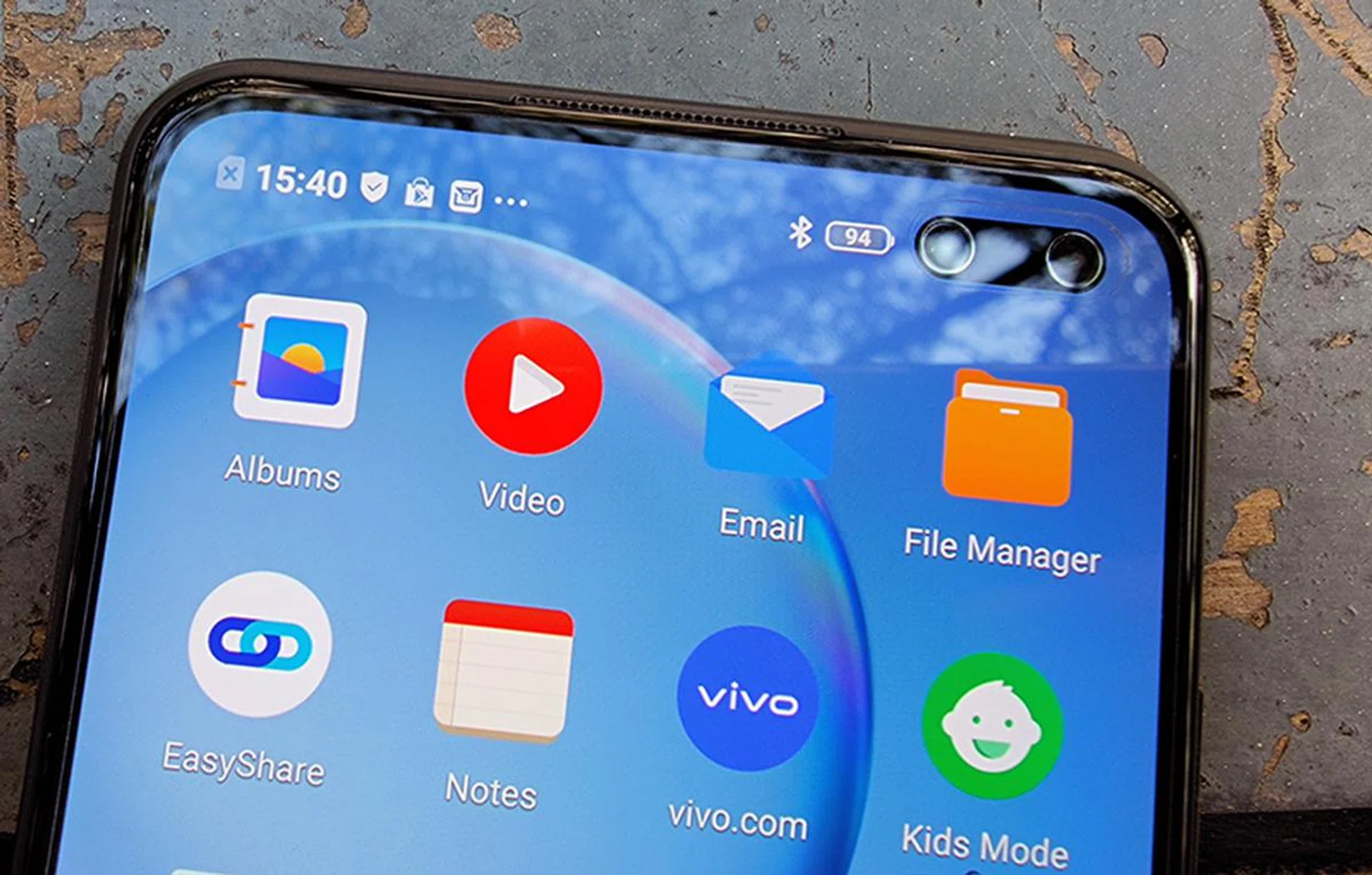
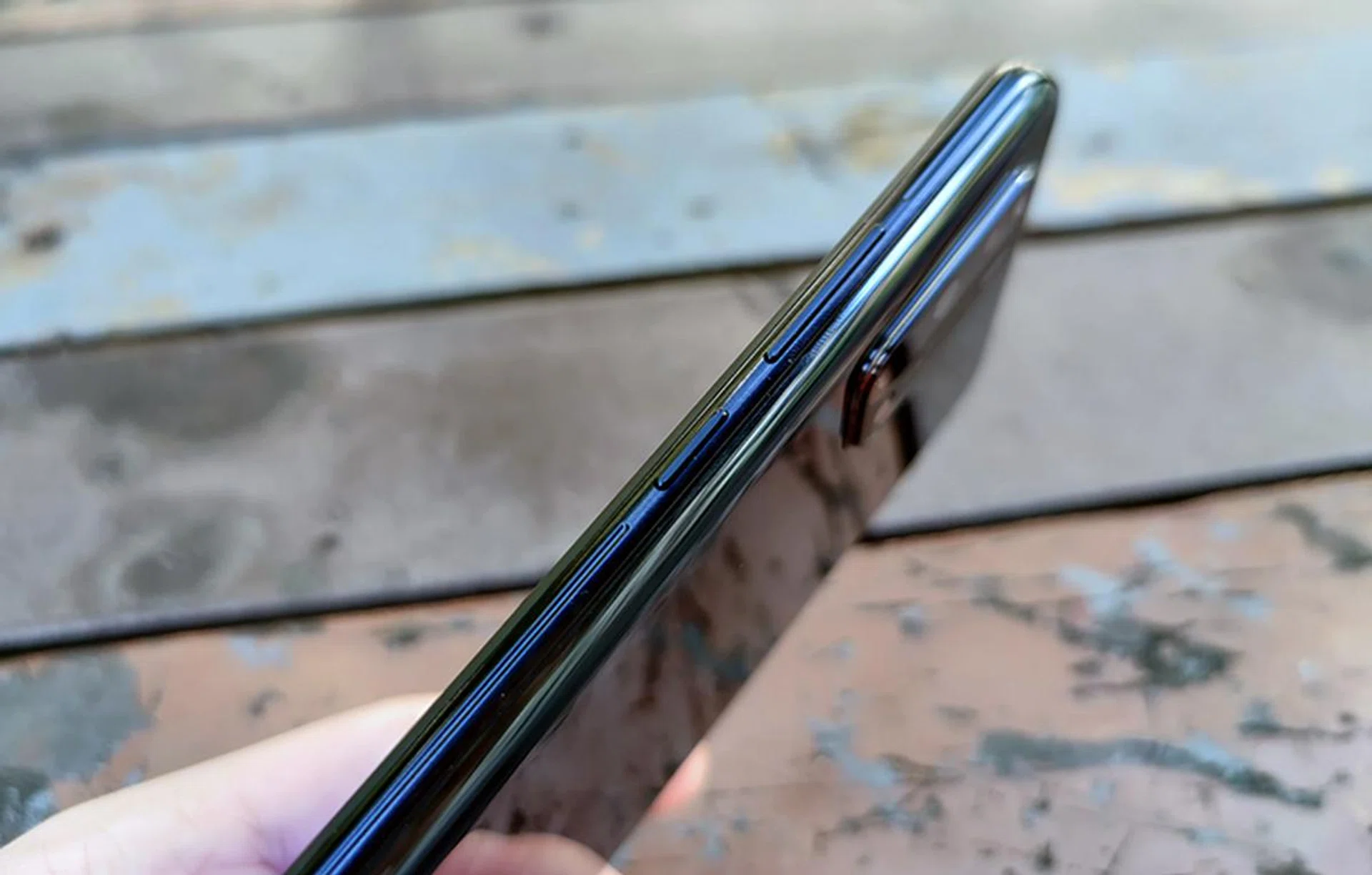
The V19 also has some slight differences to help distinguish it from their main rival's devices, such as the front camera's right-alignment, and the embossed grooves along the side rim for slightly better grip. In summary, the design and handling are not new to us, but because it worked for the P40, you can bet that it works for the V19 as well.
Display & Audio
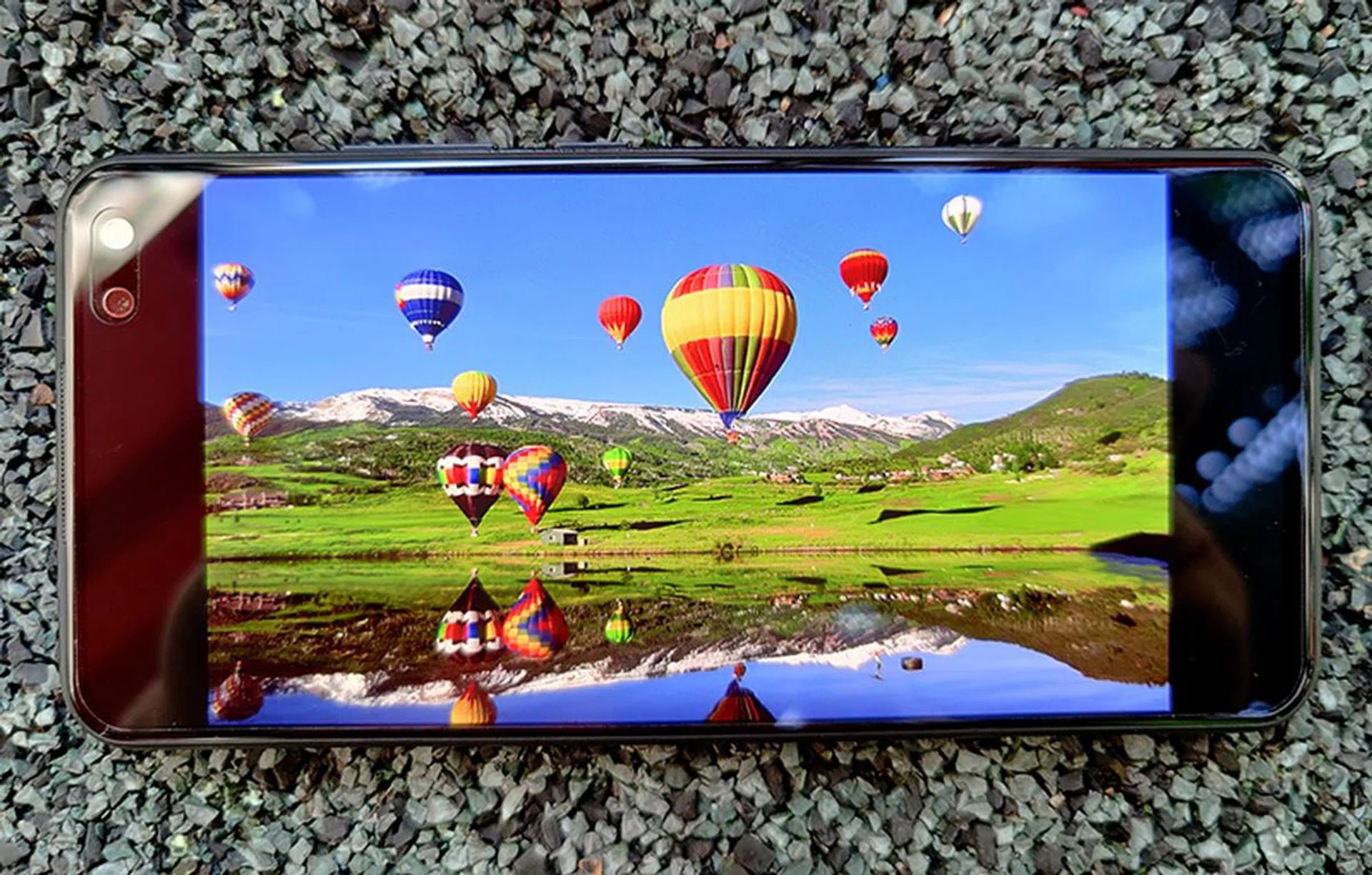
Vivo V19's 6.44-inch Super AMOLED display rated at Full HD+ resolution (2,400 x 1,080 pixels), working out to a pixel density of almost 409 PPI. Super AMOLED panels on phones are generally comfortable for viewing, with its signature vibrant colourisation and warm colour temperatures. V19 is no exception, as you can see from our test image. We'd say the V19 has one of the better (if not one of the best) displays for its sticker price.
Would the V19 display be good enough to go against flagship models? We'd argue yes, because of its pixel density. Through our phone reviews, we've repeatedly talked about how the pixel densities of 330 PPI and higher have indistinguishable viewing experiences to an untrained human eye. A quick check on the Huawei P40 Pro+ would tell you that it has 411 PPI, so there's virtually no difference between Huawei's premium flagship model and the Vivo V19's 409 PPI in terms of sharpness, even if they have different resolutions and sizes.
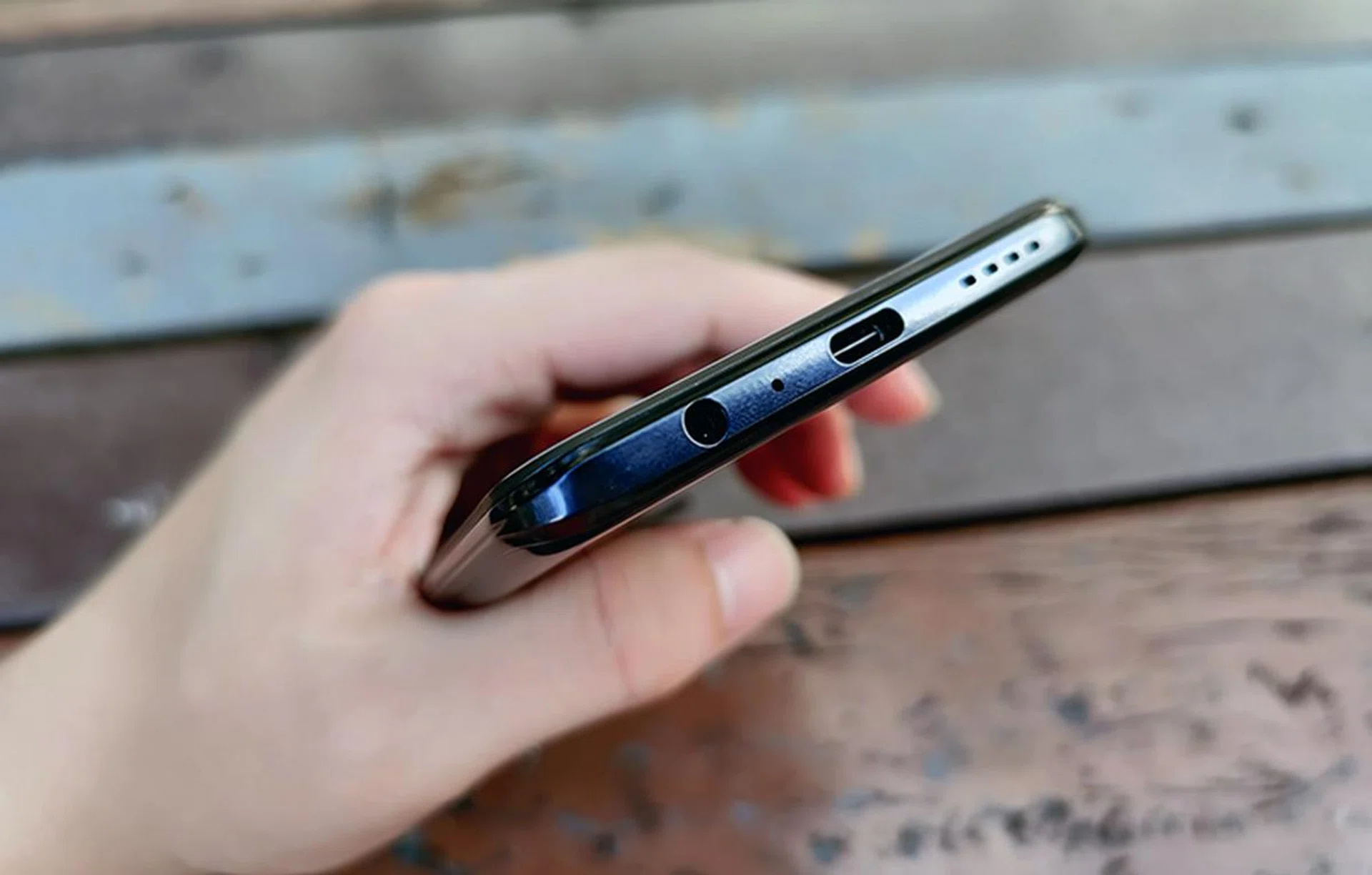
The V19's single-firing loudspeaker is located next to the USB Type-C port at the bottom. It has a bass-heavy sound profile with a slight bloat in the middle-range frequencies. The speaker packs an impressive maximum volume, but it trades that volume for clarity when you push it all the way up (which is natural for a speaker of its size). The V19 has a decent display and audio package, with more love shown towards the display quality if anything.
User Interface
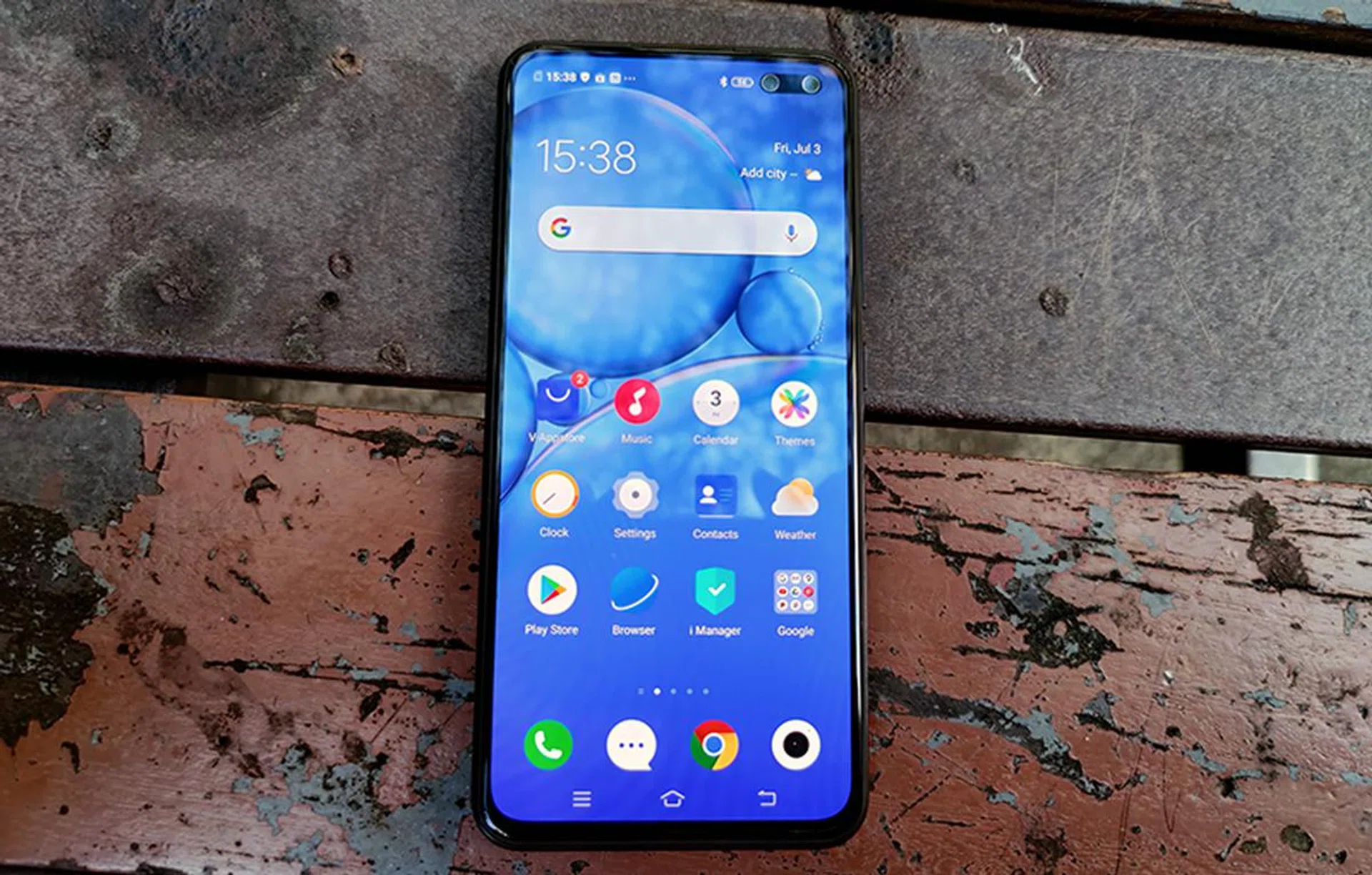
The phone uses Android 10 cloaked under its proprietary interface - Funtouch OS 10. The interface feels similar to Huawei's EMUI operating system, such as its youthful appearance and generous use of neutral colours in its palette. Its proprietary Settings app arranges information clearly and cleanly, and it uses a comfortable, legible system font.
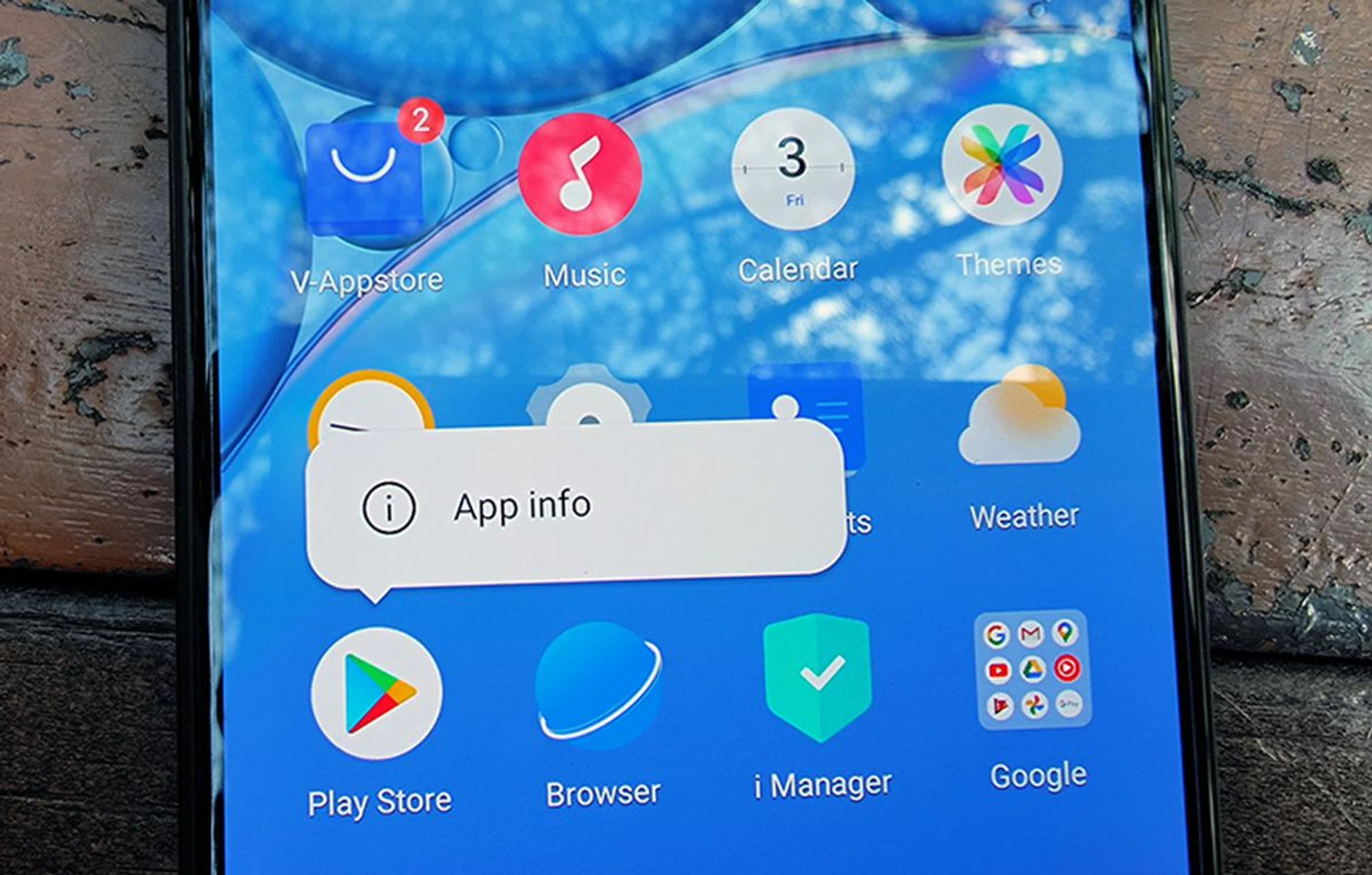
Day-to-day use feels smooth and natural - which is a great plus point for any mid-range device since they don't usually use high-end mobile processors. We had no issues with gaming, video watching, web surfing, or replying messages. If you thought this is a given in 2020, it's not always the case as we personally found out from reviewing a similar priced Sony Xperia 10 II mid-range smartphone.
Where the V19 adds the extra touch is the near-flawless incorporation of its unlocking functions. The in-display fingerprint sensor has a 100% hit-rate so far, and it won't unlock for non-registered fingers (as intended). The facial recognition unlocking is nowhere as advanced as an iPhone's. For example, the V19 will enable a display-brightening technique if it's too dark to register faces, while iPhones use infrared blasters to read faces in complete darkness. Still, the V19's facial recognition technology works seamlessly when called upon. Finally, there's an option for users to combine both fingerprint and facial unlocking for added personal security, although we preferred using them separately for a wider variety of unlocking alternatives.
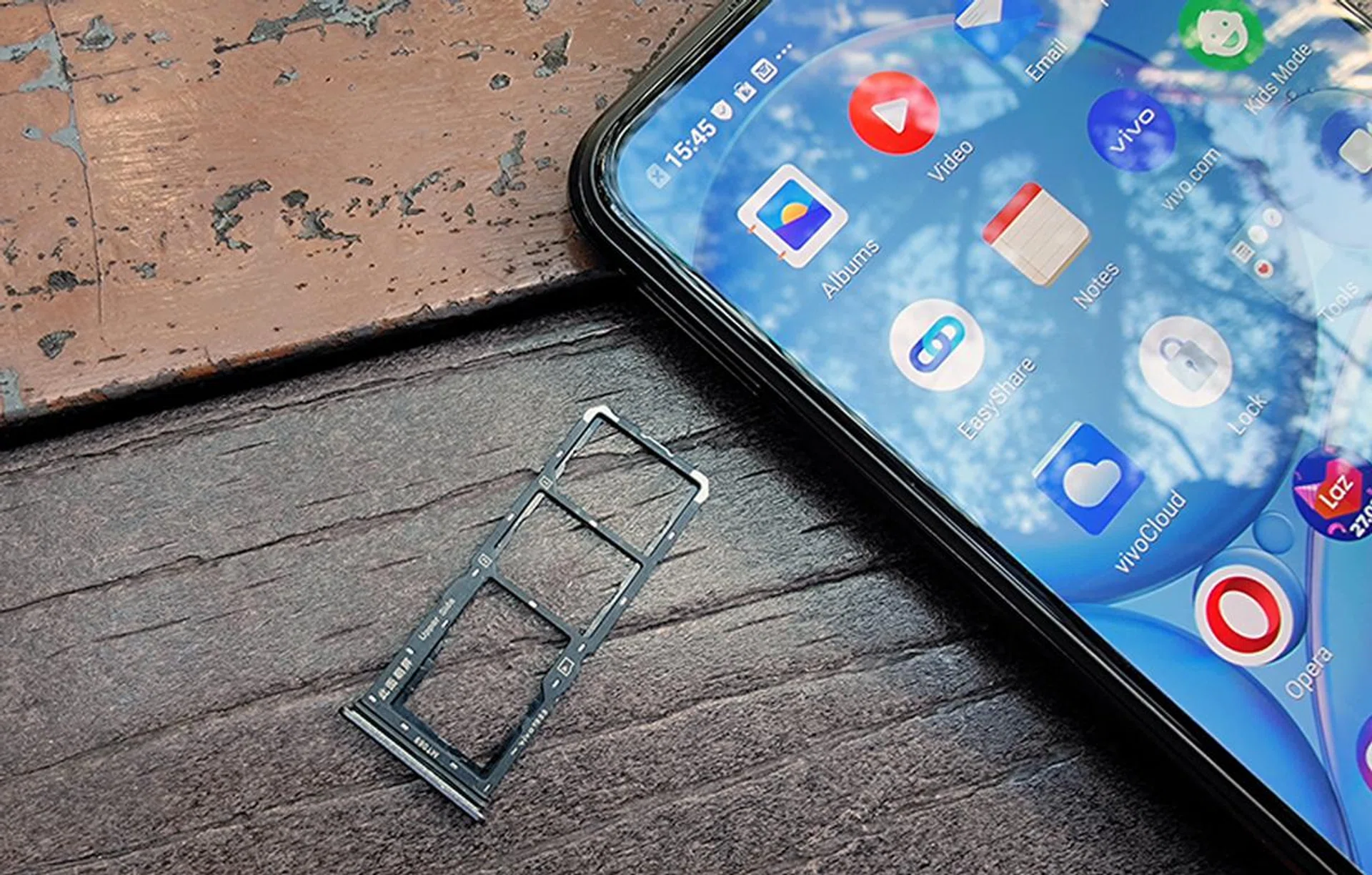
More common mid-range features can also be found on the device, such as the 3.5mm audio port and the ability to accept MicroSD cards for storage expansion. What we liked best were dedicated card slots taking two nano-SIM and one microSD all at once, when other phones would usually make you choose between a nano-SIM or a microSD for its second, hybrid slot.
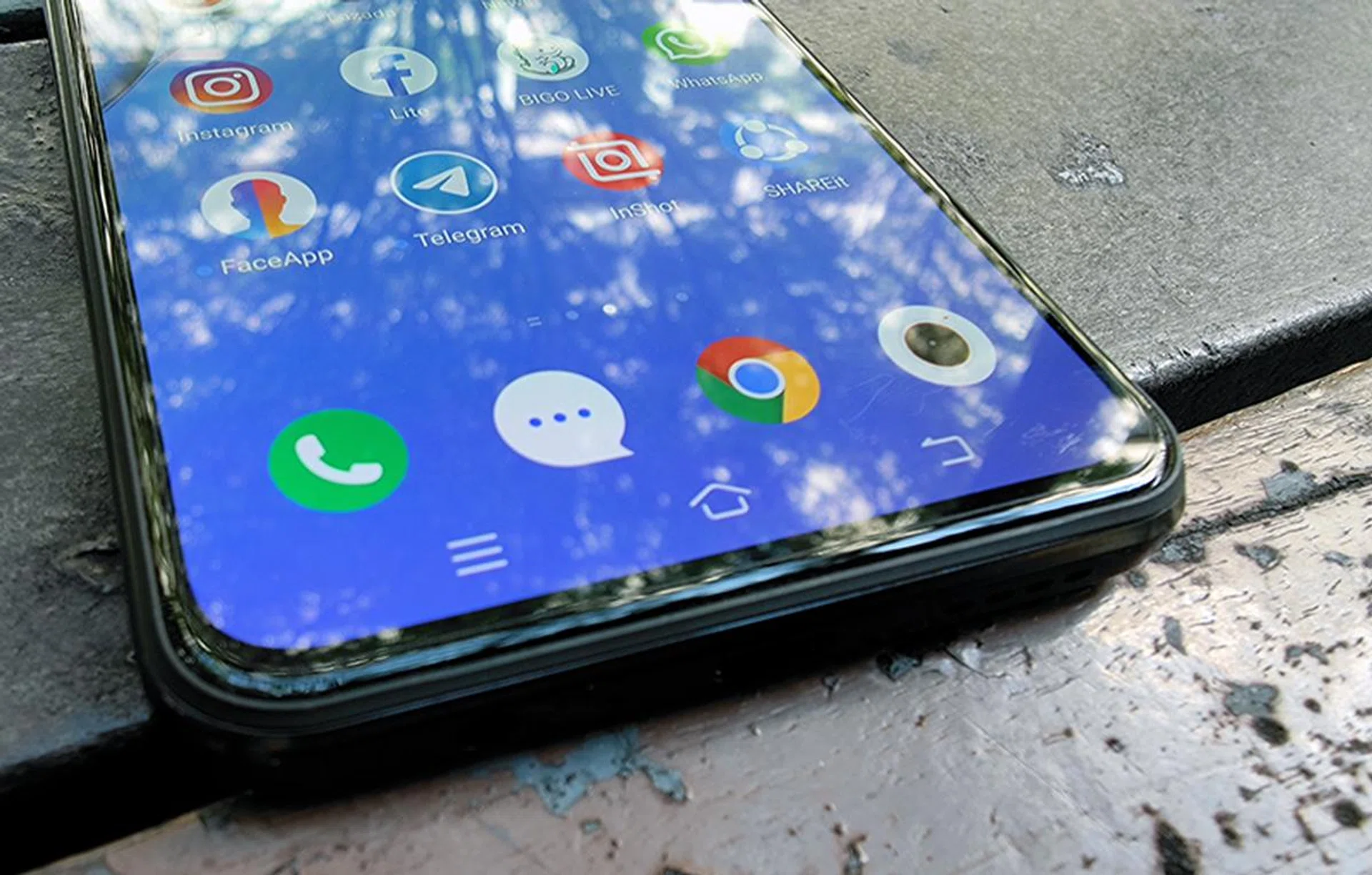
The V19, like any other mid-range phone, isn't perfect. What it lacks is NFC connectivity, which is increasingly essential for wireless pairing or connectivity for cashless payments and other personal devices. It also lacks IP-rated water and dust resistance, which is nice to have for peace of mind. If the V19 had these two functionalities, it could easily compete, feature-wise, against other flagship devices.
Cameras & Imaging Performance
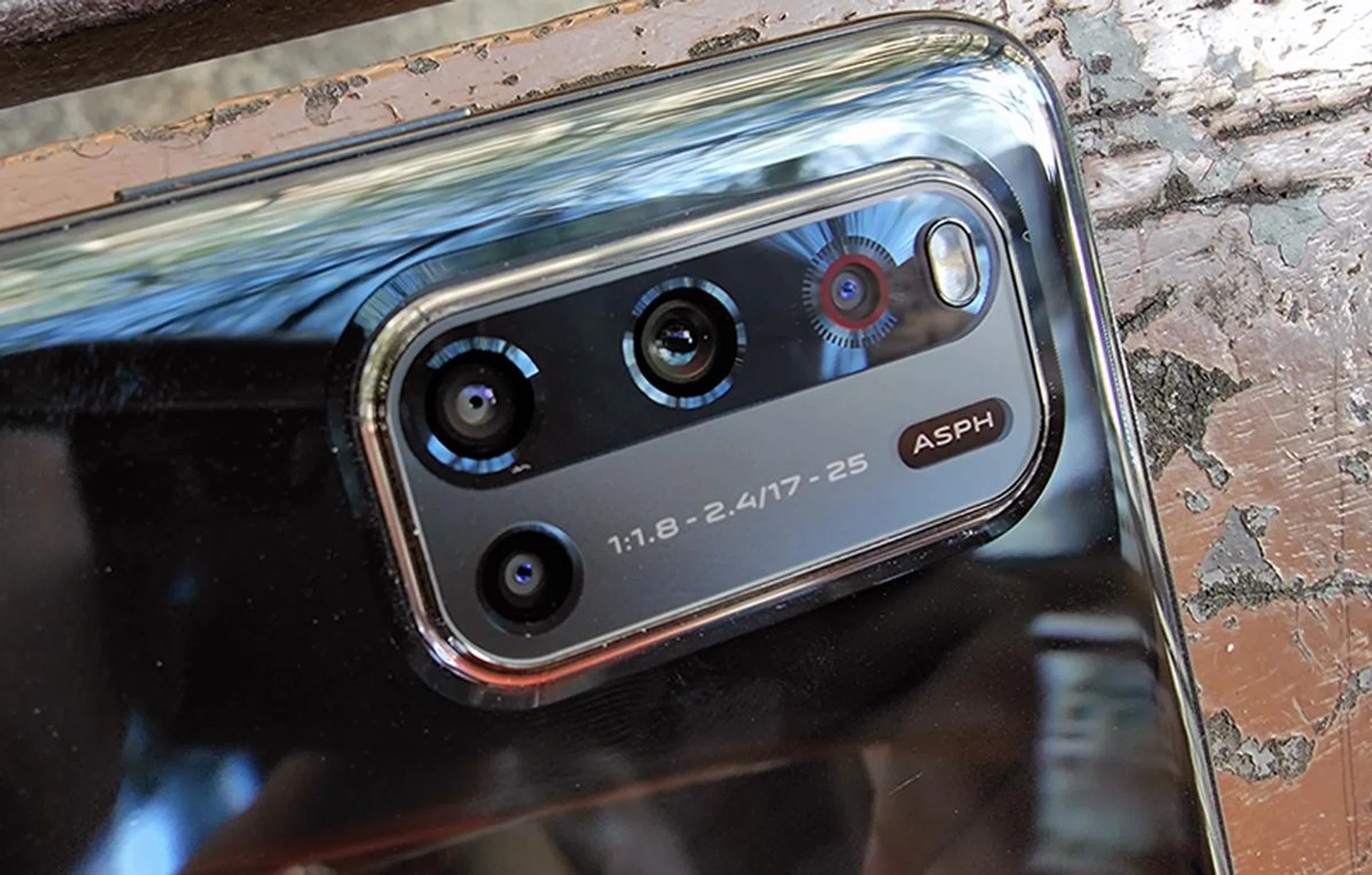
With portable photography via phones being a vital part of any smartphone, the V19 has a lot to contend with in imaging quality and flexibility, especially when its key rivals (like Huawei, Samsung, and even the Pixels by Google) are all well-recognised for their imaging prowess. Vivo’s reply to the market was to include not only dual front cameras for improved selfies but also an AI-powered quad rear camera configuration with the following specs:
- 48MP main camera at f/1.79 aperture
- 8MP super-wide-angle camera at f/2.2 aperture and 105-degree field of view
- 2MP macro camera, f/2.4 aperture
- 2MP bokeh camera, f/2.4 aperture, for bokeh shots
Below are the sample images to see how its quad rear camera holds up against the competition.

Main camera shot as our temporary primary comparison photo.

100% crop of the above image.
From our test shot, we can tell that the V19's main camera contrast handling compromised some details and some colour accuracy. That said, it still offers good enough noise and brightness regulation. As a whole, we must say the imaging performance is functional and average - not entirely bad, but not great either.
Below are more photos with their applicable lenses and cameras appended in the captions for reference.

Main camera shot for reference.

Main camera shot for reference, no zoom.

Main camera shot. 5x zoom from same position as above. Details are retained somewhat with some noise interference, but colourisation is above average, likely due to sufficient sunlight.

Main camera shot for reference.

Macro shot using the dedicated macro mode built into the V19 camera app. It sacrifices sharpness and noise purity in exchange for detail. Are you able to spot the insect on the petal?

Main camera shot for reference.

Super-wide-angle shot from the same position as above, using the dedicated super-wide-angle feature built into the camera app. Slight lens distortion seen, which is typical of wide-angle lens types.

Main camera shot for reference.

Super-wide-angle shot from the same position as above. It's not the most amazing quality we've come across for wide-angle shots on smartphones, but we liked how well V19's camera was able to make the clouds look life-like.

10x zoom (maximum digital zoom) on main camera from the same position. Tiles retain its details despite the ramped-up noise and artefacts seen typical digital zoom shots. Finer details, like the items along the corridors and telling apart each leaf, are naturally lost on the V19's max zoom option.
In summary, we don’t think the V19’s cameras are about to beat any of the top-end phones. Still, it certainly delivers average or above-average quality as the cameras are generally consistent at detail reproduction, even if its not the best at managing its contrast. It fares a little weaker at zoom photography although it can capture more detail in zoom mode than other mid-range phones of its tier (such as the Sony Xperia 10 II).
Benchmark Performance
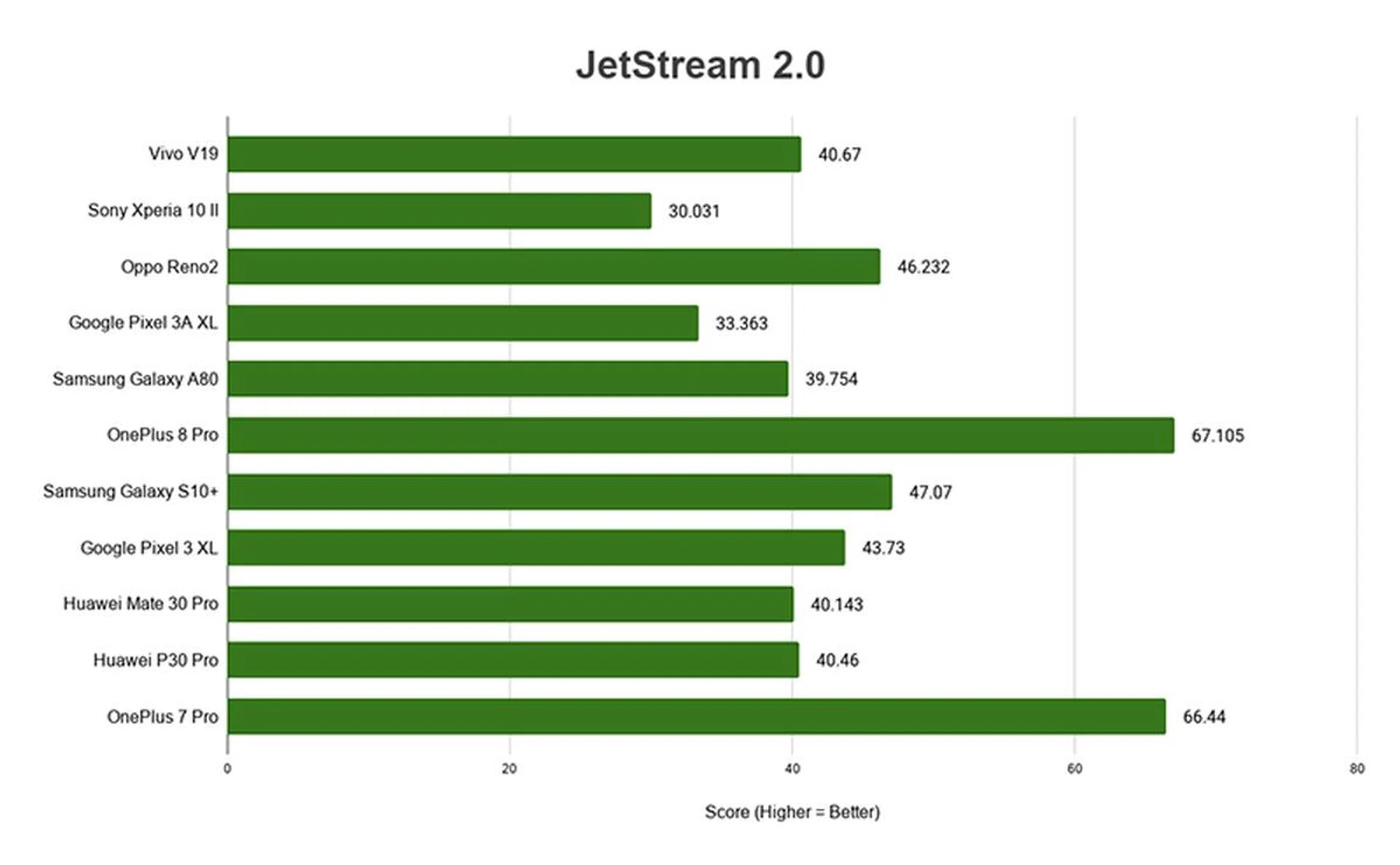
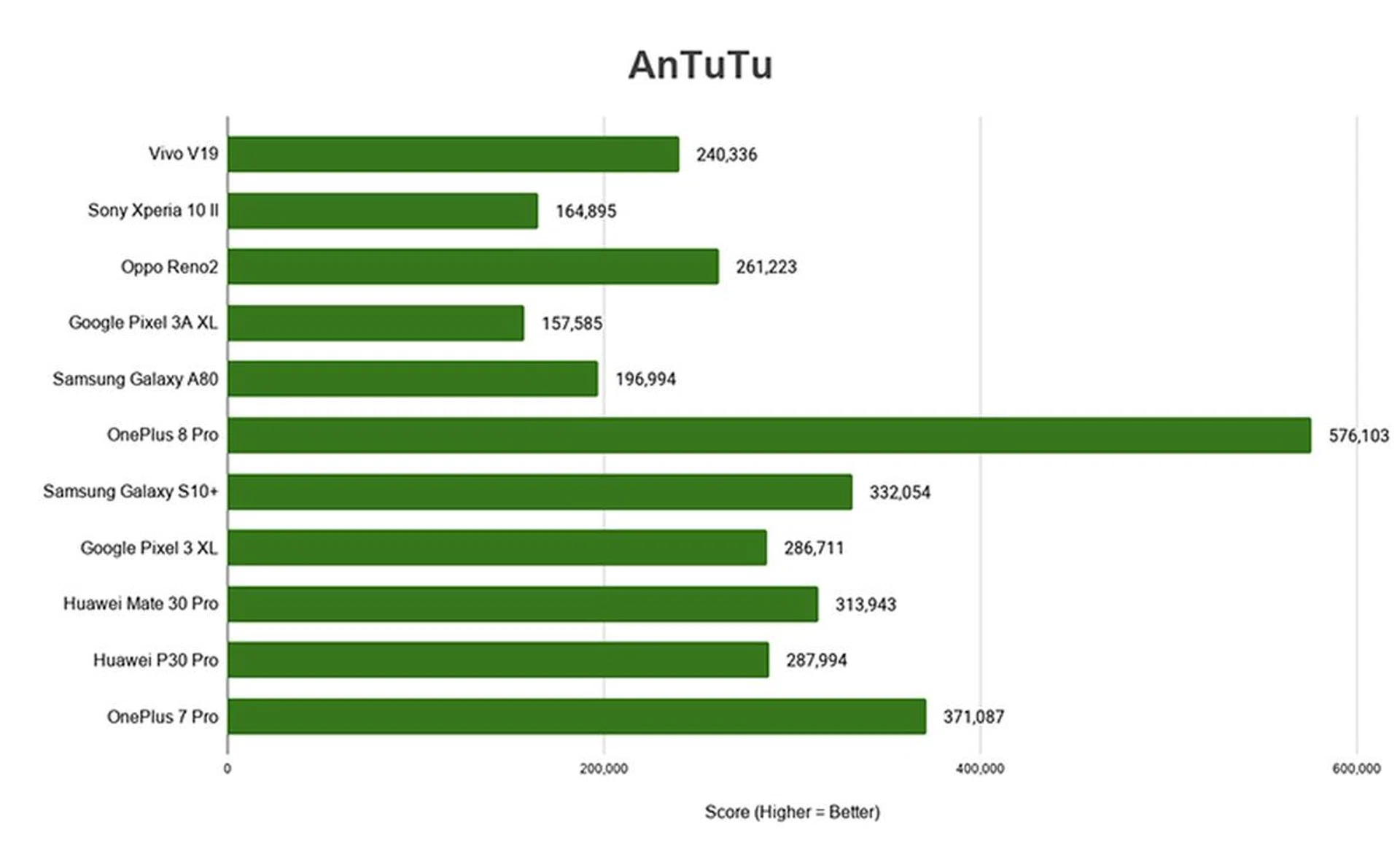
Powering the V19 is an octa-core Qualcomm Snapdragon 712 fabricated using a 10nm manufacturing process. It's integrated with an LTE modem, making it a 4G-capable smartphone. With its mid-tier chipset, the Vivo V19 goes up squarely against the Sony Xperia 10 II, as well as other mid-range devices like the Oppo Reno2, Google Pixel 3A XL, and Samsung Galaxy A80. Like our Xperia 10 II review, we'll also throw in some flagships of the yesteryear and the OnePlus 8 Pro for comparison's sake.
JetStream 2
To benchmark the phone's web browsing performance, we used the JetStream 2 benchmark test on the Google Chrome web browser app. The test measures a phone's capabilities in handling a variety of advanced workloads and executing codes. JetStream 2 is an updated version of older benchmarks, such as the first JetStream and SunSpider.
While some phones come with custom-made web browsers, We always run this benchmark test on Chrome as it gives the best indication across devices, processors, and OS platforms - whether iOS or Android. Also, we would adjust the phone's display settings to ensure that the screen doesn't turn off mid-test since this would relegate the browser's thread(s) to background processing. Where necessary, we would run multiple test instances to get a more accurate reading of scores.
AnTuTu
Note: As of 9th March 2020, all AnTuTu benchmarks were removed from the Google Play Store. This move likely arose from Google's attempts to relieve the Play Store of apps that violate their policies. AnTuTu is working with Google to restore their app listing. For this review, we used the APK file that was available on AnTuTu's website.
AnTuTu is an all-in-one benchmark that tests CPU, GPU, memory, and storage. The CPU benchmark evaluates both integer and floating-point performance, and the GPU tests assess 2D and 3D performance, the memory test measures available memory bandwidth and latency, and the storage tests gauge the read and write speeds of a device's flash memory.
Geekbench 5
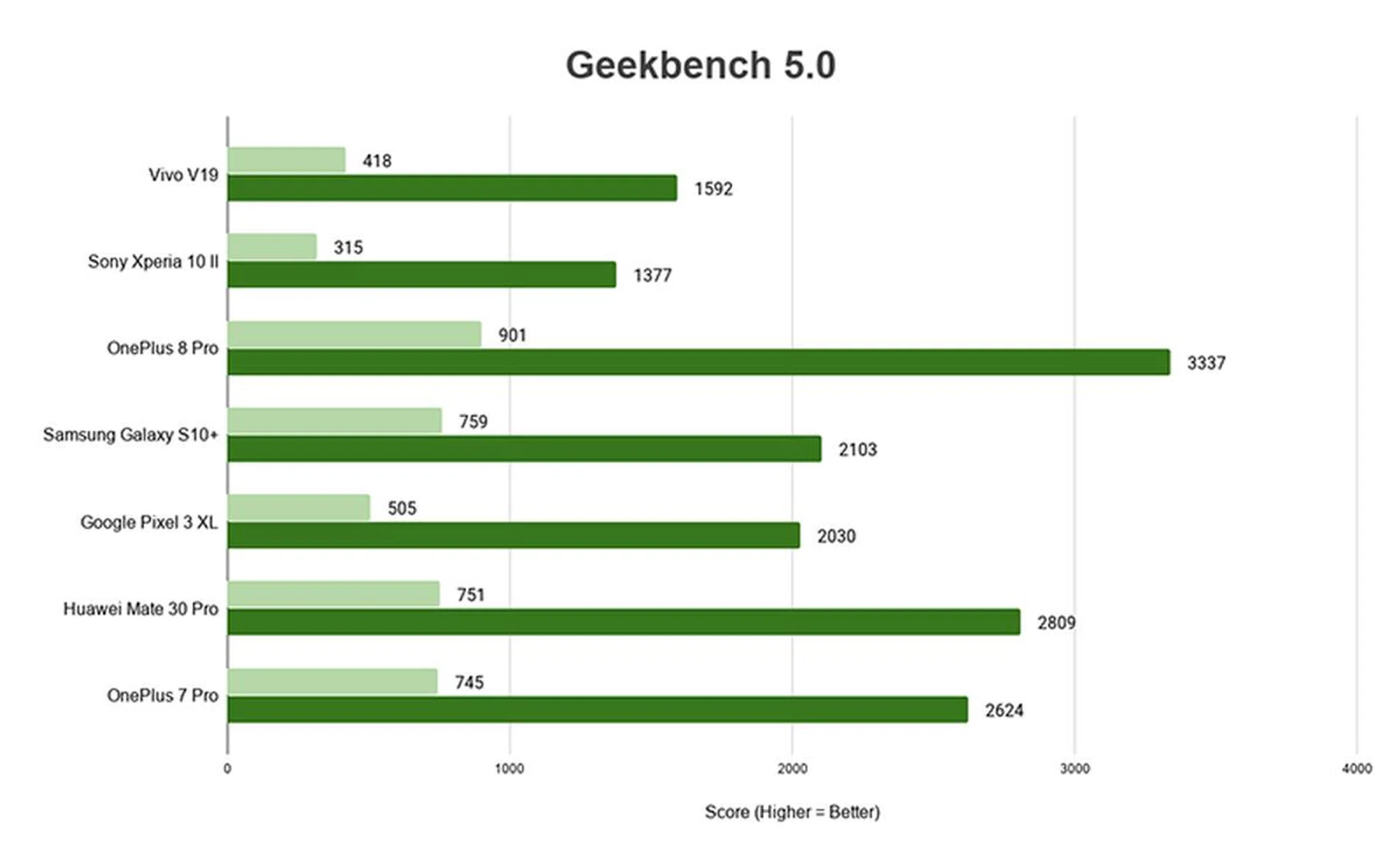
Geekbench CPU is a cross-platform processor benchmark that tests both single-core and multi-core performance with workloads that simulate real-world usage. Geekbench 5 scores are calibrated against a baseline score of 1000, which is the score of an Intel Core i3-8100.
The Geekbench benchmarking tool is why we couldn't refer to older benchmark scores of other mid-range devices. Geekbench 4 had a baseline score of 4000 (the performance of an Intel Core i7-6600U processor). As one the first mid-range phones we're testing using Geekbench 5, we'll have to build upon the list of devices as time goes by.
3DMark Sling Shot Extreme
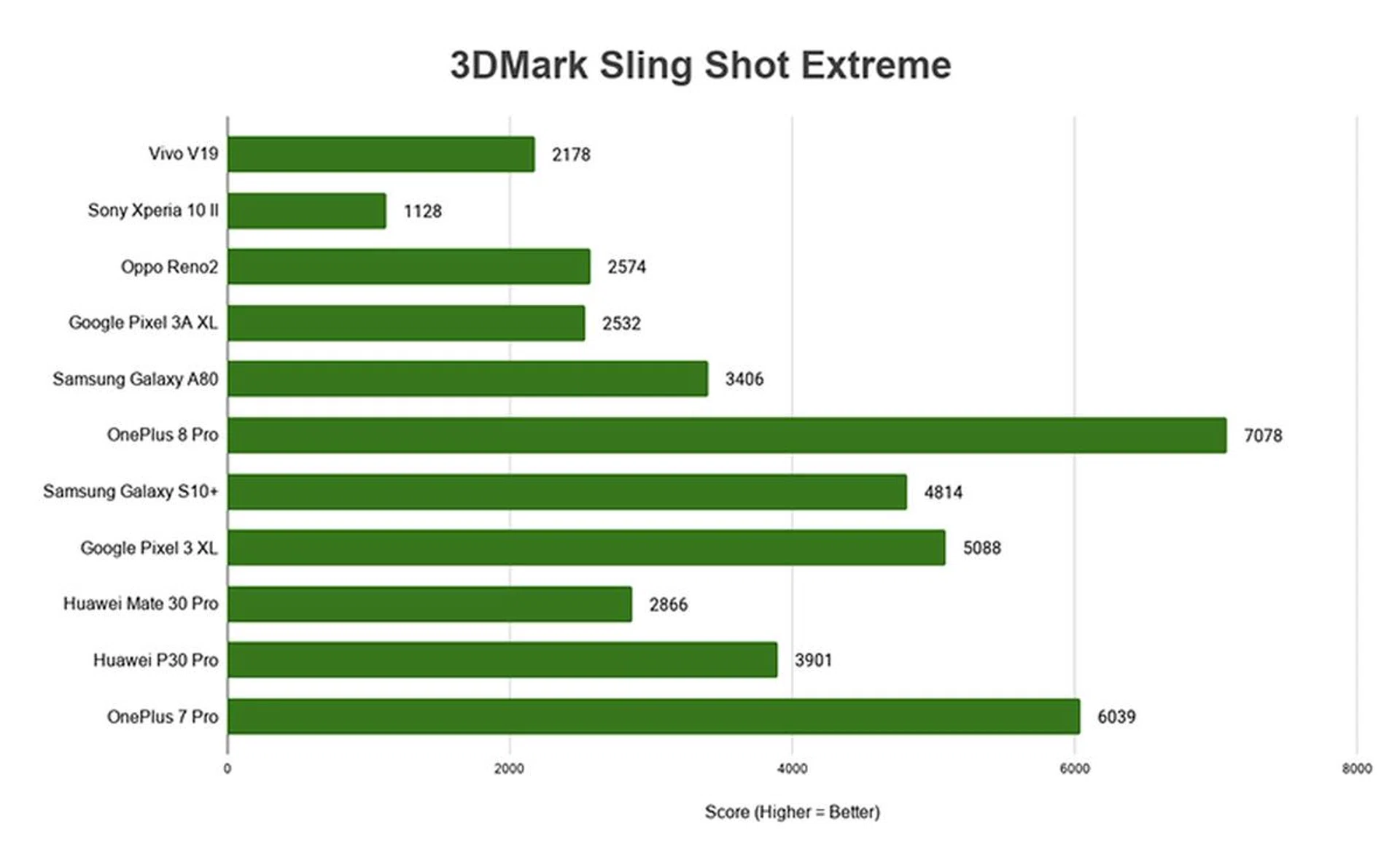
3DMark Sling Shot is an advanced 3D graphics benchmark that tests the full range of OpenGL ES 3.1 and ES 3.0 API features including multiple render targets, instanced rendering, uniform buffers and transform feedback. The test also includes impressive volumetric lighting and post-processing effects. The test's Unlimited mode ignores screen resolutions.
Performance roundup and remarks
Given its smooth user experience, we actually expected the Vivo V19 to fare better than the Oppo Reno2, Samsung Galaxy A80, and the Google Pixel 3a XL on the charts. In some ways, the V19 does equal to, or come out a little higher than other mid-range devices in benchmarks, except for the Reno2. All is forgiven when we realised how much battery uptime we're getting out of the device as seen in the following section.
Battery Life
Our standard battery test for mobile phones has the following parameters:
- Looping a 720p video with screen brightness and volume at 100%
- Wi-Fi and Bluetooth connectivity turned on
- Constant data streaming through email
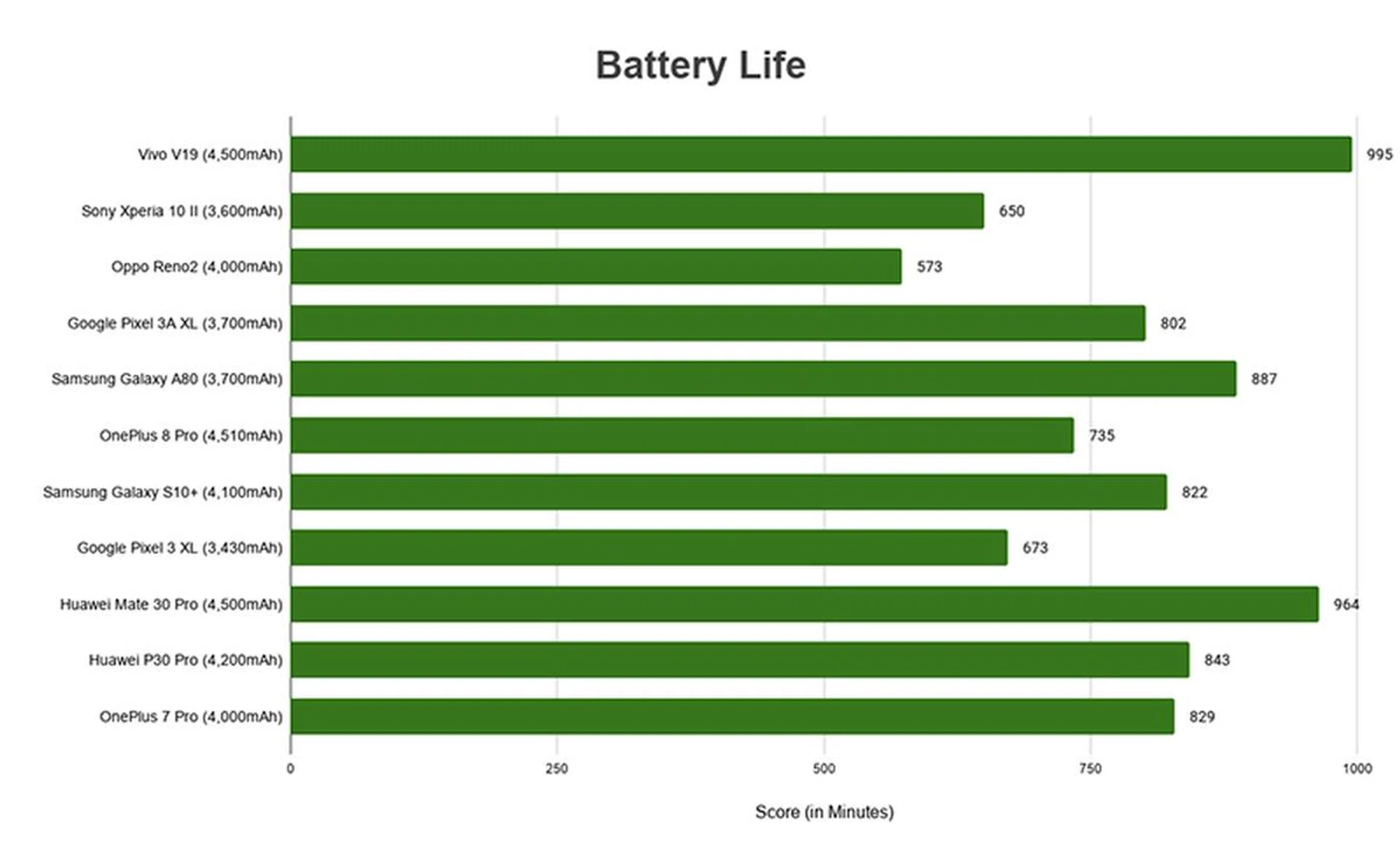
Vivo V19 packs a 4,500mAh battery, which is very generous for a phone of its tier and physical size, especially when you compare it to the Sony Xperia 10 II's smaller 3,600mAh capacity. The V19 reported a whopping 995 minutes of uptime in our battery test, which is one of the best scores we had in a while. A combination of factors could be at play - for instance, 1080p displays generally consume less power than higher resolution panels. The low maximum volume threshold, a big battery cap, and a more efficient processor could be responsible too.
While it lacks wireless charging, the V19 sweetens its battery specs by throwing in 33W fast wired charging. We used the adapter and cable provided in the box and it took 30 minutes to go from 0% to 50% (and about 80 minutes for 0% to 100%). This comes pretty close to Vivo's claims of 0% to 54% in half an hour, and it's certainly fast-charging speeds. When it comes to battery and uptime, the V19 comes quite close to being a 'dream' phone for folks who want long-lasting phones that takes little time to charge, fully.
Conclusion
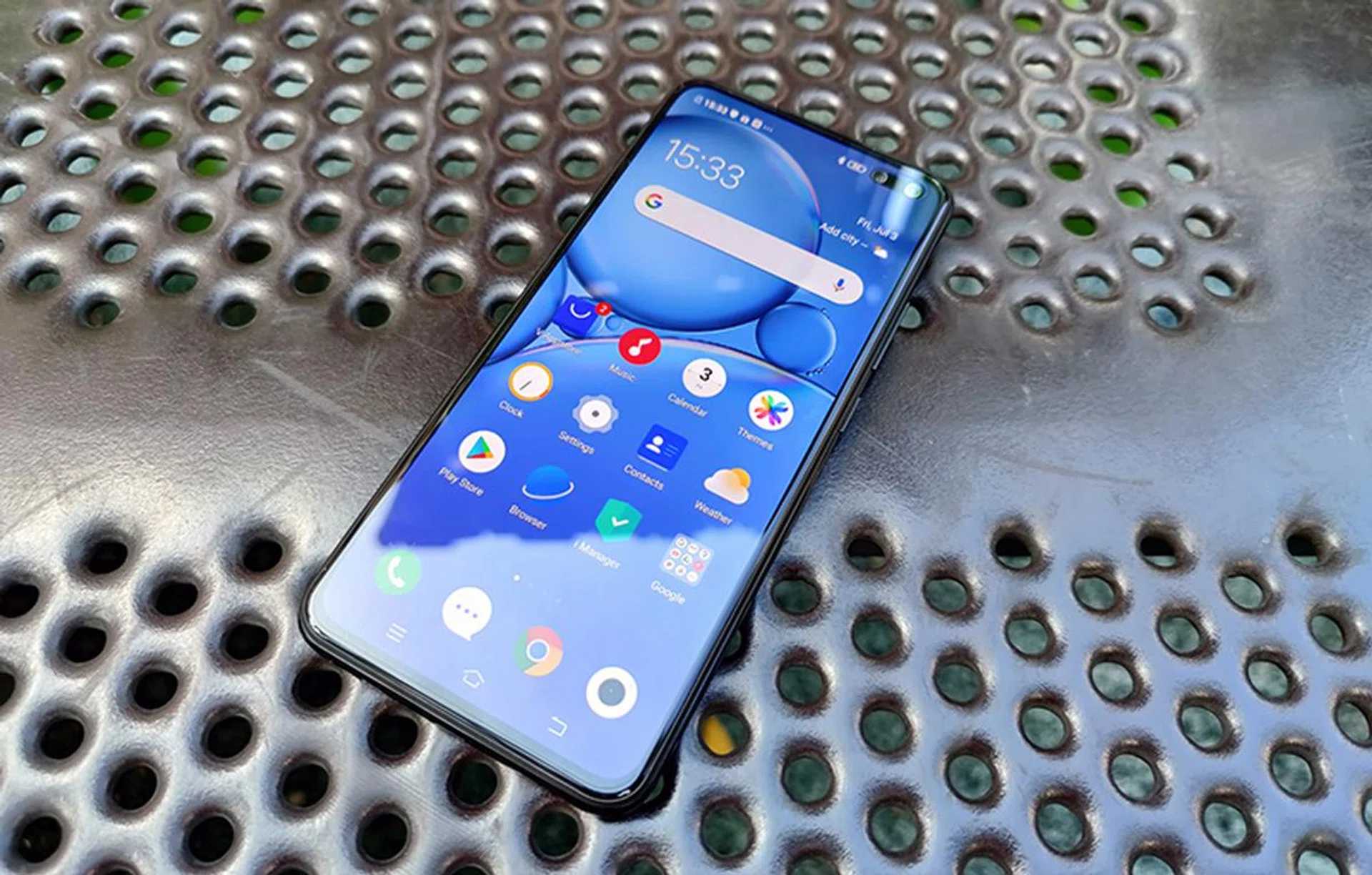
Vivo's V19 smartphone meets the requirements to be a good mid-range device for 2020. It has respectable performance, a pretty display, functional cameras, and compatibility with expandable storage and even a 3.5mm audio jack. Where it excels further is the insanely long battery uptime, fast-charging capability, and smooth user experience in day-to-day use. A nice, fast phone that doesn't conk out after a bout of TikTok videos? Sign me up.
At S$599, the Vivo V19 also feels like a steal. That's partly because the Sony Xperia 10 II (S$569) is a less appealing option - a mere difference of S$30 can net so many more features that work flawlessly. The only advantage that the Xperia 10 II has against the V19 is its IP-rated water resistance. Still, it hardly matters when Sony's mid-range phone is lacking in nearly all other aspects, making the V19 a more sensible purchase between the two.
If there's one thing we need to pick on, it would be the lack of NFC - it hurts the V19's potential to be a de-facto all-rounder phone for users who don't need the top tier specs. Fortunately, there are various cashless payment methods locally that don't use NFC (such as QR codes and peer-to-peer transfers via phone or identification number), so it depends on your needs. What's also odd was how the V19 didn't have jaw-dropping imaging quality for photography, but it meets the mark for a phone of its price that's focussed on design, general performance and usability.
For us, the Vivo V19 will be the 2020 mid-range phone to beat in Singapore, or at least until a better mid-ranger at a similar price comes along.
Our articles may contain affiliate links. If you buy through these links, we may earn a small commission.