
Huawei Ascend P6 - The Showstopper?
In our review of Huawei's Ascend P2, we concluded that it "could have been a value showstopper if it was more polished." Huawei's new flagship smartphone, the Ascend P6, has similar specs and boasts the title of world's thinnest smartphone as well as a full metal chassis design. Is this the showstopper?

Overview
At Huawei's tenth annual Global Analyst Summit, we spoke to Huawei Device Group Chief Marketing Officer Shao Yang about Huawei's three-phase plan to conquer the smartphone market. Phase one of that plan - a commitment to developing and making the best hardware - has already started, and with Huawei's latest flagship smartphone, the ultra thin 4.7-inch Ascend P6, we're starting to see the fruits of that labor.
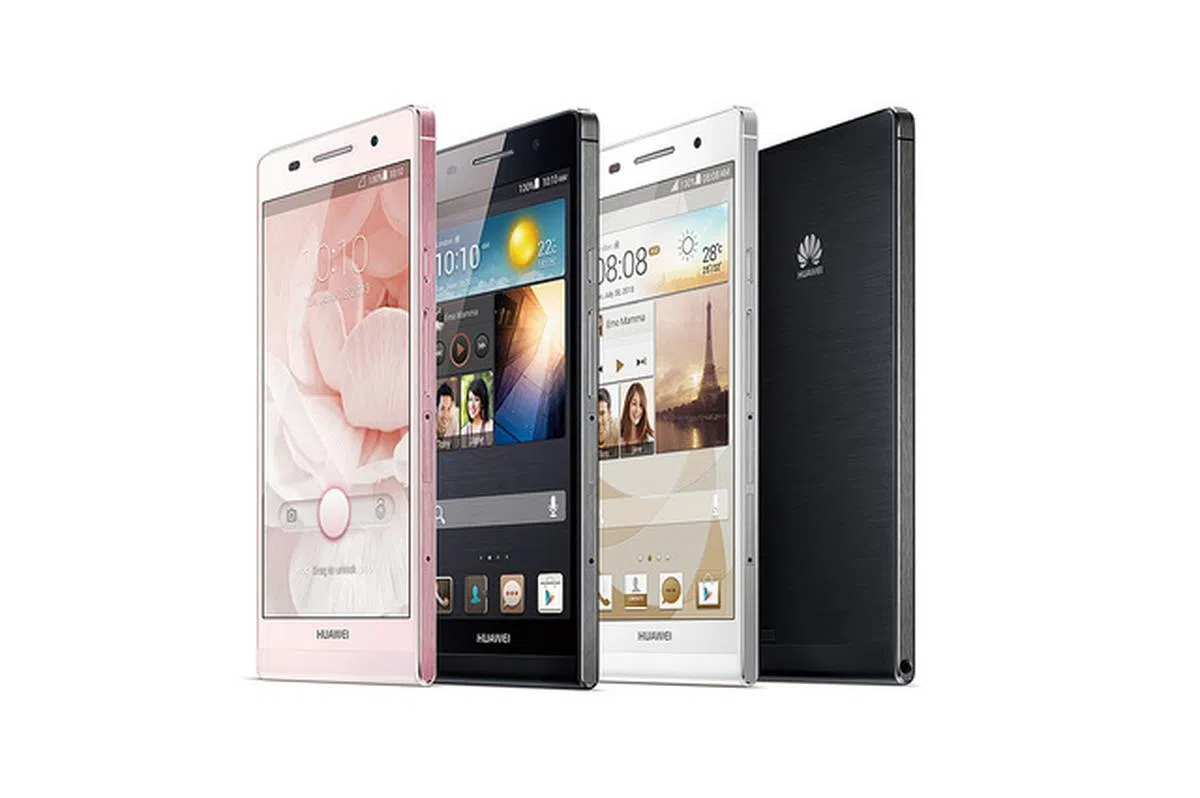
The Huawei Ascend P6 is the world's slimmest smartphone, measuring just 6.18mm thick. It is also, by far, the best looking phone to ever come out of Huawei, with - a first for the company - a full metal design, even if it is extremely derivative of Apple's iPhone 5. But under its sleek body, the P6 is not quite as impressive, with similar specs as Huawei's previously launched Ascend P2: K3V2 quad-core 1.5GHz processor, 2GB RAM (1GB more than the P2), 8GB internal storage (half of the P2's internal capacity), 8MP rear camera (as opposed to the 13MP sensor on P2) and a 4.7-inch 1280 x 720 pixel resolution display, making it slightly weaker than the flagship smartphones of other brands like the HTC One. Further to these, unlike the P2, the new P6 also lacks LTE connectivity and NFC capabilities, which could be a deal breaker for many. Huawei hasn't ruled out the possibility of 4G capable edition, but as expected, no firm comments were made of their forthcoming plans.
 |
|
Design
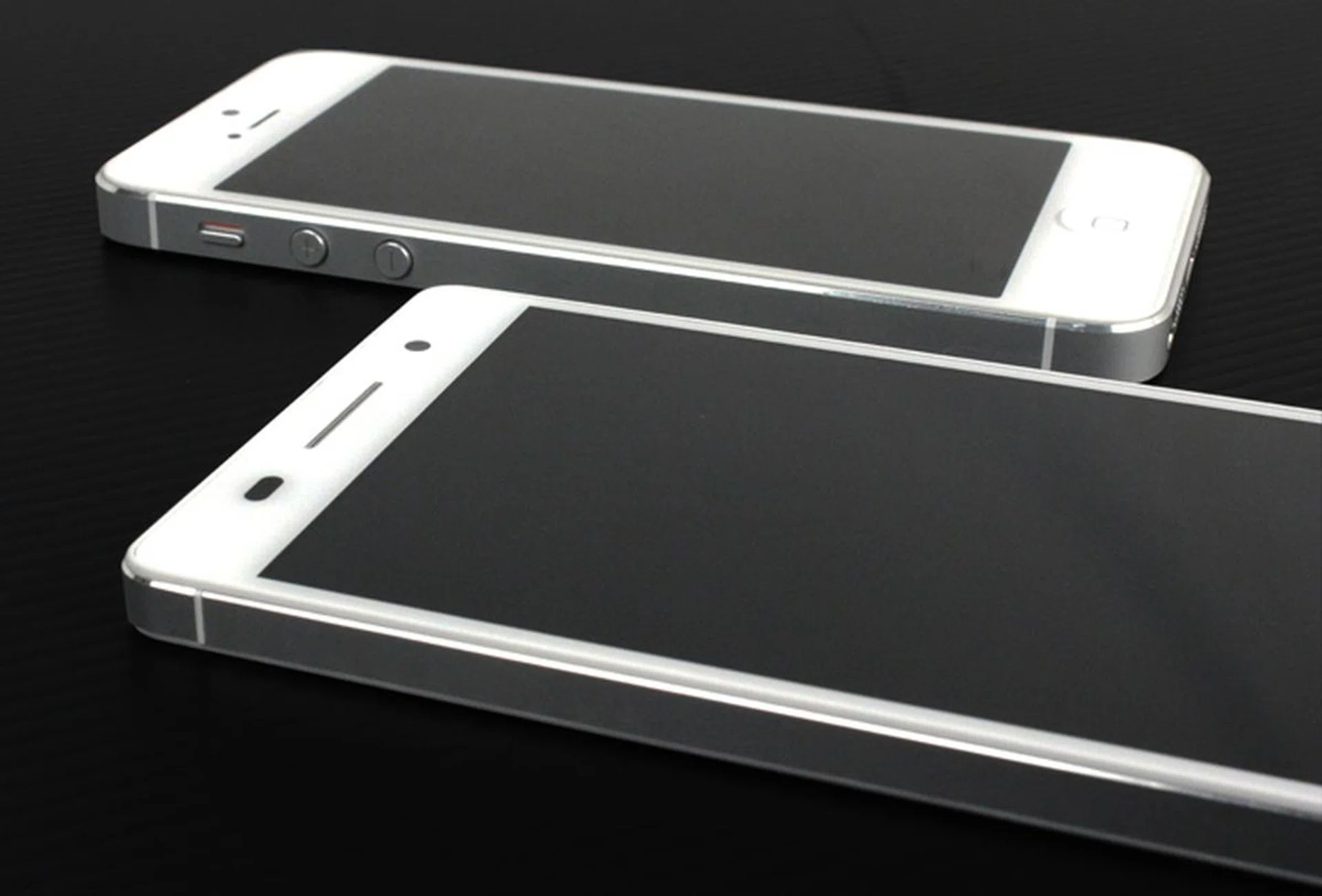
The top half of the Ascend P6 bears a striking resemblance to Apple's iPhone 5.
"When did you get an iPhone?" my colleague asks, as I hold a white Ascend P6 in hand. To be fair, it's easy to understand his confusion. Looking at the P6, from the chamfered edges, to the brushed aluminum band running around the edge of the device (including the little breaks in the band at the top and bottom), to the design of the front speaker, it's hard not to mistake the P6 for an iPhone 5 at first glance.
The only areas where the P6 differs (and lets Huawei narrowly avoid a lawsuit) is the bottom of the phone, which has a rounded edge, and the rear, which, on the black model sports a brushed metal finish, and on the white and pink models, a more modest matte finish. As a nice touch, the entire back of the phone is flush, without the camera lens bump often seen on some other smartphones.
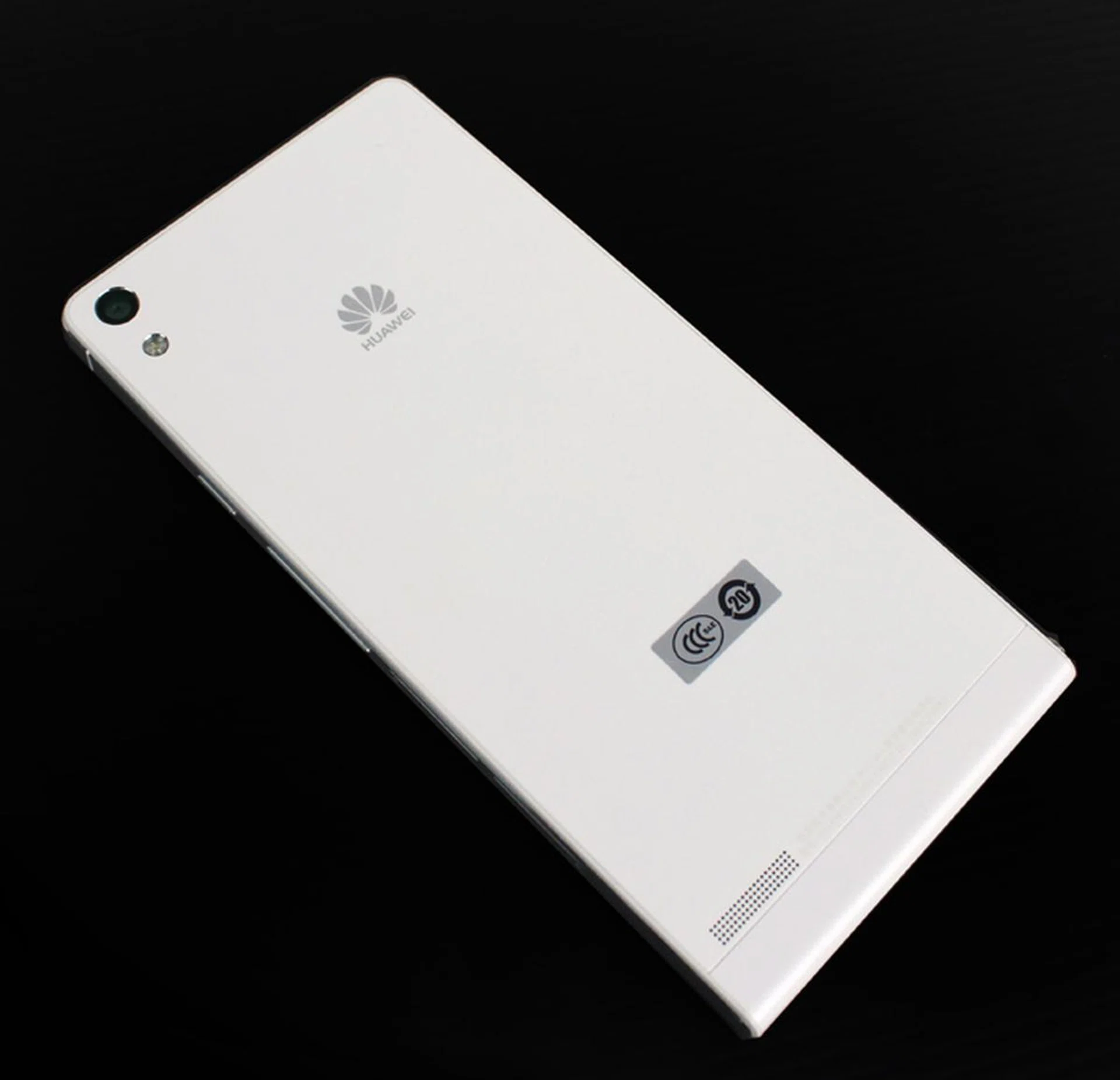
The black P6 has a black, brushed aluminum rear, while the white and pink models sport more modest matte finishes.
Still, regardless of its origins, there's no denying that the P6 looks good. It handles well too, thanks to its super slim build, relatively light weight and comfortable 4.7-inch size. But the more we used the P6, the more we were bothered by a few niggling design choices that we feel Huawei could have thought out better. For example, the P6's ugly micro-USB port sits right at the top of the device, and slightly off-center too for no particular reason, which will irritate at least a few OCD-afflicted users.
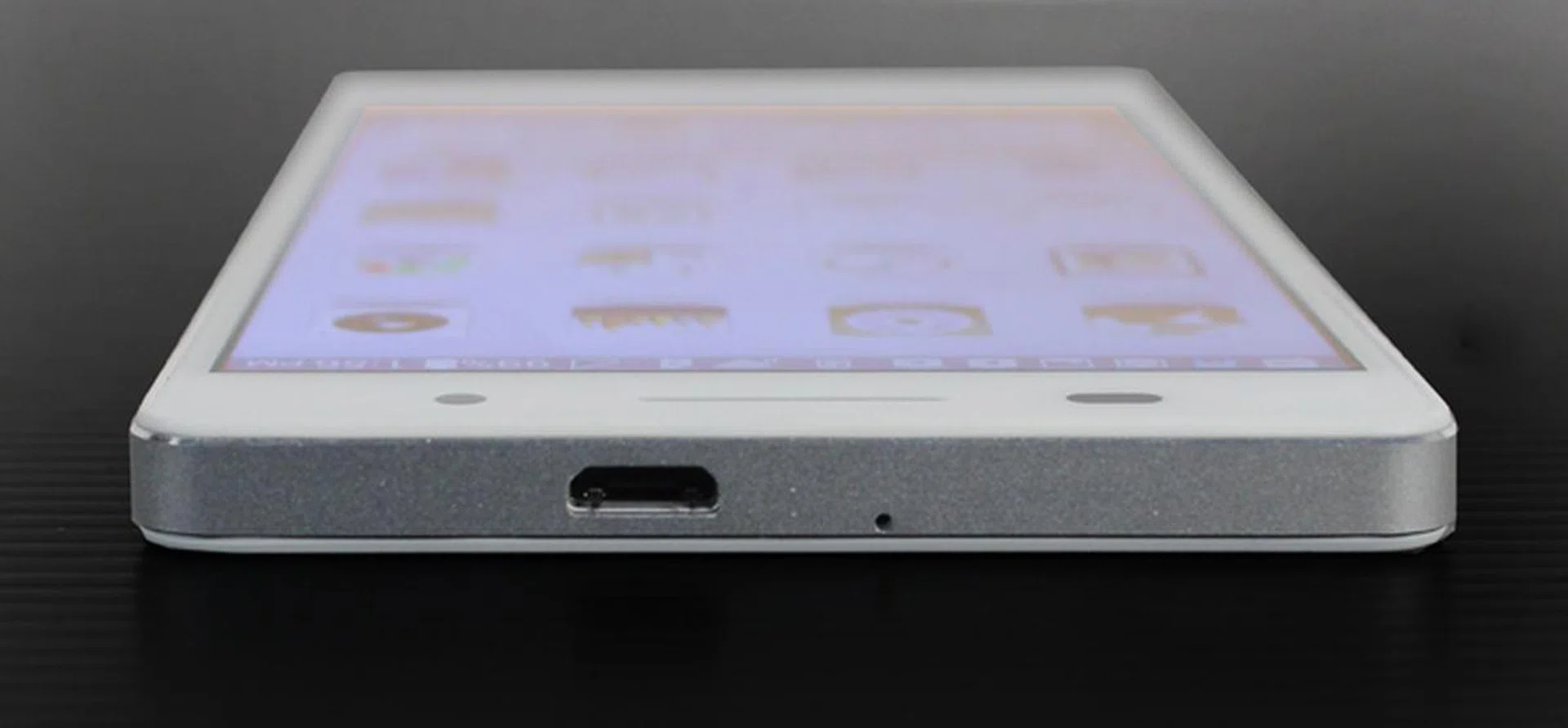
This may look like it should be the bottom of the phone but it's not. The P6's micro-USB port is right at the top of the phone (and off center) and certainly spoils the aesthetic.
Meanwhile, nearly everything else on the phone gets crammed in on the right-side, from the power button, to the volume rocker, to the microSD and micro-SIM card trays, and ends up looking slightly cramped as a result. Now, maybe it's unfair for us to compare Huawei to Apple, but you just know that Apple would have thought of a more elegant solution.
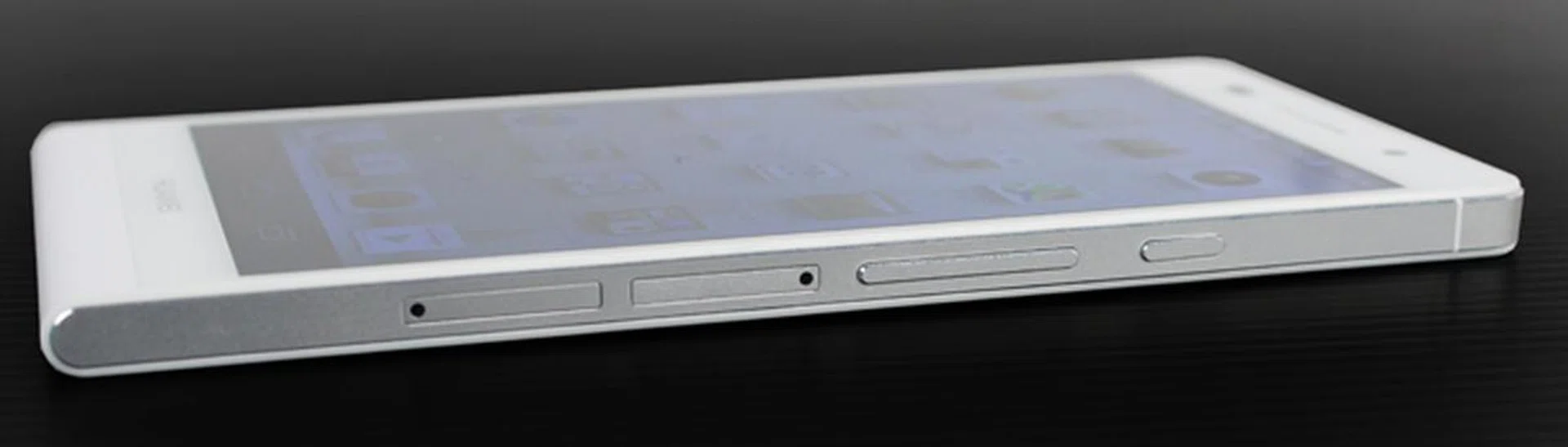
With the power button, volume rocker, microSD and Micro-SIM trays all located on the right edge, it looks a little cramped as a result.
The only thing not on the right edge can be found on the bottom left-hand side, where the P6 has a strange looking circular silver disc that sticks out slightly from the phone. It looks a little bit like the distinctive power button on Sony's Xperia Z smartphone but upon closer inspection, you'll find that you can use your fingernail to pull out this disc to reveal a small pin used to eject the SIM and memory card trays. "Genius!" you say. Except that the pin also covers up the headphone port, and there's nowhere else convenient to store it, so if you want to plug in your headphones, you'll need to pull out the pin and pocket it somewhere, which, if you're anything like us, means you're inevitably going to lose it at some point. Not so genius. We suppose you could just remove the pin entirely and leave it at home, but then you're left with an offensive gaping hole on the left-side of your P6.
Furthermore, the position of the headphone jack itself is far from ideal. If you want to listen to music and put the P6 in your pocket, you'll find that your headphone jack juts straight out of the side of the P6 (unless you have an L-shaped jack) which can be tricky to get into your pocket and is easily snagged when pulling your phone out. You can turn the phone upside down and leave the bottom part poking out of the top of your pocket but this is hardly ideal.
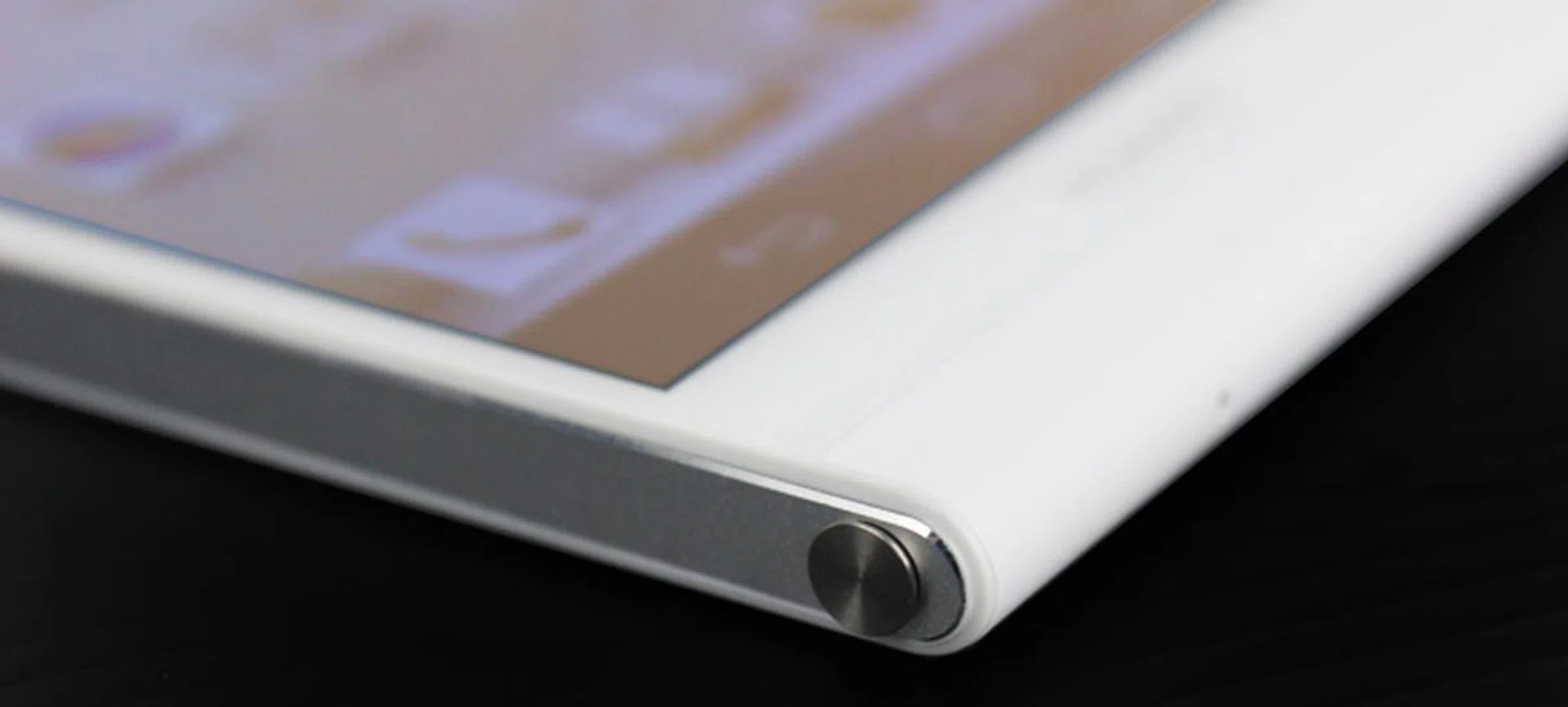
This little silver disc looks a bit like the power button on Sony's Xperia Z, but it's actually a pin for ejecting the SIM and memory card trays. It also covers the headphone port.
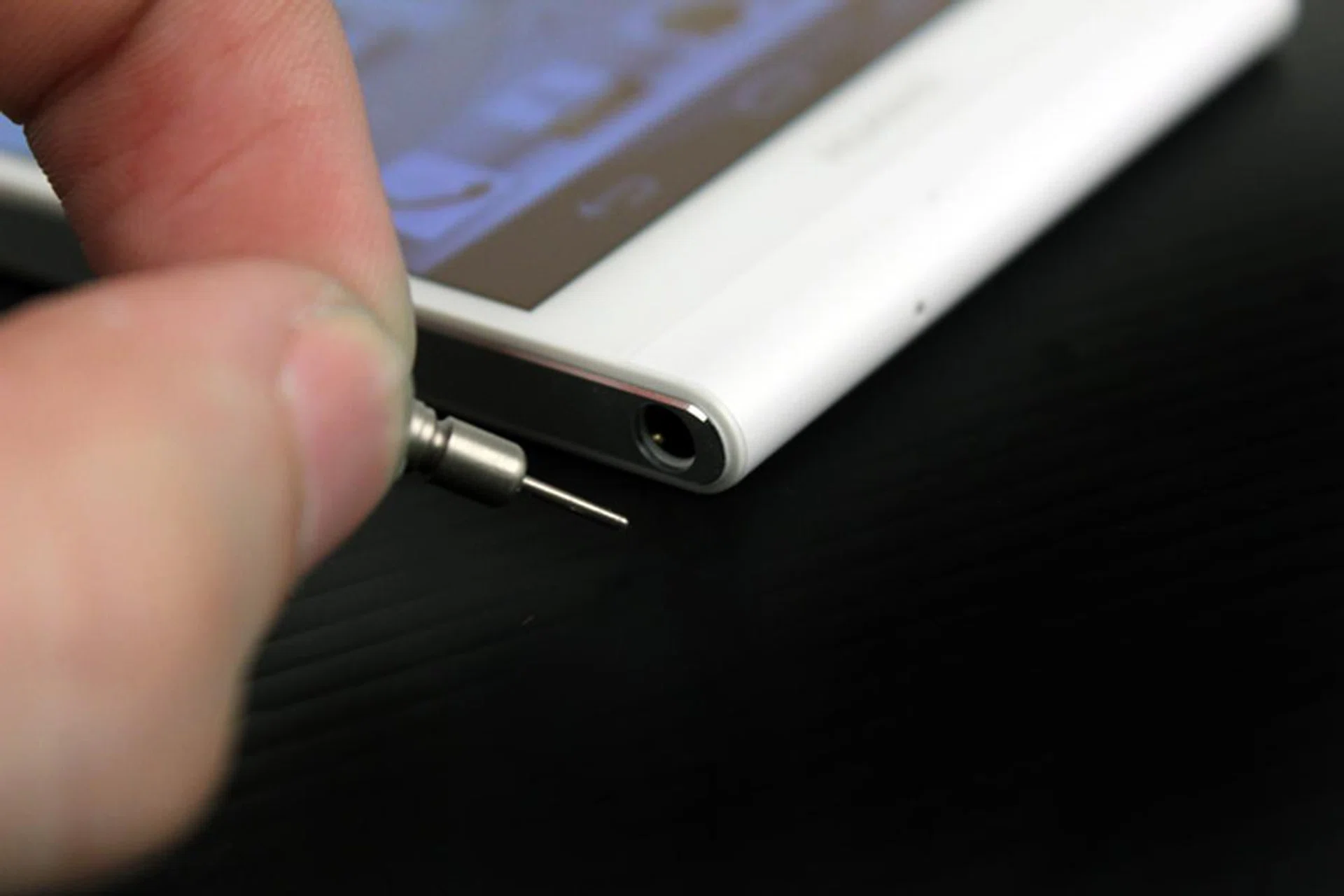
As you can see the pin is very tiny and a bit fiddly to remove. We suspect it could get lost very easily.
Nevertheless, uninspired origins and a few odd design choices aside, Huawei has actually done a fantastic job building the P6. It feels as well built as any Apple phone, and both the fit and finish look top notch. It's certainly proof that the Chinese company is serious when it says it wants to build the world's best smartphone.
Display
The P6's 1280 x 720 pixel resolution display may not be quite as impressive as the Full HD displays found on some other flagship smartphones, but its 312 ppi pixel density is more than sufficient for its 4.7-inch display. While some pixelation is apparent on text if you get really close to the screen and squint at the words, it's good enough for general usage. Compared side by side with a Sony Xperia Z (443 ppi) the P6's display does look slightly worse, but against an Apple iPhone 5 (326 ppi) it's hard to spot the difference.
The display itself is bright and crisp with excellent viewing angles. Color balance was fairly neutral, and colors were vivid with plenty of contrast in the blacks, resulting in a pleasing experience when watching videos or browsing photos. The P6's display is also protected by Corning Gorilla Glass, which should let it stand up to a few accidental drops.
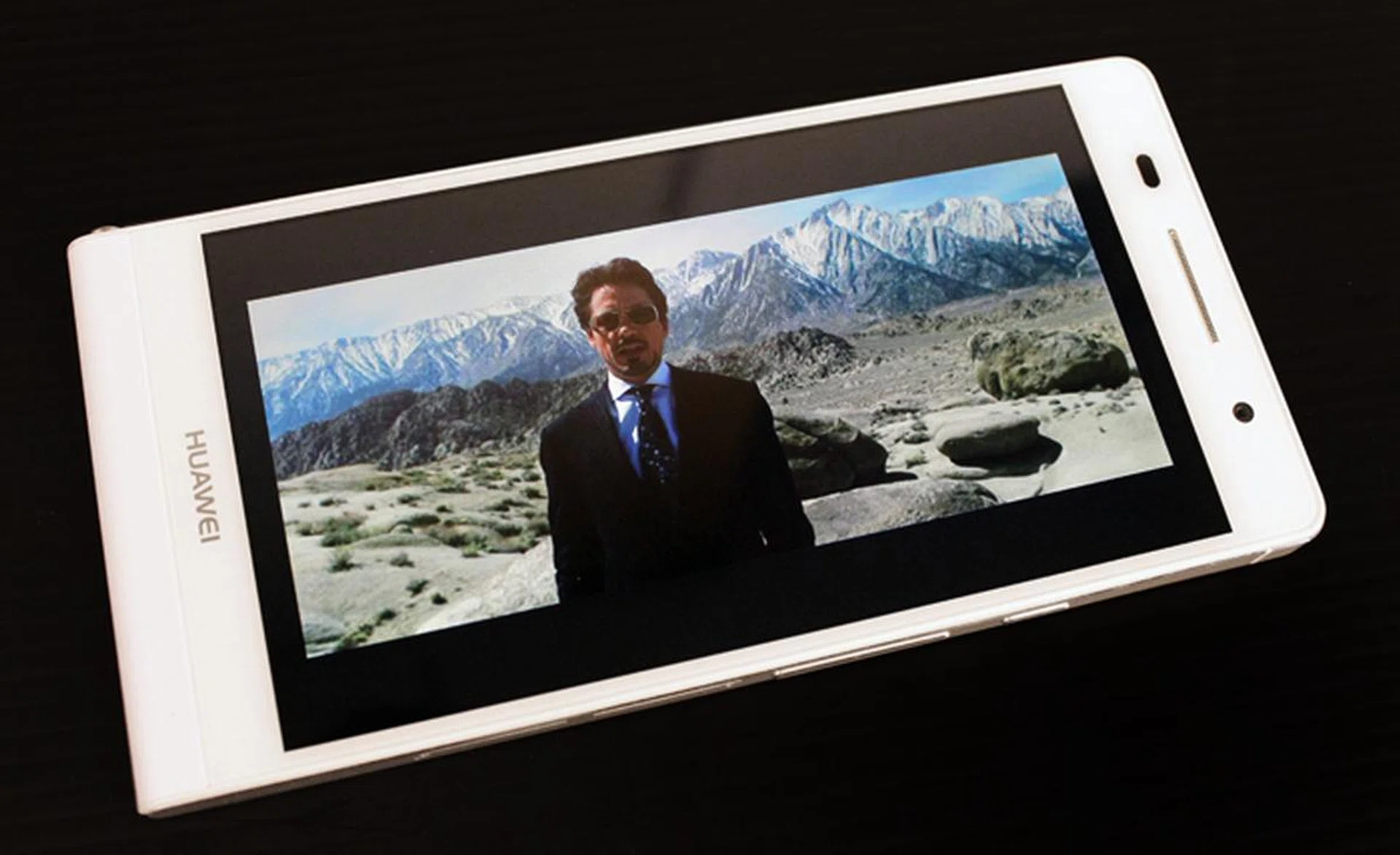
The P6 has a bright, crisp screen with great color reproduction, making watching movies on it a real pleasure.
Audio
Audio on the P6 comes via a perforated speaker grille found on the back of the device. It's a strange location to have a speaker as the sound is directed away from you (often straight into your palm) and we wonder why Huawei didn't use the empty space at the bottom front or lower edge of the phone. Still, sound quality is actually quite passable for a smartphone, if a little lacking in volume (even with the phone flipped over so that the speaker faces towards you).
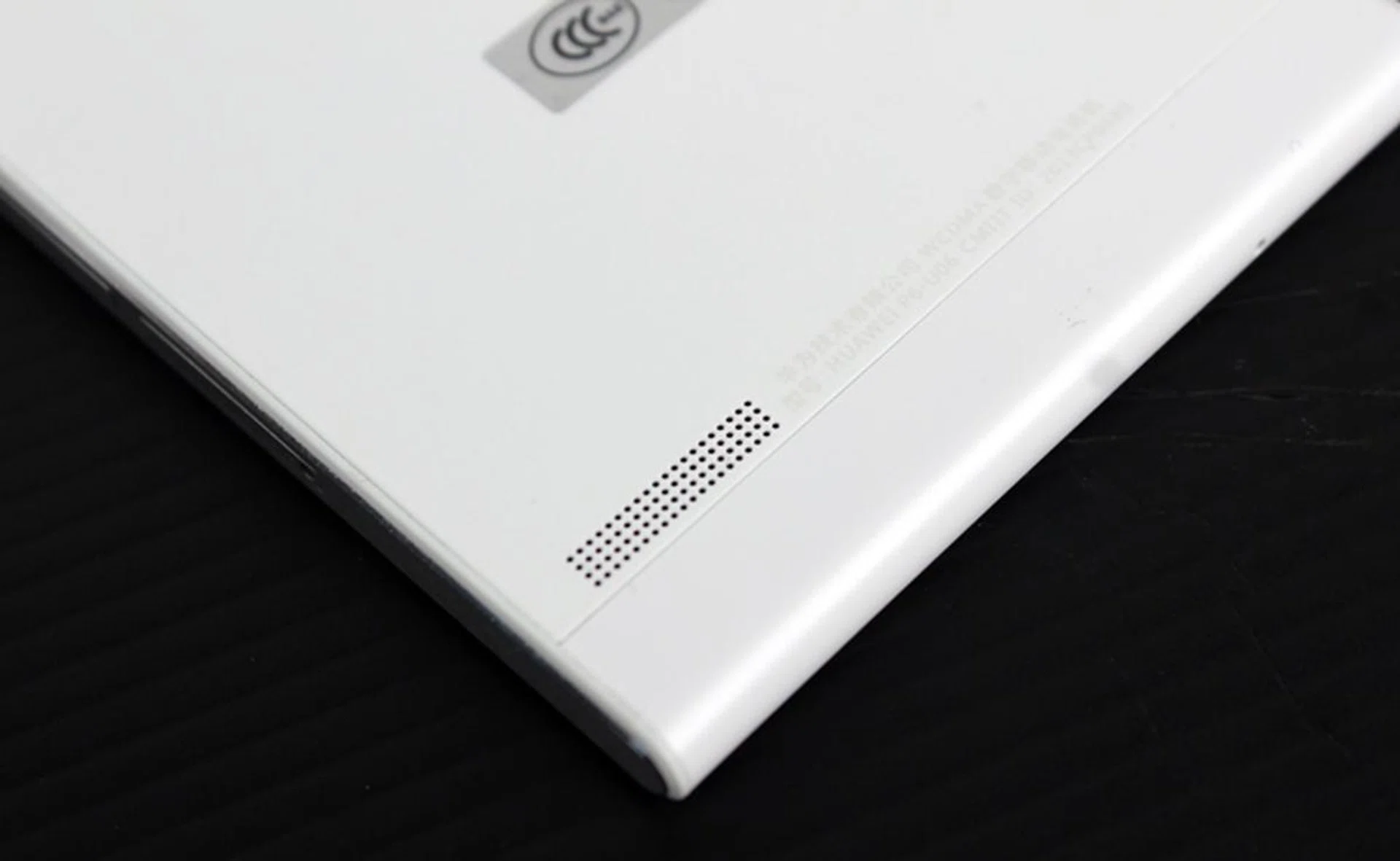
The P6's speaker is strangely located on the rear, projecting the sound away from you (or right into your palm).
Operating System
The P6 ships with Android Jelly Bean (4.2.2) with Huawei's Emotion UI version 1.6 pre-loaded. Like previous versions of Emotion, the big difference between it and stock Android is the removal of the app drawer, which means you only have the P6's nine home screens to store all of your apps. While we weren't too keen on this, it's actually somewhat fitting for the P6, as it makes everything feel very iOS-like (even the folders you can drag apps into have a square, iOS-ish vibe to them).
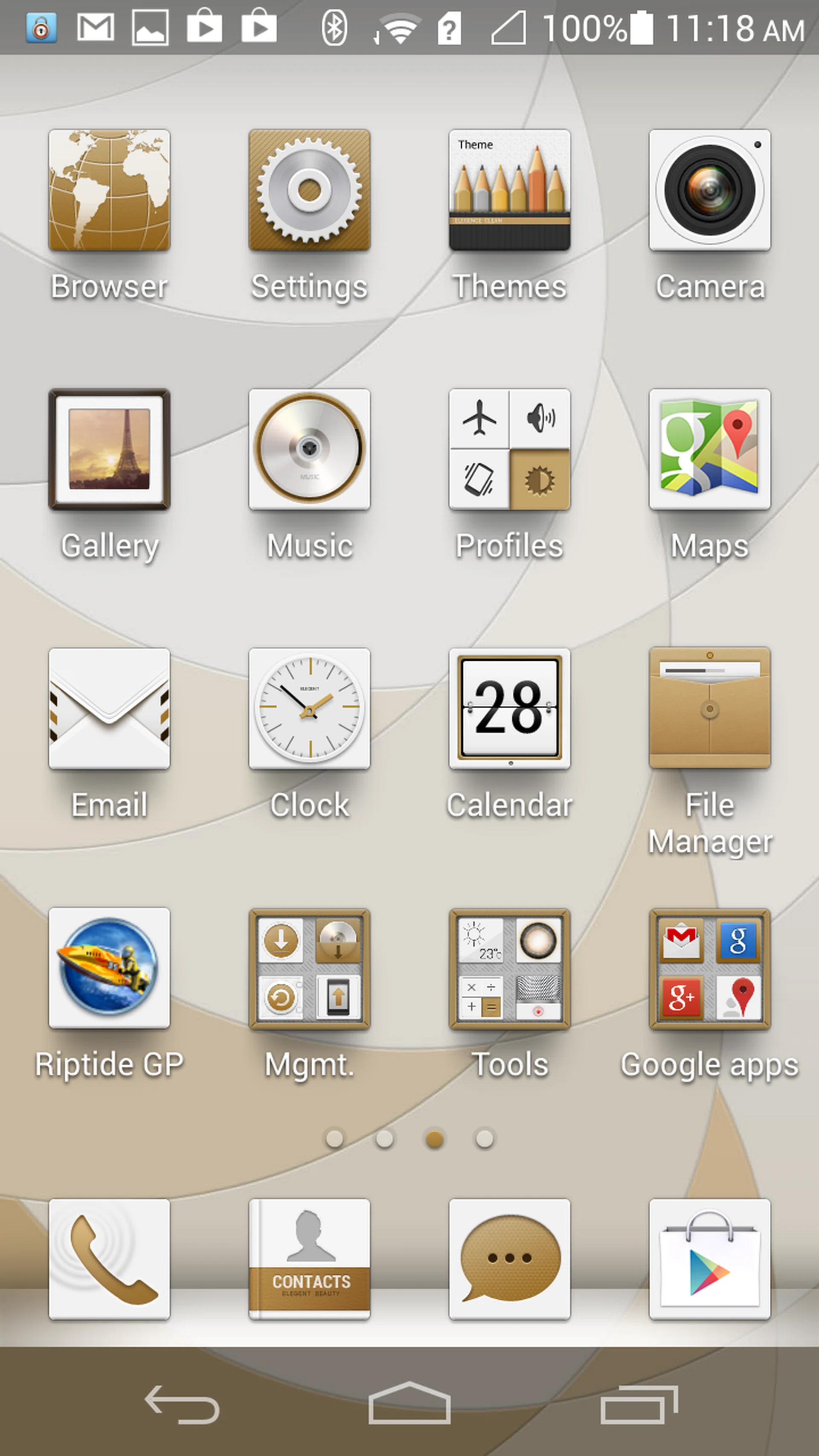
Matching its iPhone aesthetic, the P6's Emotion UI looks a lot like iOS.
Other 'improvements' over stock Android include toggle buttons on the notifications bar and some pre-installed widgets such as Huawei's 'Me' widget that displays weather, time, calendar, and your favorite contacts and pictures all in one place.
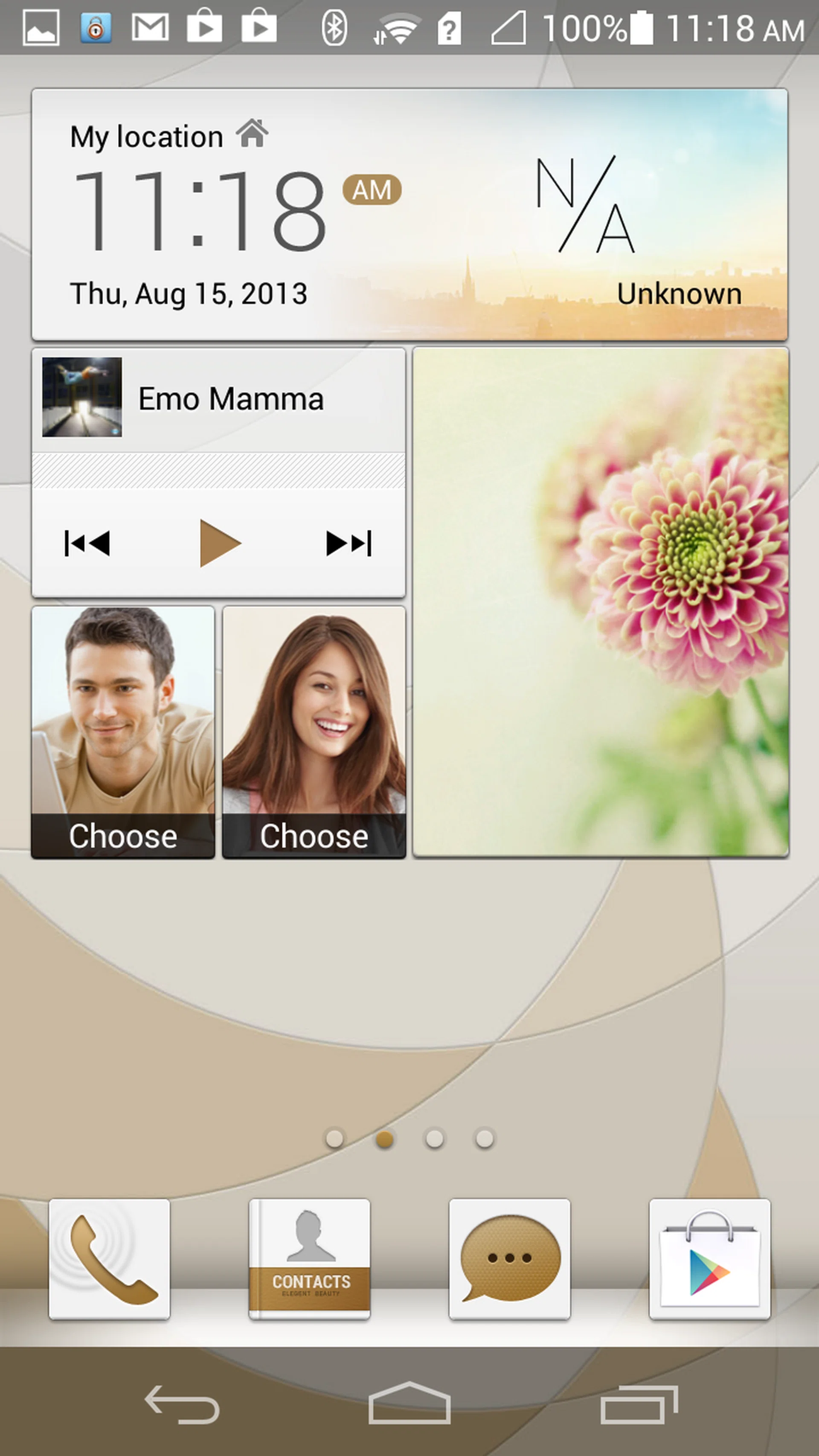
Huawei's 'Me' widget serves as a home page of sorts, displaying your time, weather, messages, contacts and pictures. You can also play music from here.
A few improvements have also been made from Emotion 1.5. Huawei has reverted the lock screen to a more traditional style: a swipe to the left will activate the camera while a swipe to the right will unlock the screen. Previously, the lock screen on the Emotion 1.5 UI consisted of a four directional system with the unlock at the bottom.
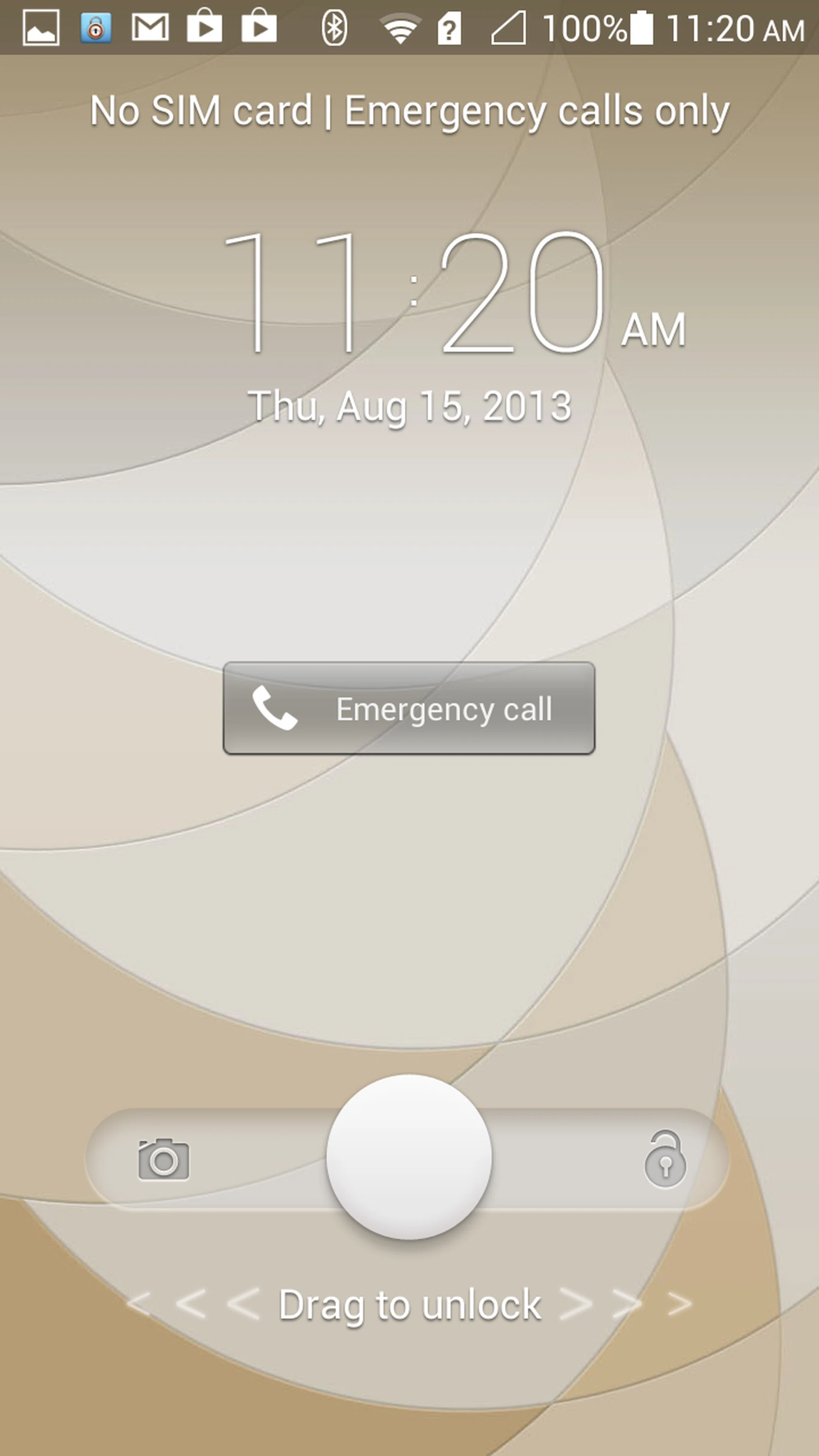
Gone is the four directional lock of Emotion 1.5, replaced with a more traditional swipe left for camera, swipe right to unlock.
Emotion's power management features have also been renamed, with Normal, Intelligent, and Optimum performance now renamed Normal, Smart and Endurance. Each mode now also displays estimated remaining battery time when activated.
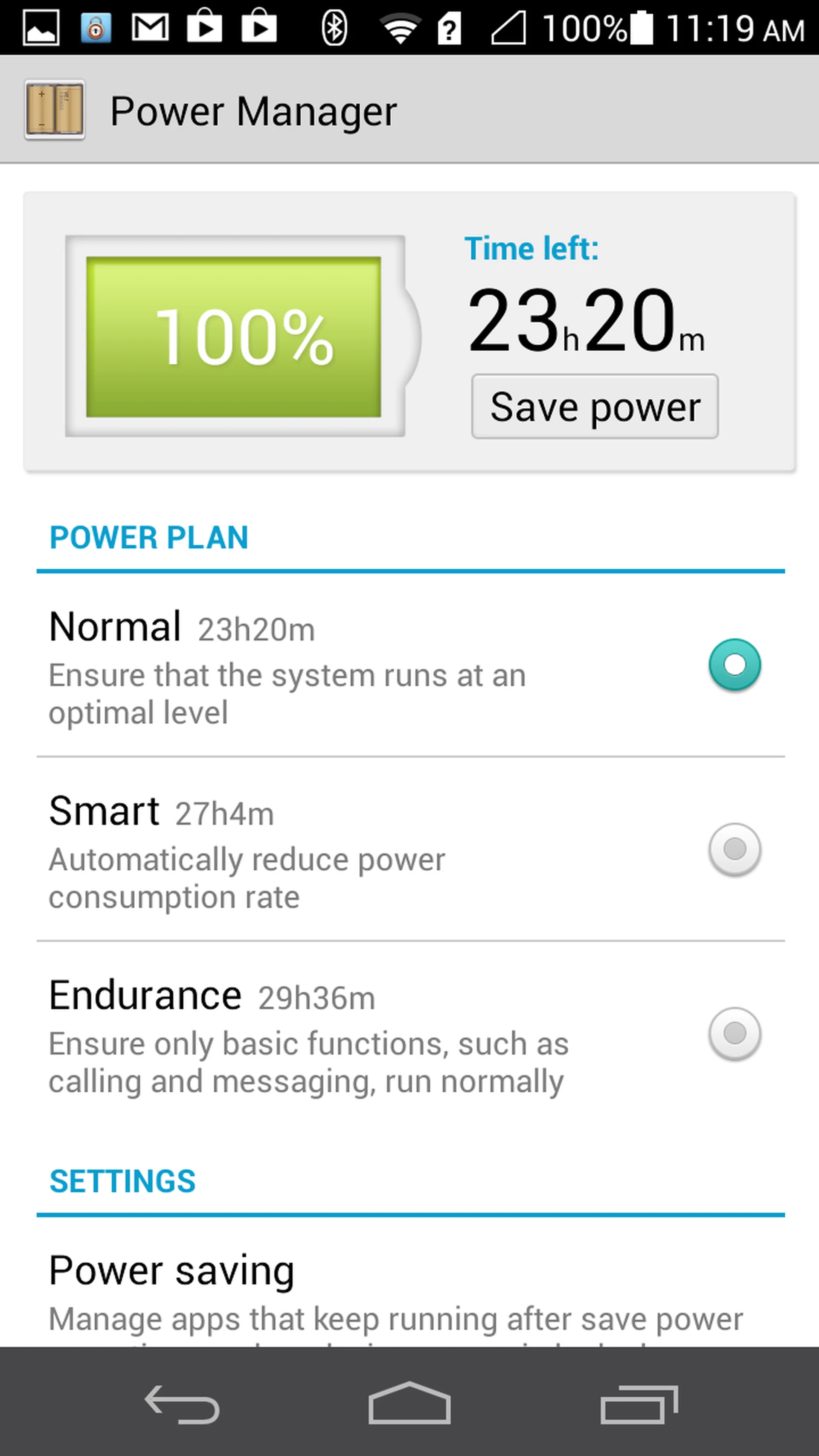
The power manager now tells you the estimated remaining battery life in each setting.
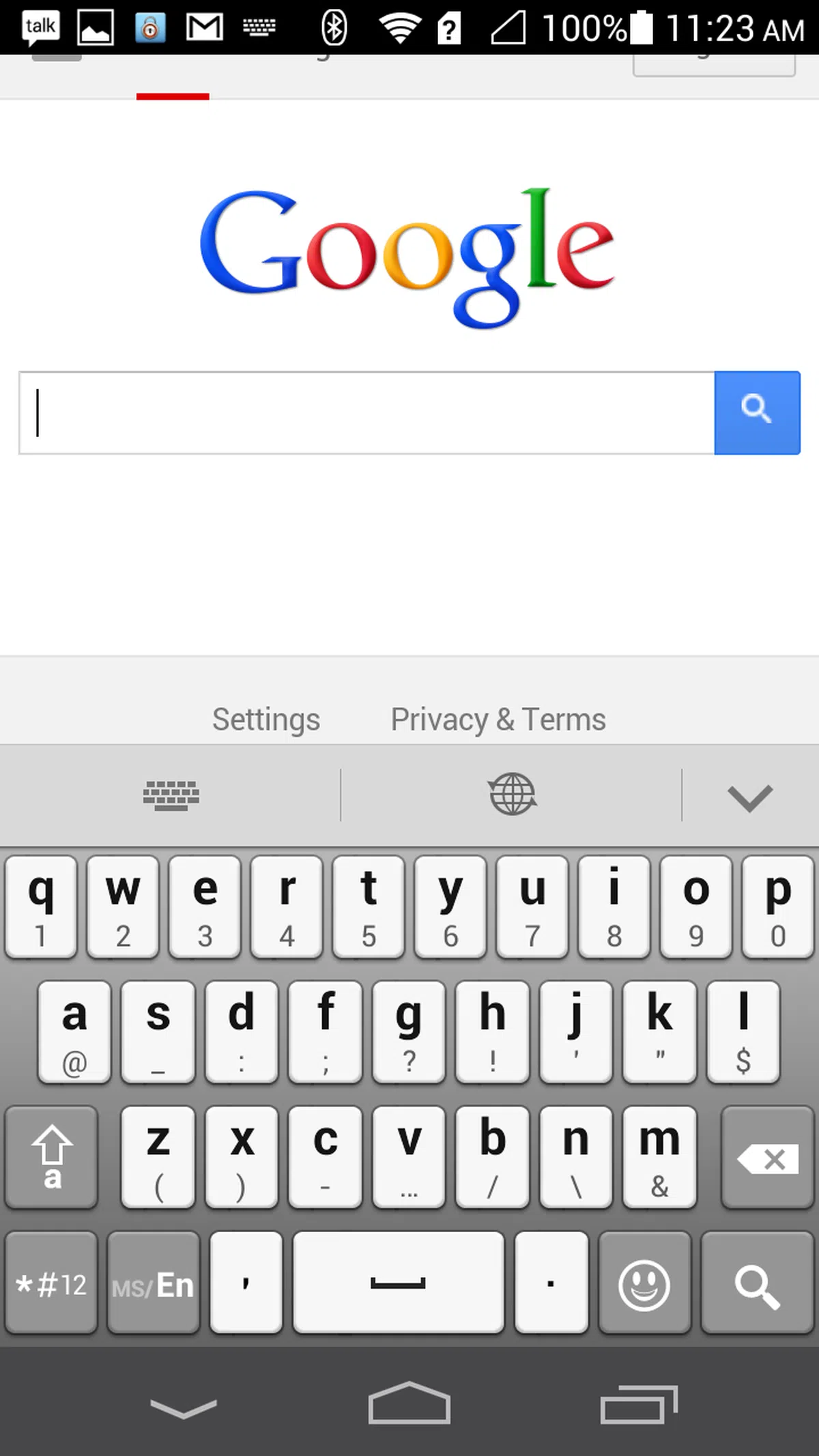
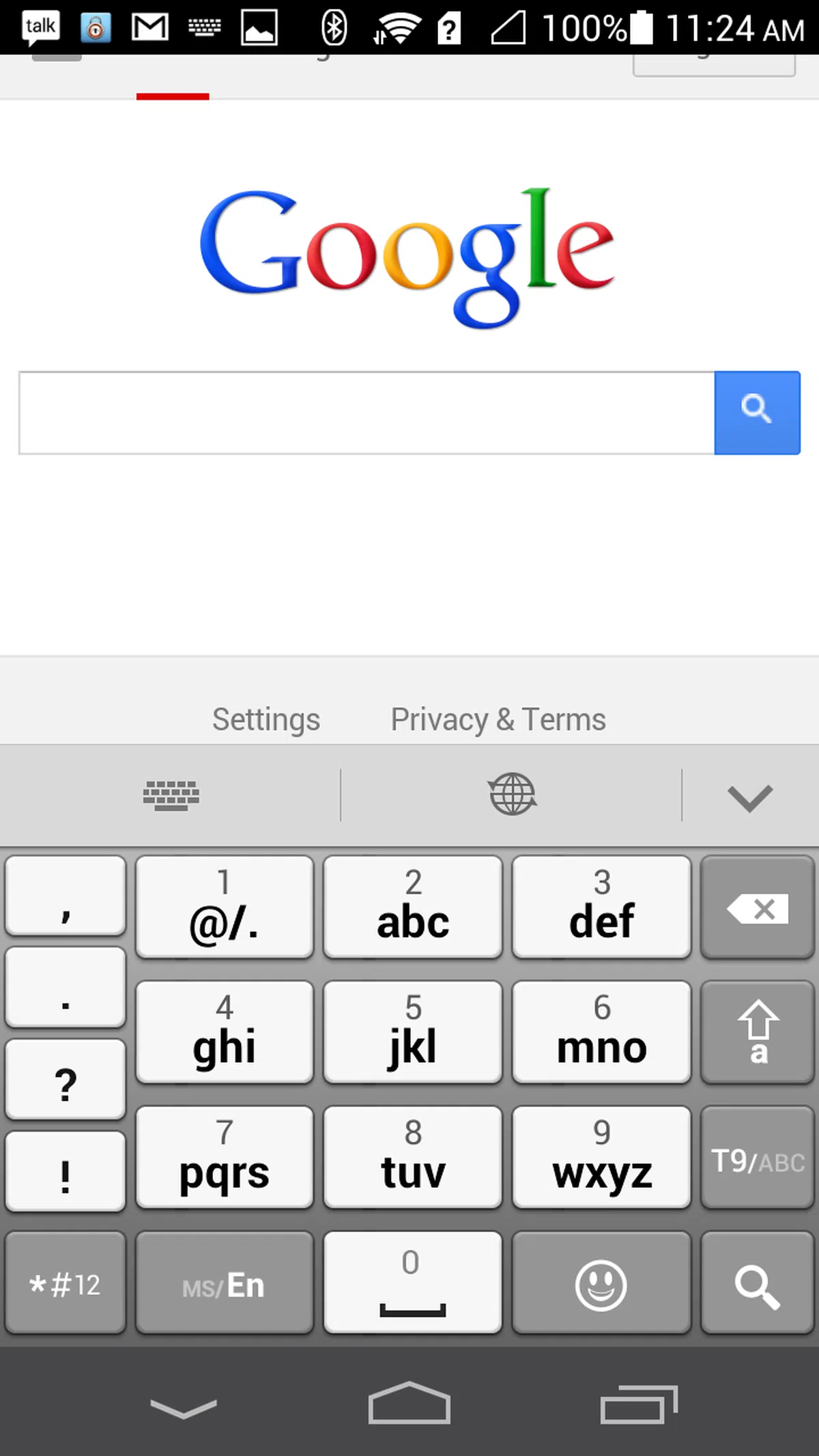
One thing to note with Emotion 1.6 is that it doesn't support Google's gesture keyboard by default. This is due to Huawei using its own keyboard instead, a modified version of the default keyboard but with a skin that matches the UI better and with the option to access all of the alt character symbols on the same page as the letters (it also has a T9 mode). However, if you prefer using the Google gesture keyboard, you can easily fix this by downloading it from the Play store.
 |  |
Performance
Like the previously released Ascend Mate and Ascend P2, the Ascend P6 utilizes Huawei's own Hi-Silicon K3V2 1.5GHz Quad-core processor. In our previous reviews, we weren't too impressed by the K3V2, but maybe the P6's extra 1GB of RAM will change things.
We'll be pitting the P6 against other 4.7-inch models, including the Ascend P2, the HTC One and LG Optimus G. Due to the numerous similarities between the two, we've also included Apple's iPhone 5.
The following benchmarks were used for raw performance evaluation:
- Quadrant evaluates the CPU, memory, I/O and 3D graphics performance. This is an Android OS based test.
- SunSpider Javascript benchmark measures the browsing performance of a device and runs on any platform.
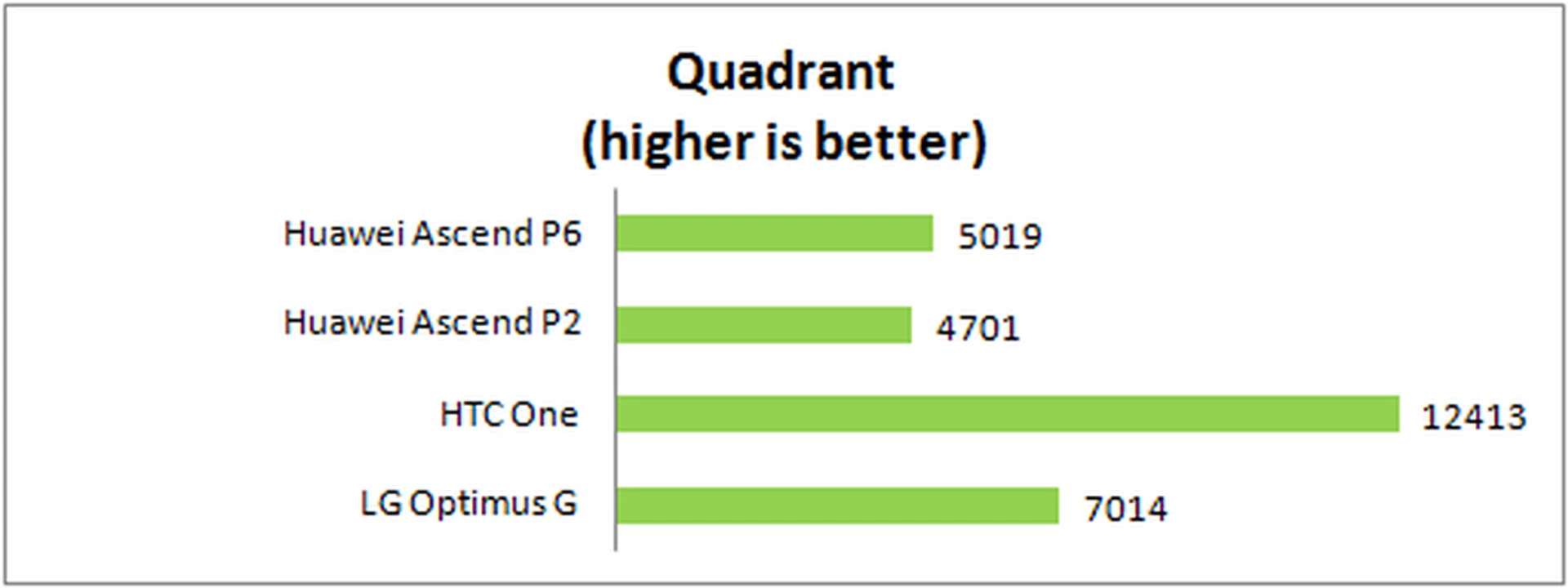
Quadrant
Quadrant evaluates a device's CPU, memory, I/O and 3D graphics performance. As expected, the P6 performed only slightly better than the P2, scoring well behind the more powerful Qualcomm Snapdragon 600 quad-core 1.7GHz processor equipped HTC One. Interestingly, the P6 didn't even match up to the similarly clocked LG Optimus G, which uses a Qualcomm Snapdragon S4 Pro quad-core 1.5GHz processor, suggesting that Huawei still has some catching up to do with its processors.
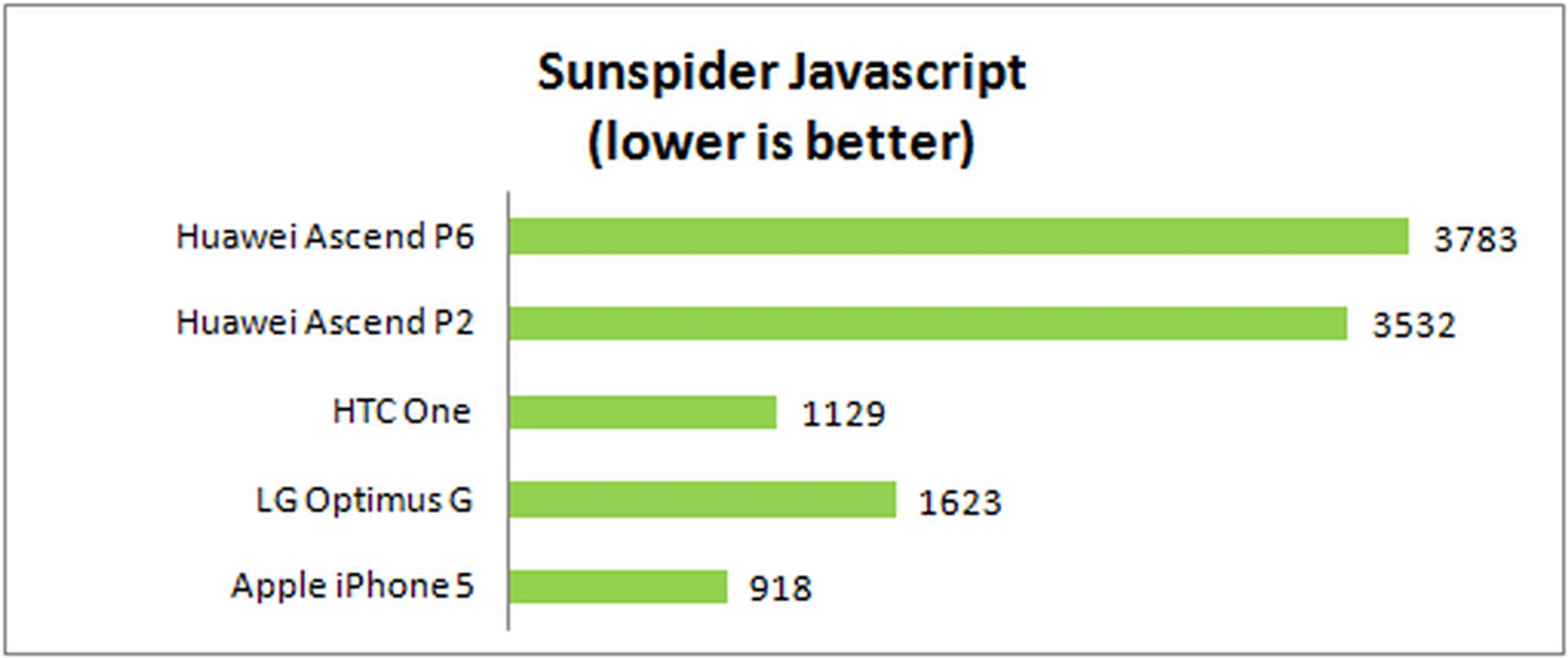
Sunspider Javascript
The SunSpider JavaScript benchmark measures the browsing performance of a device. It not only takes into considering the underlying hardware performance, but also assesses how optimized a particular platform is at delivering a high-speed web browsing experience. Once again, the P6 was underwhelming in this test, and actually scored slightly worse than the P2.
One other concern to note is that the P6 heats up rather fast. After browsing the internet or playing a game for about ten minutes, the back of the device starts becoming a little uncomfortable to hold.
Camera Performance
The P6 has an 8-megapixel rear camera which Huawei is keen to point out has "distance-defying" macro capabilities that lets you get up close and personal with your subject.

Overall image quality on the P6 is surprisingly decent, with a good level of detail and a not displeasing granular quality. However, colors appear slightly oversaturated (which you may like).
 |  |
Testing the P6's macro capabilities, the camera is a bit slow to focus, and has to make use of the flash LED light for assisted focus, but once it settles down, it actually does a remarkably good job. Compared with its predecessor, the Ascend P2 and its higher resolution sensor, obviously the P2 has overall better resolution, and thus less grainy/noisy. Colors are also a tad more neutral on the P2. That's not to say the P6 is a letdown, but it fares well for an 8MP sensor based camera. It's probably a slight trade off for the slimmer profile. But it more than makes up for the discrepancy with the P6's macro capabilities.
One thing to note is that, due to the P6's rather lackluster 8GB internal storage, storage space can get filled up fast if you take a lot of pictures, which tend to have a file size of about 3-4 MB each. The upside is that unlike the P2 predecessor, the P6 supports expandable storage via microSD cards.

The P6 has a minimum focus distance of about 4cm letting you get really close to your subject.

Colors appear slightly oversaturated, but white balance is pretty much spot on.
Battery Performance
As usual, we will be putting the P6 through our standard battery test, which includes:
- Looping a 800 x 480 pixels video with screen brightness and volume at 100%
- Wi-Fi and Bluetooth connectivity turned on
- Constant data streaming through email and Twitter
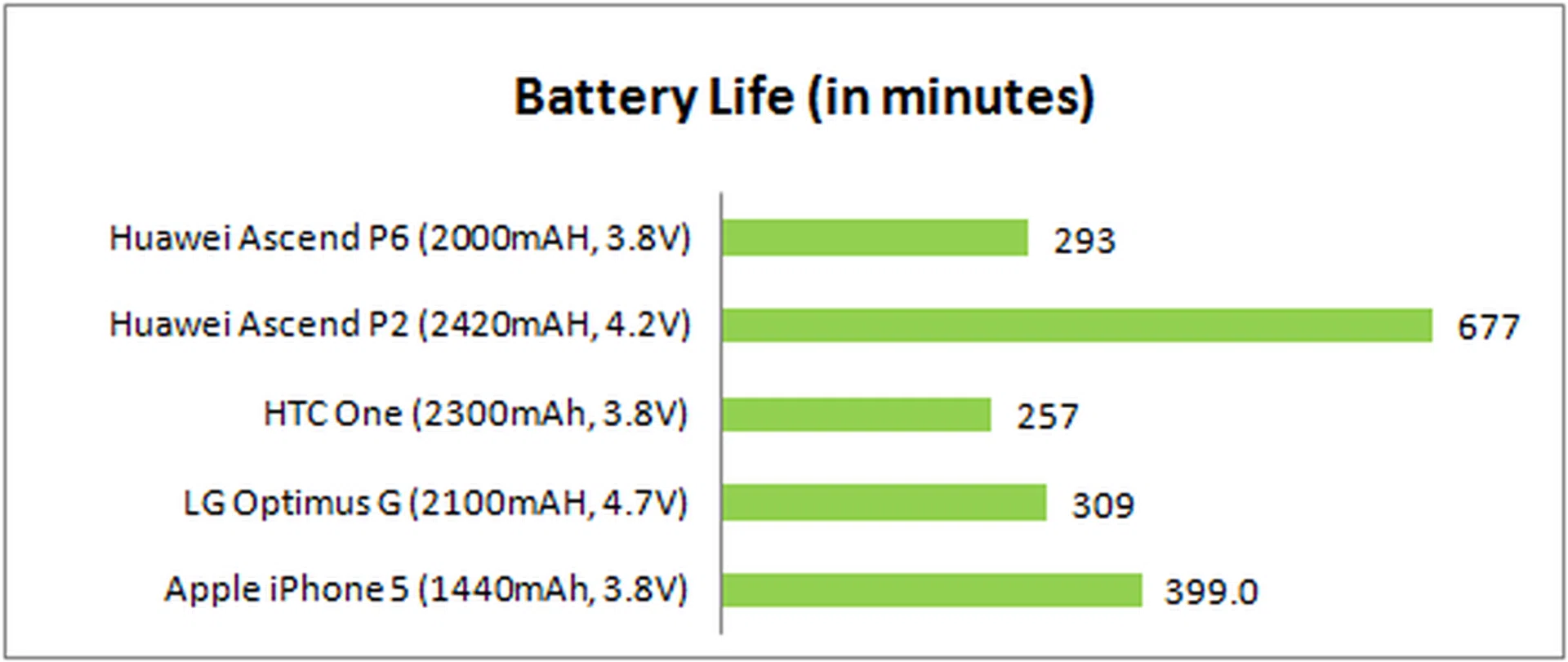
Due to the P6's ultra thin chassis it has a much smaller capacity battery than Huawei's Ascend P2, which lasted a staggering 11 hours+. Still, the P6 did reasonably well, lasting just short of five hours. In regular usage we found that the battery easily lasted a full day, reaching about 20% around 10PM.
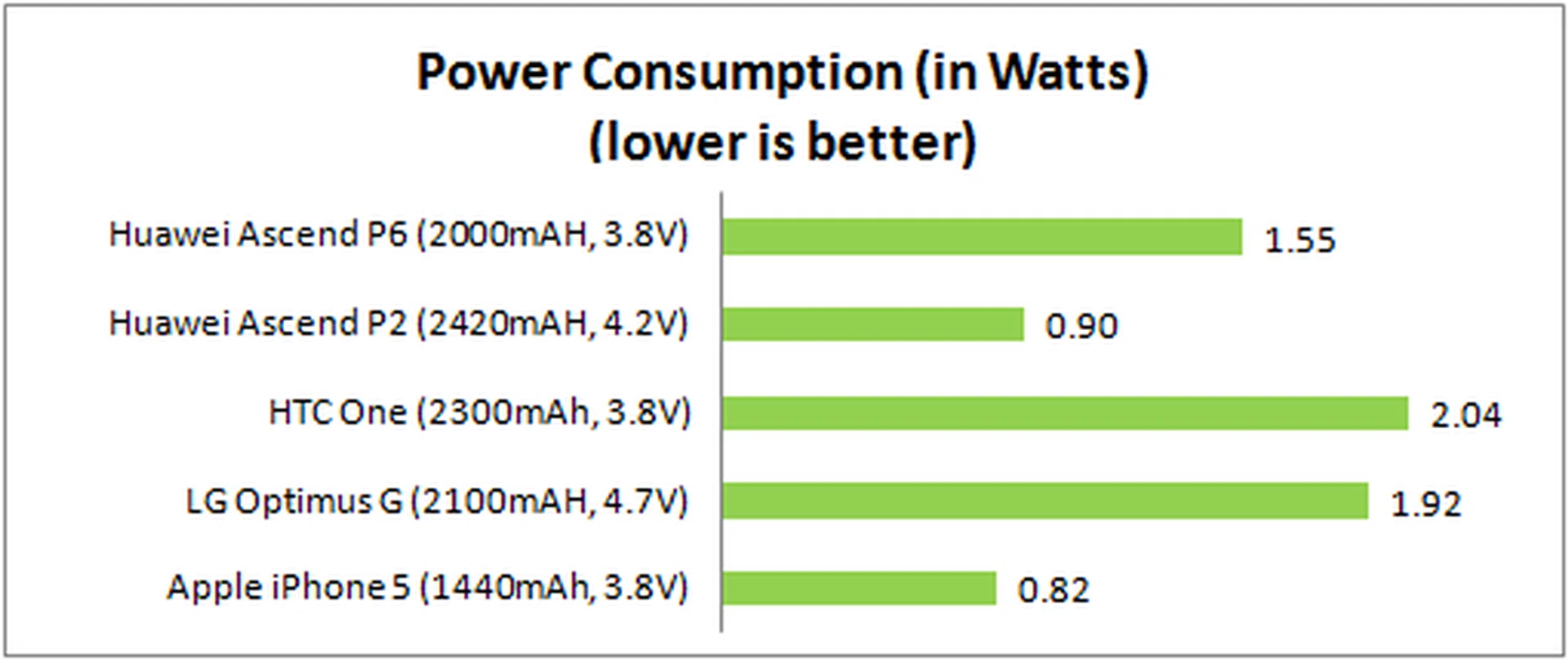
Power consumption was fairly decent as well, scoring lower than the HTC One and LG Optimus G but not quite as good as the P2 or iPhone 5.
Portability
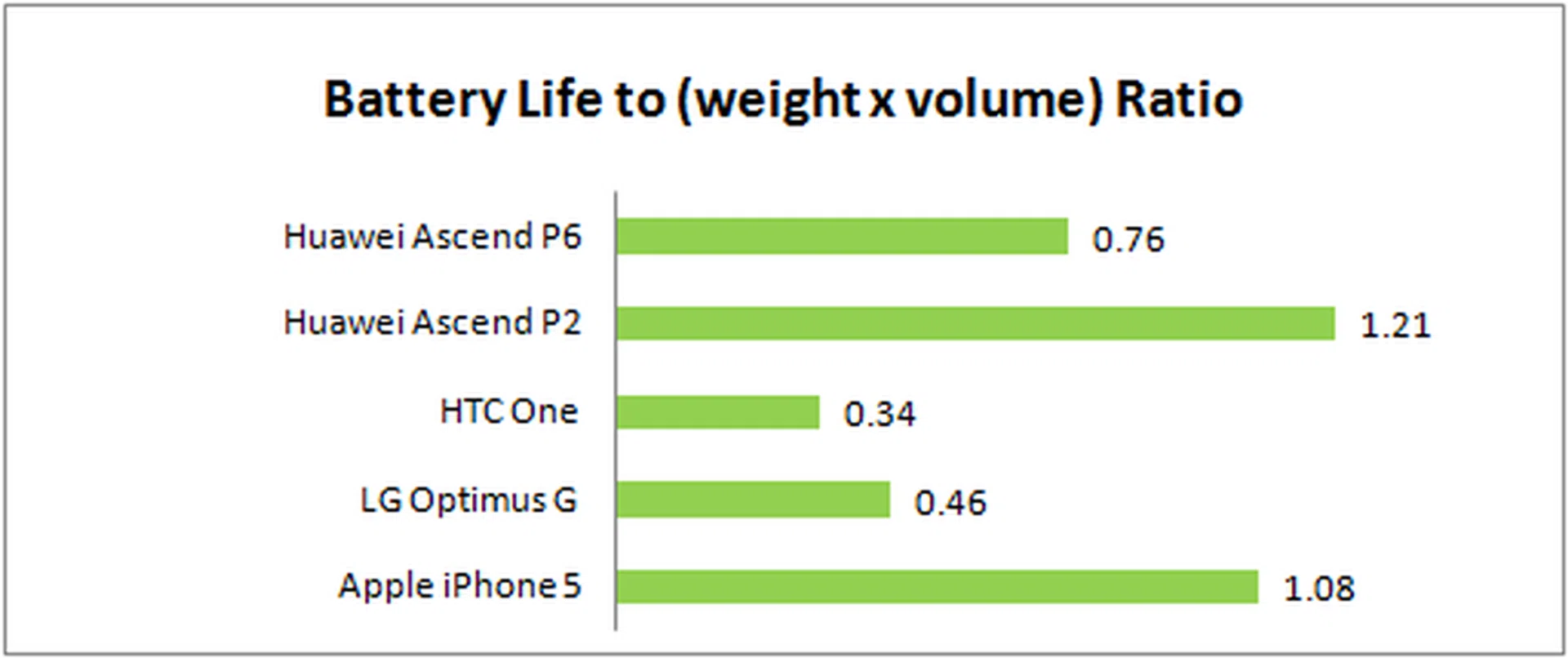
We measure the portability of a device by calculating its battery life to (weight x volume) ratio. Due to its ultra thin chassis, the P6 scored quite well, losing points only due to its slightly average battery life.
In daily usage we appreciated the slim profile design that lets it sit comfortably in your back or front pocket.
Conclusion
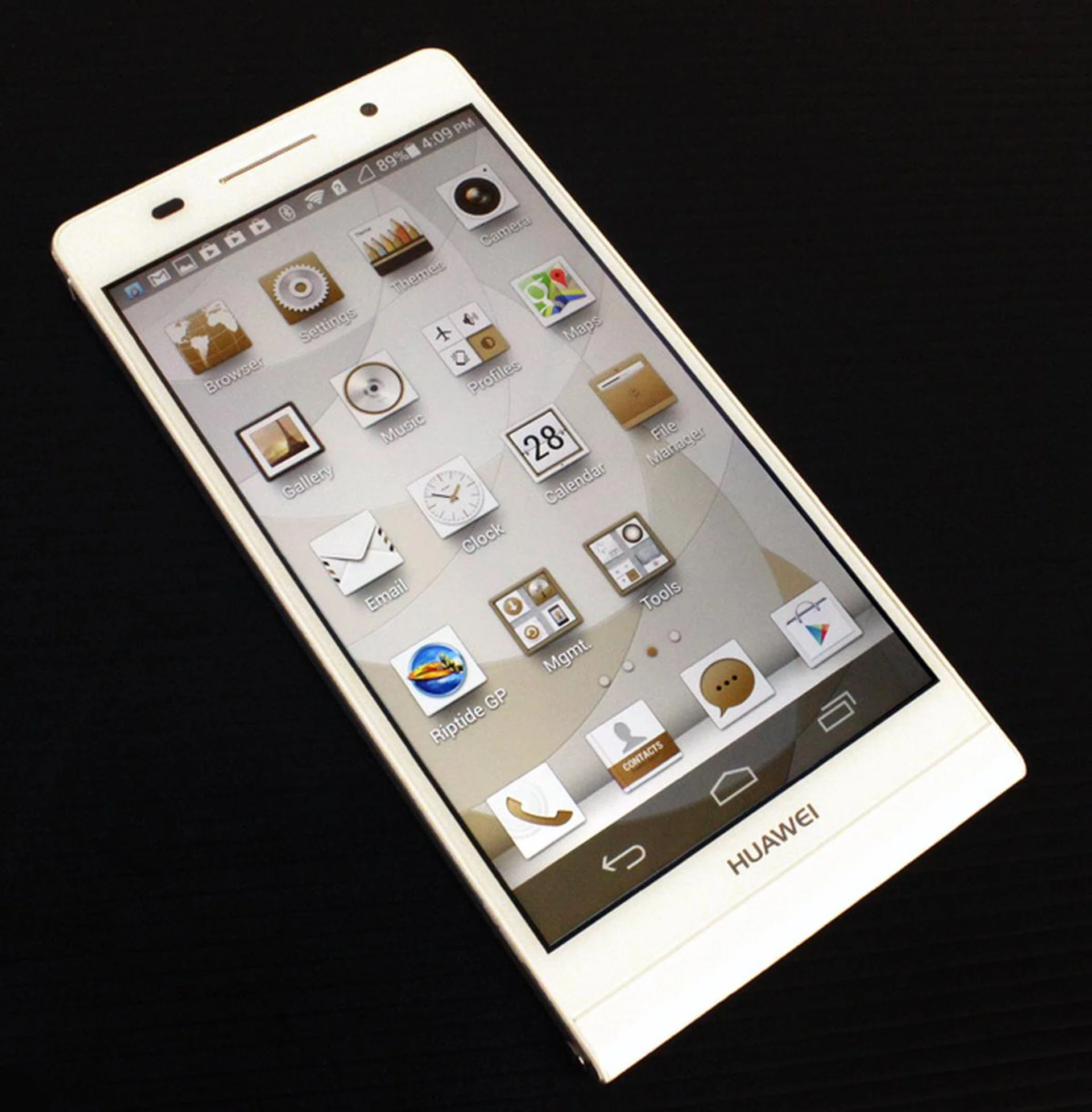
The showstopper? Not quite, but proof that Huawei is making huge progress towards being a legitimate contender for the top spot in the tightly contested mobile market.
Is the Ascend P6 the showstopper Huawei is hoping for? Honestly? Probably not. Overall performance was under average compared to the competition and its lack of both 4G LTE and NFC capabilities limit its functionality compared to other flagship smartphones. And while the phone is certainly sleek and sexy, it has a few questionable design decisions (speaker on the back, headphone port awkwardly located etc.), and imitating Apple doesn't score Huawei any points, especially when both Sony and HTC have proven that it's possible to make an attractive and functional smartphone without having to resort to Apple cloning.
However, what the P6 does prove is that Huawei can make a high quality phone. The P6 is leaps and bounds above what the Chinese manufacturer has done before, displaying a level of build quality, fit and finish that is second to none. With a suggested retail price of just S$638, it's actually quite good value considering the full metal chassis and high quality build. Most of the core functionality is there too - the P6 boasts an excellent display, and a surprisingly decent camera. Even so, the LG Optimus G is perhaps Huawei's strongest competition at its price point and offers better features and performance. If Huawei can just improve its processor, battery life and sustain this level of quality with its upcoming products, it shouldn't be too long before it has ironed out some of the quirks of the P6 and starts challenging for the number one spot it so badly wants.
Our articles may contain affiliate links. If you buy through these links, we may earn a small commission.