
Progressing smartphone cameras in the eyes of an engineer: Q&A with Oppo
What really goes on inside your phone cameras when brands claim that they've been improved, anyway? We had a chat with Oppo's engineer.
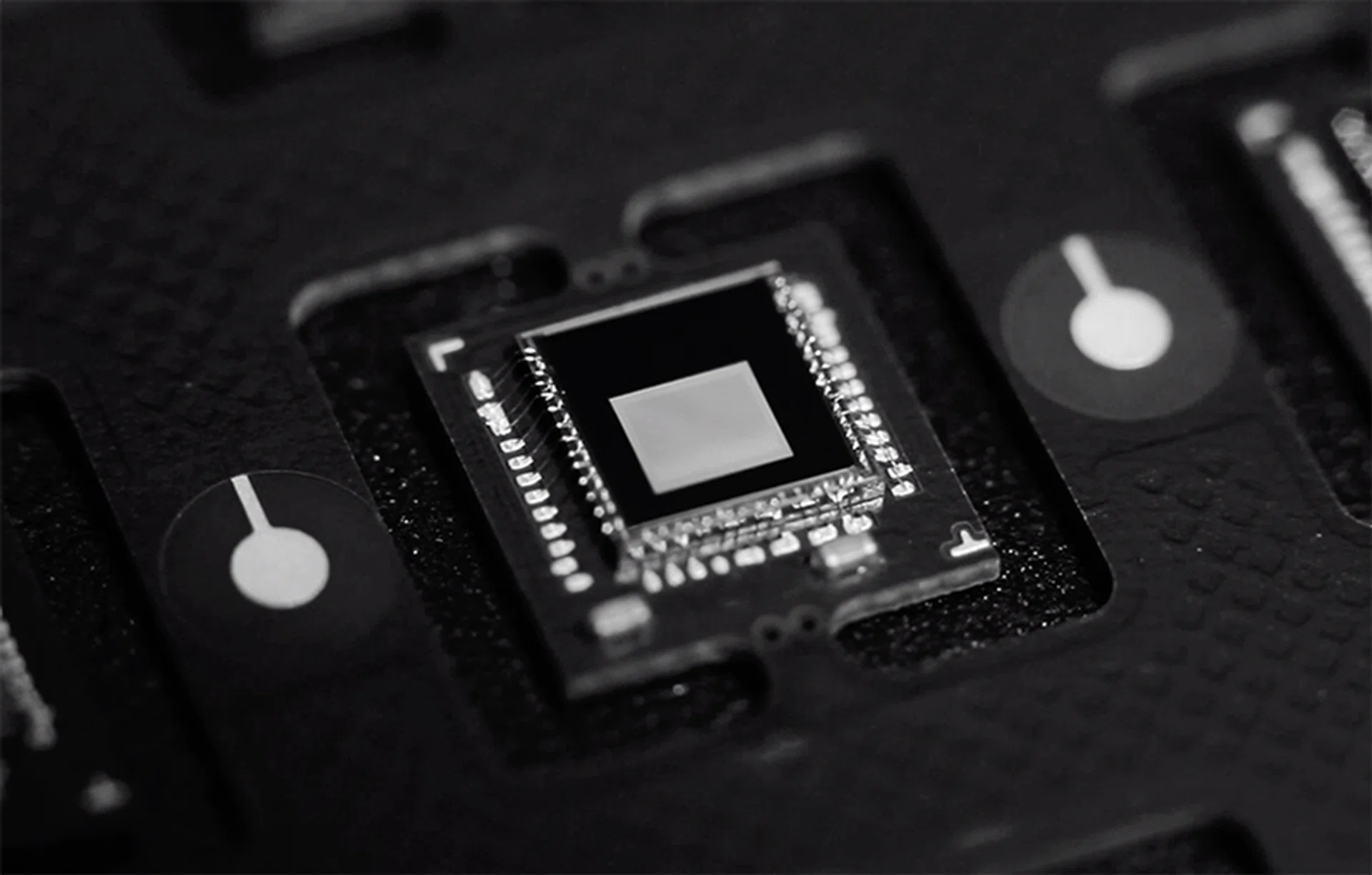
Image source: Oppo.
Making sense of what goes behind the scenes to make a great camera phone
Many phones these days come with two to five rear camera lenses, each with functionalities more fantastic than the one before. However, are we getting the most value out of these lenses? How do we know if the photos are high-quality because of the components, or the software backing it? What goes on inside your phone cameras when brands claim that they've been improved, anyway?
We've had the opportunity to speak to Mr Will Lin, Senior Photography Algorithm Engineer at Oppo, who shared with us his perspective on what it takes to build a successful smartphone camera for its consumers. As a passionate photographer himself with six years of experience in imaging algorithm engineering, Will also leads the development and optimisation of Oppo's "Ultra Night Mode" and "Ultra Dark Mode". His work in photography algorithms also has him working on enhancements of the HDR experience for Oppo's Reno series and Find series, like the Oppo Find X2 Pro.

Will Lin, Senior Photography Algorithm Engineer at Oppo
We couldn't pass up the opportunity to speak with a photographer and engineer working directly on a smartphone's camera system. As such, Will has responded with what he thinks smartphone cameras are to consumers these days.
Note: Responses have been edited for length and clarity.
Was there ever a camera feature you wanted on phones but was never implemented? Why wasn't it implemented?
As a photographer, I would like to say, features such as creating something out of nothing and removing something from the images are ones that I wanted. But it's challenging to make it both appear natural and real, in the field of image modification. However, as a photography algorithm engineer, I think that the improvement of image effects is endless and requires constant innovation and upgrading. My work at Oppo helps to ensure that the existing technology has reached the best state in the current products while optimising them according to the users' needs.
What was the most challenging piece of smartphone camera algorithm or software you had to work on?
I remember it was when we were developing Ultra Night Mode; we faced two key challenges during the development cycle.
First, to meet the high standards we've set for ourselves, there were multiple adjustments needed to be made within a short period. We had to adjust the optimisation mode and readjust the exposure strategy, for example. Secondly, we needed to balance between user needs and the actual development, since different users have different preferences towards the quality of their photos taken under low-light conditions. As a result, we had to do several rounds of optimisation for the brightness and noise reduction (on the Oppo Find X2 Pro phones).
What is one 'fact' about smartphone cameras that consumers think is true, but isn't at all?
I think the word AI (Artificial Intelligence) has been abused in recent years. Broadly, it can be called AI technology as long as there're some intelligent settings, judgments of elements, or more humane design in a smartphone. Therefore, there's some misinformation spreading about photography AI, when sometimes it's some slight improvements via a few lines of code.
In my opinion, the truly good AI camera technology is that the imaging algorithm on phones allow the images to be enhanced beyond the original information captured by the camera through some pre-knowledge, like the deep learning. It's just like the smartphones have learned certain photography modules and can give better answers to the input information.
What's the biggest lie consumers were told about smartphone camera specs and tech in recent years?
The recent smartphone releases have perpetuated the perception that more rear camera lenses are a given with every new smartphone release. However, adding more camera lenses should only be for the premise of taking better photos. For Oppo, the number of lenses is based on the needs of users. We also strive to improve the collaboration ability between different lenses. However, this is more like a misunderstanding, not a lie.
More responses on the next page.
Note: Responses have been edited for length and clarity.
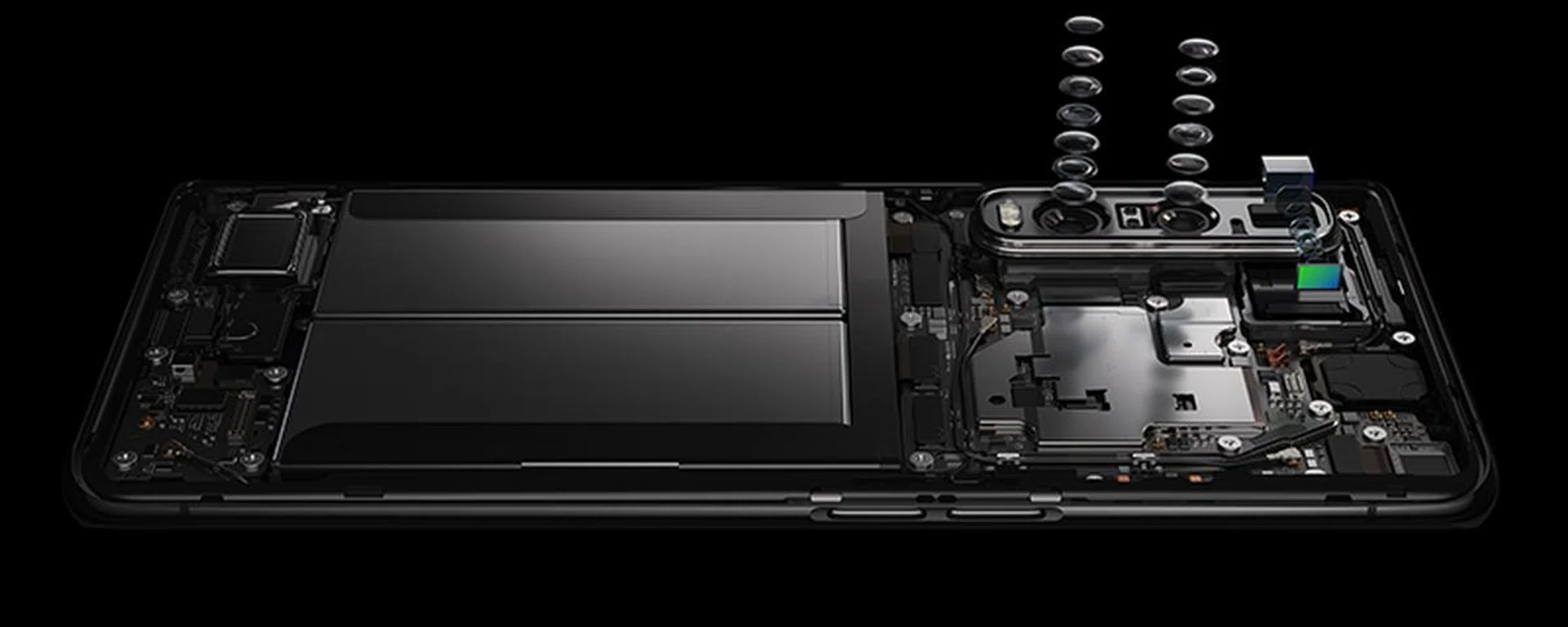
Image source: Oppo.
Oppo Find X2 Pro's main camera, which contains the Sony IMX689 sensor, is also available on the OnePlus 8. Why did Oppo say that the sensor was co-developed with Sony if it's not an exclusive sensor to Oppo?
The IMX689 is a custom primary sensor that has been developed by Sony and Oppo that allows all-pixel omnidirectional focusing. Oppo set the custom standards, and Sony created the custom mould needed to achieve this. When it was announced, Oppo also held the rights to be the first to release this sensor. The sensor will eventually be open to the market as a public model and will bring a better experience to more consumers.
What do you think will be the 'next big thing' in smartphone cameras beyond 2020?
Smartphone cameras have seen various progressions over the last decade, ranging from the 'megapixel race', to zoom technology and AI implementation. However, we see increasing imaging's dynamic range as the next step forward in smartphone photography.
While increasing resolution produces sharper and detailed images, capturing more colours will create more life-like photos and videos. As an example, the Find X2 Pro is a step forward into this direction, being able to capture over 68 billion colours in 12-bit. This is a first in the overall smartphone industry.
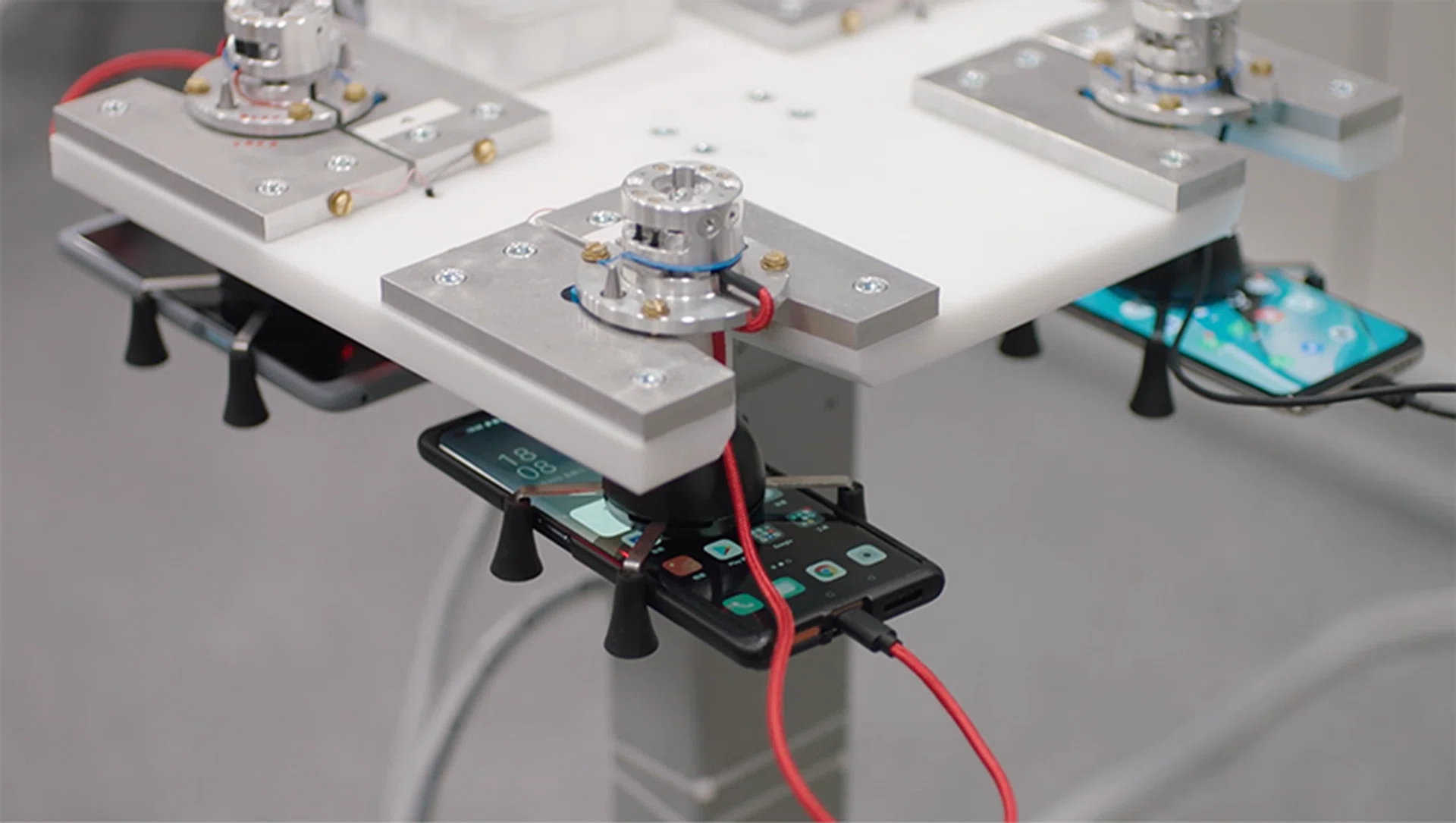
Image source: Oppo.
I believe we will continue enhancing the foundation of photography, such as shorter image development time, reducing noise in the photo, and improving the stability of video shooting. Our work also greatly improved the accuracy of scene recognition by parsing through large amounts of image materials training for our imaging tech. In the future, we will further optimise the accuracy of scene understanding through AI, enabling users to take more authentic photos anytime, anywhere.
At Oppo, there's also a belief that video recording demand is growing rapidly, just like how photography (as a smartphone function) has been increasing exponentially over the past few years. There is an increasing demand for visual expression from young users and the need for video creation. In China alone, there are 249 million Vlog viewers in 2019, while there are over 4 billion viewers worldwide watching video content every month.
Also, we believe that the implementation of 5G technology will make short videos increasingly popular. As 5G network matures, the upgrades in camera technology will bring more convenience to our lives, and there will be more application scenarios, such as real-time 3D video conferencing.
We'd like your opinions on photography itself as well. What imaging details do you look at when deciding if a phone camera is of good quality?
The three key elements to determine the quality of a phone camera will be its resolution, clarity, and colour capture. Resolution and clarity come hand-in-hand. A higher resolution has been synonymous with the level of detail in photos. However, without bigger and more powerful sensors, or techniques such as pixel-binning and autofocus technology, pictures will not appear as detailed and clear due to "bloated" pixels seen in some high-megapixel camera features. On top of that, colour depth creates life-like photos as well, mimicking what we can see with our naked eyes.
Besides the cameras, what is the next most important specification or component should phone buyers look out for?
I would say screen or display. The screen is the part that mobile users interact with the most. Up to 80% of the interaction occurs on-screen. The quality of the screen directly affects the user experience. At Oppo, we believe that screen will be a key performance enhancement of flagship phones of the future.
A great display also helps you enjoy breath-taking photos you take in its true colour.
Where in Singapore would you recommend smartphone shooters to visit to test their smartphone's camera capabilities?
During this time (Covid-19, circuit breaker measures), I would suggest finding creative ways to shoot within your home, or whatever you see outside your window. There are a lot of different elements you can play with if you are creative with it. After all, photography is all about telling a story through creative framing by fully utilising the available features from your smartphone.
Outside of the circuit breaker period, however, I would suggest locations such as under a streetlight, in an indoor kitchen-bar or an amazing outdoor area under the stars.
As an avid photographer yourself, can you share some of your favourite photos you took in 2019 or 2020?

Image credit: Will Lin.
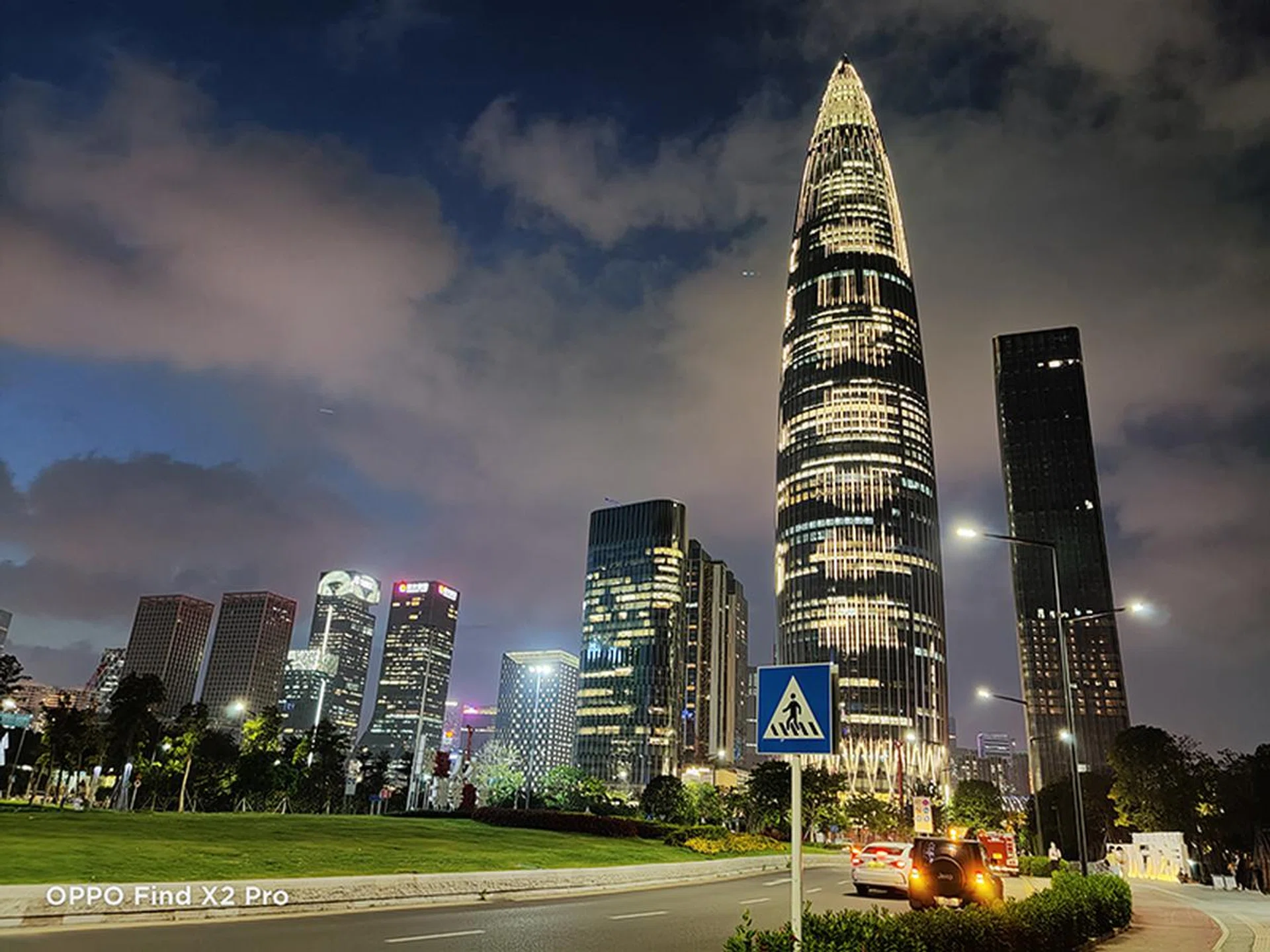
Image credit: Will Lin.

Image credit: Will Lin.
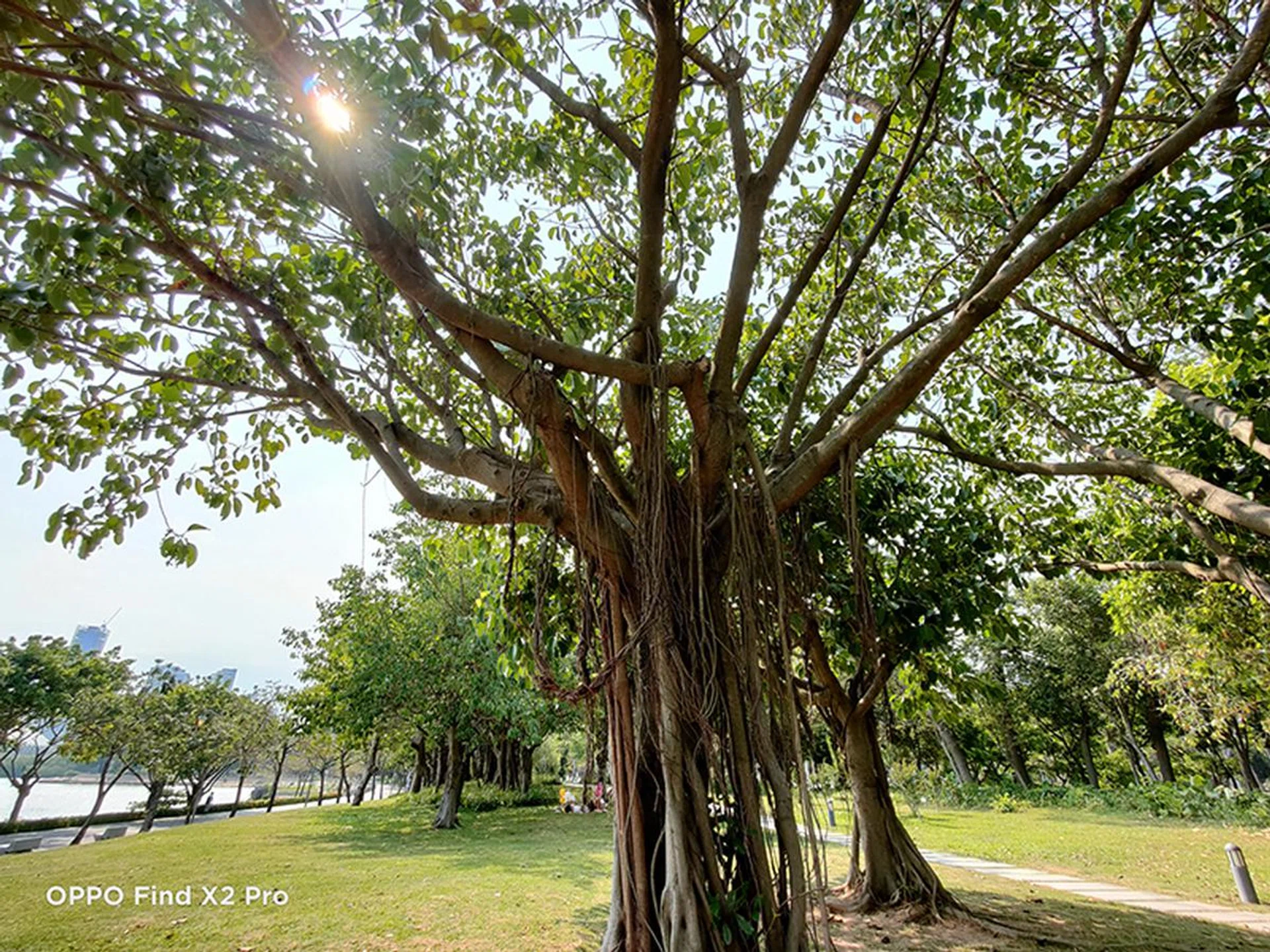
Image credit: Will Lin.
Our articles may contain affiliate links. If you buy through these links, we may earn a small commission.