

2026 Tech Trends: The trends, products, and technology to expect, and more
With another year behind us, we peer into the future to spotlight the technologies and product categories poised to make the biggest impact in 2026.
As the year draws to a close, it’s only natural to pause, look back, and start peering ahead. We’ve done this exercise before, and if recent years have shown us anything, it’s that many once-speculative ideas have a habit of becoming reality faster than expected. Some trends took off exactly as predicted, others needed more time to find their footing, and a few surprised us altogether, a reminder that technology rarely moves in straight lines.
With 2026 on the horizon, the team has once again gathered its collective crystal balls to consider what comes next. This isn’t about incremental upgrades or the annual cycle of devices getting thinner, faster, or flashier. Instead, we’re looking at the broader shifts, the technologies, form factors, and ideas that could meaningfully change how we game, work, communicate, and consume content in the years ahead.
A Happy New Year everyone!
A more secure and productive Android experience

Big changes are coming to Android in 2026. Developers are required to register with Google and provide app signing keys and legal information. Google anticipates that this change will help protect more users from malicious malware and scams by ensuring only apps from verified developers and sources can be installed. While it means added security for most users, it also means that anonymous APKs can’t be sideloaded onto certified Android devices, which could spell trouble for alternative app stores.
The upside is that users are less likely to fall prey to links forwarded through messaging apps, where such scams are most likely to occur, since one is likely to trust info/links from known contacts. Meanwhile, for those of us who diligently update from Google’s Play Store or via your phone brand’s app store, this shouldn’t pose too much of a change since they already require developer verification.
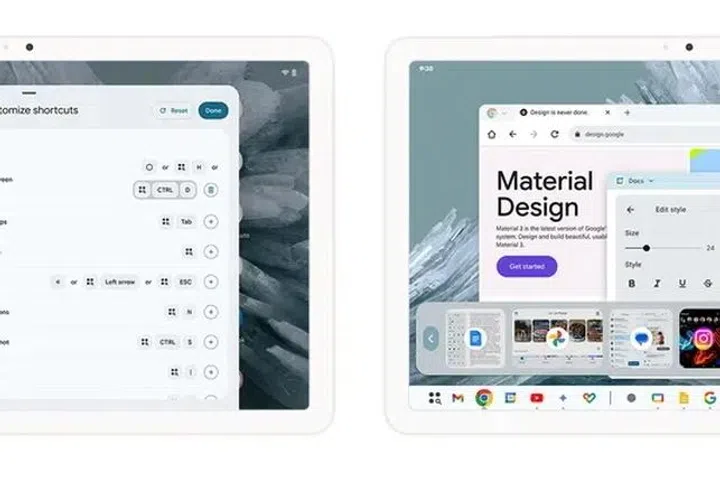
Android’s “Desktop Mode“ is also set to get an upgrade, with the feature possibly coming to even more phones in 2026. It’s currently only available for Pixel phones running the QPR beta version of Android 16 with developer options enabled, so it’s still not quite ready for primetime, but we’re excited about the possibilities when it’s finally officially released.
Smart glasses set to enter the mainstream market
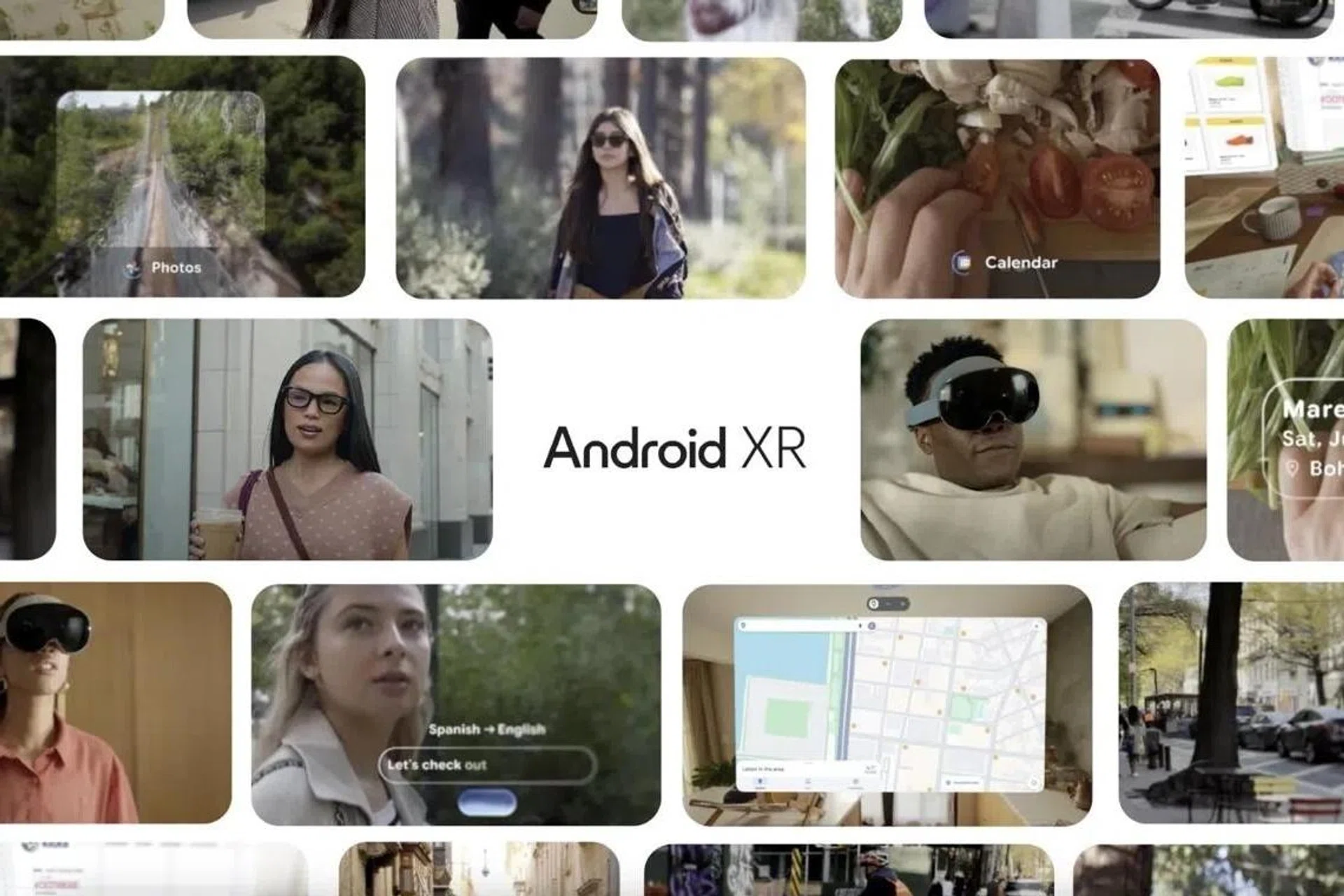
With Meta having recently released the Meta Ray-Ban Display glasses, the smart glasses industry is set to really heat up in 2026. This is particularly exciting since smart glasses are a more discreet way of being able to interact with our surroundings and display information without looking like we’re wearing oversized ski goggles on our heads. From being able to utilise built-in cameras to translate menus and signs in different languages to having displays that can display navigation directions and more, smart glasses are going to be a product category to watch in the new year.
We’ve been hearing rumours about Samsung’s upcoming smart glasses, which are said to be powered by Gemini and will offer features like a built-in camera. Samsung is collaborating with Google on these, along with Warby Parker and Gentle Monster. Then there’s the wired smart glasses, Project Aura, from Xreal, which will be available in 2026. Xreal has a track record of delivering great AR glasses, so we’re expecting a polished product here.
Apple has also long been rumoured to be working on a pair of smart glasses, which would be an exciting development for Apple users since there are rumours that it could finally be coming to fruition in 2026. Apple already has experience with custom prescription lenses, thanks to the Apple Vision Pro headset, so it could be a more inclusive product than the Meta Ray-Ban Display, which only allows for a prescription range of -4.00 to +4.00.
Big changes to the iPhone
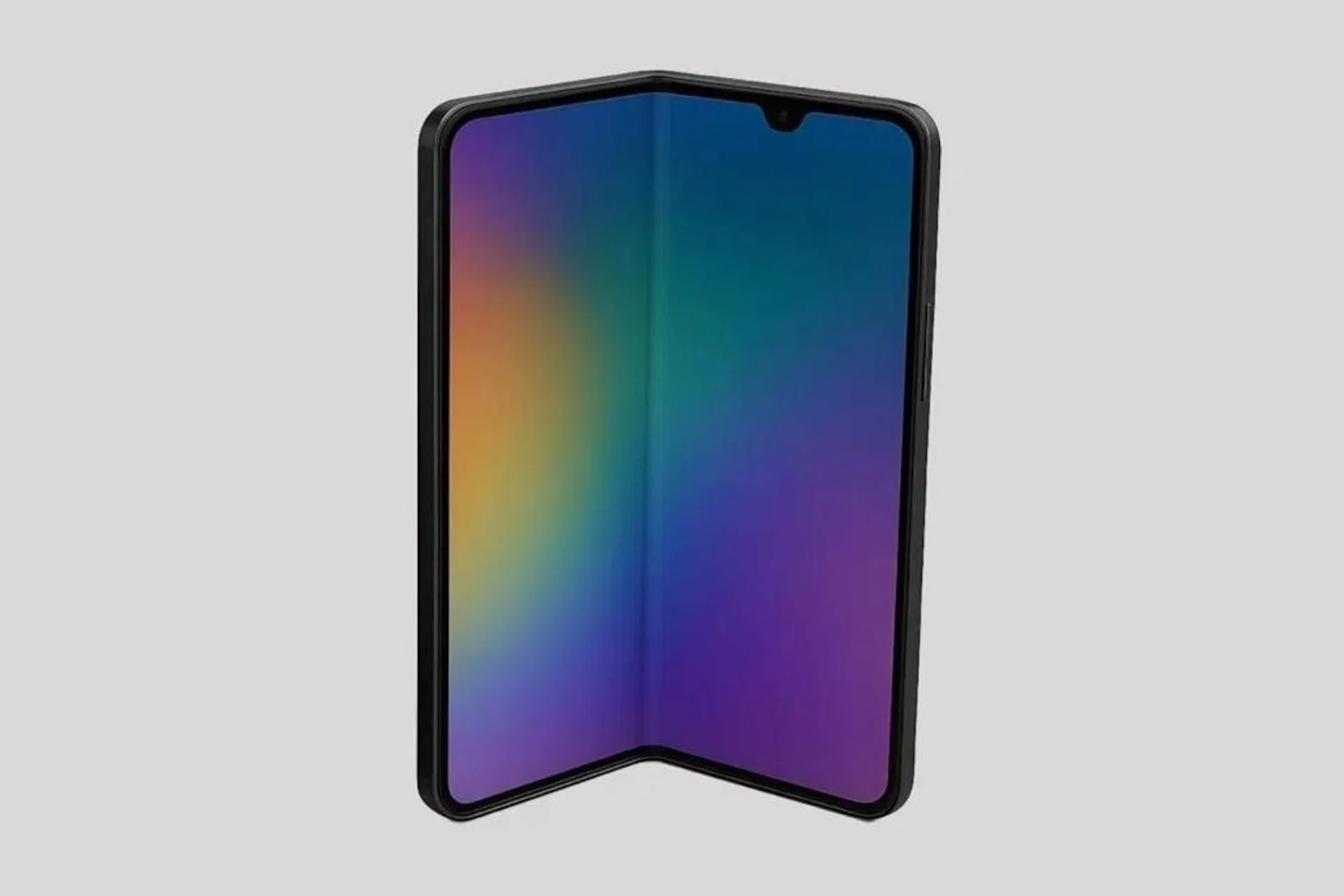
It’s hard to predict Apple’s plans, but if the rumours are right, big changes will be coming to the iPhone this year.
To start, we have the highly anticipated foldable iPhone. Rumoured to be called the iPhone Ultra, this will be Apple’s first foldable phone. Word on the street is that the star of this product will be Apple’s revolutionary hinge, which will supposedly make the crease of the foldable display almost invisible.
It could also be smaller than expected. The latest rumours say its cover display will be around 5.4 inches when folded, which makes it roughly the same size as the discontinued iPhone 13 mini. And when unfolded, the display is expected to measure around 7.6 inches. Not only do these figures make it smaller than rivals from Samsung and Huawei, but it also means it will have a 4:3 aspect ratio and a more book-like form factor.
The new foldable iPhone aside, Apple is also expected to change the timing of its iPhone releases by staggering them. September will still be the most important month for iPhones, but that event is said to only be for the high-end models – the Pro iPhones and the foldable iPhone. The standard non-Pro and “e” models will be released the following year in the spring. A shift like this has two benefits. One, it will allow Apple to better manage its manufacturing and supply chain. Two, having two launch events ensures iPhones stay in the media spotlight and minds of its customers for longer.
Could we see a slowdown in EV adoption?
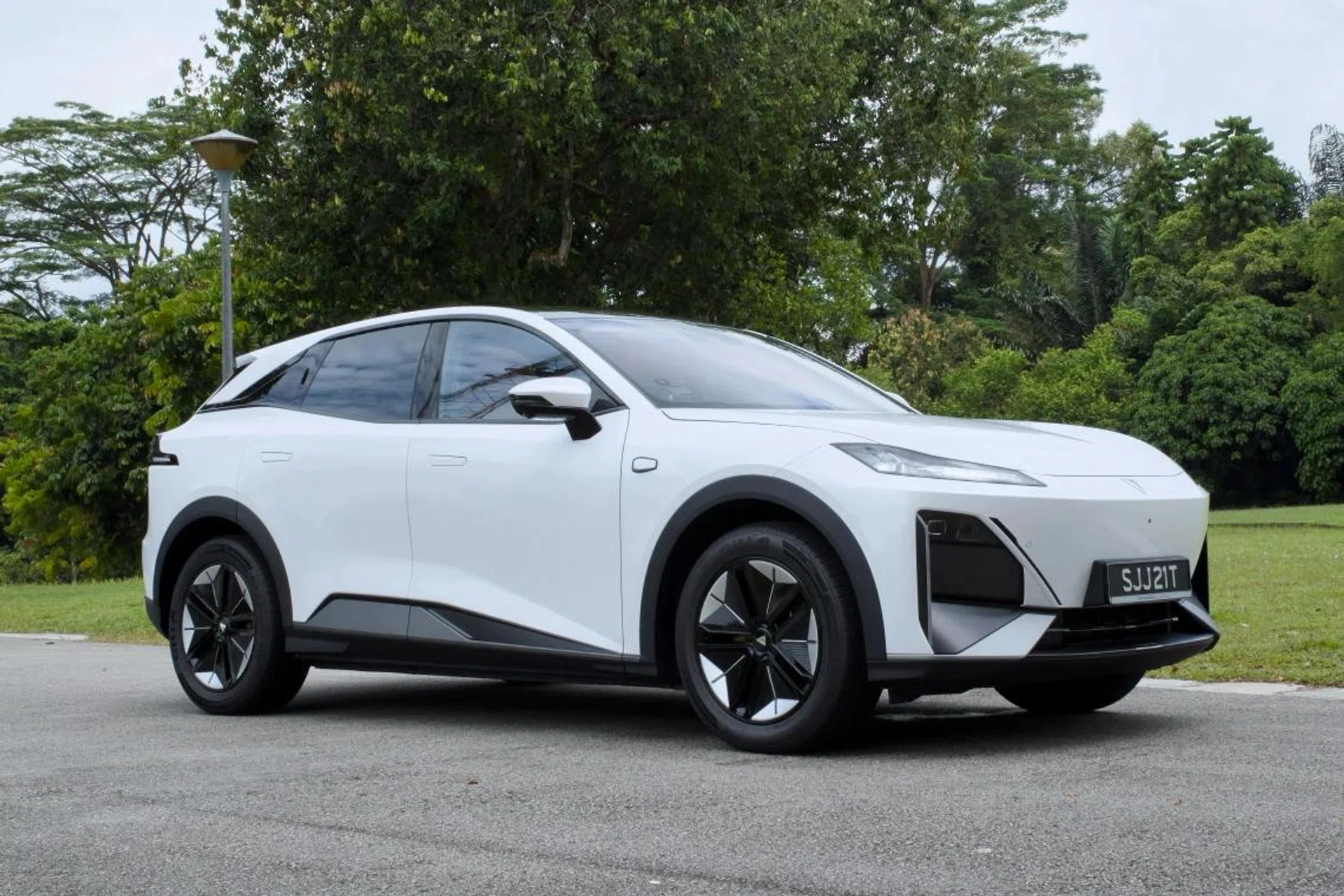
From the looks of things, it appears that Singaporeans have embraced electric vehicles. Statistics from the Land Transport Authority (LTA) say EVs accounted for 43% of new car registrations in the first 9 months of 2025. But that could change in light of developments in our local market and the world.
In September, the government announced that it would be slashing the rebates that it gives to customers buying EVs. This could lead to higher prices for EVs, which may put off more budget-conscious buyers. Additionally, reports documenting the weak demand and high depreciation of EVs in the second-hand market could further put off such buyers, and drivers who are unsure about the long-term prospects of EVs.
There are also significant changes abroad. Following outcry from European carmakers, the EU decided to drop its 2035 ban on internal combustion engine cars. The move comes as European carmakers struggle to compete with Tesla and Chinese brands. The reluctance of the EU, the US, and even Japan to fully embrace EVs will have ripple effects around the world. What impact it will have on our local automotive industry remains to be seen, but the next couple of years will certainly be interesting to watch.
The “largest game launch in history”: Grand Theft Auto VI

No matter how packed 2026 ends up being for gamers, it’s hard to shake the feeling that everything is already orbiting around one release. You don’t even need to name it most of the time. Everyone knows what you’re talking about. Grand Theft Auto VI is coming, and the rest of the calendar is quietly adjusting itself around that fact.
Rockstar (the publisher) hasn’t said much about its latest open-world epic, but it doesn’t really need to. The moment GTA VI lands, it’s going to swallow time, attention, and probably a good chunk of everyone’s gaming plans. The game studio calling it “the biggest game launch ever” sounds dramatic until you remember how the last few GTA launches went. People didn’t just play them – they disappeared into them. Employees start calling in sick. Work-from-home productivity mysteriously dipped. Deadlines missed. Every conversation somehow looped back to whatever ridiculous thing just happened in-game.
However, what’s different this time is the wider impact. You can already feel other game publishers being cautious. Release dates are vague. No one wants to be the game that launches in the same window as GTA VI and gets politely ignored, or worse, becomes that thing you buy on sale six months later and never touch.
That reshaping of 2026 might actually be the most interesting part. Smaller games could sneak into quieter gaps. Big AAA releases will either rush out early or give Rockstar a very wide berth. Mid-sized titles are stuck making uncomfortable calls.
GTA VI won’t just define a moment – it will define the year for gamers around it.
The race to put a mini gaming PC in your living room
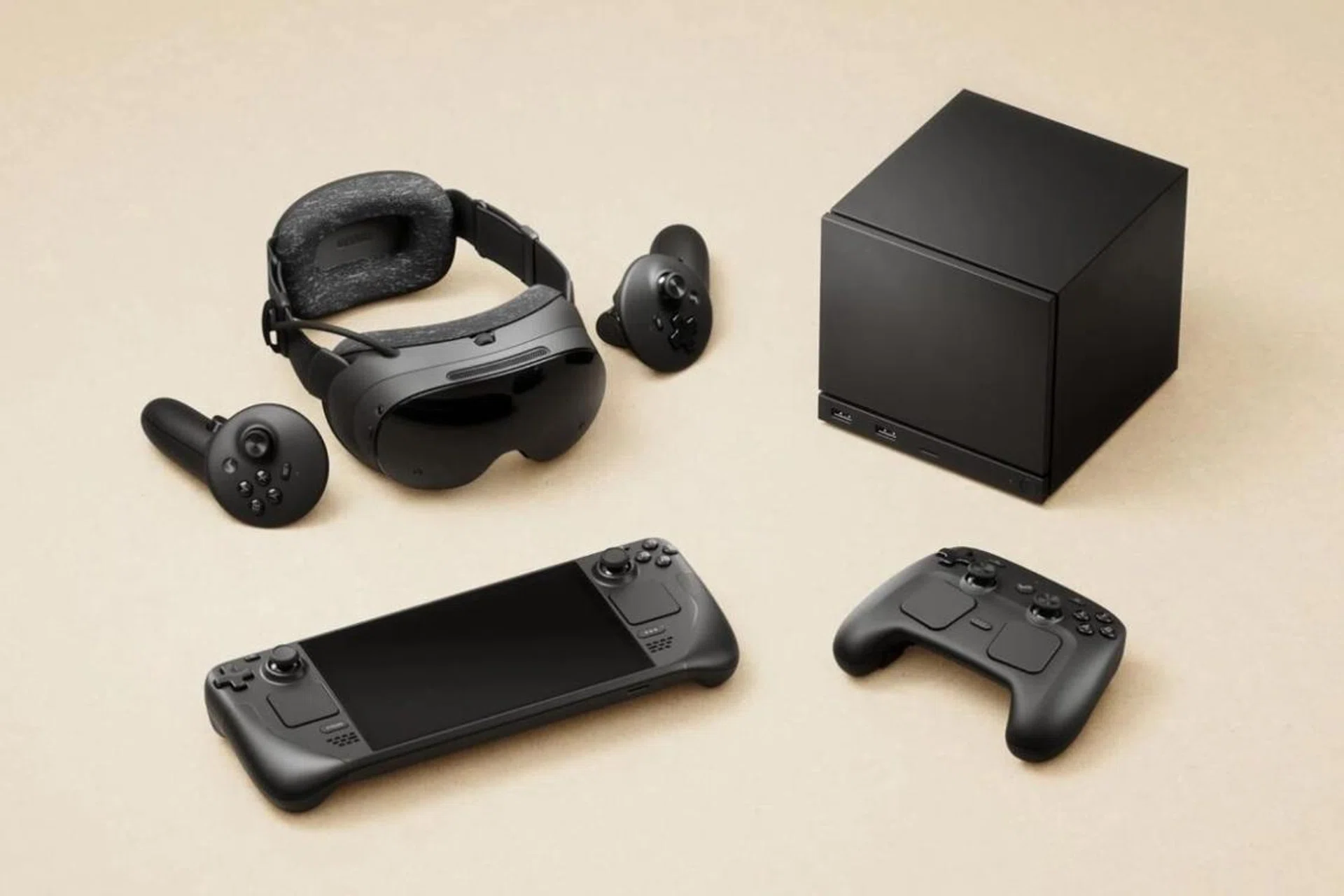
If 2026 ends up being remembered for anything in gaming, it probably won’t just be Grand Theft Auto VI. It’ll be the year PC gaming finally stopped pretending it belonged only at a desk.
That shift didn’t happen overnight, of course. When Valve rolled out the Steam Deck in 2022, many of us (including this writer) were piqued by the Game Gear-lookalike – a chunky handheld that promised “real” PC games on the go. Then gamers actually started playing with it. On the couch. On the plane. During lunch breaks. Suddenly, PC gaming wasn’t something you scheduled time for; it was something you could get in and out of anywhere and anytime. And once that door was opened, every other manufacturer rushed through it. ROG, MSI, and Lenovo are some names that come to mind.
Fast forward to now, and Valve seems ready to pull the same trick again with its upcoming Steam Machine. It has to be said though, that this isn’t about reviving the old console-style Steam Machines from more than a decade ago. The timing is different, and so are gamers’ habits. Plenty of us already juggle PC gaming, handhelds or plug controllers into laptops that were never meant to live in the living room.
What Valve appears to be betting on is a new kind of PC: small, quiet, controller-first, and happy sitting next to a soundbar instead of a monitor. It’s not a console killer, but a PC that understands it’s sharing space with Netflix, family members, and the occasional house guest.
If it works, expect the usual brands to copy it – just like they did with handhelds. And before we realise it, the living room PC won’t feel like a niche idea at all. On a side note, it will also be interesting to see how Sony reacts to this new living room “threat” to its PlayStation console business, since it has focused on releasing some of its best AAA games for PC too.
The most anticipated movie sequels in the global film industry

Sequels often generate excitement and buzz because they build on and expand stories and worlds audiences already love, especially when they belong to beloved franchises in the entertainment industry.
One of the most-talked about is The Super Mario Galaxy Movie. While Nintendo’s original The Super Mario Bros. Movie (2023) received mixed reviews, it was also a massive box-office success that captivated the hearts and minds of longtime Mario fans and new fans alike. The sequel will be based on the Super Mario Galaxy (2007) game and will hopefully charm moviegoers just as the last one did.
The Devil Wears Prada 2 has captured public discussion as one of the most anticipated sequels to modern culture to hit the silver screen. The original film is considered a classic for its cultural impact, driven by its daring writing and memorable performances. Its sharp dialogue where even the smallest of mistakes was dismissed with the iconic line “details of your incompetence do not interest me” and its bittersweet ending where main character Andrea, played by Anne Hathaway, walked away from the glamour and highs of the fashion industry while gaining self-respect at heavy personal costs. The open ending and thrilling drama have left audiences wondering how its characters now navigate the world of fashion. The sequel promises more of the same, and it helps that Meryl Streep, Anne Hathaway, and Emily Blunt will be reprising their roles.
Marvel and superhero fans are in for a treat with the release of Spider-Man: Brand New Day and Avengers: Doomsday next year.
Spider-Man: Brand New Day is expected to mark a new chapter in Peter Parker’s journey as a hero, potentially revisiting the core classical themes of responsibility and personal growth that have become synonymous with Spider-Man Movies, while also setting the tone for potential future storylines.
Lastly, Avengers: Doomsday is positioned as a major cinematic event in the Marvel Cinematic Universe (MCU), propelled by not its ensemble cast and the return of the Russo brothers but by the explosive introduction of Dr. Doom, portrayed by Robert Downey Jr, as the main antagonist. In a stunning reversal, Downey returns to the MCU not as the franchise-defining Iron Man, but as one of Marvel’s most iconic comic villains, a choice which has reignited debate and passion amongst fans and the film industry alike. This striking role subversion has raised the narrative stakes of the movie significantly, potentially signalling a bold shift in tone and direction of the MCU as a whole.
Collectively, these sequels highlight the entertainment industry’s focus on expanding and building upon tried-and-proven franchises while appealing to both new audiences and long-time fans.
The rise of Micro RGB Smart TVs
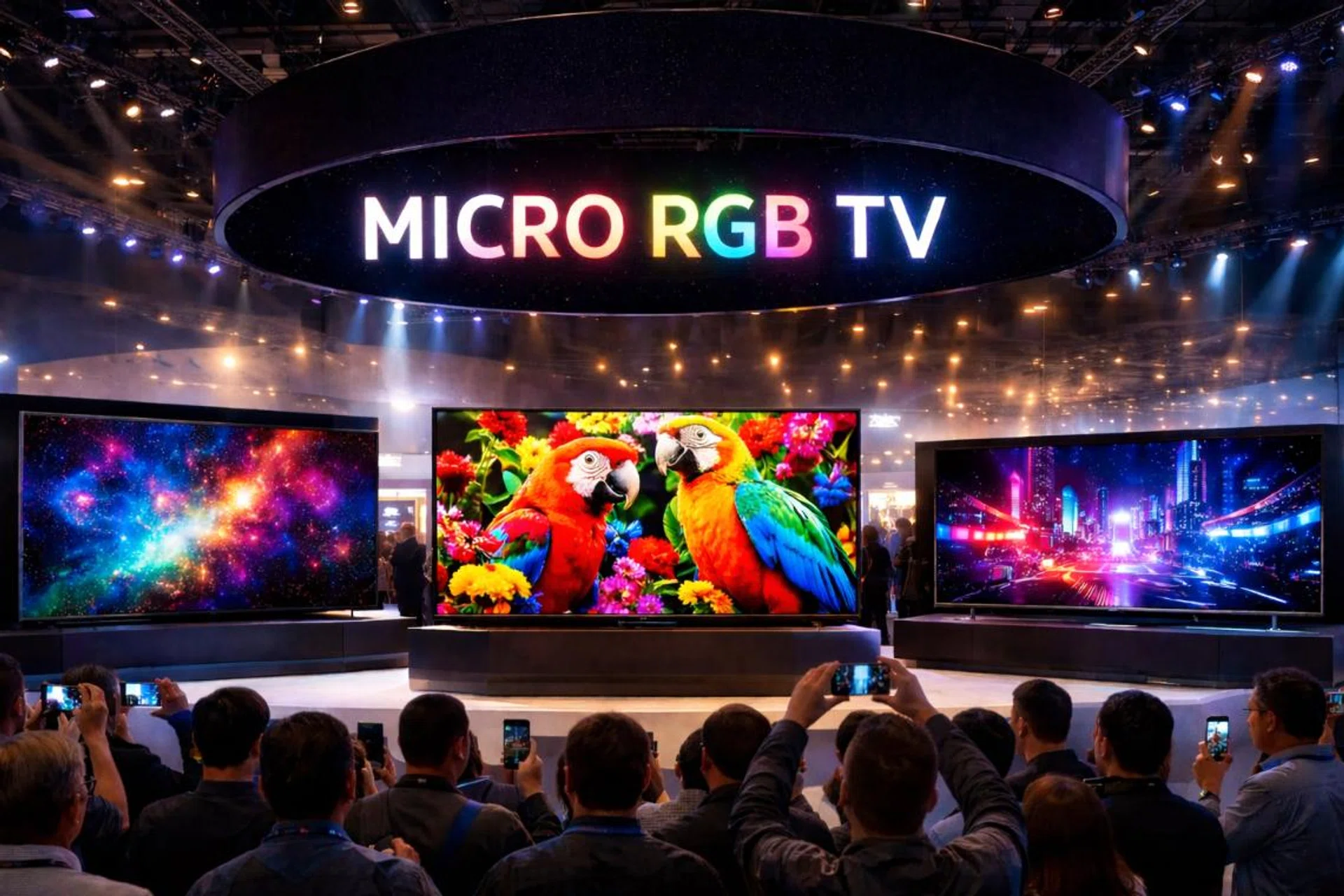
2024 saw the rise of AI in home entertainment, while 2025 brought us microLED TVs. This year, CES 2026 is shaping up to be a watershed moment for television technology, with Micro RGB TVs poised to arrive as one of the standout innovations of the year.
Unlike traditional Mini-LED or OLED displays, Micro RGB (sometimes called RGB Mini-LED) replaces the usual white backlight with tens of thousands of microscopic red, green and blue LEDs, enabling significantly finer control over brightness and colour reproduction than conventional backlit LCDs. Industry analysts and preview reports are describing Micro RGB as the next significant evolution in LCD TV tech, one that could challenge OLED’s dominance by offering brighter images, vivid colours, and improved efficiency without some of OLED’s drawbacks, such as burn-in risk and not being as bright as some of their LED-backlit brethren.
Major manufacturers are gearing up to make a big splash with this new category, with brands like Samsung, which debuted its first Micro RGB display in a massive 115-inch model in 2025, expanding its lineup in 2026 to include six screen sizes from 55 to 115 inches, bringing the technology into sizes more suitable for typical living rooms and signalling a push towards broader adoption. LG has also confirmed that it will debut its Micro RGB evo series at the show, with sizes ranging from 75 to 100 inches and claims of full-spectrum colour coverage. Sony appears to be entering the fray too, with a trademarked “True RGB” brand, indicating that it too could be preparing micro-RGB-type models for 2026. Even brands like Hisense are jumping on board with Hisense launching a RGB Mini-LED Smart TV for the price of nearly S$40,000.
While early Micro RGB sets have been extraordinarily expensive, the move to more mainstream sizes suggests a slower but meaningful trickle of this tech into consumer living rooms in 2026, a shift that could redefine premium TVs in the post-OLED era.
AI in 2026: More than just generative AI

Artificial intelligence (AI) has matured rapidly across 2024 and 2025. Generative AI is now mainstream in creative work, coding, and customer service, while early forms of agentic AI are starting to handle multi-step tasks autonomously. However, enterprises are struggling to move beyond pilots, and are facing integration challenges, governance concerns, and growing pressure to show tangible returns.
By 2026, the defining AI trend will be the rise of embedded, workflow-native AI systems, which operate directly inside the software people already use, rather than as standalone tools. Instead of asking employees to “go to AI”, AI will increasingly come to them, embedded invisibly within everyday workflows. Our Editor in Chief also covered this point in his most recent ‘Editor’s Note’.
This shift is already taking shape. At Microsoft, Copilot is evolving from a chat interface into a persistent layer across Word, Excel, Outlook, Teams and Dynamics, automatically drafting reports, summarising meetings and surfacing insights without explicit prompts. Salesforce is following a similar path with Einstein AI, which is becoming native to CRM workflows, predicting deal outcomes, recommending next actions and automating follow-ups directly inside sales pipelines.
In enterprise operations, SAP’s Joule is being embedded into finance, supply-chain and HR systems to support planning, forecasting and anomaly detection in real time. Meanwhile, ServiceNow is integrating AI into IT service management, allowing incidents to be triaged and resolved automatically before users even log a ticket.
Even software development is shifting in this direction. GitHub Copilot is moving beyond code suggestions towards planning, writing and testing features as part of a continuous development workflow.
By 2026, AI will feel less like a tool and more like infrastructure, quietly orchestrating work in the background, and becoming something organisations can no longer function without.