
Huawei P30 Pro: What's up with this crazy camera!
The new Huawei P30 and P30 Pro are at it again, delivering new camera imaging capabilities, some even a world's first! Find more about the three crucial new camera technologies it packs and our firsthand assessment.
Note: This article was first published on 29th March 2019.
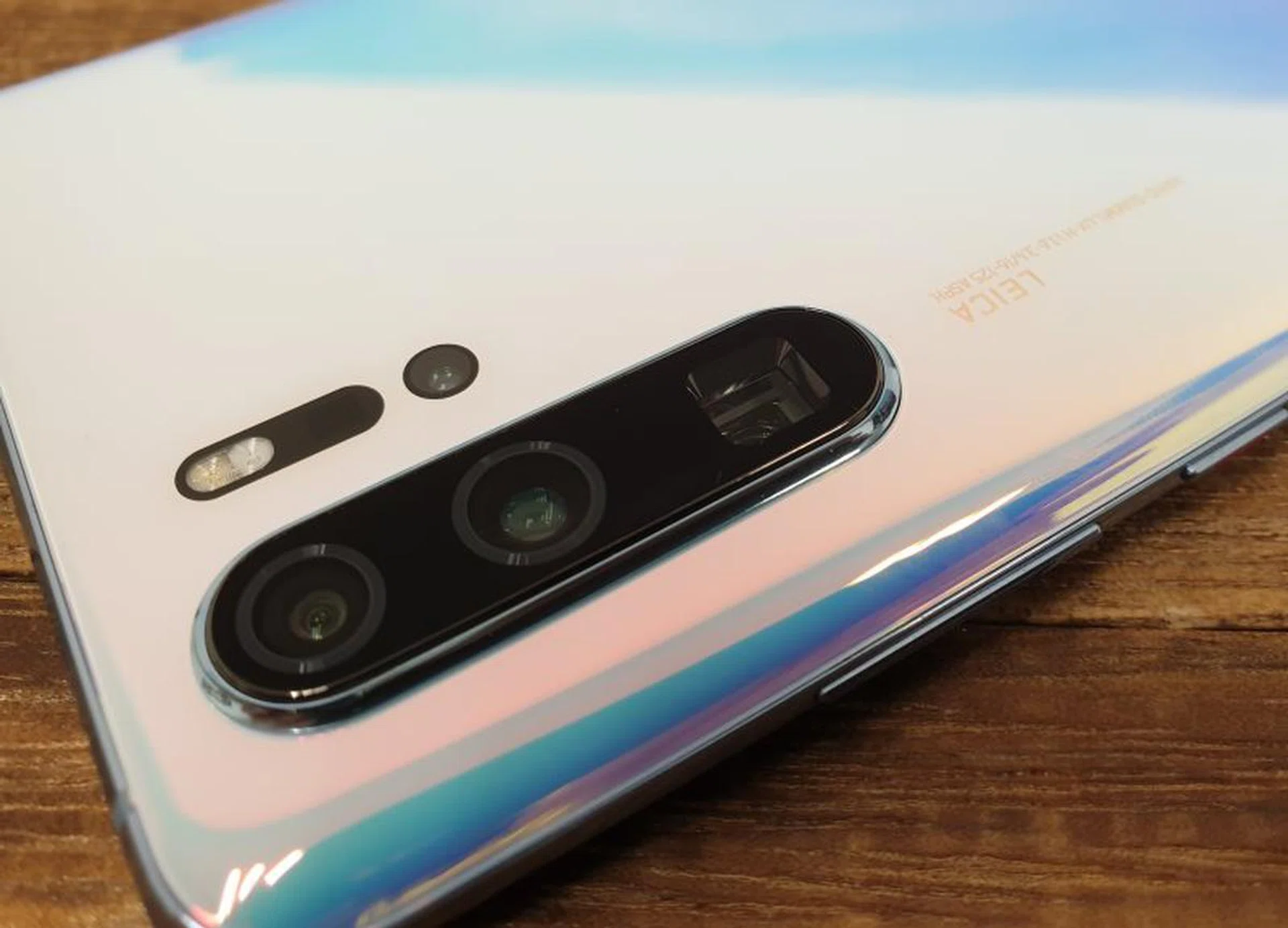
Experiencing Huawei's P30 Pro camera system firsthand
Disclaimer: This article is not meant to be a final review, but my personal experience from a day out in Paris shooting with a pre-production P30 Pro. Pick up the final retail version here with different colours to choose from.
In the very short span of a year, Huawei made some serious dents into the smartphone camera market - enough to propel them into a leadership role in both performance and innovation. The P20 Pro had a class-leading zoom, pixel-binning sensors and hand-held night mode; the Mate 20 Pro then delivered enhanced computational photography features such as real-time effects even in video.
I find myself thinking, what else can smartphone cameras do? And I can almost picture Huawei engineers going, “Hold my beer.”
As the next generational cycle comes around, the new Huawei P30 Pro adopts all the computing and software features of the Mate 20 Pro with a complete camera hardware overhaul. It boasts not one, not two, but three new features, two of which have legit claims to be world’s first innovations. You can read about the P30 series specs and features here, and my P30 Pro hands-on impressions on video here.
Sifting through the photos taken with the P30 Pro—listening to Non Quais! The French Songs of Pink Martini to get into the mood, of course—here are the highlights of these updates.
5x Optical, 10x Hybrid, and 50x!!! Digital Zoom
The idea behind the P30 Pro’s zoom functionality hasn’t changed since the P20 Pro. However, it is able to dwarf the P20 Pro mainly due to two updates. The first is a new periscope lens design that allows Huawei to place a much longer zoom lens into the phone assembly without significantly increasing the camera bump thickness. Secondly, both zoom and main lenses now have optical image stabilization (OIS). In the P20 Pro and Mate 20 Pro, only the zoom lens was optically stabilized.
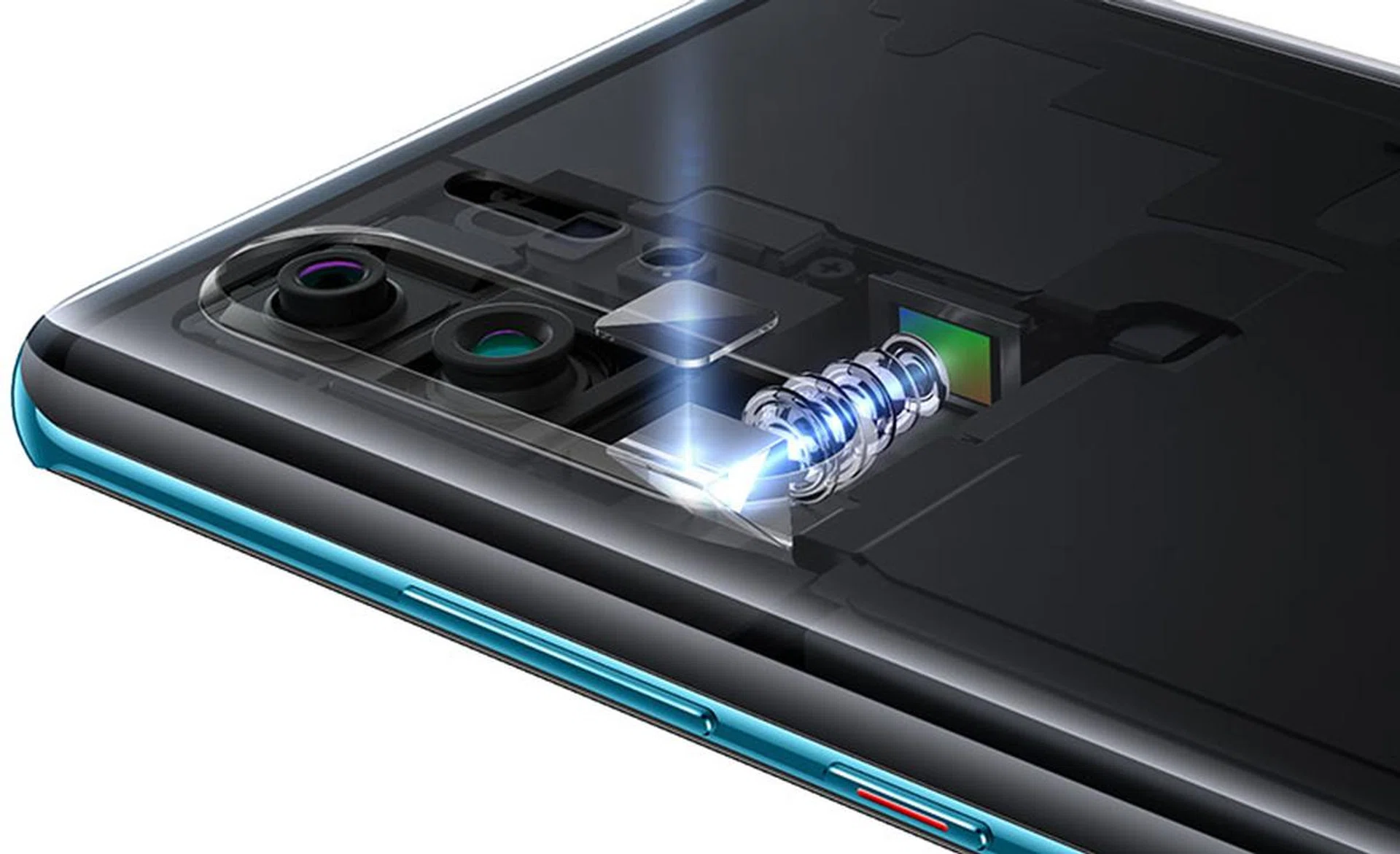
Along with AI-based stabilization algorithms and other software enhancements, Huawei is basically showing that they’re confident enough to enable the new 50x digital zoom functionality on the P30 Pro. The standard P30, which doesn’t have a periscope zoom lens, and therefore retains a 3x optical/5x hybrid much like the P20 Pro and Mate 20 Pro, However, it does have dual OIS cameras like the P30 Pro, and therefore has an extended digital zoom up to 30x.
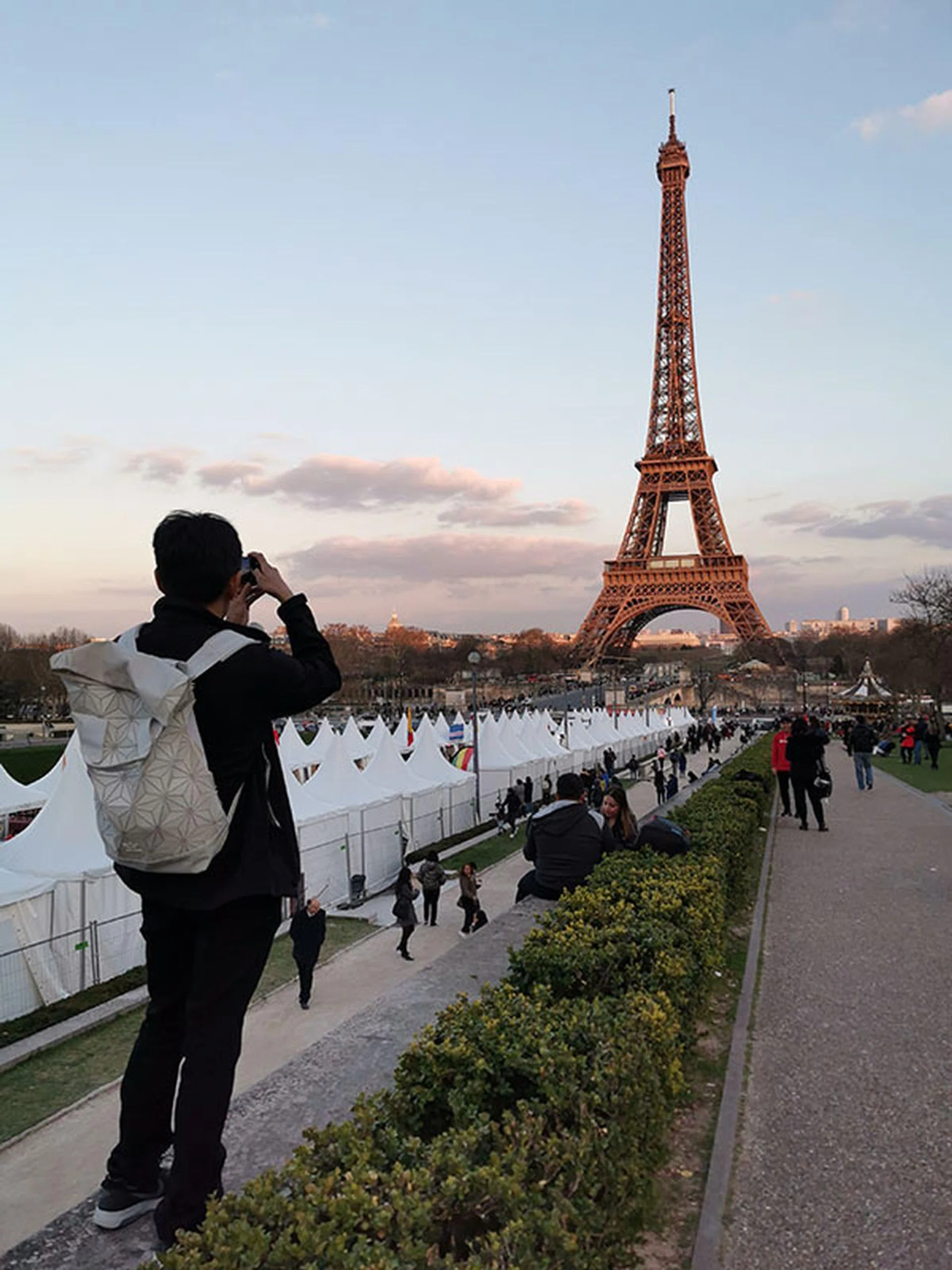
For reference, here's how far I was standing for these shots.
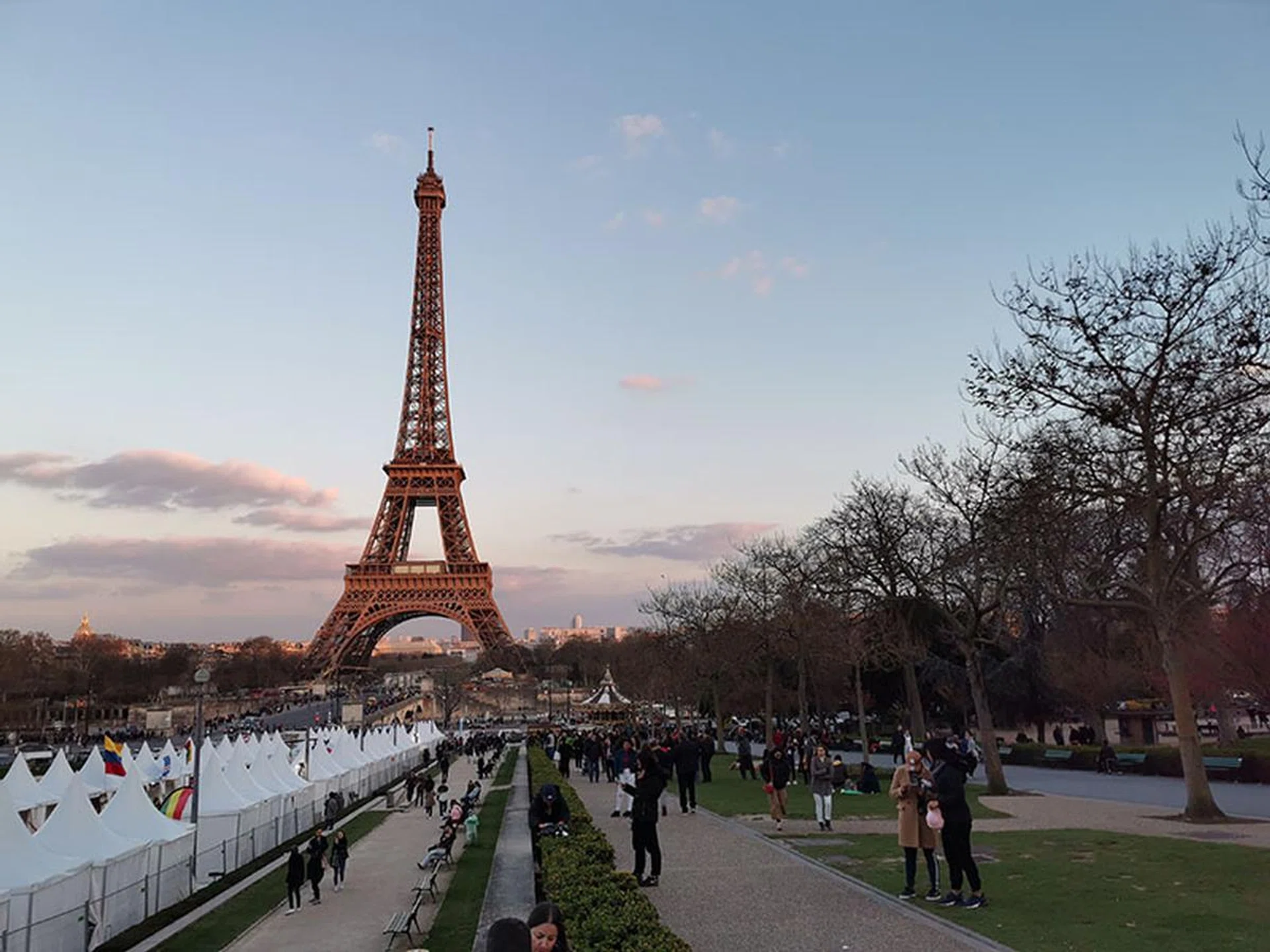
Base 1x zoom.

5x zoom. I'd like you to notice the color and light difference on the zoom lens. The periscope zoom uses a prism to redirect light, and this first generation lens has a rather slow f/3.4 aperture.
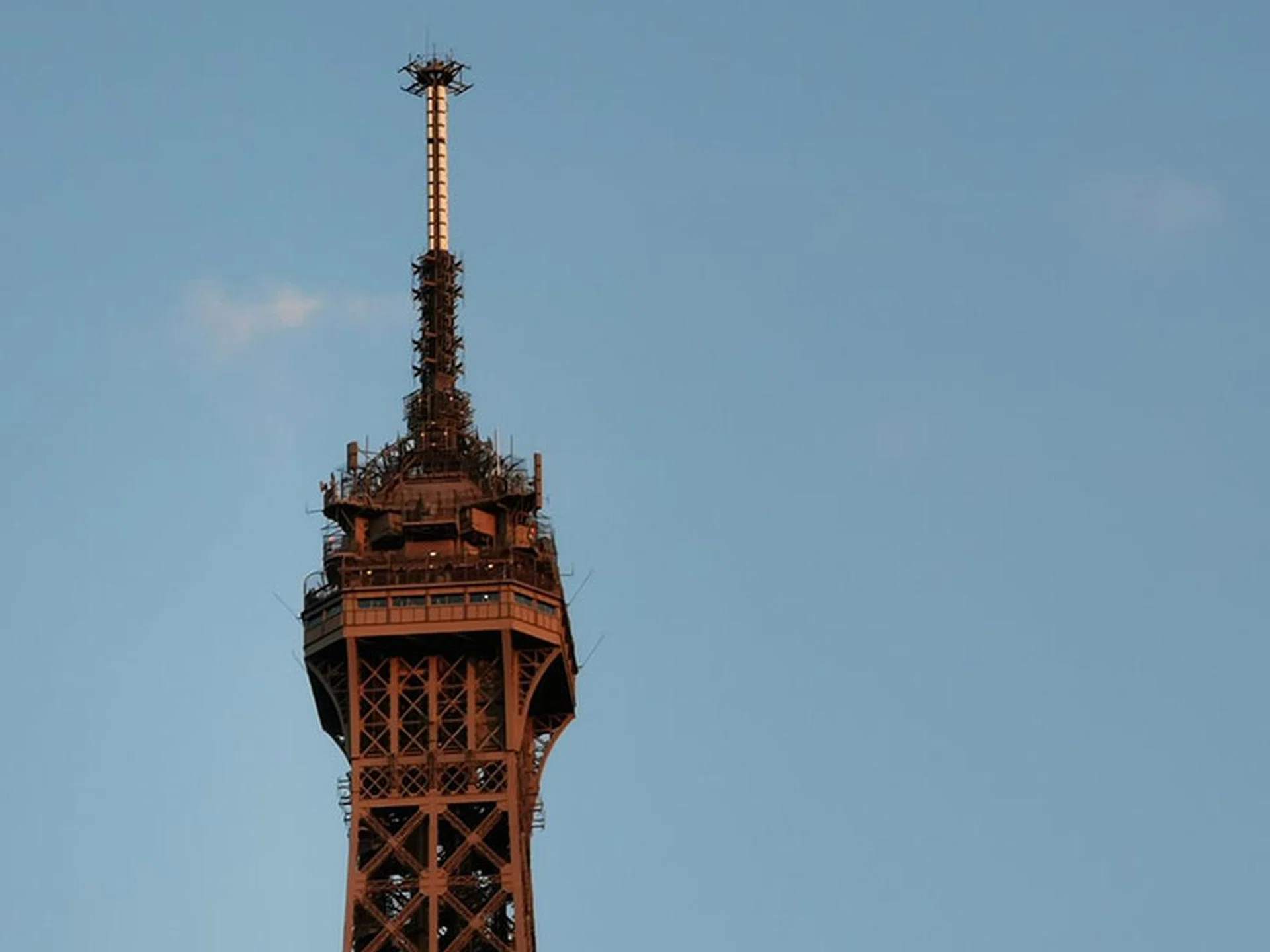
10x hybrid zoom uses a combination of both zoom and 40MP main sensors to reconstruct an image for this focal length. This is the same technology as the P20 Pro, but both zoom lens and main lens have OIS, resulting in a much greater 10x zoom.

One year ago, the 10x digital zoom on the P20 Pro was impressive. One year later, the P30 Pro is capable of a 50x digital zoom. Again, this is digital zoom, so do not expect miracles to happen. However, because both lenses are optically stabilized, and through Huawei's other AI-stabilization and computational photography algorithms, you actually get a serviceable picture at 50x, which retains enough resolution to know what you're shooting. Remember how far I was standing? This is ridiculously impressive.
More zoom examples: Clean lines get better results and also works at night!
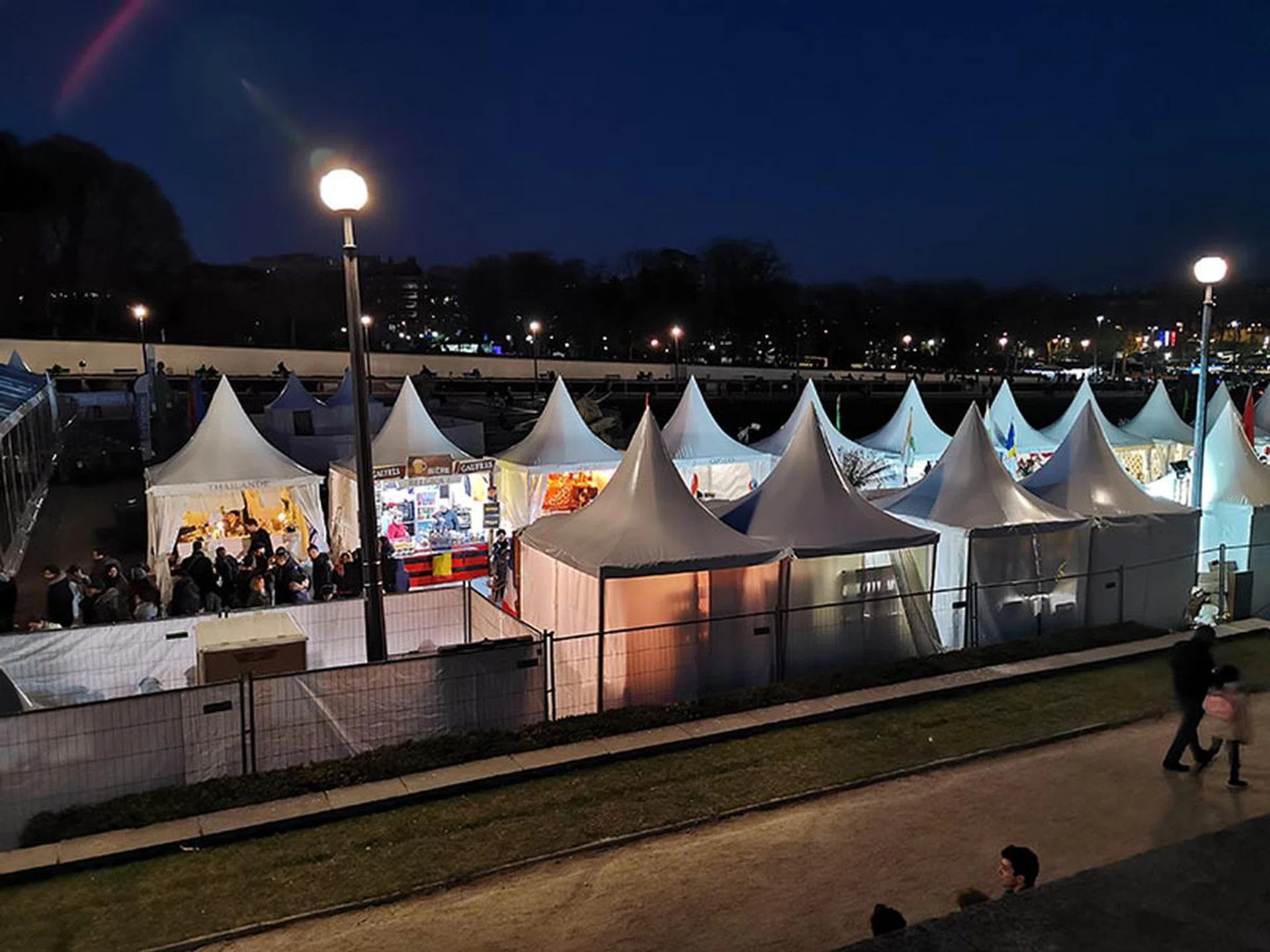
Base 1x zoom.
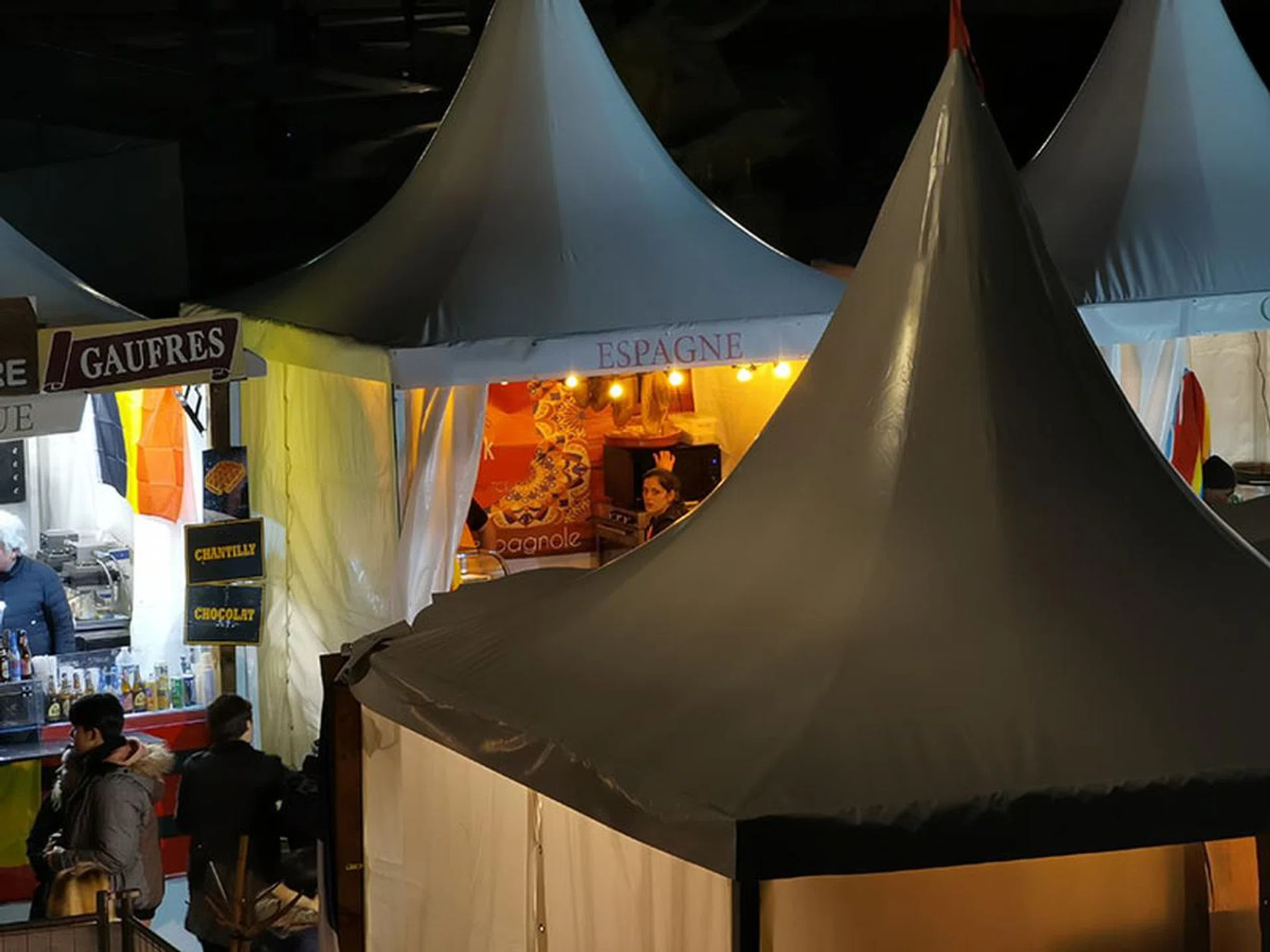
5x zoom.
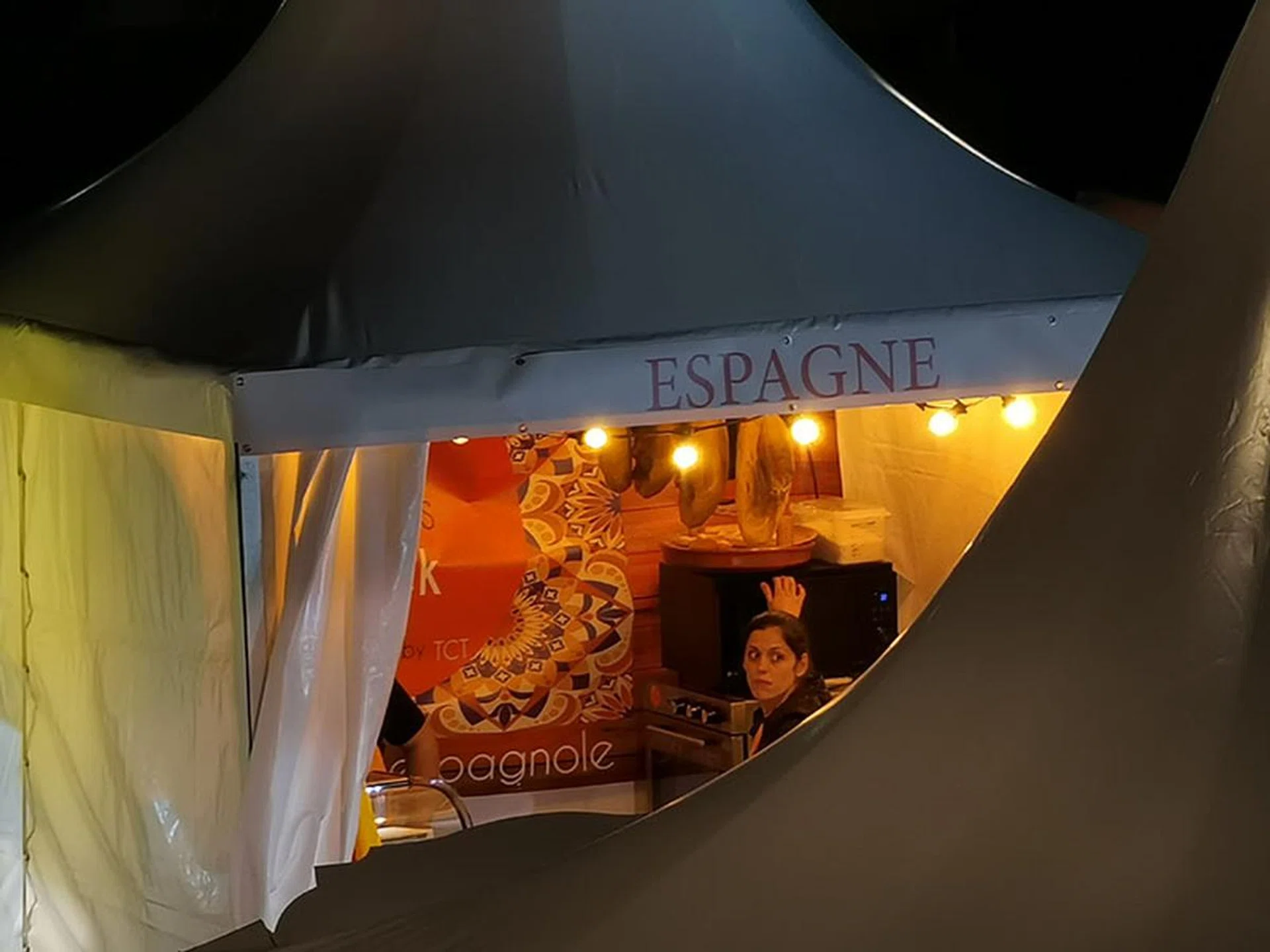
10x hybrid zoom.

50x digital zoom.
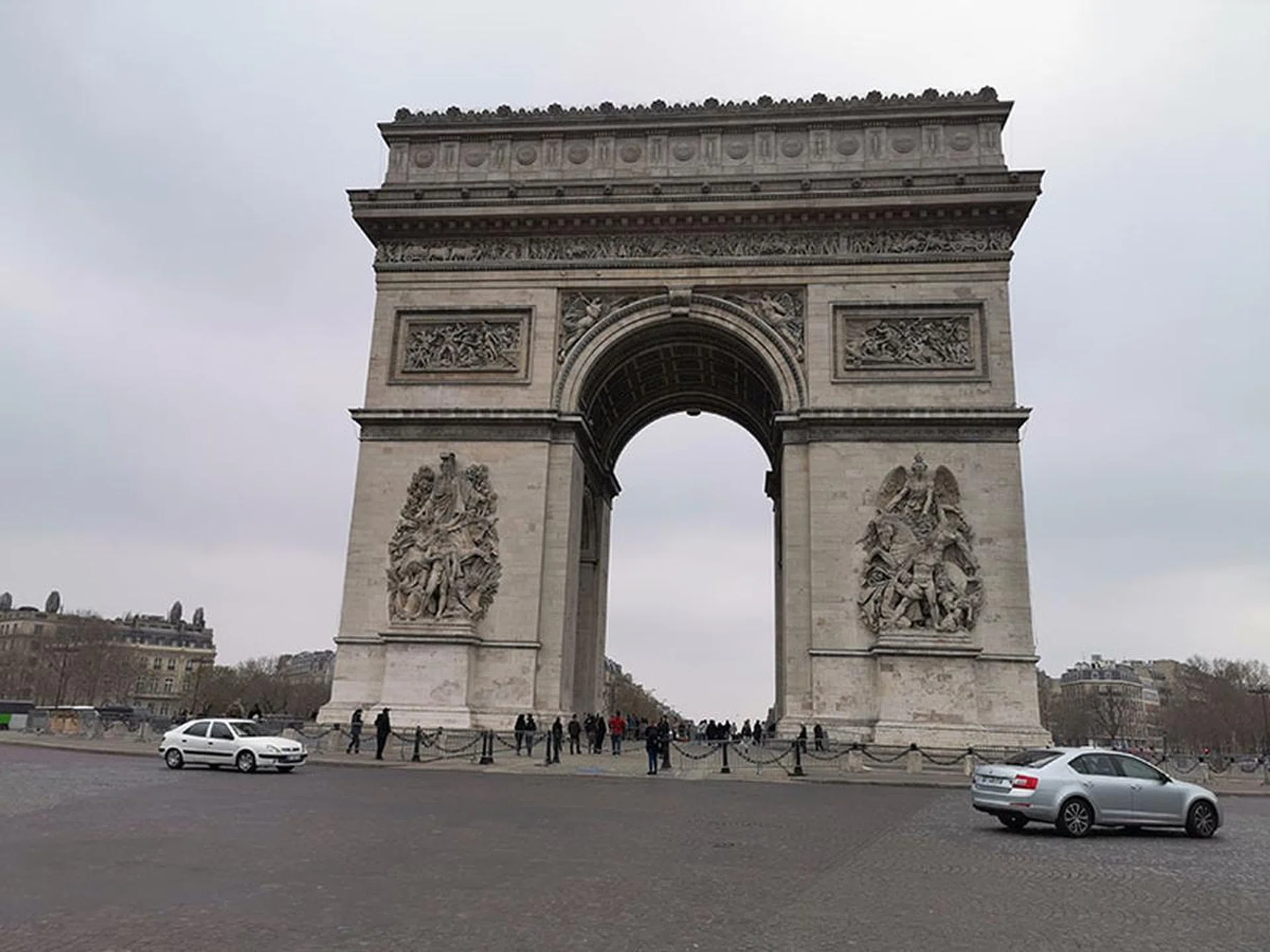
Base 1x zoom.

5x zoom.

10x hybrid zoom.

50x digital zoom.
The game-changing SuperSpectrum Sensor
If you’ve seen my unboxing video, I’ve talked about how the P30 Pro (and P30) feature a brand new 40MP SuperSpectrum sensor that bucks convention of a traditional RGB Bayer filter array, which is used by just about every digital camera in existence today and replaces the Green channel with Yellow. Instead of an RGB (RGBG in a Bayer array), the P30 series boasts of an RYB (or RYBY in a Bayer array) sensor.
According to Huawei, because the Yellow filter is able to absorb both red and blue light channels, it is able to provide more vibrant photos on both ends of the warm and cool spectrums. The new sensor is also 40% more light sensitive, greatly improving low-light capabilities.
Instead of taking the latest off-the-shelf Sony IMX sensor like everyone else, Huawei ordered a custom bespoke sensor that only their phones will have. While it is arguable that RYB is really any better than RGB—there must be some reason why camera manufacturers haven’t ventured from RGB since the early days of digital photography—it is different, unique, and rebellious, and that may be all that matters.
Here's the thing though, (on both the P30 Pro and P30) only the main 40MP camera has this new RYBY sensor, but the ultra wide and zoom cameras still use standard RGB sensors. This means that there will be color discrepancies between shots when you switch between focal lengths. It also means that whatever benefits Huawei claims you'd get from the P30 Pro is only applied to photos shot with the main camera. What I'm hoping to see from Huawei is an earnest effort to tweak the color profile of its cameras so that the difference between lenses are not so apparent.
All examples below are direct photos from the 40MP SuperSpectrum sensor and cropped shots RGB 20MP Ultrawide. Photos from the 40MP sensor are definitely punchier with greater dynamic range so they don't look as flat.

40MP SuperSpectrum sensor.

RGB 20MP Ultrawide (cropped).
40MP SuperSpectrum sensor.
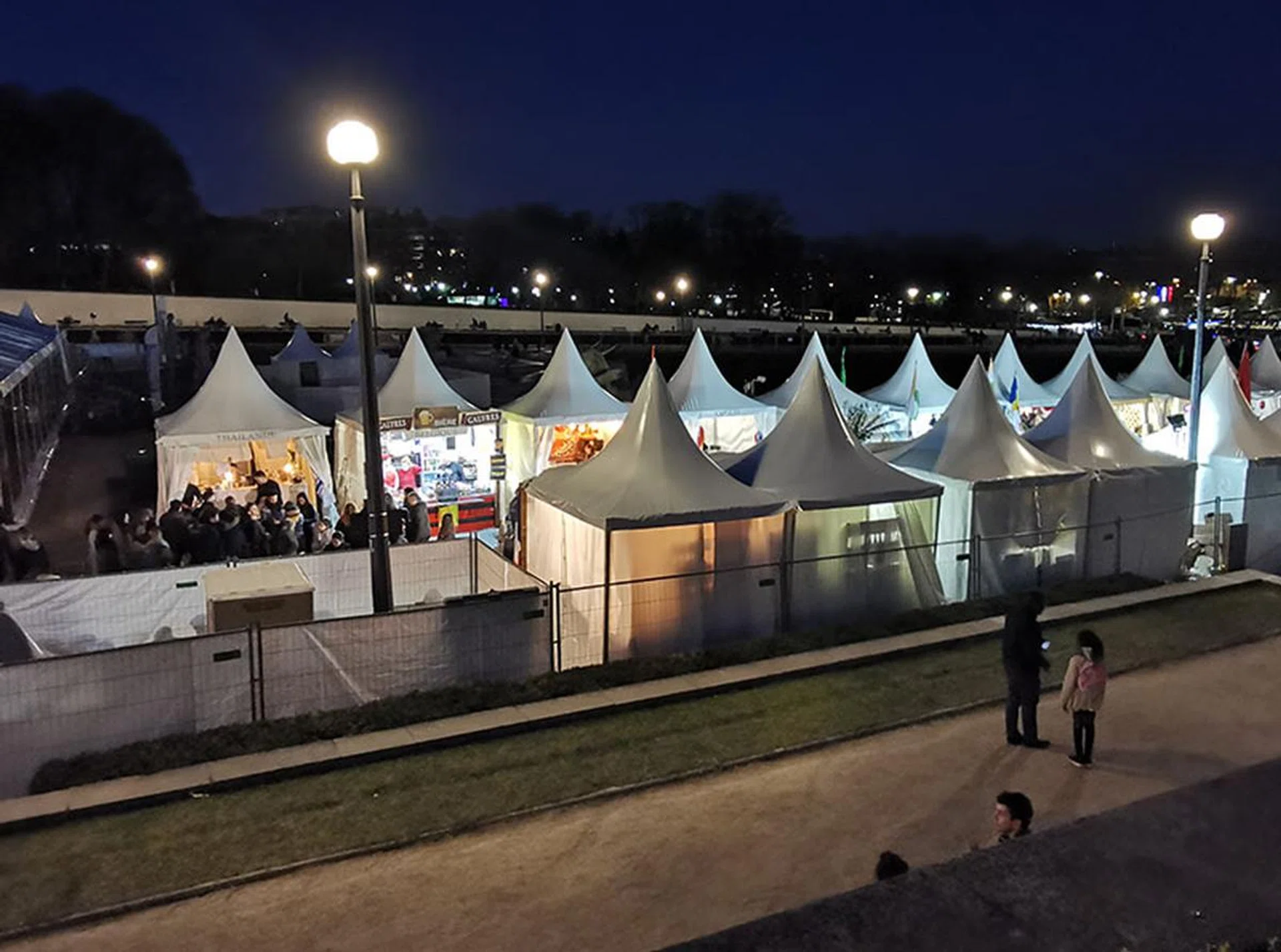
RGB 20MP Ultrawide (cropped).
Here's another example of the amazing low light capabilities of the P30 Pro. The top picture is from the main 40MP SuperSpectrum sensor, while the bottom is a cropped shot from the 20MP Ultrawide sensor. When I mentioned colors felt punchier, I don't just mean reds. Just look at how it renders the night sky. There is visibly less noise with greater detail retention and dynamic range even on fine details.
40MP SuperSpectrum sensor.
RGB 20MP Ultrawide (cropped).
I do however notice a halo effect that appears in some pictures. This could be a side effect of the various image and frame re-compositions that the phone applies, but it is annoying that it can just show up. This is most apparent when you have contrasting objects and backgrounds. You can actually see it in the two Eiffel Tower images above between the sky and the trees, but the images below better illustrate what I'm talking about:-


The top image seems totally fine, while the bottom image has a very apparent halo around the subject, where the grass color is completely different.
My blur is different than your blur
The last new sensor on the P30 Pro is the Time of Flight (ToF) sensor. While the P30 Pro isn’t the first phone to feature this technology (read our Honor View 20 review here), it is still relatively new to phones. The ToF sensor is basically a LiDAR (Light Detection And Ranging) which measures distance by the time it takes for light to bounce of objects. Yes, like sonar, but with light.
The main use of a ToF sensor is to allow the P30 Pro to shoot photos that not only have more realistic background blur, but also more dynamic, where different objects have varying degrees of blurring based on how far they are in the background. The ToF sensor will also enable more accurate 3D and AR in applications that support it.
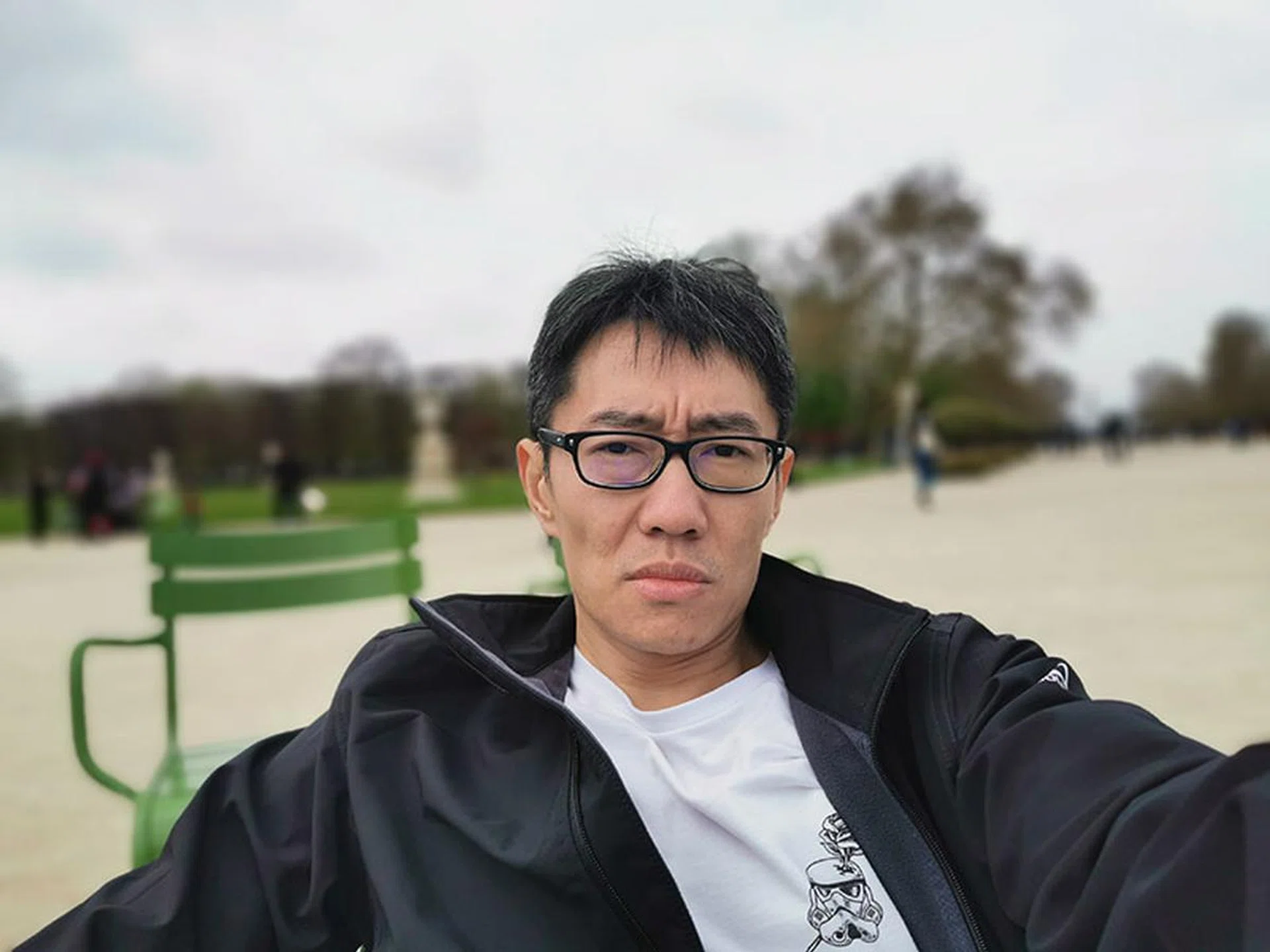
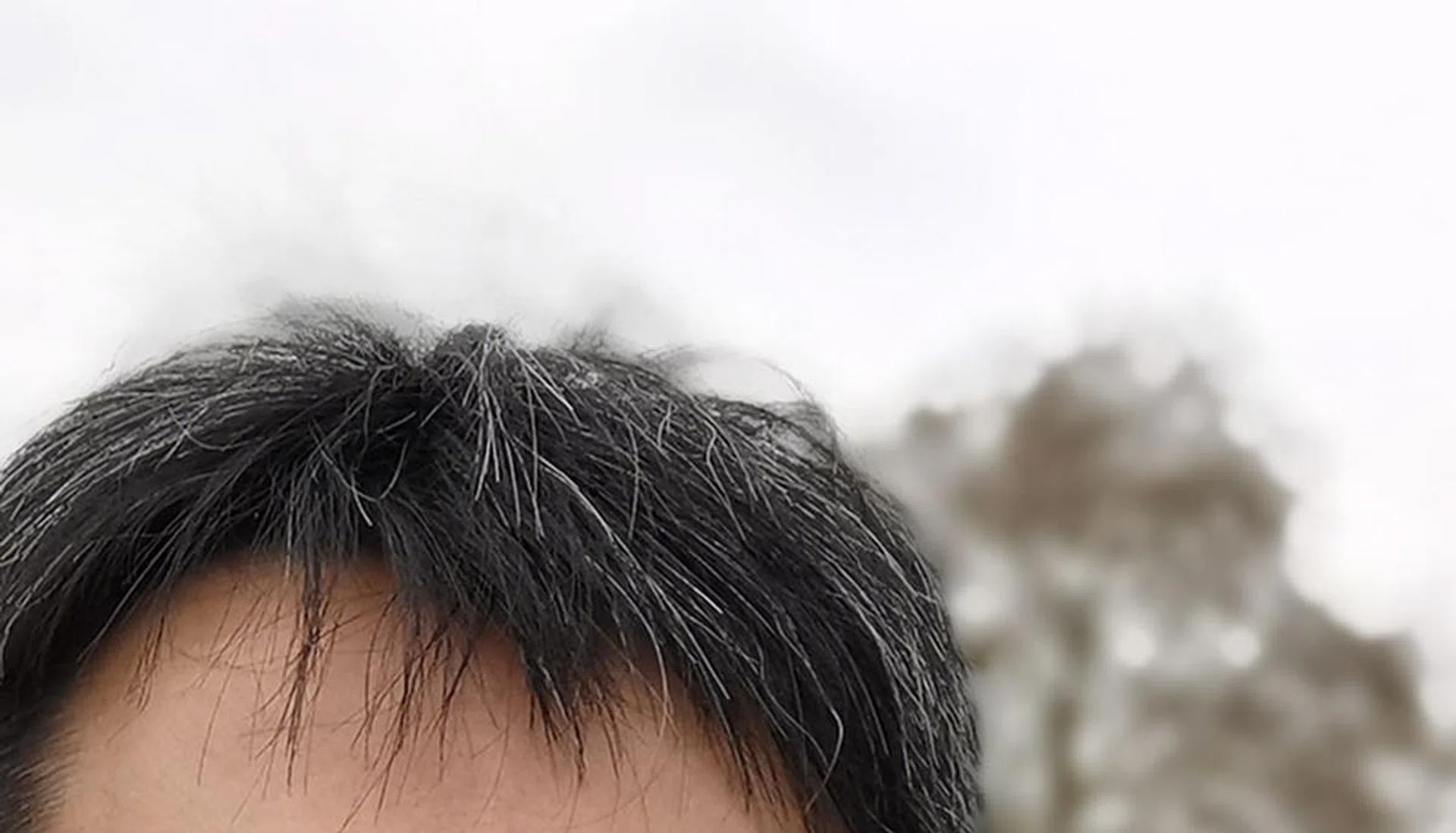
Rear camera in portrait mode uses the ToF sensor to measure background object distance and applies a range of background blur, which feels smoother and more natural. It is also able to pick out individual strands of hair sticking out my head.
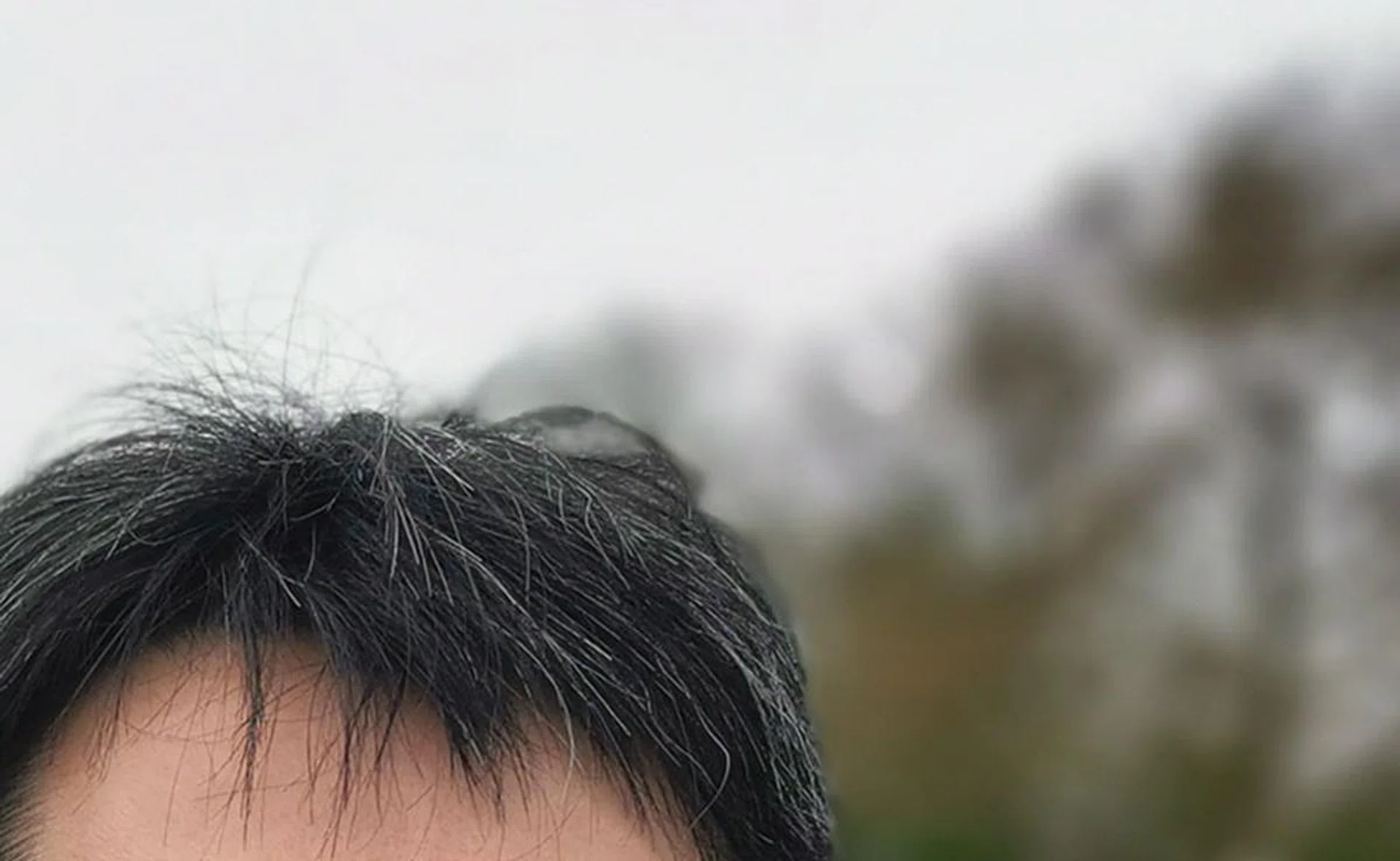

Shot with the front 32MP selfie camera. While the camera has a quad-bayer pixel binning sensor and HDR support, the single sensor has to rely on software background blur. Notice how splotchy the trees are rendered, as well as the usual universal blur mask applied around me, cutting off the top strands of hair.
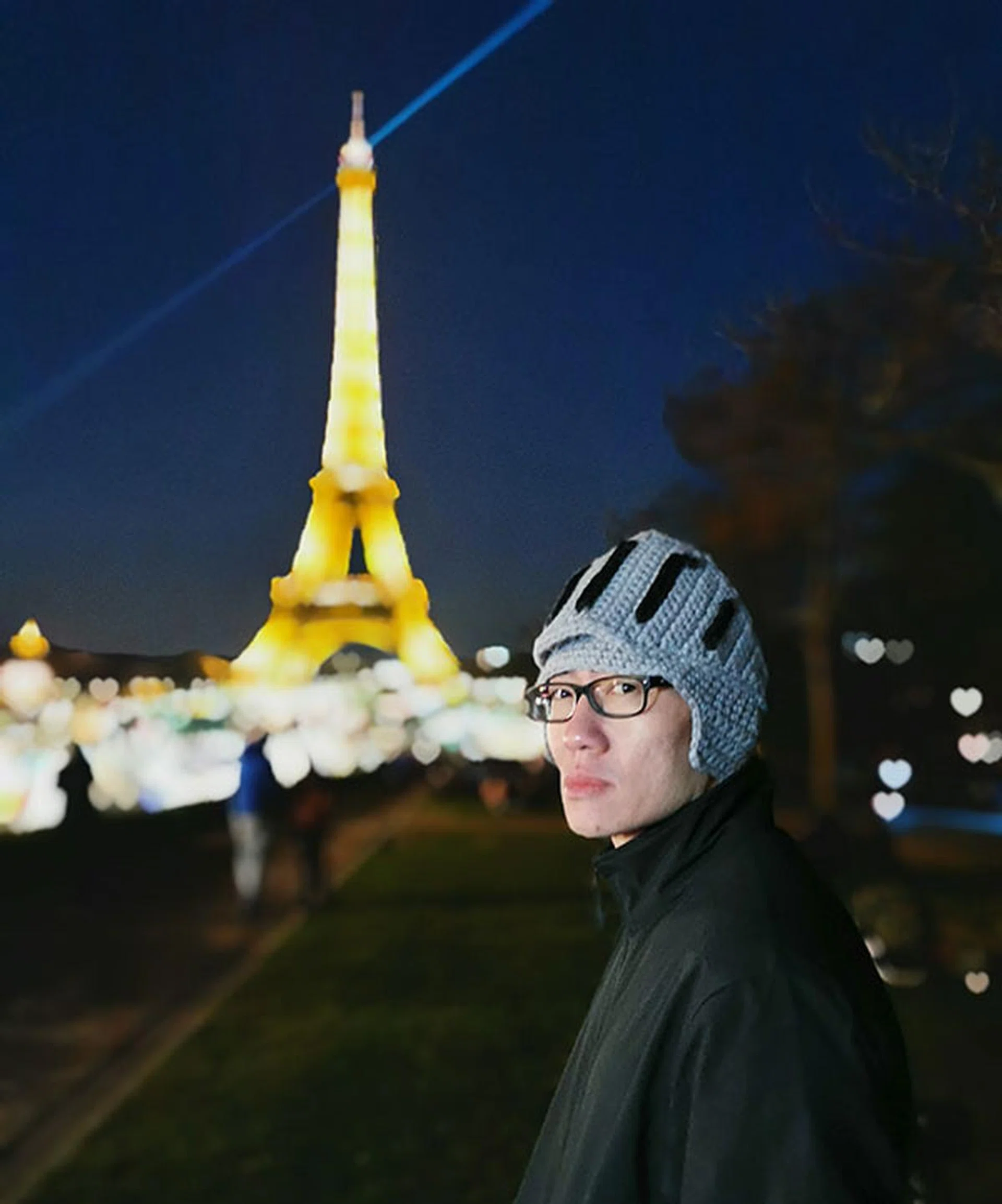
One thing I've noticed however, is that Huawei's UI and UX game isn't there yet. They have the hardware capabilities, but focused heavily on AI and software automation. Because of this, the effects that you want may not always activate when you want it to because you have no control of how the AI reads the scene. In the example below, the phone is set to Portrait Mode with the Hearts bokeh effect, but I can get two very different shots because I'm at the mercy of how the AI reads the scene with no middle ground.

That's it for our quick preview of the camera system on the Huawei P30 Pro. Stay tuned for a more complete review of the phone in entirety as we run it through our usual assessment array.
Get the phone from Lazmall now.
For more information...
- Huawei P30 and P30 Pro phone specs, features and handling photos.
- Pre-order details, pricing and availability deets for Huawei P30 and P30 Pro.
- Huawei P30 Pro unboxed!