
Huawei Mate 20 Pro review: This is the best smartphone of 2018
Huawei is one of the most innovative smartphone companies today, and the Mate 20 Pro really shows just how far it's come over the past few years. Find out more in our full review.

Overview
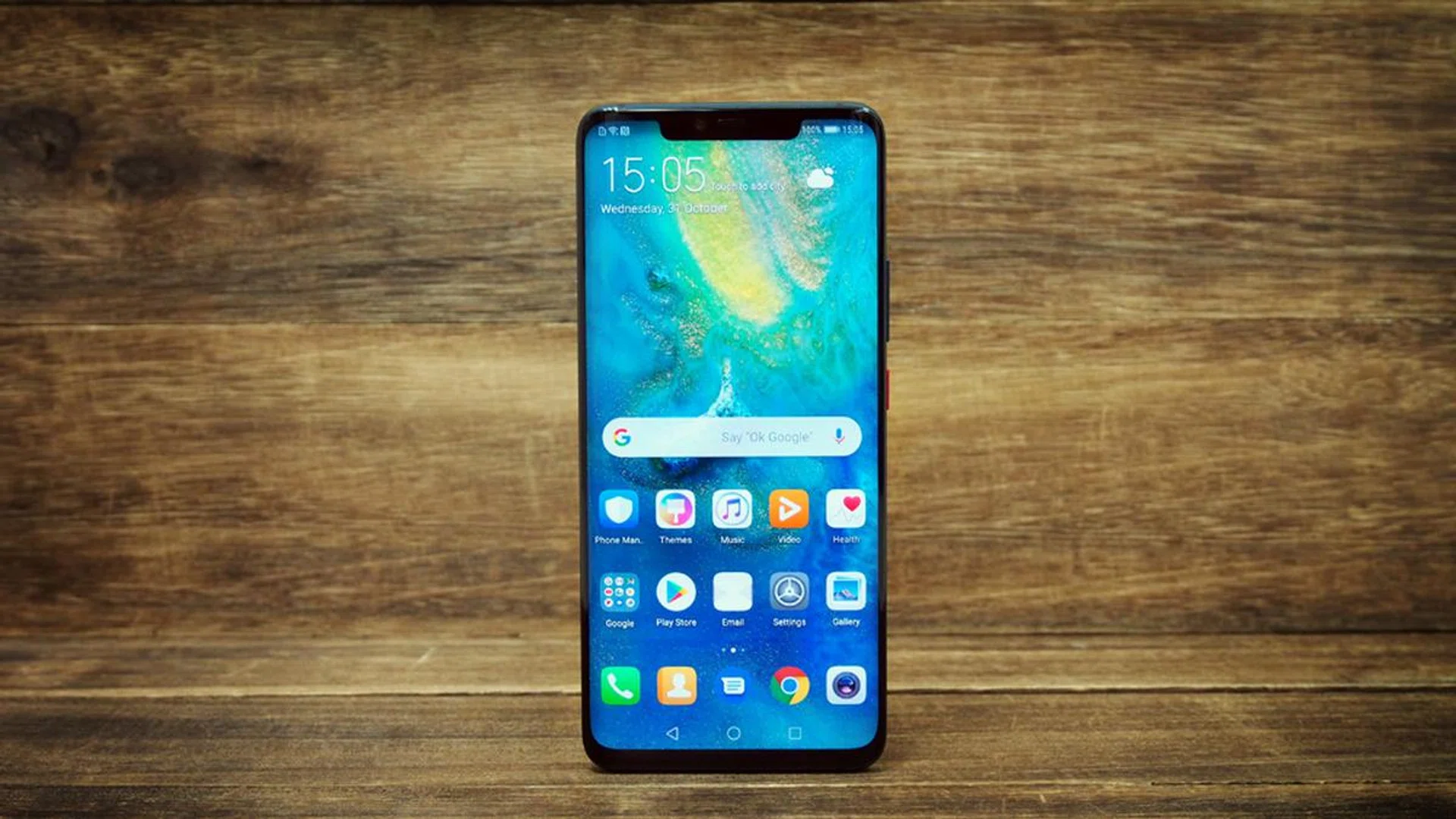
Huawei is one of the most innovative smartphone companies today, and the Mate 20 Pro really shows just how far it has come over the past few years. This phone is absolutely packed with groundbreaking technology, including a high-resolution dual curved AMOLED display, an in-display fingerprint scanner, a 3D Face Recognition scanner that is functionally identical to Apple's TrueDepth camera, 40W fast charging, 15W wireless fast charging, reverse wireless charging, a triple rear camera setup that includes both a telephoto and an ultra-wide angle lens, advanced AI features with image, scene, and object recognition, and the list just goes on and on.
And all this for just S$1,348 or S$50 cheaper than the 128GB Samsung Galaxy Note9 and the recently launched 128GB Google Pixel 3 XL. Before we dive into the review proper, here's the full specs list and our unboxing video to familiarize yourself:-

Design: Half Note9, half iPhone XS Max
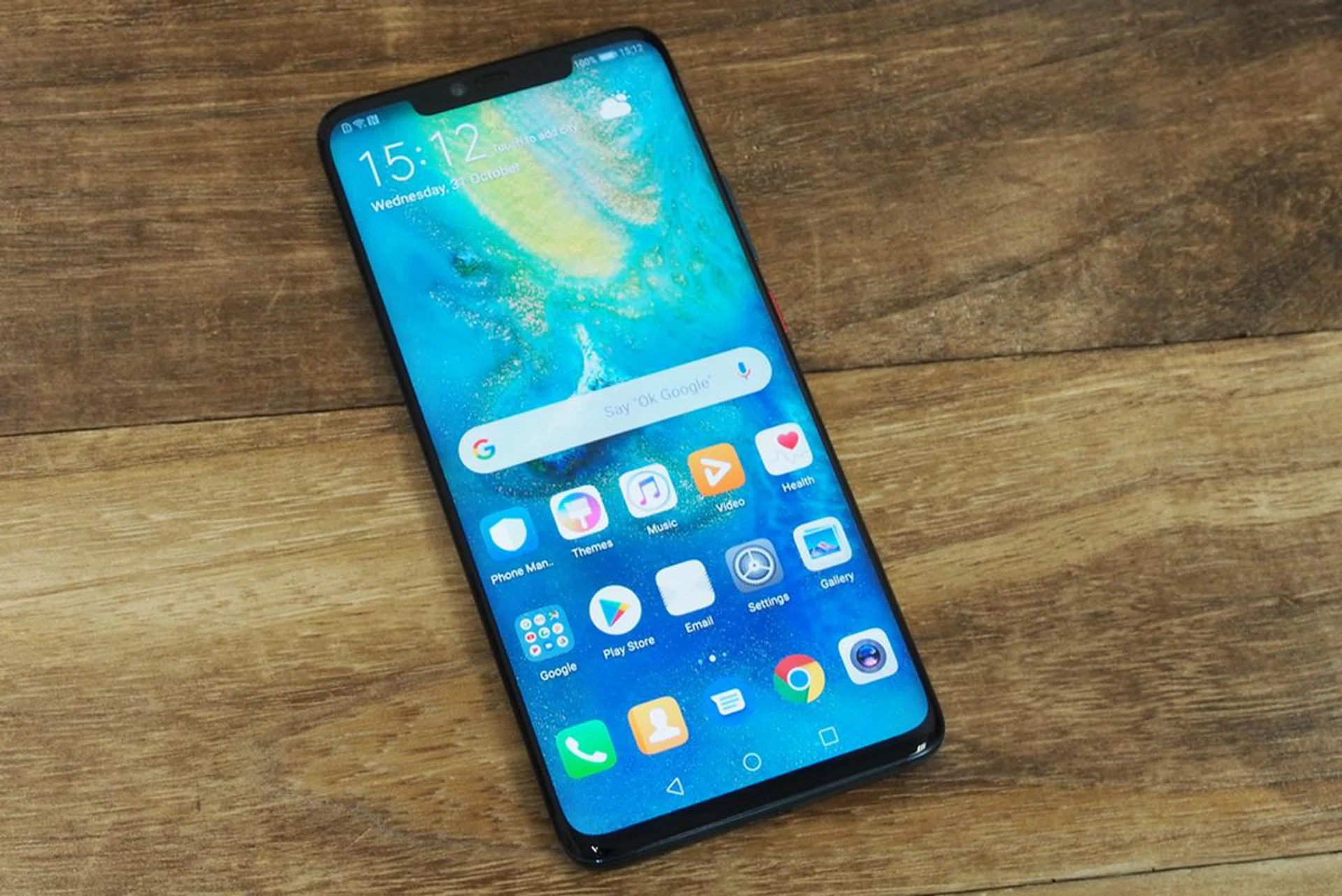
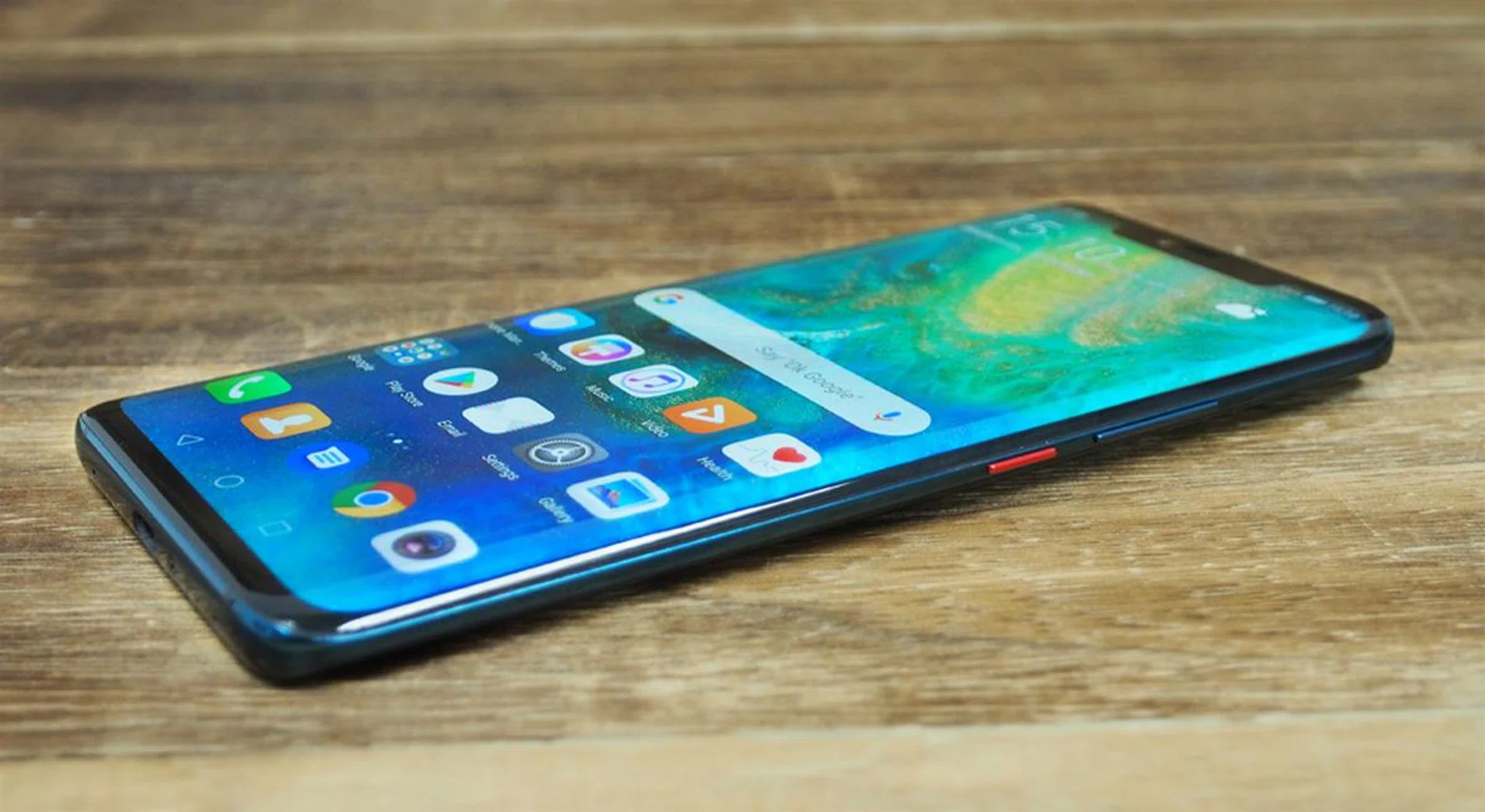
From the front, the Mate 20 Pro looks like the result of a one-night stand between a Samsung Galaxy Note9 and an Apple iPhone XS: it's got an AMOLED display that curves at both sides and looks and feels just like one of Samsung's Infinity Displays, but with an iPhone XS-like notch and a very similar set of 3D face scanning sensors.
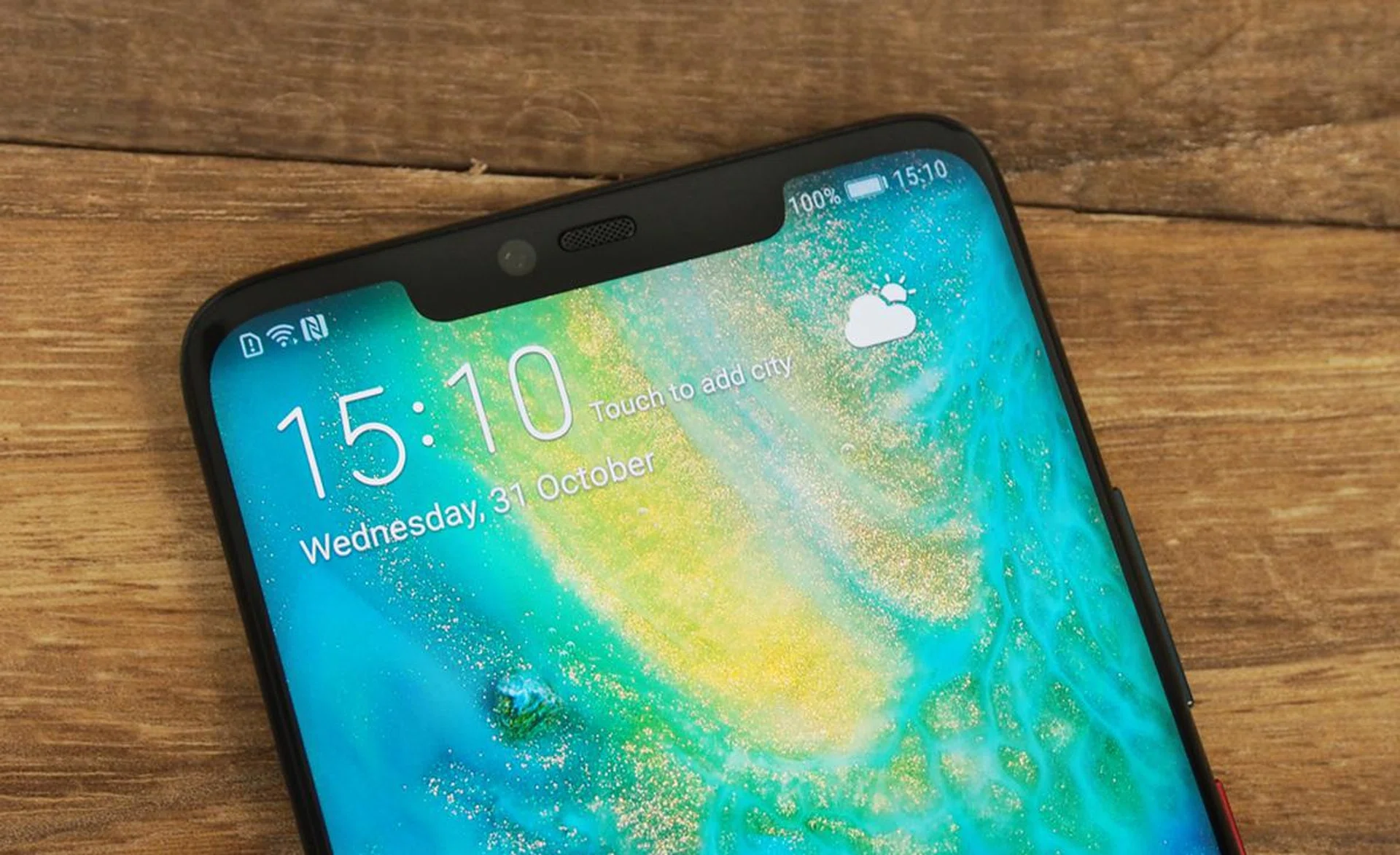
Thanks to that notch, the phone is slightly smaller than a Note9, despite having effectively the same size display. It's a little narrower too, which makes it easier to use one-handed. It's also 0.2mm thinner and 12g lighter than the Note9. Although these figures don't seem to suggest a big difference, we can attest that they contribute positively to a better feel in hand.
While the front of the phone looks very familiar, the back is all Huawei. You'll instantly notice the uniquely arranged camera setup, which boasts three lenses and an LED flash in a 2x2 grid.
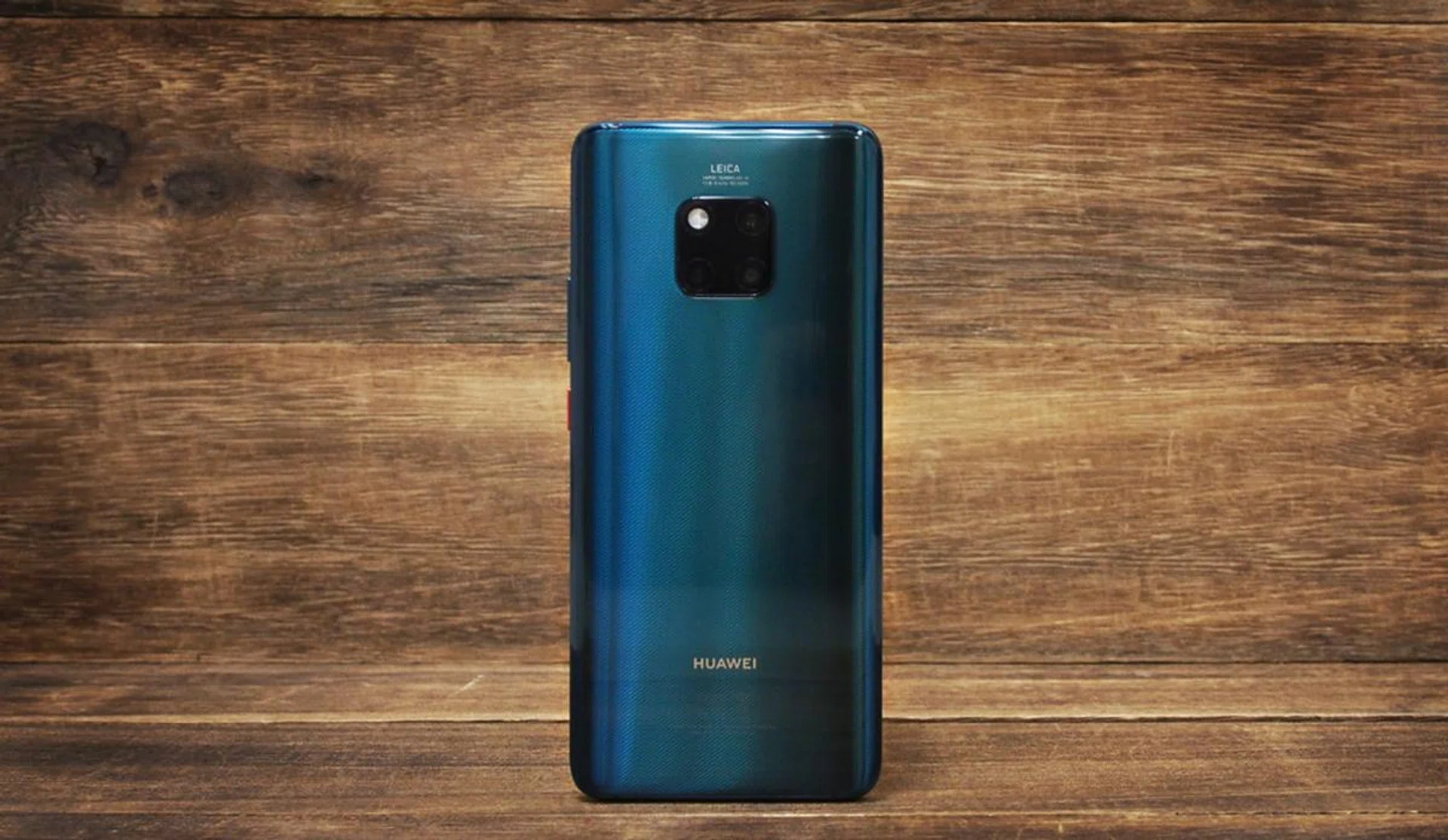
And if you opt for the Emerald Green color (as seen here), you'll also get a unique textured glass rear that looks a bit like one of those holofoil trading cards you might remember from your childhood. Huawei calls it a "Hyper Optical Pattern." The way it reflects light is really captivating, and the texture itself not only provides a bit of extra grip, but also has a very pleasing tactile feel too. I keep finding myself running my fingers over the rear of the phone just to experience it. The finish is also less of a fingerprint magnet than Huawei's usual mirror finishes. Huawei has one other finish with this texture called Midnight Blue, but it's not available in Singapore.
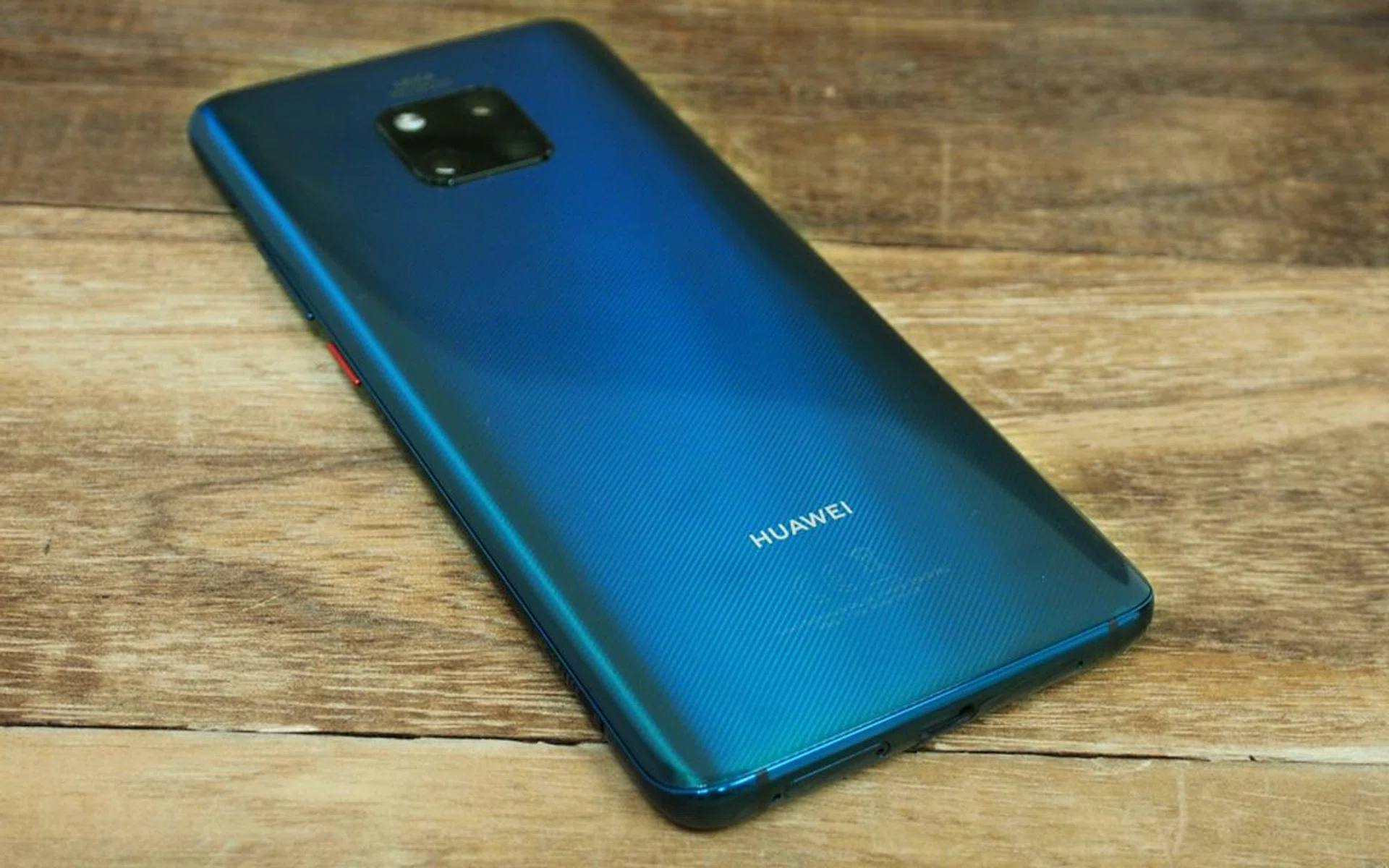
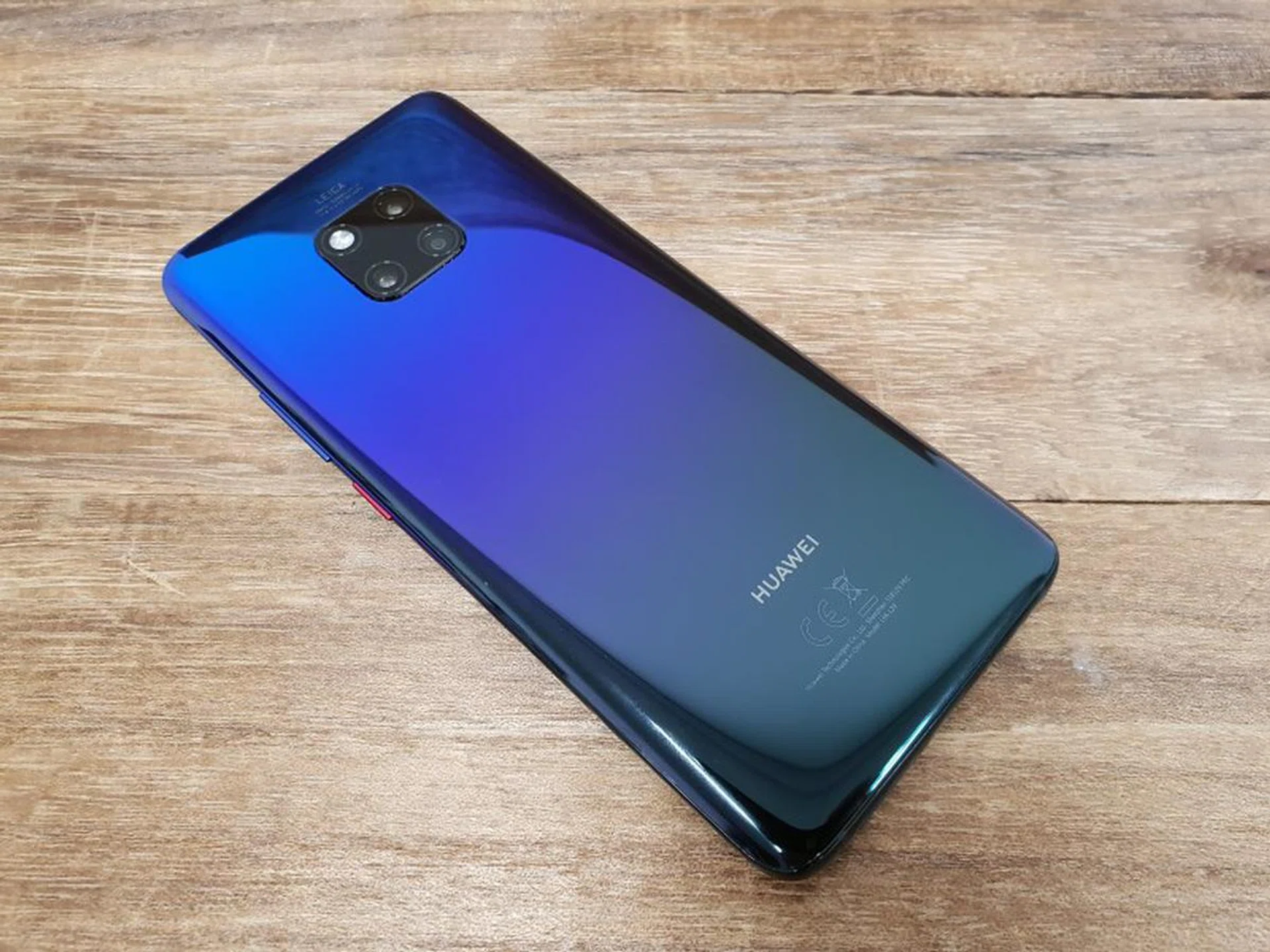
If the Hyper Optical Pattern isn't your thing, the phone also comes in three non-textured finishes: Black, Pink Gold (also not available in Singapore), and Twilight Blue, which has the same purple-to-blue gradient effect we first saw on the P20 Pro.
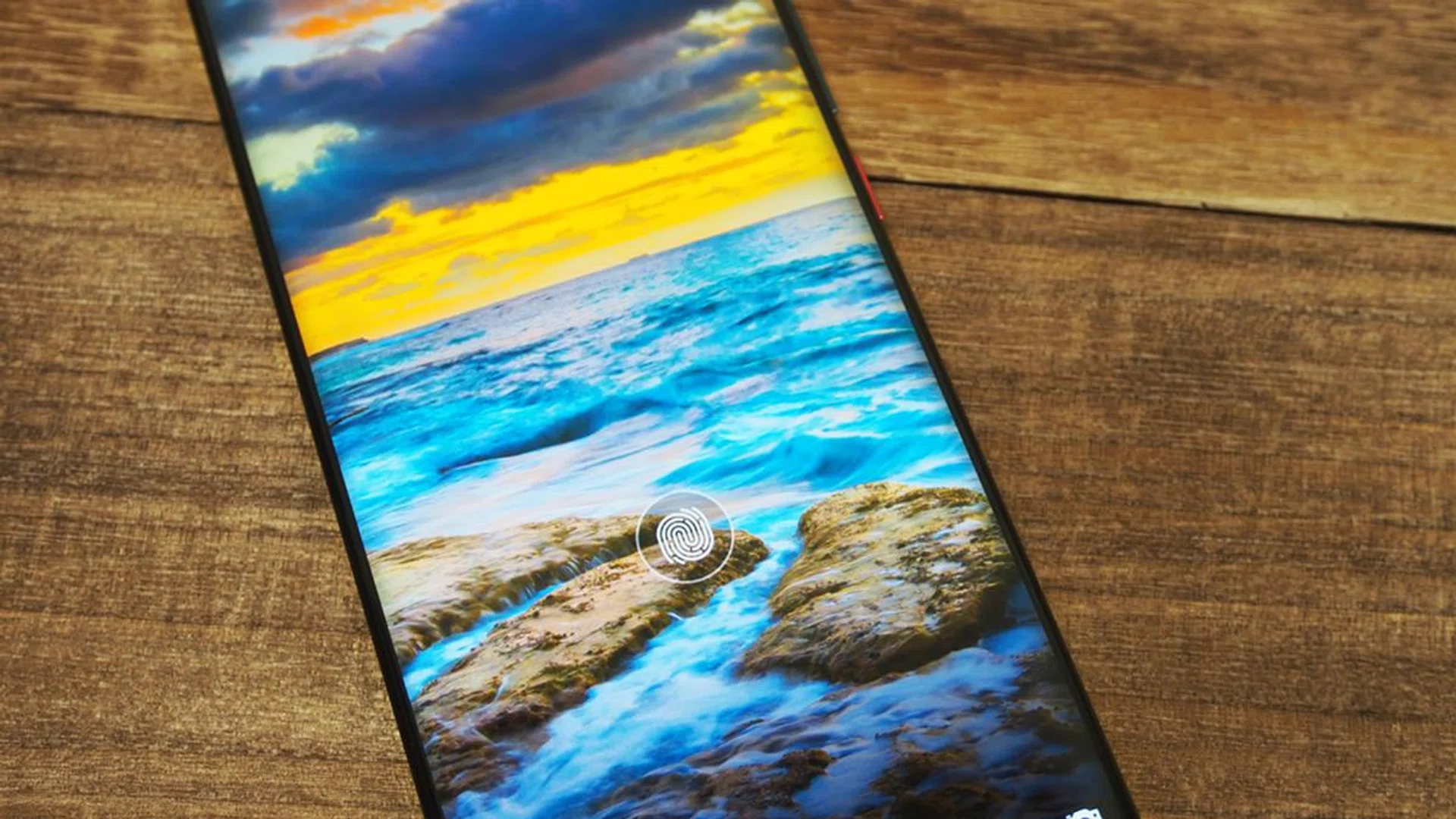
You'll notice the Mate 20 Pro does not have a physical fingerprint scanner on either the front or the back. That's not because Huawei is pulling an Apple and removing it altogether, but rather, it's gone for the far better option of using an in-display fingerprint scanner, which is located about two-thirds of the way down the display. This is actually the second Huawei phone to feature an in-display scanner, after the Huawei Porsche Design Mate RS.
As with most Huawei phones, the power button and volume rocker can both be found on the right side. The power button is a contrasting metallic red color, which is a really simple but nice design touch that looks good and helps it stand out.
On the bottom of the phone, you'll find the USB-C port and the dual nano-SIM card tray. Uniquely, the phone also lacks any visible speaker grilles, instead, the bottom speaker is hidden inside the USB-C port.
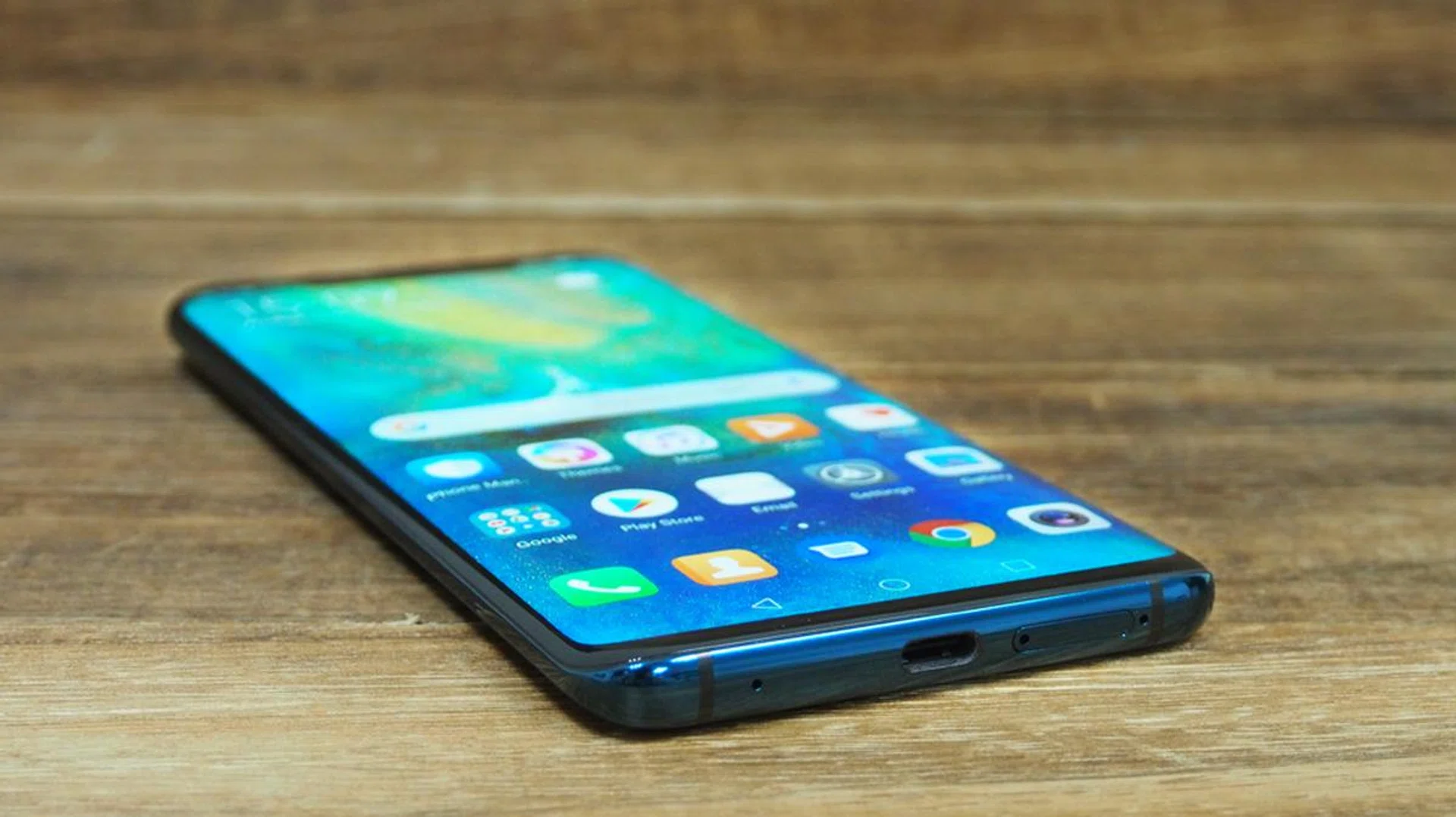
Unlike the lower-end Mate 20 and Mate 20 X, the Mate 20 Pro does not have a 3.5mm headphone jack. You do however get a pair of USB-C earphones in the box, and unlike the latest iPhones, there's a USB-C to 3.5mm dongle included too.
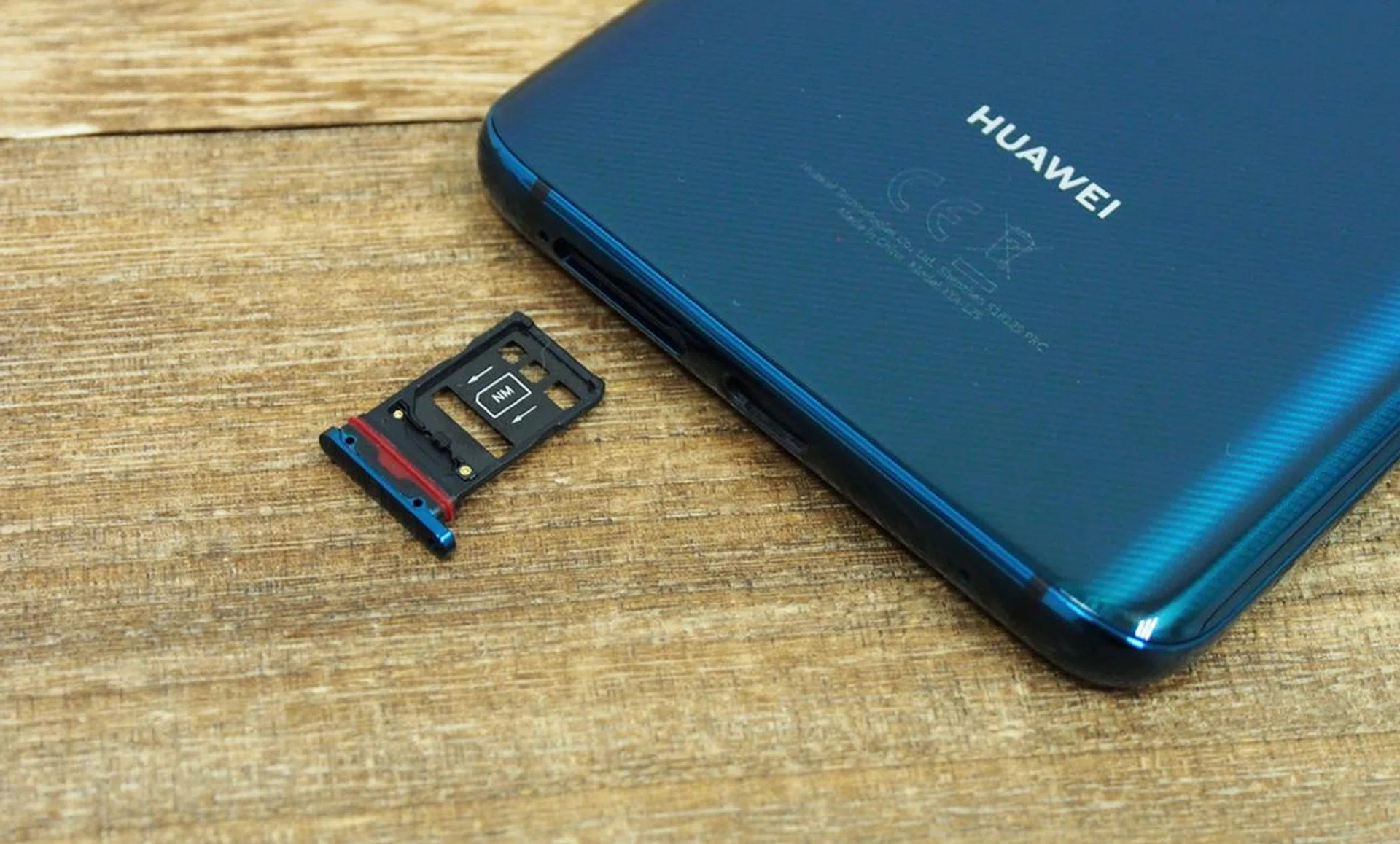
A quick note on the nano-SIM card slot: instead of the usual micro-SD card slot, the Mate 20 Pro uses Huawei's new proprietary NM (Nano Memory) format, which is the same size as a nano-SIM, or about 45 per cent smaller than a conventional microSD card. NM cards have a maximum read speed of 95 MB/s, which is a little slower than some of the top-end microSD cards, but still very respectable. Right now, NM cards are only available from Huawei in one capacity: 128GB (S$108), however the format supports up to 256GB capacity, so expect a higher capacity NM card soon.
Finally, the Mate 20 Pro has an IP68 dust and water resistance rating, exactly the same as the Note9 and iPhone XS.
Display: A huge and gorgeous display
The Mate 20 Pro has a 6.39-inch AMOLED display with a 19.5:9 aspect ratio and an impressive 3,120 x 1,440 QHD+ pixels resolution (~537ppi). This gives it a higher pixel density than the Pixel XL 3 (~439ppi), iPhone XS Max (~458ppi), and Note9 (~514ppi). The display itself is gorgeous with excellent clarity, great contrast, vivid colors and wide viewing angles. The screen is bright too, and is easy to read, even under bright sunlight. The display is HDR10 compatible and will play HDR content on Netflix, YouTube and Amazon Prime Video.
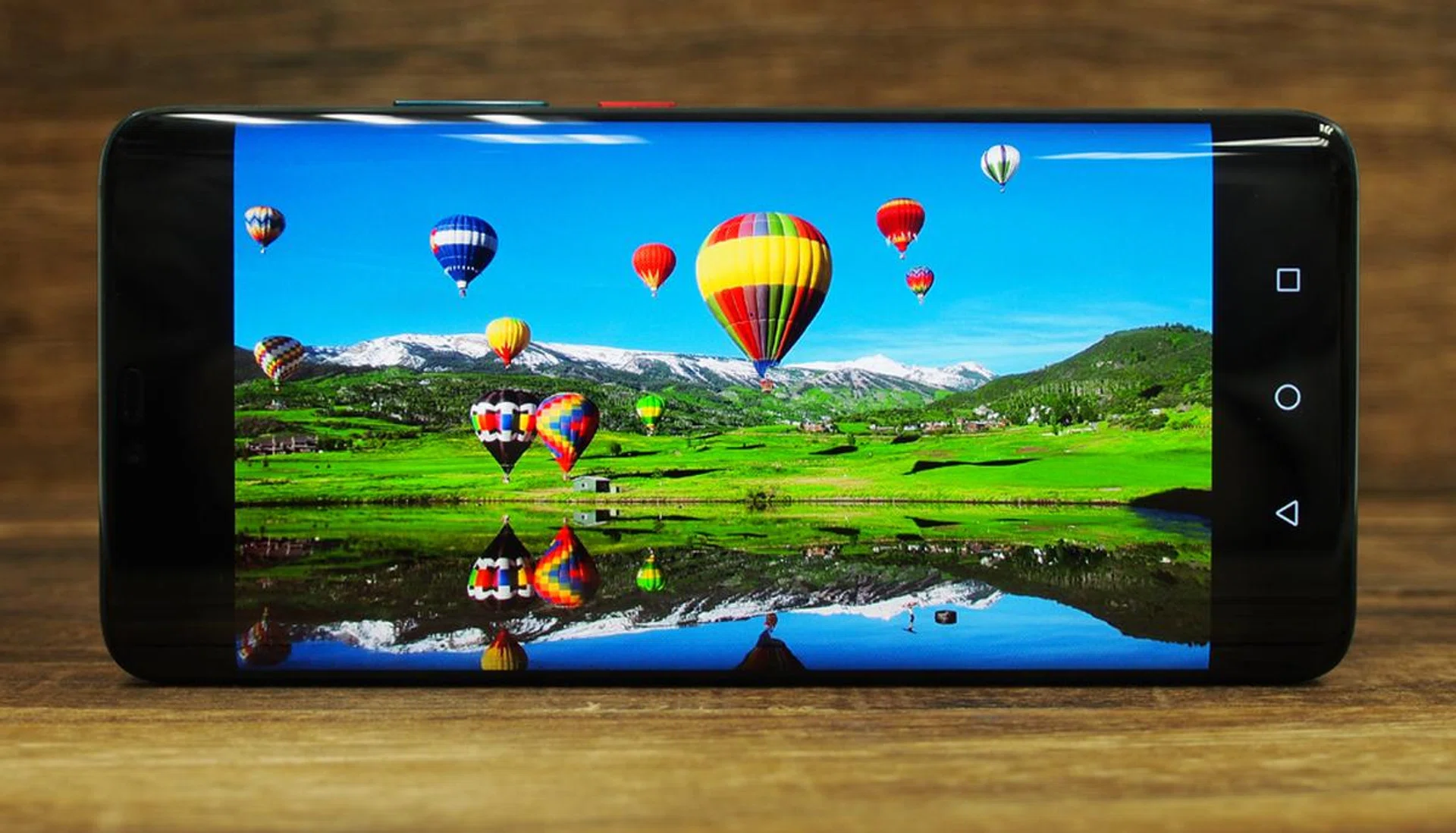
While the display is curved, Huawei doesn't offer any extra functionality like Samsung's Edge Panels, and the curved screen is more for aesthetics than interactivity. Unlike most of Huawei's phones, the Mate 20 Pro does not come with a factory-installed screen protector.
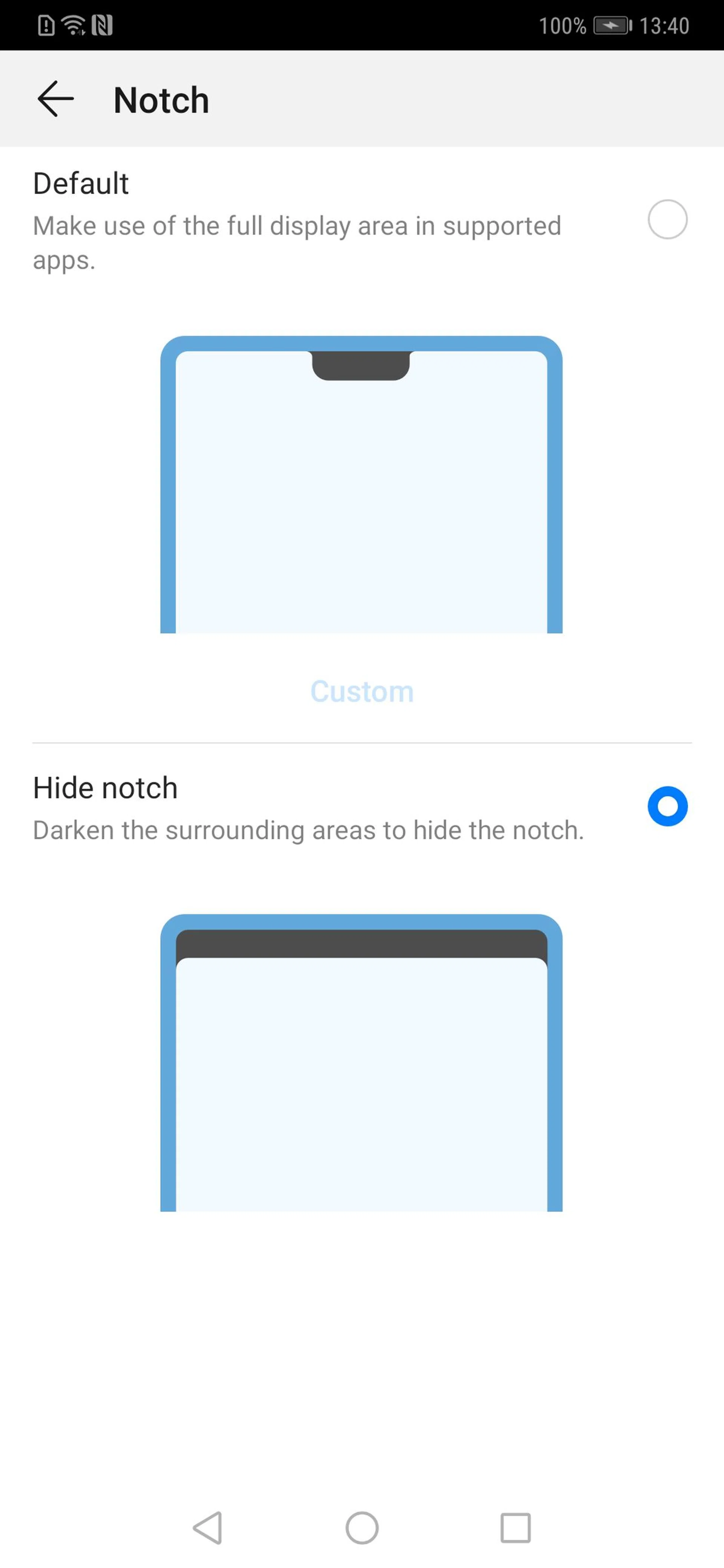
The notch in the display is about the same as the one you'll find on the iPhone XS - which is to say, it's quite large. If you hate notches, you can hide it with an effect that turns the sides black, while still letting you display information like the clock, signal strength and battery life there.
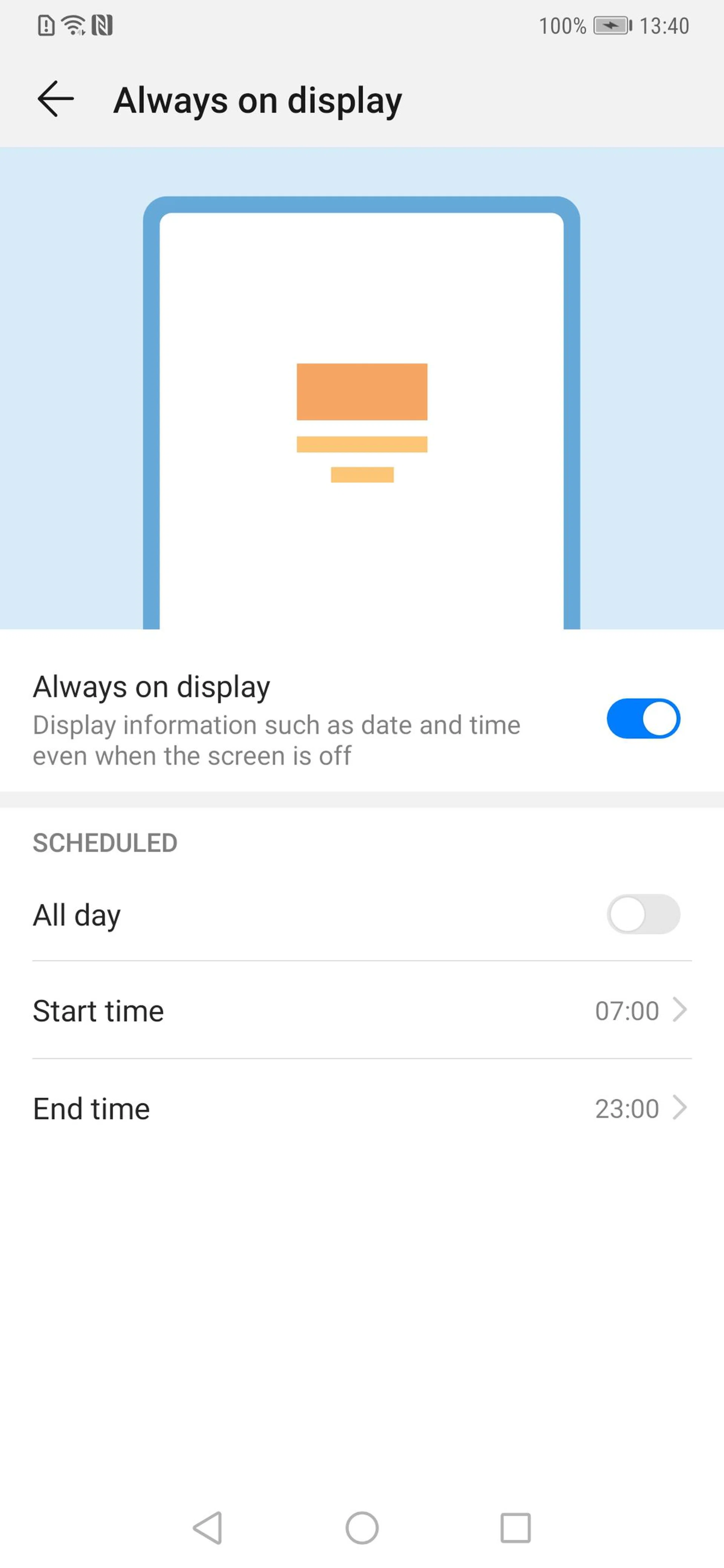
As usual, there's also an option to turn the display into an always-on display, which will show the date, time, and any notifications on the lockscreen.
Audio: The hidden USB speaker is neat, but needs work
The Mate 20 Pro has a stereo speaker setup with one speaker in the notch (which also doubles up as the earpiece) and the other speaker hidden in the USB-C port. Audio quality is decent but not as good as the speakers on the Note9 or iPhone XS. There's enough volume, and there's clear stereo separation, but the earpiece speaker is noticeably quieter than the downward-firing speaker, especially at max volume, resulting in a lopsided audio effect. Additionally, plugging a cable into the USB port dampens the bottom speaker, although, this does actually result in a more evenly balanced overall sound, so there is that.
Biometric Security: The best of both worlds
The Mate 20 Pro has the best combination of biometric security available on any smartphone today, boasting both an in-display fingerprint scanner, and a true 3D face recognition camera.
In-display Fingerprint Scanner
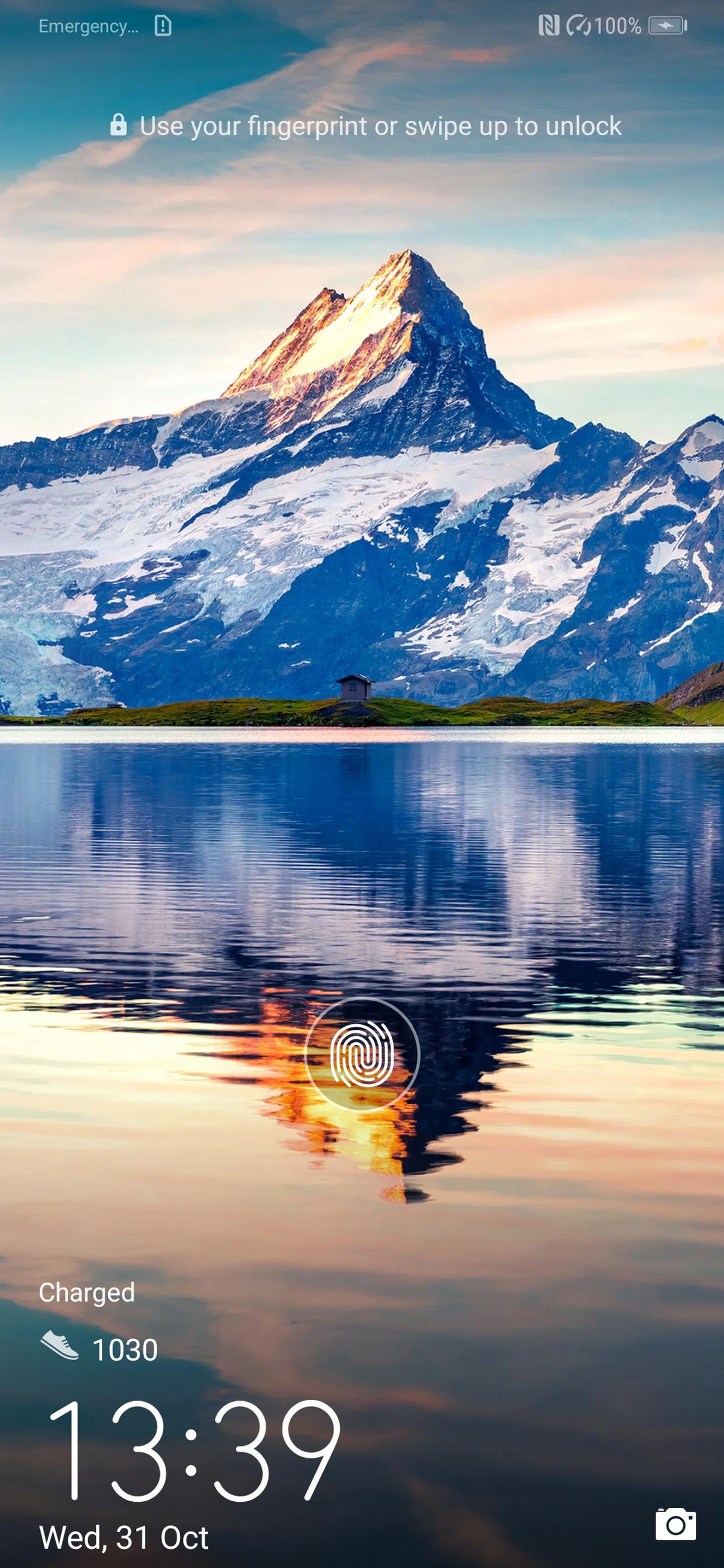
The in-display fingerprint sensor works well, and is both fast and reliable, although it does require a bit more pressure than conventional fingerprint scanners. Once your finger is enrolled, a fingerprint zone will pop up about two-thirds of the way down the screen whenever you look at the screen or press the power button. It's not as easy to unlock the phone by feel alone like you can with a physical fingerprint scanner, but it's certainly more convenient than a back-mounted sensor or face recognition when your phone is lying flat on your desk.
3D Face Recognition
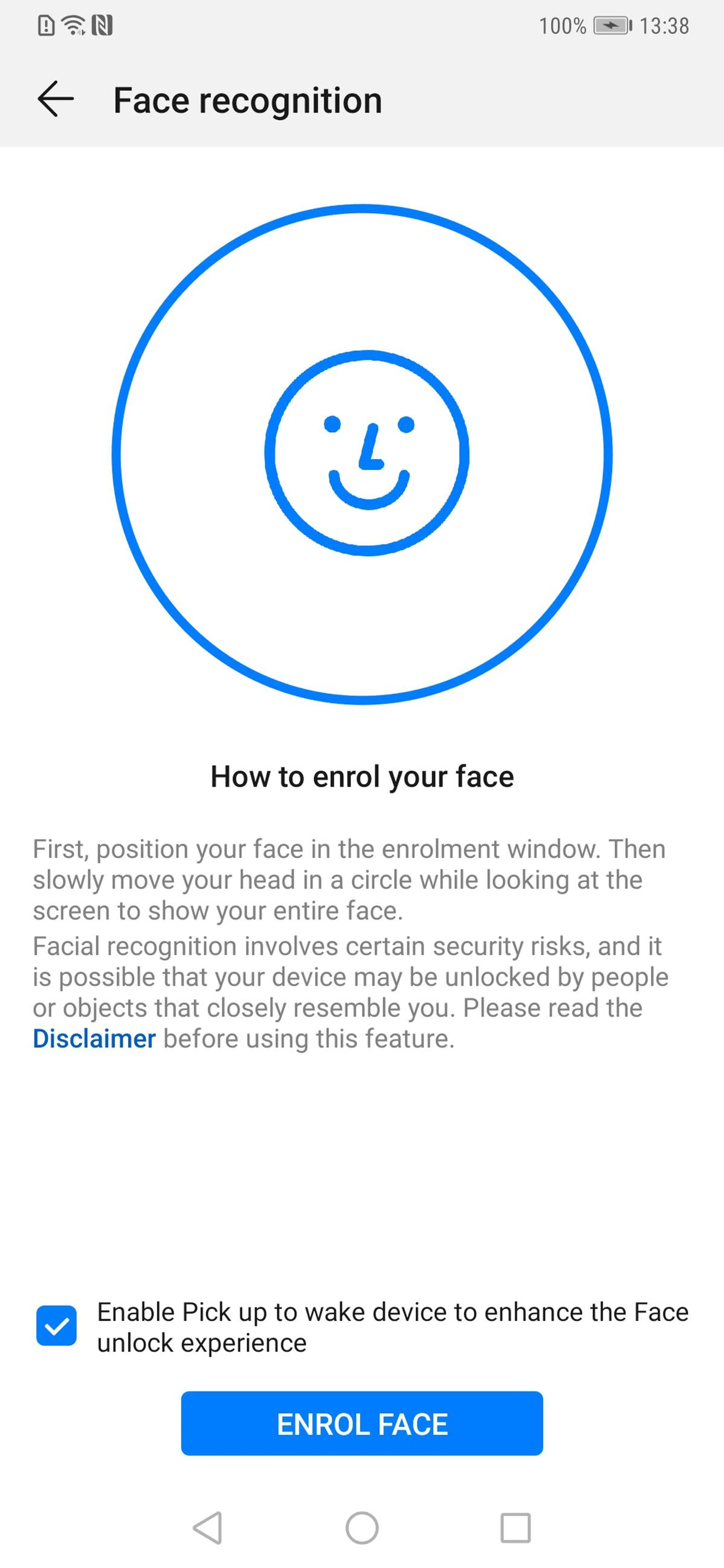
While previous Huawei phones have had face unlock, this is the first time it's the real deal, using an IR camera and an IR flood illuminator (housed in the notch) to project 30,000 infrared dots onto your face, which scan your face in 3D for millimeter-level accuracy. This is exactly the same setup Apple uses for FaceID, and the two systems are functionally identical. They're both accurate, they both unlock instantly, they both can't be fooled by a picture of you, and they both work in the dark. You even enroll your face the same way (by rolling your head around in a circle).
The only advantage FaceID has is that you can enroll two faces in it. The Mate 20 Pro will only accept one (like the original iPhone X).
Software: EMUI still isn't stock Android, but it's cleaner and faster than before
Other than Google's own Pixel phones, the Mate 20 Pro is one of the only phones running on Android 9.0 Pie out of the box at the time of publishing. Of course, it's also been skinned with Huawei's own EMUI 9.0 OS, which makes it fairly different from stock Android.
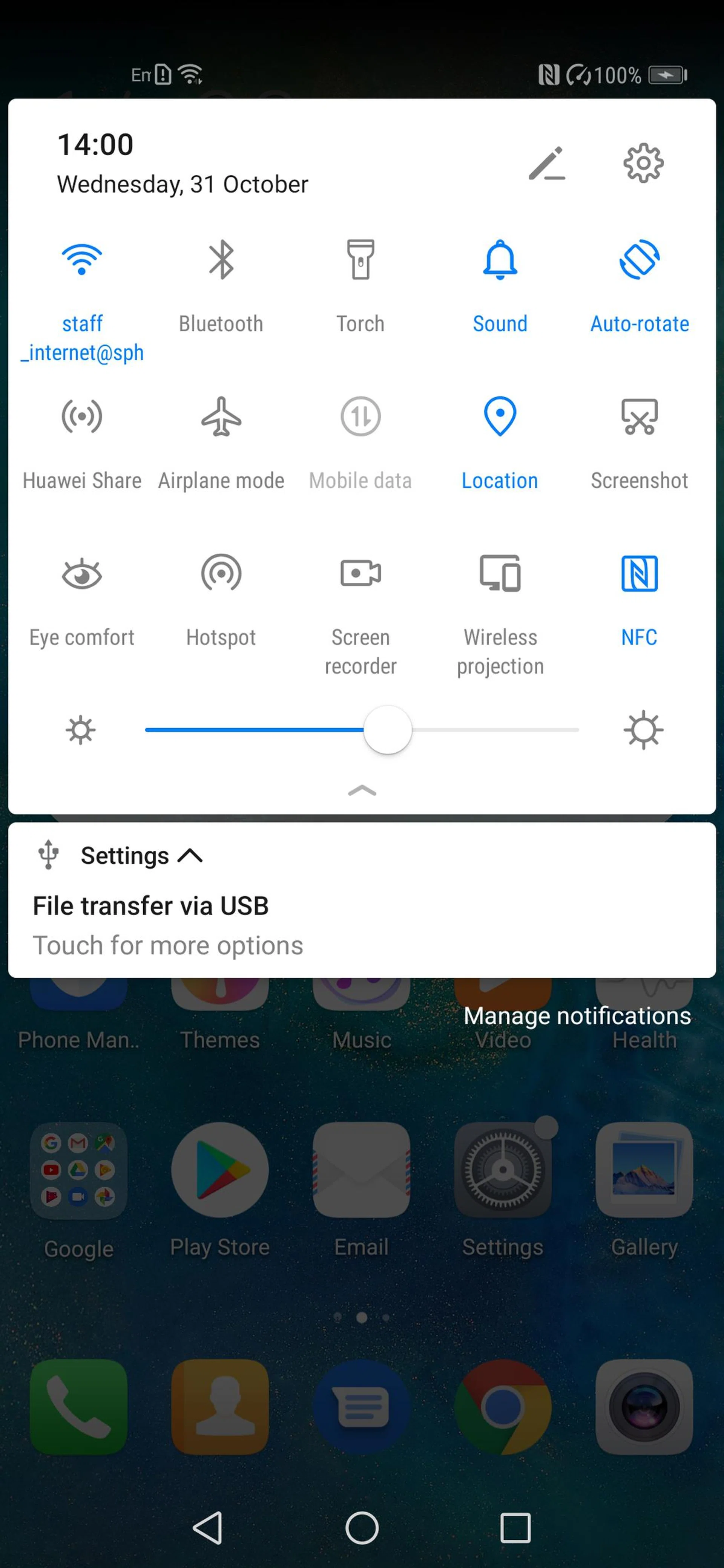
Huawei has made some improvements to EMUI, cleaning up the general interface and simplifying the notifications shade by hiding rarely used settings under a pull-down tab.
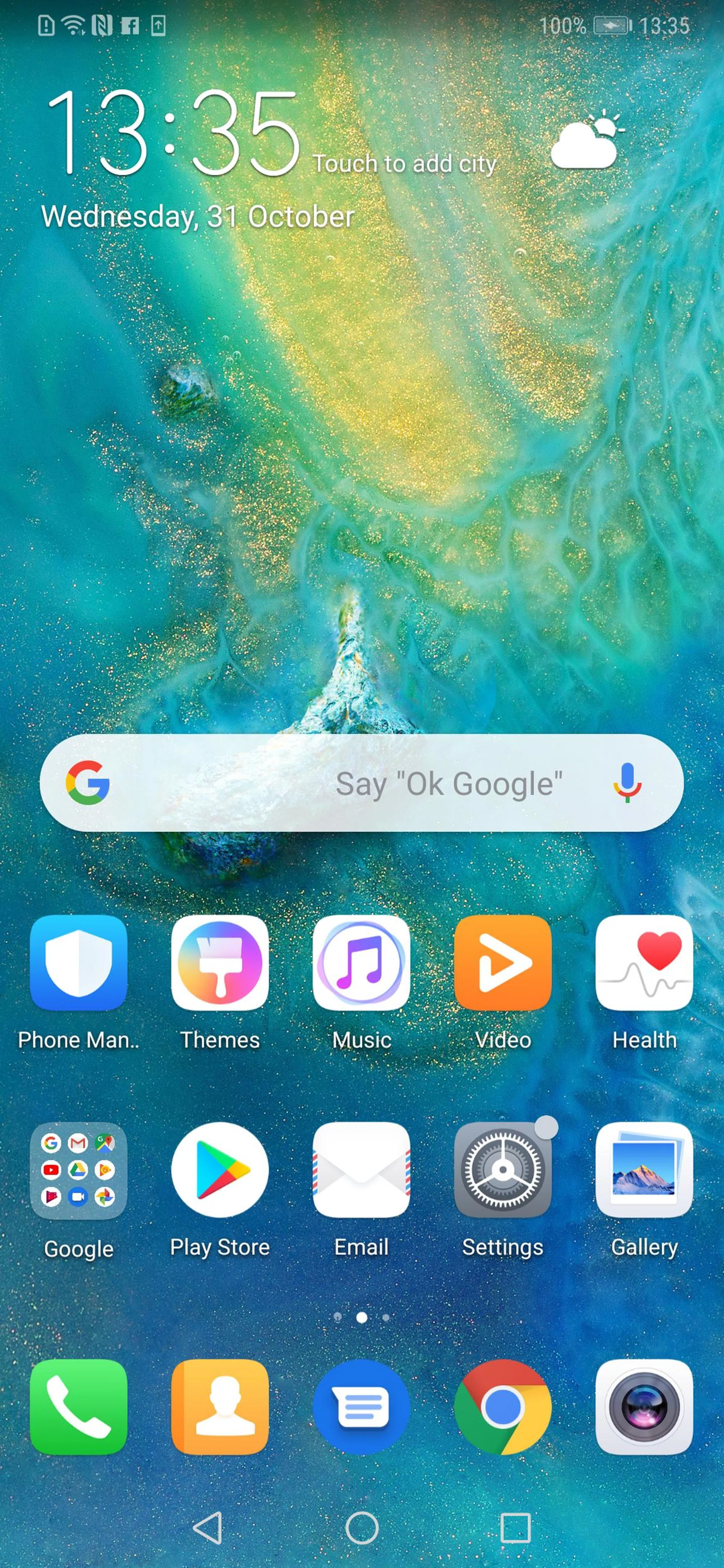
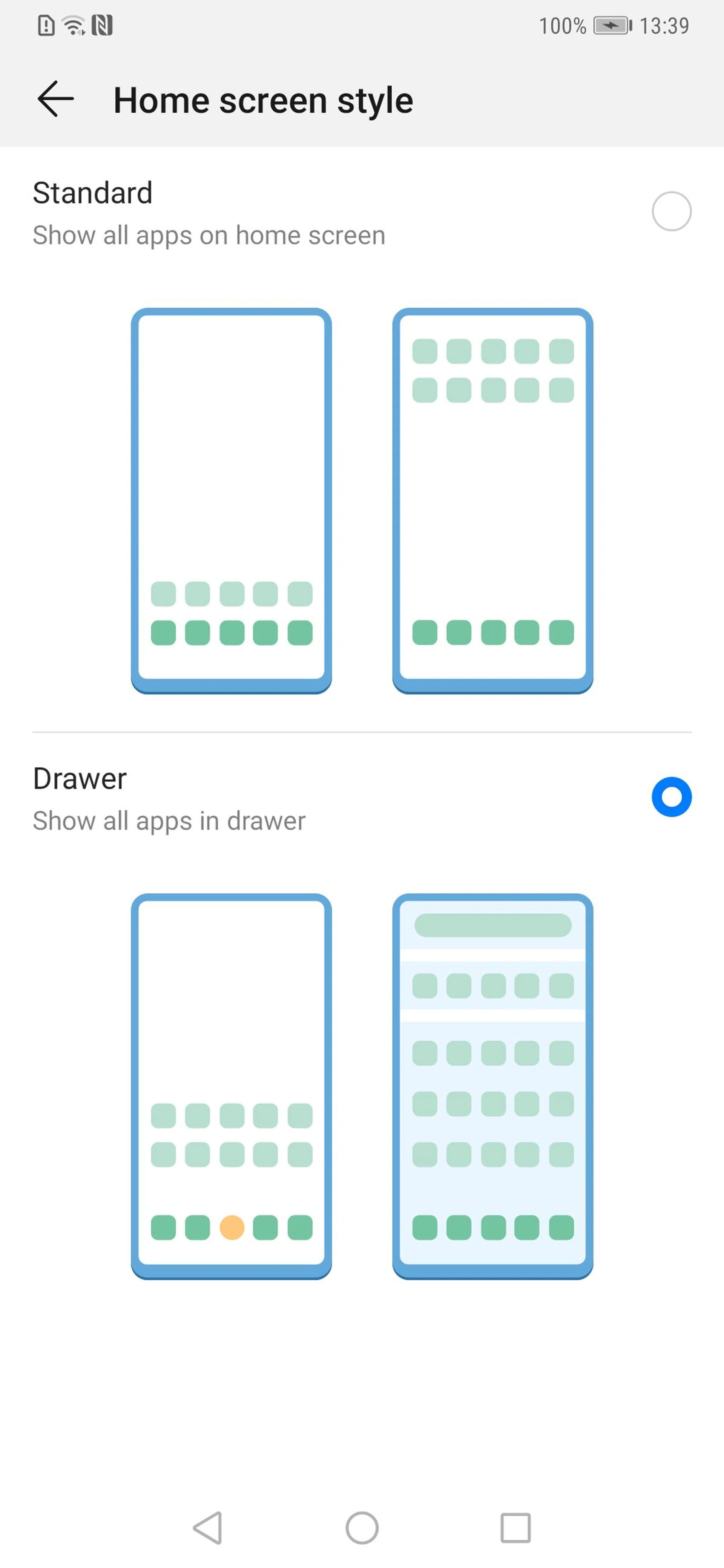
As usual, the default home screen removes the app drawer, with all of your apps on the home screen, iOS-style. However, you can easily restore the app drawer in the 'Home screen style' settings menu.
All of Huawei's usual OS enhancements are here, from gesture control to Knuckle Sense, which lets you knock on the screen to take screenshots or, knock-and-slide to enter multi-screen mode.
Huawei also includes a dozen or so of its own pre-installed apps, which range from simple tools like a calculator, flashlight, and voice recorder, to its own Translator app, which is basically Huawei's version of Google's Translate app. Oddly enough, the welcome screen on Huawei's Translator app says that it's powered by Microsoft, so maybe it's just a re-skinned version of Cortana? One nice feature in Translator is a Phrasebook with a list of common phrases you can quickly select that you might need on holiday (such as "Where is the toilet?") for about fifty or so languages.

Huawei Share, Huawei's version of Apple's AirDrop or Google's Files Go, has also been improved, and can now also share files with a PC and print documents wirelessly.
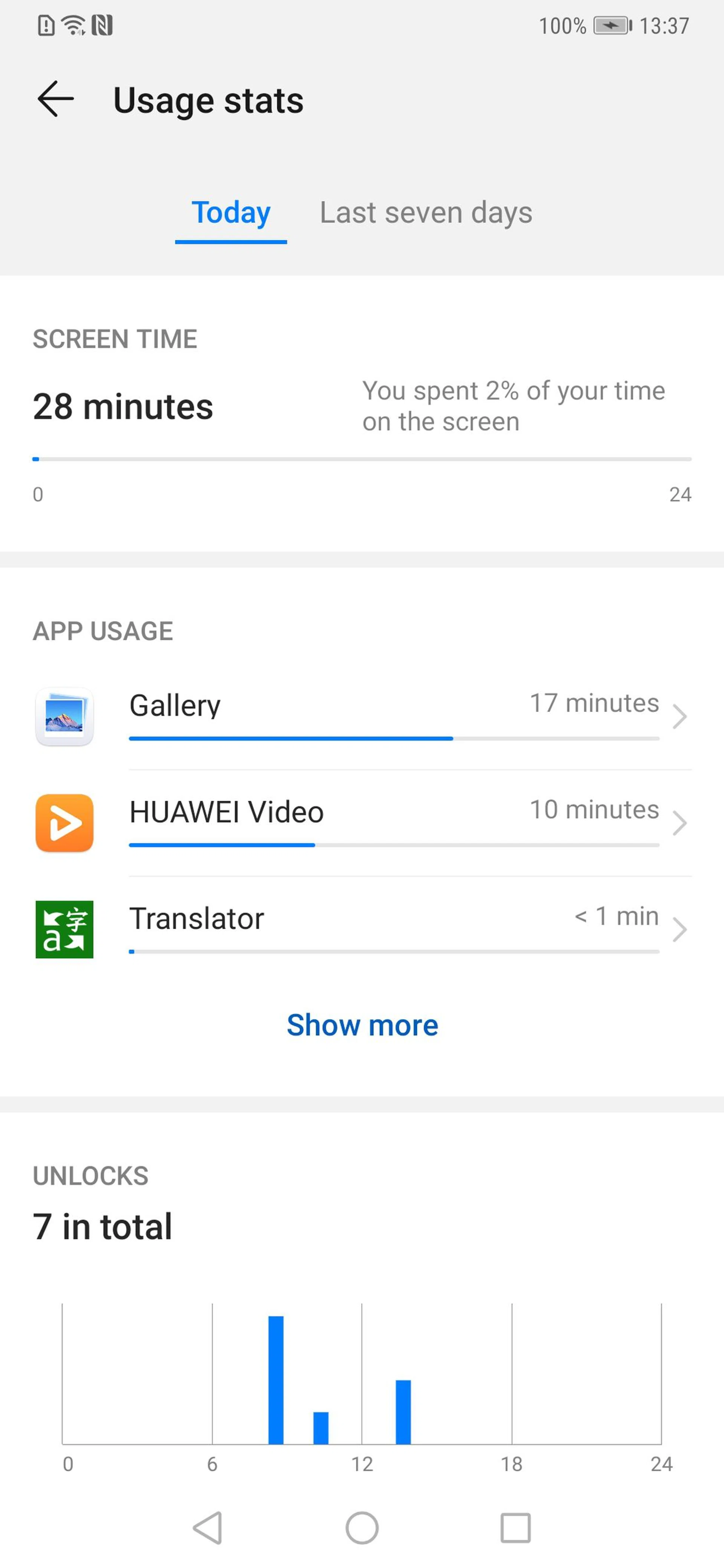
Keeping up with the new trend for digital wellbeing, there's also a new Digital Balance app, which is basically Huawei's version of Apple's Screen Time and Google's Digital Wellbeing apps. Digital Balance tracks your screentime and app usage stats, and allows you to set limits accordingly. It also includes parental controls for limiting your child's phone usage.
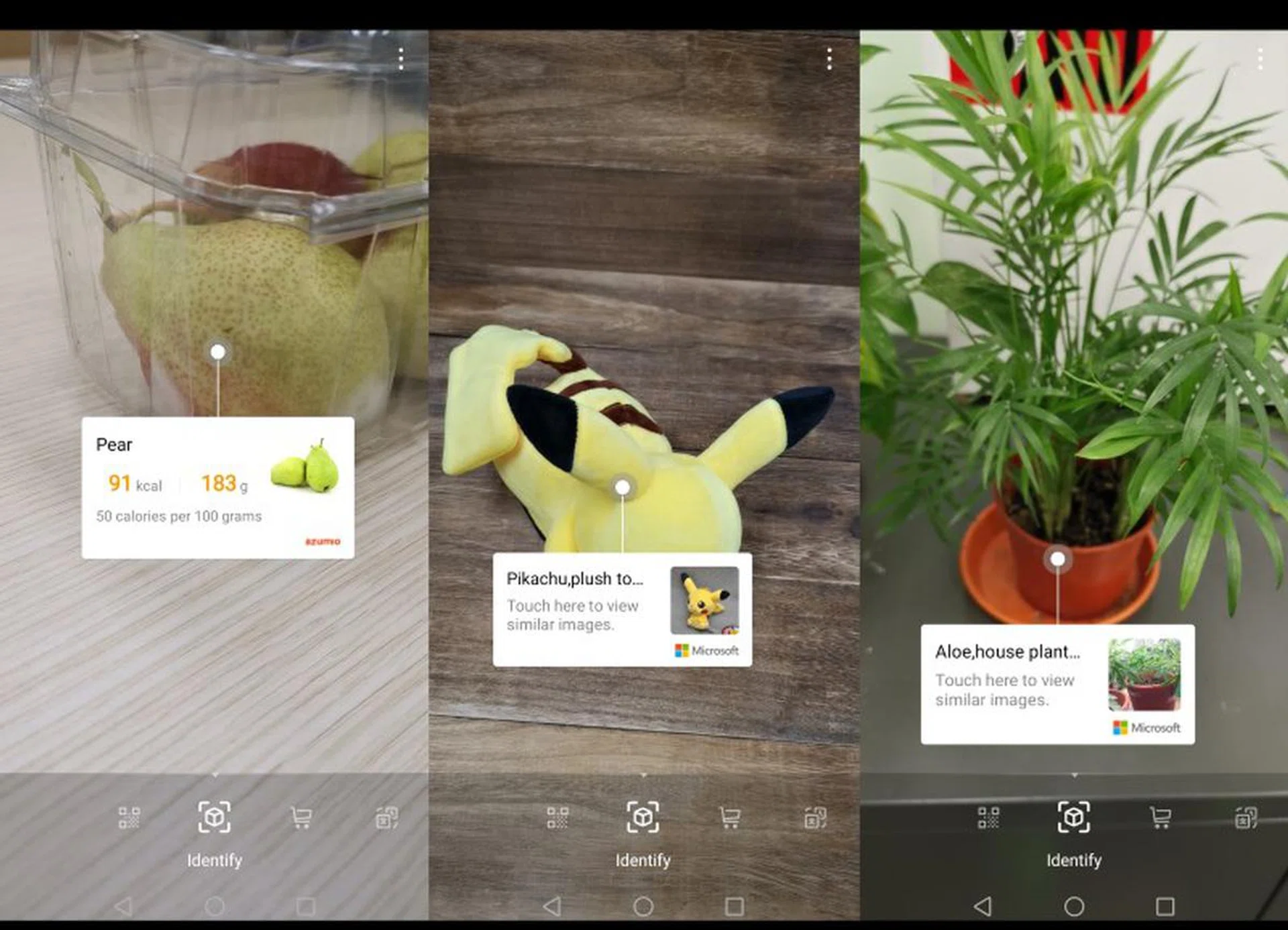
Huawei is also doubling up on AI with a new HiVision feature, which is an AI-assisted object recognition app similar to Samsung's Bixby, or Google's Google Lens. HiVision currently has three categories: Food, Art, and Landmarks. Open up HiVision and take a picture of something with the rear camera and the app will display information on it. For example, when HiVision identifies food it can show you a calorie count or other nutritional information.
For a closer look at HiVision, check out this article.
Camera Performance: Like having a full set of lenses in your pocket
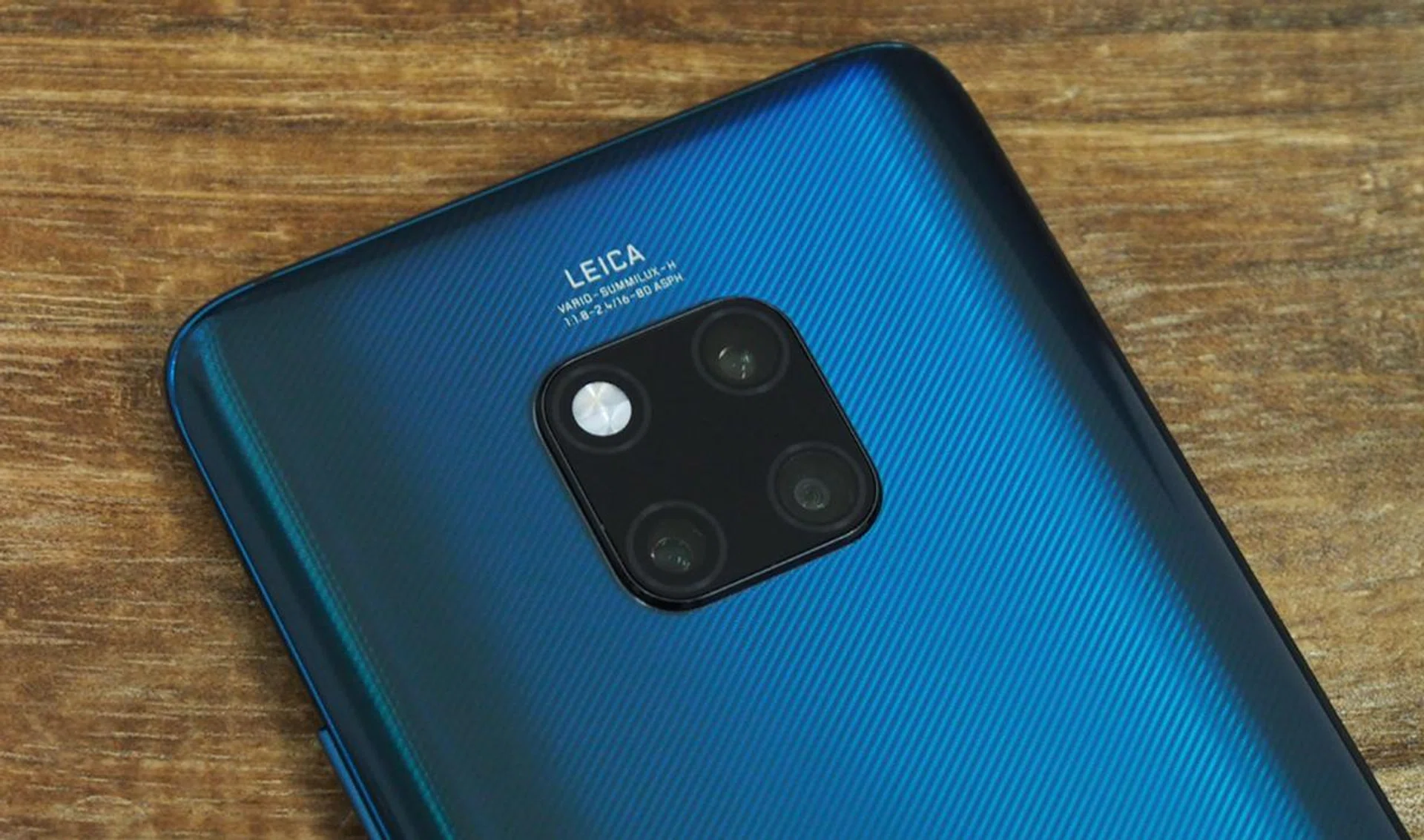
The Mate 20 Pro is armed with a triple camera setup compromising of a wide 40-megapixel f/1.8, an ultra-wide 20-megapixel f/2.2, and an 8-megapixel f/2.4 telephoto.
The main 40-megapixel sensor appears to be the same one we first saw in the Huawei P20 Pro, and by default spits out 10-megapixel images through pixel binning (although, if you prefer, you can still save the full 40-megapixel image). The 8-megapixel telephoto lens also appears to be the same one from the P20 Pro and grants 3x optical zoom, or 5x hybrid zoom. The ultra-wide 20-megapixel lens is completely new, and replaces the black and white monochrome lens on previous Huawei-Leica phones (which used to be required for better low-light performance, but isn't needed anymore due to better sensors and the use of image stacking for night photography.)
Like the P20 Pro, the camera app is enhanced by Huawei's Master AI, which can now recognize and tune settings for up to 1,500 different scenes. Thankfully, Huawei has made it less aggressive on greens and blues, which helps tone down the super vivid and unrealistic trees and skies you would get from the P20 Pro. The Mate 20 Pro also includes basically every shooting mode you can think of, including HDR, Portrait, slow-motion video, time-lapse video, and the excellent Night Mode we first saw on the P20 Pro.
Image quality is excellent with great detail, true to life colors, and minimal noise and processing. Unlike many smartphone cameras, corners are sharp, and there's very little lens distortion, even when using the ultra-wide lens. Don't be afraid to use the 5x hybrid zoom either, unlike most digital zooms, there's hardly any loss in image quality and thanks to the optical image stabilization it can capture tack sharp images fairly easily.

Click for full-size image.
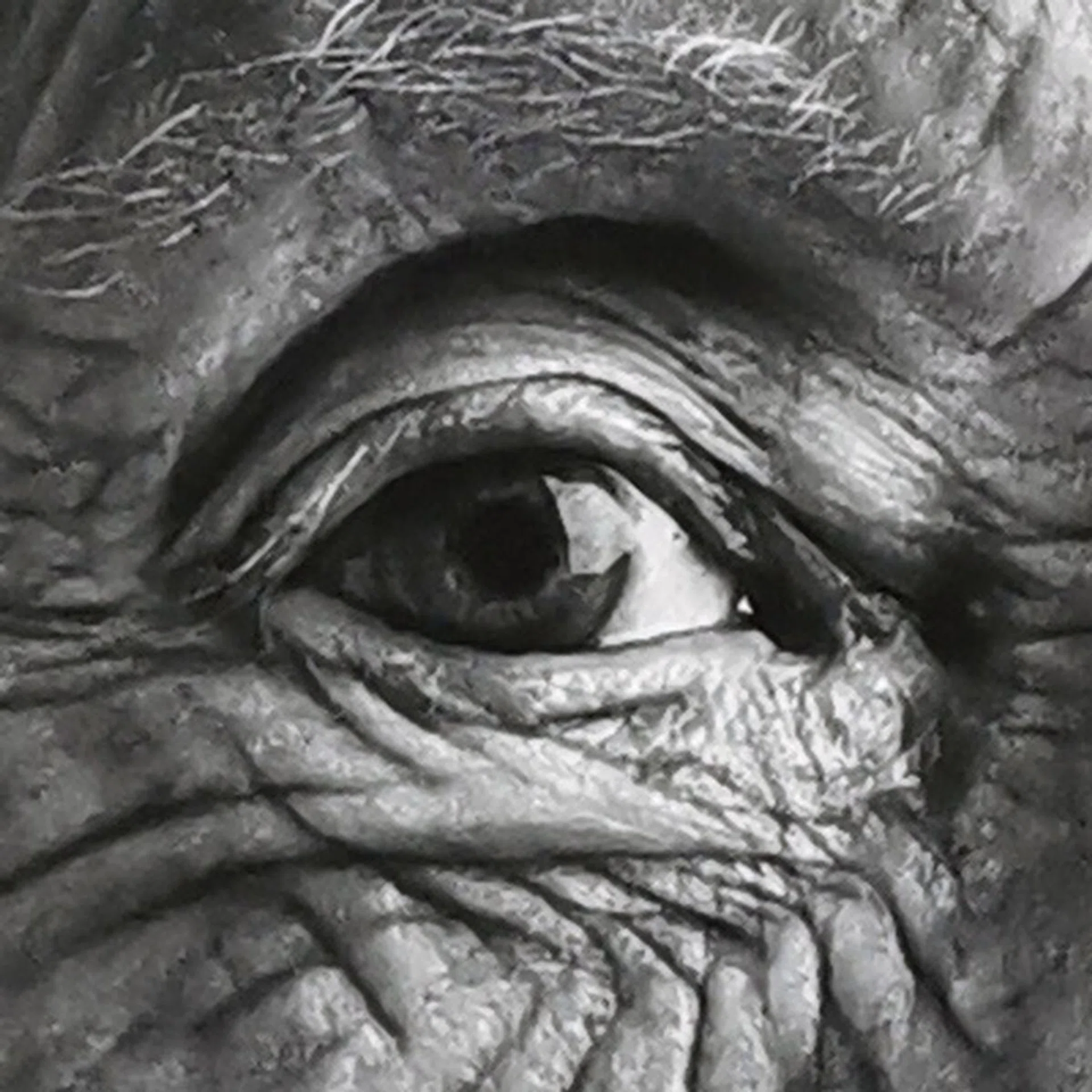


5x hybrid zoom. Click for full-size image.

0.6x zoom (ultra-wide angle). Click for full-size image.
The ultra-wide angle lens also doubles up as a very useful macro lens, thanks to its extremely close minimum focal length.
Sample Images

3x zoom, ISO50, 1/115 sec

1x zoom, ISO80, 1/100 sec

0.6x zoom (ultra-wide), ISO160, 1/500 sec

3x zoom, ISO50, 1/100 sec

5x zoom (hybrid zoom), ISO50, 1/125 sec
Benchmark Performance: Huawei's best performing processor so far
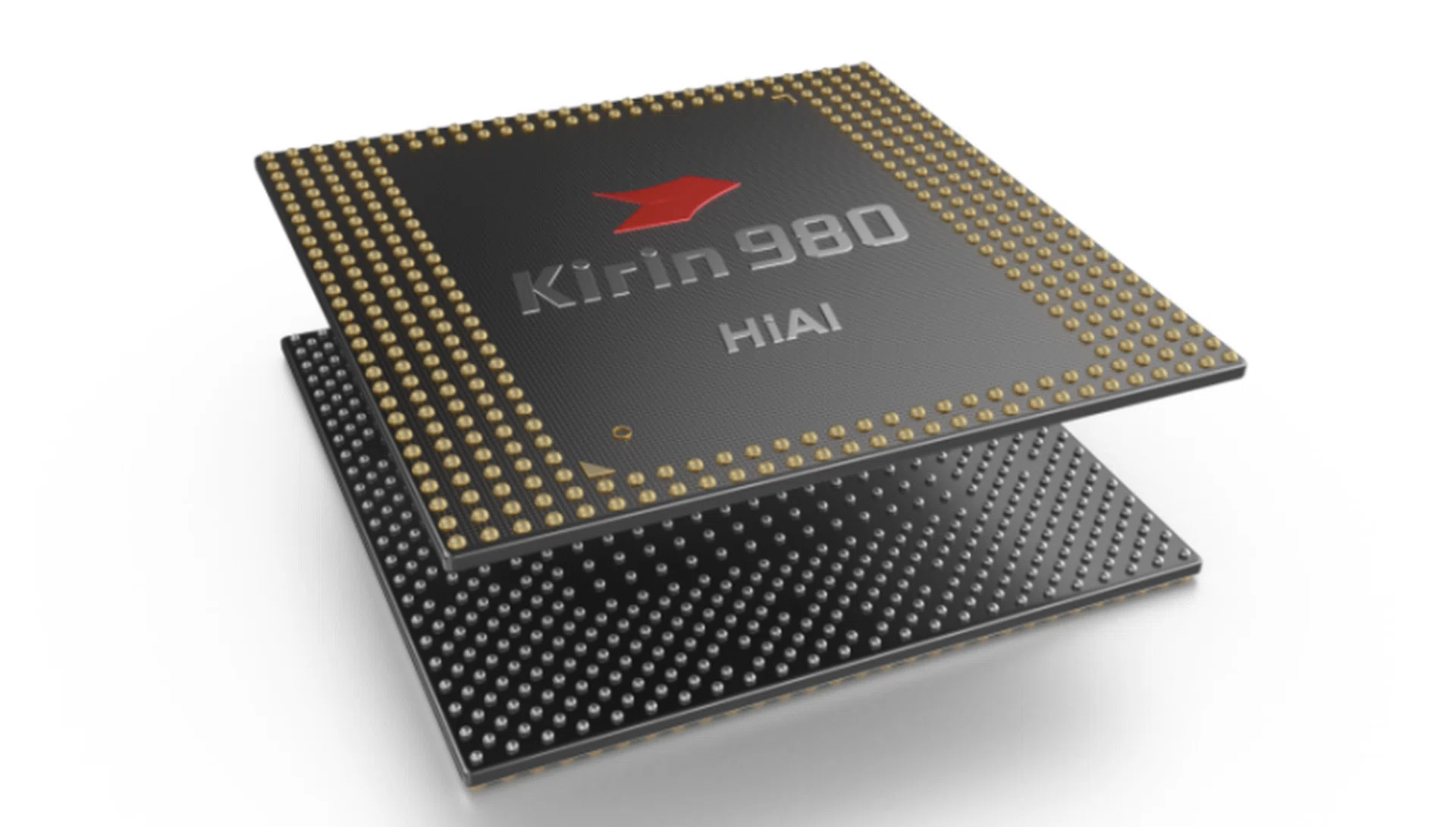
The Mate Pro 20 is powered by Huawei's new Hi-Silicon Kirin 980 processor, which is the second mobile processor built on a 7nm process this year (the first being Apple's A12 Bionic). The Kirin 980 is an octa-core processor with a unique setup: four low-power cores, two medium, and two high-power cores. In theory, this setup gives the phone more configurations compared to a standard big.LITTLE approach, which should give it better efficiency overall.
For more information on the Kirin 980, check out this article.
SunSpider Javascript
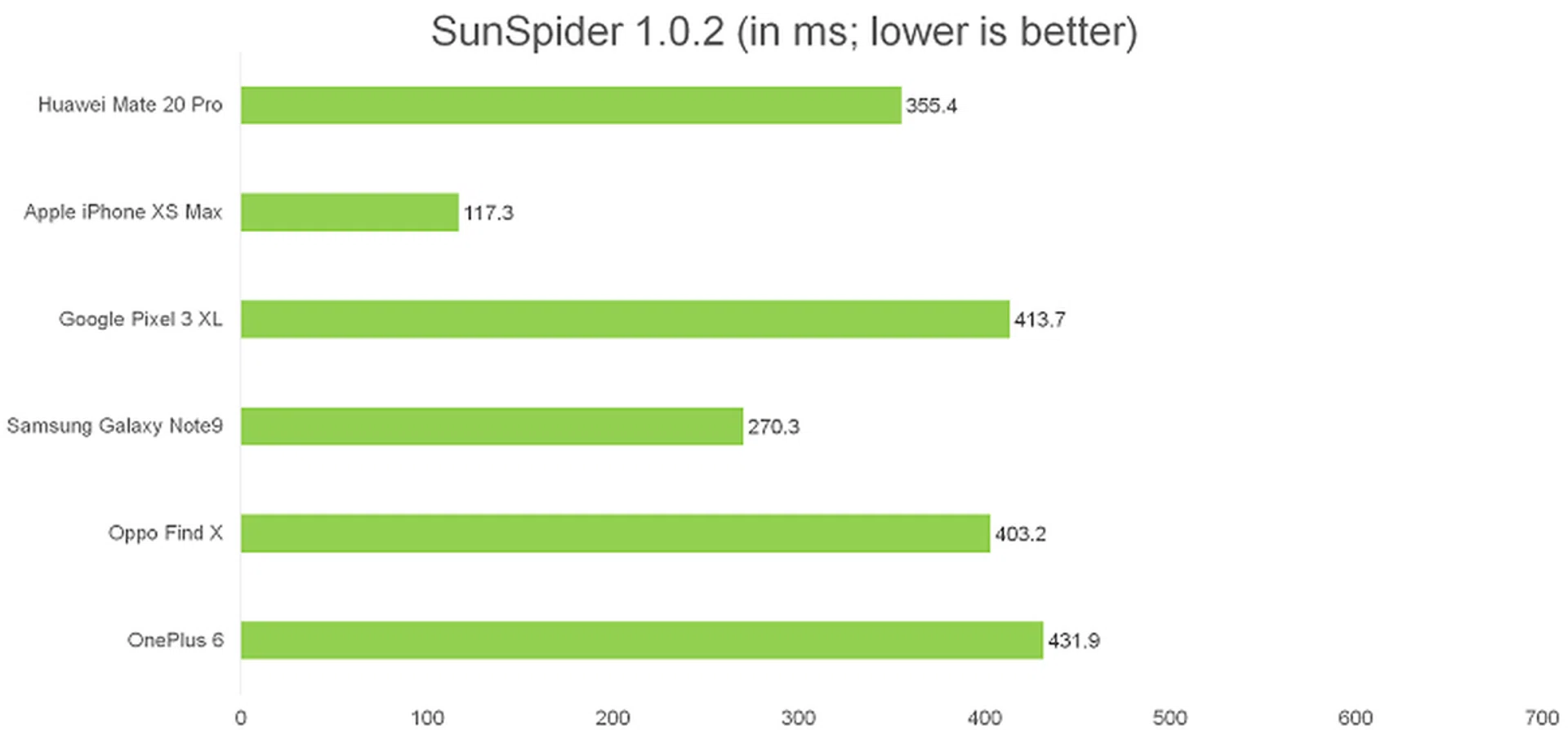
SunSpider JavaScript measures the browsing performance of a device when processing JavaScript. It not only takes into consideration the underlying hardware performance, but also assesses how optimized a particular platform is in delivering a high-speed web browsing experience.
The Mate 20 Pro outperformed each of the Snapdragon 845-powered phones but trailed slightly behind the Note9 and iPhone XS Max. Having said that, in terms of actual browsing, the Mate 20 Pro provided a smooth and lag-free experience that was indistinguishable from either the Note or iPhone.
Antutu
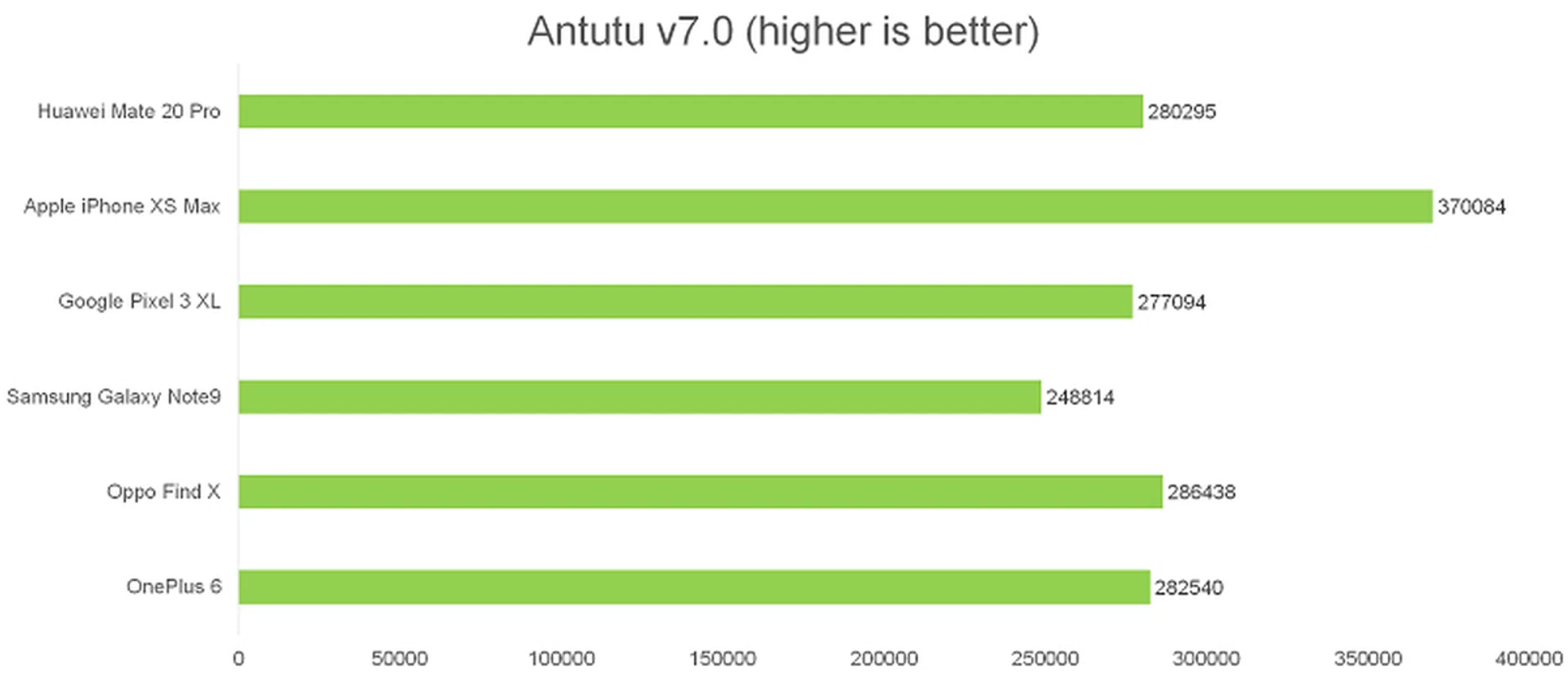
AnTuTu is an all-in-one benchmark that tests CPU, GPU, memory, and storage. The CPU benchmark evaluates both integer and floating-point performance, the GPU tests assess 2D and 3D performance, the memory test measures available memory bandwidth and latency, and the storage tests gauge the read and write speeds of a device's flash memory.
On this benchmark the Mate 20 Pro was on par with the Snapdragon 845-powered phones and slightly better than the Galaxy Note9.
Geekbench CPU
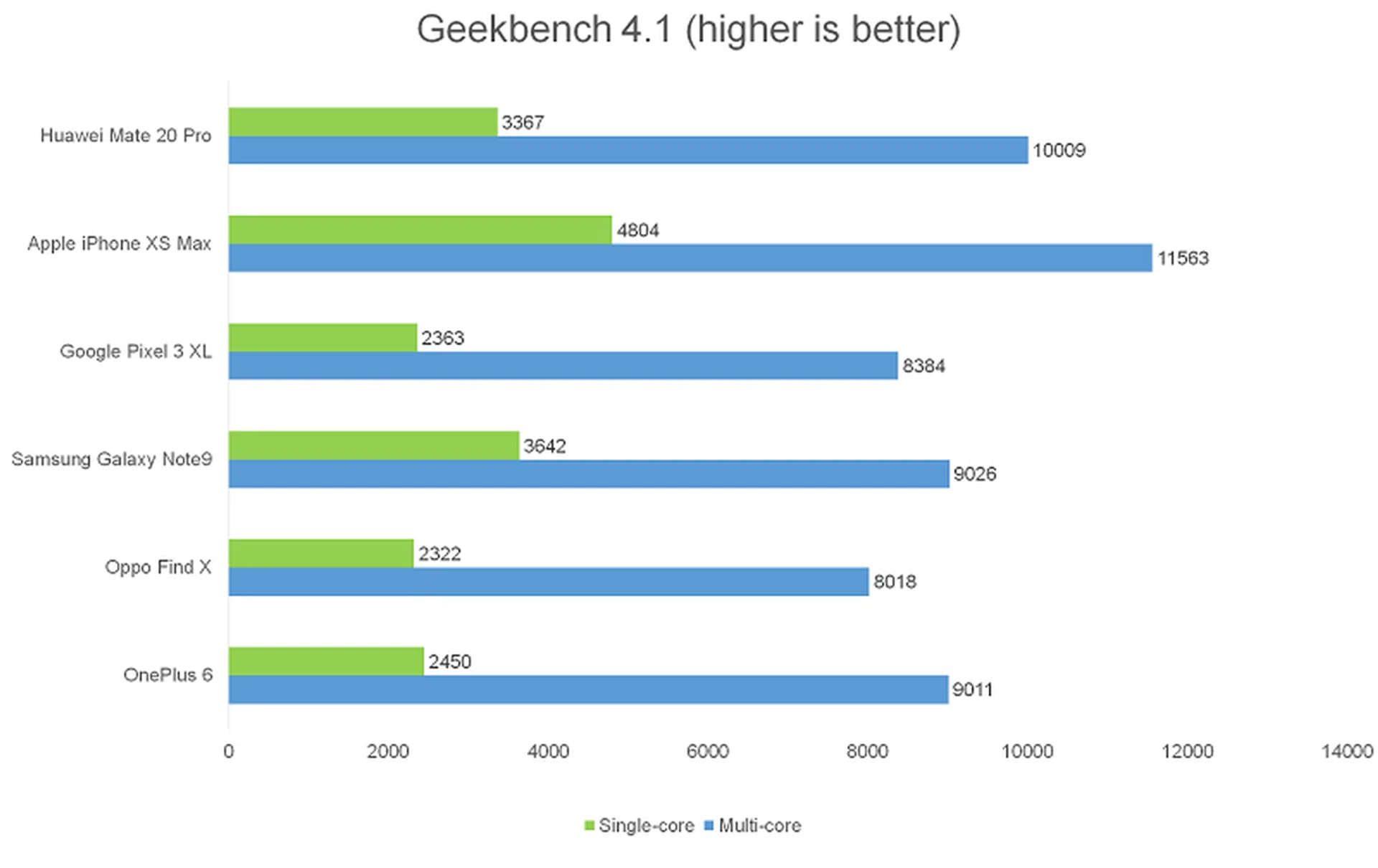
Geekbench CPU is a cross-platform processor benchmark that tests both single-core and multi-core performance with workloads that simulate real-world usage. Geekbench 4 scores are calibrated against a baseline score of 4000 (which is the score of an Intel Core i7-6600U CPU processor).
The Mate 20 Pro was much better than the Snapdragon 845-powered phones on this benchmark. Compared to the Note9, the Kirin 980 is slightly worse in single-core performance, but slightly better in multi-core performance. Apple's A12 Bionic is once again way out in front.
3DMark Sling Shot
3DMark Sling Shot is an advanced 3D graphics benchmark that tests the full range of OpenGL ES 3.1 and ES 3.0 API features including multiple render targets, instanced rendering, uniform buffers and transform feedback. The test also includes impressive volumetric lighting and post-processing effects. We're running this benchmark in Unlimited mode, which ignores screen resolutions.
Despite Huawei's GPU Turbo 2.0 optimizations, gaming does not seem to be the Mate 20 Pro's strong point, and 3DMark was its worst benchmark, and the only one where it underperformed compared to the Snapdragon 845. It was however still much better than the Note9.
Battery Life
Our standard battery test for mobile phones has the following parameters:
- Looping a 720p video with screen brightness and volume at 100%
- Wi-Fi and Bluetooth connectivity turned on
- Constant data streaming through email and Twitter
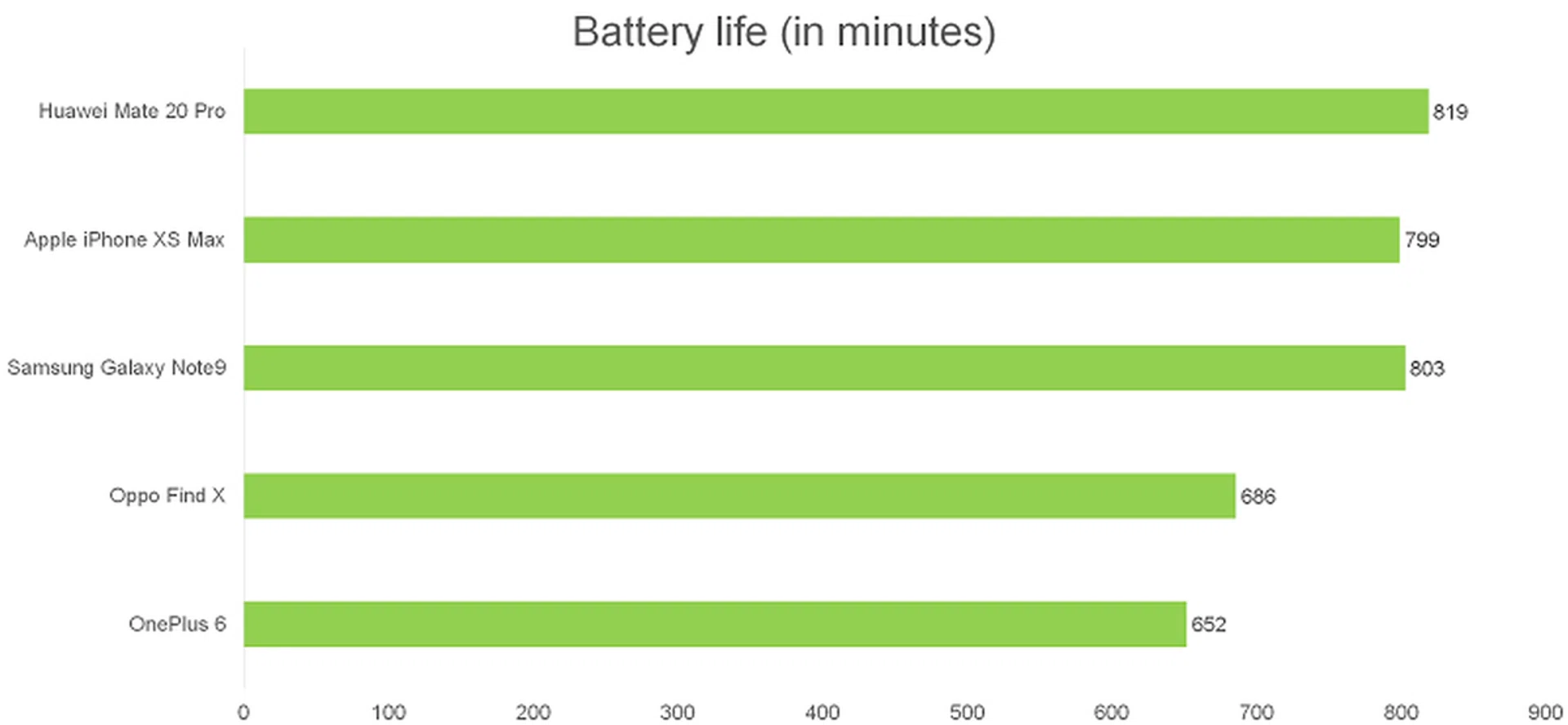
The Mate 20 Pro has a huge 4,200mAh battery - one of the largest batteries you'll find in a smartphone today.
It lasted 13 hours and 39 minutes in our video looping benchmark, longer than both the iPhone XS Max and Note9.
The Mate 20 Pro is also the first phone to use Huawei's latest SuperCharge standard, which is capable of charging 10V at 4A for a total of 40W power transfer, far higher than any other fast charging standard available right now.
In my testing, the bundled cable and charger will charge the phone from 0 to 75 percent in just 30 minutes, and to 100 percent in just 46 minutes. This is far faster than anything we've tested. While this is very impressive, the phone does get alarmingly hot while charging.
The Mate 20 Pro also supports fast wireless charging through the Qi wireless charging standard and, in another first, it can also reverse wireless charge other devices. Just put it back to back with another Qi device and it will start charging it. There's not really much benefit to this, but it is a great party trick. For example, if you carry more than one mobile device, you could even forego carrying a power bank and instead set both phones together in your carry bag and have the Mate 20 Pro wirelessly charge the other device. Your mileage may vary for its usefulness, but the feature is there when an ideal situation presents itself.
You can also reverse charge non-Qi devices by connecting the two phones with a standard USB-C cable.
Conclusion: Setting a new benchmark of expectations
While Apple and Samsung battle each other over who can make the most expensive phone, Huawei has quietly made a smartphone that rivals, and in many ways, exceeds both the Note9 and the iPhone XS Max, and somehow costs less (S$1,348). The Mate 20 Pro boasts a refined, classy design, a gorgeous AMOLED display, the most versatile rear camera setup out there, the best combination of biometric security you can get, expandable storage (albeit with a proprietary format), fantastic battery life, and super fast charging.
In past years, Huawei's Achilles' heel has been its weak benchmark performance, but that's no longer the case, as the Kirin 980 is superior to Samsung's Exynos 9810 and just as capable as Qualcomm's latest Snapdragon 845 processor. Apple's A12 Bionic still holds the edge here, but the Mate 20 Pro isn't that far behind.
Huawei has also shown that it won't just sit back and push iterative upgrades either, and there's something very likable about that. It could have easily taken the P20 Pro's already excellent triple rear camera and stuck it in the Mate 20 Pro, but instead, it redesigned it with a new, and very useful, ultra-wide angle lens. The result is a highly versatile camera kit suitable for practically any situation, equally capable of shooting stunning normal photos as it is to tricky macro shots, ultra wide-angles and long range telephotos with great clarity.
Huawei improved its own fast charging standard too (which was already the best out there) - after all, what's the point of a massive battery if it takes forever to charge. The Mate 20 Pro's 40W charging is far faster than anything else out there, and its 15W fast wireless-charging is a great addition too. Reverse wireless charging could be labeled as a gimmick, but it's still a gimmick that no-one else has.
Huawei has been threatening to challenge Apple and Samsung for years now, but it's no longer just a threat. With the Mate 20 Pro, Huawei has surpassed the competition. This is the best smartphone of 2018, hands down. And if you're looking for an ultra-premium Android flagship that does it all, you shouldn't just be considering the Mate 20 Pro, it should be the only phone on your wishlist.