
The Oscars moves to YouTube in 2029, marking a shift in global media consumption trends
The Academy has made an exclusive deal with YouTube to broadcast the Oscars for four years.
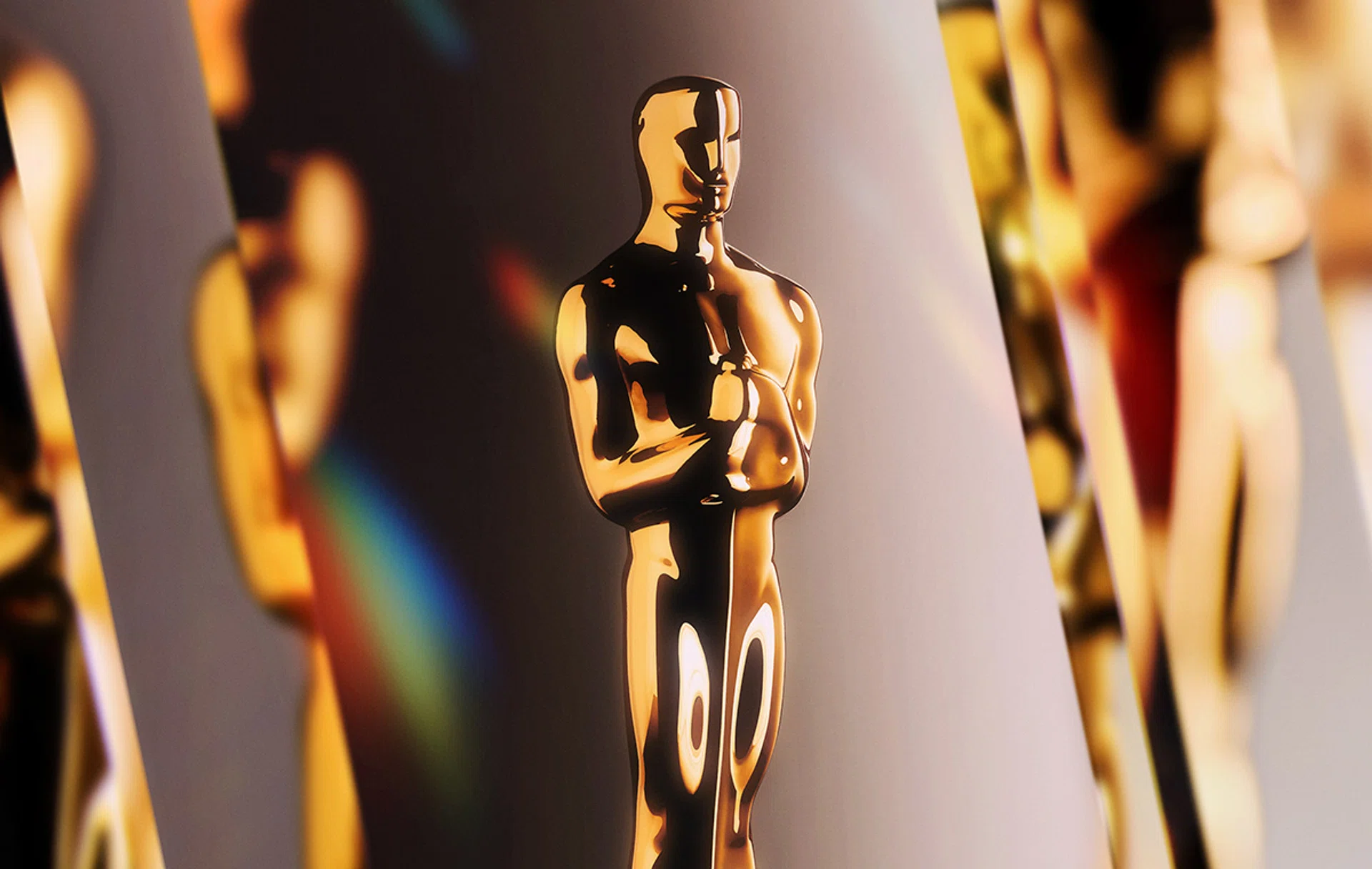
The Academy of Motion Picture Arts and Sciences, which runs the Oscars, has announced a four-year partnership with YouTube that will see the platform get exclusive global rights to the Oscars, from 2029 till 2033.
‘Global’ is important, as this means that the broadcasts of the award show during this period will be free and available for everyone on YouTube, without any regional restrictions.
This includes broadcast of the ceremony itself, but also extends to red carpet and behind-the-scenes content, as well as coverage of the Governors Ball, the post-Oscars celebration.
Although the Academy didn’t exactly state what YouTube offered compared to other broadcasters, the reason is likely due to the size of YouTube’s audience – over 2 billion people worldwide. This may serve to improve the award show’s viewership; while global numbers are hard to ascertain, the Oscars hasn’t broken 20 million live TV viewers in the US for the past five years.
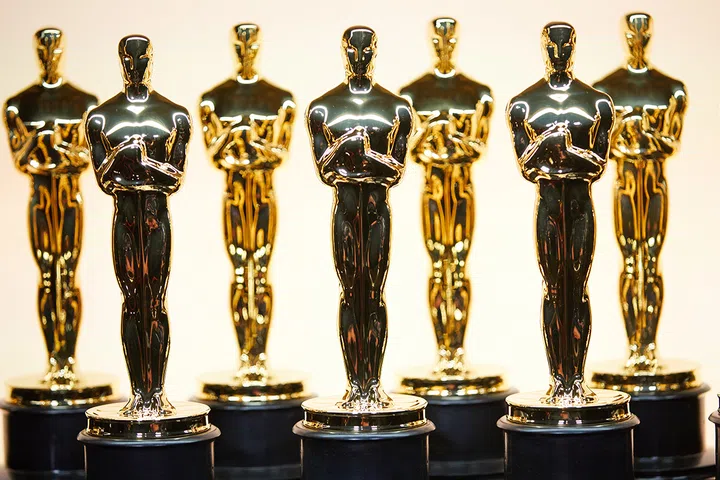
The Oscars drew 19.7 million live TV viewers in the US in 2025 – a five year high, but far from its viewership in previous decades.
Given the current reach that streaming platforms have, one can’t help but wonder if this announcement heralds a deeper shift within legacy media institutions.
That’s not to say streaming hasn’t been successful (even despite the price hikes), but the Oscars is a bit of a unique case because of its prestige, and the legitimacy it lends to the traditional platforms of cinema and television. For instance, in the US, the Academy Awards has been broadcasting on national network ABC since 1976; it’s a similar story here in Singapore, where Mediacorp’s Channel 5 has been airing the Oscars since 2020.
While the awards show has simultaneously broadcasted on streaming platforms before, particularly Disney+ and Hulu, a complete and exclusive move to YouTube is a bit more enthusiastic than one would expect from the nearly hundred-year-old Academy.
It’s certainly an acceptance of the legitimacy of streaming, and a milestone in its long and winding adoption process by the industry. It also comes just after Netflix’s recent acquisition of Warner Bros, which marks the fall of another giant of the traditional cinema-going experience to a digital media company.
However, we should keep in mind that this deal is only four years long. Perhaps the Academy and YouTube could decide to extend it if viewership improves, though only time will tell if that happens. In any case, the Oscars will be more accessible than it’s ever been starting from 2029.