

Local tech companies that have made it big in the gaming scene
HWZ SG60 Tech Special: Gaming
Note: This feature was first published on 17 October 2025.
HardwareZone celebrates Singapore’s 60th birthday with a series of articles showcasing local tech brands that have helped build our nation and put us on the world stage. Some of these brands have become household names, while others are lesser-known but no less innovative. You might even be surprised to learn about some popular technologies that got their start, originated from right here on our little Red Dot.
(This article is one of 7 parts in our SG60 Tech Special series. Additional note: We intended for this series to go live earlier as HardwareZone also turns a year older on the same date as Singapore, but our site revamp had to take priority.)
Over the decades, Singapore’s gaming industry has grown from humble beginnings into a thriving global powerhouse. From revolutionary gaming hardware to globally popular video games, these local companies have redefined what it means to play, create, and compete. In this feature, we spotlight the brands that have turned Singapore from a little red dot into a hub for gaming innovation, creativity, and excellence.
1. Creative Technology
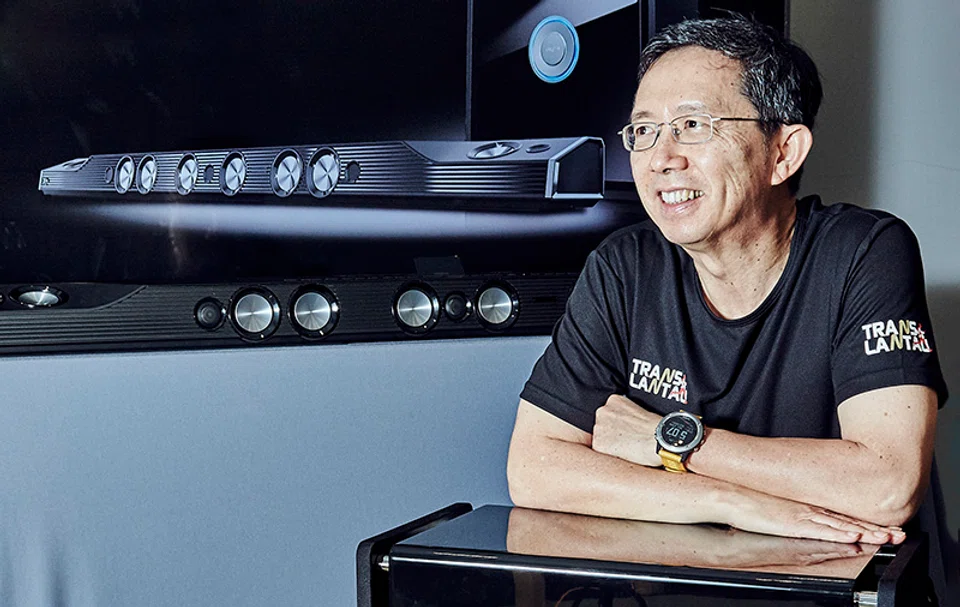
Co-founder Sim Wong Hoo
Founded in 1981 by local childhood friends - the late Sim Wong Hoo and Ng Kai Wa - Creative Technology is a pioneer in Singapore’s tech scene and became globally renowned for its Sound Blaster audio cards, which revolutionised PC audio in the 1990s.
However, Creative’s journey didn’t begin with audio cards. In fact, it started as a computer repair shop. And in 1984, the company released the “Talking Computer” Cubic 99, featuring a vocal synthesizer. This was followed by the Cubic CT, a PC with multimedia features and Chinese language capabilities. Unfortunately, both products were not commercially successful.
From 1987 to 1989, Creative shifted its focus to sound technology. In 1989, it struck gold with the Sound Blaster audio card, which enabled PCs to play high-quality sound. For PC gamers back then, a Sound Blaster card was an essential gaming rig component. At its peak, Creative sold 10,000 Sound Blaster units per month. In 1992, it became the first Singaporean company to be listed on the US Nasdaq stock exchange.
In the early 2000s, Creative launched its ZEN MP3 players, a direct competitor to Apple’s iPod. Notably, it famously won a patent dispute over the MP3 player’s user interface in 2006, forcing Apple to pay Creative US$100 million.
Today, Creative continues to innovate with its award-winning Super X-Fi holographic audio technology, launched in 2018. The technology powers Creative’s gaming headsets and other products, cementing its legacy as a key player in audio innovation. Although co-founder Sim Wong Hoo passed away in 2023, his legacy continues to inspire.
Key Events:
- 1989: Sound Blaster audio card becomes a global hit
- 1992: First Singaporean company listed on the US Nasdaq
- 2006: Wins a US$100 million patent dispute against Apple
- 2016: Pivots to offer ultra high-end audio with Sonic Carrier
- 2018: Launches Super X-Fi holographic audio technology
- 2023: Co-founder Sim Wong Hoo passes away
Notable Community Discussions:
- Creative Technology turns 40 this year! Share your favourite products and memories!
- Share your first Creative productive you’ve bought and your experience
- From Sound Blaster glory to SXFI disappointment - What happened?
2. Razer
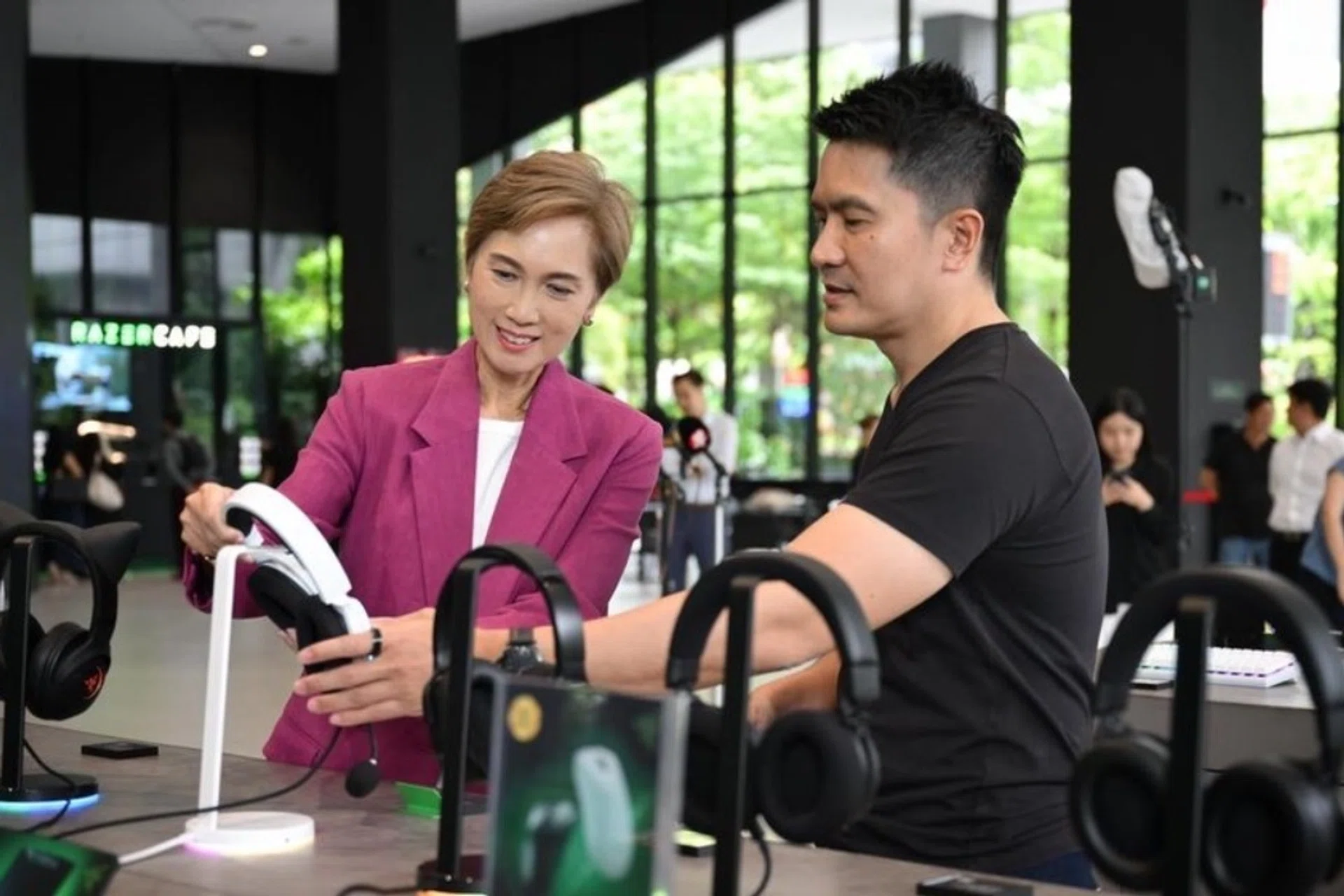
Minister for Digital Development and Information Josephine Teo and Razer chief executive Tan Min-Liang at the opening of Razer’s AI Centre of Excellence.
Razer is synonymous with gaming, thanks to its iconic “For Gamers. By Gamers.” slogan. Co-founded by Singaporean Tan Min-Liang and American Robert Krakoff in 2005, Razer evolved from a small startup into a global gaming giant.
Razer began life in San Diego as a subsidiary of Karna LLC, producing the Boomslang gaming mouse, the world’s first high-performance gaming mouse. After Karna’s bankruptcy, Razer’s co-founders acquired the brand, rebranding it into the company we know today.
In 2006, Razer launched the DeathAdder gaming mouse, which became a bestseller and a gaming industry icon. This success was followed by other groundbreaking products, such as the BlackWidow mechanical gaming keyboard in 2010, and the Razer Blade laptop in 2011, which redefined gaming laptops with its sleek, thin design.
Razer’s growth continued with its listing on the Hong Kong Stock Exchange in 2017 and its bold foray into smartphones with the Razer Phone. Although the phone was discontinued in 2019, Razer’s revenue exceeded US$1 billion in 2020, cementing its place as a leader in gaming hardware.
Now headquartered in Singapore (walk through the new HQ with us) and Irvine, California, Razer has expanded into fintech and artificial intelligence. In August 2025, Razer launched an AI Centre of Excellence in Singapore, aiming to hire 150 local AI specialists.
Key Events:
- 2006: Launch of the DeathAdder gaming mouse (our reviews of V2, V3 and V4)
- 2017: Listed on the Hong Kong Stock Exchange (delisted and privatised in 2022)
- 2020: Revenue exceeds US$1 billion
- 2021: Opens its new SEA HQ and Singapore’s first RazerStore
- 2025: Opens AI Centre of Excellence in Singapore
3. Garena
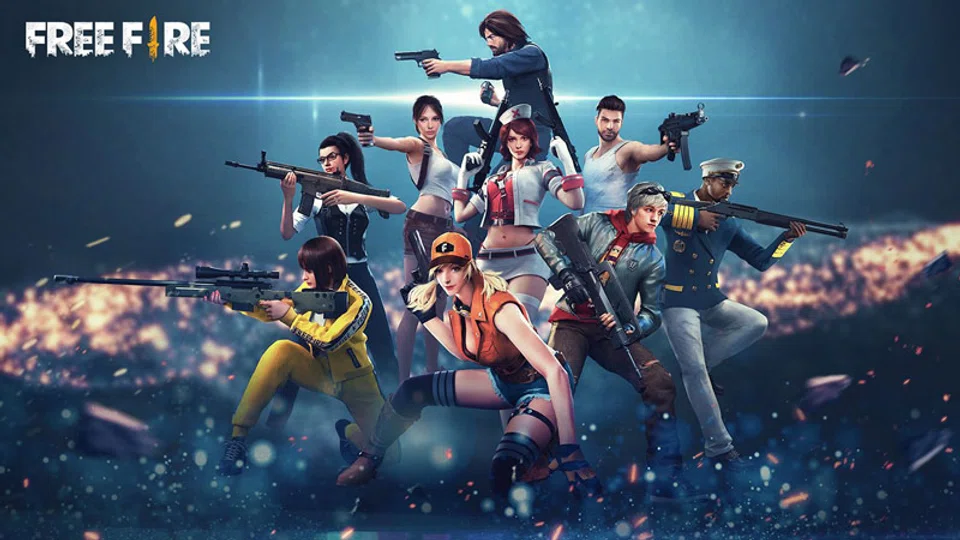
Founded in 2009 by entrepreneur Forrest Li, Garena is best known for developing Free Fire, one of the world’s most popular mobile battle royale games. With a massive player base of over 100 million active users, Garena has solidified its position as a global giant in the gaming industry from our little red dot.
The company initially began life as a game distributor across Southeast Asia and Taiwan, bringing popular multiplayer online battle arena (MOBA) games like League of Legends, Heroes of Newerth, and Arena of Valor to the region. It also distributed other games, such as first-person shooter Point Blank and the football simulation game EA Sports FC Online. (Don’t forget to check out our office culture story for Garena.)
The year 2017 proved to be a pivotal year. Garena released its first self-developed mobile game, which was Free Fire. It will go on to be the most downloaded mobile game in the world for three consecutive years from 2019 to 2021. In fact, Free Fire generated US$3.2 billion in revenue 2020 alone.
The same year (2017), Garena underwent a corporate rebranding with Sea being the parent company for its diverse businesses, including e-commerce (Shopee) and fintech (Monee). The Garena name is retained for its significant branding and presence in the gaming industry. Last year, Free Fire reached 100 million peak daily active users and was included in the inaugural Esports World Cup.
Key Events:
- 2010: Acquires publishing rights for the popular multiplayer online battle arena (MOBA) game League of Legends in Southeast Asia and Taiwan.
- 2017: Releases Free Fire, its first own mobile game.
- 2019-2021: Free Fire was the most downloaded mobile game globally.
- 2024: Free Fire reached 100 million peak daily active users.
4. Secretlab
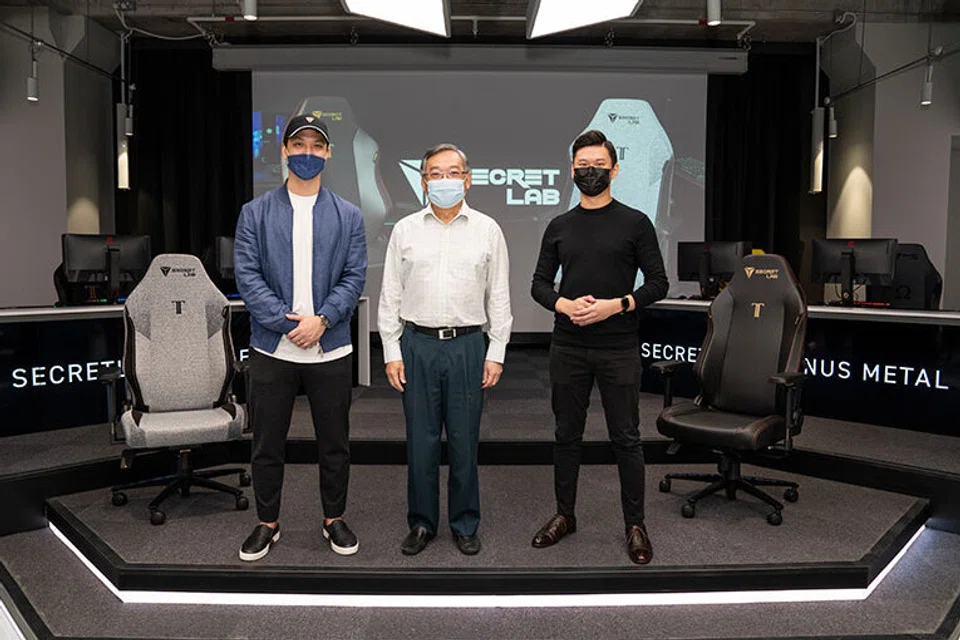
Founders Ian Ang and Alaric Choo flanking minister Gan Kim Yong who graced the company’s new HQ openning.
Drawing from their shared expertise as former esports professionals, Ian Ang and Alaric Choo founded Secretlab in 2014 to create the perfect gaming chair after being dissatisfied with existing options in the market.
Their goal was to create the best gaming chair in the market, combining excellent ergonomics with premium materials, at affordable prices. It does so by selling its products directly to consumers, without a retail middleman.
In March 2015, Secretlab launched its first product, Throne V1. Later that year, it followed up with Throne V2 and Omega. In 2019, Secretlab became the official gaming chair for major esports tournaments, such as DOTA 2’s The International, giving it unprecedented exposure.
By 2020, Secretlab had sold over one million chairs and co-founder Ian Ang was named EY Singapore’s Entrepreneur of the Year. In 2021, the company expanded its product line to include gaming desks and accompanying accessories, such as monitor arms. This was also the same year Secretlab launched their Titan Evo series of chairs that leapfrogged expectations from all other ergonomic (and gaming) chairs in the industry. It has since remained their mainstay of offerings and has expanded its capability through add-ons and skins.
It has also partnered with beloved franchises, from Game of Thrones to Gundam, from F1 teams to Lamborghini, cementing its status as the go-to brand for gaming chairs. Today, Secretlab is known for its ergonomic designs, durable materials, and aesthetic appeal, with its products sold in over 60 countries. It continues to invest heavily in research and development, subjecting its chairs to rigorous testing.
Bonus info: Did you know Secretlab also offers mesh ergonomic chairs? Launched under the NeueChair brand, it was a standalone offering, but has since been consolidated within the Secretlab online store for ease of purchase fulfilment. For those curious, our review is here.
Key Events:
- 2015: Launches Throne V1, Throne V2 and Omega gaming chairs.
- 2017: Receives top honours at 2017 Emerging Enterprise Awards.
- 2019: Temasek Holdings acquires minority stake in the company, valuing it at S$200-$300 million.
- 2020: Sold its one-millionth chair. Co-founder Ian Ang named Singapore’s “Entrepreneur Of The Year” by EY.
- 2021: Opened its global HQ and R&D center in Singapore (located next to SPH, here’s a quick look inside)
- 2021: Launches Magnus, a magnetic metal desk (and our review).
- 2021: Launched their most important chair series: Titan Evo.
5. Aftershock PC
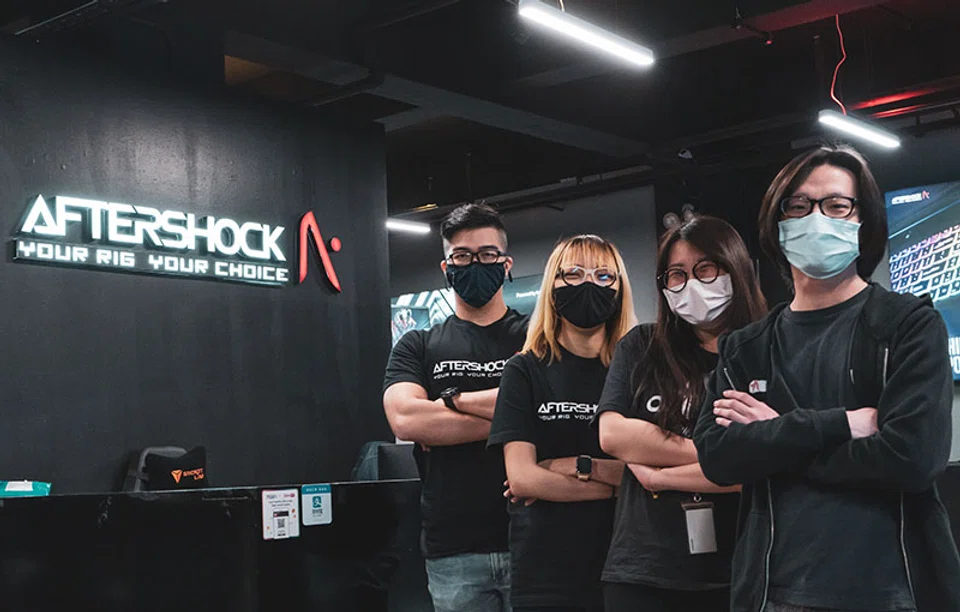
Aftershock PC is a name every local PC gamer will know. Founded in 2012 by Marcus Wee and joined by his twin brother Joe Wee a year later, Aftershock is a boutique personal computer (PC) builder that caters to gamers, creatives, and professionals. It also keeps its prices affordable by selling its products directly to consumers, cutting the retail middleman and passing the savings to its customers.
What sets Aftershock apart is its dedication to customisation. Customers can design their dream PC rig, from the components to the aesthetics. Its attention to detail and excellent customer service have made it a favourite among tech enthusiasts. One of the memorable custom PCs built was the Aftershock Bubble Tea PC, which its maker claimed to be the world’s first bubble tea themed PC. Find out more about how they keep their edge in this story and how they bagged their first Tech Awards Readers’ Choice win in 2021.
The company also offers customisable gaming laptops, offering high-performance machines for gaming, video editing, and other demanding applications. Aftershock also founded PRISM+ and Omnidesk famed for gaming displays and gaming desks respectively, before PRISM+ became an independent company.
In 2022, Aftershock opened its first brick-and-mortar retail outlet in Suntec City, breaking its online-only retail. The outlet also showcases Omnidesk products. Aftershock has also expanded into the Malaysia and Australia markets since 2014, but remains a staple of many Singaporean PC gamers.
Key Events:
- 2014: Enters the Malaysian market.
- 2018: Enters the Australian market, opening its first showroom in Melbourne.
- Feb 2022: Unveiled Aftershock Endgame experience centre in Singapore and new MASH custom keyboard brand with Tempest.
- Dec 2022: Opens its first retail outlet and flagship Singapore showroom in Suntec City. Ultra-Labs bespoke customisation service introduced to the Singapore market.
6. The Gentlebros
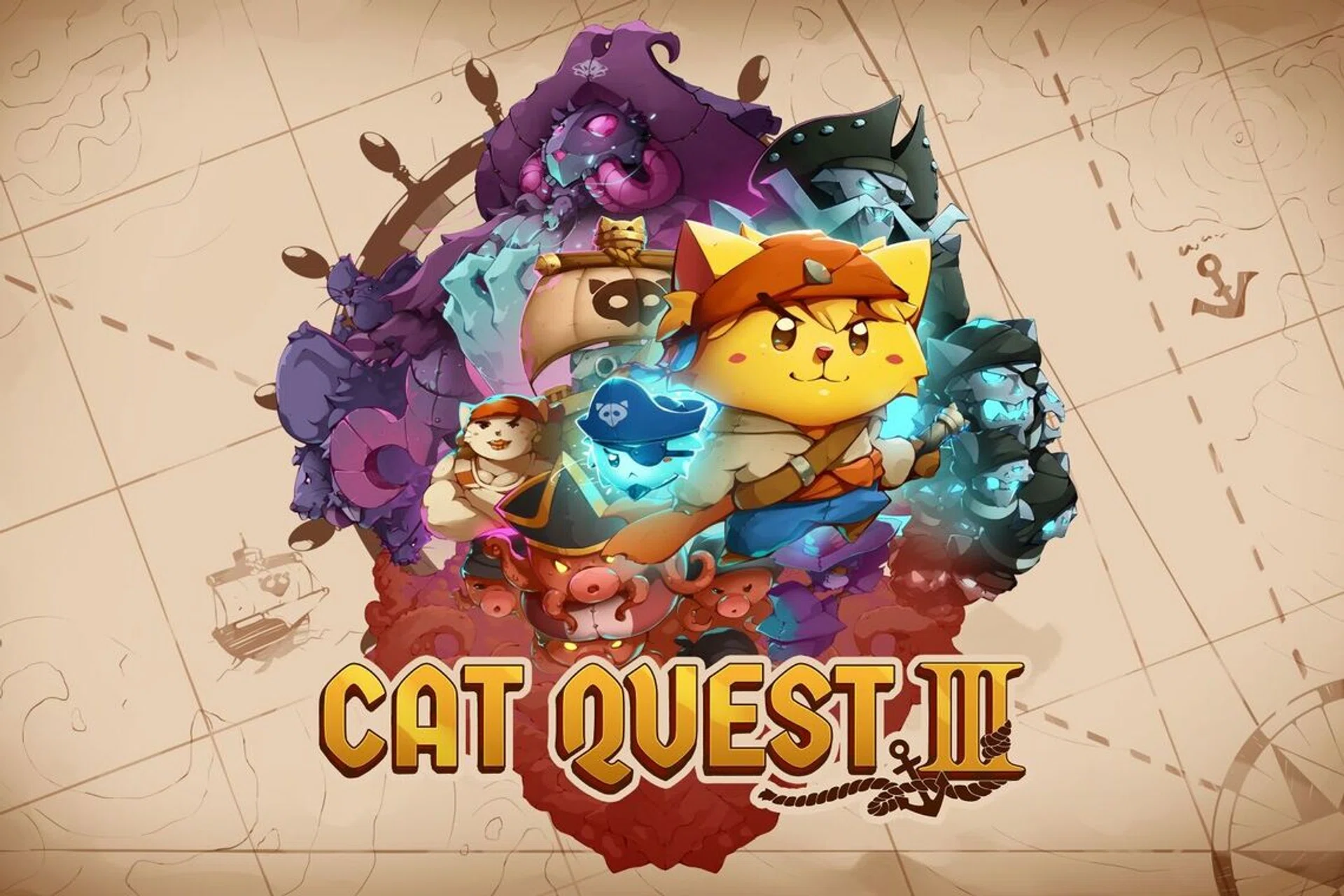
Gentlebros are most known for their Cat Quest series.
Anyone who loves role-playing games (RPGs) and cats will adore the Cat Quest series by local indie studio The Gentlebros, founded in 2015 by former Koei Tecmo colleagues Desmond Wong, Leon Ho and Nursyazana Zainal.
The company first released Slashy Hero, a free-to-play mobile game, that same year. While the game is not a massive hit, it is an indication of what is to come.
Its next game, Cat Quest, an action RPG set in a whimsical, feline-filled world, hit the jackpot. Available on all major platforms, including macOS, Android, Windows, and various consoles, the game’s charming graphics, humorous dialogue, and polished gameplay have won it numerous awards and a dedicated fanbase.
The Gentlebros has since released two sequels, with Cat Quest II being an Apple Arcade early exclusive when it first launched in 2020, while Cat Quest III was launched in 2024. The Gentlebros revealed that it had made over S$5 million in three years from the Cat Quest games.
Not bad for a team that initially consisted of just three to four people, which has since grown to eight. The Gentlebros exemplifies how passion, creativity, and a small team from Singapore with big ideas can make a global impact in the gaming industry.
Key Events:
- 2015: Releases Slashy Hero, a free-to-play mobile game.
- 2017: Cat Quest is launched to critical acclaim.
- 2019: Cat Quest II is launched as Apple Arcade exclusive.
- 2020: Made over S$5 million from the Cat Quest games.
- 2022: Finally expands its team from a core of three to eight.
- 2024: Cat Quest III is launched.