
Death Stranding 2 is everything I expected, and a little less than I hoped
Returning to Sam’s world feels familiar in all the right places ways – but the sequel’s cleaner, faster approach often undercuts the quiet tension and sense of solitude that gave the original its edge.
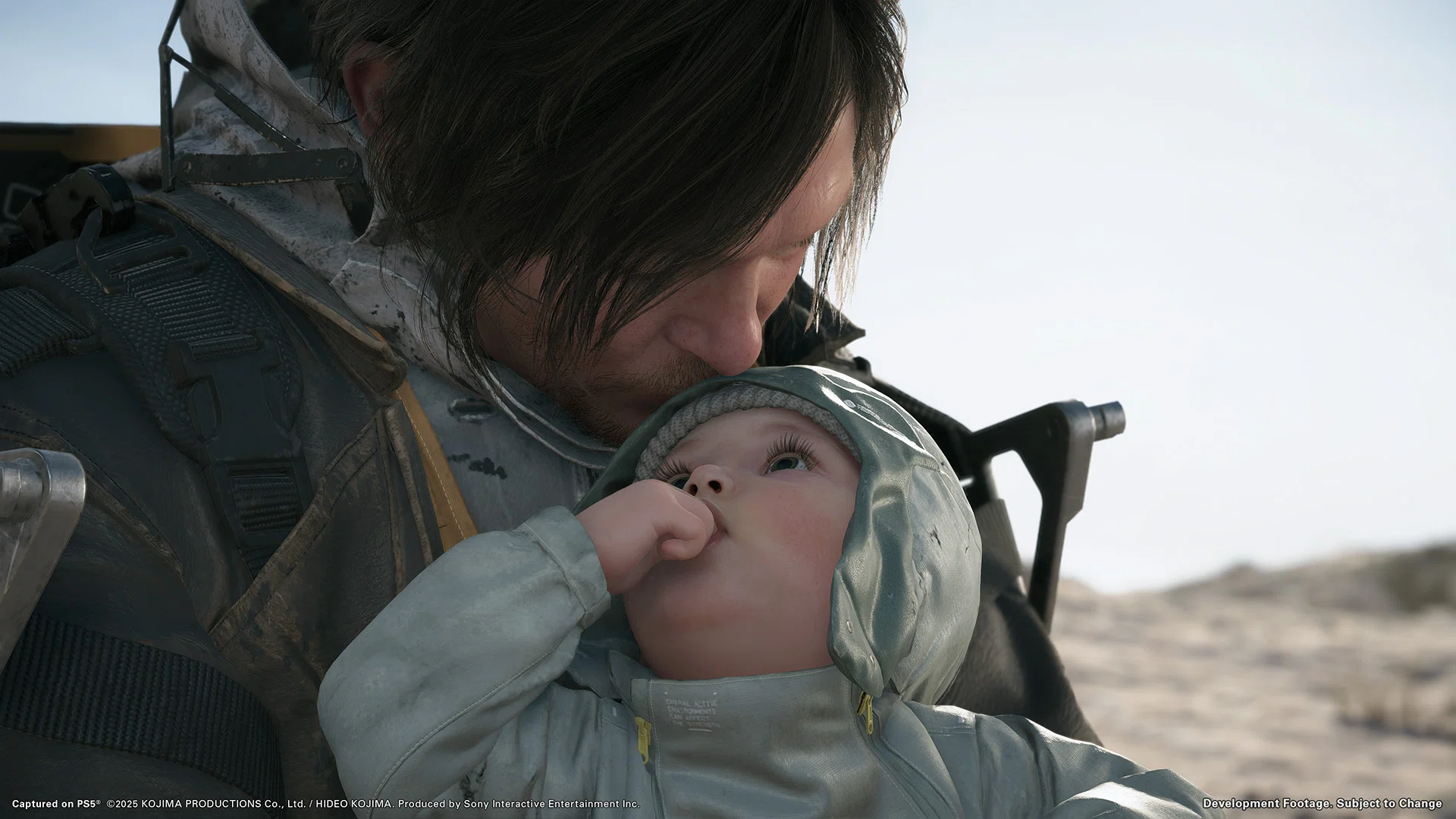
I didn’t think I’d be playing another Death Stranding. The first one from legendary Hideo Kojima, following his departure from Konami, felt like a one-off – a game that’s both weird and oddly beautiful but stuck with me more because of its strange atmosphere than its gameplay. When it was released, Death Stranding was divisive for a reason. You either like it or you didn’t. I did like it, well, eventually. I remember the moment it clicked: I was halfway up a mountain in the snow, backpack overloaded, leaning into the slope as music kicked in, and it just hit me – oh, this is what Kojima was going for.
So when I started the direct sequel Death Stranding 2: On the Beach, I went in with cautious curiosity. I didn’t expect it to reinvent the wheel, but I also didn’t expect it to feel so familiar so quickly. Within a few hours of starting the game, I was doing the usual – such as plotting routes, balancing my load and simply trying not to fall over. But something was different this time, and not necessarily in a good way. I wasn’t struggling. Not really. The terrain didn’t act like it hated me. I had all the fancy gear, vehicles, and high-tech toys from the get-go. It was slicker, faster, and definitely more forgiving than the original. But it also felt like Kojima went in a bit too “safe” here.
I kept thinking back to how the first game made you earn every step. A misjudged route could ruin a half-hour trek. There was always risk. Always tension. Here, I had trucks that could scale hills, tools that marked hazards for me, and exoskeletons that basically turned Sam into a human Segway. Sure, I still tripped up and rolled down once in a while – usually down to complacency – but the stakes rarely felt high. Traversal used to be a core mechanic. Now it’s more of a light obstacle course.
That said, not everything in Death Stranding 2 is easier. The weather’s much more aggressive now. Sandstorms (which look fabulous on-screen by the way) shove you around, avalanches wipe out your path, and tremors from earthquakes (yes) can knock you down if you’re not bracing yourself. There’s still danger but just in bursts. And when you’re driving a fully upgraded truck with a cargo magnet and a turret, it’s hard to feel threatened by any of these.
Story-wise, the game picks 11 months after the events of Death Stranding. Sam has been living off the grid with Lou, who’s no longer a baby in a pod but a little toddler. It’s a quiet life until, of course, someone shows up asking him to go reconnect the world – again. Only this time, it’s not America but Mexico and Australia, albeit through a Kojima lens where geography bends and reality blurs.
You travel with a ship called the Magellan, which doubles as your mobile HQ too. It’s here that the game introduces a whole new crew – Rainy, Tomorrow, and a talking doll named Dollman who’s strapped to your waist very much like Mimir in God of War Ragnarok. And like Mimir, he never really shuts up. All of which is saying something because everyone else mostly talks to you via social media-style posts now. The calls and constant chatter from the first game? They are gone. Replaced by something that feels a bit more disconnected, ironically enough.
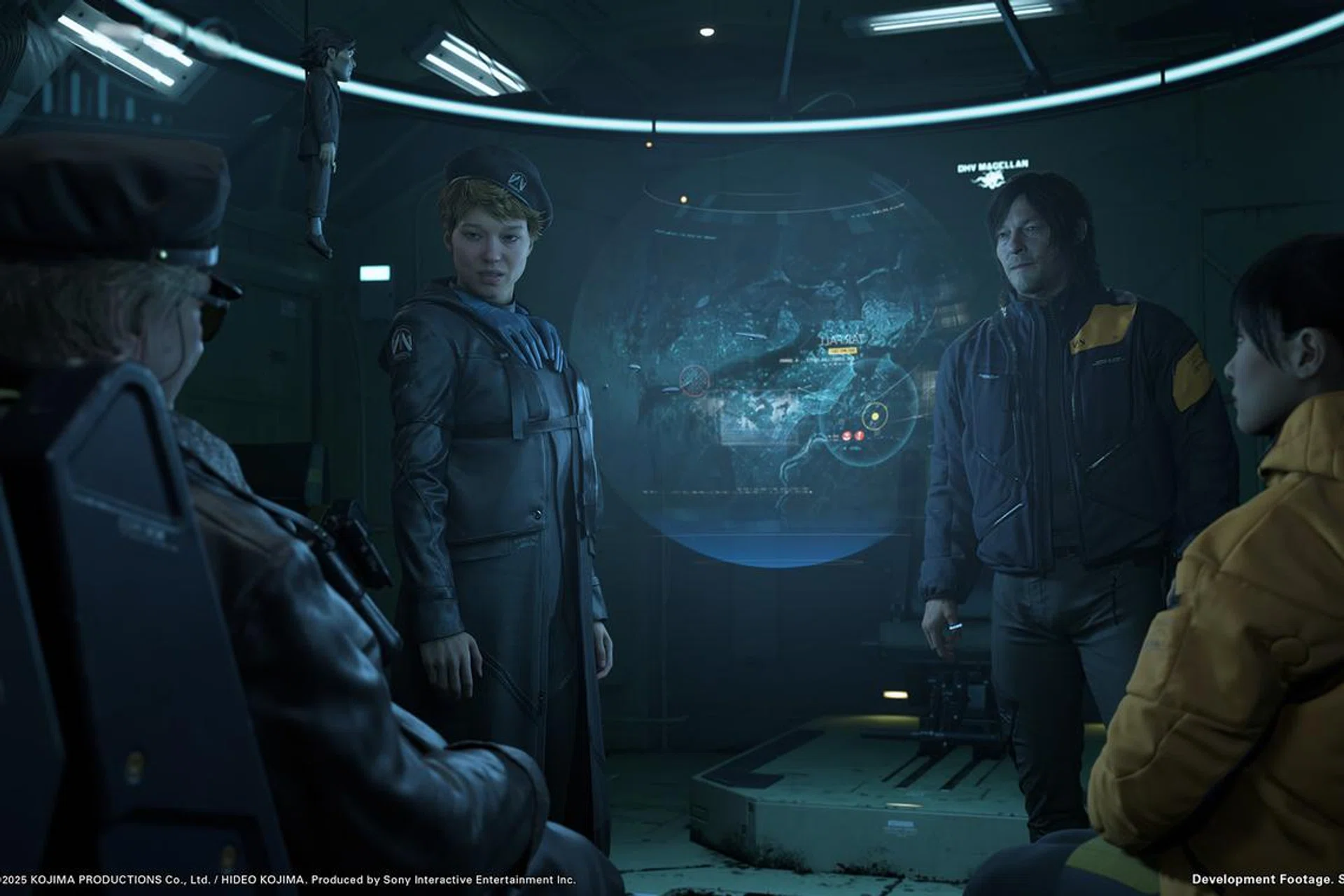
That’s kind of the running theme, actually. I kept waiting for that emotional tether to form with the new cast, but most of them felt like side characters in their own stories. They pop in with flashbacks or cutscenes, explain their tragic pasts, join your crew, and that’s it. No long chats while hiking. No weird tangents or philosophical debates on the meaning of life and death. There are exceptions though. For instance, fan-favourite Fragile gets more to do here, and there are a few well-directed moments that hit home. But such moments are the exception rather than the norm. I missed the awkwardness, the rawness of the first game. Even Heartman rambling about his 21-minute death cycles there felt more human than what I got from most of the new cast in Death Stranding 2.
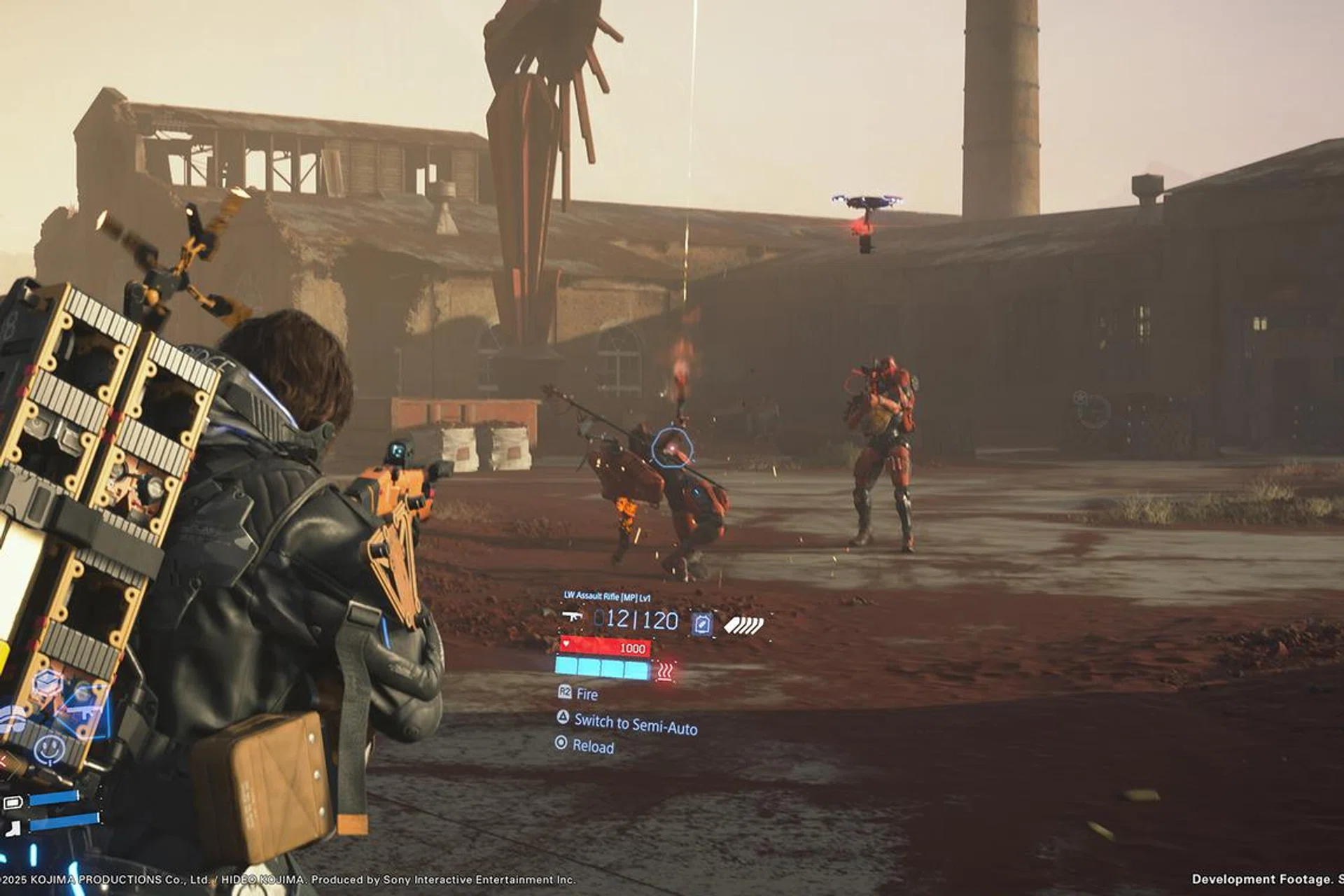
Then there’s the combat, which is much more action-heavy this time. You’ll spend more time fighting armed enemies, sneaking into outposts, and dealing with groups of skeleton soldiers who look like they stumbled out of a Metal Gear fever dream. And yes, stealth is still an option – you can sneak, hack terminals, or slip past patrols at night – but more often than not, the game seems to want you to pick up a gun. It keeps giving you bigger and better ones, and the Death Stranding 2’s story keeps justifying it.
One early cutscene really stuck with me. Sam reaches for a knife, then a bigger blade, then finally grabs a pistol from a drawer, only to ditch it for a frying pan when he sees Lou watching. It’s a clever and almost comical commentary on violence and parenting and maybe even American gun culture. But the message starts to blur when you spend the next few hours mowing down enemies with grenade launchers. The game seems to say one thing, then hands you a rocket launcher and shrugs. It’s hard not to notice the contradiction.
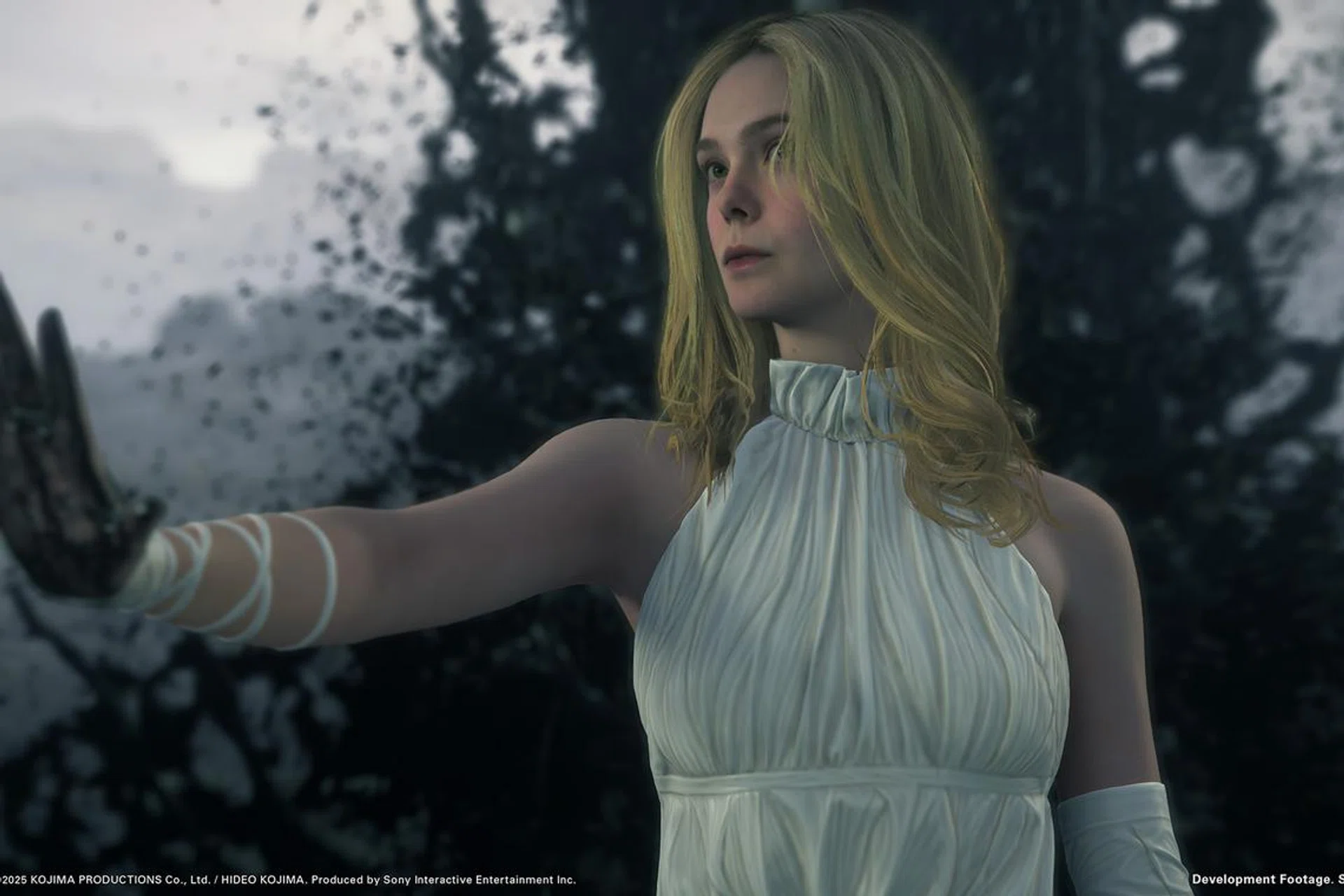
Still, the core loop of getting a delivery, planning your route, and setting out into the unknown is intact. And when it works, it really works. I still found moments of peace during long treks, especially when the music (which is wonderfully done by Woodkid) kicked in and I was left alone with the landscape. That’s something Death Stranding does better than most games. It lets you breathe. It lets you sit in silence and feel small. But then it pulls you out with something flashy – another boss fight, another cutscene referencing Kojima’s past game (you don’t have to guess which one), another overly familiar plot twist. There’s a lot of nostalgia here. Too much, maybe. It’s clear Kojima’s having fun referencing old material, but it also means the sequel never quite escapes the shadow of the first game or his earlier work. There were entire scenes that felt like they were made just to echo Metal Gear Solid. At some point, the homages start to feel distracting and dated even. And yes, there are still some very Kojima-ish quirks in Death Stranding 2, such as one unskippable photo mode where you take glamour shots of three women. There are quite a few others that I won’t spoil for MGS fans here.
So by the time the credits rolled, I’m unsure about Death Stranding 2. It’s a fine game, no doubt. Sometimes it’s even great – I guarantee your jaw drops at the game’s 15-min introduction. But it doesn’t feel as bold or as strange as its predecessor. It plays things safer, leans into action, and introduces just enough new systems – like skill trees – to give players something to tinker with. But none of it truly shakes up the formula.
That said, I still liked it. I liked the atmosphere, the music, the oddball moments when the game just lets you exist. But I couldn’t shake the feeling that the Death Stranding 2: On the Beach was trying to be more palatable, more digestible, more “normal”. And in doing that, whether by design or coincidence, it lost a bit of the spark that made the first game so unique.