
Death Stranding (PS4) Review: Kojima’s magnum opus is not for everyone
It’s crazy that Death Stranding exists at all.

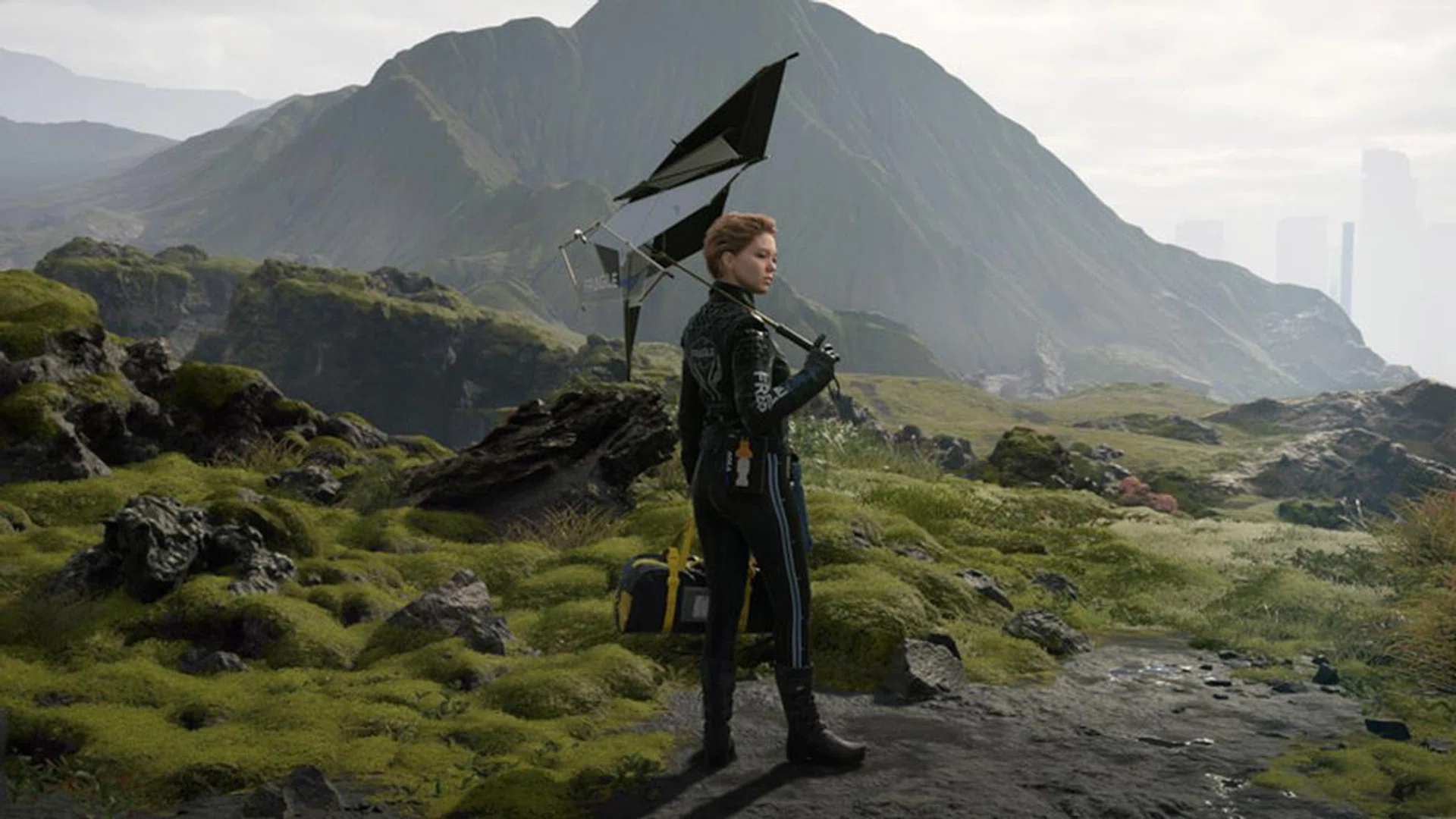
From its first reveal in E3 2016, Hideo Kojima has kept us guessing about the true nature of Death Stranding – his first AAA title after leaving his Konami and Metal Gear Solid days behind. For the next three and a half years, fans were treated to brain-twisting, jaw-dropping trailers of beached whales, babies in orange bottles, ethereal figures, and Mads Mikkelsen’s eyes oozing black goo, with nary an insight to what the game is about nor what you as Norman Reedus’ character Sam Bridges can do.
Well, thanks to an early review copy I can say with certainty that Death Stranding is at its heart, even its story, a fairly straight-forward game. Or at least as straightforward as anything you’d expect from Kojima. The problem here, however, is that as soon as you hear what Death Stranding is about, it begins to sound less interesting than you’d thought. Mostly because the majority of the time spent in the game is of you trekking relentlessly across the America continent to perform delivery jobs.
That’s right, Death Stranding is kind of a walking simulator with fetch quests.
But don’t let that fool you. Death Stranding is still an entertaining ‘Hideo Kojima game’. If you’re familiar with his past projects, expect the game to be filled with intrigues, plot twists, stealth mechanics and…plenty of long cut-scenes.
So, what is Death Stranding?
‘Death Stranding’ is a phenomenon that took place before the game’s timeline, when it caused the world of the living to become intertwined with the land of the dead. It’s never explicitly mentioned how the event happened, but Death Stranding effectively fractured the United States and the world; wiping out cities and almost all life. To make matters worse, when it rains, water known as ‘timefall’ rapidly ages anything it touches, and spirits of the dead known as beached things or BTs stalk the land and actively hunt the living.
BTs are undetectable to most people and will attempt to drag anyone they encounter into the limbo they inhabit, causing a voidout with the power of a nuclear bomb, and leaving behind a huge crater. So what was once the United States have been reduced to a series of strongholds and survivor’s camps, and most of the actual functions of the US government are outsourced to Bridges – one of a few remaining companies that serves as combination mail service, telecom utility, and manufacturer for the now beleaguered United Cities of America.
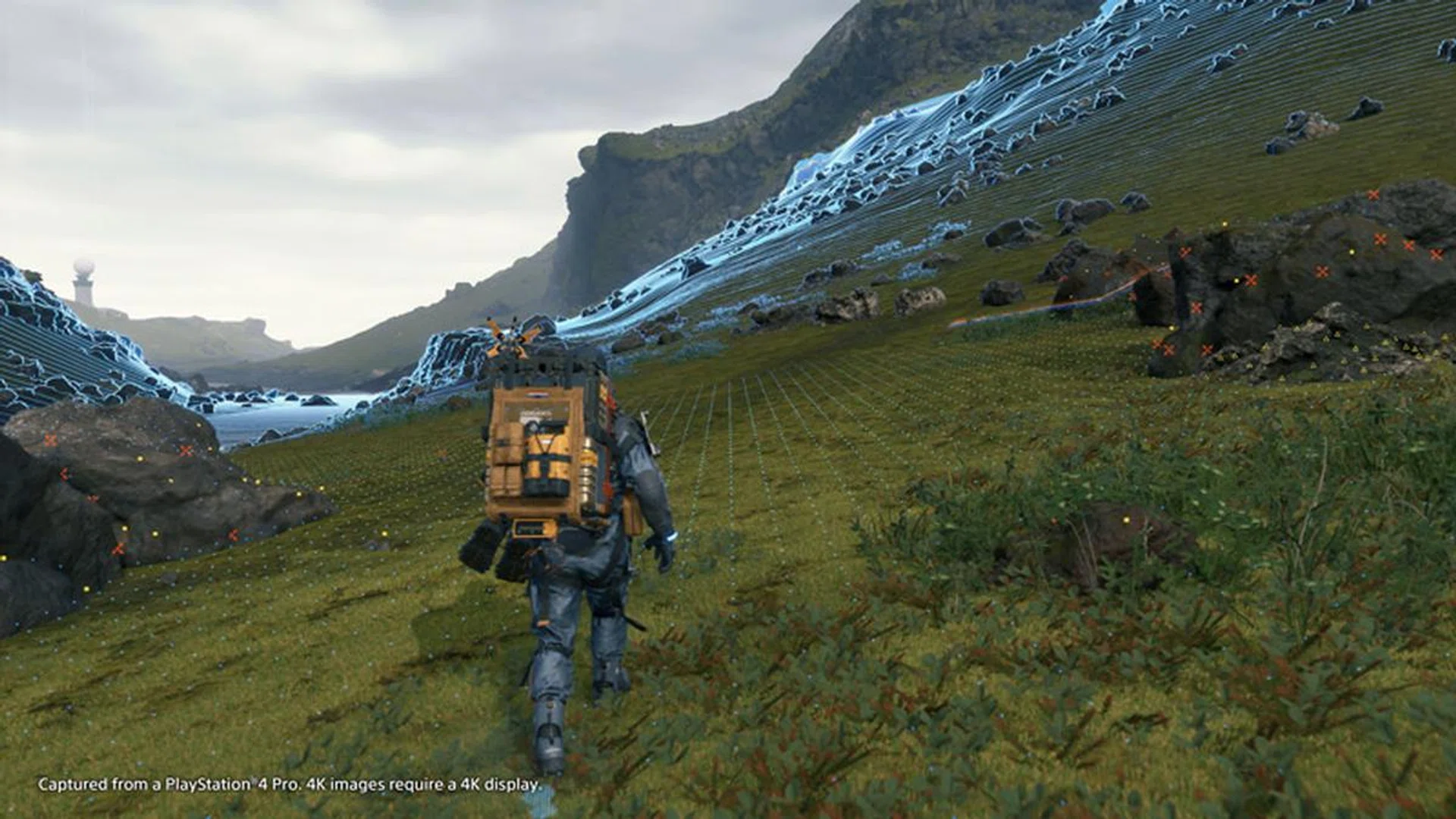
So, it falls to a handful of porters like Sam Bridges to travel between these settlements and maintain a semblance of connection and identity between them. In practice, this means a lot of long journeys on foot or on wheels, with heavy cargo in tow.
Initially, Death Stranding’s barren world makes you feel the weight of every footstep, until the dizzy liberation of unlocking your first bike and whizzing along miles of broken ground in a heartbeat. Later on, you’ll find vans which stop your parcels degrading in the rain and upgrades that make a mockery of the game’s early simplicity.
The much-touted “strand” system is a form of collaborative online play, where you can share items with other players, leave pre-set warning signs, and contribute resources to construction projects. You never see your fellow porters, but their items and cargo litter your world. Building your first bridge sparks mild euphoria at never having to tiptoe across a wild river again. Later in the game, players can pool materials to form motorways, and reward players’ philanthropy with likes.
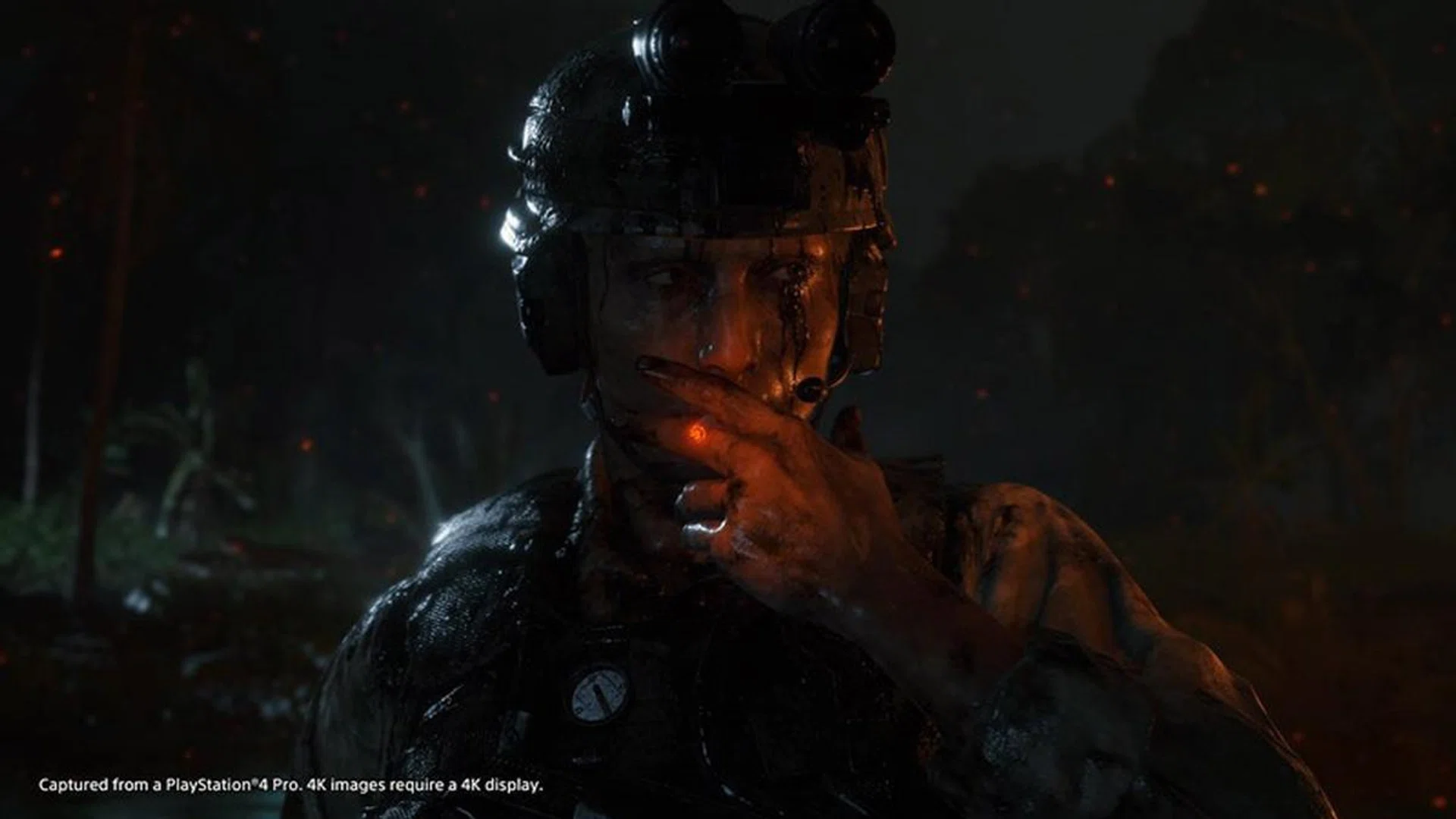
In terms of gameplay, Death Stranding features very little traditional action and only a modicum of stealth. At first you can only avoid BTs, after you’re given a BB (Bridge Baby). Your particular BB has a major impact on the game’s story, but its gameplay purpose is to make BTs partially visible. There’s only one type of BT, plus boss type creatures if you get caught by them, but as you’d expect from the Hideo Kojima, the stealth action is impressively tense even if it feels clunky at times.
Combat is surprisingly mundane and of the non-violent kind – you can’t kill your enemies without causing a voidout so the human enemies that you encountered are usually just knocked unconscious. Rather than stealth or combat the main gameplay focus is simply delivering parcels. Each new outpost you visit will want something collected or delivered and once you’ve done that, they’ll agree to join the Chiral Network and you can move on.
Making your delivery might involve a run-in with BTs or MULES (deranged porters who want nothing more than to steal your cargo and hoard it for themselves) but not necessarily, and so the only consistent obstacle to your progress becomes the terrain itself. The other gameplay challenge is that as a porter, Sam is essentially a pack horse, attaching huge boxes to every part of his body until he is absurdly overburdened. You can still move around easily though; you just have to lean into it and correct your balance using the trigger buttons. As a result, balancing your load so you’re not top heavy becomes vitally importantly, although thankfully there is an auto arrange button to help.
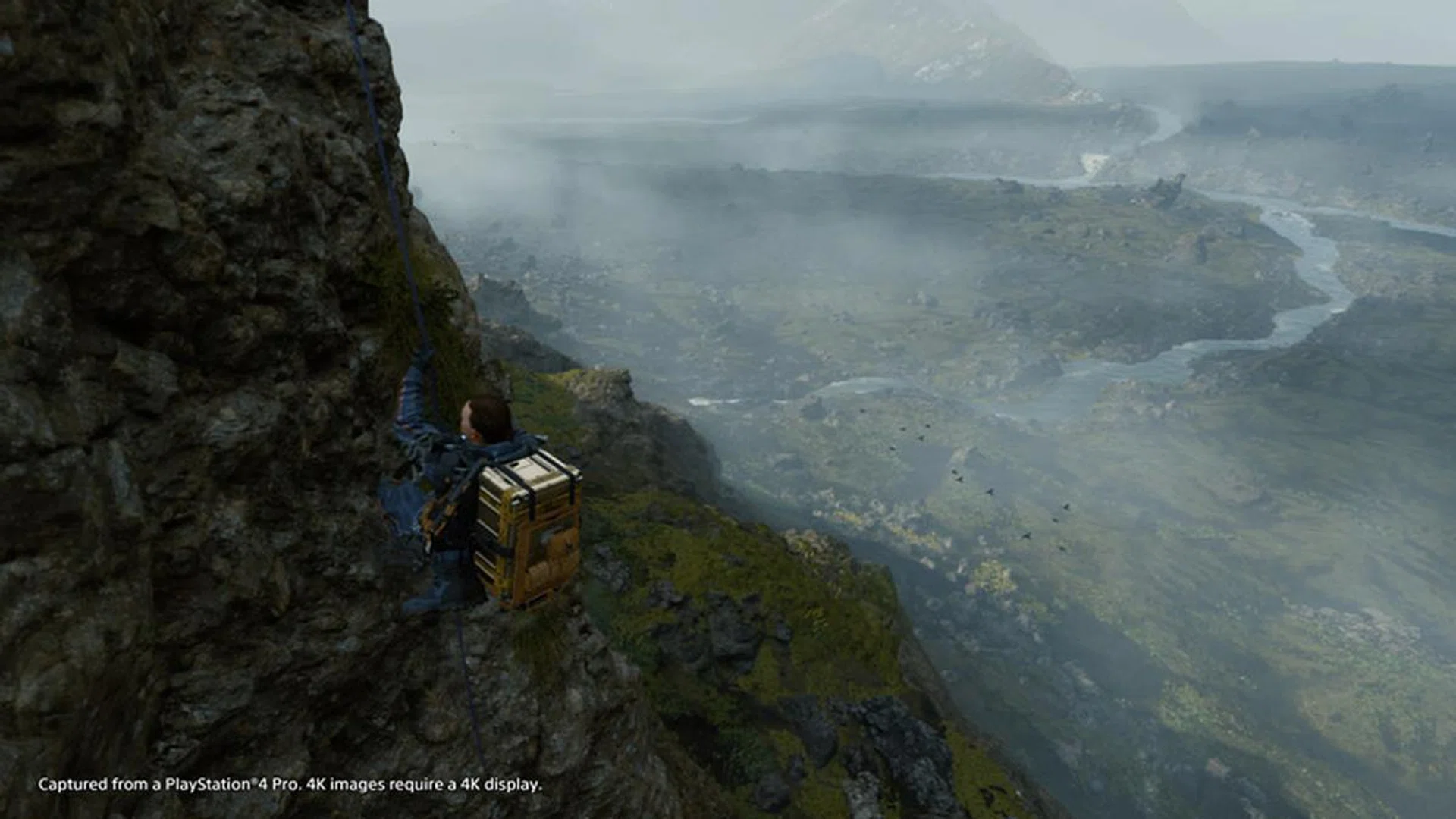
Strangely, the geography of Death Stranding, which is covered in glacial boulders and basalt columns, looks nothing like the real US that you’ve known or seen – in fact some of my peers thought the game was set in another planet. Despite it, Death Stranding features some of the most stunning vistas seen in this generation of consoles and often I find myself pausing at the summit of a climb, or rocky flats to marvel at the landscape’s alien-looking beauty.
The motion-captured performances from the game’s A-list voice cast are exceptional, even though I thought it was Troy Baker's Higgs and Tommie Earl Jenkins's Die Hardman who delivered the best performances in the game. Norman Reedus is deliberately understated or mute throughout, but most side missions see him bizarrely silent.
Cutscenes in the game are also incredibly powerful, emotional, and worthy of being showcased on the big screen of a movie theatre – even if a lot of the writing is shaky. That’s the thing with Kojima -- his works are such unbridled extensions of his imagination that they’re inherently imperfect and incompatible with modern conventions. Some parts of Death Stranding are brilliant, and others are infuriatingly mediocre. If you’re familiar with his past games, you can feel and read into Kojima’s use of not-so-subtle metaphors. But subtlety is not his strongest suit.
Often his style can be opaque and cumbersome – what other game features the avatars of filmmakers Nicolas Winding Refn and Guillermo Del Toro as supporting characters, or has a random cameo from Conan O’Brien, just because? In what universe would anyone even fund such a lavish and risky production? Yet, it’s hard to deny that the game delivers on all the hype that has surrounded it, which it turns out has been entirely appropriate and accurate.
Like some of the characters in the game, Hideo Kojima exists on another plane of existence – so it’s easy to forgive the indulgences because there is nobody else attempting this on the scale that Kojima is. It’s crazy that Death Stranding exists at all.
Our articles may contain affiliate links. If you buy through these links, we may earn a small commission.