
Sony Ericsson C905 - Celebrating in Eights
The invasion of the 8-megapixel camera phones have started just in time for the holiday season. Will the next contender in this imaging contest, the Sony Ericsson Cyber-shot C905, be the holiday crowd's choice to capture the celebration moods? Check out our thoughts on this imaging powerhouse from Sony Ericsson.

Making an 8pression
In this 8th year of the millennium, we often wonder if it's just a coincidence that most manufacturers are now introducing their 8-megapixel lineup. Yet once again, we are looking at another 8-megapixel device, the Sony Ericsson Cyber-shot C905. Announced during CommunicAsia 2008, this new introduction from Sony Ericsson will be joining the likes of both the Samsung INNOV8 and LG KC910 Renoir.
The truth in all these numbers will only be revealed with actual imagery being done and presented to the readers. Hence that's where we come in with another review of such 8-megapixel machinery. So take some time off (probably a few minutes) to learn more about this new offering from Sony Ericsson.
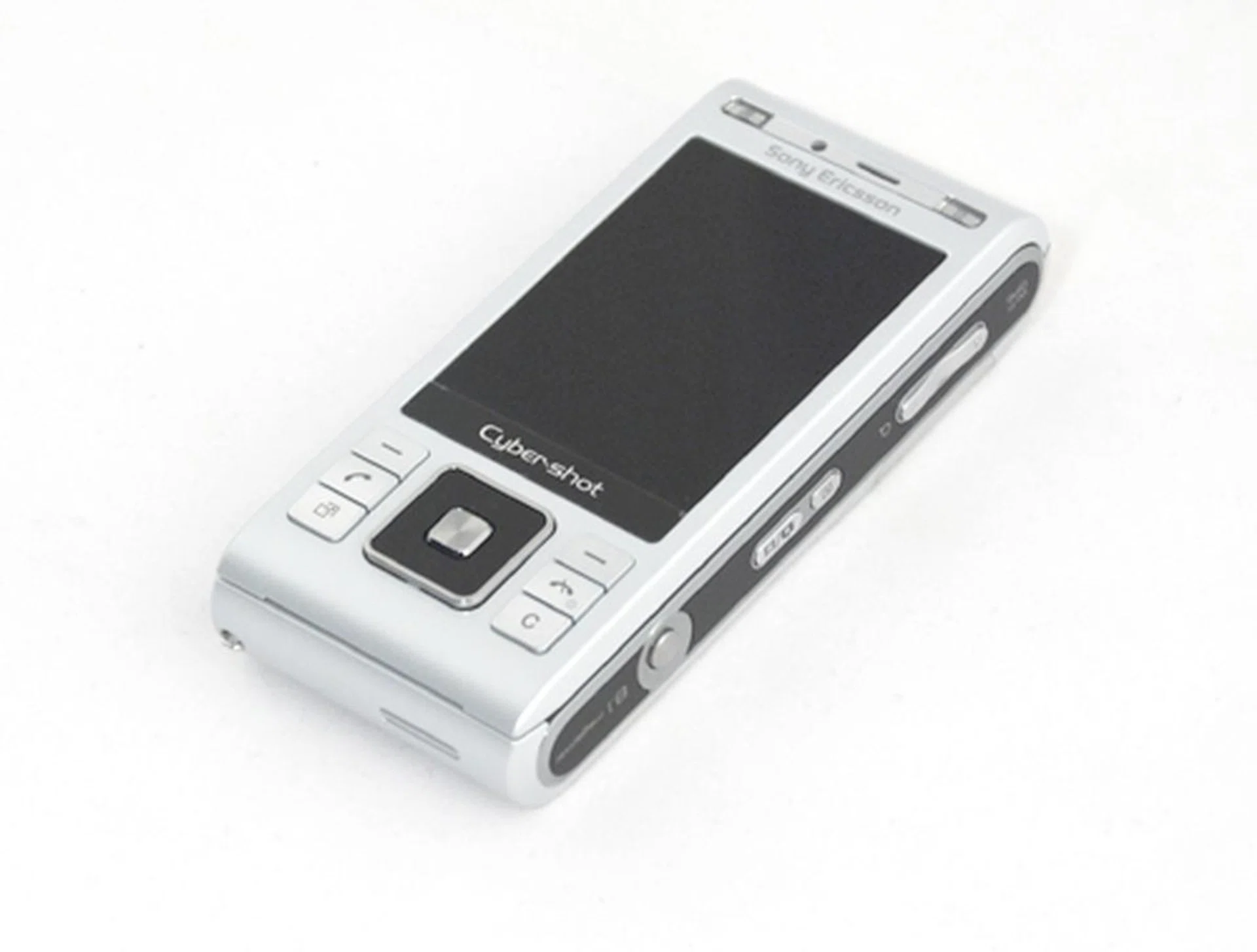
Sony Ericsson Cyber-shot C905
8 on the Slider
With one glance, most of us would have noticed that the C905 sports a much thicker profile than most of its predecessor in the K series. The recent Sony Ericsson C902 was subjected to a diet of sorts with a much thinner profile. All being said, we can't refute the C905's svelte form and swanky build. Up front, you'll notice numerous buttons on the C905's surface. The unit's five-way navigation pad has three shortcut buttons on each side. This might seem a tad too much, but we took a breather and considered a specific fact. The real estate below the 2.8-inch screen was well utilized because of the numerous buttons, filling in the gaps and giving the C905 a more solid look to its design.
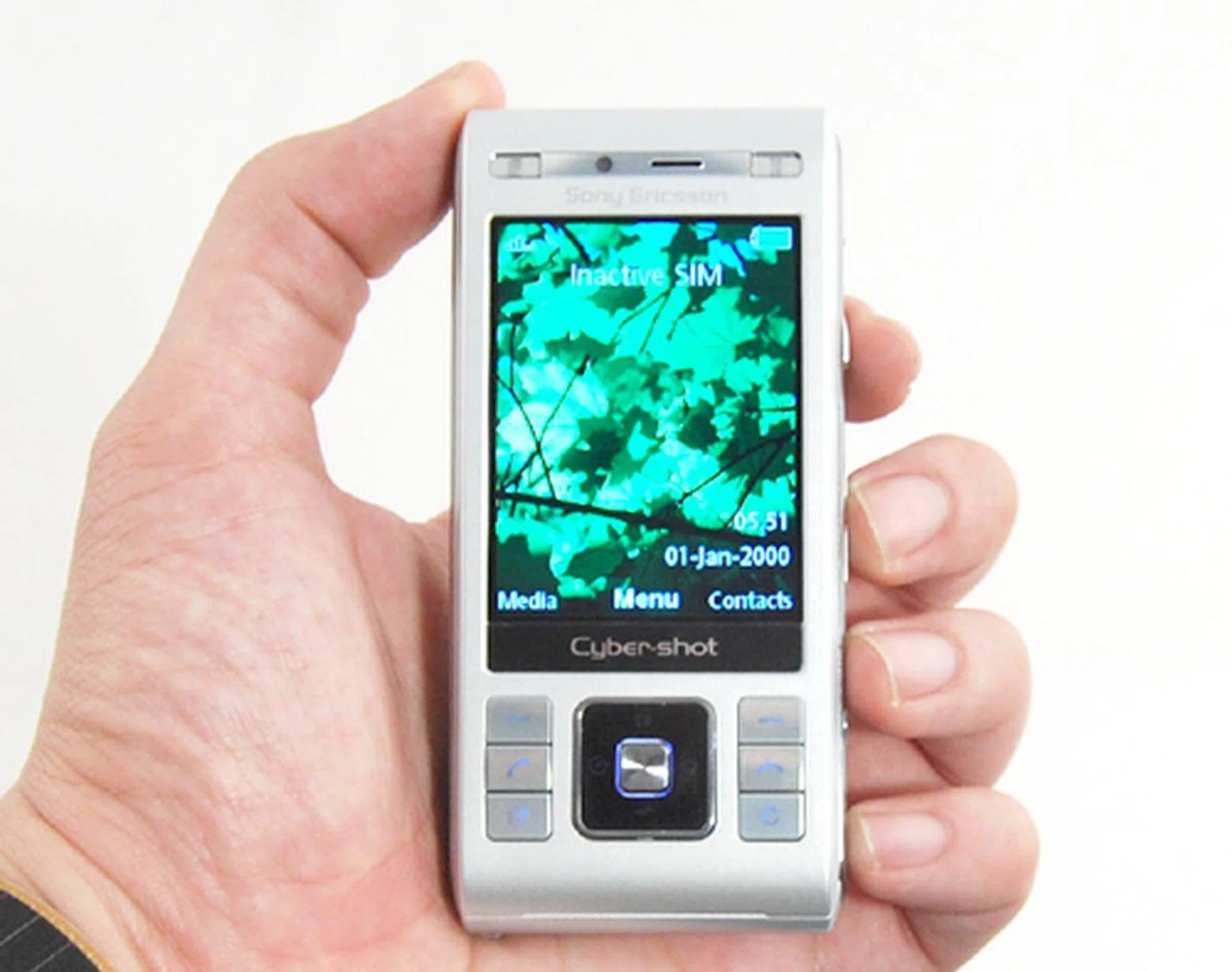
The front profile of the C905 is adequately filled, with slightly more buttons than your usual mobile phone.
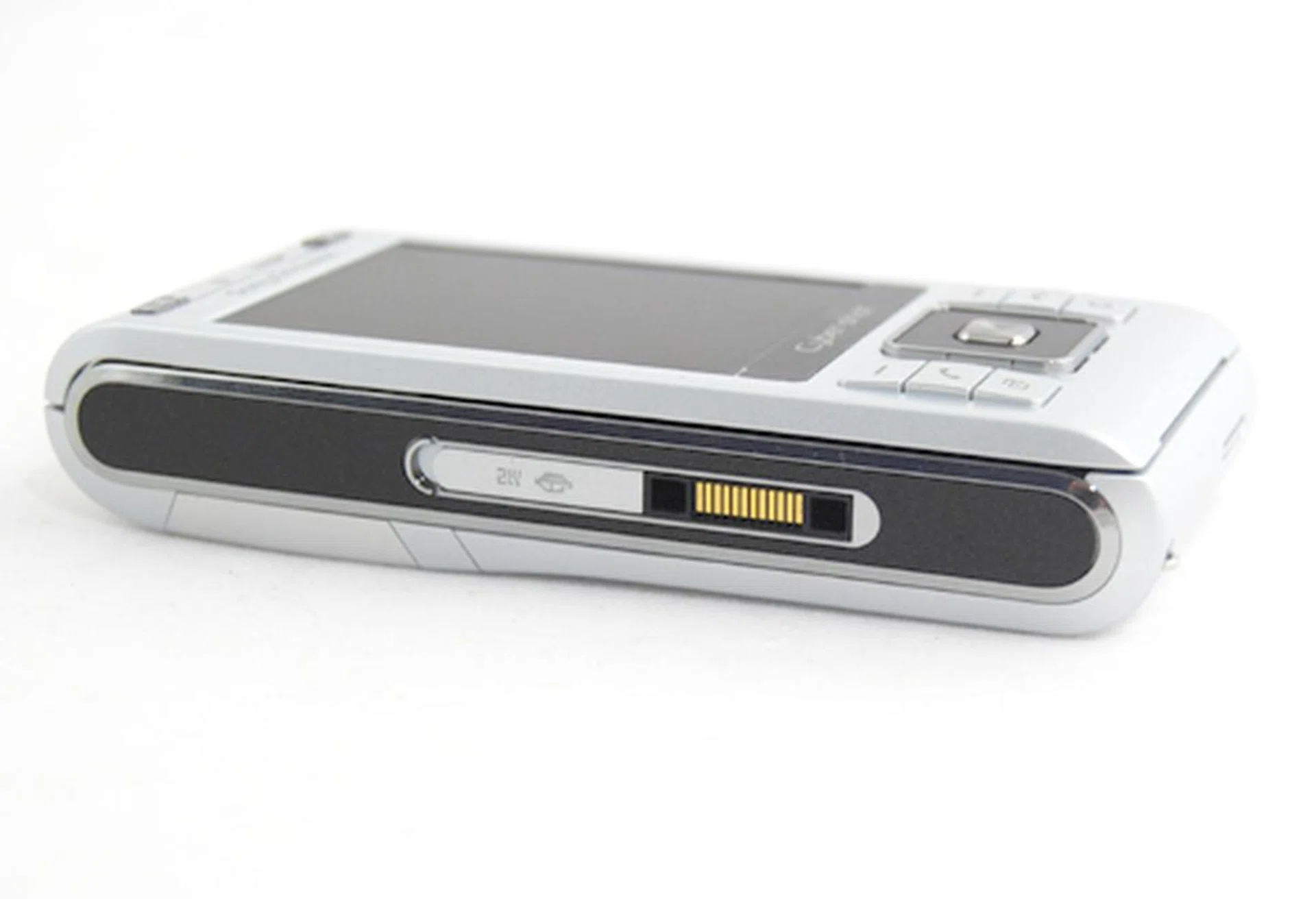
No surprises here, the C905 is still utilizing a proprietary port for data, audio and power connectivity, and of course, the M2 memory expandability.
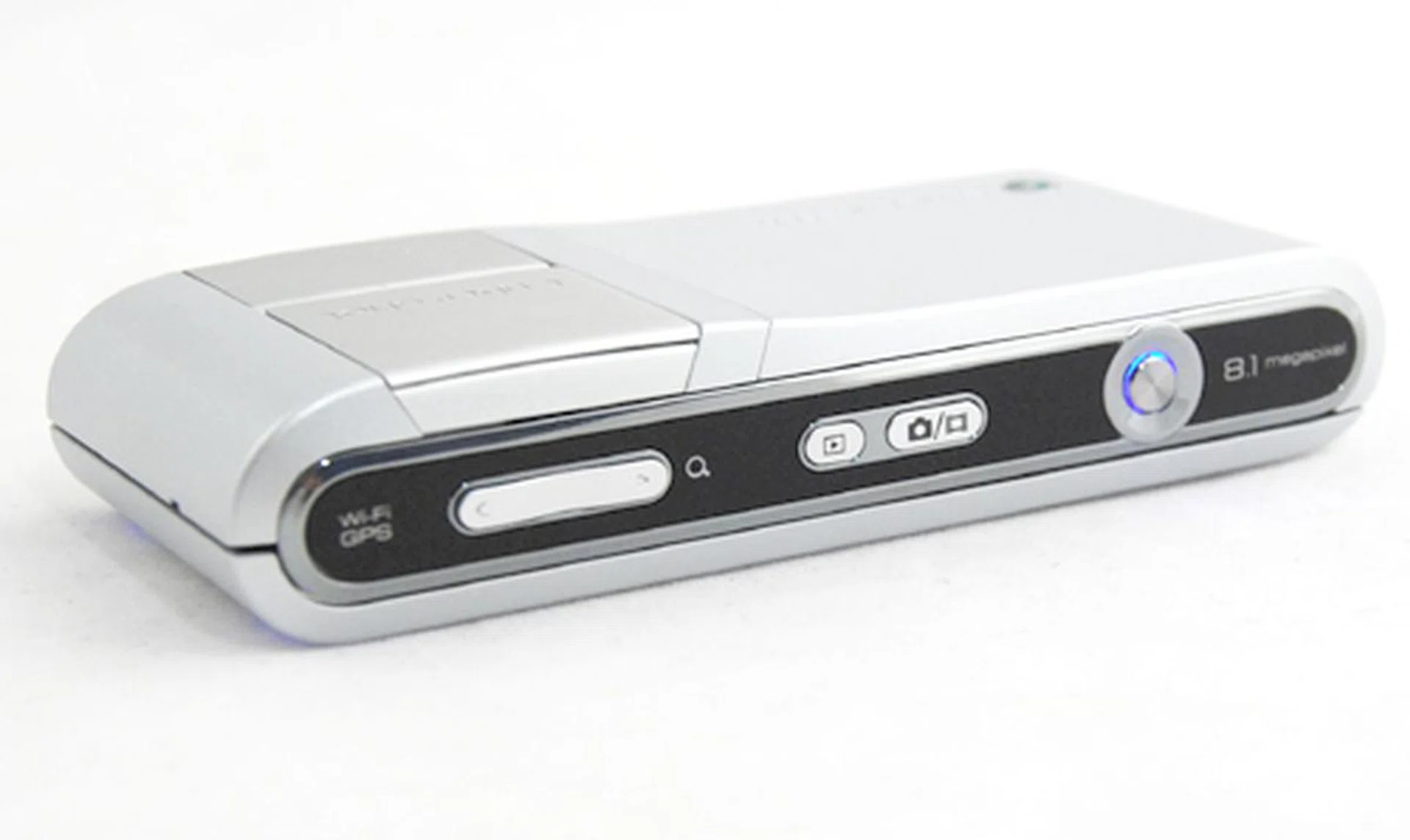
The side buttons are well designed with sufficient tactile feed and differentiating materials for you to reach them with ease.
The Sony Ericsson Cyber-shot series has been keeping to the candybar form factor for the past few years, with a strong focus on its camera and lens evolution. But it latest iteration sports a brand new direction in a few areas. Discarding its candybar design, the slider form factor has been reassigned to the C905. Now, with this new approach, there's bound to be some naysayers who can't accept this.
In fact, there were some pros and cons to this when we slid the heavy screen. Unlike the confounding experience we had with the K850's thin numeric keys, the C905's keys are much wider and provides a bigger surface area per key. However, there was still some stiffness for the numeric keys, as we had to apply quite a bit of pressure to register an input on each key.
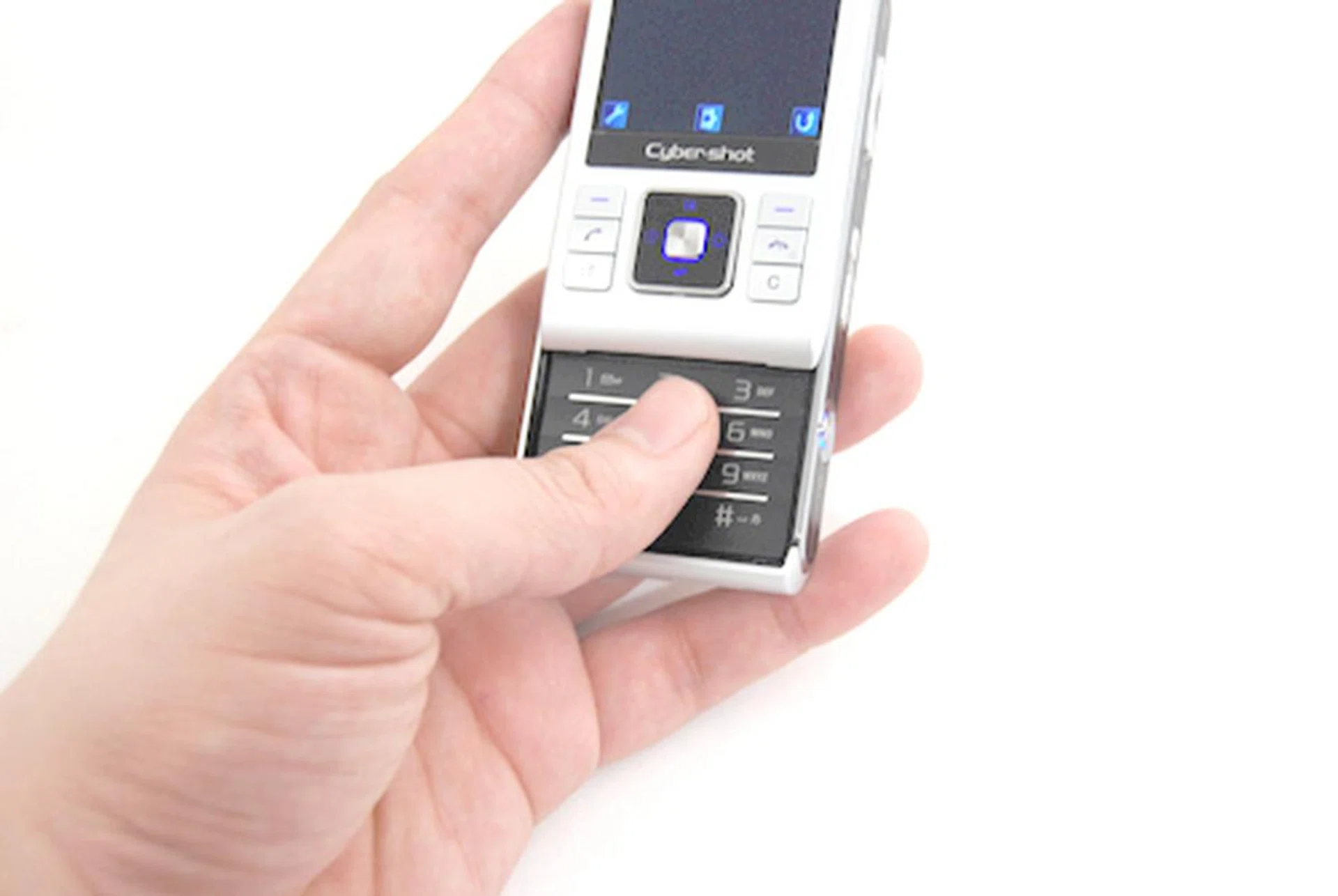
The C905 is the first of its Cyber-shot series to utilize a slider form factor. Notice how the individual keys are adequately spread out, but we had a rough time with its stiff keys.
Amongst most manufacturers, we daresay that Sony Ericsson has always scored well in the design department. This is evident with another one of their design ingenuity in the camera lens cover. At first glance, the camera's well hidden to the point of being inconspicuous. Much like its Cyber-shot digital camera cousins, it comes with a sliding lens. The real draw, is the lens cover which is seamlessly flushed with the device. With just a slide, the bottom half of cover sinks, with the top half sliding downwards and stacks itself right on top of the bottom portion. We'll let the pictures do the talking from here on.
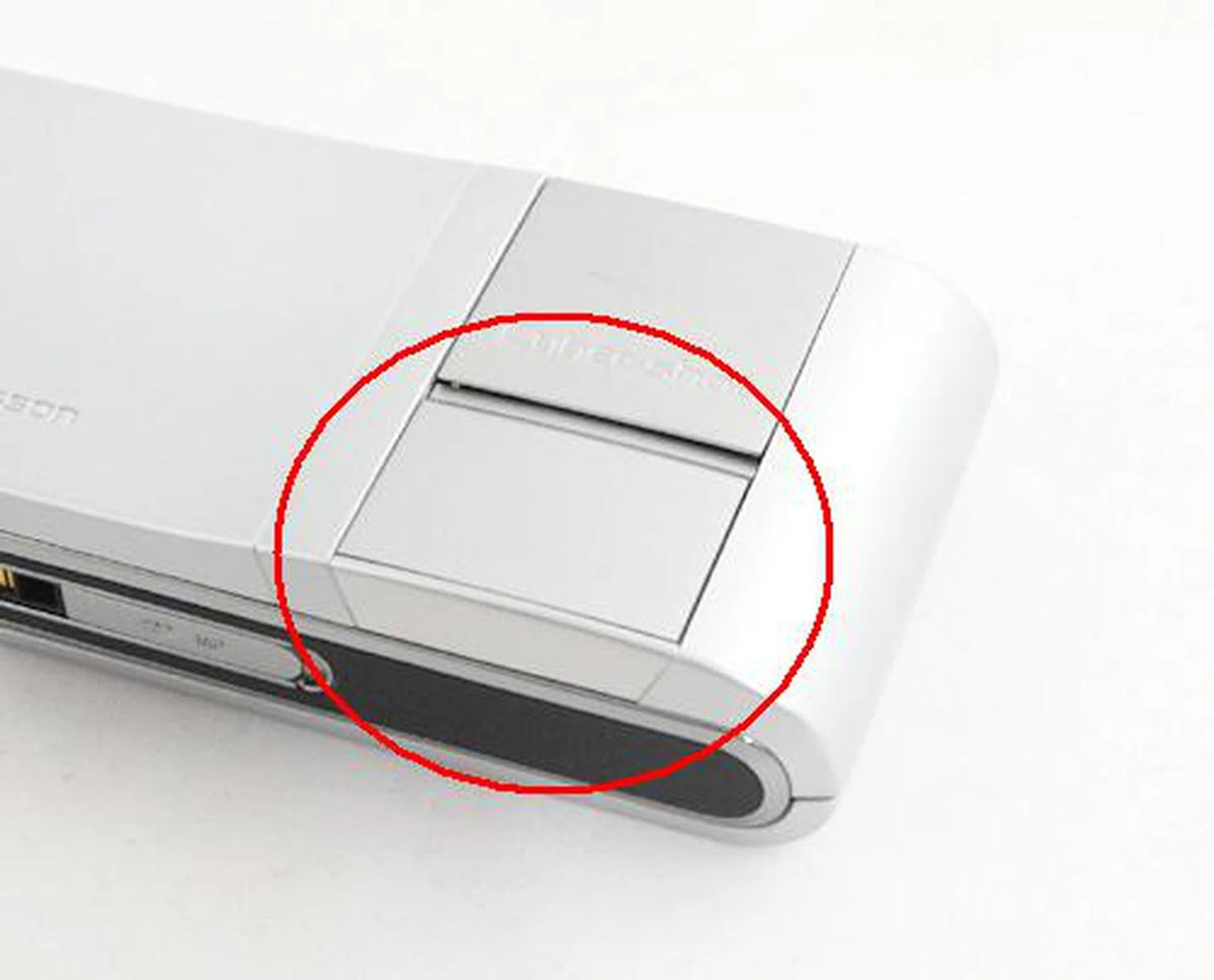
The C905's camera lens cover is seamlessly integrated into the device. The bottom portion (as circled) will be aptly sunken into the device...
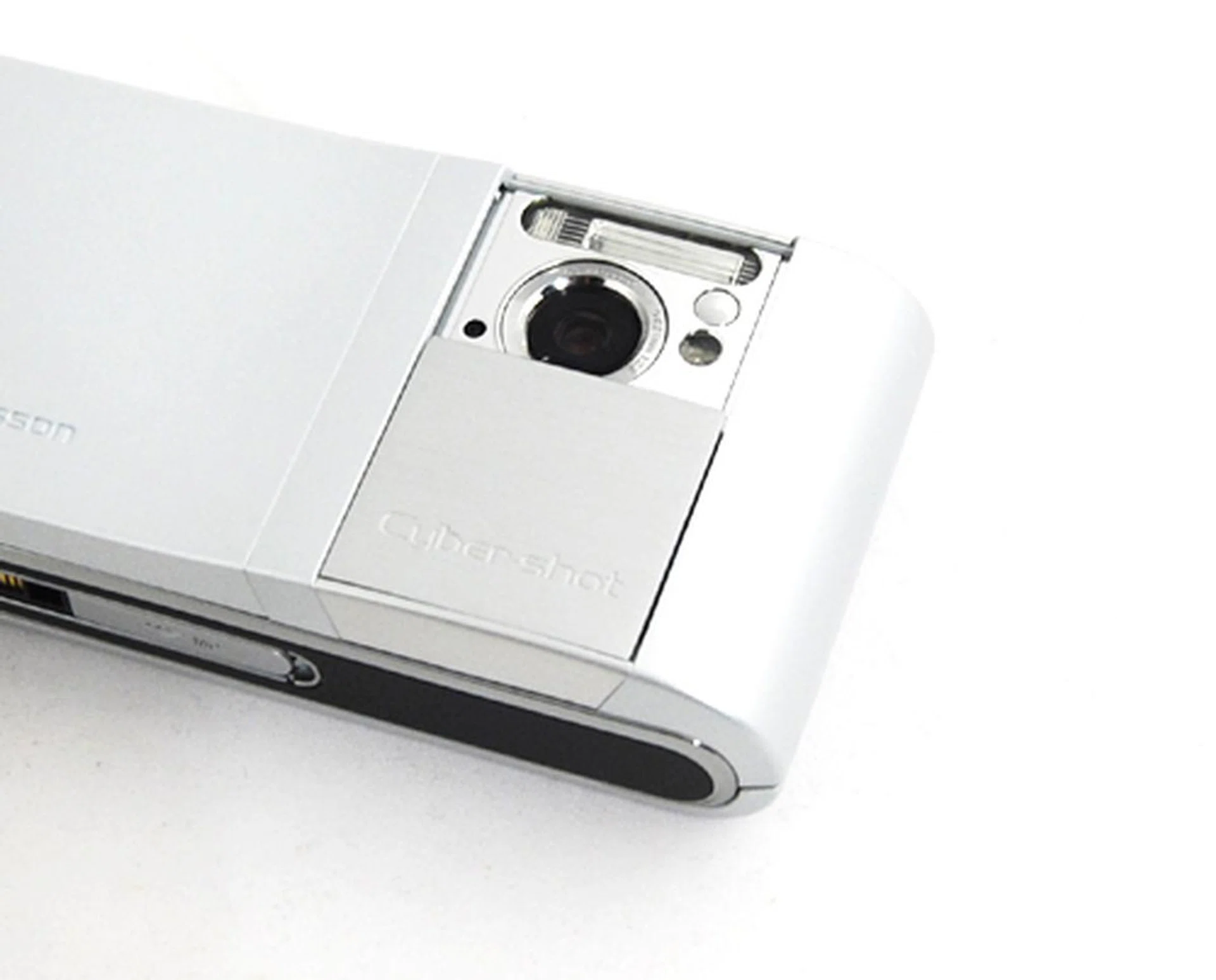
...as you push the top portion down to reveal the camera lens. This also acts as the primary switch for the camera. No worries about accidental activation as the cover is firmly locked in position when closed.
Just Shoot Me!
With a concentrated focus on its imaging prowess, the C905 comes with a slew of camera features that shrinks the gap between a camera phone and a digital compact camera. But before checking out its features, there's more to discover on the aesthetic nature. Previously, we mentioned how the C905 goes against the norms in providing numerous navigational buttons on its body. This comes in nicely for a few reasons: ease of accessibility.
The use of the directional pad as shortcuts for certain camera features probably isn't much of a surprise for many. It was the addition of two buttons at the top corners of the device that made the difference. Acting as dedicated keys to the various Scene and Shoot modes, we were able to cycle through the various settings in a breeze. With the camera put to sleep, both buttons will double as shortcuts to your Gallery too (top showing all images while bottom reveals one image at a time).
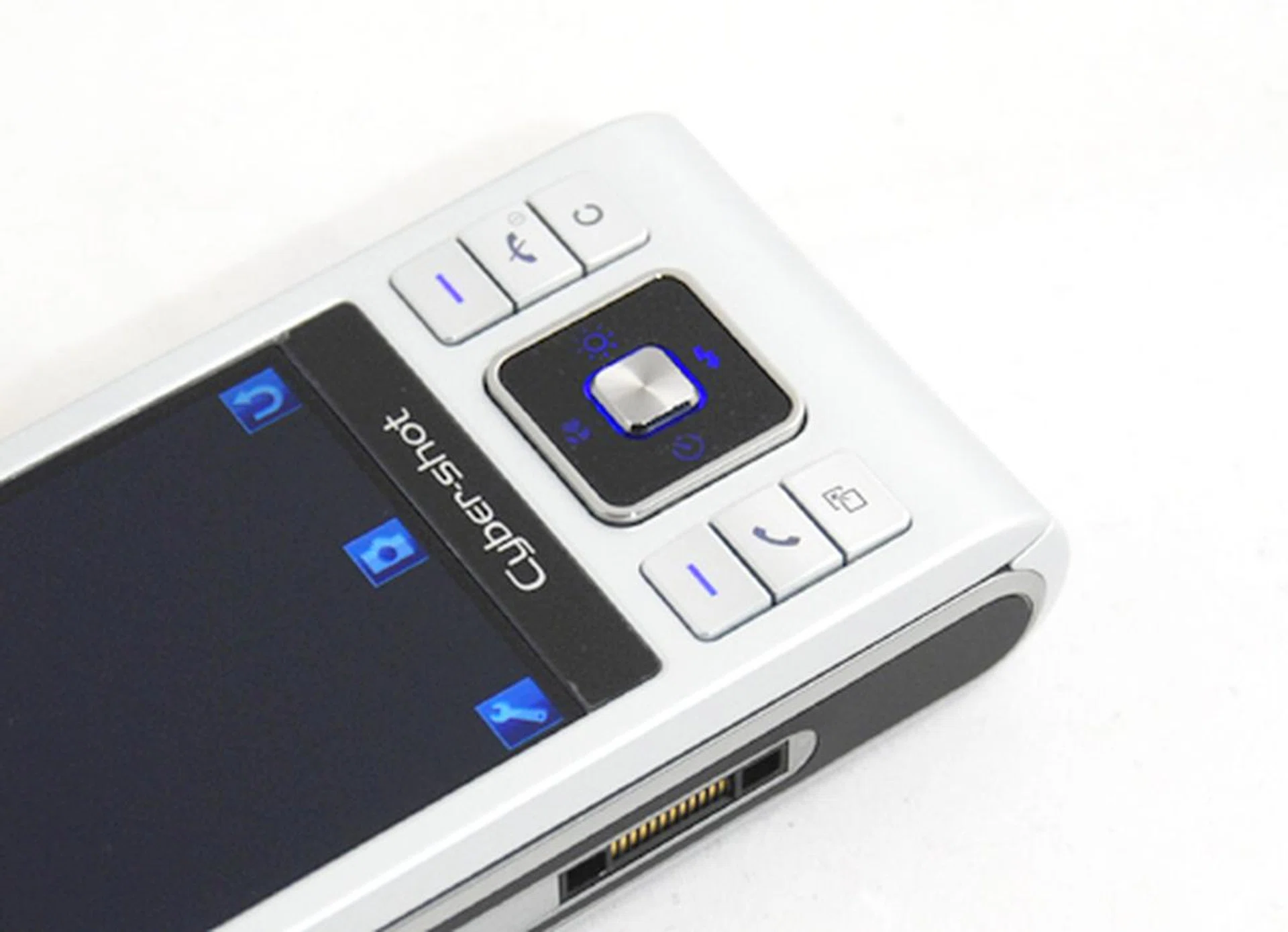
With the camera active, the directional pad is lighted up in blue, and from the top in a clockwise direction: Exposure, Flash, Timer and Macro.
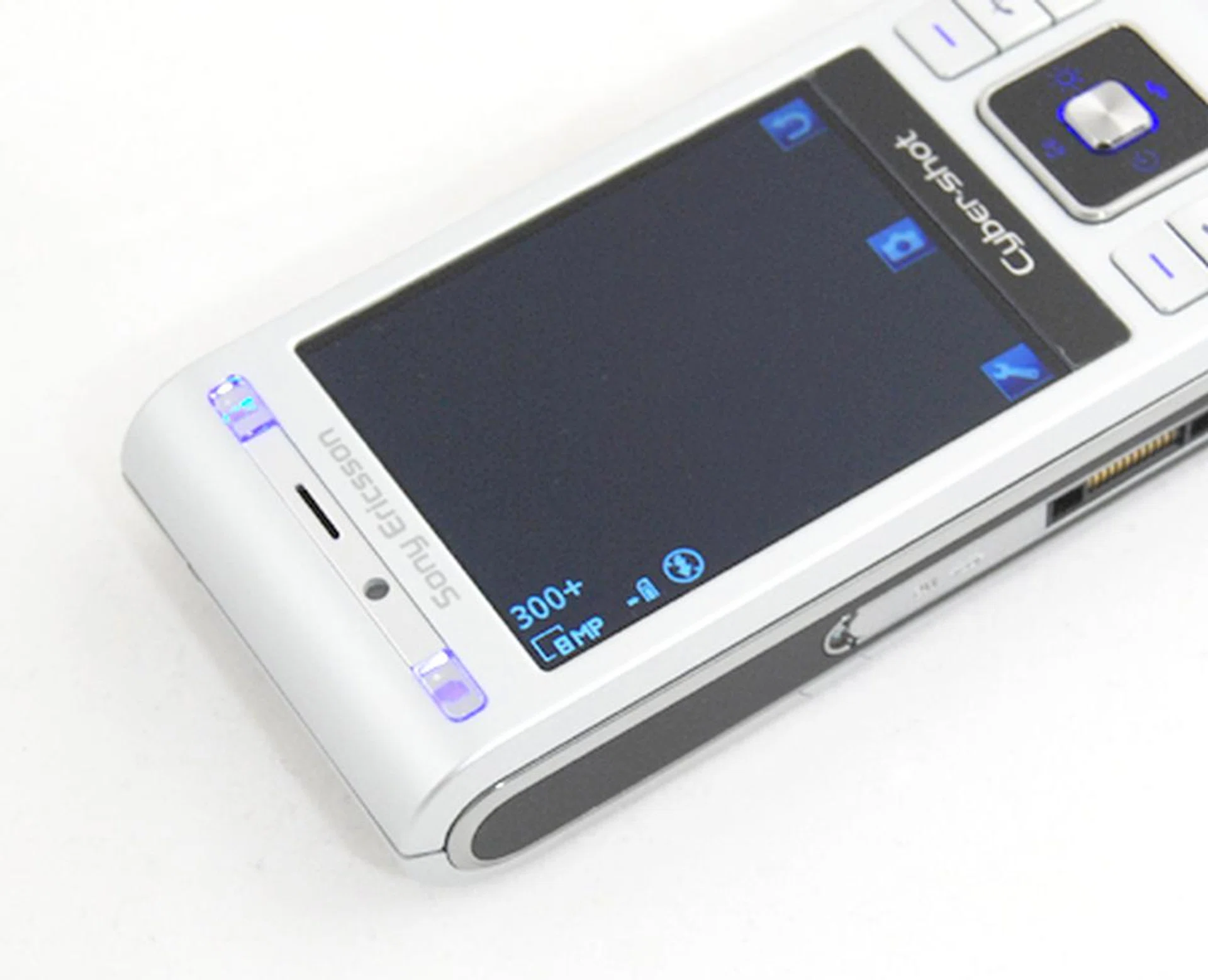
We did like the ease of access provided with the top two buttons. The top one provides you with the list of Scene modes, whereas the bottom one allows you to cycle through the various Shoot modes that includes BestPic and SmartContrast.
We looked up the 8-megapixel device's sleeves, and found a whole bag of tricks. These include familiar features such as Face Detection and Image Stabilizing that's already a common sight amongst the top tier camera phones. The newer additions, namely its BestPic and SmartContrast, are what one should take note of. BestPic does what its name implies: it goes through a series of burst shots taken and saves the best image in the series. Furthermore, the BestPic feature doesn't just toss the unsaved images, it allows you to view and even save images that might look better according to your perception. We tested out the BestPic feature and in terms of its accuracy, it's good to know that it did recognize and save the better image.

Using the BestPic feature, we checked through all the possible images and noted that its accuracy is top notch in giving us the best rendered image, as you see here. However, the white-washed issue is still at hand.
If you understand how the word contrast fits into photography terms, you'll probably know what SmartContrast means. Now, this could be useful for one very important reason: strong backlight situations. Notice we used the word "could". The SmartContrast was a good move on Sony Ericsson's part, but it wasn't the solution that one needed. Comparing shots with and without SmartContrast under strong backlight, the edited image came out too washed in shades of white.
 | |
As you might have noticed, the SmartContrast was a good move in combating backlight glare. However, more often than not, the compensating contrast would render the image too washed in hues of white.
Another sight for sore eyes (in the most literal sense) is the strong Xenon flash. For better or for worse, it's undeniable that the Xenon flash can solve low lighting conditions, but at the expense of a much more washed out image.
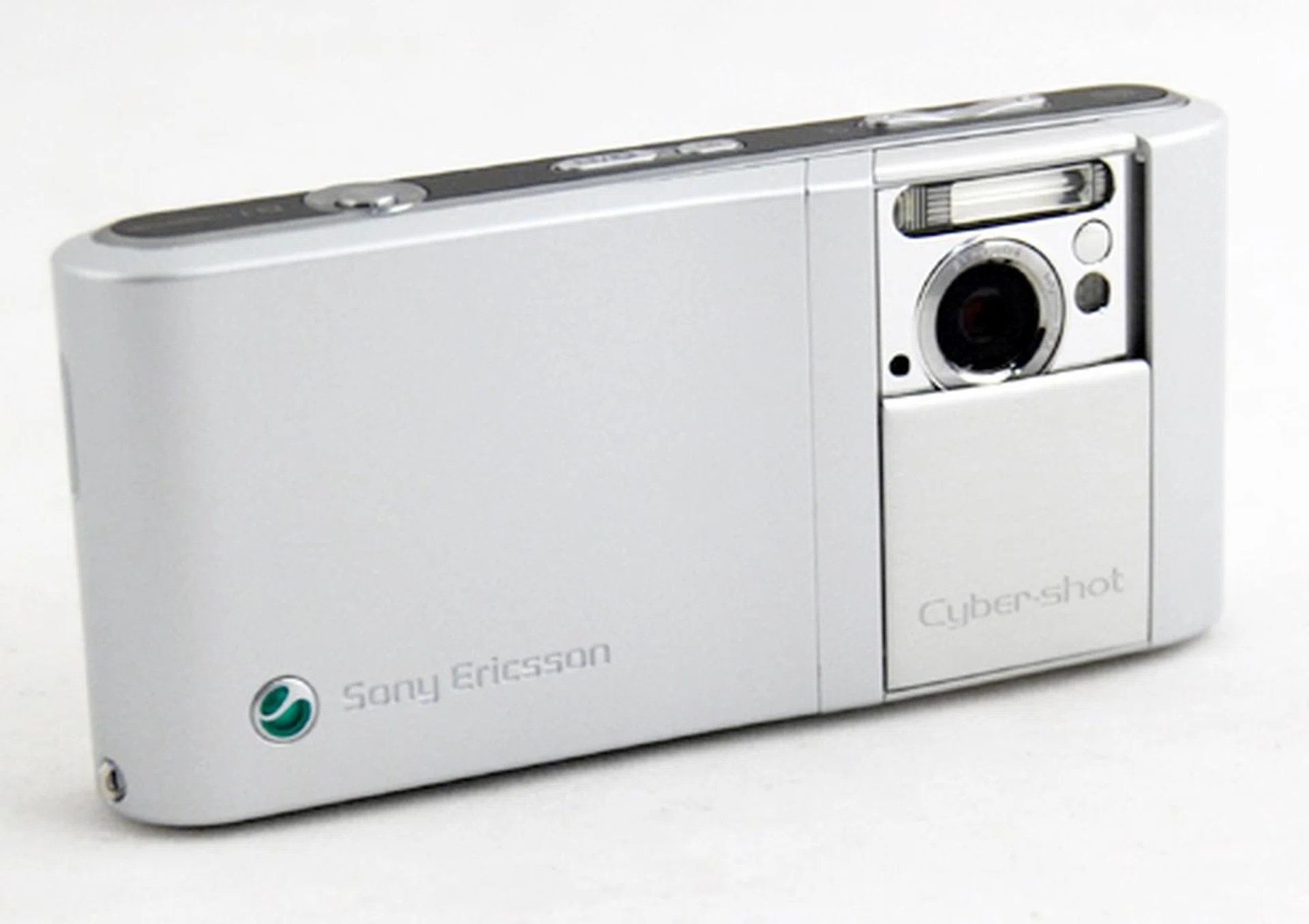
Sony Ericsson kept to the Xenon flash route instead of the dual LED flash as seen on its competing 8-megapixel device, the Samsung INNOV8.

The use of a Xenon flash is still debatable. On one hand, it is stronger than what you can get with a single or probably a dual LED flash. On the flipside, you'll be looking at an even more white-washed image.
Leaving all its features aside, users would find themselves using the Auto settings as the common denominator. With that in mind, we did our resolution and color chart test on its Auto settings, as presented below:

Colors were adequately balanced, but didn't seem as rich as we had seen in the Samsung INNOV8.

Line resolutions came in at a reading of 1000 lpph for both the vertical and horizontal axis.
Beyond Imagery
Now, you might be wondering how the C905 handles itself in the power efficiency department. Powered by its 930mAh battery, we subjected the C905 to two different battery tests. Firstly, we worked on the basis that the C905 will be heavily utilized as a dedicated imaging device. On hindsight, you probably won't be using most of its power draining, wireless features such as Wi-Fi, HSDPA or Bluetooth, so we'll be checking on its battery stamina just based on its camera features. Leaving our settings on Auto since it's the most often used one, the C905 was able to take up to almost 200 images before it shut itself down.
Now, if one were to treat it as any other mobile phone, we'll be looking at a few specific areas: average usage of its camera features on top of the wireless connection options and cellular functions. For this, we activated the previously dormant Wi-Fi and Bluetooth as an additional power drain. In just slightly more than a day, we had to reconnect the C905 to the charger. If you're wondering, we took around 50 images for both day and night shots (Xenon flash utilized here) and had a few quick conversations on the phone as part of the test. The results weren't surprising for its 930mAh battery, especially so when you couple its usage with a myriad of features that have high power consumption.
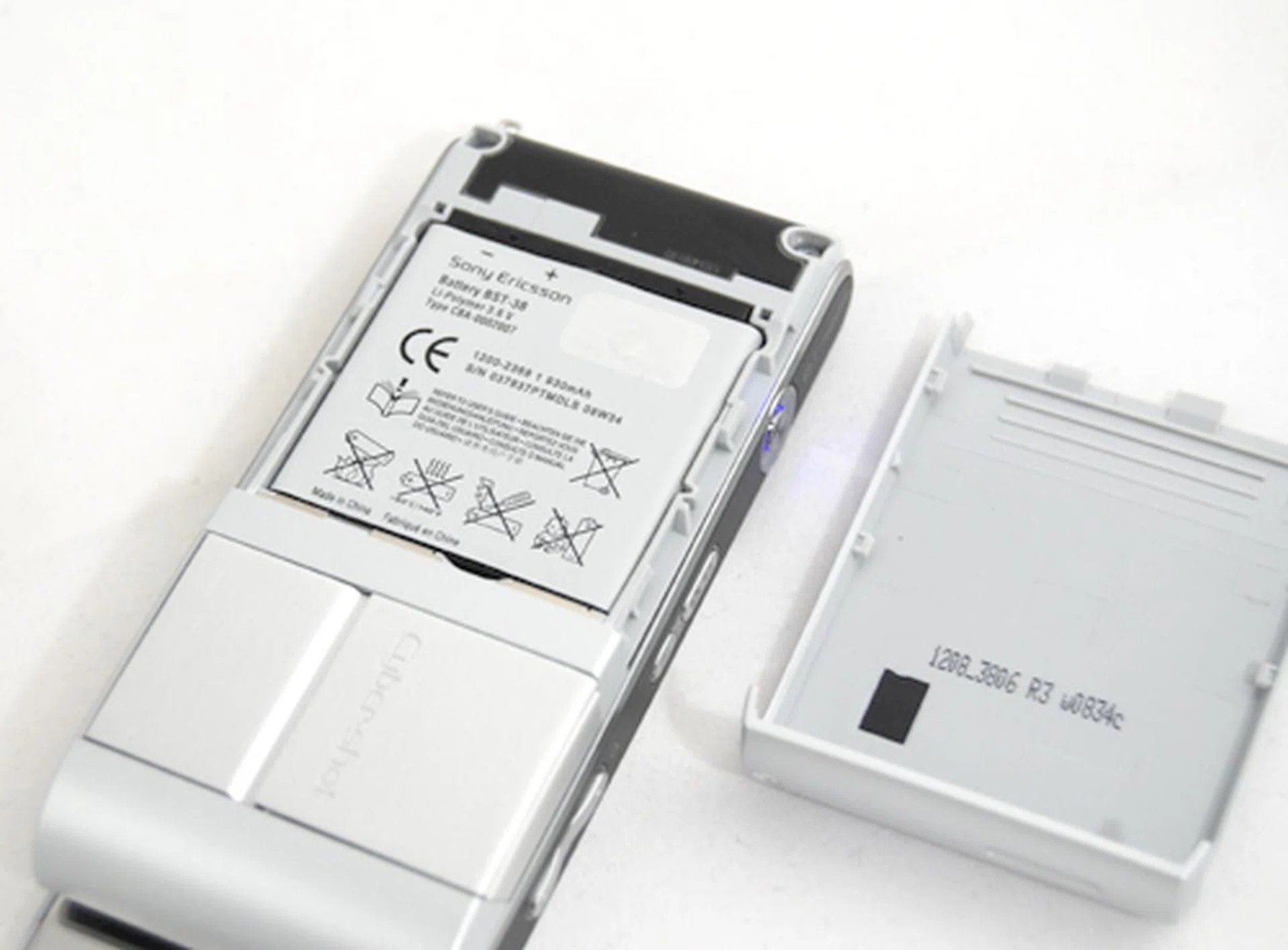
The C905 uses a 930mAh battery, and considering the amount of power consuming features on it (Xenon flash, Wi-Fi and Bluetooth), its battery stamina might not be the best in the bunch.
As one would expect from the Sony Ericsson name, we weren't disappointed with its audio delivery. Though we didn't receive the top-notch audio fidelity as heard on its Walkman cousin, the Sony Ericsson W980, it did manage to deliver adequate pleasure to our ear canals. Lows were pumped with just the right amount of power, as were the mids when we managed to catch the clarity of vocal tracks. Its highs, however, came in a little flat as we had to stretch our senses to detect the cymbals and higher notes on the guitar playback. A few pages back, we did mention that Sony Ericsson is still sticking with the proprietary route. Fortunately, you are still able to use your preferred earphones since the audio connector has a 3.5mm audio jack. In our opinion, the bundled inner earphones will suffice to do the job when we compared that to some in-house earphones that we've been using for our testing purposes.
Visually, there are a few things to consider. The first factor we're looking at is its display, which measures in at 2.4-inches with a 240 x 320 resolution at 256K colors. This probably won't give you astounding images, but it is a fair trade-off for power efficiency. As such, video playback was adequate, though we did notice some frame losses for faster scene playback.
Wireless connectivity is aplenty on the C905. Wi-Fi and Bluetooth are kind of the de facto connections available on high tier devices nowadays. GPS (and its A-GPS capability) however, are not often seen on most Sony Ericsson devices till recently. The C905 comes with both Google Maps and WayFinder to complement your GPS navigation. In short, we tested the satellite locking speed, and it was pretty fast at less than a minute. This bodes well for imaging purposes too, as the C905 also comes with geo-tagging that allows you to record your GPS location into the EXIF data for any images captured with the 8-megapixel camera.
A Parting Shot
A lot of users might get blinded by the 8-megapixel factor when it comes to camera phones. What one should really look out for, is the overall package of a device. Our stint with the 8-megapixel device, the Sony Ericsson Cyber-shot C905, gave us a few insights into the evolving camera phone genre.
Imaging might be the name of the game for devices that are on the 8-megapixel track, but it's the interface and the features that really matters. Based on its features alone, the C905 has managed to cover its grounds properly with all the features that are common amongst its competition (Panaroma, Image Stabilizing, and etc). What it did to improve upon this formula, is the inclusion of niftier features such as the BestPic function.
Some might argue that the feature is more of a gimmick than of actual use, but think about it. Would you rather constantly take a huge amount of images via burst shots and hope for the best, or utilize the BestPic function and save the best image (or images) amongst the choices presented? In this case, our answer would be in favor of the C905's BestPic feature. The SmartContrast function, however, needs some additional work. Innovative as it is in combating sunlight glare in your images, it does highlight your subject image much better against a bright background. However, this is done at the expense of a white-washed result, and you'll probably have to do a bit of photo editing to get the correct balance of colors back.
Undeniably, the C905's design will definitely impress many initially. Though much thicker than its earlier sibling, the C902, it manages to retain the smooth contours with well placed and easy to access side profile buttons. We were less pleased with the stiff numeric keypad. The C905 is, after all, a phone at heart, and with a stiff keypad, it definitely brings the user experience down a notch.
As a multimedia unit, the C905 did give us a good run with its audio capability, though it does still irk us slightly with the additional audio connector required to get the 3.5mm earphones connected. Its wireless features aren't really surprising, for the fact that devices similar to its genre do sport the same features. Nonetheless, it's one of the plus points in the device, giving it an all-rounded performance for users who wish to have it all.
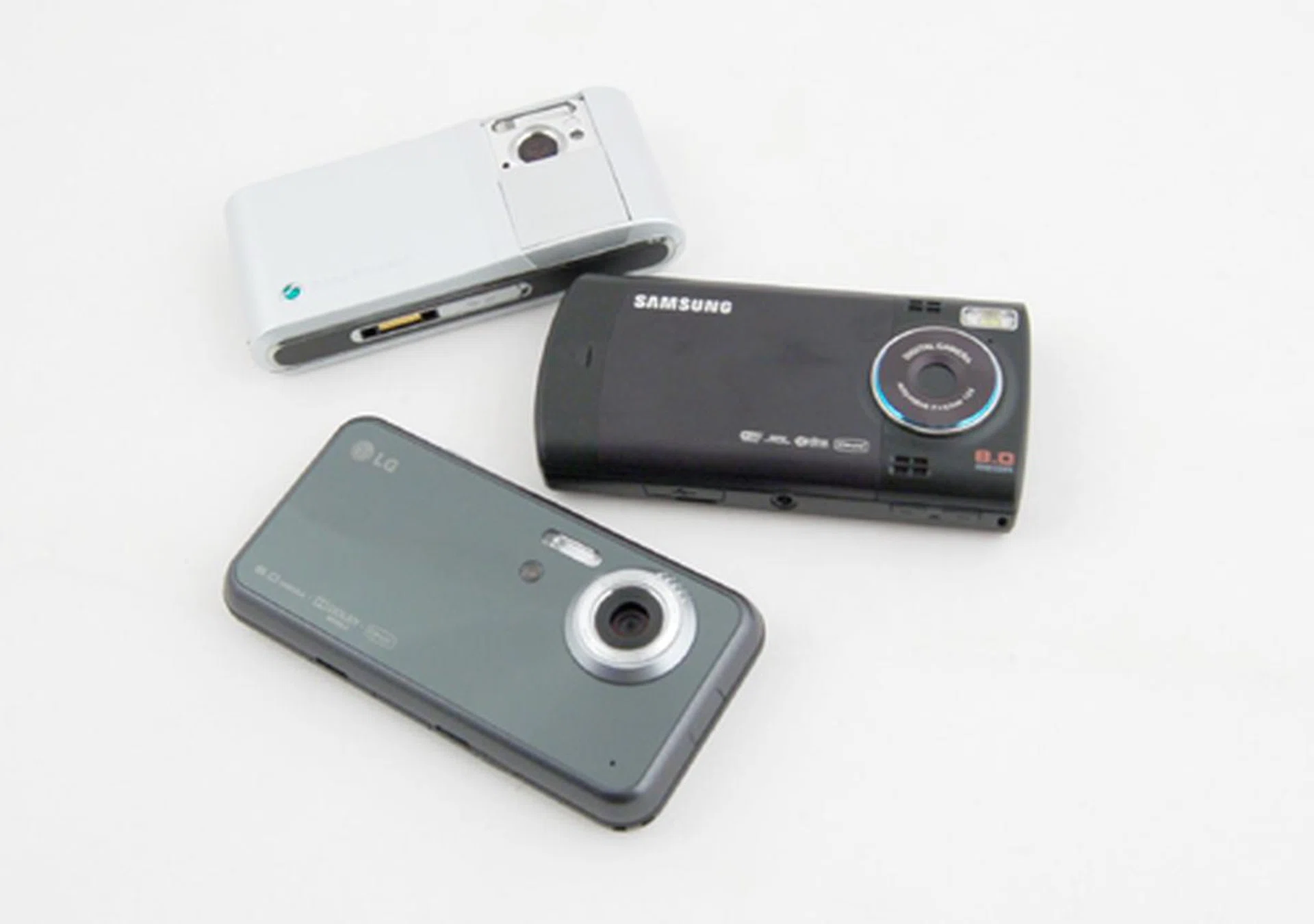
Sony Ericsson C905, Samsung INNOV8 and the LG KC910. Not pictured here though, is the upcoming touch-screen Samsung M8800 Pixon.
We can safely say that the megapixel race is far from over. In fact, even as we speak, news of a 12-megapixel camera phone sensor has hit the web, and there's no telling what we'll be seeing in a year's time. But if recent technological trends are anything to go by, we are keeping our eyes peeled for the next update to the camera phone genre by the end of 2009. So before we see the appearance of a 12-megapixel camera phone, do keep yourselves occupied with the 8-megapixel lineup in the next few months. And if the Sony Ericsson C905 has piqued your interest, you'll be looking at a recommended retail pricing of S$938.
Our articles may contain affiliate links. If you buy through these links, we may earn a small commission.