
Returnal is a fantastic bullet hell shooter that relies a bit too much on luck
Returnal is a gorgeous bullet hell shooter that asks one simple question: Are you feeling lucky?

Note: This review was first published on 7 May 2021.
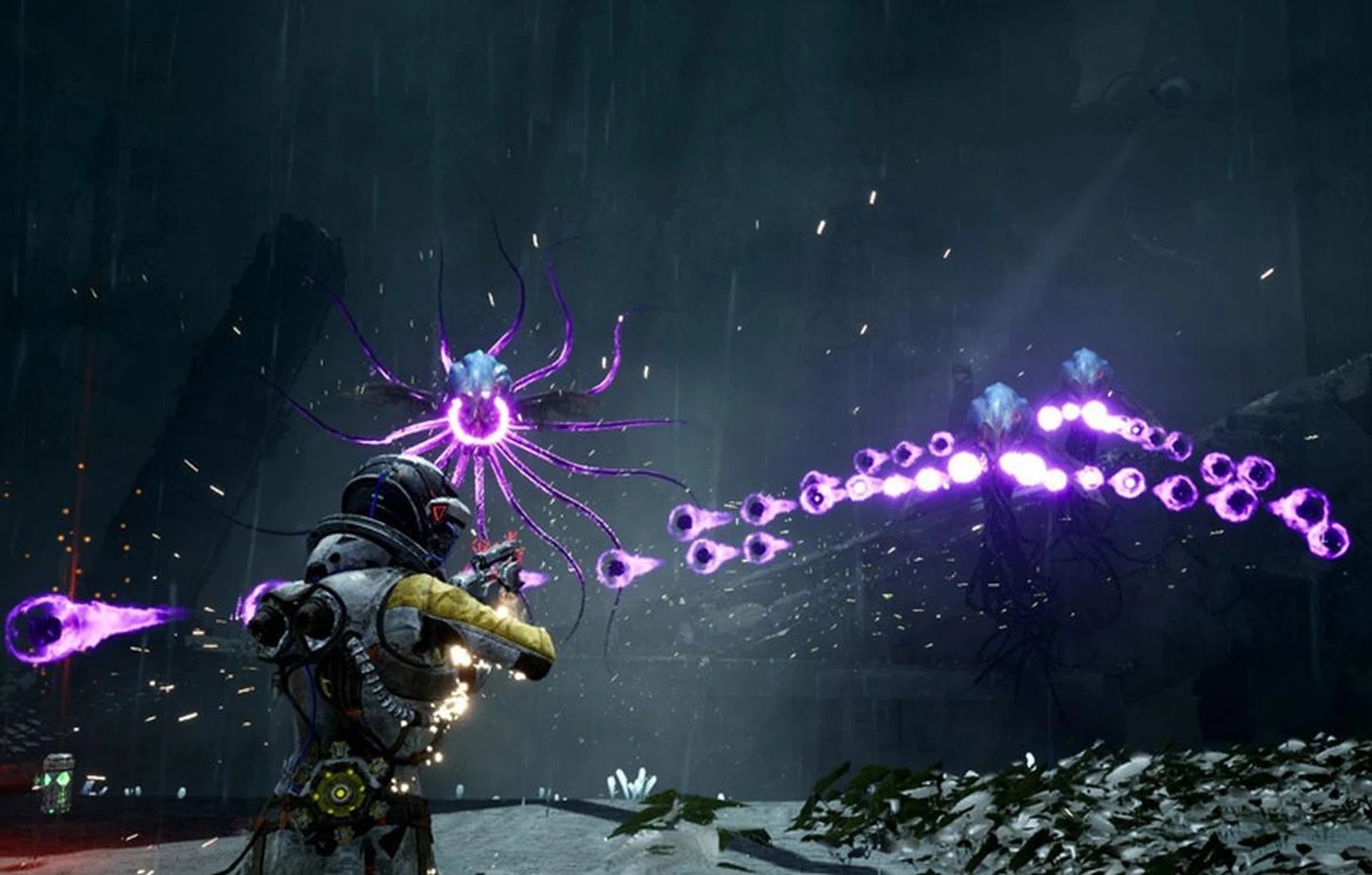
Image: PlayStation
This is like a videogame version of Prometheus, except that it's actually good.
Sony’s latest PlayStation 5 exclusive is Returnal, a sci-fi game that takes players on a tour through a strange extraterrestrial planet, where monsters crawl out of eldritch horror to greet them with some friendly murder. I wasn’t totally sure what to expect going into this game - I’d only seen a couple of enigmatic trailers beforehand - but this ended up being one of my favourite gaming experiences in a long time. The sum of its collective parts feels so fresh and unique in Sony’s tiny current-gen library of exclusives.
It’s also brutally difficult, which would be totally fine if it were an issue of skill, but it's more of an issue of luck.
Yesterday was Tuesday, right? But today is Tuesday, too!
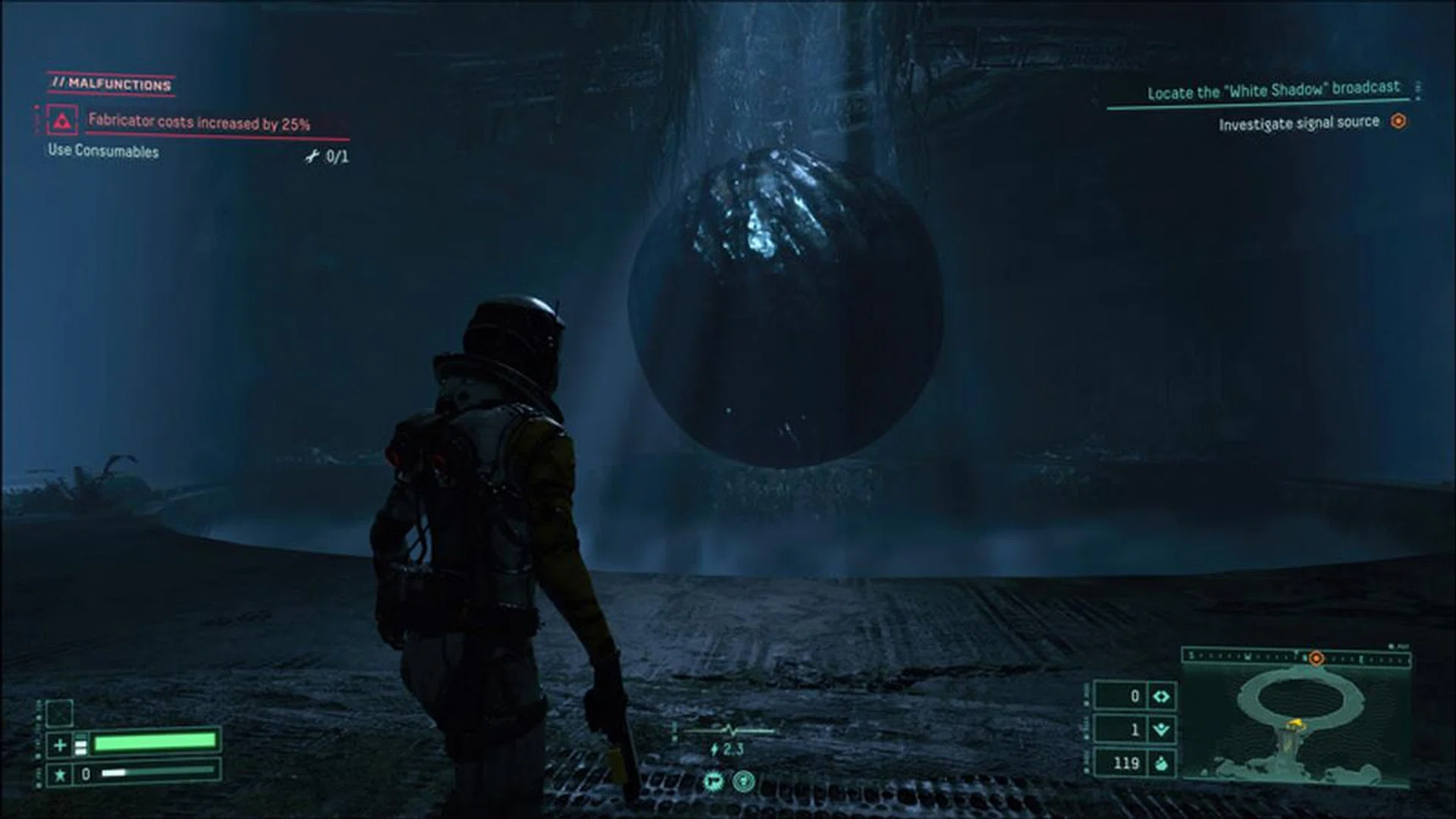
Image: HWZ
Returnal puts you in the spaceboots of ASTRA Scout Selene, an explorer and scientist who crash-lands on a foreign planet called Atropos. Alone and armed only with a pistol, she ventures out from her downed ship to explore new surroundings only to encounter a colourful variety of flora and fauna, most of which are hellbent on ripping her to pieces. She dies eventually - because believe me, no one’s good enough to beat this game on their very first try without dying at least once - and suddenly awakens at her ship again. Time has been reset. It’s a Groundhog Day time loop situation, but in outer space!
The first thing you need to know about Returnal’s narrative is that it unfolds extremely slowly, thanks to the roguelite genre this game is nestled into. Every time Selene dies and awakens next to her ship, she loses all of her weapons, progress and upgrades - essentially starting from scratch with each new life. Atropos also has an annoying habit of rearranging itself everytime you die, so getting to an objective is never so simple as following the same route you took last time. A simple point of comparison is Hades, another roguelite game that came out recently and became a smash success - but even that game let you upgrade weapons and Zagreus’ abilities in between runs. Returnal is not so merciful.
Because of this gameplay structure, you’re most often fed new chunks of Returnal’s story every time you travel to a new biome in Atropos or beat a boss - and obviously, that gets progressively harder the more you play the game. I beat Returnal’s first boss in my first five or so runs, at which point I finally got to enter the game’s second biome (there are six in total) and then promptly died. I didn’t end up advancing the story until my 12th or so run when I beat the second biome’s boss, and there was an even longer gap between that and the third biome’s boss.
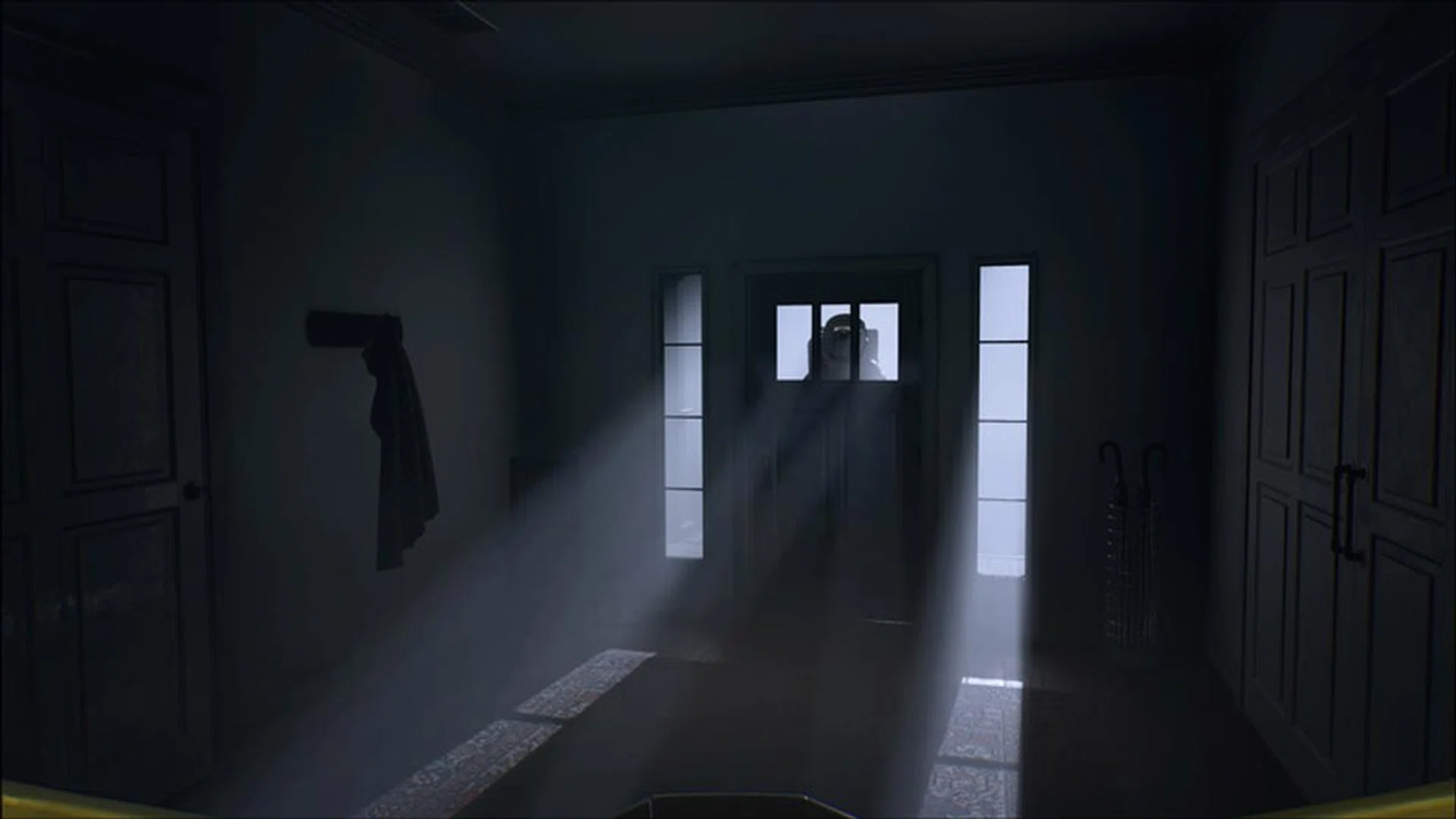
Image: HWZ
You get the idea: Returnal’s story is drip-fed to you in the form of compounding mysteries and in-game lore regarding Atropos and its machinations, and it’s all fascinating enough to keep you going - but it can be frustrating when you realise the next portion of the story is probably six or seven hours away, and you spend those hours making runs through Atropos that ultimately amount to nothing. I’m not knocking it, though. That’s the nature of this genre. Despite its frustratingly slow pace, Returnal’s narrative tugs you along with key mysteries regarding Selene’s background and how she ended up on the planet.
In the first biome, you might end up stumbling upon a 21st century farmhouse - which looks eerily out of place in the unearthly, H.R. Giger-like visuals of these environments. You’ll explore the house over a number of bone-chilling first-person sequences, which are an absolutely brilliant way of unearthing Selene’s origins and how she came to be a part of ASTRA in the first place. My only complaint is that despite all the anticipation Returnal builds up to answering the questions it raises, the story doesn’t conclude in a very neat, or even remotely satisfying way. It reminds me of Control - perfect atmosphere all the way through, only for the narrative to fall apart at the very end.
Selene is one of the few recent game protagonists that really stood out to me, though. You don’t often play as a middle-aged, scientifically trained woman in a big sci-fi game like this, so watching her fearlessly traverse Atropos was a real treat. Of course, you can’t discount Jane Perry’s fantastic performance as Selene. Hers is the only voice you’ll hear for most of the game, but she injects so much personality into the role, so one could hardly complain. Whether Selene is discovering voice recordings of her past selves scattered throughout the planet, or curiously making note of a new kind of fauna she’s stumbled upon - Perry makes this character come alive.
Caution: do not touch the flying blue balls
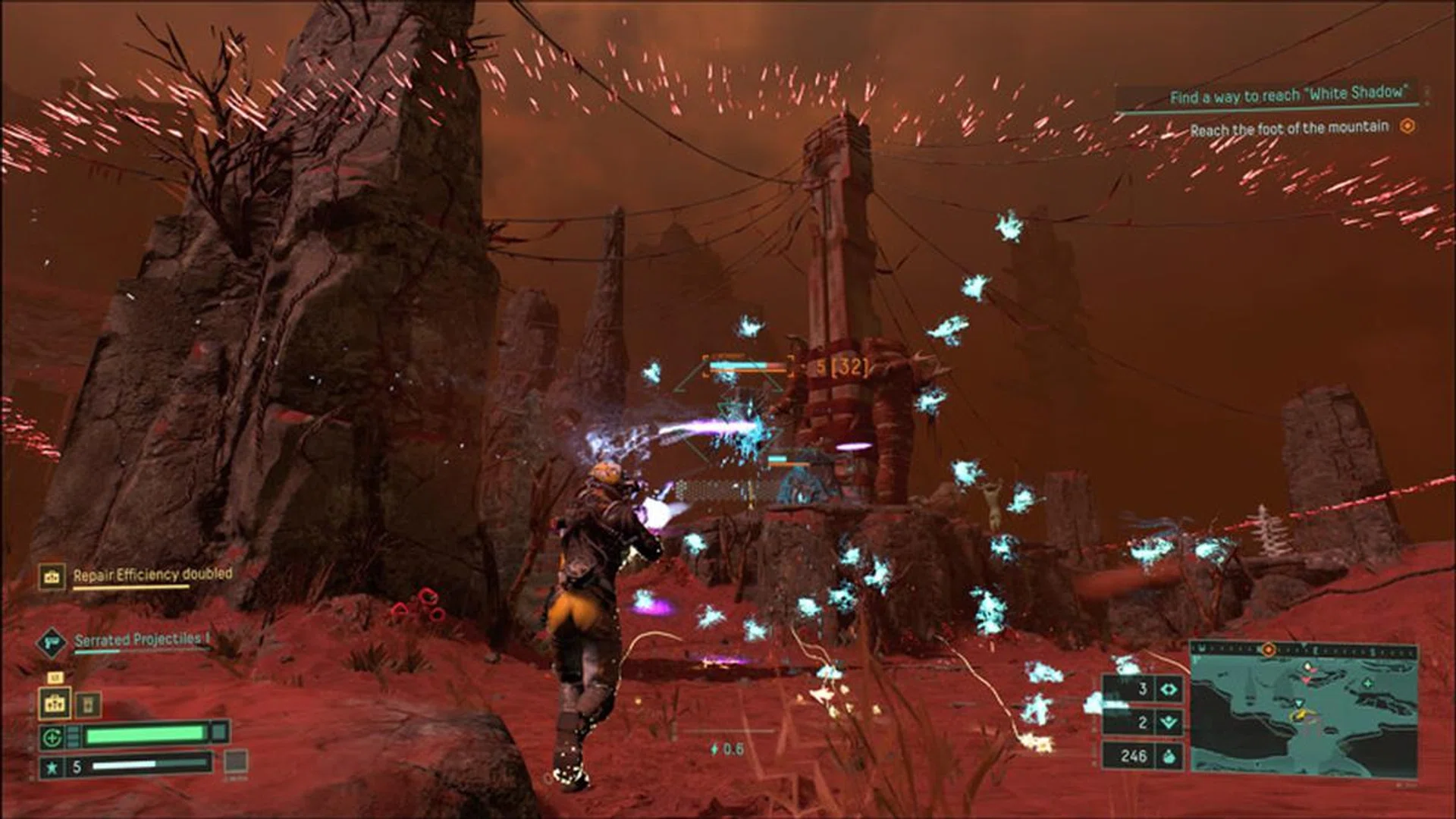
Image: HWZ
Atropos is a hostile planet through and through, and it doesn’t take long for Selene’s chase after an enigmatic signal broadcast in Atropos to become fraught with danger. Animal-like aliens with writhing red tentacles will bound towards Selene for an attack, while others spew energy bullets in patterns of all shapes and sizes from a distance. In terms of combat, Returnal is a third-person bullet hell shooter - and quite possibly the best I have ever played in that niche. The game’s third-person shooting is an addictive loop of juggling alt-fire cooldowns, active reloading (where you have to time a button press at just the right moment to reload faster), and unleashing absolute mayhem across diverse environments.
The weapons feel fantastic to use as well, thanks to one of the best implementations of the DualSense controller in a game I've seen yet. When you’re walking about rainy environments, you can feel the gentle pitter-patter on your controller and hear those droplets via the little speaker. There are even little rumbling cues to remind you that your alt-fire cooldown has ended, or when you’ve run out of ammo. There’s so much to keep track of in combat - from dodging and sprinting to Selene’s powerful melee attack and the many perks and attributes that come with each weapon. The intensity of these combat encounters requires you to learn new attack patterns and weapon types on the fly without much preparation, but none of them feel insurmountable.
That’s saying nothing of the bosses! These foes present huge challenges and little combat puzzles to solve, but Returnal tees them up very well in each of their preceding biomes.
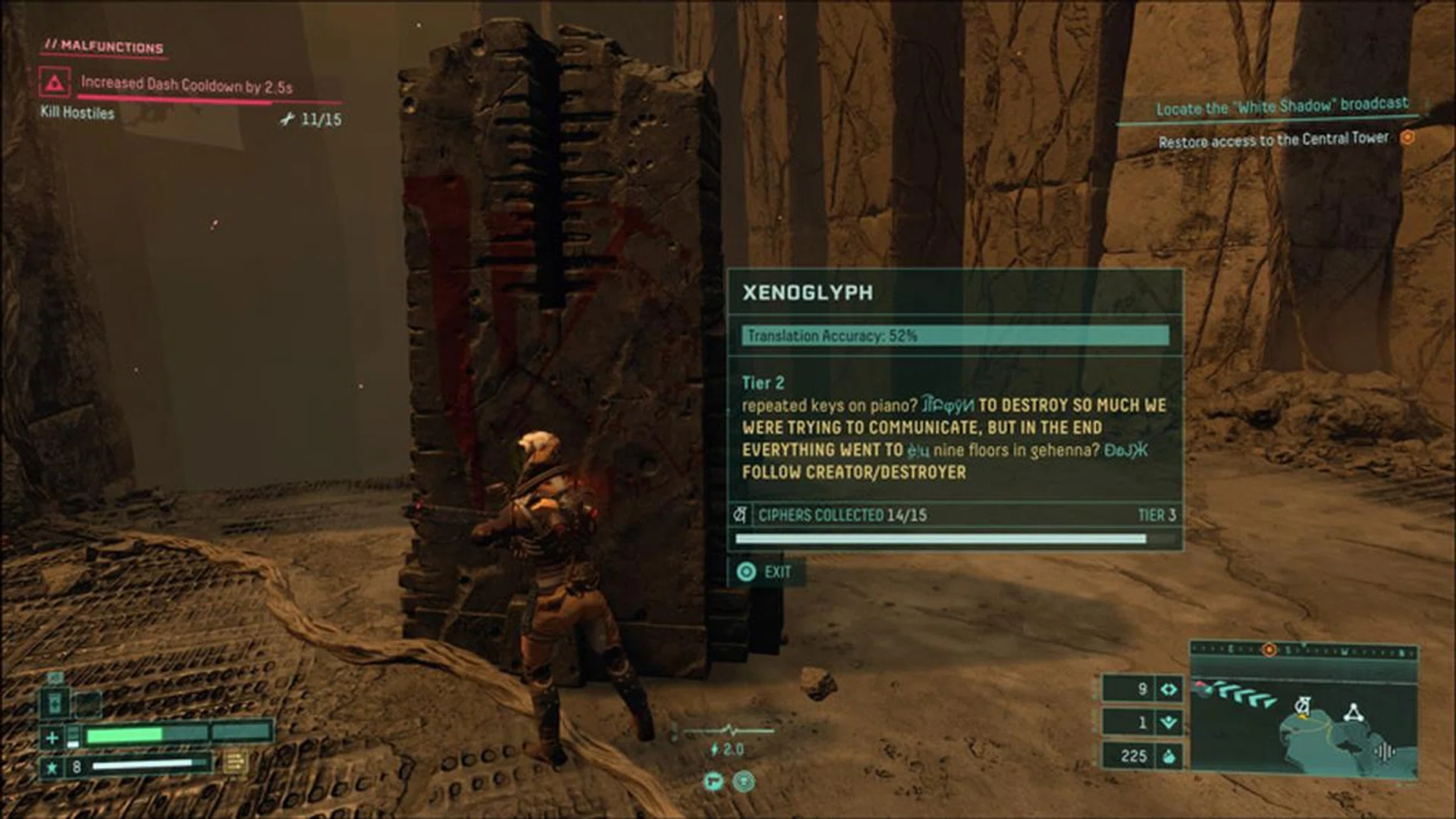
Image: HWZ
As I’ve mentioned before, Atropos is made up of six different biomes. If you’d like to win the game, all you have to do is traipse from one biome to the next, eliminating each of their bosses as you go until you reach the end (though there is a secret ending too). Biomes take different forms, taking Selene to wildly different parts of Atropos. Progress usually boils down to going down the ‘main path’ doors to reach the next biome. Alternatively, you could explore the ‘side path’ doors, which lead into special rooms housing items that might prove vital to a successful run.
Yes, these biomes are procedurally generated - but enough treks across Atropos will make you realise that the rooms themselves more or less stay the same, mixed and matched behind different ‘main’ and ‘side’ doors. Knowledge is power in Returnal, and you’ll notice yourself getting further in repeated runs because you recognised a certain corridor that was foreign to you last time, or learned exactly when to dodge a specific enemy attack.
I think Returnal’s biggest triumph are these biomes, and how radically they can alter the way gameplay feels depending on which biome you’re in. The first biome Overgrown Ruins for example, captures a creepy sci-fi horror feel with its claustrophobic, seemingly unending maze of corridors and tentacled creatures. The second biome Crimson Wastes is an immediate departure from this, being a Mad Max-like infinite red desert with much more open levels and environments, with more flying enemies and lots of space to move around.
I don’t want to spoil the third biome as it’s one of my favourite sci-fi game environments possibly ever, but I will say that one of the last few biomes felt like a disappointing repeat of something that came before. It really stuck out like a sore thumb, lacking the visual ingenuity Housemarque stuffed into its siblings. Middle child syndrome, I suppose.
You have chosen… poorly
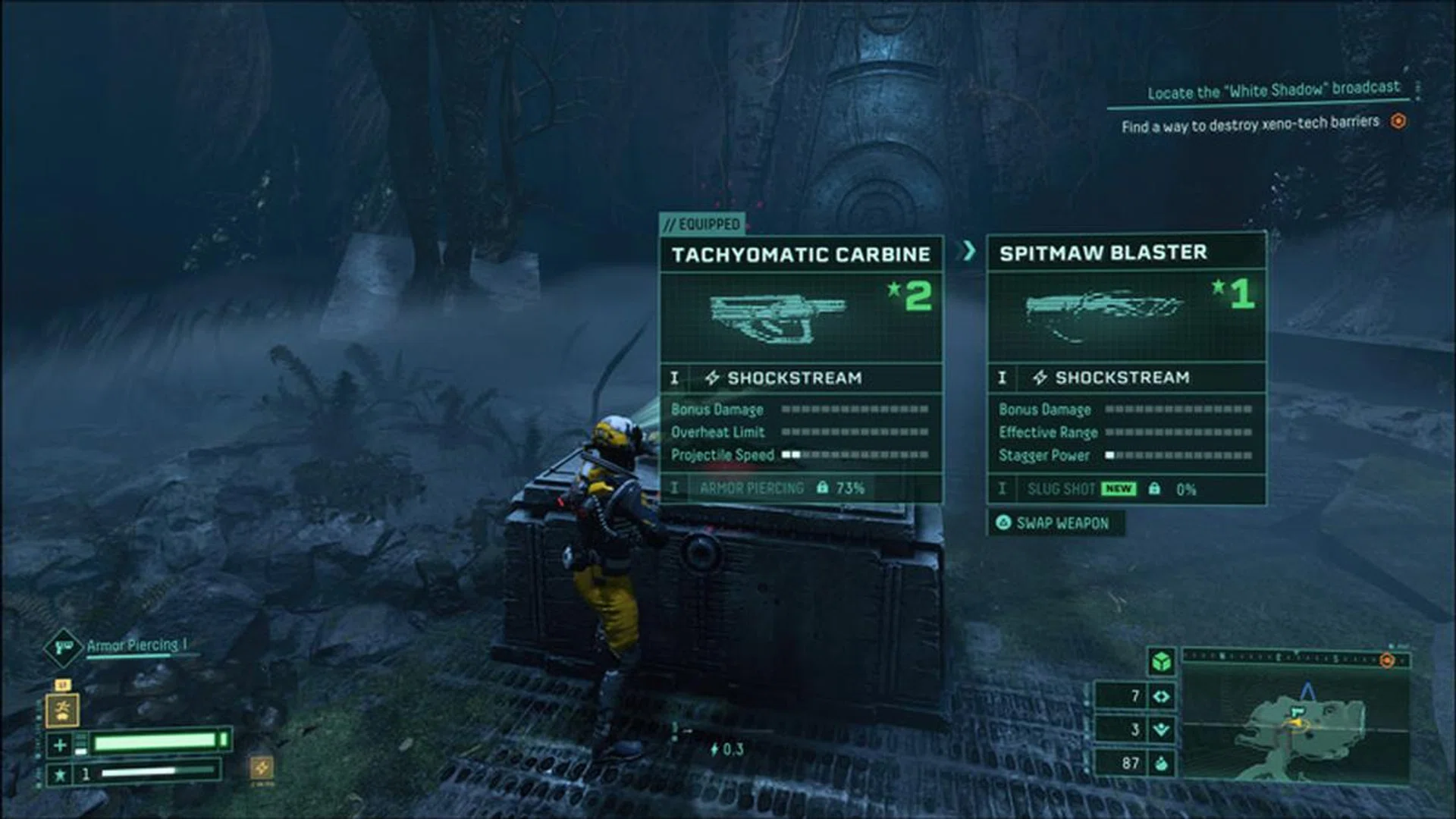
Image: HWZ
I’ve heaped praises on Returnal so far, but it’s time to explain why this game might not vibe with some players despite all of its successes. This is a game of luck. Since each biome is procedurally generated, your success during each run is less a matter of skill and more a matter of praying RNG is on your side. Everything is random, so when you actually do find a weapon you like? When you get through a biome without suffering damage from encountering a difficult miniboss? When you find enough upgrades and health items to survive a boss fight? That’s luck of the draw. It’s the equivalent of winning at Monopoly and actually being proud of it. You just got lucky with those dice rolls, and it could’ve happened to anyone. Sorry, Monopoly fans - try Machi Koro instead.
The best examples of this were the first two biomes’ bossfights, which I managed to beat on my first attempt. Was this a matter of skill? No, I just happened to luck into finding an artifact both times that gave Selene an extra life. Other players might toss themselves at these bosses again and again, and find them to be impenetrable walls. I opened a door and walked right on through. Parasites are another great example of this - these creatures hook up to Selene and provide her with a buff in exchange for a debuff. The usefulness of a buff depends mostly on how debilitating its corresponding debuff is - so depending on your luck, you might not want to pick up any parasites at all for an entire run. It's certainly happened to me.
You do get better at Returnal the more you play it, because enemies start to become more predictable, and the tension of entering a foreign hostile environment begins to dissipate. However, no amount of skill will help you on runs that feel primed for failure from the get-go. Good runs will have you ‘stumble’ across good weapons, artifacts (temporary upgrades) and plenty of health items. Bad runs will find you in the second biome against tough enemies with nothing but a good blaster at your side - and contrary to what Han Solo thinks, you need a little more than that to succeed.
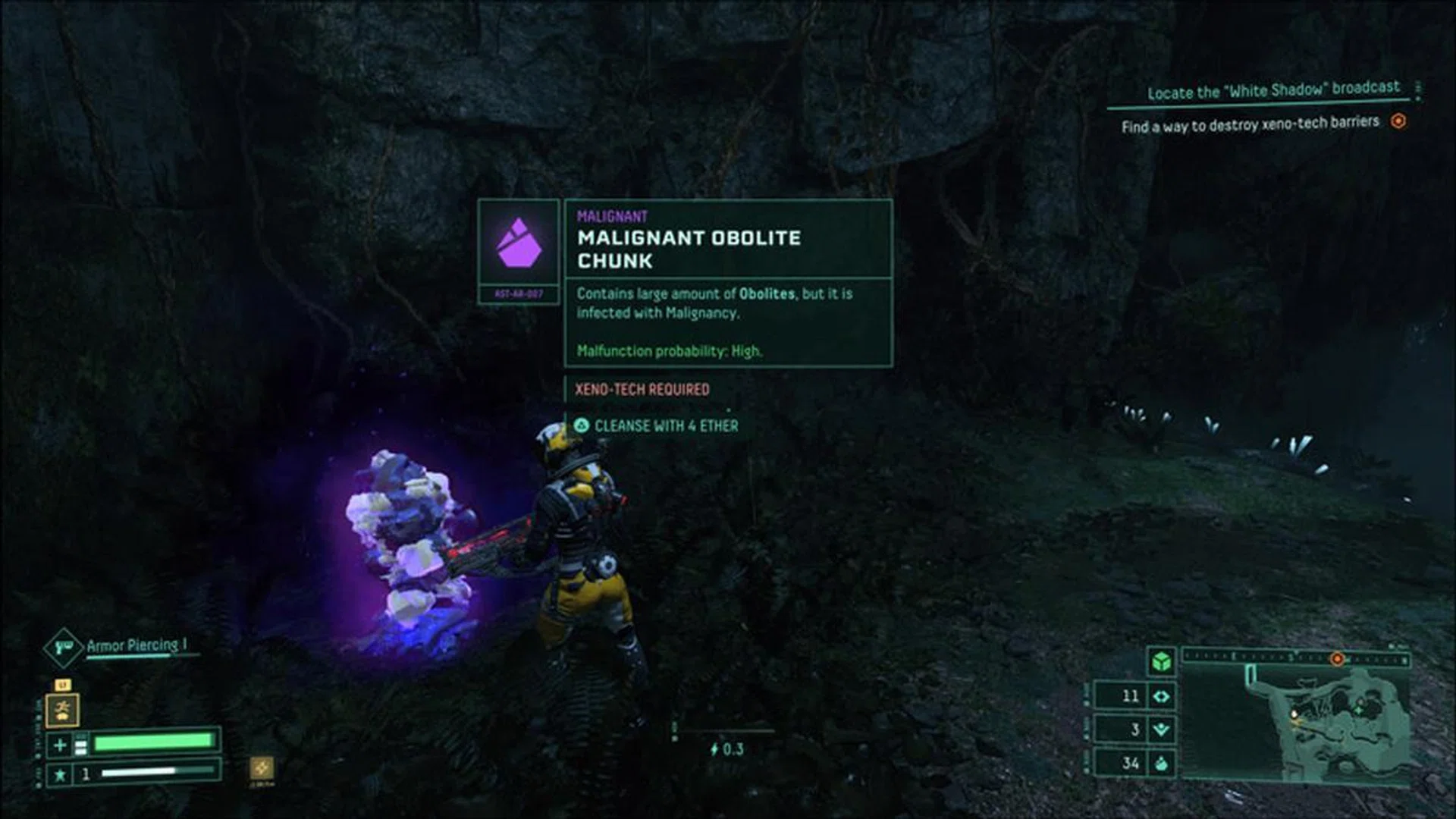
Image: HWZ
You also have this strange malignancy mechanic that doesn’t seem balanced enough to be worth paying attention to. Essentially, every time you pick up objects or open up chests ‘infected with malignancy’, you’ll gain one debuff that hinders Selene’s abilities until she completes a specific objective. For example, she gets a three-second cooldown on her dodge until she kills 25 enemies. These malignancies are never, ever worth it. They are horrendously balanced. You never know how they’re going to impact Selene, so why would you risk it for a weapon you might not want, or a pathetic amount of currency you could easily get elsewhere?
The last negative I want to touch on are, of course, the lack of checkpoints. At this point, it’s a very well known issue, so I won’t bang on about it too much. Each run in Returnal, depending on how many biomes you’ve visited, will take approximately two hours. Not everyone has that much time to sit down and play a game on a given day, but what if I told you Returnal doesn’t have a save feature, and you had to see an entire run all the way through or lose all your progress? Of all the nitpicks I have about this game, this one boggles my mind the most. Games like Hades save your game upon each room you visit, so you can pick up right where you left off every single time. It doesn't hurt that game at all.
Returnal expects you to sit down and play for two hours all the time, every time - despite knowing that most of those runs will wind up in failure. The game does keep your current progress if you put the PS5 in Rest Mode, but hilariously closes your game anyway when it updates because the PS5 was in Rest Mode. Pro tip: turn off Auto Updates!
Verdict
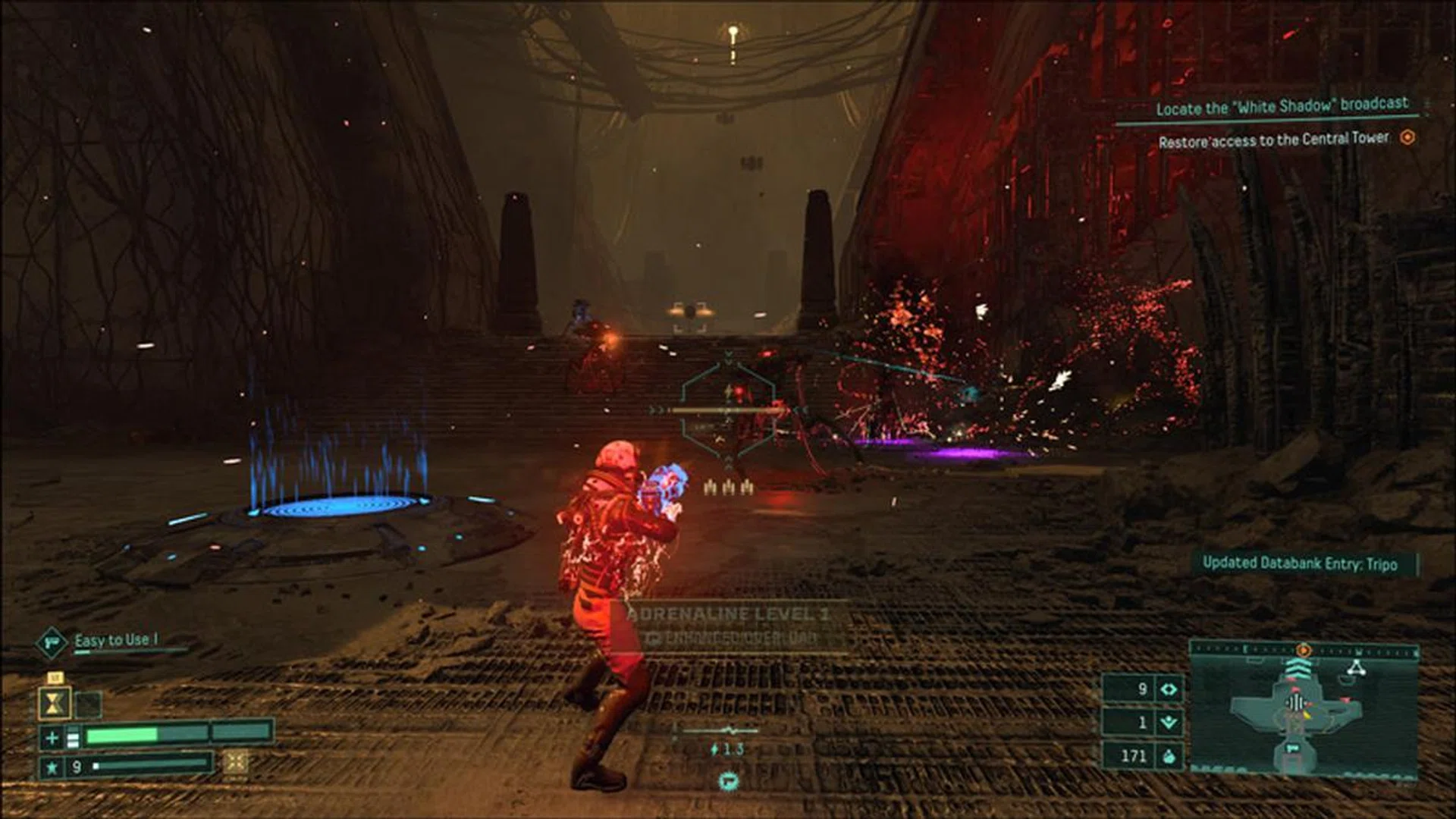
Image: HWZ
Housemarque have truly outdone themselves with Returnal - a gorgeous, immersive, thrill-a-minute sci-fi adventure that takes full advantage of the DualSense controller and the PS5’s remarkably quick loading times. While I have many a bone to pick with this game - the largest fossil being its lack of a quick-save feature - I adored my time with it, and I constantly find myself itching to go back for just one more trip into Atropos. The rather high price point (S$97.90) might concern some but rest assured, the game’s runtime, replayability and amount of content more than justify it.
Is Returnal worth dying for? Yes. Again, and again… and again.
Our articles may contain affiliate links. If you buy through these links, we may earn a small commission.