
PlayStation Portal review: When your PS5 needs to follow you around the house (and outside)
Will Sony ever make a standalone gaming handheld again?
#sony #playstation #gaming

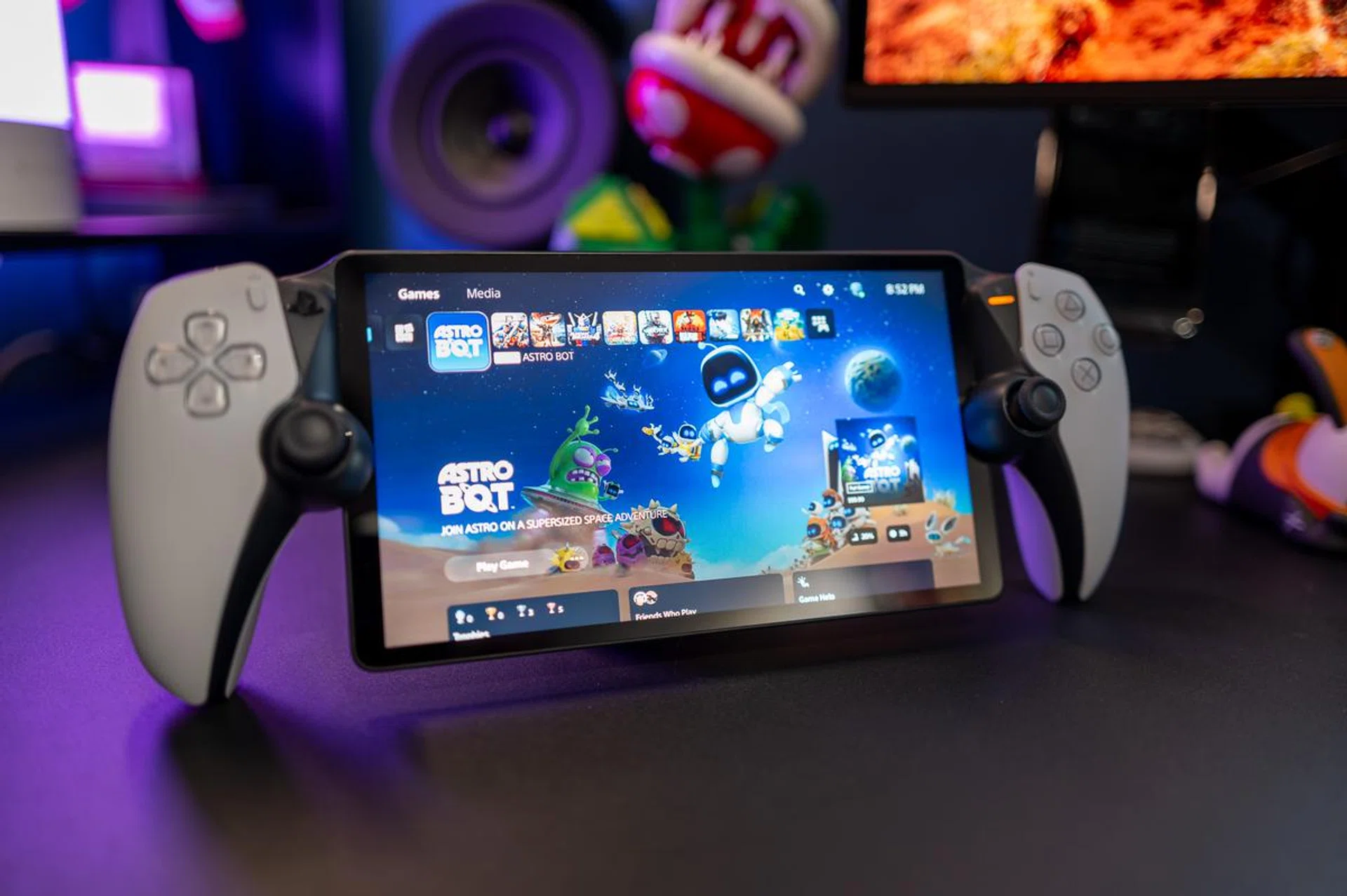
Will Sony ever make a standalone gaming handheld again? PHOTO: HWZ
Sony’s decision to revive handheld gaming with the PlayStation Portal left me scratching my head when it was first announced last year – and only released in Singapore almost a year later. If you were hoping for a true successor to the PlayStation Vita, you’ll be disappointed. While the Nintendo Switch has made portable gaming cool again, the PS Portal isn’t really playing the same game. In fact, it’s not really playing any game since it’s your PlayStation 5 that is actually doing all of the heavy lifting.
Let’s be clear about what the PlayStation Portal is – it’s a streaming device that only works if your PS5 is on and connected to the internet. You can’t download or install games directly on it, and you definitely can’t play them on the move unless the handheld is connected online.
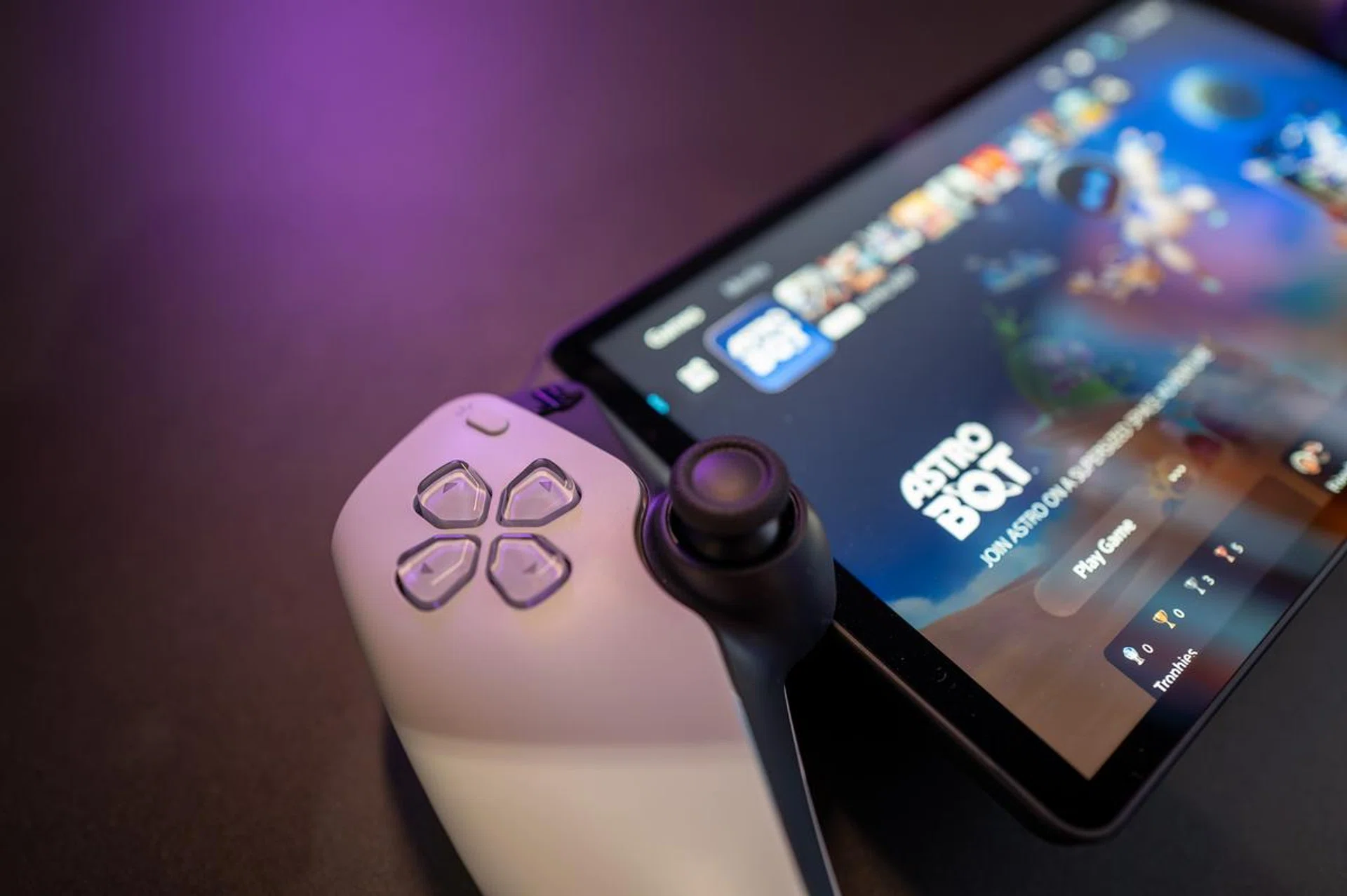
Everything is familiar here. PHOTO: HWZ
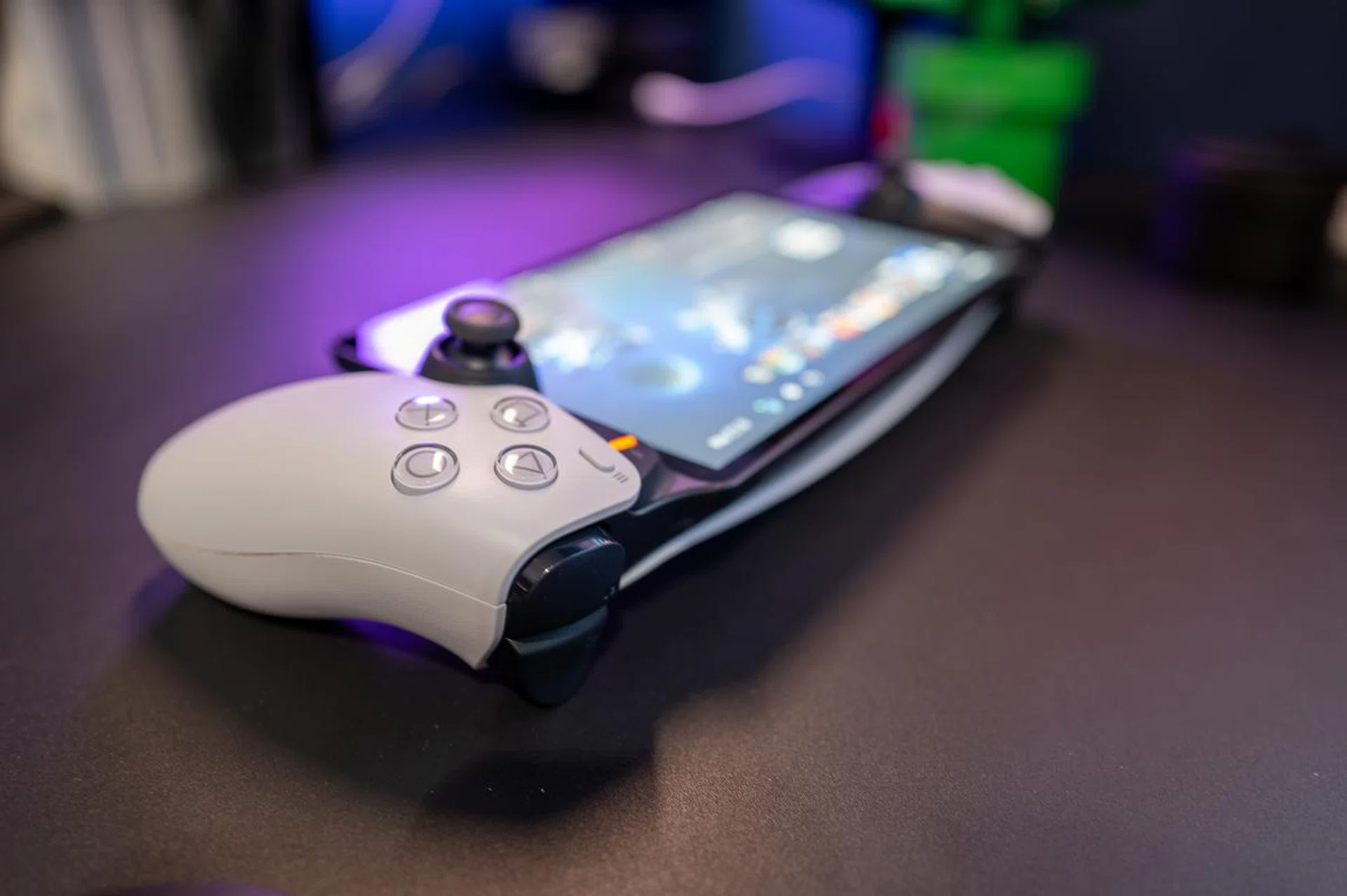
The DualSense touchpad is missing and is probably the PS Portal's only misgiving. PHOTO: HWZ
At S$295.90, it seems like a budget-friendly handheld option, right? Well, don’t forget you’ll need a PS5 for it to work, which means you’re looking at a starting cost closer to S$1,000. So, who’s this really for? Oddly enough, there might be some use for it – if you’re someone who wants to carry on your PS5 session in bed or away from the living room TV, it makes sense. Imagine this: you’re deep into Astro Bot, but someone else in the family wants to watch Netflix in the same room. The Portal lets you continue your game without taking over the main TV.
The PS Portal can also be tethered to your phone’s hotspot. So, you could be taking your PS5 library on a long MRT ride or while sipping a cup of latte at Starbucks. My point here is, the PS Portal can work anywhere so long as there’s a strong and stable internet connection.
It’s reminiscent of the Wii U’s second screen, though less ambitious. Your whole PS5 interface is mirrored on the Portal’s display. So, if you think you can game on it while someone else uses the PS5 to stream Netflix, that’s not happening. Also, most media apps are locked out of the Portal, so don’t expect to catch up on Disney+ too.
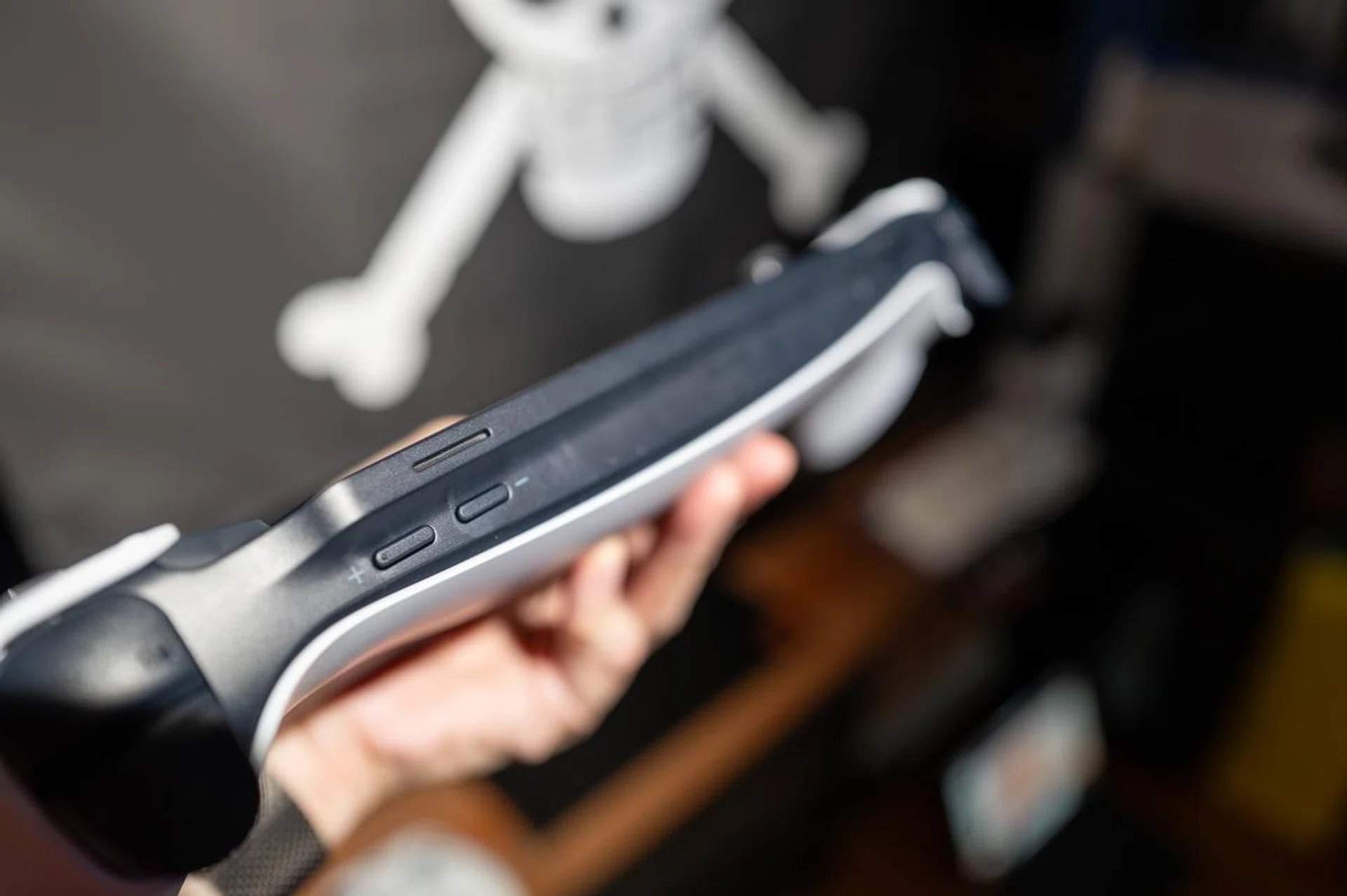
All of the necessary non-gaming buttons such as volume controls and on/off are built at the top. PHOTO: HWZ
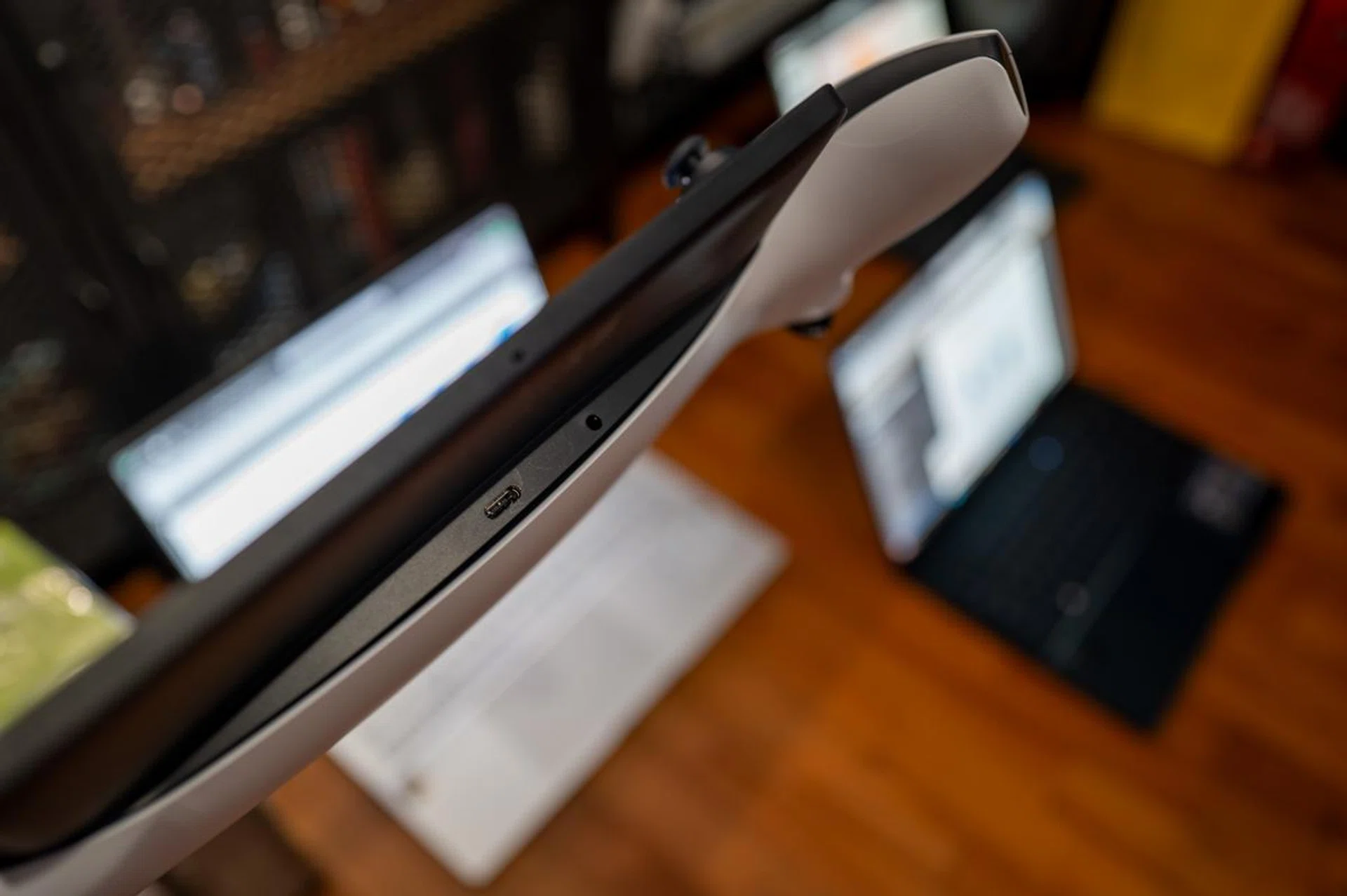
The USB-C port is well hidden under the screen. PHOTO: HWZ
What’s more puzzling is that the Portal doesn’t let you stream PS Plus cloud games, even if you have a subscription. You can only stream games that are installed on your PS5, which is an odd limitation. If Sony could unlock the ability to use the PS Plus library on the Portal, it would give the device a lot more value.
On the positive side, the Portal feels exactly like a DualSense controller with a screen stuck in the middle. If you’re already comfortable with the PlayStation’s layout, you’ll feel right at home here. The lack of any awkward button remapping is a win, especially compared to other handhelds where you’re constantly adjusting the controls to fit. The only hiccup is the touchscreen, which takes the place of the DualSense’s touchpad. It’s serviceable, but using small touchable areas on either side of the screen to mimic the touchpad can be awkward at times.
It’s not perfect, either. For instance, Astro Bot’s gestures felt mostly fine, but when I tried Alan Wake II, which relies heavily on the touchpad, things went south quickly. Key mechanics, like accessing The Mind Place, just didn’t work. Now, this could get patched up in the future, but for now, touchpad-heavy games can be a pain to play.
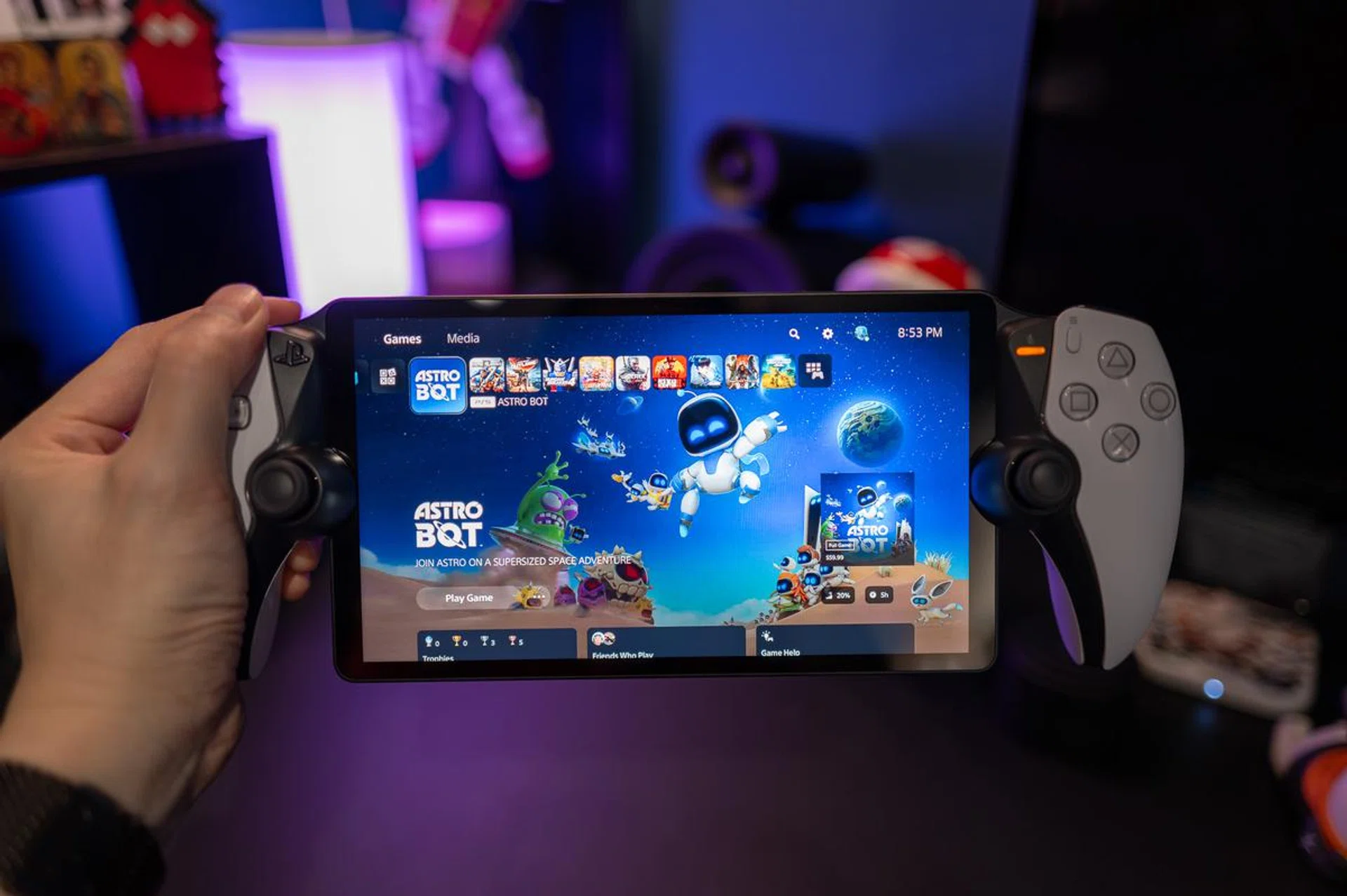
The PS Portal uses and LCD panel, and while it does not compare to an OLED one, it's gorgeous enough on an 8" display. PHOTO: HWZ
The Portal’s 8-inch LCD screen is good enough for most games, delivering up to 1080p at 60fps. You’re not getting an OLED panel here, but for streaming and to conserve battery life purposes, it holds its own with decent black levels. Strangely, Sony left out Bluetooth support for headphones, so if you want to plug in, you’ll have to use a 3.5mm jack or opt for PlayStation Link-enabled headphones. Again, this feels like a battery saving decision. It’s not ideal, but it’s not a dealbreaker either.
As for battery life, you can expect around eight hours on a full charge, which isn’t bad considering the Portal isn’t actually running the games locally. Since it’s streaming, it doesn’t matter whether you’re playing a huge AAA title or a smaller indie game – the battery consumption stays pretty consistent.
The real hurdle with the Portal, however, is its need for a solid Wi-Fi connection. Sony claims you only need 5Mbps to make it work, but in reality, you’ll need more than that, especially for fast-paced action games. Unfortunately, the Portal only supports Wi-Fi 5, not the faster Wi-Fi 6/6E standards. In a device so reliant on a steady connection, this is a curious limitation. When I tested God of War: Ragnarok, things were mostly smooth, but the stream struggled during intense, fast-moving sequences. If your Wi-Fi or mobile network isn’t great, the experience is going to be frustrating.
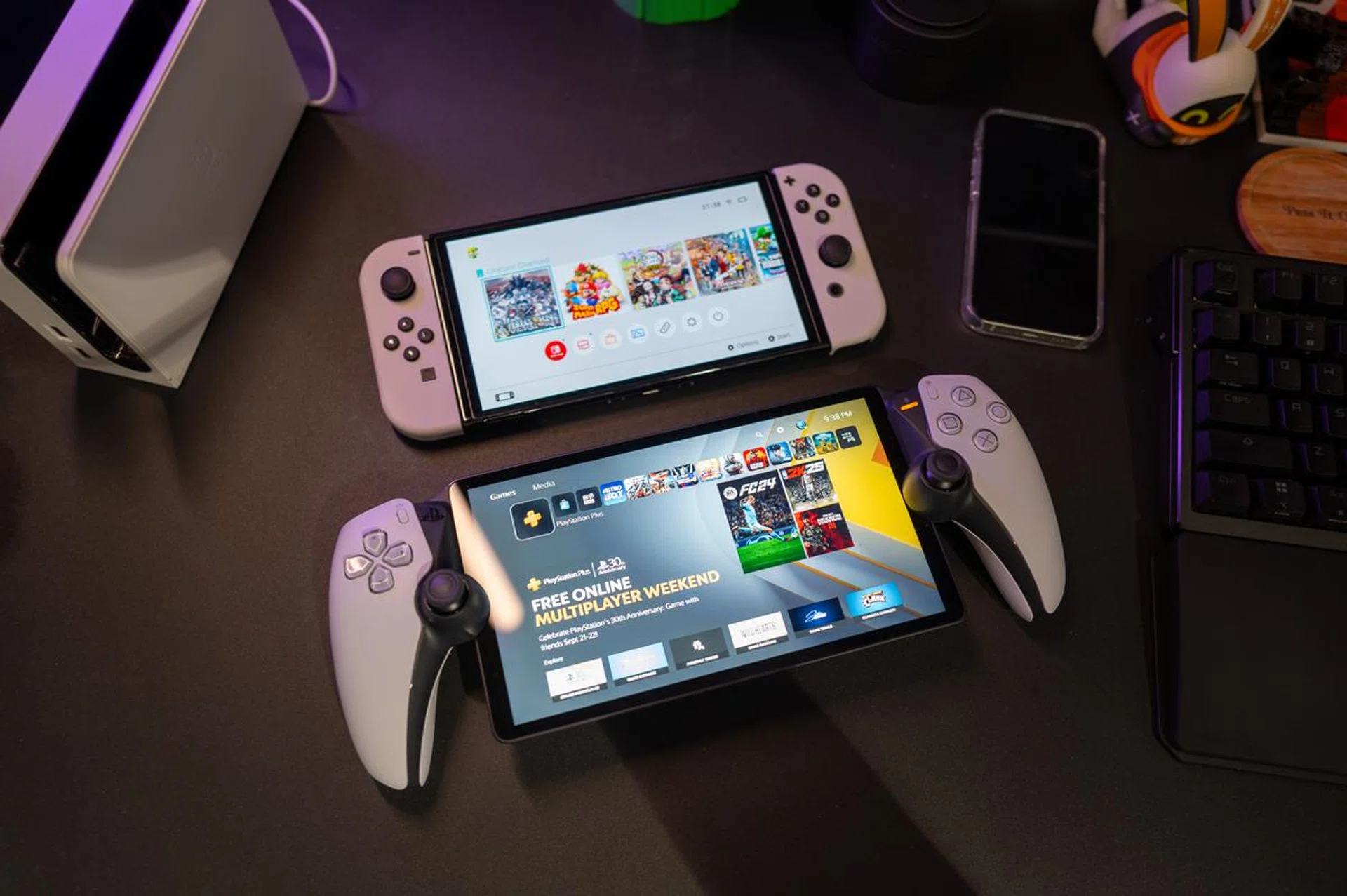
Playing the PS Portal outside of the home is not as straightforward as, say, the Nintendo Switch. PHOTO: HWZ
The big question, though, is whether you actually need the PlayStation Portal in the first place at all. If you already have a tablet or smartphone, you can use Sony’s free Remote Play app to stream PS5 games just the same. Sure, the Portal offers some convenience – like being able to remotely turn on your PS5 – but it’s hard to ignore the fact that there are cheaper alternatives. Is it worth S$295 for those extra little perks?
In the end, the PlayStation Portal has its niche. If you’re the kind of gamer who wants to play PS5 games in different rooms of the house without dominating the TV, it could be useful. But it’s not an essential buy for every PS5 owners. Whether it’s worth your money depends on how much you value the convenience it offers, quirks and all. It just didn’t work for me.
The PlayStation Portal is available for S$295.90 at the Sony e-store (click here to buy) and participating retailers.
Our articles may contain affiliate links. If you buy through these links, we may earn a small commission.