
Paper Mario: The Thousand-Year Door (Switch) review: A GameCube classic reimagined
This remake strikes a nice balance between nostalgia and modernisation.
#nintendo #mario #gaming
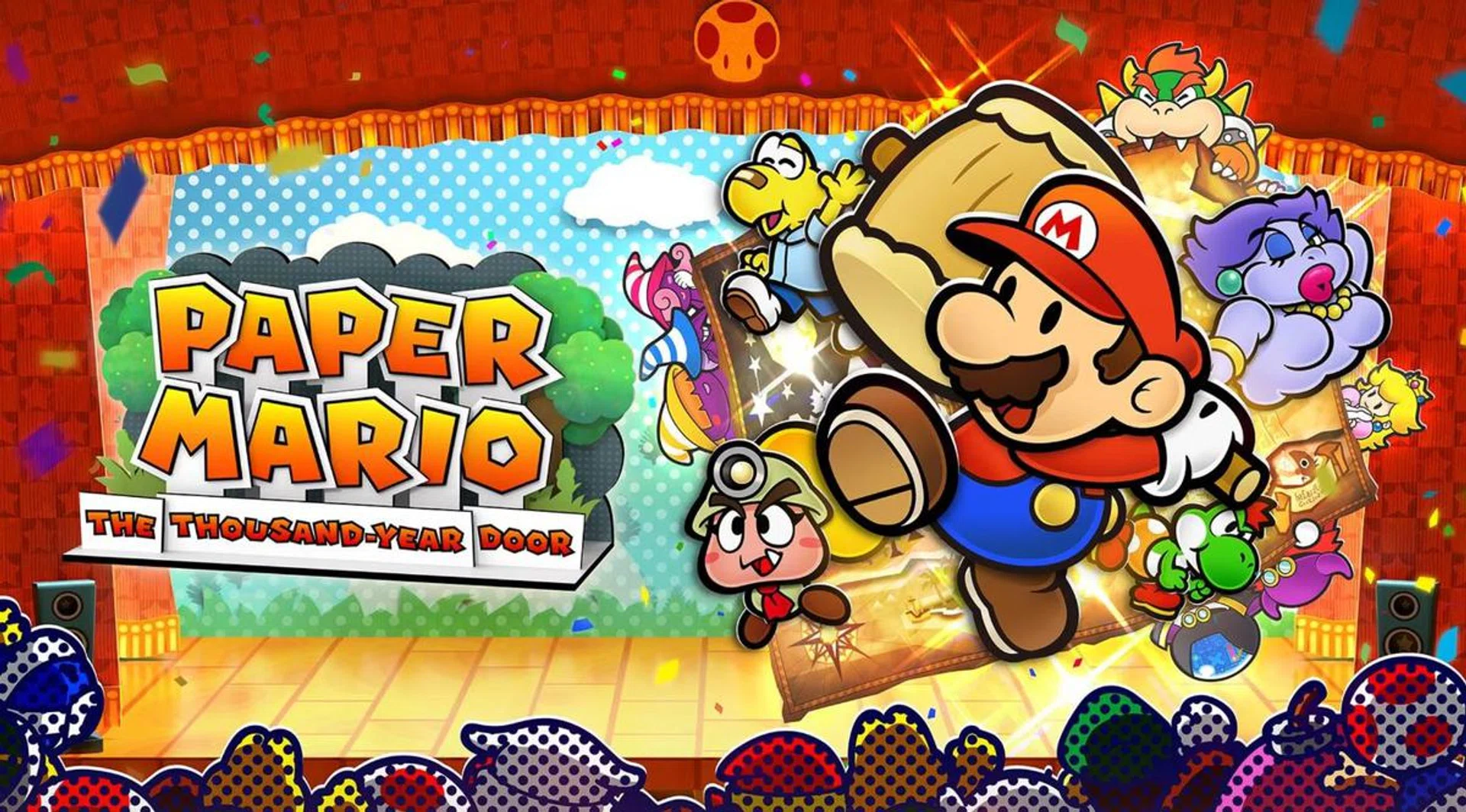
Playing the remake Paper Mario: The Thousand-Year Door for Nintendo Switch in 2024 feels like diving into a time capsule, especially when you recall some of the more polarising entries in the series. My personal encounters with the Paper Mario series were mainly through Sticker Star and Super Paper Mario – titles that steered the beloved franchise in some strange directions. So, coming into this remake, I wasn’t sure what to expect. However, after spending a good chunk of time in Rogueport and beyond, I now remembered why I love the game when it first came out for the GameCube 20 years ago.
But let’s start my review from the ground up.
From the get-go, Rogueport establishes itself as a hub teeming with life and personality, despite its seedy underbelly. Mario’s interactions with all sorts of NPCs, some familiar like Goombas and Koopa Troopas, while others more obscure, help to paint a vibrant picture of a world that doesn’t feel like your typical Mario fare. The plot kicks off in standard Mario trope: Peach finds a mysterious treasure map and, of course, calls on Mario to help her find it. The twist comes when Peach is kidnapped, but for once, Bowser isn’t the culprit. From here, Mario sets off to rescue her and unlock the secrets of the Thousand-Year Door.
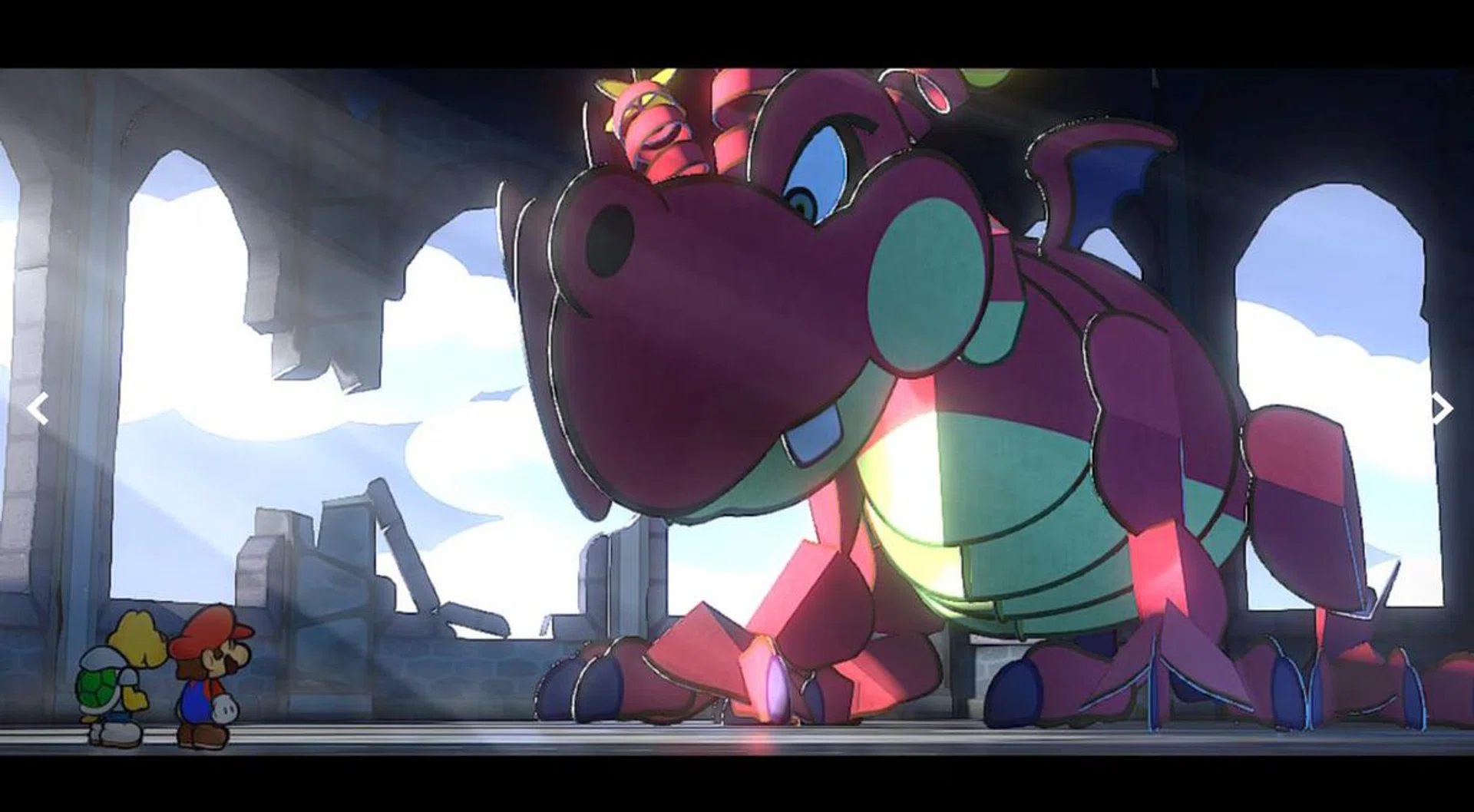
IMAGE: NINTENDO
It’s a relatively simple setup by RPG standards, but what makes The Thousand-Year Door stand out is its execution. The game excels at combining its narrative with quirky characters and cleverly designed locations. Goombella, for example, quickly becomes one of Mario’s closest allies. Not only does she add to the banter, but her ability to “tattle” on enemies adds an interesting layer of strategy to combat. By identifying an enemy’s stats and weaknesses, Goombella helps Mario – and you – plan out his attacks more effectively.
What surprised me most was how well The Thousand-Year Door balances exploration with puzzle-solving, keeping things fresh even when revisiting areas. Mario’s companions each have unique abilities that you’ll use to solve environmental puzzles, and as you gain new abilities, areas that initially seemed closed off suddenly open up with hidden secrets. It adds to the longevitity of the game.
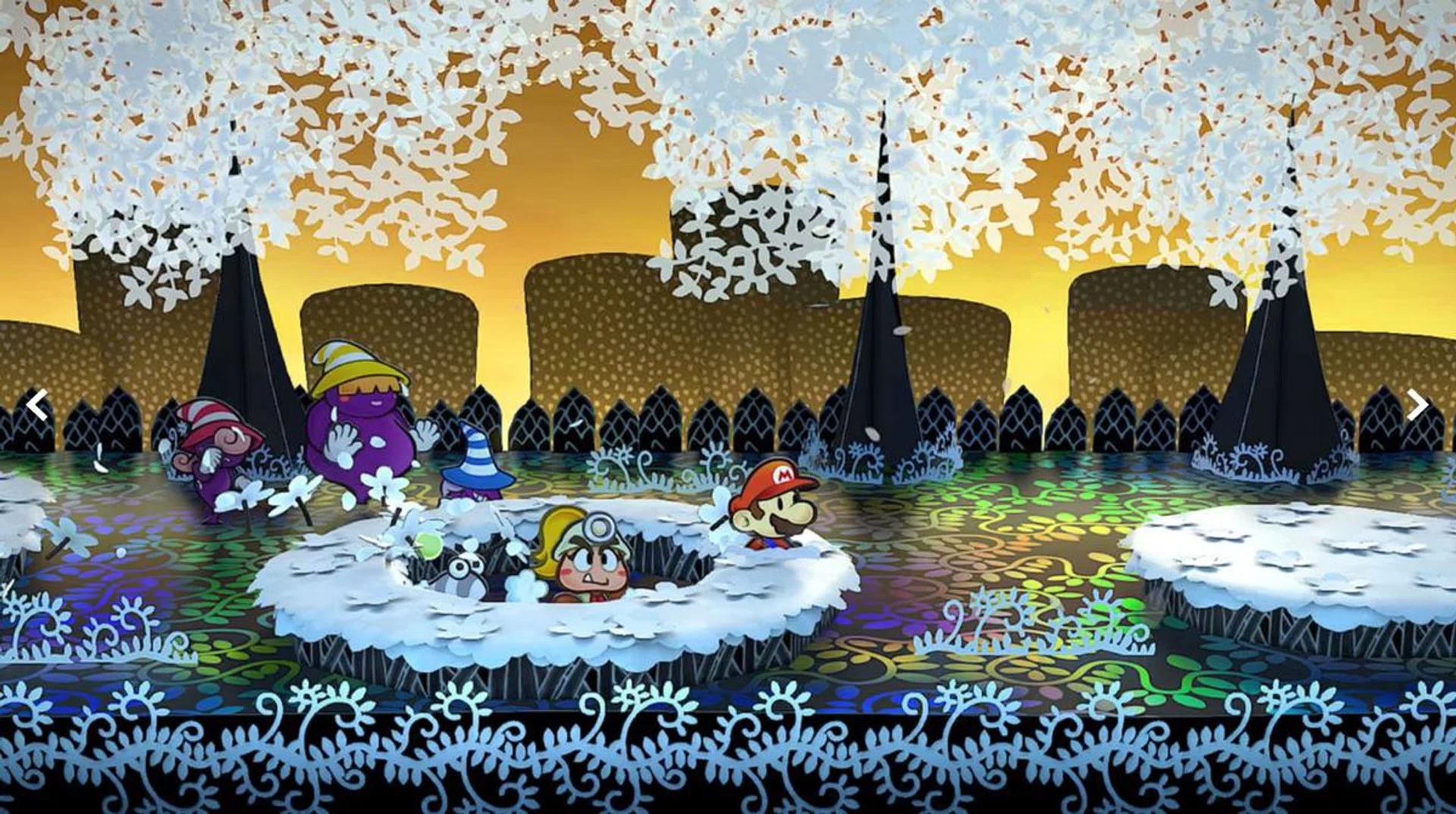
IMAGE: NINTENDO
The battle system sticks to turn-based mechanics, but it keeps players on their toes with the use of timed actions. Whether Mario’s pulling off a double jump or winding up his hammer for a powerful strike, you need to hit the right inputs at the right moment. While the mechanics aren’t revolutionary and Nintendo has avoided shaking up the game’s core mechanics, they add enough depth to keep fights interesting across the game’s varied chapters even by modern standards.
Now, as much as I enjoyed most of the game’s pacing, there was a noticeable snag during the Glitzville section. Set in an arena where Mario has to fight his way through the ranks, the chapter drags a bit longer than necessary. I usually enjoy an arena-style challenge, but the 20-battle climb felt like it stalled the story’s momentum. It wasn’t enough to derail the experience entirely, but it did make that part of the game feel a bit too drawn out.
That said, the rest of the game flows smoothly, with each chapter bringing something new to the table. From a detective mystery on a train to exploring the ancient ruins of Hooktail Castle, The Thousand-Year Door continually mixes up its locations and challenges to keep things fresh. It’s this variety that helps the game maintain its charm, even when the core gameplay remains largely unchanged from chapter to chapter.
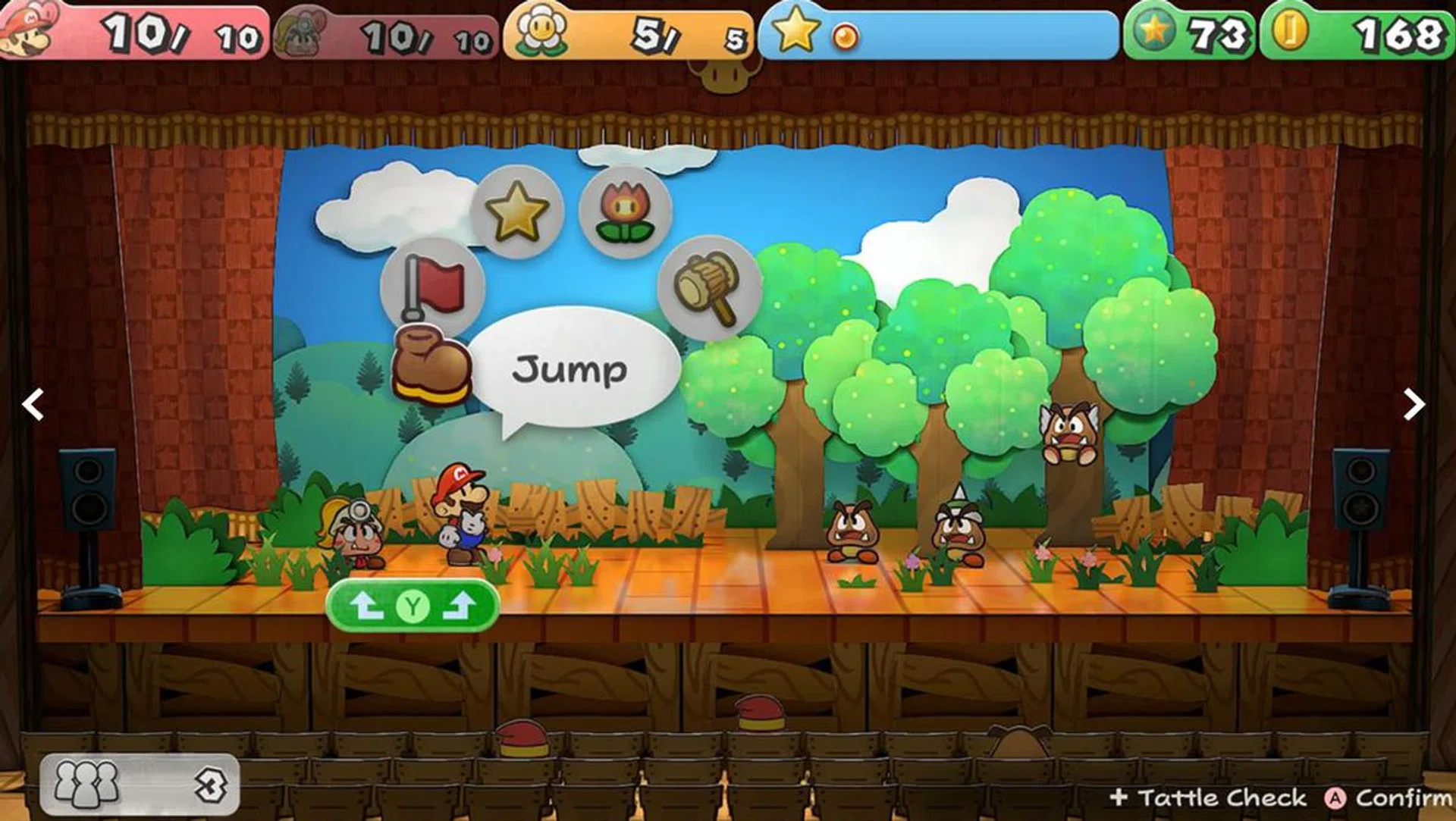
IMAGE: NINTENDO
While Nintendo has kept the game’s original core and gameplay largely intact, it did introduce a few quality-of-life improvements. For instance, there’s a new Warp Pipe room under Rogueport that cuts down on some travel time. Most of the changes are subtle, though, and don’t alter the core experience in any meaningful way. If you’ve played the original, the remake will feel instantly familiar.
One of the best aspects of this remaster is how it brings The Thousand-Year Door to modern audiences without compromising what made it special in the first place. It looks stunning on the Switch, especially when playing on a larger TV screen. The game’s timeless art style holds up remarkably well, and the soundtrack is just as catchy and atmospheric as it was back in the GameCube days.
There’s been a lot of debate online about how remasters should be handled, and I think The Thousand-Year Door strikes a nice balance between nostalgia and modernisation. It doesn’t reinvent the wheel, nor does it need to. What it does is offer the definitive way to play a game that still holds up remarkably well, both in terms of gameplay and design. If you missed out on it during the GameCube era, this is the perfect chance to see what the fuss was about with the original Paper Mario: The Thousand-Year Door.
Paper Mario: The Thousand-Year Door is now available for the Nintendo Switch.
Our articles may contain affiliate links. If you buy through these links, we may earn a small commission.