
NVIDIA GeForce 7950 GT 512MB (PCIe)
The successor to the venerable GeForce 7900 GT, the 'new' GeForce 7950 GT has been given a good clock speed bump with double the frame buffer size, HDCP compliancy and is tagged not much higher at US$299. ATI too has a 'renewed' part in this segment and we intend to find out how well NVIDIA's entry can hold up against it.

The GeForce 7900 GT gets an Upgrade and a New Name
Right after ATI's 'product refresh' rejuvenating their entire graphics card series, NVIDIA moved in fast and furious to tweak their performance series lineup. With a wide performance and price berth between the GeForce 7600 GT, GeForce 7900 GT and the GeForce 7900 GTX, last week's launch of the GeForce 7900 GS and GeForce 7950 GT has definitely helped a certain extent to bridge the gap. Since these new offspring are practically based on the GeForce 7900 GT with just a few tweaks, the original variant would soon cease to exist. Given the US$199 price point of the slightly crippled GeForce 7900 GS with one less operating quad and performance close to its US$270+ predecessor, consumers have a lot more to cheer about than grieve of the GeForce 7900 GT's departure.
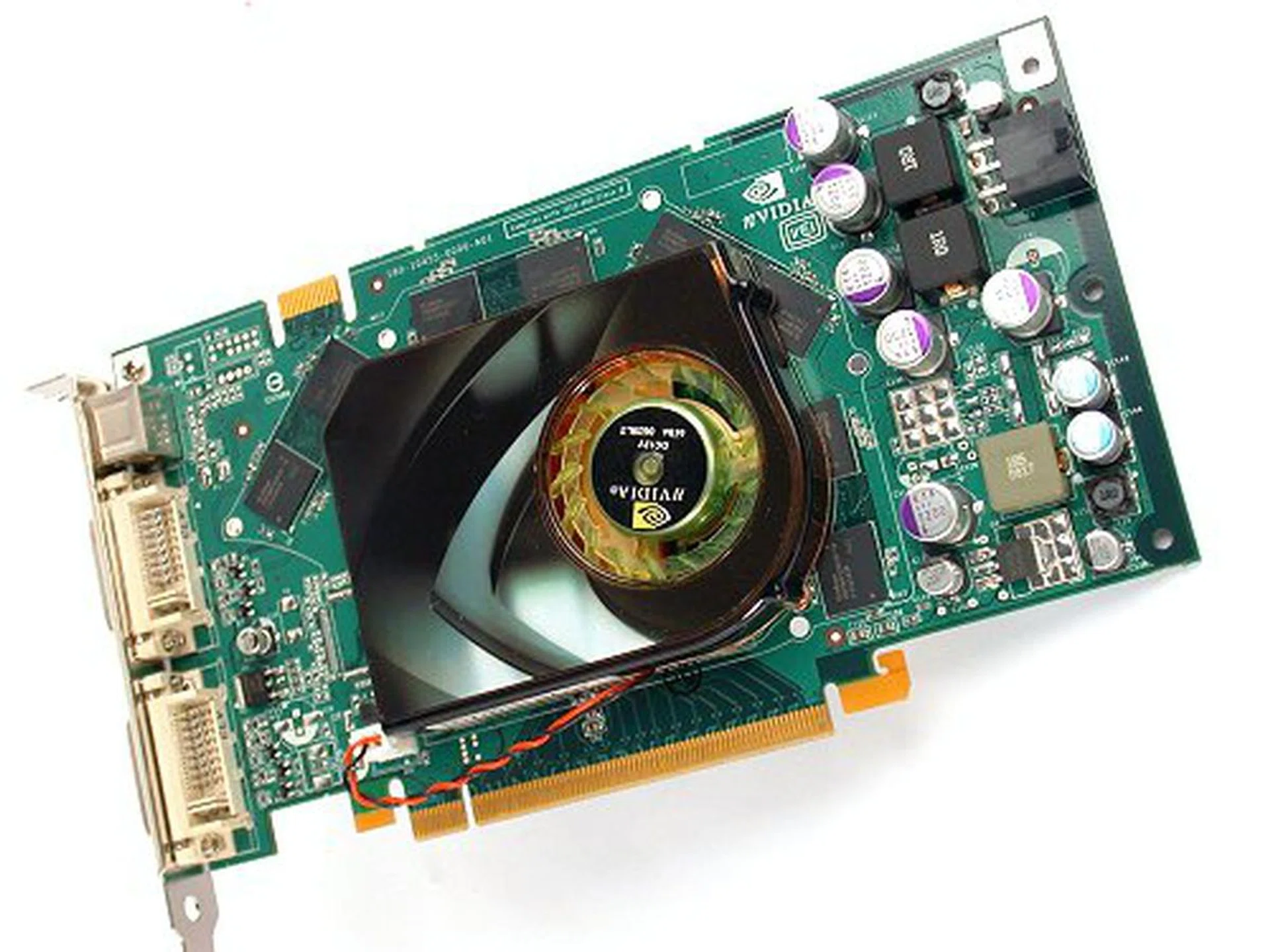
The GeForce 7950 GT takes over the spot of the venerable GeForce 7900 GT and though it looks similar superficially, it's expected to be since the newcomer is just a speedier version of the old dog and comes with double the frame buffer size.
In fact to fill the void between it and the enthusiast class GeForce 7900 GTX, today NVIDIA is making available a speedier version of the GeForce 7900 GT, which is what the GeForce 7950 GT is about at the US$299 price point. The 'new' GeForce 7950 GT maintains the exact same GPU architecture as the departing GeForce 7900 GT with 8 vertex shaders, 24 pixel pipelines and 16 raster operator units (ROPs), but is now clocked higher at 550MHz for the core with its massive 512MB frame buffer running at 1400MHz DDR. While we acknowledge that's making good use of a successful SKU to deliver more appropriate variants for the ever-changing market, we don't fancy the confusing product matrix. Lined up in ascending performance, NVIDIA's updated high-end segment consists of the GeForce 7900 GS, GeForce 7950 GT, GeForce 7900 GTX and the GeForce 7950 GX2. Still, beware of the lingering GeForce 7900 GT till the stocks deplete from retailers.
Physically, the GeForce 7900 GS, GeForce 7900 GT and the GeForce 7950 GT are virtually indistinguishable from one another if they're not labeled. The only sure way to identify them is to install them into a system with the most updated drivers. Not surprising since all three are based on one design, right down to the cooler with a variable speed fan, and even have the same peak power consumption of 82 watts. A close look at the PCB rear revealed some minor changes to the power delivery components of the GeForce 7950 GT card to better support its higher capacity memory devices as well as faster default clock speeds. It's not of any significance, but for those interested, here are the photos:-
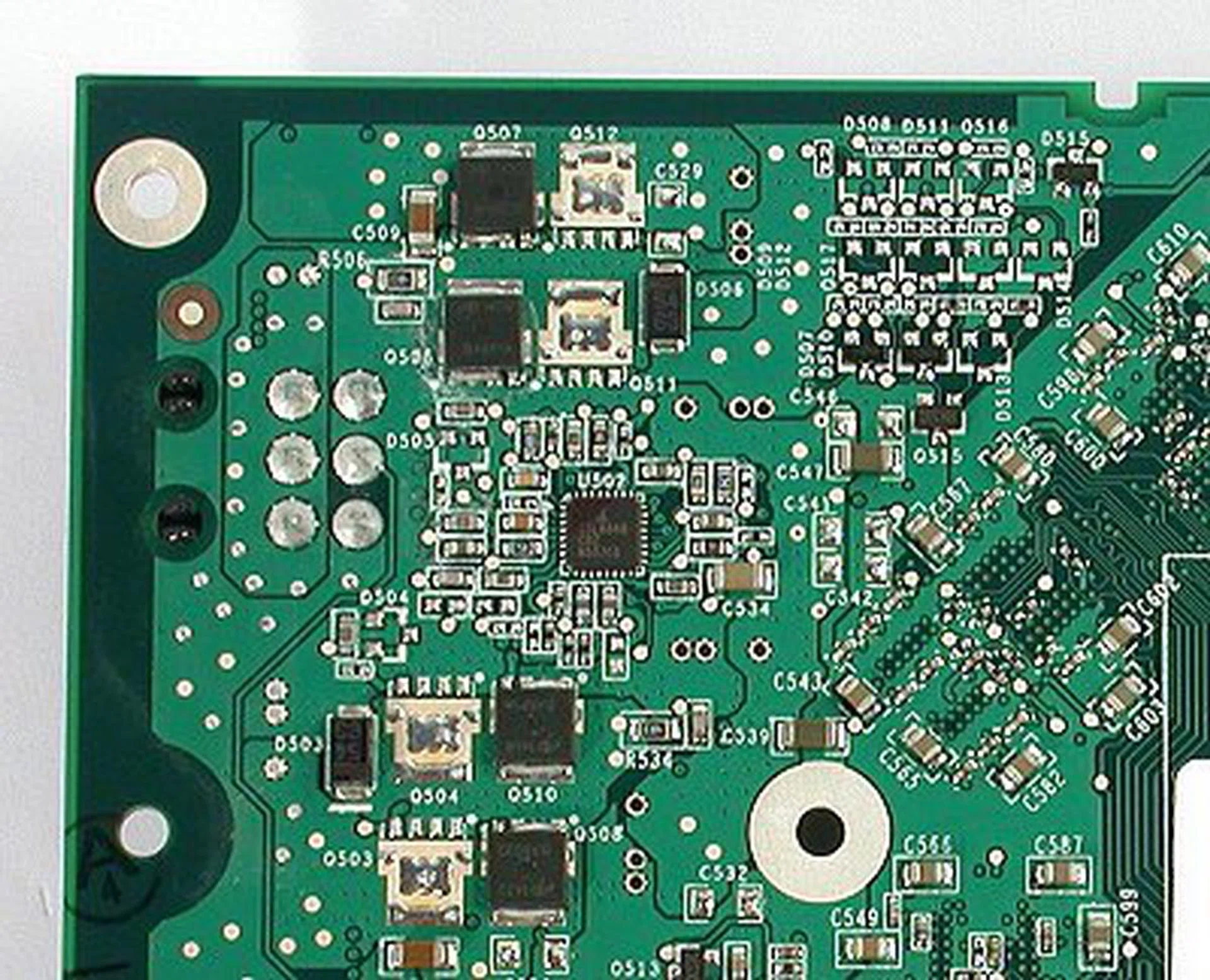
This is the close-up rear shot of a typical GeForce 7900 GS and GeForce 7900 GT.
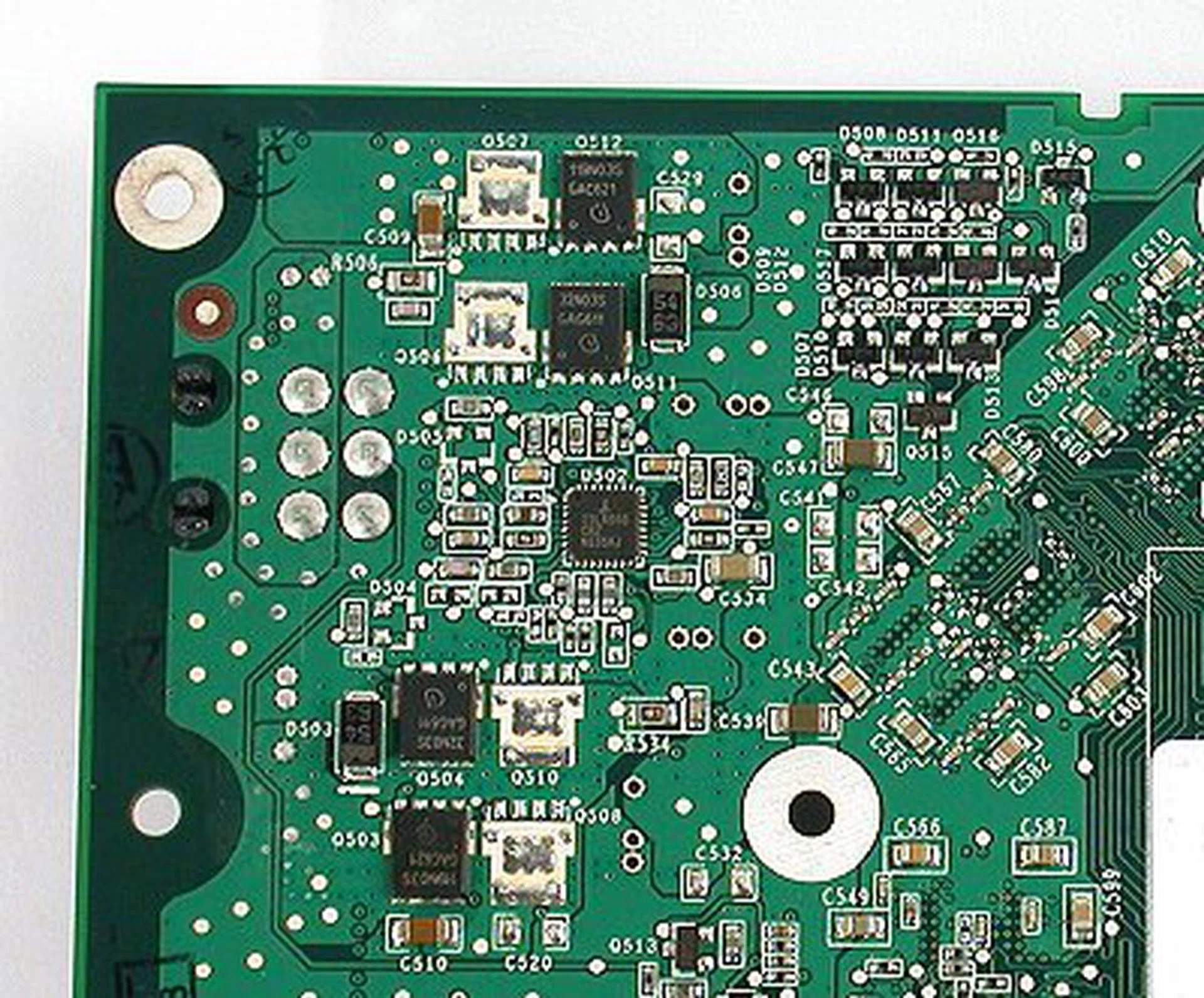
And here we have the GeForce 7950 GT. Looks like NVIDIA already planned one PCB design for future needs.
The GeForce 7950 GT however, has one other design specification that was left optional for the GeForce 7900 GS and GT versions:- Full HDCP compliance. Instead of leaving the implementation to the vendors, the GeForce 7950 GT SKU is required to have the HDCP encryption keys in the EEPROM and that's a mandatory requirement laid down by NVIDIA (thankfully). With all modern GPUs having the capability to support the HDCP encoding encryption standard used with DVI or HDMI interfaces to link up with digital A/V components when outputting high definition protected movie content (such as those on Blu-ray or HD DVD), it's a shame that only a handful of graphics cards now have been endowed with the HDCP encryption keys to make the link a reality. The counterargument is of course that the protected HD content is non-existent until today, but this is an endless chicken and egg debate that would be more fruitful to discuss in a separate article. Lets move on with comparison and test setup details on the next page.
GPU Comparison
About everything has been discussed about the new SKU, so without further ado, we share with you the GPU comparison table and we ask you to critically take note where the different GeForce graphics cards stack up. ATI's Radeon X1900 XT 256MB that's supposed to debut for US$299 or less, is the direct competitor to the GeForce 7950 GT, but we have yet to get hold of the newer 256MB version and have thus primarily pinned NVIDIA's contender against the Radeon X1900 XT 512MB version that's more readily available at the moment. If history serves us right, the difference in frame buffer size does not account to much difference in mainstream gaming and thus we would expect the 256MB version to be just as fast as the 512MB version. The lesser spec'd Radeon X1900 GT is seated right smack in the middle of the GeForce 7900 GS and the GeForce 7950 GT in terms of price point, but it tends to perform closer to the former. For those contemplating on the Radeon X1900 GT, it would be interesting to see if NVIDIA's latest options would tempt these people to choose one of these instead.
Model | NVIDIA GeForce 7950 GT 512MB | NVIDIA GeForce 7900 GS 256MB | NVIDIA GeForce 7900 GT 256MB | NVIDIA GeForce 7900 GTX 512MB | ATI Radeon X1900 XT 256MB / 512MB | ATI Radeon X1900 GT 256MB |
Core Code | G71 | G71 | G71 | G71 | R580 | R580 |
Transistor Count | 278 million | 278 million | 278 million | 278 million | 384 million | 384 million |
Manufacturing Process (microns) | 0.09 | 0.09 | 0.09 | 0.09 | 0.09 | 0.09 |
Core Clock | 550MHz | 450MHz | 450MHz | 650MHz | 625MHz | 575MHz |
Vertex Shaders | 8 | 7 | 8 | 8 | 8 | 8 |
Rendering (Pixel) Pipelines | 24 | 20 | 24 | 24 | 16 | 12 |
Pixel Shader Processors | 24 | 20 | 24 | 24 | 48 | 36 |
Texture Mapping Units (TMU) | 24 | 20 | 24 | 24 | 16 | 12 |
Raster Operator units (ROP) | 16 | 16 | 16 | 16 | 16 | 12 |
Memory Clock | 1400MHz DDR3 | 1320MHz DDR3 | 1320MHz DDR3 | 1600MHz DDR3 | 1450MHz DDR3 | 1200MHz DDR3 |
DDR Memory Bus | 256-bit | 256-bit | 256-bit | 256-bit | 256-bit | 256-bit |
Memory Bandwidth | 44.8GB/s | 42.4GB/s | 42.4GB/s | 51.2GB/s | 46.4GB/s | 38.4GB/s |
Ring Bus Memory Controller | NIL | NIL | NIL | NIL | 512-bit (for memory reads only) | 512-bit (for memory reads only) |
PCI Express Interface | x16 | x16 | x16 | x16 | x16 | x16 |
Molex Power Connectors | Yes | Yes | Yes | Yes | Yes | Yes |
Multi GPU Technology | Yes (SLI) | Yes (SLI) | Yes (SLI) | Yes (SLI) | Yes (CrossFire) | Yes (CrossFire) |
DVI Output Support | 2 x Dual-Link | 2 x Dual-Link | 2 x Dual-Link | 2 x Dual-Link | 2 x Dual-Link | 2 x Dual-Link |
HDCP Output Capable? | Yes | No - vendor dependent | No - vendor dependent | No - vendor dependent | No - vendor dependent | No - vendor dependent |
Street Price | ~ US$299 | ~ US$199 | ~ US$270 - 299 | ~ US$450+ | ~ US$290+ / ~US$350+ | ~ US$249+ |
Test Setup
Our graphics testbed is equipped with an Athlon 64 FX-55 processor built upon the MSI K8N Diamond Plus motherboard and 1GB of low latency Kingston HyperX DDR400 memory. If you took note of the graphics card comparison drawn above, those are the exact same contenders we've lined up against the GeForce 7950 GT. In addition to those, we have one other interesting entry, the Palit GeForce 7900 GT Sonic. The Palit card shares specs closest to the new GeForce 7950 GT with clock speeds at 550/1320MHz and 512MB of memory. Simply said, we are trying to establish if there's anything to get excited about with the entry of the GeForce 7950 GT. Here's the list of all the cards compared and the accompanying driver version last tested on:-
- NVIDIA GeForce 7950 GT 512MB (ForceWare 91.47)
- NVIDIA GeForce 7900 GS 256MB (ForceWare 91.47)
- NVIDIA GeForce 7900 GT 256MB (ForceWare 91.47)
- Palit GeForce 7900 GT Sonic 512MB (ForceWare 84.21)
- NVIDIA GeForce 7900 GTX 512MB (ForceWare 84.21)
- ATI Radeon X1900 XT 512MB (Catalyst 6.8)
- ATI Radeon X1900 GT 256MB (Catalyst 6.8)
Here then are the benchmarks we used to gather the performance results presented in the following pages:-
- Futuremark 3DMark05 Pro (version 120)
- Futuremark 3DMark06 Pro (version 102)
- Chronicles of Riddick: Escape from Butcher Bay (version 1.1)
- Tom Clancy's Splinter Cell 3: Chaos Theory (version 1.3)
- F.E.A.R
- Quake 4
Results - 3DMark05 Pro & 3DMark06 Pro
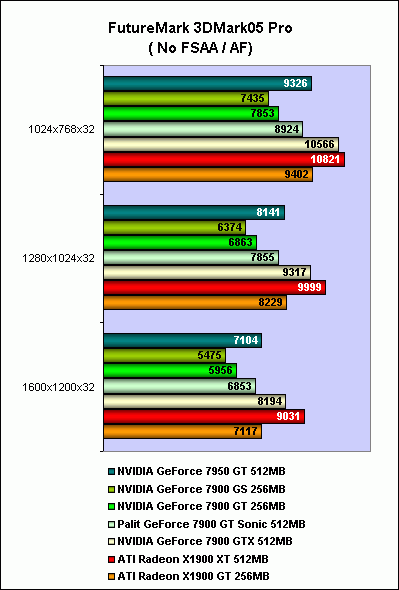
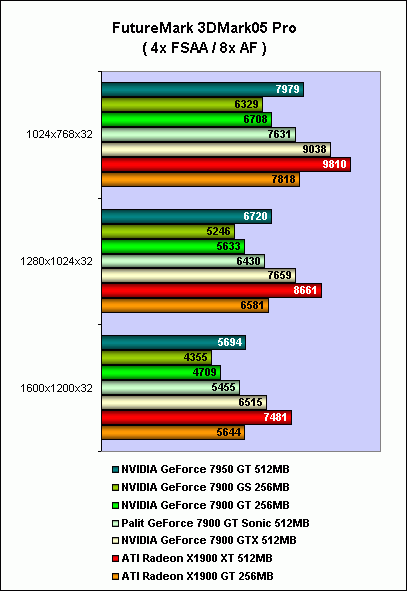
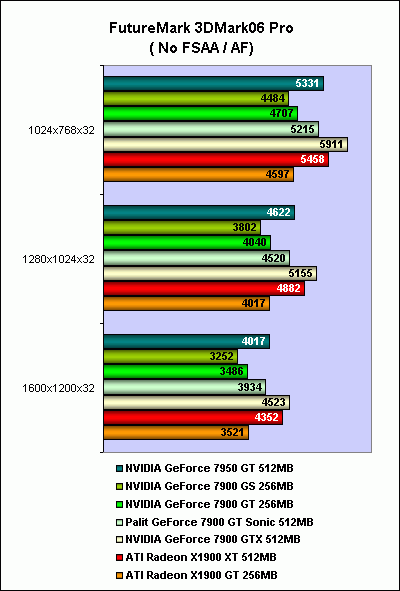
Judging from the first round of results from synthetic benchmarks, the Radeon X1900 XT 512MB is still the better performer of the compared group and even if we were to give the 256MB version a slight handicap, it would still match up well against the GeForce 7950 GT. Against counterparts in its own turf, performance was expectedly in the same ballpark as the Palit GeForce 7900 GT Sonic edition, 20% to 30% speedier than the GeForce 7900 GS variant and just under 15% striking distance of the GeForce 7900 GTX behemoth. The figures aren't bad at all, but it's nothing that we already don't know about since there are several overclocked GeForce 7900 GT graphics cards in the retail channel.
Results - Splinter Cell 3: Chaos Theory & F.E.A.R (DirectX 9 Benchmarks)
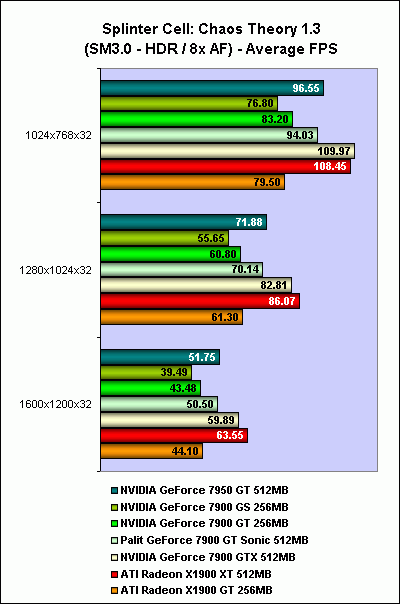
Findings from Splinter Cell 3 weren't too far from what we encountered in the 3DMark suite, except that the ATI Radeon X1900 XT 512MB fared consistently more than 20% better, garnering more than 10 frames per second difference between itself and the GeForce 7950 GT. And it seems that even the GeForce 7900 GTX has troubles outpacing the Radeon X1900 XT. The Radeon X1900 GT, which NVIDIA fondly makes comparison at the moment, is actually on equal footing with the now outdated GeForce 7900 GT. We expect ATI to make an update to it soon, but it remains to be seen how it would fit in the performance rung with the ATI Radeon X1900 XT 256MB edition also in the lineup.
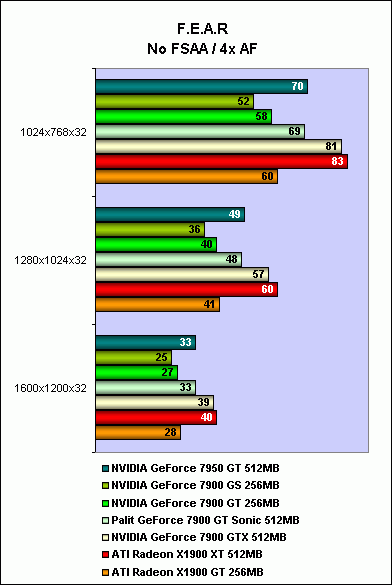
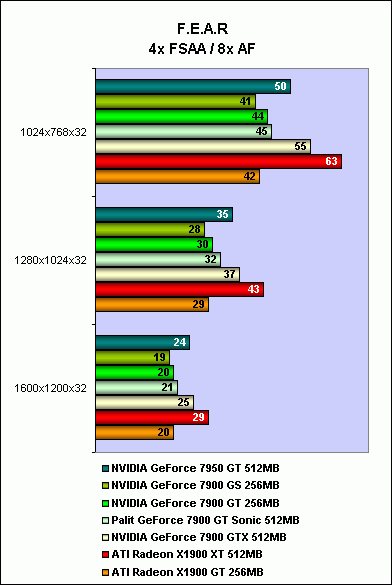
In the even more demanding F.E.A.R. game, the outcome is rather identical to that seen above. The Radeon X1900 XT 512MB once again distances itself with a greater than 20% performance differential. The Palit and NVIDIA GeForce 7900 GTX would have fared a little better had we updated their results with the latest drivers, but you can safely guess that it won't be a lot higher in any case.
Results - Chronicles of Riddick: EFBB (SM 2.0+ OpenGL Benchmark)
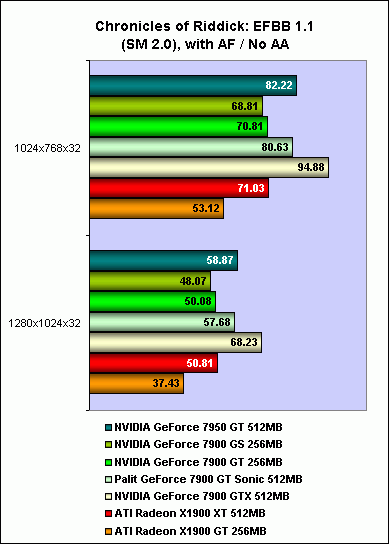
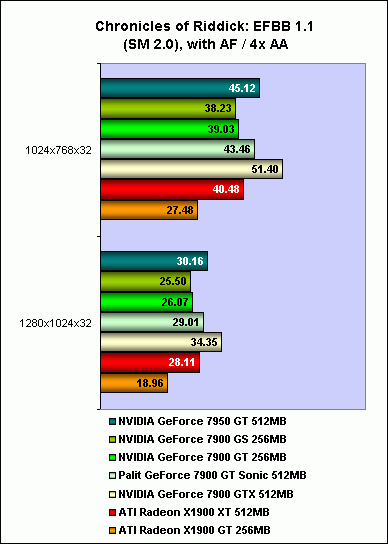
ATI's OpenGL tweaking is somewhat inconsistent to date as some games perform a lot better, while Chronicles of Riddick ends up in the its unfavorable section. This is one of the first benchmarks were the green team has a sizeable lead.
Results - Quake 4 (SM 2.0+ OpenGL Benchmark)
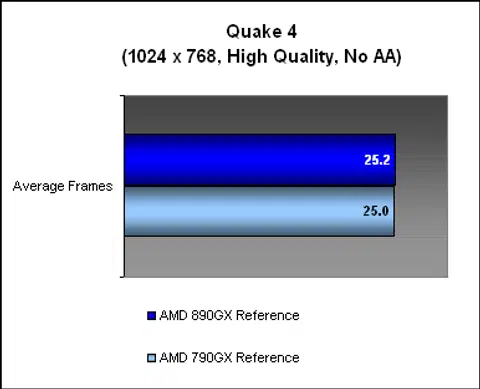
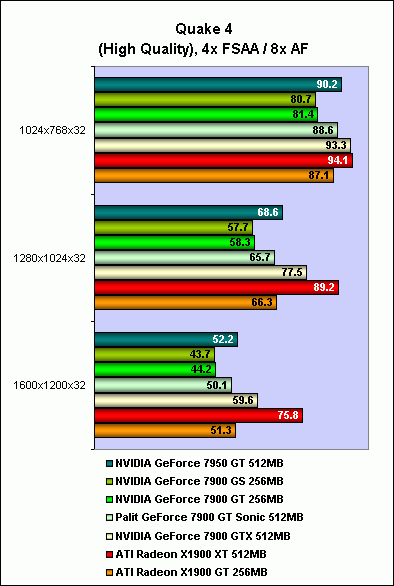
Though the GeForce 7950 GT was close to 20% speedier than the GeForce 7900 GS, it was easily trounced by the Radeon X1900 XT 512MB by a staggering 30% margin. Just as we said on the earlier page, while ATI is busy brushing up on the OpenGL gaming performance, it has somewhat turned out to be game dependent and doesn't quite apply to OpenGL gaming in general. Still, some tweaking is better than no tweaking, but we hope to see a more uniform improvement.
Temperature Testing
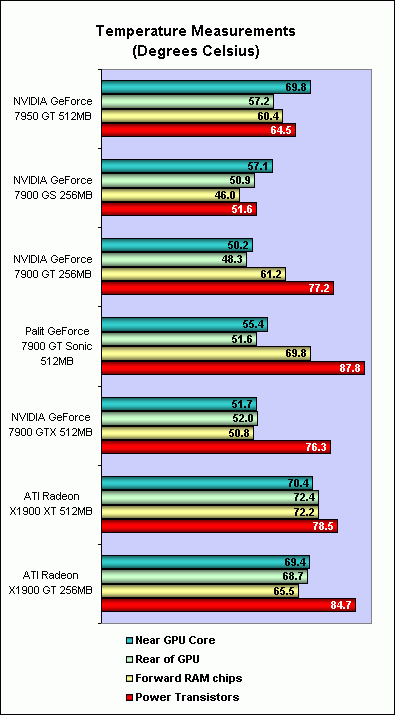
Temperature testing revealed that the GeForce 7950 GT in the thick of gaming operates a fair bit warmer than the GeForce 7900 GT and the GeForce 7900 GS. Thankfully the fan noise is low and given the same cooler used on all these variants, we were expecting the observed outcome. While encroaching towards the space of being a little too hot for our liking, the GeForce 7950 GT still operates cooler than any Radeon X1900 XT ever would. The latter is also not only nosier, but has a much larger profile. The GeForce 7950 GT on the other hand, is still a single slot solution.
Overclocking
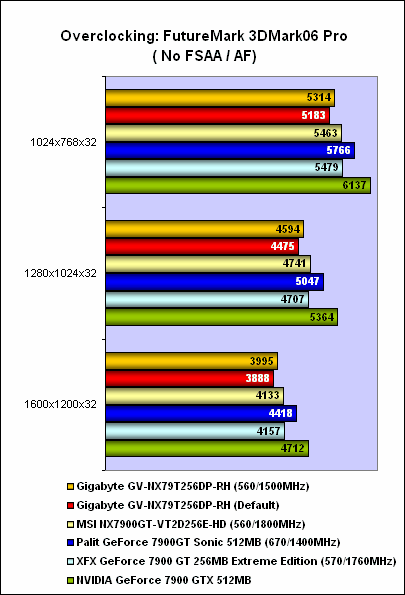
Featuring the same G71 core for the entire of NVIDIA's performance and enthusiast lineup, we are by now relatively well tuned with the limits of this core. The cream of the crop naturally ends up in the GeForce 7900 GTX beast, whilst relatively good ones are used in the GeForce 7950 GT and the GeForce 7950 GX2. The rest are reserved for the GeForce 7900 GS and GeForce 7900 GT variants. As such, we expect overclocking headroom to be in the range of marginal to reasonable and nothing more. True enough, we managed a reasonable overclock of 635/1480MHz that bagged us 10% more performance than the stock configuration. However, we caution that the heat output would be much more than what we encountered at stock speeds, so be prepared to handle that if you choose to embark on an overclocking spree. From our observation, the overclocked GeForce 7950 GT approached the top ranked cards, which are often priced in excess of US$400 and it might be just worth your while if you figure out your system ventilation and swap the stock cooler with a third-party version to be on the safe side. It's your choice, but just remember that nobody endorses overclocking should you play with high stakes.
Conclusion: Hmm... Upgrades!
NVIDIA chose an interesting option to split the sole GeForce 7900 GT into two SKUs to better spread their products and cover more price points. Thus came the GeForce 7900 GS, which we reviewed a week earlier, and today we have reviewed the direct successor to the GeForce 7900 GT - the GeForce 7950 GT. Given a model number upgrade, you would have expected a lot more out of it, but underneath the hood, it's basically the same old GeForce 7900 GT given an overclock (to 550/1400MHz), doubled the frame buffer size (to 512MB) and endowed with a HDCP compliant EEPROM (with the HDCP encryption keys). In essence, it's nothing that we've already seen to date. The closest description of these attributes would fit that of the Palit GeForce 7900 GT Sonic edition that we've reviewed several months back. And more recently, we've also looked at HDCP compliant versions from MSI, and it even came overclocked too. So really, the GeForce 7950 GT was nothing out of the ordinary to us but a mere progression in the lineup (and a another good way to confuse people). What we do agree is that NVIDIA's refresh is far more logical and positive than ATI's Radeon X1650 PRO and X1300 XT variants that were mere re-branding.
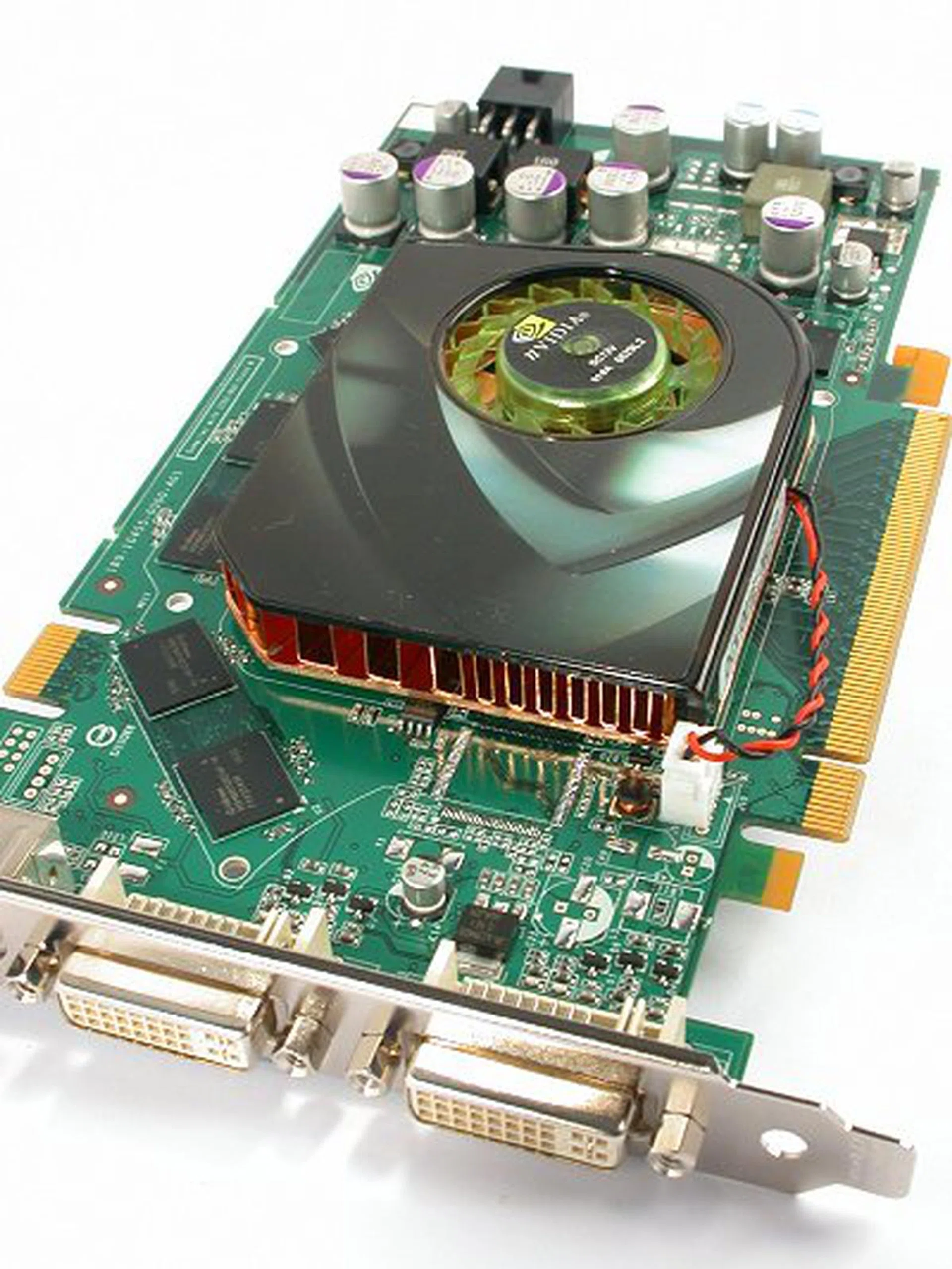
The GeForce 7950 GT is a good effort on NVIDIA's part with a better thermal envelope, lower power consumption and quiet operation in a single-slot form factor as compared to the competition. Despite these favorable traits, it was a letdown in performance against ATI's Radeon X1900 XT.
The kicker is that the GeForce 7950 GT is now up to 20% speedier than the original GeForce 7900 GT and it costs not much more either at US$299. The slightly lower spec'd GeForce 7900 GS on the other hand, goes for only US$199 and maintains much of the performance spectrum (easily up to 85%) of the GeForce 7900 GT, which will now exit the market. Everything sounds fair and well, that is until we drag in ATI's competing parts. At US$299 or lower, ATI expects to have their Radeon X1900 XT 256MB contending for the same spot at the GeForce 7950 GT. However, the 256MB edition of the Radeon X1900 XT is still very new and has hardly populated the retail scene yet. In fact, we couldn't get our hands on one either. But as shown in this review, we've used the standard 512MB edition in our comparisons and this handsomely takes the performance crown. Given our history with various 256MB and 512MB graphics cards over these two years, we can safely conclude that the difference in frame buffer size hardly impacts mainstream gaming. You might argue that we've yet to dwell into extreme high-definition gaming with lots of AA and the sort, but before you bounce us that question, take a rain check on the performance figures we've shown you first. At extreme resolutions and high degree of antialiasing, performance would plummet much further than what we've shown and is not as sustainable for smooth game play as what both ATI and NVIDIA would have you believe; unless you own really high-end computing specs. SLI and CrossFire offer the performance needed for these, not single-card solutions - not yet at least.
Back to head-on comparison of the Radeon X1900 XT and the GeForce 7950 GT, the saving grace of NVIDIA's new SKU has got to be lower power consumption, lower thermal output, far lower operating noise than its rival and the single-slot form factor. If these characteristics hold much higher value to your gaming and computing needs, the GeForce 7950 GT is a clear winner in these aspects. The only caveat is that the Radeon X1900 XT 256MB can possibly offer up to 20% more performance for the same price point and that's not a small figure to overlook indeed. Some of the vendor's new Radeon X1900 XT parts are even fully HDCP compliant, such as the latest shipment from PowerColor. So although all of NVIDIA's GeForce 7950 GT cards boast this feature, ATI is catching up in this area too.
Make no mistake, NVIDIA definitely has a very delectable SKU this time around, but its performance isn't actually as high as we would like it, especially since the competition at the same estimated price point delivers much higher gaming scores. Should ATI's partners fail to deliver the Radeon X1900 XT 256MB cards in time and at the US$299 price bracket, NVIDIA might just win itself more business despite ATI's 'valiant' pricing efforts. Stay tuned to more updates in our graphics channel as we bring you more reviews in this exciting graphics tug-of-war.
Our articles may contain affiliate links. If you buy through these links, we may earn a small commission.