
Nokia E72 Preview
Announced earlier this week at the Nokia Connections 2009 (just before CommunicAsia) was the spanking new Nokia E72, the successor to the popular Nokia E71. Thanks to the folks at Nokia, here's a quick preview of the Nokia E72, albeit in prototype form.

Better than Before
Announced earlier this week at the Nokia Connections 2009 (just before CommunicAsia) was the spanking new Nokia E72, the successor to the popular Nokia E71.
The Nokia E72 is powered by S60 3rd Edition, Feature Pack 2, though with a number of enhancements built-in, one of which is the new Nokia Messaging client, as well as a free lifetime Walk license for Nokia Maps. One interesting point to note here is that the North American release of the E71 (dubbed the E71x) also sports S60 3rd Edition, Feature Pack 2, while the E71 everywhere else only has the Feature Pack 1 version. On the question of Nokia releasing a software update for the E71 to bring it up to speed, we'll just have to wait and see.
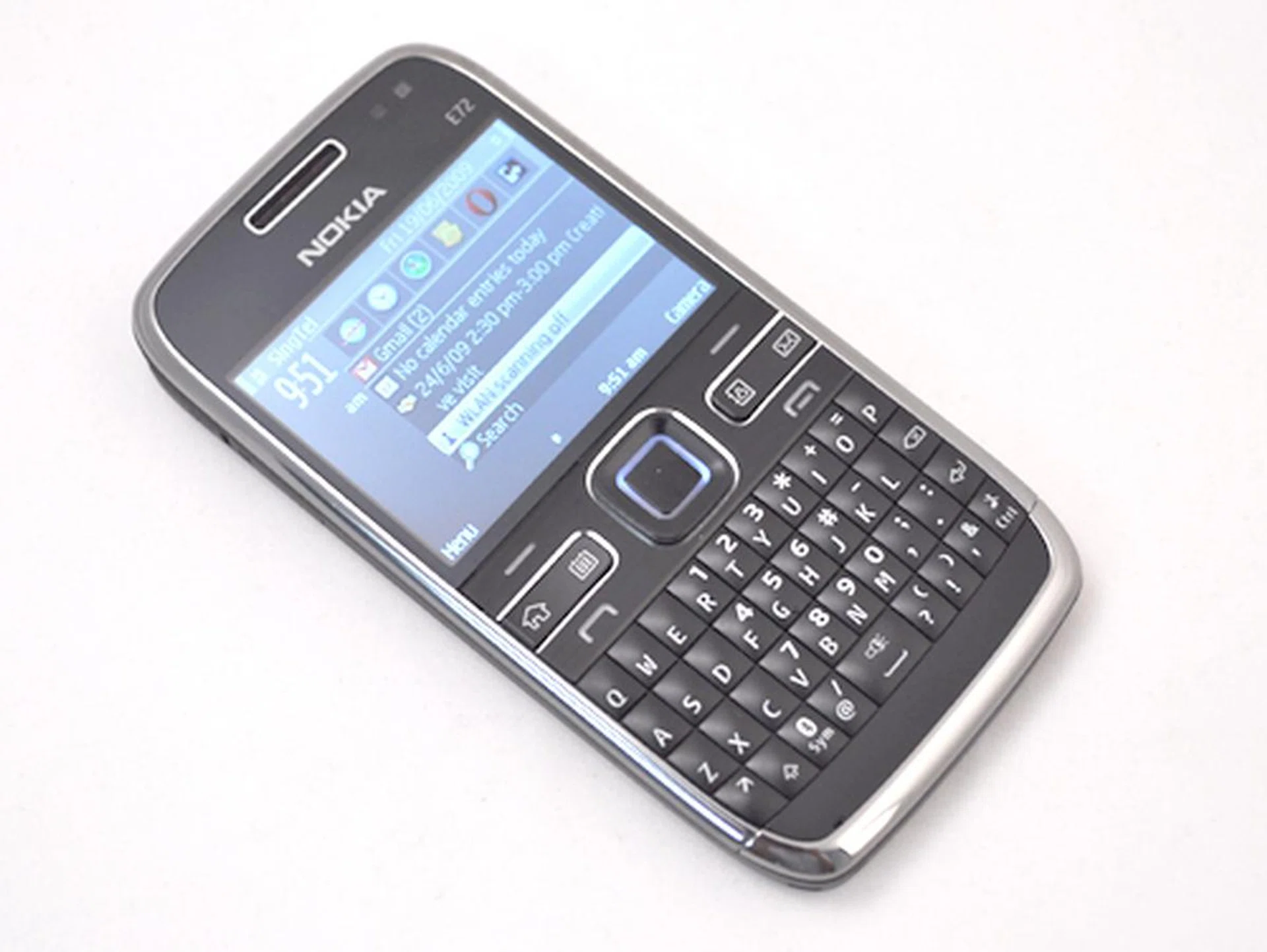
Not much has changed with regards to the form factor when we look at the Nokia E72. You'll notice a slightly smaller space bar, but wider keys across the QWERTY keypad.
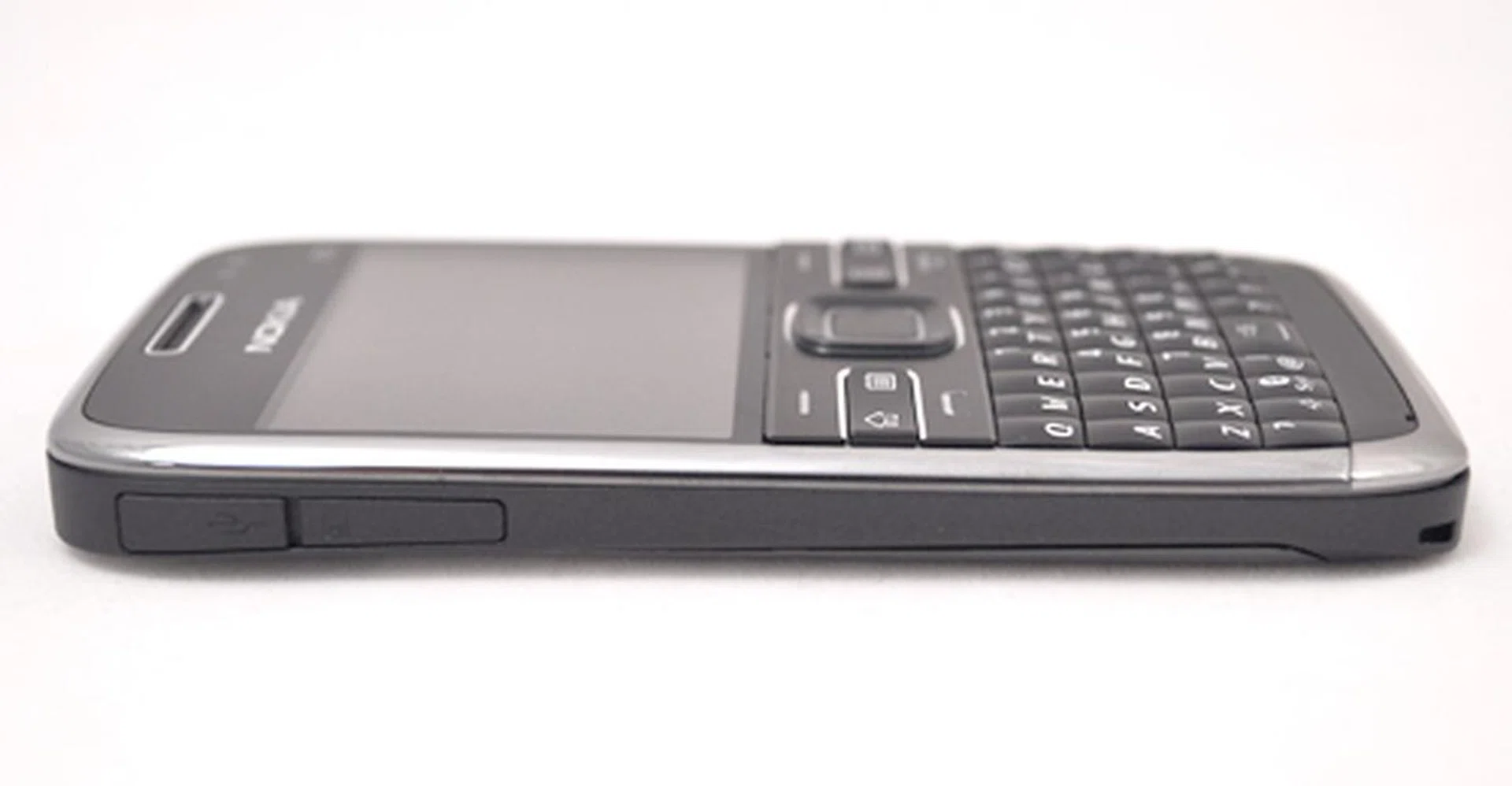
However, it is slightly thicker than its predecessor, due in part to the inclusion of the 3.5mm audio jack this time round.
Back to the E72, in terms of aesthetics, it retains most of what made the E71 special. Though there are some slight tweaks to the overall design, it is enough to make the E72 look (and feel) like a whole new animal. The E72 is also a whole lot less shiny than the E71, as the newer device sports a brushed metal finish on the main shortcut keys only while it's finished in matte plastic all around. While this ends up taking away the 'Ooh, shiny' impression, the end result is that the E72 looks a great deal more professional.
The overall heft of the E72 remains much the same, as Nokia's specifications state a weight of 128g versus 127g on the E71. On the other hand, the E72 does feel a little different in the hand as compared to the E71, despite having nearly identical dimensions.
The keyboard on the E72's also been moved down a little, in favor of larger shortcut buttons (fat-thumbed users rejoice!) and the optical navigation key. The optical navigation key is rather sensitive, and takes a bit of getting used to, though we'd prefer if Nokia had included some way to adjust the sensitivity. Shortcut lovers will be glad to note that there's a clearly labeled shortcut on the keyboard to enable (or disable) Bluetooth. The QWERTY keypad on the E72 has slightly larger keys, and in contrast to the E71, a much shorter space bar. The larger keys definitely made emails and messaging much more comfortable, and despite being a great deal smaller, the space bar wasn't at all tough to get used to.
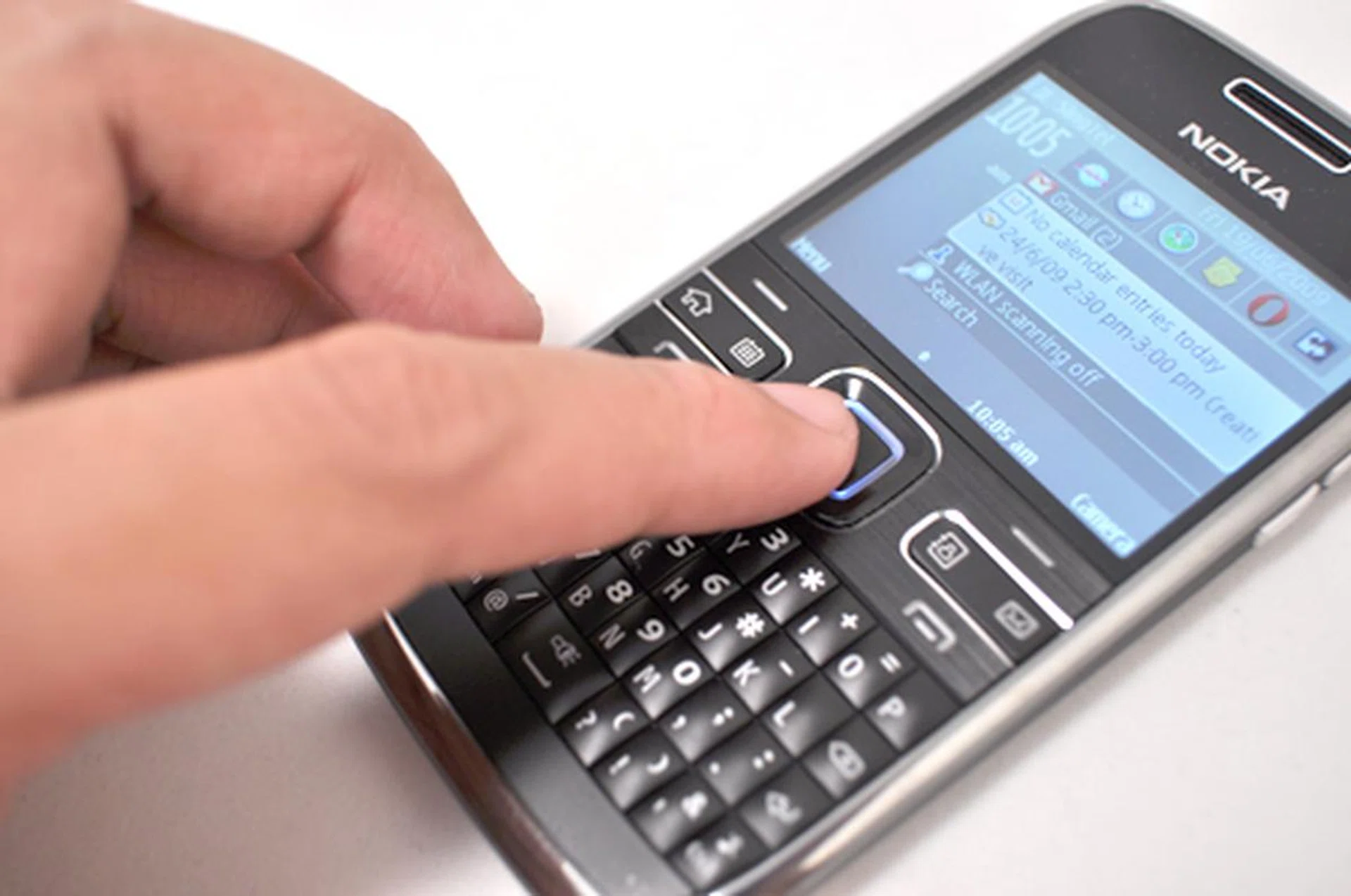
The new Optical Navi Key on the Nokia E72. At times, it gets a little tricky to navigate due to the sensitive nature of the small optical track pad.
More on the E72
Other notable features include a new 5-Megapixel camera (versus 3.2MP on the older E71). The LED flash on the E72 doesn't really do much to improve image quality in low-light conditions, but just like any other mobile phone digital camera out there (with the exception of the venerable Nokia N82, for example, that comes with Xenon flash), you'd need some decent ambient light to get images that look good.
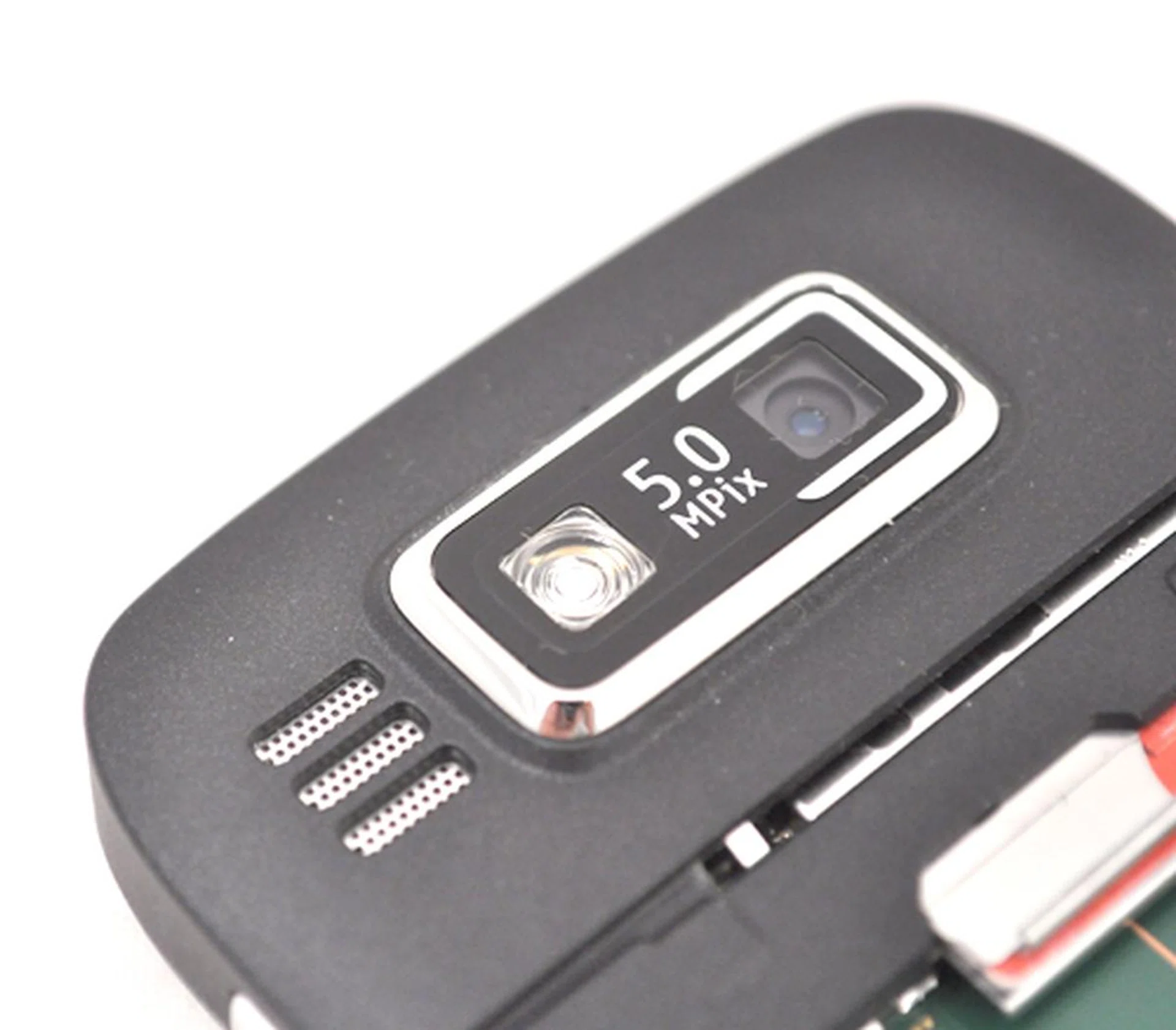
The updated 5-megapixel camera with autofocus and LED flash - one of the more distinctive improvements seen on the Nokia E72.
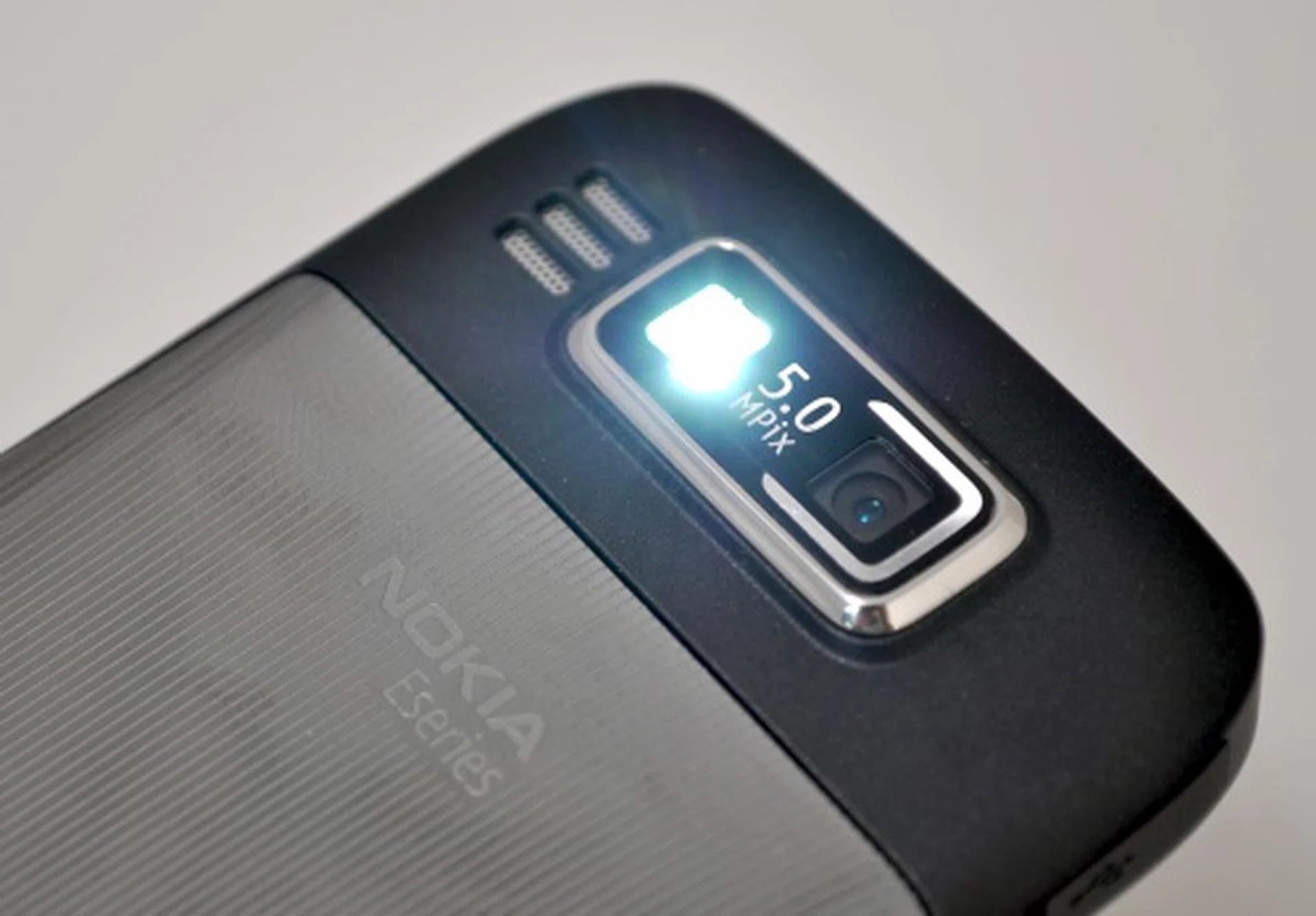
As an additional function, the space bar also doubles up as a flashlight switch. Holding the space bar for six seconds turns on camera LED on at maximum brightness. To turn it off, just hold the space bar down for another six seconds.
Even for a prototype device with unfinished firmware, the images we obtained from the E72 on hand were pretty decent. If anything, the only gripe we have in this area is the lack of a dedicated camera button. Video recording has also been upped a notch to 640x480, versus 320x240 on the E71 at 15FPS.

1 shot of a tree bark. For general usage where you shoot larger than required and perform minor touch-ups, the image quality of the phone is pretty decent.
Aside from the camera, Nokia's actually upgraded the E72 quite a fair bit in terms of hardware improvements. While the E71 only had a 369MHz ARM11 processor, the E72 goes nearly twice that with a 600MHz ARM11 chip. The E72 also now sports a top speed HSDPA downlink of 10.2Mbps, and a HSUPA uplink that tops out at 2Mbps. Add to that an accelerometer, ambient light sensor, compass and magnetometer, and you've got a device that's pretty stacked.
The 2.4-inch QVGA display is pretty much the same, with a 320x240 resolution. In this aspect at least, no obvious changes were made.
Internal memory on the E72 also sees a significant upgrade at 250MB, versus 110MB on the E71. The microSD card slot also now officially supports the latest 16GB modules. We do have to note that while the E71 only officially supports 8GB microSD cards and 16GB cards also seem to work quite well in our trials too.

The Nokia E72's microSD slot is located at the side, and will be able to support memory capacities of up to 16GB.
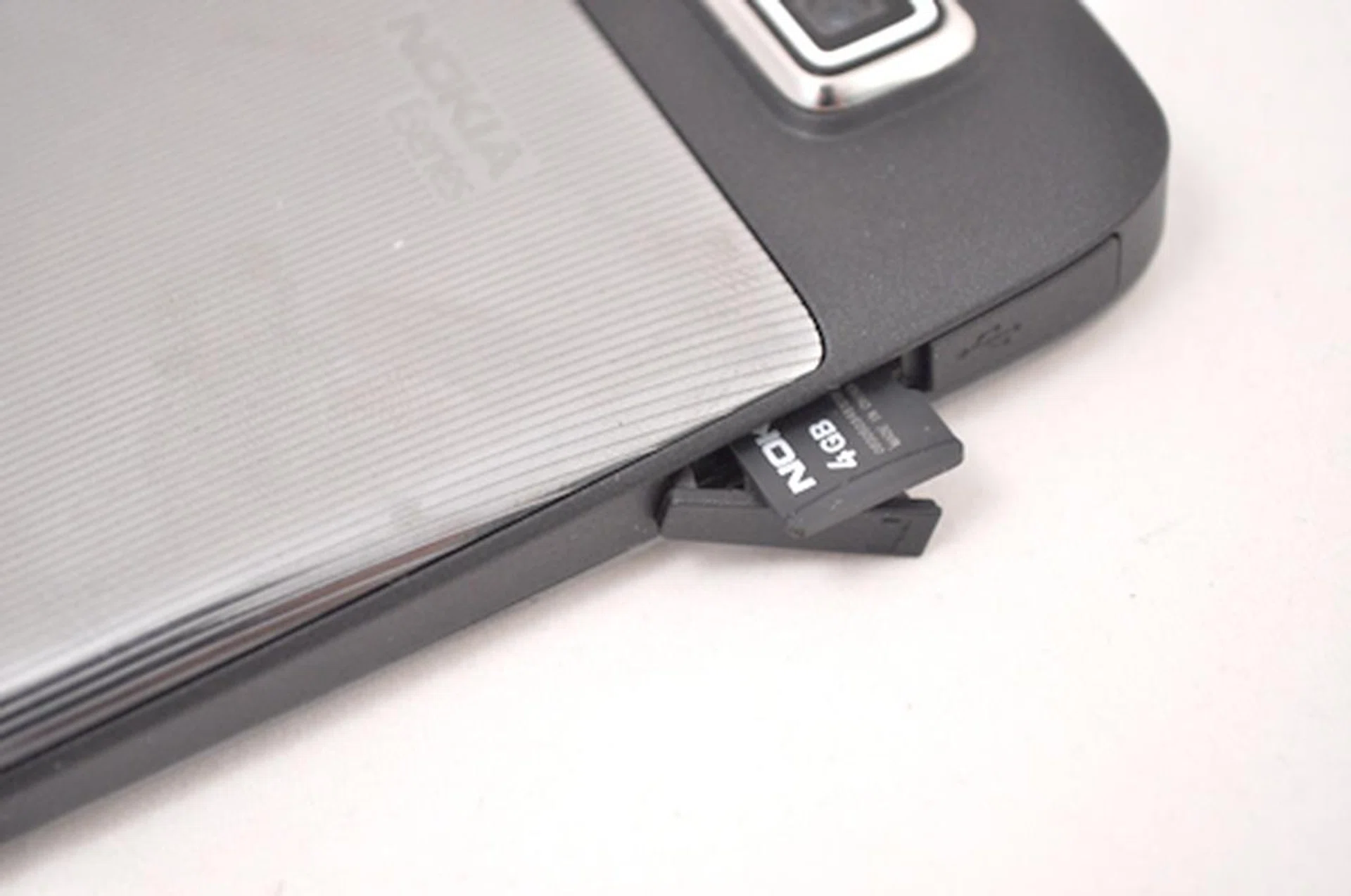
A little tray holds the SIM card, which makes things easier when it comes to swapping SIM cards.
Charging is still done via the 2.0mm charger common to most newer Nokia devices, though the E72 now also supports charging via USB if you happen to have it hooked up to your computer via micro USB. The battery used on both the E71 and E72 are identical (the Nokia BP-4L 3.7V 1500mAh), but Nokia rates the latter as having much better battery life; up to 13 hours of talk time , versus 10.5 hours on the E71. We'll wait for the final retail release to properly evaluate battery performance.
Last but not least, the E72 now sports a 3.5mm audio jack, enabling users to actually be able to utilize their preferred third-party earphones instead of having to buy another adapter.
The fact that the Nokia E71 happens to be one of the Finnish company's best-selling devices says plenty enough, and with the E72, it appears that Nokia have managed to improve a great deal on what was already considered an excellent product. This device is estimated to be available in the third quarter of the year, so do look out for a complete review once retail units become available, right here on HardwareZone.com.
Our articles may contain affiliate links. If you buy through these links, we may earn a small commission.