

Note: This review was first published on 1 February 2023.
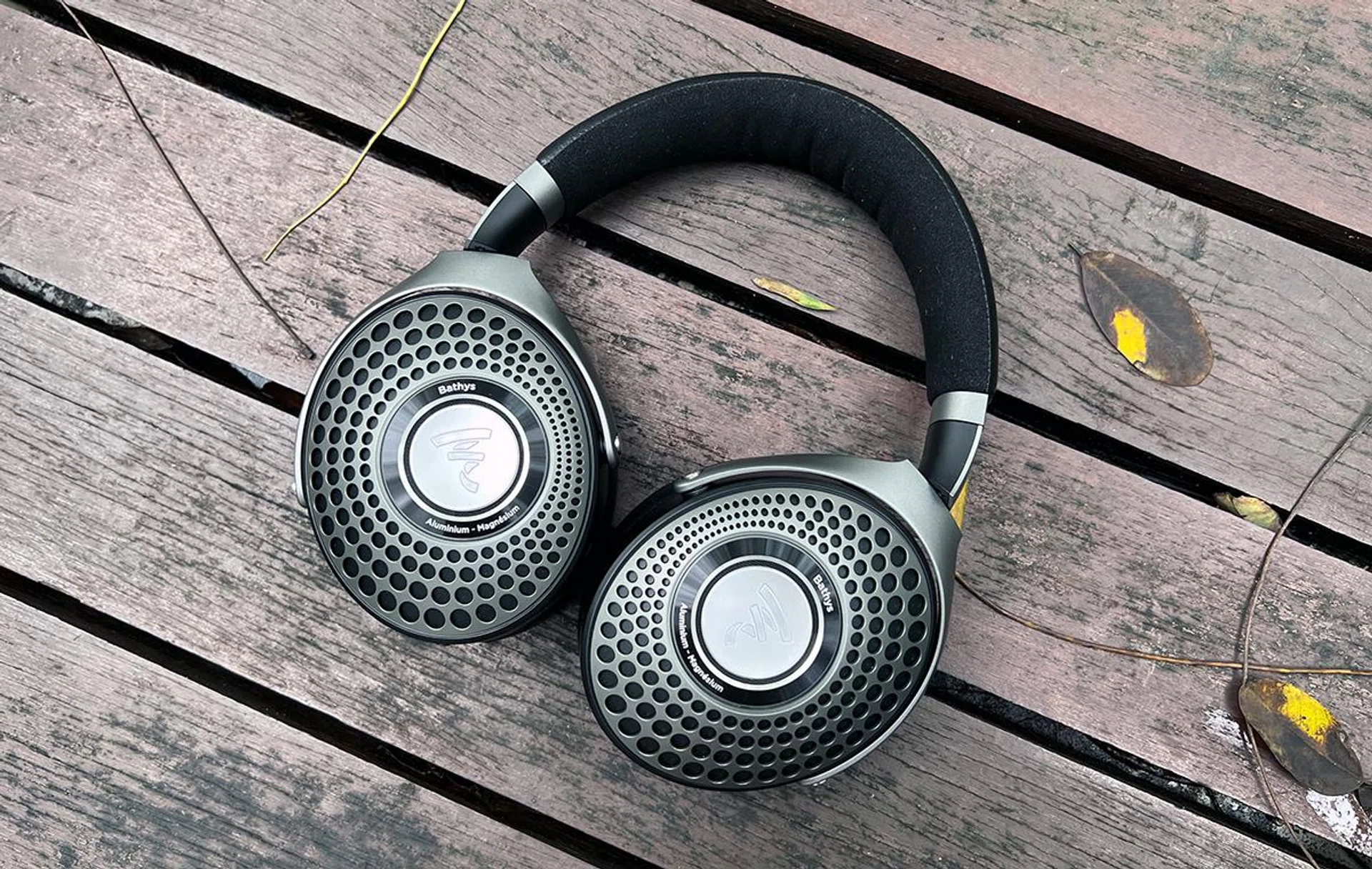
Focal Bathys.
Deep dive into your music
The launch of the Focal Bathys made quite a splash when it entered the crowed wireless ANC headphone marketplace. After all, these are the French brand’s first-ever wireless headphones with ANC, which builds upon their high-end audio expertise in loudspeakers.
TLDR: Audiophiles might find the versatility of the Focal Bathys appealing. In wireless mode, it' ANC is decent. And in wired USB listening mode, it provides an appreciably better listening experience.
Focal addresses two groups of people with the Focal Bathys: the audiophiles among us (which is its core audience), and wireless ANC headphone users who want something outside of the Apple, Bose, and Sony dominance. In essence, the Bathys is another contender for anyone seeking a superlative listening experience while on the move.
At S$1,199, the Focal Bathys is significantly pricier than Apple AirPods Max (launched at S$849), Bose QuietComfort 45 (S$499), and Sony WH-1000XM5 (S$569). You can grab two Sony flagship headphones for a price of a Focal Bathys, so it’s fair to say that the French headphones have very big shoes to fill. To do that, one important feature that they have that audiophiles might find appealing is wired USB-C listening with support for hi-res audio up to 24-bit/192kHz using its built-in DAC.
Besides other factors like comfort, fit, durability, and connectivity options, the price point of Focal Bathys also begs these questions: is it cooler than the AirPod Max? Does it have better ANC features and app controls than the Sony WH-1000XM5? And is it as comfortable as a Bose QuietComfort 45? Brand repute and legacy aside, would Focal Bathys convince a user that it's worth the significant premium?
Let’s listen in.
Aluminium-magnesium materials maketh the headphones
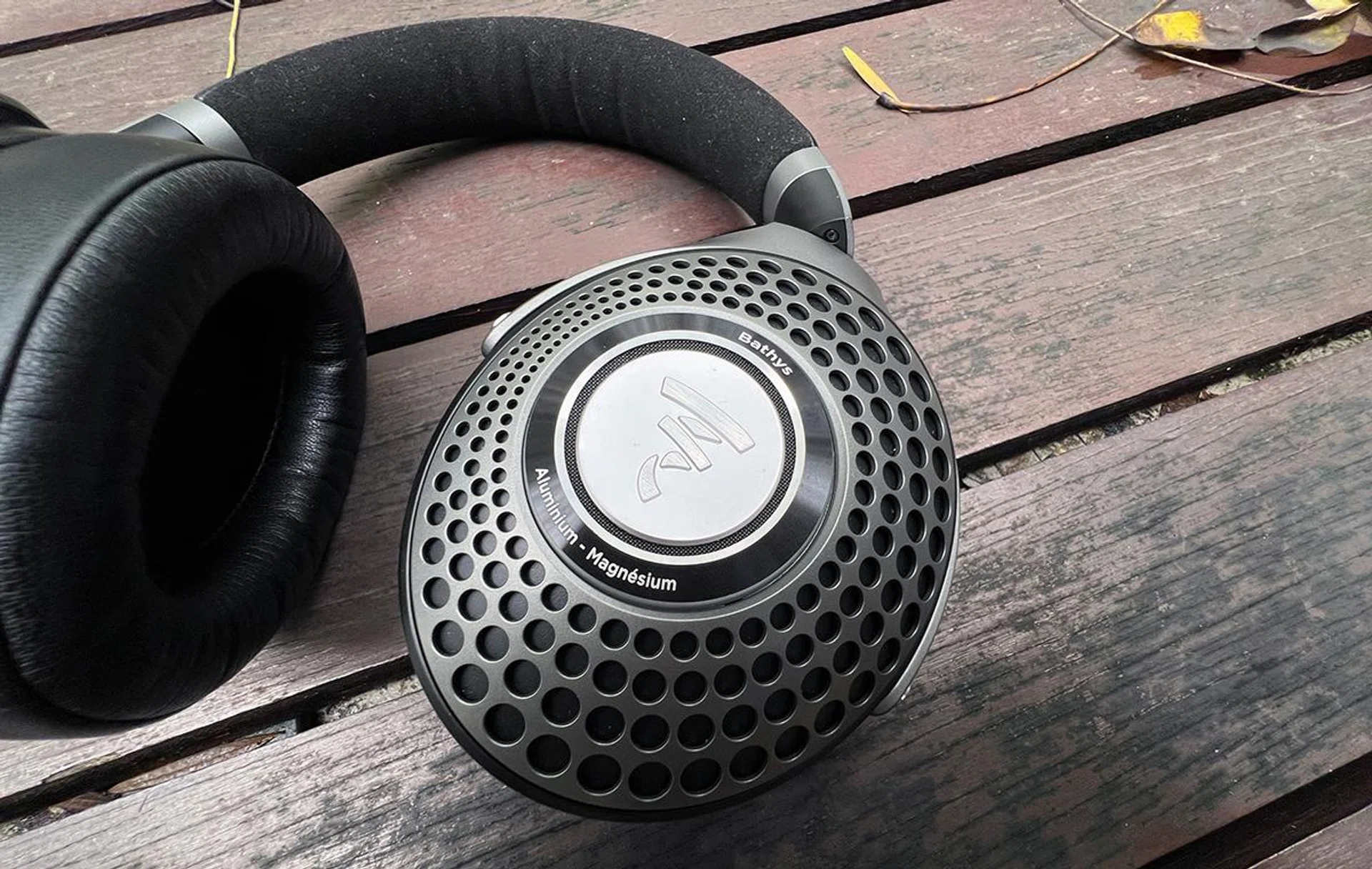
First off, the name “Bathys” isn’t about the headphone’s appearance – but a nod towards its intended listening experience. It’s meant to evoke submersion in pure audio bliss, much like a deep-sea bathysphere. That, however, doesn’t make the headphones any less interesting from a design and handling perspective.
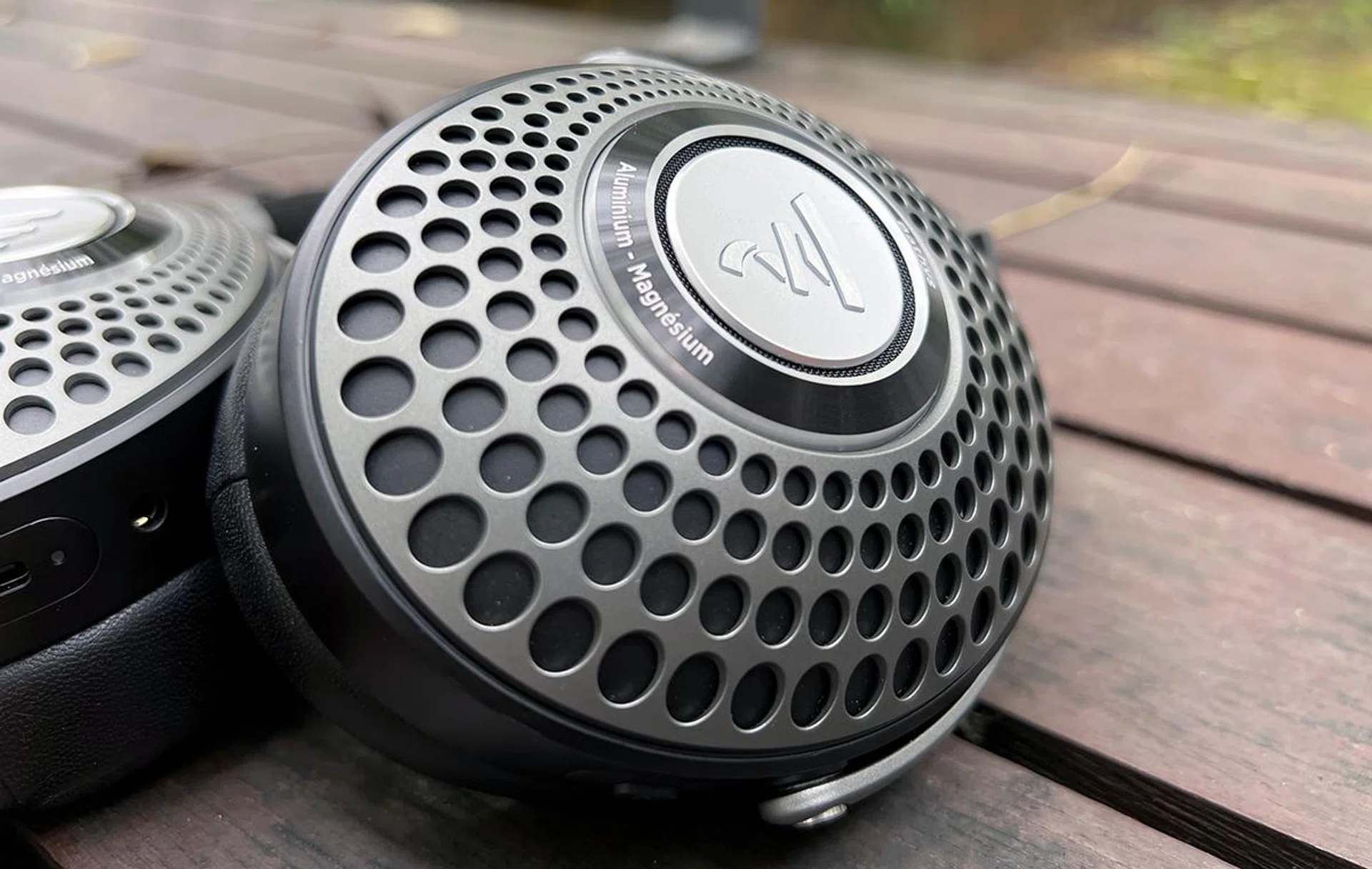
Assuming that you don’t have trypophobia, the Bathys’ aluminium earcup grilles and flame logos are eye-catching enough to warrant a spot around your neck during commutes. It features a matte finish juxtaposed against its high-polish rims around its logo. The headphones feel distinctive, with a mid-century modernist style that looks different from its post-modernist floor-standing home speakers.
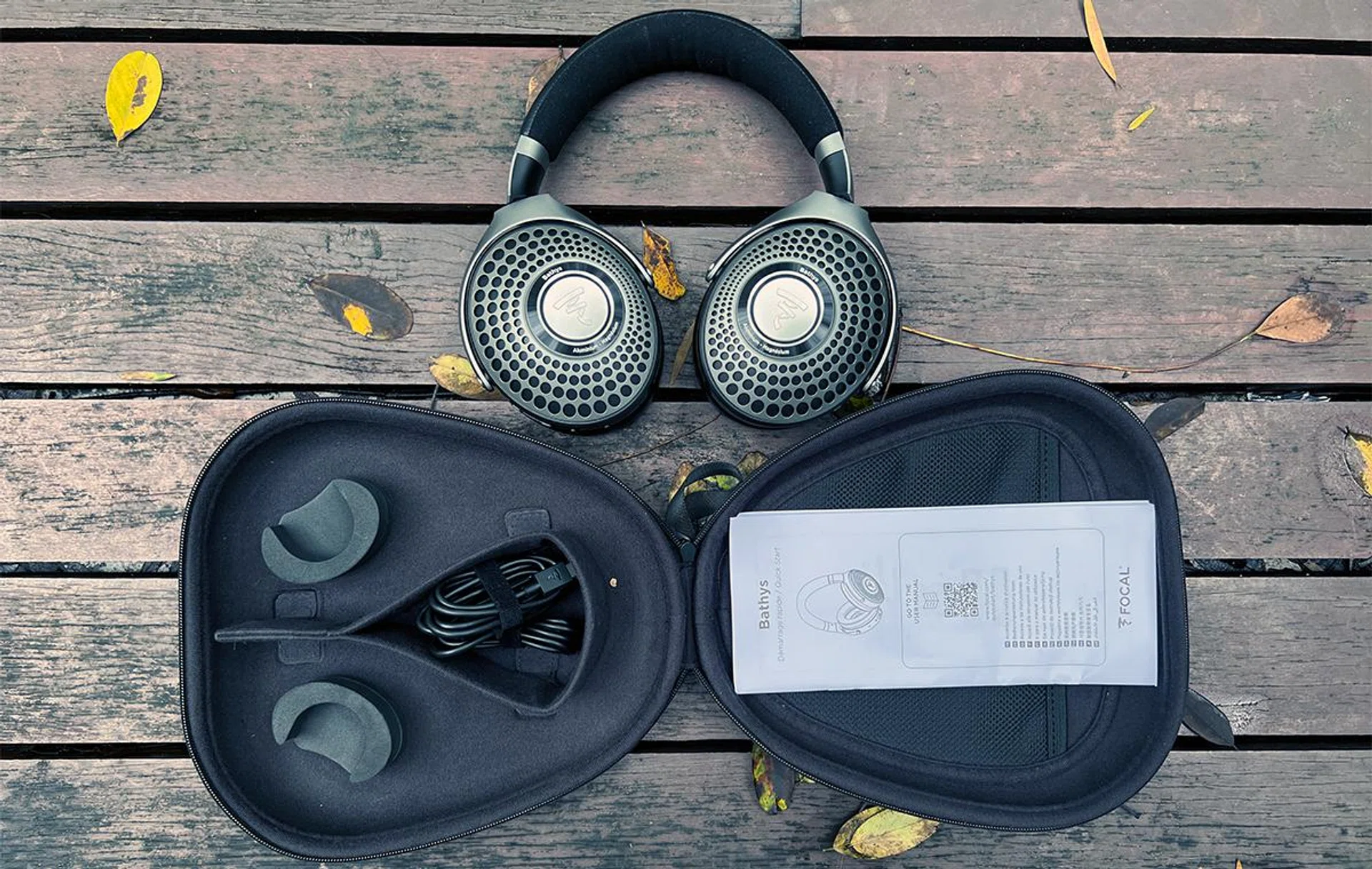
The headphones are not foldable, although the Bathys offer rotating earcups to make storage more convenient in the provided hard carrying case. It would be nice if Focal made the earcups fold towards its headband to be even more space-saving. At the very least, the headphones are surprisingly light and durable because of their aluminium mechanical construction with magnesium yokes (the arms that hold the earcups).
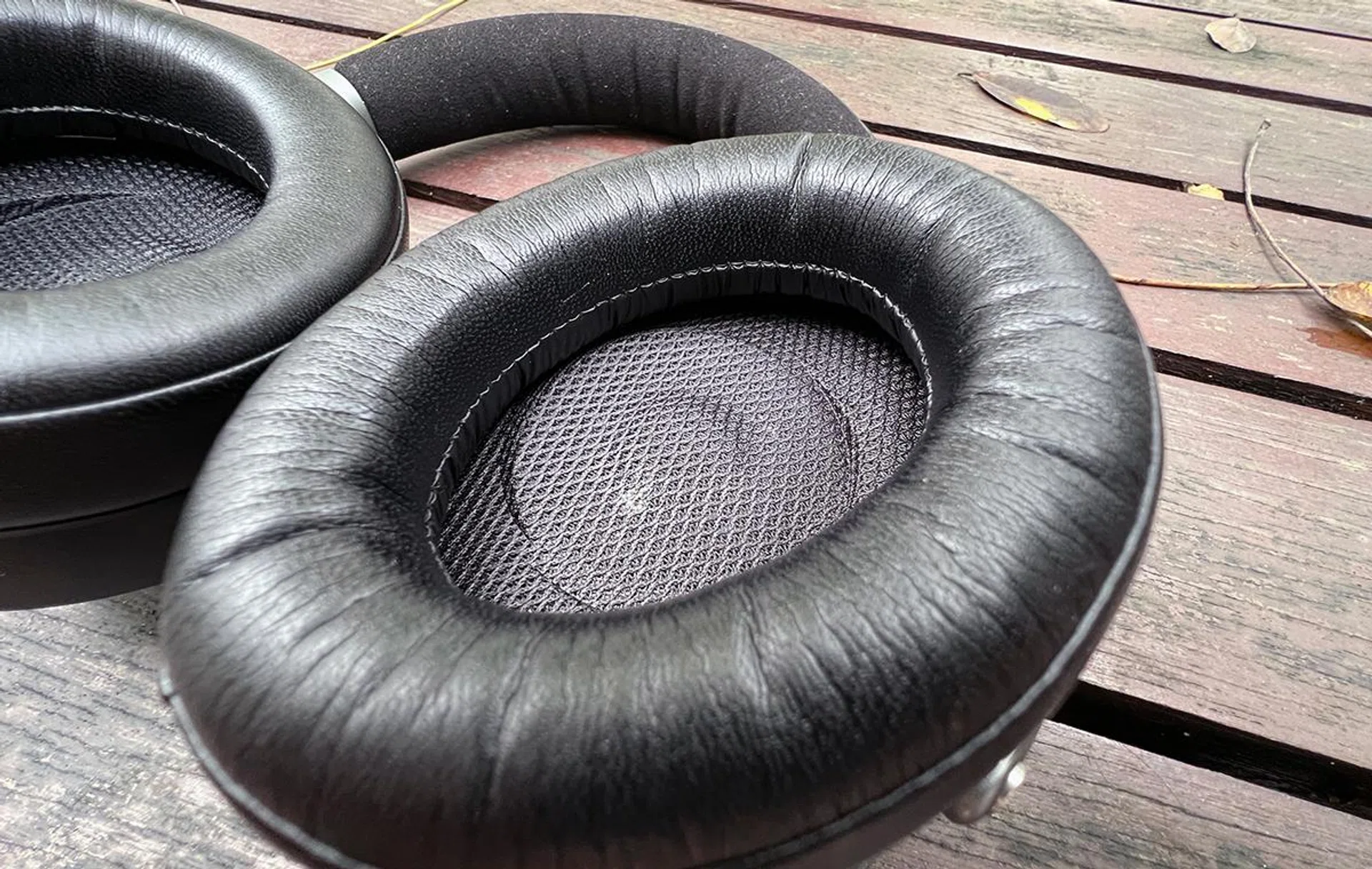
You can expect a comfortable fit over long hours. Bathys’ adjustable leather-and-microfibre headband has reasonable clamping force that cushions the temples and earlobes. In an air-conditioned environment, it feels nearly effortless to keep the Focal Bathys worn for hours – making it very suitable for long-haul flights where you need wireless ANC headphones for some shut-eye.
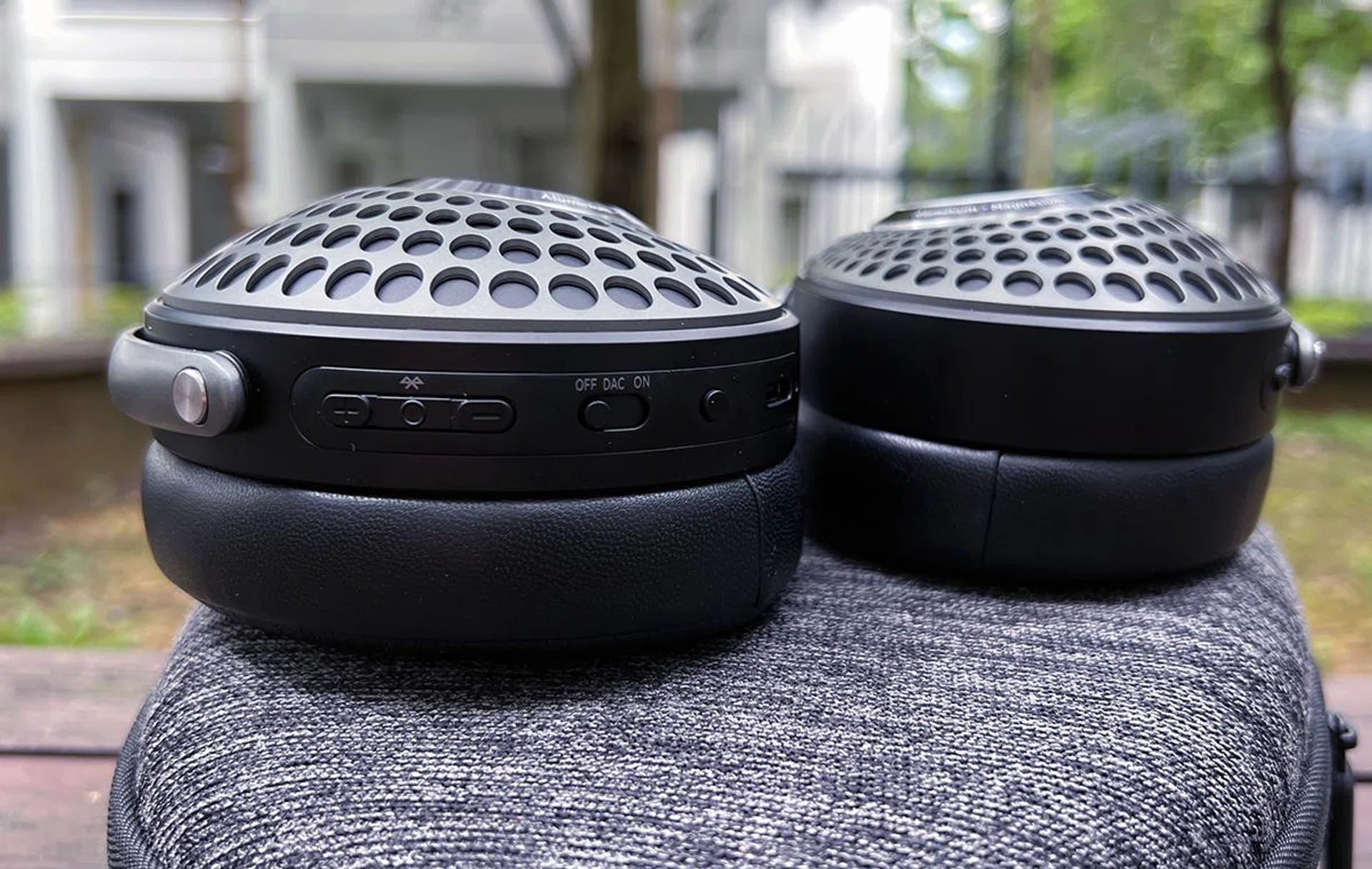
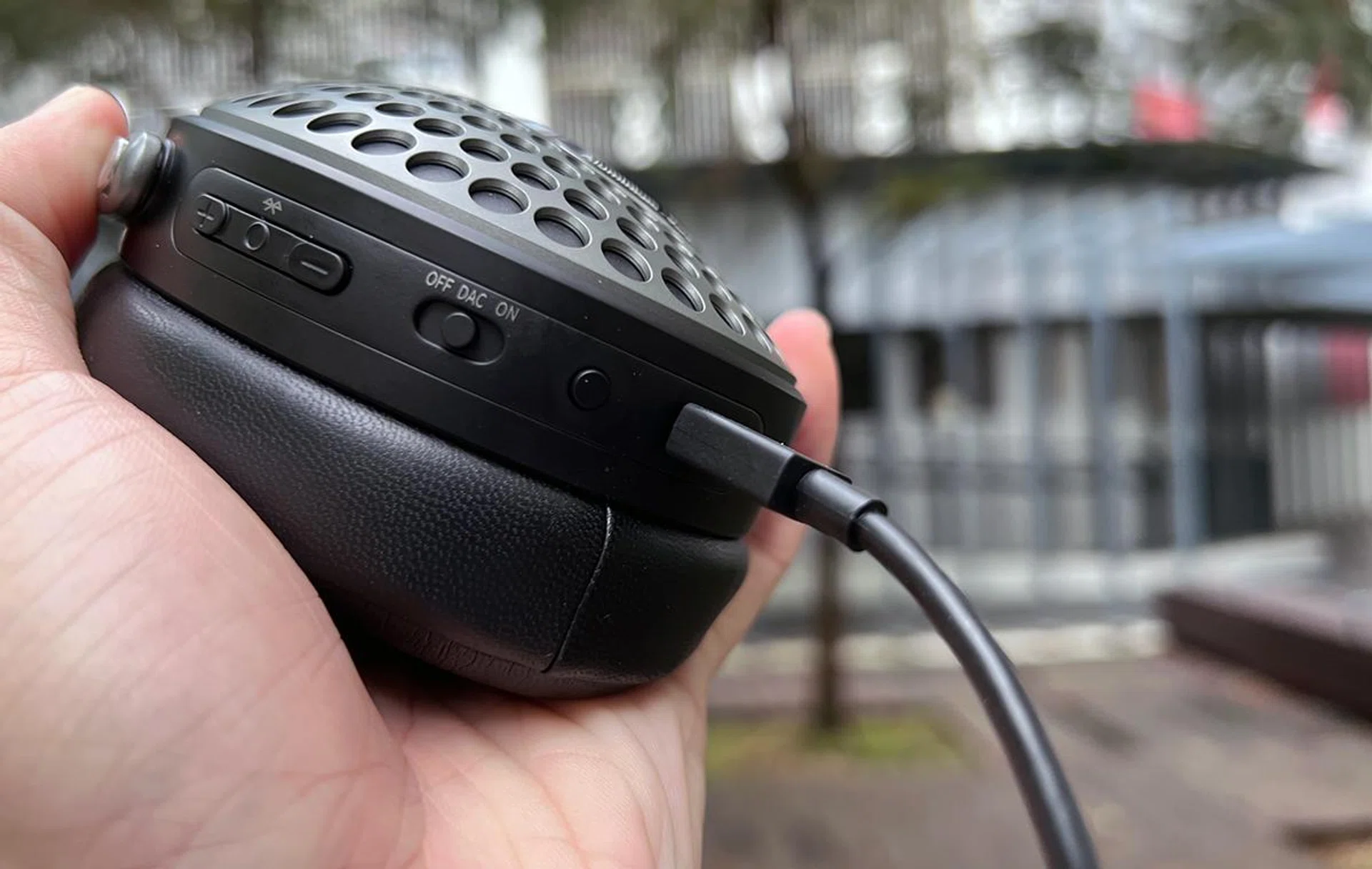
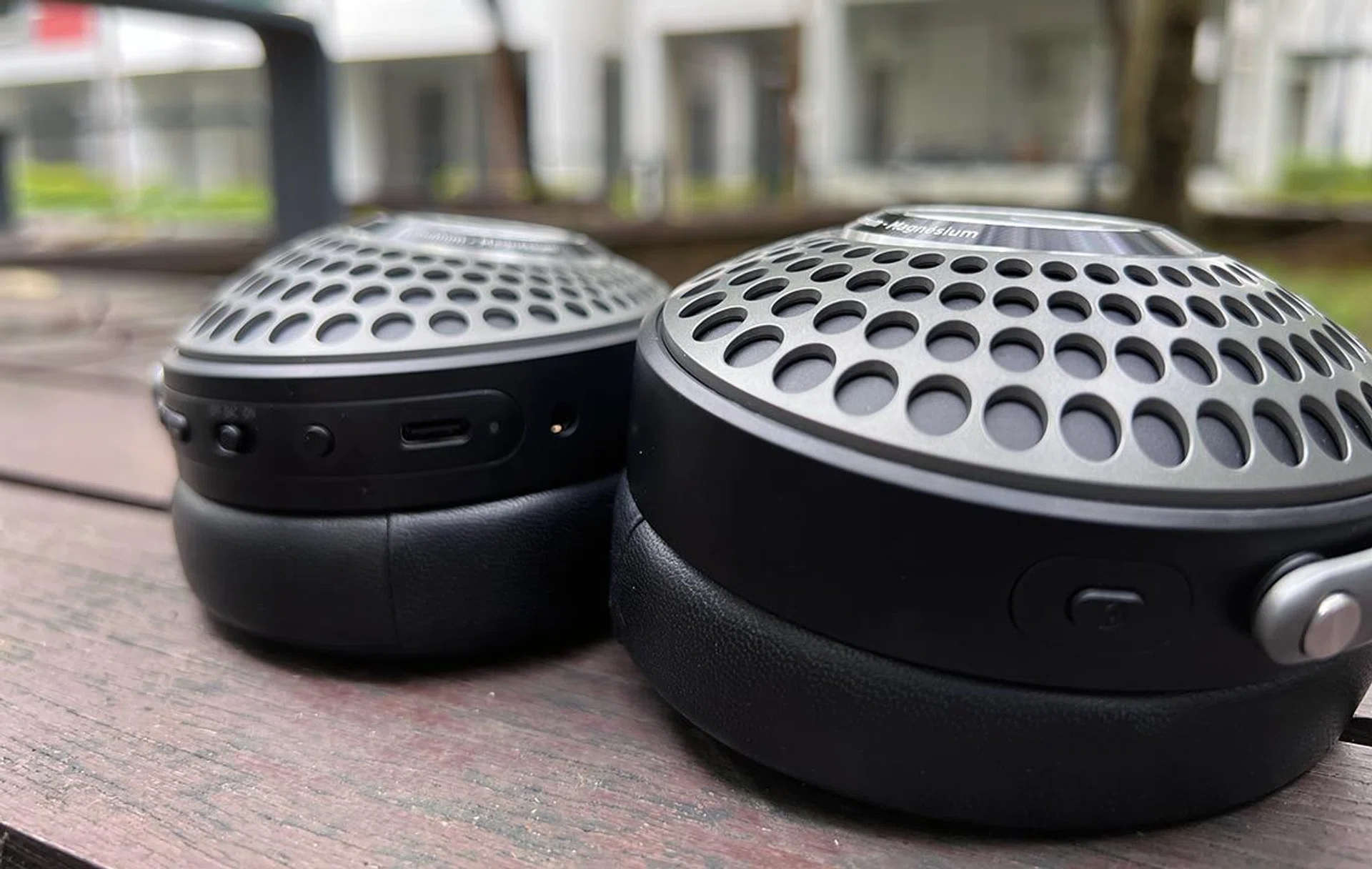
The buttons on its cups are confusing at first, but fairly easy to learn. If you’re using wired 3.5mm or wireless audio, the headphones must be toggled to the On position. If you want to listen in wired mode and use its built-in DAC for high-res audio, flick it to the DAC mode that sits in the middle of the on-off switch. To charge, simply turn it off.
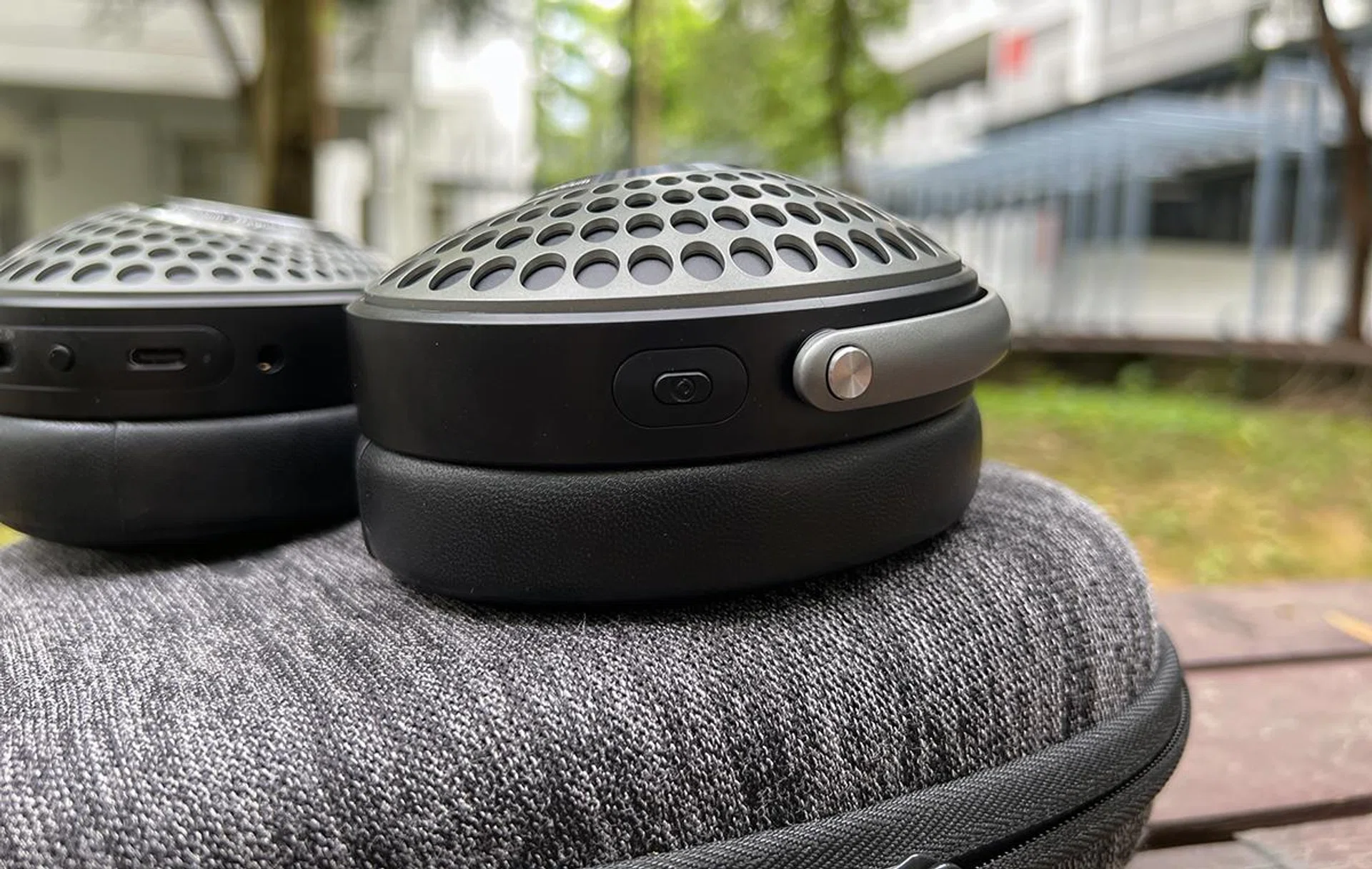
ANC button sits on a different earcup, while the rest are relegated to the other side.
The Bluetooth pairing button that sits between the volume rockers is multifunctional. After pairing, you can use the same button to play/pause tracks, skip to the next track (double-press), or return to the previous track (triple-press). The unlabelled nub next to its on-off toggle is for your voice assistant (it has Amazon Alexa built-in, but also supports Google Assistant and Apple’s Siri). The opposite cup’s sole button is for ANC controls with three steps: on, off, or Transparency Mode.
As a whole, there’s little to gripe about the Focal Bathys overall handling. It’s fairly intuitive to control, feels sturdy, and has a unique appeal with high-quality construction – all while offering moderate portability.
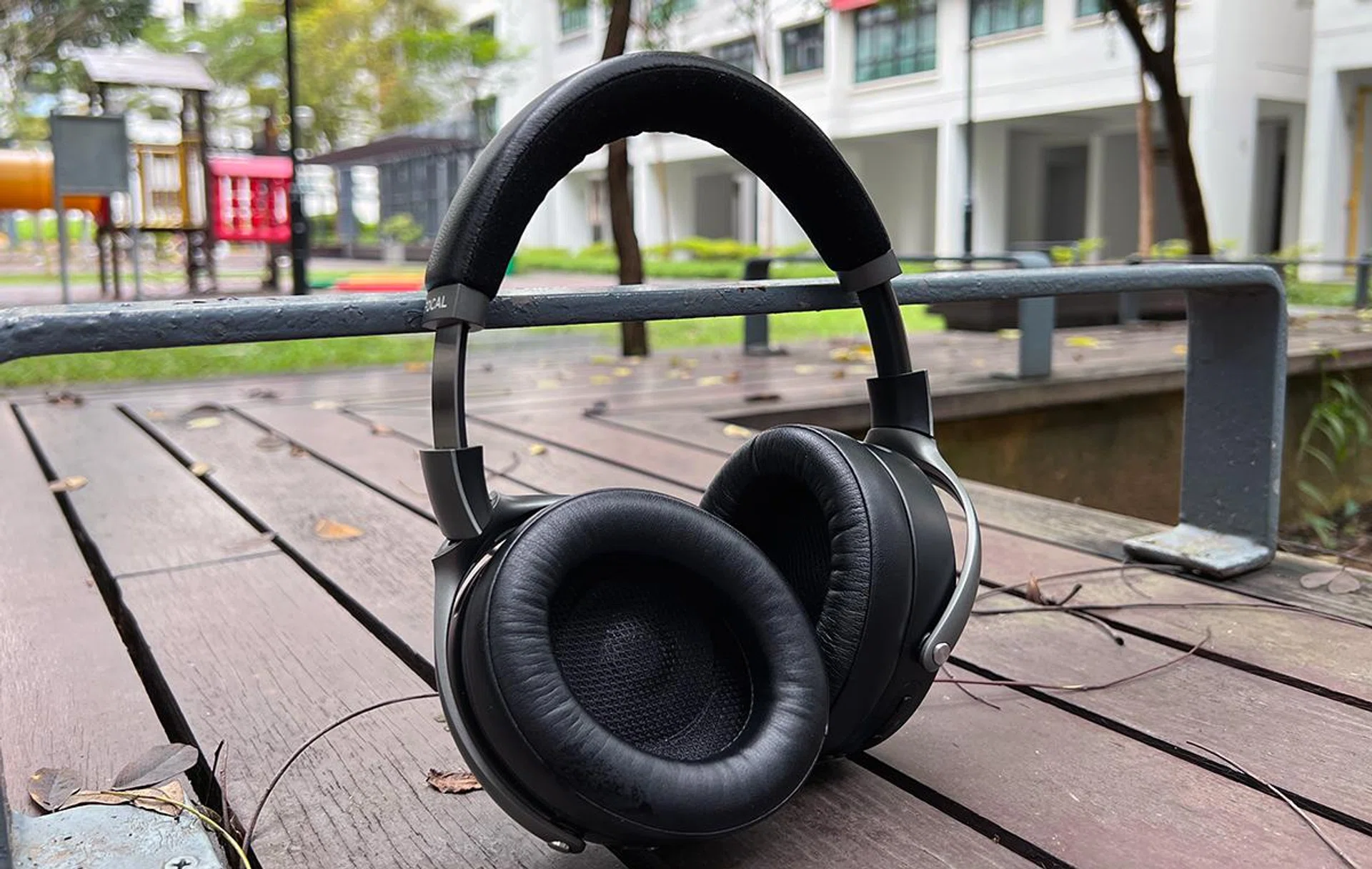
Is it better looking than the AirPods Max? That’s subjective, but we prefer the AirPods Max for its minimalist aesthetics and simplicity, although Bathys is more portable. The Focal headphones are also comfortable enough for long-haul air travel too. That said, it better be for its price.
Wireless, wired audio, noise-cancelling, and app functionality
Its wireless capabilities are primarily handled over Bluetooth 5.1, with support for AAC codec on iOS devices (iPhone) and SBC for Android ones. If you’re carrying a high-end or flagship-grade Android smartphone, it can even support higher-quality AptX or AptX Adaptive playback. Notably missing is support for the "hi-res" LDAC codec, which is quite curious considering the Bathys' target audience.
A cool feature Bathys has is multipoint Bluetooth, letting you pair it to two active devices. It’ll automatically switch between them (e.g., listening to tunes from your PC or laptop while working, while paired to your phone and primed for calls).
The built-in, wired USB DAC mode (via its USB-C port) supports most high-resolution bitrates (including the typical CD quality 16-bit, 44.1kHz format, all the way up to 24-bit/192kHz).
You’re covered as long as you don’t have content mastered at 176kHz sampling rate, and all you need is a compatible cable (there’s one in the box) that goes from the headphones to the audio source. Also, note that USB DAC mode doesn’t support phone calls for iPhones, but it does just fine on Android mobiles.
Focal was not kidding when it claimed that the Bathys offered immersive listening. At its full ANC potential and maximum volume, it’s capable of muting environmental sound – reducing raindrops to a whisper, for instance. We’ve also tried Focal Bathys’ Transparency Mode which lets us have clear conversations without removing the headphones. All this is great, but that’s also expected performance since the headphones pack eight microphones in for ANC and Transparency mode to work.
That said, ANC still pales in comparison to Sony WH-1000XM5’s ANC. The Sony pair is still light years ahead of its competition. If you don't have music playing, Focal Bathys' ANC couldn’t mute low hums of fans or shows watched from another room away, while XM5 can handle such noises quite effortlessly, even without music playback.
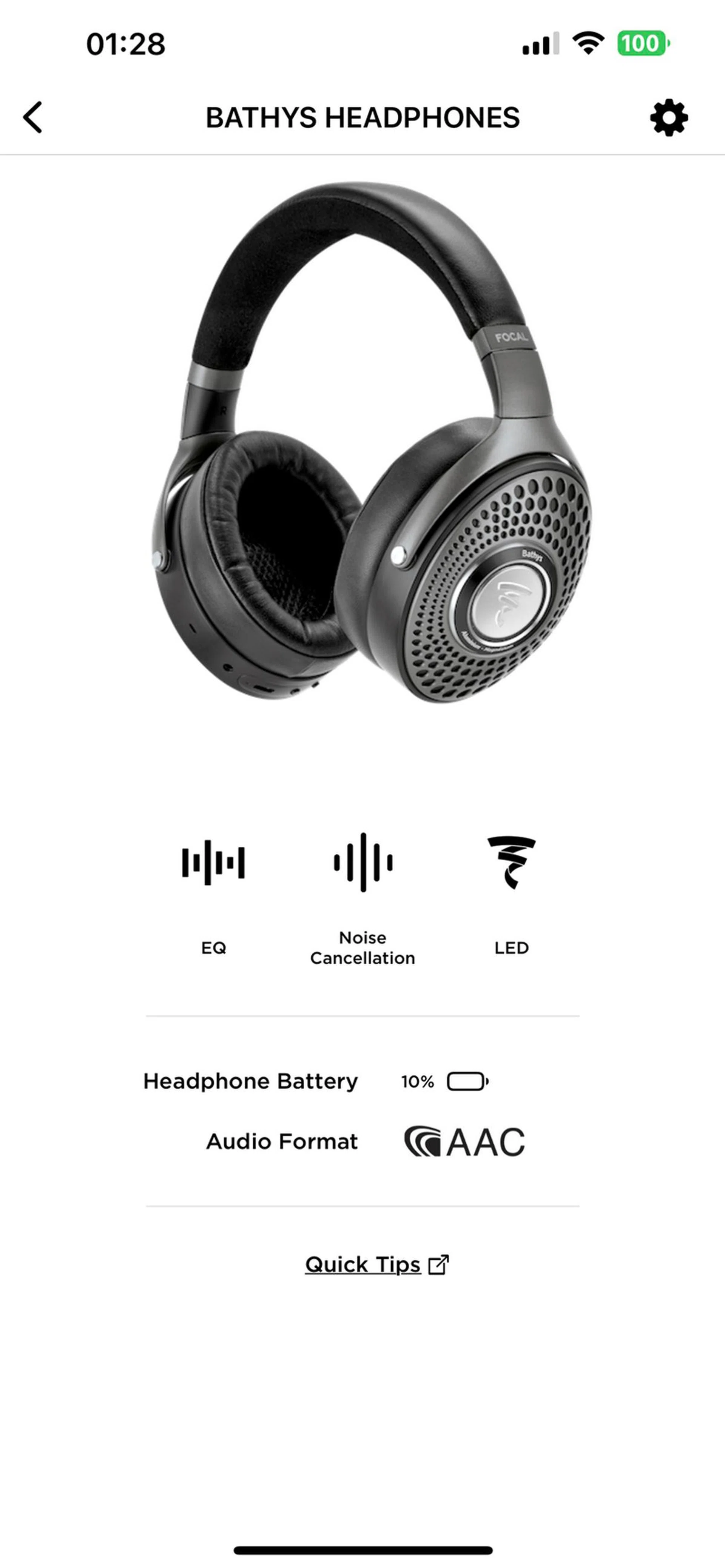
The accompanying Focal & Naim app (iOS, Android) for the headphones is faultless. Once you’ve connected the cans, you get a simple menu with three main functions. You can modify Focal Bathys’ sound signature via EQ settings. It also has an ANC sub-menu to toggle between the different cancelling states. The last option lets you toggle the flame logo’s LEDs (turn on for style points, dimmed for less attention, or off for more battery). There’s also a percentage-based battery reading, and an indicator telling you what codec is currently used for your active song.
For the headphones’ price, we did expect its app to offer more customisation, like prioritising codec and bitrate performance, or seeing more information about the track played. It’s also not accessible unless you have a live pair of Bathys tethered. Another feature they could’ve added to the app was to let you force-play a loud sound from your Bathys should you misplace these pricey cans. The app is inoffensive, but still too barebones considering Focal’s attention to detail and expertise in milking better audio outcomes with its gear.
This doesn’t yet look at how much software-assisted tuning and AI-based features Focal will need to pack in to stay competitive and improve listening experiences. For example, Sony has automated ANC that takes your location and moving speed to account for an appropriate ANC level, and you can fine-tune that in the Sony Headphones app. Focal’s ANC, while effective and sufficient with three fixed levels (On, Off, and Transparent), feels primitive next to Sony’s 20-step ANC and further customisation and profiles. Hopefully, Focal’s app features will improve with time.
Audio quality and battery life
Focal sent a brand-new pair of Bathys for our review period, so we spent some time breaking them in before earnestly listening to its audio capabilities. We tried them mainly with common usage scenarios: paired wirelessly to an iPhone in typical settings like the office, during commute, at home, and just about anywhere that’s reasonably appropriate for a pair of over-ear, wireless ANC headphones. We’ve also gave its USB DAC mode a listen to see the difference it offers.
Folks who enjoy a balanced sound signature with equal priority to bass, vocals, and mids would find the Bathys pleasant. Percussion is crisp, with a full-bodied bass that’s not overpowering, and it’s highly competent at handling complex instrumental pieces and songs. Despite having 40mm magnesium-aluminium drivers, its sound profile also suits long hours of listening, on top of excellent battery life which feels quite comfortable (about 30+ hours of mixed listening formats before needing a full charge, shorter if you didn't power off when idle).
Music via the USB DAC is much more thoughtful than its Bluetooth counterpart. In this mode, it sounds as if the drivers can showcase their full range of abilities better. In this mode, the Bathys demonstrated noticeably better resolution and separation.
We enjoyed the extra clarity and separation that Bluetooth mode couldn’t bring, even if it’s a little brighter and metallic to the ears. If anything, the USB-C wired mode offers higher-quality listening without the need to shell out for an extra portable DAC/amp, which is good news for audiophiles who want to maximise audio enjoyment and travel light.
Closing thoughts
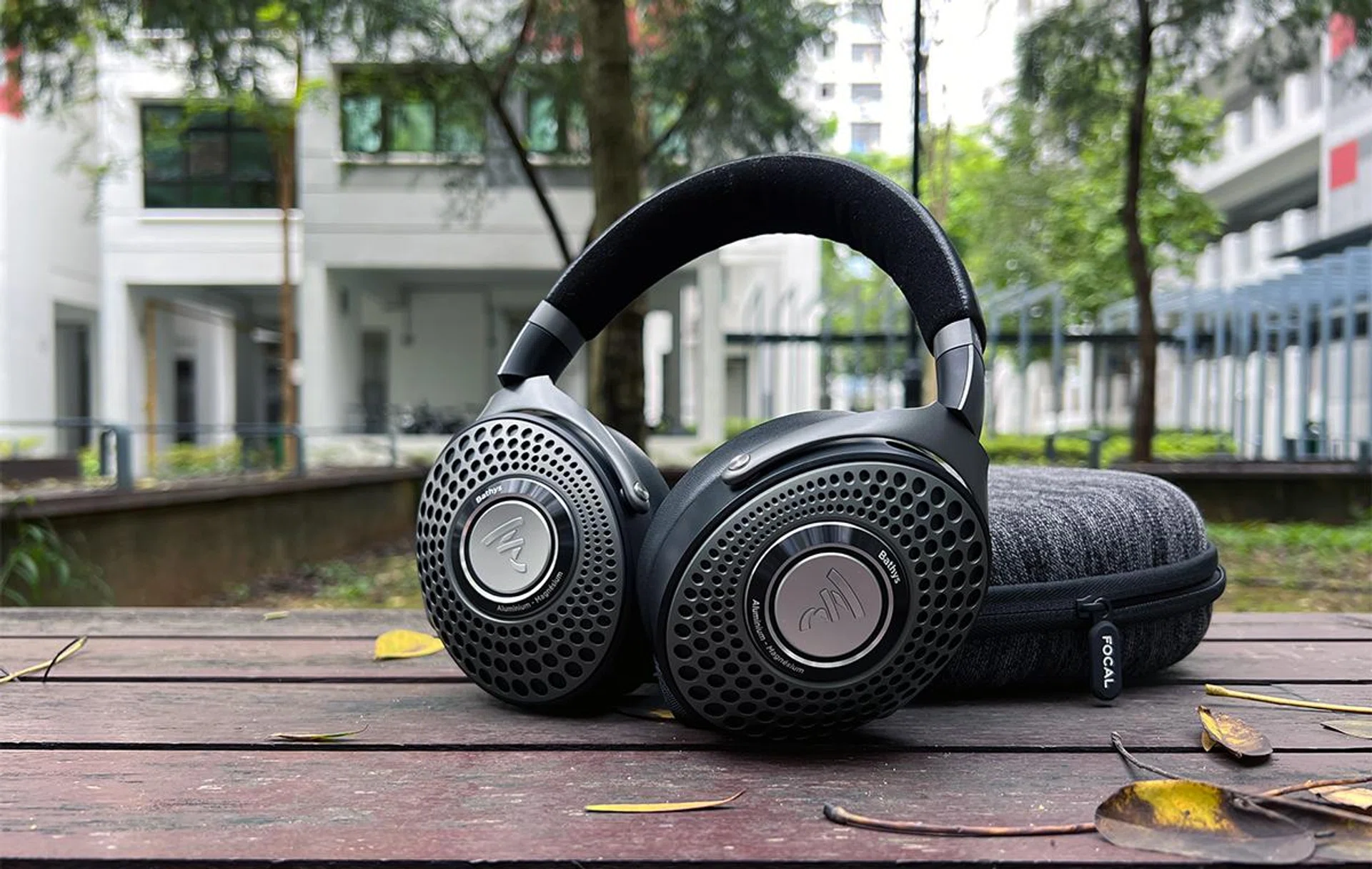
The Focal Bathys scratches an itch for fussy listeners who value audio quality and performance as much as the convenience of wireless listening, ANC, and portability. Instead of buying three or four pairs of headphones for different listening scenarios, you can spring for the Focal Bathys and easily cover your commute, work, flight, and home listening needs.
Based on our experience, the Bathys' USB DAC mode should be your go-to option whenever possible because of the added clarity and quality it brings. But the great thing about the Bathys is that you can use it wirelessly and with ANC just like any other high-end wireless ANC headphone when you need to be on the move. Overall, it is this versatility that makes it such an appealing headphone to discerning listeners.
However, at S$1,199, the Focal Bathys come at a significant premium. If your needs are more practical, you can always opt for the Sony WF-1000XM5 which also achieves good audio quality with more granular ANC controls at half the price. Sennheiser's Momentum 4 Wireless, which also costs half the Bathys, also looks like a decent alternative.
Note: The Focal Bathys is officially available in Singapore at its authorised retailer, Zeppelin & Co., and other online platforms like Amazon, Lazada, and Shopee.
Our articles may contain affiliate links. If you buy through these links, we may earn a small commission.