


The SD Association has announced a new classification system for SD cards designed to help customers pick the right card for use with their smartphone. The first class is called A1, and it is defined as part of the Secure Digital 5.1 specification. Other classes are slated to follow later.
The new standard is a direct response to the new Adoptable Storage feature in Android 6.0 Marshmallow, which allowed phones to treat SD cards as part of the internal storage and install apps on them. In comparison, previous versions of Android primarily utilized SD card storage for audio, images, and videos instead of applications.
Marshmallow created a need to ensure high performance for reading and writing sequential data in order to guarantee a certain level of performance for apps.
To that end, App Performance Class A1 cards require sustained sequential performance of 10MB/s as well as 1500 random random read IOPS. The former specification actually isn’t too demanding, and existing UHS Speed Class 1 and Speed Class 10 cards already meet this standard.
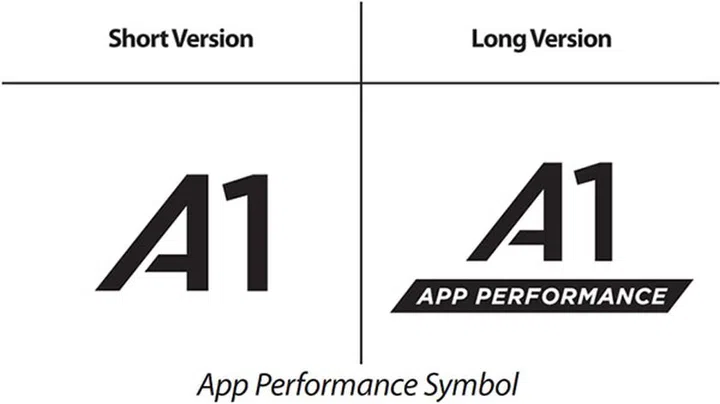
Here's what the new logo will look like, in both long and short form.
However, because consumers today use SD cards in myriad ways, the new Application Performance Classes are needed to single out cards that can deliver in terms of app performance. While someone recording and storing UHD content might be happy with a card with just strong sequential performance, another person intending to use the card to store apps would need good random read/write performance as well.
The new standard can also improve the consumer experience. Before this, there was no way to determine if a card was fast enough for their particular use case, which might lead to sub-par performance and an overall negative experience.
The A1 label will appear alongside other SD-defined labels, such as UHS Speed Class, that determine other performance characteristics of a card.
Source: SD Association
Our articles may contain affiliate links. If you buy through these links, we may earn a small commission.