
Memory chip supply issues may persist for phones, tablets, and laptops until 2030
Boosting DRAM output may still leave supply at just 60% of demand by the end of 2027.
By Shawn Tan -
Memory chip shortage could be more severe and persistent than previously expected.
According to Nikkei Asia, SK Group’s chairman has warned that supply constraints may persist until 2030. Even with suppliers ramping up production, output is projected to meet only around 60% of global demand by the end of 2027.
Major memory manufacturers, including Samsung, SK Hynix, and Micron, are expanding fabrication capacity to address the gap. However, most of these new facilities are not expected to come online until at least 2027 or 2028, limiting their near-term impact.
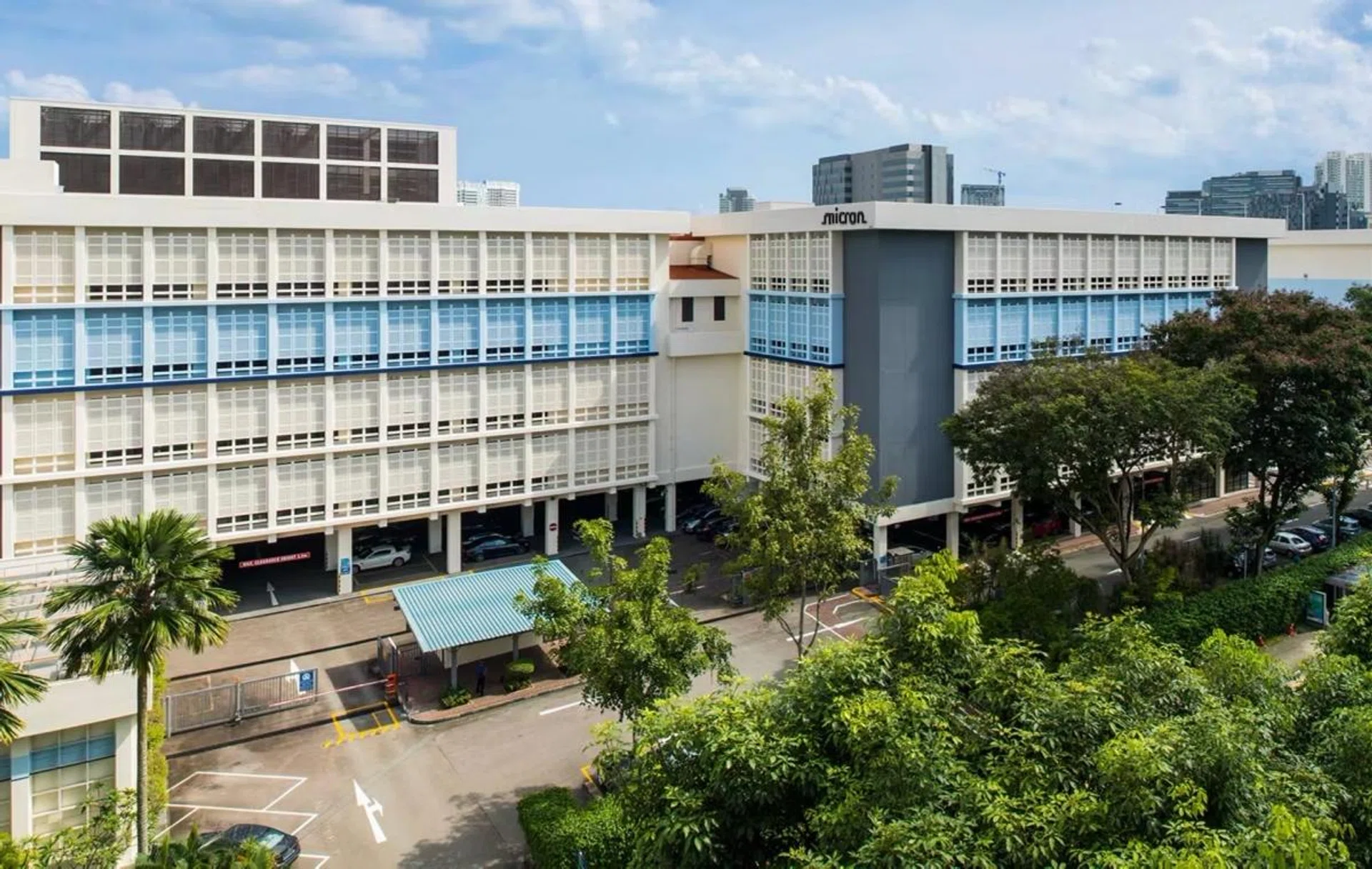
Micron, for instance, announced a S$30.5 billion investment to boost chip production in Singapore, but its new plant will only begin operations in the second half of 2028. Meanwhile, ASUS is reportedly exploring entering the DRAM market to secure its own supply.
Complicating matters further, even when new fabrication plants become operational, much of their output is expected to prioritise high-bandwidth memory (HBM) for AI data centres. This raises uncertainty over whether increased capacity will meaningfully ease shortages or stabilise prices for consumer-grade memory chips.
The ripple effects are already being felt. TrendForce has forecast that laptop prices could rise by up to 40% due to rising memory and CPU costs, while Counterpoint Research expects smartphone shipments to decline this year amid pricing pressures.
The prolonged shortage signals a challenging period ahead for both manufacturers and consumers. With supply struggling to keep pace with demand, and new capacity focused on AI-driven workloads, higher prices and tighter availability for everyday devices may sadly become the norm for at least the foreseeable future.
Source: Nikkei Asia via The Verge