

Quad Speed Ahoy!
Sony's VAIO Z series have in the past impressed us with its sleek design and outstanding performance, so when a new updated machine was sent to us for review, we definitely weren't going to pass up on the chance. Especially since this time around, this particular model, the VAIO Z VPCZ117GG/X comes packed with Intel's latest Core i7 processor, while going crazy with not just one SSD, but four SSD drives linked in a RAID 0 configuration for truly out-of-the-world data transfer speeds.
Furthermore, the hybrid graphics functions have been improved upon to provide for an automatic solution for the notebook's switchable graphics; more details on that on the following pages. Lastly, you'll note that much of the design remains similar to the first VAIO Z notebook we took a close look back in 2008 (though there are some design tweaks). So, will the VAIO Z take top spot again with an Editor's Choice award like its predecessor? Let's find out, shall we?
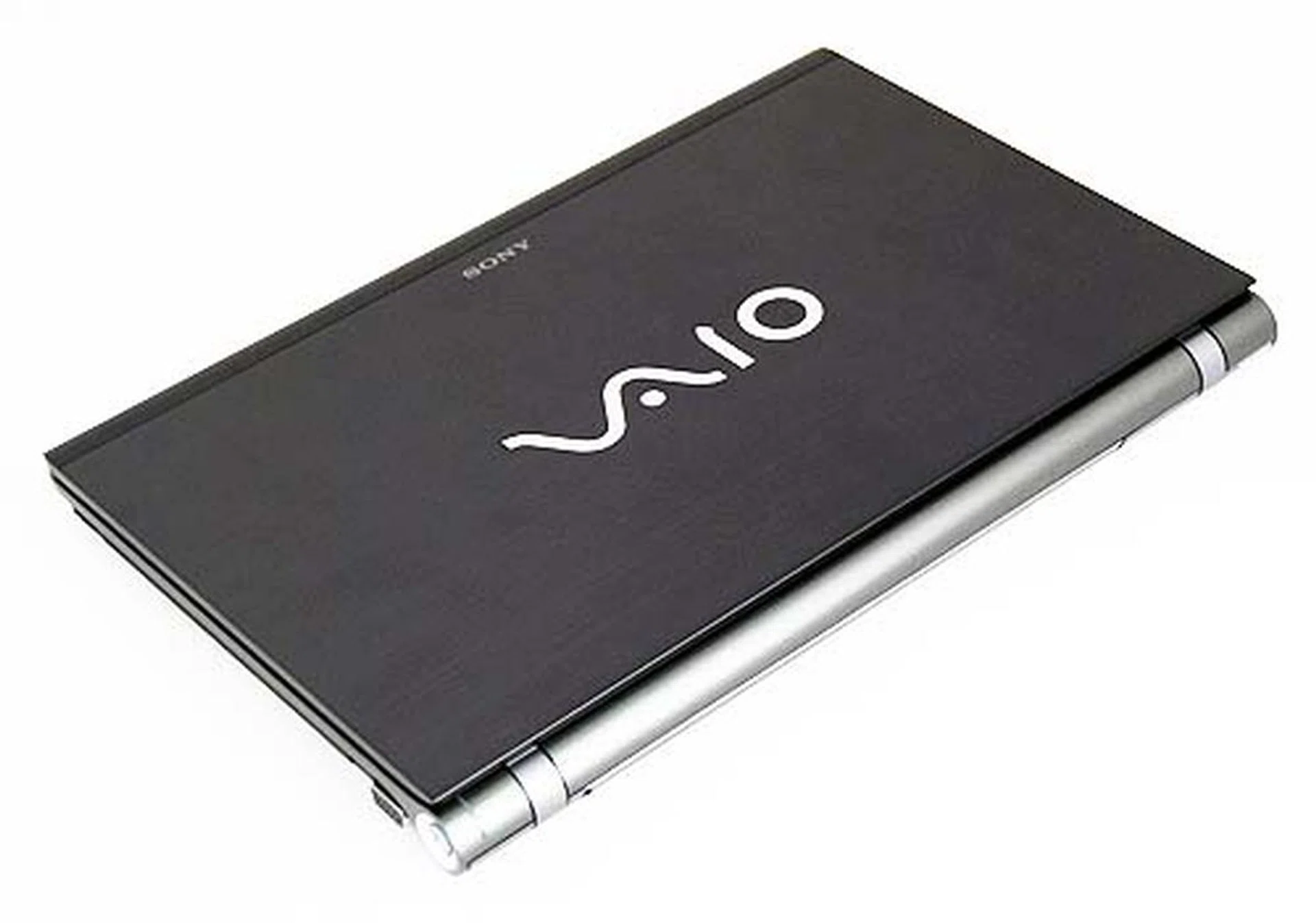
Clad in hybrid carbon and aluminum is the familiar looking Sony VAIO Z, though this is completely new internally.
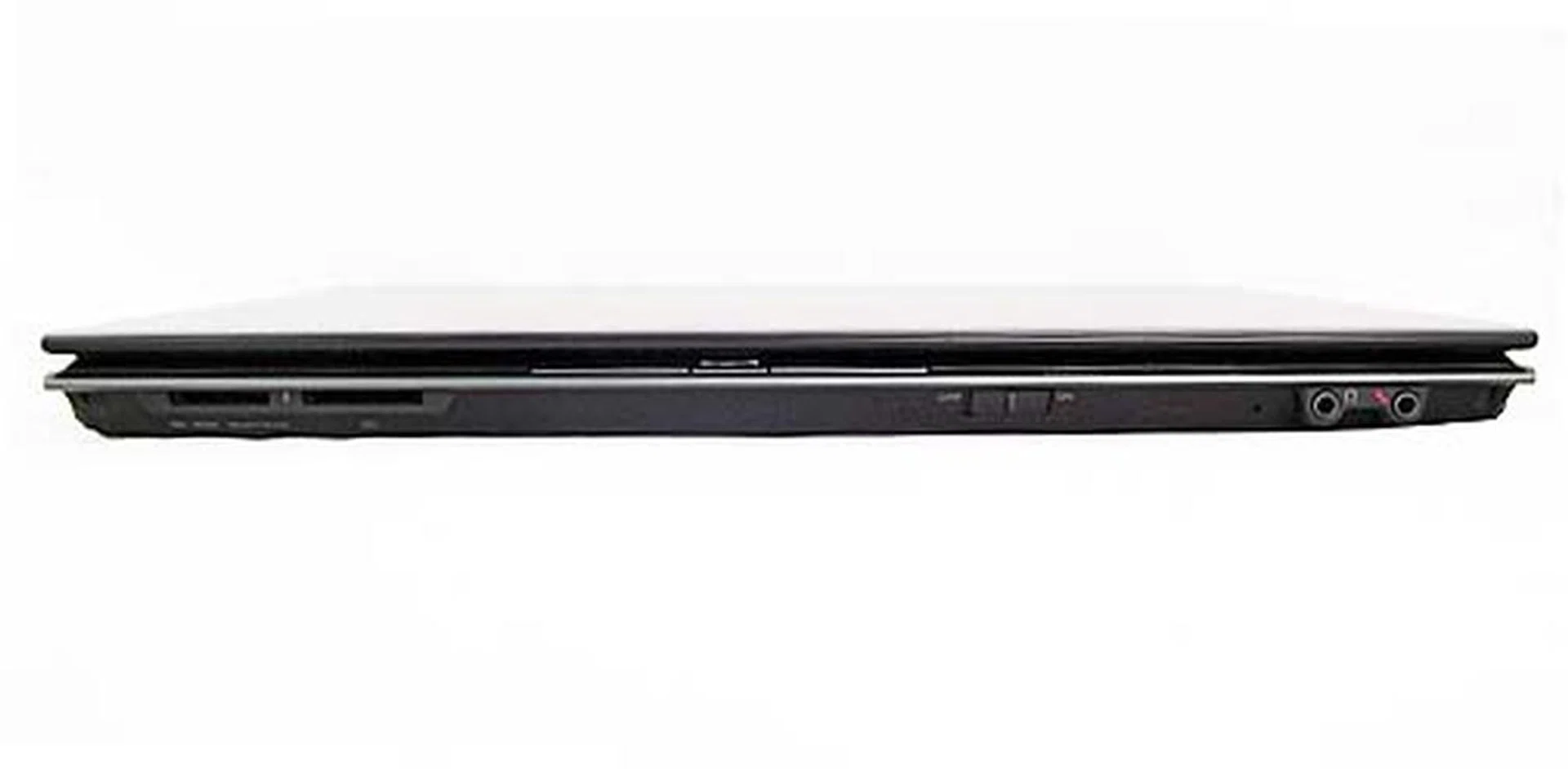
On the front are your card readers, WiFi switch and audio jacks.
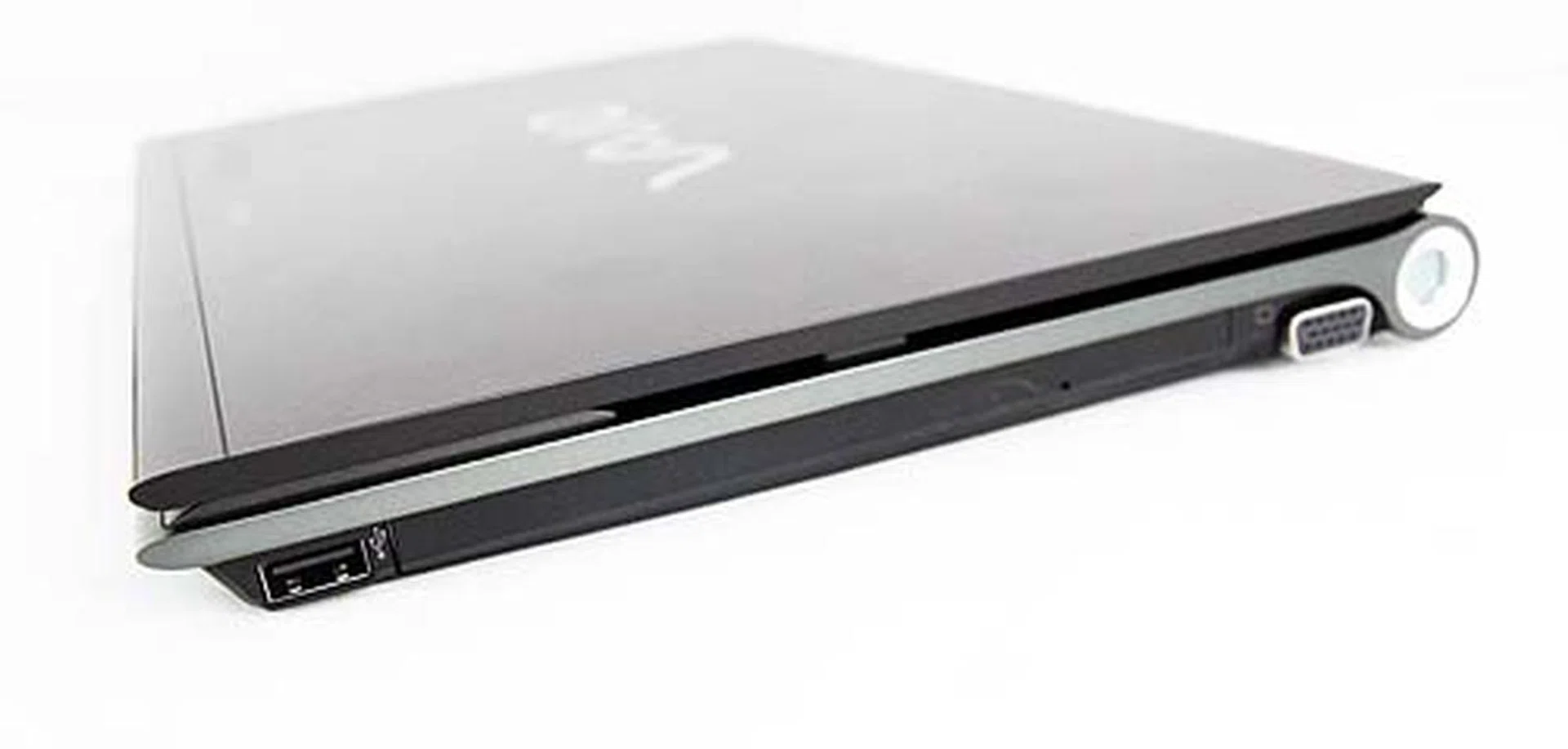
The right side keep it simple with a USB port, optical drive and VGA output.
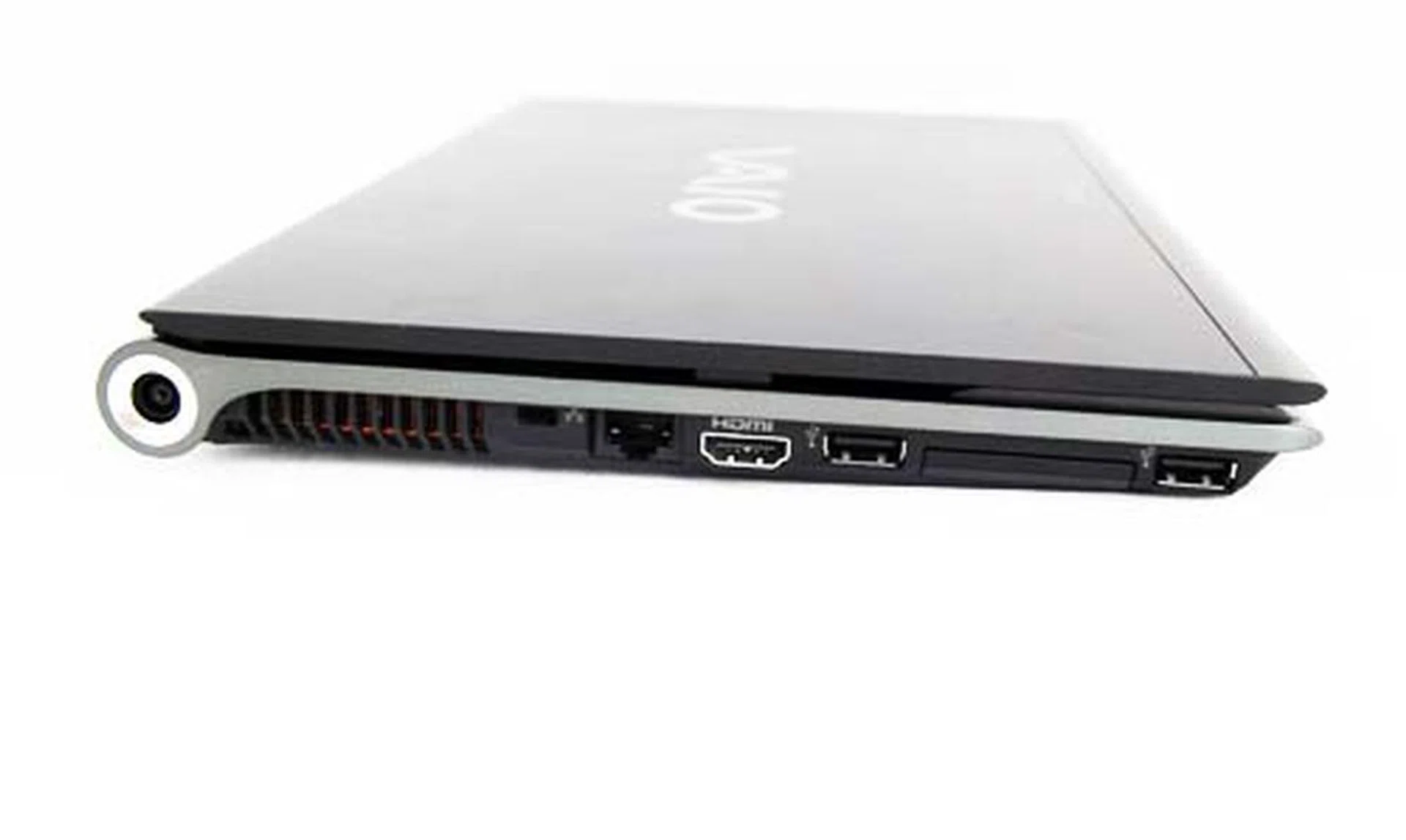
The left features a little more in the port department with a LAN jack, 2 USB ports, HDMI port and an ExpressCard/34 slot.
On Z Inside
On the inside, the Sony VAIO Z retains much of the same design that first debuted, but it has a few tweaks to its looks. But that's a good thing for the VAIO Z as we really do like it. The isolated keyboard design remains a norm for the series, and the trackpad seems similar to the older design. The tweaks we mention however are the newer VAIO functional buttons and the addition of an Auto function for the switchable graphics as the notebook sports both the platform's internal Intel GMA graphics engine as well as NVIDIA's GeForce GT 330M entry-level discrete graphics solution.
Unlike NVIDIA's Optimus solution which can toggle on-the-fly between the graphics engines used, the Auto switchable graphics function (as far as we could tell) switched depending on whether the unit was plugged in to a power outlet or running on battery. Seeing that the GPU implemented was one of those supported by NVIDIA's Optimus solution, we've also tried installing Optimus drivers to see if we can bring the technology's positive qualities to the new Sony VAIO Z. Unfortunately, that didn't work out. Sony has also informed us that there are currently no plans for an Optimus enabled VAIO Z, so don't hold your breath.
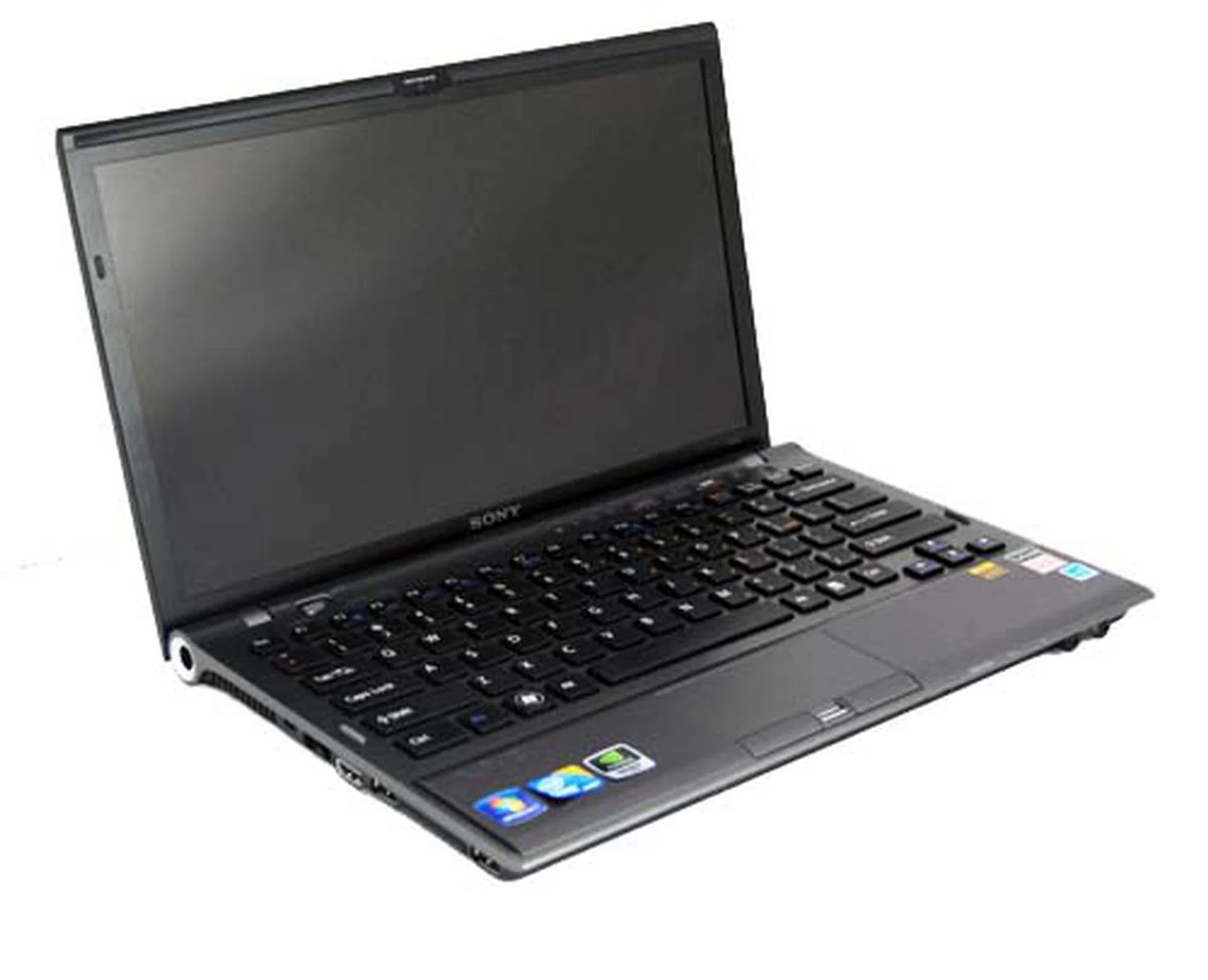
The interior of the Sony VAIO Z remains pretty much the same as before, but with a few new tweaks to it.

The isolated keyboard is comfortable and easy to type on.
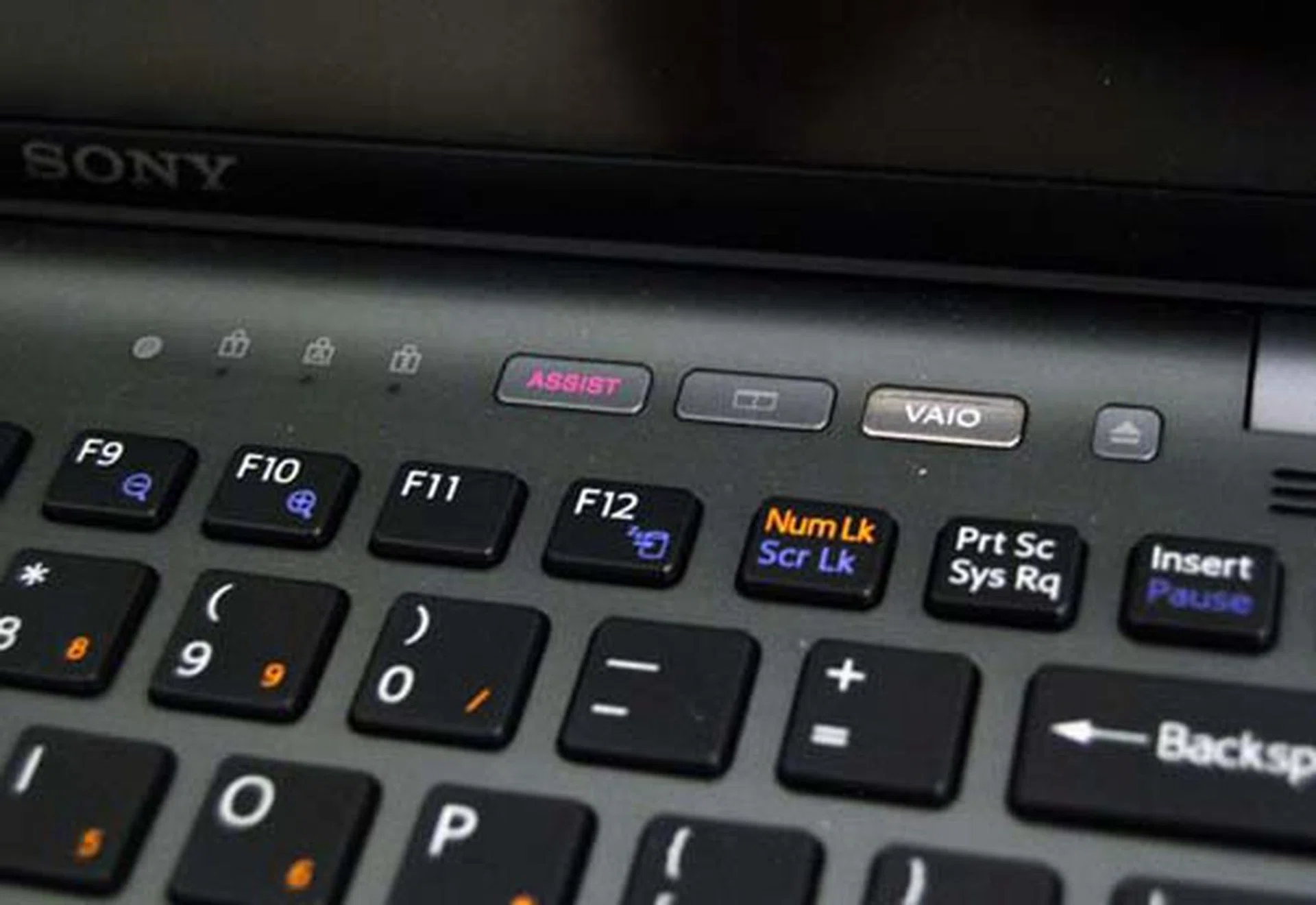
The additional buttons allow for easy access to Sony's VAIO software.
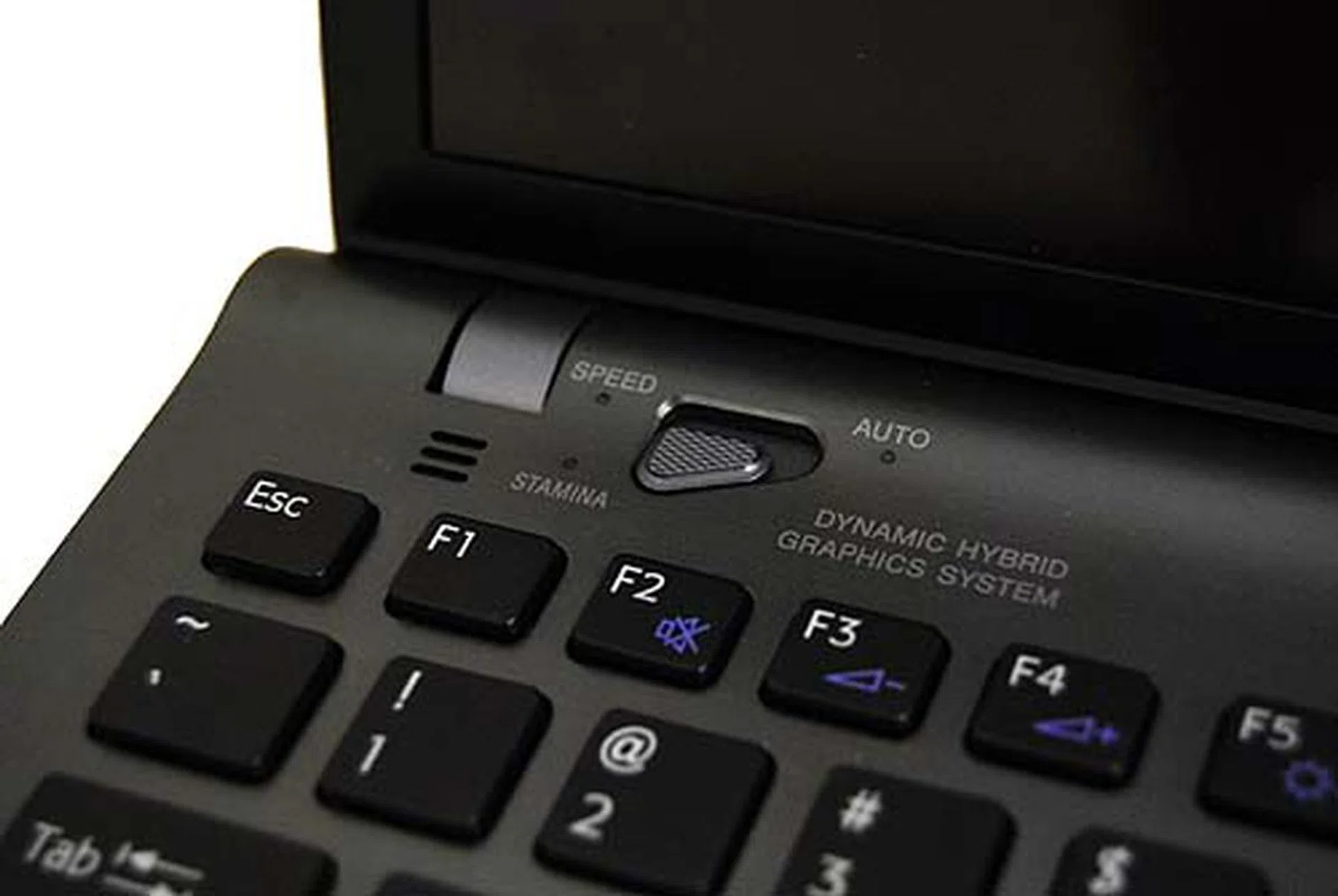
The switchable discrete graphics now offers an auto function.
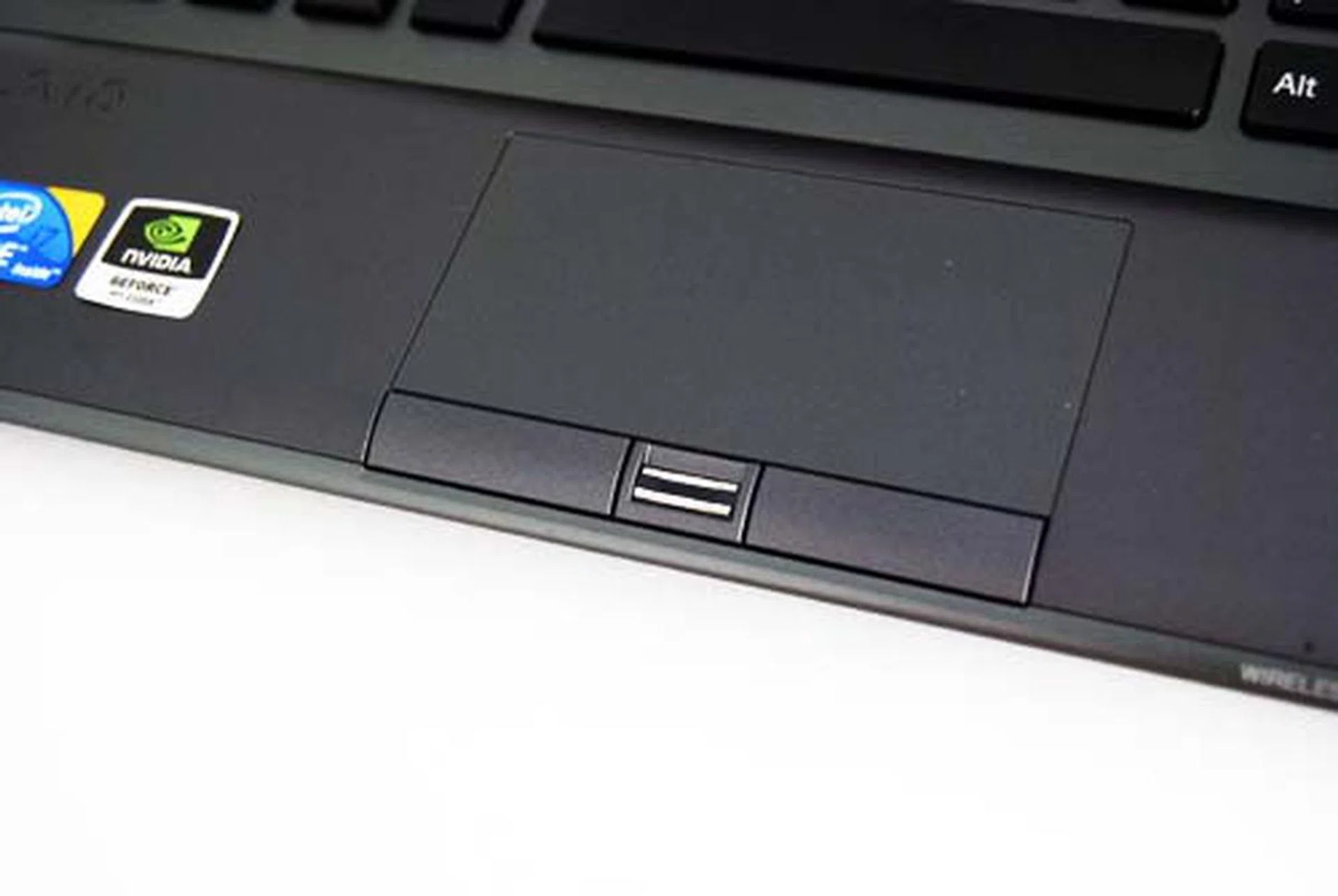
Last but not least is the trackpad, which we found was quite responsive.
So as far, the Sony VAIO Z sticks pretty much to the basics which we are familiar with, only tweaking certain aspects to fit in the new features. With that, let's take a closer look at the inner hardware that makes the VAIO Z a beast of a machine.
Performance Benchmarking
This is where the real fun begins. With all the goodies that Sony has packed into the VAIO Z VPCZ117GG/X , it's time to put this baby to the test. The notebook comes packing with an Intel Core i7-620M processor (2.6GHz), 8GB DDR3 RAM, NVIDIA GeForce GT 330 and 256GB of SSD storage (quad 64GB drives in RAID 0), so you know you're getting a race car of a notebook. How fast? Well, let's pit it against its predecessor and Lenovo's ThinkPad T400s which has a really speedy SSD drive to see how it performs. Oh and we've also tested both Performance and Stamina modes to see how the new VAIO Z notebook holds up in both test scenarios and if there are benefits to them
Specifications / Notebook | Sony VAIO Z VPCZ117GG/X | Sony VAIO Z VGN-Z17GN | Lenovo ThinkPad T400s |
Processor | Intel Core i7-620M (2.66GHz) with Turbo Boost up to 3.33GHz and 4MB L3 cache | Intel Core 2 Duo processor P9500 (2.53GHz) with 6MB L2 cache | Intel Core 2 Duo processor SP9400 (2.40GHz) with 6MB L2 cache |
Chipset | Intel HM57 Express | Intel GM45 | Intel GS45 |
Memory | 2 x 4GB DDR3 | 2 x 2GB DDR3 | 2GB DDR3 |
HDD | 4 x 64GB SATA SSD (RAID 0 Config) | 1 x 320GB SATA - 5400RPM | 1 x 128GB SATA - SSD |
Video | NVIDIA GeForce GT 330M / Intel GMA HD | NVIDIA GeForce 9300M GS | Intel GMA 4500HD |
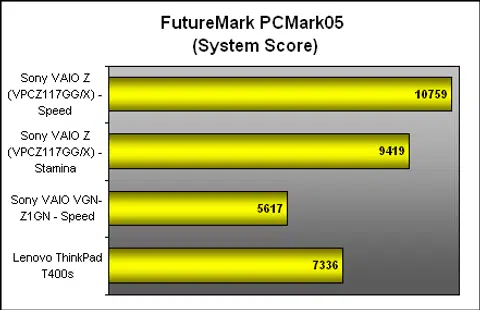
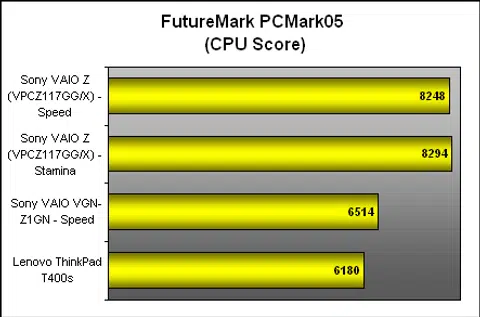
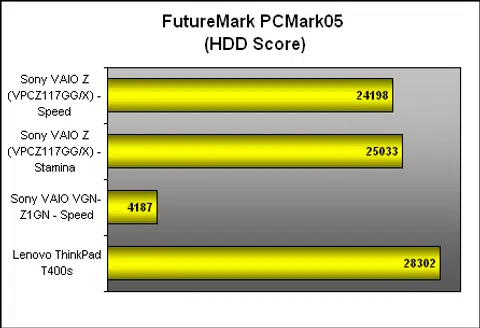
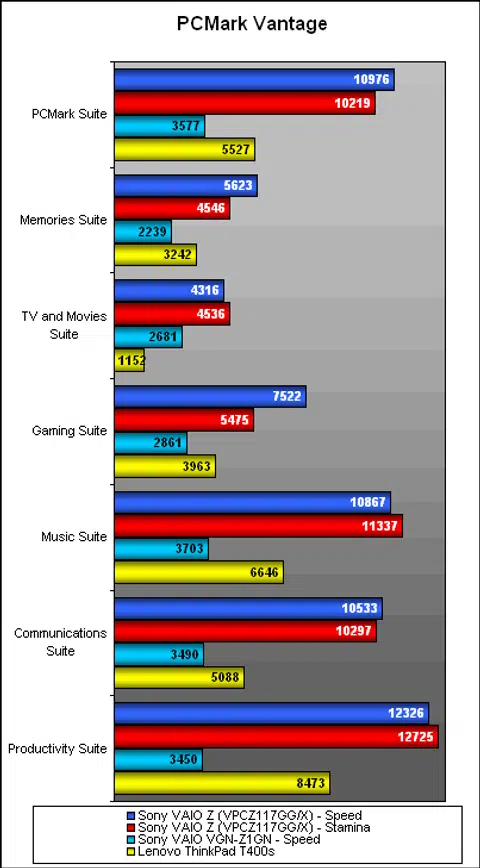
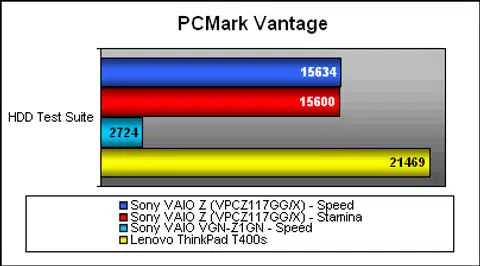
As usual, we've loaded our usual benchmarks of PCMark05, PCMark Vantage and 3DMark06 for our testing and the results reflect scores that all but blew us away. We sort of expected this, but seeing it perform that swiftly with our own eyes does change our perspectives somewhat. Also, to see how fast the quad SSD RAID 0 configuration holds up, we also ran HD Tach, and the results are equally impressive. If anything, the Sony VAIO Z is one workhorse that gives most machines a run for their money, and then some. Surprisingly, Lenovo's ThinkPad T400s still retains the crown as the fastest SSD for now, though expect to one day see dual Intel SSD drives in a RAID 0 config for maximum speed.
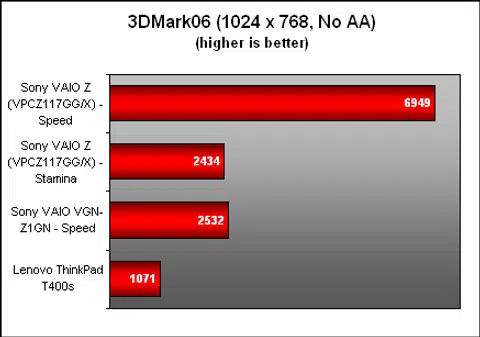
On the graphics side of things, 3DMark06 reported that the new notebook was almost thrice as fast as its predecessor! That's quite a statement to the new processor and the new GPU's capability over the already decent GeForce 9300M that we've come to expect. This is one notebook that's certainly powerful and sleek - a lethal combo indeed.
Battery Life and Portability Index
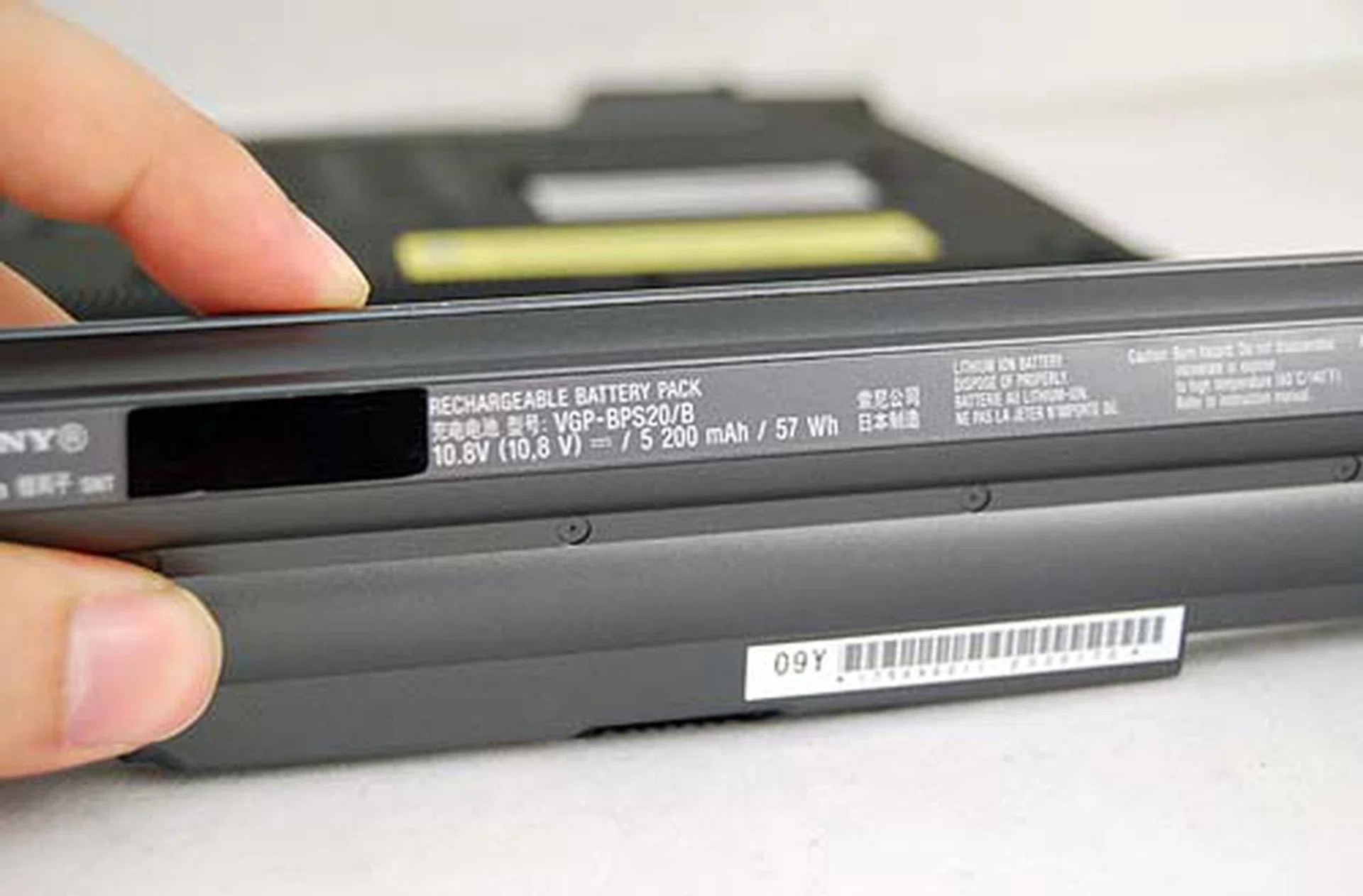
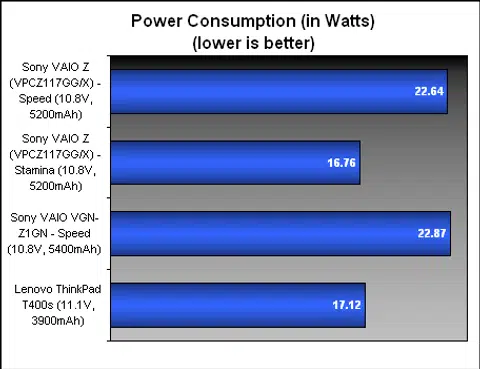
The last time we had our hands the Sony VAIO Z, we were more than impressed by its staying power and hopefully, this latest model will live up to expectations and perform just as well. For our testing, we've put the unit through the usual paces: if it has an optical drive, we will loop a DVD movie while keeping brightness and volume settings at 50 per cent. Additional power draining features like WiFi and Bluetooth are turned off (as these are variable figures that will affect the outcomes). The result?
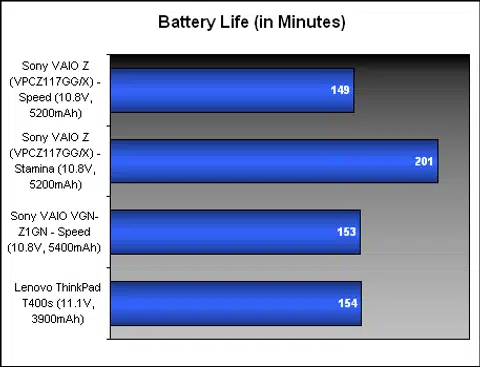
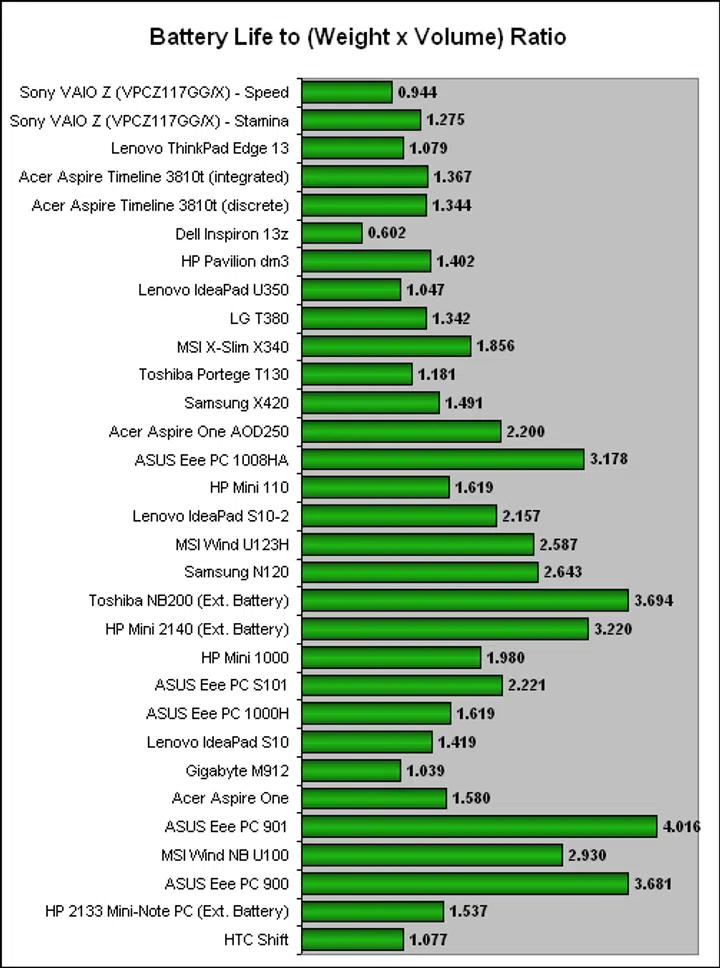
As you can spot from the graphs, the new VAIO Z is definitely still a capable workhorse with a lot of stamina, easily beating the previous model with its long battery life thanks to the newer Intel platform and SSD hardware in Stamina mode. Factor in its relatively light weight and we're sure to get an ace in our Portability Index with the new Sony VAIO Z. The index is derived from our magical (we jest) formula by taking battery uptime and dividing it by the product of the unit's weight and volume, which gives us a ratio that indicates how portable a notebook is when compared to other notebooks within a similar category. The larger the ratio, the better.
Interestingly, given its hardware and capabilities, the Sony VAIO Z on Stamina mode is about as portable as some Intel CULV processor based notebooks, though note that some of these notebooks have a much longer battery life. Then again, given what we've seen, the VAIO Z has a heck of a lot more performance packed under its hood and it still has enough stamina to last you for a good period of time when unplugged. So considering that and the VAIO Z notebook's Portability Index, we think it's doing very well.
The Letter Z
Sony's VAIO Z refresh puts a lot of emphasis on better performance results, but still keeping to the small and light form factor that made us love the original. Sony has also further improved on the notebook, tweaking the features that made the original machine hot in our books look even better. Where the first unit featured switchable graphics, the refresh gives a new automatic feature that allows for an easier time of switching between discrete and integrated graphics. While not as versatile as NVIDIA's Optimus technology, which switches on-the-fly based on workload type, the VAIO Z's auto switchable graphics feature is still pretty handy nonetheless.
Besides the upgrade in graphics capabilities, Sony has upped the ante by going with a quad SSD RAID 0 set up. Normal SSD drives are already fast enough for most, but the RAID 0 easily blows most of the competition away. Design-wise, there's nothing really new or noteworthy to mention that hasn't been said before as it looks almost the same as its chick predecessor, bar some minor updates and support for some of the newer VAIO software from Sony via function buttons above the keyboard.
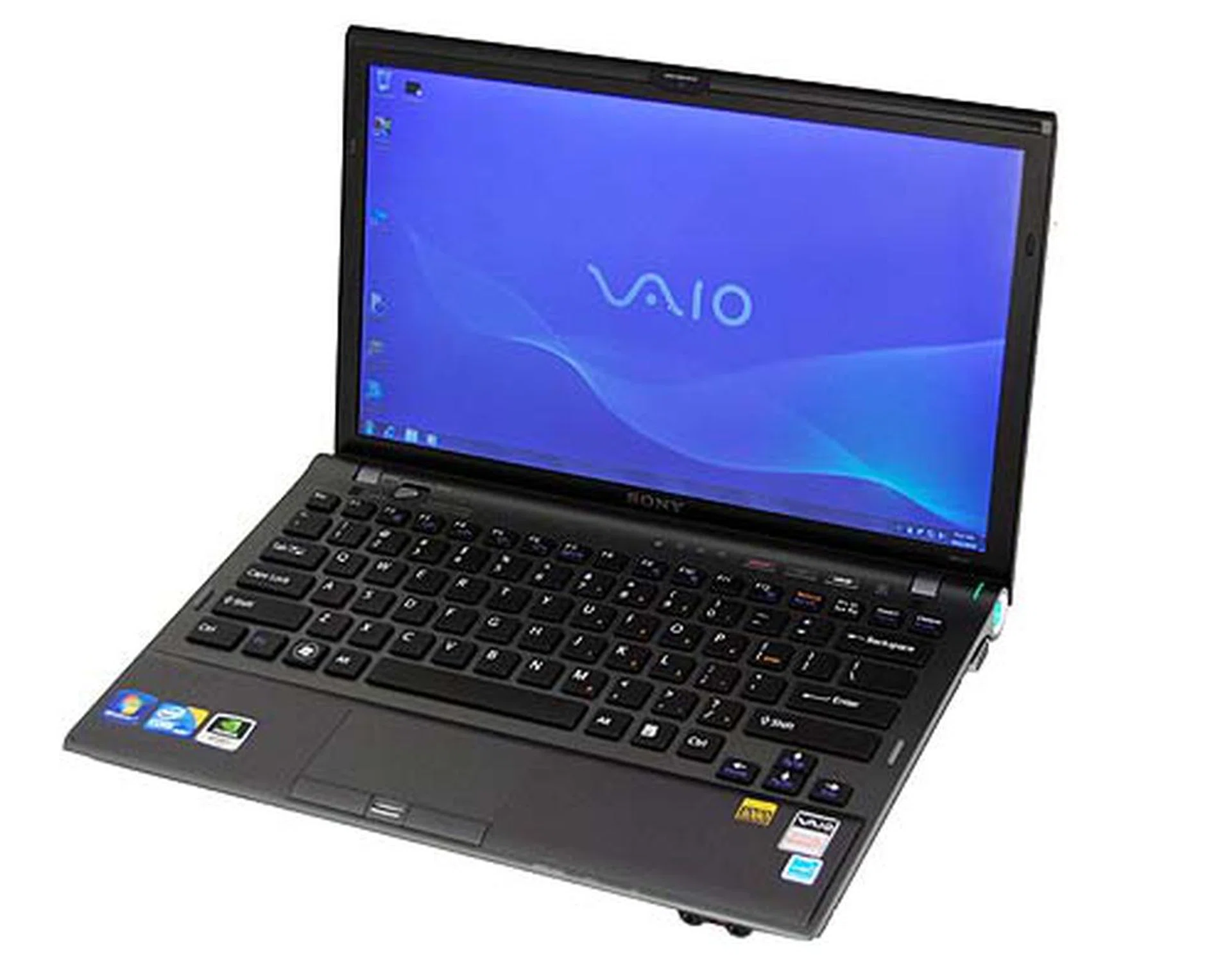
If you like what you've seen so far, we guess you're probably seriously considering getting one. If so, we hope you have a deep wallet, and take a breath, because well, it's a Sony. In fact, moderately priced doesn't even come close when we're talking about this particular configuration we've reviewed. How does S$4499 sound? If that's way too much, fret not as there are other configurations such as the VAIO Z VPCZ115GG/BI which goes for just S$2799. You get the same VAIO Z build and features, but a much more tamed down configuration.
While the top end model might sound expensive, considering the amount you're paying for the VAIO Z, you're definitely getting something that delivers the performance while not skimping on build quality. Overall, the new VAIO Z is an excellent refresh but not quite the wow-inducer as its original.
Our articles may contain affiliate links. If you buy through these links, we may earn a small commission.