
Sony VAIO X - Xtraordinary Thinness
Sony's latest take on its netbook VAIO machines have taken the netbook game right out of the ballpark with its super slim form factor and awesome battery life. Without a doubt, it's the netbook to lust after. So hop in to find out more, but don't blame us if you've the urge to splurge on it thereafter.

Xtraordinary Netbook
Folks, you may remember the Sony VAIO P, a slim and tiny Intel Atom machine that didn't quite live up to consumer expectations. It was gorgeous, it was tiny, and it was pretty, but the price made consumers really wary about paying so much for a netbook. Our own experience with the unit was sluggish at best and the overly high resolution screen didn't help our eyes much with its tiny icons together with its tiny keys and trackpoint.
So while it was a 'wow' factor machine, Sony decided to try again with a cheaper Atom netbook with the VAIO W that stuck to the regular form factor that you'll find in most netbooks but with the VAIO look and feel. The W wasn't too bad of an effort, and was priced at a more affordable range comparable to other netbooks. Sure, it performed pretty much similar to other netbooks too, but well, it's a Sony product you're talking about.
Now, fast forward to just a few months later, and Sony has unveiled its latest netbook, the VAIO X. This time, the X looks set to razzle and dazzle with its super slim form factor, lightweight design and really expensive price. Of course, the magnesium alloy chassis and carbon fiber frame of the notebook doesn't come cheap by any standards, but it does give it a feel that's just perfect for the business users that this netbook is targeted at. How perfect you ask? We'll find out more over the next few pages but let's start with our usual exterior pictures and table of specifications first.
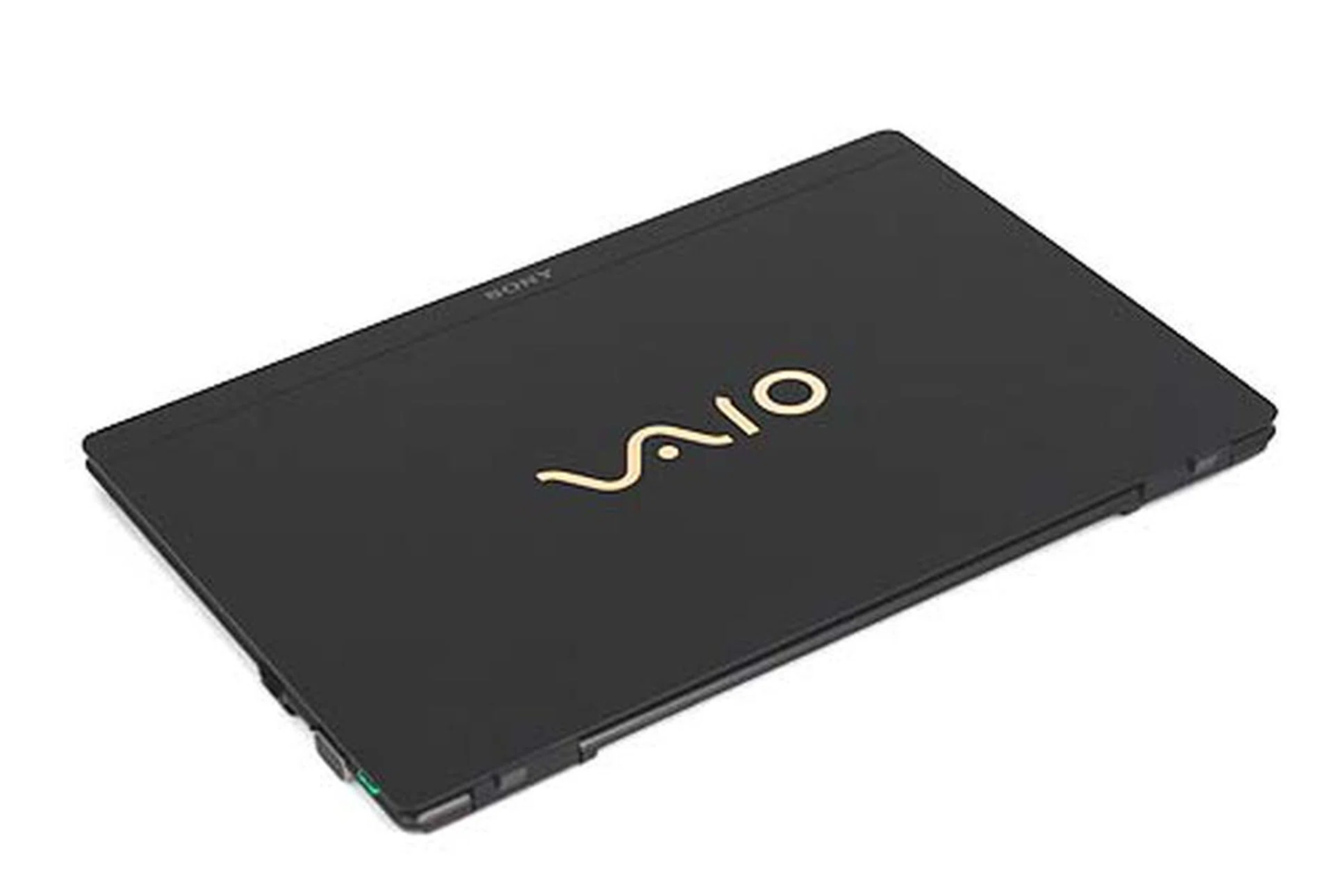
If slim is in, then the Sony VAIO X nails it down with it's 14 mm thickness.
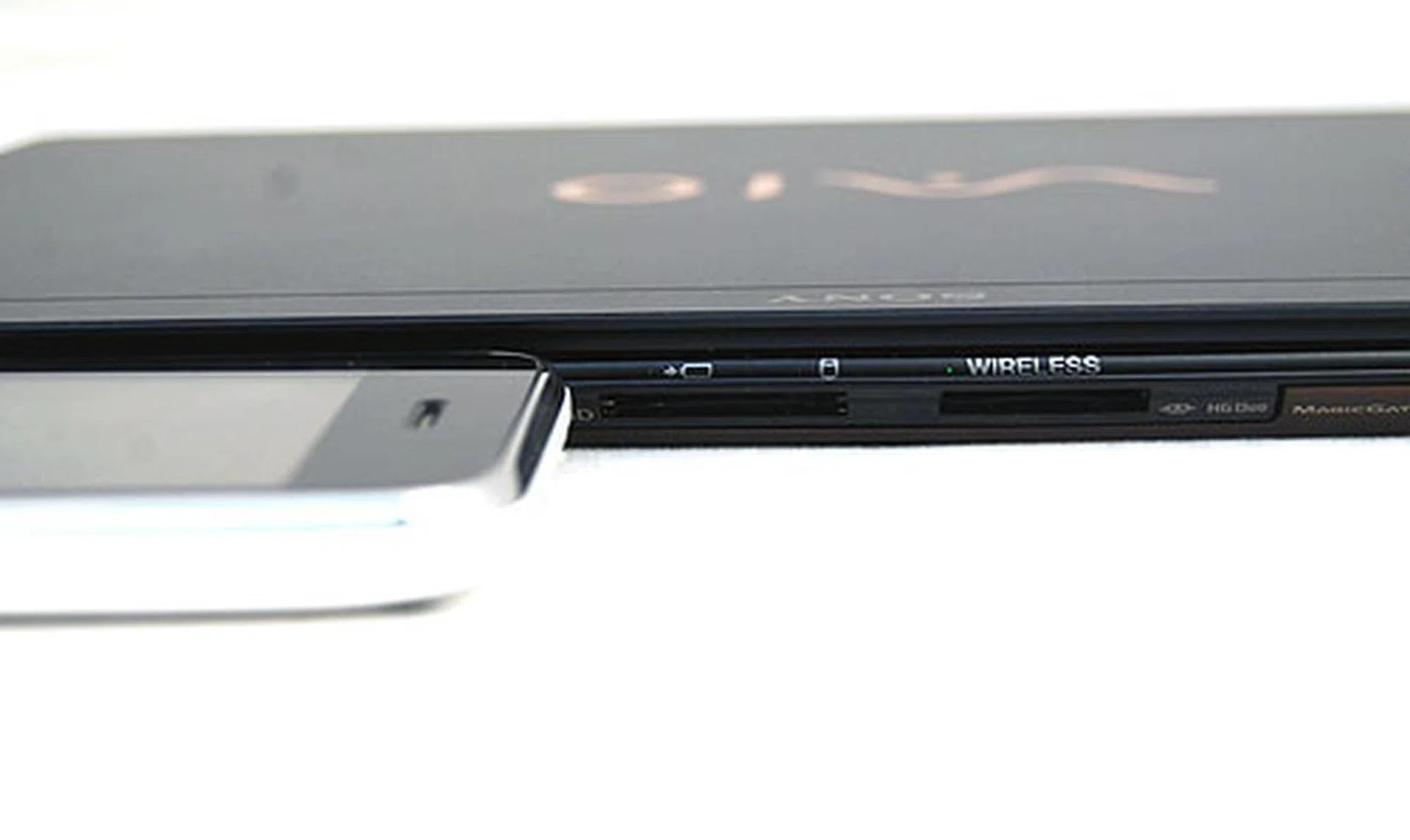
It's so thin, it's barely any thicker than an iPhone.
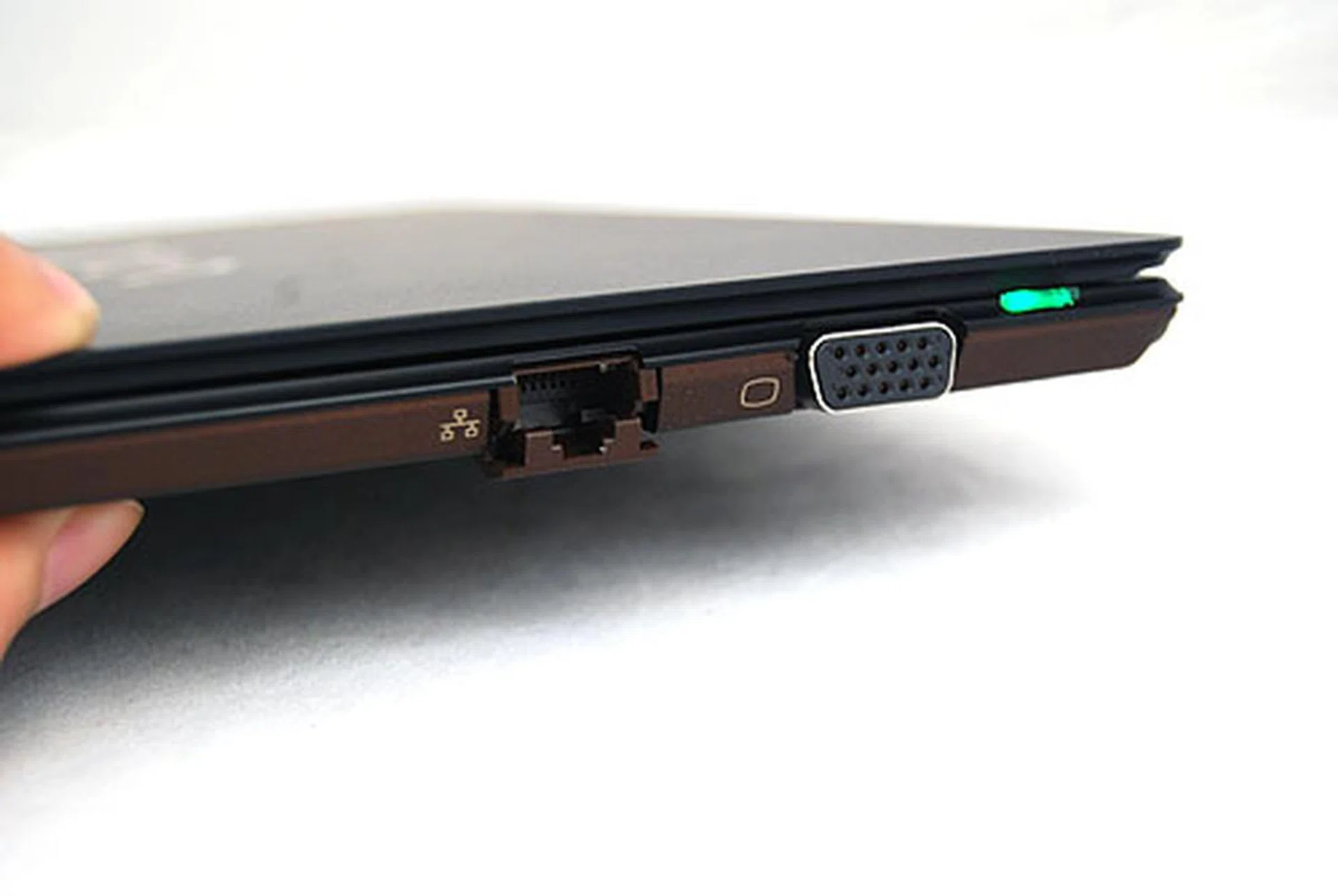
With a side profile so slim, Sony has been pulled a trick out of the hat to accommodate the LAN port with an extendable jaw for the port. The VGA port however, still remains the limit on how thin the netbook can go.

The opposite side also takes things a tad thin with just these few USB 2.0 ports.
X Marks the Spot
While the magnesium alloy chassis does give the unit some strength, we did note that there was quite a bit of flex on the unit, both on the keyboard area and on the screen. While the screen flex was more or less expected, we didn't quite expect the lower half of the unit to actually bend that much. Then again it's a pretty thin device, so the flex is part and parcel of the design aspect. However, the flex isn't anything to be alarmed about and it was perfectly acceptable for such a thin and trendy notebook such as the VAIO X. In fact, the unit didn't feel at all fragile in our hands despite its thin frame and flex and that's testament to its design. Still, we do caution users to avoid undue pressure that can warp or cause damage to the screen area.
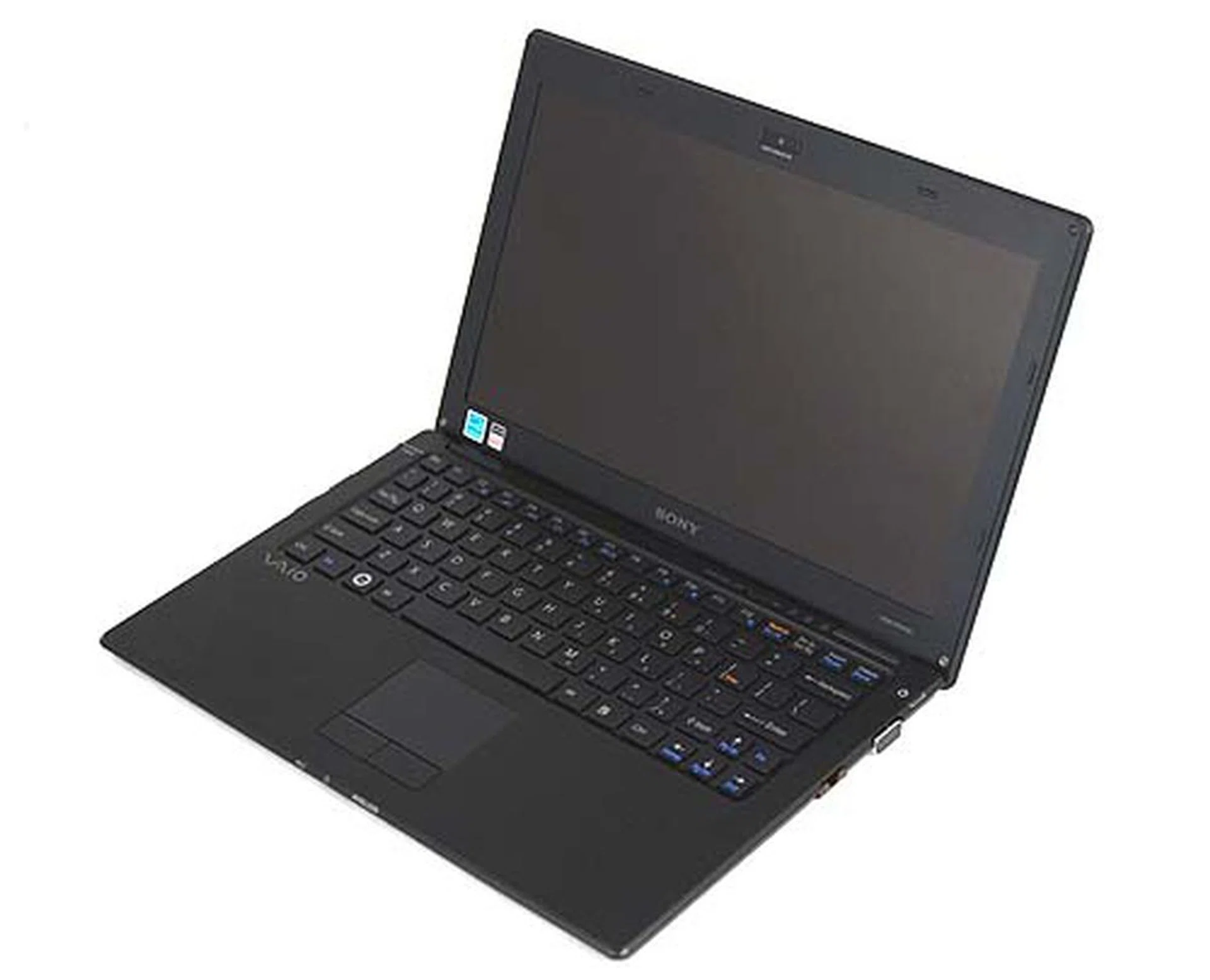
The insides retains the sexy elegant look that's promised on the exterior.
Moving on to inspect other build aspects of the notebook, we found that the screen quality was great with decent viewing angles and brightness. You'll find that despite the higher resolution (1366x768), the fonts were still pretty crisp and clear. Heading downwards, we find a familiar looking keyboard that's done in chiclet style. Despite the extra space from its almost 12-inch (11.6-inch) frame, the keyboard and key layout still feels tiny for comfortable usage. There's also quite a bit of flex that does sometimes detract from the typing experience.
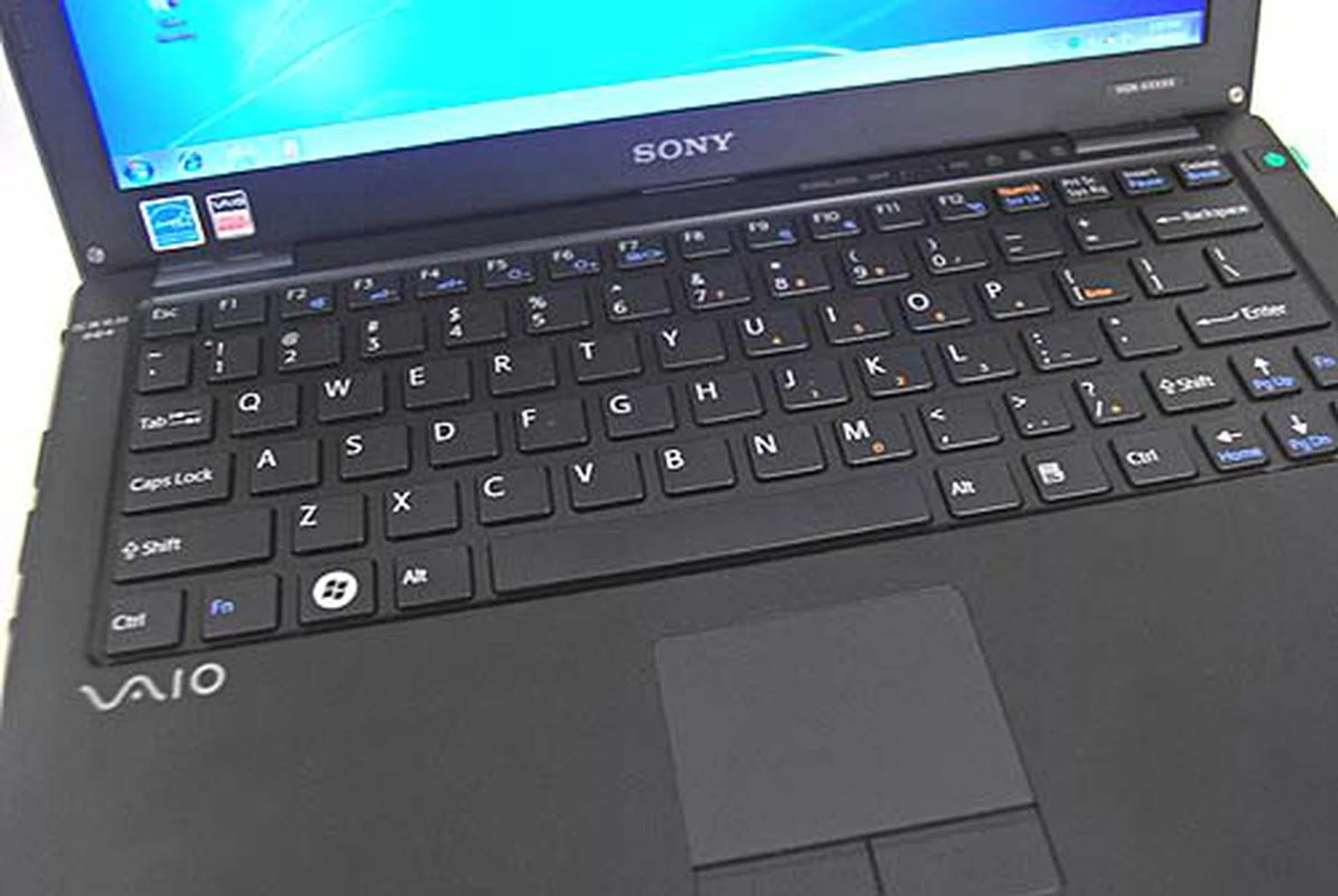
The keyboard is laid on in a chiclet manner, though the keys are kind of small for a netbook of this size.
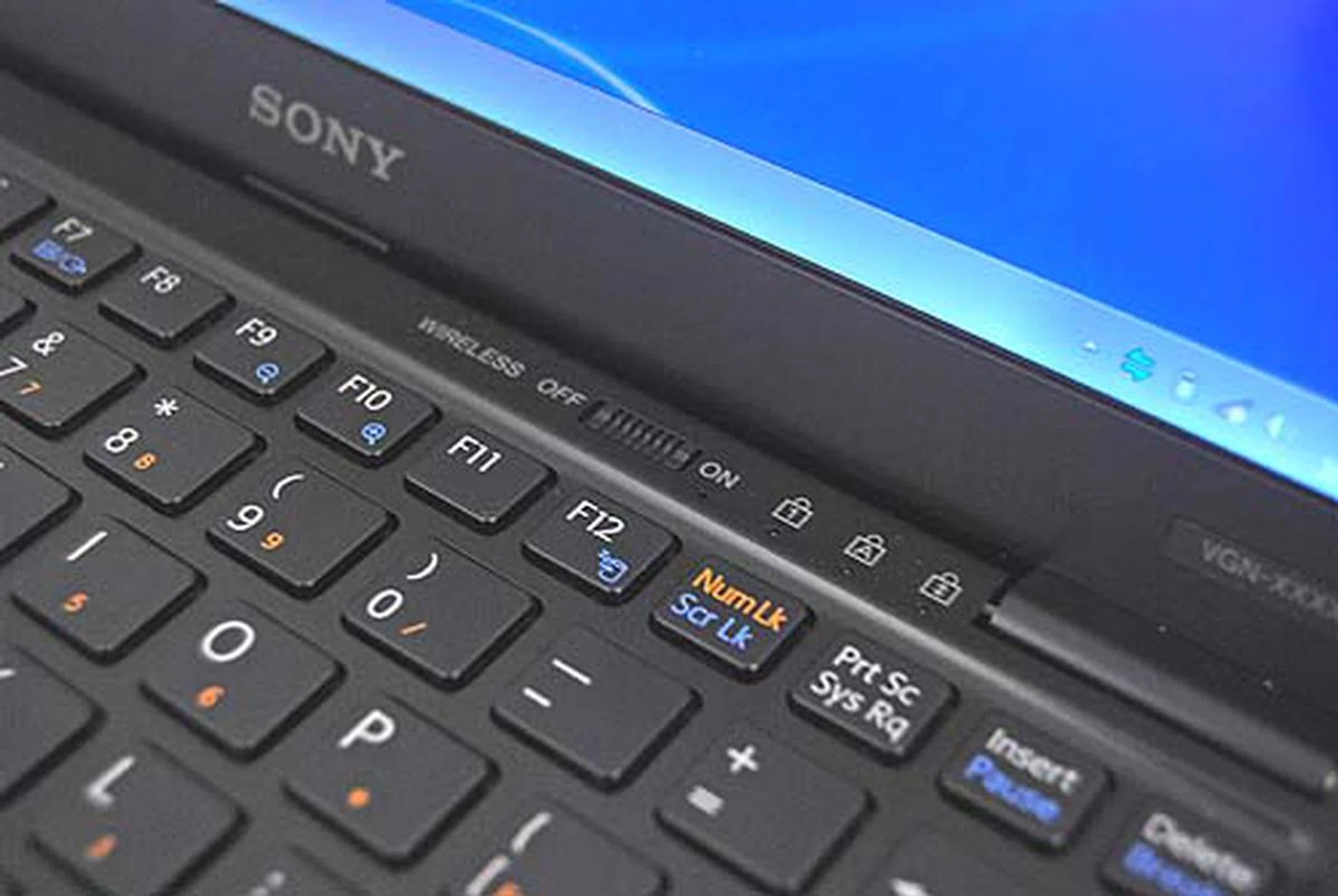
Sony has also included a wireless switch at a very accessible location for ease of use - just above the keyboard.
Thankfully though, the multi-touch capable trackpad is fine, and the buttons pretty responsive. So far, so good you say for the usability aspect, but there's just one little flaw with the audio subsystem of the VAIO X. If you were thinking of using this lightweight machine as an entertainment device, we suggest skipping this idea. In fact, even music playback of any kind isn't recommended at all by us via its supplied speakers, as they are just too soft even at full volume (unless you are blessed with superhuman hearing capabilities). And by soft, we really mean "I can't hear a thing and no I don't have hearing problems" kind of soft. A pity indeed to find such a blemish on such a classy looking netbook.
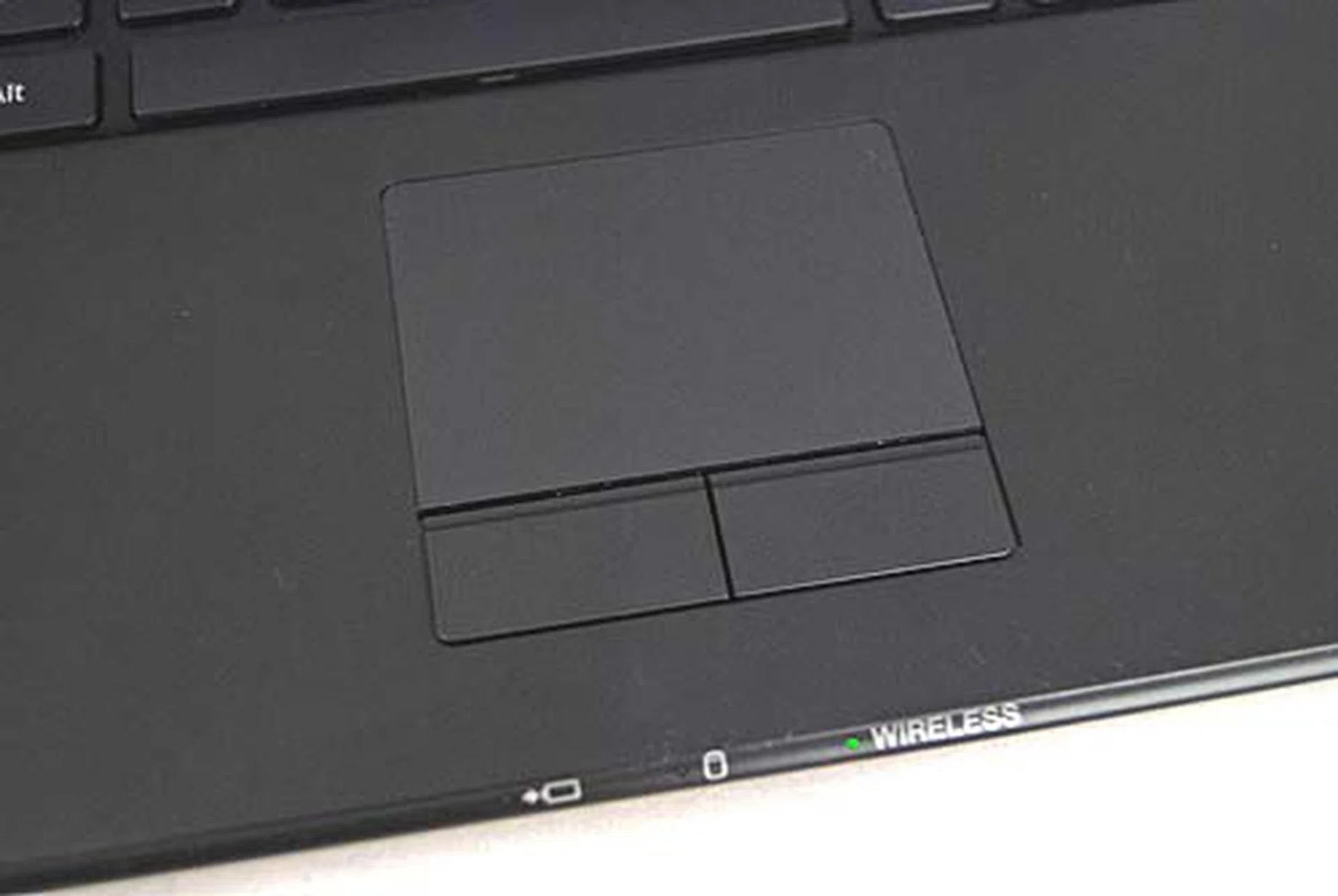
The touchpad works fine, and supports multi-touch, though we find this feature to barely work (as with all current multi-touch capable touchpads for Windows machines).
Battery Life and Portability Index
Packing a specially designed 4-cell battery, the Intel Atom powered notebook ought to do fine in our battery test, and given its lightweight form factor, it should score pretty high in our Portability Index test. But before we begin, here's a picture of the battery, which basically places the two battery cells at the side while the middle has a depression to accommodate the trackpad on the chassis. It's an innovative design for sure; instead of finding a spot to squeeze a battery into the chassis, Sony fits the battery around the VAIO X's design.
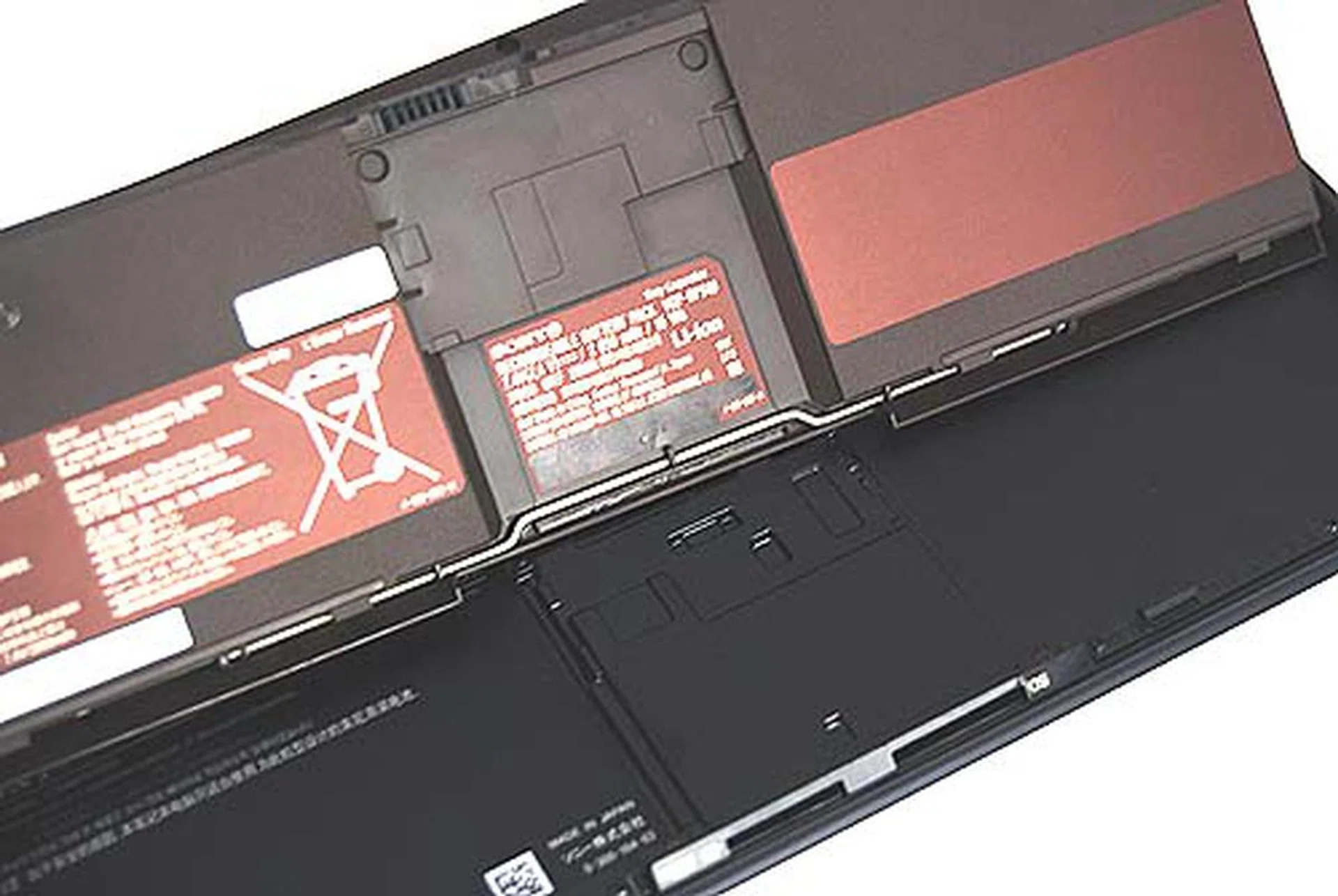
Note the unique way the 4-cell battery is shaped to allow space for the trackpad while still remaining pretty thin.
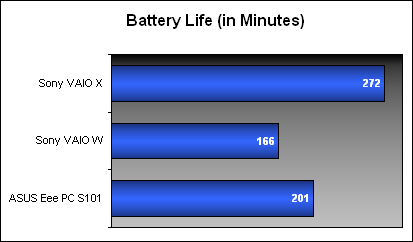
With most netbooks share similar specifications, we turn to the ASUS Eee PC S101 for comparison with the VAIO X. Like it, the Eee PC S101 is another lightweight and thin netbook equipped with an SSD. We've also tossed in the Sony VAIO W for good measure to see how it handles against its new and much more expensive cousin.
Let's get down to the scores then, shall we? With a battery life of 272 minutes, the unit does pretty well on our battery life test. A number of factors contribute to its long lasting battery life such as its LED-backlit screen, the SSD drive and an ultra low voltage Atom processor (it's more power saving than the normal N-series). Remember when we mentioned earlier that the audio volume was too soft? Note that we cranked it up to 100 per cent for our battery test to ensure a somewhat comparable power draw against the usual 50 per cent volume that we use for testing the other netbooks.
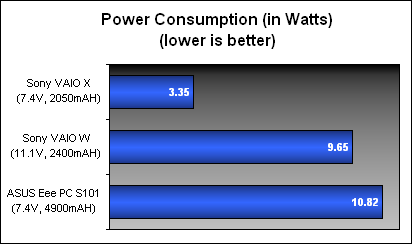
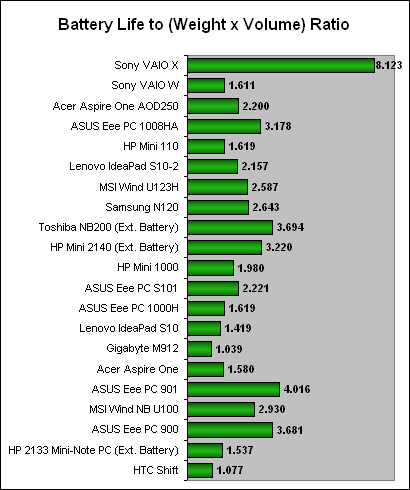
And thanks to the above mentioned low power devices integrated into the VAIO X, we found that the power consumption was kept really low - in fact, it's the lowest we've seen on any netbook. On the Portability Index, the lightweight frame and volume of the VAIO X meant the unit scored pretty much the highest we've seen so far at 8.123. The results are only logical given how little the netbook weighed in our bags and its thin form factor. It's so light and slim that you would probably not even realize it's stashed in your bag.
Performance Benchmarking
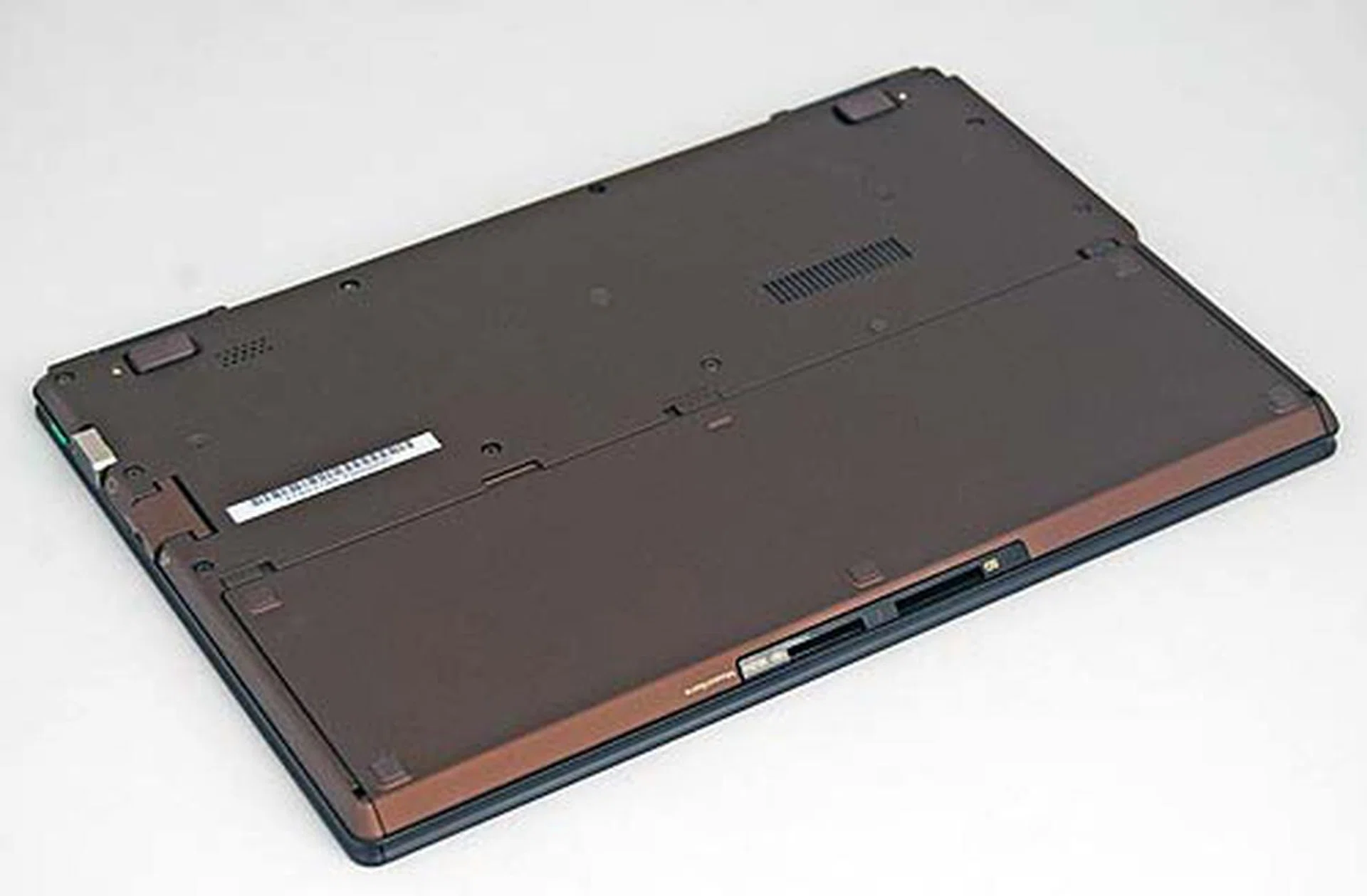
Retaining a clean flushed back is the Sony VAIO X with no upgrade options.
Running on an Intel Atom Z550 (2.0GHz) processor, sporting 2GB DDR2 RAM, a Samsung 128GB SSD, and integrated Intel GMA 500 graphics, the VAIO X was slightly sluggish in our real world handling. Of course, everything turned out better once Aero was turned off, but this felt strange, seeing as how our previous experience with normal netbooks with Aero turned on in Windows 7 RC was lag free. Strangely, this isn't reflected in our performance benchmarking tests in the Windows 7 operating system as the scores do indicate a relatively faster performance compared to your average netbook. Perhaps this could be something related to the slower FSB between the processor and the chipset. Note that we would have loved to test the VAIO X using PCMark Vantage, but unfortunately, we were unable to get it running. However, we do have our reliable and trusty PCMark05 for some results crunching.
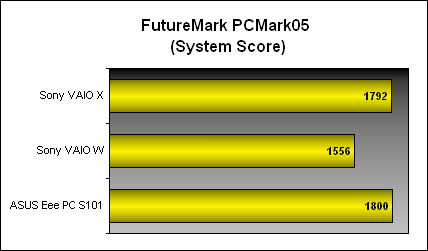
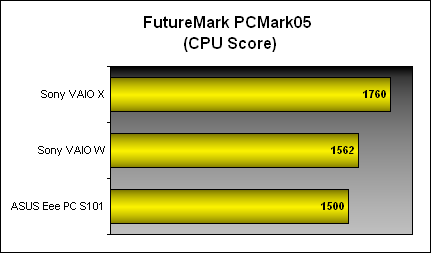
HDD scores in our PCMark 05 tests were definitely way up there compared against your usual 5400 RPM drives and handily beat the ASUS netbooks, so we've no complains there. Overall, it does show that the Intel Atom Z550 processor does handle better compared to the N280, though its main advantage is still the power savings associated with its lower power draw and TDP requirement despite having a higher clock speed.

Buried Treasure
Let's face the facts:- Sony's VAIO X is a marvel of engineering; it's a netbook done well with plenty to drool over. You can't help but drop your jaws at the design and form factor. We've not seen a netbook this thin ever, so design wise, the VAIO X does score mightily in our hearts. Furthermore, the bright LED-backlit screen can't help but light up your eyes when you look into the screen. Sadly though, the chiclet keyboard could have been made bigger given the ample real estate space but we reckon that this is could be the byproduct of space constraints under the hood.
Performance too was yet another drawback to the netbook, with its less than satisfactory experience a drawback to consider. Despite the relatively better benchmark scores and great hardware (in the form of the Samsung SSD), our own user experience with the sluggish responsiveness from Windows 7 left much to be desired. It's probably the fault of the single core Intel Atom processor, as our desktop based dual core Atom 330 performed flawlessly when we tested it. Then again, turning off Aero on the VAIO X meant that the system worked fine, so until we get other Windows 7 loaded Intel Atom netbooks, we can't comment on whether this will be the norm.
Last but not least is the price you have to pay for this netbook. Sure it's a premium netbook from Sony, and more so as a VAIO product, expect to pay a handsome amount for this netbook. The base model will set you back at minimum S$1999 (specs include a Z540 processor and 64GB SSD), while our review unit has yet to be priced (details to be released later in November). Sp expect an even bigger price bump for our exact reviewed model and specs. Whether or not the price of the VAIO X is justifiable, we'll have to let you decide based on your lifestyle needs. Nevertheless, we would like to mention that you'll not find a better designed netbook out in the market that's comparable to the VAIO X, though a shame that the performance doesn't quite match its looks.
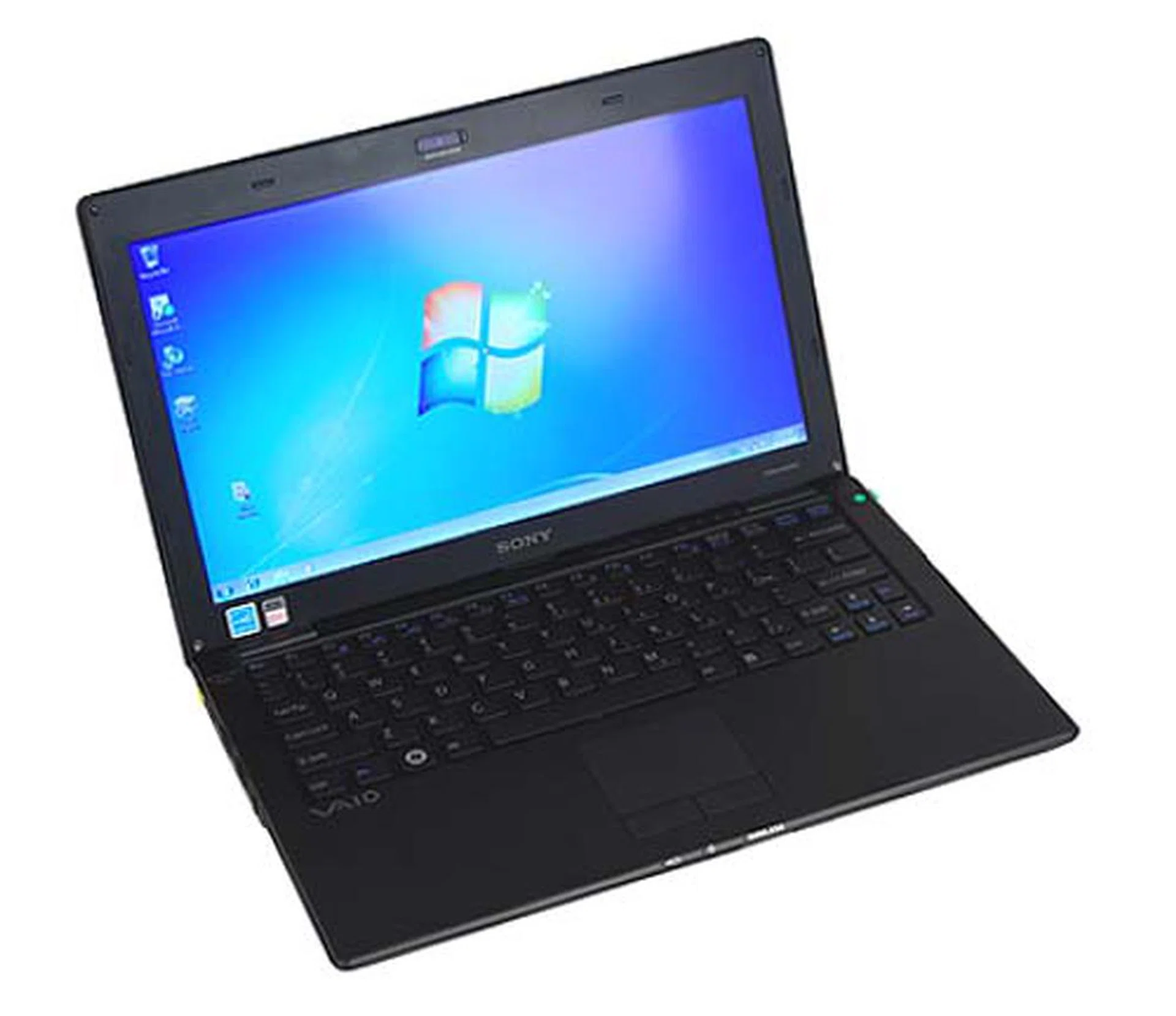
The Sony VAIO X may be a very expensive netbook with a tad less than ideal performance, but it's still a very well designed machine that's certainly an engineering feat.
Our articles may contain affiliate links. If you buy through these links, we may earn a small commission.