

Crossing the Timeline
While it would seem the common belief among consumers is that Acer products tend to be cheap and have lower build quality, their Timeline series is anything but that and have left us impressed. Since then, they have ported some of the design elements over to their newer mainstream notebook line, so slowly but surely, the impression of being a 'cheap build' will probably fade away in due time.
That said, Acer's products are remarkably affordable, often offering superb hardware specifications at a price so low, we often wonder how they can afford to do so while still being able to stay in business. Case in point is the new Acer Timeline X series that we're reviewing and the model in question is the 4820TG, a machine which looks very familiar on the outside, but packs a whole lot of difference on the inside. That's not to say the original Timeline series will be discontinued; they will now exist side by side to confuse readers who don't happen to notice the extra "X" for eXtreme.
Bear in mind however, that the X series is Acer's answer to a performance-centric notebook while still keeping to the Timeline's form factor, so instead of the Intel Consumer Ultra Low Voltage (CULV) processors found on the Acer Timeline 4810T, the 4820TG packs an Intel Core i7 of the dual-core variety which does mean if you're in need of processing power, this notebook won't let you down. And despite the use of a much more powerful processor and together with switchable discrete graphics in the form of an ATI Mobility Radeon HD 5650, the unit still keeps to a pretty slim form factor. Though it does feel slightly heavier to us and it is, at 2.2kg compared to the 1.9kg of the old 4810T.
Now, if there's one thing that we dislike fervently on Acer machines, it's that they come loaded with plenty of bloatware installed. Strangely though, our review Acer unit was pretty light in that department which meant we didn't have to do that much uninstalling before we could get down to benchmarking it. Before we get to the results, let's take a look at the familiar exterior and interior to see if we can spot any changes to the design.
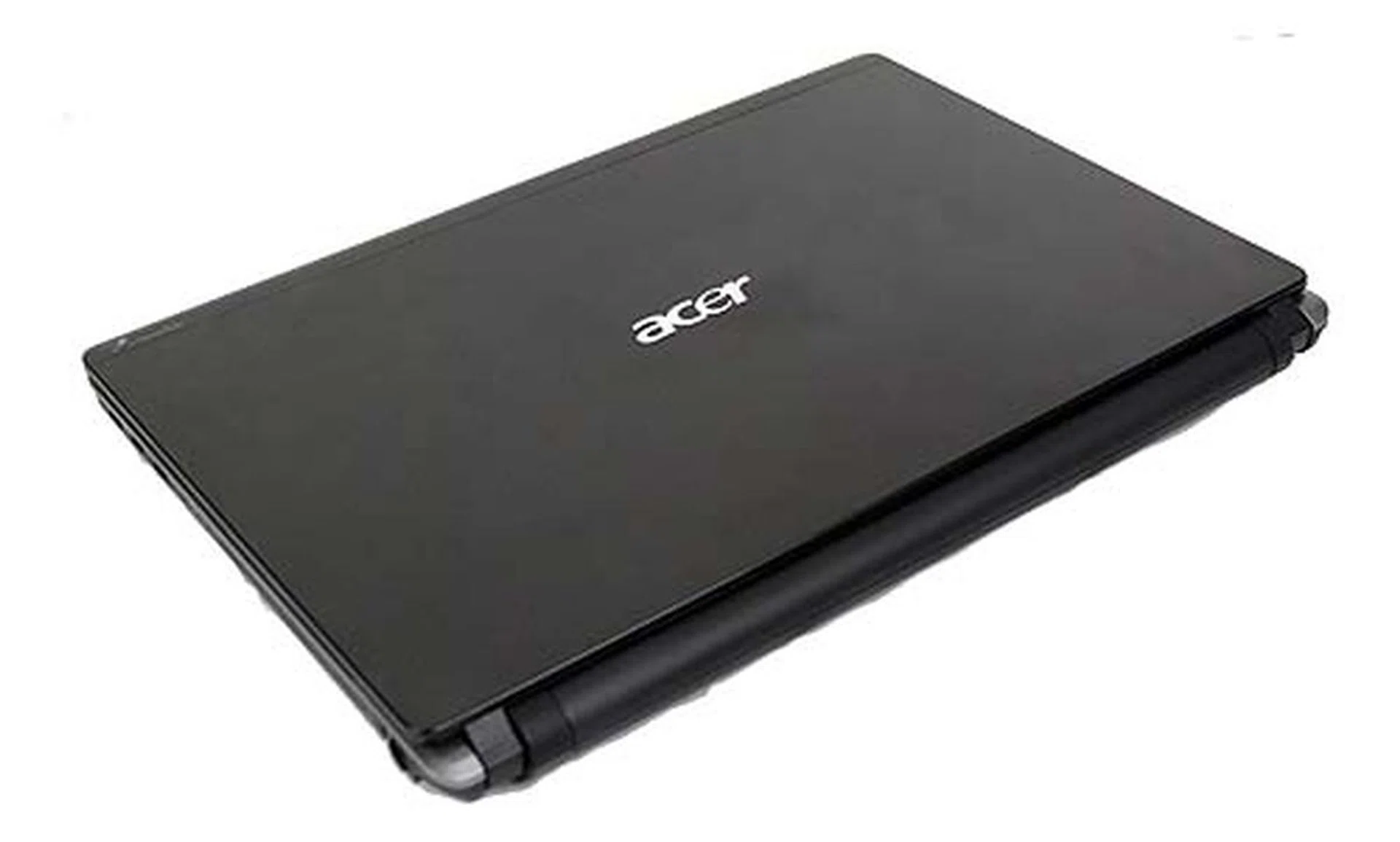
Acer seems to have given much thought to the Acer Aspire Timeline X 4820TG. While it looks similar to the older Acer Aspire Timeline 4810T, the changes are obvious once you start comparing the unit side by side to the previous model.
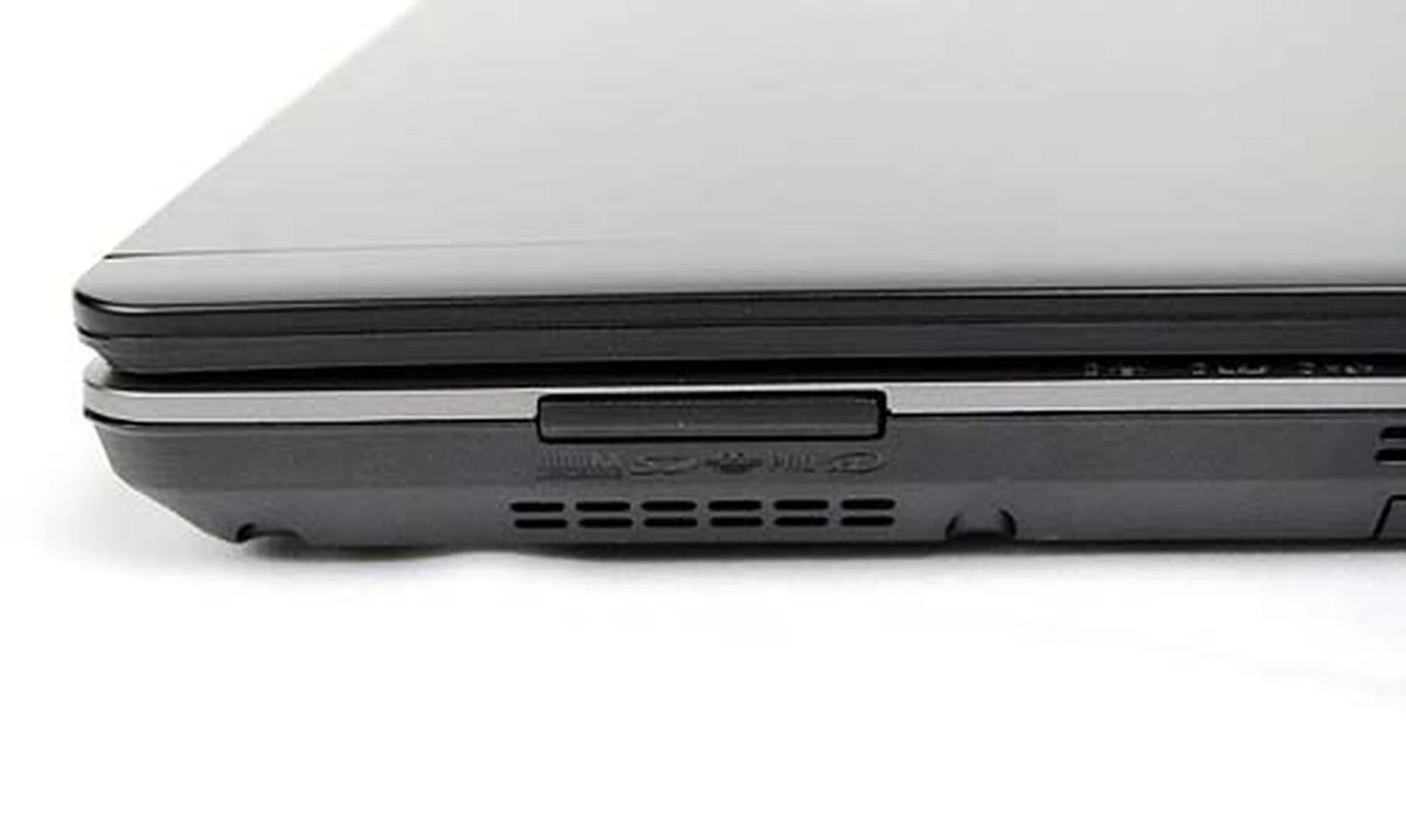
At the front, the SD Card reader has been shifted to the left (which was previously located in the middle of the front profile).
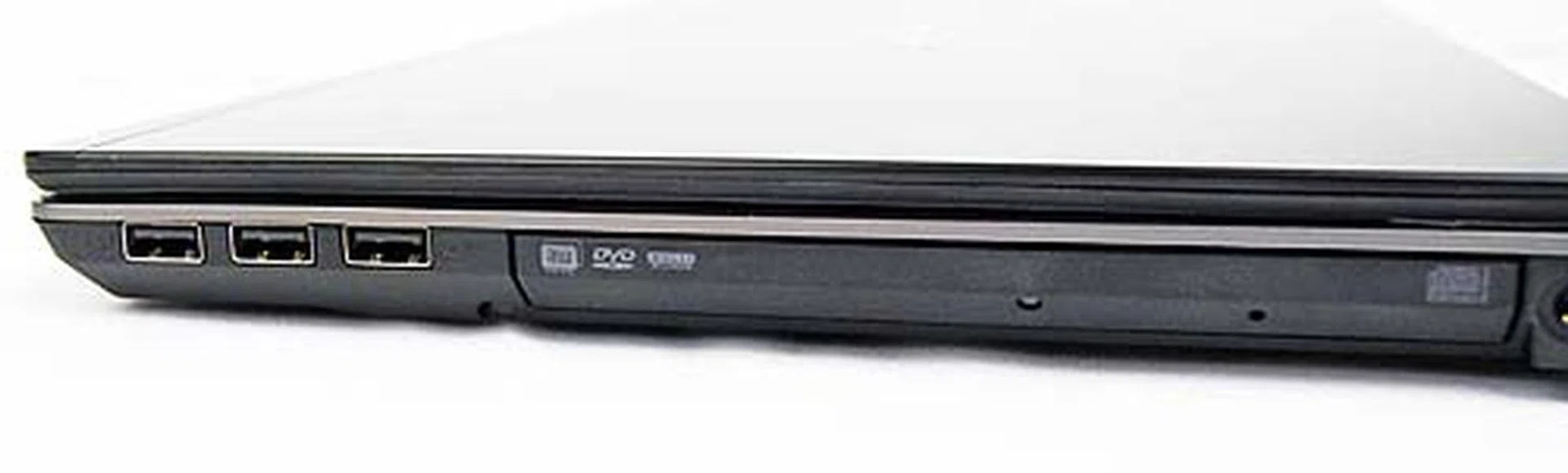
On the right, Acer has cleaned up the design of the ports by only having three USB 2.0 ports and the optical drive. The previous model only had one USB 2.0 port while the LAN jack was located here.
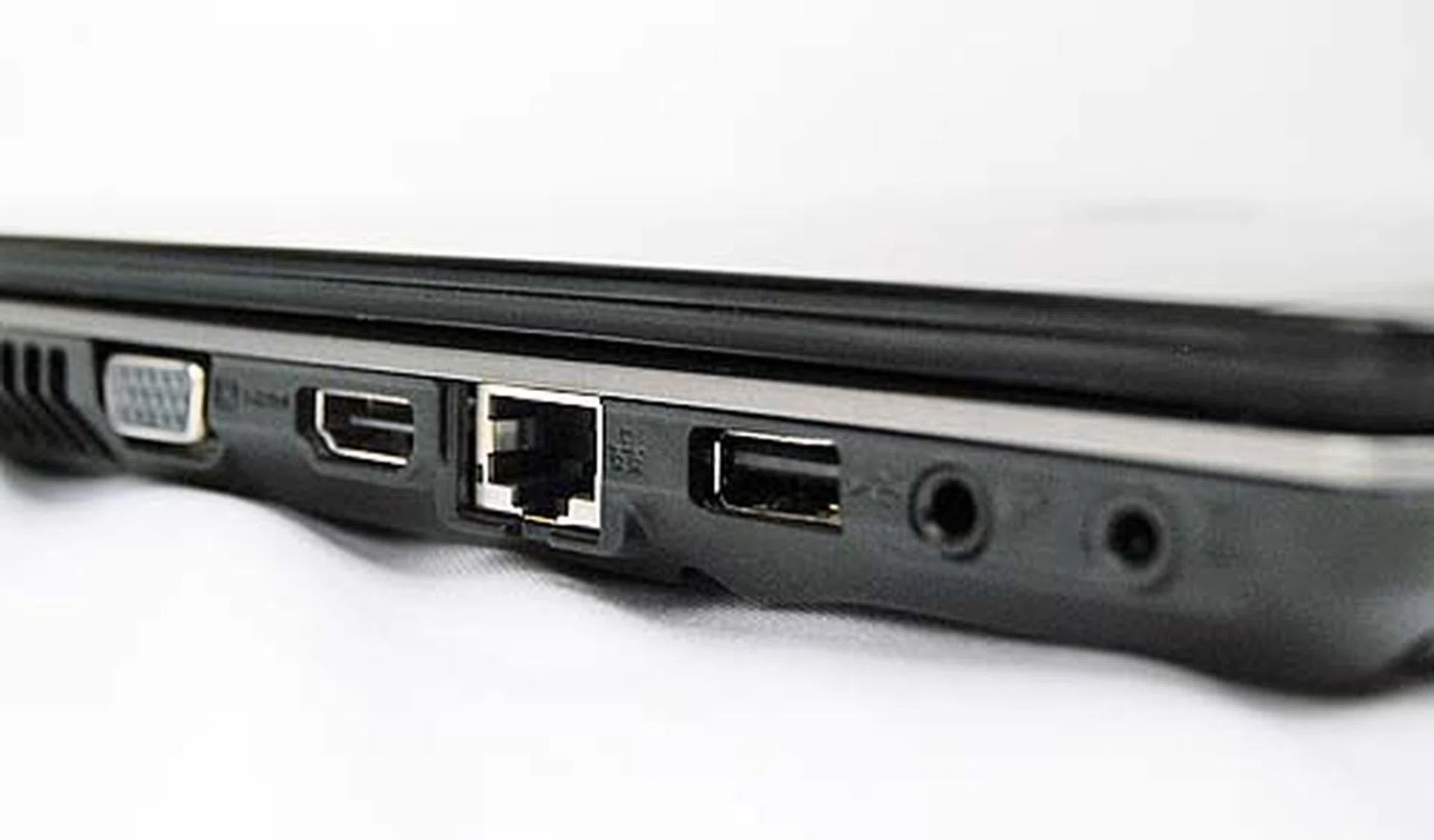
On the left side, the LAN jack that was previously found on the right of the unit has now been shifted here. Other than that, the ports are pretty much the same, with an analog video output, HDMI, audio jacks and one more USB 2.0 port.
Inside the Timeline
On the interior, it seems Acer has also done some redecorating, and the new interior feels a little classier compared to the first unit. Gone are the plastic palm rests and in its place, you'll find metallic palm rests that feel cool to the touch. Whether that's a nice improvement for your palms or not, it really depends on your preference and your working environment. The button designs have also been tweaked for a metallic finish, while the biggest change would have to be the keyboard, which is now boasts a matte feel instead of the previous glossy design. That means you don't have to worry about cleaning the fingerprints off the keyboard after a long typing session nor do you have to worry about your notebook looking all greasy and ugly. Definitely subtle but good design improvements by Acer.
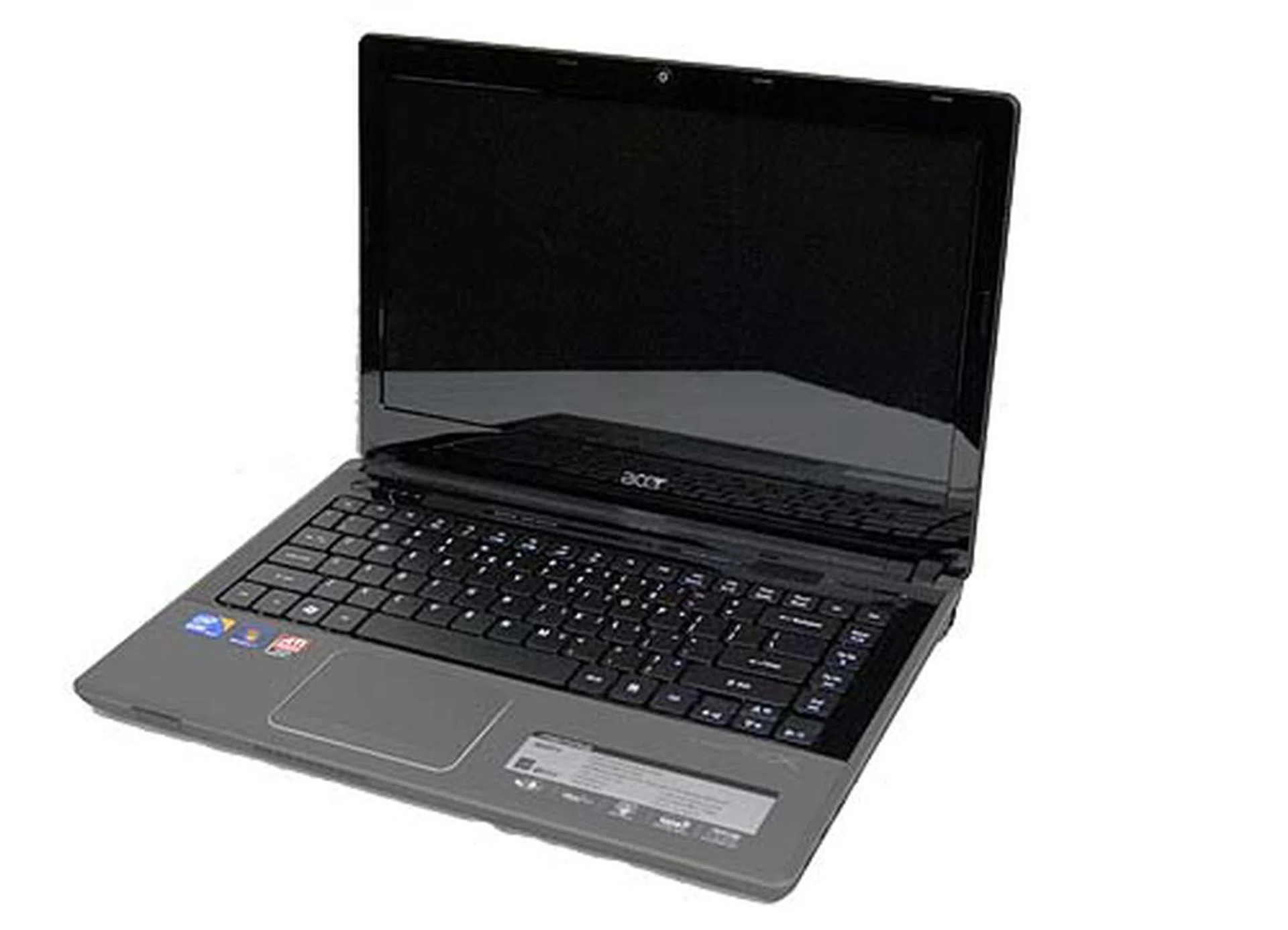
You'll find that the changes of the exterior have also made their way inside.
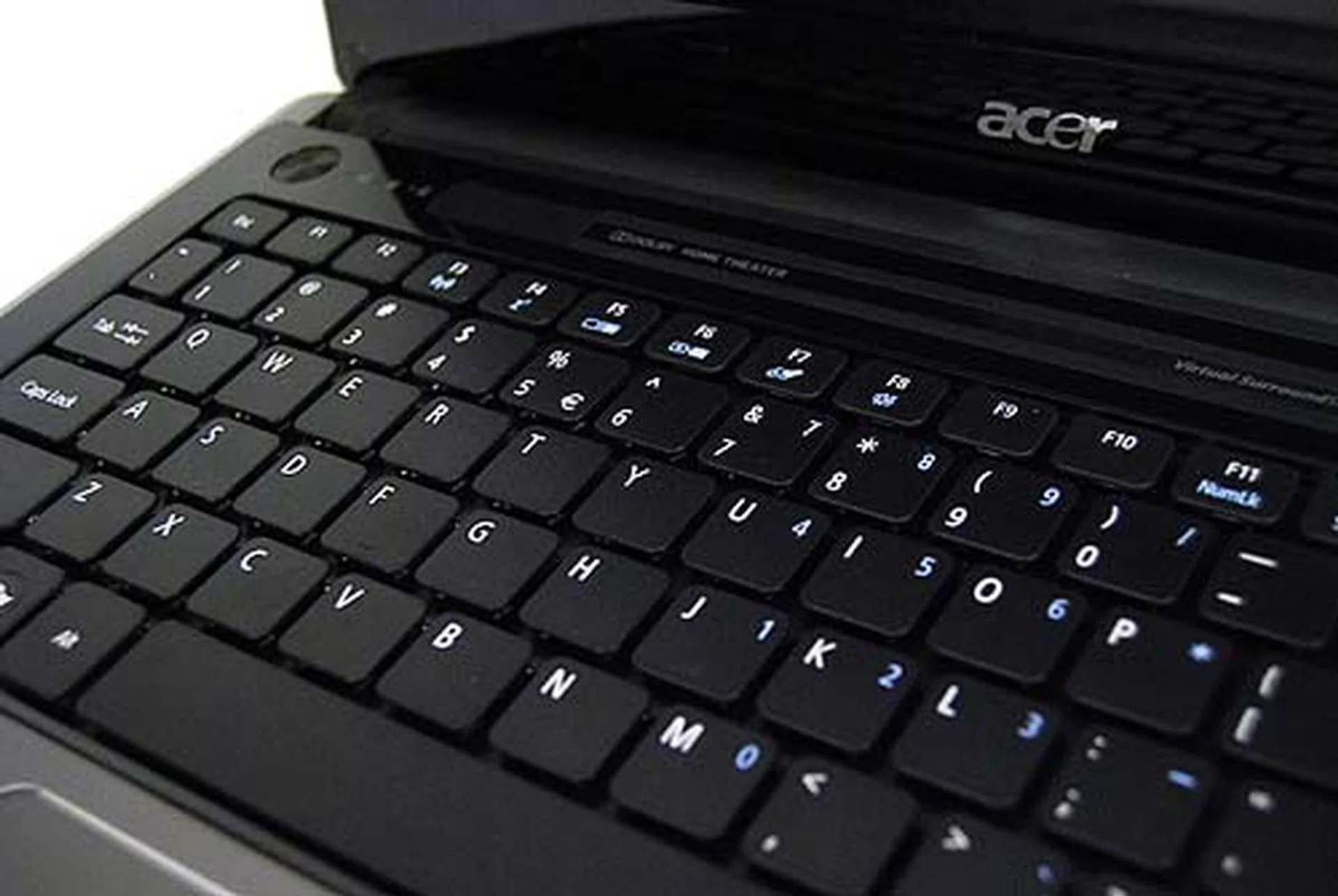
This matte keyboard replaces the glossy and easily smudged version of the previous model. However Acer has still kept to the same chiclet style keyboard from before that we quite liked. Looks like Acer has been reading our comments.
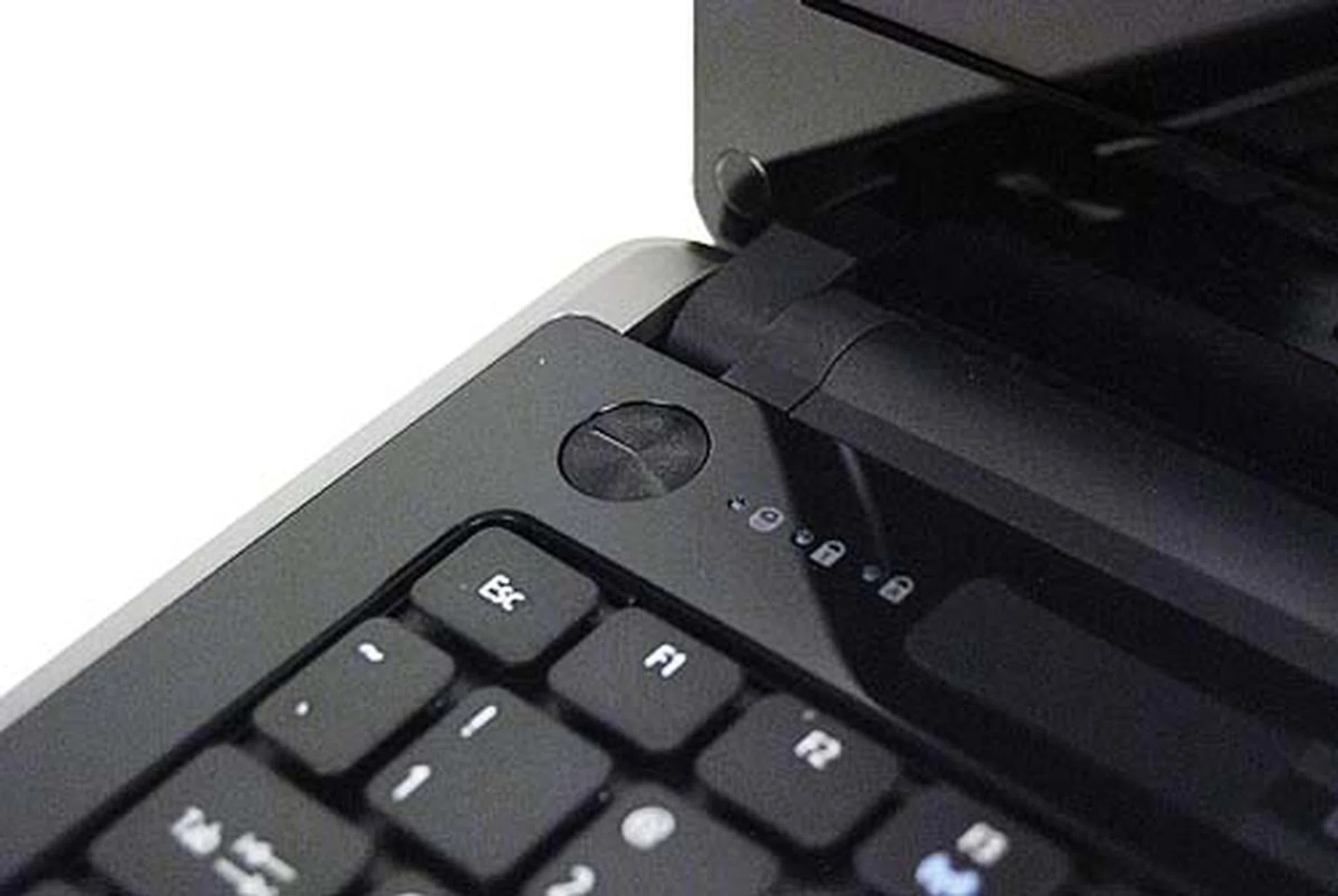
The power button too had a small makeover.
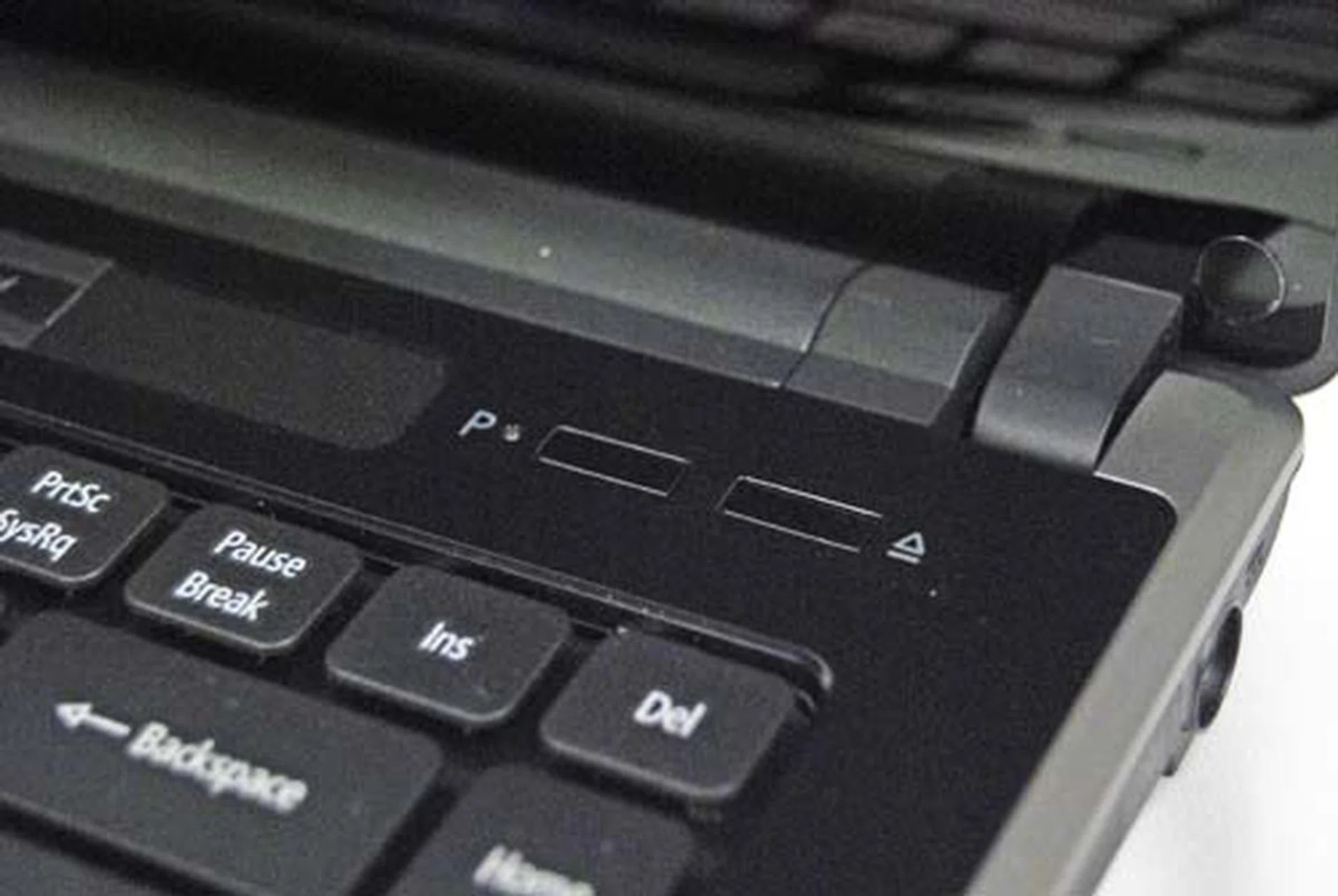
Next to the optical drive eject button is the Acer Power Management button. Press it once to activate it when running on battery, and again to turn it off. We detail more on the power management aspects in the outcome of our testing.
The trackpad too underwent some changes, but the feel and quality of the buttons indicate some work has gone into making this a really nice and easy to use trackpad. It's a shame they've removed the lock button of the trackpad, but we're guessing it's not really a feature that most users will use/need. As for the audio, Acer has taken the time to give the unit a boost with Dolby Home Theater audio certification and we quite liked the volume and audio quality output of the notebook.
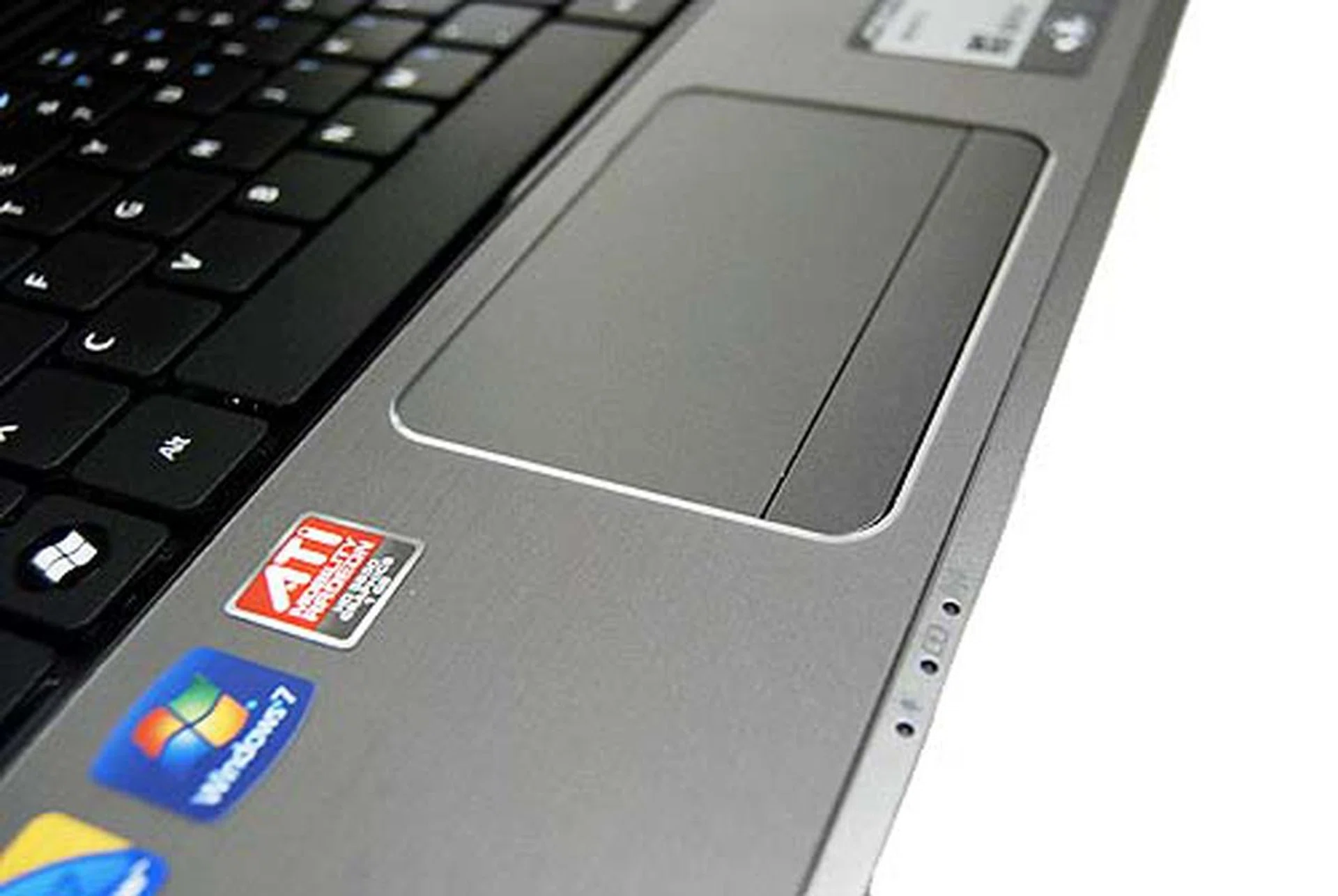
The palm rest goes for a brushed metal feel while the trackpad is as easy to use as ever. The trackpad lock button has also been removed, but its function is replaced by a Fn+F7 key-press.
Performance Time
Here's where it gets a little tricky. We don't actually have any reasonably direct comparisons for this new notebook and its specifications (especially for this processor class). As such, we've tried our best to gather a few other notebooks to give you an idea where this newcomer stands.
In the result comparison mix, we've a quad-core Intel Core i7-720M (1.6GHz) from a Lenovo IdeaPad Y550P. Also since the Y550P comes packed with an NVIDIA GeForce GT 240M, it's an ideal comparison to the similarly capable ATI Mobility Radeon HD 5650 that's equipped on the Timeline X 4820TG. We've also enrolled the 3D stereo gaming capable ASUS G51J 3D notebook which has a similar quad-core processor to the Lenovo notebook but a better discrete graphics in the form of a NVIDIA GeForce GTX 260M for another comparison point in graphics capabilities. Finally, we've also thrown in the previous 14-inch Acer Aspire Timeline 4810T for reference and comparison to the original Timeline series and how much we've progressed since.
Specifications / Notebook | Acer Aspire Timeline X 4820TG | ASUSG51J 3D | Lenovo IdeaPad Y500P | Acer Aspire Timeline 4810T |
Processor | intel Core i7-620M (2.66GHz dual-core, with turbo up to 3.33GHz) | Intel Core i7-720QM (1.60GHz quad-core, with turbo up to 2.80GHz) | Intel Core i7-720QM (1.60GHz quad-core, with turbo up to 2.80GHz) | Intel Core 2 Duo ULV processor SU 9400 (1.40GHz) with 3MB L2 cache |
Chipset | Intel HM55 | Intel PM55 | Intel PM55 | Intel GS45 |
Memory | 4GBDDR3 | 4GBDDR3 | 4GBDDR3 | 4GBDDR3 |
HDD | 1 x 640GBSATA 5400RPM | 2 x 500GBSATA5400RPM | 1 x 320GBSATA5400RPM | 1 x 500GBSATA 5400RPM |
Video | ATIMobility Radeon HD 5650 | NVIDIAGeForce GTX 260M | NVIDIAGeForce GT 240M | Intel GMA 4500HD |
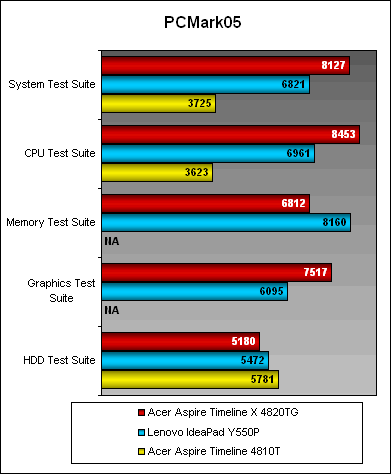
PCMark05
Based on the scores we've obtained, it would seem that the Timeline X 4820TG is in good form. Easily beating the Lenovo IdeaPad Y550P with its higher scores thanks to a slightly better discrete graphics, a higher clock speed and turbo boost speed. The Timeline X 4820TG also handily overshadowed its CULV equipped cousin by a mile so it looks like Acer has managed to squeeze high performance in the same form factor rather well. Please note that the original Timeline had a few hiccups in running the benchmark in proper, hence we've omitted those results only.
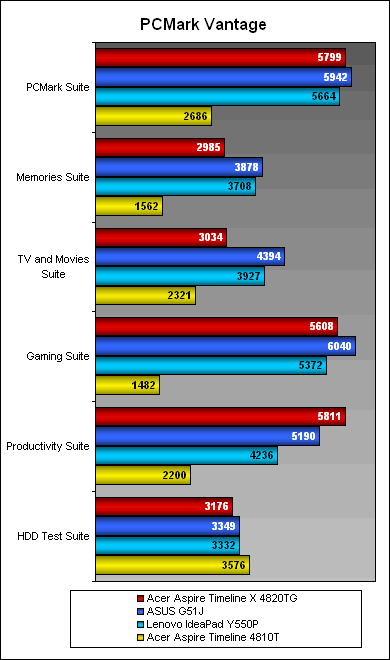
PCMark Vantage
Like the previous benchmark, the scores here do indicate that the Acer notebook still has the lead over the Lenovo unit, but the ASUS gaming rig with its better GPU gives the 15.6-inch unit a slight lead over the Acer Timeline X 4820TG. We'll see how much more the GPU plays a part in the next benchmark section, but it seems pretty clear that it's a pretty important factor for overall notebook performance.
3DMark06
Here's where we get a good indication of how the ATI Mobility Radeon HD 5650 stacks up. Against the NVIDIA GeForce GT 240M, it wins by just a small margin. Against the much stronger NVIDIA GeForce GTX 260M however, it is way behind. As far as the ATI card goes, it has pretty decent mid-range gaming performance scores, although do bear in mind that you do get DirectX 11 features on the ATI solution which both the NVIDIA solutions lack in this comparison.

Battery Performance and Portability Index
**Updated as of 23 April, 6pm**
We have now re-tested the battery testing portion for the Acer Aspire Timeline X 4820TG with integrated graphics in addition to our earlier reporting that was based on just testing with discrete graphics and have edited the article with our new observations and comments.
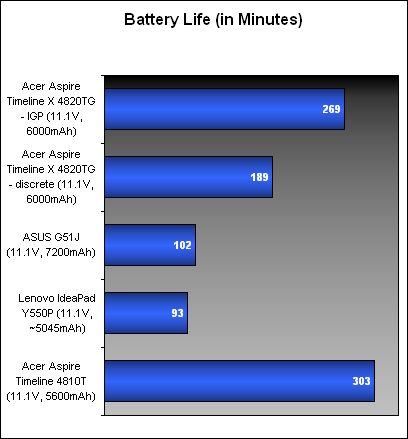
So far, we've seen how well the Acer Aspire Timeline X 4820TG performs, but in the arena of battery performance, will the notebook be able to hold up to Acer's claim of a vaunted eight hours battery life? To find out, we've basically left the discrete graphics on and stopping Acer's power management program from kicking in. This is because the Acer power management program will automatically toggle the IGP graphics engine when the notebook is running on battery power while dimming the screen by a fair bit. The latter action probably contributes quite a fair bit to the eight-hour battery life claim. Also we concentrated on the notebook mileage on discrete graphics as we would like to ascertain the worst case scenrio for power consumption and battery life. Test results were obtained by looping a DVD video with brightness and audio volume set at 50% and WiFi turned off. This should give us a good idea on just how portable the notebook is for mainstream multimedia usage.
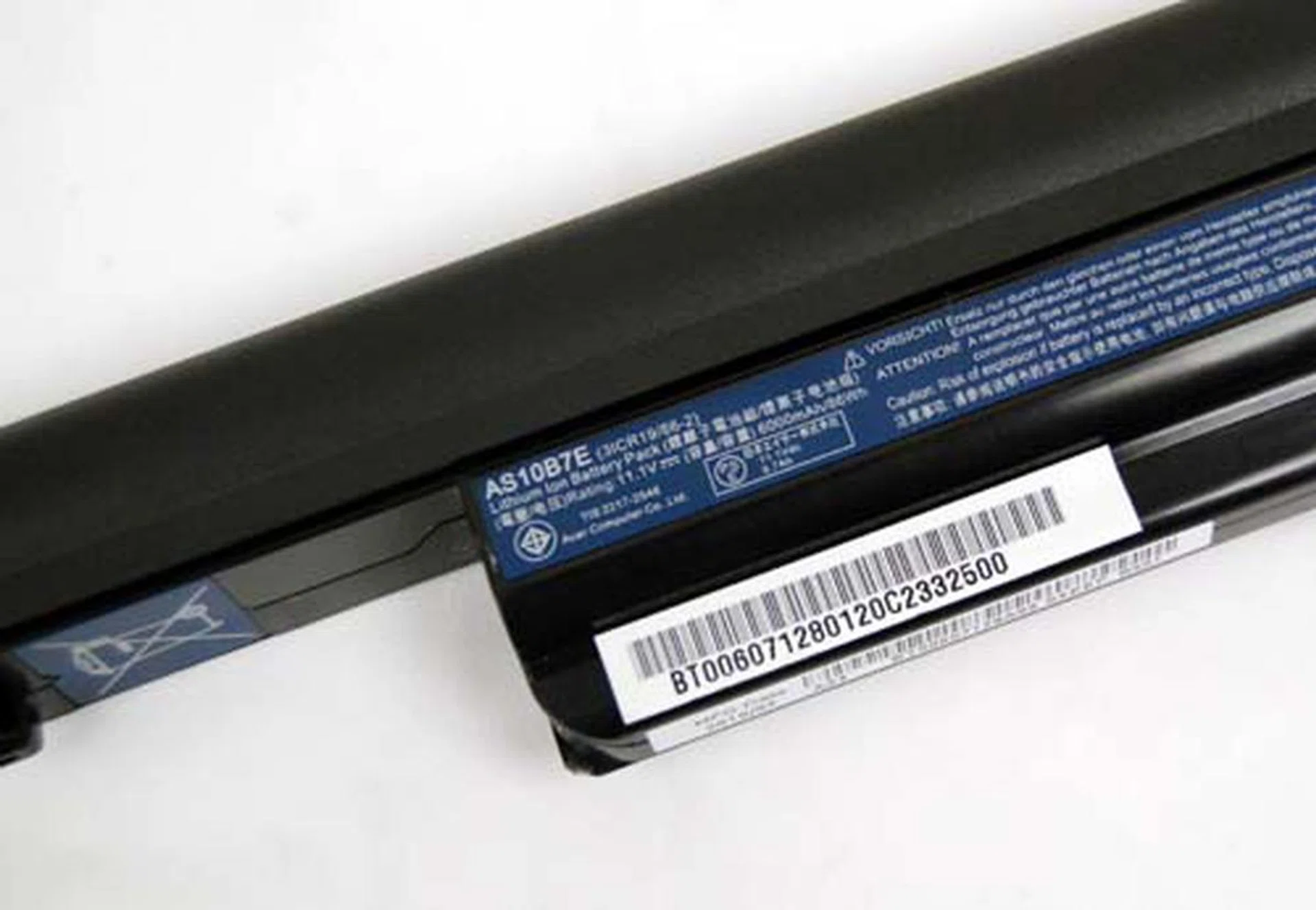
Powering the Acer Aspire Timeline X 4820TG is this 11.1V, 6000mAh battery that's actually slightly more powerful than the battery found on the first generation Timeline model.
Battery Life and Power Consumption
With a DVD run time of 3 hours 15 minutes before the battery went flat, the Acer Timeline X 4820TG will pretty much last you for at least one Lord of the Rings extended edition session. That's not too bad at all considering this is based on DVD video testing (a task that's rated intermediate in the ranks of taxing the battery life). We reckon it will last longer if you're willing to watch a movie that's stored on your HDD. Furthering that, if the discrete graphics option is turned off, our tests show that the unit lasted for an impressive four and half hours. Of course, you can extend the battery life even further should you just perform simple productivity tasks and that will probably net you close to the claimed eight hours made by Acer.
As for power consumption, even with the discrete graphics turned on, the Timeline X 4820TG does pretty well here with a power consumption figure of just 21.14 watts. While it's certainly not as low as the Timeline 4810T which uses an Intel CULV processor, bear in mind that the older timeline was tested with a 720p trailer running from the HDD instead of a DVD loop as we were expecting the unit to go toe to toe with ultra-thin notebooks with no optical drive. Still we can expect even lower power consumption figures if the Timeline X 4820TG was running off its integrated graphics; stay tuned as we will be updating this article with the addition of those results soon. Considering that the other two comparative Core i7 based notebooks are quad-core variants and with a more power hungry GPU, the results are reasonable for their capabilities and ascertains the positioning of the new Timeline X 4820TG notebook.
Update: With discrete graphics turned off, the Timeline X 4820TG's power consumption dipped close to the Intel CULV processor territory with a figure of just 14.87W. On further testing, it seems that the processor, which has Intel SpeedStep built in, automatically downclocks to half its rated speed (from 2.6GHz, to 1.3GHz) when it detects that the notebook does not require that much processing power. Now, we've seen this before on previous Intel SpeedStep capable processors of course, so this is really nothing new. That said, on both occasions of the test, SpeedStep did kick in, so the power draw difference you're seeing on the chart is from the discrete graphics turned on/off.

Portability Index
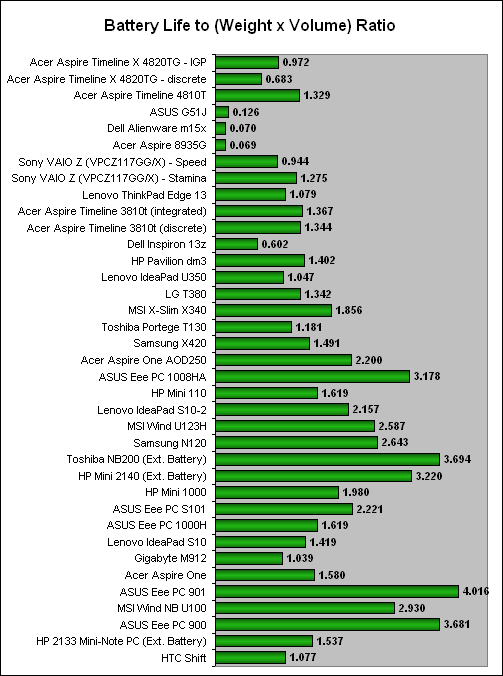
Our Portability Index is a simple comparative measure to find out how portable a notebook is based on physical attributed and battery uptime; it's most useful to compare products within a same category to know which offers the best portability in its segment. Calculation of the ratio is simply the battery uptime of a notebook divided by the product of a notebook's weight and volume, and while it does sound a wee bit complicated, it's quite easy to grasp: the higher the ratio, the more portable the unit is.
As the Timeline X 4820TG is designed to be as portable as an ultra-thin notebook, we're expecting impressive portability ratios from this unit. Thankfully the unit doesn't disappoint, as it comes out with a ratio of 0.683, half that of the older Timeline, but still handily beating most of the other notebooks like the ASUS G51J which had general performance similar to the Timeline X 4820TG. And we've not yet even mentioned how it would fare using just integrated graphics, which we'll update real soon. On integrated graphics, the Portability score puts the unit pretty much into Intel CULV processor territory, easily matching up to the 3-cell battery based ultralights. All things considered, the Timeline X 4820TG is living up to it legacy and more.
The End of Time
Acer's update to the Timeline series with the Timeline X may seem just like a normal refresh, but it's anything but that. Internally, Acer packed a wallop with a Intel Core i7-620M (2.66GHz) dual-core processor. It's blazing fast, has Intel's Turbo Boost and Hyper-Threading, which means the dual cores function as pseudo quad cores. Tack on discrete graphics in the form of ATI's latest Mobility Radeon HD 5650, and the Timeline X 4820TG looks to be powerhouse compared to its tamer predecessor.
The performance scores don't lie either, as the Acer Aspire Timeline X 4820TG (that's quite a mouthful to say out loud, don't you think?) pretty much showed that it could hold up well compared against the more gaming centric machines like the ASUS G51J 3D. You should be able to play most games on this unit with decent frame rates as long as you stick to mid-range quality settings. Add on the fact that it's pretty portable with its slim form factor and you have in your hands a unit to game with while away from your desktop gaming rig.
It's also quite a portable unit when we considering the outcome from our Portability Index. On our DVD battery test, the unit lasted for 189 minutes - and that's with discrete graphics enabled. Sure it didn't last as long as the first Timeline 4810T nor was it anywhere near the eight hours claimed by Acer, but it's still a reasonable amount of uptime to get work done, or even watch a movie on a long road trip. You'll probably be able to squeeze more if you're just thinking of using it for work by turning off the WiFi, optical drive and switching over to integrated graphics engine. The switch can be done automatically by the Acer Power Manager program when it detects the notebook is running solely on battery. Also, the program will also reduce the screen brightness to a fairly dim level (supposedly in a bid to get close to the claimed eight hours uptime), but you might want to override that for comfortable usage.
Value wise, the Acer unit, like all other machines in their stable, lays out a very attractive price point that hooks you in while making your jaw drop in awe. While the normal retail price is S$2198 for this Timeline X beauty is already decent, Acer will be having a special introductory price of just S$1998. Special offers aside, judging by the notebook's capabilities, it is still a really affordable laptop for almost everyone, including students. We're hard pressed to find anything similar or better at the moment in this segment, so if you're laptop hunting for an all-rounder, this is probably the notebook you'll probably want to be using for the next two years.
Overall, we've to say a job well done to both Acer for managing to squeeze a powerful platform within such a slim build, and Intel for bringing down the TDP figures for this powerful platform through good engineering.
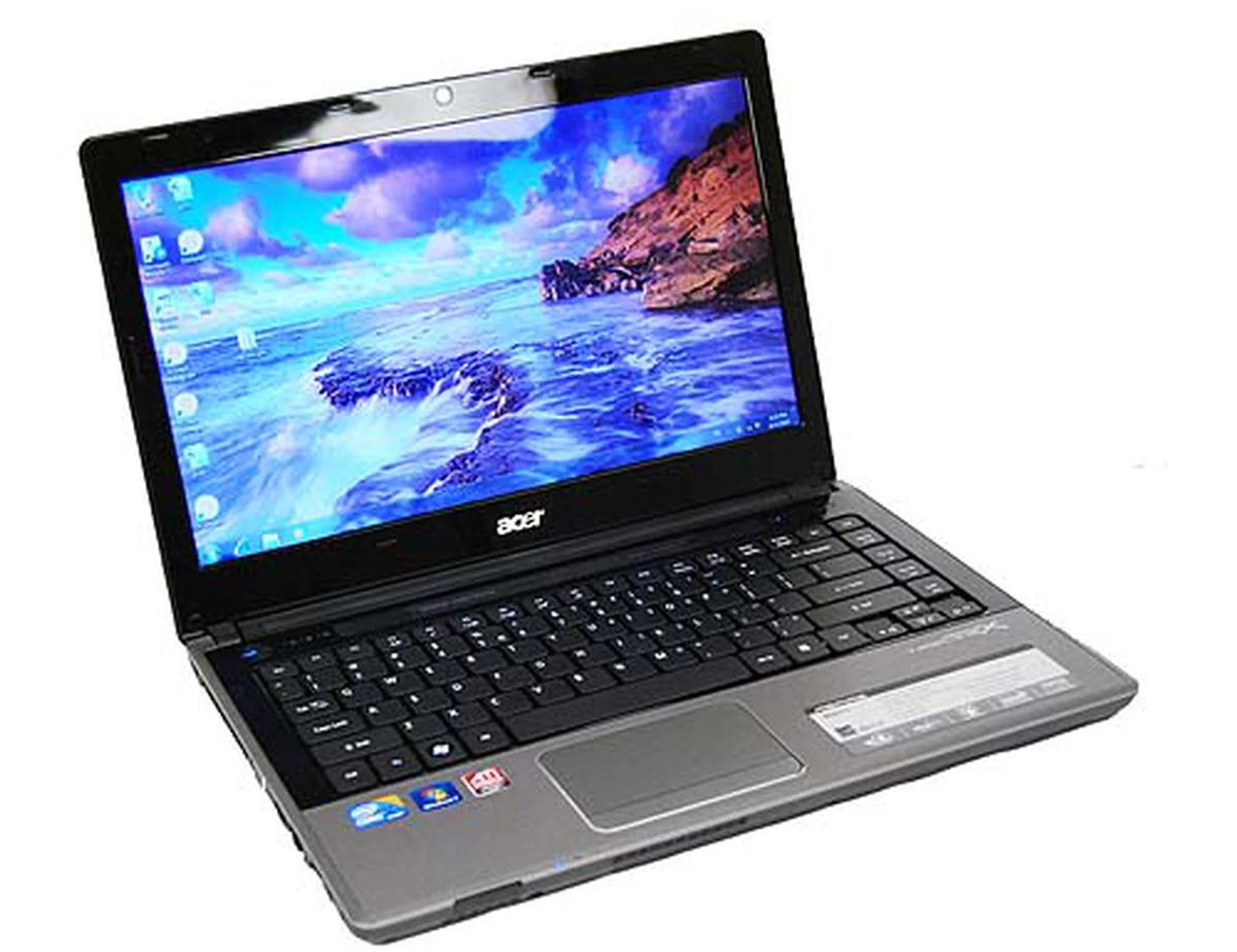
The Acer Aspire Timeline X 4820TG may be a notebook that's a mouthful to say, but it's one notebook that easily kicks butt and chews bubblegum, and it's all out of gum.
Our articles may contain affiliate links. If you buy through these links, we may earn a small commission.