
Excuse me Sir, is that a Computer or a Luggage
It may come as no surprise to most laptop users that the original concept of the notebook came from a desire to make the bulky desktop computers portable. What's surprising is the fact that there have been attempts made since the 1970s, though the first commercially available "portable computer" (and we use the term loosely) was only released in 1981.
The Osborne 1 weighed in at a whopping 10.7kg, featured a 5-inch CRT monitor, a 4MHz CPU (awesome!) and 65kb of memory. Interestingly, it had no internal battery and required an external source meant that you couldn't use it on the go though a battery pack which provided about one hour of usage was made available after.
Being the first of its kind, the Osborne 1 was quickly popular with business users as the unit was loaded with productivity software. Due to its size and weight (which was often compared to a suitcase), the Osborne 1 and its competitors of that time have now come to be classified as "luggables", a far cry from the UMPCs and lightweight laptops of today.
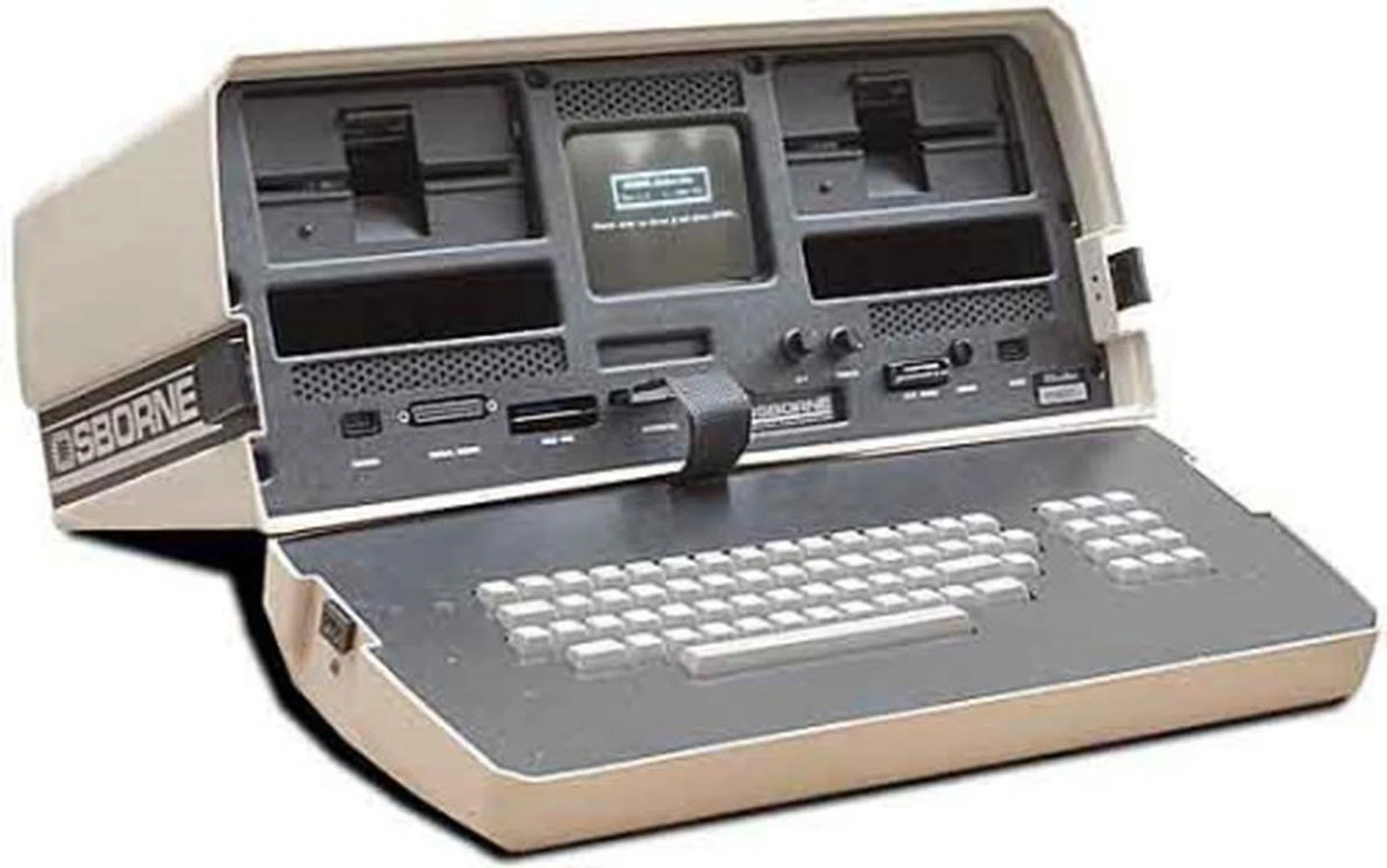
The Osborne 1, the first commercially available portable computer was fondly classified as a "luggable".
Of course, by today's standards, the luggables of yesterday will probably get you no less than outright laughter and disbelief, but it's not hard to see why this is so. After all, it's hard to believe anyone these days would want to carry around a 10kg "portable" computer without some physical training programs in place, especially with the availability of portable computing solutions weighing less than a kilogram.
Which was why just barely two years after the launch of the Osborne 1, the Kyocera's Kyotronic 85 (which was popularly known as the Tandy 100), with its lightweight 1.4kg frame and powered by four AA batteries, soon became the one of the top selling models worldwide, with close to six million units sold. These days, it's most unlikely to find computers that run on AA batteries, given the energy requirements of modern day processors.
The Tandy 100 was more of an exception to the general rule of notebook designs in the 80s, admittedly, there were a few similar models to the Tandy 100 but generally, the designs of the notebooks then seemed to follow more of the earlier Osborne 1 machine (but smaller), or a clam shell design that we're all familiar with today.
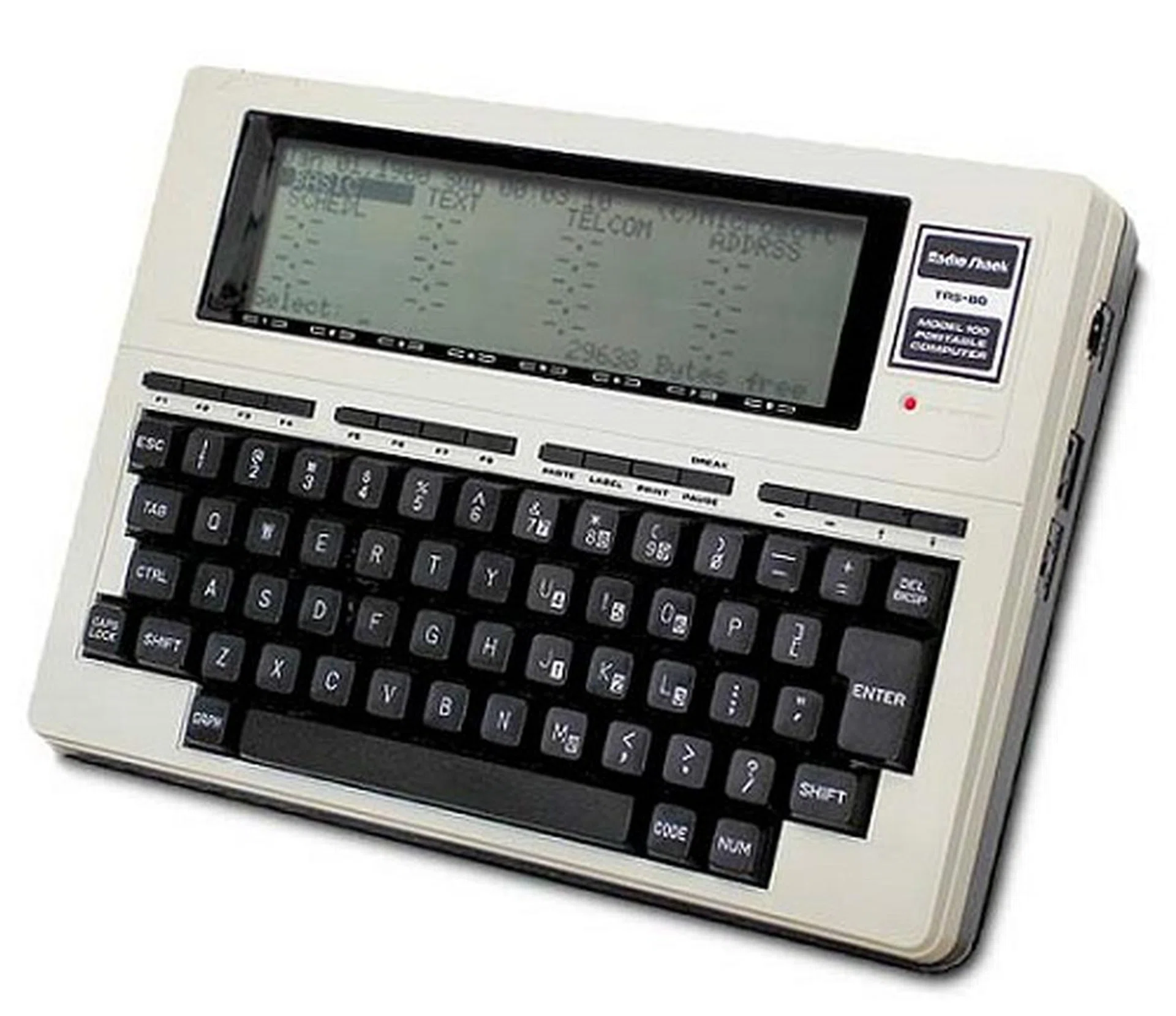
The Tandy 100 was an extremely popular model with journalists as it allowed them to quickly type out articles and transmit them back to the office using the onboard modem.
Not all notebooks are built equal of course, and the reason for this is may be traced to the notebook's evolution as a portable computing device. The spirit of creativity and design may have gone a little wonky during the 80s, as devices that were being churned out featured different hardware specifications, sizes, components, screens... if you can name it, it would probably have existed in one form or the other then.
Of course, the notebook evolution was by no means instantaneous; even as far as ten years back to our first notebook review, which was pretty clunky and huge (and had a nice ass shot to boot). From the early to late 90s, notebooks in part have shrunk down somewhat in size and weight, while increasing in both battery life and power.
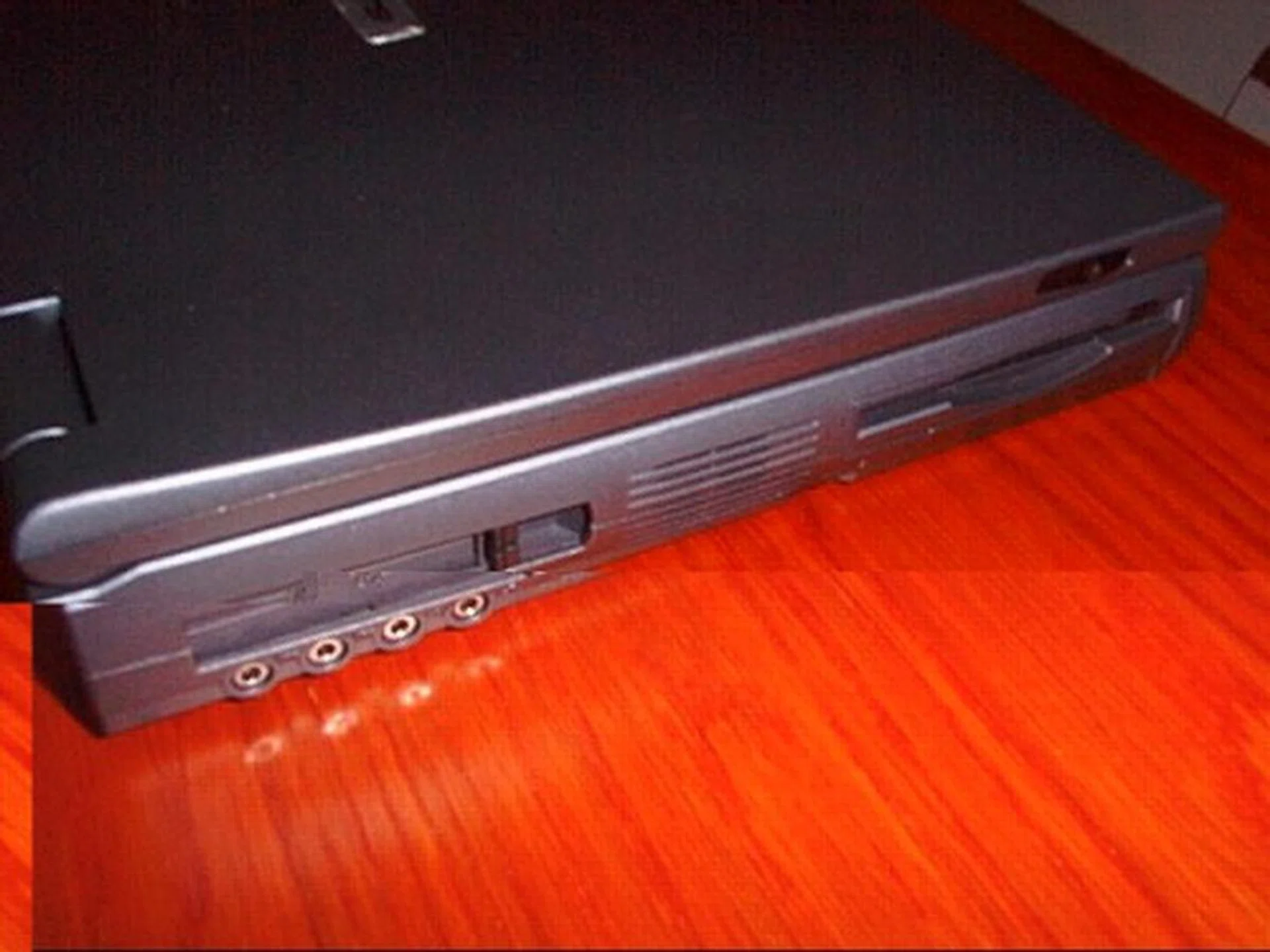
The ASUS F7400 notebook from our review back in 1999. Yes, this was the picture with the
Rise of the Machine
Looking back now, it's really hard to see such a colored past with all the different evolutions in notebook design. Even in 1998, notebooks were still running on a multitude of different platforms, using different processors and still coming in different designs. By then, most notebooks had a standardized set of features: LCD panel, battery, keyboard, hard disk drives and optical drives that are found in most modern devices.
USB ports too by then had crept into the notebook world; these were familiar but not frequently used sights alongside parallel ports (which were pretty common and needed for printing). PCMCIA cards, the predecessor of today's ExpressCard technology, were also commonly found on notebooks.
So too, were the 1.4mb 3.5-inch floppy disk drives that were a required component for any computer of that time, though they soon become obsolete with the advent of other storage mediums. In time, Wi-Fi (wireless networking) would make its way to notebooks, though not till 1999 when Apple's iBook G3 came and integrated wireless networking started catching on.
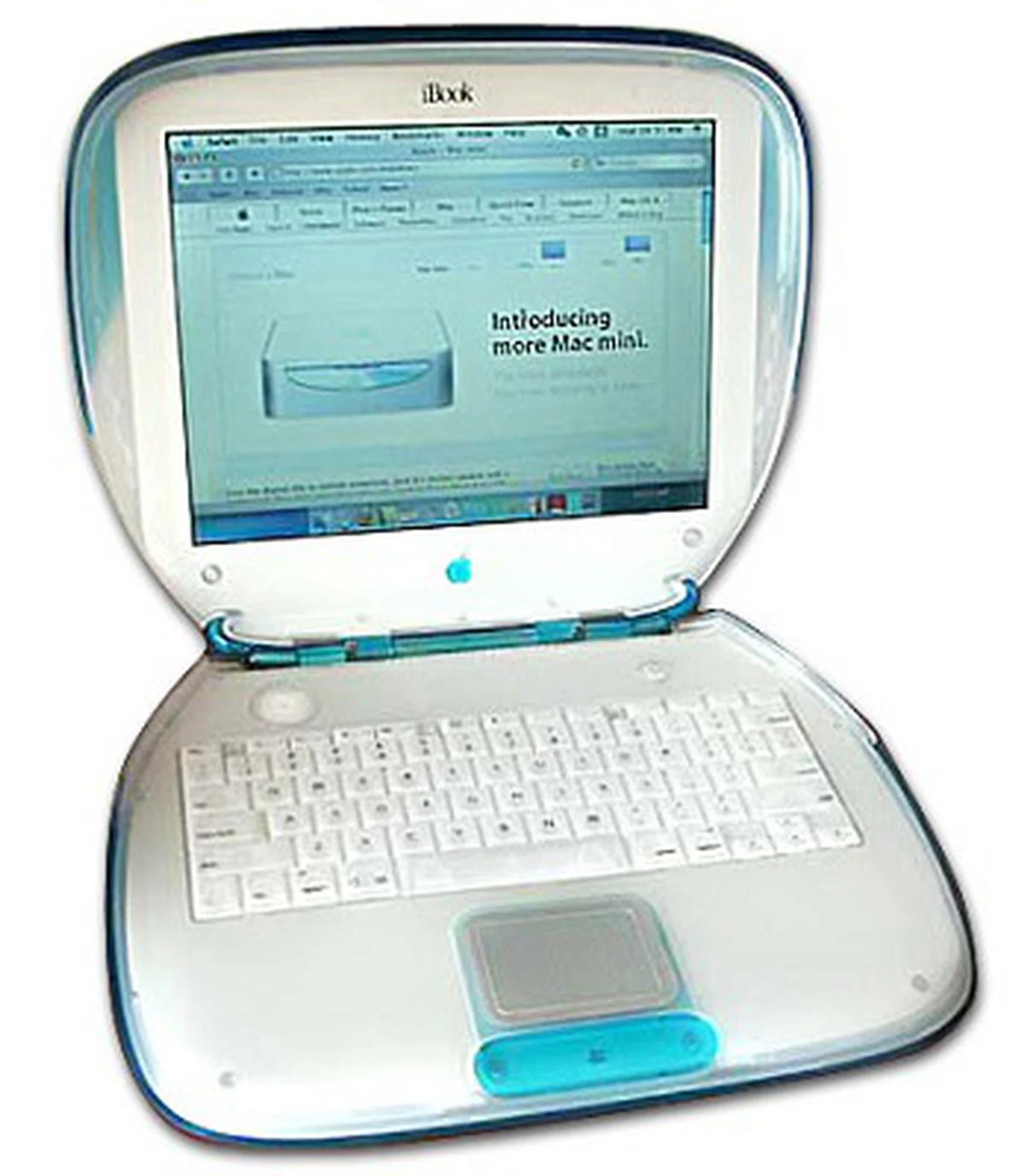
The iBook G3 was pretty clammy...
Processor technology at that period too was a mixed bag of tricks: the two main players at that time were Intel and AMD, though Cyrix and PowerPC (used by Apple) were also found on notebooks. While Cyrix soon bit the dust, Apple continued onwards with the PowerPC CPU for its notebooks till mid 2005, where they announced that their products would now use Intel chips, making the PowerPC based notebooks a relic of the past.
Intel and AMD continued to compete with each other, each coming up with mobile versions of their current processors and platforms. Competition took on a whole new level in 2003, when Intel introduced its Centrino platform to the masses. AMD promptly followed suit, but with minimal publicity, lack of a marketing name for their platform and most importantly its hardware couldn't keep up with its competition, these only led to Intel dominating the notebook market with its Centrino platform.
Or so it was thought.
It turned out that the success of the Intel Centrino platform was due to Intel cheating somewhat with its financial incentives as found by the Japanese Fair Trade Commission. The Commission ruled that Intel's incentives were illegal and anti-competitive as they encouraged their customers (notebook vendors) to not buy AMD's chips through the use of rebates if manufacturers went exclusively Intel.
Intel decided not to appeal the matter, and subsequently followed the Commisssion's recommendations of the matter. However, the damage was done and AMD was quick to surge in the next quarter with a series of design wins. Even with these design wins, AMD wasn't making much headway with the huge Centrino marketing spree by Intel and that they did have a better overall offering. The battle however, was far from over.
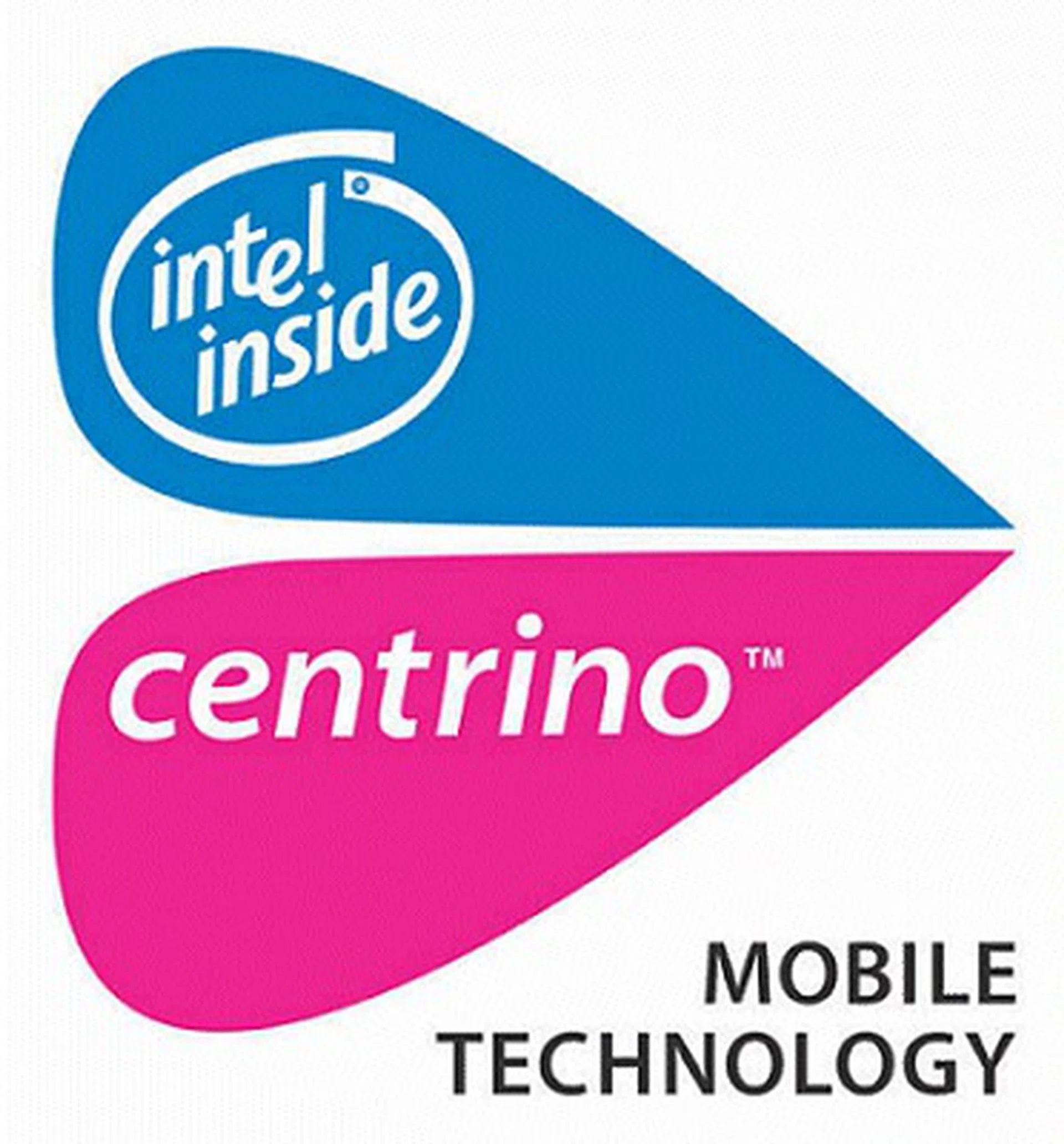
The logo of the first and second Centrino platform which is hardly recognizable when compared to the newer logos.
Following their second generation of the Centrino platform in 2005, the Sonoma, Intel launched the Napa platform in 2006 which supported the newer Core 2 Duo processors. AMD also took 2006 to launch their Kite platform which used their Sempiron single core, Turion 64 single core and Turion 64 X2 range of processors. With the battle raging on, Intel went on in 2007 to launch their fourth generation of the Centrino platform, the Santa Rosa platform, which introduced more power-saving features to their notebooks. AMD stuck gamely to their Kite platform, but launched a refreshed Kite platform instead which sported some improvements over the Intel Santa Rosa platform like faster RAM clock speeds of 800MHz and HDMI support. Despite all of these improvements and overhaul to the platforms, AMD could only garner a positive spot in the low-cost range of notebooks because of their performance standings among others - which was also similarly mirrored in the desktop side of things too.
In 2008, the competition got hotter yet with Intel rebranding their fifth generation Centrino platform, Montevina and calling it Centrino 2 instead. Centrino 2 offered even more power saving features and WiMax support. AMD too had an answer with their new Puma platform which too featured power saving measures, speedier processors and offering much better platform integration with their ATI Mobility Radeon graphics. The Puma launch is possibly AMD's strongest notebook platform launch yet and offers better multimedia capabilities than Intel. Currently, in terms of technology and features, it's still a stalemate as to which has a better notebook platform, but it is still clearly Intel's turf when it comes to just raw performance, while on the other end of the scale, AMD has a fair bit of design wins. The age-old cat and mice game continues...
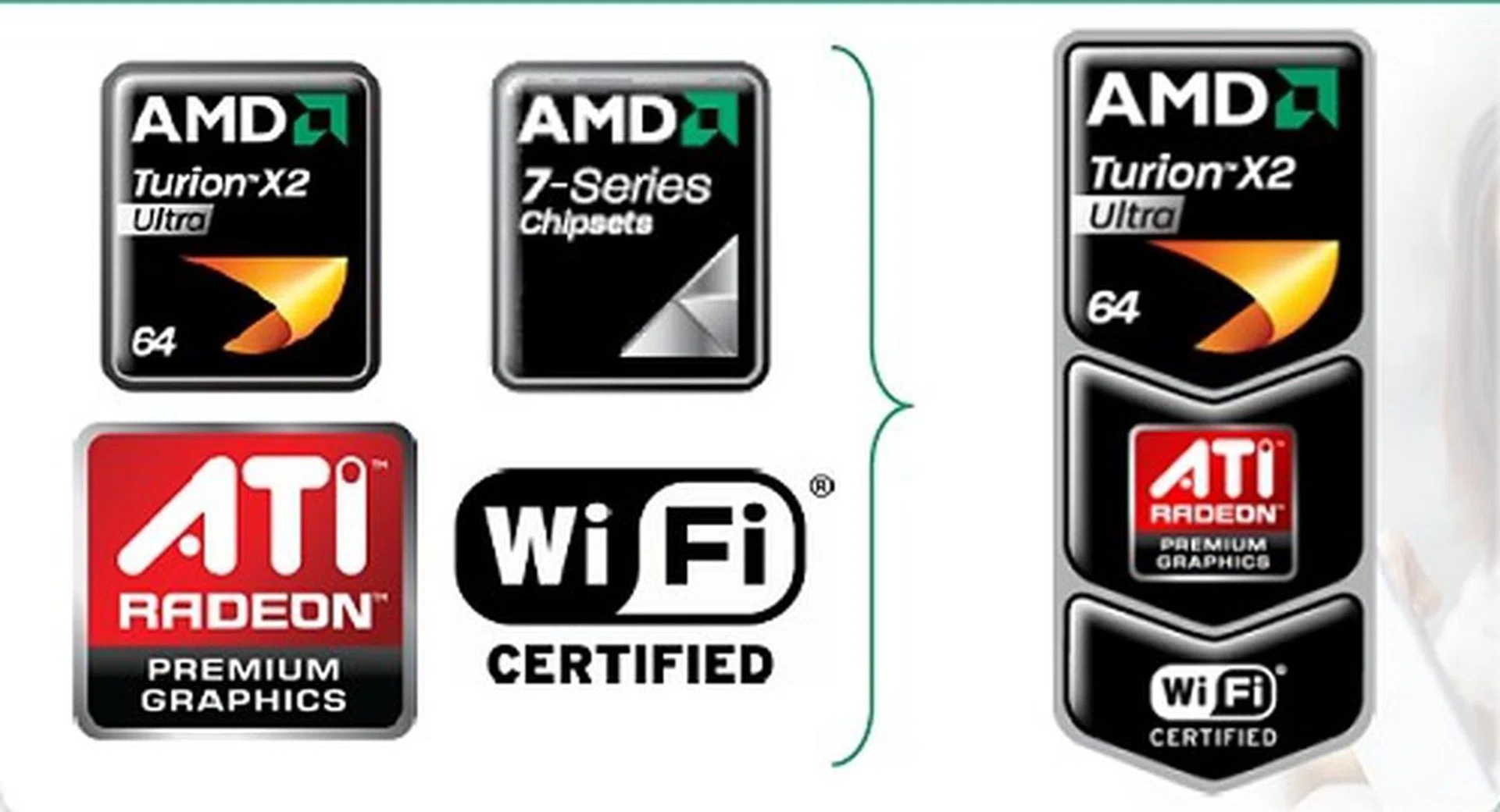
AMD's Puma platform doesn't have an easy to remember logo like Intel. Instead it allows manufacturers to combine from a choice of three ingredients, which may be confusing to laymen.
Growing Onwards
Even while the processor wars raged on in the mobile world, manufacturers too are introducing new mobile computing products that are derived from the concepts of making your desktop computer mobile. Manufacturers have come up with ways to make notebooks smaller, while striving to deliver similar processing power. While these models are derivatives of notebooks, and they do share some aspects, these machines have created their own unique niche in the mobile computing world.
Introduced in 2006, Ultra Mobile Personal Computers (UMPCs) are small computers that resemble their larger tablet cousins in functionality, but are designed less for drawing and more for interaction. UMPCs in general have an 7-inch screen or smaller to keep to a petite form factor and utilize an Ultra Low Voltage (ULV) processor for efficient power savings. With the introduction of the Intel Atom processor in 2008, things are starting to look up for this niche market of mobile computers.
While UMPCs tend to fulfill a niche user group, mini-notebooks have taken the consumer market by storm. Most noticeably led by the ASUS Eee PC brand, mini-notebooks powered by Intel's Atom have entered mainstream market awareness with its lightweight, small form factor (typically 10.2-inches and below) and an affordable price. Where UMPCs tend to cost a lot more due to their unique designs and compacting a full fledged system functionality in the form factor, mini-notebooks are generally much cheaper though some recent models have integrated more features and offer better build quality but cost almost similar to a full-fledged budget notebook.
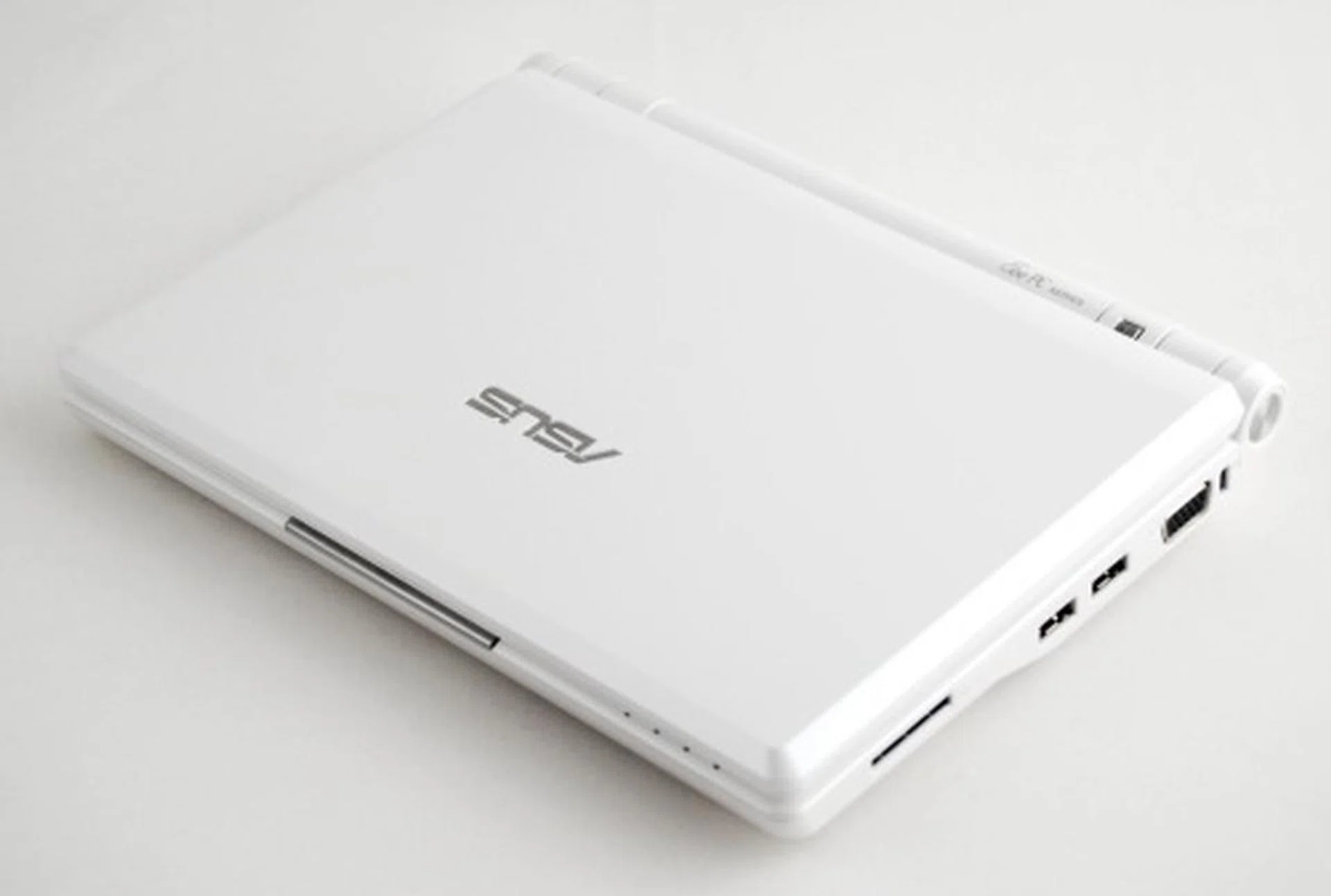
Seen here is the ASUS Eee PC 900, which was the last model to use the older Intel Celeron M ULV processor before the advent of the models which used Intel's newer Atom processor.
The notebook world isn't just restricted to getting smaller and smaller. While ultra-light laptops have been around for awhile, it's the newer crop of desktop replacements (DTR) that have gotten lots of loving attention and have started making its way into consumer homes. Featuring all-in-one entertainment features, or having enough graphics processing power for the latest crop of games, these DTR machines are powerful enough to supplant desktops while remaining 'mobile' and are competitively priced; a far cry indeed from the older days of notebooks.
Given a world with limitless imagination and infinite variations, it's going to be an interesting experience to watch what happens in the next ten years. So far, our last ten years has seen steady refinements and growth of the notebook market, and we're not too far from the days where notebooks will become powerful but light weight companions that are a required accessory in our daily lifestyle.
Notable Mentions from the 1999 to 2008
1999
- The ASUS F7400 was the first laptop to have ever graced our labs during our formative years and was a clunky 14.1-inch notebook that weighed in at 3.25kg. It scored 4.5 stars with its slew of impressive features that was pretty good then. It could do handle gaming with discrete graphics and it had a decent battery life that checked in at 154 minutes of usage though our methods then weren't actually that similar to how we do our tests today. Given the advancements in technology since then, the ASUS F7400 still holds a place in our hearts with its dashing good looks and state-of-the-art technology (then).
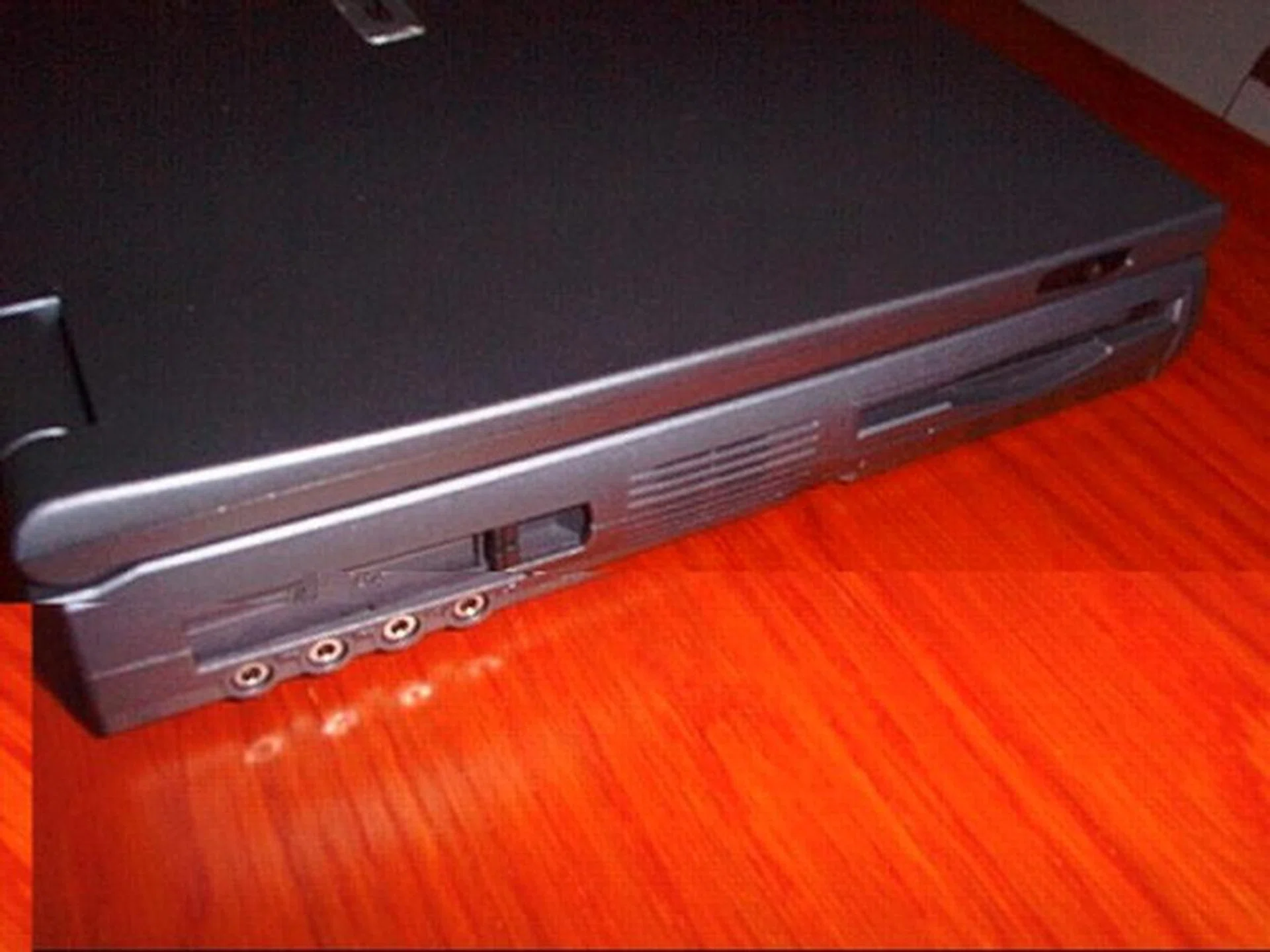
Nice ass shot. Guess the original reviewer was a J Lo fan.
2000
- It would be close to a year before we got our hands on the next notebook to review, and we managed to get our hands on Apple's iBook Special Edition which was the first notebook to obtain a 5-star rating from us. Then again, Apple could do no wrong then, and it showed with its flawless integration of wireless networking. The iBook SE, like most other Apple products then, used a PowerPC processor to power the device, though the SE version utilized a much faster 366MHz processor compared to the 300MHz of the first edition. The iBook SE was both easy to use and set up, and it was also pretty to look at, as it was patterned after Apple's iMac. While a retail price of S$3188 that may seem pricey in today's standards, you'll be surprised to find that it was pretty much an average amount back then when compared with the rest of the other notebooks.
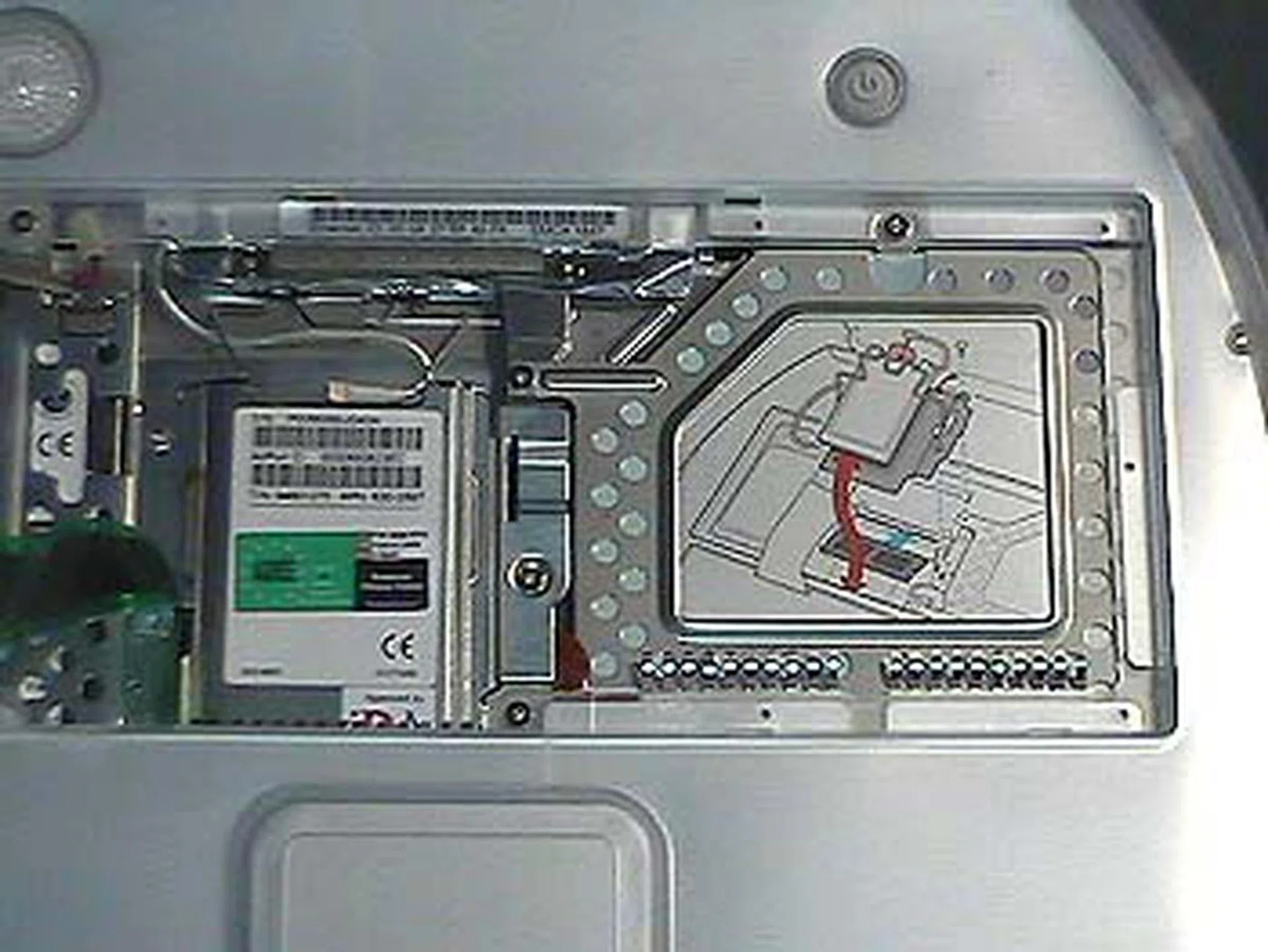
Strangely enough, we didn't actually take pictures of the entire unit, though we have a shot of its internals. In this shot, the keyboard was removed to reveal the internals.
- Sony's Vaio line was known for being slim and trendy even back then and the Sony Vaio PCG-SR9G only served as a reminder that even their current crop of notebooks draw their inspiration and design aesthetics deeply from the past. The PCG-SR9G was not only weighed in at a very light 1.34kg while being no thicker than a normal 3.5-inch HDD. In order to maintain this svelte weight and figure though, some sacrifices had to be made, which meant that the PCG-SR9G had no optical drive and 3.5-inch floppy disk drive. No big lost on the latter, though it's probably safe to assume that the former would be used pretty often during that time period.
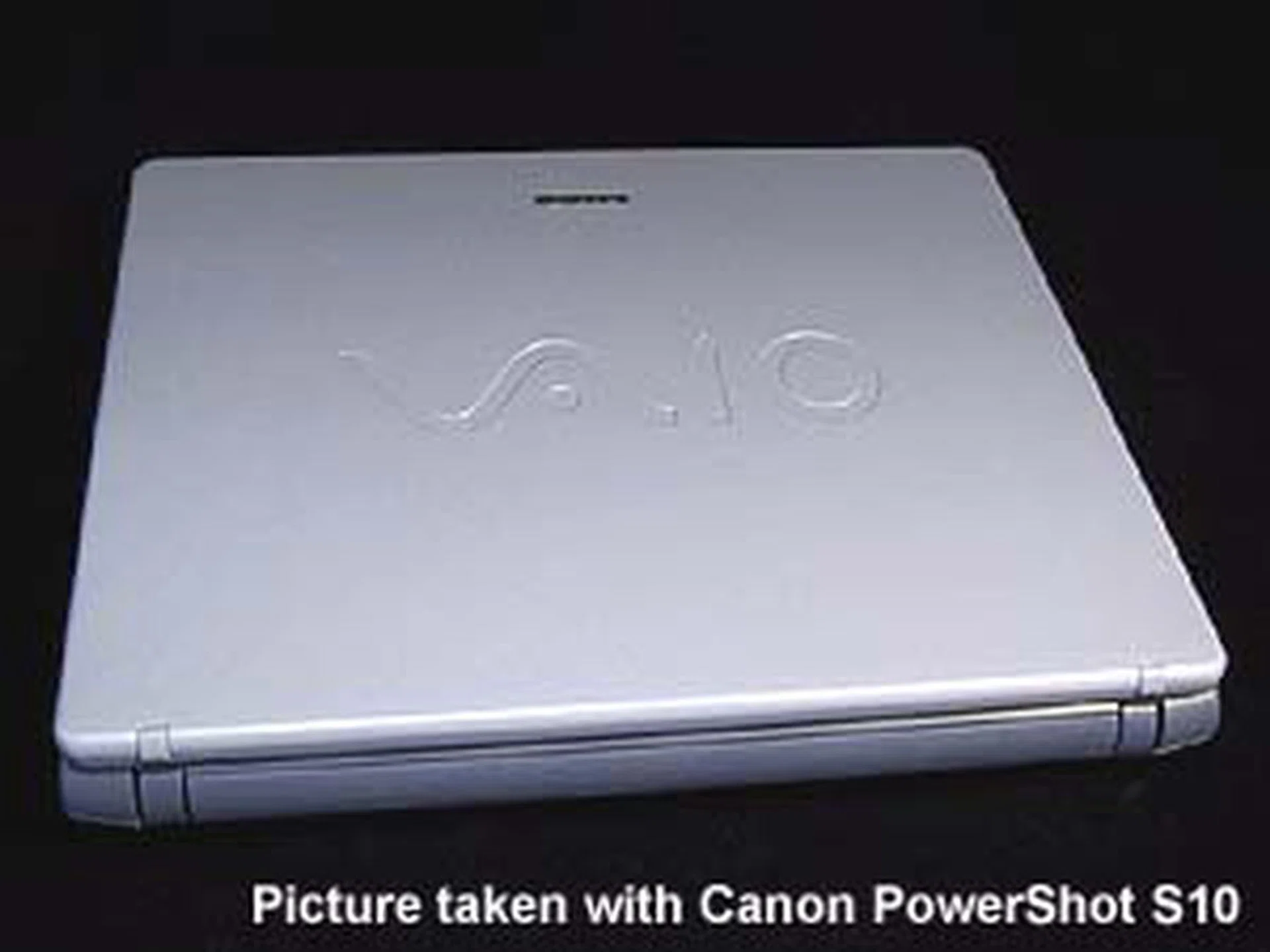
The first Sony VAIO ever reviewed at www.hardwarezone.com checked in at 1.34kg and cost $3188.
- Some of you readers that follow tech news may have realized that Acer had recently bought over Gateway, and older readers may remember a few Gateway laptops that we reviewed in 2000. Sony's Vaio line was known for being slim and trendy even back then which featured a TV output, and a much faster 750MHz Pentium III processor (compared with others of its day). Given the specifications of the Solo 5300, it may seem surprising to some that instead of being thick as a brick, the Solo 5300 was relatively thin at that time and checked in at only 35mm. With a weight of 2.5kg, it was also a pretty portable workhorse to boot.
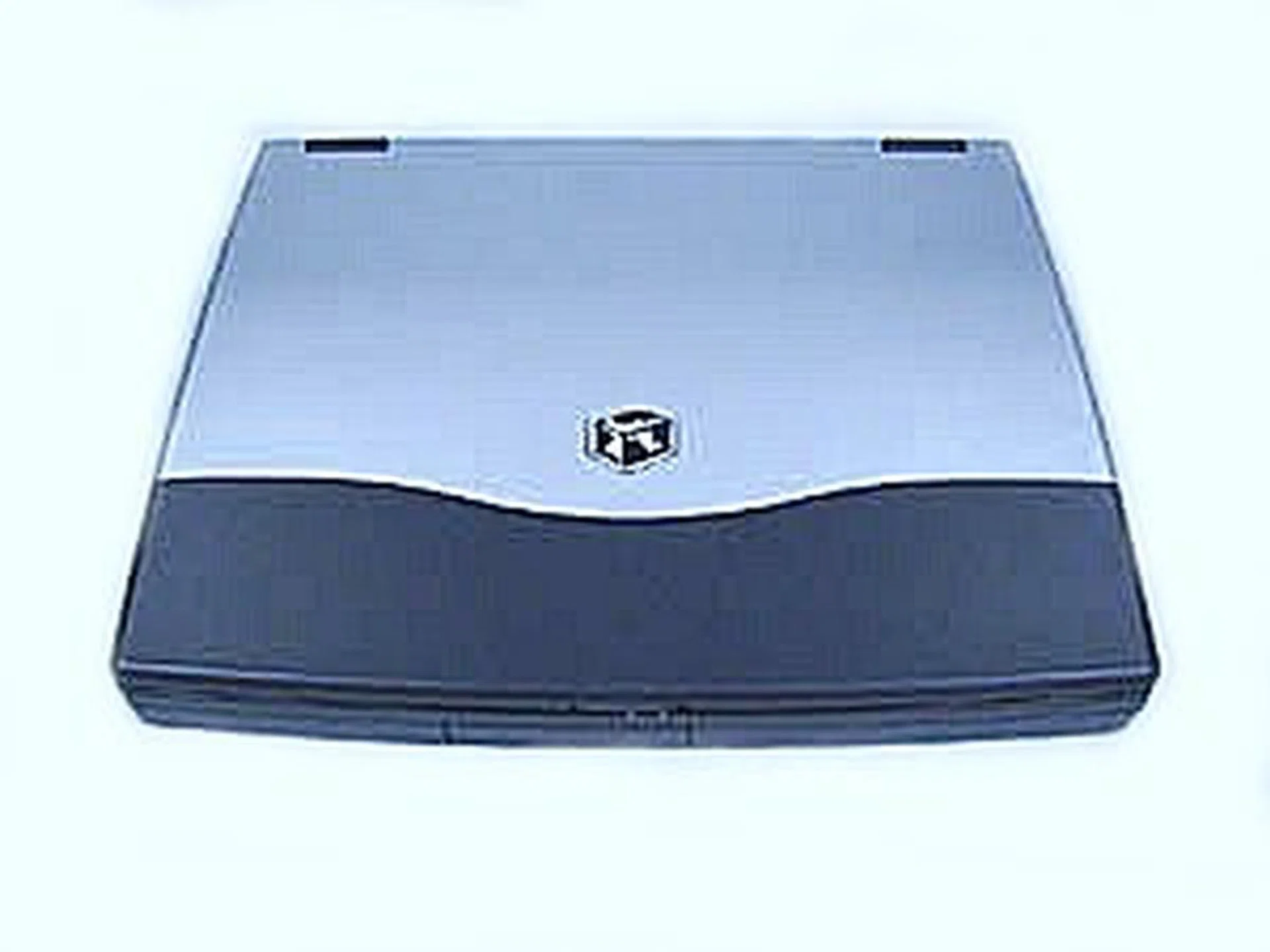
Gateway's Solo 5300 was a machine that delivered on both performance and aesthetic appeal.
- Rounding up the year 2000 of our retrospective look was IBM's ThinkPad X20, a 1.43kg machine that valued portablity over connectivity. While it did have a docking station to make up for its connectivity solutions, it didn't do too well for our review despite having scored pretty well in our benchmarking tests. This was mainly due to the cost of getting the X20, which based on just the unit alone, would set most users back by $3851. Tack on the docking station ($372) and the CD-Rom drive module ($230) and you're looking at something that's $4,453, which is mind boggling to say the least.
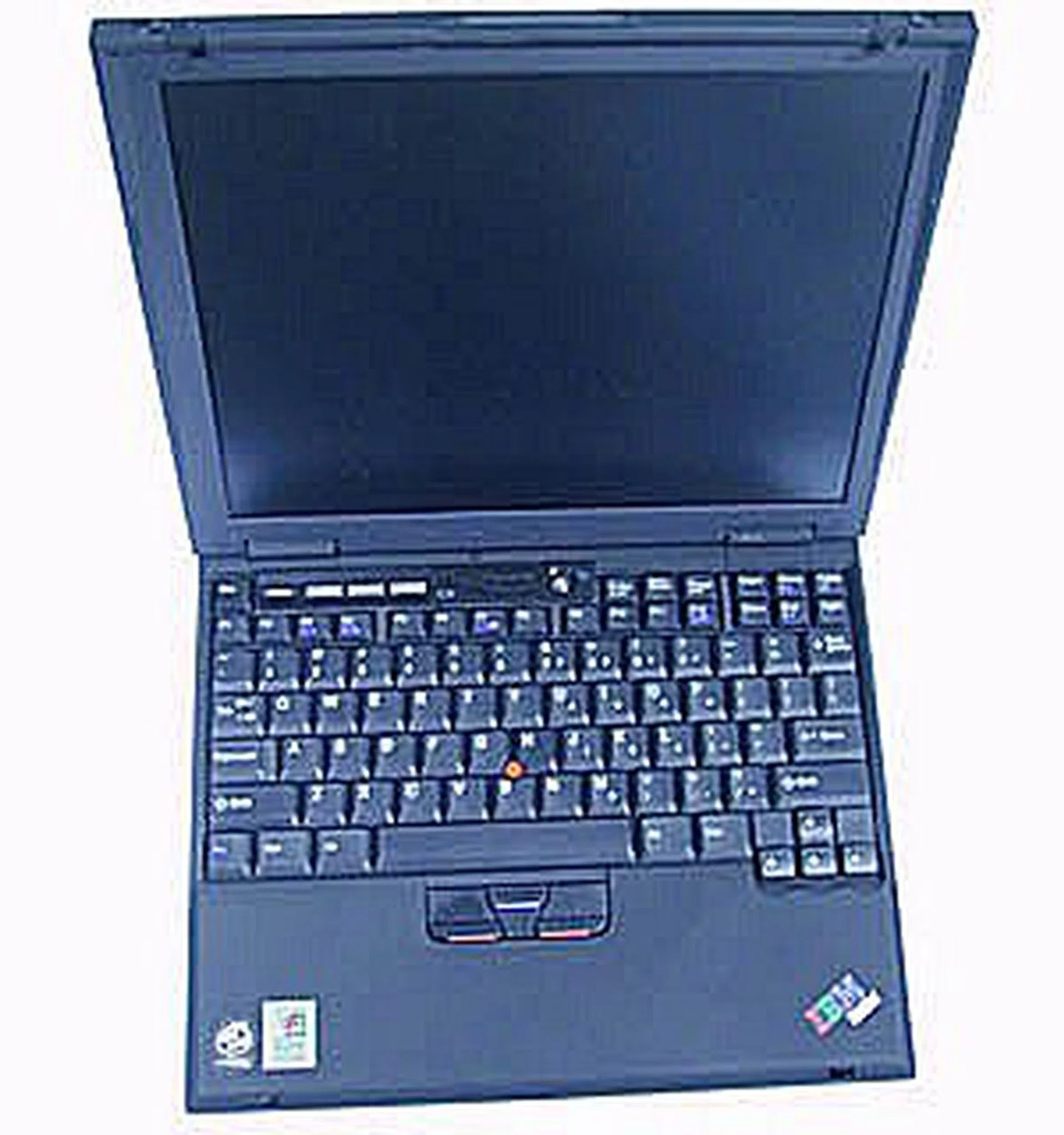
The choice between portability and connectivity came to a head with IBM's ThinkPad X20 which was probably one of the more expensive machines at that time.
2001
- 2001 was also a year for our first Hardware Zone Awards, where we took five notebooks which we compared, contrasted and most importantly, benchmarked. The five finalists were: Acer's TravelMate 350, Sony's VAIO PCG-Z505GA, IBM's ThinkPad X20-31A, Fujitsu's LifeBook S-4546 and Toshiba Portege 7200CT. After a pretty intensive review process which also included benchmark scores, the Sony VAIO PCG-Z505GA was declared the winner, though the Fujitsu's LifeBook S-4546 came a close second, especially since it had a CR-RW drive that was pretty new and innovative back in those days.
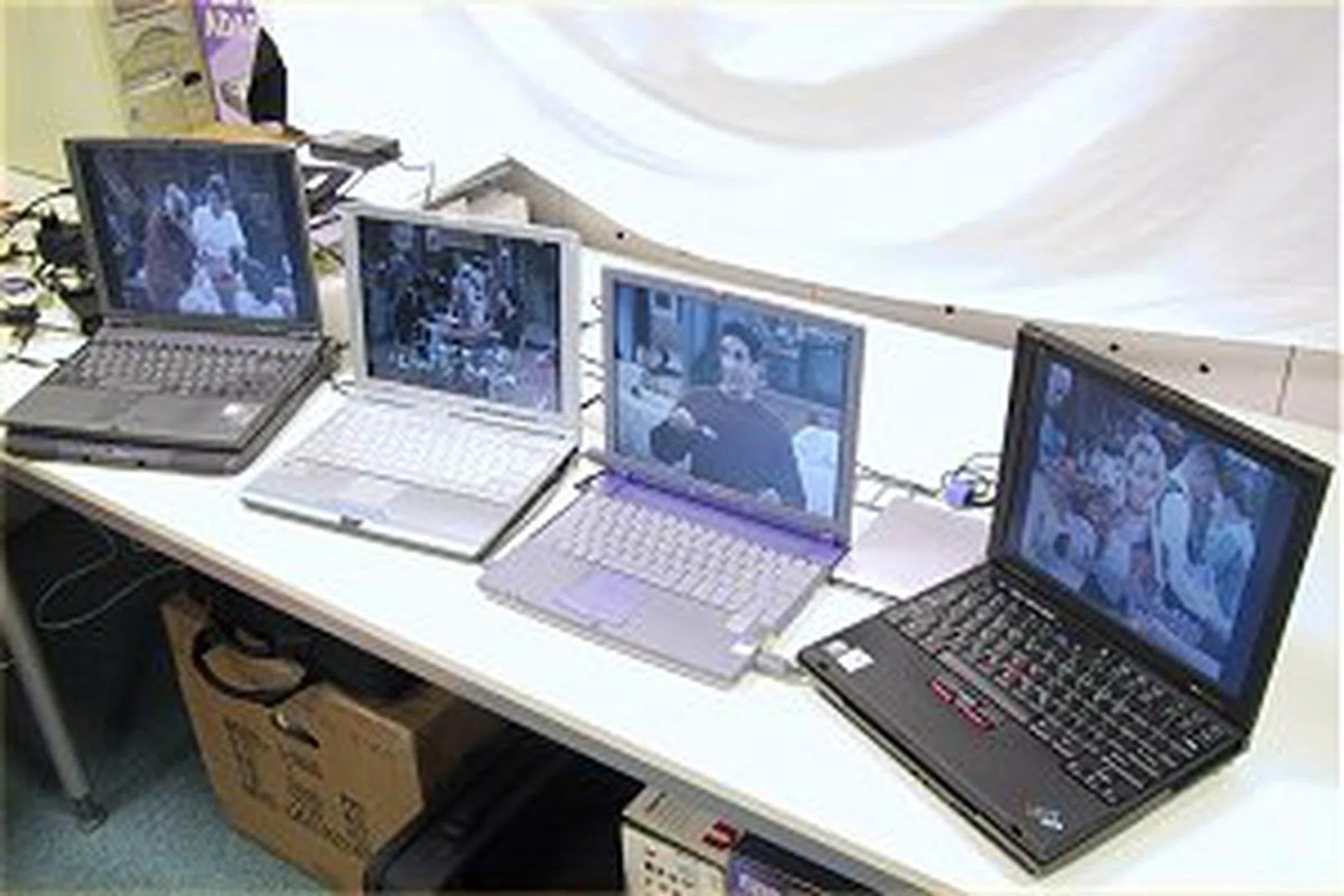
Four of the finalists - from left, the Toshiba Portege 7200CT, Fujitsu LifeBook S-4546, Sony VAIO PCG-Z505GA and IBM ThinkPad X20-31A.
- 2001 saw a review of the first Dell unit to grace our labs, the Dell Inspiron 4000, which was a colorful and pretty notebook with very decent specs. Featuring a Pentium III 800MHz processor and a ATI Rage Mobility-128 graphics card, the Inspiron 4000 also commanded a premium of S$4088 buckaroos, which was definitely jaw-dropping by today's standards. Given that the Inspiron 4000 was a solid workhorse for both productivity and multimedia performance, it should be a no-brainer that this was indeed worth the money spent.
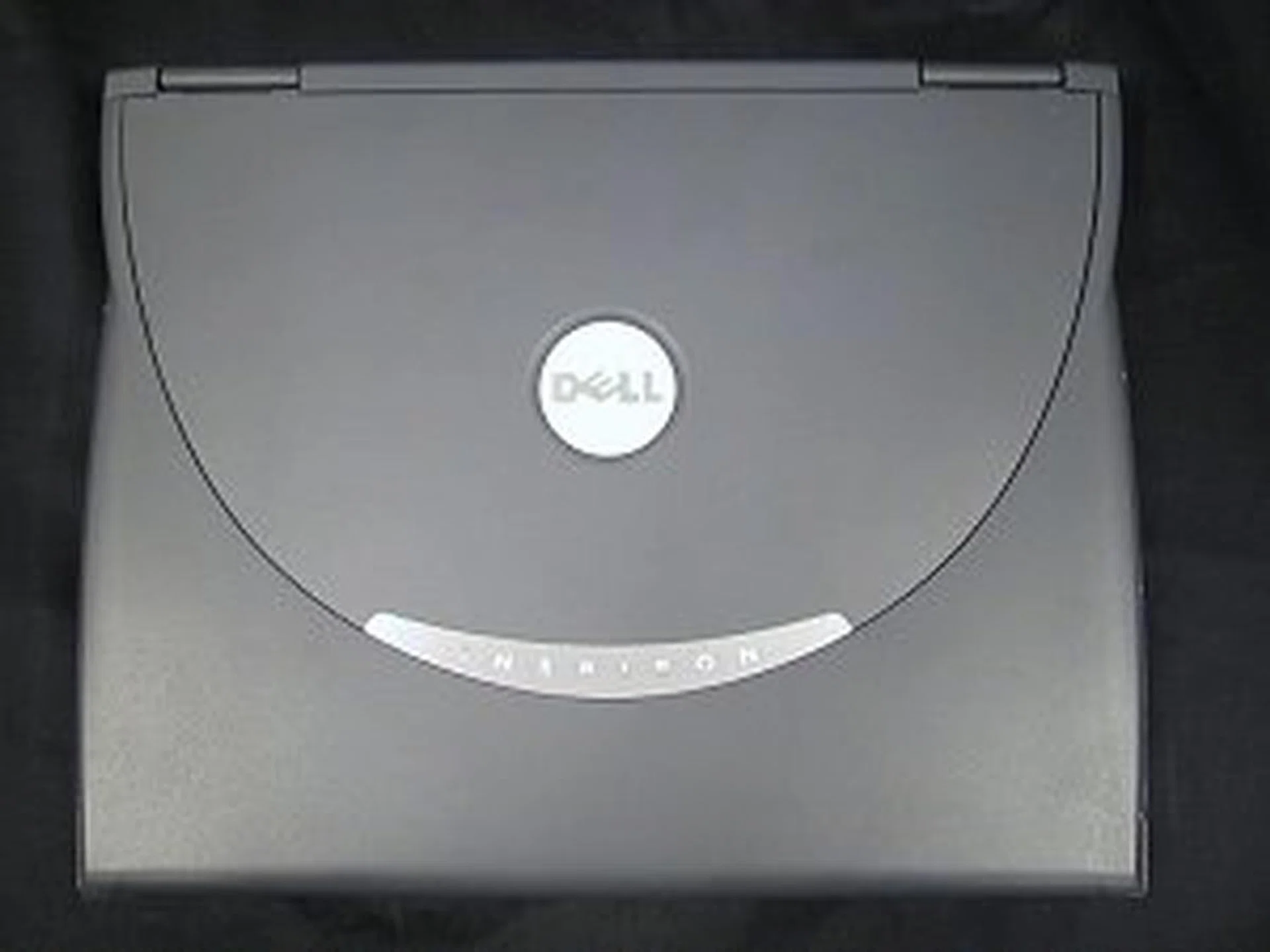
While the retail version had colors, our review unit was plain and drab.
- Apple's penchant for making the world's thinnest and lightest notebooks didn't just start with the Macbook Air. Back in 2001, they unveiled a 15.4-inch Titanium PowerBook G4 which featured a built-in DVD-Rom, measured just 1-inch (2.54cm) thick and weighed in at a comfortable 2.4kg. While it may have been pretty to look at, the cost of this 15 inch beauty which had a 500MHz PowerPC processor, 256MB SDRAM and a 20GB HDD would total in the regions of S$6388, which was sort of overkill, even for most Mac fans. The cheaper S$4688 version featured a 400MHz PowerPC processor, 128MB SDRAM and a 10GB HDD, which may seem laughable by today's standards.
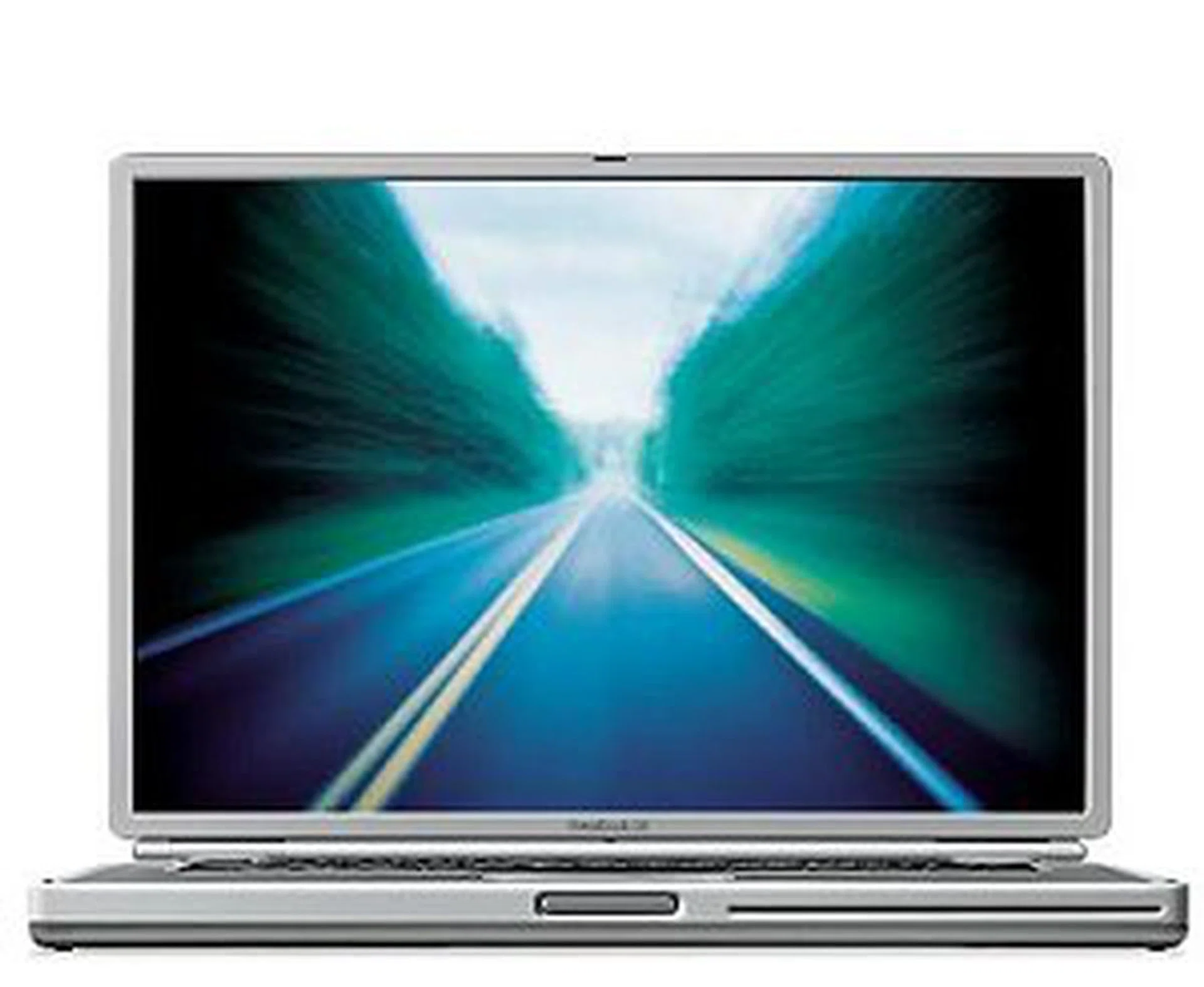
It's by Apple. 'Nuff said.
The 1kg ultra-portable barrier was also broken during this time with Fujitsu's LifeBook P-1000, which used a Transmeta Crusoe TM5400 533MHz processor instead of the usual Intel platform. This indirectly led to the costs of the unit going down to sub $2500 levels at $2388, which was something amazing to say the least. Weighing in at 980g, the P-1000 traded connectivity and accessories for its lightweight size, which in the long run, would see this design influence hold true for the mini-notebooks of today.
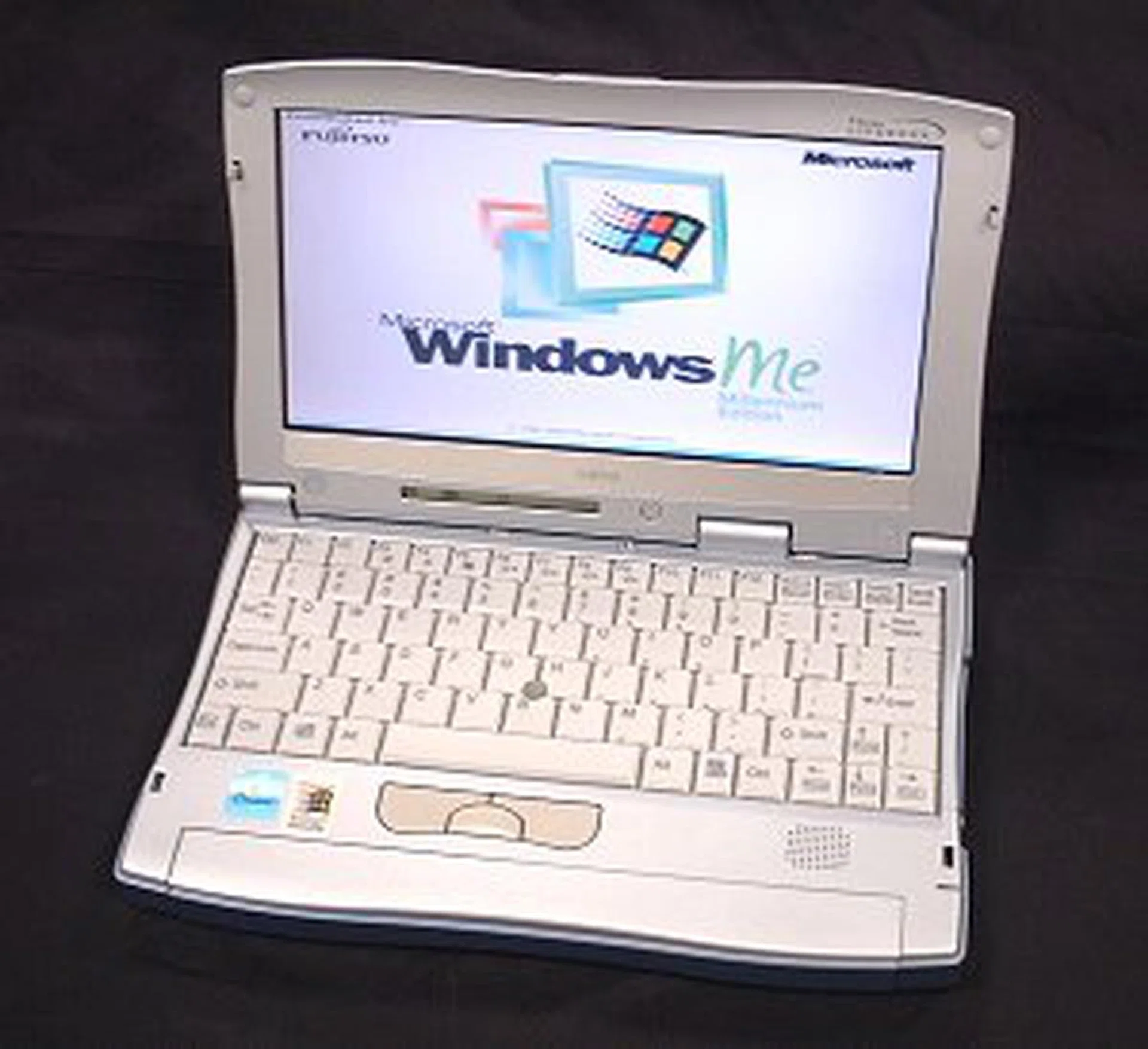
The Fujitsu LifeBook P-1000 weighed in at just 980g! Light, and pretty!
- Lastly, Dell's Inspiron 8000 series was the second time we awarded our coveted 5-star rating then, and it was a richly deserved. Powered by NVIDIA's GeForce Go chipsets, the systems were designed from the get-go for gaming and high end computing. Pitted against its competitors with similar specs, the Inspiron 8000 fared better thanks to the extra 16MB of DDR video memory and was also much cheaper than its competitors at S$5437 for the Pentium III 1GHz version. Of course, such staggering sums of cash are really 'normal' for that time period, and we're glad to be seeing notebooks come down in price as such sums would more than get you the best of the best notebooks these days.
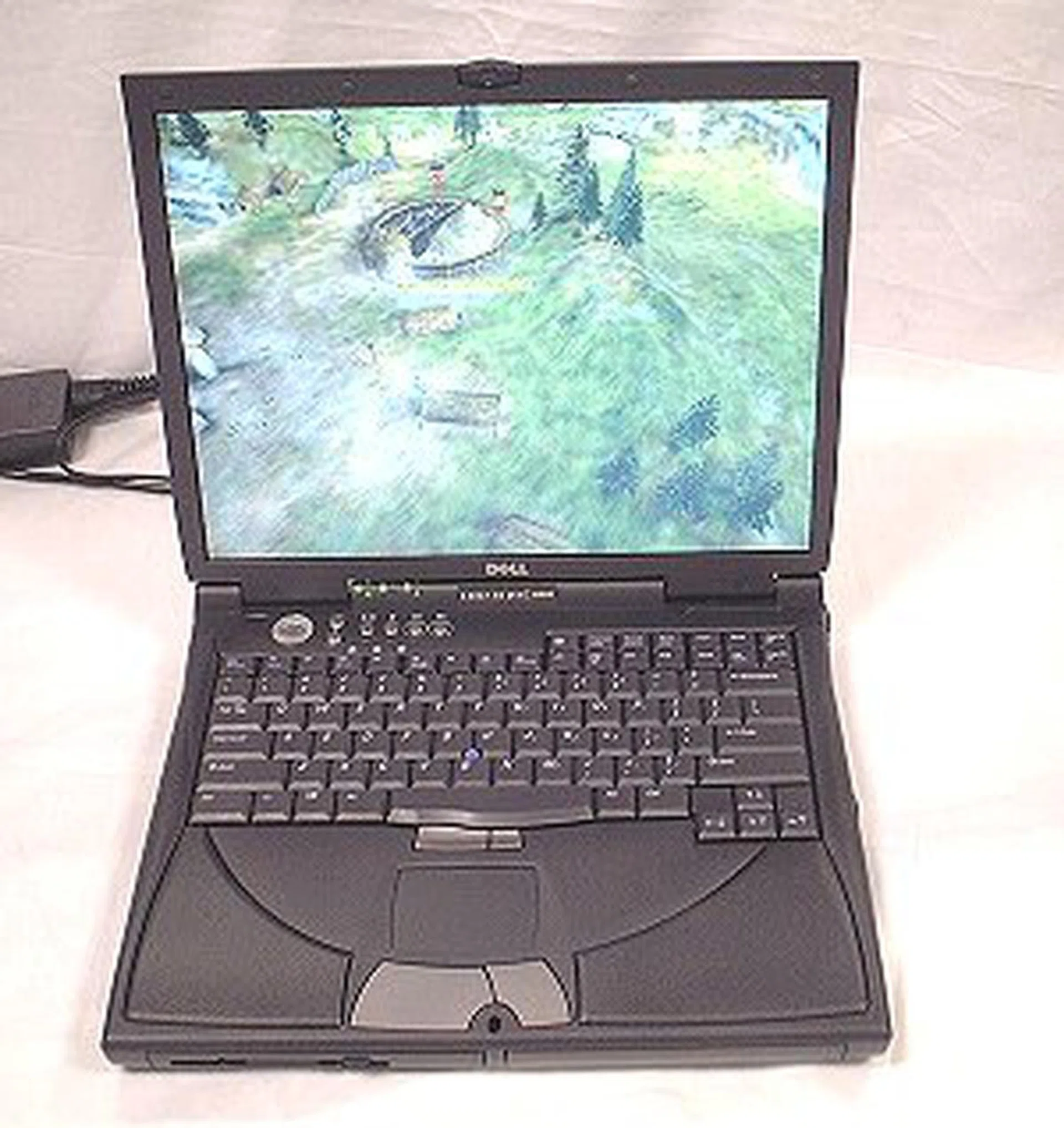
The second recipient of our five star rating was this gaming rig, the Dell Inspiron 8000
2002
- Our third 5 star rating was given to ECS's DeskNote A929, a clunky AMD based desktop replacement that came in different configurations in the year 2002. It had everything you could need or want, and had some overclocking options to boot. The specs were an absolute improvement over last year's best, and with a very affordable price of $2388, it was pretty much spot-on to declare this absolutely value for money. Strange how since the first Pentium 4 notebook made its way to our labs just two months ago from the same company, it was amazing to see ECS come out with an AMD Athlon based notebook. Given how technology was leaping forward at unprecedented pace, we weren't too surprised and it was amazing to see how much prices had fallen since the previous year.
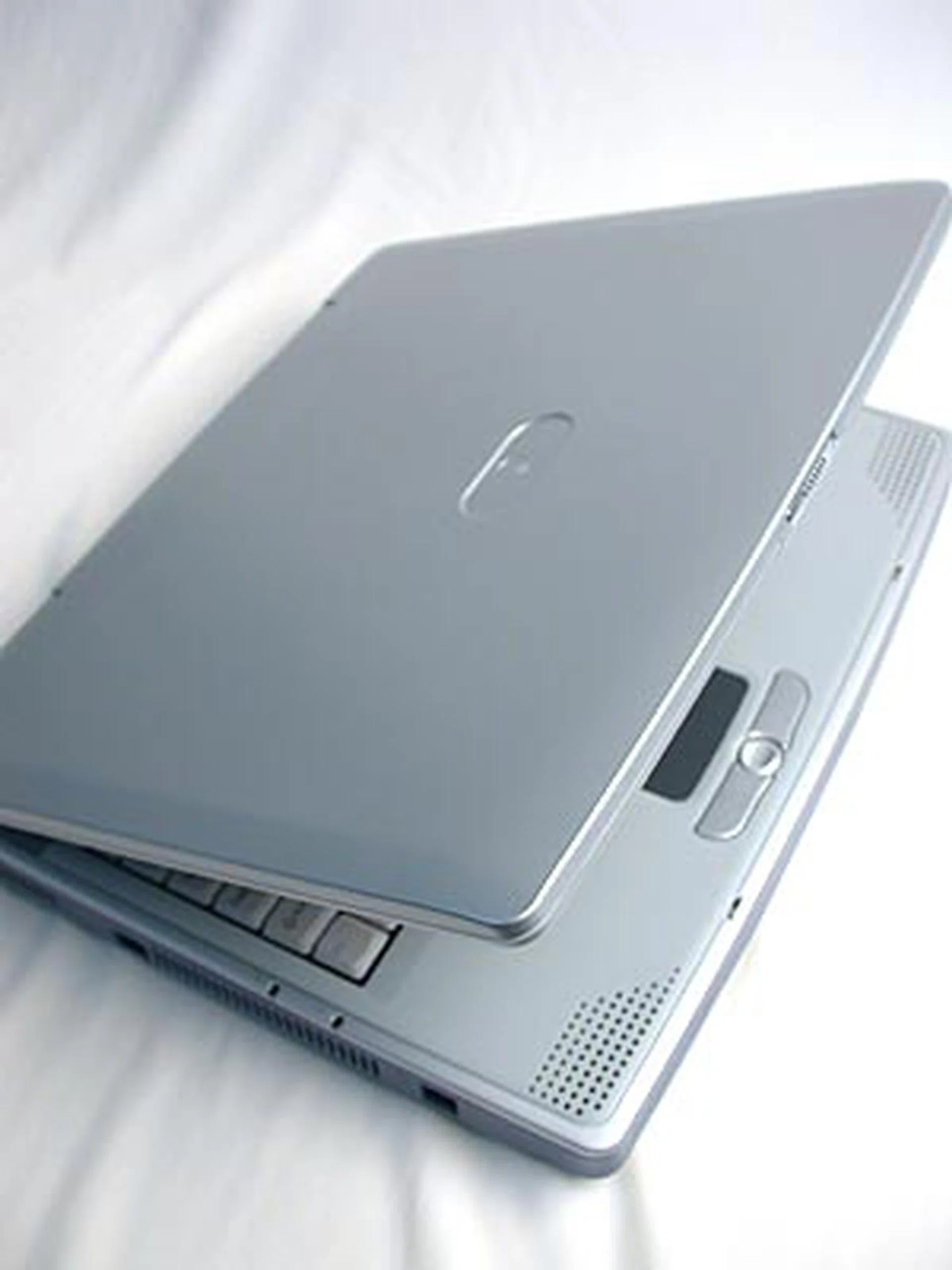
Cheap and good was the ECS DeskNote that featured AMD's Athlon XP. Ah...the good ol' days.
- Tablet PCs made their debut in 2002, and we had a peek at the early Acer TravelMate 100 Tablet PC together with the Compaq Tablet PC TC1000. Both machines were in their prototype stage but worked surprisingly well, give or take a few bugs. The Windows XP Tablet OS still had a few bugs to inked out even then, and units were prone to sudden freezes and crashes. Despite how hardware prices had fallen along the whole, Tablet PCs traded on their newness to command a premium price that could start from $4500. But, if its pen drawing on a mobile computer that you wanted, then it was pen drawing you would get.
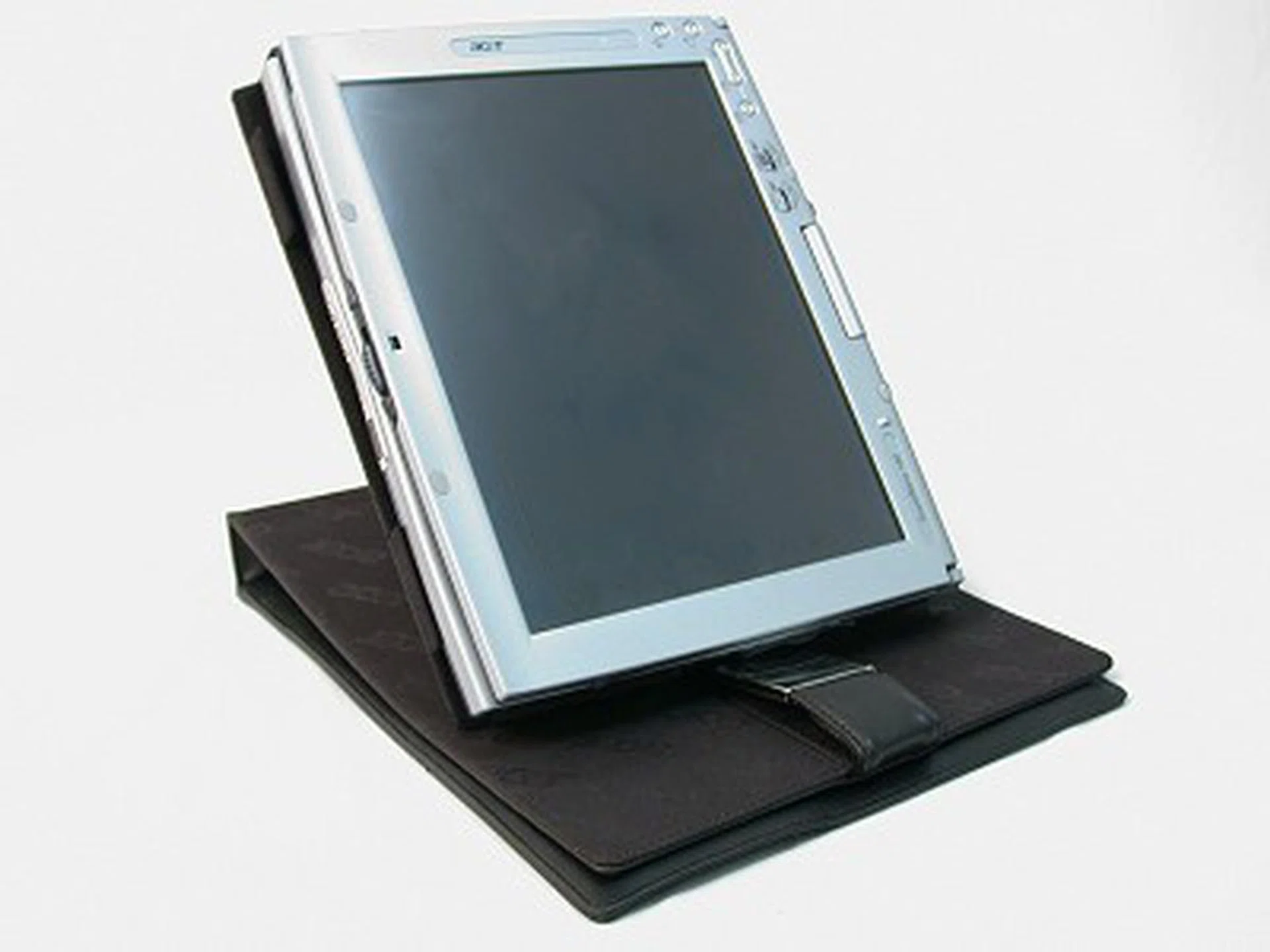
The Acer TravelMate 100 Tablet PC, one of the first models to have hit the market.
- 2002 also saw the light and long lasting IBM ThinkPad X30 which boasted a 1.66kg weight while deliverying up top 7 hours of usage (via extended battery). Like most ultraportables at that time period, the X30 sacrificed an optical drive and faster processors in order to deliver such results. But it delivered on the important aspects of an ultraportable and scored from us a Most Innovative Product award, and rightly so.
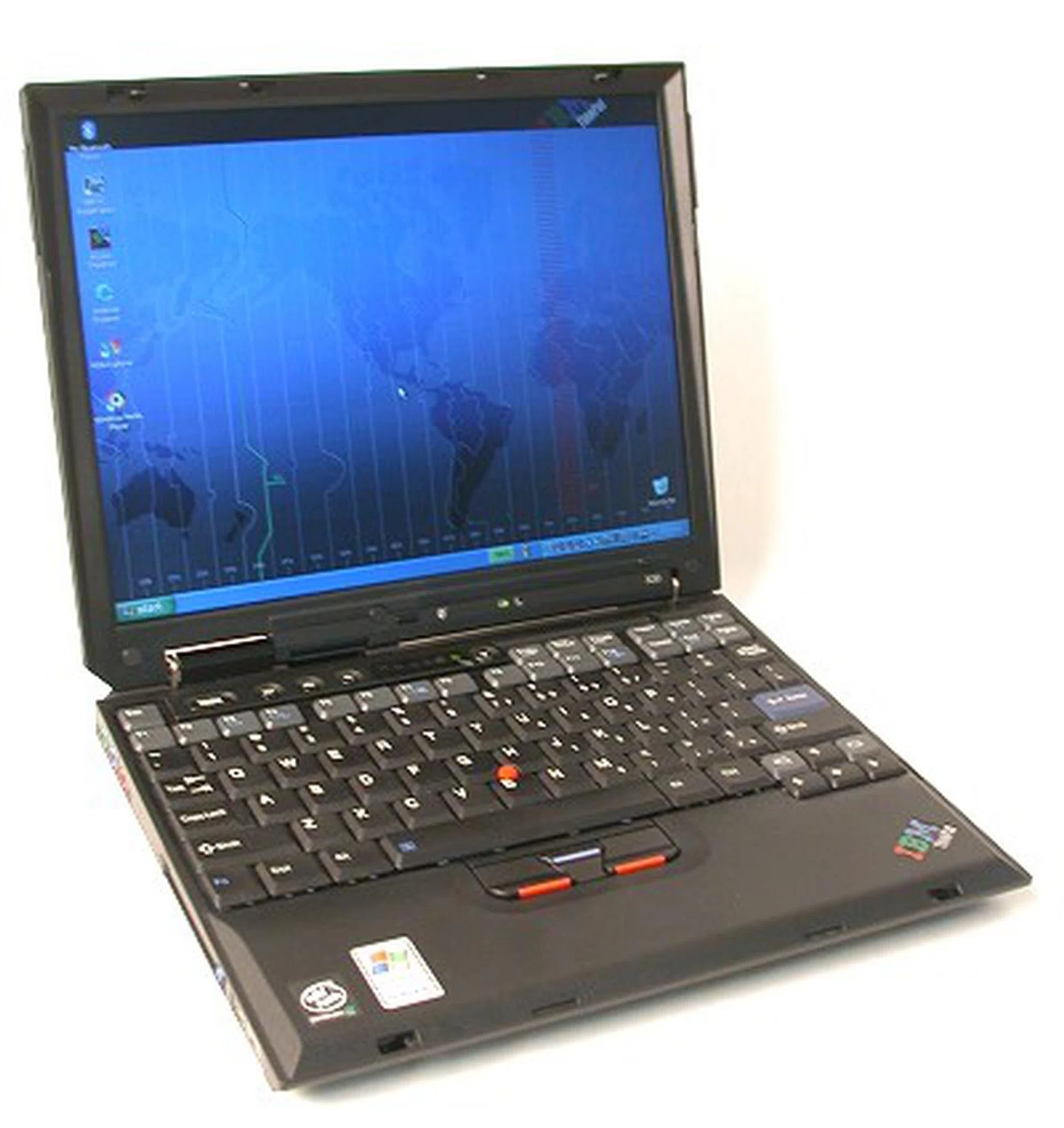
If seven hours of usage was what you wanted, then the IBM ThinkPad X30 was here to make your day.
2003
- 2003 was a memorable year in mobile computing with the introduction of Intel's Centrino platform, which combined the three components of Intel's mobile platform (processor, chipset and wireless networking) to deliver great battery life; performance; thin and light form-factors; and wireless connectivity in one neat package. As you may have guessed, only notebooks which utilized these components were allowed to get a Centrino sticker stuck on them. These stickers would continue to be a core branding for the chip manufacturer, and continues on today even with the fifth generation Montevina platform.
The logo of the first and second Centrino platform which is hardly recognizable when compared to the newer logos.
- The success of Intel's Centrino platform can be easily seen in the number of Centrino based notebooks that made its way into our laps during 2003. Of note was IBM's ThinkPad series, with their ThinkPad T40 scoring our perfect 5 with its slim profile and 2.25kg weight (which included a DVD drive). Battery life was pretty ideal, lasting a good three hours when we put it to the test. There's always a price to pay for a quality product such as the ThinkPad T40 and it showed in its whopping S$3571 price tag back then.
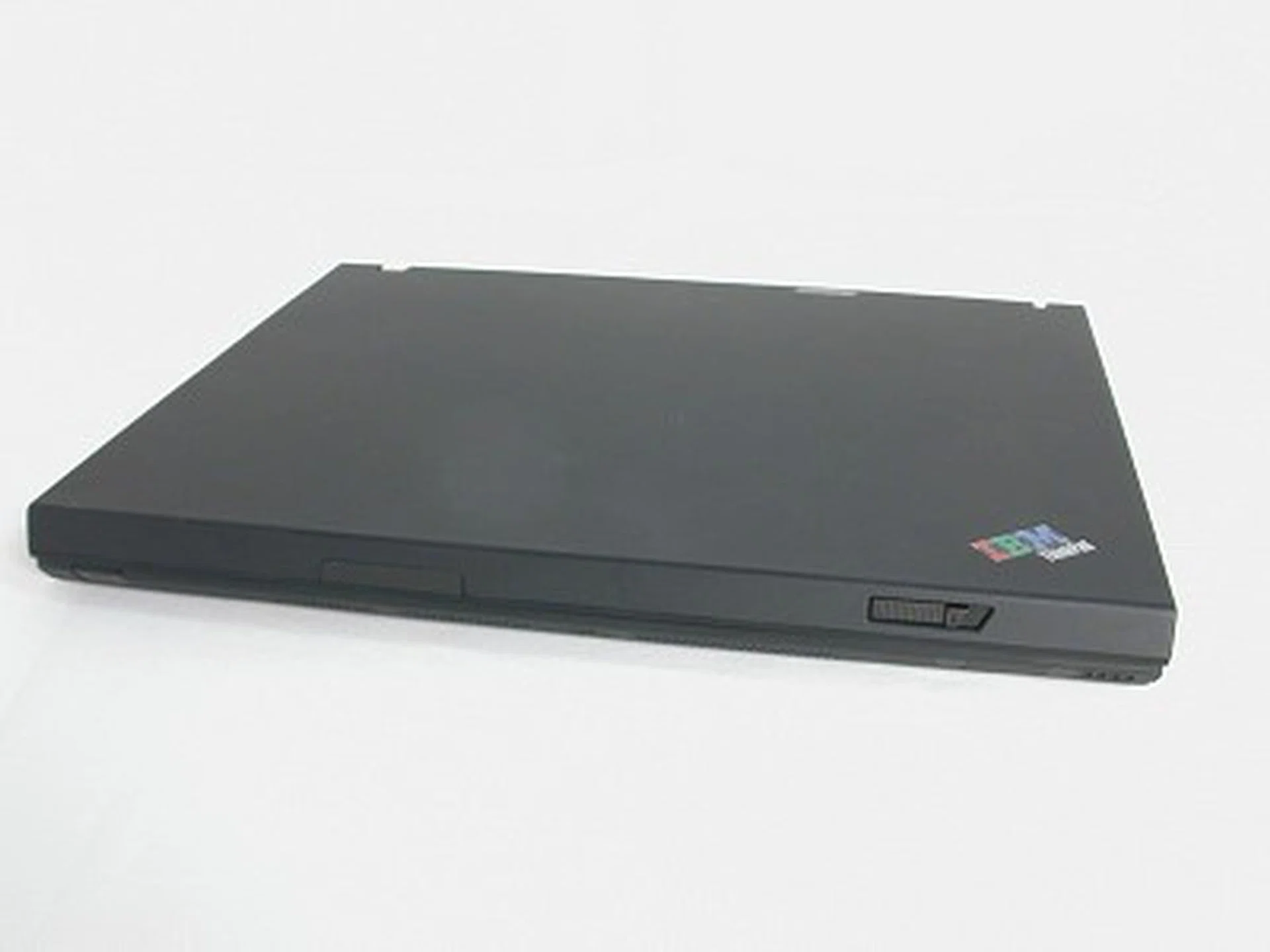
Scoring a perfect five from us was the IBM's ThinkPad T40 which amazed us with its sturdy and well-engineered build.
- Gamers too had something to rejoice this year when we covered Toshiba's Satellite 5200-A751, that was surprisingly not based on the Centrino Platform. As a desktop replacement, the Satellite 5200-A751 weighed in at 3.5kg and cost consumers a hefty $5099 but came feature packed with Pentium 4 2.2GHz Mobile processor and had a NVIDIA GeForce FX Go 5600 graphics chipset which was DirectX 9 compliant. With so much processing power, the Satellite 5200-A751 was great for everything you needed to do with it. If you had possibly gotten one back then, we hope you did enjoy using it.
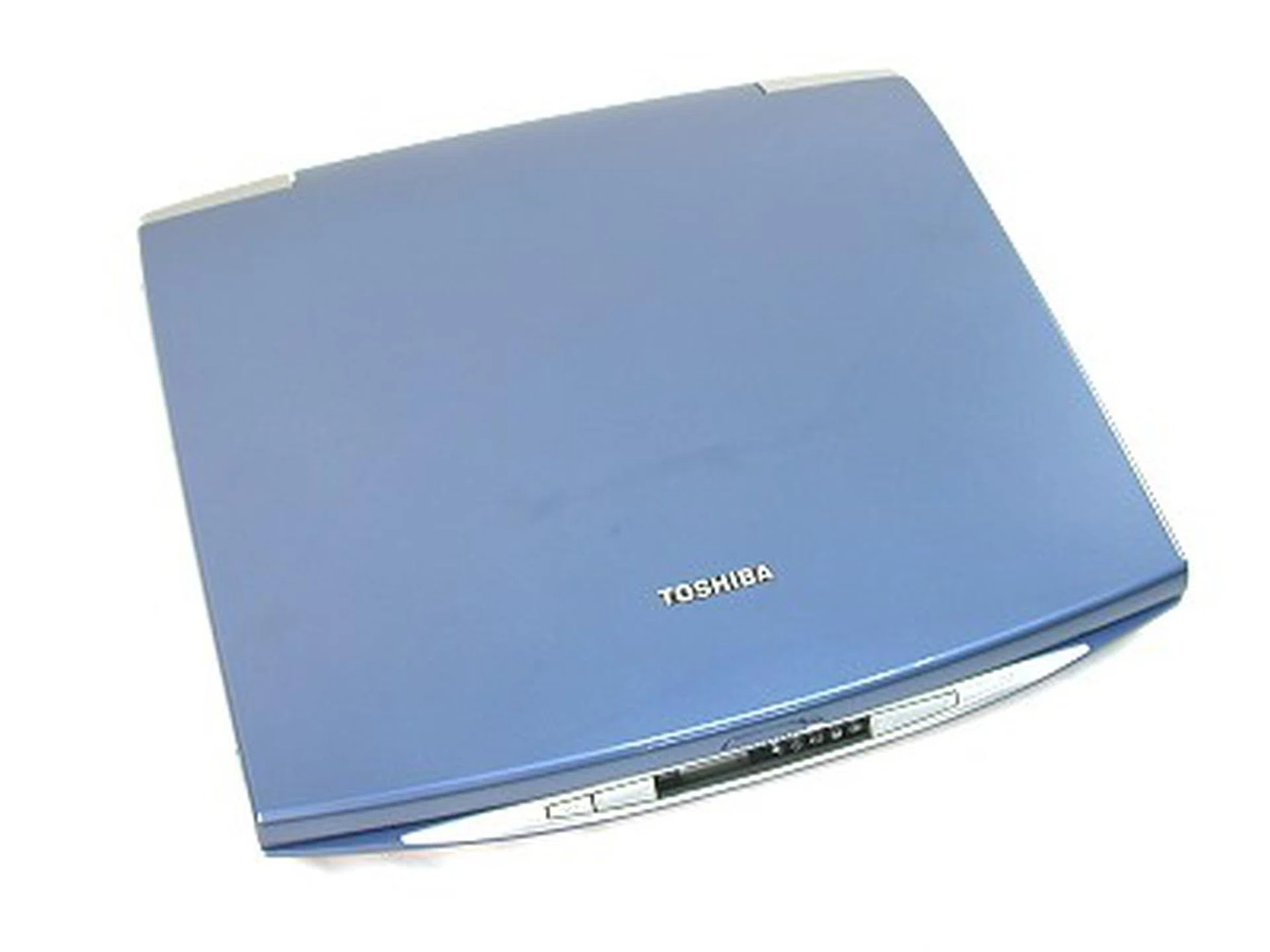
Gamers of year 2003 unite! A machine of your dreams has appeared in the form of Toshiba's Satelite 5200-A751!
2004
- 2004 saw Intel's 90nm Pentium-M 'Dothan' processor that featured a bigger L2 cache, 63 million more transitors and a much higher clockspeed that goes up to 2GHz. This processor went on to form the heart of newer Sonoma platform that would be the second generation of Intel's Centrino platform in the following year.
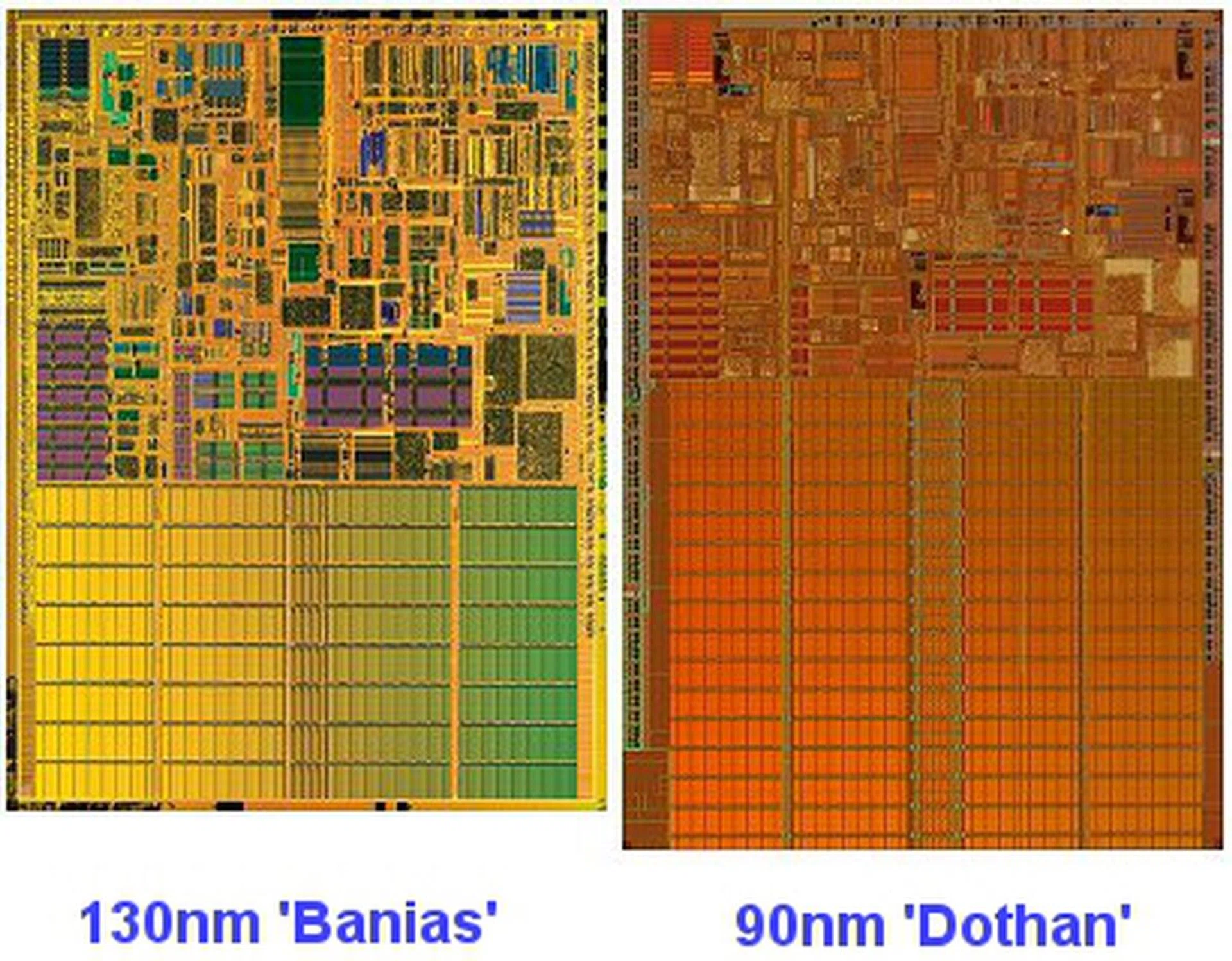
If it's a faster notebook processor you're looking for, look no further, the Intel Dothan is here!
- The ultraportable market got more much more heated with BenQ's Joybook 6000, a 1.6kg 12.1-inch notebook that did away with legacy connections and dealt with the newer ones. Retailing at $2699 with an external optical drive, the Joybook 6000 was as quoted in our original review, "had more than what it takes to present itself as both a mini-entertainment machine and a serious device for getting some work done in a jiffy and in style".
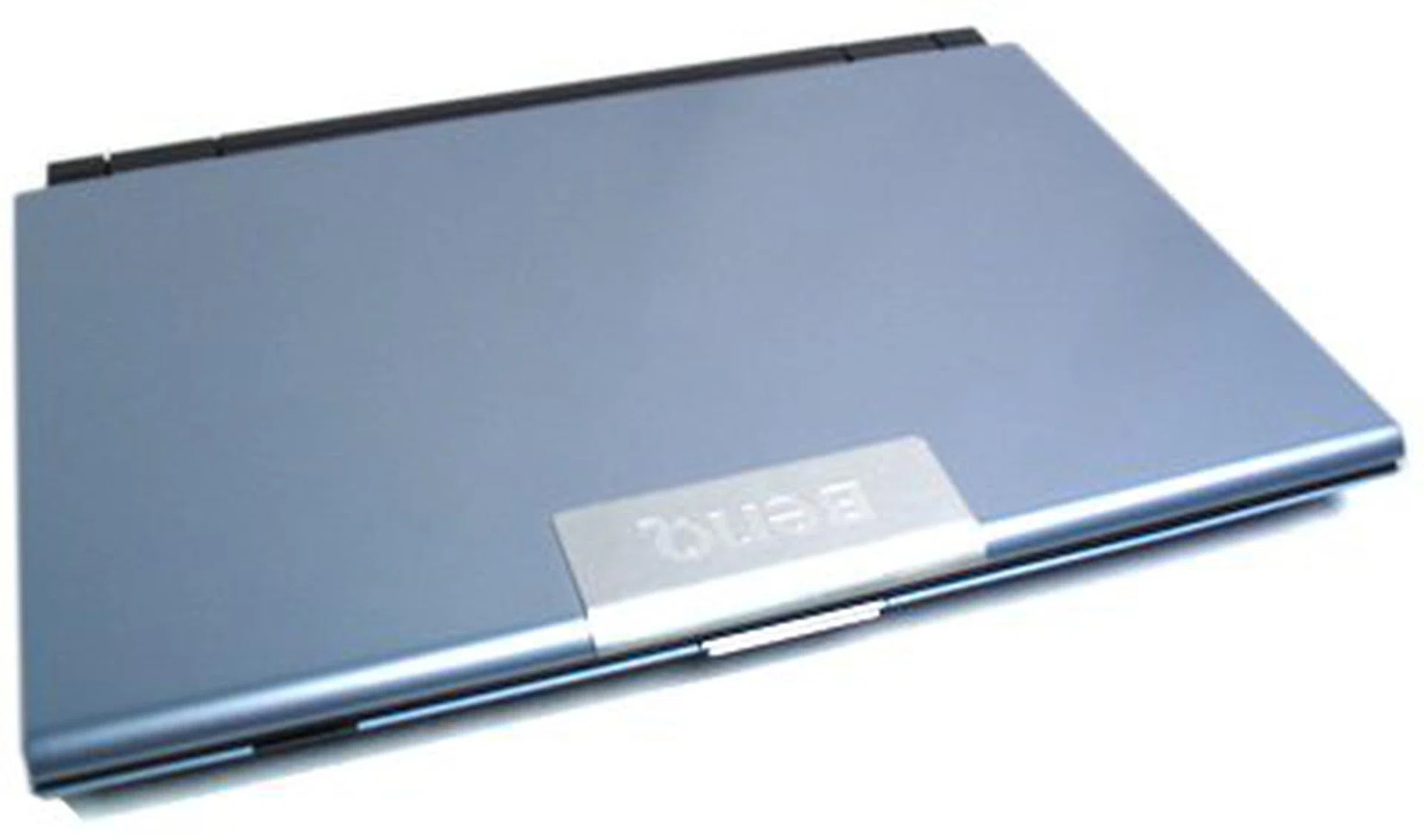
If it was a joyful experience you were looking for, then look no further with BenQ's Joybook 6000.
- It wouldn't be a year without Apple too as we took a look at the monstrous 17-inch PowerBook G4 . With everyone hopping onto the Intel and AMD bandwagon, Apple gamely stuck to their guns by using a 1.5GHz PowerPC G4 processor for their attest back then. As a desktop replacement, the PowerBook G4 made full use of the ample space that it had to deliver a seamless design that made us all drool. OS X too was another plus point in its arsenal of cool tricks and combined with the iLife multimedia suite, made the PowerBook G4 deserving of its S$5288 price tag.
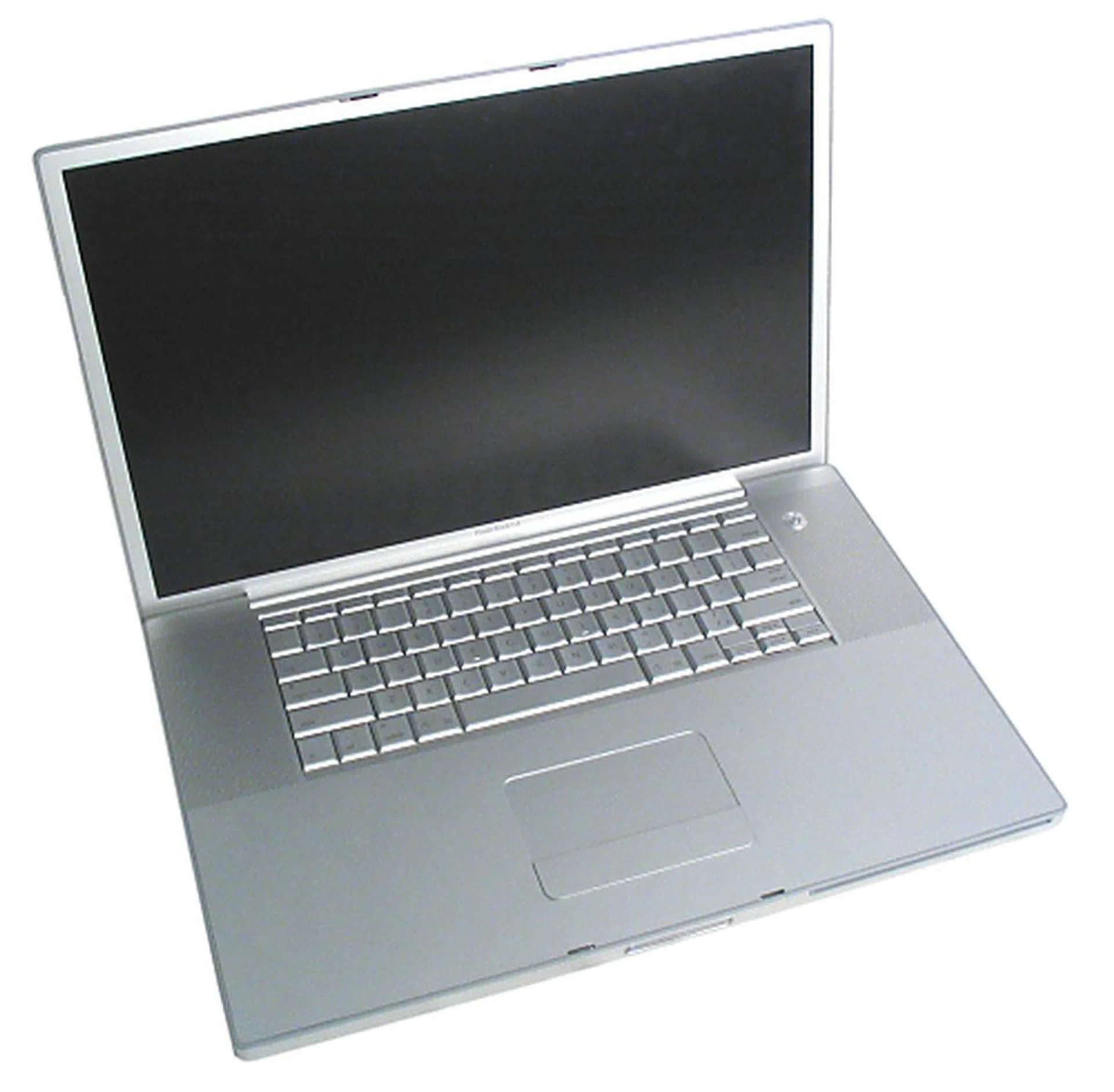
More Apple goodness in the form of the 17-inch PowerBook G4.
- Gigabyte took a shot at the younger crowd with the release of its 12.1-inch N203, which used the newer Intel Dothan processor running at 1.6GHz. While it weighed a little heavy at just over 2.1kg, it was mainly targeted with students in mind and the S$2381 price tag probably sealed the deal for most back then. With its flashy looks and solid design, the N203 was definitely a sweet deal for those on a shoestring budget.
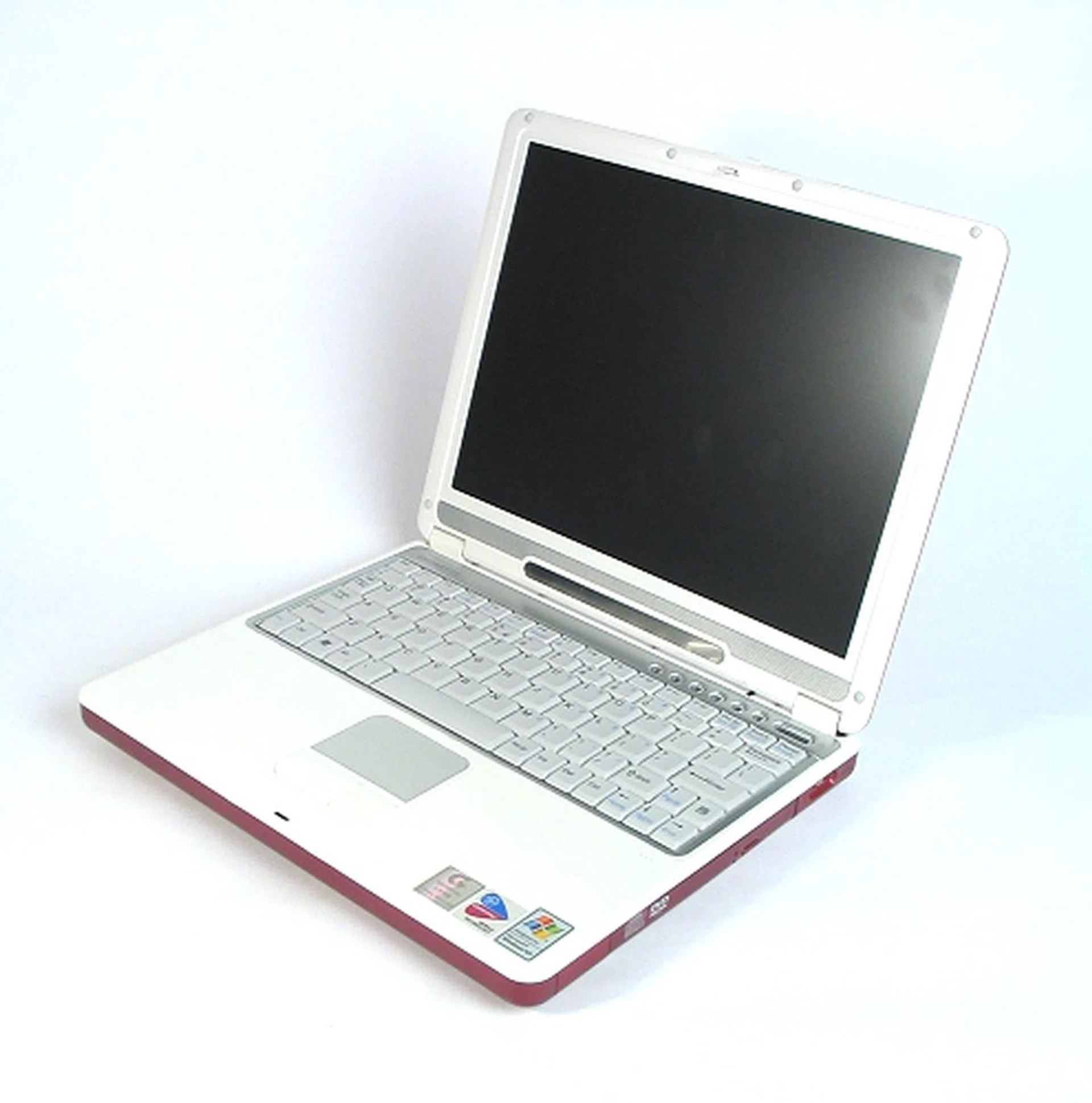
Students got some love with Gigabyte's flashy and trendy N203.
2005
- In yet another year of Intel dominated news, the second generation of Intel's Centrino platform made its way to the consumer market. Codenamed Sonoma, the platform utilized the newer Dothan processors while upping the FSB up to 533MHz. Together with enhancements made to its chipset (Intel 915 and ICH6-M) and wireless networking (which now supported 802.11a in addition to b/g of the older platform), it looked as though Intel was here to stay.
Music jingle, Sonoma! Music jingle, Sonoma! Yeap, the second generation of the Intel Centrino platform had arrived!
- The Acer TravelMate 8100 notebook based on the Intel Sonoma platform was probably one of the better laptops that we reviewed in 2005. While performance was definitely on par with what we expected, it was the internal DVD writer that supported DVD+R DL that left us quite impressed though the unit did have its drawbacks, especially since it was using a slower IDE HDD as opposed to the newer SATA drives. It also lacked multimedia controls despite having support for HD Audio and connectivity options such as analog RGB, DVI-D and S-Video but all in all, it was generally worth the S$3998 that it retailed for.
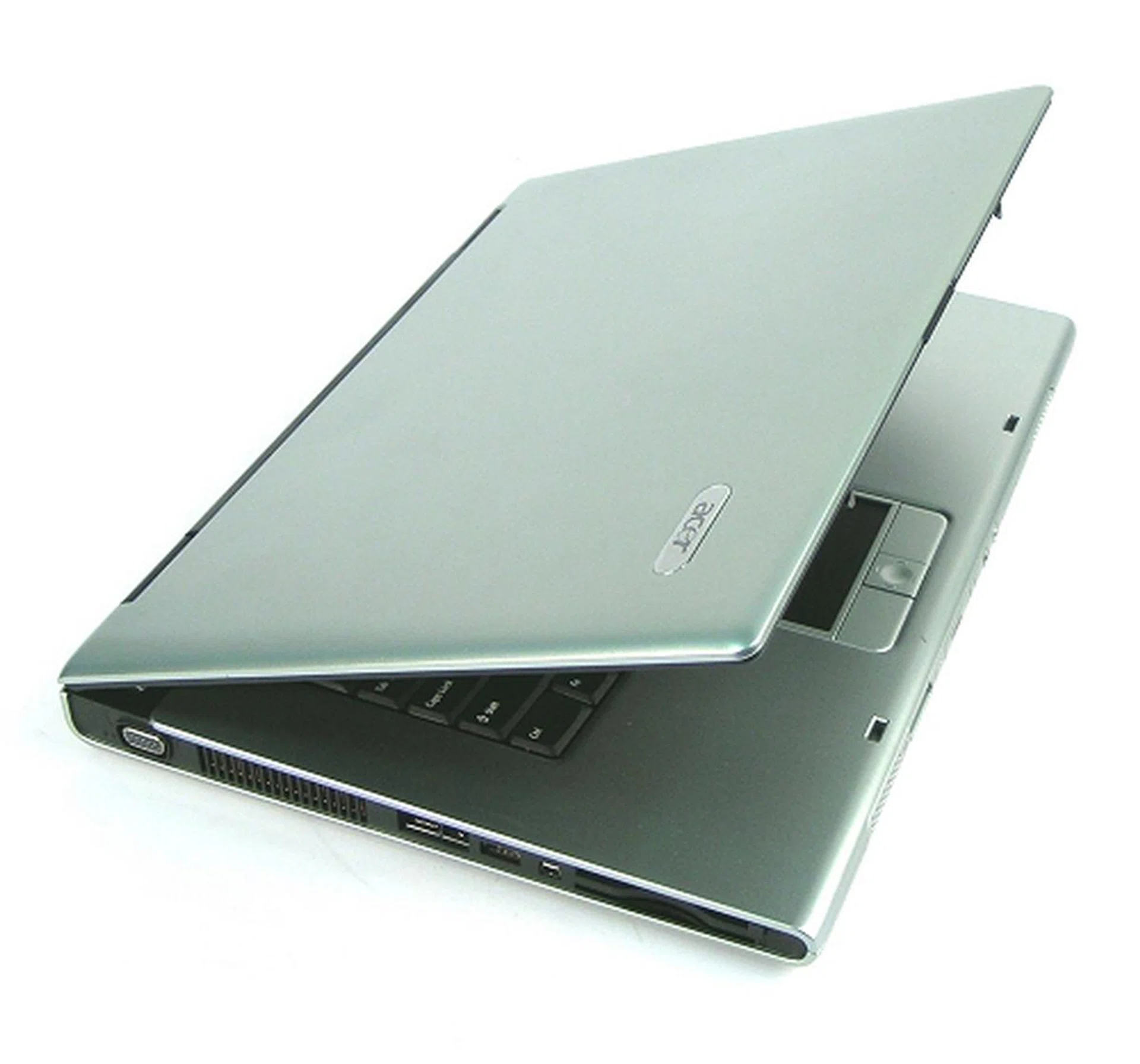
The Acer TravelMate 8100 had a DVD writer that supported DVD+R DL, which meant we could burn, baby burn!
- More Sonoma based notebooks would continue to grace our labs throughout 2005, though none were remarkably outstanding; While there were notebooks didn't meet up to our expectations like the Gigabyte N411 or the MSI S250, the Samsung Q30 Ultraslim was set to impress with its 1.1kg weight and a 23.8mm thickness. While it ran on the Centrino platform, the Q30 used a more power efficient Intel Pentium M ULV 753 which ran at 1.2GHz. Using this processor, it was no surprise to find that performance wasn't really up to the usual fast standards we were used to testing, but the Q30 was a quiet and extremely portable workhorse which would have cost you a whopping US$2400 just three years back.
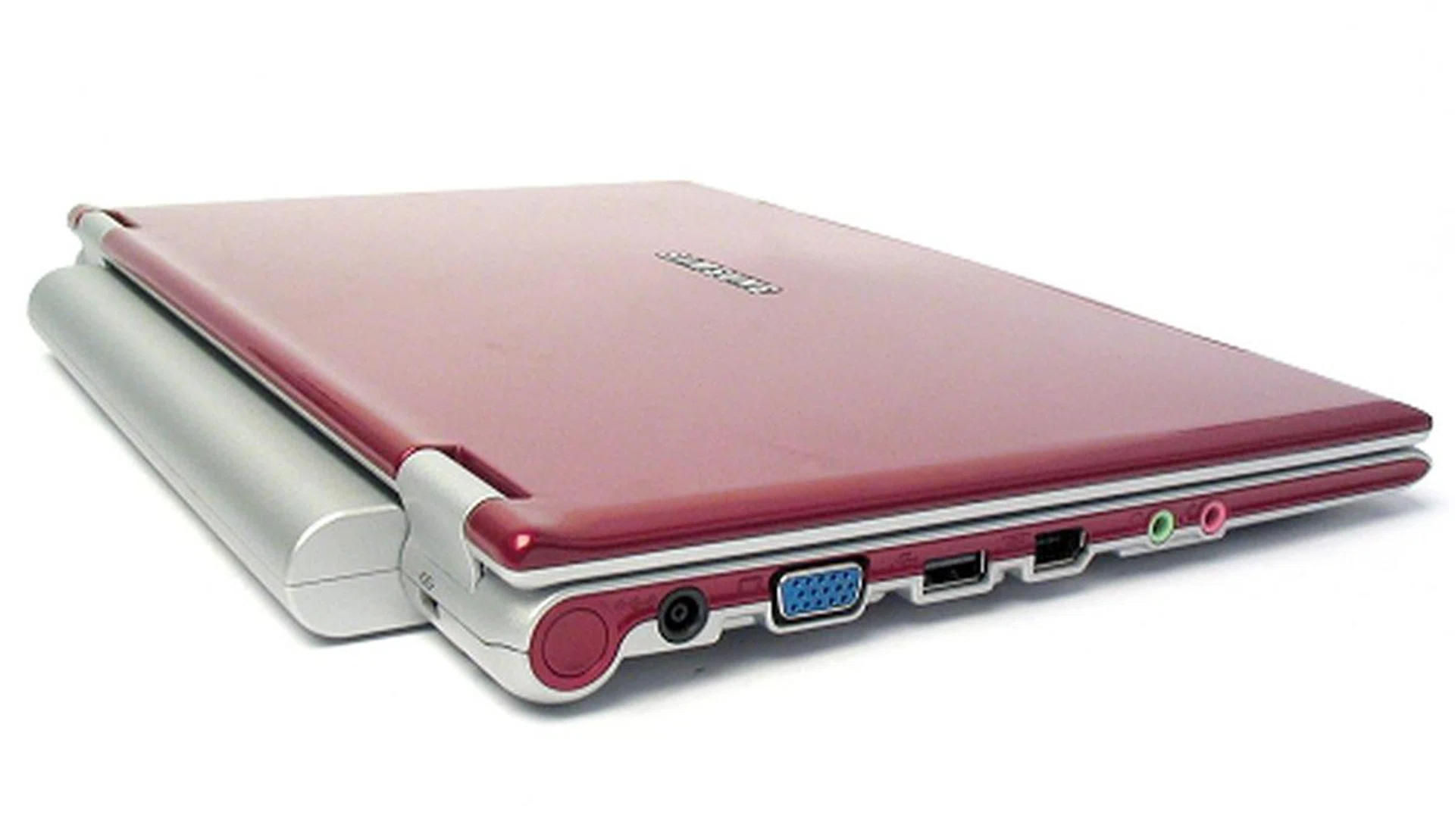
It was slim and it was beautiful, but the Samsung Q30 would also cost you US$2400. Ouch.
- With Intel dominating the headlines for the last two years or so, it was only a matter of time before AMD struck back with their Turion 64 mobile processors which we covered in the form of MSI's S270. Unfortunately for AMD, our reviewed showed that the MSI S270's performance was none snappy despite its 64-bit capability, faster system bus, wider processor-to-system bandwidth and SSE3 instruction support. It needed much more juice which was another complaint that we had with the platform. Though given an extended battery, the notebook lasted enough to meet some of our expectations. All in all, the MSI S270 didn't quite let us down, nor did it make us cry, but it did leave us wondering how AMD would do against Intel in the coming months.
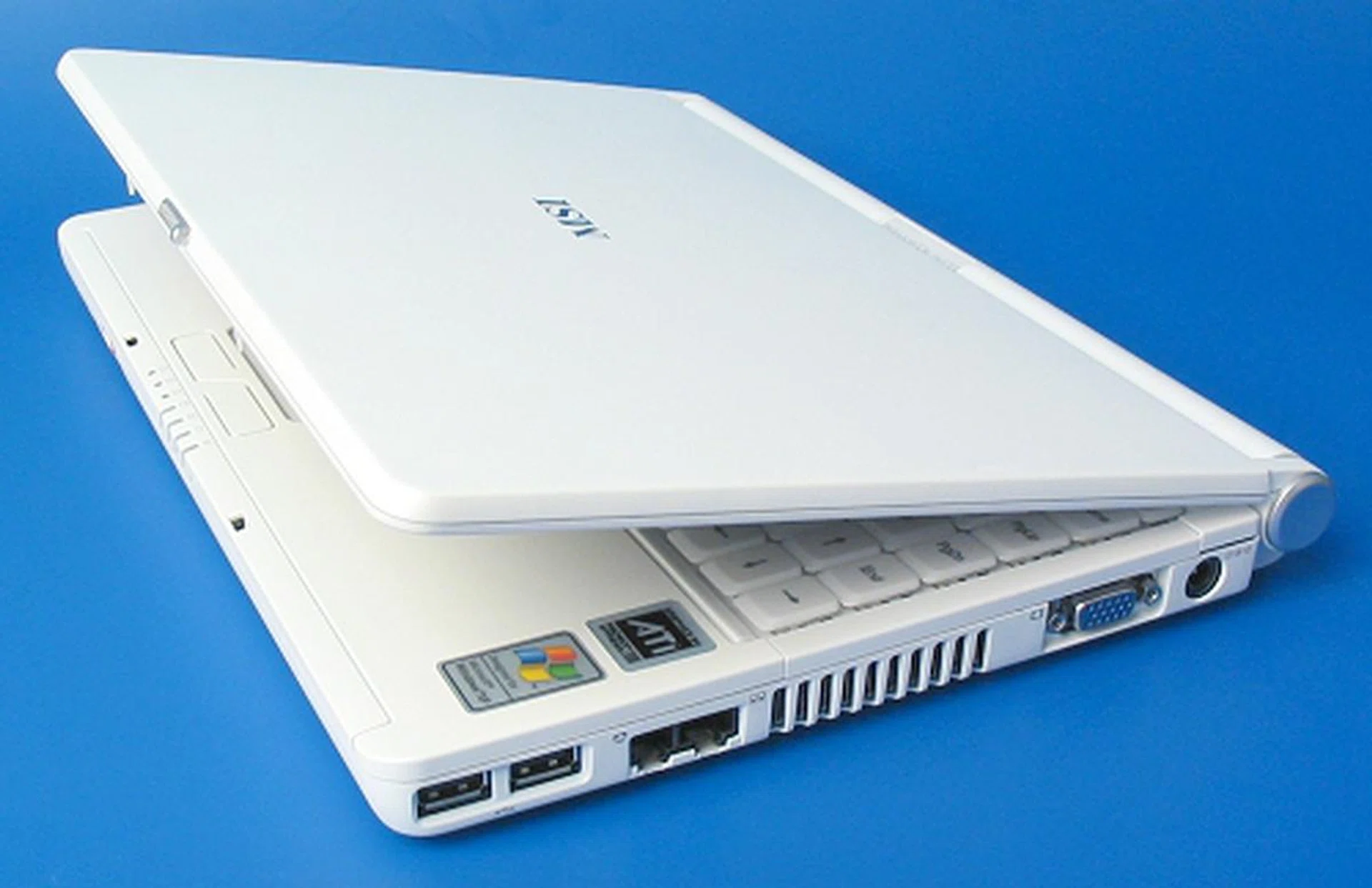
The MSI S270 was the first AMD Turion 64 notebook that we reviewed.
- We took another stab at reviewing an AMD Turion 64 based notebook and came out feeling much better this time, thanks to the HP Compaq nx6125, a huge 15-inch notebook that tipped the scales at 3.22kg. Of course, that was due to it being extremely sturdy business machine. Battery performance seemed to have taken a turn for the better due to better engineering on HP's part which fared much better in our tests. With an extremely reasonable price of US$1440 and the plethora of security features on the nx6125, it seemed that we had found a bargain on our hands. It wasn't the last time we would see an AMD notebook, but it was one where we did feel that there was some value to be had alongside Intel's Centrino platform.
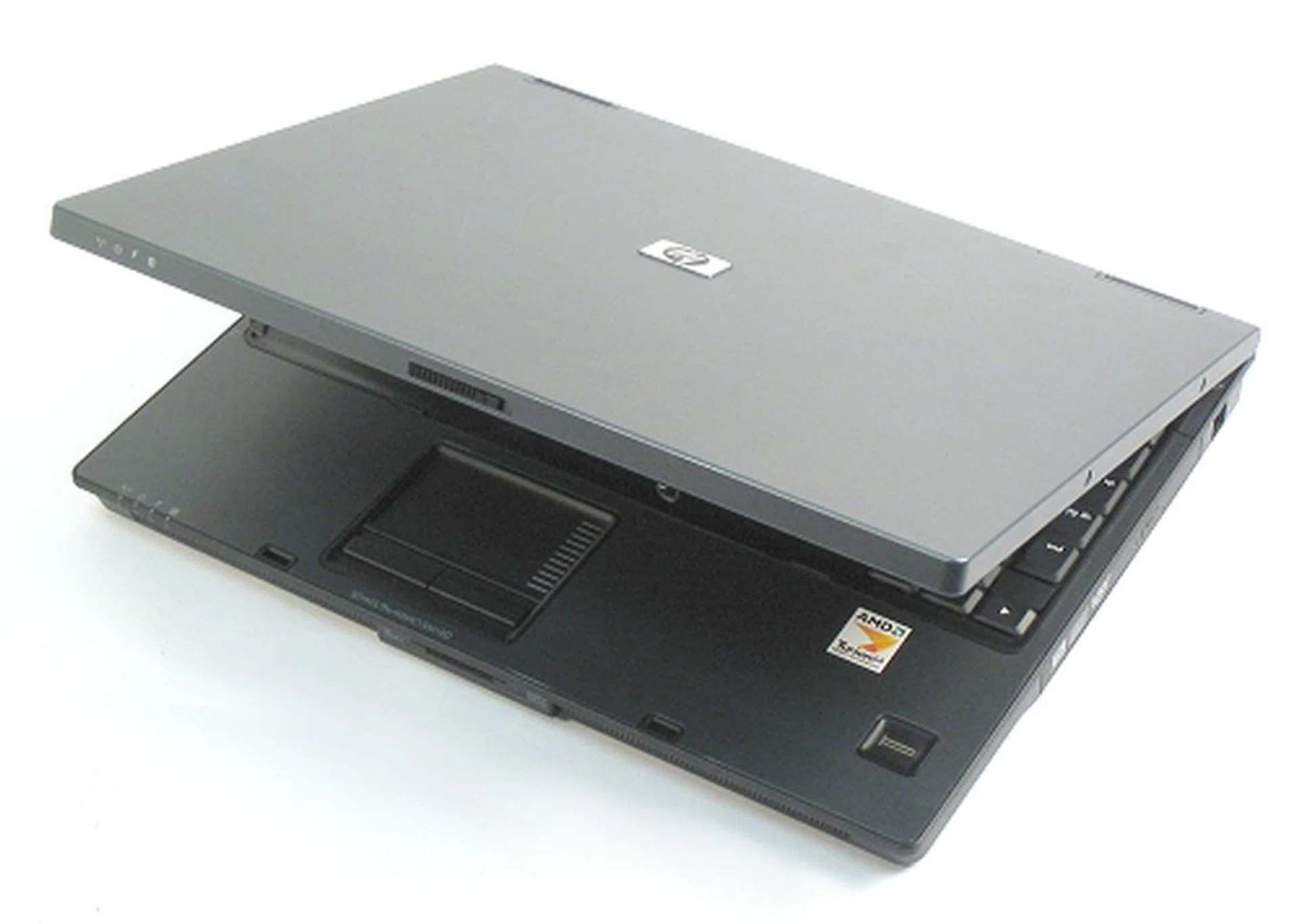
Faring much better in our next AMD Turion 64 based notebook review was the HP Compaq nx6125.
2006
- Ah, the start of a new year and an introduction of a new generation of the Intel Centrino platform. This time around, the third generation platform also has a logo change, one that's more familiar in design that we've come to associate with the Centrino platform of today. As far as makeovers go, this one was a pretty intensive one with a complete overhaul from ground up. Yes that's right, "no Centrino Duo notebook will carry over any remnants from its predecessor" and in it's place you'll find a brand new processor (Core Duo) an Intel 945 Express chipset and an Intel Pro/Wireless 3945ABG network controller. Would manufacturers take the bait? Of course they would, as the slew of Napa notebooks that arrived at our labs for the 2006 would show.
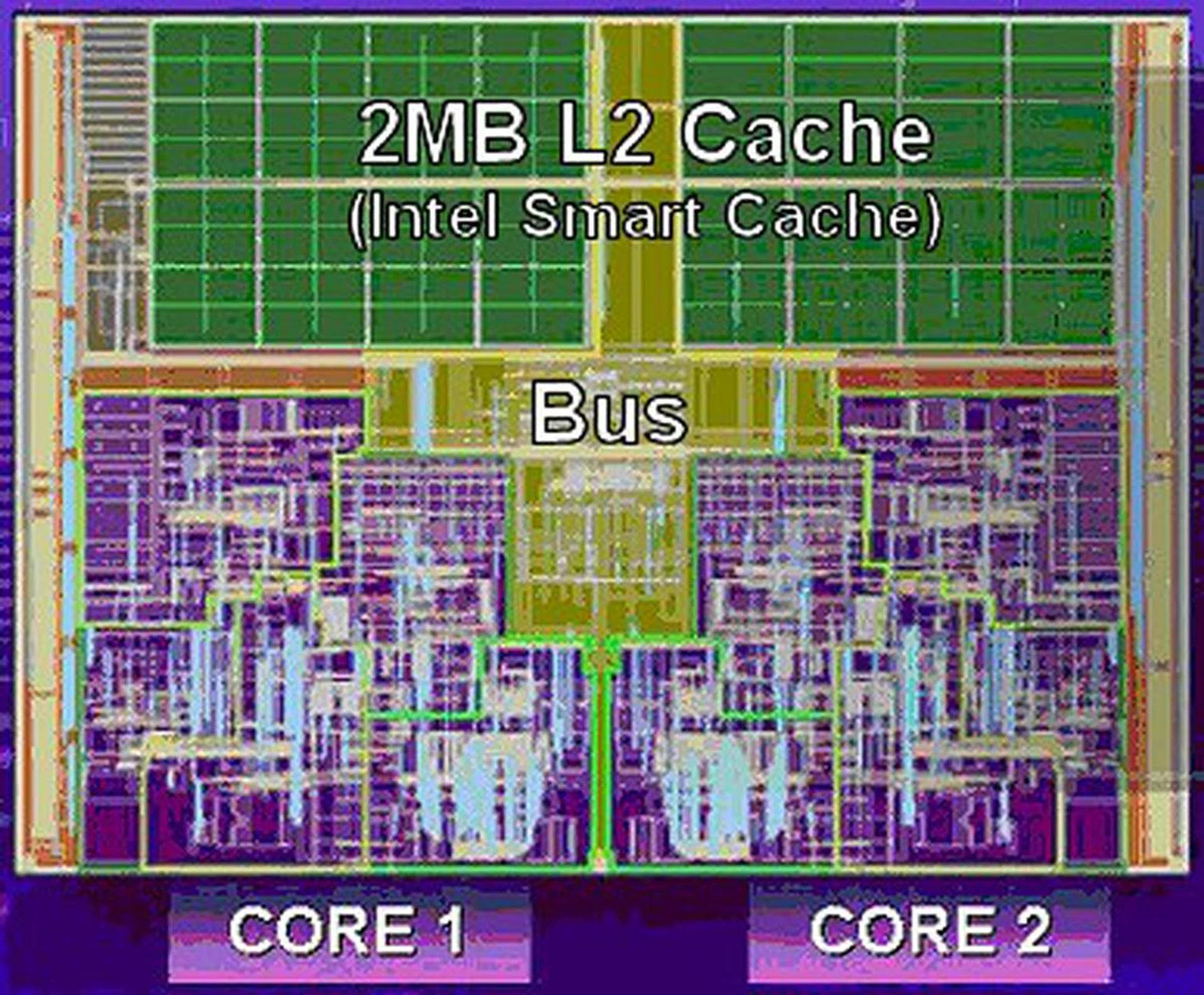
Having two cores means twice the fun, and Intel's Napa was just oozing with fun.
- With the launch of the latest Centrino platform, it was a no brainer to guess that one of the first notebooks that we would review would be a Napa based notebook so it was with great ado that the first to make its way to our labs was the NEC Versa S5200 which checked in at 1.9kg. Besides being stylish and good looking, the Versa S5200 was also good with multi-tasking, something the newer Centrino platform excelled at thanks to the dual cores of the newer processors. While far from perfect due to a lack of essentials like an ExpressCard slot or an integrated memory card reader, the Versa S5200 was still a decent deal with a slightly hefty US$2100 price tag.
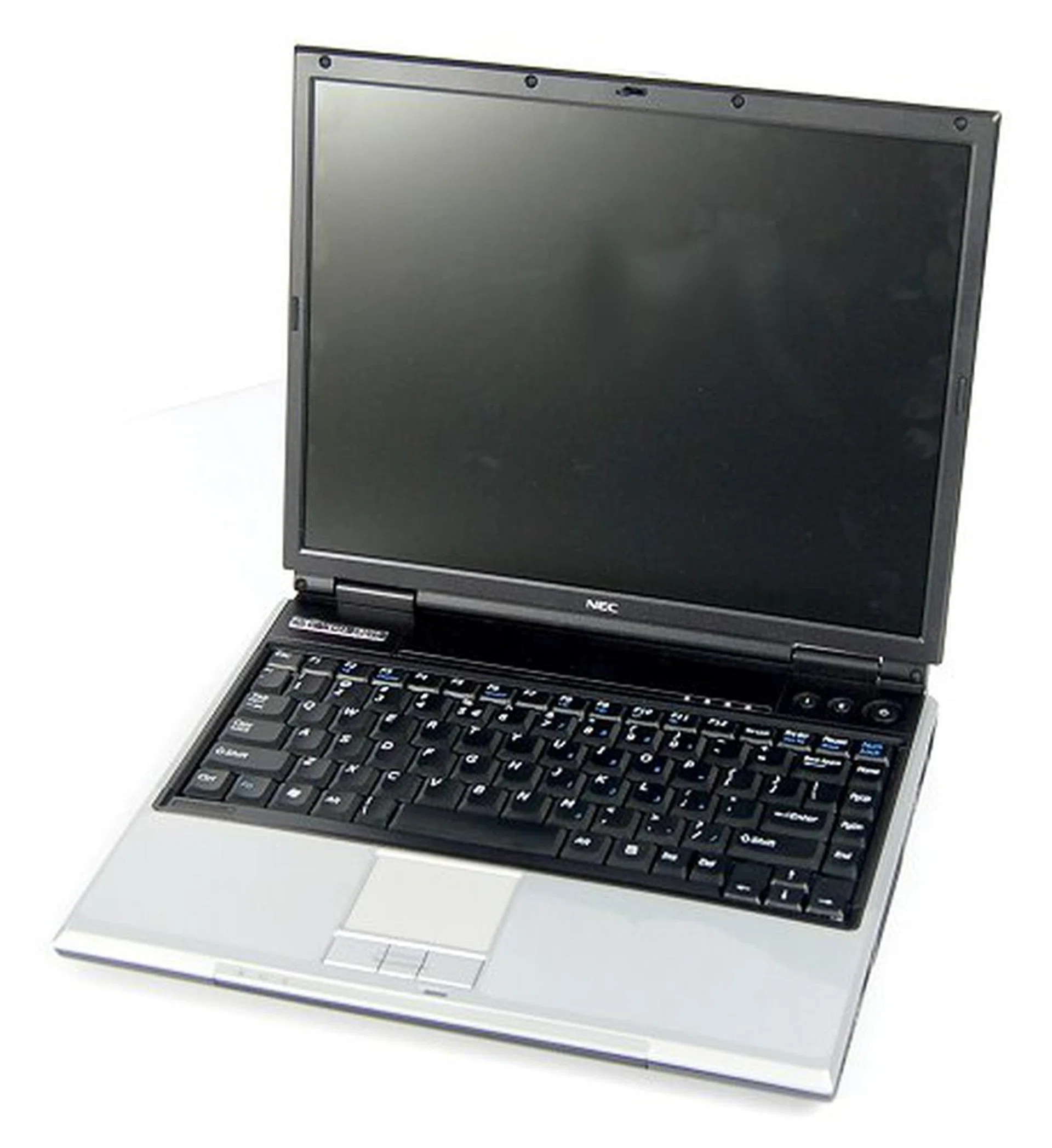
While NEC's Versa S5200 was far from perfect, it really did show off the capabilities of the Napa platform.
- While it may have looked like 2006 was a pretty quiet year for notebook reviews, it wasn't actually the case as some of our notebook reviews had moved over to our First Looks section to get our views out faster and quicker for our readers. To do this however, we fine-tuned our benchmarking process to only cover what mattered most and our write-up was more concise and focused on the consumer centric aspects of the notebook. One of the notebooks that we reviewed under this format was the Toshiba Portege M500, which was favorably received by us. As 2006 moved along, more notebooks continued to be covered under First Looks, while a select few more notable ones received the full review treatment.
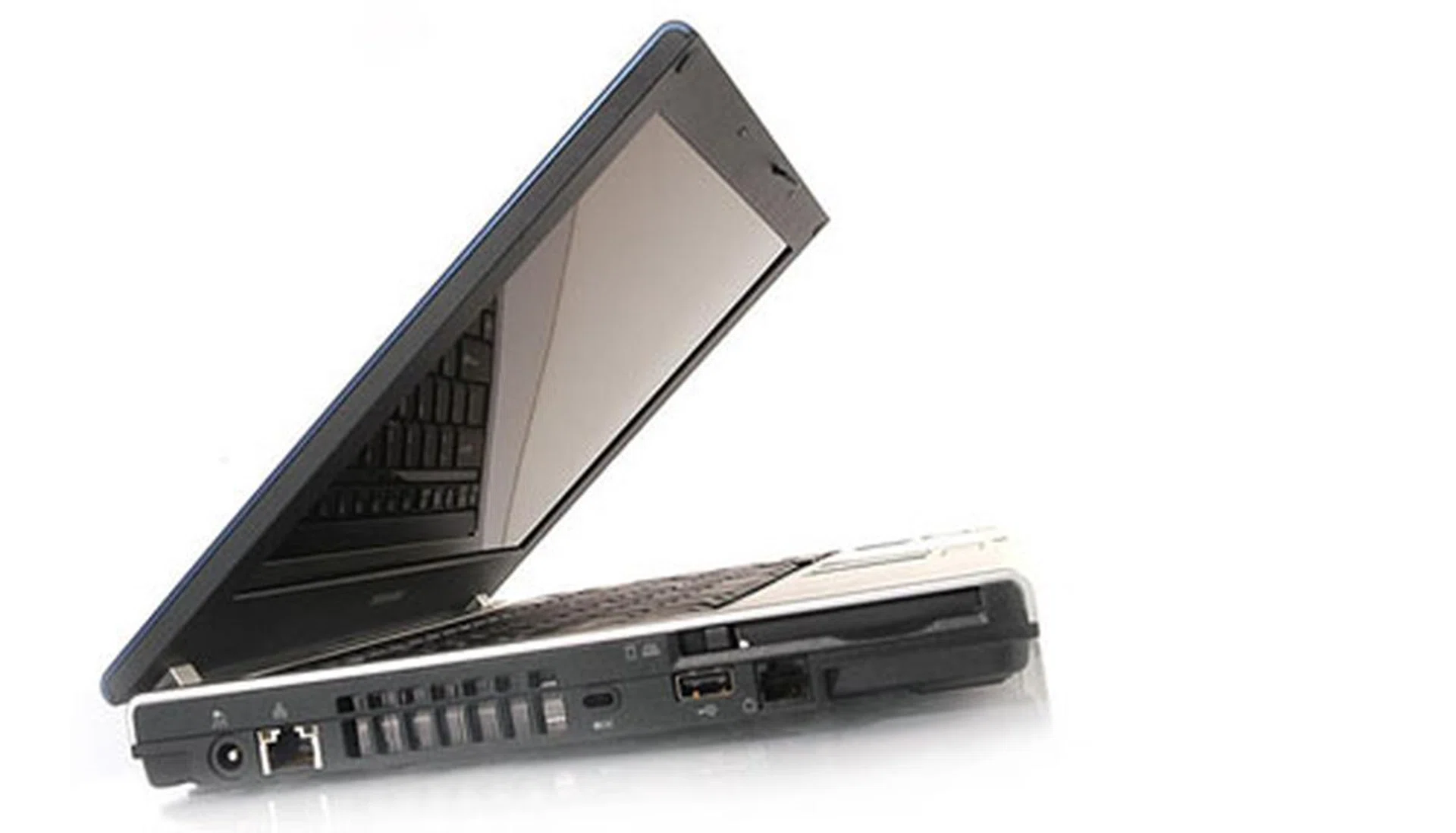
Toshiba's Portege M500 Notebook as reviewed in our First Looks section.
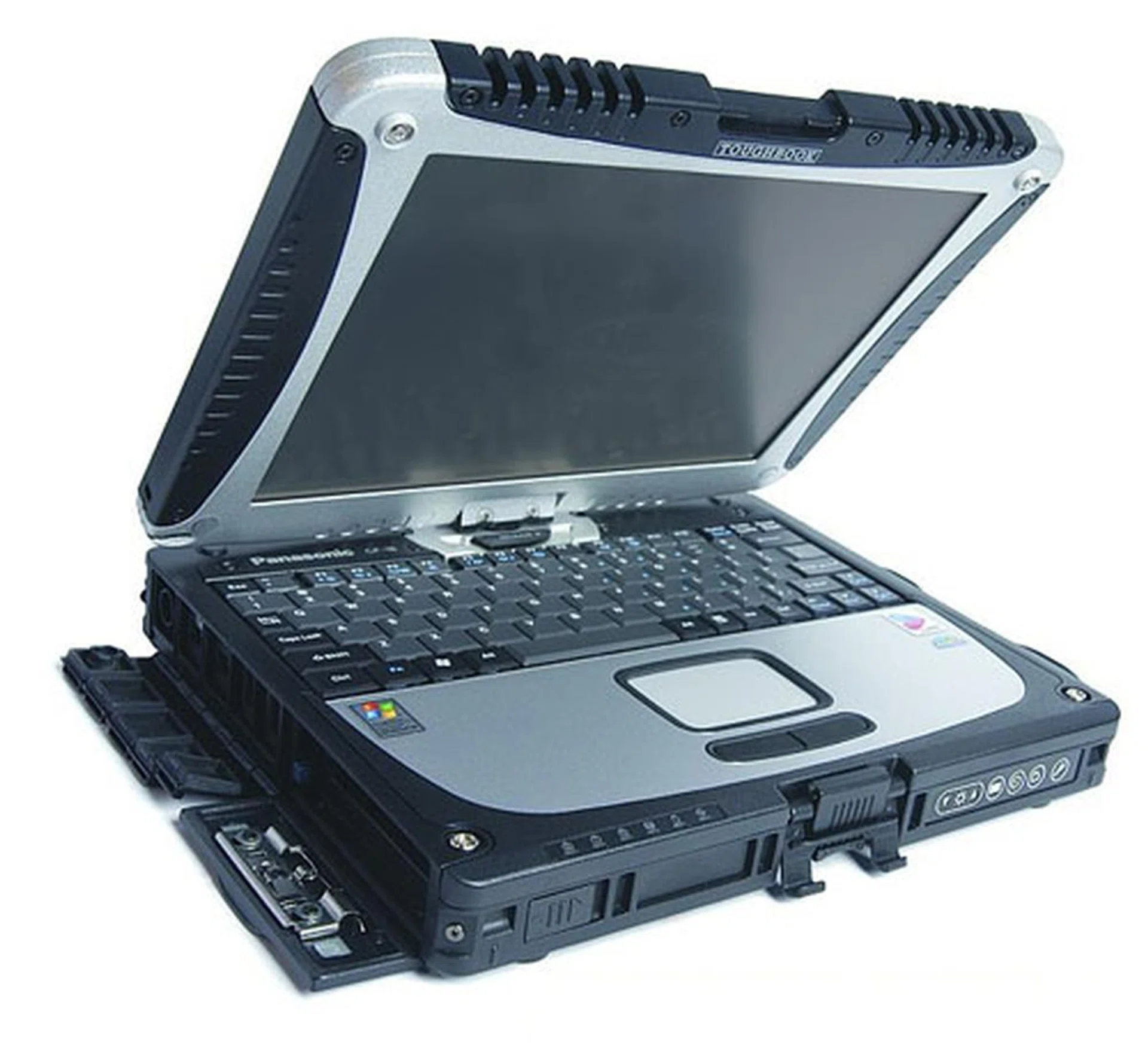
Nothing gets tougher than Panasonic's Toughbook CF-18 as reviewed in our First Looks section.
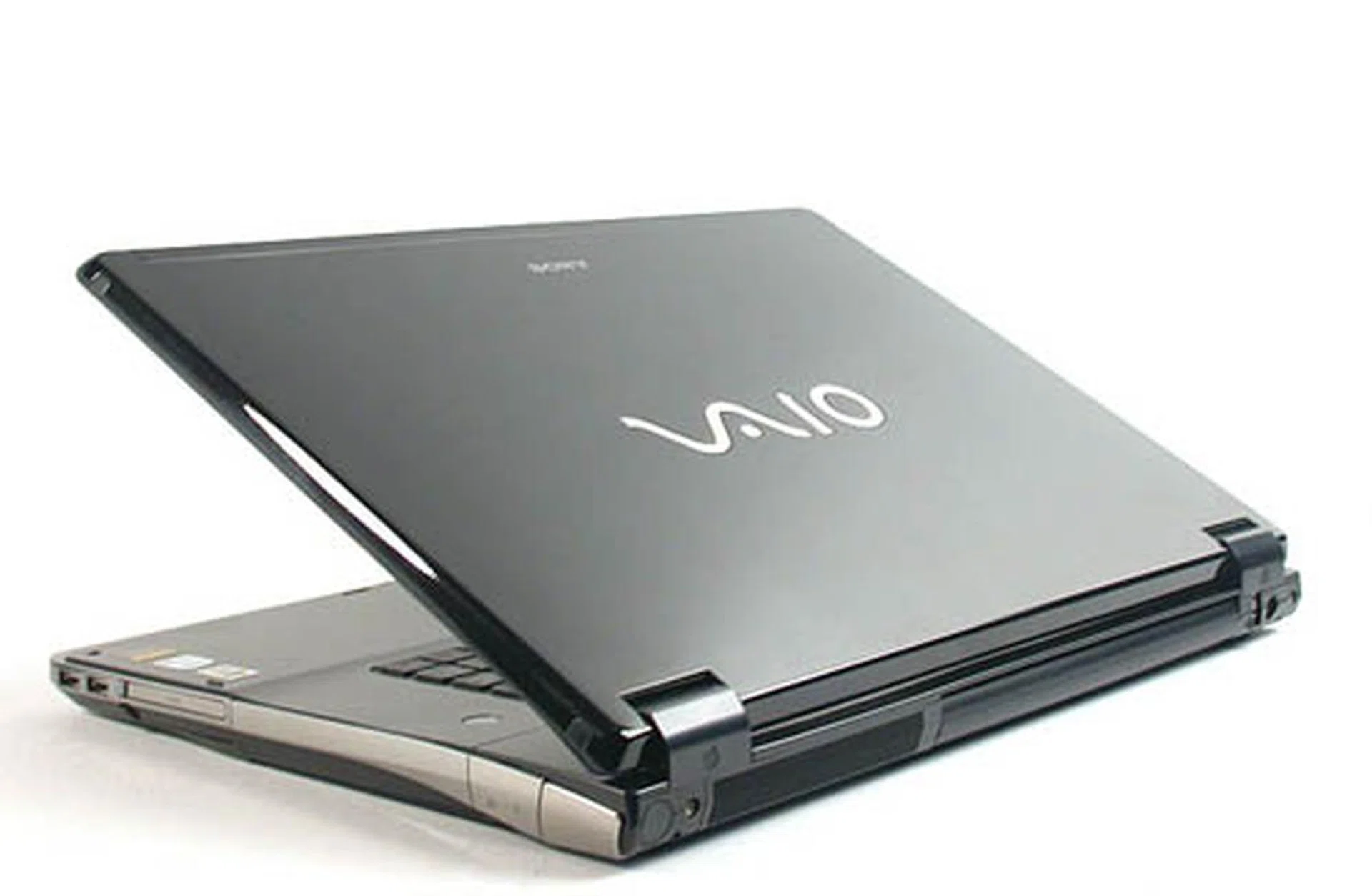
The Sony VAIO VGN-AR18GP, the world's first notebook with a Blu-ray drive.
2006 was also a good year for Apple fans, as older iBook owners would start lusting over the new MacBook series which had a whole slew of new and improved features like the MagSafe Power Adapter and the Sudden Motion Sensor that guarded against sudden HDD movement (and drops). It was also the first of the new range of Apple notebooks to use Intel processors and platforms, departing significantly from the older PowerPC based iBooks. Its sleek white looks had definite appeal to even hardcore Windows users, and with a suite of bundled multimedia applications, the MacBook was a designer's dream come true.
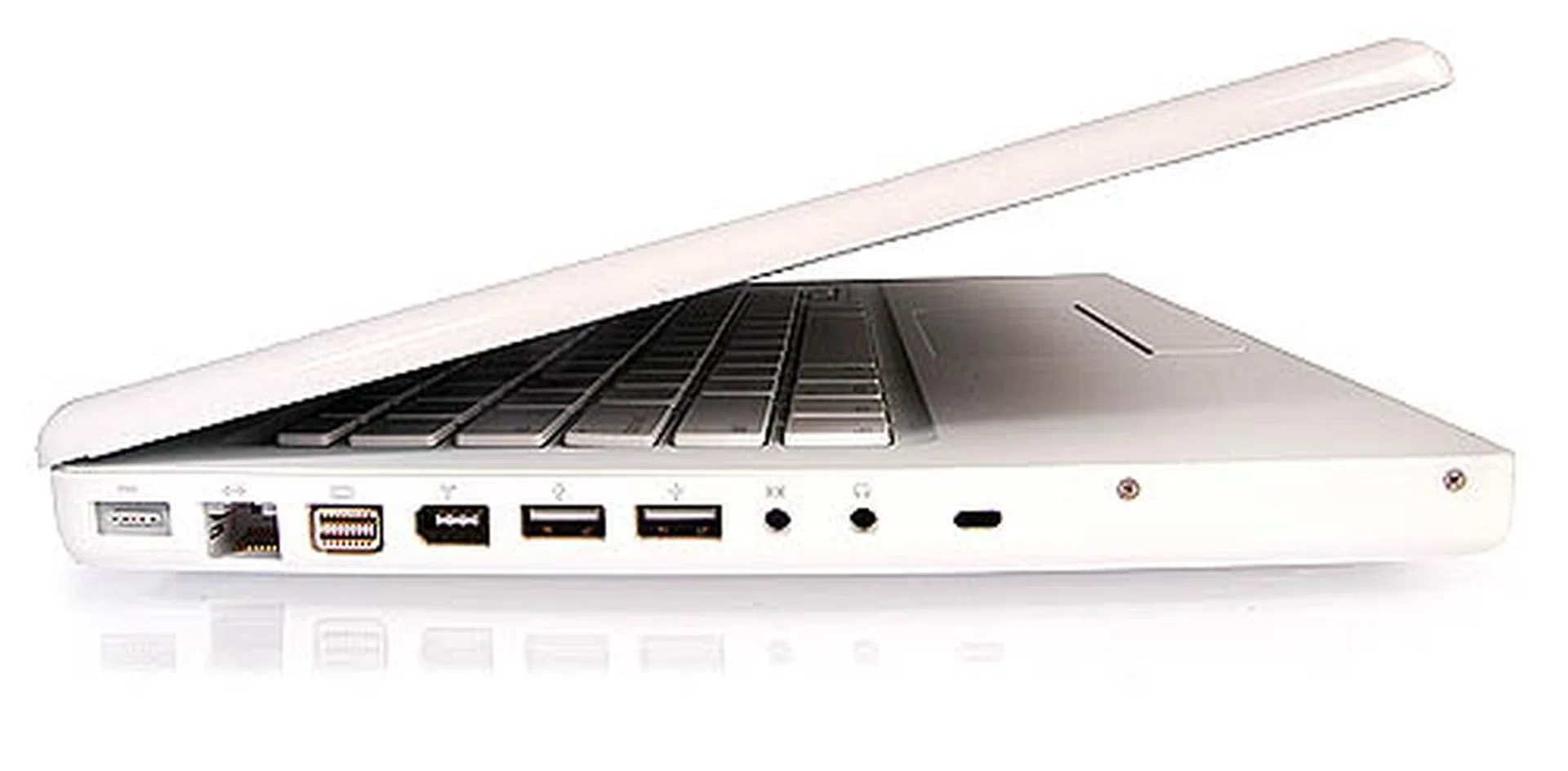
The first Intel-based MacBook from Apple.
2007
- 2007 was an exciting year for notebooks with new technologies and operating systems to steal the cash from your wallets. Vista started making a much more frequent appearance on notebooks, and it was with great excitement that we previewed the ASUS W5Fe, an ultraportable that was the first to feature Vista's SideShow, which was basically "an extra display panel feature for users to access media files, check their e-mails and other information bits, all without completely powering on their notebooks or desktops".
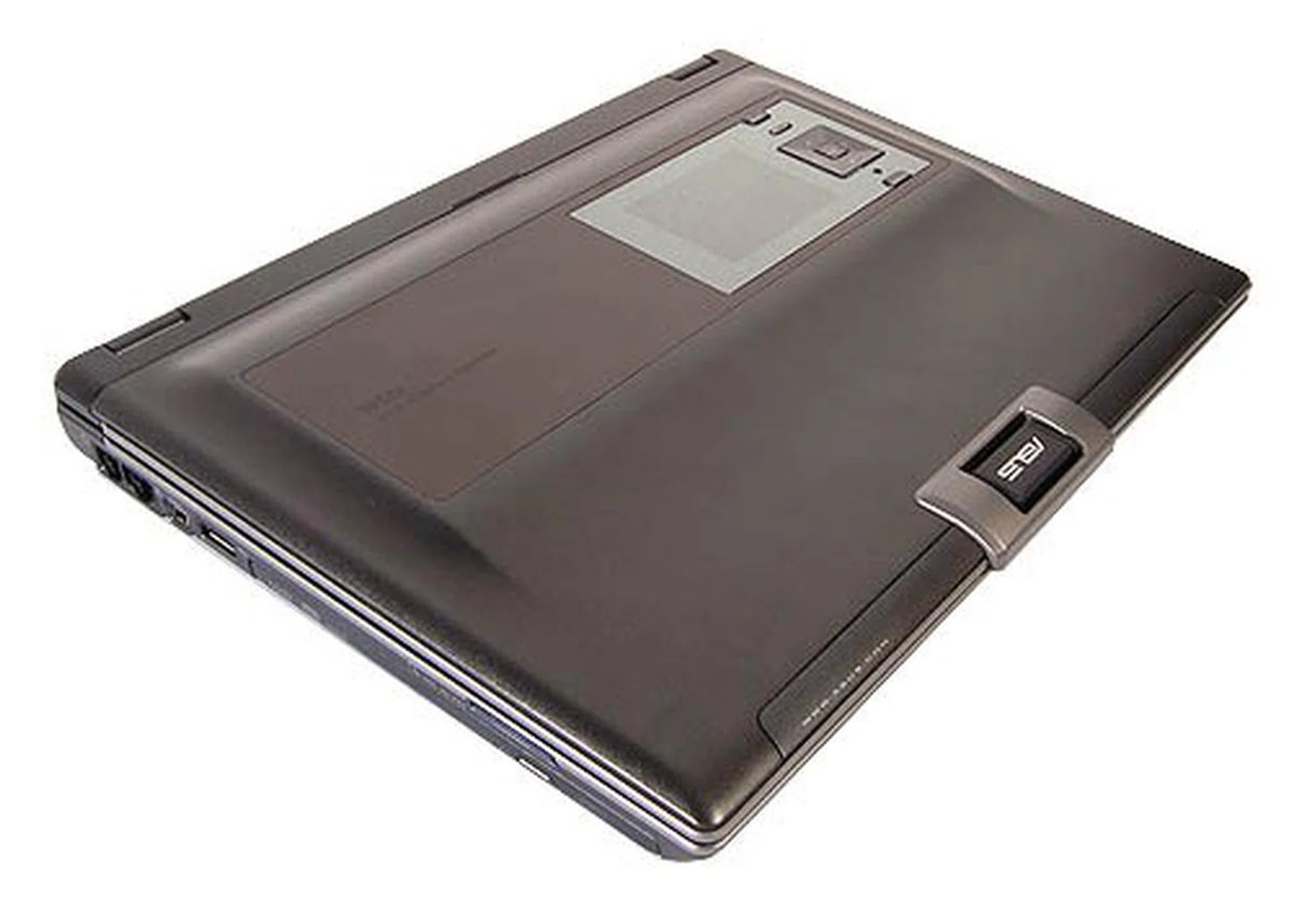
The ASUS W5Fe uses Vista's SideShow technology to give you your emails and play your media files without booting up. Yay!
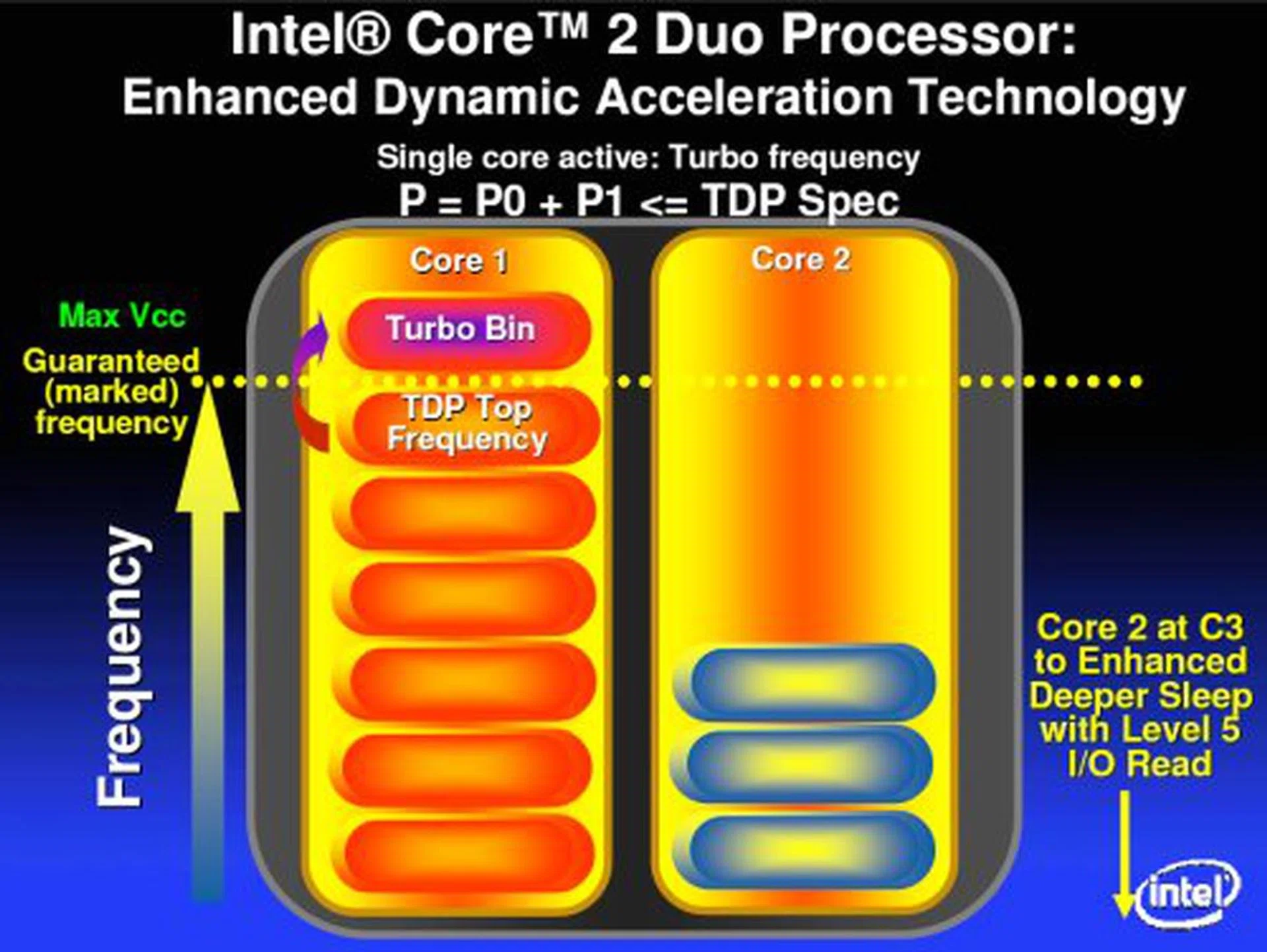
- This was also another Intel year, especially with yet another new Centrino platform, the . This time around, Intel added a whole slew of features such as HDMI support, FSB support of up to 800MHz, draft-N wireless and most importantly, Dynamic Acceleration technology. Dynamic Acceleration technology allowed notebooks using Intel's Santa Rosa platform with multi-core processors to automatically detect when only a single core is being used, and then shut down the second core to save power while overclocking the first core.
- One of the better Santa Rosa notebooks that we encountered during the course of the year was the Dell XPS M1330 which was a . With its bright red color and gorgeous design, the M1330 was not only a looker, but it was also a capable performer, which given its XPS heritage, was of no surprise to those in the know. We liked the notebook so much that we gave it our Editor's Choice Award and a 4.5-star rating.
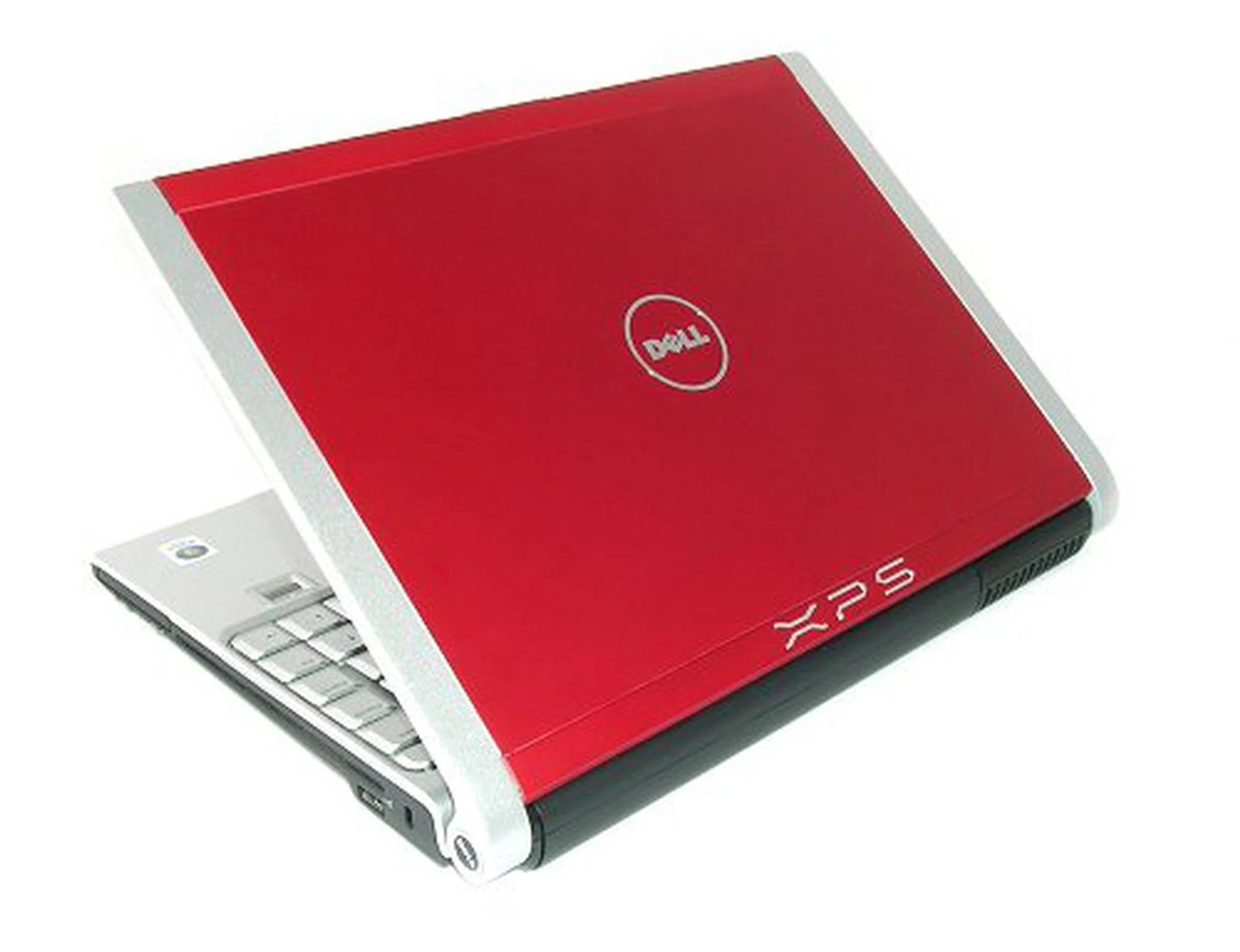
The Dell XPS M1330 still has the power to make us drool.
- Sony's slick and chic VAIO VGN TZ series too made its appearance in our labs and . This was due to the expensive Solid State Drive used on the TZ18GN model, which jacked up the price to $4499. While it had a great design aesthetically and a well engineered build, the performance and usage experience was not quite perfect, due to the amount of bloatware found on the laptop. The 1GB of RAM that the VAIO was equipped didn't help with coping with the performance issues, so it was with a heavy heart that we couldn't give this beautifully engineered machine a much better score than 4 stars.
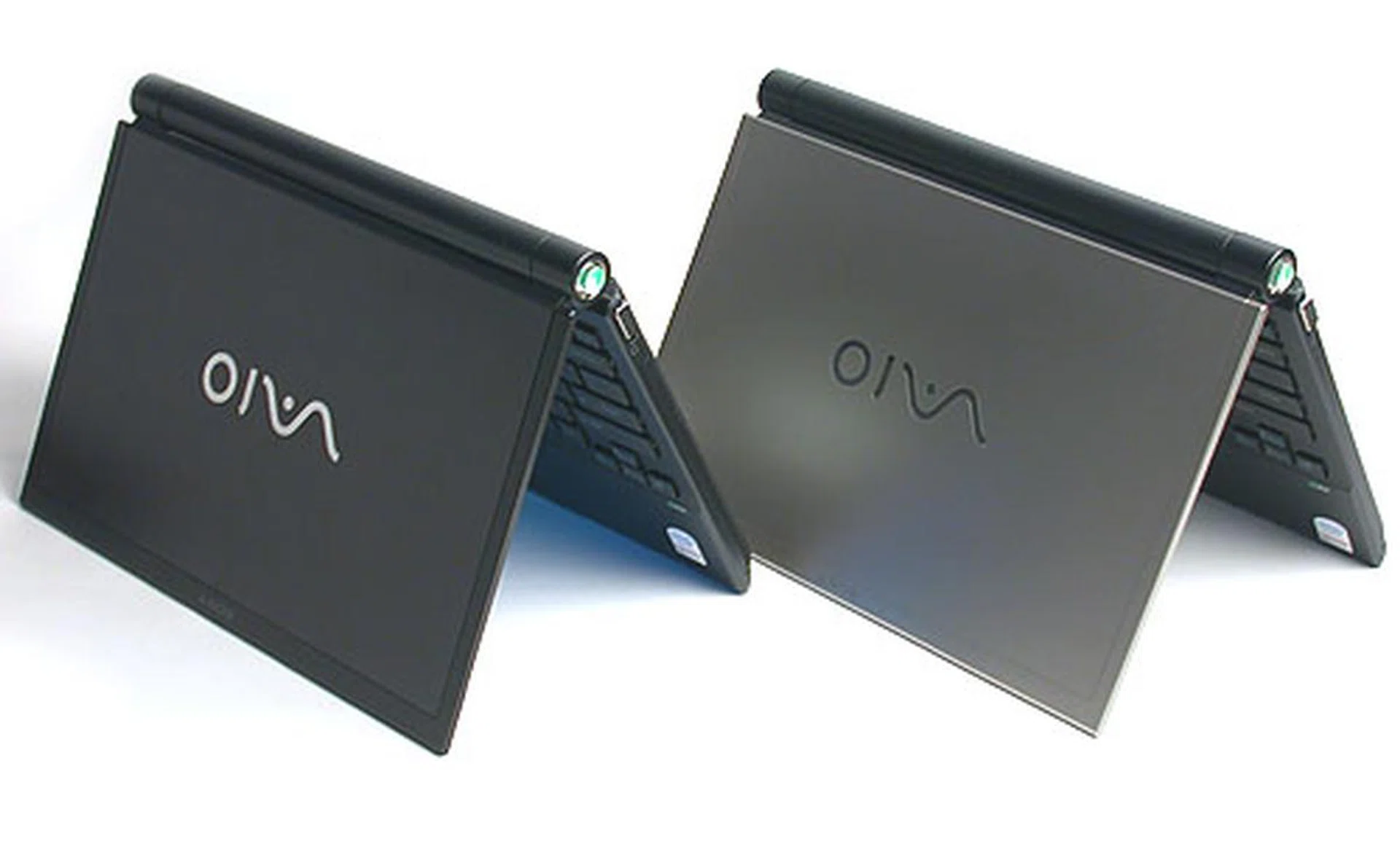
Awesome design and superb engineering made the Sony VAIO VGN-TZ18GN a drool worthy machine. It was however let down by bloatware and the exorbitant cost.
- 2007 was also the beginning of the mini-notebook phenomenon with the introduction of the ASUS Eee PC. It was so popular that it ended up being sold out everywhere, thanks to its extremely cheap price of S$598 and miniature form factor. The success of the ASUS Eee PC soon spawned clones attempting to cash in on its success, though it wasn't until 2008 and the introduction of the Intel Atom processor did ASUS started facing serious competition.
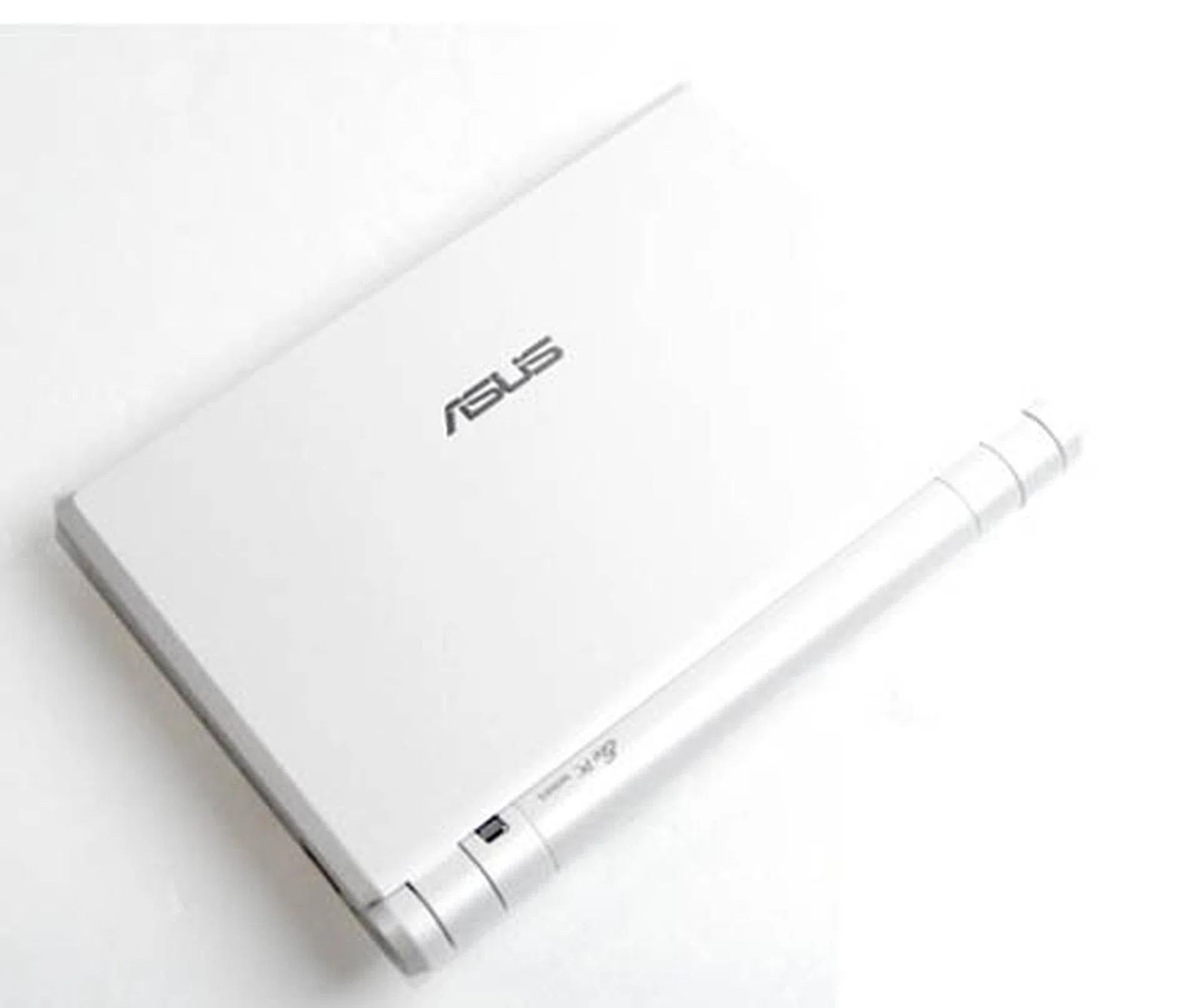
Dont' cha wish your mini-notebook was hot like this?
2008
- If 2007 was an exciting year for notebooks, then 2008 would seem like the mother of all parties (though we can't be sure yet if 2009 is going to top that). On one side you have Intel , which is actually their fifth generation Centrino platform, Montevina. And on the other hand, you have AMD launching their Puma platform. The mini-notebook market too looks to be heating up with almost everyone releasing their latest and shiniest mini-notebooks based on Intel's Atom processors.
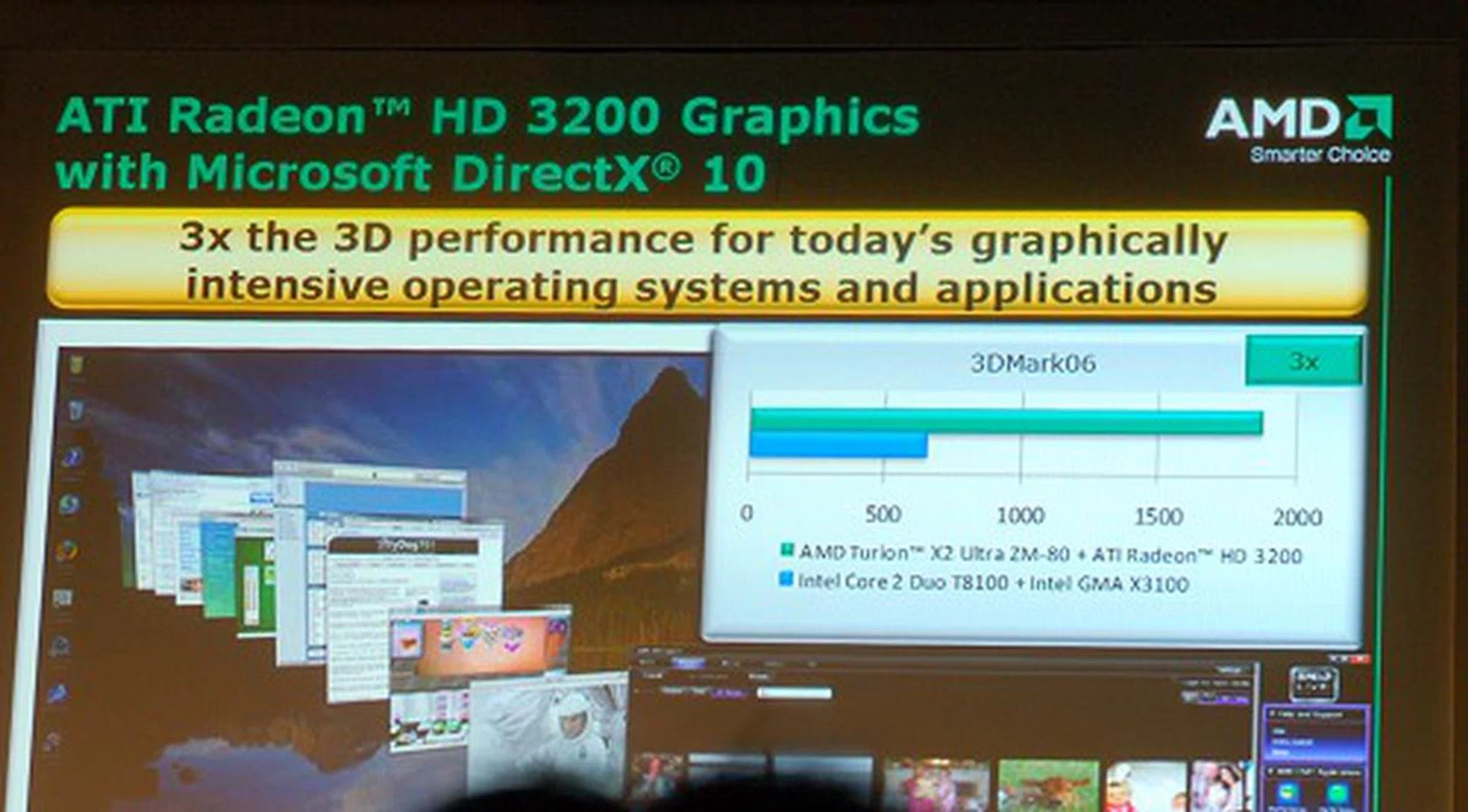
which featured the new AMD M780G chipset and uses the Radeon HD 3200 graphics engine for its integrated graphics which allows for high definition playback and rather decent 3DMark06 results (which equates to good gaming). The Puma notebooks will run on the new Turion X2 Ultra (Griffen) mobile processor which is based off the Phenom processor microarchitecture (but in a dual-core format). The Puma platform looks to be a strong contender against Intel's Centrino 2 platform.
- While WiMax was supposed to have been in the older Santa Rosa platform, it finally made its way to Montevina. Improvements wise, Montevina seems like a gradual improvement to the Centrino platform, but HD encoding/decoding has been given a boost with the new Mobile Intel G45 Express Chipset and the integrated Intel GMA 4500MHD graphics engine now features DirectX 10 capabilities.
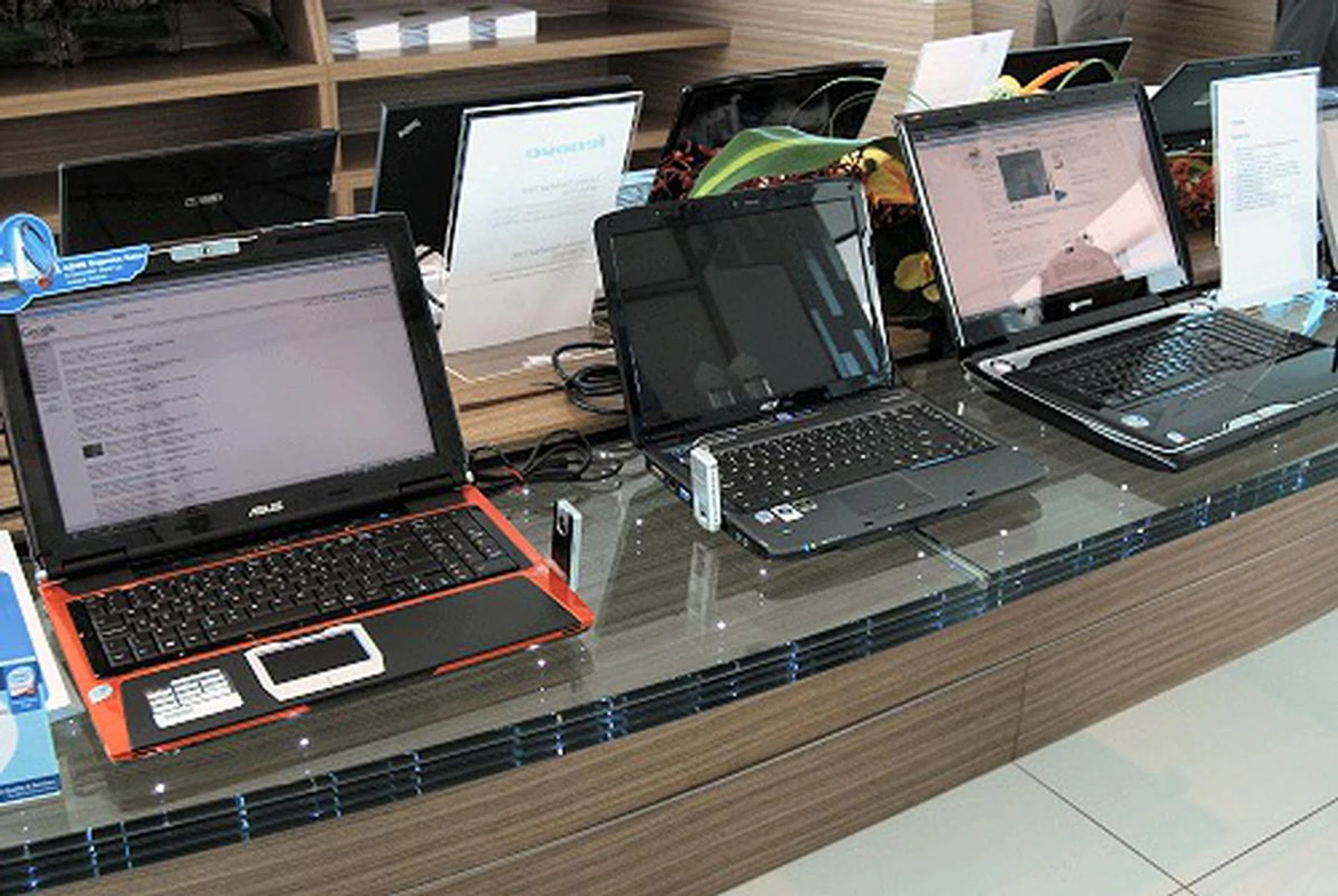
Montevina laptops on display with attached WiMax dongles.
- Apple's MacBook Air didn't quite steal the thunder despite its flashy manila envelope unveiling and . While the Air was a definite work of art, it was let down by its lack of functionality as it had no optical drive and just a minimal of two USB ports which most normal users would have found it inadequate. But if you were to ignore the price and lack of functionality and just focus on it's appeal as an ultra light and ultra thin notebook, then you would have a winner on your hands.
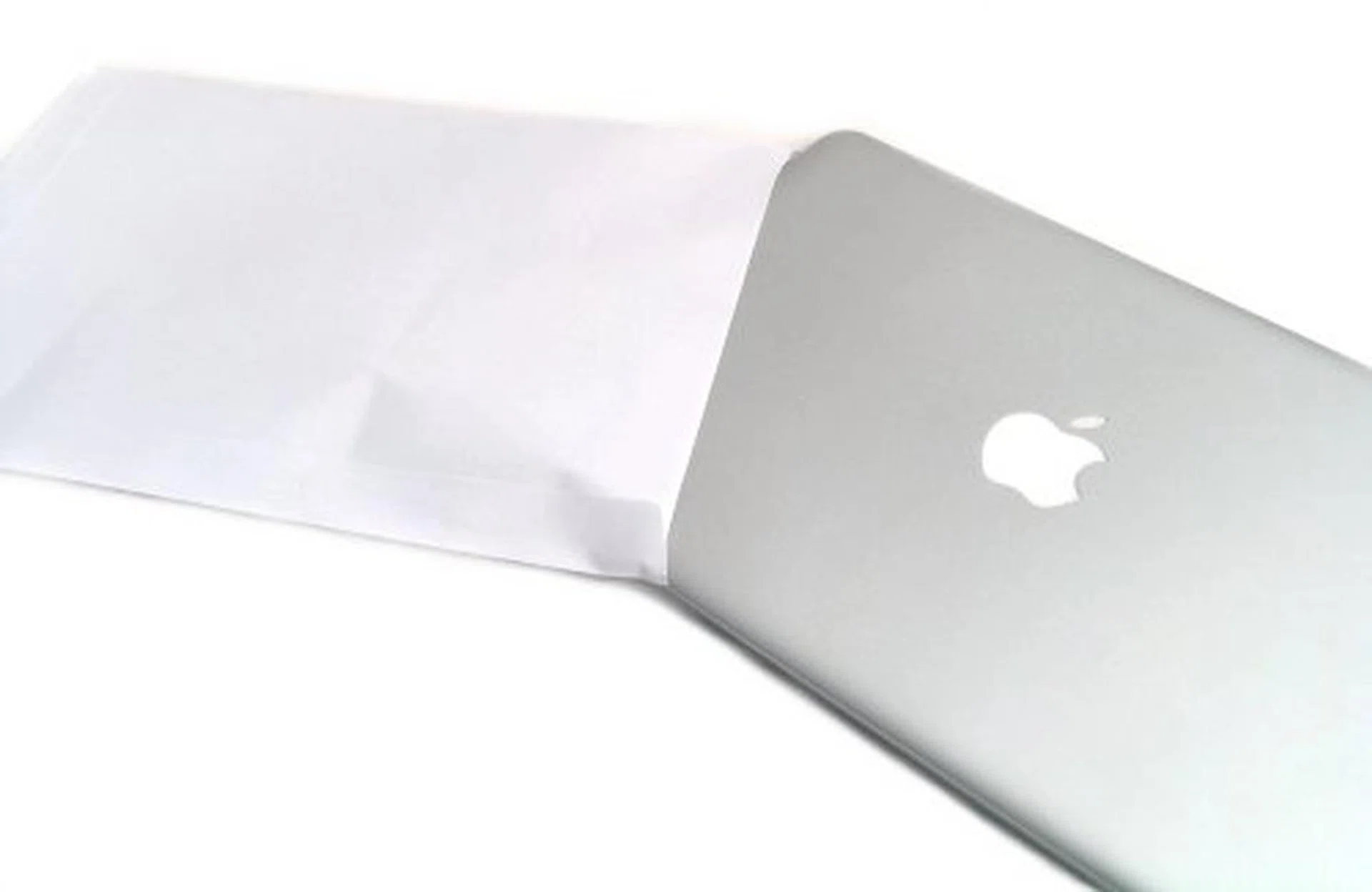
We aren't great magicians like His Jobness, so our envelope trick failed to work.
- , then Lenovo's ThinkPad X300 was probably the other ultra portable solution available. It had the hallmarks of a classic ThinkPad design and a smart sexy thin appeal for business users. While CPU performance was none too fantastic and battery life was average on all counts, the X300 had more connectivity options and offered an optical drive as compared to the MacBook Air. It wasn't the MacBook Air killer we expected, but it was more than a decent machine for road warriors, albeit an expensive one.
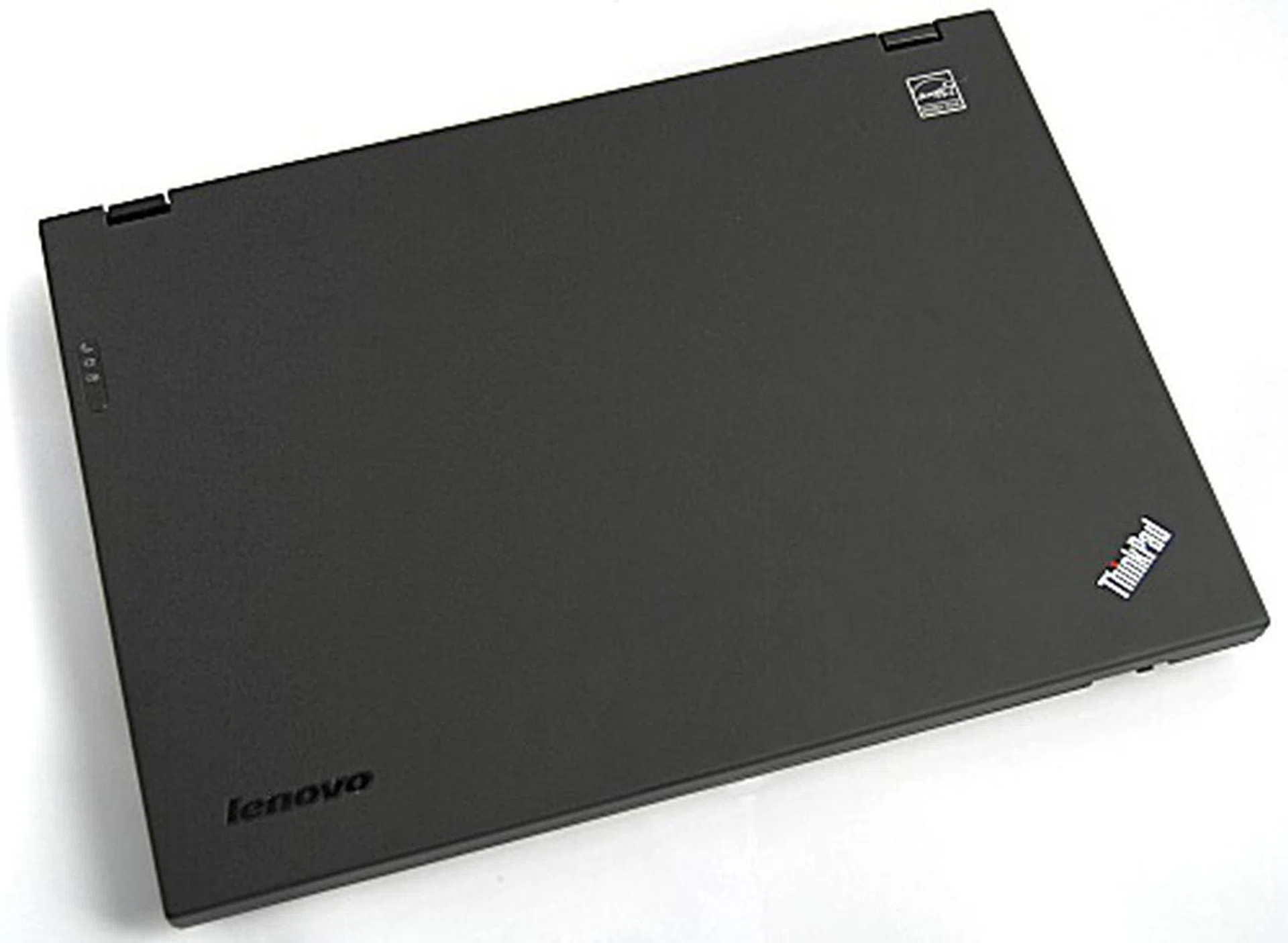
Didn't we just see a similar looking design somewhere before?
- Mini-notebooks have certainly stirred the pot this year with the introduction of various models to compete against ASUS' dominance in the market. HP's Mini Note 2133 This of course, was due to its reliance on the VIA C7-M processors which didn't really hold up very well in our benchmarks. Battery life too was pretty short compared to the Intel-based ASUS mini-notebooks, but despite its flaws, HP got every other aspect right, especially the keyboard, screen, speakers and most importantly the look and feel of the Mini Note. All they needed was a newer platform and HP would have a winner on their hands.
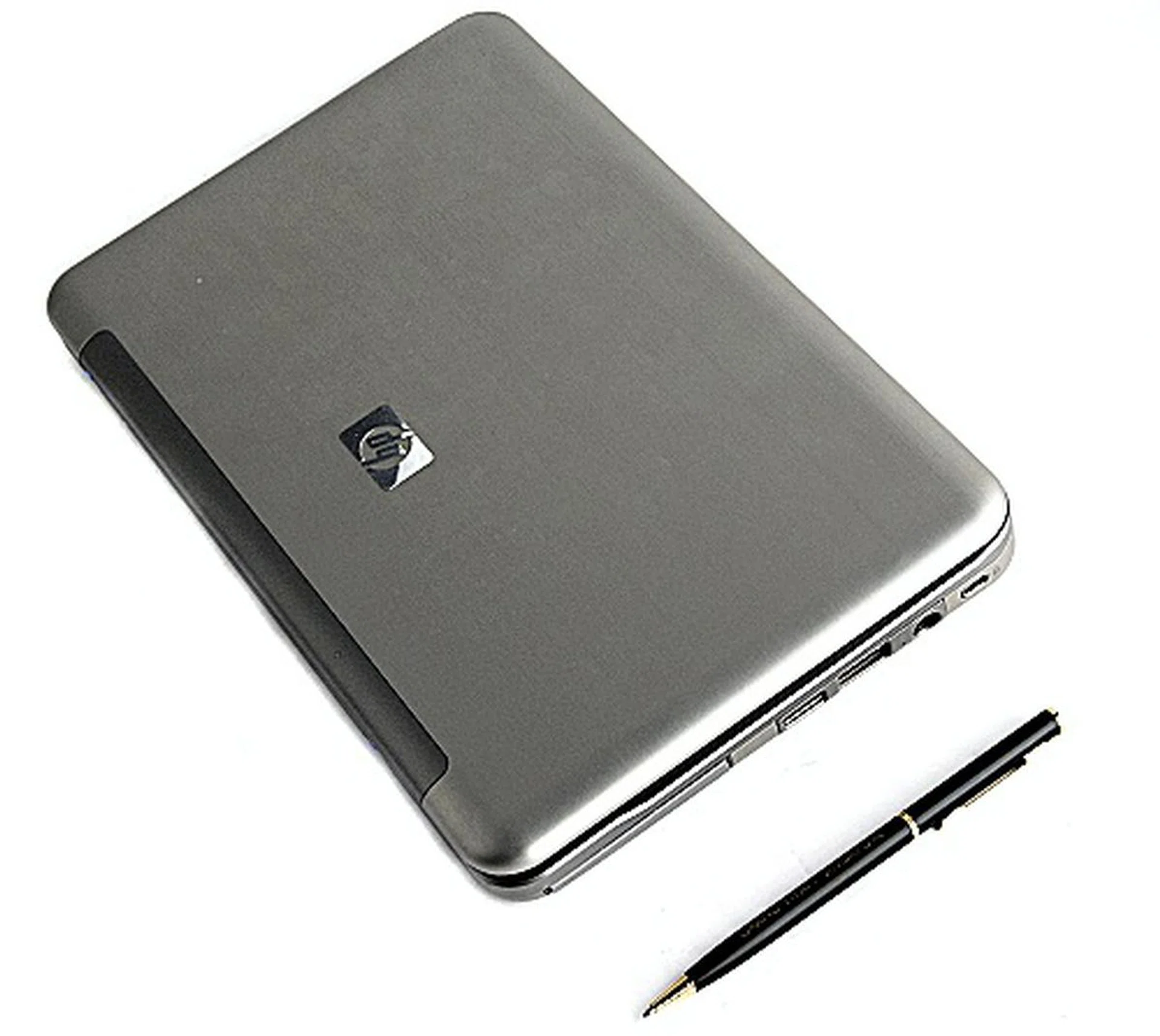
The HP 2133 Mini Note PC looks pretty and feels pretty. It's a shame about the slightly sluggish performance and short battery life though.
- On the subject of mini-notebooks, with the launch of the Intel Atom processor, the market was flooded with a variety of mini-notebooks and consumers now were spoilt for choice, though most of the hardware remained pretty similar when viewed through cynical eyes. Windows XP Home was now the default OS for most mini-notebooks to cater to their hardware capabilities. Prices started creeping up however as some newer models featured bigger hard disk drives and larger screens, making these mini-notebooks no longer the ultra cheap mobile computing solution that we used to know. Sure they were still relatively cheap, but they were soon reaching the price range of lower rung budget notebooks.
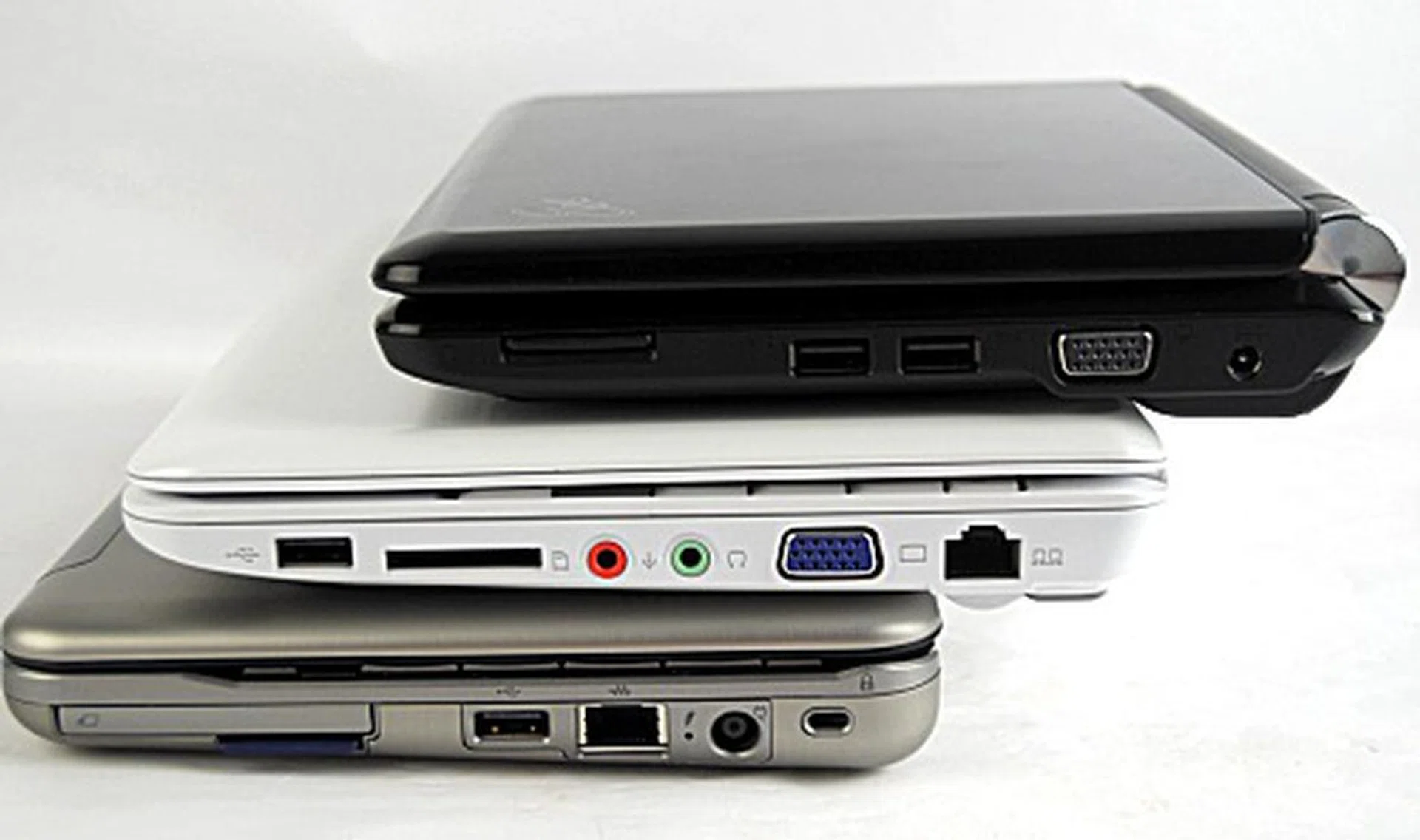
The netbooks just don't stop flowing!
Our articles may contain affiliate links. If you buy through these links, we may earn a small commission.