
NVIDIA GeForce RTX 3050 Review: An entry-level card that delivers DLSS to the masses
It's unlikely you'll be able to get one at the recommended retail price though.

Note: This review was first published on 26 January 2022.
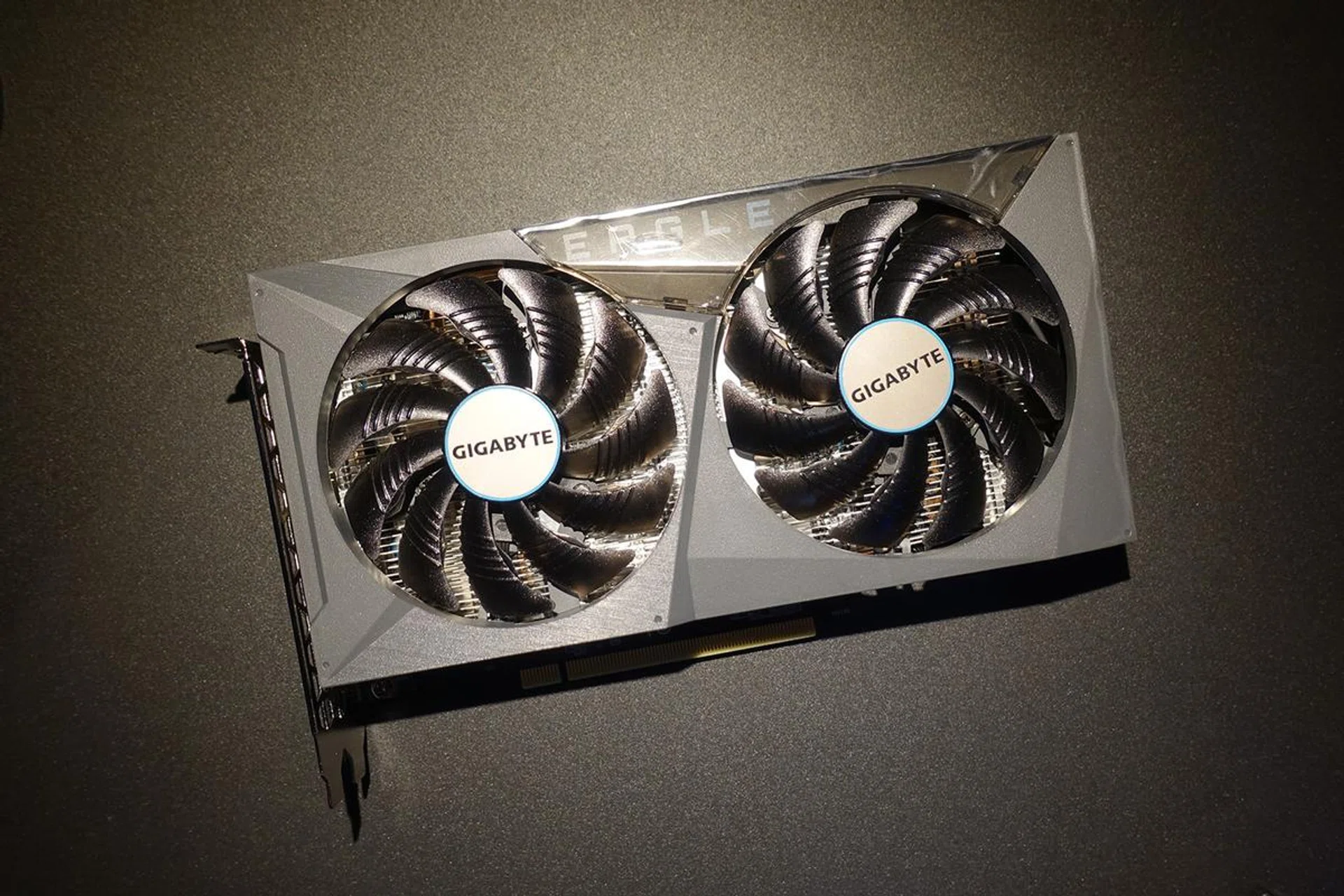
The most affordable RTX 3000-series yet
The NVIDIA GeForce RTX 3050 is billed as the company’s most affordable entry-level GPU yet and is targeted at gamers still rocking the by-now ageing GTX 1650 or GTX 1650 Ti graphics cards. Like the GeForce RTX 3060 before it, there's no Founders Edition model and NVIDIA has launched the card with a slew of custom offerings right from the outset. With a starting price of US$249, the card sits below the RTX 3060 and aims to provide solid 1080p performance with the benefit of ray tracing as well as NVIDIA’s Deep Learning Super Sampling (or DLSS).
Here's an overview of its specifications and how it compares to the GeForce RTX 3060:
NVIDA GeForce RTX 3050 | NVIDA GeForce RTX 3060 | |
GPU | GA106 | GA106 |
Streaming Multiprocessors | 20 | 28 |
CUDA cores | 2,450 | 3,584 |
Tensor cores | 80 | 112 |
RT cores | 20 | 28 |
Texture units | 72 | 112 |
ROPs | 40 | 48 |
Base/ Boost clock | 1,552MHz/1,777MHz | 1,320MHz/1,777MHz |
Video memory | 8GB GDDR6 | 12GB GDDR6 |
Memory bus width | 128-bit | 192-bit |
Memory bandwidth | 224GB/s | 360GB/s |
TDP | 130W | 170W |
Price | US$249 | US$329 |
First looks
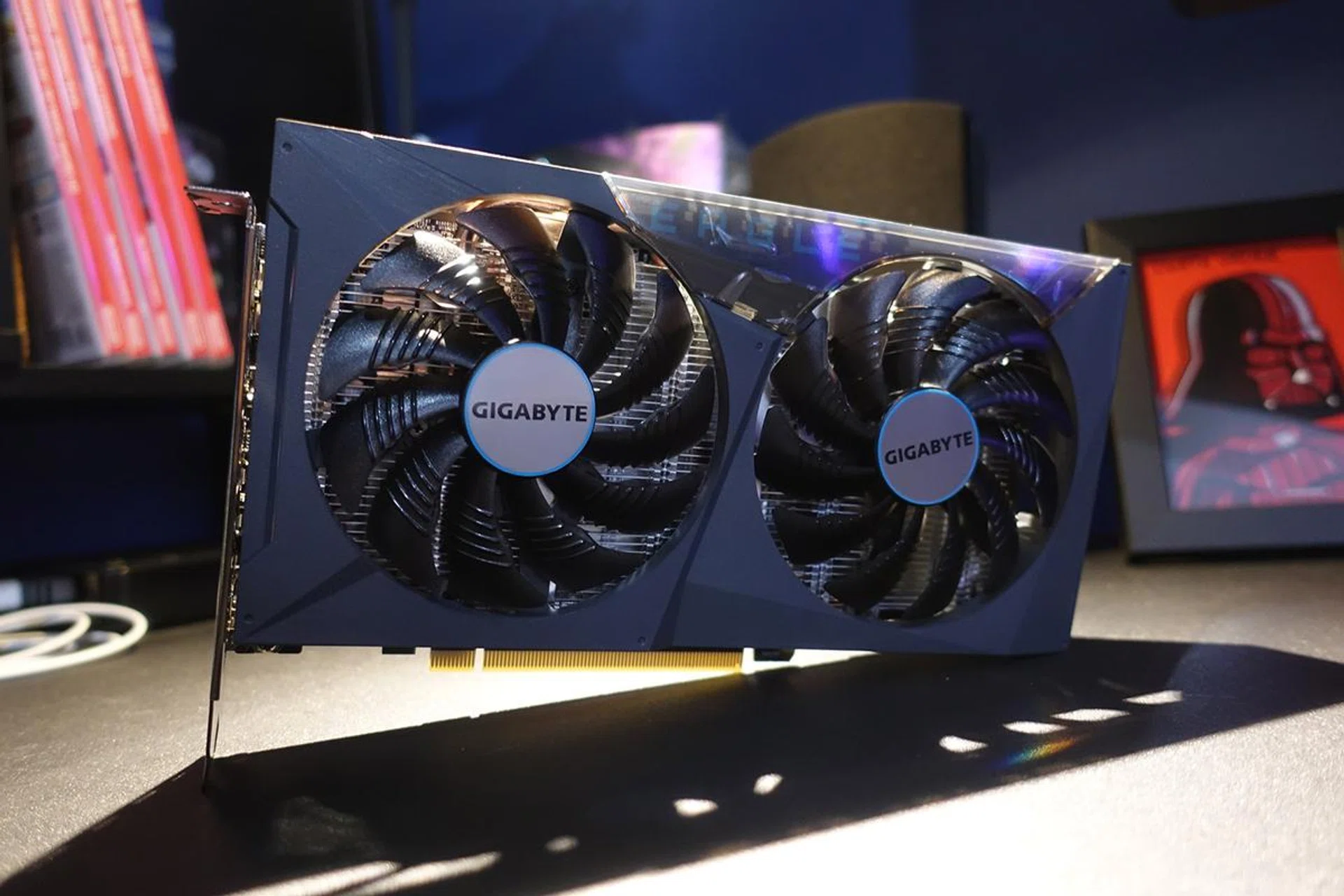
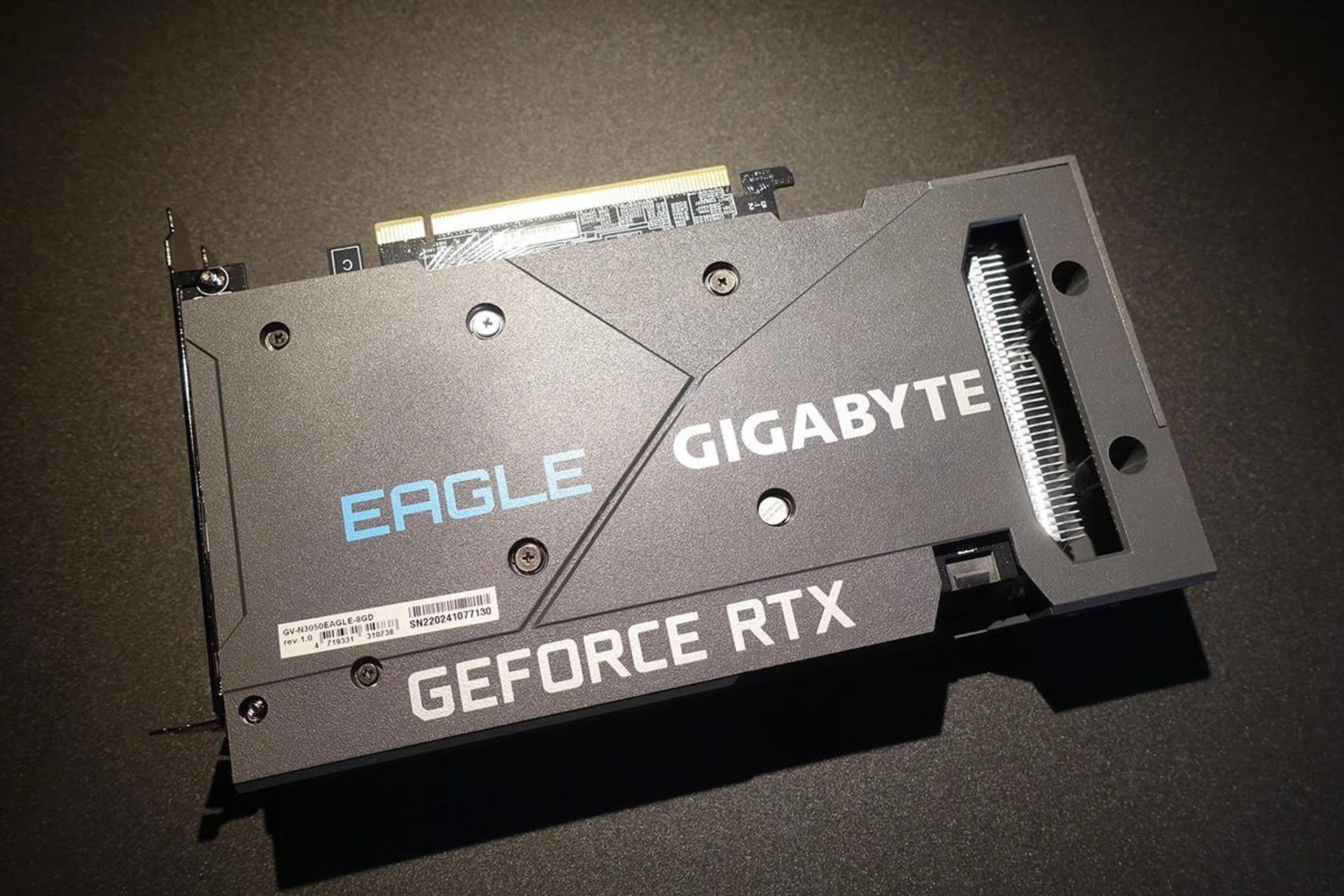
As no Founders Edition card is available, NVIDIA has sent us an entry-level, Gigabyte GeForce RTX 3050 Eagle 8GB card, for review. Unlike its more expensive Aorus siblings, this Gigabyte Eagle is a no-frills card that does not even come with its own RGB lighting so as to keep costs as close to NVIDIA’s recommended retail pricing. It really does not pretend to be anything else more than a functional graphics card – it’s not even factory overclocked – and that’s actually a good thing for this review, as the card will give us a more accurate assessment of the RTX 3050’s base-level performance.
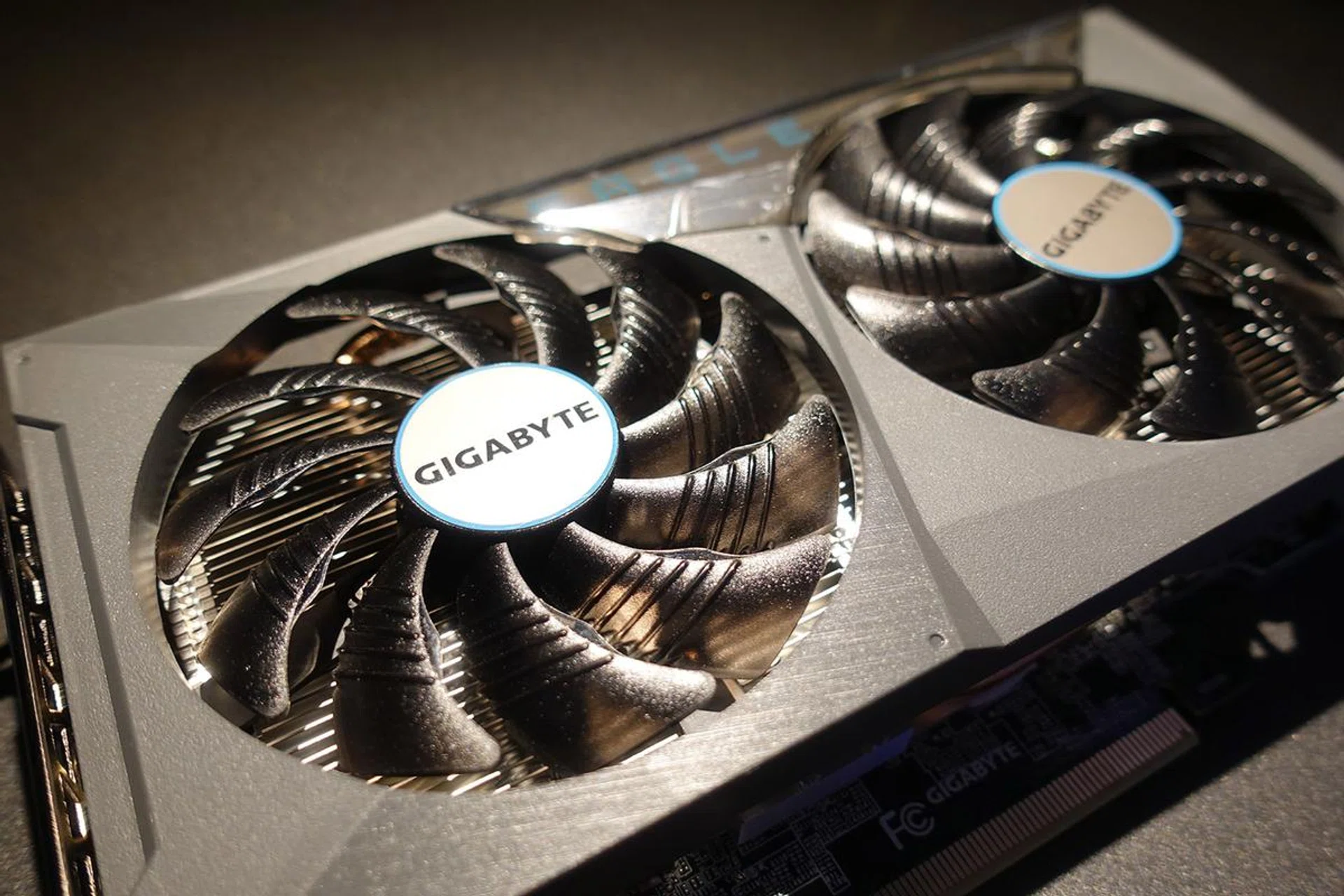
But that said, it does sports the same technologies featured in the other RTX 30-series GPUs such as RTX IO, and NVIDIA Reflex. We have covered these in separate articles previously, so I highly recommend that you read them to find out how games such as the recently released God of War for PC takes advantage of these features.
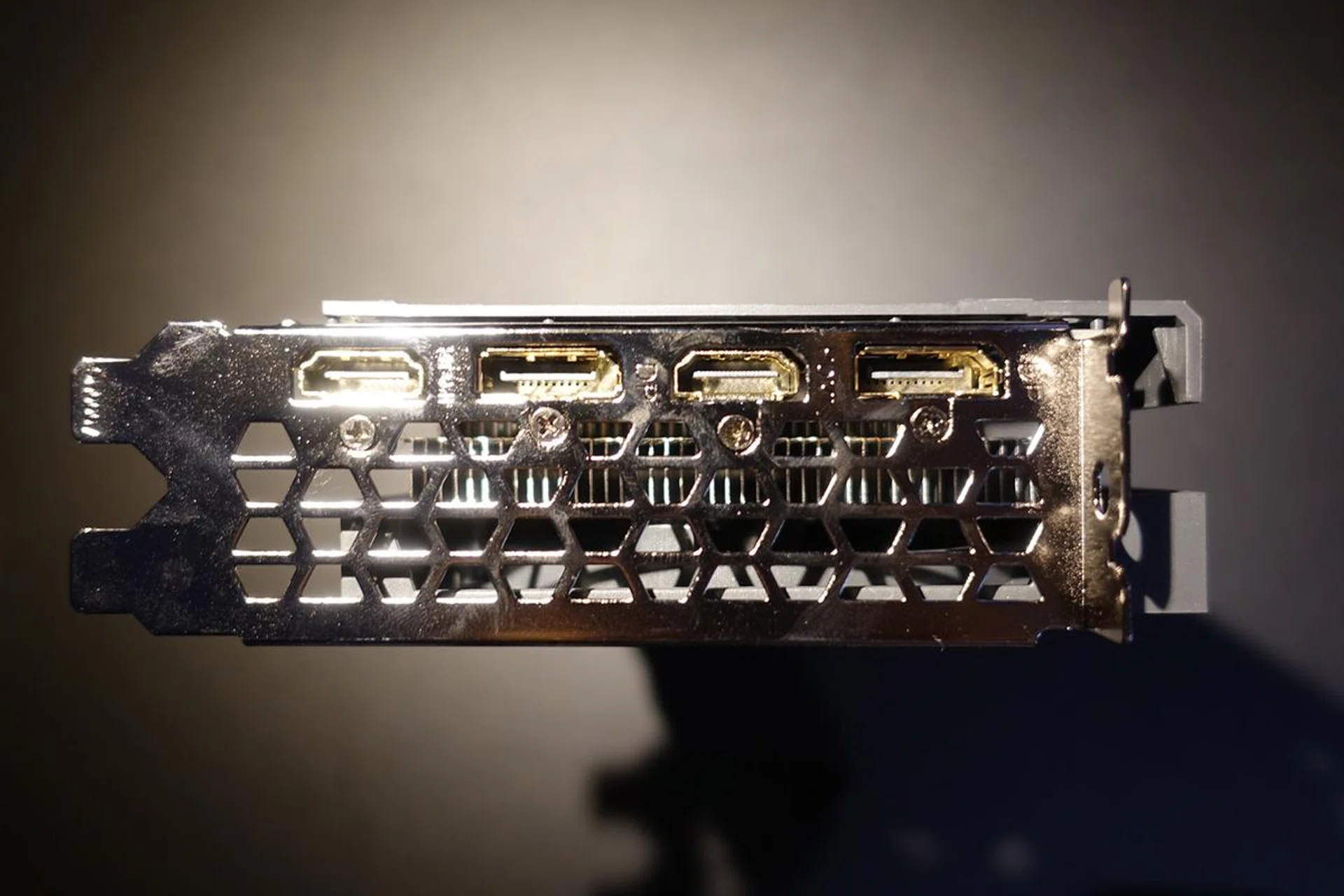
If you’re looking to build an entry-level gaming system with a mini-ITX casing in mind, the Gigabyte Eagle's diminutive size (213mm long) and low power draw (a 450W PSU is more than enough) makes it an appealing option – perhaps a little more so than the GeForce RTX 3060, which has a higher minimum power draw of 170W. For display outputs, the Gigabyte card sports two HDMI 2.1 and two DisplayPort 1.4a outputs. It is also cooled by Gigabyte’s Windforce technology, which encompasses anti-turbulence inclined fans, ultra-quiet PWM fan and pure copper heat pipe.
But how does it fare, especially in comparison to a GeForce RTX 3060? Let’s take a look.
Test setup
For 2022, we have updated our test rig with the following specifications:
- Intel 12th Gen Core i9 12900K CPU
- ROG Maximus Z690 Hero
- Samsung 980 Pro 1TB SSD
- Kingston Fury 32GB DDR5
- Windows 11 Home 64-bit
- ASUS ROG Swift PG43UQ 4K Gaming Monitor
As with all our graphics cards reviews, we put the cards through a series of both synthetic and real-world gaming benchmark tests designed to push the cards to their limit. Now, I mentioned earlier that the RTX 3050 is also targeted at gamers who are looking to upgrade their two-generations old GTX 1650 or 1650 Ti cards, but unfortunately, we do not have these cards from way back to give you an indication of the performance gains you’ll get from an RTX 3050 upgrade,
So I'll be comparing the RTX 3050 card against the ASUS ROG Strix GeForce RTX 3060 Gaming OC. It’s the only RTX 3060 we have for comparison and should give you an idea of how the card fits into NVIDIA's GeForce RTX 30-series lineup.
3Dmark benchmark
3DMark is a synthetic benchmark that tests graphics and computational performance at different resolutions, starting at 1080p and going all the way up to 4K. A series of two graphics tests, one physics test, and then a combined test stresses your hardware in turn to assess its performance.
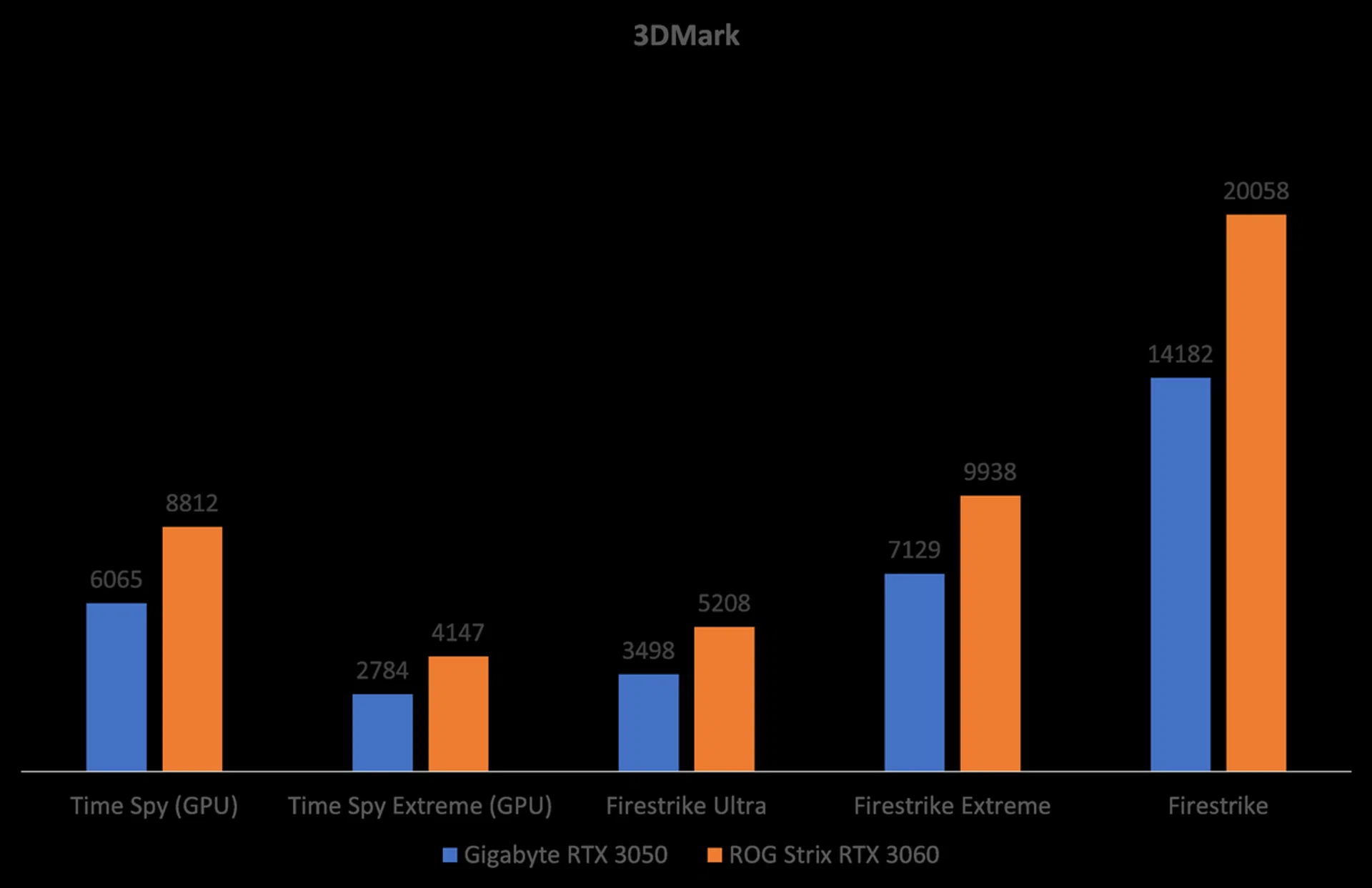
For the DirectX 11 Firestrike tests, the RTX 3050 expectedly falls well behind the RTX 3060. The same holds true in the DirectX 12 TimeSpy tests where it's up to 30% slower than then RTX 3060. But a synthetic benchmark like 3Dmark doesn’t always quite tell the whole story of a GPU. Especially when they are not of the same class, nor test the same way a real-world game is programmed. Let's look at some real-world numbers.
Gaming benchmarks
For my gaming tests, I ran a variety of games from shooters, real-time strategy, to open-world ones. The games’ list certainly is not exhaustive, but I believe the variety is broad enough to give us an indication of the card’s performance. And because the RTX 3050 is an entry-level card, it only makes sense to limit the tests to 1080p and 1440p resolutions to see how long the card’s performance runway is.
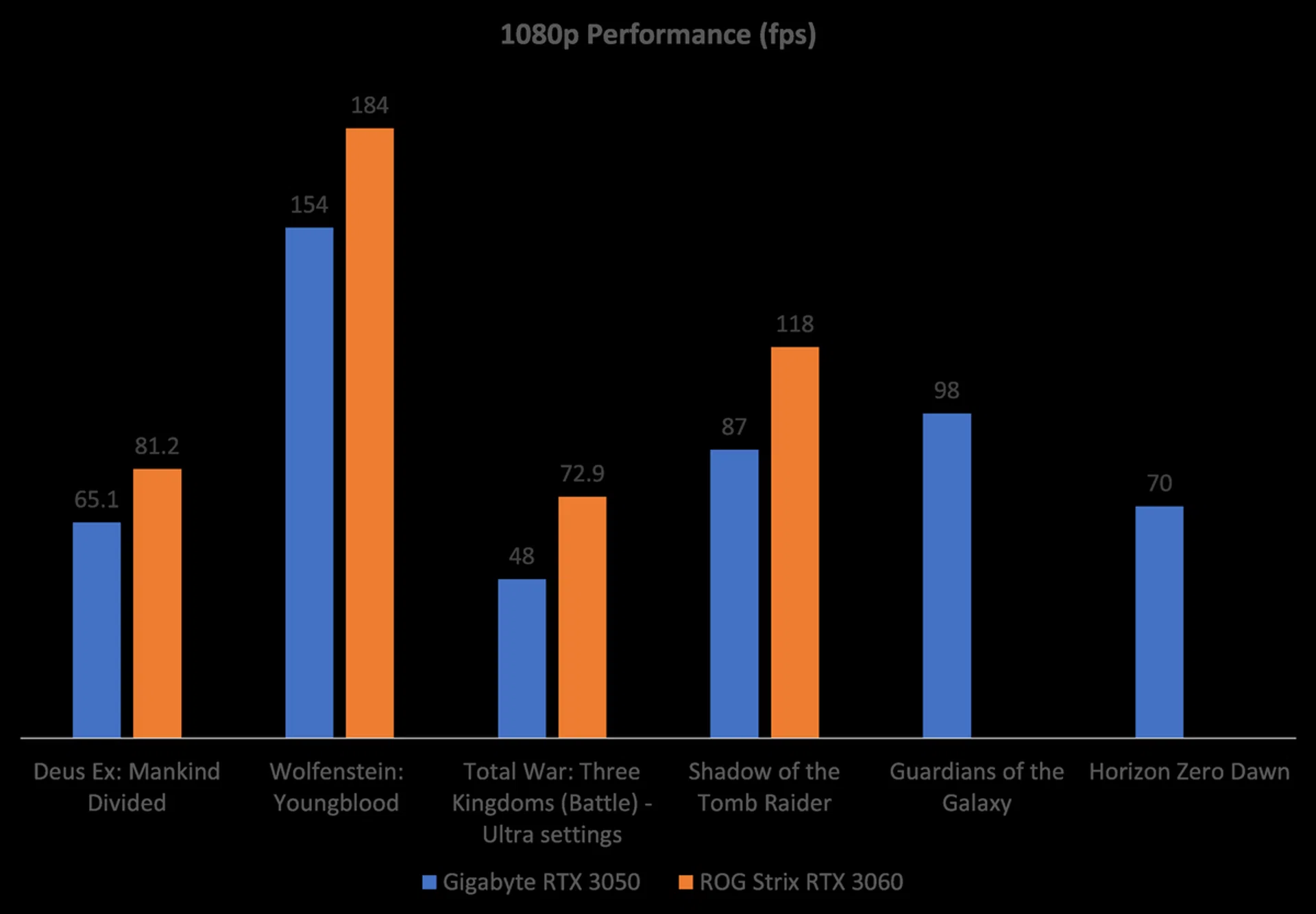
At 1080p, the RTX 3050 seems to be able to hold up well with shooter games like the Vulkan-based Wolfenstein: Youngblood and the DirectX-based Guardians of the Galaxy and Shadow of the Tomb Raider. Raw numbers aside, the relative performance difference to an RTX 3060 is between 20% to 25%. It does, however, wavers a little with open-world based games such as Deus Ex: Mankind Divided and Horizon Zero Dawn, and falls completely at resource-intensive strategy games like Total War: Three Kingdoms. It’s also worth noting that the RTX 3060 ran all of these games with utmost ease at 1080p (I didn't have the card to test with Guardians and Horizon at the time of writing).
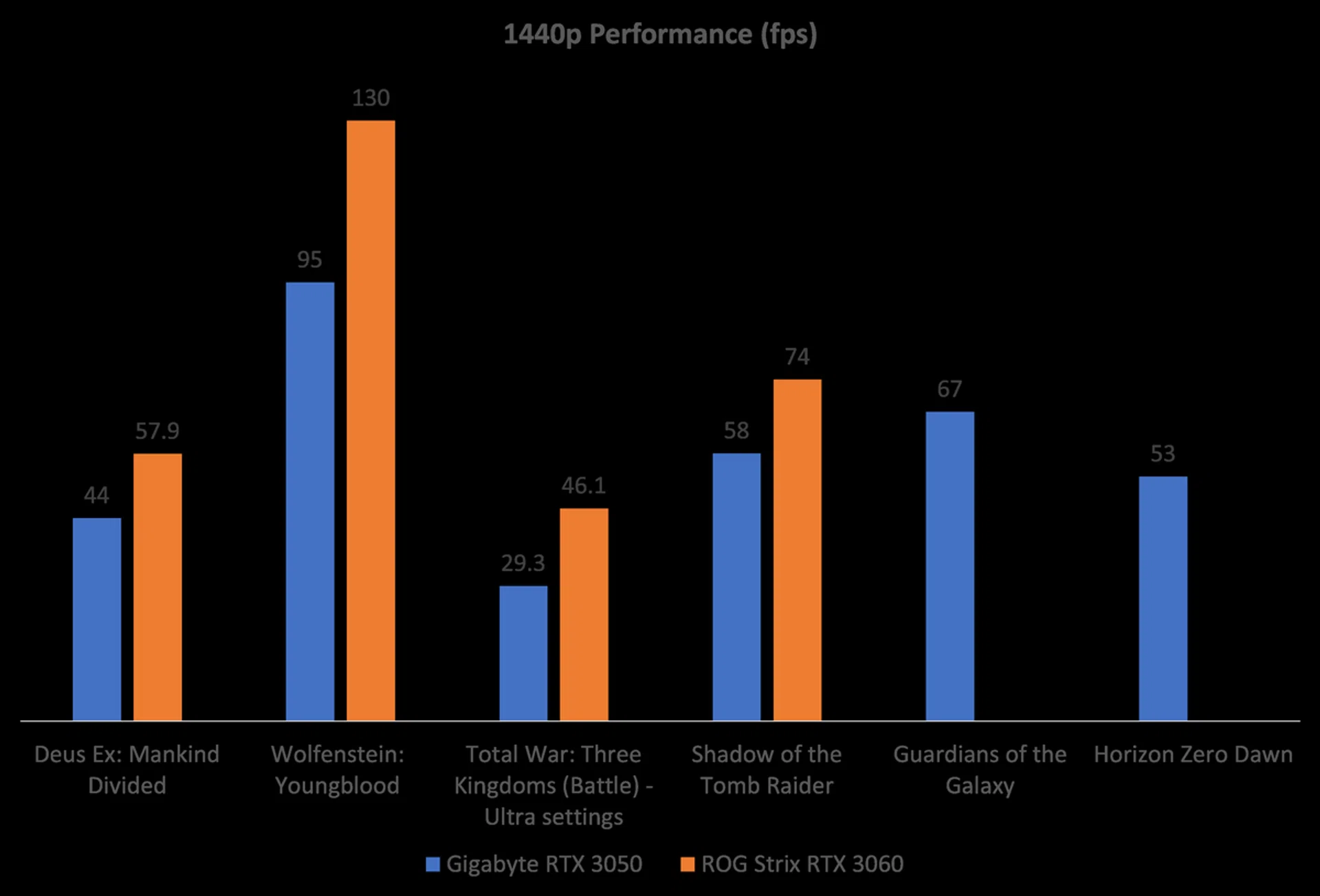
With 1440p testing, the results are not surprising – the RTX 3050 simply isn’t built to run games at QHD resolution. If you have a monitor that supports this resolution, I recommend an RTX 3060 Ti, or if your budget allows, an RTX 3070 card instead.
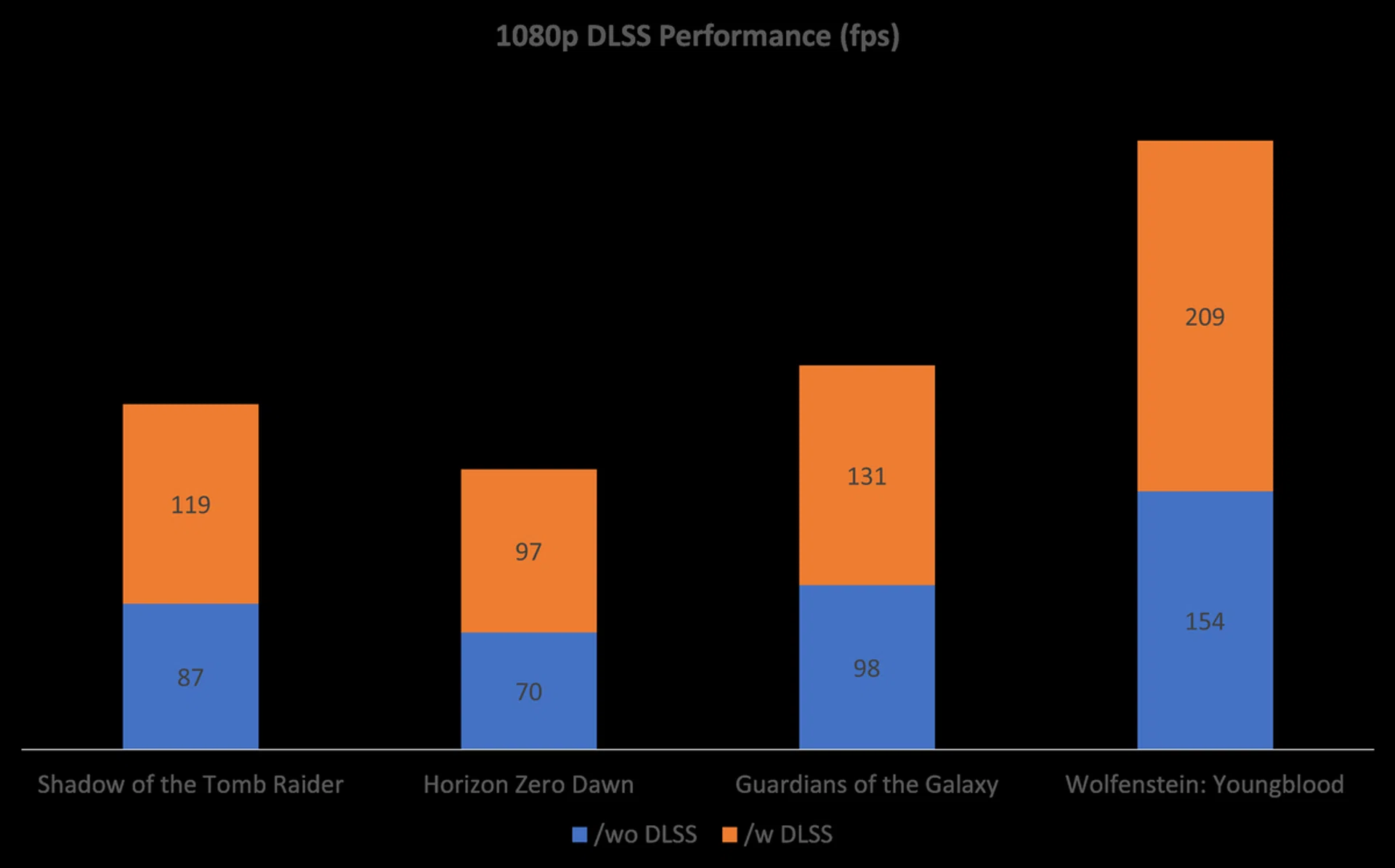
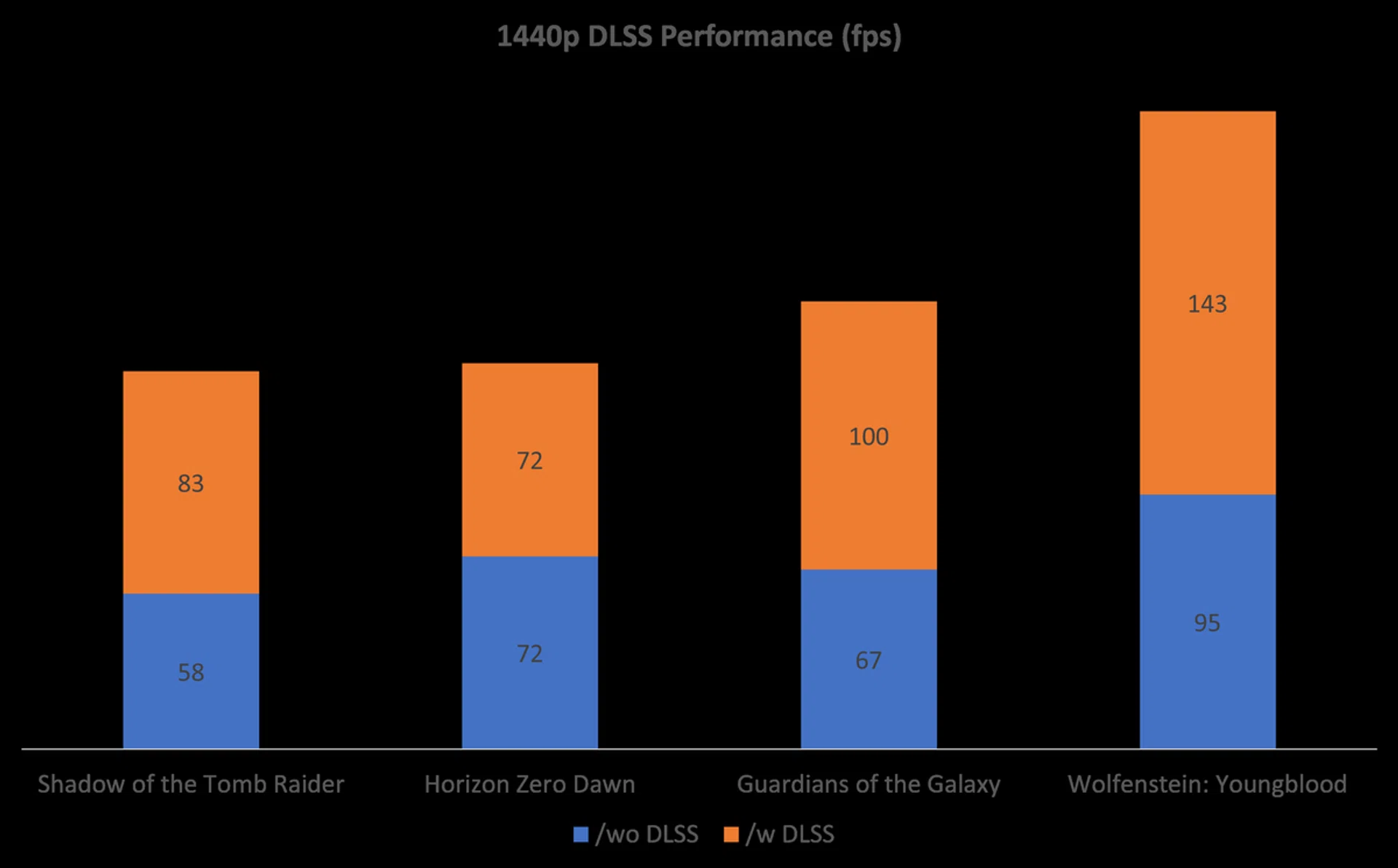
But what happens if you have a 1440p monitor, a tight budget and the RTX 3050 is your only realistic option? Well, there’s good news and bad news. The good news is that NVIDIA’s superb DLSS pretty much ensures you will still be able to enjoy these games at 60fps and above, but the bad news is that not all games support DLSS – although that list today has grown mightily impressive (even God of War for PC has support for it on day one).
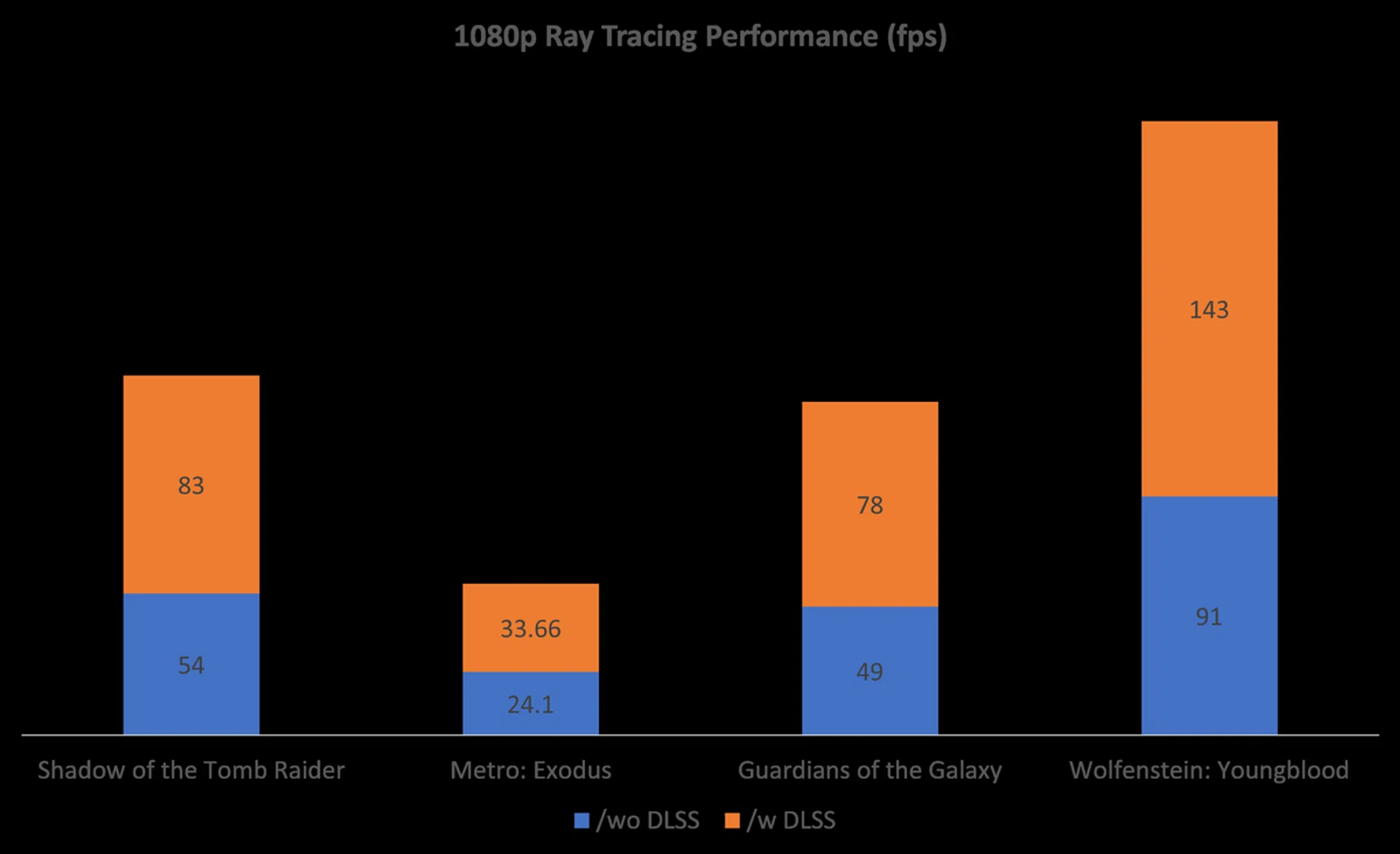
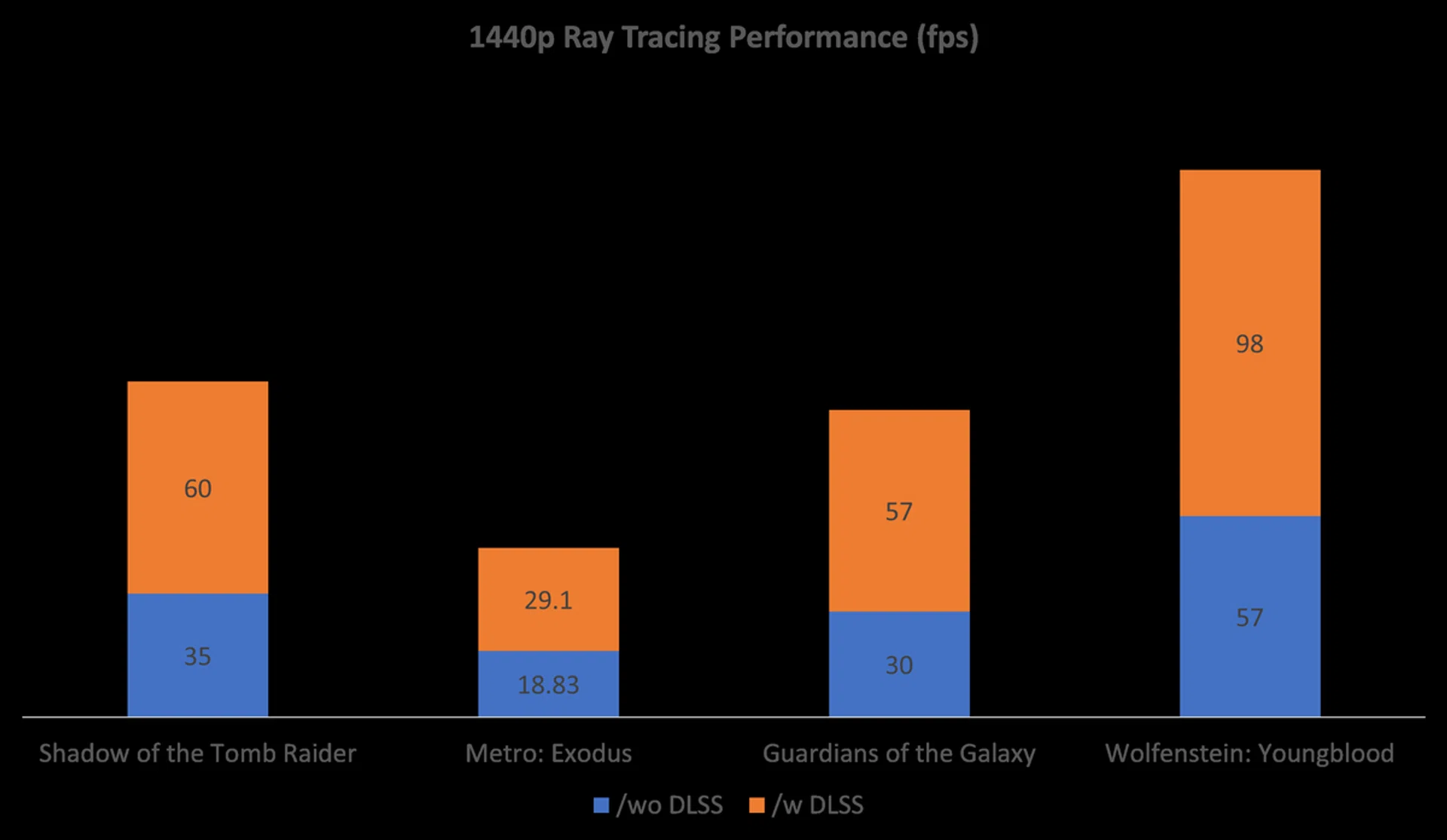
What about ray tracing? Unfortunately, this tech still belongs in the realm of the costlier high-end gaming. Even with DLSS turned on, I suspect your ray-tracing experience is likely to be limited to shooter games like Shadow of the Tomb Raider, Wolfenstein: Youngblood and Guardians of the Galaxy. And only at 1080p. But if ray tracing isn’t key to your own personal gaming experience, then this consideration is moot anyway.
(Note that the settings used in my benchmarks are in the highest graphical settings to stretch the RTX 3050 as much as possible. Bumping them down will obviously net faster frame rates.)
Final thoughts
The GeForce RTX 3050 is a great graphics card for the 1080p masses and delivers DLSS (and a bit of ray tracing, depending on the games) and other RTX 30-series tech such as NVIDIA IO and Reflex to gamers looking for a suitable replacement for their ageing GeForce GTX 1650/1650 Ti. It helps NVIDIA that there’s no genuine alternative from AMD, their only competition. I haven’t reviewed the red company’s own entry-level Radeon 6500 XT but the consensus on the Internet is that it’s one card to be avoided even with its lower US$199 price point, mostly because its frame buffer size is inadequate.
The only problem with the RTX 3050, however, is the same every time NVIDIA launches a new RTX 30-series card – it’s impossible to buy these cards at their suggested retail price (SRP). That is if you can even find them at all. At US$249, the RTX 3050 is great value for your money in today’s market, but I’d wager that NVIDIA’s board partners like Gigabyte, MSI and ASUS will not be able to keep to SRP prices due to well-known supply issues as well as hoardings from crypto miners. This has happened for well over a year, and it’s unlikely that supplies of RTX 3050 cards will fare any better than say, the RTX 3060 or even the RTX 3080 cards.
What gamers really want for 2022 is to be able to buy their graphics cards at sane prices.
But let’s give credit where it’s due. NVIDIA has already owned the high-end gaming market with the GeForce RTX 3070, 3080 and 3090 cards. With the GeForce RTX 3060 and now the RTX 3050, the entry-to-mid segments are theirs to dominate for the rest of the year too.
Our articles may contain affiliate links. If you buy through these links, we may earn a small commission.