
Low Voltage DDR3 1600MHz Memory Shootout - Joining the Eco Club
Low voltage memory modules are among the latest 'green' products to hit the market. Join us as we pick four such DDR3 1600MHz memory modules to examine their eco-friendly credentials.
The Advent of Low Voltage Memory
Perhaps it's the realization that climate change is indeed occurring, but the eco-friendly trend has been appearing in many products, from headlining hybrid electric cars to unheralded energy saving light bulbs. In terms of PC components, the 80 PLUS initiative for power supplies and the various clockgating technologies found in processors all help to save you that little bit of energy that add up to a significant amount over time.
It may make more sense for giant server farms but nowadays even desktop PCs geared for high performance have components that are relatively energy efficient. This trend has also spread to the memory segment, with companies releasing low voltage variants that draw less power than the standard JEDEC DDR3 specification of 1.575V. While some of the earlier DDR3 modules have been rated at as high as 1.9V due to their high frequencies, most brands have since lowered that, what with Intel's Core i7 platform mandating a 1.65V upper limit. 1.65V remains the most common voltage for DDR3 memory modules, but some vendors are going for even lower voltages, with the newer low voltage versions coming in at 1.35V or even lower. In fact, to help propagate low voltage standards, JEDEC published the DDR3L memory standard recently.
Of course, with memory modules comprising such a small proportion of the overall system power consumption, it's easy to dismiss the power savings as negligible in the grand scheme of things. Take for example a large office with hundreds of systems or servers with large volumes of memory - in both scenarios, the small reduction in power consumption should go a long way to save power and costs. However, if the performance (and price) of these low voltage memory is competitive enough with the typical memory modules, does it even matter if the savings are not that much? To find out exactly how well they perform and how much actual power savings, we scoop out four DDR3 1600MHz memory modules from G.SKILL, Kingmax, Kingston and OCZ. Many other memory vendors have plans to introduce equivalent products, but for now, these four vendors are making headway into this new territory.
Not all of these memory modules are rated at 1.35V - the Kingmax and OCZ are rated at 1.5V - but they are indeed lower than the 1.65V that we're used to see for DDR3 1600MHz memory, like our last year. So without further ado, here are the contenders:
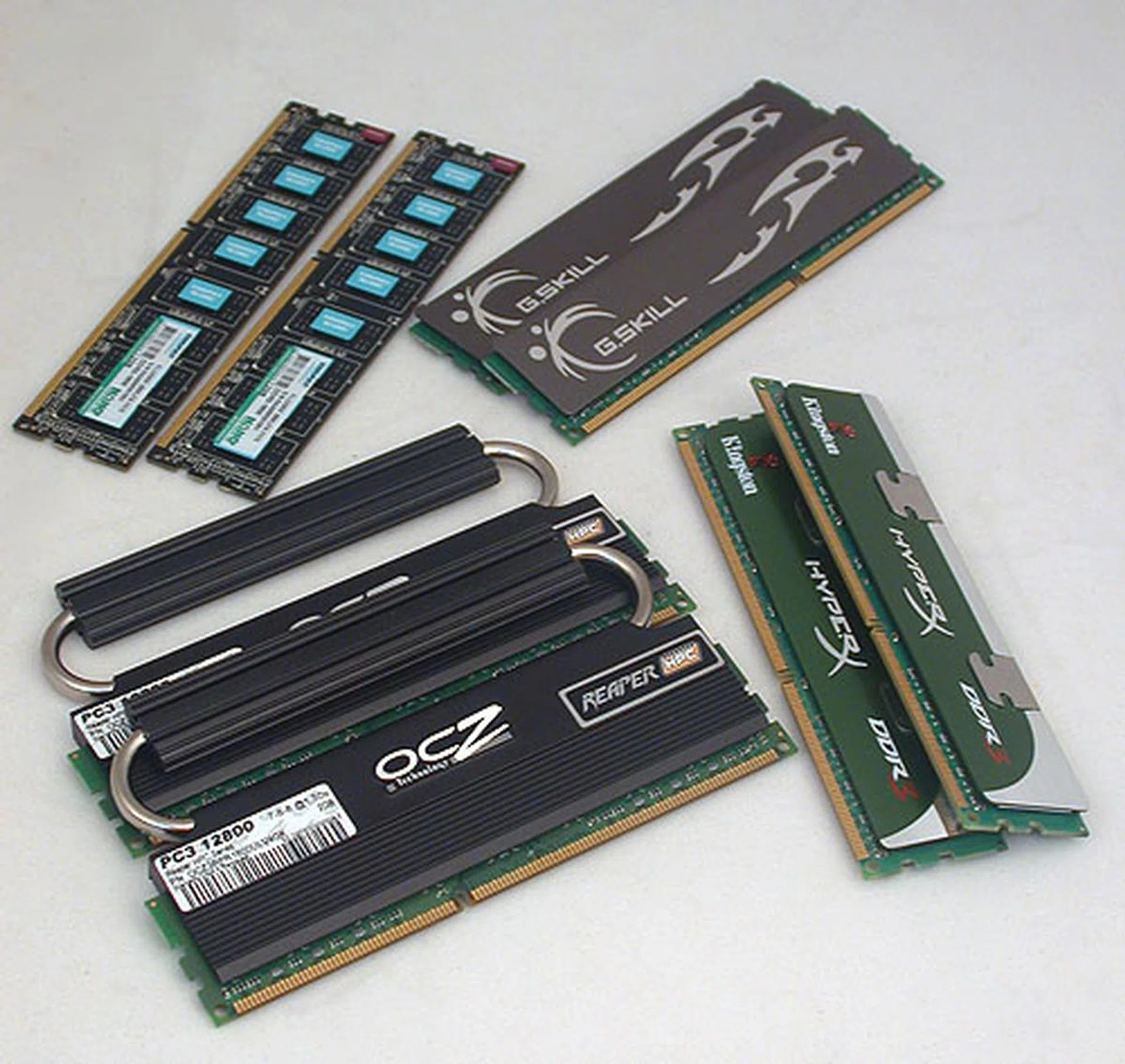
These four sets of memory modules operate at voltages between 1.35 to 1.5V, lower than the 1.65V seen on earlier DDR3 memory.
Members of the Eco Club
We wanted to focus on low voltage memory modules (1.5V and below) for this roundup and while there were some rare high-speed DDR3 modules (like Kingston's LoVo series that could do DDR3 1866MHz on 1.35V), it was relatively easier to find DDR3 1600MHz memory modules. Given that we're still likely to be using DDR3 memory for upcoming platforms from both AMD and Intel, we are quite confident that DDR3 1600MHz will be the mainstream 'speed' for the next year at least.
There are however not that many low voltage memory modules out there just yet. We managed to get four dual-channel kits. They come with slightly different latencies and with pretty distinctive and unique cooling too. Here are the specifications for the four modules.
Model Name
| Part Number
| Latency | Voltage |
G.SKILL ECO DDR3 1600MHz Dual-Channel Memory Kit | F3-12800CL7D-4GBECO | 7-8-7-24 | 1.35V |
Kingmax Hercules DDR3 1600MHz Dual-Channel Kit | FLGE85F-B8KJ7A FEIS | 7-7-7-20 | 1.5V |
Kingston HyperX DDR3 Low Voltage Performance Memory Kit | KHX1600C9D3LK2/4GX | 9-9-9-27 | 1.35V |
OCZ DDR3 PC3-12800 Reaper Ultra Low Voltage CL7 Dual Channel Kit | OCZ3RPR1600ULV4GK | 7-8-8-24 | 1.5V |
G.SKILL ECO
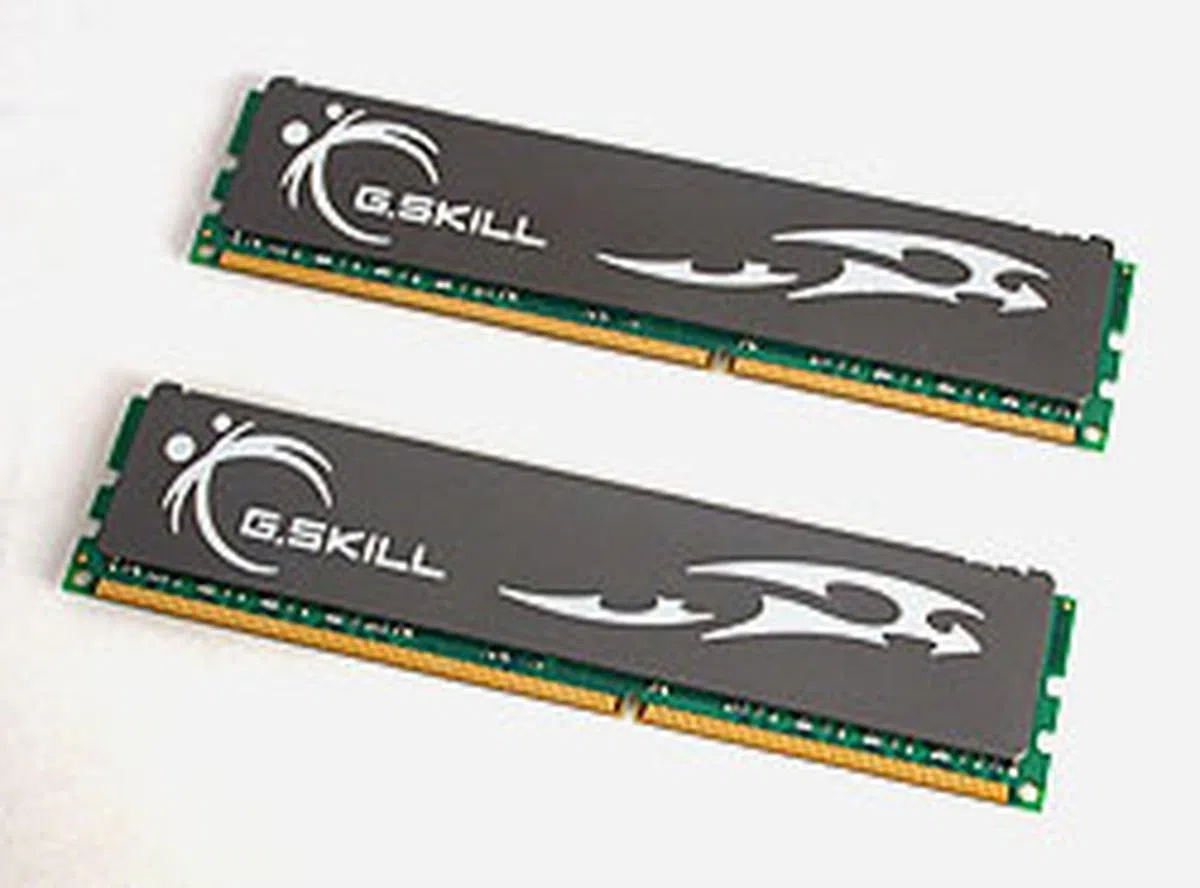
G.SKILL's ECO DDR3 1600MHz Dual-Channel Memory Kit is one of the two memory kits here that are rated at 1.35V. G.SKILL has six models in this ECO series, with speeds from DDR3 1333MHz to 1600MHz. This review kit has the lowest latencies among G.SKILL's offerings at 7-8-7-24.
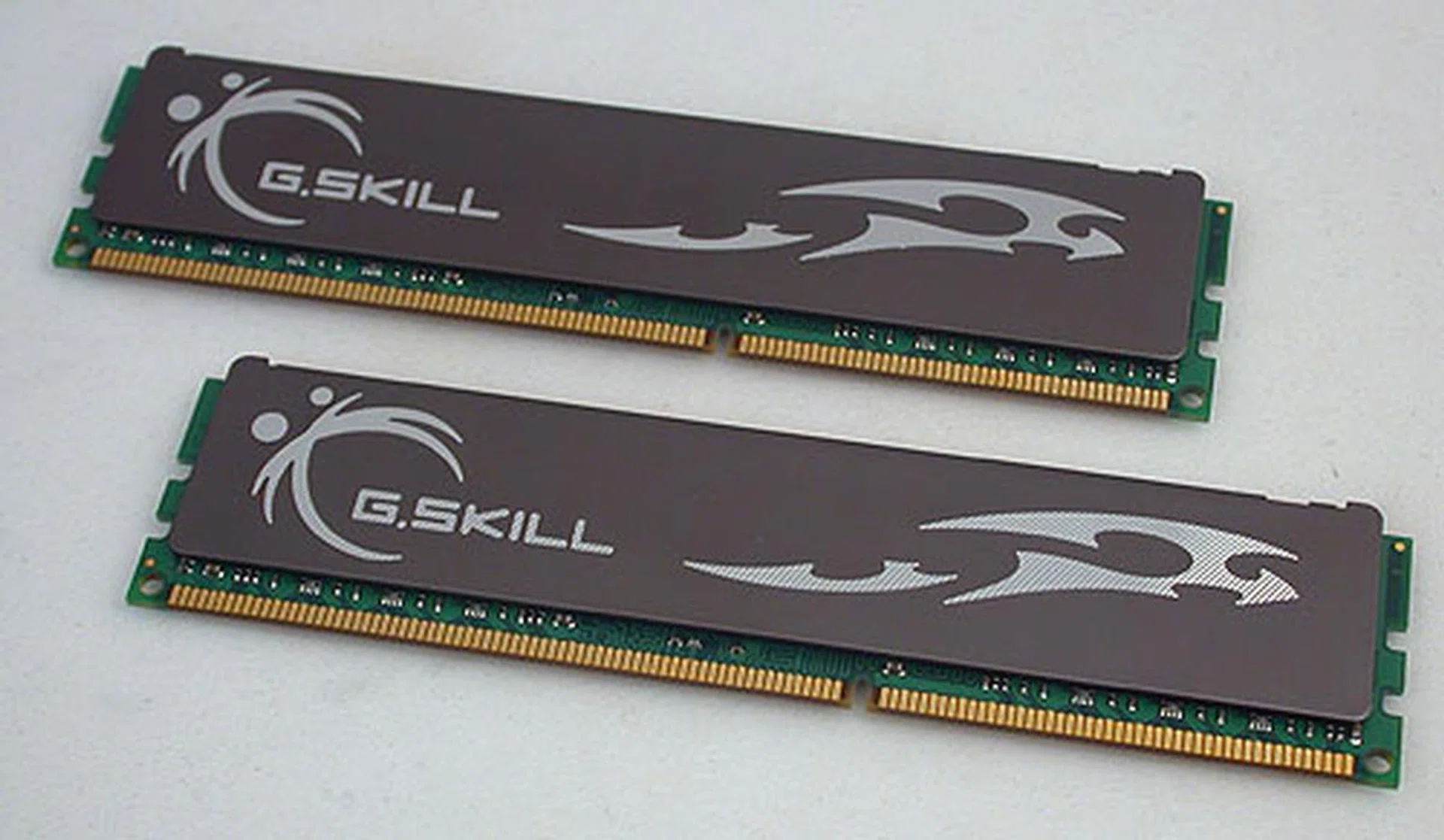
G.SKILL's ECO DDR3 memory module is one of the two that's rated at 1.35V. A rather standard heat spreader design adorns the memory sticks.
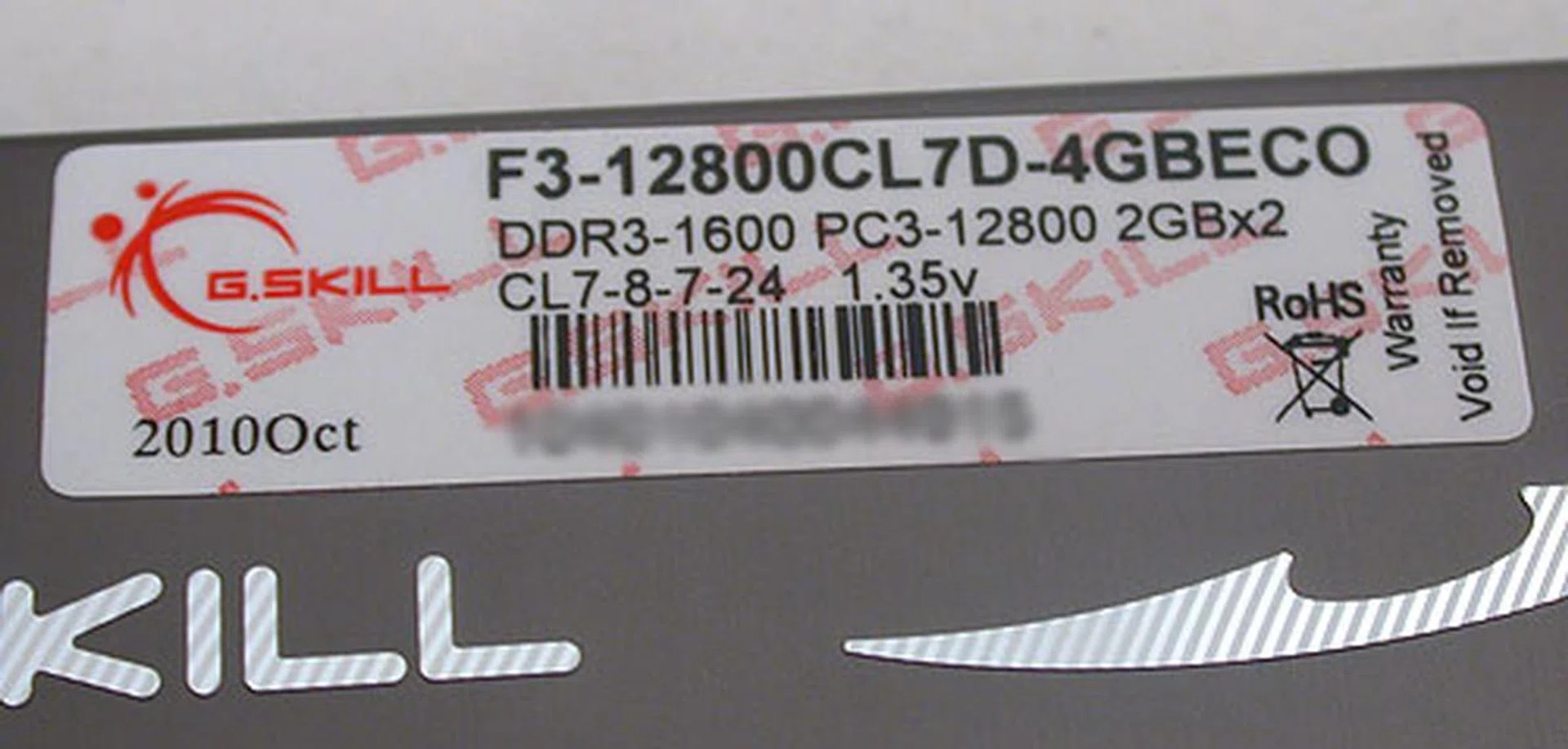
The latencies on this memory module were quite competitive for its 'low voltage' support.
Kingmax Hercules
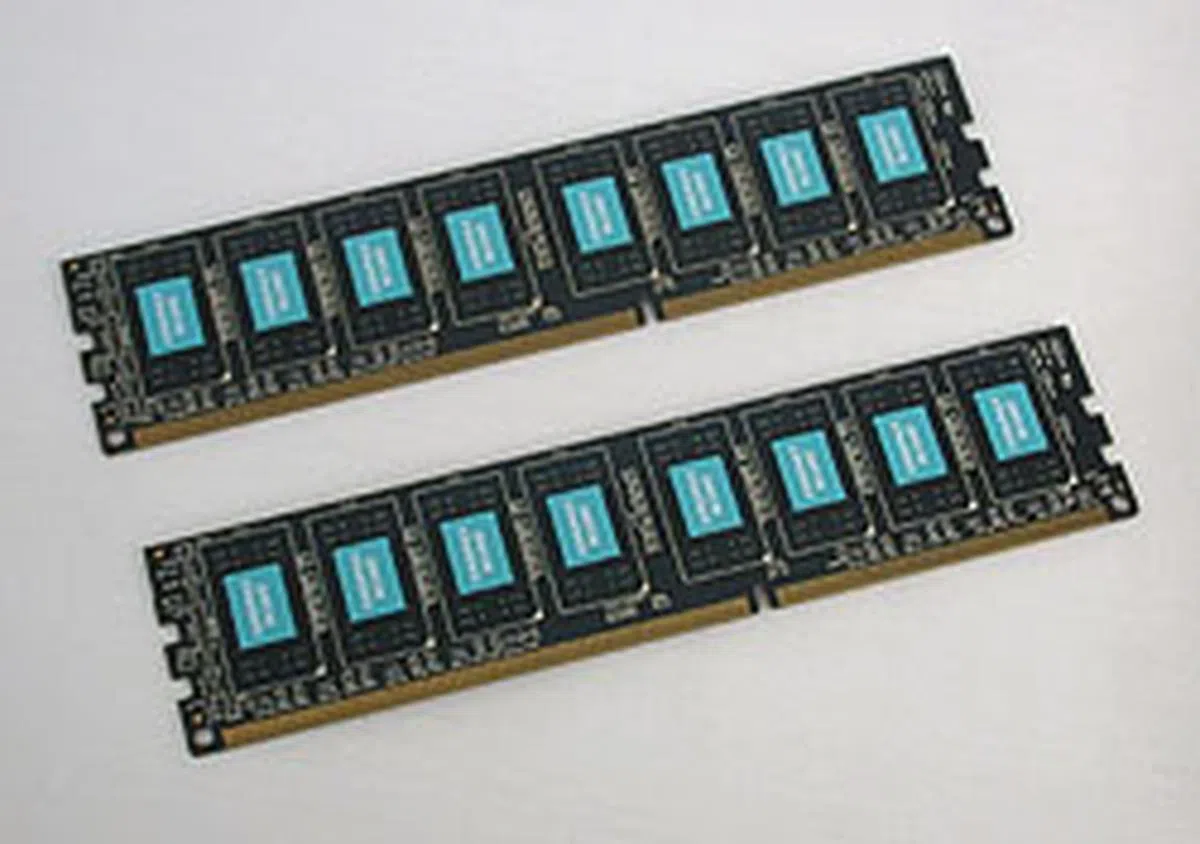
The next memory kit from Kingmax belongs to its Hercules series. It has very competitive 7-7-7-20 latencies, but we bet that all you'll notice is the lack of the conventional heat spreader on the memory module. Instead, Kingmax's proprietary Nano Thermal Dissipation Technology is used, which as far as we can tell, is the thin, blue silicon compound stuck over each memory chip. According to Kingmax, the nano-sized silicon compound fills up any miniscule pockets of space on the surface of the chip thereby increasing the thermal conductivity. The improvements are positive enough that Kingmax doesn't require conventional heat spreaders and compounds any more.
With Kingmax using this cooling compound on even its high speed products (2200MHz and 2400MHz), it's probably fair to say that it should have no issues with a low voltage (1.5V) 1600MHz part. But we'll find out for ourselves later. On a side note, Kingmax engineers have mentioned that these modules can operate at 1.35V with no issues but they've currently stuck to 1.5V until further testing can be done to qualify them at 1.35V officially. So that's something you can try personally to further improve the operating efficiency of these memory modules.
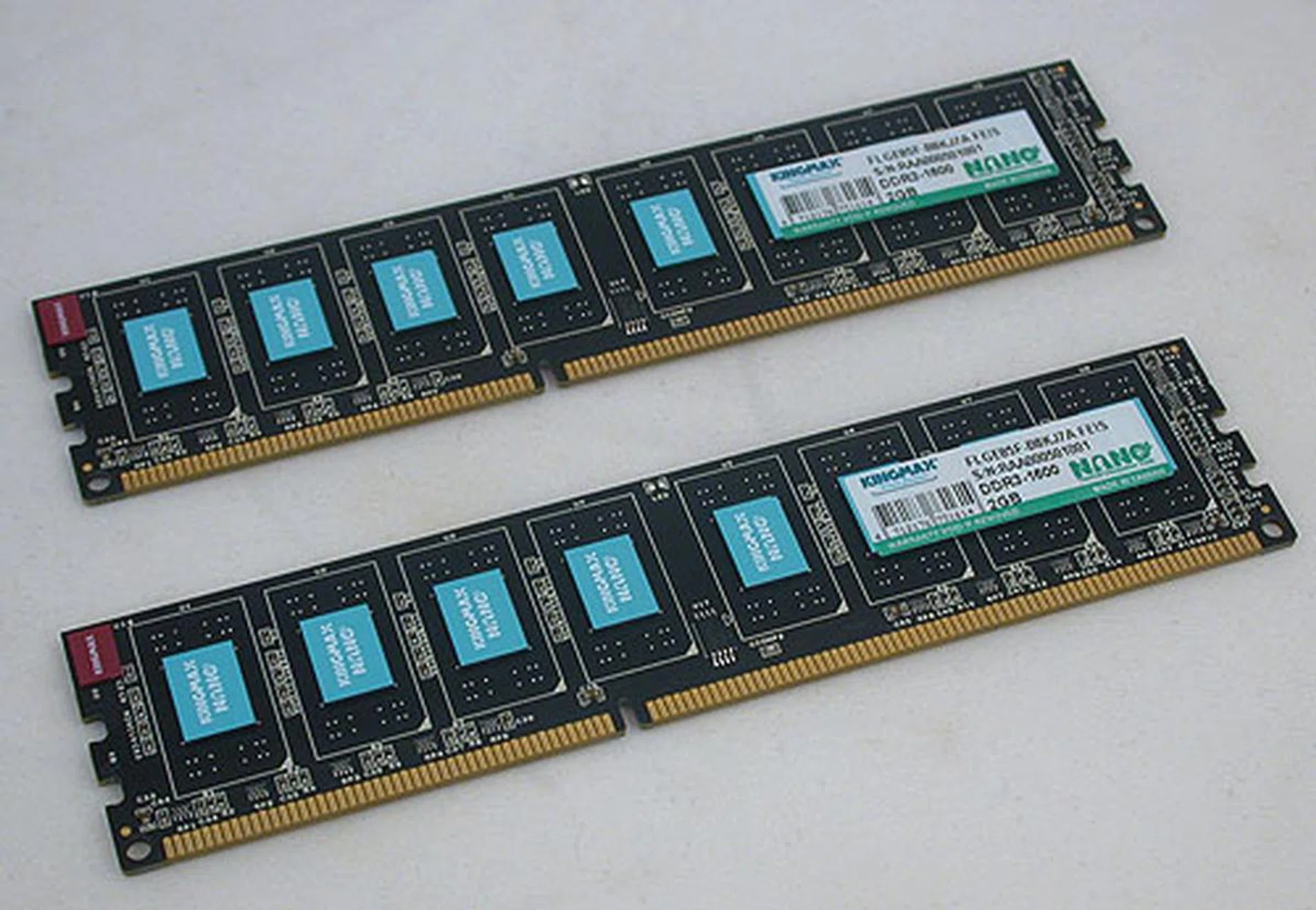
Kingmax has one of the more interesting designs with these naked looking memory modules that use its Nano Thermal Dissipation Technology, which is the blue silicon compound on each memory IC.
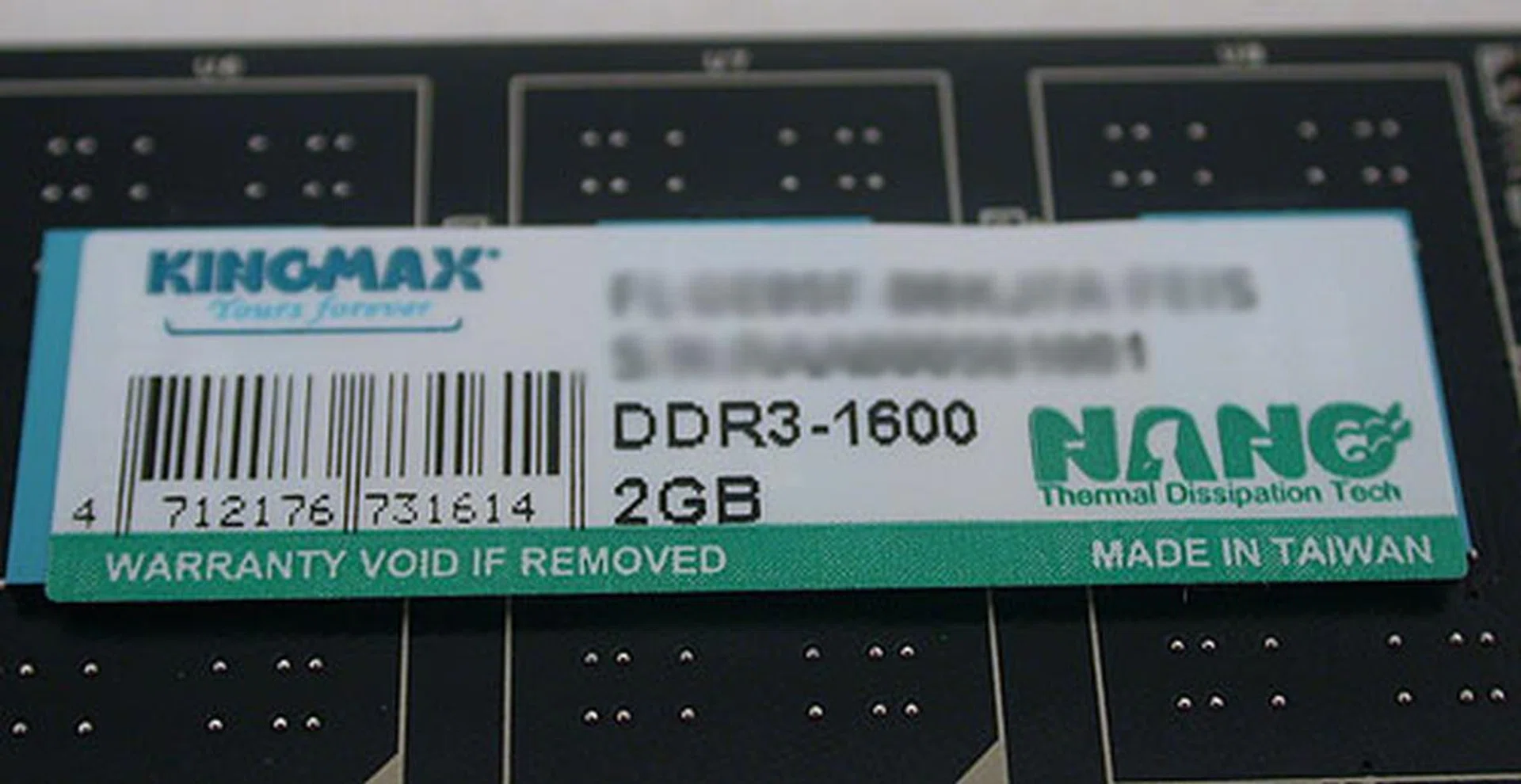
It's not stated here but at 7-7-7-20, the latencies of this Kingmax memory are the lowest of the four in our roundup.
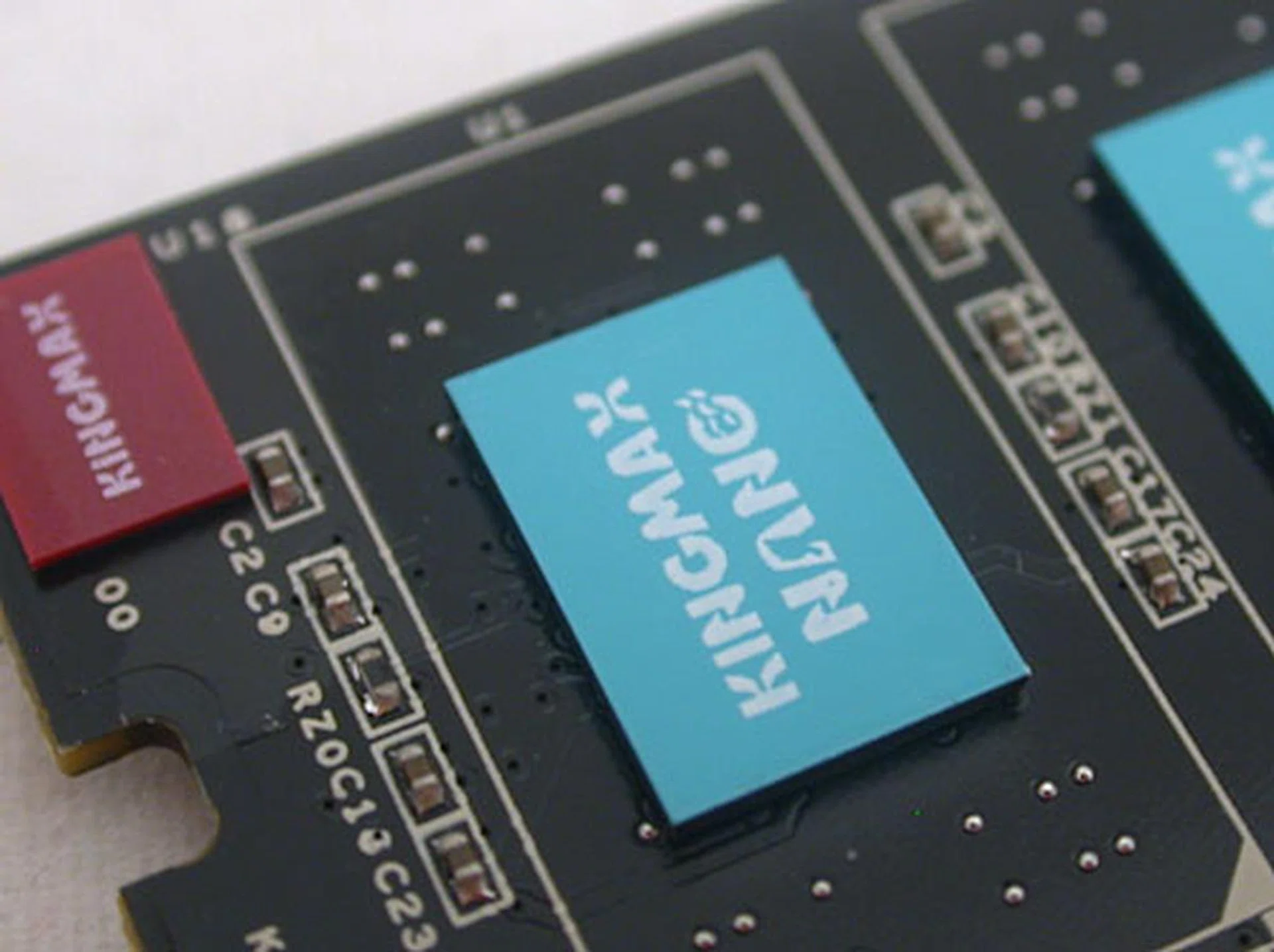
A closer look at the silicon thermal compound that enables Kingmax to ditch the usual heat spreader design.
Kingston HyperX LoVo
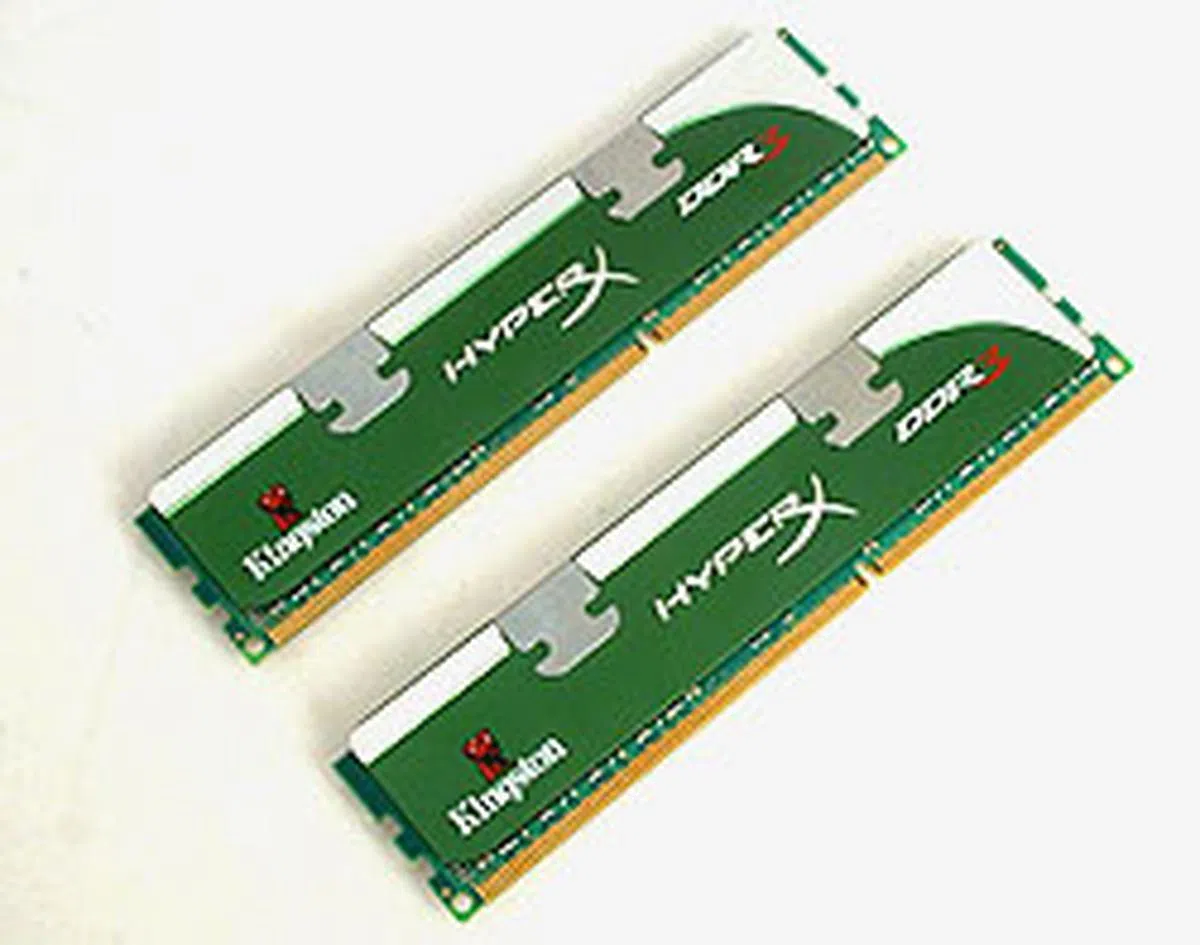
One of Kingston's newer series, its HyperX LoVo brand is targeted at enthusiasts who want the best of both worlds - lower voltages and enthusiast class performance. While Kingston has a more aggressive 1866MHz model that can do 1600MHz at 1.25V (KHX1866C9D3LK2/4GX), the one we got for review today is the slower version that's rated at 1.35V. It's certainly low enough and Kingston has kept with its standard heat spreader design, with the only difference being the choice of a green color scheme. At 9-9-9-27, it does have the highest latencies among the four memory modules in our roundup.
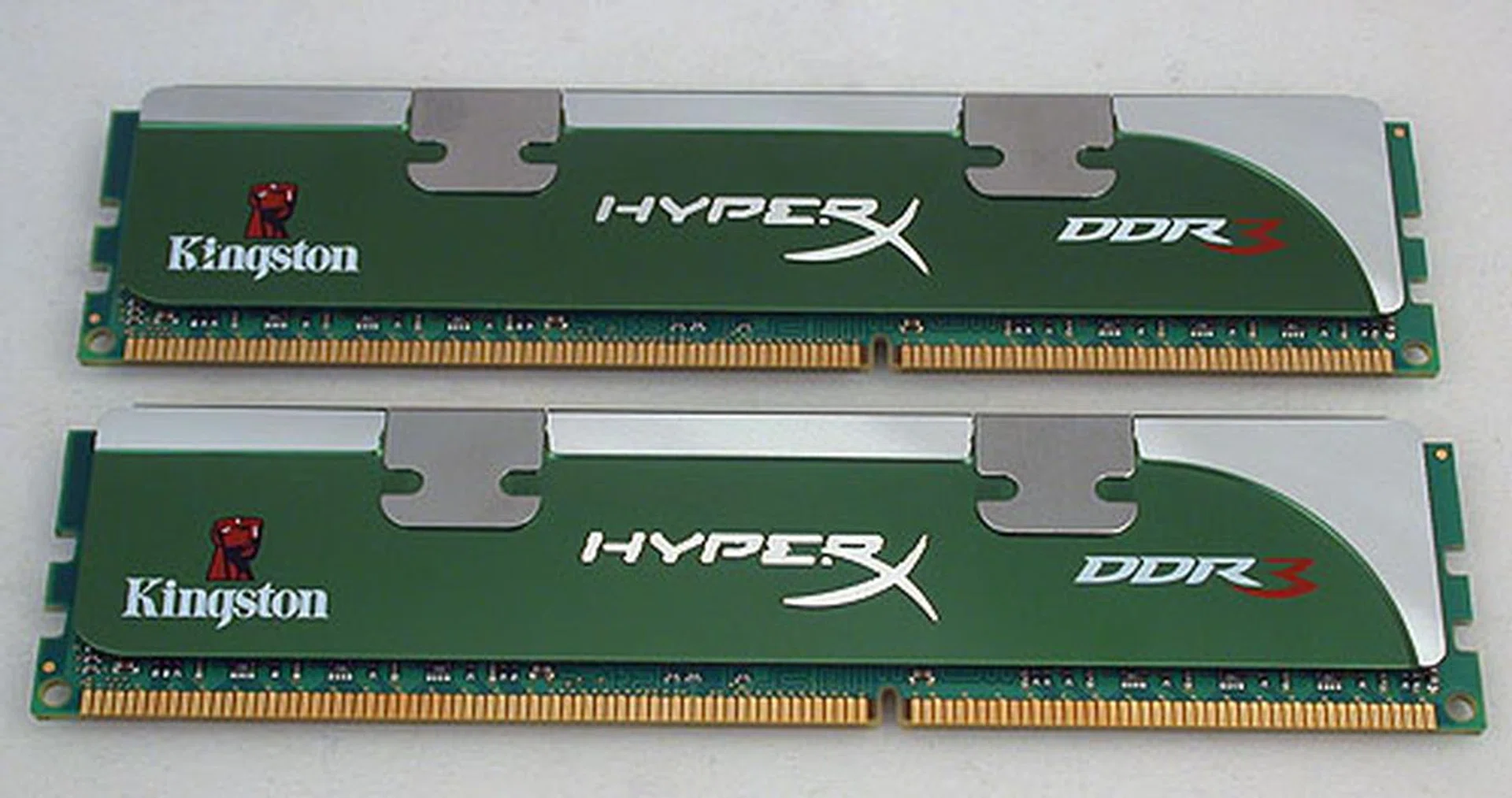
Kingston's LoVo series appears to use the same heat spreader as its other HyperX memory modules (Genesis series). Except for the choice of green to represent its eco-friendly status.
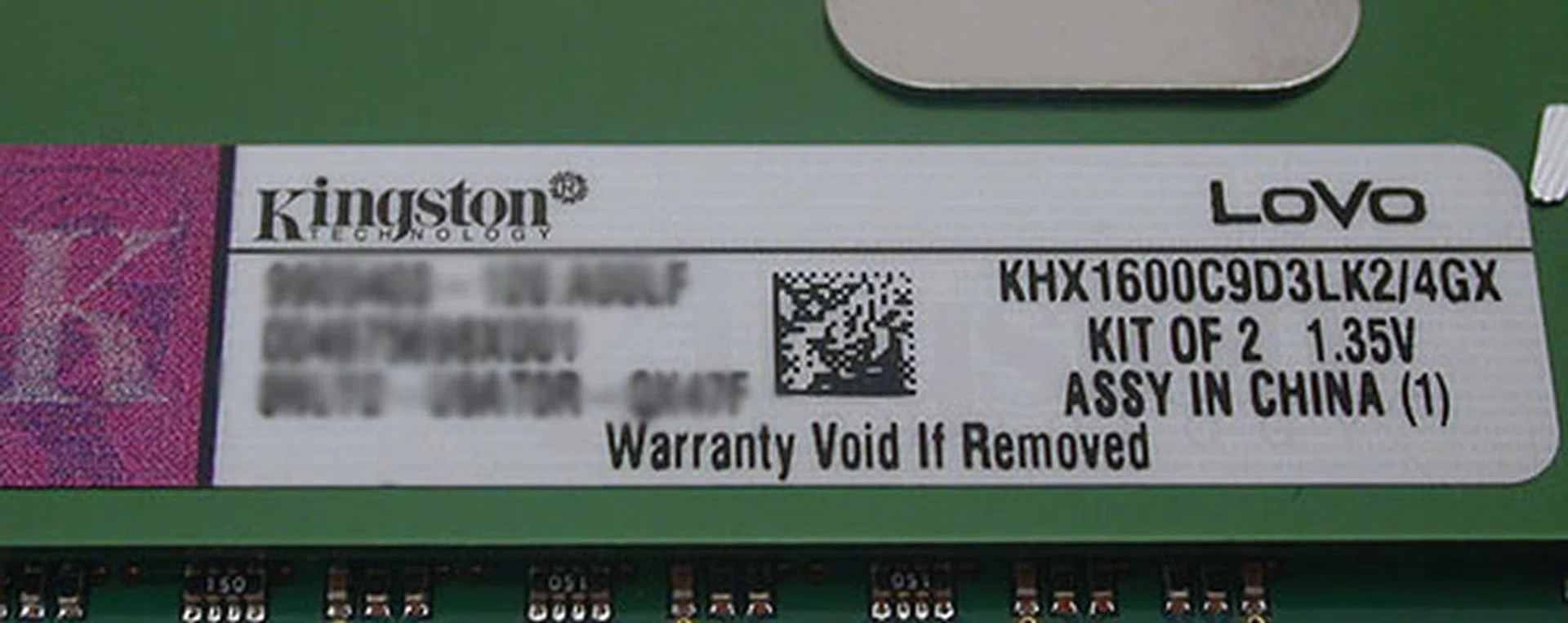
With the highest latencies among the four at 9-9-9-27, Kingston's LoVo memory module may just be a trifle behind the competition. On paper at least.
OCZ Reaper HPC
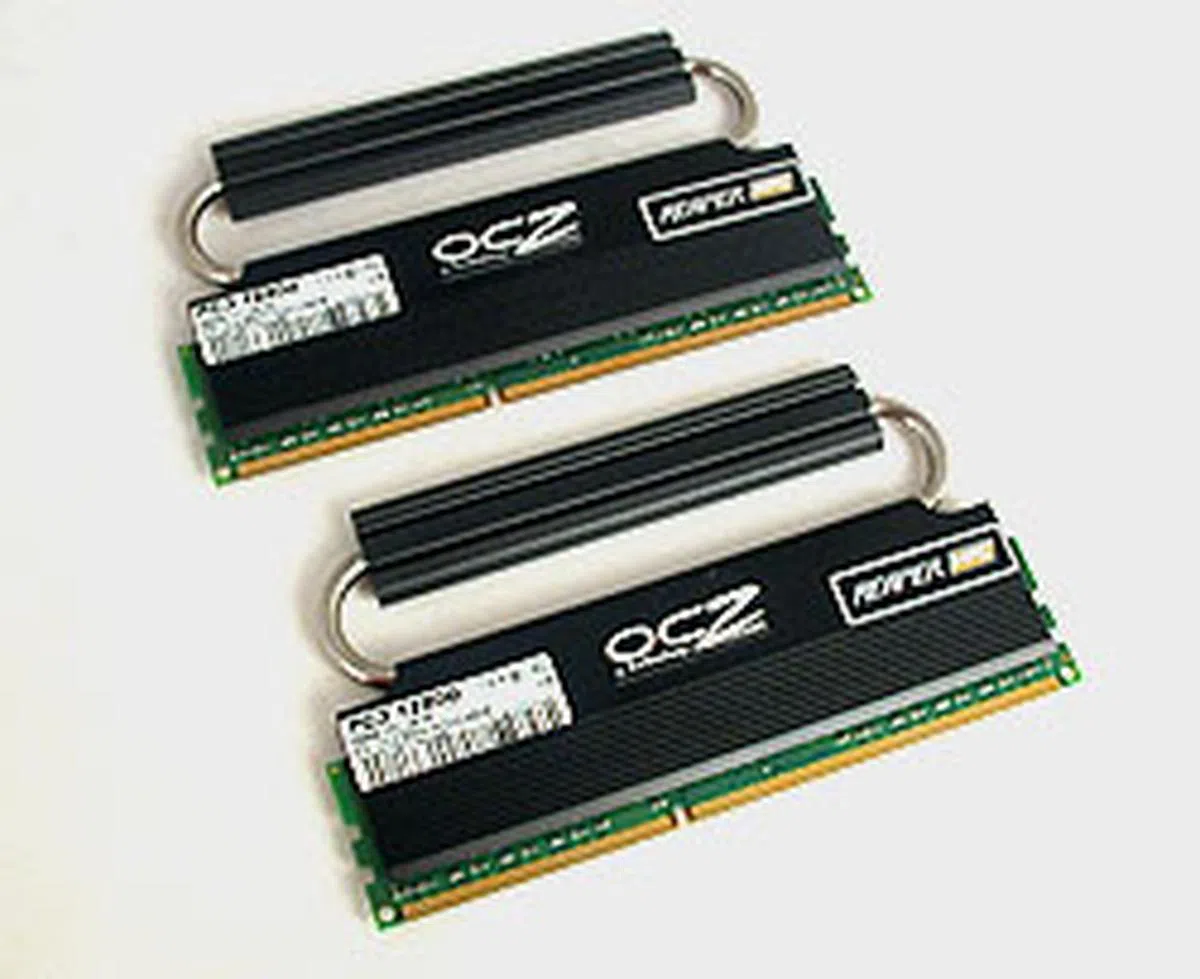
There are many models from OCZ in its Reaper HPC series, all of which are using the company's distinctive heat-pipe cooling design. With a wide range of latencies, frequencies and voltages, it can take a while to identify the ultra low voltage model featured here. Although it's rated at CL7, we found that on our test system, it was only able to run stable at CL8 (8-8-8-24).
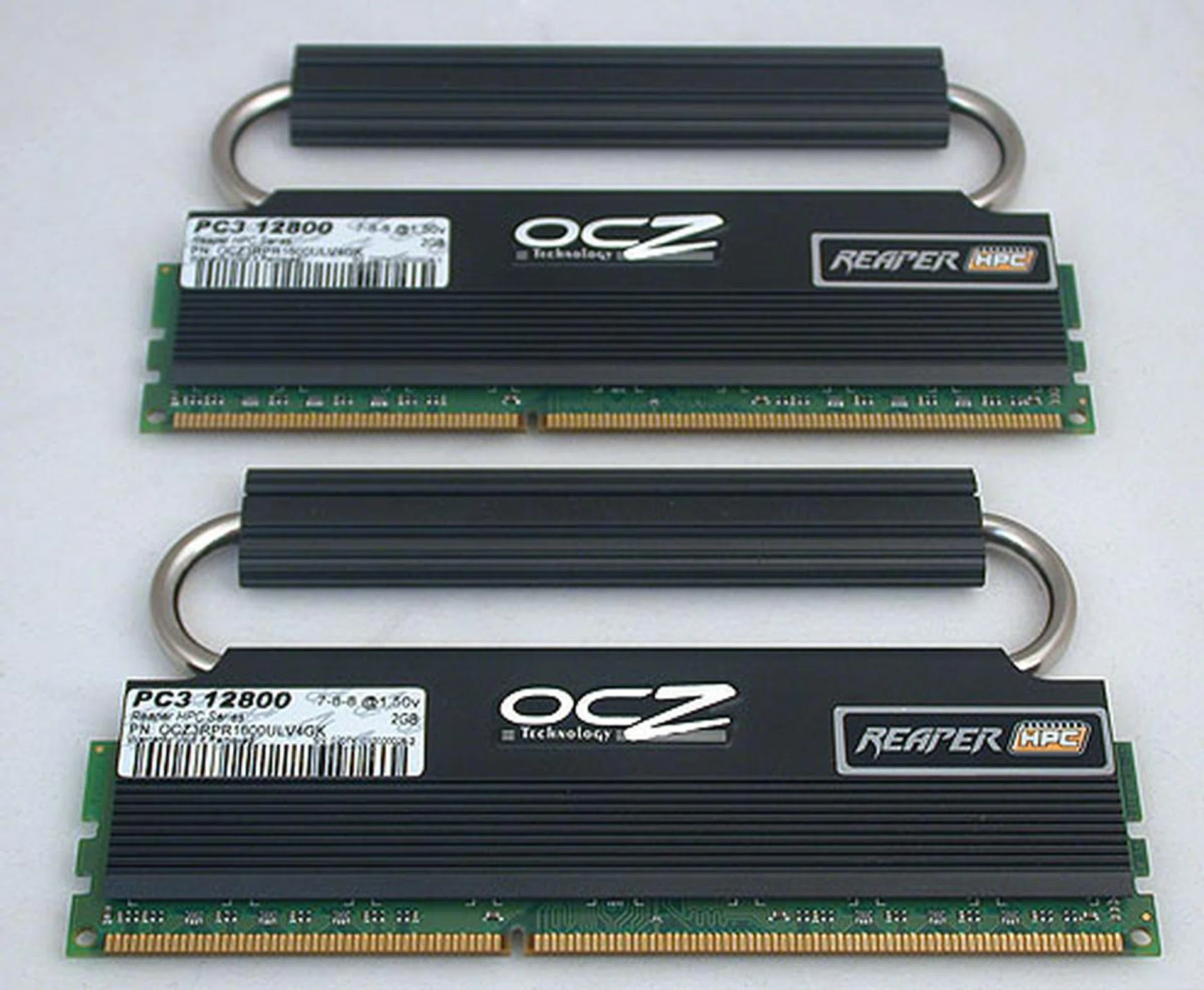
While we had expected less extravagant cooling for low voltage memory modules, not more, OCZ's Reaper Ultra Low Voltage has kept the series' distinctive heat-pipe design.
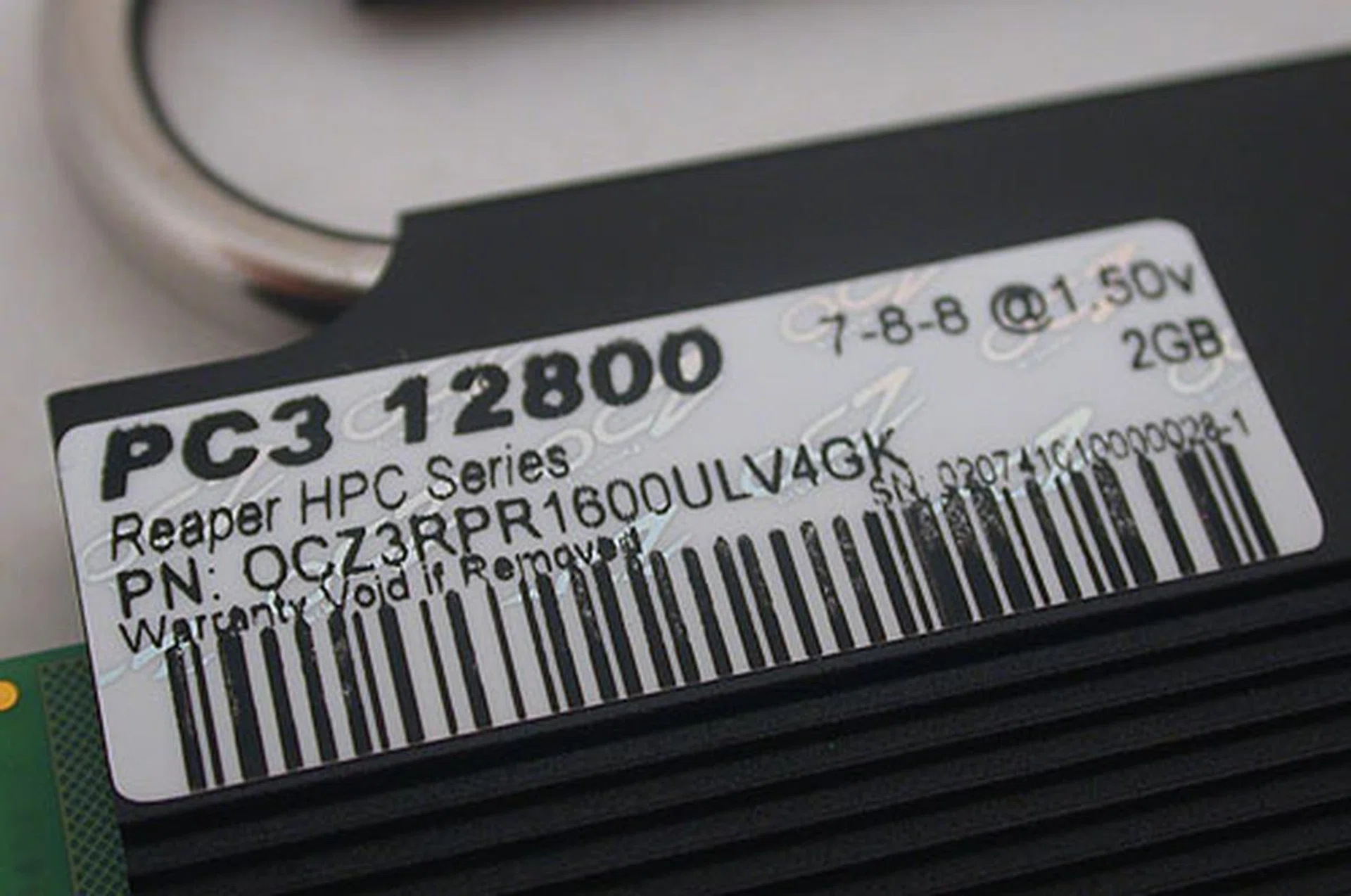
A decent set of latencies together with presumably better cooling look to be the main draw of the OCZ Reaper.
Test Setup
All the memory modules were tested at their rated latencies and voltages and we enabled their Intel XMP profiles where available. The exception is for the OCZ Reaper which was not stable at its specified 7-8-8-24; instead we had to run it at 8-8-8-24. We also included a reference (1.65V) DDR3 1600MHz memory module from last year's shootout (Kingston's HyperX DDR3 1600MHz Dual-Channel Memory Kit - KHX12800D3K2/4G) to compare and contrast against these lower voltage memories.
For the overclocking segment, we increased the frequencies gradually while putting the modules through a stability test. Voltages and latencies were adjusted accordingly to get the best overclocked frequencies. Finally, for the temperature testing, we looped the memory modules through 3DMark Vantage for at least three rounds before measuring the external temperature of the heat spreader using a laser thermometer.
The following system was used to test all the memory modules:
- Intel Core i7-875K (2.93GHz)
- ASUS P7P55D-E Premium (Intel INF - 9.1.1.1025, Intel Matrix Storage Manager - 8.9.0.1023)
- NVIDIA GeForce GTX 260 (ForceWare 258.96)
- Seagate 7200.10 SATA 200GB HDD
- Windows 7 64-bit Ultimate
Benchmarks
Our benchmarks consisted of some synthetic tests and two modern games:
- PCMark Vantage - PCMarks and Memories Suites
- SPECviewperf 10 - proe-04 and sw-01 viewset tests
- SiSoft Sandra 2010 Lite (ver 16.67) - Memory Bandwidth and Latency tests
- Crysis Warhead - Gamer profile, 1280 x 1024 resolution, 4x AA
- Far Cry 2 - Ranch Small Map, 1280 x 1024 resolution, No AA, DX10, High Settings for Render and Performance
Results - Futuremark PCMark Vantage
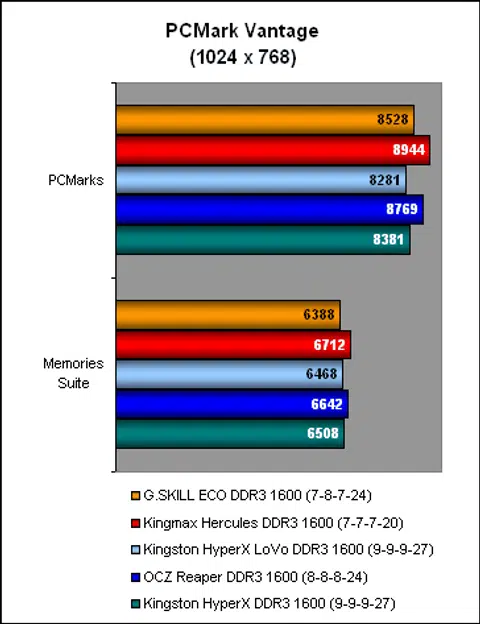
Our first benchmark, a system suite like PCMark Vantage showed that generally, the memory modules with lower latencies had a slight advantage here. The Kingmax and OCZ were narrowly ahead of the rest for the Memories suite, with G.SKILL coming in third behind those two for the overall PCMark score.
Results - SPECviewperf 10
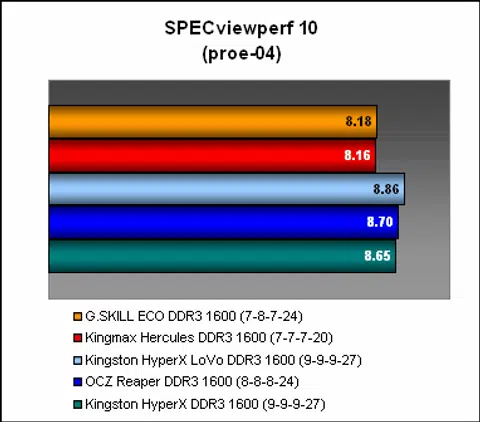
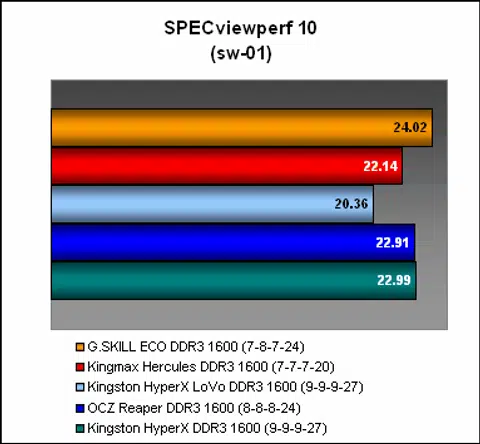
SPECviewperf 10 saw some minor variations in scores between the memory modules in our two test sets, with the Kingston LoVo memory edging out the competition in one, while finishing last in the other. Arguably, the differences were quite small in the PRO/ENGINEER set, while for the other test set, the Kingston LoVo was surprisingly a bit slower. Generally however, the memory modules all performed within an acceptable range of results.
Results - SiSoft Sandra 2010 Lite
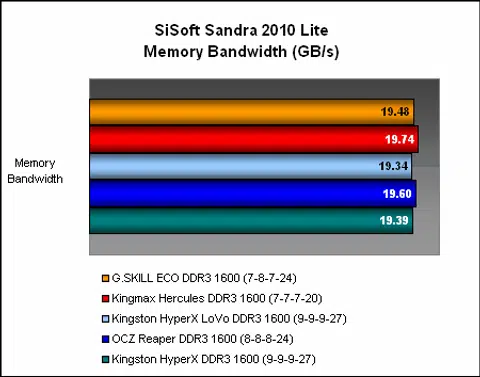
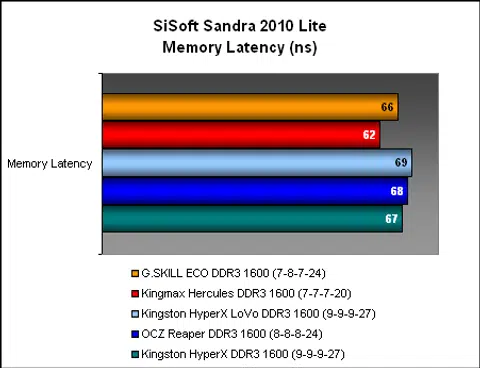
As a further confirmation of their specified capabilities, SiSoft Sandra was able to produce the bandwidth and latency numbers for these memory modules. From the results, it was clear that they performed up to their specs.
Gaming Benchmarks
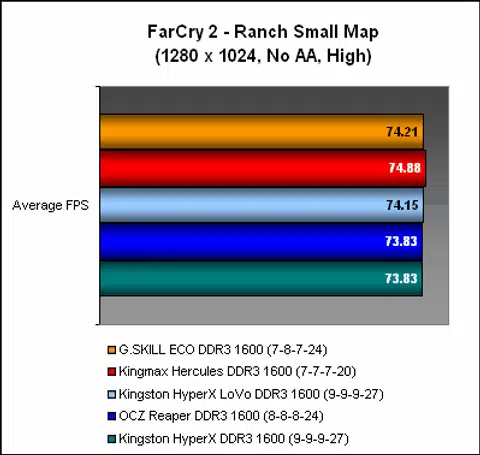
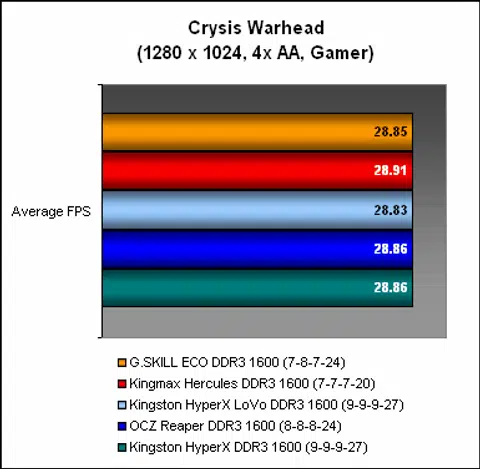
So how do those latency numbers translate into real life numbers? Apparently not much, as even the fastest memory module on paper, the Kingmax Hercules was barely a fraction faster than the rest in Far Cry 2 and Crysis Warhead. If not for synthetic benchmarks, it would be practically impossible to differentiate them.
n
n
Temperature
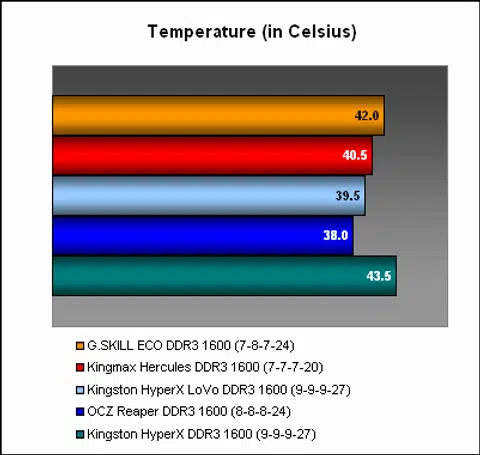
While it was difficult to decide which memory module stood out in our performance tests, temperature was another story. With its heat-pipe design, OCZ's Reaper HPC module was definitely well equipped to handle the cooling part of the equation and it bagged the lowest temperatures from our laser thermometer. Kingston's HyperX LoVo was a close second but what impressed us was Kingmax's Hercules, which managed a respectable third out of the four competitors with its lack of the usual heat spreader. Evidently, the Nano Thermal Dissipation technology Kingmax touts works decently.
Finally, the higher voltage of the typical Kingston HyperX memory module used as our reference meant that it had the highest temperature among the modules tested.
Power Consumption
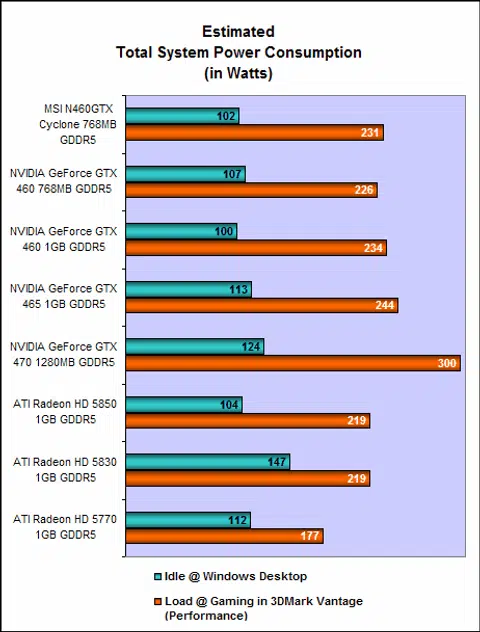
With their low voltages, power consumption should be the strong point of these four memory modules. Unfortunately, our testing found very minor differences between the 1.7V reference Kingston HyperX and these 1.35 to 1.5V low voltage memory modules. Be it idle or peak, the differences were hardly persuasive, though we suppose that over a sufficiently long period of time, one may see a minor impact on the electricity bill. This might be more measurable in large organizations and in dense memory densities used in servers. Oddly, the Kingston HyperX LoVo even surprised us with a peak power draw that was higher than its rivals.
Overclocking
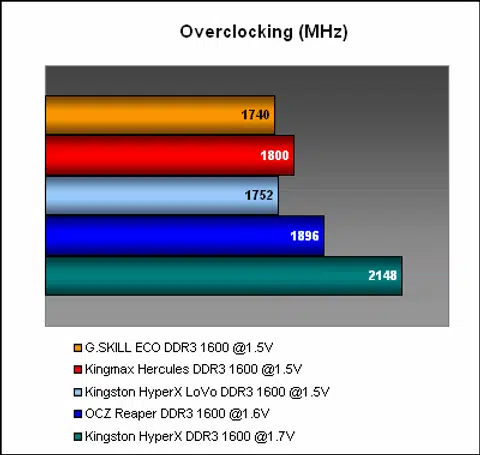
Given the less than impressive power consumption figures, how about overclocking? We ramped up the frequencies by pushing the base clock on the motherboard and found that OCZ's Reaper lived up to its pedigree, with almost a final frequency of almost 1900MHz. Kingmax's Hercules was a distant second, with the G.SKILL and Kingston LoVo memory modules finishing bottom with similar overclocks.
Compared to the reference Kingston HyperX DDR3 1600MHz memory module that hit 2148MHz, these low voltage memory modules didn't seem that good for overclocking. Note that even after raising voltage, these new eco-friendly sticks couldn't go any further than what we've reported in the graph below. We believe that most enthusiasts would prefer the memory with the better overclocking tolerance.
Conclusion
Gathering these low voltage memory modules for this article took us some time, as there aren't that many models out in the market. It's a relatively recent trend and while we believe that with DDR3 memory becoming even more mature, we'll see more of such offerings from vendors. From our testing, there are also reasons to believe that the casual user won't be the ones buying such 'green' products, but rather the eco-friendly enthusiasts and business owners.
Currently, there are more significant areas to tackle if we're talking about power efficiency, like the graphics engine, processor and power supply. Even a switch from a mechanical HDD to flash storage will likely see greater power savings than switching to such low voltage memory. However, it doesn't mean that these products have no place in the market. No doubt, the performance aspect in terms of benchmarks has not been compromised with these low voltage offerings, but the lower operating temperatures seem to be significant enough to matter for some users. The overclocking was decent enough, if unlikely to match true enthusiast class memory products, at least not without heavy overvoltage. With the right prices, we can certainly see a place for these memory modules. On that note, thankfully these green memory are roughly priced in the same range as normal enthusiast memory products without added overheads and that's a good thing for adoption.
Model | Benchmark Performance | Thermal Performance
| Overclocking | Value
| Estimated Retail Price
|
G.SKILL ECO DDR3 1600MHz Dual-Channel Memory Kit | 8.0 | 8.0 | 7.5 | 8.0 | S$139 |
Kingmax Hercules DDR3 1600MHz Dual-Channel Kit | 8.0 | 8.5 | 8.5 | 9.0 | US$96 |
Kingston HyperX DDR3 Low Voltage Performance Memory Kit | 8.0 | 8.5 | 8.0 | 7.0 | S$189 |
OCZ DDR3 PC3-12800 Reaper Ultra Low Voltage CL7 Dual Channel Kit | 8.5 | 9.0 | 9.0 | 7.5 | S$189 |
Individually, G.SKILL's ECO did a decent job in most of our tests where it was more of an average performer. It was the least overclockable memory module among the four, but with a S$139 price tag, it's one of the more affordable memory kit here for those looking for a plain, low voltage module.
Kingmax's Hercules series memory kit impressed us with its Nano Thermal Dissipation technology that replaced the conventional heat spreader design and with its highly competitive latencies, it was one of our early favorites. Unfortunately, there were limitations to what its silicon thermal compound can do compared to the augmented heat-pipe design of its rival from OCZ and while we could see its advantages, it was slightly inferior in this aspect and in overclocking. Kudos to the innovative technology from Kingmax. Best of all, its US$96 price makes it the least expensive memory kit here and an excellent choice if you don't require the overclocking potential of the OCZ Reaper HPC.
As usual, Kingston turned in a fairly competitive product that did better than expected in the thermal department despite its standard heat spreader design. It was passable for overclocking and had some decent benchmark scores. However, its S$189 price tag may be a bit too much compared to some of its rivals.
Finally, our choice for the best memory module in this roundup is the OCZ Reaper HPC, narrowly edging out the Kingmax Hercules in our opinion. Good benchmark scores together with the best performance in terms of its temperature and overclocking made it our favorite performer. Thanks to its heat-pipe design, it's the closest thing to enthusiast class among these four memory modules and dispels any myths that low voltage memory is unsuitable for the overclocker. It may be among the most costly memory kits tested but you get what you pay for.
 | |
 | |
 |  |
 | |


Our articles may contain affiliate links. If you buy through these links, we may earn a small commission.