

AMD launches 6th Gen EPYC Embedded processors with up to 256 Zen 6 cores
Built for semiconductor testing, enterprise storage and network security, AMD’s new embedded processors promise greater performance, faster connectivity and 7 years of product support.
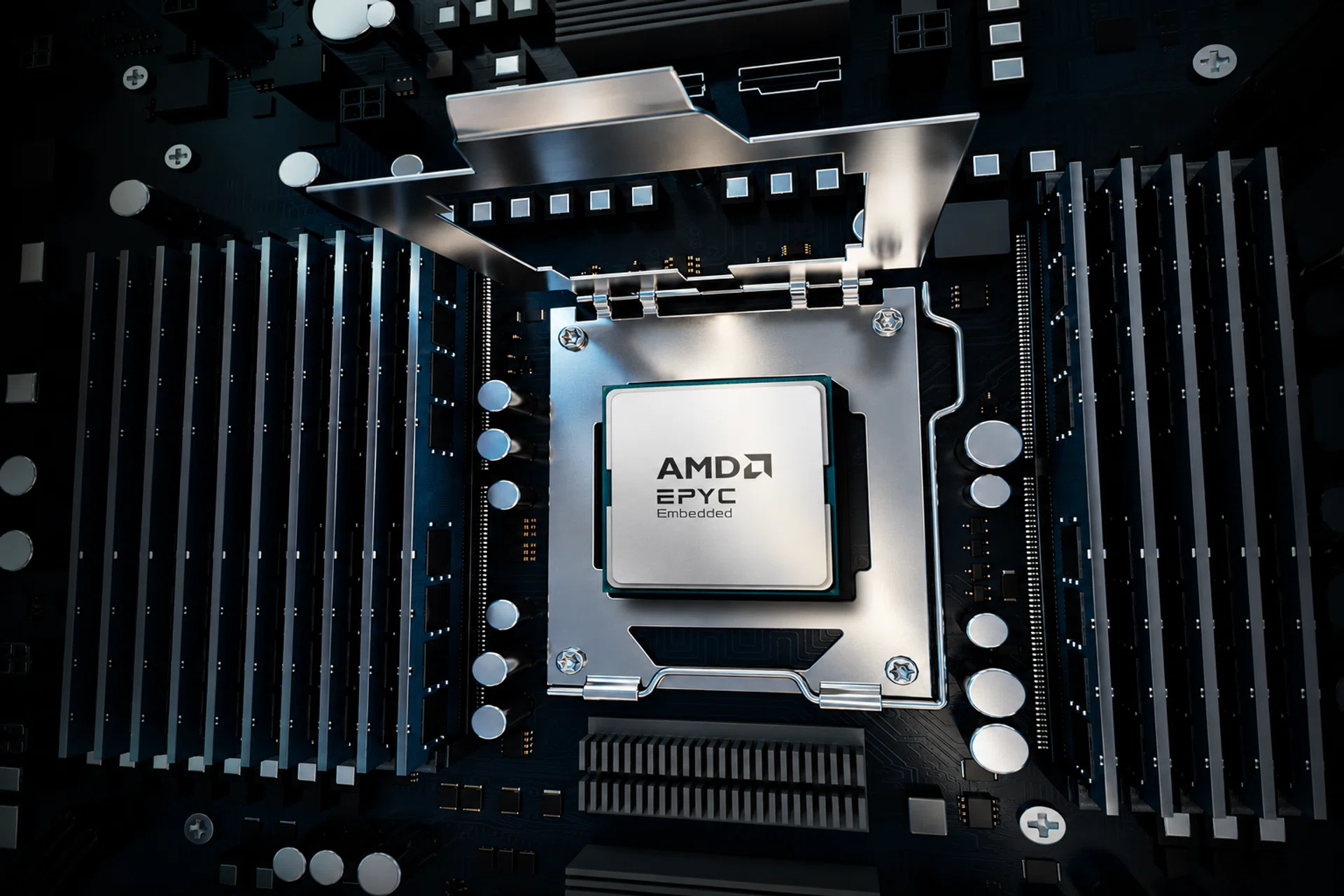
AMD has announced its new 6th Gen EPYC Embedded 9006 Series processors, bringing its latest Zen 6 architecture to a different class of computing devices. Unlike the Ryzen processors we typically see powering gaming PCs or the EPYC chips powering data centres, these new CPUs are designed for specialised systems that most of us will probably never see, but which play an important role in keeping modern technology running.
We’re talking about machines used to test semiconductors before they leave the factory, enterprise storage systems that manage enormous amounts of data, and network security appliances responsible for protecting increasingly busy networks. These are environments where processing power matters, of course, but so do reliability, connectivity and the ability to keep systems running for years without having to constantly upgrade their hardware.
The new processors are built on AMD’s latest Zen 6 architecture, which brings improvements to processing performance, efficiency and memory bandwidth. While much of the attention surrounding Zen 6 will naturally be on its use in AMD’s next generation of desktop and server processors, the EPYC Embedded 9006 Series shows how the architecture can also be adapted for specialised computing environments where performance, reliability and long-term support are equally important.
More cores, faster memory and greater throughput
The new processors come with up to 256 cores and 512 threads, with AMD offering configurations ranging from 64 to 256 cores. That’s an enormous amount of processing power. AMD claims the processors can deliver up to 1.8 times the throughput of the previous-generation 5th Gen EPYC 9005 processors. Of course, having more CPU cores only gets you so far if the rest of the system cannot keep up, which is why AMD has also improved memory and connectivity.
The new CPUs support 16 DDR5 memory channels, with speeds of up to 8,000 MT/s using RDIMMs and 12,800 MT/s with MRDIMMs. According to AMD, that translates to up to 2.7 times the memory bandwidth and 1.5 times the I/O bandwidth of the previous generation. There’s also support for up to 96 PCIe Gen 6 lanes, together with CXL 3.1 connectivity.
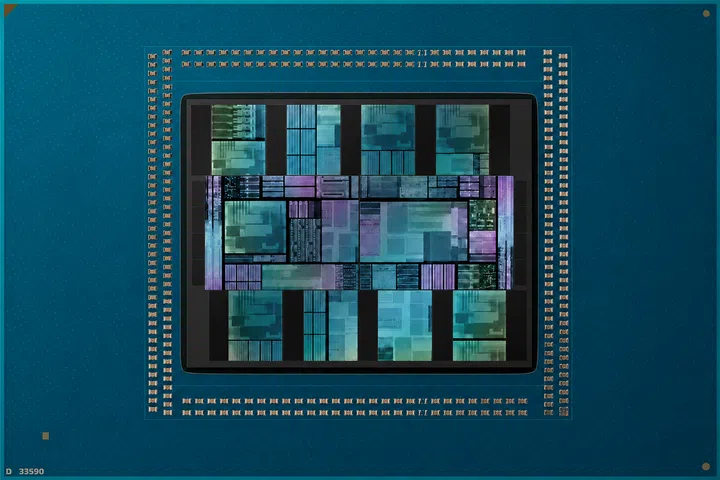
These improvements are particularly useful in semiconductor testing, where manufacturers need to validate increasingly faster memory chips, SSDs and other components. With more processing cores and faster connectivity, AMD says testing equipment can run more tests in parallel, potentially shortening validation times.
And it’s a similar scenario for enterprise storage and network security. AMD claims up to 1.3 times higher firewall throughput for demanding 400G and 800G networks, alongside up to 1.5 times higher performance in its ISA-L benchmark, which measures processing functions used in storage services. These are AMD’s own testing results and estimates, however, so actual performance will depend on the workload and system configuration.
Built to last, with security to match
But I think one of the more interesting aspects of the EPYC Embedded 9006 Series isn’t necessarily its processing power. It’s the fact that AMD is promising seven years of product longevity, together with ongoing firmware updates and software support.
That might not sound particularly exciting if you’re accustomed to upgrading your PC every couple of years, but embedded systems operate very differently. A semiconductor testing machine or enterprise networking appliance can remain in service for years, and replacing the processor or redesigning the entire system isn’t something manufacturers want to do frequently because it’s disruptive and costly.
Security is another area AMD has placed considerable emphasis on. The new processors incorporate three dedicated security engines: AMD Root of Trust for secure boot and post-quantum firmware signing, AMD Security Processor for protecting systems during operation, and Caliptra for verifying device identity and firmware integrity.
AMD also says it is already working with companies including Samsung Electronics, Lanner, Portwell and IEI Integration to bring the processors into their products and platforms, with the 128-core model available starting from today, while the remaining models are expected to begin shipping before the end of the year.